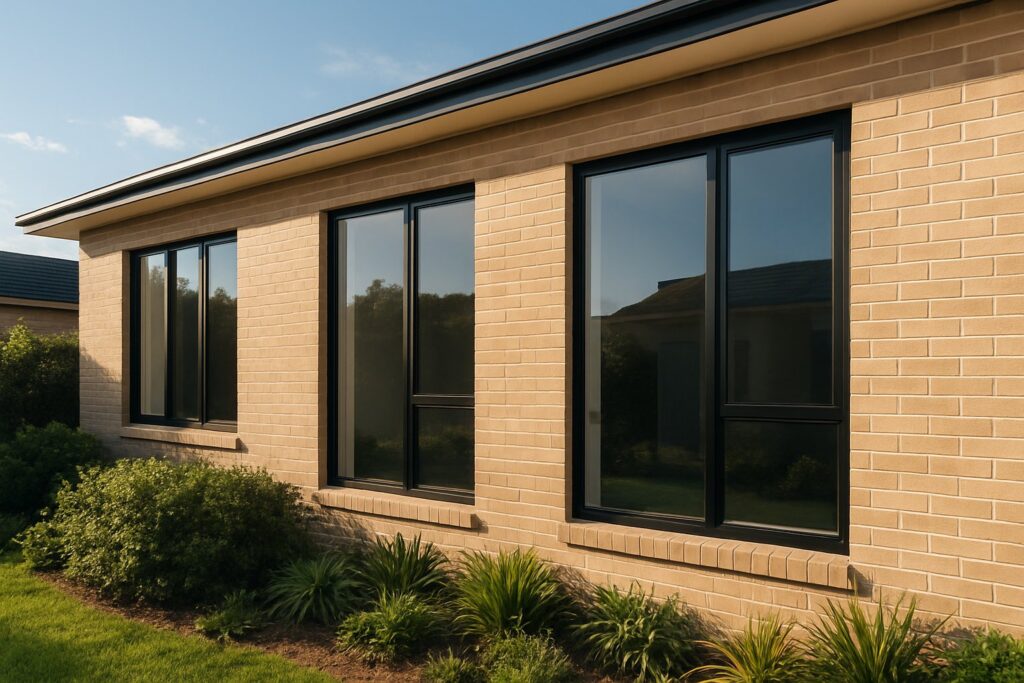
What Are Domestic Aluminium Windows and Why They Matter
Plenty of homeowners research aluminium windows only to find themselves buried in manufacturer jargon and spec sheets designed for builders. This guide strips that back. Every section is written from your side of the decision, covering what actually matters when you are spending your own money on your own home.
Domestic aluminium windows are window systems built from extruded aluminium profiles, designed specifically for houses, townhouses, and low-rise residential buildings. They differ from commercial-grade systems in frame thickness, hardware intensity, and testing requirements, prioritising aesthetics, thermal comfort, and cost efficiency over extreme structural loads.
That distinction matters more than most people realise. Commercial aluminium systems are engineered for high-rise towers, shopping centres, and public buildings where wind loads and usage intensity demand heavier profiles and industrial-grade hardware. Residential aluminium windows, by contrast, are purpose-built for the scale and performance needs of a typical home, balancing slim sightlines with everyday durability.
What Makes Aluminium Different From Other Frame Materials
An aluminium window starts as a billet of raw metal, heated and forced through a shaped die to create a precise extruded profile. That extrusion process gives each frame its consistent cross-section and allows manufacturers to achieve remarkably thin framing while retaining structural strength. The finished profiles are then powder-coated, bonding colour directly to the metal surface under heat for a finish that resists chipping, fading, and UV degradation far longer than paint. The result is a frame material with a strength-to-weight ratio that timber and uPVC simply cannot match, enabling larger glass areas and slimmer sightlines in every window opening.
Why Homeowners Are Choosing Aluminium Frames
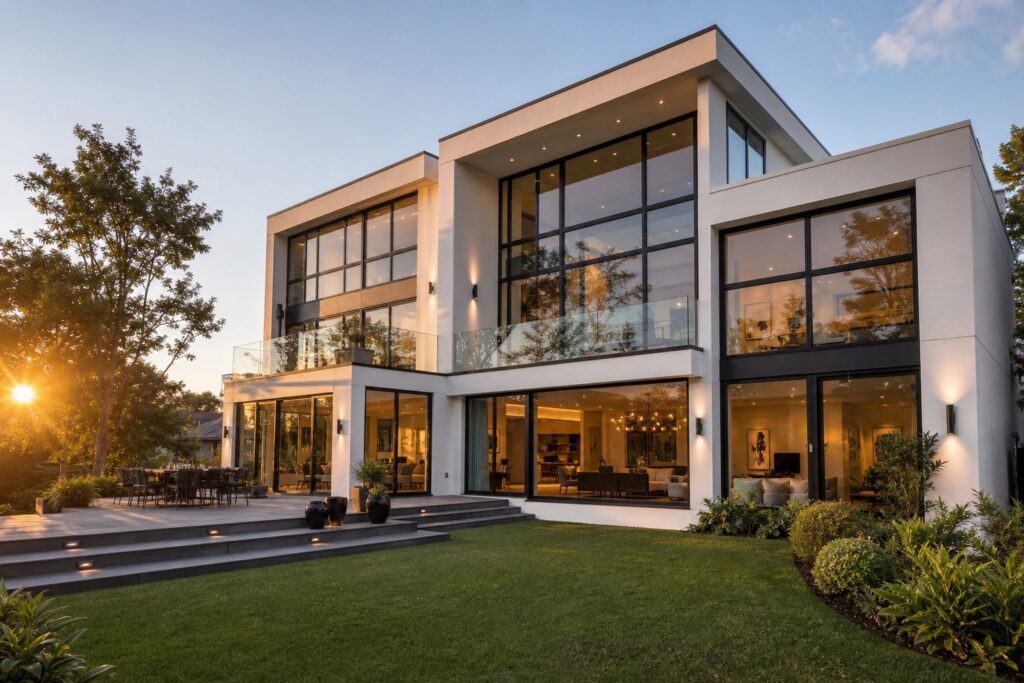
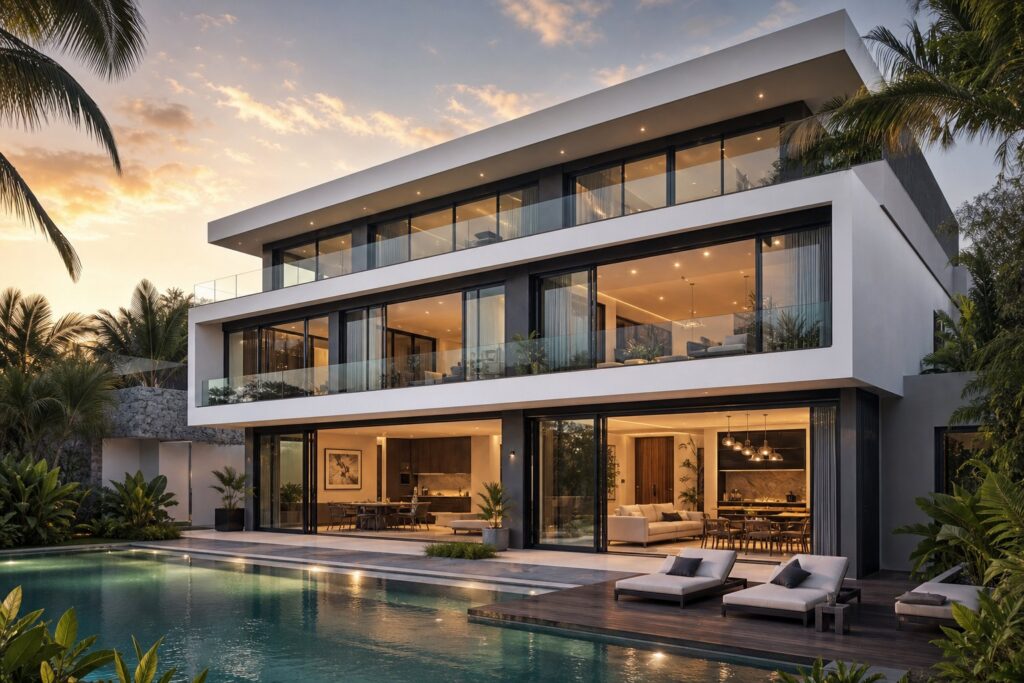
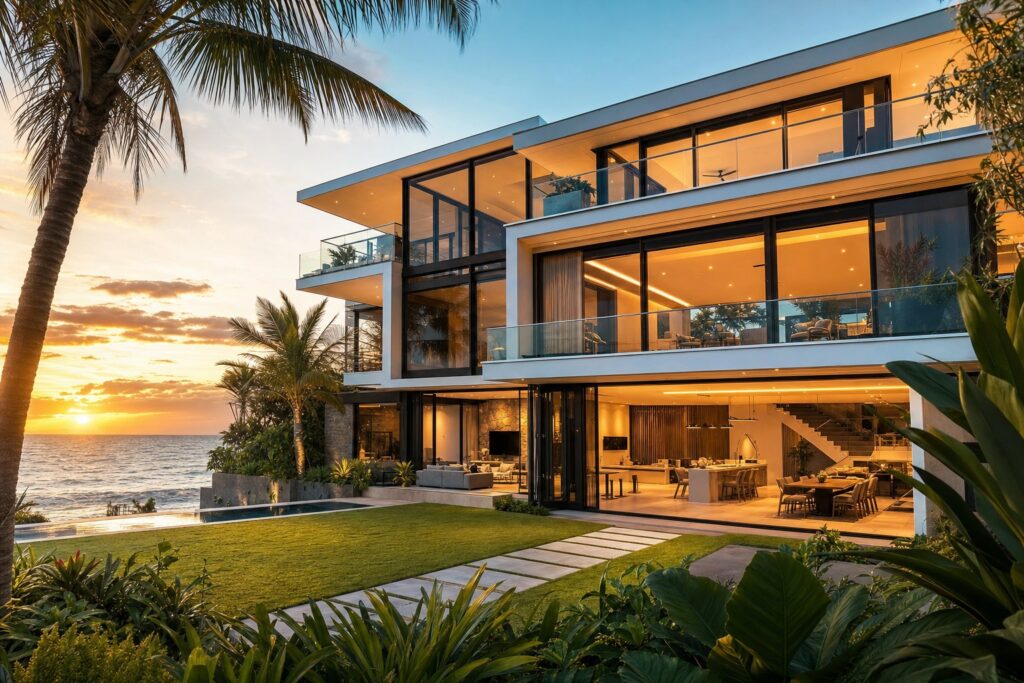
Interest in windows in aluminium has grown steadily across Australian homes for a few practical reasons. Modern thermally broken aluminium frames have eliminated the old reputation for conducting heat, making them viable even in climate-conscious builds. Powder-coated finishes offer hundreds of colour options without the repainting cycle timber demands. And because each aluminium window frame is inherently strong, homeowners get more glass and less visual clutter, a combination that suits both contemporary new-builds and renovated period homes. Metal windows residential applications once looked industrial and cold. Today, they look anything but.
The chapters ahead compare aluminium against uPVC, timber, and composite frames on the factors that genuinely affect your daily life: thermal performance, maintenance burden, security, cost, and long-term value.
Aluminium vs uPVC vs Timber for Domestic Properties
Every frame material has a genuine sweet spot, and pretending otherwise helps no one. The honest reality is that aluminium window frames, uPVC profiles, and engineered timber each earn their place on different properties and different budgets. What matters is matching the material to your situation rather than chasing whichever option a salesperson pushes hardest.
Strength and Sightline Advantages of Aluminium
Aluminium’s defining edge is structural. Because the metal carries load so efficiently, manufacturers can keep profiles 30 to 50 per cent slimmer than equivalent uPVC sections. That translates directly into more glass and less frame in every opening, a difference you notice immediately on large picture windows, stacking sliders, and corner configurations. For homeowners chasing uninterrupted views or a contemporary facade, no other metal window frame delivers the same strength-to-weight ratio at such narrow sightlines.
Colour stability is the other long-game advantage. A quality powder-coated finish holds its appearance for 30 to 40 years without repainting, peeling, or noticeable fading. Compare that to foiled uPVC, which can show UV wear on sun-drenched north-facing elevations within 15 years, or timber, which demands refinishing every five to seven years regardless of orientation. Recyclability rounds out the picture: aluminium is one of the most recycled building materials in Australia, with established reprocessing infrastructure and high recovery rates at end of life.
Where uPVC and Timber Still Compete
None of this means aluminium wins every scenario. uPVC remains the most budget-friendly mainstream option for windows and frames across standard-sized openings. If upfront cost is the binding constraint and your home is a typical brick veneer built between the 1960s and early 2000s, quality uPVC delivers solid thermal performance and minimal maintenance at a noticeably lower price point. The trade-off is bulkier profiles and a more limited colour palette, but for many homes that trade-off is perfectly acceptable.
Timber, meanwhile, owns the heritage conversation. On Federation-era homes, Queenslanders, and properties in heritage overlay zones, engineered timber reads as architecturally correct in a way that metal windows and plastic profiles simply cannot replicate. The slim astragal bars, deep reveals, and grain texture belong to those buildings. Aluminum clad wood windows offer a middle path here, pairing a timber interior with a weather-resistant outer shell, though they sit at the premium end of the cost spectrum and remain less common in the Australian residential market than in North America.
Which Frame Material Suits Your Priorities
Rather than declaring a single winner, the table below lays out how each material performs across the factors that shape daily life with your windows and window frames. Use it as a starting point for conversations with suppliers, not as a final verdict.
| Factor | Aluminium | uPVC | Timber | Composite |
|---|---|---|---|---|
| Typical lifespan | 30–40 years | 20–25 years | 30+ years (with maintenance) | 30–40 years |
| Maintenance | Wash twice yearly; lubricate hardware | Wash twice yearly; lubricate hardware | Refinish every 5–7 years | Wash twice yearly |
| Sightline width | Slimmest | Widest | Medium | Medium to slim |
| Colour options | Full RAL/custom spectrum | Limited (white, foiled, select colours) | Any paint or stain | Moderate range |
| Recyclability | Excellent | Limited | Good (sustainably sourced) | Varies by manufacturer |
| Approximate cost tier | Mid-range to premium | Budget to mid-range | Premium | Mid-range to premium |
The pattern is clear: framed windows in aluminium deliver the longest low-maintenance lifespan and the slimmest profiles, uPVC wins on upfront affordability, and timber earns its premium on heritage properties where nothing else looks right. Composite sits between aluminium and timber, borrowing strengths from both but carrying its own cost and availability limitations.
Cost tier alone never tells the full story, though. The thermal specification behind each frame, particularly how effectively it prevents heat transfer through the profile, determines whether your investment actually performs once installed.
Thermal Performance and Energy Efficiency Explained
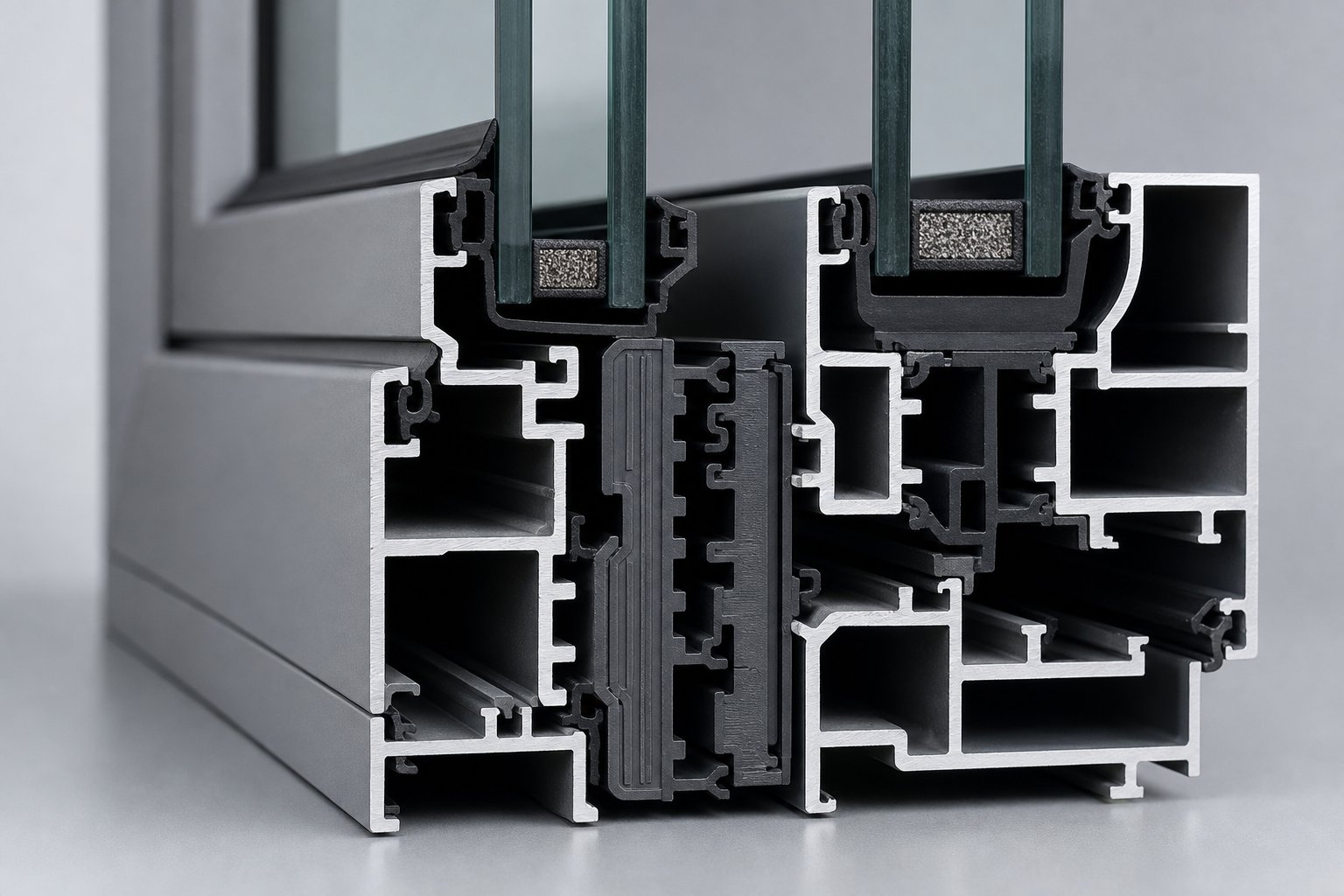
Aluminium conducts heat roughly 1,000 times more efficiently than the polyamide inserts designed to stop it. That single fact explains both the old reputation and the modern solution. If you have ever touched an aluminium window frame on a cold morning and felt the chill, you were experiencing a frame without adequate thermal insulation. Today’s thermally broken systems work on an entirely different principle.
How Thermal Breaks Work in Aluminium Frames
A thermal break is an insulating barrier, typically a strip of glass-reinforced polyamide, mechanically crimped between the inner and outer halves of an extruded aluminium window frame. It physically separates the two aluminium profiles so heat cannot travel directly from one side to the other. Think of it as cutting a metal bridge in half and filling the gap with a material that barely conducts heat at all.
In quality residential systems, these polyamide strips range from roughly 20 mm to 35 mm in width. A wider thermal break creates a longer path for heat to travel, which improves insulation. The crimping process locks the strip firmly to both aluminium sections without compromising structural strength, so the frame still performs as a single rigid unit under wind load and daily operation.
Without this barrier, an aluminium frame window behaves like a radiator fin in winter and a heat conductor in summer. With it, the frame’s thermal performance approaches or matches timber and uPVC equivalents, removing the main historical objection to choosing aluminium for a home.
Understanding U-Values and Glazing Options
U-value measures thermal transmittance: how much heat passes through one square metre of a building element for every degree of temperature difference between inside and outside. It is expressed in W/m²K, and lower numbers mean better insulation.
For context, single pane aluminium windows from the 1970s typically sat around 5.0 to 5.8 W/m²K. A modern thermally broken aluminium window framing system paired with double glazing achieves roughly 1.2 to 1.4 W/m²K. Step up to triple glazing with low-emissivity coatings and argon gas fill, and whole-window values can drop below 1.0 W/m²K.
The whole-window U-value (Uw) is what matters for compliance and real-world performance. It combines the glass centre-pane value, the frame value, and edge effects from spacer bars. A supplier quoting only the centre-pane figure is giving you an incomplete picture, potentially understating actual heat loss by 30 to 50 per cent.
Australia’s Window Energy Rating Scheme (WERS) and the National Construction Code (NCC) set performance benchmarks for residential glazing. Requirements vary by climate zone, so always verify the current standards applicable to your location and building class before signing off on a specification.
Several factors interact to determine the thermal performance of glass in an aluminium frame:
- Frame depth and profile design
- Thermal break width (wider generally means better insulation)
- Glazing specification: double or triple, glass thickness, and coating type
- Low-emissivity coatings on interior glass surfaces
- Gas fill between panes (argon or krypton)
- Spacer bar type (warm-edge vs standard aluminium spacers)
- Number and quality of perimeter weather seals
Condensation and Climate Considerations
Condensation forms when a surface temperature drops below the dew point of the surrounding air. In older aluminium frame glass systems without thermal breaks, the interior face of the frame gets cold enough to attract moisture, particularly overnight in cooler months or in humid coastal areas along Australia’s eastern seaboard.
Thermally broken profiles solve this by keeping the interior aluminium section closer to room temperature. The polyamide barrier prevents the cold outer section from dragging down the temperature of the inner face. In well-specified systems, interior frame surface temperatures stay above the dew point under normal living conditions, eliminating routine condensation and the mould risk that follows it.
Climate zone matters here. A home in Melbourne or Hobart faces different thermal demands than one in Darwin or Cairns. Southern states benefit most from low U-values that retain winter warmth, while tropical regions prioritise solar heat gain control and ventilation capacity. Your glass aluminium frame specification should reflect your local climate zone rather than a generic national average. The NCC divides Australia into eight climate zones for exactly this reason, and your glazing choices should align with the zone your property sits in.
Thermal performance is only one layer of the decision, though. The style and configuration of each window opening determines how that performance translates into airflow, light, and liveability room by room.
Window Styles and Configurations for Every Room
A window’s thermal rating means little if the configuration itself doesn’t suit the room it serves. Ventilation needs in a bathroom differ wildly from sightline priorities in a living area, and the opening mechanism you choose shapes how you interact with each space daily. Aluminium’s slim profiles give you more configuration freedom than bulkier frame materials, because the structural strength is already there without needing oversized sections to carry the load.
Here is a practical breakdown of the main styles available for residential properties, matched to the rooms and purposes where each performs best:
- Casement — hinged at the side, swings outward for full-width ventilation. Ideal for bedrooms, living rooms, and kitchens where maximum airflow matters.
- Awning — hinged at the top, opens outward from the bottom. Allows ventilation during rain, making it a natural fit for bathrooms, laundries, and above benchtops.
- Sliding — panels glide horizontally on tracks. Space-saving and easy to operate, well suited to bedrooms, balconies, and rooms where furniture sits close to the wall.
- Double-hung — two sashes slide vertically within the frame. Promotes airflow from both top and bottom, and reads as architecturally appropriate on period homes.
- Louvre — horizontal glass blades pivot simultaneously. Delivers exceptional airflow control and privacy, popular in Queensland-style homes and wet areas.
- Fixed/picture — non-opening pane designed purely for light and views. Best for feature walls, stairwells, and any position where ventilation is handled by adjacent openable windows.
- Bi-fold — multiple hinged panels fold back to create a wide opening. Connects indoor and outdoor entertaining zones seamlessly.
Casement and Awning Styles for Everyday Rooms
Aluminium casement windows remain the most popular configuration across Australian new-builds for good reason. The outward swing clears the full aperture, letting in substantially more air than a sliding panel of the same size. Because aluminium profiles can be as narrow as 50 mm at the frame edge, a standard aluminum casement window delivers noticeably more glass area than its uPVC equivalent in the same rough opening.
The aluminum awning window works on a similar hinge principle but pivots from the top. That geometry means you can leave it open during a summer storm without water entering the room, a practical advantage in coastal Queensland, the NSW mid-north coast, and anywhere afternoon rain is a regular visitor. Kitchens benefit particularly, since an awning sash above a splashback provides constant ventilation without interfering with benchtop space below.
Sliding and Double-Hung Options for Period Properties
Aluminium sliding windows suit rooms where a projecting sash would obstruct a walkway, balcony railing, or outdoor path. They operate on low-friction tracks and require no swing clearance, which makes them a practical default for compact apartments and secondary bedrooms. Modern aluminium sliding windows also stack neatly into multi-panel configurations for wider openings, giving you flexibility without the cost of a full bi-fold system.
For Federation-era homes, 1930s semis, and properties in heritage overlay zones, aluminum double hung windows offer a profile that echoes the original timber sash proportions. The two vertically sliding sashes allow warm air to escape from the top while cooler air enters at the bottom, a passive ventilation strategy that suits Australia’s temperate climates. Aluminium sash windows can be manufactured with slender astragal bars and period-appropriate hardware to satisfy council requirements in conservation areas, while still delivering the low-maintenance longevity that timber cannot match without regular refinishing.
Specialty Configurations for Architectural Features
Aluminium louvre windows deserve special mention for tropical and subtropical homes. The individually pivoting glass blades offer precise airflow control, from a narrow crack for security ventilation overnight to fully open for maximum cross-breeze during the day. They pair well with casement or awning windows on the same elevation, giving you layered ventilation options across a single facade.
Bi-fold configurations push the material’s strength advantage furthest. A set of five or six aluminium bi-fold panels can span openings exceeding four metres, folding back to leave almost the entire width unobstructed. The slim frame profiles mean the folded stack takes up minimal space, and the structural rigidity of aluminium keeps panels aligned over years of daily use without the sagging that can affect timber bi-folds in humid climates.
Fixed picture windows, meanwhile, let you capture a view or flood a stairwell with light without any moving parts to maintain. Combined with operable windows nearby, they create a layered glazing strategy: maximum glass where you want the view, targeted ventilation where you need the airflow.
Choosing the right configuration for each opening is half the equation. The other half is making sure the colour and finish you select will still look sharp a decade from now, which depends on understanding how powder coating works and what it can realistically deliver.
Colour Options and Design Aesthetics for Slimline Aluminium Windows
Colour is where domestic aluminium windows pull furthest ahead of the competition in sheer creative freedom. While uPVC limits you to a handful of stock shades and foil wraps, aluminium accepts powder coating in virtually any colour from the RAL spectrum, plus custom-matched options for architects who need a precise tone. That flexibility shapes how your home reads from the street and how each room feels from the inside.
Powder Coating and Long-Term Colour Stability
Powder coating is not paint. It is a dry polymer powder applied electrostatically to the aluminium profile and then cured under heat, typically around 200 degrees Celsius. The result is a finish that bonds to the metal at a molecular level, creating a hard shell resistant to chipping, scratching, and UV degradation. Quality powder-coated aluminium window frame colours hold their appearance for decades without flaking or chalking, even under Australia’s intense solar exposure.
Three main finish textures are available: matt, satin, and gloss. Matt finishes suit modern and industrial aesthetics, satin offers a subtle mid-sheen that works across most architectural styles, and gloss delivers a reflective surface popular on heritage-inspired detailing. Textured and woodgrain-effect coatings add another layer of choice, mimicking natural timber grain for homeowners who want the warmth of wood without the maintenance cycle. An anodised finish is also worth considering for a subtle metallic sheen that toughens the oxide layer rather than adding a coating on top.
Popular Colour Choices and Dual-Colour Options
Trends shift, but certain aluminium window frame colours have proven their staying power across Australian homes:
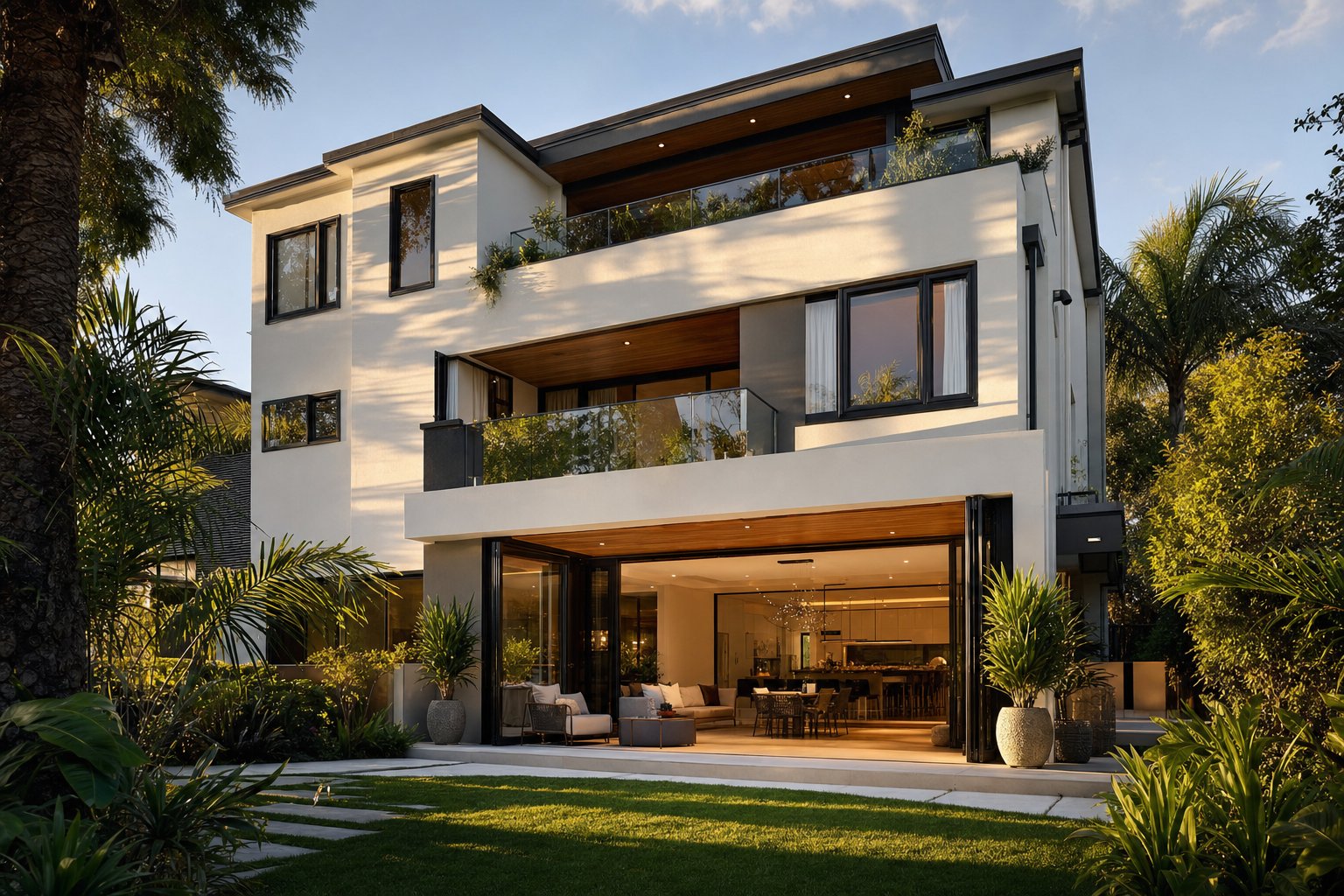
- Charcoal and matt black — the dominant choice for contemporary facades, creating bold contrast against white render, pale brickwork, or timber cladding. Black aluminum windows remain the most requested colour in new-build specifications.
- Classic white and off-white — timeless and versatile, white aluminum windows brighten interiors and blend with almost any exterior palette. They suit coastal homes and Hamptons-style builds particularly well.
- Warm greys and silvers — a middle ground that complements natural stone, concrete, and neutral-toned brick without the visual weight of black.
- Bronze and dark bronze — understated warmth that pairs naturally with earthy render tones, sandstone, and bushland settings. Bronze aluminum windows read as refined without demanding attention.
- Colorbond-matched tones — for seamless integration with roofing and fascia, many suppliers offer colours matched directly to the Colorbond Steel palette.
Dual-colour configurations let you run one shade on the exterior and a different shade inside. A common pairing is charcoal outside for street presence with white inside to keep rooms feeling light and open. This option is standard on most aluminum framed windows from quality manufacturers, though custom RAL combinations may add lead time and cost compared to stock colours.
One practical consideration homeowners overlook: darker colours absorb more solar radiation than lighter ones. On particularly hot days, a dark frame will expand fractionally more than a white frame of the same profile. Modern aluminium systems are engineered to accommodate this thermal movement through expansion tolerances built into the frame design, so it does not affect operation or seal integrity. Still, if your home sits in a harsh western-sun position with minimal shading, it is worth discussing colour choice with your supplier in that context.
Matching Windows to Your Home’s Architecture
The visual impact of thin frame windows goes beyond colour alone. Because slimline aluminium windows use profiles as narrow as 45 to 55 mm, the frame almost disappears into the wall, letting glass dominate the facade. That minimal presence creates a fundamentally different aesthetic to uPVC frames, which typically require 70 mm or wider sections to achieve the same structural performance.
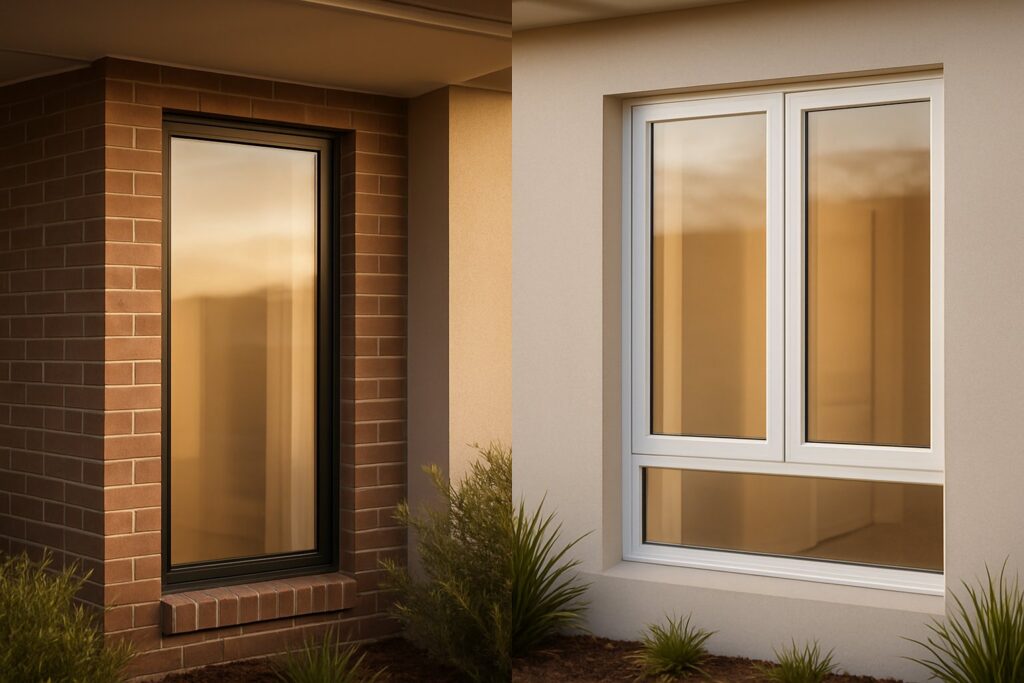
For rendered contemporary homes, dark-framed aluminium reads as a deliberate design element, a graphic line that defines each opening. On brick veneer properties, matching the frame colour to mortar tone creates a quieter, integrated look, while contrasting against the brick adds definition. Metal clad windows on weatherboard cottages and Queenslanders can bridge the gap between heritage character and modern performance, particularly when paired with period-appropriate hardware and astragal detailing.
The tried-and-tested exterior colour rule applies here: choose a dominant wall shade, an accent colour for the front door, and a trim colour for window frames, guttering, and downpipes. Your aluminium frames sit in that trim category, tying the facade together rather than competing with it. Visiting a showroom with photos of your home and samples of your brickwork or cladding makes colour selection far more reliable than choosing from a screen.
Colour and profile width shape how your windows look. What sits behind that finish, the locking hardware and frame engineering, shapes how they protect your home once the sun goes down.
Security Features and Long-Term Maintenance
A window can look stunning and insulate brilliantly, but if it folds under a pry bar in thirty seconds, none of that matters. Security is where aluminium’s raw material strength pays dividends that go beyond aesthetics. Metal window frames resist deformation under force far more effectively than uPVC profiles, which can flex or crack when levered. That inherent rigidity forms the foundation for every other security feature built into a modern residential aluminium system.
Multi-Point Locks and Reinforced Profiles
Most break-ins targeting windows exploit a single weak point: the locking mechanism or the junction between glass and frame. Domestic aluminium windows counter both vulnerabilities through integrated security engineering rather than bolt-on afterthoughts.
Multi-point locking is now standard on quality residential aluminium systems. Instead of a single latch gripping the frame at one position, multiple locking points engage simultaneously along the sash edge, distributing resistance across the full height of the window. When someone applies force to one section, the load spreads rather than concentrating at a single pivot. On a typical casement window, you will find two to four locking points depending on sash height, each engaging into steel keeps recessed into the frame.
Internal beading is the other critical detail. On older or cheaper window systems, the glazing bead sits on the outside of the frame, meaning an intruder can prise it out, remove the glass silently, and step through the opening. Metal frame windows with internal beading reverse this arrangement: the glass is secured from inside the property, making external removal effectively impossible without breaking the pane itself. This single design choice eliminates one of the most common forced-entry techniques used on residential properties.
The aluminium profiles themselves contribute to security through multi-chambered extrusion design. Internal chambers within the frame section prevent the profile from collapsing or distorting under crowbar pressure. Some manufacturers reinforce high-stress zones with steel or composite inserts at hinge points and lock strike plates, adding another layer of resistance where attack force concentrates.
For homeowners wanting formal assurance, security-rated window systems are tested against standardised attack simulations. In Australia, relevant standards include AS 2047 for general performance and various international benchmarks that some suppliers reference for enhanced security claims. Rather than relying on marketing language, ask your supplier which specific standards their windows have been tested to, request documentation, and confirm whether the certification covers the complete assembly (frame, hardware, and glazing together) or only individual components. Your insurer may also specify minimum security requirements, so check your policy wording before finalising a specification.
Maintenance Requirements Over the Window Lifespan
One of the genuine advantages of choosing a window metal frame over timber is the maintenance burden, or rather the lack of it. Aluminium does not rot, warp, swell, or require repainting. The powder-coated finish protects the metal from oxidation, and the frame itself is dimensionally stable across temperature extremes. That said, “low maintenance” does not mean “no maintenance.” Hardware, seals, and glazing units all have their own service lives, and neglecting them shortens the overall system lifespan.
A realistic maintenance schedule for metal framed windows looks like this:
- Every 3 to 4 months (seasonal) — Wipe down frames and sills with warm soapy water and a soft cloth. Clear drainage slots of debris. Check that nothing is blocking the weep holes at the base of the frame.
- Every 6 months — Apply a light spray lubricant (silicone-based, not petroleum-based) to hinges, locking mechanisms, and sliding tracks. Operate each window fully open and closed to distribute the lubricant and confirm smooth action.
- Annually — Inspect rubber weather seals and gaskets for cracking, compression set, or gaps. Check that all locking points engage fully and that handles operate without excessive force. Look for any signs of moisture between double-glazed panes, which indicates seal failure in the insulated glass unit (IGU).
- Every 2 to 3 years — Wash exterior frames with a non-abrasive aluminium cleaner to remove salt deposits (critical for coastal properties exposed to salt air), pollution film, and oxidation haze. Inspect the perimeter sealant between the window frame and the wall opening, and recaulk if gaps or shrinkage appear.
Coastal properties in areas like the NSW Central Coast, Gold Coast, or Perth’s western suburbs face accelerated corrosion risk from airborne salt. Regular washing of exterior aluminium surfaces is essential in these zones, ideally every three months rather than annually, to prevent salt buildup from attacking the powder-coat finish over time.
When Components Need Replacing
The aluminium frame itself is the longest-lived component. Expect 30 to 40 years of service from quality profiles with intact powder coating, and potentially longer if the finish is maintained. Hardware and seals, however, operate on shorter cycles.
Locking mechanisms and hinges typically last 15 to 20 years under normal residential use before wear affects their operation. Stiff handles, incomplete locking engagement, or visible play in hinge pins are signs that replacement is due. The good news: hardware on most aluminium systems is modular, meaning individual locks, handles, and hinges can be swapped without replacing the entire window.
Rubber gaskets and weather seals compress and harden over time, particularly in climates with high UV exposure and wide temperature swings. Most seals need replacing every 10 to 15 years. If you notice draughts around a closed window or hear increased traffic noise compared to when the windows were new, degraded seals are the likely culprit.
Insulated glass units (IGUs) have their own lifespan, typically 15 to 25 years depending on quality and edge-seal type. A failed IGU shows as persistent fogging or condensation between the panes that cannot be wiped away. Replacement involves removing the internal beading, extracting the failed unit, and fitting a new one, a job for a qualified glazier but far less disruptive and expensive than a full aluminum window replacement.
Homeowners who inherit old aluminum windows from a previous owner face a different calculation. If the frames are from the 1980s or earlier, they almost certainly lack thermal breaks, use single glazing, and feature outdated single-point locks. In that scenario, replacing old aluminum window frames entirely with modern thermally broken systems delivers better value than attempting piecemeal upgrades to hardware and glazing on frames that were never designed for current performance expectations.
Keeping your windows secure and well-maintained protects your investment over decades. The next consideration is understanding what that investment actually costs upfront, and how to read a supplier quote without getting caught out by hidden line items.
Understanding Costs and Getting Fair Quotes
Pricing for domestic aluminium windows varies so widely that two quotes for the same house can differ by 30 per cent or more. That gap rarely means one supplier is ripping you off. More often, it means the quotes are not specifying the same thing. Understanding what drives cost, and what each line item actually represents, puts you in a far stronger position when searching for aluminium window suppliers near you.
What Drives the Price of Aluminium Windows
No single factor determines what you will pay. Instead, a stack of variables interact, and changing just one can shift the total noticeably. The table below maps the main cost drivers against their relative impact on your final figure.
| Cost Factor | Relative Impact on Price | Notes |
|---|---|---|
| Window size and configuration | High | Larger openings and multi-panel setups require more material, heavier hardware, and stronger structural support. |
| Opening mechanism | Medium to High | Fixed panes cost least. Bi-fold and louvre configurations cost most due to additional hardware and fabrication complexity. |
| Glazing specification | High | Double vs triple glazing, low-E coatings, laminated or toughened glass, and acoustic interlayers all add cost progressively. |
| Colour and finish | Low to Medium | Standard colours (black, white, common greys) cost less. Custom RAL matching or dual-colour finishes add 10 to 20 per cent. |
| Hardware grade | Medium | Premium multi-point locks, security-rated handles, and branded European hardware cost more than generic fittings. |
| Installation type (new-build vs retrofit) | High | Retrofit into existing openings involves removal, making good, and potential structural work. New-build installation is simpler and cheaper. |
| Access requirements | Medium | Scaffolding, elevated work platforms, or restricted site access add labour cost that has nothing to do with the window itself. |
| Structural alterations | High | Enlarging openings, adding lintels, or modifying brickwork requires engineering input and trades beyond the window installer. |
Retrofit installations deserve particular attention. Replacing old aluminium windows in an existing home typically costs more per opening than fitting new windows during construction, because the installer must remove the old frames, repair reveals, and ensure weatherproofing around the new unit. If structural modifications are needed to change opening sizes, the cost escalates further with engineering certification and builder involvement. Searching for aluminium windows for sale at a low supply-only price means little if the installation scope has not been factored in.
Reading and Comparing Supplier Quotes
A reliable quote from any aluminium window supplies company should read like a technical specification, not a vague estimate. Quotes that differ by 20 to 30 per cent usually reflect differences in product specification, installation scope, and warranty conditions rather than one supplier simply being cheaper. The cheapest offer can become the most expensive over time if it cuts corners on glazing, hardware, or sealing.
Before comparing bottom-line prices, confirm that each quote covers the same ground. At minimum, every quote should clearly state:
- Profile system name and frame depth
- Glazing unit specification (double or triple, glass thickness, coatings, gas fill, spacer type)
- Whole-window U-value (Uw), not just centre-pane figures
- Hardware brand and locking specification
- Colour and finish type (standard or custom)
- Installation scope: what is included and what is excluded
- Removal and disposal of existing windows (if applicable)
- Making good to internal reveals and external flashings
- Warranty terms for frames, hardware, glazing units, and installation workmanship separately
- Lead time from order to installation
If any of these details are missing or described only in general terms, ask for clarification before treating that quote as comparable. A line item reading “aluminium windows supply and install” without specifying the glazing type or hardware grade is not a quote you can meaningfully compare against a detailed specification from another supplier.
Budget Planning Without Surprises
Getting accurate, comparable quotes takes a structured approach. Rushing the process or accepting the first number you see almost guarantees you will either overpay or underspecify. Follow this sequence to keep your budget grounded in reality:
- Define your priorities before contacting anyone. Decide which factors matter most: thermal performance, colour, security rating, or budget ceiling. This prevents suppliers from steering you toward their preferred product rather than your actual needs.
- Get a minimum of three quotes from different aluminium window suppliers in your area. Ensure each supplier visits the property to measure rather than quoting from plans alone, since site conditions affect installation cost significantly.
- Provide every supplier with the same brief: identical opening sizes, preferred configurations, glazing expectations, and colour choices. This creates a genuine like-for-like comparison rather than three quotes for three different products.
- Request itemised pricing rather than a single lump sum. A broken-down quote lets you see exactly where cost sits and identify which elements you could adjust to meet your budget without sacrificing performance where it matters.
- Ask each supplier to confirm what is excluded. Common exclusions that catch homeowners off guard include scaffolding, council permits for structural changes, electrical relocation for wiring near openings, and plastering or painting of internal reveals after installation.
- Compare warranty structures side by side. A ten-year frame warranty means little if hardware is only covered for two years and the glazing seal guarantee is five. The weakest warranty component determines when you will next spend money on that window.
- Factor in lead times. Custom RAL colours and non-standard configurations can add four to eight weeks beyond standard production schedules. If your renovation timeline is tight, a stock-colour option from a supplier with shorter lead times may deliver better overall value than waiting for a bespoke finish.
Homeowners sometimes look for aluminium window frame kits as a cost-saving measure, planning to handle installation themselves or engage a general builder rather than a specialist. This approach can work for straightforward fixed-pane or casement replacements in accessible locations, but it shifts responsibility for weatherproofing, compliance, and warranty onto you. If anything leaks or fails to meet NCC requirements, there is no installer to call back. For most homeowners, supply-and-install packages from reputable aluminium window suppliers offer better long-term value and accountability than separating the two.
A fair price only delivers fair value if the specification behind it is correct. The next chapter covers the most common mistakes homeowners make when specifying their windows, and the questions that prevent those mistakes from landing on your invoice.
Common Mistakes to Avoid When Buying Aluminium Replacement Windows
A fair quote means nothing if the specification behind it is wrong. And specifications go wrong more often than most homeowners realise, not because suppliers are dishonest, but because buyers do not know which details to pin down before signing. The result is windows that underperform, cost more to fix than they cost to buy, or fail to meet building compliance requirements that nobody mentioned during the sales process.
Whether you are planning a full aluminium window replacement on an older home or selecting windows for a new build, these are the mistakes that generate the most regret and the highest rectification bills.
Specification Mistakes That Cost You Later
Choosing on price alone tops the list. Two quotes might both say “thermally broken aluminium windows, double glazed” yet specify completely different products. One might include a 24 mm insulated glass unit with low-E coating and argon fill; the other might use a basic 16 mm air-filled unit with clear glass. Both are technically double glazed. Only one will meet NCC energy requirements for your climate zone without additional compensation elsewhere in the building envelope.
Other specification traps that catch homeowners mid-project:
- Mismatched hardware grades across quotes — One supplier includes branded European multi-point locks; another quotes generic single-point latches. The price difference looks like savings until you realise the cheaper option may not satisfy your insurer’s minimum security requirements.
- Overlooking ventilation requirements — The NCC mandates minimum openable window area relative to floor area for habitable rooms. Homeowners who choose fixed panes for aesthetics without confirming that remaining openable windows meet ventilation minimums face compliance issues at inspection.
- Ignoring lead times for custom colours — Standard colours like matt black or white ship within normal production schedules. A custom RAL match or dual-colour finish can add four to eight weeks. If your builder’s programme does not account for this, you end up with either a delayed lockup or a rushed colour compromise you will look at for decades.
- Failing to confirm what “installation” includes — Some quotes cover supply and fit only. Removal of existing frames, disposal, making good to reveals, external flashing, and internal plastering sit outside the price. These exclusions can add 20 to 30 per cent to your actual spend.
- Not checking installer credentials — In Australia, window installation intersects with building, glazing, and waterproofing trades. An installer without appropriate licensing or insurance leaves you exposed if something goes wrong. Rectifying water damage from a poorly sealed aluminium frame window replacement can cost more than the original windows.
The pattern across all these mistakes is the same: homeowners focus on the bottom-line price without confirming that the product and service behind that price actually match their needs. The best aluminium windows for your home are not necessarily the most expensive, but they are always the ones specified correctly for your climate zone, security requirements, and building compliance obligations.
Questions to Ask Before Signing a Contract
Reputable suppliers welcome detailed questions. Evasiveness or vague answers are themselves a warning sign. Before committing to any aluminium window supplier, work through this list and get answers in writing:
- What is the whole-window U-value (Uw) for the system you are quoting, and does it comply with NCC requirements for my climate zone?
- What glazing specification is included: glass thickness, coatings, gas fill, and spacer bar type?
- What hardware brand and locking configuration are you supplying, and to which Australian Standard has the complete window assembly been tested?
- Is the quote supply-only or supply-and-install, and if install is included, what specific tasks does it cover?
- Who carries out the installation, are they your direct employees or subcontractors, and what licensing and insurance do they hold?
- What is the warranty period for the frame, hardware, glazing seal, powder coating, and installation workmanship separately?
- What is the realistic lead time from order confirmation to installation, and what happens if that timeline is not met?
- If I am replacing existing windows, does the quote include removal, disposal, and making good to internal and external finishes?
- For replacement windows in aluminium, will the new frames require any structural modification to the existing openings, and if so, who is responsible for engineering certification?
- Can you provide references from recent residential projects of similar scope, and can I inspect completed installations?
Any supplier who cannot answer these questions clearly, or who deflects with “we’ll sort that out later,” is not someone you want managing a project that affects your home’s weatherproofing, security, and energy performance for the next three decades.
Red Flags in Quotes and Sales Pitches
Beyond missing information, certain behaviours signal that a quote deserves extra scrutiny or outright rejection:
- Pressure to sign immediately — “This price is only valid today” is a sales tactic, not a genuine constraint. Aluminium profiles and powder coating do not fluctuate in price overnight. A supplier who will not hold a quote for two to four weeks while you compare options is prioritising their pipeline over your decision quality.
- Quoting centre-pane U-values instead of whole-window figures — Centre-pane values always look better because they exclude the frame and edge losses. If a supplier leads with an impressive thermal number but cannot provide the Uw figure, the installed performance will disappoint.
- Vague warranty language — “Lifetime warranty” without defining what “lifetime” means, what is covered, and what voids the warranty is marketing, not a guarantee. Ask for the written warranty document before signing, not after.
- No site visit before quoting — Any supplier quoting aluminium retrofit windows for an existing home without physically measuring the openings and assessing site conditions is guessing. Guesses become variations, and variations become cost blowouts once work begins.
- Unwillingness to specify the profile system by name — Quality aluminium window systems come from identifiable manufacturers with published technical data. A supplier who cannot or will not tell you which profile system they fabricate from may be using unbranded or imported extrusions with no local technical support or spare parts availability.
The common thread across every red flag is opacity. Trustworthy suppliers are transparent about what they are selling, how it performs, and what happens if something goes wrong. That transparency is worth more than a discount, because the cost of an aluminium replacement window that fails within five years dwarfs the savings from choosing the cheapest quote today.
Avoiding these pitfalls puts you in a strong position to make a confident final decision. The remaining question is whether aluminium is genuinely the right choice for your specific property, budget, and priorities, and what your next steps should look like once you have decided.
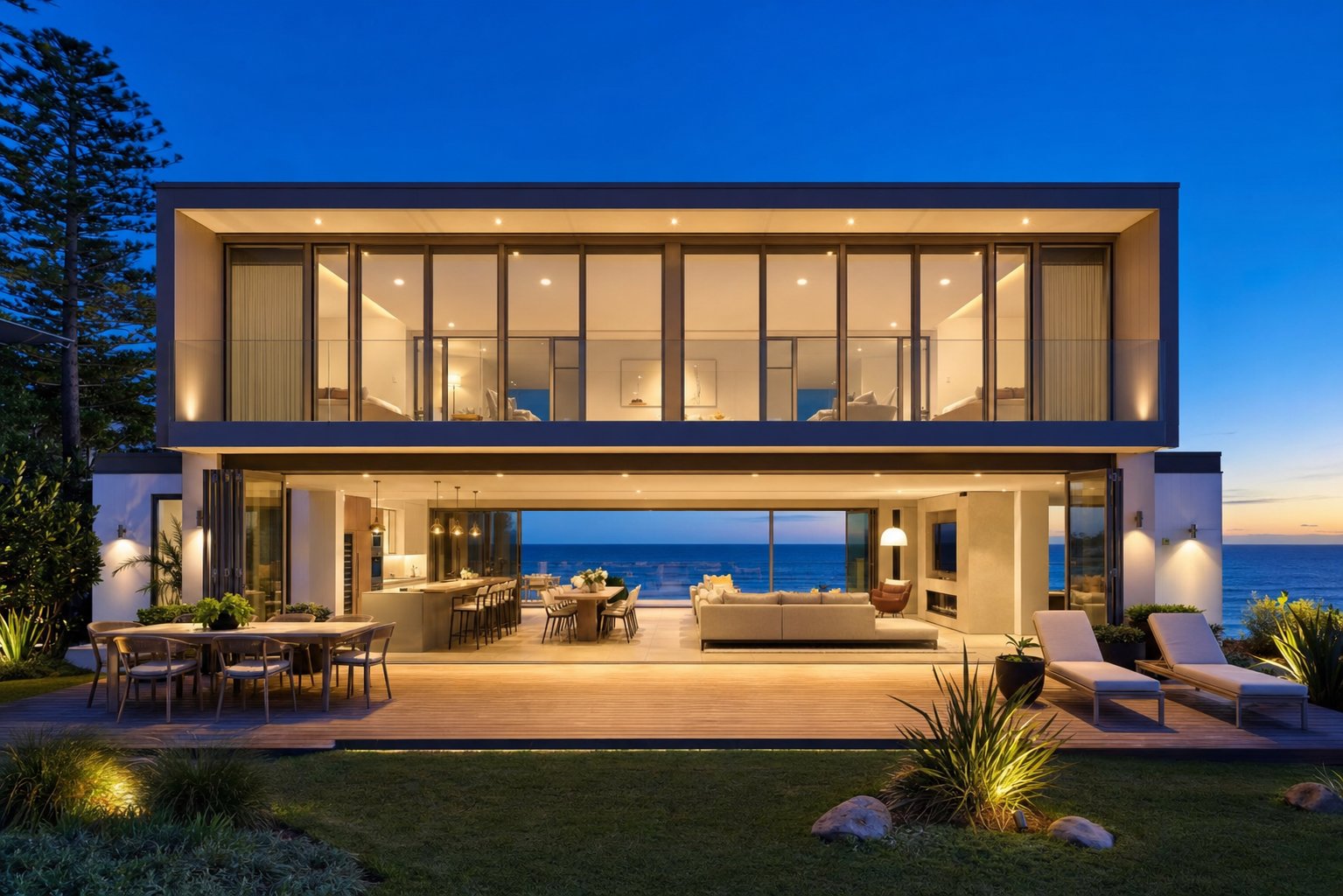
Making the Right Decision for Your Home
You have the knowledge now. Thermal breaks, U-values, locking systems, powder-coat durability, quote structures, and red flags are no longer unfamiliar territory. The final step is turning that knowledge into a clear decision and a concrete action plan tailored to your property.
A Decision Framework for Your Home
Not every home needs aluminium, and not every homeowner’s priorities point in the same direction. Before committing to any supplier or product, run your situation through these criteria to confirm whether aluminium is genuinely the right fit:
- Aesthetic priority — Do you want slim sightlines and maximum glass area? Aluminium delivers this better than any other mainstream frame material.
- Maintenance tolerance — Are you willing to repaint or refinish frames every few years? If not, powder-coated aluminium eliminates that cycle entirely.
- Budget position — Can your budget stretch beyond entry-level uPVC pricing? Aluminium sits in the mid-range to premium tier, but its lifespan often makes it cheaper per year of service.
- Climate exposure — Does your property face coastal salt air, intense UV, or wide temperature swings? Aluminium handles all three better than uPVC or untreated timber.
- Heritage constraints — Is your home in a heritage overlay zone where council requires timber-look profiles? If so, aluminium may need period-appropriate detailing or may not be permitted at all.
- Project scope — Are you replacing a single window or fitting out an entire home? Aluminium windows and doors make the most visual impact when used consistently across a full facade, though individual replacements are perfectly viable.
- Security requirements — Do you need multi-point locking and reinforced profiles as standard? Aluminium’s inherent strength supports this without the steel reinforcement that uPVC requires.
- Long-term plans — Are you staying in this home for 15 years or more? The longer you stay, the more aluminium’s durability advantage compounds against materials with shorter service lives.
If four or more of these criteria point toward aluminium, you are likely making a sound investment. If heritage constraints or a tight budget dominate your situation, timber or uPVC may serve you better for now.
Your Next Steps Toward the Right Windows
Deciding on aluminium is the starting point, not the finish line. The difference between a successful project and a frustrating one comes down to how methodically you approach the research and procurement phase. For homeowners exploring aluminium doors and windows for Australian residential projects, these steps keep the process structured:
- Explore product ranges online — Start with suppliers who show their full system range, custom aluminium windows options, colour palettes, and configuration types in one place. MEICHEN’s aluminium windows page is a solid starting point for understanding what is available across casement, sliding, awning, and fixed configurations with Australian-specific specifications.
- Request physical samples — Colour swatches on a screen never match reality. Ask suppliers for powder-coat samples and profile corner cuts so you can see frame depth, thermal break construction, and finish quality in person.
- Arrange a professional site survey — A detailed site survey captures precise measurements, identifies structural issues, and confirms compliance requirements before anything is manufactured. Any supplier quoting without one is guessing.
- Compare at least three itemised quotes — Use the checklist from the previous chapter to ensure every quote covers the same specification, installation scope, and warranty structure.
- Verify credentials and references — Confirm licensing, insurance, and ask to inspect recent completed projects of similar scope to yours.
- Confirm NCC compliance for your climate zone — Your supplier should demonstrate that the specified system meets current energy performance requirements without you needing to chase documentation.
If your project involves both aluminium doors windows and window replacements across multiple openings, look for suppliers who manufacture or supply integrated systems. Matching profiles across every aluminum door and window opening creates a cohesive facade and simplifies warranty management compared to sourcing from multiple fabricators.
The homeowners who get the best outcomes from alu windows are not the ones who spend the most. They are the ones who define their priorities clearly, ask the right questions early, and choose suppliers based on transparency rather than the lowest number on a page. Everything covered in this guide exists to put you in that position. Use it.
Frequently Asked Questions About Domestic Aluminium Windows
1. Are aluminium windows better than uPVC for Australian homes?
Aluminium windows offer slimmer sightlines, a longer lifespan of 30 to 40 years, superior colour stability, and better recyclability compared to uPVC. However, uPVC remains more budget-friendly for standard openings. The right choice depends on your priorities: if you value maximum glass area, minimal maintenance, and long-term durability under harsh Australian UV and coastal conditions, aluminium is the stronger investment. If upfront cost is the binding constraint on a typical brick veneer home, quality uPVC delivers solid performance at a lower price point.
2. How do thermal breaks in aluminium windows prevent heat loss?
A thermal break is a strip of glass-reinforced polyamide mechanically crimped between the inner and outer aluminium profiles. This insulating barrier physically separates the two metal sections so heat cannot conduct directly through the frame. In quality residential systems, these polyamide strips range from 20 mm to 35 mm wide. The wider the break, the longer the path heat must travel, resulting in better insulation. Modern thermally broken aluminium frames achieve whole-window U-values of 1.2 to 1.4 W/m²K with double glazing, approaching or matching timber and uPVC equivalents.
3. How much do domestic aluminium windows cost in Australia?
Pricing varies significantly based on window size, opening mechanism, glazing specification, colour choice, hardware grade, and whether the project is new-build or retrofit. Aluminium sits in the mid-range to premium cost tier. Two quotes for the same home can differ by 30 per cent or more due to specification differences rather than overcharging. To get accurate pricing, request at least three itemised quotes from local suppliers who have conducted a physical site survey, and ensure each quote covers the same glazing type, hardware brand, installation scope, and warranty structure.
4. What maintenance do aluminium windows need over their lifespan?
Aluminium frames require minimal maintenance compared to timber but are not maintenance-free. Wash frames with warm soapy water every three to four months, lubricate hinges and locks with silicone spray every six months, and inspect weather seals annually for cracking or compression. Coastal properties should wash exterior frames quarterly to prevent salt buildup attacking the powder coat. Hardware typically lasts 15 to 20 years before replacement, rubber seals need renewing every 10 to 15 years, and insulated glass units last 15 to 25 years. The aluminium frame itself lasts 30 to 40 years with intact powder coating.
5. Which aluminium window styles suit period homes in heritage overlay zones?
Aluminium double-hung windows are the most appropriate style for Federation-era homes, 1930s semis, and properties in heritage overlay zones. They replicate the vertical sliding sash proportions of original timber windows while delivering modern thermal performance and low-maintenance longevity. Manufacturers can produce aluminium sash windows with slender astragal bars and period-appropriate hardware to satisfy council requirements. However, some heritage overlays may mandate timber-look profiles or prohibit metal frames entirely, so always confirm with your local council before specifying aluminium in a conservation area.
More Window & Door Guides