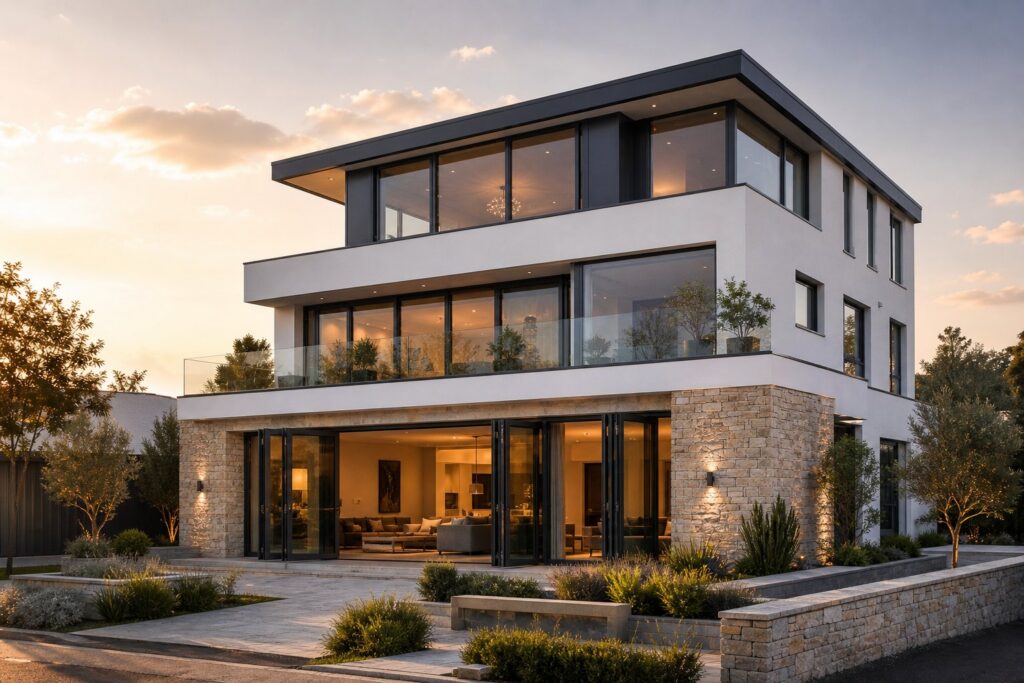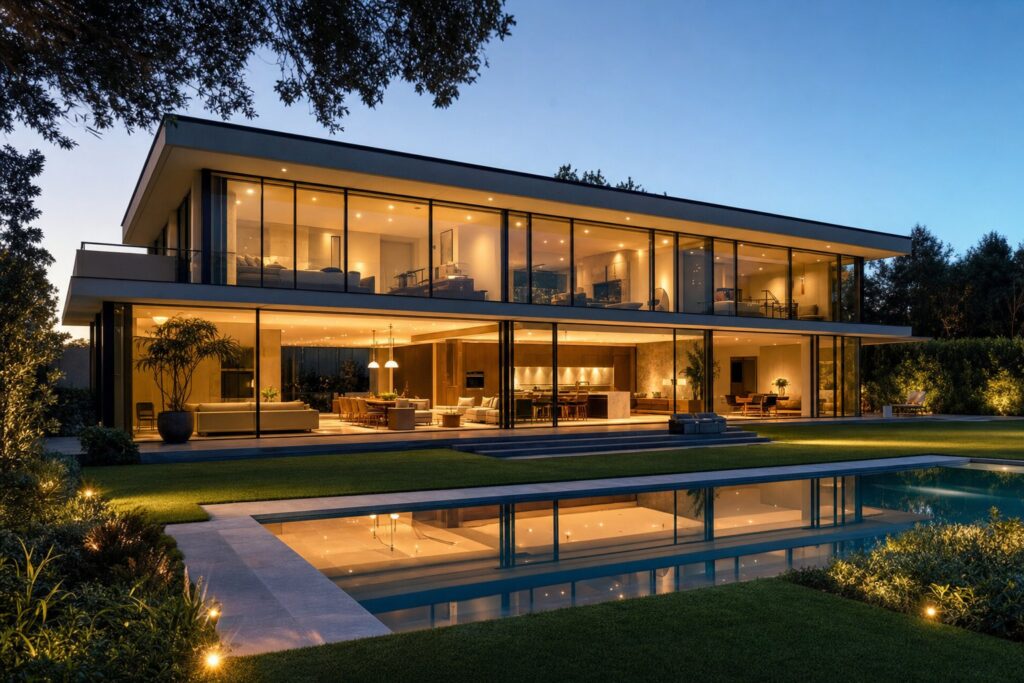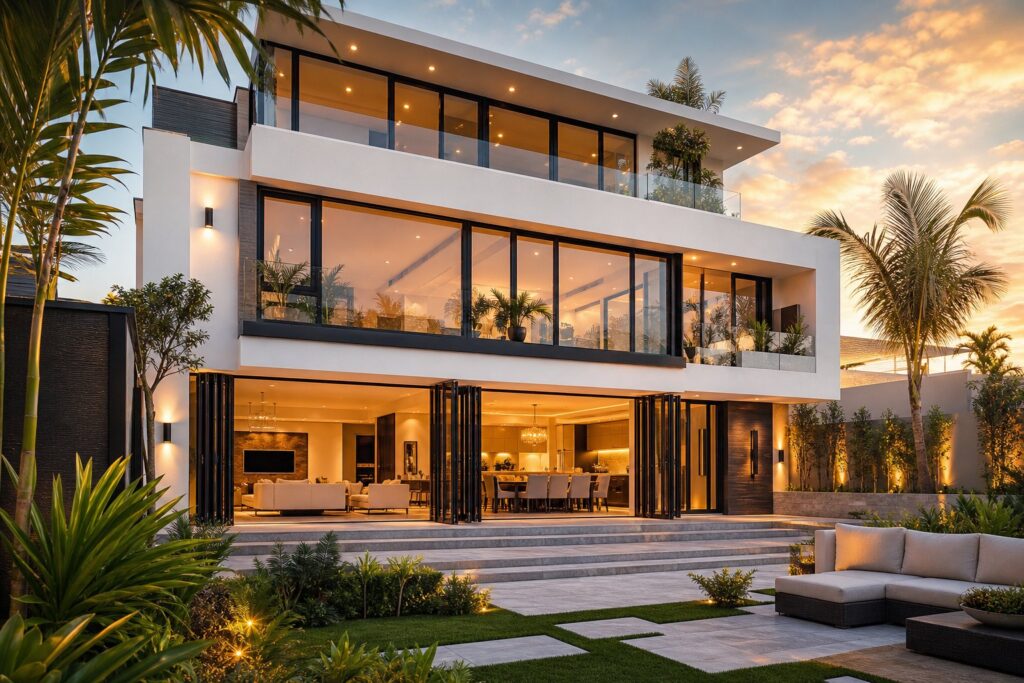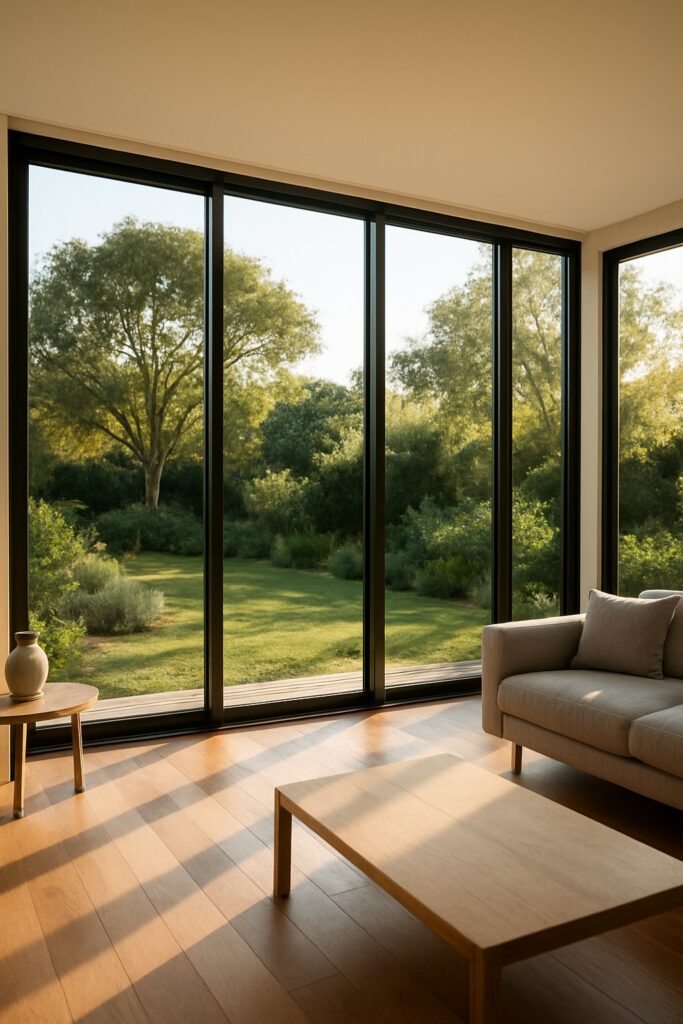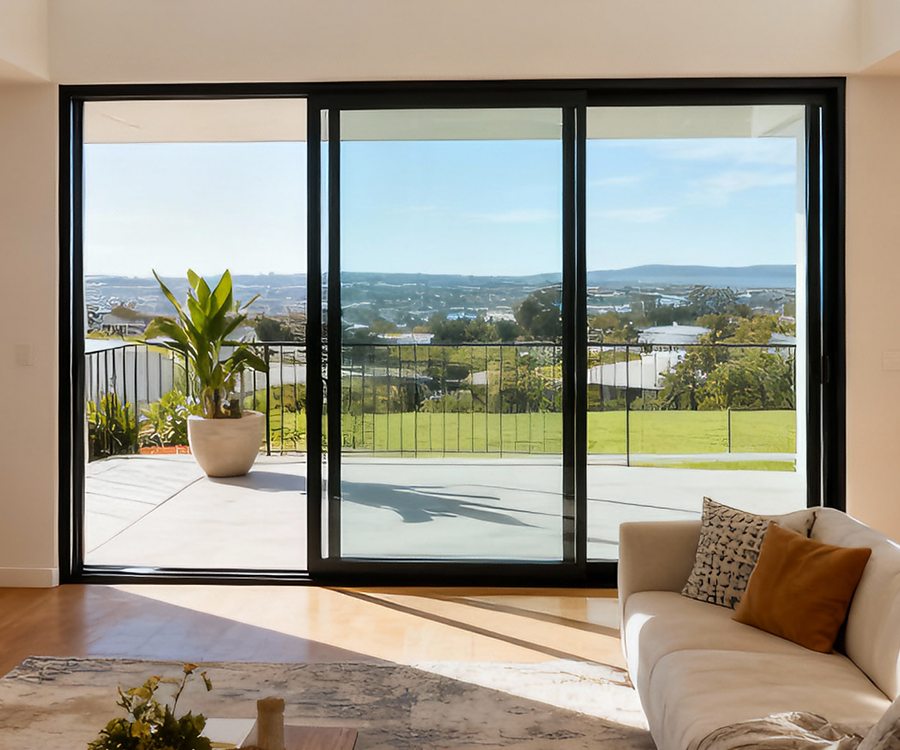
Why Black Window Frames Have Taken Over Modern Home Design
Walk through any new housing development or scroll through a renovation feed, and you’ll spot them everywhere. Black window frames have become one of the most requested design elements in residential construction, and the momentum shows no sign of slowing down. But popularity alone doesn’t mean they’re the right fit for every home.
This guide isn’t a manufacturer’s pitch. It’s a practical, honest resource built for homeowners who want the full picture before committing to a colour that will define their home’s look for decades.
What Are Black Window Frames
The term covers a broader range of products than most people realise. A black window screen frame might be powder-coated aluminium with slim, clean sightlines. It could also be a painted timber frame, a vinyl-clad profile with a dark exterior cap, or even a hot-rolled steel unit in a heritage renovation. The common thread is the finish colour, not the material underneath.
Black window frames are window units finished in black through powder coating, painting, laminating, or colour-through extrusion, available across aluminium, timber, vinyl, and steel, and chosen primarily for the architectural contrast and definition they bring to a facade.
Understanding that distinction matters because the material behind the colour drives everything from durability to cost to thermal performance.
Why Homeowners Keep Choosing Them
The appeal is visual and surprisingly versatile. Black frame windows outline a view the way a picture frame highlights artwork, drawing the eye outward while adding crisp definition to the wall around them. They create strong contrast against light renders, weatherboard, and brick, yet they also ground darker facades with a sense of cohesion.
What started as a modern farmhouse staple has spread into contemporary builds, industrial conversions, and even period home restorations. Architects and designers lean on them because black pairs with virtually any exterior material and colour palette, functioning as a neutral that still makes a statement.
That versatility, though, raises an important question: is this lasting design logic, or just a trend with an expiry date?
Are Black Framed Windows a Timeless Choice or a Passing Trend
It’s the question that stalls more renovation decisions than budget ever does. You love the look, but you’re wondering whether black framed windows will still feel right in ten or fifteen years. The honest answer isn’t a simple yes or no — it depends on why you’re choosing them.
The Case for Timeless Appeal
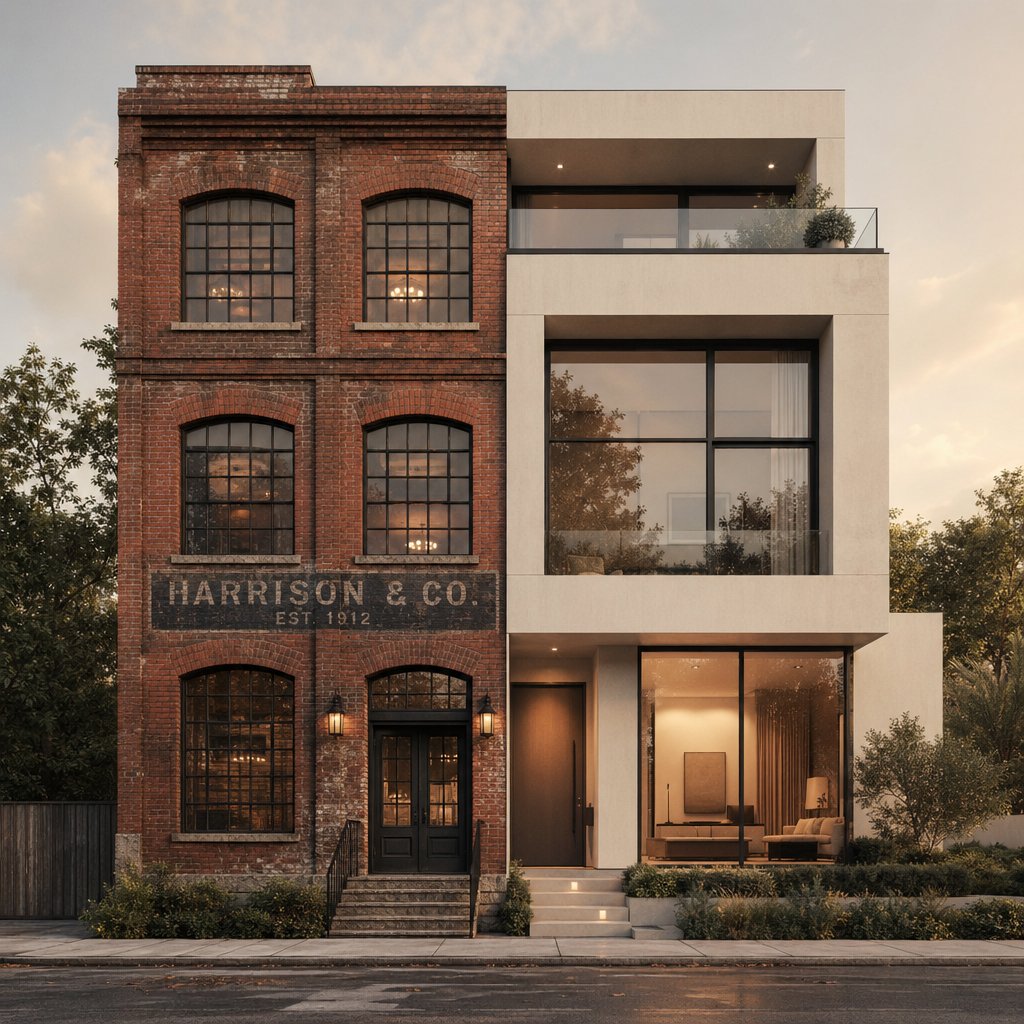
Black-framed windows didn’t start on Instagram. Steel-framed factory buildings in the late 19th and early 20th centuries used dark metal profiles out of pure engineering logic, and those same frames became defining features of Art Deco and early Modernist architecture. The aesthetic carried through European residential design for decades before social media ever existed.
That history matters. When a design element resurfaces across multiple eras and architectural movements, it signals something deeper than a passing fad. Houses with black window frames appear in heritage cottages, mid-century renovations, industrial conversions, and ultra-modern builds. That kind of cross-style versatility is rare for a single colour choice, and it’s a strong argument for staying power.
So are black framed windows trendy or classic? The pattern suggests they’re both — a classic look experiencing a well-deserved resurgence.
When Black Frames Could Feel Dated
Here’s the counterpoint, and it’s worth hearing. If you’re choosing black solely because it’s everywhere right now rather than because it genuinely suits your home’s proportions and materials, there’s a real risk of style fatigue down the road.
The danger isn’t the colour itself. It’s the context. Pairing black frames with other heavily trend-driven finishes — think specific cladding styles or interior palettes that are peaking right now — can create a look that ages as a package. Homes with ornate trim or soft, traditional colour palettes can also feel at odds with the boldness of dark frames.
The smarter approach is architecture-led. Consider your facade materials, roof tone, and the overall character of your home. If black frames enhance what’s already there, they’ll likely feel intentional for years. If they’re fighting the existing design language, that tension will only grow over time.
Choosing well also means thinking about the material behind the finish. Wood frames painted black, for instance, demand consistent upkeep — and neglected timber in damp climates can develop issues like black mold on wood window frames, which undermines both appearance and longevity. The material decision shapes how your frames age just as much as the colour does.
Black Frame Materials Compared From Aluminium to Steel
The colour gets all the attention, but the material underneath is what determines how your frames perform, how long the finish lasts, and how much maintenance you’ll deal with over the next twenty years. Four materials dominate the market for black frames, and each achieves that dark finish in a fundamentally different way.
Aluminium Frames
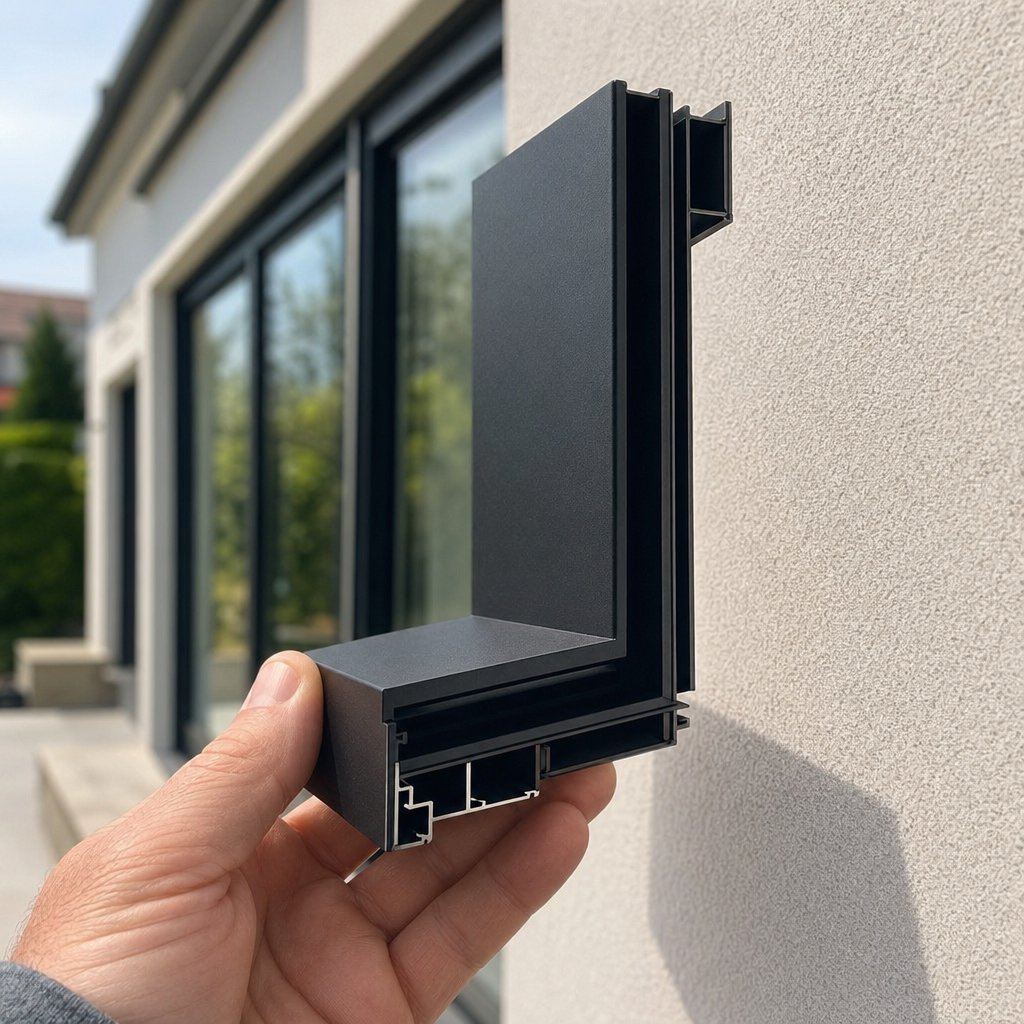
Aluminium is the most popular material for factory-finished black frames, and there’s a good reason for that. Powder coating bonds exceptionally well to aluminium surfaces. The process works by electrostatically applying a dry polymer powder to the metal, then curing it in an oven where it melts and fuses into a thick, hard protective layer that resists chips, scratches, and UV degradation far better than conventional paint.
Beyond the finish, aluminium brings practical advantages that matter for houses with black window frames. The profiles are slim, which means more glass and less frame in your sightline. The strength-to-weight ratio allows for large openings — bifolds, sliding doors, floor-to-ceiling panels — without the frame warping or sagging under the glass. And maintenance is essentially limited to an occasional wipe-down.
The old knock on aluminium was thermal conductivity. Heat and cold would transfer straight through the frame. That concern has been largely resolved by thermally broken profiles, which insert a non-conductive polyamide barrier between the inner and outer frame sections, dramatically reducing heat transfer and condensation risk. If you’re exploring energy-efficient aluminium window systems with factory-applied black powder-coat finishes, suppliers like MEICHEN’s aluminium windows collection offer Australian-standard-compliant options worth evaluating.
Here’s how the four main materials stack up side by side:
| Material | Finish Durability | Maintenance | Sightline Width | Thermal Performance | Typical Price Range |
|---|---|---|---|---|---|
| Aluminium (powder-coated) | Excellent — resists chips, UV fading; 15-20+ year finish life | Low — occasional cleaning | Slim | Good with thermal break; poor without | Mid |
| Vinyl (colour-through or capped) | Moderate — dark colours more prone to fading and heat distortion | Low — no painting required | Thick | Very good — naturally insulating | Budget to Mid |
| Wood (painted) | Lower — requires repainting every 3-5 years | High — sanding, priming, repainting, rot checks | Medium to Thick | Very good — natural insulator | Mid to Premium |
| Steel (powder-coated or painted) | Very good — strong substrate holds finish well | Low to Moderate — check for rust at joints | Thinnest | Moderate — lower conductivity than aluminium but still needs thermal break | Premium |
Vinyl, Wood, and Steel Alternatives
Vinyl is the budget-friendly entry point. It’s naturally insulating and requires no painting, but the profiles are noticeably thicker than aluminium or steel, which can feel bulky on larger openings. Colour-through vinyl — where the pigment runs through the entire profile rather than sitting on the surface — is emerging, but dark vinyl options remain limited and carry a higher risk of heat-related expansion. In hot climates, dark vinyl frames absorb enough solar energy to potentially warp over time, which is something aluminium and steel simply don’t do.
Wood offers a completely different proposition. You can paint it any shade of black you like, and the before and after of painting window frames black on a timber home can be genuinely dramatic. The catch is longevity. Painted wood exteriors need recoating every three to five years, and if moisture gets beneath the paint film, you’re looking at peeling, cracking, and the risk of black mould on window frames — especially in humid or coastal environments. Wood demands commitment.
Steel delivers the thinnest sightlines of any frame material, which is why architects love it for heritage restorations and high-end contemporary projects. Windows with black frame profiles in steel can look almost impossibly elegant. The trade-off is cost — steel frames sit firmly in premium territory — and weight, which makes installation more complex. Steel also needs a thermal break to perform well in extreme climates.
How Black Finishes Differ by Material
Not all black finishes are created equal, and this is where many homeowners get caught off guard. The four main finish types work very differently:
- Powder-coated — a dry polymer fused to the surface at high temperature. The most durable option for aluminium and steel. Resists chipping and UV fading, with finish warranties often reaching 15 to 20 years.
- Colour-through extrusion — the pigment is mixed into the raw material during manufacturing, so the colour runs all the way through. Common in some vinyl systems. No surface layer to chip, but colour range is limited.
- Painted — a liquid coating applied by brush, roller, or spray. Standard for wood frames and sometimes used on primed aluminium. More affordable upfront but less durable, especially on exteriors exposed to direct sun.
- Laminated (foil-wrapped) — a thin film bonded to the frame surface, often used on vinyl or uPVC profiles. Gives a consistent look but can peel or delaminate over time if the adhesive degrades.
The key question to ask any supplier: is the black finish applied to the surface, or is it integral to the material? Applied finishes — powder coat, paint, laminate — all have a lifespan and a warranty you should scrutinise. Integral colour, like colour-through vinyl, won’t chip but may still fade. Either way, ask specifically about the fade warranty and what conditions void it.
Knowing how the finish is achieved also shapes your long-term maintenance expectations. And for homeowners weighing whether to buy factory-finished windows with black frame profiles or paint their existing frames instead, that distinction becomes the entire decision — which is exactly where the conversation goes next.
Interior vs Exterior Black Window Frames and When to Use Each
Here’s a decision most homeowners don’t realise they have: you don’t have to commit to black on both sides of the window. Many modern window systems let you choose one colour for the exterior and a completely different one for the interior, which opens up far more design flexibility than a single-colour approach.
Black Frames on the Exterior
Imagine a crisp white weatherboard home with dark frames cutting clean lines around every opening. That contrast is exactly why exterior black window frames are so effective — they define the architecture the way eyeliner defines an eye, adding depth and structure to an otherwise flat facade.
The pairing works across a surprising range of styles. Light-coloured renders, pale brick, grey cladding, and even dark exteriors all benefit from the definition a black window frame provides. Contemporary builds, industrial conversions, and farmhouse-style homes use them equally well, which is part of why the look has spread so far beyond any single aesthetic.
One practical note worth flagging: black absorbs significantly more solar radiation than white or lighter colours. In hot climates, exterior frames can reach high surface temperatures, which places more stress on seals and weatherstripping over time. Thermally broken aluminium and quality glazing mitigate most of this, but it’s a factor to discuss with your supplier — especially if your windows face direct afternoon sun.
Black Frames on the Interior
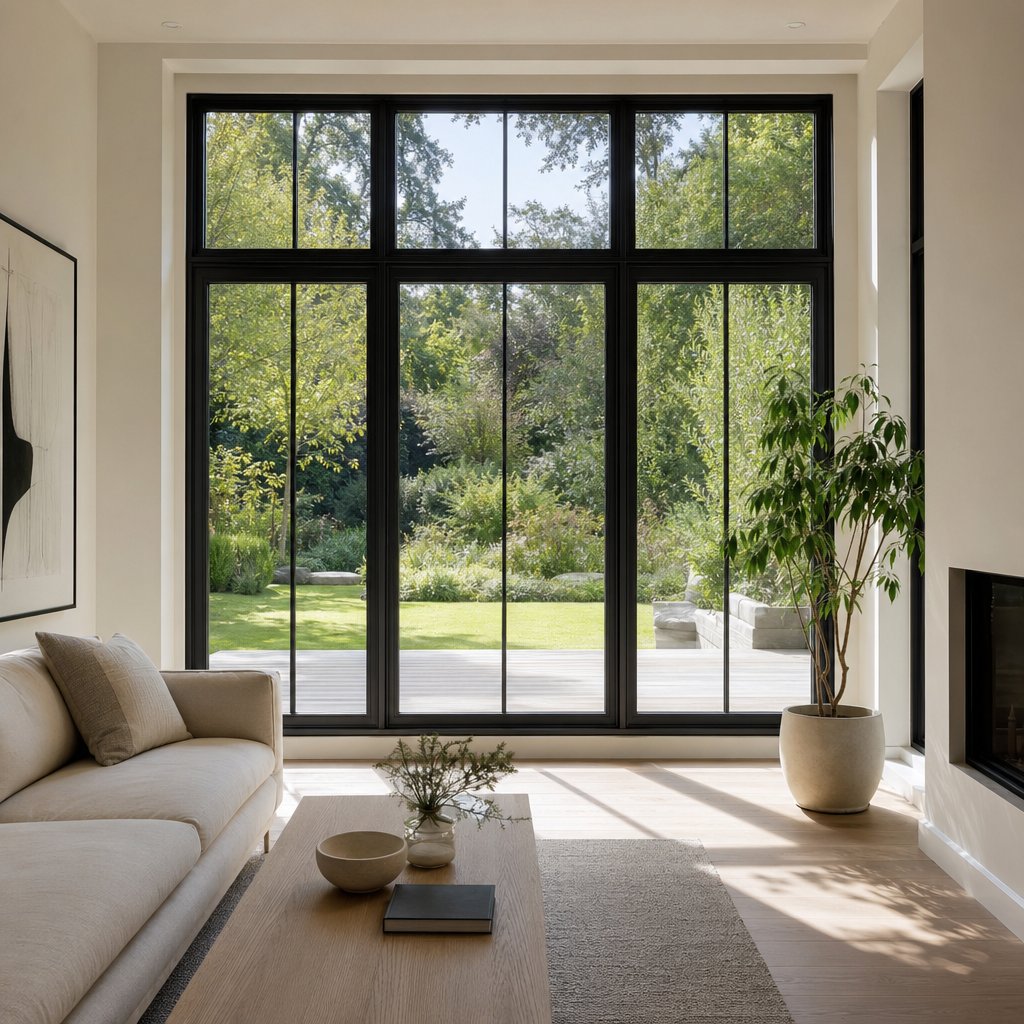
Inside the home, windows with black frames act as design accents that draw the eye toward the view. Think of them as gallery frames for whatever is outside — a garden, a streetscape, a treeline. That framing effect is subtle but powerful, and it works particularly well in minimalist, Scandinavian, and industrial-inspired interiors where clean lines and intentional contrast are central to the design language.
The trade-off? Black surfaces show dust, fingerprints, and water spots far more readily than white. In a kitchen or bathroom where moisture and splashes are constant, you’ll notice smudges sooner. It’s not a dealbreaker, but it is a maintenance reality that white frames simply don’t share.
Dual-Colour Options
This is where modern manufacturing really shines. Many aluminium and vinyl systems — including dual-colour frame options from major suppliers — allow a black exterior with a white, timber-look, or custom-coloured interior. You get the street-facing drama without committing every room to a dark frame.
Here’s a quick summary of the pros for each approach:
- Exterior-only black — maximum curb appeal and contrast; interior stays neutral and forgiving for dust and fingerprints.
- Interior-only black — creates a bold design accent inside without altering the home’s existing exterior palette.
- Black on both sides — delivers a cohesive, statement look that reads consistently from every angle, inside and out.
- Dual-colour (black exterior, light interior) — offers the best of both worlds; strong facade definition paired with a softer, brighter feel indoors.
The right choice depends on your home’s existing palette, how much cleaning you’re willing to do, and whether your interior style calls for that level of contrast. For many homeowners, dual-colour ends up being the sweet spot — but it’s worth seeing samples in person before deciding.
Of course, not everyone is starting from scratch with new windows. If your existing frames are structurally sound but visually tired, painting them black is a tempting shortcut — one that comes with its own set of trade-offs.
Painting Window Frames Black vs Buying Factory-Finished
A fresh set of black frame windows exterior can easily run into the thousands, so it’s no surprise that many homeowners eye their existing frames and wonder: could I just paint them? The short answer is yes — with caveats that matter more than most DIY blogs let on.
Can You Paint Existing Window Frames Black
Timber and metal frames are the most paint-friendly candidates. Wood accepts primer and paint readily, and metal frames respond well to bonding primers designed for slick surfaces. DIY renovators have achieved striking results on both materials using cabinet-grade enamel tinted to black, which offers a semi-gloss sheen and self-levelling properties that help brush strokes disappear.
Vinyl is a different story. Paint doesn’t adhere to vinyl as reliably, and darker colours absorb more heat, raising the risk of frame warping over time. Some homeowners have painted vinyl successfully using vinyl-specific primers, but window manufacturers generally advise against it. If your frames are vinyl, research this thoroughly before committing.
Regardless of material, the process demands careful surface preparation. Skipping steps here is where most painted finishes fail prematurely. And even with perfect prep, a hand-painted finish won’t match the hardness or uniformity of a factory powder coat — powder coating produces a layer 2.5 to 6 mils thick, compared to just 1 to 2 mils per coat of liquid paint, which directly affects chip resistance and longevity.
Before and After Realities of Painting Frames Black
The transformation can be genuinely dramatic. A tired white or cream frame repainted in black instantly sharpens the look of a room or facade. But that “after” photo is day one. The real question is how the finish holds up at year three, year five, and beyond.
On interiors, painted frames fare reasonably well. They’re shielded from UV exposure and weather, so chipping and fading are minimal as long as the prep was solid. Exteriors are a harder test. Direct sun breaks down paint films over time, and exterior black window frames painted by hand are more prone to chalking, peeling, and micro-cracking than factory-applied finishes. Touch-ups every two to three years are realistic for sun-exposed sides, and you’ll want exterior-grade paint with built-in UV inhibitors to slow the degradation.
If you’re planning to tackle this yourself, here’s the process in order:
- Identify your frame material — wood, metal, or vinyl — and select a primer formulated specifically for that substrate.
- Lightly sand the entire frame surface with fine-gauge sandpaper to create a key for the primer.
- Wipe down all sanded surfaces with a damp cloth to remove dust and debris completely.
- Tape off glass, walls, and any hardware you don’t want painted, or use a straight-edged putty knife as a shield for faster work.
- Apply two thin coats of primer, allowing at least two hours of drying time between coats. Let the second coat cure overnight.
- Apply two thin coats of paint using long, even strokes. Move operable windows periodically during drying to prevent them from sealing shut.
- Remove tape carefully once the final coat is dry to the touch.
Two coats of primer and two coats of paint is the standard for a clean, durable result. Rushing to a single heavy coat invites drips and uneven coverage that will haunt you every time the light catches the frame.
When Factory-Finished Frames Are Worth the Investment
Painting window frames black makes sense when your existing windows are structurally sound, double-glazed, and thermally adequate — and you simply want a visual refresh on a budget. It’s a legitimate path that can transform a home for under a hundred dollars in materials.
But there are clear scenarios where replacement is the smarter move. Glass Doctor recommends replacement when frames are cracked, warped, or difficult to operate, when windows are single-glazed and thermally inefficient, or when you’re experiencing drafts from failed seals. Painting over these problems doesn’t solve them — it just hides them temporarily behind a fresh black framed window that still leaks air and conducts heat.
There’s also the profile question. If you want the slim sightlines that define a modern black window aesthetic, painting a chunky existing frame won’t get you there. Factory-finished aluminium or steel frames offer dramatically thinner profiles that let more glass dominate the opening.
From a durability standpoint, the gap is significant. A factory powder-coat finish typically carries a warranty of 15 to 20 years and requires virtually no maintenance beyond occasional cleaning. A painted finish, even a well-executed one, will need attention within three to five years on exteriors. Over a decade, the cumulative cost and effort of repainting can approach or exceed the price of a single factory-finished replacement.
The decision ultimately comes down to what you’re starting with. Good bones and a tight budget? Paint. Aging frames, poor thermal performance, or a desire for slimmer profiles? Factory-finished is the better long-term investment — and the finish comparison only gets more interesting when you start weighing black against other popular frame colours.
Black vs White vs Bronze
So you’re leaning toward black, but is it genuinely the best colour for your home — or just the most visible one right now? Putting black side by side with the other popular frame colours across practical criteria is the fastest way to find out.
Black vs White vs Bronze vs Natural Wood Frames
Each colour brings a different balance of visual impact, maintenance demand, and long-term practicality. Here’s how they compare:
| Frame Colour | Maintenance Level | Heat Absorption | Dust Visibility | Style Versatility | Trend Longevity | Curb Appeal Impact |
|---|---|---|---|---|---|---|
| Black | Moderate — shows dust, water spots, and cobwebs readily | High — absorbs significantly more solar radiation than lighter colours | High — every speck is visible | Very high — suits contemporary, industrial, farmhouse, and heritage styles | Strong — rooted in industrial and Modernist architecture | High — creates bold contrast and architectural definition |
| White | Low — forgiving of dust; shows mould or discolouration in damp climates | Low — reflects most solar radiation | Low | Highest — works with virtually every style and era | Proven — decades of dominance across all markets | Moderate — clean and classic but less visually striking |
| Bronze | Low to Moderate — hides dust well; less prone to visible fading than black | Moderate — absorbs more than white, less than black | Low to Moderate | High — pairs well with earth-toned facades, brick, and stone | Strong — a traditional neutral with enduring appeal | Moderate to High — adds warmth and subtle definition |
| Natural Wood | High — requires sealing, staining, or repainting every 2-5 years | Varies by stain colour | Low — grain texture masks minor dust | Moderate — strongest in Craftsman, cottage, and rustic styles | Timeless in the right context; less suited to modern builds | High — delivers organic warmth and texture no other material matches |
White remains the most forgiving option overall. It reflects sunlight, hides dust, and blends into nearly any facade without drawing attention to itself. That neutrality is exactly why it has dominated the market for so long — and why it’s still the safest choice for homeowners who prioritise low maintenance over visual drama.
Bronze sits in an interesting middle ground. It offers warmth and definition without the heat absorption concerns that come with a black frame window, making it a strong pick for homes with brick, stone, or earth-toned cladding. You’ll notice bronze frames in both traditional and contemporary projects, and they tend to age gracefully because the colour doesn’t show fading as readily as pure black.
Natural wood is the high-maintenance outlier. Nothing else delivers the same organic texture and warmth, but that beauty comes with a commitment to regular upkeep — sanding, sealing, repainting — that the other options simply don’t require. For Craftsman-style homes and heritage projects, it’s often worth the effort. For everyone else, it’s a lifestyle question as much as a design one.
How Frame Colour Affects Energy Performance
Colour isn’t just cosmetic — it has a measurable effect on how your frames behave in the sun. Darker colours absorb more solar radiation, which raises the surface temperature of the frame itself. On a hot summer day, black frames attract significantly more UV than white or light-coloured alternatives, and that thermal load has real consequences.
For vinyl frames, this is a serious concern. The heat absorbed by dark vinyl can cause the material to expand beyond its design tolerance, leading to warping, bowing, and — in worst cases — seal failure around the insulating glass unit. That’s why some vinyl manufacturers limit their warranties on dark colours or advise against them entirely in sun-heavy climates.
Aluminium and steel handle the heat far better. Their dimensional stability means they won’t distort under thermal stress, though the elevated surface temperature can still accelerate wear on rubber seals and weatherstripping over many years. Thermally broken profiles help here by isolating the hot exterior face from the interior.
Glass selection also plays a role. Low-E coatings reflect a portion of solar energy before it reaches the frame, and tinted or spectrally selective glass reduces overall heat gain through the opening. If you’re set on black exterior window frames in a warm climate, pairing them with high-performance glazing is the most effective way to offset the colour’s thermal penalty.
Choosing Based on Your Home’s Context
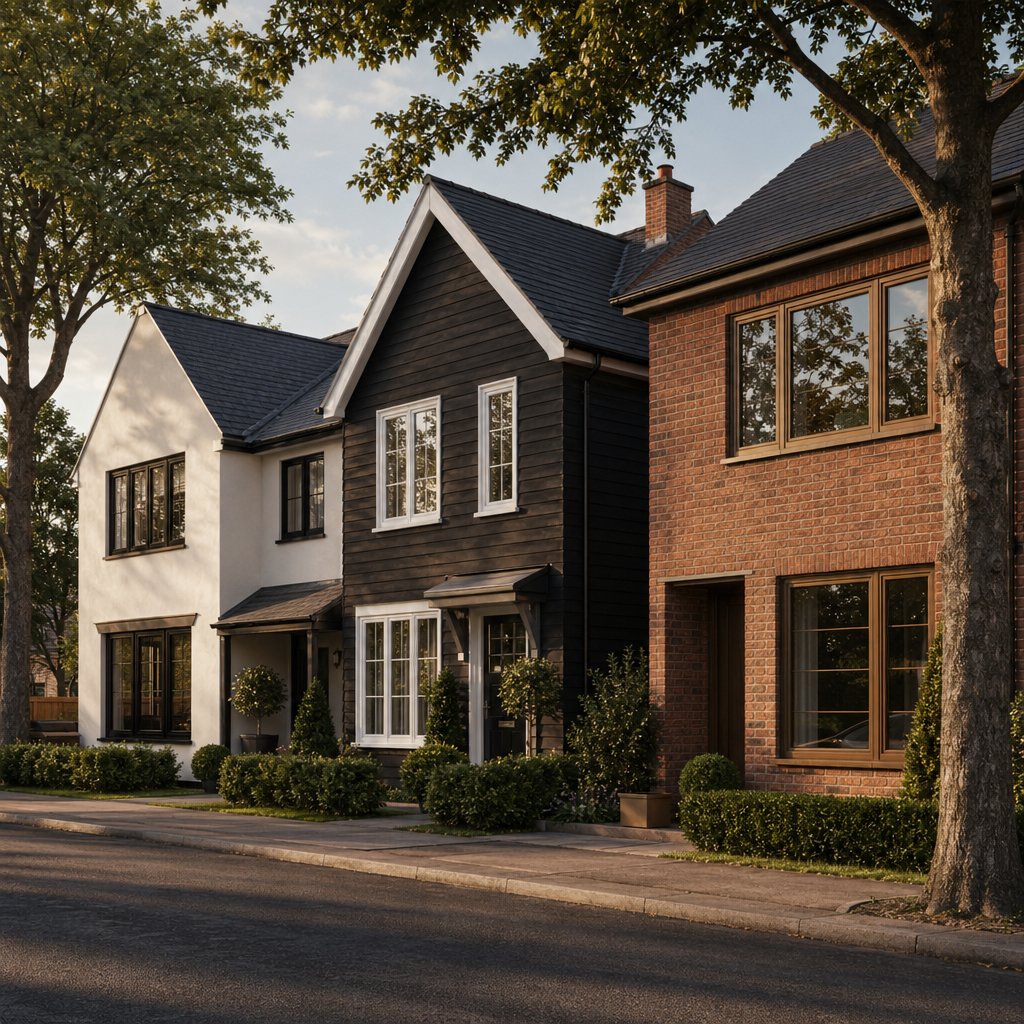
The right frame colour isn’t determined by trend reports — it’s determined by what’s already on your home. Your facade material, roof colour, landscaping, and even your neighbourhood’s general character all influence which colour will look intentional rather than imposed.
Homes with black window frames exterior tend to look their strongest when the surrounding palette provides contrast or complements the boldness of the dark frame. Here are some pairings that consistently work well:
- Black frames with white or light-coloured render — the classic high-contrast combination that defines modern farmhouse and contemporary design.
- Black frames with pale grey cladding — a softer contrast that reads as sophisticated without being stark.
- Black frames with natural brick — the dark lines sharpen the texture of the masonry and add a modern edge to traditional facades.
- Bronze frames with sandstone, cream brick, or earth-toned siding — a warm, cohesive look that avoids the heat absorption of black.
- White frames with dark siding or navy cladding — reversed contrast that provides relief and crispness against a heavy exterior colour.
- Natural wood frames with timber cladding or shingle-style homes — an organic, tonal approach that emphasises texture over contrast.
If you’re unsure, try this: hold a sample of your preferred frame colour against your actual facade in direct sunlight. Photos on a screen flatten the relationship. Seeing the real materials together, in the light conditions your home actually faces, is the most reliable way to judge whether the pairing feels right.
Colour choice, though, is only half the equation. Even the perfect shade comes with practical trade-offs — and for homes with black window frames, those trade-offs deserve a candid conversation that most sources skip entirely.
The Real Drawbacks of Black Window Frames Nobody Mentions
Every article about black window frames on house exteriors leads with the beauty shots. Fewer bother with the unglamorous realities that show up after the installer leaves. This section exists because most sources selling product have no incentive to publish it — and you deserve the full picture before you commit.
Heat Absorption and Climate Considerations
Dark surfaces absorb more solar radiation than light ones. That basic physics applies directly to your frames. On a hot summer afternoon, a black frame can reach surface temperatures significantly higher than an identical white one sitting in the same sun. That extra heat places more thermal stress on rubber seals, weatherstripping, and gaskets over time, potentially shortening their service life.
Does that mean black frames will overheat your home? Not necessarily. Research suggests the actual impact on indoor room temperature is minimal when windows are properly insulated. The frame material matters far more than the colour for heat transfer — thermally broken aluminium and quality double or triple glazing do the heavy lifting. Still, in extreme climates with prolonged direct sun exposure, it’s a factor worth raising with your supplier, especially for west-facing windows that cop the harshest afternoon heat.
Maintenance Realities — Dust, Fingerprints, and Fading
If you’ve ever owned a black car, you already know what’s coming. Black window frames interior and exterior show every speck of dust, every water spot, every cobweb, and every fingerprint with unforgiving clarity. White frames hide all of this effortlessly. Black frames do the opposite.
In dusty, coastal, or pollen-heavy environments, exterior frames will need more frequent cleaning to look their best. It’s not difficult work — a damp cloth and mild detergent handle most of it — but it’s noticeably more often than you’d clean lighter frames.
Then there’s fading. Lower-quality finishes exposed to years of UV radiation can gradually shift from a rich black to a chalky, washed-out grey. Some manufacturers offer shorter warranties on dark-coloured finishes than on standard base colours, which tells you something about the confidence level around long-term colour retention. Always ask about the specific fade warranty before signing — and whether it covers full replacement or just pro-rated credit. The quality of the finish is arguably more important than the colour itself when it comes to how your frames will look in ten years.
Style Fatigue and Resale Considerations
Black frames are broadly popular right now, but “popular” and “universally preferred” aren’t the same thing. Some real estate markets and buyer demographics still lean toward neutral white or timber-look frames. Homeowner associations in certain areas may even restrict dark frame colours due to neighbourhood aesthetic guidelines.
If you’re planning to sell within a few years, it’s worth considering local buyer preferences rather than national design trends. In markets where contemporary and modern design is valued, black frames can genuinely enhance perceived home value. In more traditional neighbourhoods, the impact is less certain. The black window frames cost premium — modest as it often is — only pays off at resale if buyers in your area see it as a feature rather than a personal taste they’d need to work around.
Here’s a scannable summary of the key drawbacks to weigh:
- Higher heat absorption increases thermal stress on seals and weatherstripping, especially on sun-exposed elevations.
- Dust, water spots, cobwebs, and fingerprints are far more visible than on lighter-coloured frames.
- UV fading can degrade lower-quality finishes to a chalky grey over time, making finish warranty critical.
- Coastal and dusty environments demand more frequent exterior cleaning.
- Some vinyl frames in dark colours carry a higher risk of heat-related warping.
- Resale appeal varies by market — not all buyers share the same enthusiasm for dark frames.
- Homeowner association restrictions may limit or prohibit dark frame colours in some communities.
None of these drawbacks are dealbreakers on their own. Thermally broken frames, high-quality powder-coat finishes, and sensible glass selection address most of the performance concerns. The maintenance reality is manageable with a regular cleaning routine. And the resale question is really about knowing your market.
The point isn’t to talk you out of the decision — it’s to make sure you walk into it with open eyes. And once you’ve weighed the practical trade-offs, the next logical question is whether the investment makes financial sense.
How Much Black Frame Windows Cost and Whether They Add Value
Cost is the question everyone Googles but few sources answer honestly. Manufacturers dodge it because pricing varies wildly by region, and bloggers avoid it because they don’t want to get it wrong. Here’s a realistic framework instead of a guess.
Are Black Frame Windows More Expensive
The colour premium for black is smaller than most people expect. For aluminium, powder coating in black is a standard production colour — not a custom order — so the price difference over white is often negligible. Pella notes that within the same product line, choosing exterior black over another colour does not add extra expense for fiberglass frames, and the same holds true for most aluminium suppliers.
Black frame vinyl windows are where the premium gets more noticeable. Dark colours require either colour-stable compounds engineered to resist heat distortion or an exterior cap layer bonded over a white core. Both add manufacturing complexity. Industry estimates from Lake Washington Windows place the typical uplift at roughly 10 to 30 percent over standard white, depending on the product line and supplier.
Wood is a different equation entirely. The colour itself costs nothing — you can paint or stain timber any shade you like. But painting window frames black exterior means committing to ongoing maintenance cycles that white or natural finishes don’t demand as aggressively. Over a decade, the cumulative cost of repainting can quietly rival the upfront premium you’d pay for a factory-finished alternative.
The frame material you choose has a far greater impact on total cost than the colour. Aluminium, vinyl, wood, and steel each sit in different price brackets — black just adds a modest surcharge on top, if any at all.
What Drives the Real Cost Differences
Fixating on the colour premium misses the bigger picture. The factors that actually move the needle on window pricing are glazing type (double vs triple, low-E coatings, argon fill), opening style (fixed panels cost less than operable ones), overall size, and energy rating. A large black frame replacement window with triple glazing and a high energy rating will cost significantly more than a small fixed panel — but the colour accounts for a fraction of that gap.
Hardware, security features, and installation complexity also stack up fast. If you’re comparing quotes, make sure you’re evaluating total window performance and specification rather than isolating the colour line item. Two quotes for “black aluminium windows” can differ dramatically based on what’s behind the glass and inside the frame.
Do Black Frames Help or Hurt Resale Value
This depends entirely on your local market. In neighbourhoods where contemporary, modern, and farmhouse-style homes sell quickly, dark frames are increasingly seen as a desirable upgrade — a signal that the home has been thoughtfully designed rather than finished with builder-standard defaults. Buyers in these markets often perceive black frames as a premium feature without needing to be told.
In more traditional markets, the picture is less clear. Some buyers love the look; others see it as a personal style choice they’d need to live with or pay to change. White and neutral frames still carry the broadest appeal across the widest range of buyer demographics, which is why they remain the safe default for investment-driven renovations.
The honest advice? Treat black frames as a design investment that enhances your enjoyment of the home, not as a guaranteed value-add at resale. If you love the look and it suits your architecture, the modest cost premium is easy to justify. If you’re renovating purely to flip, neutral colours hedge your bets more reliably.
With the financial picture in focus, the final step is pulling everything together into a practical decision framework — one that helps you move from research to action with confidence.
How to Choose the Right Black Frame Windows for Your Project
You’ve weighed the materials, the finishes, the climate factors, and the cost realities. The only thing left is a clear path from research to action. Whether you’re building new or upgrading existing openings, this decision framework keeps the process focused and efficient.
Match the Frame to Your Home’s Architecture
A window with black frame detailing looks its sharpest when it responds to what’s already there — your facade material, roof line, and the proportions of each opening. Slim aluminium profiles suit contemporary and industrial builds. Thicker timber or vinyl frames can feel more at home on cottage-style or traditional facades. Black framed windows exterior tend to deliver the most impact on light-coloured homes, but they work equally well as a grounding element on darker palettes when paired with contrasting trim.
Think about whether you want the colour inside, outside, or both. Revisit the dual-colour option if you love the exterior drama but prefer a softer interior. And if your existing frames are structurally sound, weigh whether black painted window frames can achieve the look you’re after — or whether factory-finished replacements are the better long-term play.
Here’s a simple decision checklist to work through before you request quotes:
- Assess your climate and orientation — identify which elevations get the most direct sun and factor in heat absorption.
- Choose your frame material — aluminium, vinyl, wood, or steel — based on your priorities for sightline width, maintenance, and budget.
- Decide interior vs exterior vs both — or explore dual-colour configurations for maximum flexibility.
- Compare factory-finished vs DIY painting — consider the condition of your current windows and the durability gap between the two approaches.
- Get quotes from multiple suppliers — compare total window performance, not just the colour line item.
What to Look for in a Quality Black Frame Window
Not every supplier will volunteer the details that matter most. When you’re evaluating options, these are the questions that separate a confident purchase from an expensive regret — and they apply whether you’re sourcing locally or exploring product hubs like MEICHEN’s aluminium windows collection, which offers multiple Australian-standard-compliant, energy-efficient aluminium window types suited to different project needs.
- What is the finish warranty, and does it specifically cover colour retention and fading?
- Is the frame thermally broken, and what is the U-value of the complete window unit?
- What energy rating does the window achieve under local standards?
- Is the black finish powder-coated, painted, or laminated — and what are the maintenance implications of each?
- Are dual-colour options available if you want different colours on interior and exterior faces?
- What glazing options are offered, and can you specify low-E coatings or tinted glass to offset heat absorption?
Pay particular attention to that finish warranty. A quality powder-coat finish on aluminium should carry 15 to 20 years of coverage. Anything significantly shorter is a signal to ask why — and to check whether conditions like coastal proximity or black mold in window frame cavities from poor drainage could void the terms.
The right black frames won’t just look good on installation day. They’ll still look sharp, operate smoothly, and hold their colour years from now. Ask the hard questions upfront, compare real specifications rather than brochure photos, and let your home’s architecture — not a trend cycle — guide the final call.
Frequently Asked Questions About Black Window Frames
1. Do black window frames fade over time?
Yes, all black window finishes can fade with prolonged UV exposure, but the rate depends heavily on finish type. Factory-applied powder coatings on aluminium are the most resistant, often retaining their colour for 15 to 20 years under warranty. Painted finishes on timber degrade faster, typically showing chalking or greying within three to five years on sun-exposed exteriors. Laminated vinyl finishes fall somewhere in between. To protect your investment, always ask suppliers for a specific fade warranty and check whether coastal or high-UV conditions void the coverage.
2. Are black window frames more expensive than white?
The colour premium is generally smaller than most homeowners expect. For aluminium frames, black is a standard powder-coat colour, so the price difference over white is often negligible. Vinyl frames see a more noticeable uplift of roughly 10 to 30 percent because dark colours require heat-stable compounds or exterior capping. Timber frames cost the same to paint in any colour, but black exteriors demand more frequent recoating, adding cumulative maintenance costs. The frame material itself, glazing specification, and energy rating drive far more of the total price than colour alone.
3. Can you paint existing window frames black instead of replacing them?
Timber and metal frames can be painted black with proper preparation, including sanding, priming with a substrate-specific primer, and applying two coats of exterior-grade paint with UV inhibitors. The result can look striking initially, but hand-painted finishes are thinner and less durable than factory powder coatings, meaning touch-ups every two to three years on sun-exposed sides. Vinyl frames are generally not recommended for painting in dark colours due to heat absorption and warping risk. If your current windows are single-glazed, drafty, or structurally compromised, replacement with factory-finished units like those in MEICHEN’s aluminium windows collection (https://meichenwindows.com.au/aluminium-windows/) is the smarter long-term investment.
4. Do black window frames make a house hotter inside?
Black frames absorb more solar radiation than lighter colours, raising the frame’s surface temperature on sunny days. However, research indicates the actual impact on indoor room temperature is minimal when windows feature thermally broken profiles and quality double or triple glazing. The frame colour matters far less than the glass specification and insulation for overall thermal performance. The bigger concern is long-term stress on rubber seals and weatherstripping from elevated surface heat, particularly on west-facing elevations in hot climates. Pairing black frames with low-E coated or tinted glass helps offset this thermal penalty.
5. What is the best frame material for black windows?
Aluminium is the most popular and practical choice for black window frames. Powder coating bonds exceptionally well to aluminium, producing a durable, chip-resistant finish with strong UV resistance. Thermally broken aluminium profiles also offer slim sightlines, low maintenance, and the structural strength needed for large openings like bifolds and floor-to-ceiling panels. Steel delivers the thinnest profiles but sits in the premium price bracket. Vinyl is budget-friendly yet carries heat distortion risks in dark colours. Wood allows any paint colour but requires ongoing recoating. For most homeowners balancing aesthetics, durability, and cost, aluminium with a factory powder-coat finish is the strongest all-round option.
More Window & Door Guides