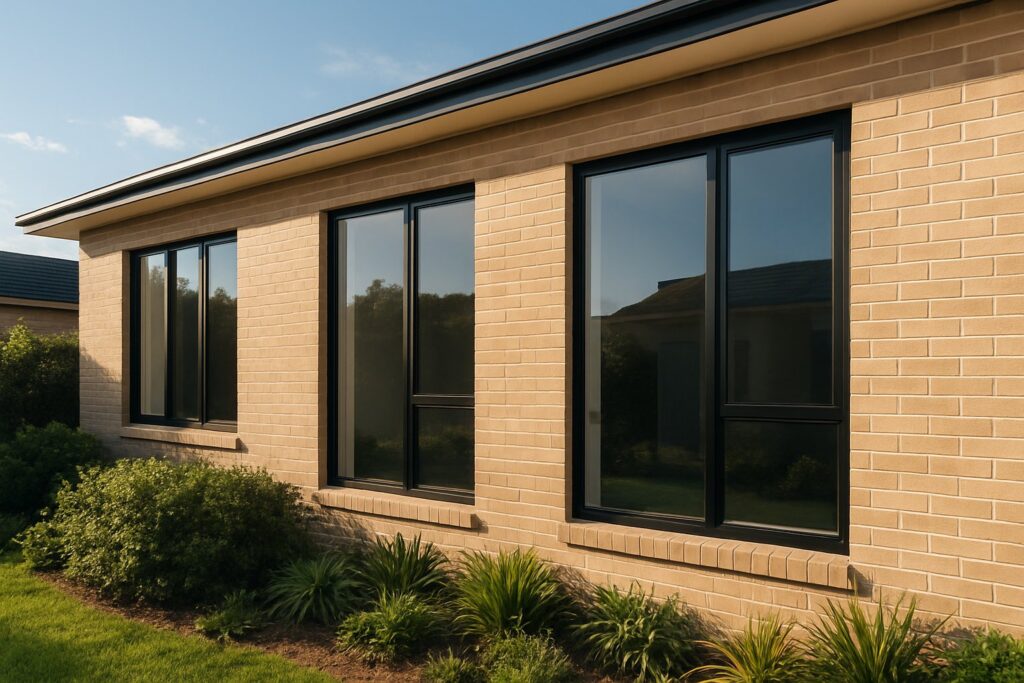
Why Aluminium Windows Are the Standard Across NSW
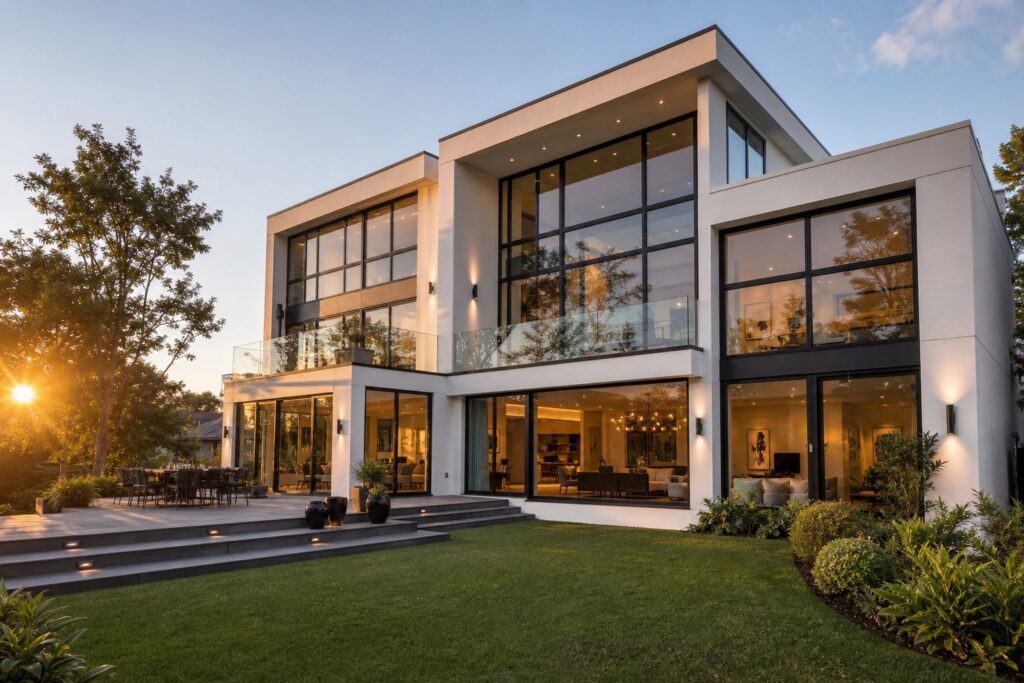
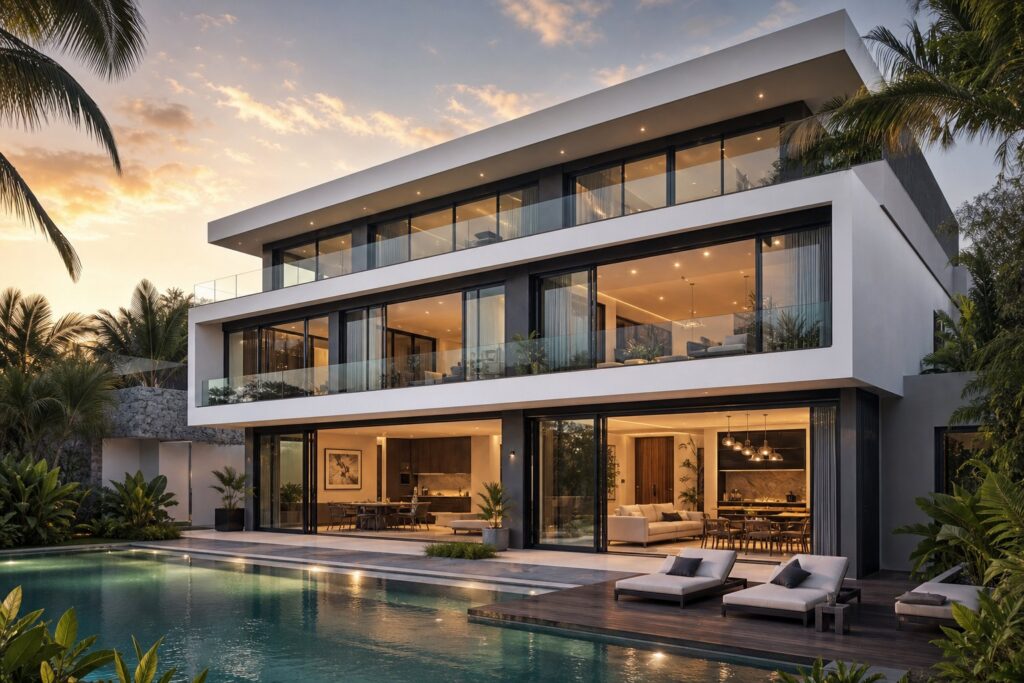
Walk through any new housing estate in Sydney’s west, drive past a renovation in Newcastle, or check the spec sheets on a Central Coast development, and you will notice the same thing. Aluminium frames dominate. They have for decades, and the reasons go deeper than habit or builder preference.
Why Aluminium Dominates NSW Window Projects
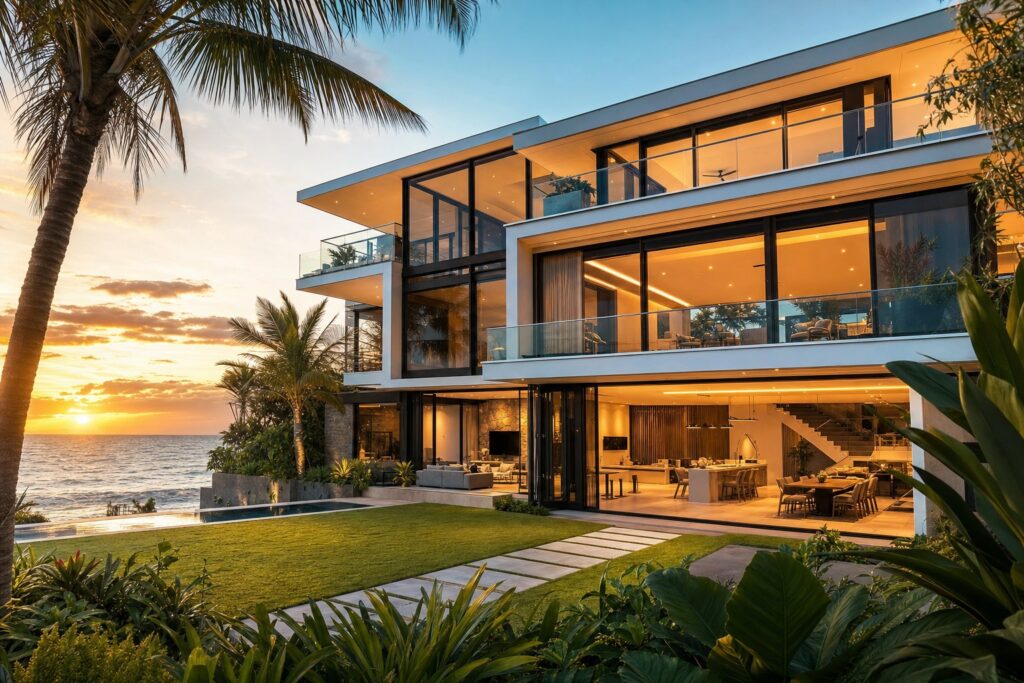
NSW throws a wide range of conditions at a building envelope. Coastal suburbs from Wollongong to Coffs Harbour deal with salt-laden air that eats through lesser materials. Western regions around Orange and Dubbo endure extreme summer heat and UV intensity that degrades finishes and seals. Aluminium handles both ends of this spectrum because of a few fundamental properties: it is lightweight yet structurally strong, naturally corrosion-resistant thanks to its oxide layer, and fully recyclable at end of life.
Australia’s aluminium window and door market reached approximately 5.5 million units valued at $524 million in 2024, with projections pointing toward 6.4 million units and $637 million by 2035. Aluminium remains the backbone of Australian fenestration.
Compared with timber, aluminium frames require far less ongoing maintenance. There is no repainting cycle, no risk of rot or termite damage, and no swelling during humid coastal summers. Timber does offer natural insulation and a warm aesthetic, but the upkeep burden makes it impractical for many NSW homeowners. uPVC provides strong thermal performance and zero-corrosion benefits, yet aluminium still wins where slim sightlines, structural spans, and design flexibility matter most. Its thermal conductivity, once a clear weakness, is now addressed through thermally broken profiles that close the performance gap considerably.
Who This Guide Helps
Whether you are researching aluminium windows in Sydney, NSW for a new build, comparing aluminium windows in Newcastle, NSW for a renovation, or browsing aluminium windows online in NSW to understand your options before meeting a supplier, this guide is built for you. It covers what product catalogues leave out: how climate zones affect specification, what compliance rules actually require, how pricing works behind the scenes, and what separates a window that lasts from one that disappoints within a few years. Builders, owner-builders, architects, and homeowners planning their next project will find practical, unbiased detail in every section ahead.
Aluminium Window Types and When to Use Each
Knowing that aluminium suits NSW conditions is one thing. Picking the right window configuration for each room and orientation is where most buyers get stuck. Product pages tend to list types without explaining which one actually belongs in your bathroom versus your living room, or why one style handles coastal wind better than another. Here is the practical breakdown.
Awning and Casement Windows for Ventilation Control
Awning windows hinge at the top and push outward from the bottom. That simple mechanism makes them one of the most versatile aluminium window products in Newcastle, NSW and across the state. You can leave them open during light rain without water entering the room, which suits bathrooms, laundries, and kitchens where moisture and airflow both matter. They also work well placed high on a wall for privacy, catching breezes while keeping sightlines clear from the street.
Casement windows hinge on the side and swing outward like a narrow door. They catch side breezes and redirect air into the room more effectively than any sliding option. When fully open, the entire aperture is clear, giving you unobstructed views and maximum ventilation. Casements seal tightly when closed thanks to compression hardware, making them a strong performer in areas exposed to driving rain or strong westerly winds. Living rooms, bedrooms, and upper-storey spaces benefit most from this style.
Sliding and Double Hung Windows for Space Efficiency
Sliding windows glide horizontally along a track. Nothing protrudes inward or outward, so they suit rooms facing walkways, verandas, or tight side setbacks common in Sydney and Central Coast builds. Their wide glass panels let in generous natural light, and when paired with quality seals, they perform well for insulation. If you are looking at aluminium windows and doors on the Central Coast, NSW, sliding configurations remain the go-to for open-plan living areas where simplicity and clean lines matter.
Double hung windows slide vertically. The top sash drops down, the bottom sash lifts up, or both move independently. This gives you precise temperature control: open the top to release hot air in summer, open the bottom to draw cooler air in. They suit bedrooms and heritage-style renovations, particularly in suburbs like Cardiff, NSW where aluminium windows need to complement older streetscapes without the maintenance burden of timber.
Bi-Fold and Louvre Windows for Indoor-Outdoor Living
Bi-fold windows fold back in concertina fashion, opening an entire wall section. Kitchens facing outdoor entertaining areas use them as servery windows. Living rooms facing decks use them to erase the boundary between inside and out. They are a natural fit for the NSW lifestyle, particularly in coastal and suburban homes designed around alfresco living.
Louvre windows feature horizontal glass blades that tilt open, giving precise airflow control. They excel in warmer, humid zones along the NSW north coast and in wet areas like ensuites and laundries where constant ventilation prevents mould. Modern louvre systems include strong locking mechanisms and can be motorised for hard-to-reach installations.
Fixed windows do not open at all. Their job is light and views. Use them for feature walls, stairwells, or large picture windows where ventilation is handled by adjacent operable windows. Their sealed construction delivers the best energy efficiency of any type when paired with high-performance glazing.
| Type | Best Room Application | Ventilation Rating | Weather Sealing | Ideal NSW Climate Zone |
|---|---|---|---|---|
| Awning | Bathrooms, kitchens, laundries | Moderate | Excellent (rain protection while open) | All zones, especially coastal |
| Casement | Living rooms, bedrooms, upper storeys | High | Excellent (compression seal) | Exposed and windy inland areas |
| Sliding | Living areas, rooms facing walkways | Moderate | Good | All zones, urban and suburban |
| Double Hung | Bedrooms, heritage renovations | Moderate to High | Good | Temperate coastal and tablelands |
| Bi-Fold | Kitchens, living rooms facing outdoors | Very High (full opening) | Moderate (when closed) | Mild coastal and suburban |
| Louvre | Wet areas, enclosed verandas | Very High (adjustable) | Moderate | Humid subtropical and north coast |
| Fixed | Feature walls, stairwells, picture views | None | Excellent (fully sealed) | All zones |
Mixing styles throughout a home is common and practical. You might pair fixed panels with awning windows in a living room wall, use louvres in the bathroom, and install bi-folds off the kitchen. The key is matching each type to the room’s function, orientation, and exposure rather than defaulting to one style everywhere. That decision becomes even more targeted once you factor in how NSW’s distinct climate zones affect long-term performance.
How NSW Climate Zones Affect Your Window Choice
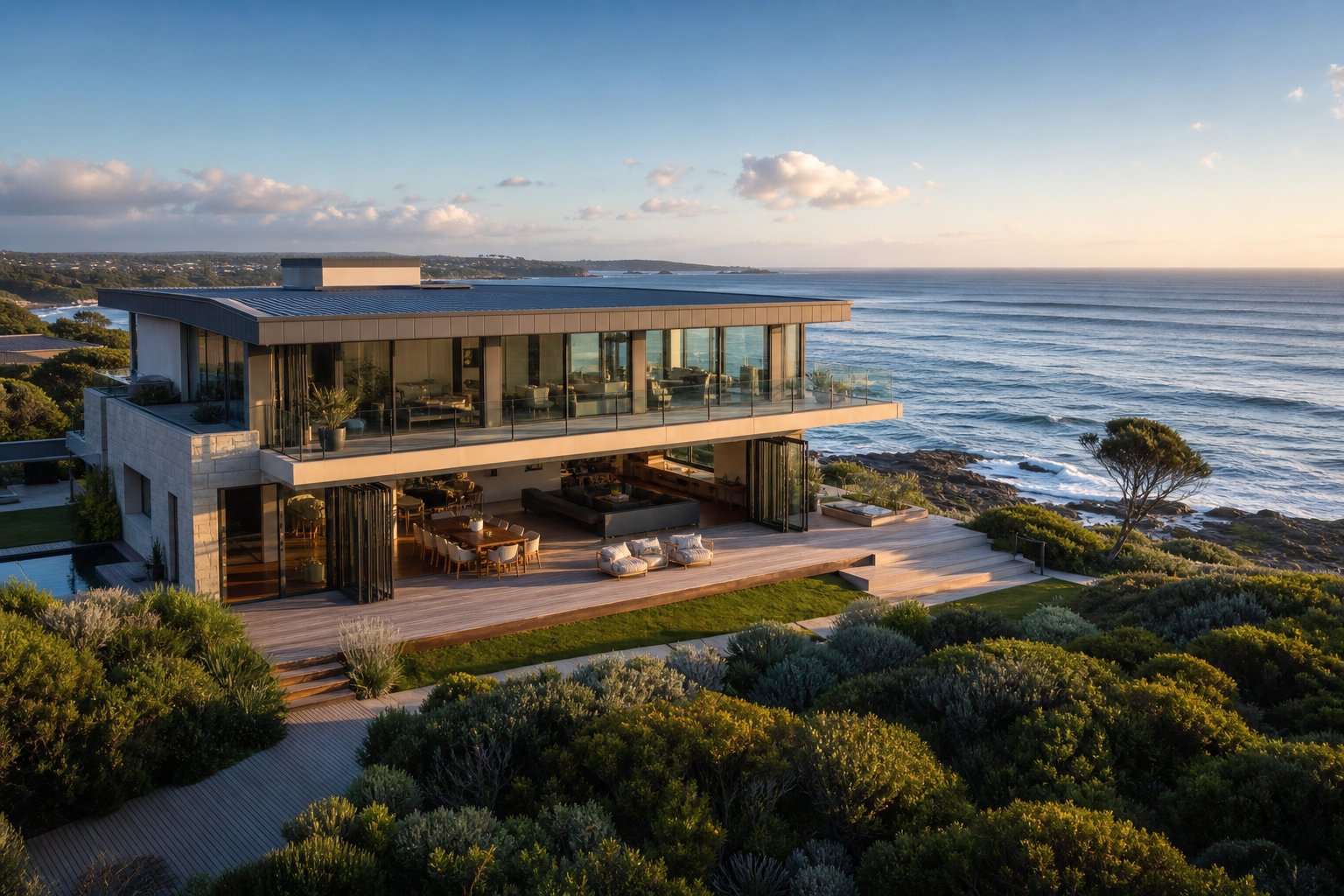
A sliding window that performs flawlessly in Penrith may deteriorate prematurely in a beachside suburb, and a standard powder coat that holds up fine in the Blue Mountains can chalk and fade within years on a north-facing wall out near Orange. NSW spans humid subtropical coastline, temperate tablelands, and semi-arid western plains, and each environment places different stresses on aluminium frames, hardware, seals, and coatings. Selecting aluminium windows in NSW without accounting for your specific climate zone is one of the most common and costly mistakes buyers make.
Coastal NSW and Salt Air Corrosion Resistance
Salt from breaking waves becomes airborne and travels further inland than most people realise. Properties within one kilometre of the shoreline face the heaviest exposure, but significant chloride deposits have been measured more than 80 kilometres from the coast. For homes along the Central Coast, Newcastle, Wollongong, and Sydney’s eastern suburbs, this matters enormously. Chloride ions attack aluminium’s natural oxide layer, and without adequate protection, visible pitting can appear within weeks on unfinished or poorly coated surfaces.
Marine-grade aluminium finishes are designed specifically for this threat. The key difference lies in pre-treatment quality and coating specification. High-performance 70% PVDF resin-based coatings undergo more than 4,000 hours of accelerated salt spray testing, compared with standard architectural powder coats that may only be rated for moderate exposure. If you are sourcing aluminium windows on the Central Coast, NSW or anywhere within a few kilometres of the ocean, specifying marine-grade finishes is not optional; it is essential for longevity. Drainage design also matters. Frames with blocked or undersized weep holes trap salinised moisture, accelerating corrosion from the inside out.
Inland and Western NSW Heat and UV Considerations
Move away from the coast and salt becomes less of a concern, but UV intensity and thermal cycling take over. Towns like Orange, Bathurst, and Dubbo experience extreme summer heat alongside cold winter nights. That daily temperature swing expands and contracts seals and hardware repeatedly over years. Aluminium itself handles this well, but the coating system bears the brunt of UV degradation.
Australia presents one of the most demanding climates globally for exterior coated aluminium surfaces, with intense sun exposure driving chalking, gloss loss, and colour fade. For aluminium windows in Orange, NSW or across the western slopes, coating grade directly determines how long the finish holds its appearance. Standard powder coats in moderate environments can perform adequately, but harsh UV zones demand higher-grade architectural formulations or fluoropolymer systems to maintain colour stability over the building’s lifespan. North and west-facing frames cop the worst of it, so specifying a more durable finish on exposed elevations while using standard coatings on protected southern faces is a practical cost-saving strategy.
How Orientation Affects Window Performance in NSW
Orientation ties climate exposure directly to individual windows rather than the building as a whole. A north-facing window in Penrith receives intense solar radiation through summer, demanding low solar heat gain glazing and UV-stable coatings. The same home’s south-facing windows experience minimal direct sun but may face cold winter winds, making thermal performance and air sealing the priority instead.
Climate responsive design treats each window as performing differently based on its specific location and orientation. For buyers comparing aluminium windows in Penrith, NSW or Toronto, NSW, this means the specification should vary across your home rather than defaulting to one frame and glazing combination everywhere.
Before selecting windows for any NSW project, assess these environmental factors for your site:
- Proximity to the coast (distance in kilometres from the nearest shoreline)
- Prevailing wind direction and exposure level
- Bushfire Attack Level (BAL) rating for your property
- Altitude and average diurnal temperature range
- Average annual UV index and dominant sun-exposed orientations
Each of these variables shifts the specification toward different frame finishes, glazing types, and hardware grades. Getting this assessment right at the start prevents premature failures and unnecessary replacement costs down the track. It also feeds directly into the energy performance calculations that determine whether your windows meet NSW compliance requirements, particularly when thermally broken frames enter the conversation.
Understanding Thermally Broken Aluminium Frames
Aluminium conducts heat roughly 1,000 times more efficiently than timber. That property makes it excellent for cooking pans and heat sinks, but it creates a problem in window frames. A standard aluminium profile acts as a direct thermal bridge between the outside air and your interior, transferring heat in summer and cold in winter with very little resistance. For decades, this was simply accepted as the trade-off for aluminium’s strength and slim sightlines. Thermally broken technology changes that equation entirely.
What Thermal Breaking Means in Aluminium Frames
A thermally broken frame splits the aluminium profile into two separate pieces: one facing the exterior and one facing the interior. Between them sits an insulating barrier, typically made from reinforced polyamide (nylon) strips or polyurethane resin. This barrier is mechanically bonded to both aluminium sections during manufacturing, creating a composite structure that maintains full structural strength while interrupting the direct transfer of heat through the metal frame.
Think of it like a thermos flask. The outer shell and inner shell never touch directly. The gap between them stops heat from travelling across. In a thermally broken window, the polyamide strip serves the same function. It has extremely low thermal conductivity, so even though the outer aluminium section heats up in full sun, that energy struggles to reach the inner section and radiate into your room.
The core principle is simple: a thermal break prevents the aluminium frame from acting as a conductor between indoor and outdoor temperatures. Without it, even the best double glazing is undermined by heat flowing freely through the frame itself.
The insulating strips are typically reinforced with glass fibres for added rigidity. This matters because the frame still needs to resist wind loads, support heavy glass panels, and maintain its shape through years of thermal cycling. Premium aluminium window manufacturers in NSW use polyamide strips ranging from 20 mm to 35 mm or wider, with broader strips delivering greater insulation performance.
Standard vs Thermally Broken Performance Differences
In a standard aluminium frame, heat passes through a continuous metal pa Writing chapter 4 about thermally broken aluminium frames for the NSW aluminium windows article.
NSW Building Compliance for Aluminium Windows
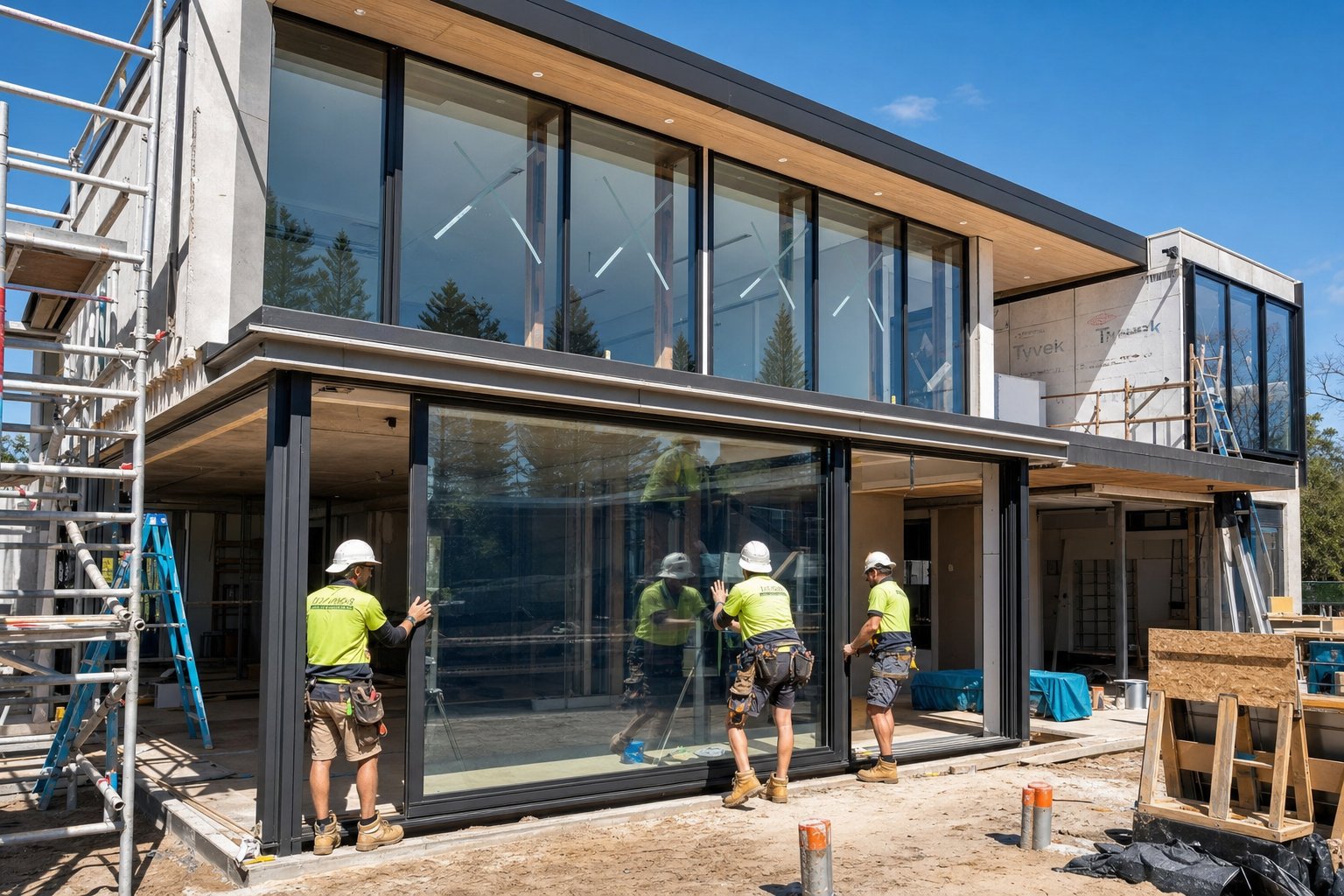
Thermal performance is not just a comfort preference in NSW. It is a regulatory requirement. The frame and glazing combination you select directly determines whether your project passes mandatory energy assessments, and in bushfire-prone areas, it can dictate the exact glass type and frame construction permitted. Buyers sourcing aluminium windows in Liverpool, NSW or Prestons, NSW for a new build face stricter compliance hurdles than those doing a like-for-like renovation, yet both scenarios involve rules that shape the final specification.
BASIX Requirements and How Windows Affect Your Score
Every new residential dwelling and major renovation in NSW must achieve a passing score through the Building Sustainability Index (BASIX) before a development application or complying development certificate can be issued. Windows are one of the most influential variables in the thermal comfort assessment. BASIX evaluates each window based on its orientation, glazing size (height and width in millimetres), operating type, frame material, glass type, shading, and overshadowing.
Once you enter these details, the system assigns a U-value and Solar Heat Gain Coefficient (SHGC) to each window. The U-value measures how readily the entire window assembly conducts heat. A lower number means better insulation. The SHGC measures how much solar radiation passes through the glass and frame combined. A lower SHGC means less unwanted heat gain in summer, but it also reduces beneficial passive solar heating in winter. Getting the balance right depends on orientation and climate zone.
For standard combinations like aluminium frames with single or double glazed clear glass, no additional certification of U-value and SHGC is required at inspection. But if your project uses low-E coatings, tinted glass, argon-filled units, or thermally broken frames, the BASIX certificate will state maximum allowable U-values and acceptable SHGC ranges. Documentation proving compliance must then be provided to the certifying authority. This is where specifying the right frame and glazing pairing early saves headaches later.
NCC Section J Energy Provisions for Windows
For commercial projects and apartment common areas, the National Construction Code Section J governs energy efficiency. The 2022 update changed how windows are assessed. Walls and glazing are now evaluated together as a combined facade unit rather than independently. Each element must still meet its own minimum performance threshold, but the combined result must also pass a collective standard.
This matters for anyone specifying aluminium windows in Smithfield, NSW or St Marys, NSW for a Class 2 apartment building or mixed-use development. If your glazing has a high SHGC on a sun-exposed facade, you need to compensate elsewhere, either through better wall insulation, external shading devices, or upgrading to thermally broken frames with low-E glass. The architect, facade consultant, and energy assessor need to coordinate from concept design rather than treating windows as an isolated selection made later.
Individual apartments within Class 2 buildings must now achieve a 7-star NatHERS equivalent for thermal performance under J1P2. Window-to-wall ratios, glazing performance, and frame type all feed into that rating. Larger glass areas demand higher-performing frames and glazing to hit the target.
BAL Ratings and Bushfire Zone Window Compliance
Properties in bushfire-prone areas across NSW receive a Bushfire Attack Level rating from BAL-LOW through to BAL-FZ (Flame Zone). As the rating increases, so do the requirements for window construction. At BAL-12.5 and above, all external windows and doors must comply with AS 3959, which specifies minimum glass thickness, frame construction, and screening requirements.
For aluminium windows in Wetherill Park, NSW or suburbs bordering bushland in the Blue Mountains and Hawkesbury regions, BAL compliance often means toughened or tempered glass as a minimum, with higher ratings requiring specific thicknesses and sometimes mesh screening over the glazing. Standard float glass is not permitted above BAL-LOW. The frame itself must also prevent ember entry, meaning tight seals and minimal gaps become non-negotiable rather than optional upgrades.
Renovation projects in bushfire zones face a grey area. A like-for-like replacement may not trigger full BAL compliance, but any alteration that changes the window size, location, or configuration typically does. Check with your local council and a bushfire consultant before assuming existing openings are exempt.
Pulling all of this together into a logical sequence helps avoid costly missteps. Here is the compliance checking process for any NSW window project:
- Determine your NCC climate zone based on property location
- Check the BAL rating for your site through your local council or a bushfire assessment report
- Calculate BASIX thermal comfort targets using your project’s specific orientation, floor plan, and construction details
- Select the appropriate glazing and frame combination that satisfies both BASIX and BAL requirements simultaneously
- Verify the complete specification with a certified energy assessor or BASIX consultant before ordering
Skipping step five is where projects run into trouble. A window that passes BASIX on paper still needs to match what is physically installed, and the certifying authority will check. Getting the specification locked in early, with professional verification, avoids rejected inspections and expensive last-minute substitutions. It also clarifies exactly which finish and coating grade your frames need, which is its own decision with real performance consequences across NSW conditions.
Colour Options and Finish Durability in NSW Conditions
Compliance determines what your frames must do. Colour determines what they look like for the next two or three decades. It sounds like a simple aesthetic choice, but aluminium window colours in NSW carry real performance implications depending on where you live and which direction your frames face. The wrong coating specification on a coastal or high-UV property does not just fade. It fails.
Standard and Custom Colour Ranges for NSW Projects
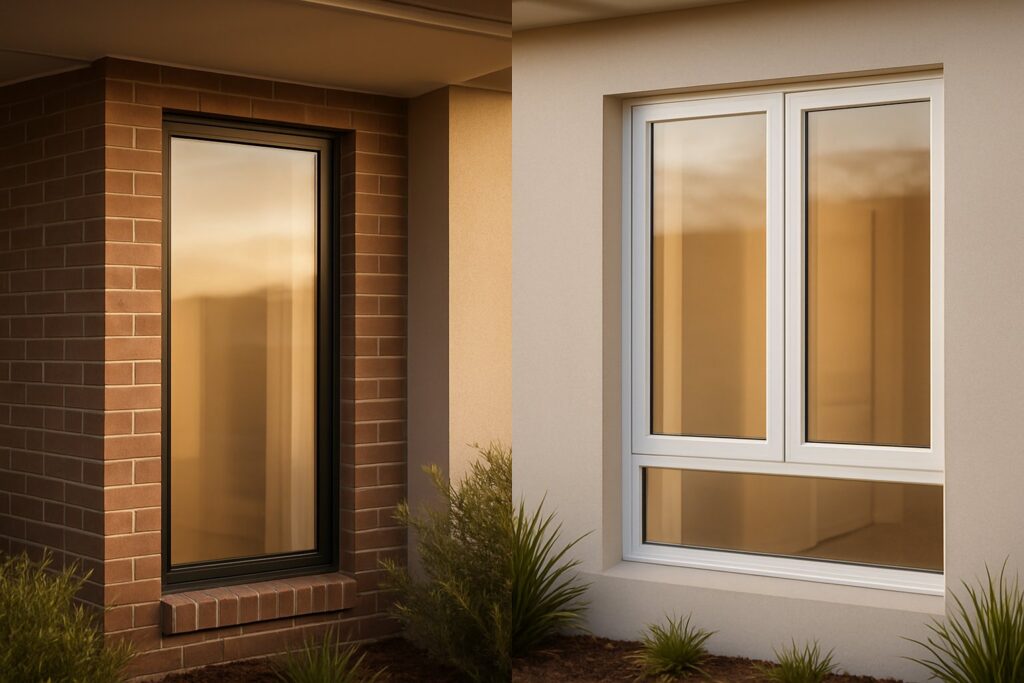
Most aluminium window suppliers in NSW work from the Dulux or Interpon powder coating palettes, which include hundreds of options across neutrals, earth tones, bold colours, metallics, and woodgrain sublimation finishes. In practice, a handful of shades dominate residential projects. Monument (a dark charcoal), Woodland Grey, Surfmist, Satin Black, and Dune account for the bulk of orders, largely because they coordinate with standard Colorbond roofing and gutter colours already common on NSW homes.
Beyond the standard range, custom colour matching is available for projects requiring a specific RAL or Pantone reference. Heritage renovations, commercial fitouts, and architect-designed homes often call for non-standard shades. Expect longer lead times and a price premium for custom runs, since the powder must be batch-mixed and the applicator needs to calibrate for the specific formulation. Request a physical sample chip before committing. Colours shift noticeably between a screen swatch and a cured aluminium surface viewed in natural light.
A practical tip: darker colours absorb more heat and show less dust, while lighter shades reflect solar energy and make smaller openings feel more open. For west-facing frames in western Sydney or inland NSW, lighter tones reduce surface temperatures and place less thermal stress on seals and hardware over time.
Powder Coating Durability in Coastal and UV-Heavy Environments
Powder coating is not paint. It is an electrostatically applied dry powder that is oven-cured onto the aluminium, forming a hard, chemically bonded finish far tougher than any liquid application. A well-applied powder coat on aluminium typically lasts 10 to 30 years, with indoor applications reaching 20 to 40 years. But that range is enormous, and where your property sits in NSW narrows it considerably.
Coating performance is graded through internationally recognised specifications. At the basic tier, standard polyester coatings undergo around 1,500 hours of salt spray testing and carry short warranties suited to interior or protected applications. Mid-tier super durable polyester formulations are tested to 3,000 hours of salt spray and five years of outdoor exposure, making them appropriate for moderate exterior environments. The highest-performance fluoropolymer coatings endure 4,000-plus hours of salt spray testing and ten years of real-world weathering trials, delivering superior colour retention and corrosion resistance for severe coastal and industrial exposures.
For properties within a few kilometres of the NSW coastline, that top tier is not a luxury. Salt-laden air attacks any weakness in the coating system. Filiform corrosion, those thin worm-like tracks that creep beneath the finish, typically starts at scratches or areas where pre-treatment was inadequate. Once it begins, the coating lifts progressively and the frame deteriorates underneath. Specifying a high-performance coating from the outset costs more upfront but avoids premature recoating or frame replacement.
UV degradation works differently. Rather than attacking adhesion, intense sunlight breaks down the resin binders in the powder, causing chalking (a white powdery residue on the surface) and gradual colour fade. Dark colours like black and bronze fade faster and show chalking more visibly than lighter shades. In high-UV zones across inland and western NSW, fluoropolymer coatings faded only around 5% in decade-long outdoor testing, while standard polyester formulations faded 15 to 20% over the same period.
The factors that determine how long your powder coating holds up in NSW conditions:
- UV exposure level based on orientation and geographic location
- Proximity to salt air (distance from the coastline in kilometres)
- Coating thickness (optimal is around 60 to 80 microns for exterior architectural use; too thin leaves gaps, too thick risks cracking)
- Pre-treatment quality (chromate or chrome-free conversion coatings that prepare the aluminium surface for adhesion)
- Maintenance frequency (quarterly cleaning in coastal areas, biannual in moderate environments)
Timber-Look Finishes as an Alternative to Real Timber
Timber look aluminium windows in NSW have grown steadily in popularity, particularly for renovations where homeowners want the warmth of wood without the maintenance cycle. These finishes use a sublimation process: a printed film carrying a realistic timber grain pattern is heat-transferred onto the powder-coated aluminium surface, bonding permanently into the coating layer.
The result is visually convincing, especially from normal viewing distances. Up close, the texture remains smooth rather than carrying real timber grain, but the colour variation and knot patterns replicate species like Western Red Cedar, Spotted Gum, and American Oak convincingly enough for most residential applications. Timber-look finishes work particularly well on street-facing elevations where council or neighbourhood character guidelines favour a traditional appearance, while the interior side can be finished in a standard colour to match modern interiors.
Durability of sublimated timber finishes depends on the base powder coat underneath. If the underlying coating is a high-performance polyester or fluoropolymer, the sublimation layer inherits that UV and corrosion resistance. Cheaper systems using basic polyester as the base coat will fade and chalk faster, making the timber pattern look washed out within a few years on exposed faces. Always ask what base coating sits beneath the woodgrain transfer.
Painting Aluminium Window Frames in NSW
Painting aluminium window frames in NSW is technically possible but rarely the best path. Existing powder-coated frames that have faded or chalked can be restored through professional recoating, which involves stripping or abrading the old finish, re-applying pre-treatment, and curing a fresh powder coat in an oven. This delivers factory-quality results but requires removing the frames from the building.
On-site liquid painting is the more common DIY approach. It demands thorough surface preparation: cleaning with a mild detergent, sanding with fine-grit paper to create a mechanical key, applying an etching primer formulated for non-ferrous metals, and then finishing with a high-quality exterior acrylic or two-pack polyurethane topcoat. Skip any of those steps and the paint will peel within a season or two, particularly on sun-exposed faces.
Liquid paint will never match the hardness, chemical resistance, or longevity of a factory powder coat. It is a reasonable interim solution for frames with minor cosmetic issues, but if the underlying aluminium shows pitting or the existing coating is blistering and peeling, professional recoating or full replacement delivers a far better long-term outcome. The cost difference between repainting and replacing often narrows once you factor in labour, prep materials, and the likelihood of needing to redo the work within five to seven years.
Colour and finish selection feeds directly into the overall cost equation for any window project. The gap between a standard Monument powder coat and a custom timber-look sublimation on fluoropolymer base is significant, and it is just one of several variables that shift the final price of aluminium windows across NSW.
Cost Factors for Aluminium Windows in NSW
That gap between a basic powder coat and a premium sublimated finish hints at a broader reality: aluminium window pricing is not a single number. It is a stack of decisions, each adding or subtracting from the final figure. Buyers searching for cheap aluminium windows in Newcastle, NSW or anywhere else in the state quickly discover that quotes vary wildly, and without understanding what drives those differences, comparing them is almost impossible.
No two projects produce the same cost. A standard sliding window for a garage differs enormously from a thermally broken, double-glazed bi-fold for a harbourside living room. Rather than chasing a single dollar figure that will not apply to your situation, understanding the variables that move the price up or down gives you far more control over your budget.
Key Variables That Drive Aluminium Window Costs
Size is the most obvious factor. Larger windows use more aluminium extrusion, more glass, and heavier hardware. But configuration matters just as much. A fixed window is the cheapest operable type because it has no moving parts, no hinges, no locks, and no complex sealing systems. Once you add opening mechanisms, the price steps up. Supply-only pricing for standard aluminium windows in Australia ranges from around $150 for a small 600 x 600 mm fixed panel through to $680 or more for a large sliding window at 2057 x 2650 mm. Awning and hinged windows fall between those points depending on dimensions.
Glazing type has a high impact on cost. Single clear float glass is the baseline. Step up to toughened safety glass and the price increases moderately. Move to double glazing and you are looking at a meaningful jump, typically 25 to 35 percent more than single-pane equivalents. Add low-E coatings, argon gas fills, or laminated acoustic glass and the glazing alone can represent a substantial portion of the total window cost. For projects requiring BAL compliance or high acoustic performance, these upgrades are not optional.
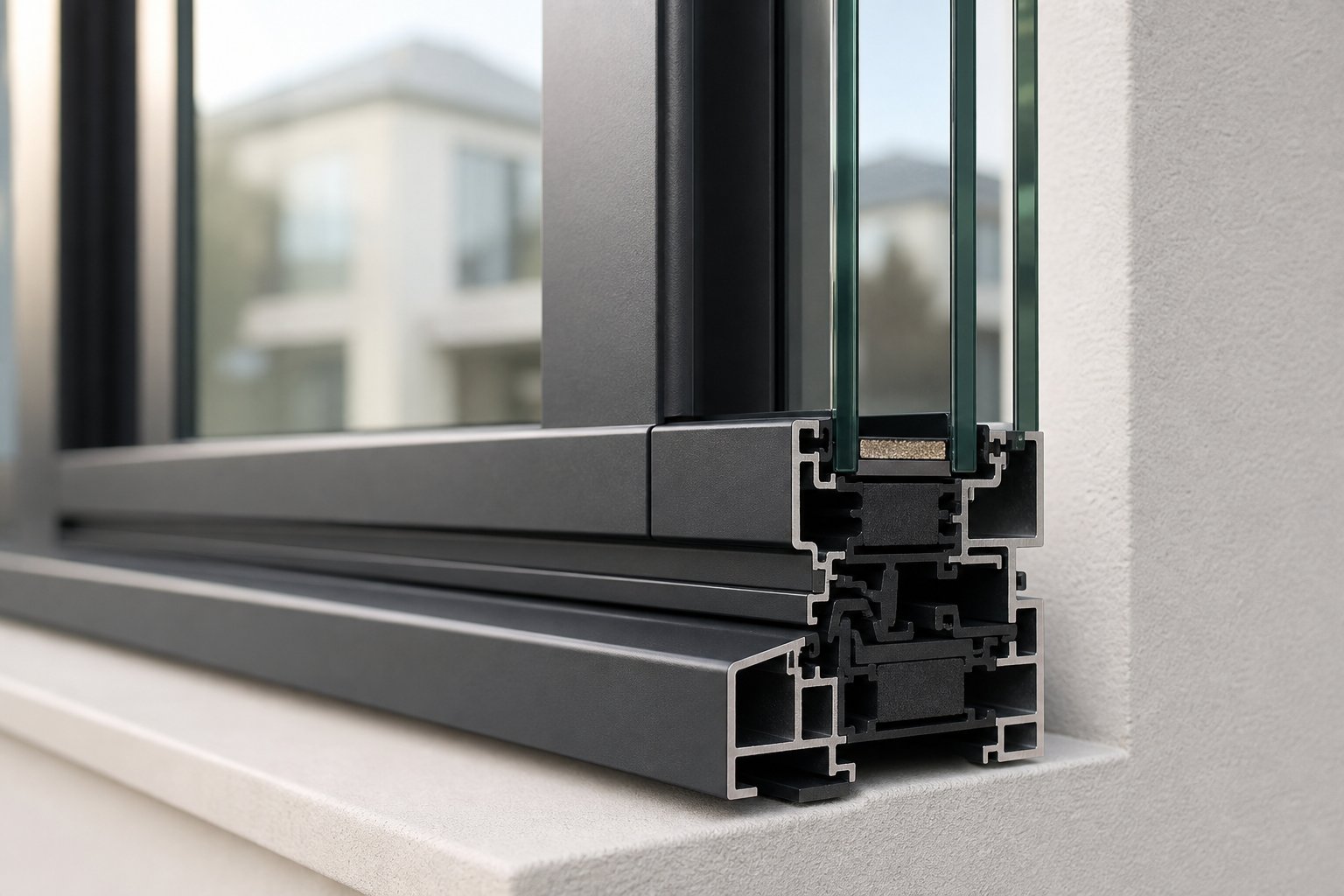
Frame type creates another tier. Standard aluminium profiles cost less than thermally broken equivalents because the manufacturing process is simpler. Thermally broken frames involve additional materials (polyamide insulating strips), more complex extrusion assembly, and tighter quality control. The performance gain is significant, but so is the price difference. Expect thermally broken frames to add 15 to 30 percent over standard profiles depending on the system and supplier.
Hardware quality ranges from basic zinc-alloy handles and steel friction stays through to Grade 316 stainless steel components and European-engineered multi-point locking systems. Budget hardware functions adequately in the short term but tends to stiffen, corrode, or fail within five to seven years, particularly in coastal areas. Premium hardware lasts decades and operates smoothly throughout, but it adds cost per window that accumulates across a whole-house order.
Powder coating finish rounds out the specification variables. A standard colour from the common range costs less than a custom-matched shade. Marine-grade or fluoropolymer coatings carry a premium over standard polyester formulations. Timber-look sublimation finishes sit at the top of the pricing scale for coatings. Each step up buys durability and aesthetics, but the right choice depends on your exposure conditions rather than a blanket rule.
| Cost Factor | Impact on Price | What the Upgrade Provides |
|---|---|---|
| Glazing (single to double, low-E, laminated) | High | Better insulation, noise reduction, UV filtering, safety compliance |
| Frame Type (standard to thermally broken) | High | Reduced heat transfer, improved energy rating, less condensation |
| Finish (standard polyester to marine-grade/fluoropolymer) | Medium | Longer colour retention, superior corrosion resistance, extended warranty |
| Hardware (basic zinc to Grade 316 stainless/European) | Medium | Smoother operation, longer lifespan, better security, coastal durability |
| Installation (simple insert to structural modification) | High | Correct fit, proper flashing, waterproofing, compliance sign-off |
Renovation vs New Build Pricing Differences
A common frustration for renovators is discovering that replacement windows cost more per unit than the same product supplied into a new build. The window itself might be identical, but the context around it changes everything.
In new construction, openings are framed to standard dimensions before the windows arrive. The installer works on a clean site with easy access, no existing finishes to protect, and no demolition required. Multiple windows go in during a single mobilisation, spreading labour costs across the order. Builders often negotiate volume pricing with suppliers, further reducing the per-unit figure.
Renovation work flips most of those advantages. Existing windows must be carefully removed without damaging surrounding plaster, render, or brickwork. Openings may not be square or standard-sized after decades of settling, requiring custom-manufactured frames rather than off-the-shelf units. Waterproofing and flashing must integrate with existing wall systems. Access can be difficult on upper storeys or in tight side setbacks. Each window becomes its own small project rather than one step in a production sequence.
The result is that installation labour for replacement windows often equals or exceeds the cost of the window itself. A new build might see installation at 15 to 20 percent of the supply cost, while a renovation can push that to 50 percent or higher depending on complexity. Factor in potential make-good work to internal and external finishes, skip bin hire for old frames, and possible structural modifications to openings, and the total project cost per window climbs considerably.
Budget Options and What You Trade Off
Tight budgets are a reality for many NSW projects, and the market responds with options at every price point. Standard-sized windows purchased off the shelf from hardware stores or online suppliers represent the most affordable entry point. These suit projects where openings happen to match common dimensions and where basic performance is acceptable.
Second hand aluminium windows in Newcastle, NSW and other areas appear on marketplace platforms and salvage yards regularly. Used aluminium windows for sale in NSW can offer genuine savings, particularly for sheds, granny flats, or rental properties where cosmetic perfection is less critical. The trade-offs are real though. Second-hand frames may have worn seals that no longer prevent air or water infiltration. Hardware could be stiff or partially seized. Powder coating may be chalked or scratched, reducing corrosion protection. Sizing is fixed to whatever was removed from the original building, so finding exact matches for your openings is hit-or-miss.
More importantly, used windows come without warranty and without documentation proving compliance with current standards. If your project requires a BASIX certificate or BAL-rated glazing, second-hand windows are unlikely to satisfy the certifier unless you can source original compliance documentation, which rarely accompanies salvaged stock.
Budget new windows from lesser-known suppliers carry their own compromises. Thinner aluminium profiles (1.2 mm wall thickness versus 1.6 mm in premium ranges), basic hardware with shorter operational life, minimal coating thickness, and limited or no warranty coverage. These windows function adequately in protected, low-demand applications. In exposed coastal or high-UV locations, they tend to deteriorate faster, and the cost of early replacement erodes the initial saving.
The honest calculation is not just what you pay today. It is what you pay over the window’s entire service life, including energy costs, maintenance, potential hardware replacement, and eventual full replacement if the frame fails prematurely. A mid-range specification from a reputable supplier typically delivers the best value for owner-occupied homes where you are living with the result for a decade or more.
Understanding where your money goes puts you in a stronger position when evaluating quotes. But a quote is only as good as the supplier behind it, and the range of businesses offering aluminium windows in NSW varies enormously in capability, product depth, and project support.
Selecting the Right Aluminium Window Supplier in NSW
A detailed quote means little if the business behind it cannot deliver the right product, on time, built to the specification your project demands. The aluminium window market in NSW includes everything from large-scale manufacturers running their own extrusion lines to small fabrication shops assembling components under licence, plus resellers who hold no stock and broker orders between you and a factory you never interact with directly. Knowing which type you are dealing with, and what to look for regardless of category, separates a smooth project from one plagued by delays, substitutions, and finger-pointing.
What to Look for in an NSW Aluminium Window Supplier
The distinction between manufacturers, fabricators, and resellers is not always obvious from a website or showroom. A manufacturer controls the full supply chain: they design the aluminium profile system, source raw materials, extrude or stock the sections, and assemble finished windows under one roof. A fabricator purchases pre-designed profile systems from a separate system supplier and assembles windows to order. A reseller takes your measurements and places an order with a fabricator or manufacturer on your behalf, adding a margin without touching the product.
Each model has trade-offs. Manufacturers offer the tightest quality control and the most flexibility for custom configurations because they own the tooling and engineering. Fabricators can be excellent if they run tight operations and maintain close relationships with their system supplier, but a disconnect between what the system supplier designs and what the fabricator can actually produce sometimes leads to specification mismatches or delays waiting on components. Resellers add convenience but remove your direct line to the people making your windows, which complicates troubleshooting if something arrives incorrect.
For builders and developers managing tight construction programmes, supply capability matters as much as product quality. A supplier who cannot hold delivery dates disrupts your entire sequencing: plasterers cannot finish reveals, painters cannot complete exteriors, and lock-up milestones slip. Aluminium window suppliers in Newcastle, NSW and across the state vary widely in their capacity to handle project-scale orders versus one-off residential jobs. Ask directly about current lead times, production capacity, and whether they have experience supplying staged deliveries across multi-dwelling developments.
Local knowledge also carries weight. A supplier familiar with NSW conditions understands which coating grades suit coastal suburbs, which glazing combinations pass BASIX in specific climate zones, and which hardware stands up to salt air. That expertise saves you from specifying something that technically works on paper but underperforms in your actual environment. Aluminium window manufacturers on the Central Coast, NSW or in Newcastle who regularly supply into those local markets bring that applied knowledge as standard.
Custom Configuration and Glazing Choices That Matter
Standard catalogue sizes suit some projects, but most renovations and architect-designed homes need custom dimensions. The ability to manufacture to exact millimetre specifications rather than rounding to the nearest standard size means proper fit, correct clearances, and no unsightly packing or trimming on site. Confirm whether your supplier manufactures custom sizes in-house or subcontracts them, as the latter adds lead time and a potential communication gap.
Glazing options deserve equal scrutiny. A supplier offering only single clear glass and one or two tinted options limits your ability to meet energy targets or acoustic requirements. Look for access to the full range: single, double, and triple glazing; low-E coatings in multiple configurations; laminated and toughened safety glass; argon or krypton gas fills; and acoustic-rated interlayers. The right supplier helps you match glazing to each window’s orientation and performance requirement rather than defaulting to one specification across the board.
Colour availability ties back to the finish durability discussion. Suppliers with established relationships with major powder coaters can access the full Dulux, Interpon, or equivalent palette without excessive minimum order quantities. Some also offer in-house coating lines, which shortens turnaround and gives them direct quality control over pre-treatment and film thickness. For projects requiring timber-look sublimation or marine-grade fluoropolymer finishes, confirm the supplier has a proven track record with those specific processes rather than treating your order as their first attempt.
Suppliers like MEICHEN demonstrate what a comprehensive offering looks like in practice: custom configuration options across multiple window types, extensive glazing choices including double-glazed and low-E units, a broad colour palette, and project-based supply geared toward NSW homeowners, builders, and architects. Evaluating any supplier against that breadth of capability gives you a useful benchmark for whether they can genuinely service your project or whether you will hit limitations partway through.
Before committing to any aluminium window supplier in NSW, run through these evaluation criteria:
- Product range breadth: do they cover all window types you need (awning, sliding, bi-fold, fixed, etc.) within a single system?
- Custom sizing availability: can they manufacture to your exact dimensions without excessive lead time penalties?
- Glazing options offered: single, double, triple, low-E, laminated, tinted, acoustic, and BAL-rated glass?
- Colour range: full access to major powder coating palettes plus custom matching and specialty finishes?
- Lead times: realistic delivery windows for both standard and custom orders, with a track record of meeting them?
- Project supply experience: proven capability handling multi-unit or staged deliveries for builders and developers?
- After-sales support: warranty terms, replacement part availability, and responsiveness to issues post-installation?
A supplier who ticks every box on that list is not necessarily the cheapest option. But they are the option least likely to cost you more in the long run through delays, substitutions, failed inspections, or premature product failure. The windows you install today need to perform for decades, and the supplier relationship does not end at delivery. It extends through warranty claims, hardware replacements, and potentially future stages of your project. Choosing well at this point protects everything that follows, including the ongoing maintenance that keeps your aluminium frames performing long after installation day.
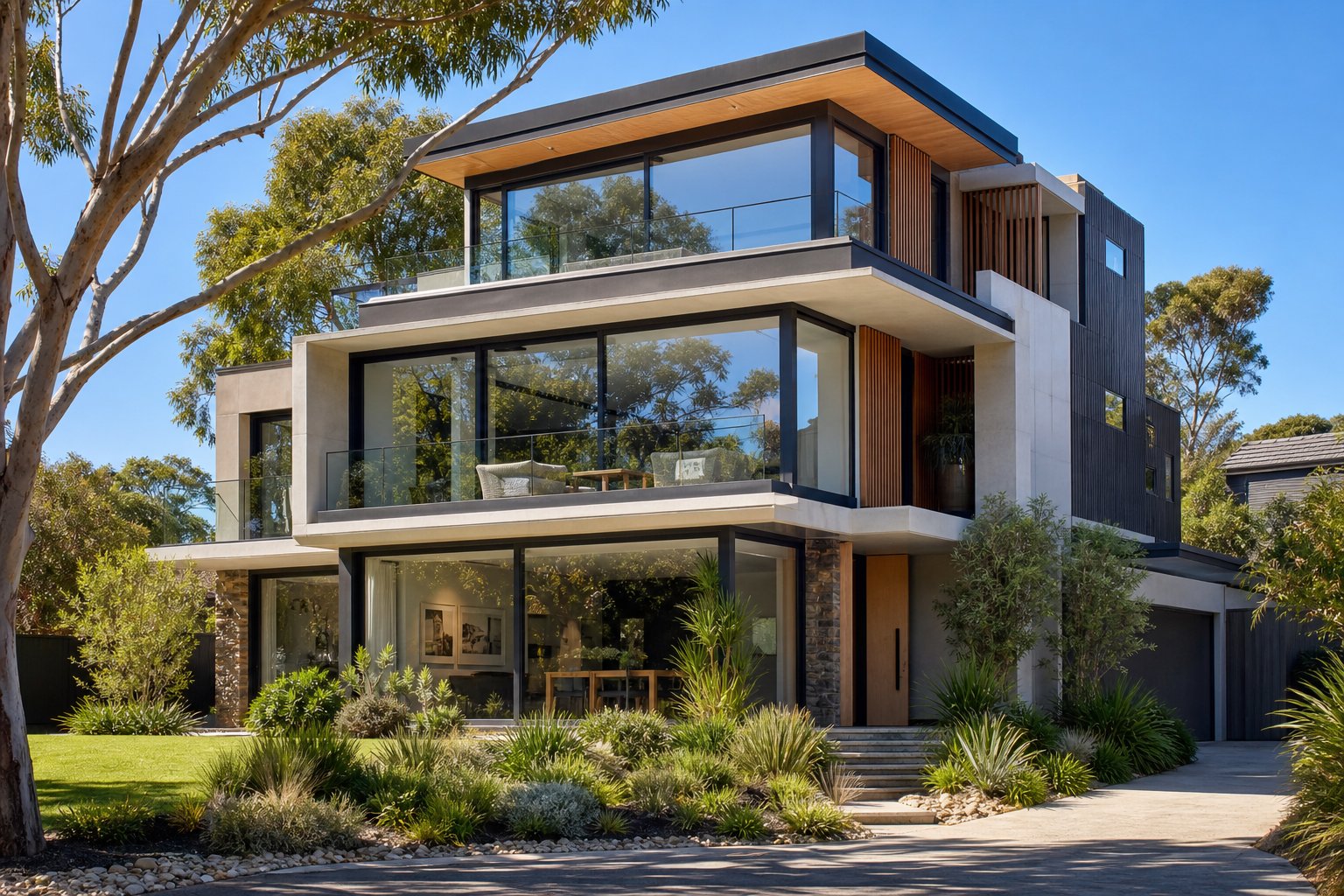
Maintaining and Extending the Life of Aluminium Windows
A well-chosen supplier and a solid specification get your windows off to the right start. But aluminium frames do not maintain themselves. The difference between windows that last 25 years and those that push past 40 comes down to what happens after aluminium window installation in Newcastle, NSW or anywhere else across the state. The good news is that aluminium demands far less upkeep than timber. The bad news is that “low maintenance” is not the same as “no maintenance,” and neglecting a few simple tasks accelerates deterioration faster than most homeowners expect.
Routine Maintenance for Coastal and Inland Properties
Your cleaning schedule should reflect your environment, not a generic calendar reminder. Properties in coastal, river, pool, or industrial environments need monthly frame washing, with a maximum gap of three months between cleans. Salt deposits left sitting on powder-coated surfaces attack the finish progressively, and once corrosion starts beneath the coating, it spreads regardless of how diligently you clean afterwards. Rural and suburban homes further from the coast can stretch to quarterly cleaning, with six months as the absolute maximum interval.
The process itself is straightforward. Warm soapy water or a car wash detergent applied with a soft, non-abrasive sponge removes salt, dust, and grime without damaging the powder coat. Avoid solvent-based cleaners entirely. They strip protective layers and leave the aluminium vulnerable. Rinse thoroughly and dry with a clean cloth to prevent water spots, particularly on darker finishes where mineral deposits show clearly.
Tracks and sills collect sand, grit, leaves, and pet hair that obstruct rollers and drainage paths. A vacuum or soft brush clears debris before it compacts into a hard layer that grinds against moving parts. Blocked weep holes, those small drainage slots at the base of the frame, trap water inside the track system. In coastal areas, that trapped water carries dissolved salt, creating a concentrated corrosive solution sitting against the aluminium for days or weeks at a time. Clearing weep holes after storms takes seconds and prevents damage that costs hundreds to repair.
Hardware needs attention too. Locks, handles, hinges, and rollers benefit from an annual application of silicone-based lubricant to their internal mechanisms. Avoid petroleum-based oils, which attract dust and gum up over time. Keep the lubricant off finished surfaces where it can stain or attract grime. Rollers on sliding windows are typically pre-greased or use sealed bearings, so they do not need additional lubrication, but they do need clear tracks to function smoothly.
Here is a seasonal maintenance checklist that covers the essentials:
- Wash frames with mild detergent and a soft cloth quarterly (monthly for coastal properties within a few kilometres of the shoreline)
- Inspect weather seals and gaskets biannually for cracking, hardening, or loss of flexibility
- Lubricate all operable hardware (locks, hinges, handles) annually with silicone-based spray
- Clear drainage holes and tracks after storms or heavy rain events
- Check for signs of oxidation, coating damage, or filiform corrosion annually, paying close attention to bottom rails and corners where moisture lingers
When to Repair vs Replace Aluminium Windows
Not every issue demands a full replacement. Aluminium window restoration in Newcastle, NSW and across the state remains a viable option when the frame itself is structurally sound. Worn weather seals can be replaced individually without removing the window. Stiff or seized hardware can often be serviced or swapped for compatible replacements. Minor surface oxidation on exposed aluminium edges responds to gentle abrasion and touch-up treatment. Even fogged double-glazed units, where the seal between panes has failed and moisture enters the cavity, can sometimes be replaced as a glass-only swap within the existing frame.
Repair makes sense when the core aluminium extrusion remains straight, uncorroded, and dimensionally stable. If the frame shows visible pitting, deformation from settling, or widespread coating failure with corrosion tracking beneath, the structural integrity is compromised and patching individual components will not restore performance. Similarly, if your existing windows are single-glazed standard frames and your goals include improved energy efficiency, noise reduction, or bushfire compliance, repair cannot bridge that gap. The frame technology itself needs upgrading.
A practical rule: if the cost of repairing seals, hardware, and glass across a single window approaches 60 to 70 percent of a new replacement unit, replacement delivers better value because you gain a full warranty, current compliance documentation, and modern performance in the bargain.
Extending the Lifespan of Your Aluminium Frames
Well-maintained aluminium windows installed in Australian homes typically last between 25 and 40 years, with some frames remaining serviceable even longer in mild, protected environments. Reaching the upper end of that range depends on three things: appropriate specification at the outset, consistent maintenance throughout the service life, and prompt attention to early signs of deterioration before they cascade into larger failures.
Sprinkler systems aimed at window frames accelerate corrosion by keeping surfaces wet for extended periods. Redirecting irrigation away from frames or switching to subsurface watering eliminates this common but overlooked risk. Vegetation growing against frames traps moisture and organic acids against the coating. Keep plants trimmed back with at least 100 mm of clearance around all frame edges.
When windows do reach the end of their practical life, whether through accumulated wear, changing performance requirements, or renovation plans that demand different configurations, aluminium window replacement in Newcastle, NSW and throughout the state is a well-established process. Modern replacement windows can be custom-sized to match existing openings precisely, minimising disruption to surrounding wall finishes. Suppliers like MEICHEN offer replacement and upgrade options with custom sizing designed to fit existing apertures, making the transition from old frames to new ones as seamless as possible for homeowners who have reached the repair-versus-replace tipping point.
The aluminium itself is fully recyclable at end of life. Old frames removed during replacement do not go to landfill. They re-enter the manufacturing stream, melted down and reformed into new products with no loss of material quality. That circularity is one more reason aluminium remains the dominant framing material across NSW: it performs for decades, demands minimal upkeep relative to alternatives, meets the toughest compliance requirements when properly specified, and leaves no lasting waste when its service life finally ends.
Frequently Asked Questions About Aluminium Windows in NSW
1. How long do aluminium windows last in NSW conditions?
Well-maintained aluminium windows in NSW typically last between 25 and 40 years, with some frames remaining serviceable even longer in mild, protected environments. Reaching the upper end of that range depends on appropriate specification at the outset (including marine-grade finishes for coastal properties), consistent maintenance such as quarterly washing and annual hardware lubrication, and prompt attention to early signs of deterioration like seal cracking or surface oxidation. Coastal properties face harsher conditions from salt air, which can shorten lifespan if maintenance is neglected, while inland homes in moderate environments often see frames exceed 35 years without major issues.
2. Do aluminium windows meet BASIX requirements in NSW?
Aluminium windows can meet BASIX requirements in NSW, but the specific frame and glazing combination matters. Standard aluminium frames with single glazing may struggle to achieve passing thermal comfort scores in certain climate zones and orientations. Thermally broken aluminium frames paired with double glazing, low-E coatings, or argon gas fills significantly improve U-values and Solar Heat Gain Coefficients, making compliance achievable across most NSW locations. The BASIX assessment evaluates each window individually based on its orientation, size, glazing type, and frame material, so working with a certified energy assessor early in the design process ensures your window specification passes before you order.
3. What is the difference between standard and thermally broken aluminium windows?
Standard aluminium frames use a continuous metal profile that conducts heat freely between indoors and outdoors, acting as a thermal bridge. Thermally broken frames split the profile into two separate aluminium sections joined by an insulating polyamide or polyurethane barrier that interrupts heat transfer. This barrier prevents the frame from conducting temperature across its width, dramatically improving insulation performance. Thermally broken frames typically cost 15 to 30 percent more than standard profiles but deliver measurably better energy efficiency, reduced condensation risk, and improved comfort — particularly important for NSW homes needing to meet BASIX thermal targets or those in climate zones with significant temperature extremes.
4. How do I choose the right aluminium window finish for coastal NSW?
For properties within a few kilometres of the NSW coastline, marine-grade powder coating finishes are essential rather than optional. Look for high-performance fluoropolymer or 70% PVDF resin-based coatings that have undergone more than 4,000 hours of accelerated salt spray testing. Standard polyester powder coats rated for only 1,500 hours of salt spray exposure will deteriorate prematurely in heavy coastal environments, leading to filiform corrosion and coating failure. Additionally, ensure the pre-treatment process (chromate or chrome-free conversion coating) is specified to architectural grade, as this adhesion layer is the first line of defence against salt-driven corrosion beneath the finish.
5. What should I look for when choosing an aluminium window supplier in NSW?
Evaluate suppliers across several criteria: product range breadth covering all window types you need, custom sizing capability without excessive lead times, comprehensive glazing options (single, double, low-E, laminated, BAL-rated), full access to major powder coating palettes including specialty finishes, proven project supply experience for builders managing tight programmes, and responsive after-sales support with clear warranty terms. Suppliers like MEICHEN offer custom configuration options, multiple glazing choices, extensive colour ranges, and project-based supply for NSW homeowners, builders, and architects. Understanding whether you are dealing with a manufacturer, fabricator, or reseller also matters, as each model offers different levels of quality control and flexibility.
More Window & Door Guides