How Long Do Aluminium Windows Actually Last
High-quality aluminium windows typically last between 30 and 50 years — and the frames themselves can serve even longer when properly specified. That range is broad for a reason. An aluminium window is not a single product with a single expiry date. It is a system of components, each ageing at its own pace.
When specified with the right alloy grade, protective finish, and quality hardware, aluminium frames can outlast the building itself. The frame is rarely what fails first.
What Determines Aluminium Window Lifespan
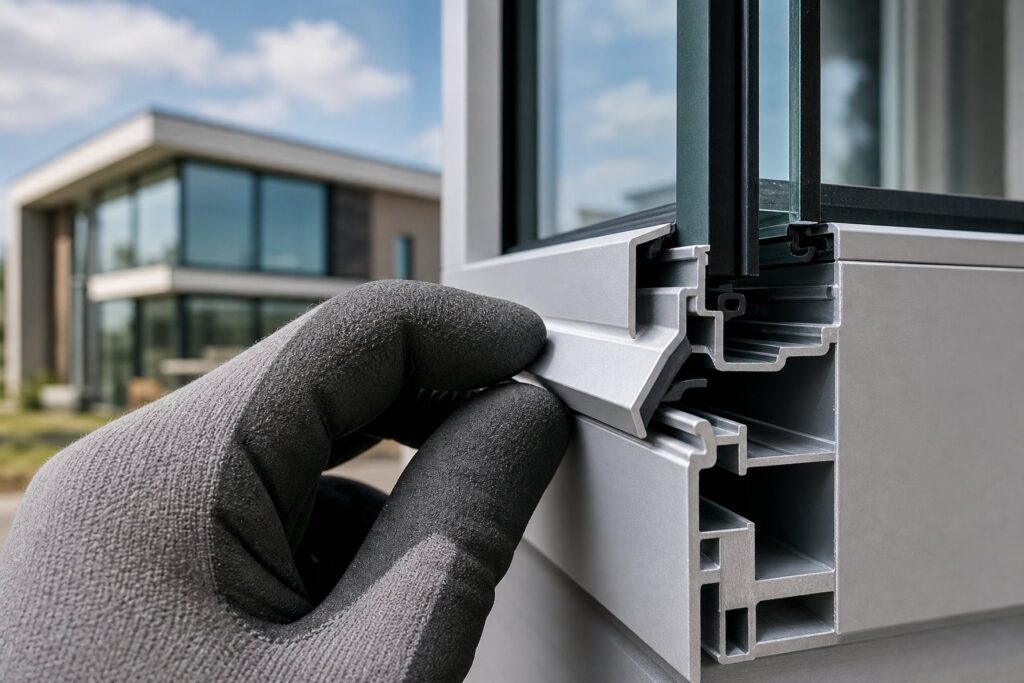
How long does aluminium last in a window application? The frame extrusion, usually manufactured from 6063-T5 alloy, resists corrosion naturally through its self-forming oxide layer. But the overall system includes seals and gaskets that degrade with UV exposure, hardware like hinges and locks that wear through mechanical use, sealed glazing units that eventually lose their gas fill, and a surface finish that shields the metal from its environment. Each of these elements has a distinct replacement timeline, and the weakest one determines when you will need to intervene — not the frame material alone.
Why a Single Number Misleads Homeowners
Most sources quote a blanket figure and move on. That approach leaves homeowners either replacing windows too early or ignoring failing components until damage spreads. The best aluminium windows are those where every component is matched to the building’s exposure conditions and maintained on a sensible schedule. A coastal home in Queensland faces entirely different demands than a sheltered suburban property in Melbourne.
This article breaks down lifespan by component, examines how climate and installation quality shift those numbers, compares aluminium against alternative materials on total cost of ownership, and provides a practical maintenance framework to help you extract every year of service your windows were designed to deliver.
Component-by-Component Lifespan Breakdown
Thinking of an aluminium window as one product with one expiry date is where most owners go wrong. In reality, you are managing a system — and each part of that system ages on its own schedule. Understanding these individual timelines is the difference between proactive maintenance and expensive surprises.
Frame and Extrusion Longevity
The aluminium window frame lifespan is the longest in the entire assembly. Frames extruded from 6063-T5 alloy — the industry standard for architectural window profiles — form a natural oxide layer that resists moisture and corrosion without any additional treatment. This alloy balances mechanical strength with excellent extrudability, meaning it holds tight tolerances over decades of thermal cycling and wind load.
Properly specified aluminium frames routinely deliver 40 years or more of structural service. In sheltered conditions with a quality finish, that figure stretches further still. The frame is almost never the component that fails first — it is the chassis that outlives everything bolted to it.
Seals, Hardware, and Glazing Unit Timelines
So how long do window seals last compared to the frame? Considerably less. Rubber gaskets and weather seals face constant UV exposure, compression set, and temperature extremes. Most begin losing flexibility within 10 to 15 years, and aluminium window gasket replacement is one of the most common maintenance interventions on an otherwise sound window.
Hardware — hinges, locks, friction stays, and rollers — sits in the medium-term category. Mechanical wear accumulates with every open-close cycle, and salt or dust ingress accelerates corrosion on steel components. Expect to service or replace hardware elements roughly every 10 to 20 years depending on usage and environment.
The double glazed unit lifespan typically falls between 20 and 30 years. The glass itself is effectively permanent, but the perimeter seal that retains insulating gas degrades over time. Once that seal fails, moisture enters the cavity, condensation forms between panes, and thermal performance drops. Modern sealed units with improved spacer bars and edge seal technology tend to outlast older generations, though failure still occurs at the seal rather than the glass.
Why the Weakest Link Matters Most
Here is the practical takeaway: your window system’s effective lifespan is governed by whichever component gives out first. A frame in perfect condition means nothing if failed seals are letting water behind the glazing bead, or if worn hinges prevent the sash from closing securely.
| Component | Typical Lifespan | Primary Failure Mode | Repairable or Replaceable |
|---|---|---|---|
| Aluminium frame (6063-T5) | 40+ years | Surface pitting in extreme exposure; structural failure is rare | Repairable (minor); frame rarely needs full replacement |
| Seals and gaskets | 10–15 years | UV degradation, compression set, cracking | Replaceable — routine maintenance item |
| Hardware (hinges, locks, stays) | 10–20 years | Mechanical wear, corrosion of steel parts | Replaceable — individual components swap out |
| Sealed glazing unit | 20–30 years | Perimeter seal breakdown allowing moisture ingress | Replaceable — glass unit swaps without frame removal |
| Surface finish (powder coat) | 15–25 years | Chalking, fading, or chipping | Repairable — can be recoated in situ or after removal |
The good news is that every component shorter-lived than the frame can be renewed independently. Gaskets slide into channels, hardware bolts on and off, and sealed units lift out of the rebate. This modularity is one of aluminium’s underrated advantages — you can refresh the system in stages rather than ripping out a perfectly good frame because one element has reached end of life.
Of course, these timelines assume a stable starting point. The environment your windows face daily — salt, sun, pollution, wind-driven rain — can compress or extend every figure in that table dramatically.
How Climate and Exposure Affect Window Longevity
A window facing the Coral Sea in Cairns and one tucked behind a verandah in suburban Adelaide are technically the same product — but they age in completely different ways. Environment is the single biggest variable that shifts component lifespans up or down from those baseline figures.
Coastal, Urban, and High-UV Environments
Do aluminium windows corrode? The short answer: not easily, thanks to that natural oxide layer. But in coastal areas, airborne chloride from breaking waves attacks unprotected surfaces relentlessly. Salt spray can overwhelm aluminium’s protective oxide within weeks if the finish is compromised, leading to visible pitting and accelerated hardware degradation. Salt air corrosion on aluminium windows is not limited to beachfront properties either — significant chloride deposits have been measured more than 80 kilometres inland from the coast.
Urban environments bring a different threat. Industrial emissions and traffic pollution deposit acidic residues that cling to frames and eat into finishes over time. Combined with coastal proximity — think Sydney’s eastern suburbs or Brisbane’s bayside — the effect compounds.
High UV exposure, common across most of Australia, degrades rubber seals and gaskets faster than mechanical wear alone. Reflected light from water and sand intensifies UV load on coastal properties, pushing seal replacement cycles toward the shorter end of their range. Tropical humidity in northern Queensland and the Top End adds another layer: persistent moisture promotes condensation-related damage to hardware and encourages salt films to remain active on surfaces longer.
Building Orientation and Exposure Levels
Not every window on the same house ages equally. West-facing openings cop the worst combination — low afternoon sun, prevailing weather, and in coastal locations, direct salt-laden wind. North-facing glazing in Australian homes receives consistent solar load year-round, stressing seals and finishes through thermal cycling. East-facing windows catch morning moisture before it evaporates, while south-facing openings in cooler climates deal with less UV but more persistent dampness.
Upper-storey windows on exposed elevations face higher wind pressure and greater salt deposition than ground-floor openings sheltered by fencing, landscaping, or neighbouring structures. The best windows for coastal homes are specified with these orientation differences in mind — not a single specification applied uniformly across every elevation.
Lifespan Killers to Watch For
A useful framework: some environmental factors actively shorten component life, while others are relatively benign. Knowing which is which helps you direct maintenance effort where it matters most.
- Lifespan killers (accelerate degradation):
- Direct salt spray exposure within a few kilometres of the coastline
- Persistent high humidity combined with poor drainage around frames
- Intense UV on unshaded, north or west-facing elevations
- Industrial or traffic pollution depositing acidic residues
- Blocked weep holes trapping salinised water against frame surfaces
- Abrasive sand and salt mixtures accumulating in tracks and hardware
- Relatively benign conditions:
- Sheltered inland locations with moderate temperatures
- Shaded or verandah-protected openings
- Regular rainfall that naturally rinses salt deposits
- Ground-floor windows shielded by landscaping or fencing
- Dry climates with low humidity and minimal salt exposure
The practical lesson here is straightforward: aluminium windows in coastal areas or harsh exposures are not doomed to short lives, but they demand a finish and maintenance approach matched to the threat level. A property in a benign inland setting might go years between interventions, while an exposed beachfront home needs a more deliberate care routine to keep every component performing within its designed service window.
That care routine, though, only works if the window was installed correctly in the first place. Even the best-specified system will underperform if installation defects create hidden pathways for water, salt, and condensation to reach places they were never meant to go.
Aluminium vs uPVC vs Timber Lifespan Compared
Longevity figures only mean something when measured against the alternatives. The question of uPVC vs aluminium windows dominates renovation forums and builder conversations alike — and for good reason. Each frame material brings a different balance of upfront cost, maintenance burden, and total years of service. Getting that balance wrong means either overspending now or paying more later in replacements and upkeep.
Aluminium vs uPVC Lifespan and Maintenance
Are aluminium windows better than uPVC? On pure longevity, yes. Aluminium frames deliver a typical service life of 40 to 50 years, while uPVC windows generally last 20 to 30 years before degradation becomes problematic. That gap widens in harsh conditions — uPVC can yellow, warp, or turn brittle under prolonged UV exposure, particularly on north and west-facing elevations common in Australian homes. Aluminium’s powder-coated finish remains UV-stable and colour-fast across the same timeframe.
Structurally, aluminium is the stronger material. Frames can be extruded far slimmer — typically 50 to 65 mm wide versus 70 to 80 mm for uPVC — which means more glass area and cleaner sightlines. That slimness matters most on large openings, floor-to-ceiling glazing, and sliding door systems where frame bulk eats into the view. uPVC requires internal steel reinforcement to span larger openings, adding weight and cost while still producing a chunkier profile.
Where uPVC wins is entry price. Aluminium versus uPVC windows typically shows a 20 to 40 percent premium for aluminium on a like-for-like basis. For a standard three-bedroom home in Australia, that gap might represent $3,000 to $6,000 AUD across all openings. Factor in the longer replacement cycle and near-zero maintenance, though, and the annual cost of ownership often levels out over a 30-year horizon.
Timber and Composite Alternatives
Timber windows occupy a different space entirely. They offer warmth and character that suits heritage homes and period renovations — but they demand regular repainting or resealing every three to seven years to prevent moisture ingress and rot. In humid Australian climates, particularly along the eastern seaboard and tropical north, timber frames face accelerated decay if maintenance lapses even briefly. Lifespan ranges from 30 to 50 years with diligent care, but drops sharply without it.
Composite windows — typically aluminium-clad timber — sit as a middle ground. The external aluminium skin eliminates the painting cycle while the internal timber provides natural insulation and aesthetic warmth. These systems offer very long service lives and low exterior maintenance, though they carry a higher upfront cost and longer lead times than either aluminium or uPVC alone.
Which Material Offers the Best Long-Term Value
| Material | Typical Lifespan | Maintenance Frequency | Relative Cost | Recyclability | Frame Slimness |
|---|---|---|---|---|---|
| Aluminium | 40–50 years | Very low (periodic cleaning) | Mid–high | Fully recyclable, indefinitely | Slimmest (50–65 mm) |
| uPVC | 20–30 years | Very low | Low–mid | Limited recyclability | Widest (70–80+ mm) |
| Timber | 30–50 years (with maintenance) | High (repaint every 3–7 years) | Mid–high | Biodegradable, sustainable if FSC | Medium (65–80 mm) |
| Composite (alu-clad timber) | 40–60 years | Low (exterior maintenance-free) | High | Partially recyclable | Medium (65–75 mm) |
When comparing uPVC windows vs aluminium windows on total cost of ownership, the upfront savings of uPVC erode once you account for earlier replacement and the environmental cost of disposal. Aluminium’s indefinite recyclability also matters for projects targeting sustainability credentials — the frame material can be reclaimed and re-extruded without quality loss, cycle after cycle.
For specifiers and builders evaluating these materials against documented performance benchmarks rather than marketing claims, verified compliance data makes the comparison concrete. MEICHEN’s Compliance & Certifications page provides tested performance data covering weather resistance, energy efficiency, and durability standards — a practical resource when assessing how aluminium systems stack up against alternatives on verified longevity credentials aligned with Australian project requirements.
Material selection sets the ceiling on how long your windows can last. But even the best aluminium frame needs a surface finish engineered to protect it — and the type of finish you choose determines how that protection holds up over decades of Australian sun, salt, and rain.
Surface Finishes That Protect and Extend Window Life
Your aluminium window finish options boil down to two proven technologies: powder coating and anodising. Both shield the underlying alloy from environmental attack, but they do so through fundamentally different mechanisms — and that difference shapes how long the protection lasts, how it ages, and what you can do when it eventually wears.
Powder Coating Durability and Recoating Options
How long does powder coating last on aluminium? In typical Australian conditions, a quality polyester powder coat delivers 15 to 25 years of outdoor service before noticeable chalking or fading occurs. Fluorocarbon (PVDF) coatings push that figure to 20 to 30 years thanks to superior UV resistance — they fade as little as 5 percent over a decade of full sun exposure, compared to 15 to 20 percent for standard polyester.
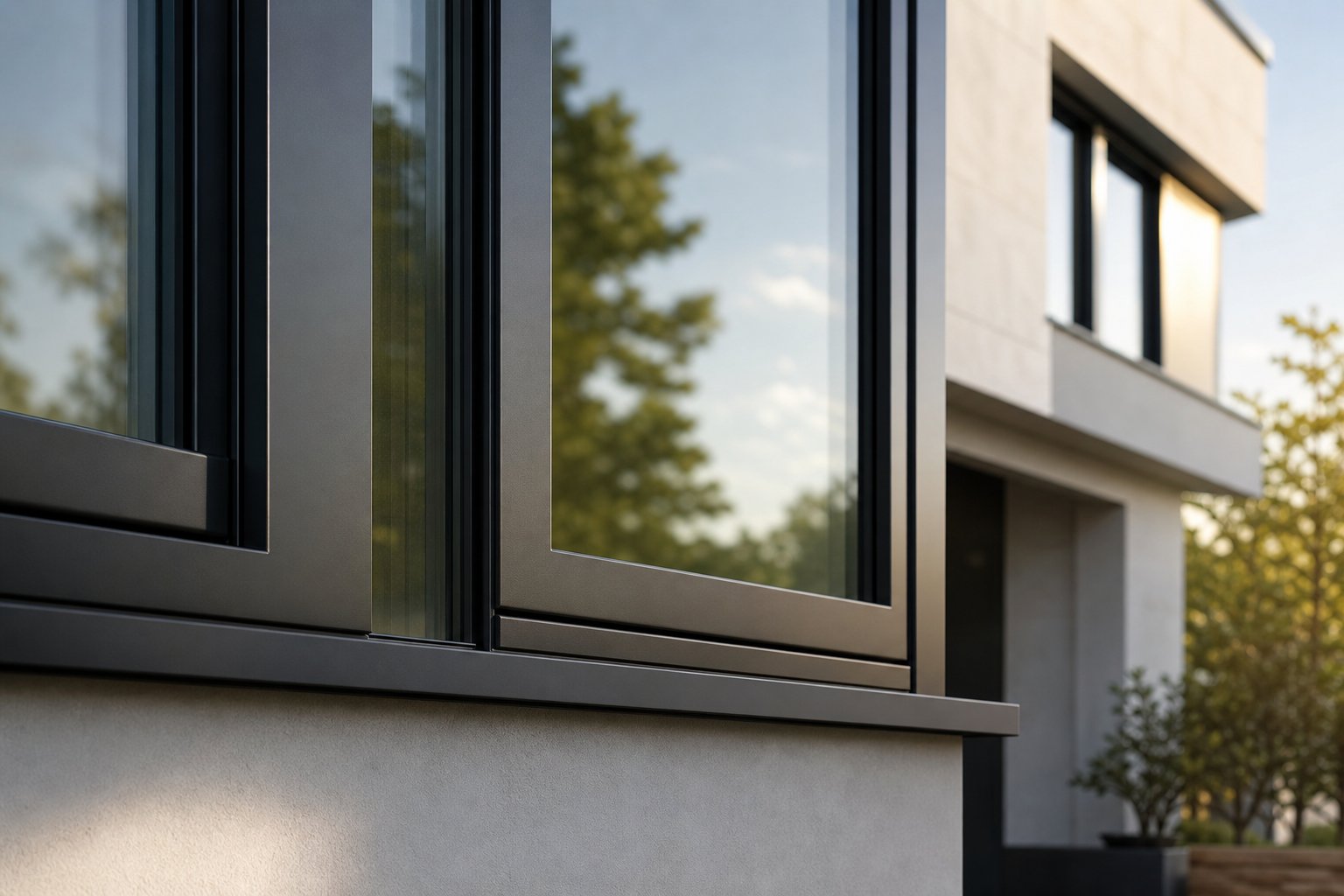
Powder coated aluminium windows dominate the residential market because the colour range is virtually unlimited. Matte black, monument grey, surfmist white — any RAL or custom shade is achievable with consistent batch-to-batch uniformity. The trade-off is that powder coating sits on top of the metal rather than integrating with it. Heavy impact can chip the film, exposing bare aluminium to localised corrosion if left unrepaired.
The upside: powder-coated frames can be stripped and recoated. When chalking or fading reaches a point where cleaning no longer restores appearance, a professional recoat extends the finish life by another full cycle without replacing the frame itself. Touch-up paint handles minor chips in the interim.
Anodising for Long-Term Corrosion Resistance
Anodised aluminium windows durability stems from a different principle entirely. The electrochemical process grows a hard oxide layer directly into the metal surface — it cannot chip, peel, or flake because it is part of the aluminium itself. This integrated layer resists scratching, UV degradation, and salt spray without any of the film-failure risks that powder coating carries.
An anodised finish can last indefinitely with proper maintenance, making it the preferred choice for high-traffic commercial applications and exposed coastal properties where salt air is relentless. The limitation is aesthetic: anodising produces only metallic tones — silver, champagne, bronze, and black — so homeowners wanting bold or custom colours need to look elsewhere.
Restoration is the other consideration. Deep scratches on anodised profiles are difficult to repair locally; the affected section typically requires replacement. There is no equivalent of stripping and recoating as with powder-coated frames.
Choosing the Right Finish for Your Environment
| Attribute | Powder Coating | Anodising |
|---|---|---|
| Typical outdoor lifespan | 15–25 years (polyester); 20–30 years (fluorocarbon) | Indefinite with maintenance |
| UV resistance | Good to high (coating-grade dependent) | Excellent — unaffected by sunlight |
| Colour options | Unlimited (any RAL or custom shade) | Limited metallic tones only |
| Repairability | Touch-up paint for chips; full recoat possible | Difficult — usually requires profile replacement |
| Coastal suitability | Good with marine-grade specification (60+ micron thickness) | Excellent — inherent salt spray resistance |
| Relative cost | Lower for standard colours | Higher due to energy-intensive process |
For properties within a few kilometres of the Australian coastline, marine-grade powder coating — applied at a minimum 60 microns thickness — provides the extra barrier needed to resist salt-driven corrosion. Some specifiers also use pre-anodisation beneath the powder coat as a belt-and-braces approach: the anodised layer protects the aluminium if the topcoat is ever breached, reducing the risk of filiform corrosion spreading beneath the paint film.
Lighter colours are worth considering for harsh UV environments. Dark shades like black and charcoal show fading and chalking sooner than silver, white, or pale grey finishes, which reflect more sunlight and age less visibly over time.
The right finish choice adds years — sometimes decades — to your window system’s effective service life. But even a perfectly specified finish cannot compensate for what happens behind the frame during installation, where hidden defects create pathways for the very moisture and salt that finishes are designed to keep out.
Why Installation Quality Determines Real-World Longevity
A window can be manufactured from the finest alloy, finished with a marine-grade coating, and fitted with premium hardware — yet still fail within a decade if the installation is botched. Aluminium window installation problems rarely announce themselves on day one. They develop slowly, hidden behind trims and sealant lines, until water damage, condensation staining, or hardware seizure forces an expensive intervention that proper fitting would have prevented entirely.
How Poor Installation Shortens Window Life
Most premature window failures trace back to the day the frame went into the wall. A few millimetres of misalignment or a missed drainage path sets off a chain reaction that degrades multiple components simultaneously. Here are the most common defects and what they cost you over time:
- Window installation water ingress from inadequate sealing: Gaps between the frame and the structural opening allow wind-driven rain behind the profile. Trapped moisture corrodes fixings, rots timber reveals, and saturates plaster — none of which is visible until damage is advanced.
- Uneven shimming causing frame distortion: If packers are placed incorrectly or omitted, the frame flexes under its own weight and wind load. This creates uneven pressure on gaskets, accelerating compression set on one side while leaving gaps on the other. Seal life can halve as a result.
- Hardware misalignment from an out-of-square frame: Hinges, locks, and friction stays are engineered to tight tolerances. When the frame is not plumb and level, sashes bind, scrape, or fail to latch securely — multiplying mechanical wear with every open-close cycle.
- Blocked or absent drainage paths: Aluminium frames rely on weep slots to evacuate water that penetrates the outer weather seal. If sealant covers these slots during installation, or if the sill slope directs water inward rather than outward, standing water attacks gaskets and hardware from the inside.
- Incorrect sealant selection: Using rigid sealant where flexible silicone is required means the joint cracks as the building moves through thermal cycles. Once cracked, it becomes a direct channel for moisture and salt — exactly the exposure the finish was designed to prevent.
Thermal Breaks and Condensation Prevention
Thermal break aluminium windows are often discussed purely in terms of energy ratings, but their role in longevity is just as significant. A standard aluminium frame without a thermal break conducts heat at roughly 160 W/m·K — fast enough to drop the interior frame surface well below the dew point in cooler months. The result is persistent condensation running down the frame, pooling in gasket channels, and soaking into hardware cavities.
That moisture does not just fog the glass. It degrades rubber seals from the inside, promotes corrosion on steel lock mechanisms, and can wick into the sealed glazing unit’s edge seal — the very component whose failure triggers the most expensive repair. A properly specified thermal break (typically a polyamide bar 24 mm or wider) keeps the interior frame surface above the dew point, eliminating this hidden moisture source entirely.
The catch: thermal break continuity must be maintained during installation. If the frame is over-tightened, shimmed unevenly, or fixed with screws that bridge the thermal barrier, the break is compromised. Condensation returns in localised spots, often directly above fixings — a telltale sign of installation error rather than product failure.
What Quality Installation Looks Like
Knowing how to install aluminium windows correctly means understanding that precision at the fitting stage protects every component downstream. A quality installation includes:
- Accurate shimming at prescribed intervals — packers placed at fixing points and midway between them, checked with a spirit level in both planes before any screw is driven home.
- Appropriate sealant selection — neutral-cure silicone for frame-to-wall junctions (it will not corrode aluminium), applied after the frame is fully fixed and verified square.
- Clear drainage paths — weep slots left unobstructed, sill angles confirmed to fall outward, and no sealant bridging the pressure-equalisation chambers within the frame.
- Thermal break integrity verified — fixings positioned to avoid penetrating the polyamide barrier, and no metal-to-metal contact between inner and outer frame sections at any point.
- Post-installation function testing — every sash operated multiple times, locks checked for smooth engagement, and a water spray test conducted to confirm sealing performance before handover.
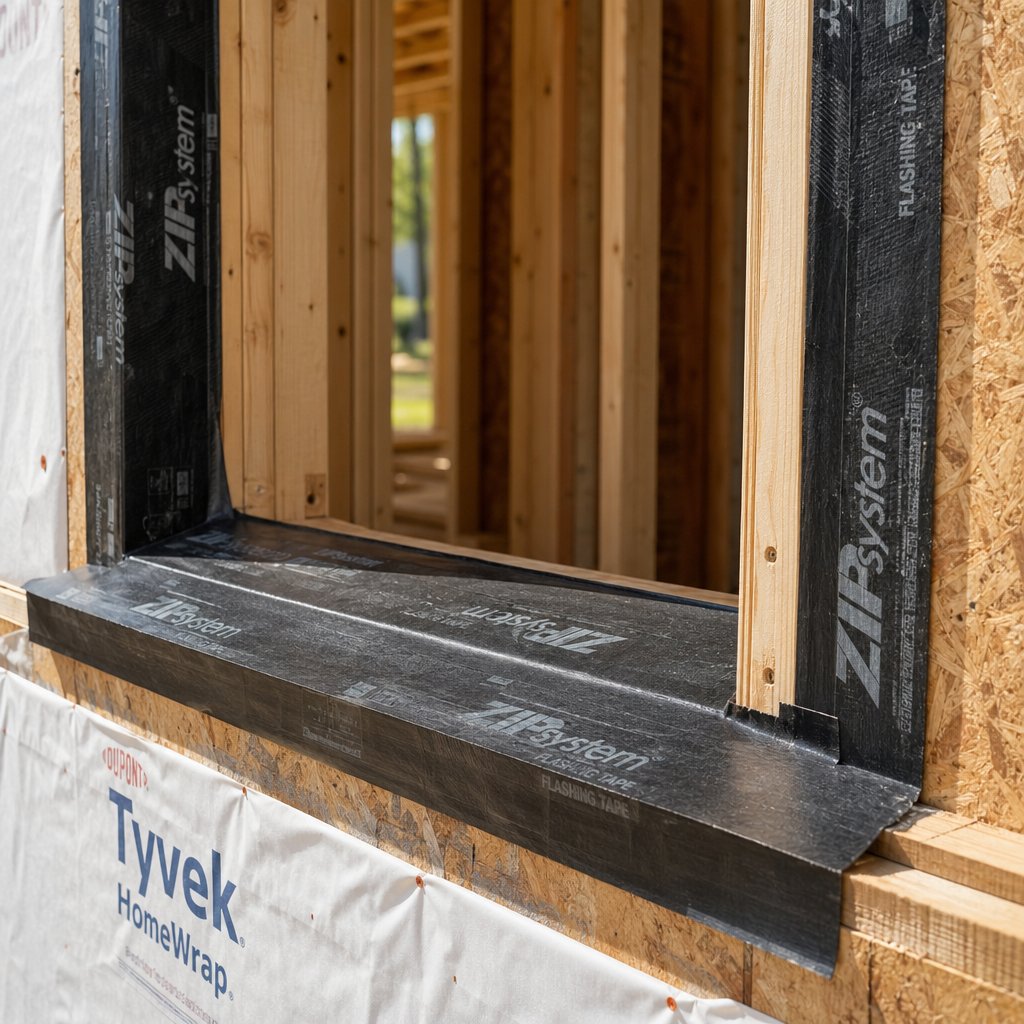
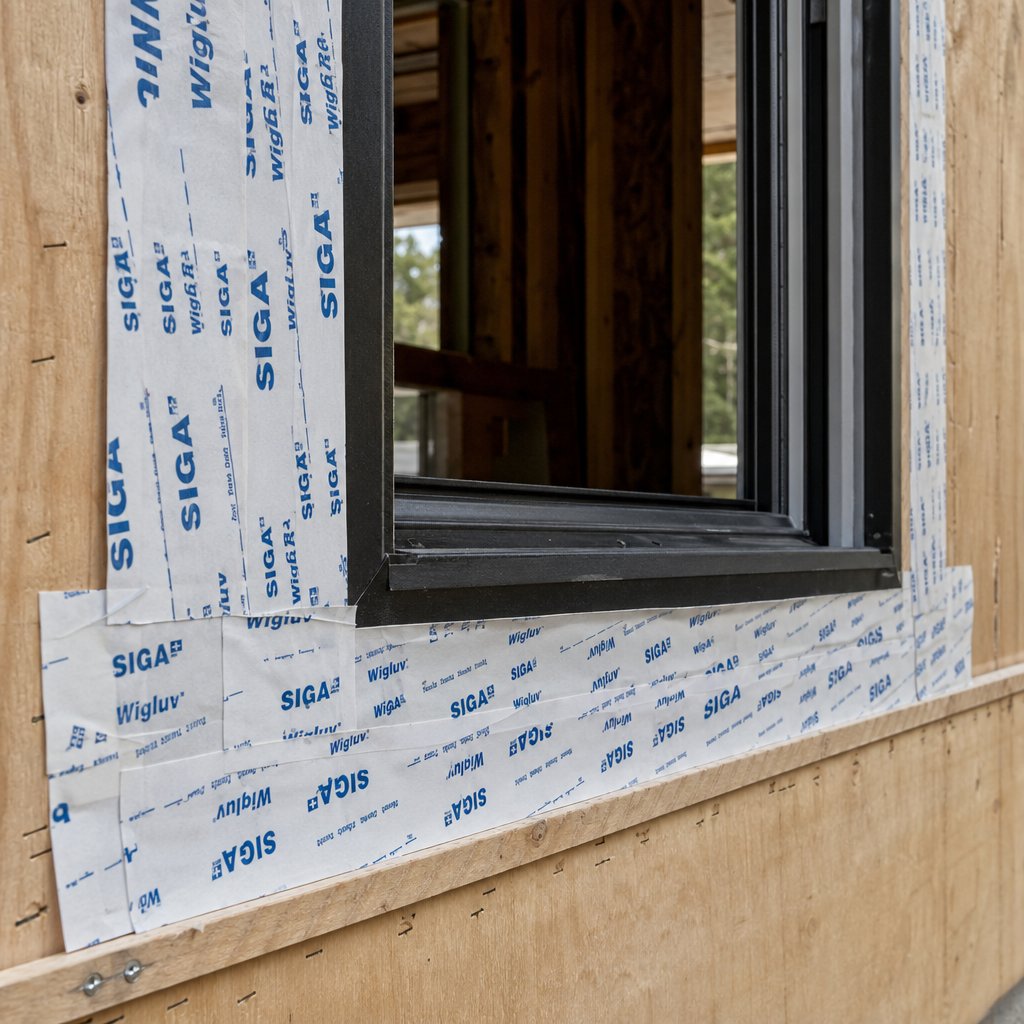
In Australia, installation against a compliant sub-sill flashing system is also critical. Without it, any water that bypasses the primary seal has a direct path into the wall cavity — a scenario that can remain undetected for years in brick veneer construction until structural damage becomes visible externally.
The difference between a window that lasts 20 years and one that lasts 40 often has nothing to do with the product itself. It comes down to whether the installer treated fitting as a precision task or a quick job. And once the window is in, the only thing standing between those decades of service and premature failure is a consistent maintenance routine — one that targets the right components at the right intervals.
Maintenance Schedules to Maximize Every Component
Generic advice like “clean your windows regularly” helps no one. What you need is a structured aluminium window maintenance schedule tied to specific components and their degradation patterns. The right routine at the right frequency keeps seals supple, hardware smooth, and finishes intact — pushing each element toward the upper end of its service range rather than the lower.
Quarterly and Annual Maintenance Tasks
How to maintain aluminium windows effectively comes down to matching task frequency to threat level. Coastal and urban properties need the shorter intervals below; sheltered inland homes can lean toward the longer end.
- Every 3 months — exterior frame wash: Use warm water with a mild detergent and a soft cloth or sponge to remove salt, pollution residue, and grime from all frame surfaces. Rinse thoroughly with clean water afterward. This single step prevents acidic deposits from attacking the powder coat between deeper cleans. In coastal or high-pollution zones, monthly cleaning is worth the extra effort.
- Every 3 months — track and drainage clearance: Vacuum sill tracks and weep slots with a brush nozzle to remove sand, leaf litter, and debris. Blocked drainage is one of the fastest routes to trapped moisture and hidden corrosion.
- Annually — seal and gasket inspection: Check rubber weather seals around each sash for cracking, hardening, or compression set. Press a finger along the gasket — it should spring back. If it stays flat or shows surface crazing, schedule replacement before water ingress begins.
- Annually — hardware lubrication: How to lubricate aluminium window hinges properly: apply a silicone-based lubricant to hinges, friction stays, lock mechanisms, and rollers. Avoid grease-based products — they attract dust and grit that accelerate wear. Work each sash open and closed several times to distribute the lubricant, then wipe away any excess with a dry cloth.
- Annually — finish condition check: Look for chalking (a powdery residue when you run a finger across the frame), chips, or scratches that expose bare metal. Touch up minor damage promptly to prevent moisture reaching the alloy beneath.
Multi-Year Professional Inspections
Every three to five years, a professional assessment catches what routine cleaning cannot. A qualified technician will check thermal break continuity for signs of condensation tracking, verify that drainage chambers remain unobstructed internally, test hardware tension and alignment against manufacturer specifications, and assess sealed glazing units for early signs of perimeter seal failure — slight hazing between panes that precedes full fogging.
This deeper inspection is especially valuable for multi-storey homes where upper-floor windows face greater exposure but receive less hands-on attention. Catching a failing gasket or a slow drainage blockage at the three-year mark prevents the kind of cascading damage that turns a $50 seal swap into a $2,000 reglazing job.
Maintenance Mistakes That Shorten Lifespan
Knowing what not to do matters as much as following the schedule. These common errors — often well-intentioned — actively reduce component life:
- Using abrasive cleaners or scouring pads on powder-coated surfaces — scratches the finish film, exposing aluminium to moisture and removing UV protection. Stick to soft cloths and mild soap only.
- Applying solvent-based or acidic cleaning products — strips the protective oxide layer and can discolour anodised finishes permanently.
- Neglecting weep holes and drainage slots — allows water to pool inside the frame, corroding hardware and saturating seals from the hidden side.
- Using petroleum-based grease on hinges — attracts grit that grinds into pivot points, accelerating mechanical wear rather than preventing it.
- Pressure washing at close range — forces water past seals and into cavities never designed to handle that volume, mimicking the installation water-ingress defects discussed earlier.
- Ignoring early signs of seal failure — a small draught or minor condensation between panes signals a component nearing end of life. Delaying action allows secondary damage to spread to adjacent elements.
Consistent maintenance does not make windows immortal, but it reliably extends each component’s service by years — sometimes a full extra decade on seals and hardware alone. The real question most owners eventually face is not whether to maintain, but whether a particular symptom calls for a targeted repair or signals that the system has reached the point where full replacement makes more financial sense.
When to Repair vs Replace Your Aluminium Windows
Not every problem demands a new window. Some symptoms point to a single worn component that can be swapped in an afternoon. Others reveal systemic failure where patching one element just shifts the problem sideways. Knowing the difference saves thousands — whether you manage a single home or an entire commercial portfolio.
Signs You Can Repair Rather Than Replace
If the aluminium frame remains straight, corrosion-free, and firmly anchored in the opening, you are almost certainly looking at a repair rather than a replacement. Specialist window companies can reseal glazing units, replace degraded gaskets, and service hardware without disturbing the frame at all. Foggy glass between panes, a stiff hinge, a draught around the sash edge, or a lock that no longer latches cleanly — these are component-level issues with component-level fixes.
Commercial property managers benefit most from this distinction. A building with 200 openings rarely needs wholesale replacement. Targeted gasket renewal across an entire elevation, or a batch of sealed unit swaps on the weather-exposed face, restores performance at a fraction of full replacement cost.
When Full Replacement Is the Right Call
Replacement becomes the practical choice when the frame itself is compromised — visible pitting or corrosion that has penetrated beyond the surface finish, structural bowing that prevents the sash from sealing, or frames so thermally inefficient that condensation and energy loss persist regardless of component upgrades. Older non-thermally-broken profiles from pre-1990s installations often fall into this category. The frame may still be structurally intact, but its thermal performance is so far below current NCC requirements that upgrading glazing and seals alone cannot close the gap.
At this stage, homeowners sometimes weigh uPVC windows vs aluminium as a replacement material. While uPVC carries a lower upfront price, the comparison of uPVC versus aluminium windows on longevity and recyclability still favours aluminium — particularly when the replacement is expected to serve another 40-plus years in Australian conditions.
Partial Upgrades That Buy More Years
Between full repair and full replacement sits a middle path that many owners overlook: partial system upgrades. Replacing only the sealed glazing unit with a modern low-E, argon-filled double-glazed unit improves thermal and acoustic performance dramatically while reusing the existing frame. Swapping aged gaskets for modern EPDM rubber restores the weather seal. Upgrading hardware to stainless steel components extends the mechanical service life in coastal environments.
These interventions are especially cost-effective when the frame and finish remain sound but the window no longer meets comfort or efficiency expectations. Think of it as refreshing the system rather than discarding it.
| Symptom or Sign | Recommended Action |
|---|---|
| Fog or condensation between glass panes | Repair — replace sealed glazing unit only |
| Draughts around sash edges | Repair — replace gaskets and weather seals |
| Stiff or binding hinges and locks | Repair — lubricate or replace hardware components |
| Minor surface scratches or chips on finish | Repair — touch up or professional recoat |
| Persistent condensation on interior frame surface | Assess — may indicate absent thermal break; consider full replacement |
| Visible frame corrosion penetrating beyond the finish | Replace — frame integrity is compromised |
| Frame bowing, warping, or out-of-square distortion | Replace — structural failure prevents effective sealing |
| Single-glazed or non-thermally-broken frame in conditioned space | Replace — performance gap too large for component upgrades alone |
| Repair cost exceeds 50% of equivalent replacement cost | Replace — diminishing returns on further investment |
A useful rule of thumb from both homeowner and commercial perspectives: if the projected repair cost exceeds roughly half the price of a comparable new window, replacement typically delivers better value over the next decade. Below that threshold, targeted repairs keep the system performing without the disruption and waste of full removal.
Whether you repair or replace, the decision should be guided by more than the immediate symptom. The smarter question is what the total cost of ownership looks like over the next 20 years — and that calculation depends heavily on how the window was specified in the first place.

Choosing Aluminium Windows Built for Decades of Service
Specification is where longevity is won or lost. Every factor covered so far — alloy grade, finish type, hardware quality, installation precision, maintenance discipline — feeds into a single outcome: how many years of reliable service you actually get versus how many you were promised. The gap between those two numbers often comes down to decisions made at the point of purchase, long before the first window goes into the wall.
How to choose aluminium windows that genuinely deliver on their lifespan potential means looking past brochure claims and into the documentation that sits behind them. Two indicators matter more than any other: warranty structure and compliance certification.
What Warranty Length Tells You About Expected Lifespan
An aluminium window warranty in Australia is not just a consumer protection mechanism — it is a manufacturer’s public bet on how long their product will perform. A company offering a 10-year frame warranty is telling you something fundamentally different from one backing their frames for 25 years. The longer the coverage period, the more confidence the manufacturer has in their alloy selection, extrusion tolerances, and finish durability under real-world conditions.
Pay attention to what the warranty actually covers. A headline figure of “25 years” means little if it only applies to the frame extrusion while excluding the finish, hardware, and sealed units — the very components most likely to need attention first. The most informative warranties break coverage into tiers:
- Frame structural warranty — typically the longest, reflecting the inherent durability of the aluminium extrusion itself. Look for 20 years or more as a baseline for quality systems.
- Finish warranty — covers chalking, fading, peeling, or corrosion of the powder coat or anodised layer. Quality manufacturers warrant finishes for 15 to 20 years; marine-grade specifications may carry enhanced coastal coverage.
- Hardware warranty — usually shorter (5 to 10 years), reflecting the mechanical wear inherent in moving parts. Premium hardware brands like Centor, Assa Abloy, or Doric often carry their own independent warranties.
- Sealed glazing unit warranty — typically 10 to 15 years against seal failure and internal fogging. Longer coverage signals better edge-seal technology and spacer bar quality.
A manufacturer willing to warrant each component separately — rather than hiding behind a single vague figure — demonstrates genuine understanding of how their system ages. That transparency is itself a quality signal.
Using Compliance Documentation as a Longevity Indicator
Warranties tell you what a manufacturer believes. Compliance documentation tells you what has been independently verified. In Australia, aluminium windows must meet AS 2047 — the national standard governing structural performance, water penetration resistance, air infiltration, and operating force. Windows tested and certified to this standard have been subjected to simulated wind loads, driving rain, and repeated cycling that approximate years of real-world service compressed into laboratory conditions.
But compliance with aluminium windows Australian standards goes beyond a single pass/fail. The performance ratings assigned during testing — expressed in Pascals for wind and water resistance — indicate how much environmental stress the window can handle before failure. A window rated for 300 Pa water resistance will perform differently over 30 years of coastal exposure than one rated for 600 Pa. Higher ratings do not just mean better storm performance today; they signal greater resilience against cumulative degradation over the system’s entire service life.
Beyond AS 2047, look for evidence of testing against AS 1288 (glazing selection and installation), WERS ratings (Window Energy Rating Scheme) for thermal performance, and where relevant, BAL (Bushfire Attack Level) compliance for properties in designated bushfire zones. Each certification layer adds confidence that the product has been stress-tested against conditions it will actually face in Australian service.
For professionals and specifiers evaluating aluminium window systems against Australian project requirements, MEICHEN’s Compliance & Certifications page provides documented performance data covering energy efficiency, weather resistance, and durability standards — a practical resource when comparing systems on verified longevity credentials rather than marketing claims alone.
Non-compliant windows carry compounding risks that extend well beyond the immediate performance gap. As industry guidance confirms, installing windows that fall short of AS 2047 can trigger legal penalties, void insurance coverage, reduce property value, and — most relevant to lifespan — deliver inferior water resistance and structural integrity that accelerates every degradation pathway discussed throughout this article.
Your Pre-Purchase Verification Checklist
Before committing to any aluminium window system, verify these factors — each one directly influences how many years of service you will realistically receive:
- Alloy grade — confirm 6063-T5 or equivalent architectural-grade extrusion. Lesser alloys may save cost but sacrifice corrosion resistance and structural longevity.
- Finish warranty and specification — request the specific powder coat thickness (minimum 60 microns for coastal; 40 to 60 microns for standard environments) or anodising grade. Ask for the finish warranty in writing, including any exclusions for coastal exposure.
- Thermal break presence and type — polyamide thermal breaks (24 mm or wider) outperform PVC alternatives on both durability and thermal performance. Non-thermally-broken frames are a false economy in any conditioned space.
- Hardware brand and origin — branded hardware from established manufacturers carries independent warranties and replacement part availability decades into the future. Generic unbranded hardware often becomes obsolete within years, making future servicing impossible.
- Compliance certification — request the AS 2047 performance label, certificate of compliance (ideally from an AGWA-accredited member), and test reports showing specific wind, water, and air infiltration ratings. If a supplier cannot produce these documents, treat that as a disqualifying red flag.
- Glazing specification — confirm sealed unit construction, gas fill type, spacer bar material (warm-edge spacers outperform aluminium spacers on seal longevity), and any Low-E coatings included.
- Installation methodology — ask how the installer ensures frame squareness, drainage continuity, thermal break integrity, and post-installation testing. A quality supplier will describe their process without hesitation.
The price of uPVC windows or budget aluminium systems may look attractive on a quote sheet, but total cost of ownership over 30 years tells a different story. A well-specified aluminium window system — backed by tiered warranties, certified to Australian standards, and installed with precision — delivers the lowest annual cost of any framing material when you divide its purchase price across its actual service life. The upfront premium pays for itself in avoided replacements, reduced maintenance, and sustained thermal performance that keeps energy costs stable decade after decade.
Aluminium windows lifespan is not a fixed number printed on a spec sheet. It is an outcome — shaped by every decision from alloy selection through to the maintenance routine you follow in year 25. Get those decisions right, and the frame beneath your glass will still be doing its job long after the mortgage is paid off.
Frequently Asked Questions About Aluminium Windows Lifespan
1. How long do aluminium windows last in Australia?
Aluminium windows typically deliver 30 to 50 years of service in Australian conditions, with the frame itself often lasting well beyond that. The overall system lifespan depends on individual components: frames made from 6063-T5 alloy can exceed 40 years, sealed glazing units last 20 to 30 years, hardware lasts 10 to 20 years, and rubber seals need replacement every 10 to 15 years. Coastal properties face shorter cycles due to salt air exposure, while sheltered inland homes often reach the upper end of these ranges with minimal intervention.
2. Do aluminium windows corrode in coastal areas?
Aluminium naturally resists corrosion through a self-forming oxide layer, but persistent salt spray in coastal environments can overwhelm this protection if the surface finish is compromised. Properties within a few kilometres of the coastline should specify marine-grade powder coating at a minimum 60 microns thickness or anodised finishes for superior salt resistance. Regular washing every one to three months removes chloride deposits before they cause pitting. With the right finish specification and maintenance routine, aluminium windows perform reliably even in aggressive coastal conditions across Queensland, NSW, and Western Australia.
3. Are aluminium windows better than uPVC for longevity?
On pure lifespan, aluminium outperforms uPVC significantly. Aluminium frames deliver 40 to 50 years of service compared to 20 to 30 years for uPVC. Aluminium also holds up better under Australian UV exposure — uPVC can yellow, warp, or become brittle on north and west-facing elevations. Structurally, aluminium allows slimmer frames (50-65 mm versus 70-80 mm for uPVC), meaning more glass area. While uPVC costs 20 to 40 percent less upfront, aluminium’s longer replacement cycle and full recyclability often deliver lower total cost of ownership over a 30-year horizon.
4. How often should aluminium windows be maintained?
A structured maintenance schedule keeps aluminium windows performing at their best. Quarterly tasks include washing frames with mild detergent and clearing tracks and weep holes of debris. Annual tasks cover seal inspection for cracking or hardening, hardware lubrication with silicone-based products, and checking the finish for chalking or chips. Every three to five years, a professional inspection should assess thermal break integrity, internal drainage, and early signs of glazing unit seal failure. Coastal properties benefit from monthly exterior washing rather than quarterly to prevent salt buildup.
5. When should I replace aluminium windows instead of repairing them?
Replacement is warranted when the frame itself shows structural compromise — visible corrosion penetrating beyond the finish, bowing that prevents proper sealing, or non-thermally-broken profiles from pre-1990s installations where thermal performance falls far below current NCC requirements. If repair costs exceed roughly 50 percent of equivalent replacement cost, new windows typically deliver better value. However, many issues like foggy glass, draughty seals, or stiff hardware only require component-level repairs. Replacing gaskets, sealed glazing units, or hardware individually can extend system life by a decade or more without disturbing a sound frame.
More Window & Door Guides