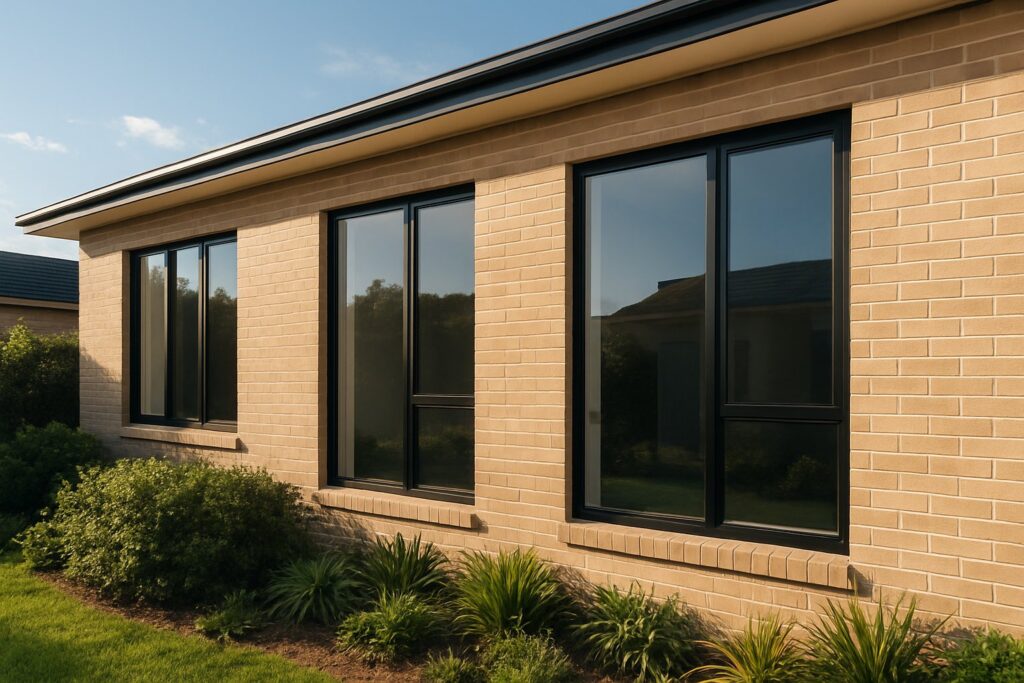
What Makes Aluminium Doors and Windows Affordable
Searching for cheap aluminium doors and windows brings up everything from bare-bones builder-grade products to surprisingly capable mid-tier systems. The word “cheap” does a lot of heavy lifting here, and it rarely tells the full story. A low price tag might reflect smart manufacturing or it might signal corners cut on profile thickness, hardware, and coating quality.
What Does Cheap Really Mean for Aluminium
In the context of aluminium windows and doors, “cheap” falls across a broad spectrum. At one end, you have entry-level products using thinner extrusions (around 1.2 mm wall thickness), basic powder coating, and single glazing. At the other, mid-range options offer better structural integrity, improved seals, and optional thermal breaks at a price point that still undercuts premium alternatives. The gap between these tiers can mean the difference between a product lasting 10 years and one lasting 20 or more.
What drives cost down varies. Standard sizing eliminates custom fabrication charges. Simpler finishes reduce production steps. Non-thermal-break frames skip an expensive insulation component. Each choice lowers the sticker price, but each also carries a performance trade-off that affects your home over its lifetime.
The cheapest product upfront is not always the cheapest over its lifetime. Budget aluminium doors and windows that need replacing in a decade can cost more than a slightly higher-spec option bought once.
Who This Guide Helps
This guide is for Australian homeowners, renovators, and builders weighing up cheap aluminium windows without wanting to gamble on quality. Whether you are pricing windows in aluminium for a new build, a granny flat, or a full renovation, the goal here is straightforward: help you understand what makes one product cheaper than another, so you can spend less without regretting it later. The sections ahead break down the technical, financial, and practical factors that separate a smart buy from a costly mistake.
Why Some Aluminium Products Cost Much Less Than Others
Not all aluminium windows and doors are created equal, even when two products look similar from across the room. The price difference between a $300 window and an $800 window usually comes down to a handful of engineering and manufacturing decisions baked into the frame, glass, and finish. Understanding these variables puts you in a stronger position when comparing quotes and deciding where to spend versus where to save.
Here are the key cost variables, ranked roughly in order of impact on your final price:
- Frame type — thermal break vs non-thermal break profile
- Glazing — single, double, or performance glass (Low-E, laminated)
- Sizing — standard openings vs custom fabrication
- Surface finish — powder coating vs anodising vs dual-colour treatments
- Hardware quality — basic locks and handles vs branded multi-point systems
- Profile wall thickness — 1.2 mm budget grade vs 1.6–2.0 mm structural grade
Each of these choices cascades through the manufacturing process, adding or removing production steps, material costs, and quality assurance requirements.
Thermal Break vs Non-Thermal Break Frames
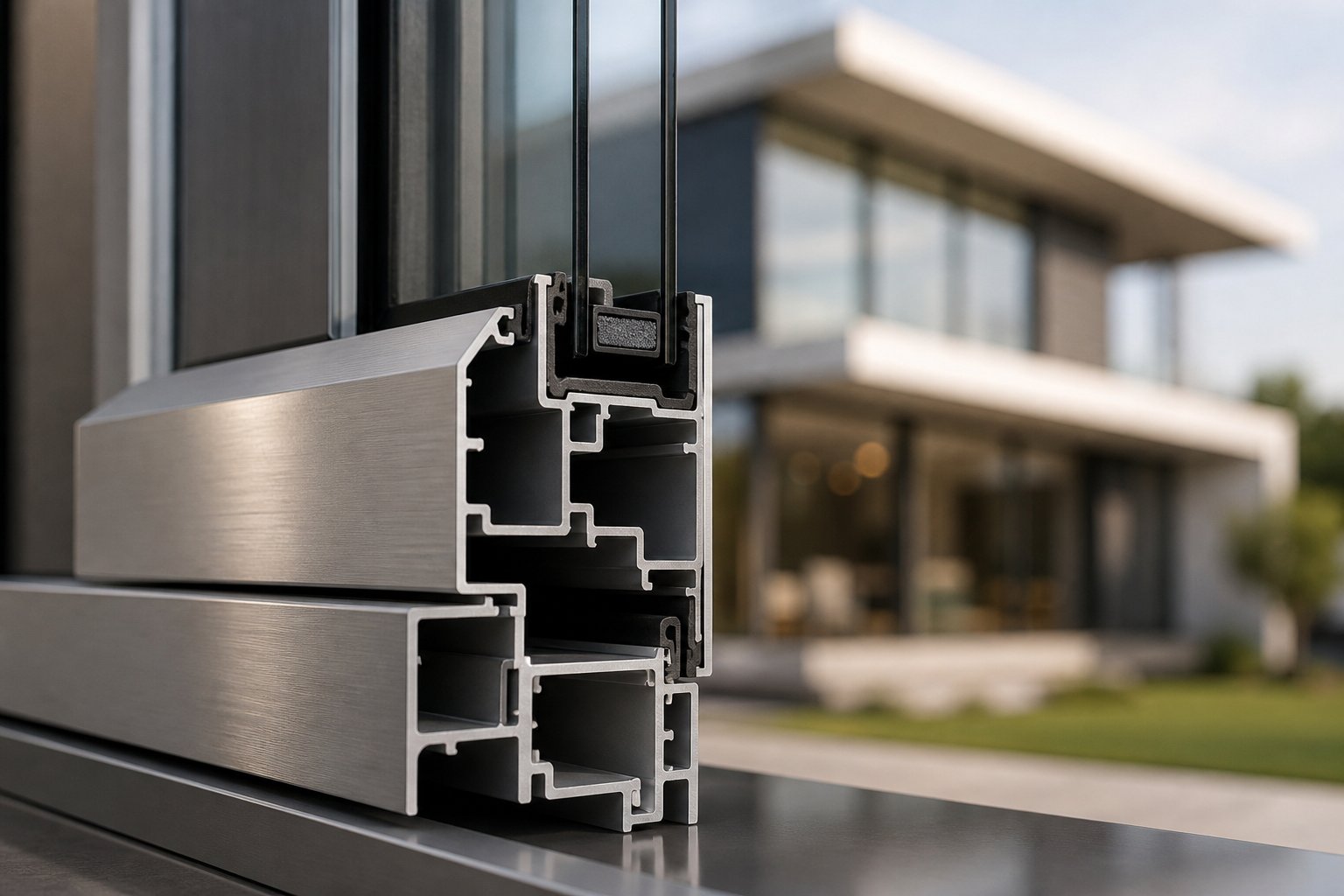
This single specification creates the biggest price gap in aluminium window frames. A thermal break is a strip of insulating material — usually polyamide or polyurethane — inserted between the interior and exterior halves of the extruded aluminum window frame. It interrupts the metal’s natural ability to conduct heat, which is substantial. Without that barrier, outdoor temperatures travel straight through the frame into your living space.
Thermally broken aluminium window frames typically cost 25–40% more than their non-thermally-broken equivalents. That premium reflects both the cost of the insulating material and the more complex extrusion and assembly process required to bond three components into one structural profile.
For budget-conscious buyers, here is the practical trade-off: non-thermal-break aluminum frames are noticeably cheaper, but they conduct heat efficiently in both directions. In summer, they channel warmth inward. In winter, they let interior heat escape. In temperate Australian climates — think coastal Sydney or Perth — a non-thermal-break frame paired with good glazing can still perform adequately. In colder regions like the Victorian highlands or Canberra, skipping the thermal break often means higher energy bills and condensation forming on the frame’s interior surface.
The decision is less about good versus bad and more about matching the specification to your climate zone and NatHERS energy rating targets.
Glazing and Finish Options That Affect Price
After the frame itself, glazing is the next major cost lever. Single glazing — a single pane of glass — keeps production simple and inexpensive. But it offers minimal insulation, poor acoustic performance, and limited compliance with current NCC energy efficiency requirements for most Australian climate zones. In practice, single glazing is now largely confined to sheds, garages, and non-habitable spaces.
Aluminum double pane windows use two sheets of glass separated by an air or gas-filled cavity, typically in a 5+12+5 mm configuration. This setup dramatically improves thermal and acoustic performance. Double glazing adds roughly 30–50% to the glass component cost compared with single pane, but it is increasingly the baseline expectation for residential projects assessed under WERS and NatHERS.
Beyond standard double glazing, performance glass options push prices higher again. Low-E coatings reflect radiant heat, laminated glass improves security and noise reduction, and argon-filled cavities boost insulation further. Each upgrade adds 10–30% to the glazing cost, and the right combination depends on your orientation, exposure, and energy goals.
Surface finish also plays a role in aluminium window framing costs. Powder coating is the industry standard — it is durable, available in a wide colour range, and carries a lifespan of 15–20 years in most conditions. Anodising offers superior corrosion resistance, making it a better choice for coastal properties exposed to salt air, though it typically costs more and limits your colour palette. Dual-colour finishes — one shade inside, another outside — add a further 10–20% because the frame must pass through two separate treatment processes.
Standard Sizes vs Custom Fabrication
One of the simplest ways to keep costs down is choosing standard window and door sizes. Standard aluminium window frames come from existing die sets and established production runs, meaning manufacturers can cut, assemble, and glaze them with minimal setup time. Custom units — oversized panels, non-rectangular shapes, or unusual mullion configurations — require additional engineering, specialised cutting, and sometimes bespoke extrusion dies.
The price difference is significant. An aluminum window frame kit in a standard 1200 x 1200 mm size might cost 30–50% less than a custom unit of similar area but with an arched top or non-standard proportions. For renovations in older Australian homes — Queenslanders, Federation-era cottages — non-standard openings are common, making custom fabrication unavoidable. In new builds, though, designing around standard sizes is one of the most effective budget strategies available.
Transport and handling also factor in. Oversized custom panels may require special packaging, craning, or scaffolding for installation, adding costs that sit outside the product quote entirely.
The takeaway across all these variables is consistent: every specification choice that simplifies manufacturing, reduces material complexity, or eliminates a production step brings the price down. The skill lies in knowing which simplifications you can live with — and which ones will cost you more in energy bills, maintenance, or early replacement than you ever saved upfront.
Aluminium vs Other Materials on a Tight Budget
Knowing what drives aluminium pricing is useful, but it only tells half the story. A meaningful budget decision requires comparing aluminium against the other materials competing for the same wall openings. Vinyl, wood, fiberglass, and steel all occupy different positions on the cost-performance spectrum, and the right choice depends on what you prioritise — upfront savings, longevity, energy efficiency, or aesthetics.
The table below compares the five primary frame materials across the criteria that matter most when money is tight. Prices reflect typical Australian supply-only costs for standard residential windows and frames.
| Material | Upfront Cost (AUD per window) | Maintenance Cost Over 20 Years | Lifespan | Energy Efficiency | Aesthetic Flexibility |
|---|---|---|---|---|---|
| Aluminium (non-thermal break) | $350–$700 | Low ($200–$500) | 30–50 years | Moderate (poor without thermal break) | High — slim profiles, wide colour range |
| Aluminium (thermal break) | $600–$1,200 | Low ($200–$500) | 40–60 years | Good to excellent | High — slim profiles, wide colour range |
| Vinyl / uPVC | $300–$750 | Very low ($100–$300) | 20–35 years | Good | Limited — bulkier frames, fewer colours |
| Wood | $700–$2,000+ | High ($1,500–$4,000+) | 30–60 years (with upkeep) | Good to excellent | Excellent — paintable, natural grain |
| Fiberglass | $900–$2,200 | Low ($200–$500) | 40+ years | Excellent | Good — paintable, moderate profiles |
| Steel | $1,500–$4,000+ | Moderate ($600–$1,500) | 50+ years | Moderate (with thermal break) | Excellent — ultra-slim sightlines |
Aluminium vs Vinyl for Budget Projects
Vinyl (uPVC) is usually the cheapest windows and window frames option for residential builds in Australia. Its multi-chamber profiles offer solid thermal performance without needing a separate thermal break component, and it requires almost zero ongoing maintenance. For a straightforward granny flat or investment property where appearance is secondary to cost, vinyl windows paired with aluminium doors can make practical sense — you get budget-friendly openings with the slim metal window frame reserved for feature entries or sliding panels where sightlines matter most.
Where aluminium pulls ahead is in structural capacity and design. A metal frame window achieves narrower profiles, meaning more glass and more light for the same opening size. Vinyl frames tend to be bulkier, particularly in larger spans where internal steel reinforcement is needed to prevent sagging. In hot Australian climates, darker vinyl can warp under prolonged UV exposure — a concern less relevant to powder-coated aluminium. Aesthetically, aluminium offers greater colour flexibility and a cleaner architectural line that suits contemporary builds.
The honest summary: vinyl costs less upfront and performs well thermally, but aluminium lasts longer, looks sharper, and handles larger openings without compromise.
How Wood and Fiberglass Compare on Price
Wood sits at the premium end of the scale. It delivers unmatched warmth and character — ideal for heritage restorations or high-end builds where a natural finish is non-negotiable. But that beauty comes with a maintenance burden. Expect to re-seal or repaint timber windows and frames every three to seven years, and budget for ongoing inspections against rot, warping, and termite damage. Over two decades, maintenance costs can rival or exceed the original purchase price.
Fiberglass occupies a middle ground between aluminium and wood on performance, but it rarely qualifies as a budget option in the Australian market. Supply is more limited locally, and per-unit costs typically start above $900 AUD. Its thermal stability and low maintenance are appealing, yet for most cost-conscious projects the price gap over aluminium is hard to justify unless extreme climate performance is the primary goal.
Metal clad windows — timber frames wrapped in an aluminium or other metal exterior — attempt to combine the best of both worlds. They protect the wood from weather while preserving natural interiors. However, aluminium clad windows carry a premium well above standard aluminium and still require interior timber maintenance, placing them outside genuine budget territory.
Steel Frames and Where They Fit
Steel delivers the slimmest sightlines of any material and exceptional structural strength, but it is rarely a budget conversation. Metal frame windows in steel start at roughly four times the cost of entry-level aluminium and require more specialised fabrication. Without a thermal break, steel conducts heat even faster than aluminium, and corrosion protection adds ongoing cost in coastal or humid environments.
Steel makes sense for specific applications: heritage restorations requiring authentic industrial character, high-security installations, and architectural statement pieces where ultra-thin profiles justify the premium. For general residential projects on a tight budget, aluminium provides a similar modern aesthetic at a fraction of the cost.
Across all five materials, aluminium lands in a pragmatic middle position. It is not the cheapest option per window — vinyl edges it out on sticker price — but its combination of durability, slim design, and low maintenance makes it competitive when you zoom out from the purchase receipt and consider what you will spend over the next decade or two.
The True Cost of Cheap Aluminium Over a Decade
Sticker price tells you what leaves your wallet today. It says nothing about what you will spend over the next 10, 20, or 30 years keeping those windows functional, efficient, and presentable. For budget aluminium doors and windows, total cost of ownership often looks very different from the initial quote — and in most cases, the numbers work in aluminium’s favour.
Here are the biggest long-term cost factors, ranked by their cumulative impact on your wallet:
- Replacement cycle — how many times you need to buy new windows over the life of your home
- Energy costs — heating and cooling losses driven by glazing type and frame conductivity
- Maintenance and repairs — repainting, seal replacement, hardware servicing
- Resale value impact — how window condition affects property valuation at sale
That order surprises people. Maintenance feels like the obvious cost driver, but replacement frequency and energy performance dwarf it over a 20-year window.
Maintenance and Repair Costs Over Time
Aluminium’s corrosion resistance is one of its strongest long-term advantages. A powder-coated aluminium frame in a typical suburban Australian environment requires almost no cosmetic upkeep — no repainting, no re-staining, no sanding. An occasional wipe-down with soapy water keeps it looking sharp. Compare that with timber windows, which need repainting or oiling every three to seven years at $150–$400 per window each cycle. Over two decades, a house with 15 timber windows can rack up $5,000–$10,000 in paint and labour alone.
The main maintenance items for aluminium are seal and weatherstrip replacement (typically every 10–15 years at a modest cost per opening) and periodic hardware lubrication. Manufacturer lifecycle data suggests aluminium maintenance runs around $100–$150 per year for a typical home, compared with $150–$200 for vinyl and significantly more for wood. Over a decade, that gap adds up quietly.
Energy Bills and Thermal Performance
Glazing choice matters more than frame material for energy bills, but the frame still plays a role. Old aluminium windows — the non-thermally-broken single-glazed type common in Australian homes built before the 1990s — are genuine energy drains. They conduct heat freely and offer no insulating barrier.
Budget aluminium with modern double glazing tells a completely different story. Thermally broken aluminium now achieves U-values around 2.0–2.5 W/m²K with standard double glazing in Australia, meeting NCC Section J requirements and contributing meaningfully to NatHERS star ratings. Even non-thermal-break aluminium paired with quality double glazing outperforms old single-glazed timber windows on measured energy performance.
The practical takeaway: cheap aluminium with double glazing can deliver lower annual energy costs than expensive wood windows running single glazing or deteriorated seals. The initial saving on wood becomes irrelevant when your heating and cooling system works overtime compensating for poor thermal performance.
When Replacement Becomes Necessary
This is where aluminium’s long-term economics become most compelling. Quality aluminium frames — even at the affordable end — routinely last 30 years or more in Australian conditions. Vinyl typically reaches end-of-life at 20–35 years, and UV-degraded vinyl in hot northern climates can fail sooner. Wood frames, without diligent maintenance, may need aluminium window replacement within 15–25 years as rot, warping, or termite damage compromises their integrity.
Every aluminium replacement window you avoid buying is thousands of dollars saved. A full aluminium window replacement for a three-bedroom home runs $8,000–$20,000 AUD depending on specifications. If your original aluminium frames last 35 years while a vinyl alternative needs replacing at year 25, that single avoided replacement cycle represents an enormous lifetime saving — often exceeding the initial price difference several times over. For homeowners upgrading old aluminium windows from the 1970s or 1980s, retrofitting with aluminium retrofit windows using modern thermally broken profiles and double glazing preserves the frame material’s durability advantage while solving the energy efficiency shortfall of older designs.
Pros and Cons of Budget Aluminium for Your Home
Lifetime cost paints an encouraging picture for aluminium, but raw economics only capture part of the decision. Budget aluminium doors and windows carry distinct technical strengths and genuine limitations that affect daily comfort, appearance, and performance in ways a spreadsheet cannot fully express. Here is an honest breakdown for cost-conscious buyers weighing up whether affordable aluminium suits their project.
Strengths That Make Aluminium Worth Considering
Even at the lower end of the market, aluminium joinery delivers advantages that other budget materials struggle to match:
- Corrosion resistance — Aluminium does not rust, rot, or swell with moisture. In coastal Australian environments where salt air degrades other materials rapidly, a powder-coated aluminium frame holds up with minimal intervention.
- Slim frame profiles — Slimline aluminium windows maximise the glass-to-frame ratio, letting more natural light into your rooms. Where vinyl or timber needs bulky sections for structural support, metal framed windows achieve the same strength with narrower sightlines.
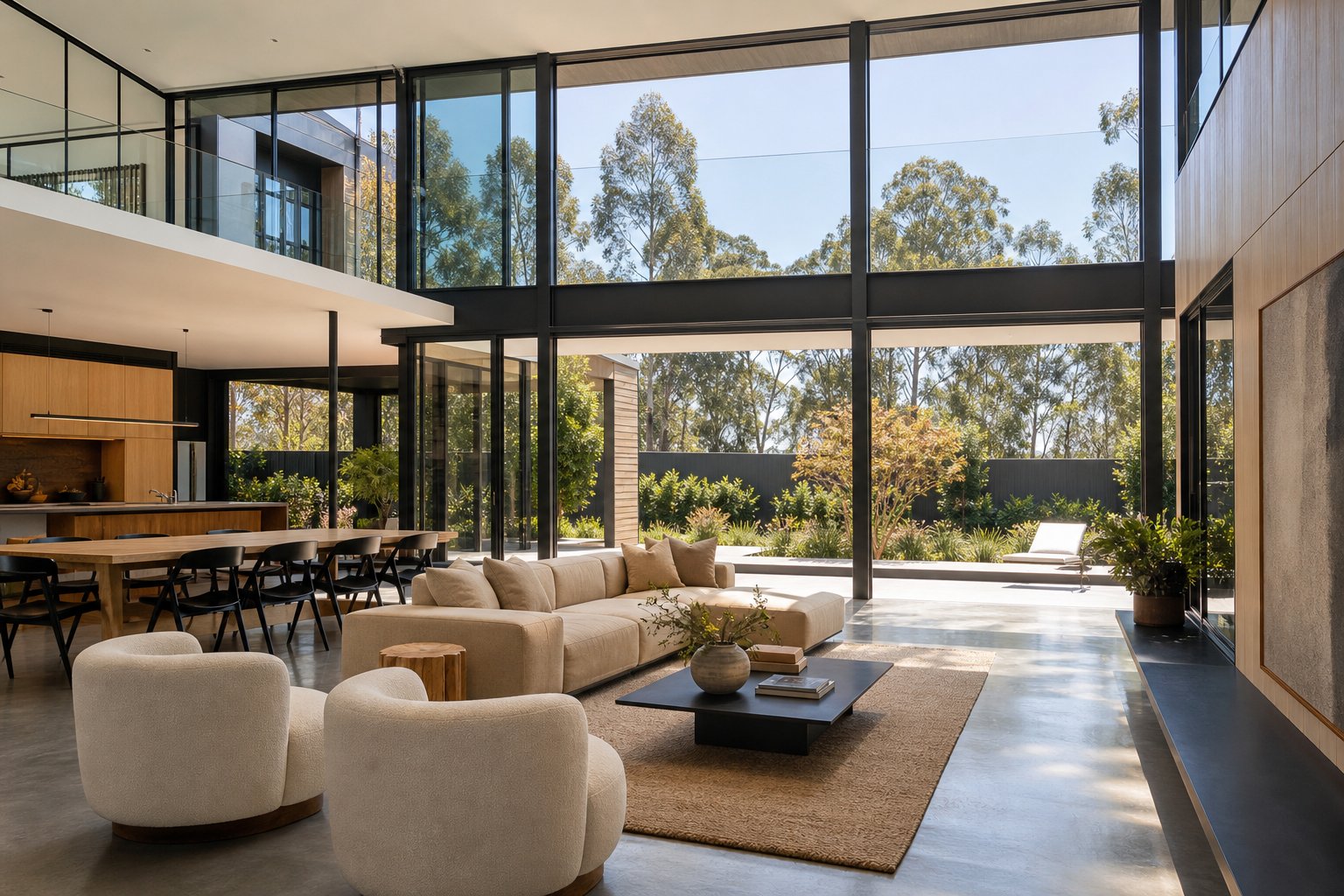
- Colour flexibility — Powder coating opens up virtually any colour you want. Black aluminum windows suit contemporary builds. White aluminum windows work for coastal or Hamptons-style homes. Bronze aluminum windows complement earthy tones and mid-century designs. The same frame can take any finish without compromising its structural properties.
- Long lifespan — Quality aluminium frames last 40–50 years with minimal maintenance, even in entry-level products using adequate extrusion thickness.
- Recyclability — Aluminium is 100% recyclable without any loss of quality or strength. At end-of-life, the material re-enters the supply chain rather than filling landfill.
Recycling aluminium requires only 5% of the energy needed to produce it from raw ore. Even budget aluminium doors and windows are a strong environmental choice because the material never becomes waste — it simply becomes new aluminium.
That sustainability angle is worth noting for Australian projects chasing Green Star ratings or responding to council requirements around material lifecycle impact. Aluminum frame glass assemblies can be fully disassembled at end-of-life, with both the metal and the glass sent to separate recycling streams.
Limitations Budget Buyers Should Know
Honesty matters here. Budget aluminium is not without trade-offs, and ignoring them leads to regret:
- Thermal conductivity — Without a thermal break, aluminium conducts heat roughly 1,000 times faster than timber. In colder Australian climate zones (think Canberra, Ballarat, the Blue Mountains), a non-thermally-broken frame becomes a thermal bridge that drives up heating costs and pulls down your NatHERS rating.
- Condensation risk — Metal framed windows in cold climates can develop interior condensation when warm humid air meets a cold frame surface. Proper ventilation and thermally broken profiles mitigate this, but the cheapest non-thermal-break products remain vulnerable.
- Thinner extrusions in ultra-cheap products — Very low-cost aluminium may use wall thicknesses below 1.4 mm. These thinner profiles reduce structural integrity, increase flex under wind load, and can compromise seal longevity. The savings evaporate when seals fail prematurely or the frame distorts.
- Limited warmth in character — Aluminium suits modern and contemporary aesthetics beautifully, but it can feel visually cold in heritage or traditional settings where timber’s natural grain adds warmth.
The pattern is clear: aluminium’s drawbacks concentrate around thermal performance and the risk of choosing products built too cheaply. Both issues are solvable — thermal breaks address conductivity, and specifying a minimum 1.6 mm wall thickness avoids structural compromise — but they add cost back in. The skill for budget buyers is identifying the minimum viable specification for their climate and building type, then resisting the temptation to go cheaper still.
That raises a practical question: where do you actually find affordable aluminium that meets these thresholds without blowing your budget?
How to Find Quality Aluminium at Lower Prices
Finding aluminium windows for sale at competitive prices without stepping down in quality takes strategy — not luck. The difference between overpaying and getting genuine value often comes down to how you buy, when you buy, and who you buy from. These practical approaches can shave 15–40% off your final cost without touching the specification.
Here are the most effective cost-saving strategies, ranked by potential savings:
- Buy direct from aluminium door manufacturers or fabricators — Cutting out the retail middleman can reduce costs by 20–40%. Many aluminium window suppliers in Australia offer project-based pricing for builders, developers, and contractors ordering multiple units. Manufacturers like MEICHEN provide direct access to a full range of aluminium windows, doors, and facade systems with competitive pricing scaled to project size — a practical example of how the direct-from-manufacturer model works for Australian building projects.
- Choose standard sizes over custom fabrication — As covered earlier, standard openings avoid bespoke tooling and engineering. Savings of 30–50% per unit are common.
- Time your purchase for off-peak seasons — Late autumn and winter are the slowest periods for window and door companies, and many offer discounts or promotions to keep production lines moving.
- Compare quotes from at least three aluminium window supplies sources — Pricing varies significantly between suppliers for equivalent specifications. Request itemised quotes so you can compare frame systems, glass packages, and hardware grade on equal terms.
- Bundle windows and doors in a single order — Combining all openings into one purchase gives you leverage to negotiate volume pricing and reduces delivery costs.
- Consider previous-season colour ranges — Some aluminium door manufacturers offer discounts on colours being phased out of their standard palette, despite the product being identical in every other respect.
Wholesale and Direct-From-Manufacturer Options
Retail pricing includes showroom overheads, sales commissions, and margin stacking that can inflate what you pay by 25–35% above the fabrication cost. Going direct to aluminium window suppliers or dedicated fabricators removes those layers. This approach works particularly well for projects involving five or more windows, where volume gives you negotiating room and manufacturers can batch your order efficiently.
For larger projects — townhouse developments, multi-unit builds, or commercial fit-outs — project-based pricing becomes available from most serious aluminium door manufacturers. These arrangements typically lock in a per-unit cost across all openings, with consistency guaranteed on frame finish, hardware, and glass specification. Builders and procurement teams benefit from single-source coordination: one point of contact, one delivery schedule, one quality standard across every window and door on site.
Timing Your Purchase for Better Pricing
The window and door industry follows predictable seasonal demand cycles. Summer and early autumn are peak installation periods across most of Australia, with fabricators running at full capacity. Late autumn through winter sees demand drop as fewer homeowners start renovation projects in cooler months. That slowdown creates opportunity.
During off-peak periods, many suppliers offer end-of-year promotions, package deals, and faster turnaround times. Installation crews have more availability, which can also reduce labour quotes. For new builds where the construction timeline allows flexibility, scheduling window installation during winter months often delivers both better pricing and more attentive workmanship from trades operating below peak load.
Standard Sizes and Smart Specification Choices
Beyond sizing, small specification decisions compound into meaningful savings. Opting for a single powder-coat colour across all frames (rather than mixing black exteriors with white interiors) avoids dual-colour surcharges. Selecting standard handle and lock hardware rather than premium branded systems saves $30–$80 per opening without compromising security — just ensure the hardware still meets AS 4145 requirements.
Grouping all your aluminium window supplies into a single specification also simplifies quality control and reduces the chance of errors during fabrication. Consistent profiles mean consistent installation detailing, which keeps your builder happy and avoids costly on-site adjustments.
These strategies work best in combination. A buyer who goes direct to a fabricator, orders standard sizes in a single colour during winter, and bundles all openings into one project quote can realistically achieve a 30–40% reduction compared with retail pricing on identical products. The specification stays the same — only the purchasing approach changes.
Still, lower prices do not always mean the right product for every situation. Certain conditions and building types push back against budget aluminium regardless of how cleverly you source it.
When Cheap Aluminium Is Actually a Bad Idea
Smart buying means knowing when to walk away. Budget aluminium works brilliantly in many scenarios, but certain climates, building types, and product quality thresholds mark a clear line where saving money upfront becomes genuinely costly down the road.
Climate Conditions That Demand Better Specs
Non-thermal-break aluminium in cold Australian climates — Canberra, the Snowy Mountains, Ballarat, Tasmania’s highlands — creates problems no amount of clever purchasing can fix. Condensation forms when warm indoor air meets the cold interior surface of a conductive metal frame. Water pools on sills, feeds mould growth, and damages surrounding plasterwork. The energy penalty compounds the issue: single pane aluminium windows in these zones force heating systems to work far harder, driving annual bills up by hundreds of dollars.
Cyclone-prone regions across northern Queensland, the Northern Territory, and parts of Western Australia present a different challenge. Budget exterior aluminium doors and windows may not carry the structural ratings required under AS 2047 for higher wind classifications. Aluminium impact doors rated for severe weather events use heavier extrusions and reinforced glazing — specifications that sit well above the cheapest tier.
Building Types Where Alternatives Win
Heritage-listed properties often mandate timber joinery to maintain original character and comply with local council heritage overlays. No matter how affordable your aluminium quote, approval simply will not come through for a Federation cottage in a conservation area.
High-security applications — correctional facilities, bank branches, government buildings — typically require commercial aluminium exterior doors with specialised multi-point locking, heavy-gauge frames, and laminated security glazing. Solid aluminium exterior doors at the budget end rarely meet these specifications. In some cases, steel frames offer superior forced-entry resistance that even premium aluminium cannot match.
Red Flags in Ultra-Cheap Products
Price has a floor. Below it, quality drops in ways that guarantee premature failure. Watch for these warning signs when evaluating very low-cost aluminium products:
- Wall thickness below 1.4 mm — inadequate structural integrity for residential windows and outside aluminium doors
- No Australian Standards certification marks (AS 2047, AS 1288) on the product or documentation
- Single-point locking mechanisms instead of multi-point systems — a security and weathersealing weakness
- Non-standard sizing that does not align with common Australian openings, suggesting imported stock not fabricated for local conditions
- No written warranty, or warranties shorter than five years on frames and finishes
- Hardware that feels flimsy, binds during operation, or uses unbranded components with no spare-part availability
As industry professionals note, fabricators who cannot provide certification documentation or refuse workshop inspections are signalling exactly the kind of quality shortfall that turns a bargain into a replacement bill within five years.
Recognising these boundaries is not about ruling out affordable aluminium — it is about matching the right specification to the right situation. The next step is building a clear framework that connects your specific project conditions to the aluminium grade that actually fits.
Choosing the Right Aluminium for Your Project
Knowing where budget aluminium fails is half the equation. The other half is matching the correct specification to your actual conditions — your climate, your building type, and the regulatory framework your project sits within. A structured approach removes guesswork and prevents both under-specifying (which leads to performance issues) and over-specifying (which wastes money).
The table below maps common Australian building scenarios to the aluminium specifications that deliver reliable performance without unnecessary expense:
| Building Scenario | Recommended Frame Spec | Glazing Minimum | Finish Requirement | Key Standard |
|---|---|---|---|---|
| Coastal home (within 1 km of saltwater) | Thermal break, marine-grade alloy | Double glazed, Low-E | Marine-grade powder coat (Qualicoat Class 2 or equivalent) | AS 2047, AS 3715 |
| Temperate suburban (Sydney, Perth, Adelaide) | Thermal break recommended | Double glazed | Standard powder coat | AS 2047, NCC Section J |
| Cold/alpine zone (Canberra, Hobart, highlands) | Thermal break mandatory | Double glazed with argon fill, Low-E soft coat | Standard powder coat | AS 2047, NatHERS 7-star |
| Tropical north (Darwin, Cairns, Townsville) | Non-thermal-break acceptable; cyclone rating required | Double glazed, tinted or low-SHGC | Powder coat with UV stabilisation | AS 2047 (high wind class), AS 1170.2 |
| Bushfire zone (BAL 12.5–BAL 40) | Aluminium (non-combustible) | Tempered or bushfire-rated glazing per BAL level | Standard or marine-grade powder coat | AS 3959 |
| Multi-storey commercial | Thermal break, heavy-gauge extrusion (1.6 mm+) | Double glazed, performance-rated IGU | Anodised or Qualicoat-certified powder coat | AS 2047, NCC Section J, AS 4284 |
Matching Products to Your Climate Zone
Australia spans eight NatHERS climate zones, and what qualifies as adequate aluminium performance in Brisbane may be entirely insufficient in Melbourne. The core variable is the U-value your window assembly needs to achieve. In zones 6 to 8 (cold to alpine), target a whole-window U-value of 2.0 W/m²K or below — achievable only with thermally broken frames and quality double glazing. Zones 1 and 2 (tropical) care less about heat retention and more about solar heat gain coefficient (SHGC), where tinted Low-E glass paired with even non-thermal-break aluminium keeps cooling loads manageable.
Coastal locations add a corrosion layer to the decision. Salt-laden air attacks poorly finished aluminium within a few years, so marine-grade powder coating is not optional — it is a baseline requirement within one kilometre of the waterline. Sliding aluminium windows with exposed track systems need particular attention here, as salt accumulation in tracks accelerates wear on rollers and seals.
Residential vs Commercial Requirements
Residential and commercial projects face different structural, regulatory, and performance demands that directly influence which aluminium products are appropriate. Commercial aluminium windows must typically meet higher wind load ratings, larger span requirements, and more rigorous fire and acoustic standards. Heavier extrusions (1.6 mm wall thickness and above) become the norm rather than the exception, and hardware systems must handle far higher duty cycles in public-access buildings.
For residential work, budget aluminium in standard configurations handles most situations comfortably. An aluminium front door on a single-storey suburban home does not face the same wind exposure as an aluminium entry door on a 10-storey apartment lobby. Residential hardware can sit at a moderate duty rating without issue. The point is not to over-engineer a house entry with commercial-grade specs, nor to under-spec a commercial opening with residential-grade product.
Custom aluminium windows become more common in commercial projects where non-standard openings, curtain wall integration, or unusual geometries are part of the design. Residential buyers can usually avoid custom fabrication costs by designing around standard module sizes.
New Builds and Renovation Considerations
New builds offer the luxury of designing wall openings to match standard aluminium sizes from the outset, minimising fabrication costs. Under NCC 2022’s 7-star NatHERS requirement, glazing performance is modelled during design development — meaning your window specification is a compliance input, not an afterthought. Engaging a NatHERS assessor early lets you identify exactly where budget aluminium with double glazing meets the rating and where a thermal break upgrade is necessary to get across the line.
Renovations bring constraints. Existing openings rarely match standard sizes, pushing you toward custom aluminium windows or requiring structural modification to the wall. Significant renovations — those affecting more than 50% of the existing building in some states — can trigger NCC energy efficiency compliance for the new work. Even where compliance is not triggered, upgrading from old single-glazed aluminium sliding windows to modern double-glazed equivalents delivers measurable comfort and energy improvements that justify the spend.
Whether you are building from scratch or updating an existing home, the framework stays the same: identify your climate zone, confirm your regulatory obligations, and select the minimum specification that satisfies both. Everything above that line is optional. Everything below it is a false economy.
Next Steps Toward Affordable Aluminium That Lasts
A clear framework is only useful if it translates into action. You now understand what separates a smart buy from a costly mistake — the variables that drive price, the lifetime cost dynamics that matter more than the sticker, the specs your climate demands, and the red flags that signal quality too low to trust. The remaining step is turning that knowledge into a purchasing decision you will not second-guess five years from now.
Your Decision Checklist
Before you request a single quote, run through this list. Each item corresponds to a key decision point covered in this guide, distilled into a practical action:
- Confirm your NatHERS climate zone and check whether your project triggers NCC energy efficiency compliance — this determines whether you need thermally broken frames or can safely specify non-thermal-break aluminium windows and doors.
- Set a minimum wall thickness of 1.6 mm for residential frames. Do not accept thinner extrusions regardless of price.
- Specify double glazing as a baseline. Single glazing no longer meets NCC requirements for habitable rooms in most zones and delivers poor thermal and acoustic performance.
- Decide whether coastal, bushfire, or cyclone conditions apply to your site — each carries specific finish, glazing, and structural requirements under Australian Standards.
- Design around standard opening sizes where possible. Custom fabrication adds 30–50% per unit with no performance benefit.
- Compare total cost of ownership, not just the purchase price. Factor in maintenance frequency, expected lifespan, and energy bill impact over at least 15 years.
- Request itemised quotes from at least three aluminium window suppliers. Compare frame system, glass package, hardware grade, and warranty terms on equal footing.
- Verify that every product carries AS 2047 certification and that the supplier provides written warranty documentation covering both frames and finishes.
That checklist keeps you anchored to the fundamentals. It prevents emotional reactions to a low number on a quote sheet and ensures every dollar you spend buys genuine, measurable performance.
Moving From Research to Purchase
The gap between understanding your options and actually ordering aluminium doors windows for your project is smaller than it feels. Practically, it comes down to three moves: finalise your specification based on climate and building type, identify suppliers who offer the full product range you need, and negotiate project-based pricing that reflects your total order volume.
Working with suppliers who cover the complete ecosystem of aluminum windows and doors — rather than piecemeal sourcing from multiple vendors — simplifies coordination, ensures consistent finish and hardware across every opening, and gives you stronger leverage on price. For Australian building projects, MEICHEN’s aluminium window, door, and facade systems offer builders, developers, and contractors a single point of access for everything from standard aluminium windows doors through to louvres, balustrades, and project-based solutions — making it a logical starting point for those ready to move from research into quotes.
Affordable aluminium doors and windows are not a compromise when matched correctly to your project. They are a pragmatic, durable, and environmentally sound choice that delivers value across decades — provided you buy with your eyes open. Understand the spec, verify the quality, source intelligently, and you will land on the right side of the smart buy versus costly mistake question every time.
Frequently Asked Questions About Cheap Aluminium Doors and Windows
1. Are cheap aluminium windows good quality?
Cheap aluminium windows can deliver good quality provided they meet minimum specifications. Look for a wall thickness of at least 1.6 mm, AS 2047 certification, multi-point locking hardware, and double glazing. Products meeting these thresholds offer corrosion resistance, 30-plus year lifespans, and low maintenance regardless of price point. The risk sits with ultra-cheap products that use thinner extrusions below 1.4 mm, single-point locks, and no certification marks — these often fail within five to ten years, making the initial saving irrelevant.
2. How much do aluminium windows and doors cost in Australia?
In Australia, supply-only costs for standard residential aluminium windows range from approximately $350 to $700 AUD per window for non-thermal-break frames and $600 to $1,200 AUD for thermally broken options. Aluminium doors vary based on type and size. Costs drop significantly when you buy direct from manufacturers, choose standard sizes, order in volume, and time purchases during off-peak winter months. Project-based pricing from suppliers like MEICHEN can reduce costs by 20 to 40 percent compared with retail for builders and developers ordering multiple units.
3. Is aluminium cheaper than vinyl or timber for windows?
Aluminium sits between vinyl and timber on upfront cost. Vinyl windows typically start slightly lower at $300 to $750 AUD per unit, while timber ranges from $700 to over $2,000. However, lifetime cost tells a different story. Aluminium requires almost no maintenance over 20 years (around $200 to $500 total), whereas timber demands repainting every three to seven years, potentially costing $5,000 to $10,000 for a full home over two decades. Aluminium also outlasts vinyl by 10 to 20 years on average, avoiding an entire replacement cycle.
4. Do cheap aluminium windows cause condensation problems?
Condensation is a genuine risk with non-thermally-broken aluminium frames in cold climates. When warm indoor air meets the cold interior surface of a conductive metal frame, moisture collects on the frame and sill. This is primarily an issue in colder Australian zones such as Canberra, Tasmania, and the Victorian highlands. Thermally broken aluminium solves this by inserting an insulating barrier that prevents the interior frame surface from reaching dew point temperatures. In temperate and tropical Australian climates, non-thermal-break aluminium rarely causes condensation issues.
5. How can I save money when buying aluminium doors and windows?
The most effective strategies include buying direct from fabricators or manufacturers rather than retail (saving 20 to 40 percent), choosing standard opening sizes over custom fabrication (saving 30 to 50 percent per unit), purchasing during off-peak autumn and winter months when suppliers offer promotions, bundling all windows and doors into a single order for volume pricing, and comparing itemised quotes from at least three suppliers. Combining these approaches can realistically achieve 30 to 40 percent savings on identical specifications compared with standard retail pricing.
More Window & Door Guides