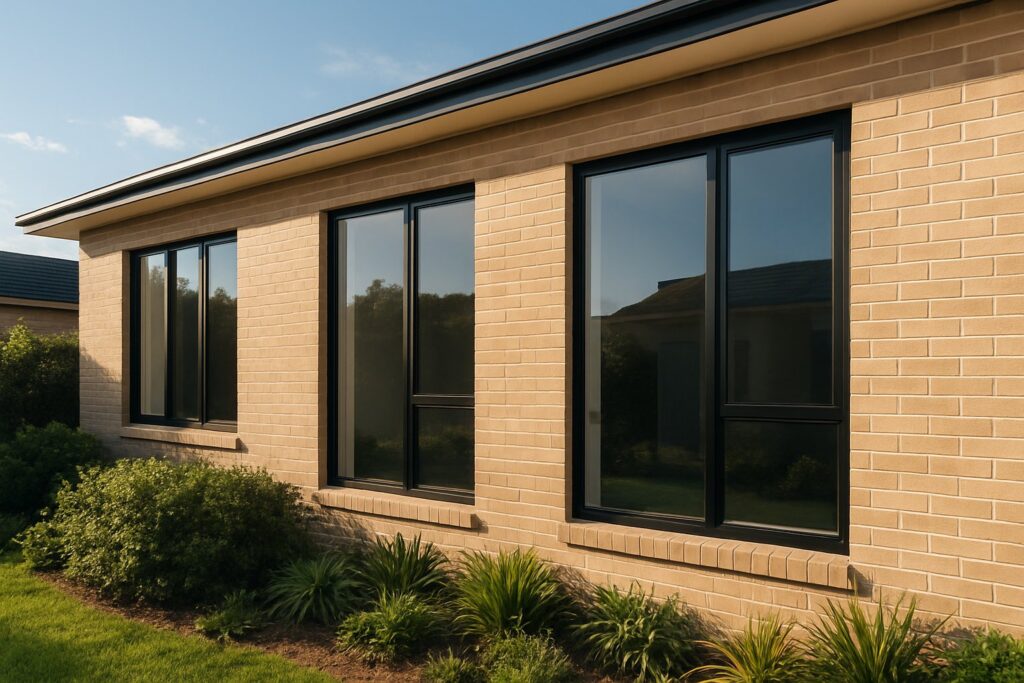
What Are Black Aluminium Casement Windows
Three elements define this window type: an aluminium frame for structural strength, a casement opening mechanism hinged on one side, and a black powder-coated or anodised finish. Together, they produce a slim, bold profile that suits everything from new contemporary builds to heritage renovations across Australia.
A black aluminium casement window is a hinged window unit built from extruded aluminium sections finished in black, designed to swing outward or inward on side-mounted hinges while offering slim sightlines and high corrosion resistance.
The basic anatomy is straightforward. The outer frame sits within the wall opening. Inside it, the sash — the moveable panel holding the glazing unit — connects to the frame along the hinge side via friction stays. The opposite handle side carries the locking mechanism that pulls the sash tight against perimeter weatherseals when closed. Double or triple glazed units slot into the sash, and trickle vents along the head allow background ventilation.
What Makes a Casement Window a Casement
So what is window casement operation, exactly? Unlike sliding windows that track horizontally or awning types hinged at the top, a window casement swings open on vertical hinges — much like a door. A friction stay or crank arm controls the opening angle, and multi-point locks secure the sash at several positions along the frame when closed. Aluminium suits this mechanism particularly well. Its strength-to-weight ratio allows manufacturers to build slimmer profiles without sacrificing rigidity, meaning the sash stays square over decades of repeated opening cycles — a common failure point in heavier or weaker frame materials.
Why Black Has Become the Dominant Frame Colour
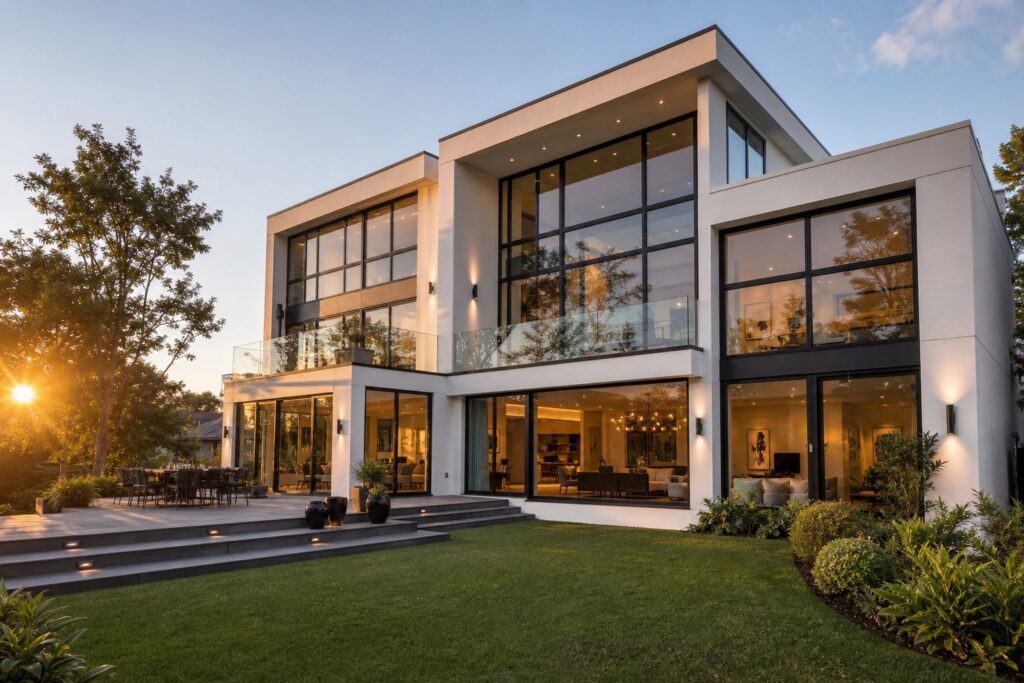
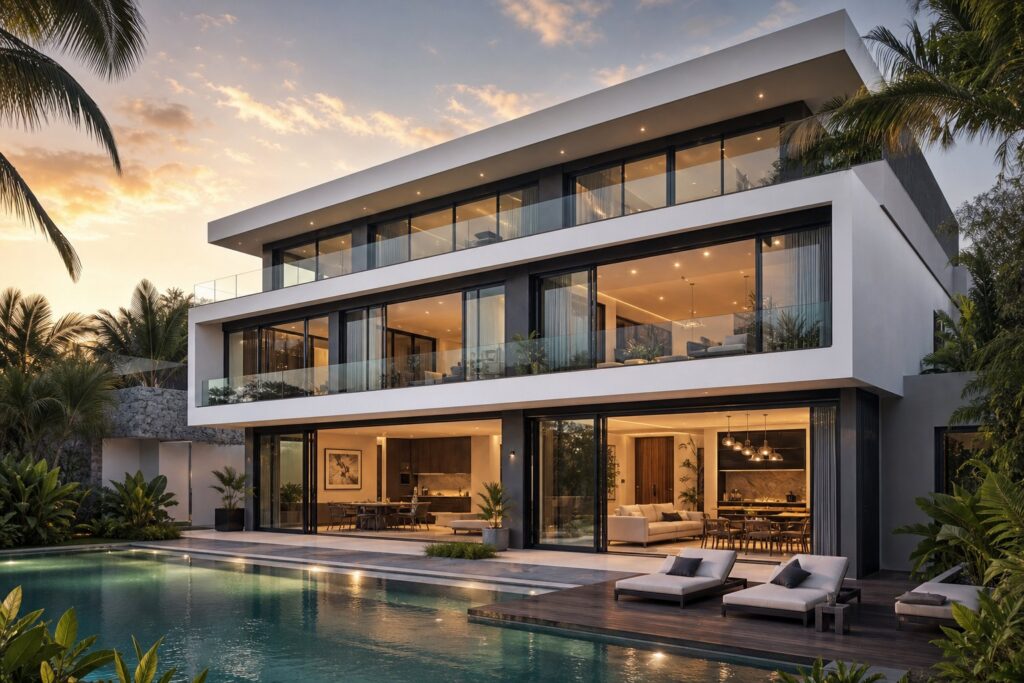
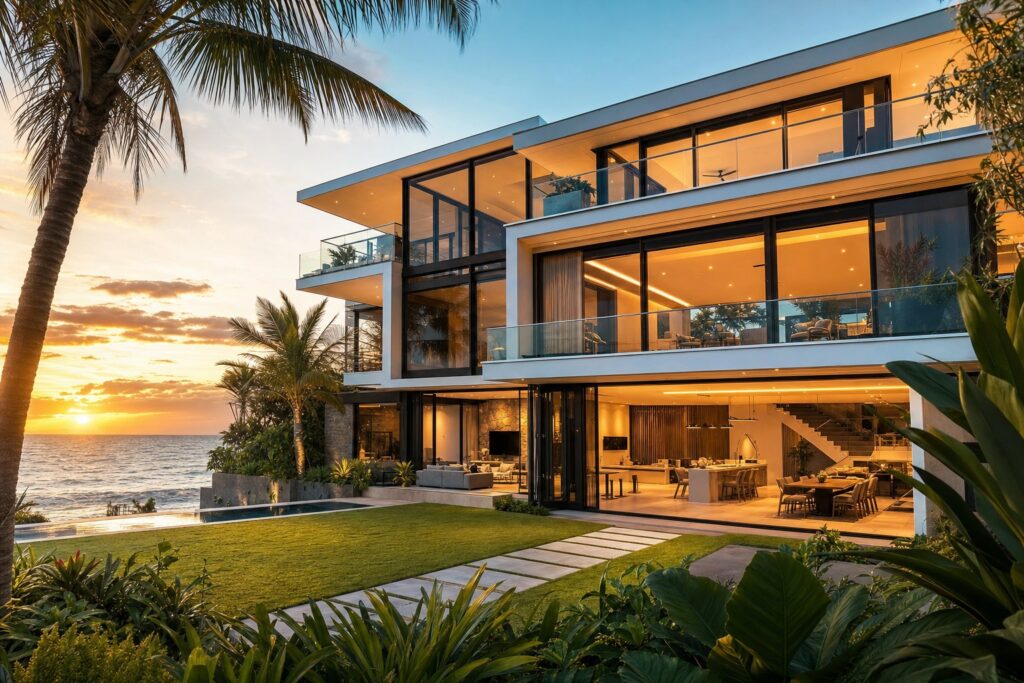
Black casement windows have surged in popularity for a simple visual reason: dark frames recede. Rather than competing with the view, they create a crisp border that draws the eye through the glass. The effect works equally well against white rendered walls, natural brick, or timber cladding. Architects also favour black windows for their nod to traditional ironwork and industrial steel glazing — an aesthetic that aluminium casement windows replicate at a fraction of the weight and with far better thermal performance. For homeowners chasing that bold contrast without the maintenance burden of painted steel or timber, an aluminum casement in black ticks every box.
Black Finish Types on Aluminium Frames
Choosing a black window frame sounds simple until you realise that “black” is not one finish — it is at least three distinct processes, each with different durability, appearance, and long-term behaviour. The finish you specify determines how your black windows exterior appearance holds up against Australian UV, coastal salt air, and daily wear over the next two decades. Get it wrong and you will be paying for remedial work well before the frame itself shows any structural fatigue.
Powder Coating Explained
Powder coating is the most common finish on aluminium casement frames in Australia. The process works by electrostatically charging a dry polyester powder and spraying it onto a grounded aluminium profile. The charged particles cling uniformly to the metal surface, and the assembly then enters a curing oven where heat melts and fuses the powder into a continuous protective film. Typical coating thickness sits between 60 and 80 microns, thick enough to resist minor scratches and provide reliable UV shielding.
Within powder coating, you choose between sub-finishes — matt black (10–30 gloss units at 60 degrees), satin black (30–70 GU), and gloss black (70+ GU). Matt and satin dominate residential projects because they hide fingerprints and minor surface imperfections better than high-gloss alternatives.
Not all powders are equal. Standard polyester coatings suit sheltered inland locations. Super Durable powders (Qualicoat Class 2) handle general exterior exposure across most Australian climates. For coastal homes or high-UV environments — think northern Queensland or beachside properties in WA — Hyper Durable powders rated to Qualicoat Class 3 deliver the strongest resistance to chalking and colour fade. These advanced polymer formulations carry a 10-year Florida exposure rating, which translates to decades of real-world performance when paired with routine cleaning.
Industry quality benchmarks matter here. Look for powder coating certified to BS EN 12206-1, the European standard for architectural coatings on aluminium. Qualicoat certification adds third-party auditing of the applicator’s process — pre-treatment, thickness, adhesion, and curing are all independently verified. For black exterior windows on any project where longevity counts, specifying Qualicoat Class 2 as a minimum is a sensible baseline.
Anodising vs Powder Coating for Black Frames
Anodising takes a fundamentally different approach. Rather than applying a coating on top of the aluminium, an electrochemical bath grows a hard oxide layer from the metal itself. The result is an integral finish that cannot chip or peel because it is literally part of the aluminium surface. Black anodised frames have a slightly translucent, metallic depth — the aluminium grain shows through — whereas powder-coated black delivers a solid, opaque colour.
For black metal windows in aggressive coastal environments, anodising offers innate salt-spray resistance that powder coating can only match with premium marine-grade formulations. However, anodising limits your colour palette to metallic tones and costs more per profile due to the energy-intensive process. Powder coating wins on colour flexibility, batch consistency, and repairability — minor chips can be touched up on site, while a scratched anodised surface typically requires profile replacement.
A third option — liquid spray paint — exists but remains niche for architectural aluminium. It offers unlimited colour matching but lacks the hardness and longevity of either powder coating or anodising, making it better suited to touch-up work than full-frame finishing.
For aluminum clad windows where the exterior aluminium shell protects an inner timber or composite core, the same finish choices apply. An aluminum clad window benefits from the same Qualicoat-rated powder coating as a full-aluminium frame, ensuring the metal clad windows maintain their appearance without transferring maintenance burden to the homeowner.
| Criteria | Powder Coating | Anodising |
|---|---|---|
| Appearance | Solid opaque black; matt, satin, or gloss options | Metallic, slightly translucent black with visible grain |
| Durability | 15–20+ years (Hyper Durable); surface film can chip on heavy impact | Indefinite with maintenance; integrated oxide layer cannot peel |
| UV Fade Resistance | Excellent with Class 2/3 powders; standard grades may chalk over time | Outstanding — does not fade or chalk |
| Scratch Behaviour | Moderate; minor scratches repairable with touch-up | High hardness; scratches difficult to repair |
| Coastal Suitability | Good with marine-grade powder (Class 3) | Excellent — innate salt corrosion resistance |
| Maintenance | pH-neutral wash every 3–6 months | Occasional wash; no re-coating needed |
| Typical Warranty | 10–25 years depending on powder class | 10–20 years (varies by supplier) |
| Relative Cost | Lower for standard colours | Higher due to energy-intensive process |
The practical takeaway: most residential black window projects in Australia land on powder coating — specifically Super Durable or Hyper Durable grades — because it balances cost, colour consistency, and long-term performance. Anodising earns its premium on exposed coastal facades or commercial projects where the metallic aesthetic and extreme scratch resistance justify the higher price point. Either way, the finish specification deserves as much attention as the frame profile itself, because a poorly chosen coating will degrade long before the aluminium underneath shows any sign of age.
Casement Opening Types and Room Configurations
A durable black finish only matters if the window behind it opens the right way for the room it serves. Casement style windows come in several opening configurations, and each one suits different ventilation needs, safety requirements, and aesthetic goals. Picking the correct type room by room prevents the frustrating compromise of a window that looks perfect but functions poorly in daily life.
Side-Hung, Top-Hung, and Fixed Configurations
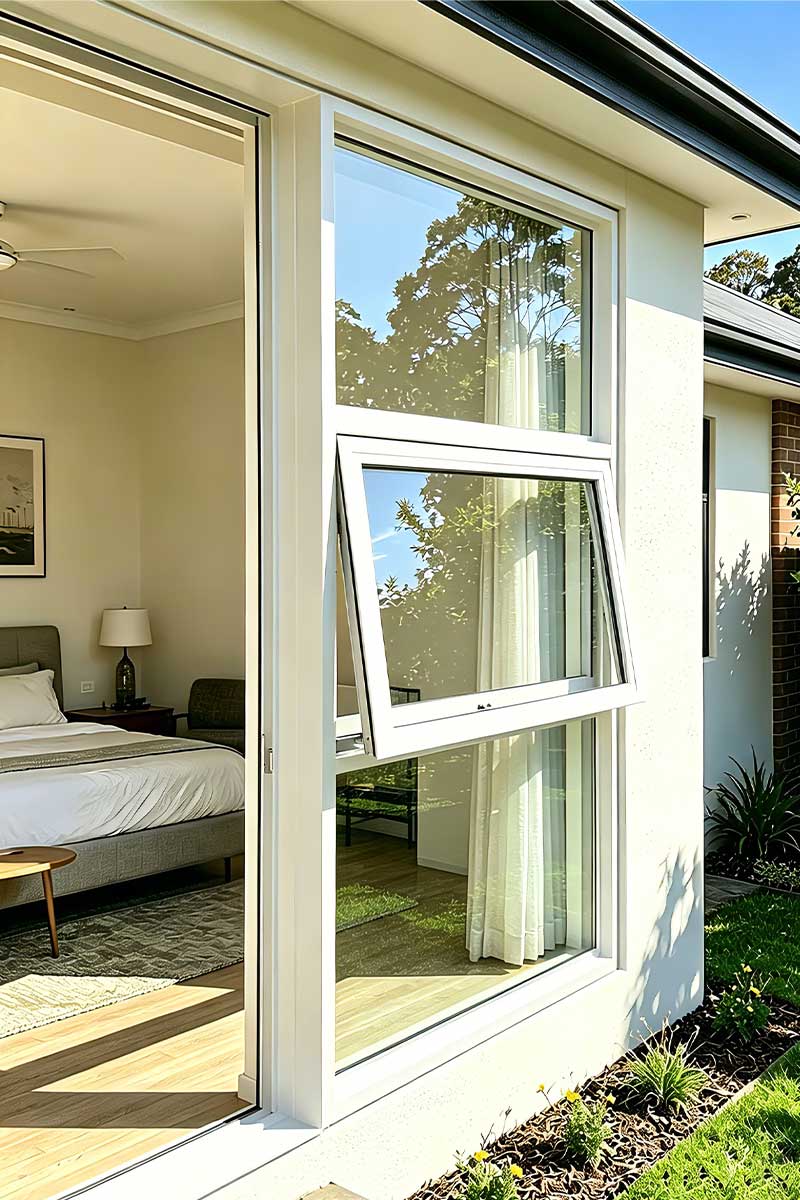
Side-hung casements are the most familiar format. Hinged vertically on one side, they swing outward (or inward for inswing casement windows where external clearance is limited) and provide the widest unobstructed opening for airflow and emergency egress. A single frame casement window works well in bedrooms and hallways, while double side-hung pairs — sometimes called French casements — suit living areas where you want a full-width opening with no central mullion blocking the view.
Top-hung casements, often called awning windows, hinge along the top rail and push outward from the bottom. This angled opening sheds rain away from the interior, making them ideal where you need ventilation during wet weather. A casement window for kitchen installation above a benchtop or splashback is a natural fit: the sash opens outward above head height, keeps rain out, and stays clear of taps and dish racks. Bathrooms benefit from the same logic — pair a top-hung sash with obscure glass for privacy and moisture control without sacrificing fresh air.
Bottom-hung hoppers open inward from the top edge. They are less common in residential work but useful on upper storeys where an outward-opening sash could pose a hazard or interfere with external walkways.
Fixed lights — non-opening panes — round out the lineup. They maximise glass area and minimise frame, which is exactly why large casement windows in black aluminium often combine a generous fixed centre pane with smaller operable sashes on either side. The fixed panel frames the view; the flanking casements handle airflow. Aluminium’s strength-to-weight ratio keeps profiles slim across all these configurations, so sightlines stay tight whether the sash is operable or sealed.
Combining Fixed and Opening Lights in Black Frames
Multi-light arrangements are where black aluminium really earns its reputation. A 3 lite casement window — one fixed centre pane flanked by two side-hung openers — delivers the industrial grid aesthetic inspired by traditional Crittall steel glazing. Step up to a 4 lite casement and you add a horizontal transom, creating that iconic divided-light pattern associated with warehouse conversions and Art Deco architecture.
The critical distinction: authentic Crittall windows are fabricated from steel, carry higher thermal conductivity, demand ongoing corrosion maintenance, and come at a premium price point. Modern aluminium alternatives replicate the same slim sightlines and dark grid pattern using thermally broken profiles that meet current NCC energy requirements — at lower cost and with virtually no maintenance beyond periodic cleaning. For most Australian residential projects, aluminium achieves the Crittall look without the Crittall compromises.
Aluminum crank windows with multi-point locking add another layer of practicality. The crank mechanism allows precise control of the opening angle, useful in hard-to-reach positions above kitchen benches or in stairwells where a friction stay alone would be awkward to operate.
Below is a quick reference for matching configurations to room function:
- Living areas: Tall side-hung pairs or a 3 lite casement window (fixed centre, operable sides) for maximum light and cross-ventilation.
- Kitchens: Top-hung awning sash above the benchtop, often combined with a fixed pane below for uninterrupted splashback views.
- Bathrooms: Side-hung with obscure glass, or a top-hung sash positioned high for privacy and steam extraction.
- Bedrooms: Single or double side-hung for egress compliance under NCC requirements, with optional restrictors for child safety.
- Stairwells and high walls: Fixed lights paired with a small top-hung or crank-operated casement for controlled ventilation out of reach.
The beauty of black frames in these multi-light setups is visual consistency. Whether a panel opens or stays fixed, the profile width and colour remain uniform, so the grid reads as a single architectural element rather than a patchwork of different window types bolted together.
Design Compatibility and Architectural Styling
Getting the opening configuration right solves the functional puzzle. The aesthetic puzzle — how black frames sit against your home’s exterior materials, glass choices, and bar patterns — is what determines whether the finished result looks intentional or awkward. Black aluminium casement windows are remarkably adaptable, but that adaptability only works in your favour when you pair them deliberately with the surrounding architecture.
Matching Black Frames to Exterior Materials
The wall surface surrounding a window does most of the visual heavy lifting. Black frames respond differently depending on what sits behind them.
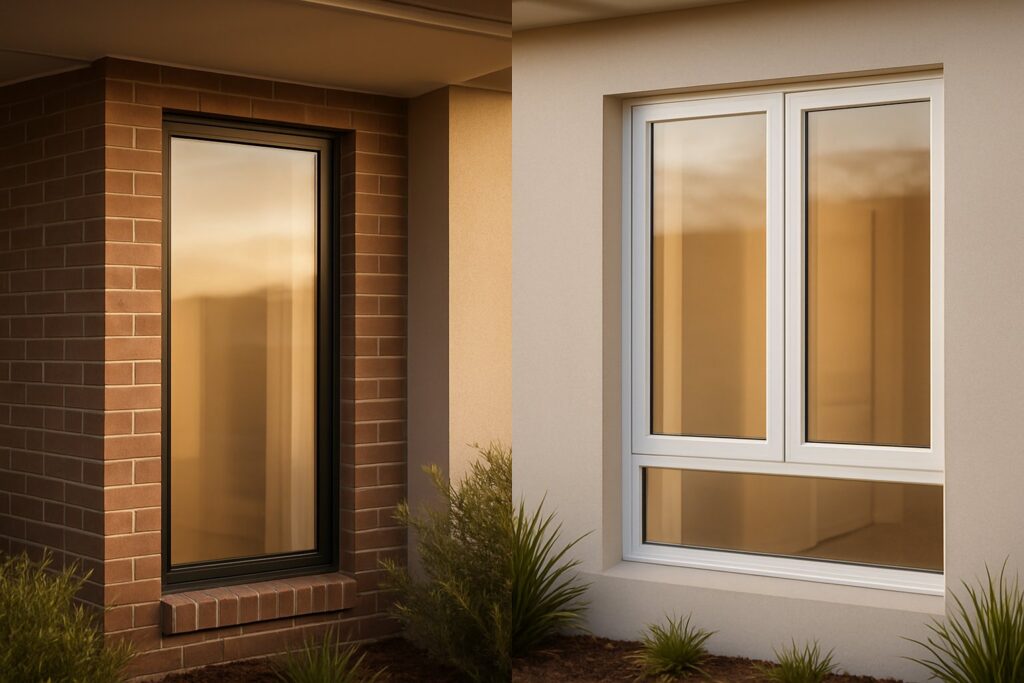
Against red or brown brick, windows with black trim echo the look of traditional ironwork — the kind of dark metal framing you see on Victorian-era terraces and Federation homes across Sydney and Melbourne. The contrast feels familiar rather than jarring because it references a material pairing that has existed for over a century. White or light-coloured render flips the dynamic entirely. Here, black frames become a bold graphic element, creating the high-contrast modern aesthetic popular on new builds from Perth’s coastal suburbs to Brisbane’s inner-city townhouses. Natural sandstone or bluestone produces a more subdued heritage feel, where the dark frames ground the facade without dominating it.
Timber cladding — whether natural hardwood or composite — introduces warmth. The combination of organic wood grain and crisp black aluminium delivers that Scandinavian-inspired look increasingly common on Australian coastal and hinterland homes. Metal cladding (Colorbond or zinc) paired with black window panes creates full industrial cohesion, where every element shares a manufactured precision that reads as deliberately architectural.
- Brick veneer (red/brown): Black frames for heritage contrast; consider Georgian bars to reinforce the period character.
- White render: Modern casement windows in black create a bold graphic statement; clean uninterrupted panes maximise the effect.
- Natural stone: Satin black finish with slim profiles for understated elegance that does not compete with the stone texture.
- Timber cladding: Matt black frames with large fixed lights for a warm Scandinavian aesthetic; square black windows suit the clean geometry.
- Metal cladding (Colorbond/zinc): Black grid windows with multi-light configurations for full industrial cohesion.
- Weatherboard: Black trim against painted weatherboard modernises traditional Queenslanders and coastal cottages without losing their character.
Glazing Bar Styles and Their Visual Impact
The same black frame can look industrial-modern or period-appropriate depending entirely on what happens inside the glass area. Glazing bars — the dividing elements that break a single pane into smaller visual sections — transform character without changing the frame profile at all.
Georgian bars divide the glass into a symmetrical grid of small rectangles, typically six, eight, or twelve panes per sash. On black aluminium, this creates a refined heritage look that satisfies council requirements in conservation areas while delivering modern thermal performance behind the traditional facade. Black windows with grids in a Georgian pattern suit Federation, Edwardian, and Georgian Revival homes where planning constraints demand period-sympathetic fenestration.
Astragal bars sit on the external glass surface, creating the illusion of divided lights without actually separating the glazing unit. They are more affordable than true glazing divides because they require less aluminium profile, and they still deliver the visual grid pattern from street level. Internal bars — sandwiched between the glass panes in a double-glazed unit — offer a subtler effect and are easier to clean since nothing protrudes from the glass surface.
Then there is the clean, uninterrupted pane — no bars at all. This is where black panel windows and large fixed lights come into their own. The frame becomes a thin dark border around an expansive sheet of glass, maximising the view and letting the architecture speak through transparency rather than pattern. For a picture window black frame treatment on a living room wall overlooking bushland or ocean, nothing competes with an unbroken pane.
How Black Frames Interact with Glass Types
Glass choice shifts the visual weight of the entire window. Clear glass paired with black frames creates maximum transparency — the frame almost disappears, and the view dominates. This is the default for living spaces and any room where connection to the outdoors matters.
Tinted glass — typically grey, bronze, or green — reduces solar heat gain while maintaining the dark aesthetic of the frame. In high-UV Australian conditions, a grey tint behind black aluminium reads as a single cohesive dark element from the exterior, which can be striking on contemporary facades. Low-E coated glass is functionally similar but visually neutral; the metallic coating reflects infrared heat without noticeably changing the glass colour, so it pairs with black frames without altering the intended look.
Obscure glass — frosted, reeded, or textured — diffuses light for privacy in bathrooms, ensuites, and side-facing windows on boundary walls. Behind a black frame, obscure glass softens the interior view while the dark surround maintains the exterior’s architectural consistency. The frame still reads as a deliberate design element even when you cannot see through the glass.
Each glass type changes how much the window “recedes” or “projects” on the facade. Clear glass makes the window feel open; tinted glass makes it feel solid; obscure glass sits somewhere between. Matching the right glass to the right room — and understanding how it interacts with your chosen bar configuration and exterior material — is what separates a cohesive design from a collection of individually good decisions that do not quite work together.
Thermal Performance and Energy Efficiency
A window can look flawless against your chosen facade and still bleed energy if the frame engineering does not match the aesthetic ambition. Aluminium conducts heat roughly 1,000 times faster than timber and 200 times faster than PVC, which made early aluminum frame casement windows notorious for condensation and heat loss. Modern thermally broken systems have eliminated that weakness — but only when specified correctly.
Understanding Thermal Breaks in Aluminium Frames
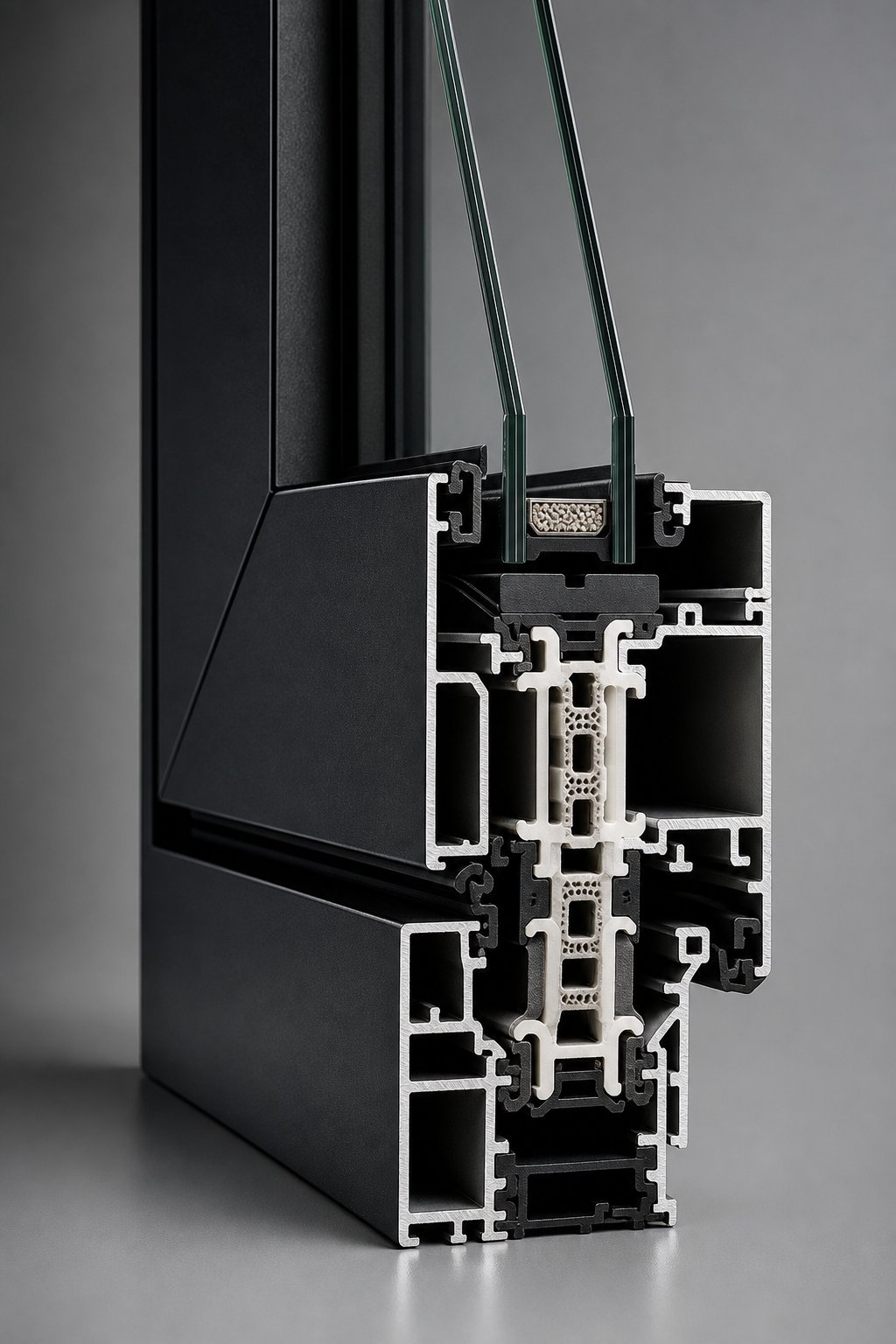
A thermal break is a strip of polyamide (glass-fibre-reinforced nylon) inserted between the interior and exterior aluminium sections of the frame profile. This low-conductivity barrier — with thermal conductivity around 0.3 W/mK compared to aluminium’s 237 W/mK — interrupts the metal pathway that would otherwise channel heat straight through the frame. The two aluminium halves remain mechanically connected for structural strength, but thermally they behave almost as separate components.
Break width matters. Entry-level systems use 20 mm polyamide strips; high-performance casement window aluminium profiles push that to 24–35 mm, creating space for multi-chamber designs where trapped air pockets add further insulation. The result is dramatic. Traditional unbroken aluminium frames deliver U-values around 4.0–6.0 W/(m²K). Thermally broken equivalents routinely achieve 1.0–2.0 W/(m²K) — a 70–85% improvement that brings aluminium into direct competition with timber and uPVC on energy performance.
For black frames specifically, thermal breaks serve a second purpose. Dark colours absorb significantly more solar radiation than lighter finishes, raising the exterior face temperature on a hot Australian summer day. Without a thermal break, that heat would transfer directly to the interior aluminium surface, warming the room and potentially causing condensation issues in reverse (warm moist air hitting cooler interior glass edges). A quality polyamide break keeps the interior face close to room temperature regardless of how hot the black exterior gets — so colour choice becomes a purely aesthetic decision rather than an energy penalty.
U-Values and Energy Ratings to Look For
The U-value measures how much heat passes through a complete window assembly (frame plus glazing) per square metre per degree of temperature difference. Lower numbers mean better insulation. In Australia, the Window Energy Rating Scheme (WERS) provides standardised ratings that feed into NatHERS assessments and NCC Section J compliance. Rather than chasing a single magic number, target a whole-window U-value appropriate to your climate zone:
- Climate Zones 1–3 (tropical and subtropical — Darwin, Cairns, Brisbane): Solar heat gain coefficient (SHGC) matters more than U-value here, but aim for a whole-window U-value at or below 4.0 W/(m²K) with low SHGC glazing to limit cooling loads.
- Climate Zones 4–5 (temperate — Sydney, Perth, Adelaide): Target 2.0–3.0 W/(m²K) for a good balance of winter warmth retention and summer heat rejection.
- Climate Zones 6–8 (cool and alpine — Melbourne, Hobart, highlands): Push below 1.8 W/(m²K) where possible; triple glazing becomes worthwhile in these regions.
Glazing specification drives most of the thermal performance in any window — the glass area is simply larger than the frame area. Black double glazed windows with a standard air-filled cavity and clear glass deliver adequate performance for mild climates, but stepping up to argon gas fills, low-E coatings, or triple glazing transforms the numbers. Argon is denser than air and reduces convective heat transfer within the cavity. Low-emissivity coatings — microscopically thin metallic oxide layers on the glass surface — reflect infrared radiation back toward its source, cutting heat loss by 30–50% without noticeably changing the glass appearance.
| Glazing Specification | Typical Whole-Window U-Value (W/m²K) | Best Suited Climate Zones | Key Benefit |
|---|---|---|---|
| Double glazed, air fill, clear glass | 2.8–3.5 | Zones 1–3 (with low SHGC glass) | Cost-effective baseline |
| Double glazed, argon fill, single low-E | 1.8–2.4 | Zones 4–6 | Strong thermal control without triple-pane cost |
| Double glazed, argon fill, dual low-E | 1.4–1.8 | Zones 5–7 | High performance in a standard-depth frame |
| Triple glazed, argon/krypton fill, dual low-E | 0.8–1.4 | Zones 6–8 | Maximum insulation for cold climates |
Double glazed black windows with argon and low-E represent the sweet spot for most Australian homes — they satisfy NCC energy requirements across temperate zones without the added weight and cost of triple glazing. Black double pane windows in this configuration keep interior surfaces warm enough to prevent condensation even on cold mornings, while the thermally broken frame ensures the dark exterior finish absorbs summer sun without passing that heat indoors.
For aluminum clad casement windows — where an aluminium exterior shell protects a timber or composite core — the same glazing upgrades apply, and the thermal break within the aluminium cladding prevents the metal skin from undermining the core material’s insulating properties. In cyclone-prone regions of northern Australia, where black frame hurricane windows must meet AS 1170.2 wind load requirements, the thermally broken aluminium profile provides both the structural rigidity to resist extreme pressure differentials and the thermal separation to maintain energy efficiency year-round.
When specifying aluminum replacement windows for an older home, the thermal upgrade is often the single biggest performance gain. Swapping unbroken aluminium or single-glazed timber for thermally broken black aluminium with argon-filled low-E glazing can halve the energy loss through window openings — a measurable improvement that shows up in both comfort and utility bills from the first season.
Black Aluminium vs Alternative Frame Materials
Thermal performance numbers only tell part of the story. The frame material itself — its profile width, maintenance demands, lifespan, and environmental footprint — shapes the ownership experience for decades after installation day. Black aluminium casement windows are not the only option on the market. Anthracite grey aluminium, black uPVC, painted timber, and steel casement windows all compete for the same projects. Understanding where each material genuinely excels (and where it falls short) prevents expensive regret down the track.
Black Aluminium vs Anthracite Grey Aluminium
This is the most common colour confusion in the industry. Homeowners request “black windows” and receive anthracite grey — or vice versa — because the two shades look almost identical on a computer screen. In reality, they read quite differently on a facade.
RAL 9005 (jet black) is a true, deep black with no visible undertone. RAL 7016 (anthracite grey) is a dark grey with a subtle warm cast that lightens noticeably in direct sunlight. Side by side on a physical sample, the difference is obvious. On a south-facing wall under overcast skies, they can appear nearly identical — which is exactly why so many buyers end up with the wrong shade.
When is anthracite grey the better call? On facades with warm-toned materials — red brick, sandstone, or timber cladding — RAL 7016 softens the contrast slightly and avoids the starkness that jet black can produce. It also shows dust and water spots less readily than true black, which matters in dusty rural settings or hard-water areas. RAL 9005 suits high-contrast modern designs, white render, concrete, and glass-heavy facades where you want the frame to punch hard against a light background. Both colours use the same powder-coating process and carry identical durability — the choice is purely aesthetic, but it needs to be made from physical swatches viewed against your actual wall material, not from a screen.
Aluminium vs uPVC, Timber, and Steel in Black
Each material brings a different set of trade-offs when finished in black. The comparison matters because the colour choice amplifies certain weaknesses — dark finishes show wear faster, absorb more heat, and demand more from the underlying material’s stability.
Aluminium delivers the slimmest sightlines of any mainstream residential frame material. Its tensile strength means profiles can be extruded as narrow as 45–65 mm while still supporting large glazing units and multi-point locking hardware. That slimness maximises glass area and keeps the visual emphasis on the view rather than the frame. Powder-coated black aluminium resists UV fade, does not warp under heat, and never needs repainting. At end of life, the frames are infinitely recyclable — the recycling process uses just 5% of the energy required for primary aluminium production, and the material loses none of its properties through repeated recycling.
uPVC (vinyl) is the budget-friendly alternative. Black frame vinyl windows have improved significantly, but the material’s lower structural strength forces manufacturers to use wider profiles — typically 70–85 mm — to achieve the same rigidity aluminium manages in a slimmer section. That extra bulk eats into glass area and produces chunkier sightlines. More critically, dark-coloured uPVC absorbs solar heat and expands more than white formulations. Without steel reinforcement and UV-stabilised compounds specifically engineered for dark finishes, vinyl windows black frames can warp, bow, or fade to a chalky grey within 10–15 years in high-UV Australian conditions. Recyclability remains a challenge; while technically recyclable, uPVC requires specialised facilities that are not widely available across Australia.
Timber offers natural warmth and excellent insulation, but painted black timber frames demand recoating every 5–7 years to prevent moisture ingress, peeling, and eventual rot. In coastal or tropical climates, that maintenance cycle shortens further. The initial aesthetic is beautiful — rich, tactile, and traditional — but the long-term cost of upkeep often exceeds the price difference between timber and aluminium over a 30-year window. Timber is renewable and biodegradable, which gives it genuine environmental credentials when sourced from certified plantations, though the repeated painting and potential for premature replacement offset some of that advantage.
Steel is the original metal casement window material. Authentic steel casement windows — the Crittall-style frames beloved in heritage renovations — deliver the narrowest profiles of any material, sometimes as slim as 25–40 mm. That ultra-thin sightline is their defining appeal. However, steel conducts heat even faster than aluminium, and older steel casement frames lack thermal breaks entirely. Modern thermally broken steel systems exist but carry a significant cost premium. Steel also requires ongoing corrosion protection; even galvanised and powder-coated steel frames need periodic inspection and touch-up in coastal environments. Weight is another factor — steel is roughly 2.5 times heavier than aluminium, which limits maximum sash sizes and increases hardware demands.
For most Australian residential projects, aluminium occupies the practical middle ground: slimmer than uPVC, lower maintenance than timber, lighter and more thermally efficient than steel, and fully recyclable at end of life. A metal casement window in aluminium replicates the industrial character of steel at a fraction of the weight and ongoing cost.
| Criteria | Black Aluminium | Black uPVC (Vinyl) | Black Timber | Black Steel |
|---|---|---|---|---|
| Typical Profile Width | 45–65 mm | 70–85 mm | 55–70 mm | 25–50 mm |
| Maintenance Frequency | Wash every 3–6 months; no repainting | Wash every 3–6 months; no repainting | Repaint every 5–7 years; annual inspection | Inspect annually; touch-up as needed |
| Expected Lifespan | 40–60 years | 20–35 years | 30–50 years (with maintenance) | 50+ years (with maintenance) |
| Thermal Performance (Thermally Broken) | U-value 1.0–2.0 W/(m²K) | U-value 0.7–1.5 W/(m²K) | U-value 1.0–2.0 W/(m²K) | U-value 1.5–2.5 W/(m²K) |
| Recyclability | Infinitely recyclable; 5% energy of primary production | Technically recyclable; limited facilities | Biodegradable; renewable if sustainably sourced | Fully recyclable |
| Colour Longevity (Black Finish) | 15–25+ years before visible fade (Class 2/3 powder) | 10–15 years before chalking in high UV | 5–7 years between recoats | 15–20+ years (powder coated) |
| Relative Cost (Supply Only, per m²) | $$–$$$ | $–$$ | $$–$$$ | $$$$ |
A few patterns stand out. uPVC wins on upfront cost and raw thermal insulation, but loses on sightlines, colour stability, and recyclability. Timber wins on natural aesthetics and insulation but demands the most hands-on care. Steel wins on profile slimness and heritage authenticity but costs the most and insulates the least. Aluminium does not top any single category outright — instead, it delivers strong performance across every metric without a critical weakness in any one area.
That balanced profile explains why aluminum clad replacement windows and full-aluminium systems dominate the mid-to-premium residential market in Australia. When you factor in the total cost of ownership — purchase price plus maintenance plus energy performance plus replacement timing — black aluminium typically delivers the lowest per-year cost of any material that also meets modern aesthetic expectations. The longevity of a quality powder-coated finish means the frame colour stays true for decades, eliminating the repainting cycles that inflate the real-world cost of timber and the premature replacement that inflates the cost of faded vinyl.
Sustainability reinforces the case. Aluminium’s infinite recyclability and 40–60 year service life mean fewer frames entering landfill and less embodied energy consumed per year of use. For homeowners weighing aluminum clad wood windows price against full-aluminium alternatives, the calculation often tips toward all-aluminium once you account for the timber core’s maintenance needs and the aluminium cladding’s identical finish performance — you get the same exterior appearance with less complexity behind it.
Dual-Colour Options and Hardware Coordination
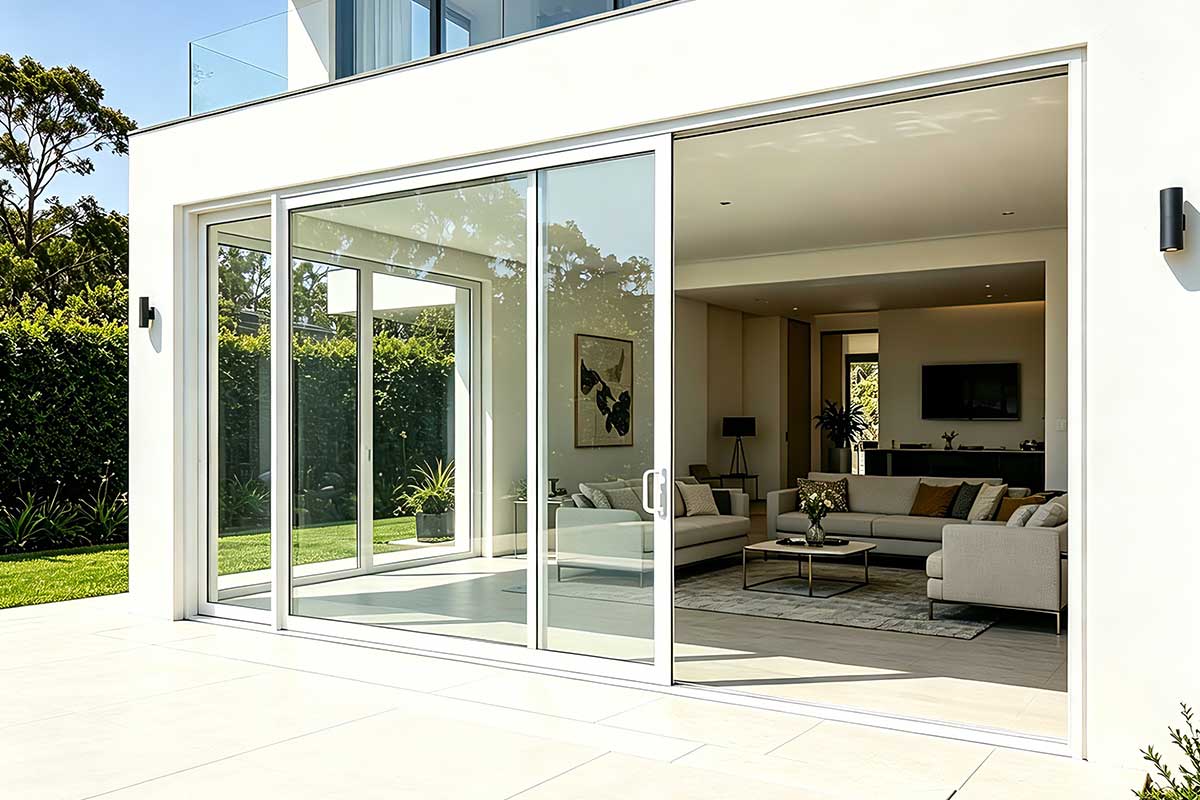
Aluminium’s dominance in the material comparison above rests partly on a manufacturing capability that timber, uPVC, and steel struggle to match: the ability to apply completely different colours to the interior and exterior faces of the same frame. For black frame windows for house exteriors, this means you can maintain that bold street-facing aesthetic without committing every room inside to a dark surround.
Dual-Colour Frame Options
The process is straightforward in principle. During powder coating, the aluminium profile is masked along its thermal break junction — the natural dividing line between inner and outer sections. Each face receives its own electrostatic spray pass and curing cycle, bonding a different colour permanently to each side. The thermal break itself acts as the colour boundary, so there is no visible transition strip or paint overlap on the finished window.
This opens up genuine interior design flexibility. All black windows on the exterior deliver that consistent, cohesive facade, while the interior face can match your skirting boards, door frames, or cabinetry in white, light grey, or a timber-look woodgrain finish. The street reads as architecturally unified; each room inside feels tailored to its own palette.
Popular dual-colour combinations for Australian homes include:
- Black exterior / white interior: The most specified pairing. Suits homes with white internal joinery and painted plasterboard reveals — the window disappears into the wall from inside while punching hard from outside.
- Black exterior / light grey interior: Works well in contemporary interiors with concrete floors, grey cabinetry, or brushed metal fixtures where white would feel too stark.
- Black exterior / timber-look (woodgrain) interior: Ideal for living areas and bedrooms where warmth matters. The sublimated woodgrain finish mimics natural timber without any of the maintenance — no sanding, no oiling, no recoating.
- Black exterior / charcoal interior: For fully dark, moody interiors — media rooms, studies, or bedrooms where a dramatic palette is intentional.
Unlike some international systems — such as Andersen crank out windows in the US market, which offer a fixed set of factory colour combinations — Australian aluminium fabricators typically work from the full RAL palette on both faces. That means custom black windows with a specific interior colour matched to your joinery supplier’s swatch are standard practice, not a special order. Specialist manufacturers like MEICHEN offer dual-colour configurations as part of their custom specification process, pairing any exterior shade with a coordinated interior finish and matching hardware package.
Hardware and Accessory Coordination
A perfectly finished black residential windows installation can be undermined by a single mismatched handle. Hardware is the detail that separates a considered specification from a generic one, and on dark frames every fitting is visible against the profile.
Three handle styles dominate casement applications: inline handles (flush with the frame for a minimal look), cranked handles (offset for easier grip on high or deep-set windows), and locking handles with key-operated security. Each is available in matt black, satin black, or gloss black — and the finish needs to match the frame’s sheen level. A gloss handle on a matt frame catches light differently and reads as an afterthought. Matt-on-matt or satin-on-satin creates visual continuity.
Hinges follow the same logic. Friction stays — the most common hinge type on side-hung and top-hung casements — are available in black-finished stainless steel. Cheaper zinc-plated stays with a black paint finish may look identical at installation but can flake and corrode within a few years, especially in coastal environments. Specify stainless steel friction stays with an electrocoated or powder-coated black finish for longevity that matches the frame.
Trickle vents are the most overlooked element. Standard white or silver vents installed on black home windows create an obvious visual break along the head of the frame. Black-finished trickle vents — or slot vents integrated into the frame profile — maintain the clean dark line across the top of the window. It is a small detail, but on a facade with multiple openings, mismatched vent colours create a distracting pattern that cheapens the overall look.
The coordination principle extends to window stays, espagnolette locks, and even the screws visible on external hinges. Anderson crank windows and similar branded systems bundle hardware in matched finishes as standard, but for custom aluminium fabrication in Australia, you typically specify each component individually. This gives you more control — but also more opportunity to get it wrong if you do not confirm finish consistency across every fitting before production begins.
When specifying all black windows with coordinated hardware, request a physical sample of the handle, stay, and vent finish alongside your frame colour swatch. Viewing them together under natural light — not fluorescent showroom lighting — reveals whether the blacks actually match or merely look similar on a spec sheet. That five-minute check prevents the kind of mismatch that nags at you every time you open the window.
Maintenance and Long-Term Care for Black Frames
Coordinating hardware finishes down to the last screw keeps your black aluminium casement windows looking sharp on day one. Keeping them that way over the next 20 years comes down to a simple reality: dark colours are less forgiving than light ones. Every water spot, dust film, and early sign of coating degradation that a white or silver frame would hide becomes visible on a black window frame. The good news is that aluminium demands far less upkeep than timber or steel — but “low maintenance” still means a deliberate routine, not benign neglect.
Water marks are the most common cosmetic issue. Hard water — prevalent across much of suburban Australia — leaves mineral deposits that dry as pale, chalky spots on dark surfaces. Dust accumulates in the same way, settling into the textured surface of matt and satin finishes where it dulls the colour. Neither causes structural harm, but left unchecked they make a premium black window replacement look tired within a couple of years. The fix is straightforward: clean regularly, clean gently, and clean with the right products.
Cleaning Black Aluminium Frames Without Damage
The goal is to remove surface contaminants without micro-scratching the powder coating. Scratches on a black finish catch light and show as pale lines — far more noticeable than on lighter colours. A few principles keep things safe.
Use a soft microfibre cloth or non-abrasive sponge — never steel wool, scouring pads, or stiff-bristled brushes. Mix a small amount of pH-neutral detergent (standard dishwashing liquid works) into a bucket of warm water. Avoid alkaline cleaners, bleach, solvents, or anything marketed as “heavy-duty” — these can strip the powder coating’s surface gloss or chemically attack the finish layer. Wipe the frame gently, working from top to bottom so dirty water does not run over already-cleaned sections. Rinse thoroughly with clean water to remove all soap residue, paying attention to corners and drainage slots where product can pool.
For hard water staining that a standard wash does not shift, a dedicated aluminium-safe water spot remover (mildly acidic, citric-acid-based) dissolves mineral deposits without harming the coating. Apply it to the stain only, leave it for 30 seconds, then wipe and rinse. Do not let acidic products sit on the frame for extended periods.
One critical point: avoid pressure washers at close range. The force can drive water past weatherseals into the frame cavity and damage the coating surface if the nozzle is held too near. A standard garden hose provides more than enough rinsing pressure. If you must use a pressure washer for surrounding walls, keep it at least 300 mm from the window frame and seals.
Preventing Chalking and Fading on Dark Frames
Chalking is the slow enemy of any powder-coated surface exposed to UV radiation. It appears as a fine white powdery residue on the coating surface — run your finger across the frame and it comes away dusty. The underlying cause is UV degradation of the coating’s resin binder, which breaks down polymer chains and releases pigment particles to the surface. On a black frame, that white residue is immediately obvious. On a white frame, you would never notice it.
Three factors accelerate chalking: prolonged UV exposure (north and west-facing elevations cop the worst), low-quality powder formulations without UV stabilisers, and extreme temperature cycling that stresses the coating film. Coastal environments compound the problem — salt spray deposits chloride on the surface, which interacts with UV-weakened coating to accelerate degradation. Significant airborne salt has been detected more than 80 kilometres from the shoreline, so even homes that do not feel “coastal” may still experience salt-related wear.
Prevention starts at specification. Hyper Durable polyester powders (Qualicoat Class 2 or Class 3) contain advanced UV stabilisers and lightfast pigments that resist chalking for 15–25 years in real-world Australian conditions. Standard polyester powders may begin chalking within 7–10 years on exposed facades. The black window cost difference between standard and Hyper Durable powder is modest — typically a few percent of the total window price — but the long-term payoff in appearance retention is substantial. When you consider the cost of black windows over their full service life, specifying the better coating grade is one of the cheapest insurance policies available.
Once installed, a wax-based aluminium protectant applied annually adds a sacrificial UV barrier and makes future cleaning easier by preventing contaminants from bonding directly to the coating. It is the same principle as waxing a car — the wax degrades instead of the paint beneath it.
If chalking has already begun, early-stage degradation can often be restored with a cutting compound designed for powder-coated surfaces, followed by a protective wax. Advanced chalking — where the coating has thinned noticeably or the underlying primer is visible — requires professional re-coating or, in severe cases, black frame replacement windows. Catching it early through routine inspection avoids that expense entirely.
Below is a practical maintenance schedule that keeps black frames in top condition regardless of location:
- Monthly: Visual check for obvious dirt build-up, bird droppings, or sap. Spot-clean as needed with a damp microfibre cloth.
- Every 3 months (coastal or high-exposure areas) / Every 6 months (sheltered inland): Full wash with warm soapy water, rinse, and dry. Clear drainage holes with a cotton bud or soft brush. Check weatherseals for cracking or compression set.
- Annually: Inspect the coating for early chalking (run a finger across the frame — white residue indicates the start of degradation). Apply a wax-based protectant to all exterior frame surfaces. Lubricate hinges and locking mechanisms with a silicone-based spray. Check that trickle vents are clear and functional.
- Every 5 years: Detailed inspection of all seals, gaskets, and hardware fixings. Replace any weatherseals showing permanent deformation. Assess coating condition and consider professional polishing if minor chalking is present.
Stick to this routine and a quality black windows replacement should hold its appearance for decades — long enough that the next time you think about those frames, it will be because you are redesigning the room behind them, not because the finish has let you down.
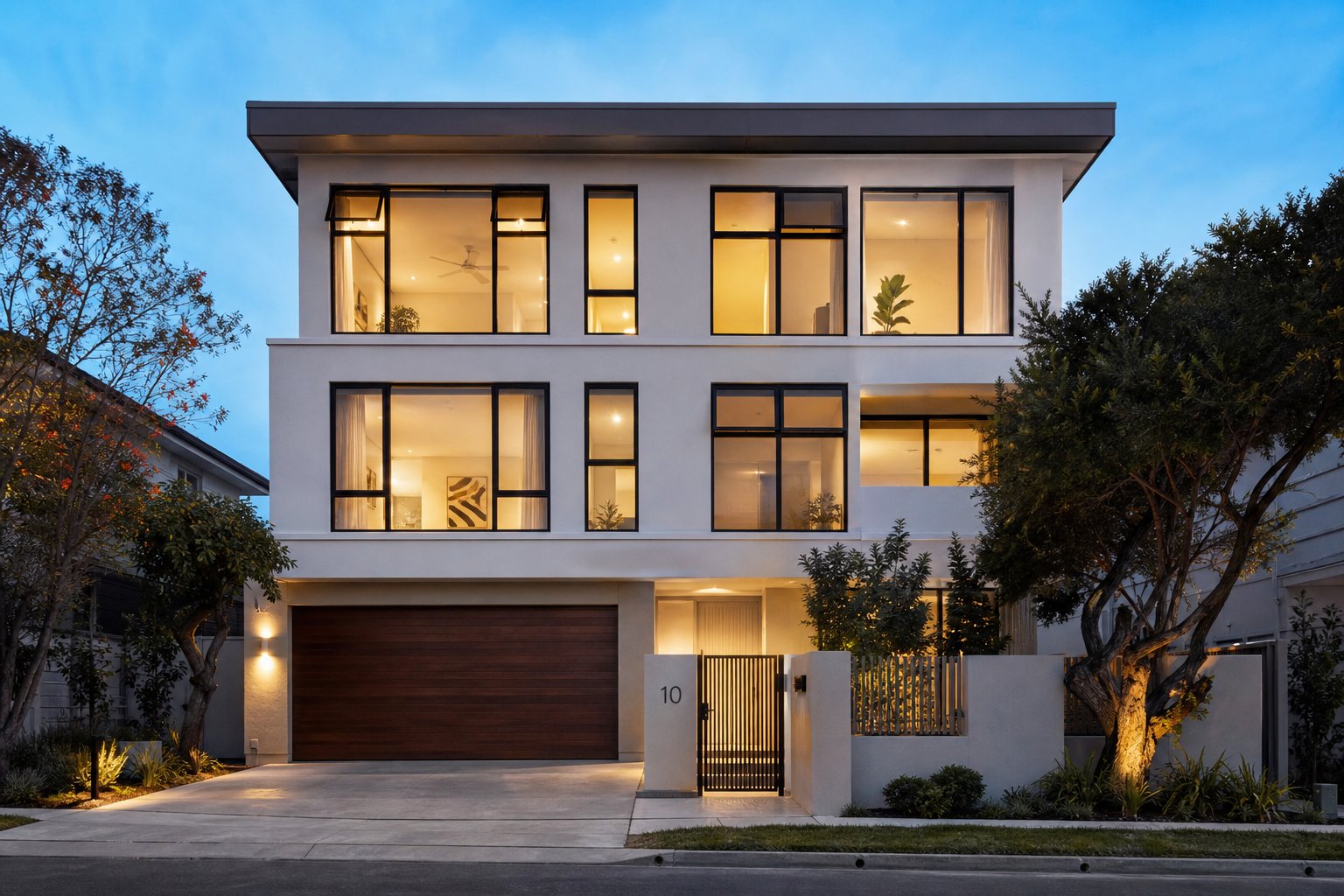
Specifying Black Aluminium Casement Windows for Your Project
A solid maintenance routine protects your investment after installation. But the costliest mistakes happen long before the first clean — they happen at the specification stage, when decisions get locked in and changing your mind means starting over at full price. Casement windows black frames included, the gap between a window that performs beautifully for decades and one that disappoints from week one usually comes down to a handful of overlooked details during ordering.
Common Mistakes When Specifying Black Aluminium Casements
These errors show up repeatedly across residential projects, from single casement window replacement jobs to full new-build glazing packages. Each one is avoidable with a little forethought.
Choosing the wrong black shade from a screen. RAL 9005 jet black and RAL 7016 anthracite grey look nearly identical on a monitor. On a facade under natural light, they read as completely different colours. Always request physical powder-coated swatches and view them against your actual wall material — render, brick, cladding — in both direct sun and overcast conditions. A five-minute swatch check prevents a five-figure regret.
Ignoring dual-colour options. Committing to black on both faces locks every room into a dark frame surround. If your interior palette is light, a dual-colour specification (black exterior, white or grey interior) costs marginally more but delivers far greater design flexibility. Skipping this conversation at quoting stage means living with a compromise or paying for entirely new frames later.
Overlooking trickle vent aesthetics. Standard white or silver trickle vents on black casement windows exterior faces create a jarring visual break across the frame head. Specify black-finished or integrated slot vents from the outset — retrofitting coordinated vents after manufacture is rarely possible without visible modification.
Selecting incompatible hardware finishes. A satin black handle on a matt black frame catches light differently and reads as mismatched. Confirm that handles, friction stays, locks, and vent covers share the same sheen level and colour batch before production begins.
Underspecifying glazing. Ordering standard clear double glazing when the room faces a busy road or a harsh western sun leaves you with inadequate acoustic or thermal performance. Glazing upgrades — laminated for noise, low-E for heat, or triple-pane for cold climates — must be specified at order time. They cannot be swapped in later without replacing the entire sash.
Forgetting compliance requirements. Replacement casement windows in heritage overlay zones, conservation areas, or on properties with heritage listings may require council approval before any work begins. Proceeding without checking can result in enforcement notices and mandatory removal at the owner’s expense.
Specify once, specify correctly. Every detail locked in at the quoting stage — colour, finish, glazing, hardware, ventilation, and compliance — eliminates the risk of paying twice to fix what should have been right the first time.
Planning Permission and Conservation Area Considerations
In Australia, most window replacements on standard residential properties fall under exempt development — no development application (DA) required — provided the new windows do not alter the building’s external appearance in a heritage context. The situation changes when your property sits within a heritage conservation area, carries a local or state heritage listing, or is subject to a specific council overlay controlling external modifications.
If your home is heritage-listed, council will typically require that replacement windows match the original material, profile, and proportions. Black aluminium may be acceptable where the originals were dark-painted steel or iron — the visual character aligns — but substituting aluminium for original timber sashes in a heritage context often requires a detailed heritage impact statement justifying the change. Some councils accept modern aluminium frames on rear elevations or later additions while insisting on traditional materials for street-facing openings.
For properties in conservation areas without individual heritage listing, the rules are generally less restrictive. Many councils permit aluminium replacement provided the new windows maintain the building’s established character — matching proportions, glazing bar patterns, and colour tones. Black windows for house facades in these zones often pass approval because dark frames reference the traditional ironwork and steel glazing common to the relevant architectural period.
The practical step: check your council’s planning portal or phone their duty planner before committing to an order. A brief pre-application enquiry — usually free — confirms whether your proposed black casement windows exterior specification needs formal approval or qualifies as exempt development. That ten-minute call can save months of delay and thousands in abortive costs.
Getting Project-Ready with the Right Supplier
Once you know what you need and what your council will accept, the supplier you choose determines whether the specification translates cleanly into a finished product. Not every fabricator handles every requirement equally well. When evaluating suppliers for black windows for sale, look for these capabilities:
- Thermal break technology: Confirm the system uses polyamide (PA66) thermal breaks of adequate width — 24 mm minimum for temperate zones, wider for cold climates.
- Finish quality certification: Ask for Qualicoat Class 2 or Class 3 powder coating as standard. If the supplier cannot confirm the coating grade and warranty in writing, move on.
- Custom sizing: Standard off-the-shelf sizes rarely fit renovation openings precisely. A supplier offering made-to-measure aluminum casement window fabrication avoids the filler panels and packing strips that compromise both aesthetics and weatherproofing.
- Multiple opening configurations: Your project likely needs a mix of side-hung, top-hung, and fixed lights. A single supplier handling all configurations ensures consistent profiles, colour matching, and hardware coordination across every opening.
- Performance glazing options: The supplier should offer a range — double and triple glazing, argon fills, low-E coatings, acoustic laminate, and obscure glass — specified per window rather than a one-size-fits-all package.
- Dual-colour capability: If you want different interior and exterior finishes, confirm the supplier handles this in-house rather than subcontracting to a third-party coater, which adds lead time and quality risk.
- Project support: For larger jobs, look for suppliers who provide technical drawings, site measure services, and installation guidance — not just a box of frames delivered to the kerb.
- Warranty length and coverage: A minimum 10-year warranty on frames and finish is standard for quality aluminium. Anything less suggests the manufacturer lacks confidence in their own product.
For Australian homeowners, builders, and architects ready to move from research to specification, MEICHEN’s aluminium window range addresses these requirements across residential and commercial projects — custom sizing, multiple configurations, performance glazing, dual-colour finishes, and coordinated hardware as part of a single integrated specification. Their project support covers the gap between deciding what you want and getting it built correctly.
Affordable casement windows do exist — but “affordable” should mean competitive pricing on a correctly specified product, not a cheap product that cuts corners on coating grade, thermal breaks, or hardware quality. The real economy is in getting the specification right once, avoiding the remedial costs that follow a rushed or undercooked order. Whether you are handling a single casement window replacement in a bathroom or glazing an entire new build with black windows for house-wide consistency, the checklist above keeps the process on track from first quote to final installation.
Frequently Asked Questions About Black Aluminium Casement Windows
1. What is the difference between RAL 9005 black and RAL 7016 anthracite grey on aluminium windows?
RAL 9005 is a true jet black with no undertone, while RAL 7016 anthracite grey has a subtle warm cast that lightens noticeably in direct sunlight. On screen they look almost identical, but on a facade under natural light they read as completely different colours. Anthracite grey softens contrast against warm-toned materials like red brick or timber cladding and shows dust less readily. Jet black suits high-contrast modern designs against white render or concrete. Always view physical powder-coated swatches against your actual wall material before committing to either shade.
2. How long does the black powder coating last on aluminium casement windows in Australia?
Longevity depends on the powder grade specified. Standard polyester coatings may begin chalking within 7-10 years on exposed facades. Super Durable powders rated to Qualicoat Class 2 typically last 15-20 years, while Hyper Durable formulations (Qualicoat Class 3) maintain their appearance for 20-25 years even in high-UV and coastal Australian conditions. Regular cleaning every 3-6 months and annual application of a wax-based protectant extend the coating’s service life further. Specialist manufacturers like MEICHEN can advise on the appropriate coating grade for your specific location and exposure level.
3. Are black aluminium windows more expensive than white or standard colours?
Black aluminium casement windows typically cost the same as any other standard RAL colour when powder coated, since the process is identical regardless of shade. The cost difference arises from the powder grade rather than the colour itself — upgrading from standard to Hyper Durable powder for better UV resistance on dark frames adds a modest percentage to the total window price. Dual-colour options (black exterior with a different interior colour) carry a small premium due to the additional masking and coating pass required during manufacture. Overall, the colour choice has minimal impact on the frame cost compared to factors like glazing specification, opening configuration, and custom sizing.
4. Do black aluminium windows make a room hotter because they absorb more heat?
Black frames absorb more solar radiation than lighter colours, raising the exterior face temperature on hot days. However, modern thermally broken aluminium profiles use polyamide strips between the inner and outer frame sections that prevent this heat from transferring indoors. The thermal break keeps the interior face close to room temperature regardless of how hot the black exterior gets. With a quality thermally broken system (24 mm+ polyamide break width), colour choice becomes a purely aesthetic decision rather than an energy penalty. The glazing specification — low-E coatings, argon gas fills, and appropriate SHGC values — has far more impact on room temperature than frame colour.
5. Can I get black aluminium casement windows with a different colour on the inside?
Yes, dual-colour configurations are standard practice with Australian aluminium fabricators. The thermal break junction acts as a natural dividing line between inner and outer frame sections, allowing each face to receive a separate powder coating pass. Popular combinations include black exterior with white, light grey, timber-look woodgrain, or charcoal interior finishes. This gives you a cohesive dark street-facing aesthetic while matching internal joinery and room decor. Unlike some international branded systems with limited factory combinations, Australian suppliers like MEICHEN typically work from the full RAL palette on both faces as part of their custom specification process.
More Window & Door Guides