What Aluminium Windows Actually Cost Right Now
Aluminium windows prices in Australia currently range from around $500 to $1,500 per window for standard residential installations, including supply and fitting. That spread is wide for a reason — and the rest of this guide breaks down exactly where your money goes. But first, here are the ballpark figures most homeowners need.
Typical Price Ranges for Aluminium Windows
For a standard thermally broken aluminium window with double glazing, expect to pay between $150 and $700 per square metre for supply only, depending on the system and specification. Installed costs climb higher once you factor in labour, flashing, and finishing. The table below gives a quick snapshot by window size category to help frame your budget early.
| Window Size Category | Typical Dimensions | Supply Only (AUD) | Fully Installed (AUD) |
|---|---|---|---|
| Small | 600mm x 600mm | $300 – $600 | $500 – $900 |
| Medium | 1200mm x 1200mm | $500 – $950 | $800 – $1,400 |
| Large | 1800mm x 1200mm+ | $800 – $1,500 | $1,200 – $2,200 |
| Oversized / Custom | 2400mm+ spans | $1,500+ | $2,200+ |
These figures assume thermally broken frames with standard double glazing — the minimum specification that meets current National Construction Code requirements for most habitable rooms across Australian climate zones.
Why Aluminium Window Pricing Varies So Widely
A single aluminium window price can shift by hundreds of dollars based on just one or two specification changes. The key variables driving that spread include:
- Window size and configuration (fixed, operable, multi-panel)
- Glazing type — double versus triple, Low-E coatings, acoustic interlayers
- Thermal performance tier and frame profile complexity
- Colour and surface finish (standard powder coat versus custom RAL colours)
- Regional labour rates and site access conditions
Windows in aluminium offer a compelling combination of slim sightlines, durability, and design flexibility — but each of those benefits comes with a cost lever attached. A basic fixed-pane unit at the entry level sits well below $600 installed, while a large thermally broken casement with premium hardware and custom colour can push past $2,000. Understanding which levers matter most to your project is the difference between overspending and investing wisely.
Every Factor That Pushes Your Price Up or Down
Price ranges only tell half the story. Two aluminium windows that look identical on paper can differ by $500 or more once you dig into the specification. The gap comes down to three categories: frame construction, window configuration, and installation conditions. Each one layers cost in ways that are easy to miss if you’re only comparing bottom-line quotes.
Frame Profile and Construction Quality
The frame accounts for roughly 30 to 45 percent of your total window cost, making it the single largest line item. What drives that figure is the complexity of the extruded aluminium window frame — specifically, the profile thickness, the number of internal chambers, and whether a thermal break is included.
Standard residential aluminium window frames use 6063-T5 alloy with wall thicknesses between 1.4 mm and 2.0 mm. Thicker profiles support larger spans and heavier glazing, but each 0.2 mm increase in wall thickness can raise the frame cost by 8 to 12 percent. For most single-storey homes, 1.6 mm is the sweet spot between structural performance and budget.
Surface finish is the other major variable. A standard powder-coated finish in white, black, or monument grey uses high-demand colours that manufacturers stock in bulk, keeping costs competitive. Custom RAL colours or textured finishes often trigger minimum order charges from powder suppliers, and dual-colour finishes — different colours inside and out — typically add 10 to 20 percent because the frame passes through the coating line twice. Black aluminium windows remain one of the most popular choices in contemporary Australian homes, and because the colour is widely stocked, it rarely attracts a premium. Choosing from the broader range of aluminium window frame colours, however, can push costs up quickly if your shade requires a special batch.
Size, Configuration, and Opening Mechanism
A fixed-pane window is the cheapest configuration because it needs no hinges, stays, or locking hardware. The moment you add an opening sash, costs rise — and they keep rising with each additional operable panel. Multi-sash configurations demand more aluminium, more hardware, and more fabrication time for cutting, crimping, and sealing.
Hardware quality matters more than most buyers realise. Budget friction stays and basic cockspur locks might save $30 to $50 per window upfront, but premium multi-point locking systems and stainless-steel hinges deliver better air tightness and a significantly longer service life. For custom aluminium windows with oversized or non-standard dimensions, fabrication waste increases and specialised dies may be required, adding further cost that standard size charts never capture.
Installation Complexity and Site Conditions
The gap between supply-only and installed pricing isn’t just labour — it’s everything the site throws at the installer. A straightforward ground-floor replacement in a brick veneer home is a different job entirely from fitting windows into a double-storey weatherboard with limited access.
Here are the top cost drivers ranked from most to least impactful:
- Thermal break specification and glazing tier (largest impact on unit cost)
- Frame profile thickness and alloy grade
- Number of operable sashes and hardware quality
- Custom colour or dual-colour powder coating
- Window size and non-standard dimensions
- Scaffolding or elevated work platform hire
- Structural modifications to openings (lintels, reveals)
- Council approval or NCC compliance documentation
- Waste disposal of old windows and window frames
Scaffolding alone can add $1,500 to $4,000 to a project depending on the number of elevations and hire duration. Council fees for development applications vary by local government area but typically sit between $200 and $600. These ancillary costs are frequently overlooked in initial budgeting, yet they can represent 10 to 15 percent of the total project spend — enough to blow a tight budget if they surface mid-project rather than at the quoting stage.
Aluminium Window Prices by Type and Configuration
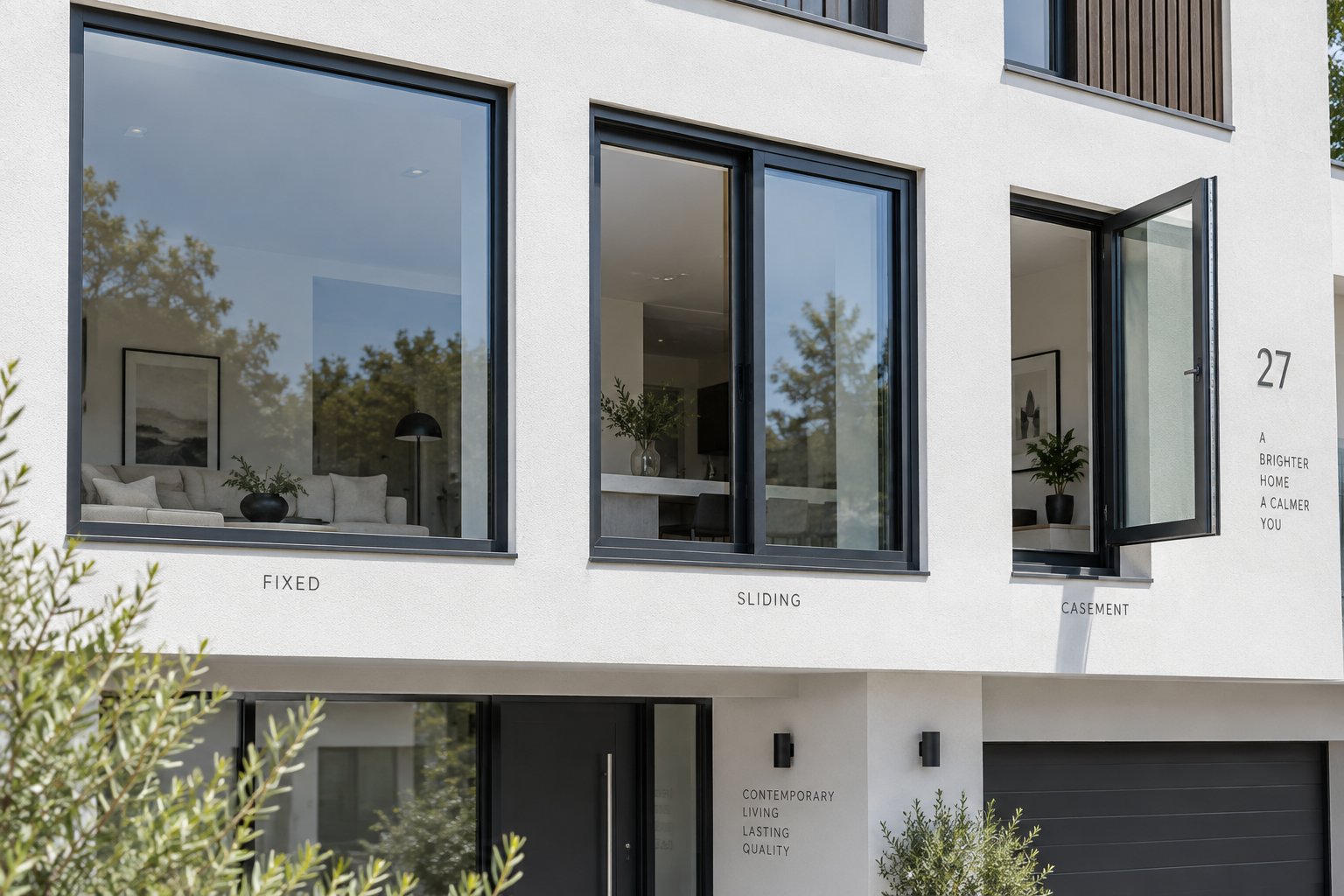
Configuration choice is where pricing gets personal. Two windows of identical size can differ by hundreds of dollars purely because one slides and the other hinges — each mechanism demands different hardware, different fabrication steps, and different frame engineering. Here’s what each type actually costs in the Australian market.
Casement and Fixed Window Pricing
Fixed-pane windows sit at the bottom of the price ladder. With no opening hardware, no hinges, and no locking mechanism, they require less aluminium and less fabrication time. A standard 1200 mm x 1200 mm fixed window typically runs $300 to $600 supply only — making it the go-to for picture windows, highlight panels, and anywhere ventilation isn’t needed.
Casement windows add moderate cost for friction stays, handles, and multi-point locks. The frame profile also needs reinforcement around the hinge side to handle repeated opening loads. Expect to pay roughly 30 to 50 percent more than an equivalent fixed pane, depending on whether the window is top-hung, side-hung, or features multiple opening sashes.
Sliding, Awning, and Double Hung Costs
Sliding aluminium windows are among the most popular configurations in Australian homes — particularly for bedrooms, living areas, and anywhere space is tight. Because the sash moves within the frame rather than swinging outward, they suit walkways, decks, and narrow side passages. Track systems and sealed rollers add cost over a fixed pane, but the mechanism is simpler than a casement’s friction stays, keeping prices competitive. A standard alum sliding window in a 1500 mm x 1200 mm opening typically sits between $450 and $900 supply only.
An aluminium awning window — hinged at the top and opening outward from the bottom — costs similarly to a casement because the hardware requirements are comparable. They’re a strong choice for bathrooms and kitchens where you want ventilation even during light rain.
Aluminium double hung windows use a counterbalance mechanism (either spiral balances or block-and-tackle systems) that adds engineering complexity. Both sashes move vertically, which means more hardware, tighter tolerances, and additional weatherseals. This pushes pricing 10 to 20 percent above a standard sliding window of the same size. Single hung aluminium windows — where only the bottom sash operates — trim some of that premium by eliminating the upper balance system.
Premium Configurations Including Bi-Fold and Bay
Bi-fold systems, bay windows, and tilt-and-turn units occupy the top pricing tier. Bi-folds require precision-engineered hinges, heavy-duty tracks, and multiple panels that must align perfectly when stacked — each additional panel adds $800 to $1,500 in supply cost alone. Bay windows combine angled structural framing with multiple glazed units, often requiring custom head and sill sections. Tilt-and-turn hardware is imported from European manufacturers in most cases, which adds both cost and lead time.
| Window Type | Typical Size | Supply Only (AUD) | Fully Installed (AUD) |
|---|---|---|---|
| Fixed Pane | 1200 x 1200 mm | $300 – $600 | $500 – $950 |
| Casement | 1200 x 1200 mm | $450 – $900 | $750 – $1,400 |
| Sliding | 1500 x 1200 mm | $450 – $900 | $700 – $1,350 |
| Awning | 1200 x 900 mm | $450 – $900 | $750 – $1,400 |
| Double Hung | 900 x 1500 mm | $550 – $1,050 | $850 – $1,550 |
| Single Hung | 900 x 1500 mm | $450 – $900 | $750 – $1,350 |
| Tilt and Turn | 1200 x 1400 mm | $650 – $1,300 | $950 – $1,900 |
| Bi-Fold (per panel) | 900 x 2100 mm | $800 – $1,500 | $1,200 – $2,200 |
| Bay Window | 2400 x 1500 mm (overall) | $2,500 – $5,000 | $3,500 – $7,000 |
These are indicative ranges for thermally broken frames with standard double glazing in a common powder-coat colour. Custom colours, upgraded glazing, non-standard sizes, and difficult site access will push figures toward the higher end — or beyond it. Always obtain project-specific quotes based on your exact specifications, and use these numbers as a benchmark for evaluating whether a quote sits within a reasonable band.
The frame type and opening mechanism set your baseline cost, but they don’t tell the full story. What sits between those aluminium profiles — the glazing — layers its own set of cost decisions on top, and those decisions can rival the frame itself in their impact on your final quote.
How Thermal Break Technology Affects Your Budget
Aluminium conducts heat roughly 1,500 times faster than timber. Without intervention, a metal window frame becomes a highway for energy loss — pulling cool air out in winter and letting heat flood in during summer. That intervention is called a thermal break, and it’s the single specification choice most likely to shift your aluminium window price by 20 to 40 percent in either direction.
What Thermal Break Technology Does to Price
A thermal break is a strip of low-conductivity material — typically polyamide (nylon 66 reinforced with glass fibre) — mechanically locked between the interior and exterior faces of the metal window frame. This strip physically separates the two aluminium halves, interrupting the conductive path and dramatically reducing heat transfer through the frame itself.
The engineering involved is more complex than it sounds. A thermally broken profile requires two separate extrusions joined by the polyamide barrier, which means more raw material, more fabrication steps, and tighter manufacturing tolerances. That complexity is reflected directly in pricing. Based on current market data, thermally broken frames typically cost 20 to 40 percent more than their non-thermally-broken equivalents — with advanced polyamide systems pushing that premium to 30 to 50 percent over basic single-piece extrusions.
For a practical example: a standard 1200 mm x 1200 mm casement in a non-thermally-broken profile might cost $350 to $550 supply only. The same window with a quality thermal break jumps to $450 to $900. Multiply that across a full house of 10 to 15 windows, and the thermal break specification alone can add $2,000 to $5,000 to your project.
The payoff, though, is measurable. Thermally broken metal frame windows can reduce heat loss through the frame by up to 60 percent compared to traditional single-piece profiles. That translates to lower energy bills, fewer cold spots near windows, reduced condensation risk, and a home that maintains comfortable temperatures without overworking the HVAC system. In Australian climates — where summer heat gain through west-facing windows is a serious concern — the thermal break also limits how much solar-heated aluminium radiates warmth into your living spaces.
Energy ratings tell the story in numbers. U-values measure how much heat passes through a window assembly (lower is better). Here’s how frame type correlates with performance and cost:
| Frame Type | Typical U-Value Range (W/m2K) | Approximate Price Premium |
|---|---|---|
| Non-thermally broken (single extrusion) | 5.0 – 7.0 | Base cost |
| Basic thermal break | 3.0 – 4.5 | +20% to +30% |
| Advanced polyamide thermal break | 1.8 – 3.0 | +30% to +50% |
Lower U-values mean better insulation — but each step down the scale costs more. The sweet spot for most residential aluminium windows in Australia sits in the basic-to-mid thermal break range, which satisfies NCC requirements without pushing into premium architectural territory.
When Non-Thermal-Break Frames Make Sense
Not every opening in a building needs a thermally broken frame. There are legitimate scenarios where the cheaper option remains appropriate — and choosing wisely here can free up budget for the windows that genuinely need high performance.
Non-thermally-broken frames still work well for:
- Detached garages, sheds, and outbuildings not classified as habitable rooms
- Carports and covered outdoor areas where full weather sealing isn’t required
- Commercial aluminium windows in warehouse, industrial, or retail applications where regulations differ from residential requirements
- Internal glazed partitions and servery windows where there’s no temperature differential between sides
- Properties in mild coastal climates (NCC Climate Zones 5 and 6) where the temperature differential across the frame is minimal year-round
For metal windows residential projects in tropical northern Australia, the calculus shifts slightly. The temperature difference between indoors and outdoors is often smaller than in southern states, but solar heat gain remains intense. In these regions, glazing performance (Low-E coatings and solar control glass) often matters more than frame thermal breaks for overall energy efficiency.
Under the National Construction Code, thermally broken frames are effectively mandatory for habitable rooms in most Australian climate zones. Non-thermally-broken aluminium windows will not achieve the minimum WERS star ratings or NatHERS energy targets required for new builds and major renovations — making the cheaper option non-compliant for any project requiring council approval or a building permit.
This regulatory reality means the thermal break premium isn’t optional for most homeowners — it’s baked into the minimum compliant specification. The real budget decision isn’t whether to include a thermal break, but which tier of thermal break performance your project actually needs. Spending on an advanced polyamide system for a garage or laundry delivers diminishing returns, while skimping on thermal performance for west-facing living room windows in Melbourne or Perth creates comfort problems that no amount of curtains will fix.
Thermal break technology sets the performance floor for your aluminium window investment. But the frame is only half the thermal equation — what fills the space between those profiles has just as much influence on both energy performance and final cost.
Glazing Options and Their Impact on Window Pricing
Glass typically accounts for 40 to 60 percent of a finished aluminium window’s cost. That’s a significant share — and it means your glazing specification can shift the final price just as dramatically as the frame itself. Two identical aluminium frames fitted with different glass packages can differ by $200 to $500 per window, so understanding what each tier and upgrade actually delivers is essential for making informed budget decisions.
Single, Double, and Triple Glazing Cost Differences
Single-pane glass is the cheapest option available, but it’s largely irrelevant for new residential construction in Australia. Single pane aluminium windows fail to meet NCC energy requirements for habitable rooms in virtually every climate zone, so they’re limited to sheds, outbuildings, and non-habitable spaces where compliance isn’t mandated. Supply cost for a single-pane unit in an aluminium glass frame sits around $80 to $150 per square metre — cheap, but functionally inadequate for a home.
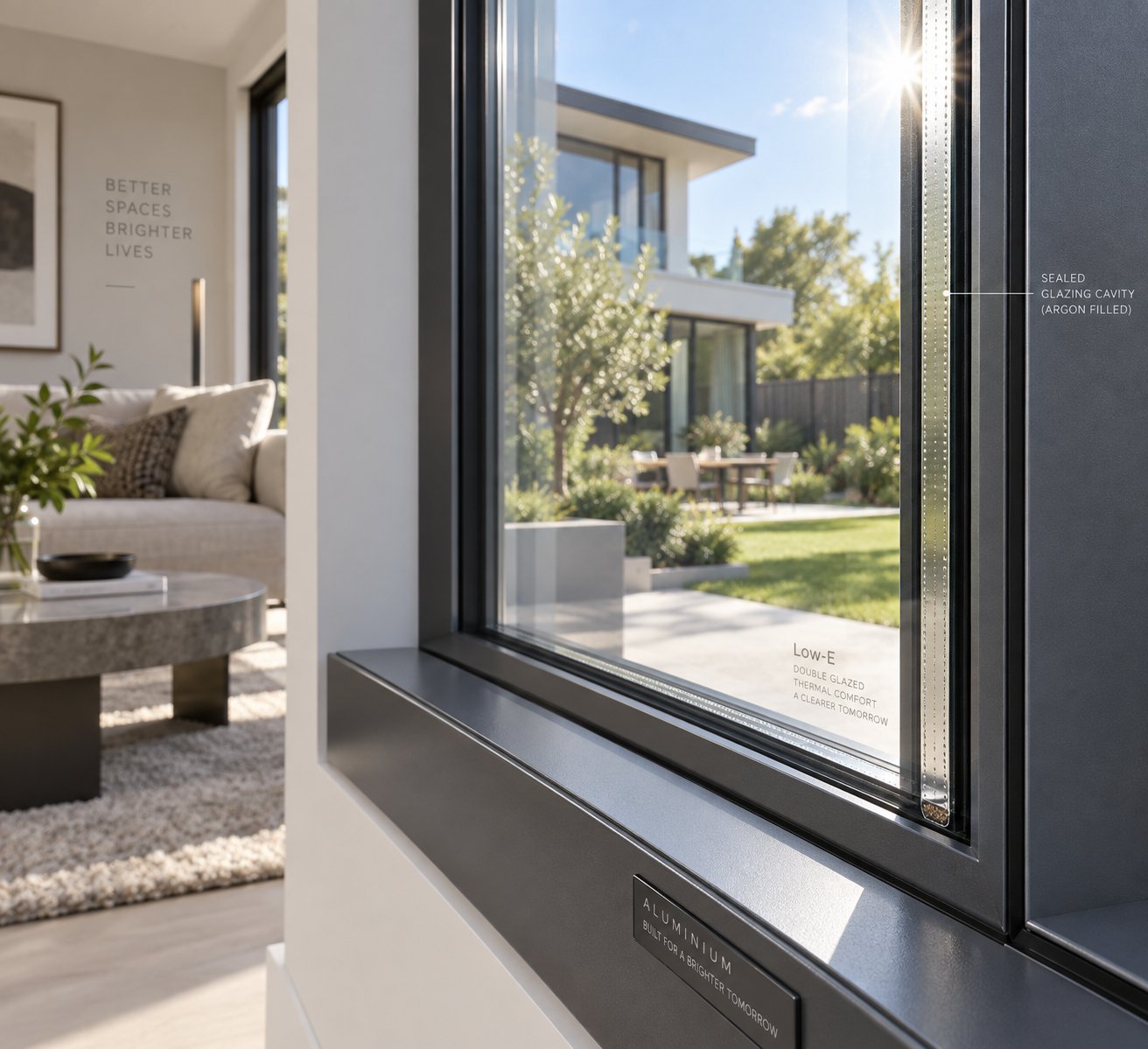
Double glazing is the current standard. Two panes of glass separated by a sealed air or gas-filled cavity create an insulating barrier that dramatically reduces heat transfer compared to a single layer. For a standard aluminium frame glass unit with double glazing, expect to add $100 to $250 per square metre over a single-pane equivalent. That premium buys meaningful thermal performance — U-values typically range between 1.2 and 1.6 W/m2K for a quality double-glazed unit, which satisfies NCC requirements for most Australian homes.
Triple glazing adds a third pane and a second insulating cavity, pushing U-values as low as 0.7 W/m2K. The performance gain is substantial, but so is the cost — triple-glazed units typically run 10 to 30 percent more than double-glazed equivalents. They also add weight, which can require heavier-duty hardware and stronger frame profiles. In Australia, triple glazing makes the most sense for alpine regions, noise-sensitive locations near airports or highways, and high-performance builds targeting 7-star NatHERS ratings or above. For a typical suburban home in Sydney or Brisbane, double glazing with appropriate coatings delivers the best balance of performance and value.
Glass Upgrades That Add to Your Quote
Beyond the number of panes, a range of glass treatments and fills can be layered into your glazing specification. Each serves a specific purpose — controlling heat, blocking UV, improving safety, or reducing noise — and each adds incrementally to cost. The challenge is knowing which upgrades genuinely benefit your situation and which are unnecessary spend.
Here are the most common glass upgrades listed from least to most expensive:
- Argon gas fill — Replaces the air between panes with argon, a denser inert gas that slows convective heat transfer. Adds roughly $30 to $60 per window. Standard on most quality double-glazed units and well worth the modest premium.
- Low-E (low-emissivity) coating — A microscopically thin metallic oxide layer applied to one glass surface that reflects infrared energy while allowing visible light through. Reduces energy loss by 30 to 50 percent compared to uncoated glass. Adds approximately $50 to $150 per window depending on the coating type and position.
- Tinted glass — Grey, bronze, green, or blue body-tinted glass reduces solar heat gain and glare. Useful for west-facing windows in Australian climates. Adds $40 to $100 per square metre over clear glass.
- Krypton gas fill — A denser alternative to argon, used in triple-glazed units or where cavity width is limited. Delivers better insulation than argon but costs significantly more — roughly $80 to $150 per window above argon-filled equivalents.
- Laminated safety glass — Two glass layers bonded with a polyvinyl butyral (PVB) interlayer that holds fragments together on impact. Required by AS 1288 in certain locations (low-level glazing, wet areas, near doors). Adds $80 to $200 per pane depending on thickness.
- Acoustic interlayer — A specialised PVB or resin interlayer engineered to dampen sound vibrations. Ideal for homes near busy roads, flight paths, or rail corridors. Adds $100 to $250 per window over standard laminated glass in aluminium.
Multiple upgrades can be combined in a single unit — and often are. A high-performance glass in aluminium frame package for a west-facing living room might include Low-E coating, argon fill, and a tinted outer pane, stacking $150 to $350 in glass upgrades onto the base cost. For a noise-affected bedroom, you might swap the tint for an acoustic interlayer at a similar premium.
The key takeaway: glazing choices compound quickly. A basic clear double-glazed unit might cost $120 per square metre for the glass aluminium frame assembly, while a fully specified Low-E, argon-filled, laminated unit in the same frame can reach $300 to $450 per square metre. Across a full house of 12 to 15 windows, that difference alone can represent $3,000 to $6,000 — rivalling the cost difference between budget and premium frame profiles.
Choosing the right glazing package means matching upgrades to actual conditions rather than ticking every box on the options list. West-facing windows benefit most from solar control coatings. Ground-floor openings in high-traffic areas need safety glass regardless of energy goals. And homes under flight paths gain more from acoustic interlayers than from triple glazing. A targeted approach — spending where performance gains are real and skipping upgrades that deliver marginal benefit for your specific orientation and location — keeps your overall aluminium windows prices in check without compromising where it counts.
With frame and glazing specifications locked in, the next major pricing variable is how you actually buy and install those windows — and the gap between supply-only and fully installed pricing is wider than most homeowners expect.
Supply-Only vs Fully Installed Window Pricing Explained
The difference between supply-only and supply-and-install pricing isn’t just a labour charge tacked onto the end. It’s two fundamentally different buying models — each with its own risk profile, responsibility structure, and hidden costs. Choosing the wrong model for your situation can either leave you overpaying for services you don’t need, or scrambling to cover gaps you didn’t anticipate.
Supply-Only Pricing for Builders and DIY Projects
Supply-only means exactly what it sounds like: you purchase the manufactured window units from aluminium window suppliers and handle everything else yourself. No survey, no installation, no finishing — just frames and glass delivered to site or depot.
This model suits builders running their own crews, experienced renovators comfortable with flashing and sealing, and trade professionals who install windows regularly. It’s also the route most developers take when managing multi-unit projects where a dedicated team handles all fit-out trades.
Pricing reflects the reduced scope. Based on current Australian market data, supply-only costs for standard aluminium windows for sale through trade suppliers and hardware outlets typically sit 30 to 50 percent below fully installed equivalents. A 1200 mm x 1200 mm sliding window might run $450 to $700 supply only versus $700 to $1,350 installed — that gap represents labour, ancillaries, and the supplier’s project management overhead.
The catch? Supply-only buyers absorb significant responsibility. You need to provide precise manufacturing dimensions, specify correct frame types for your openings, determine egress requirements under the NCC, and source all ancillaries — cills, reveals, flashing tape, fixing brackets, and colour-matched trims. If measurements are wrong or specifications don’t meet compliance, the cost of rectification falls on you, not the supplier.
Additional costs supply-only buyers must budget for separately:
- Installation labour (glazier or qualified window installer)
- External flashing and weatherproofing materials
- Internal reveals, architraves, and finishing
- Scaffolding or elevated work platform hire
- Disposal of old frames
- Building compliance certification — without a registered installer, you’ll need a private certifier or council inspection to sign off the work
Once you add these line items, the real saving over a fully installed quote often narrows to 15 to 25 percent rather than the 30 to 50 percent the raw supply price suggests. Whether that margin justifies the added coordination and risk depends entirely on your team’s capability and the project’s complexity.
Fully Installed Pricing and What It Includes
A genuine supply-and-install quote from a professional window company should cover the entire process from initial site survey through to a finished, compliant opening. Specifically, it should include:
- Professional site survey with precise measurements
- System recommendation and specification advice
- Manufacture of windows to surveyed dimensions
- Delivery to site
- Removal and disposal of existing frames
- Installation including structural packers, fixings, and sealing
- External flashing and weatherproofing
- Internal reveals and finishing (or making good to plaster)
- Compliance certification where applicable
The markup between supply-only and fully installed pricing typically ranges from 40 to 70 percent, depending on the installer’s overheads, regional labour rates, and project complexity. In metro areas like Sydney and Melbourne, installation labour alone runs $80 to $120 per hour for qualified glaziers — and a standard window replacement takes one to two hours per opening before finishing work begins.
The fully installed route also delivers stronger warranty coverage. Most professional installers offer 10-year product and installation guarantees, whereas supply-only purchases typically carry limited 2 to 5-year warranties that explicitly exclude installation-related issues. If a seal fails or a frame leaks due to incorrect fitting, a supply-only provider will point to the installer — and your builder may not carry specific glazing insurance.
Between these two models sits a middle path that’s increasingly relevant for builders, developers, and architects managing larger projects. Project-based aluminium window suppliers like MEICHEN bridge the gap by offering engineering coordination, material calculation, and logistics alongside manufacturing — without bundling in retail installation margins. This approach gives trade professionals access to system recommendation, quality control, and delivery scheduling while leaving on-site installation to their own crews. For multi-dwelling developments or commercial projects where aluminium windows and doors are specified across dozens of openings, this integrated supply model can reduce hidden costs and coordination headaches compared to either pure supply-only purchasing or expensive full-service contracts.
Whichever model you choose, the critical step is comparing like for like. A supply-only quote missing flashing and reveals isn’t comparable to a fully installed price that includes them. Strip each quote back to its components — frame cost, glass cost, hardware, labour, ancillaries — and the true cost difference between aluminium window supplies purchased direct versus a turnkey installation becomes clear.
The buying model determines your upfront spend, but it doesn’t tell you much about long-term value. A cheaper window installed today might cost more over its lifetime than a premium unit that never needs repainting, resealing, or replacing — and that lifecycle perspective is where aluminium doors and windows genuinely distinguish themselves from the alternatives.
Total Cost of Ownership and Long-Term Value
Sticker price is a snapshot. It tells you what leaves your account this year — not what the window actually costs over its working life. When you factor in maintenance cycles, replacement timelines, and the compounding effect of doing nothing versus repainting every few years, the cost of aluminium windows looks very different from the initial quote comparison against uPVC or timber.
Maintenance Costs and Lifespan Expectations
Aluminium frames demand almost nothing from you once installed. An occasional wash with soapy water, a drop of silicone lubricant on hinges and locks once a year, and a visual check of weatherseals every few years — that’s the full maintenance schedule. No repainting, no re-staining, no sanding back peeling finishes. Industry data consistently places aluminium’s expected lifespan at 45 years and beyond, with many frames remaining fully functional past the 50-year mark.
Timber tells a different story. Left unprotected, hardwood frames deteriorate within a decade. Maintained properly — sanding, priming, and repainting every 3 to 5 years — they can last 30 to 60 years. But that maintenance isn’t free. Each repaint cycle costs $150 to $400 per window when you account for preparation, materials, and either your own time or a painter’s labour. Over 30 years, that’s six to ten repaint cycles per window.
uPVC sits somewhere in between on maintenance effort but falls short on longevity. The frames themselves need little attention for the first 15 years, but seal failure, discolouration, and frame warping become increasingly common beyond the 20-year mark. In Australian conditions — particularly in high-UV environments and coastal areas where salt accelerates polymer degradation — uPVC lifespans often compress to 18 to 25 years before full replacement is needed. Once a uPVC frame warps or its seals fail, repair isn’t viable. The entire unit comes out.
That replacement cycle is the hidden cost most buyers overlook. If you’re planning to stay in your home for 30 years, uPVC windows will likely need replacing at least once during that period. Old aluminium windows from the same era? They’ll still be operating — possibly with fresh weatherseals, but structurally sound and aesthetically intact.
Aluminium vs uPVC vs Timber Cost Comparison Over Time
The table below models total cost of ownership over 30 years for a single standard window (approximately 1200 mm x 1200 mm, supply and install). These figures use mid-range Australian pricing and assume the homeowner maintains timber frames on schedule and replaces uPVC when seals fail.
| Frame Material | Initial Cost per Window (AUD) | Annual Maintenance Cost | Expected Lifespan | Estimated 30-Year Total Cost |
|---|---|---|---|---|
| Aluminium (thermally broken) | $900 – $1,400 | $10 – $30 (cleaning, hardware lube) | 45 – 50+ years | $1,200 – $2,300 |
| uPVC | $500 – $900 | $10 – $20 (minimal) | 20 – 25 years | $1,400 – $2,500* |
| Timber (hardwood) | $1,200 – $2,500 | $80 – $200 (repainting every 3–5 yrs) | 30 – 60 years (with maintenance) | $3,600 – $8,500 |
| Composite (aluminium-clad timber) | $1,400 – $2,800 | $20 – $50 (exterior cleaning) | 40 – 50+ years | $2,000 – $4,300 |
*uPVC 30-year total includes one full replacement at approximately year 22–25, with costs inflation-adjusted by roughly 30 percent over the original purchase price.
The pattern is clear. The cost of metal windows — aluminium specifically — is higher at the point of purchase but lower across the ownership period. uPVC’s apparent affordability erodes once you account for the near-certainty of aluminium window replacement within three decades. Timber’s premium initial cost compounds further with ongoing maintenance obligations that many homeowners underestimate at the outset.
For anyone considering aluminium retrofit windows to replace ageing uPVC or timber frames, the lifecycle maths reinforces the decision. You’re not just buying a new window — you’re buying out of the replacement and maintenance cycle entirely. A quality thermally broken aluminium frame installed today is unlikely to need replacing within your lifetime of ownership.
These are general principles, not guarantees. Coastal exposure, extreme UV, and specific product quality all influence real-world outcomes. Obtain project-specific quotes for your scope, and ask suppliers about warranty terms — a 10-year frame warranty backed by a 25-year powder-coat guarantee tells you the manufacturer stands behind the lifespan claims.
Lifetime value gives you the strategic picture, but it doesn’t help you build a line-item budget for next month’s renovation. Translating these principles into a practical spending plan — and knowing how to evaluate the quotes that land in your inbox — requires a different kind of framework.
How to Budget and Compare Aluminium Window Quotes
Knowing what aluminium windows cost in theory is one thing. Translating that knowledge into a realistic project budget — one that doesn’t blow out mid-build — requires a structured approach. The biggest budgeting failures happen not because homeowners choose expensive windows, but because they forget to account for everything around the windows. Here’s how to avoid that trap.
How to Structure Your Window Budget
A complete window budget covers far more than the price on an aluminium windows price list. Frame and glass costs are the headline figure, but they typically represent only 55 to 70 percent of total project spend. The rest hides in ancillary items that surface progressively as the project unfolds — unless you plan for them upfront.
- Count and categorise every opening. Walk through your home and list each window by room, noting approximate size, current condition, and whether it needs replacing or is purely cosmetic. Group them by priority: must-replace (damaged, non-compliant, or failing seals), should-replace (aged but functional), and nice-to-have (aesthetic upgrades).
- Define your specification baseline. Lock in the non-negotiables before requesting quotes. At minimum, decide on thermally broken or non-thermally-broken frames, double or triple glazing, and whether you need specific compliance features (bushfire rating, acoustic performance, cyclone rating). Standard aluminium window sizes — typically 600 mm, 900 mm, 1200 mm, and 1800 mm modules — keep costs lower than custom dimensions.
- Estimate frame and glazing costs. Use the per-window ranges from earlier sections as a starting point. Multiply your window count by the mid-range figure for your chosen specification to establish a baseline materials budget. For pricing by area, Australian aluminium window manufacturers typically quote between $150 and $700 per square metre supply only — a more useful metric than window price per square foot references you might encounter from overseas sources.
- Add installation labour. Budget $250 to $500 per opening for professional installation in metro areas, or $350 to $650 in regional locations where fewer qualified glaziers operate.
- Factor in ancillary costs. These are the items most commonly missed:
- Scaffolding or elevated work platform hire: $1,500 – $4,000
- Council fees or private certification: $200 – $800
- Disposal of old frames: $30 – $80 per window
- Internal plastering and repainting around new frames: $100 – $300 per opening
- External flashing and weatherproofing materials: $50 – $120 per window
- Include a contingency margin. Set aside 10 to 15 percent of your total estimated cost. Unexpected issues — concealed timber rot in reveals, non-standard structural lintels, asbestos in older homes — appear regularly during window replacements. A contingency buffer prevents these discoveries from derailing the project.
Add those six components together and you have a realistic total project figure rather than a materials-only number that bears little resemblance to the final invoice.
Getting and Comparing Quotes Effectively
Three quotes is the minimum. Five is better for larger projects. But quantity means nothing if the quotes aren’t comparable — and this is where most homeowners come unstuck. A $12,000 quote and a $9,000 quote for the same house might look like a clear winner, until you realise the cheaper one excludes flashing, uses non-thermally-broken frames, and doesn’t include disposal of existing windows.
Before requesting quotes, prepare a brief that locks down these specifications so every supplier prices the same scope:
- Exact window dimensions (measured opening sizes, not nominal)
- Frame material and thermal break requirement
- Glazing specification (double/triple, Low-E, gas fill, safety glass where required)
- Colour and finish
- Hardware grade and locking standard
- Whether the quote should be supply only or supply and install
- Inclusion or exclusion of scaffolding, disposal, reveals, and certification
When quotes arrive, request itemised breakdowns showing frame cost, glass cost, hardware, installation labour, and ancillary charges as separate line items. This lets you compare each element independently across suppliers rather than staring at lump-sum figures that obscure where the differences actually sit. As industry guidance from Fenbro notes, quotes that look similar at first glance can differ by 20 to 30 percent once you examine glazing quality, hardware standards, and installation scope.
For larger projects — multi-dwelling developments, full-house renovations, or commercial builds — working with aluminium window manufacturers who offer end-to-end services simplifies comparison and reduces hidden costs. Manufacturers that handle system recommendation, engineering coordination, material calculation, quality control, and logistics alongside fabrication give builders and developers a single point of accountability. MEICHEN’s services model is one example of this integrated approach, supporting projects from drawings through to delivery so that builders and architects can compare transparent, project-based pricing without chasing separate quotes for engineering, manufacturing, and freight.
Whether you’re sourcing aluminium windows near me through a local fabricator or working with a national manufacturer, the principle remains the same: define your specification first, request itemised quotes second, and compare on a like-for-like basis third. Skip any of those steps and the cheapest quote on paper may turn out to be the most expensive project in practice.
Red Flags to Watch for When Reviewing Aluminium Window Quotes
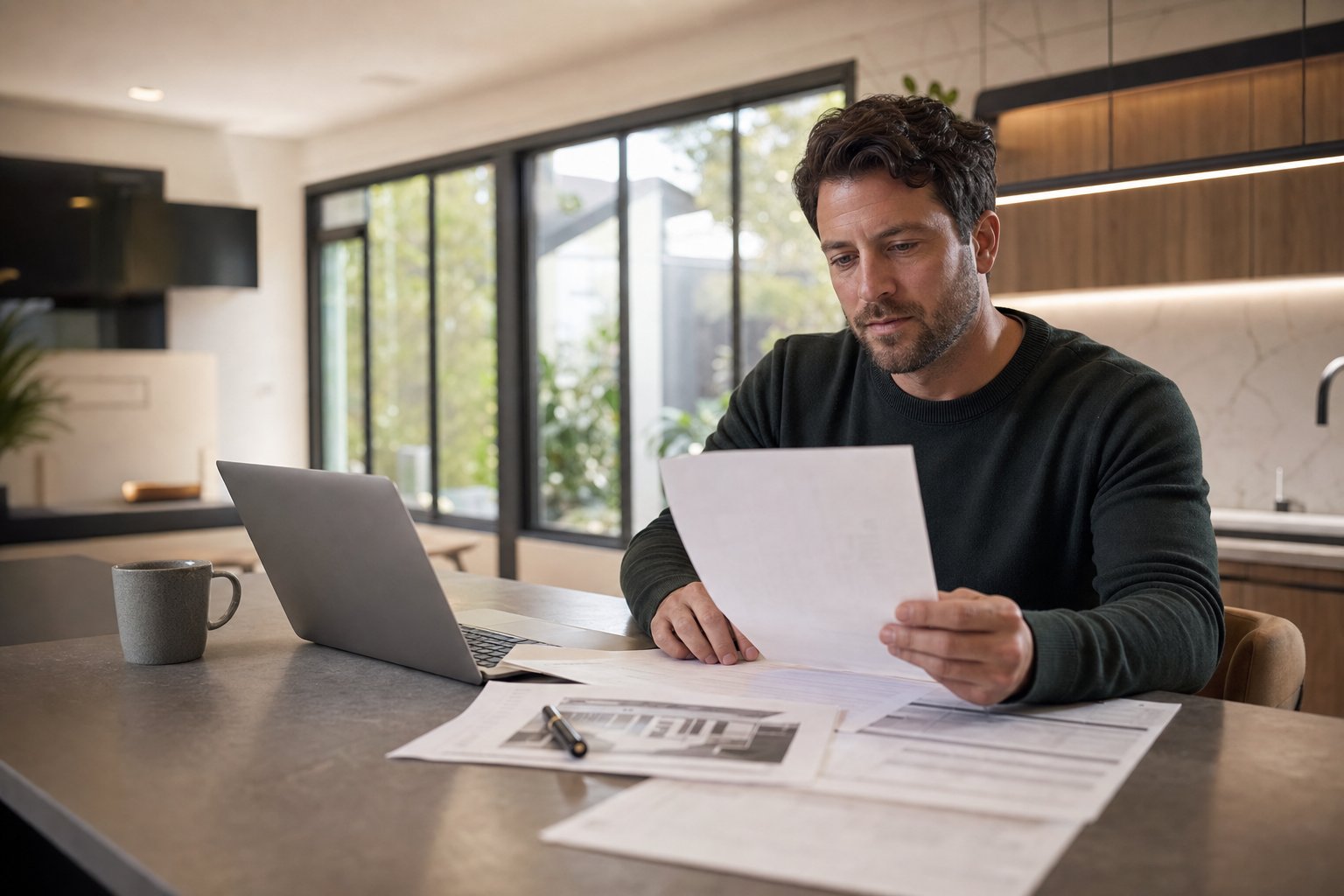
Comparable quotes are only useful if the quotes themselves are legitimate. A figure that looks like a bargain — or one that feels steep — might be exactly that, but it might also signal something problematic buried in the specification or scope. Knowing what to look for saves you from committing to cheap aluminium windows that underperform or paying inflated prices for standard products.
Signs a Quote Is Too Low to Be Legitimate
An unusually low aluminium window cost should trigger scrutiny, not celebration. When a quote undercuts competitors by 30 percent or more, something has been stripped out — and it’s rarely something you can afford to lose. Industry analysis from Fenbro confirms that the cheapest offers often become the most expensive over time once hidden gaps surface during or after installation.
Watch for these warning signs in suspiciously affordable aluminium windows quotes:
- Unbranded or unnamed frame profiles — A legitimate quote specifies the system or profile name. Generic descriptions like “aluminium frame” or “alu windows” without identifying the manufacturer or extrusion system suggest ungraded stock of unknown origin.
- No thermal break specification — If the quote doesn’t explicitly state whether frames are thermally broken, assume they aren’t. Non-thermally-broken frames won’t meet NCC requirements for habitable rooms, leaving you with a compliance problem after installation.
- Vague glazing descriptions — “Double glazed” without U-values, glass thickness, coating type, or gas fill details tells you nothing about actual performance. Quality quotes specify Uw values for the complete window assembly.
- No site survey included — Quotes generated from photos or homeowner-supplied measurements carry significant risk. If dimensions are wrong, the cost of remaking falls somewhere — and cheap providers rarely absorb it willingly.
- Unusually short lead times — Custom-manufactured aluminium windows typically require 3 to 6 weeks for fabrication. A supplier promising delivery in days is likely selling inferior stock products in limited sizes and configurations rather than manufacturing to your specifications.
- No mention of disposal, flashing, or finishing — These items cost real money. If they’re absent from the quote, they’ll appear as extras once work begins.
Signs You Are Being Overcharged
Overpriced quotes are harder to spot because they often look thorough. The detail is there — it’s just inflated. Affordable aluminum windows don’t require cutting corners, and a fair price shouldn’t require padding either.
- Installation day rates exceeding $900 to $1,200 per day — Qualified glaziers in Australian metro areas charge $80 to $120 per hour. A two-person crew for a full day shouldn’t exceed $1,500 to $1,800 including overheads. Anything significantly above that warrants questioning.
- Upgrades pushed without justification — Triple glazing quoted for a north-facing bedroom in Brisbane, or acoustic glass specified for a quiet suburban street, suggests margin-building rather than genuine performance advice.
- Excessive waste disposal charges — Removing and disposing of old windows typically costs $30 to $80 per opening. Quotes listing $150 or more per window for disposal are inflating a minor line item.
- Lump-sum pricing with no breakdown — A single total figure with no itemisation makes it impossible to identify where the premium sits. Reputable suppliers have nothing to hide in their cost structure.
- Pressure tactics or “today only” pricing — Window replacement professionals consistently advise that this is not a decision to rush. Any supplier creating artificial urgency is prioritising their sales cycle over your interests.
The practical defence against both extremes is the same: always request itemised quotes. Frame cost, glass cost, hardware, installation labour, ancillary charges, and GST should each appear as separate line items. When every element is visible, you can compare each component independently across suppliers — and a quote that’s genuinely competitive will hold up under that scrutiny just as well as it does at the bottom line. An aluminium windows price that seems too good to be true almost always is, and one that seems too high usually contains padding that an itemised breakdown will expose.
Frequently Asked Questions About Aluminium Windows Prices
1. How much do aluminium windows cost per square metre in Australia?
Supply-only aluminium windows in Australia typically cost between $150 and $700 per square metre, depending on the frame profile, thermal break specification, and glazing package. Thermally broken frames with standard double glazing sit in the $250 to $500 per square metre range for most residential applications. Installed costs add $250 to $500 per opening for professional fitting, flashing, and finishing. Custom colours, triple glazing, or non-standard dimensions push pricing toward the upper end of these ranges.
2. Are aluminium windows more expensive than uPVC?
Aluminium windows carry a higher upfront cost than uPVC — typically 40 to 60 percent more for an equivalent size and configuration. However, aluminium frames last 45 to 50+ years with minimal maintenance, while uPVC commonly requires full replacement after 20 to 25 years due to seal failure and UV degradation in Australian conditions. Over a 30-year ownership period, the total cost of aluminium often equals or undercuts uPVC once you factor in the replacement cycle and the compounding maintenance savings.
3. What is the price difference between thermally broken and non-thermally broken aluminium windows?
Thermally broken aluminium frames cost 20 to 40 percent more than non-thermally broken equivalents. For a standard 1200mm x 1200mm casement, that translates to roughly $100 to $350 extra per window. The premium covers the polyamide barrier strip and the more complex dual-extrusion manufacturing process. Under the National Construction Code, thermally broken frames are effectively mandatory for habitable rooms in most Australian climate zones, making this cost unavoidable for new builds and major renovations requiring council approval.
4. How can I get accurate quotes for aluminium windows?
Start by locking down your specifications before approaching suppliers — frame type, thermal break requirement, glazing tier, colour, and hardware grade. Request at least three itemised quotes that separate frame cost, glass cost, hardware, installation labour, and ancillary charges. This allows genuine like-for-like comparison. For larger projects, working with manufacturers offering integrated services from system recommendation through to delivery — such as MEICHEN’s project-based supply model at meichenwindows.com.au/services — simplifies coordination and provides transparent pricing without chasing separate quotes for engineering, fabrication, and freight.
5. What hidden costs should I budget for when replacing aluminium windows?
Beyond the window units themselves, budget for scaffolding or elevated work platform hire ($1,500 to $4,000), council fees or private certification ($200 to $800), disposal of old frames ($30 to $80 per window), internal plastering and repainting ($100 to $300 per opening), and external flashing materials ($50 to $120 per window). These ancillary costs typically represent 10 to 15 percent of total project spend. Adding a 10 to 15 percent contingency margin on top covers unexpected issues like concealed timber rot or non-standard lintels discovered during removal.
More Window & Door Guides