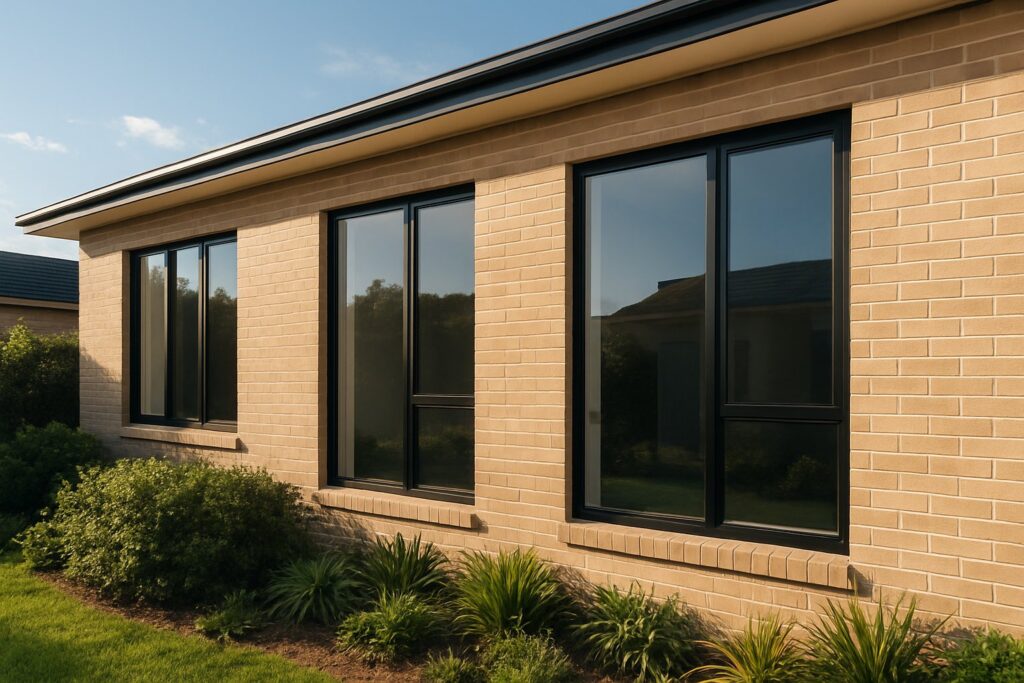
Why Timber vs Aluminium Is No Longer a Simple Choice
Pick the wrong window frame material and you will feel it every single day — in comfort, in energy bills, and eventually in resale value. The timber vs aluminium windows debate sits at the heart of nearly every Australian building or renovation project, yet most online comparisons reduce it to a simplistic either-or. That framing no longer reflects reality.
Why This Decision Matters More Than You Think
A window is not just glass in a hole. The frame material determines how much heat crosses your wall, how often you are up a ladder with a paintbrush, and whether your home meets NCC energy requirements without expensive workarounds. Get it right and the window quietly does its job for 30-plus years. Get it wrong and you are looking at premature window replacement, condensation damage, or a property that struggles to sell at full value.
Beyond the Binary — Five Real Options
This article does not simply pit timber against aluminium and declare a winner. Instead, it ranks five distinct window system categories — custom thermally broken aluminium, traditional solid timber, alu-clad timber hybrids, engineered timber with factory finishes, and standard off-the-shelf aluminium — across six weighted criteria. Each occupies a different position on the cost-performance spectrum, and each suits a different type of project. Treating replacement windows and new-build windows as interchangeable leads to poor decisions, because the installation context changes which system delivers the best long-term outcome.
How Property Type and Climate Change the Answer
A Queenslander in coastal Cairns faces salt spray, cyclone ratings, and relentless UV. A brick veneer home in Melbourne’s outer suburbs battles cold mornings and condensation. A heritage terrace in inner Sydney must satisfy council conservation requirements. The ideal window material shifts with each scenario. Climate zones, bushfire attack levels, and even the orientation of individual openings all tilt the equation — a point most comparisons gloss over entirely.
Modern manufacturing — thermally broken aluminium, modified timber species, hybrid cladding systems — has blurred the traditional performance lines between these two materials so thoroughly that the old generalisations no longer hold.
What follows is a structured, criteria-driven ranking designed to cut through that complexity and match the right system to your specific situation.
How We Evaluated and Ranked Each Window System
A fair comparison needs consistent rules. Rather than relying on gut feel or manufacturer brochures, we scored each of the five window systems against six measurable criteria — the same factors that determine whether a window installation still feels like a smart decision a decade from now.
Six Criteria That Actually Matter to Homeowners
- Thermal performance — Frame and glazing U-values that reflect real heat transfer, referenced against industry standards and WERS ratings where available.
- Maintenance burden over 20 years — The actual time, cost, and frequency of upkeep: repainting, window repair, seal replacement, and hardware servicing.
- Lifecycle cost — Not just the purchase price, but total cost of ownership including energy savings, maintenance outlay, and eventual replacement. Life-cycle cost analysis consistently shows that the cheapest upfront option rarely wins over a 30-year horizon.
- Design flexibility — Range of profiles, colours, configurations, and sightline widths available for different architectural styles.
- Environmental sustainability — Embodied energy in production, recyclability, and sourcing credentials.
- Security — Frame strength, multi-point locking compatibility, and resistance to forced entry.
How We Weighted Each Factor
Every homeowner values something different, but our weighting favours long-term value and real-world maintenance reality over theoretical performance claims. Thermal efficiency and maintenance burden carry the heaviest influence because they compound year after year — a slightly better U-value or a window sill that never needs sanding adds up over decades. Lifecycle cost sits third because it captures the interplay between the first two. Design flexibility, sustainability, and security round out the framework, each important but less likely to shift the overall ranking on its own.
What We Excluded and Why
We deliberately left out subjective aesthetics (beauty is personal), brand reputation scores (too variable by region), and single-point price comparisons that ignore what happens after window installation day. The goal is a decision framework grounded in measurable, long-term outcomes — not a popularity contest.
Custom Aluminium Window Systems for Residential and Commercial Builds
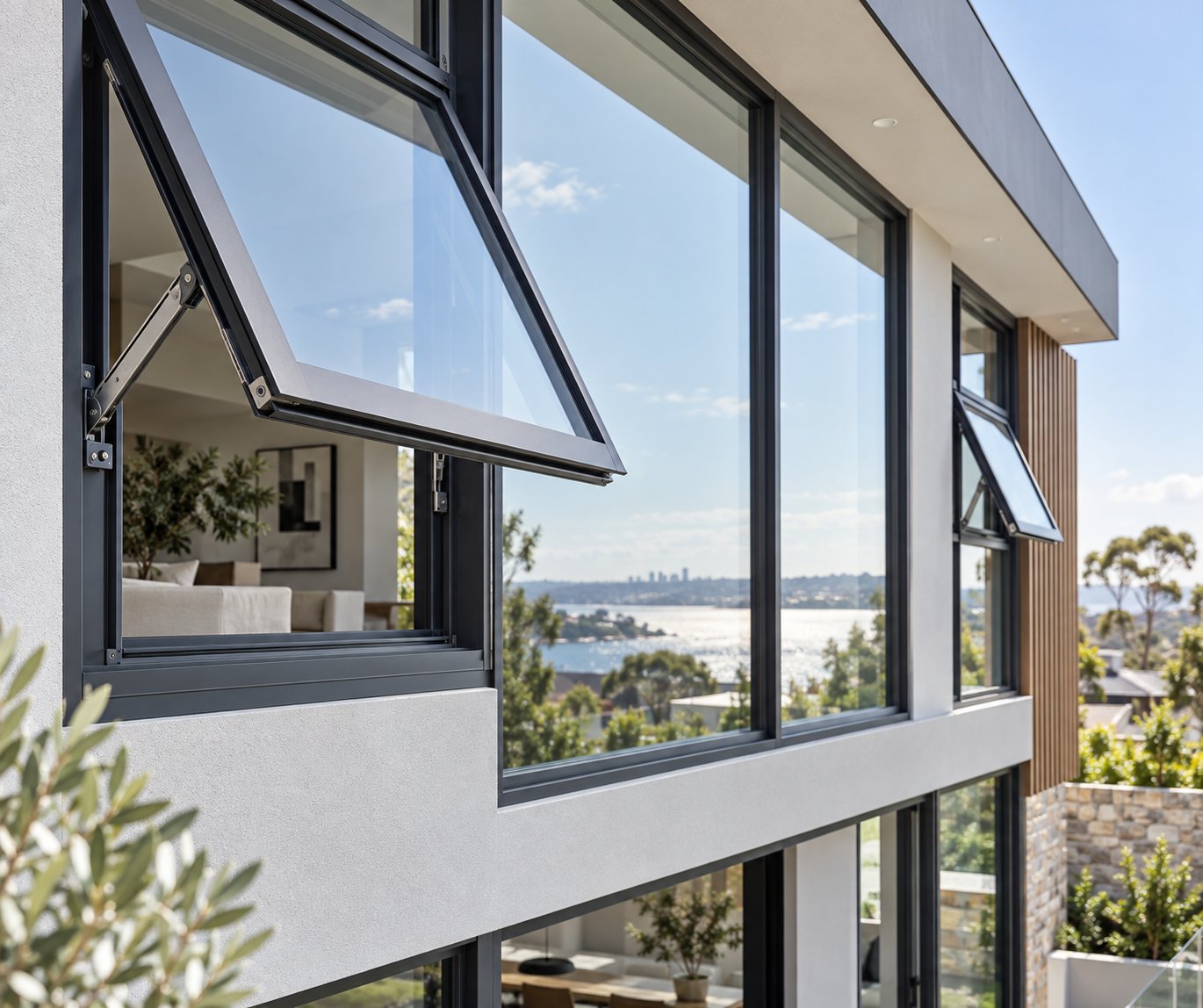
Scoring highest across our six criteria, custom-configured aluminium window systems earn the top ranking for the majority of Australian residential and commercial projects. That statement would have been controversial fifteen years ago, when aluminium meant cold frames, limited colours, and a utilitarian look. The material has since undergone a quiet revolution — one driven by thermal break engineering, advanced powder coating, and a level of design customisation that finally puts the old “aluminium looks industrial” criticism to rest.
Why Custom Aluminium Ranks First for Most Projects
Three factors push custom aluminium ahead of the field when all six criteria are weighted together. First, the maintenance burden over a 20-year window is negligible — a twice-yearly wash and annual hardware lubrication is the entire commitment. Second, design flexibility now rivals or exceeds timber: slim sightlines as narrow as 45 mm maximise glass area, while configurations span casement, awning, sliding, bi-fold, and fixed-lite options in virtually any dimension. Third, lifecycle cost lands favourably because you avoid the recurring repainting and timber treatment expenses that accumulate over decades.
Suppliers like MEICHEN illustrate how far custom aluminium has come. Their range offers project-based supply across Australian cities with extensive colour options, multiple glazing choices, and configurations tailored to homeowners, builders, developers, and architects alike. That breadth of customisation — once exclusive to bespoke timber joinery — is now standard in the aluminium space, making it a practical starting point for both new builds and major renovations where window screens, hardware, and frame profiles all need to work as a coordinated system.
Thermal Break Technology Explained
The single innovation that transformed aluminium’s reputation is the polyamide thermal break — a strip of reinforced insulating material (typically PA66) inserted between the inner and outer sections of the frame. This barrier disrupts the metal’s natural conductivity, stopping heat from racing through the profile the way it did in older, non-broken frames.
In practical terms, a thermally broken aluminium window system can achieve whole-window U-values around 1.9 W/m²K when paired with double glazing and argon gas fill. That figure sits comfortably within NCC Section J requirements for most Australian climate zones and approaches the natural insulation performance of solid timber frames — a gap that was once aluminium’s biggest weakness. The thermal break also keeps the interior face of the frame warmer, dramatically reducing condensation on cold mornings and protecting surrounding wall finishes from moisture damage.
For projects in extreme climates — think alpine regions or tropical north Queensland — specifying Low-E glass and upgraded spacer bars pushes performance further still. Some homeowners also pair thermally broken frames with window film on specific glazing panels to manage solar heat gain on west-facing elevations, adding another layer of control without altering the frame specification.
Colour and Finish Longevity Over 15 Years
Painted timber needs recoating every five to eight years on exposed exterior faces. Powder-coated aluminium, by contrast, maintains its colour integrity for 10 to 15 years in typical conditions — and often longer when not subjected to direct coastal salt spray. The difference comes down to chemistry: powder coating is electrostatically applied and oven-cured at around 200°C, forming a molecular bond with the aluminium substrate that resists chipping, peeling, and UV-driven fading far more effectively than any brush-applied or spray-applied paint film sitting on timber grain.
Marine-grade powder coatings used by quality Australian fabricators undergo multi-stage pre-treatment (chromate or chrome-free conversion) before the colour layer is applied. The result is a finish warranted for 10 to 25 years depending on the coating specification and exposure category. Even at the lower end of that range, you are looking at double the repaint cycle of exterior timber — with zero sanding, priming, or scaffold hire in between.
Colour choice itself has expanded enormously. Where early aluminium windows offered a handful of anodised silvers and whites, today’s custom systems provide dozens of standard colours plus custom colour-matching. Dual-colour frames — one tone inside, another outside — let you match interior timber joinery aesthetics while presenting a contemporary exterior. That flexibility matters for residential window tinting and shading strategies too, since darker external frame colours absorb more solar radiation and benefit from thermally broken construction to prevent heat transfer inward.
Pros
- Minimal maintenance — wash and lubricate annually; no repainting required
- Lifespan of 30 to 45 years with proper installation and basic care
- Slim sightlines maximise natural light and views
- Thermally broken frames meet NCC energy requirements without supplementary measures
- Extensive colour range with 10-15+ year fade resistance
- High strength-to-weight ratio allows larger spans and thinner profiles
- Fully recyclable at end of life — aluminium retains value in the recycling stream
- Compatible with commercial window tinting, security glazing, and acoustic glass upgrades
Cons
- Higher upfront cost than standard non-thermally-broken aluminium
- Thermal performance still slightly below solid timber at the frame level (though glazing dominates overall U-value)
- Coastal installations require marine-grade coating specification to prevent pitting
- Dark colours in extreme sun exposure may show chalking after 12-15 years without premium coating grades
- Less suited to strict heritage conservation areas where council mandates traditional timber profiles
For the vast majority of new Australian homes, multi-residential developments, and commercial fit-outs, custom thermally broken aluminium delivers the strongest balance of performance, longevity, and low ongoing effort. Yet it is not universally the right answer — heritage properties and character homes often demand a material with a different visual warmth and regulatory acceptance.
Traditional Solid Timber Windows for Character Homes
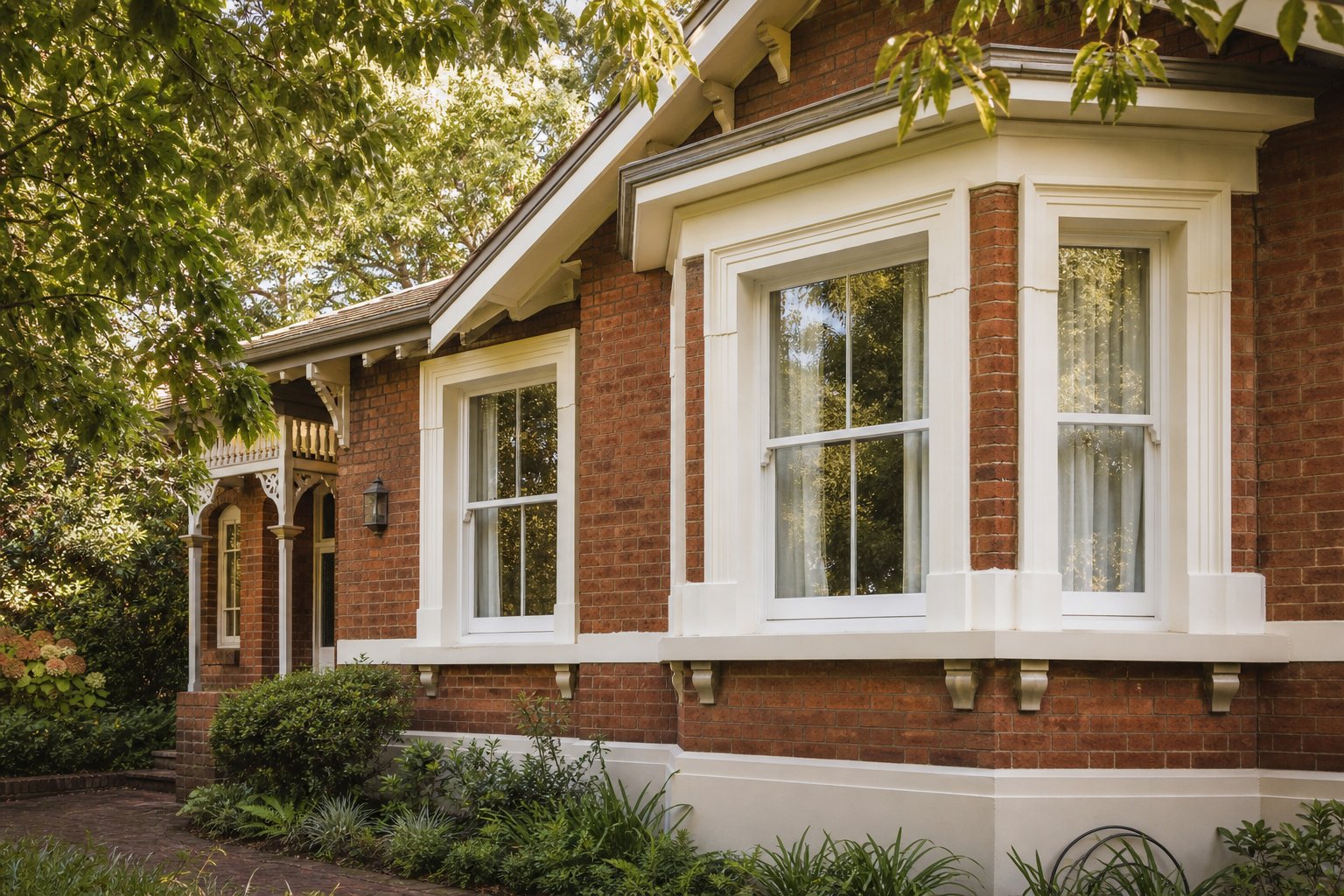
Heritage properties and character homes play by different rules. Council heritage overlays, neighbourhood character provisions, and the sheer visual warmth of natural wood create situations where timber is not just preferred — it is often the only material that satisfies both regulatory requirements and the homeowner’s desire for authenticity. That is why solid timber earns the second-ranked position in our framework, excelling precisely where custom aluminium cannot follow.
Where Solid Timber Still Wins
Timber is a natural insulator. Unlike metal, wood does not conduct heat readily, which means a solid timber frame delivers strong thermal performance without needing an engineered thermal break. Typical timber frame U-values sit around 1.2 to 1.6 W/m²K at the frame level — inherently better than even thermally broken aluminium profiles. Pair that with double glazing and you have a window system that performs well across Melbourne winters and Adelaide’s temperature swings alike.
Then there is sound. The natural density of hardwood dampens external noise more effectively than lighter frame materials, making timber an excellent choice for homes near busy roads, flight paths, or railway corridors. A well-fitted double hung window in solid hardwood, combined with acoustic-rated glazing, can noticeably reduce traffic rumble in a way that thinner aluminium profiles struggle to match.
Repairability rounds out timber’s core advantages. A damaged aluminium frame typically means a full unit replacement. A timber frame can be spliced, filled, sanded, and refinished — extending its service life well beyond the initial installation. Quality hardwood windows regularly reach 60 years or more with proper care, and many Victorian-era homes across inner Sydney and Melbourne still retain their original timber joinery in working condition.
The Real Maintenance Schedule and Costs
Here is where the timber vs aluminium windows conversation gets muddied by marketing. Aluminium manufacturers sometimes paint timber maintenance as an endless, expensive chore. The reality is more measured.
Exterior-facing timber surfaces need repainting or restaining every five to eight years, depending on exposure and coating quality. North and west-facing frames cop more UV and weather, so they deteriorate faster than sheltered southern elevations. The process involves light sanding of any flaking areas, spot-priming bare patches, and applying two coats of exterior acrylic or oil-based paint. For a standard casement window or bay window, a competent DIYer can handle one opening in under two hours.
Professionally, expect to pay roughly $150 to $300 AUD per window for a full sand-back and repaint — a figure that adds up across a whole house but remains manageable when budgeted as a periodic expense rather than an annual crisis. Interior faces, protected from weather, rarely need more than a wipe-down and occasional touch-up over the window’s entire life.
The critical point: this maintenance is predictable and proportional. It is not the constant burden some comparisons suggest, nor is it zero-effort like aluminium. Homeowners who enjoy hands-on property care often find the rhythm satisfying rather than burdensome. Those who do not should factor professional repainting costs into their lifecycle budget honestly.
Heritage and Conservation Area Advantages
Across Australia, local councils enforce heritage overlays and neighbourhood character provisions that directly influence window material choices. In suburbs covered by a Heritage Overlay (HO) in Victoria, or similar protections in NSW and Queensland, replacing original timber windows with aluminium often requires a planning permit — and that permit may be refused if the proposed material alters the building’s heritage significance.
The logic is straightforward. Timber windows are considered a defining architectural element in Federation, Victorian, Edwardian, and interwar homes. Removing them diminishes streetscape character and can reduce property values in heritage-listed streets. Research from heritage conservation bodies has found that 82% of estate agents consider original features — windows chief among them — to add measurable value and help properties sell faster.
For homeowners renovating within these overlays, timber is frequently the path of least resistance. Councils generally approve like-for-like timber replacement without requiring a full development application, whereas switching to aluminium triggers additional assessment, heritage consultant reports, and potential refusal. Even where aluminium might technically be approved, the time and cost of navigating that process often exceeds the price difference between materials.
One persistent myth deserves addressing: timber does not inevitably rot. Modern preservative treatments — including boron-based diffusion treatments and factory-applied primer systems — protect against fungal decay and insect attack far more effectively than the untreated softwood used in post-war construction. Proper installation detailing (adequate drainage, flashing, and ventilation behind the frame) eliminates the moisture traps that cause premature failure. When timber windows rot, the cause is almost always poor installation or deferred maintenance rather than an inherent material flaw.
Pros
- Superior natural thermal insulation — lower frame U-values than aluminium without thermal breaks
- Excellent acoustic performance due to wood’s density
- Repairable and restorable rather than replaceable
- Hardwood frames can last 60+ years with proper maintenance
- Accepted without additional council approval in most heritage overlay zones
- Renewable resource with lower embodied energy than aluminium production
- Unlimited paint and stain colour options — refreshed at each maintenance cycle
- Available in every traditional profile: double hung window, casement, awning, and bay window configurations
Cons
- Requires exterior repainting every 5-8 years — a real ongoing cost and time commitment
- Higher upfront cost than standard aluminium, particularly in hardwood species
- Vulnerable to moisture damage if installation detailing is poor or maintenance is neglected
- Heavier frames can limit maximum opening sizes compared to aluminium
- Softwood options (cheaper) have shorter lifespans of 20-30 years
- Bushfire-prone areas (BAL-29 and above) may restrict or prohibit exposed timber frames
Solid timber remains the gold standard for character, warmth, and heritage compliance. Its weakness — the recurring maintenance cycle — is real but manageable, and for many homeowners it represents a fair trade for a material that ages gracefully, insulates naturally, and satisfies the strictest council requirements. The question becomes whether modern engineering can reduce that maintenance gap while keeping timber’s best qualities intact.
Alu-Clad Timber Hybrid Windows That Offer Both Worlds
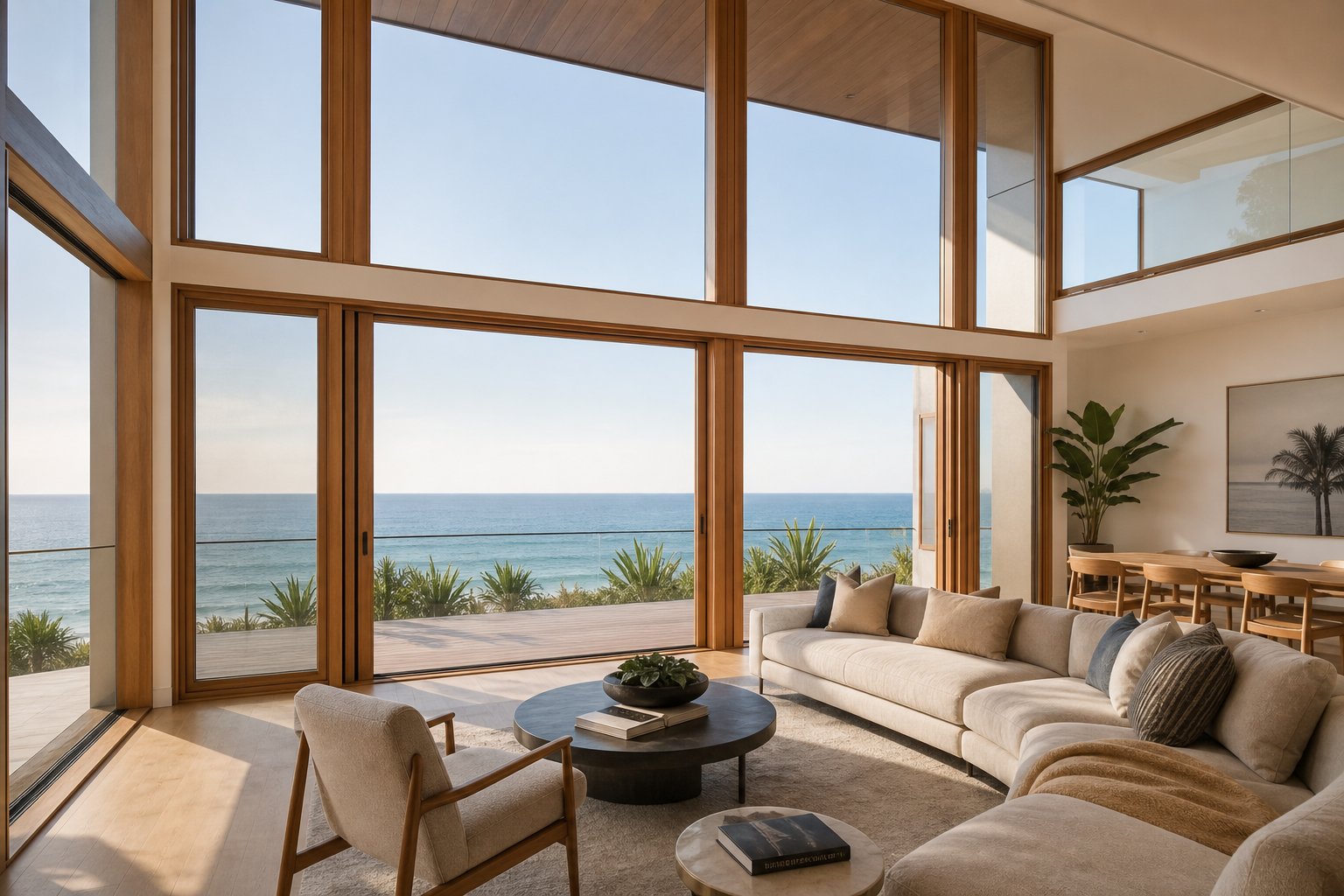
That maintenance gap between timber and aluminium is exactly what alu-clad hybrid windows were engineered to close. This third-ranked category rarely appears in standard timber vs aluminium windows comparisons — most guides skip it entirely — yet it resolves the central trade-off that forces homeowners to choose between interior warmth and exterior durability. The construction is elegantly simple: a solid timber frame on the inside, wrapped with a protective aluminium cladding on the exterior face.
How Hybrid Construction Solves the Core Trade-Off
The timber core handles insulation and aesthetics. Wood’s natural low conductivity delivers frame-level thermal performance comparable to solid timber windows — U-values as low as 0.8 W/m²K when paired with triple glazing — while providing the warm, tactile interior finish that many homeowners want to see and touch daily. The aluminium shell handles everything the weather throws at it. Rain, UV radiation, salt air, and temperature cycling all hit the powder-coated aluminium rather than exposed timber grain.
The result is a window that looks and feels like timber from inside your living room but behaves like aluminium from the street. No exterior repainting. No sanding. No scaffold hire every six years. The aluminium cladding simply shrugs off the elements the way a standalone aluminium frame would, while the protected timber interior ages gracefully without the accelerated weathering that plagues exposed external faces.
International manufacturers like Pella Windows and Marvin Windows helped popularise this hybrid approach in North America, and the concept has since been adopted by European and Australian fabricators producing systems tailored to local climate demands. Available in casement window, tilt-and-turn, awning, and fixed-lite configurations, alu-clad systems offer the same operational variety as either standalone material.
Best Situations for Alu-Clad Timber
This hybrid shines in specific scenarios where neither pure timber nor pure aluminium fully satisfies the brief:
- Coastal and high-rainfall locations — Homes along the NSW South Coast, Victorian surf coast, or tropical Queensland face accelerated timber weathering from salt spray and persistent moisture. The aluminium exterior eliminates that vulnerability while the timber interior remains unaffected by external conditions.
- Homeowners who love timber’s character but not its upkeep — If you want to look at natural wood every day without committing to a five-to-eight-year repaint cycle, alu-clad delivers exactly that compromise.
- High-end renovations blending old and new — Projects where the interior must reference heritage timber joinery but the exterior needs to perform like a modern system. The dual-material construction lets you satisfy both requirements in a single frame.
- Acoustic-sensitive sites — The timber core’s density provides sound attenuation advantages over all-aluminium frames, making alu-clad a strong option near busy roads or flight paths.
The aluminium cladding also adds structural rigidity to the frame, resisting warping and swelling that can affect solid timber in humid climates. For projects in Darwin, Cairns, or anywhere with sustained high humidity, that dimensional stability matters as much as the weather protection.
Cost Premium and Whether It Pays Off
Alu-clad timber windows typically cost 20 to 40 percent more than either standalone timber or custom aluminium systems of equivalent size and specification. In Australian dollar terms, expect to pay roughly $1,800 to $3,500 AUD per window supply-only for a standard opening, compared with $1,200 to $2,200 for custom thermally broken aluminium or quality solid timber.
Whether that premium pays off depends on your maintenance tolerance and project lifespan expectations. Over 30 years, the eliminated exterior repainting costs (roughly $150 to $300 per window per cycle, repeated four to five times) can offset a significant portion of the upfront difference. Factor in the extended lifespan — quality alu-clad systems routinely reach 40 to 50 years — and the per-year cost of ownership often lands lower than solid timber despite the higher purchase price.
The premium is hardest to justify on tight-budget projects or properties you plan to sell within ten years. The maintenance savings simply do not accumulate fast enough to recoup the extra outlay in that timeframe. For a forever home in an exposed location, though, the maths tilts firmly in favour of the hybrid.
Pros
- Timber interior delivers natural warmth, acoustic density, and strong thermal insulation
- Aluminium exterior eliminates repainting and resists rot, UV, and salt corrosion
- Achieves excellent U-values — as low as 0.8 W/m²K with triple glazing
- Dimensional stability superior to solid timber in humid or coastal climates
- Wide range of exterior powder-coat colours (200+ RAL options) with natural timber interior finishes
- Long service life of 40-50+ years with minimal exterior maintenance
- Sustainable — timber core stores carbon; aluminium cladding is fully recyclable
Cons
- 20-40% cost premium over standalone timber or aluminium systems
- Fewer local Australian fabricators compared to standard aluminium — longer lead times possible
- Interior timber still requires periodic oiling or recoating (though far less demanding than exterior maintenance)
- Heavier than all-aluminium frames, which may affect structural support requirements for large openings
- Repair complexity — damage to the aluminium cladding can be harder to fix on-site than repainting timber
- Not always accepted as a heritage-compliant material where councils mandate traditional all-timber profiles
Alu-clad timber occupies a compelling middle ground, but it is not the only way modern manufacturing has tackled timber’s traditional weaknesses. Engineered timber and factory-applied coating systems take a different approach — modifying the wood itself rather than shielding it behind metal.
Engineered Timber Windows with Advanced Factory Finishes
Modifying the wood itself rather than hiding it behind aluminium cladding represents a fundamentally different philosophy — and it is one that has quietly reshaped what timber windows can deliver. Engineered and modified timber systems earn the fourth-ranked position in our framework because they narrow the maintenance gap with aluminium significantly while preserving timber’s natural thermal and acoustic strengths. For homeowners who want real wood throughout the frame but cannot stomach the traditional repaint cycle, this category deserves serious attention.
How Engineered Timber Changes the Maintenance Story
Traditional solid timber windows demand recoating every five to eight years because site-applied paint sits on a substrate that moves with seasonal moisture changes. Engineered timber flips that equation. Laminated construction — multiple thin layers bonded under pressure — creates a dimensionally stable core that resists the swelling, shrinking, and twisting responsible for cracking paint films. When the timber stays still, the coating stays intact far longer.
Manufacturers producing engineered timber window frames typically use finger-jointed and laminated sections that eliminate natural defects like knots and sapwood pockets. These weak points are where moisture infiltrates and coatings fail first in solid timber. Remove them, and you extend the realistic maintenance interval from five-to-eight years out to ten-to-twelve years on exterior faces — a meaningful shift that halves the lifetime repainting cost. Routine window cleaning on a quarterly basis remains the primary upkeep task between recoating cycles, much like aluminium systems.
Modified Wood Species and Their Performance
Beyond lamination, chemical and thermal modification processes create timber that behaves almost like a different material. Accoya — acetylated Radiata Pine — is the standout example. The acetylation process replaces moisture-absorbing hydroxyl groups in the wood’s cellular structure with stable acetyl groups, reducing the timber’s ability to absorb water by roughly 80 percent. The practical result is a frame material with dimensional stability rivalling aluminium, Class 1 durability (equivalent to tropical hardwoods), and a warranted service life of up to 50 years above ground.
That stability translates directly into coating longevity. Because Accoya barely moves with humidity changes, paint systems applied to it last significantly longer than on unmodified species — with recommended redecoration intervals stretching to ten years depending on exposure and orientation. Installers working with modified timber report fewer callbacks and less remedial work, which keeps lifecycle costs competitive despite the higher material price.
Thermally modified timber (heated to 180-230°C in oxygen-free conditions) offers a mid-range alternative. It improves decay resistance and reduces moisture uptake, though not to the same degree as acetylation. For window frames in sheltered positions or mild climates, thermal modification provides a meaningful upgrade over untreated softwood at a lower cost than full acetylation.
Factory Finishing vs Site-Applied Coatings
The coating application method matters as much as the timber substrate. Factory-finished timber windows undergo a controlled multi-stage process that site painting simply cannot replicate: end-grain sealing, joint sealing, humidity-controlled drying, robotic application ensuring consistent film thickness, and micro-porous coatings that allow the timber to breathe while blocking moisture ingress. Every corner receives a uniform 3 mm radius so the coating maintains even thickness — sharp edges cause thin spots that erode first.
The difference in durability is substantial. Factory-applied finishes from quality manufacturers carry ten-year guarantees on paint systems, with real-world performance often exceeding that timeframe when basic care is maintained. Site-applied coatings, by contrast, are subject to variable weather during application, inconsistent surface preparation, and uncontrolled drying conditions — all of which shorten their effective life. For homeowners weighing timber vs aluminium windows, specifying factory-finished engineered timber rather than site-painted solid timber closes much of the maintenance argument that aluminium advocates rely on.
The environmental case strengthens the position further. Aluminium smelting requires approximately 15.37 MWh of electricity per tonne and produces 8.24 kg of CO2 per kilogram of aluminium — accounting for roughly two percent of global carbon emissions. Responsibly sourced engineered timber, by contrast, stores 1.8 tonnes of CO2 for every dry tonne produced. The embodied energy comparison is not even close: timber windows actively sequester carbon throughout their service life, while aluminium carries a significant carbon debt from day one. For projects targeting NatHERS ratings or pursuing sustainability certifications, engineered timber’s carbon credentials offer a measurable advantage that no amount of aluminium recycling fully offsets at the point of initial manufacture.
Professional window cleaning services can extend coating life further by removing salt deposits, mould, and grime before they degrade the finish — a simple annual investment that pays dividends across the frame’s lifespan regardless of material choice.
Pros
- Dramatically reduced maintenance compared to traditional solid timber — recoating intervals of 10-12 years
- Modified species like Accoya offer 50-year warranted service life above ground
- Retains timber’s natural thermal insulation advantage (U-values as low as 0.8 W/m²K)
- Excellent acoustic performance — wood density dampens external noise effectively
- Carbon-negative material — stores CO2 rather than generating it during production
- Factory finishes backed by 10-year manufacturer guarantees
- FSC and PEFC certification available for verified sustainable sourcing
- Repairable and refinishable — does not require full unit replacement when damaged
Cons
- Higher material cost than standard solid timber — Accoya carries a premium price point
- Still requires periodic recoating (albeit far less frequently than unmodified timber)
- Fewer Australian fabricators specialise in modified timber windows compared to aluminium
- Stainless steel fixings essential for acetylated timber — standard fasteners may corrode
- Not maintenance-free — still demands more attention than powder-coated aluminium over 20 years
- Bushfire compliance limitations remain in BAL-29+ zones
Engineered timber narrows the practical gap between wood and metal considerably, yet it does not eliminate it entirely. For projects where even a ten-year recoating cycle feels like too much commitment — or where budget constraints rule out modified species — standard aluminium remains on the table. The question is whether the cheapest aluminium option delivers acceptable performance, or whether cutting cost at the frame level creates problems elsewhere.
Standard Aluminium Windows for Budget-Conscious Projects
Cutting cost at the frame level does create problems — but not always ones that matter equally to every project. Standard off-the-shelf aluminium windows sit at the bottom of our ranking, yet they still serve a legitimate role in the Australian market. The key is understanding exactly what you sacrifice when you skip the thermal break and opt for the cheapest aluminium profile available.
Standard vs Thermally Broken Aluminium
A standard aluminium frame is a single continuous extrusion — no polyamide barrier, no insulating strip, nothing interrupting the metal’s natural conductivity. Aluminium conducts heat roughly 1,000 times faster than timber, so without a thermal break that frame becomes a highway for energy loss. In winter, the interior face of the frame drops close to outdoor temperature, and condensation forms within minutes of the heating coming on. In summer, the frame radiates stored heat inward long after sunset.
Thermally broken aluminium windows solve this by inserting an insulating polyamide strip between the inner and outer frame sections, blocking heat transfer and keeping the interior surface warmer. Standard aluminium skips that step entirely. The result is a frame U-value roughly two to three times worse than its thermally broken counterpart — and that gap shows up in energy bills, comfort, and condensation damage to surrounding plaster and window sills over time.
This distinction is precisely why aluminium historically earned its reputation for cold, sweating frames. The criticism was valid — for non-thermally-broken profiles. Applying that same criticism to modern thermally broken systems is outdated, but applying it to budget aluminium remains entirely fair.
When Budget Aluminium Makes Sense
Not every window needs to last 40 years or achieve best-in-class thermal performance. Standard aluminium occupies a practical niche for projects where upfront cost dominates the decision and long-term ownership is either short or irrelevant:
- Rental properties — Investment properties where tenants bear the energy costs and the owner prioritises low capital outlay and zero maintenance callbacks. A standard aluminium frame will not rot, warp, or need repainting regardless of tenant care.
- Commercial fit-outs with tight budgets — Retail tenancies, warehouse conversions, and short-lease office spaces where the fit-out will be stripped in five to ten years. Spending for thermally broken frames offers no payback within that timeframe.
- Secondary openings — Laundries, garages, storage rooms, and egress window positions where thermal comfort is less critical than code compliance and basic weather sealing.
- Interim replacements — Situations where a full renovation is planned within a few years but a broken or failed window needs immediate replacement at minimal cost. Pairing a budget frame with window screen replacement at the same time keeps the total outlay low while restoring function.
In these scenarios, the lifecycle cost argument that favours custom aluminium or timber simply does not apply. The holding period is too short or the space too utilitarian to justify the premium. Unlike vinyl windows common in North American markets (which degrade under Australian UV intensity far faster than aluminium), even budget aluminium resists UV breakdown and maintains structural integrity in harsh sun — a genuine advantage in the Australian context.
The Steel vs Aluminium Distinction Explained
Readers sometimes ask why the timber vs aluminium windows comparison does not include steel. The answer comes down to practical suitability for residential use. Steel frames are heavier, more expensive, and demand more maintenance than aluminium — the coating must be monitored and repaired promptly to prevent corrosion. Steel’s strength allows exceptionally slim sightlines, which suits heritage-industrial aesthetics and internal glazed screens, but it lacks aluminium’s corrosion resistance, lightweight handling, and design flexibility for standard residential openings.
Aluminium offers a far broader range of configurations — casement, awning, sliding, bi-fold, double hung — in standard production sizes. It accepts powder coating without the same corrosion risk as steel, weighs less (simplifying installation and reducing structural load), and costs significantly less for equivalent window sizes. For most Australian homes, steel is a niche architectural statement rather than a practical alternative, which is why aluminium — not steel — forms the natural counterpart to timber in this comparison. If you are considering window screen replacement or hardware upgrades on existing frames, aluminium’s standardised profiles also make sourcing compatible components far simpler than working with bespoke steel sections.
Pros
- Lowest upfront cost of any aluminium window category
- Zero maintenance beyond occasional cleaning — no painting, staining, or timber treatment
- Corrosion-resistant and UV-stable under Australian conditions
- Lightweight and easy to install — reduces labour costs
- Wide availability in standard sizes for fast supply
- Fully recyclable at end of life
Cons
- Poor thermal performance — high frame U-values increase heating and cooling costs
- Condensation-prone in cooler climates, risking mould and plaster damage
- Shorter effective lifespan (15-25 years) compared to thermally broken systems (30-45 years)
- Limited colour options in off-the-shelf ranges — often restricted to white, black, and a few greys
- Does not meet NCC Section J energy requirements in many climate zones without compensating glazing upgrades
- Frames may warp or distort over time due to thermal expansion without the stabilising effect of a thermal break
Standard aluminium fills a gap, but it is a gap defined by budget constraints and short holding periods rather than performance ambition. Stacking all five window systems side by side — across every criterion simultaneously — reveals just how wide the differences become when you look beyond the price tag alone.
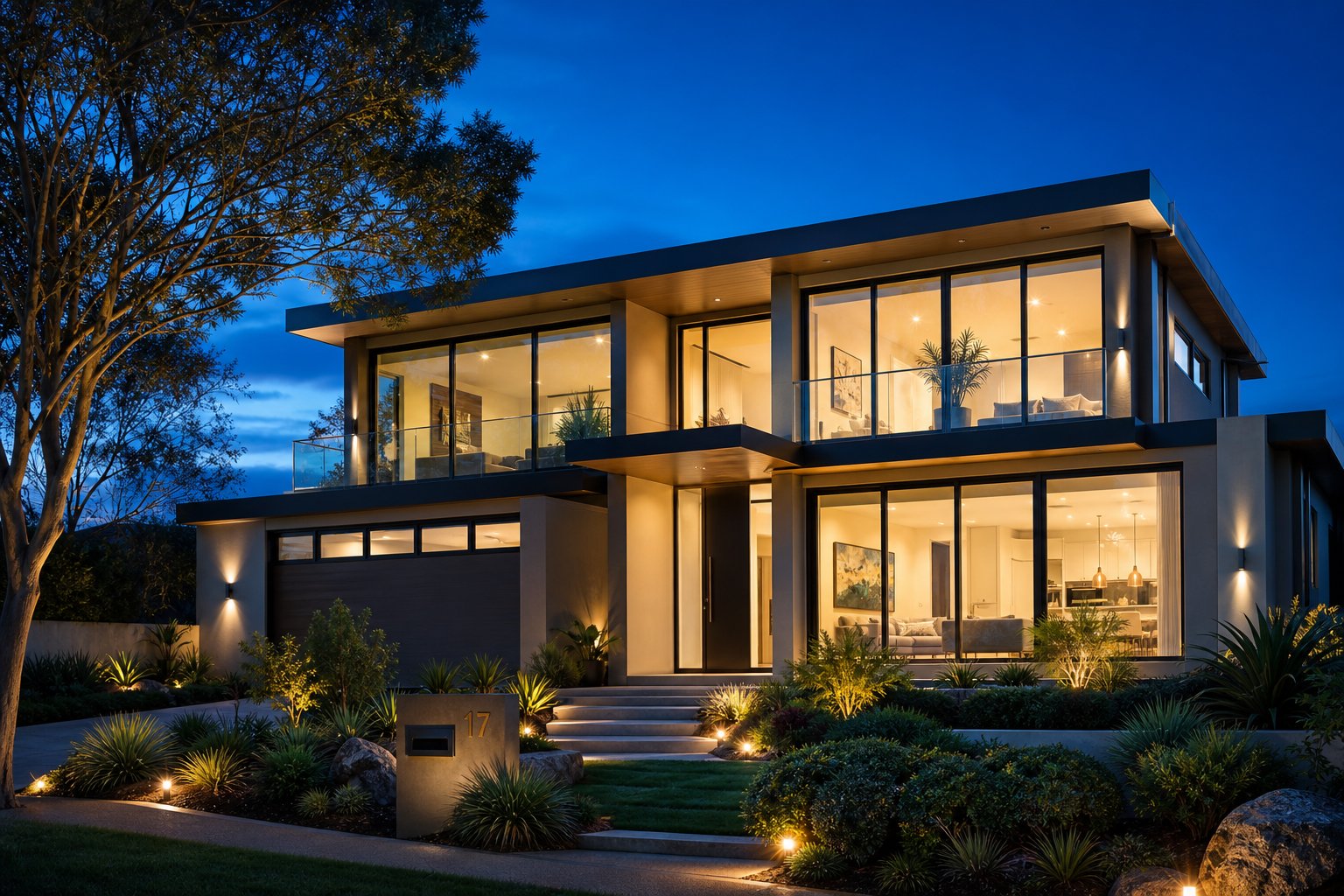
Head-to-Head Comparison of All Five Window Systems
Numbers tell the story faster than paragraphs. The table below consolidates everything discussed so far — thermal performance, maintenance reality, cost, flexibility, sustainability, and security — into a single reference you can return to whenever the timber vs aluminium windows decision feels overwhelming. Each system is scored relative to the others, with indicative Australian pricing based on a standard 600 x 900 mm double-glazed opening, supply only.
Full Comparison Table Across All Criteria
| Window Type | Thermal Performance | Maintenance Burden (20 yrs) | Lifecycle Cost | Design Flexibility | Sustainability | Security |
|---|---|---|---|---|---|---|
| Custom Thermally Broken Aluminium | Good (U-value ~1.9 W/m²K with double glazing) | Very Low — wash and lubricate annually | $$$ upfront ($500–$900/window); low ongoing | Excellent — slim profiles, 100+ colours, all configurations | Moderate — high embodied energy; fully recyclable | Excellent — strong frames, multi-point locks standard |
| Solid Timber | Very Good (U-value ~1.2–1.6 W/m²K at frame) | Moderate — repaint exterior every 5–8 years | $$$ upfront ($600–$1,000/window); moderate ongoing | Good — any profile, unlimited paint colours; heavier spans | Excellent — carbon-storing, renewable, low embodied energy | Good — dense material resists forced entry; hardware-dependent |
| Alu-Clad Timber Hybrid | Excellent (U-value as low as 0.8 W/m²K with triple glazing) | Low — no exterior repaint; interior oil every 5–10 years | $$$$ upfront ($1,800–$3,500/window); very low ongoing | Very Good — timber interior finishes, 200+ exterior RAL colours | Very Good — timber core stores carbon; aluminium cladding recyclable | Excellent — combined material strength |
| Engineered/Modified Timber | Very Good (U-value ~1.2–1.6 W/m²K) | Low-Moderate — recoat every 10–12 years | $$$–$$$$ upfront ($700–$1,200/window); low ongoing | Good — same profiles as solid timber; factory colour options | Excellent — carbon-negative; FSC/PEFC certified options | Good — comparable to solid timber |
| Standard Aluminium (no thermal break) | Poor (U-value ~5.0–7.0 W/m²K at frame) | Very Low — wash only | $$ upfront ($350–$550/window); higher energy costs | Limited — fewer colours, standard sizes only | Moderate — recyclable but high production energy | Moderate — thinner profiles; basic locking hardware |
Pricing draws on current Australian double-glazing cost data and reflects supply-only figures for standard openings. Installation adds $60–$90 per hour per glazier depending on complexity and location.
Lifespan Estimates for Each Material
Longevity varies dramatically across these five categories, and it directly shapes lifecycle cost. Based on industry lifespan data and Australian fabricator warranties:
- Custom thermally broken aluminium: 30–45 years
- Solid timber (hardwood): 40–60+ years with proper maintenance
- Alu-clad timber hybrid: 40–50+ years
- Engineered/modified timber (e.g. Accoya): 35–50 years
- Standard aluminium (no thermal break): 15–25 years
Those year ranges assume competent installation and climate-appropriate specification. A standard aluminium frame in a coastal Queensland home may fall short of 15 years if salt corrosion is not managed, while a well-maintained hardwood frame in a sheltered Melbourne suburb can exceed 60 years comfortably.
Resale Value and Property Impact
Window quality influences buyer perception more than most homeowners realise. Resale data from major property markets shows window replacement projects recover approximately 67–69 percent of their cost at sale — a moderate but meaningful return. The real value, though, is not in the dollar figure alone. Fresh, well-specified windows remove a common buyer objection, signal that the home has been maintained, and improve energy ratings that increasingly appear on property listings.
In the Australian context, premium window systems — whether custom aluminium or quality timber — contribute to higher NatHERS star ratings. A home rated at 7 stars or above attracts buyers willing to pay more because they understand the long-term energy savings. Window coverings like blinds for windows and window shades complement the glazing system’s performance, but they cannot compensate for a poorly insulating frame. Buyers notice condensation stains, peeling paint, and rattling hardware — all signs that the windows themselves need attention regardless of what window treatments dress them up with.
For sellers weighing whether to upgrade before listing, the framework is straightforward: replace failing windows (it removes a negotiation point and recoups roughly two-thirds of the spend), but do not replace functional windows purely for a value bump. The return is honest, not transformational.
- Best thermal performance: Alu-clad timber hybrid
- Lowest maintenance burden: Custom thermally broken aluminium (tied with standard aluminium)
- Best lifecycle cost: Custom thermally broken aluminium
- Greatest design flexibility: Custom thermally broken aluminium
- Strongest sustainability credentials: Engineered/modified timber
- Highest security rating: Custom thermally broken aluminium and alu-clad hybrid (tied)
No single system sweeps every category. The right choice depends on which criteria matter most for your specific project — a question the final section addresses directly by matching common scenarios to their strongest-fit window system.
Which Window System Fits Your Specific Situation
Criteria rankings only matter when they connect to a real project sitting on your desk or in your head. The timber vs aluminium windows question resolves differently depending on whether you are building from scratch, renovating an existing home, restoring a heritage property, or fitting out a commercial space. Here is how each common scenario maps to its strongest-fit system.
Best Choice for New Builds and Modern Homes
New construction gives you a clean slate — no existing frames to match, no council heritage overlays to navigate, and full control over structural openings. That freedom favours custom thermally broken aluminium for most contemporary Australian homes. Slim sightlines suit open-plan living, the colour range matches any facade material, and the near-zero maintenance aligns with how modern households actually want to spend their weekends.
If you are a homeowner, builder, or architect who has landed on aluminium as the right fit, MEICHEN’s aluminium window range offers a practical starting point — custom configuration, multiple glazing options, an extensive colour palette, and project-based supply across Australian cities. Their systems cater to residential and commercial builds alike, making it straightforward to coordinate specifications across an entire project rather than piecing together windows from multiple sources.
For new builds in cooler climates (think Canberra, Hobart, or Melbourne’s outer growth corridors), pairing thermally broken aluminium with high-performance Low-E double glazing delivers NCC Section J compliance without relying on compensating measures elsewhere in the building envelope. Some owners also explore home window tinting on west-facing glass to manage afternoon heat gain — a complementary strategy that works with any frame material but pairs especially well with aluminium’s dark-colour thermal break construction.
Best Choice for Renovations and Heritage Properties
Renovations introduce constraints that new builds avoid. Existing openings may be non-standard sizes. Heritage overlays may mandate timber. The surrounding architecture may demand a material that blends rather than contrasts. Match your scenario below:
- Heritage homes with council overlays: Solid timber or engineered timber — councils approve like-for-like replacement without additional applications, and the material preserves streetscape character.
- Character homes without formal heritage listing: Alu-clad timber hybrid — delivers the interior timber warmth that suits period interiors while eliminating exterior maintenance on hard-to-reach upper-storey frames.
- Coastal properties (any age): Custom thermally broken aluminium with marine-grade powder coating, or alu-clad timber if interior timber aesthetics matter. Both resist salt corrosion far better than exposed solid timber.
- Renovations on a tight budget: Standard aluminium for secondary spaces (laundries, garages) paired with thermally broken aluminium for living areas — a split strategy that controls cost without sacrificing comfort where it counts.
- Commercial fit-outs and multi-residential developments: Custom thermally broken aluminium — the combination of design flexibility, compliance ease, and zero maintenance callbacks makes it the default for projects where window repair near me searches by future occupants should never be necessary.
The renovation vs new-build distinction matters because retrofit projects often carry additional costs — making good around existing openings, matching internal reveals, and sometimes upgrading lintels to support heavier frame systems. Factoring those costs in early prevents budget blowouts that force a last-minute downgrade to a lesser-performing system. Searching for window replacement near me is a reasonable starting point, but specifying the right system before you contact installers ensures you are comparing quotes on equal terms rather than letting each supplier default to their preferred product.
Making Your Final Decision
House window tinting, shading devices, and window coverings all play supporting roles — but they cannot rescue a poorly chosen frame material. The frame is the one element you live with for decades, so invest your decision-making energy there first.
There is no universal best window material. There is only the best material for your climate, your property type, your maintenance tolerance, and your budget horizon. Match the system to the situation and the decision pays for itself quietly, year after year.
Use the comparison table and scenario recommendations above as your shortlist filter. Then request quotes from suppliers who can demonstrate compliance with AS 2047, offer WERS-rated systems, and provide clear warranty terms covering both frame and hardware. The right window — timber, aluminium, or hybrid — is the one that still feels like a smart choice fifteen years from now.
Frequently Asked Questions About Timber vs Aluminium Windows
1. Are aluminium windows better than timber for Australian homes?
Custom thermally broken aluminium windows rank highest for most Australian residential and commercial projects due to their near-zero maintenance, 30-45 year lifespan, and strong thermal performance with U-values around 1.9 W/m²K when double glazed. However, timber remains the stronger choice for heritage properties, conservation areas, and homeowners who prioritise natural insulation and acoustic performance. The best material depends on your climate zone, property type, maintenance tolerance, and budget horizon rather than a universal rule.
2. How long do aluminium windows last compared to timber windows?
Custom thermally broken aluminium windows typically last 30 to 45 years with minimal upkeep — just annual washing and hardware lubrication. Solid hardwood timber windows can reach 40 to 60+ years but require exterior repainting every 5 to 8 years to achieve that lifespan. Standard aluminium without thermal breaks has a shorter effective life of 15 to 25 years. Alu-clad timber hybrids and engineered timber systems like Accoya sit between 35 and 50 years, offering extended durability with reduced maintenance compared to traditional timber.
3. What is a thermally broken aluminium window and why does it matter?
A thermally broken aluminium window contains a polyamide insulating strip (typically PA66) inserted between the inner and outer frame sections. This barrier stops heat from conducting through the metal, which naturally transfers heat roughly 1,000 times faster than timber. Without a thermal break, aluminium frames cause condensation, energy loss, and cold interior surfaces. Thermally broken systems achieve whole-window U-values around 1.9 W/m²K with double glazing, meeting NCC Section J energy requirements for most Australian climate zones and dramatically reducing condensation risk.
4. Do timber or aluminium windows add more value when selling a house?
Window replacement projects recover approximately 67-69% of their cost at resale regardless of material choice. The real value lies in removing buyer objections — condensation stains, peeling paint, and rattling hardware all signal deferred maintenance. Premium window systems contribute to higher NatHERS star ratings, which increasingly influence buyer willingness to pay. For heritage-listed streets, original or like-for-like timber windows can add measurable value, with research showing 82% of estate agents consider original features a selling advantage.
5. What are alu-clad timber windows and when should I choose them?
Alu-clad timber windows feature a solid timber frame on the interior wrapped with protective aluminium cladding on the exterior face. The timber core provides natural insulation and warm aesthetics while the aluminium shell handles weather exposure without repainting. They suit coastal or high-rainfall locations, homeowners who love timber’s look but not its upkeep, and high-end renovations blending period interiors with modern performance. They cost 20-40% more than standalone systems but can achieve U-values as low as 0.8 W/m²K with triple glazing and last 40-50+ years.
More Window & Door Guides