Rethinking How to Find the Best Aluminium Windows
Type “what are the best aluminium windows” into a search engine and you’ll get a wall of brand rankings, top-ten lists, and thinly veiled ads. None of them ask the one question that actually matters: best for what?
A thermally broken aluminium window perfect for a Melbourne winter might be completely over-specified for a Darwin build. The ideal alu windows for a coastal home in Noosa need corrosion resistance that a house in Canberra’s suburbs simply doesn’t. Project type, climate zone, budget, and personal priorities all shape the answer, which means no single product earns the title across the board.
Why There Is No Single Best Aluminium Window
Every aluminium window sits at the intersection of five core quality factors: frame construction, thermal performance, glazing unit, hardware, and finish durability. Shift any one of those variables and the “best” choice changes with it. A set of large windows framing a harbour view demands slim sightlines and high wind-load ratings. A bedroom window on a busy road prioritises acoustic glazing and airtight seals. Ranking brands without weighing these factors against your specific conditions is like recommending a car without asking whether you need a ute or a hatchback.
The best aluminium window is the one engineered for your specific conditions, not the one with the biggest marketing budget.
What This Guide Covers and Who It Helps
This guide skips the listicle format entirely. Instead, it walks you through the technical details that separate a high-quality windows in aluminium product from a mediocre one, so you can evaluate any supplier or brand on your own terms. Whether you’re a homeowner planning a renovation, a builder specifying for a new project, or simply trying to make sense of quotes, the sections ahead cover frame profiles, thermal breaks, glazing options, performance specs, and the red flags that signal a product isn’t worth your money.
That evaluation starts with the frame material itself, and how aluminium genuinely stacks up against every alternative on the market.
Aluminium vs Every Other Frame Material
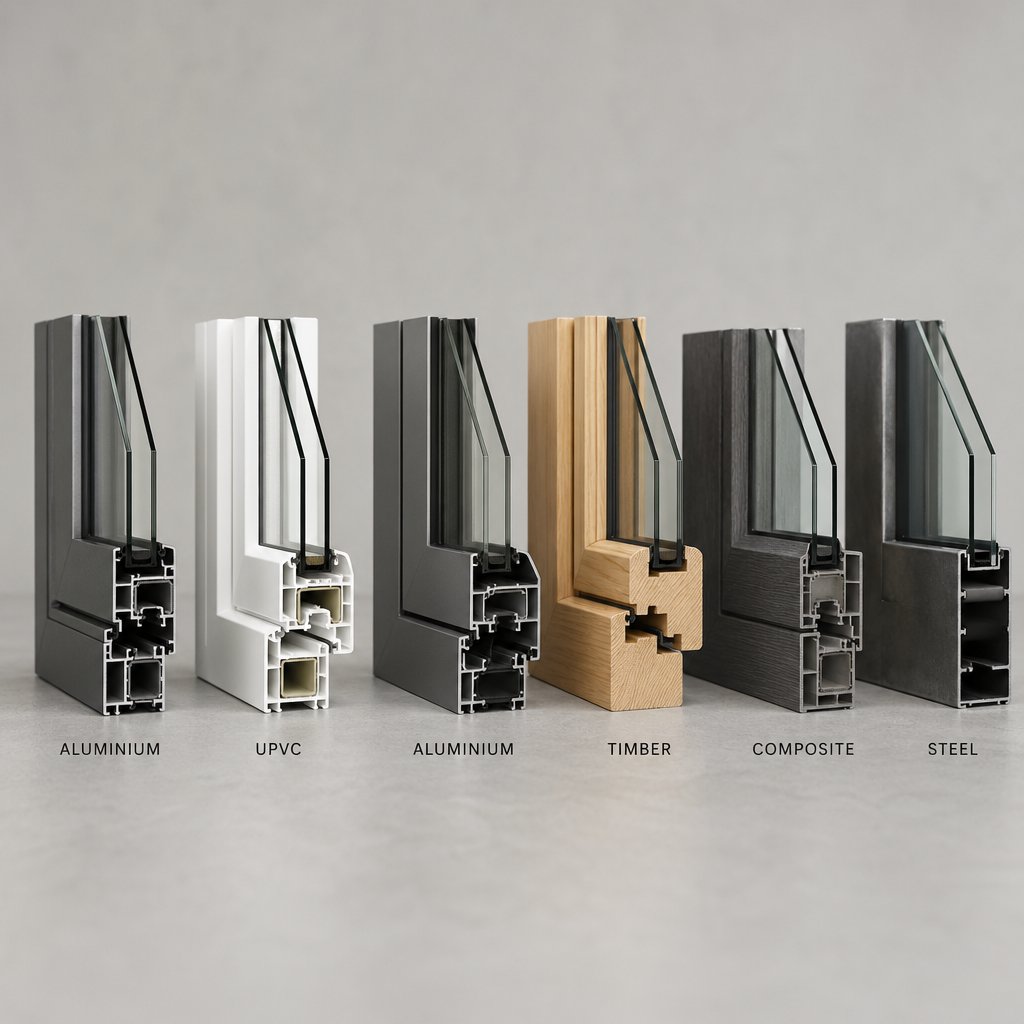
Aluminium isn’t the only game in town, and pretending otherwise doesn’t help anyone make a good decision. uPVC, timber, composite, fibreglass, and steel all compete for the same openings in Australian homes. Each brings genuine strengths. Each carries trade-offs. The only way to judge whether aluminium window frames deserve your money is to line them up against the alternatives across the factors that actually affect your life: how long they last, how well they insulate, what they cost to maintain, and what they look like doing it.
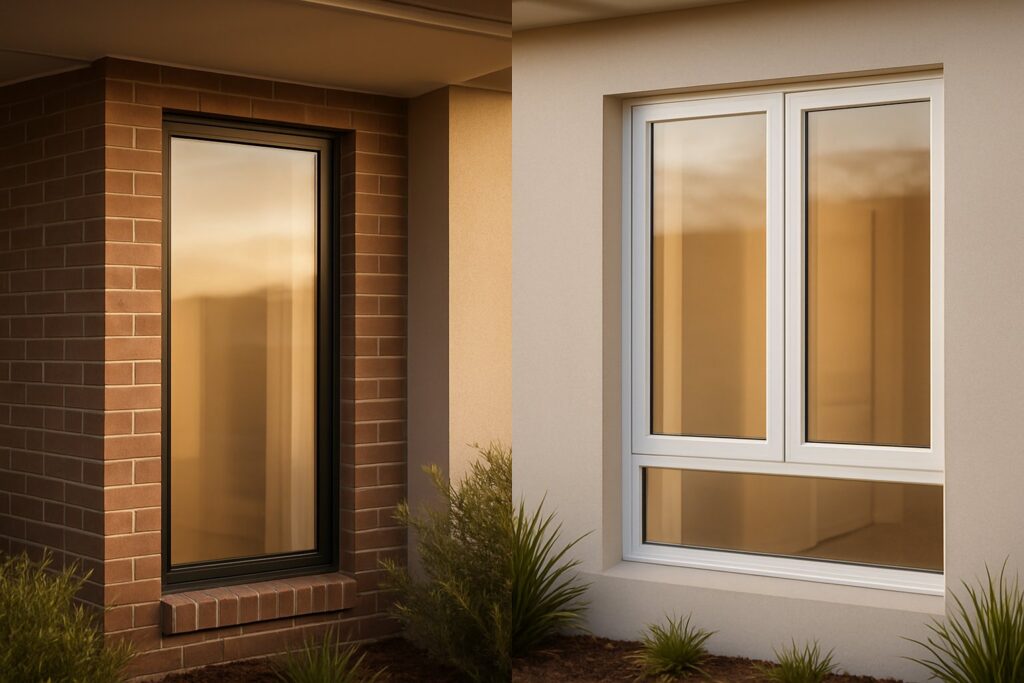
Aluminium vs uPVC, Timber, and Composite Frames
uPVC dominates the budget end of the market for good reason. It insulates well, costs less upfront, and needs little more than a wipe-down. But uPVC profiles are bulkier, which means thicker frames eating into your glass area. Over time, UV exposure in Australia’s harsh climate can cause discolouration and brittleness, and most uPVC frames reach end-of-life around the 20 to 25 year mark.
Timber is a natural insulator and looks stunning in heritage homes, Queenslanders, and character builds. The catch is maintenance. Timber demands regular painting or staining, and in humid or coastal regions, rot and swelling become real risks without diligent upkeep. Lifespan varies wildly depending on the species and how well it’s cared for, anywhere from 15 to 50-plus years.
Composite frames blend materials like timber cores with aluminium or polymer cladding, aiming for the best of both worlds. They perform well thermally and reduce maintenance compared to raw timber, but they tend to sit at the premium end of pricing and aren’t as widely available from Australian fabricators.
Fibreglass is dimensionally stable and a strong insulator, especially when its hollow cavities are foam-filled. It handles temperature swings without warping. However, fibreglass window aluminium windows alternatives remain a niche product in Australia, with fewer local suppliers and higher costs than either uPVC or aluminium.
Steel delivers unmatched strength and the slimmest possible sightlines, which is why it appears in high-end architectural projects. But steel is heavy, expensive, and prone to corrosion without ongoing protective treatment, making it impractical for most residential builds.
Aluminium sits in a distinctive middle ground. It’s strong enough to support slim aluminium window profiles that maximise glass area, light enough for large openings, and virtually immune to rot, warping, and pest damage. Its historical weakness was thermal conductivity, metal being a natural heat conductor. Modern thermally broken frames have largely closed that gap by inserting an insulating barrier between the interior and exterior faces of the profile, dramatically reducing heat transfer through the frame.
Long-Term Cost of Ownership Compared
Upfront price tells only part of the story. A set of uPVC windows might save you thousands on installation day, but if they need full replacement after two decades while aluminium frames are still going strong at 40-plus years, the maths shifts. Powder-coated aluminium finishes typically hold up for 15 to 20 years before any touch-up is needed, and quality hardware can be serviced or replaced without swapping the entire window. Timber’s ongoing painting and sealing cycles add up quickly, often running into hundreds of dollars per window over a 30-year span. Composite and fibreglass carry lower maintenance costs but higher purchase prices, which can make the payback period longer than aluminium in many cases.
When you factor in lifespan, maintenance spend, and the reality that aluminium is infinitely recyclable at end-of-life, the total cost of ownership often favours it over materials that look cheaper on the initial quote. That said, if budget is the primary constraint and thermal performance is adequate, uPVC remains a perfectly sensible choice. Honesty matters more than brand loyalty here.
| Material | Lifespan | Thermal Performance | Maintenance | Upfront Cost | Recyclability | Slim Sightlines |
|---|---|---|---|---|---|---|
| Aluminium (thermally broken) | Excellent (40+ years) | Good | Low | Moderate | Excellent | Excellent |
| uPVC | Good (20-25 years) | Good | Low | Low | Fair | Fair |
| Timber | Good to Excellent (15-50+ years) | Excellent | High | Moderate to High | Good | Good |
| Composite | Excellent (30-40+ years) | Excellent | Low to Moderate | High | Fair | Good |
| Fibreglass | Excellent (30-40+ years) | Excellent | Low | High | Fair | Good |
| Steel | Excellent (40+ years) | Fair | Moderate to High | High | Good | Excellent |
These comparisons paint a broad picture, but the real performance of any aluminium window comes down to what’s happening inside the profile itself, the alloy, the wall thickness, the chambers, and the coating that protects it all.
Anatomy of a High-Quality Aluminium Window Profile
Strip away the branding and marketing gloss, and every aluminium window profile is a piece of engineering defined by a handful of measurable details. The alloy it’s extruded from, the thickness of its walls, the number of chambers inside it, the coating protecting its surface, and the drainage channels managing water behind the scenes. These are the things that separate a profile built to last decades from one that starts failing within a few years. Knowing what to look for puts you in control of the conversation with any supplier of aluminium windows and doors.
Alloy Grades and What They Mean for Performance
Most quality window profiles are extruded from a 6000-series aluminium alloy, a family defined by its magnesium and silicon content. Two grades dominate the industry: 6063-T5 and 6061-T6. The numbers aren’t arbitrary. The first four digits identify the alloy’s chemical recipe, and the suffix after the dash describes how it was heat-treated to reach its final strength.
6063-T5 is often called “architectural aluminium” for good reason. Its lower alloying content makes it exceptionally easy to extrude into the complex, thin-walled shapes that modern aluminium window profiles demand. It delivers a smooth surface finish ideal for powder coating or anodising, and its corrosion resistance is excellent, a genuine advantage in Australia’s coastal and high-humidity zones. The T5 temper means the profile was cooled after extrusion and then artificially aged to reach a reliable balance of strength and formability. For the vast majority of residential and commercial window applications, 6063-T5 is the standard and the right choice.
6061-T6 is the stronger sibling. Its higher magnesium, silicon, and copper content gives it roughly 60% more tensile strength than 6063-T5, and the T6 temper (solution heat-treated and artificially aged) pushes that strength further. You’ll find 6061-T6 specified where structural loads are significant, think large-span commercial curtain walls or windows in cyclone-rated buildings across northern Queensland and the NT. It’s harder to extrude into intricate shapes and costs more, so it’s typically reserved for projects where the extra strength is genuinely needed rather than used as a default. Some of the best German window manufacturers and other leading manufacturers of insulated windows use 6063-T5 for their standard residential lines and reserve 6061-T6 for heavy-duty commercial systems, a practical split that reflects each alloy’s strengths.
Profile Thickness, Chambers, and Powder Coating Quality
Alloy grade sets the baseline, but wall thickness determines how that material performs in practice. Thicker profile walls improve structural rigidity, resist deflection under wind loads, and provide more material for screws and hardware to anchor into securely. Thin-walled profiles might look identical from the outside, yet they flex more, hold hardware less firmly, and are more prone to damage during installation. For residential aluminium windows and doors in Australia, a minimum wall thickness of 1.6 mm is common, while commercial and high-performance systems often run to 2.0 mm or above to meet the demands of larger openings and higher wind-load ratings.
Inside the profile, the number of internal chambers matters more than most buyers realise. Multi-chamber designs, where the cross-section is divided into several hollow compartments, add rigidity without adding weight. They also create pockets of trapped air that slow heat transfer through the frame, contributing to thermal resistance even before a thermal break is introduced. A basic two-chamber profile does the job for standard applications, but three or four chambers deliver noticeably better performance in both structural stability and insulation.
The powder coating protecting the exterior is another quality marker that’s easy to overlook and expensive to fix later. Industry benchmarks set by QUALICOAT call for a minimum local coating thickness of 60 microns and an average of at least 70 microns for architectural applications. Coatings meeting these thresholds resist UV degradation, chalking, and colour fade far longer than thinner, cheaper alternatives. In coastal areas where salt air accelerates corrosion, a minimum of 80 microns is advisable to pass long-term salt spray testing. Adhesion testing, where the coating is cross-hatched and tape-pulled to check bonding, is equally important. A powder coat that looks great on day one but peels within a few years signals a pre-treatment or application failure.
Finally, drainage channel design is the detail most buyers never think to ask about, until water damage appears. Every operable window collects some water from rain and condensation. Well-engineered profiles include concealed drainage channels and weep holes that direct water outward before it can pool, seep into the wall cavity, or corrode internal components. Poor drainage design is one of the most common causes of premature frame deterioration and surrounding wall damage in Australian homes.
Before you compare quotes or shortlist suppliers, make sure you’re asking about the details that actually define profile quality:
- Alloy grade (6063-T5 for most residential and commercial windows; 6061-T6 for high-load applications)
- Minimum wall thickness (1.6 mm residential minimum; 2.0 mm+ for commercial or large spans)
- Number of internal chambers (more chambers generally mean better rigidity and thermal resistance)
- Powder coating thickness (minimum 60 microns local, 70 microns average per QUALICOAT; 80 microns+ for coastal exposure)
- Drainage channel design (concealed weep holes, sloped channels, and clear water exit paths)
These five indicators give you a reliable snapshot of build quality before you even get into the thermal performance conversation, which hinges on a component buried inside the profile that most product brochures barely explain.
Thermal Break Technology Explained in Plain Language
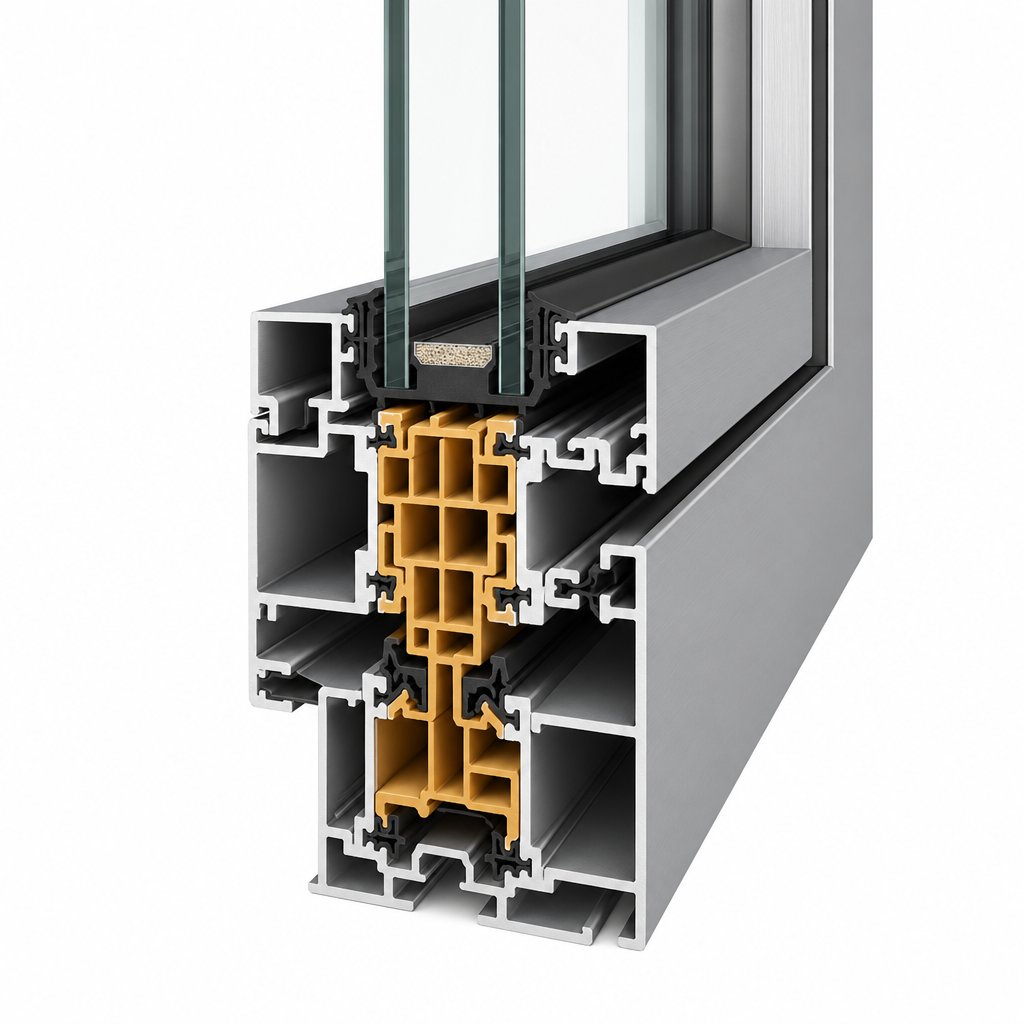
Aluminium conducts heat roughly 1,000 times faster than timber. Without intervention, a solid aluminium frame acts as a bridge, shuttling warmth straight through the wall from one side to the other. A thermal break is the intervention. It’s an insulating barrier slotted between the interior and exterior aluminium faces of the profile, physically splitting the frame into two halves so heat can’t travel the direct path. It’s the single detail that transformed aluminium from a thermally poor frame material into a genuine contender against timber and uPVC, and it’s the reason the best aluminium windows on the market today can meet even the strictest NCC energy requirements.
How Thermal Breaks Work Inside Aluminium Frames
Two main technologies dominate. The first uses pre-extruded polyamide strips, typically glass fibre-reinforced PA 6.6 (nylon 66), which are mechanically crimped into knurled channels on the aluminium extrusions. Polyamide struts are rigid, dimensionally stable, and widely used by best window manufacturers across Europe and Australia. Each cavity width requires a specific strut dimension, so profile tolerances need to be tight for a reliable mechanical interlock.
The second approach is polyurethane pour-and-debridge. A two-part liquid polyurethane is poured into a cavity between the aluminium halves, cured in place, and then mechanically debridged to eliminate any remaining metal-to-metal contact. Because the polyurethane fills the cavity as a liquid before setting, it forms a dense structural bond and adapts to the profile shape without requiring pre-formed parts. Polyurethane foam variants offer the lowest thermal conductivity of any common thermal break material, followed by solid polyurethane, then glass-filled polyamide.
Both are proven technologies in aluminium doors and windows. The practical difference often comes down to the fabricator’s production workflow, cost structure, and the specific performance targets of the window system rather than one material being universally superior.
Evaluating Thermal Break Width and Material
Width matters as much as material choice. The thermal break creates a gap that heat must cross, and a wider gap means a longer, slower path. A 20 mm polyamide strip delivers noticeably better insulation than a 12 mm one, all else being equal, because it increases the thermal resistance of the frame section. This directly lowers the frame’s U-value, the measure of how quickly heat passes through it. For Australian climates, particularly in NatHERS climate zones 6 and 7 across southern Victoria, Tasmania, and the ACT highlands, wider thermal breaks make a meaningful difference to whole-of-house energy ratings.
Here’s where terminology gets slippery. “Thermally improved” and “thermally broken” sound interchangeable, but they’re not. A thermally improved profile might use a minimal resin pour or a narrow strip that reduces conductivity somewhat without fully separating the aluminium faces. A genuinely thermally broken profile has a continuous insulating barrier that completely eliminates direct aluminium-to-aluminium contact. The performance gap between the two can be substantial, and some products marketed as energy-efficient blur the line deliberately.
A window marketed as “thermally efficient” without specifying thermal break material and width deserves scrutiny. Ask for the specifics, or move on.
One more thing worth understanding: the thermal break doesn’t work in isolation. It handles the frame portion of heat transfer, but the glazing unit covers the majority of the window’s total area. A wide, high-quality thermal break paired with basic single glazing still underperforms. The real gains come when a well-specified thermal break works alongside the right glass unit, Low-E coatings, gas fills, and spacer bars all pulling in the same direction. That glazing side of the equation is where the next layer of performance lives.
Glazing Options That Define Window Performance
The frame gets most of the attention, but the glass unit accounts for the majority of a window’s total surface area. That means the glazing specification has at least as much influence on thermal performance, comfort, and energy bills as the aluminium profile surrounding it. A beautifully engineered thermally broken frame paired with a basic glass unit is like fitting a high-performance engine into a car with bald tyres. Both sides need to work together.
Double vs Triple Glazing and When Each Makes Sense
Aluminum double glazing uses two panes separated by a gas-filled cavity, typically around 12 mm wide. It’s the standard for most Australian residential and commercial aluminium windows, and for good reason. In the majority of NatHERS climate zones across the country, a well-specified double-glazed unit delivers strong thermal performance at a sensible price point. Standard double-glazed units sit around 1.1 to 1.3 W/m²K for centre-of-glass U-value, and adding Low-E coatings and argon gas pushes that figure lower still.
Triple glazing adds a third pane and a second insulating cavity, achieving U-values as low as 0.6 W/m²K. It also delivers superior acoustic insulation, a genuine benefit for homes near busy roads or flight paths. The trade-off is weight, cost, and thickness. Triple-glazed units are heavier, which demands stronger frames and hardware, and the additional pane increases both material and fabrication expense. For homes in colder southern zones like Tasmania, highland Victoria, or the ACT, triple glazing can justify its premium through meaningful heating savings. In warmer climates like Brisbane or Darwin, the extra pane risks blocking beneficial solar heat gain while adding cost that may never pay back.
Low-E Coatings, Gas Fills, and Warm-Edge Spacers
Low-E (low-emissivity) coatings are microscopically thin metallic layers applied to glass surfaces that reflect radiant heat while still letting visible light through. Think of them as a selective mirror: they bounce heat energy back toward its source without darkening the view. Uncoated glass has an emissivity of around 0.84, meaning it radiates most of the heat it absorbs. A quality Low-E coating drops that figure to as low as 0.02.
Coating placement on the glass surfaces matters. In a double-glazed unit, there are four glass surfaces numbered 1 (outer face) through 4 (inner face). Passive Low-E coatings, designed to retain interior warmth, perform best on surface 3 or 4. Solar control Low-E coatings, designed to limit heat entering the building, work best on surface 2. For much of Australia, where cooling loads often outweigh heating loads, a solar control coating on surface 2 is the more common choice. Cooler southern regions may benefit from a passive coating instead, or a combination approach in triple-glazed units.
Between the panes, the gas fill plays a quieter but important role. Argon is the industry standard because it’s inexpensive and performs well in the typical 12 mm cavity. Krypton offers better thermal resistance but costs significantly more and is usually reserved for thinner cavities around 6 mm, sometimes found in slim-profile units where space is tight. Both gases are inert, non-toxic, and invisible.
The spacer bar holding the panes apart is the detail most people overlook entirely. Traditional aluminium spacers conduct heat readily at the glass edge, creating a cold spot that encourages condensation and degrades the edge-of-glass U-value. Warm-edge spacers, made from materials like stainless steel, thermoplastic, or composite polymers, dramatically reduce this thermal bridging. The result is a warmer glass edge, less condensation risk, and a measurable improvement in the overall window U-value. For any project where performance genuinely matters, warm-edge spacers should be non-negotiable.
Pulling all of this together, here’s how common glazing configurations compare:
| Glazing Configuration | Thermal Performance | Cost Tier | Best-Suited Climate |
|---|---|---|---|
| Double Clear (no coating, air fill) | Fair | Low | Mild climates with low heating/cooling demand |
| Double Low-E Argon | Good | Moderate | Most Australian climate zones (temperate to warm) |
| Triple Low-E Argon | Excellent | High | Cold climates (southern highlands, Tasmania, ACT) |
| Triple Low-E Krypton | Excellent | Very High | Extreme cold or slim-profile applications |
The right glazing specification turns a good aluminium frame into a complete high-performance window system. But knowing what’s inside the glass unit is only useful if you can read the numbers that describe how the whole assembly actually performs, and that’s a skill most product brochures assume you already have.
Aluminium Window Styles for Every Project and Climate
Glazing specs and thermal breaks define how well a window insulates, but the style you choose determines how it operates day to day. Ventilation, security, weather resistance, space constraints, and the view you’re framing all hinge on configuration. Picking the wrong style for your conditions means living with compromises that no amount of premium glass or wide thermal breaks can fix.
Matching Window Styles to Your Specific Needs
Each aluminium window style solves a different problem. Some prioritise airflow, others maximise unobstructed views, and a few do both at the cost of complexity and price. Here’s what each configuration does best:
- Casement — Hinged on the side and opening outward via a crank or lever. Provides full-pane ventilation and an airtight seal when closed. Ideal for kitchens, bathrooms, and any room where you want to direct a breeze inward. Strong weather sealing makes it a reliable choice for exposed elevations.
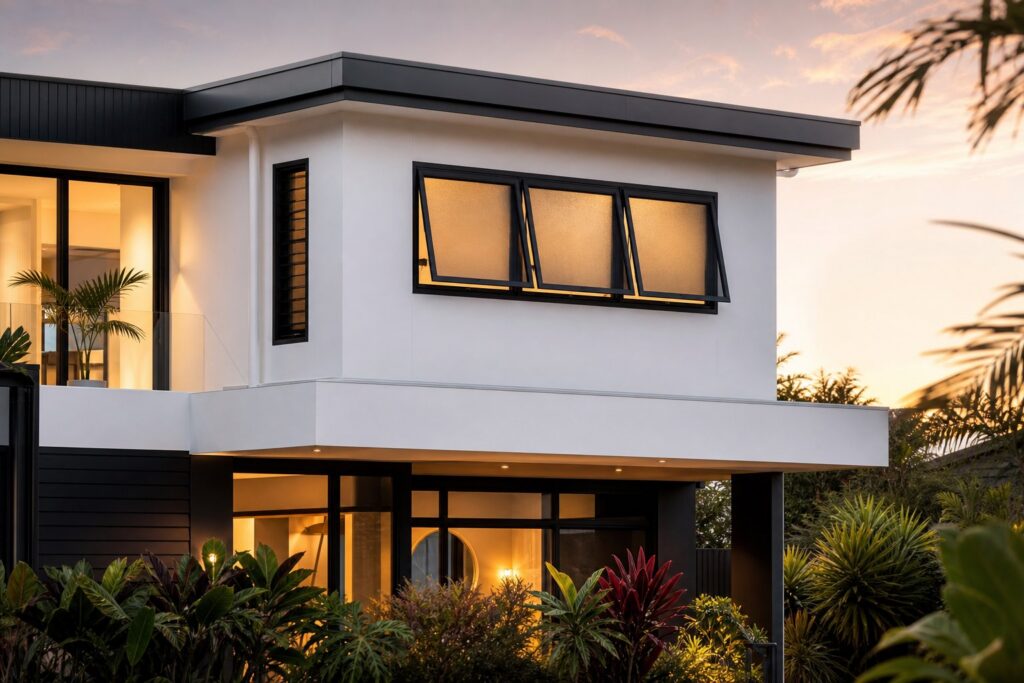
- Awning — Hinged at the top, swinging outward from the bottom. Lets you ventilate during rain without water entering the room. Well suited to bathrooms, laundries, and above kitchen benchtops where you want constant airflow regardless of weather.
- Sliding — Panels glide horizontally along a track. Space-saving because nothing protrudes inside or out, making them practical for rooms facing walkways, patios, or tight side setbacks. Aluminium’s strength supports wider panels with slimmer window profiles aluminium frames, maximising glass area.
- Tilt-and-turn — Dual-action: tilts inward from the top for secure background ventilation, or swings inward from the side for full access and easy cleaning. Excellent for multi-storey homes where external access is limited. Provides strong thermal and acoustic performance when locked shut.
- Fixed — Non-operable. Maximises natural light and views with no mechanical parts to fail. The most energy-efficient configuration because there are no seals to degrade or gaps to leak. Often paired with operable windows nearby to handle ventilation.
- Bi-fold — Multiple panels fold back like an accordion, creating a wide unobstructed opening that merges indoor and outdoor living. Popular for entertaining areas, alfresco kitchens, and pool-facing walls. Aluminium is the preferred frame material here because its strength-to-weight ratio supports large spans without sagging.
- Pivot — Rotates on a central vertical or horizontal axis. Allows cleaning of both glass faces from inside and creates a dramatic architectural statement. Best suited to feature windows in living areas or stairwells where visual impact matters as much as function.
Style choice also affects cost. Fixed windows are the least expensive per square metre because they have no hardware or moving parts. Bi-fold and tilt-and-turn sit at the premium end due to their complex mechanisms and heavier-duty aluminum doors and windows hardware requirements. Casement, awning, and sliding configurations fall in the middle, offering a practical balance of performance and price for most residential projects.
Climate and Location Considerations for Aluminium Windows
Australia’s climate diversity means a one-size-fits-all approach to window configuration doesn’t work. A home on the Gold Coast faces completely different pressures than one in Hobart or Alice Springs.
In coastal and salt-air environments along the NSW, QLD, and WA coastlines, corrosion resistance is the priority. Casement and awning windows seal tightly against salt-laden wind when closed, and their compression seals outperform the brush seals found on many sliding systems. Powder coating thickness should sit at 80 microns or above, and marine-grade hardware (316 stainless steel) is worth the premium. Sliding windows still work well in these zones provided the track drainage is well-designed and the frame finish is specified for coastal exposure.
For hot and humid climates across tropical Queensland and the NT, ventilation dominates. Awning and louvre-style configurations allow continuous airflow even during wet season downpours. Bi-fold windows suit entertaining areas where you want the wall to disappear entirely during the dry season. Solar control Low-E coatings on surface 2 of the glazing unit become essential here to manage heat gain without sacrificing natural light.
In colder southern regions, including Melbourne, Canberra, Tasmania, and the highlands, thermal performance takes precedence. Tilt-and-turn and casement windows offer the tightest seals and lowest air leakage rates, which matters when you’re trying to keep warmth inside. Pair these with wider thermal breaks and double or triple glazing for the best alu frame performance in heating-dominated climates.
Urban noise environments, think homes near arterial roads, train lines, or flight paths in Sydney or Melbourne, benefit from fixed windows combined with acoustic-rated glazing. Where ventilation is still needed, tilt-and-turn windows in the tilt position provide background airflow while maintaining a reasonable acoustic barrier.
Suppliers offering a full range of configurations make it easier to mix and match styles across a single project. MEICHEN’s aluminium windows collection, for example, covers casement, sliding, awning, and fixed options designed to meet Australian standards, giving homeowners and builders a single product hub to compare how different styles suit residential and commercial applications without juggling multiple suppliers.
Choosing the right style for each opening is half the equation. The other half is knowing whether the numbers on the spec sheet actually back up the performance claims, and most buyers have never been taught how to read them.
How to Read Window Performance Specs Like a Pro
Spec sheets are full of abbreviations and decimal figures that look like they belong in an engineering textbook. They’re not as complicated as they seem. Four metrics do most of the heavy lifting when you’re comparing alum windows, and once you know what each one measures, you can cut through marketing language and judge a product on its actual performance.
U-Value, SHGC, and VT Decoded
The U-value measures how fast heat passes through the entire window assembly, frame and glass combined. It’s expressed in W/m²K in Australia, and lower numbers mean better insulation. A window with a U-value of 2.0 loses heat half as slowly as one rated at 4.0. In practical terms, this is the single most important number for heating-dominated climates like Hobart or the ACT highlands. The Window Energy Rating Scheme (WERS) provides independently tested U-values for products sold in Australia, so you’re not relying on a manufacturer’s self-reported figures.
Solar Heat Gain Coefficient (SHGC) tells you how much of the sun’s heat energy passes through the glass into your home, rated from 0 to 1. A lower SHGC blocks more solar heat, which is what you want in Brisbane or Perth where cooling costs dominate. A higher SHGC lets more warmth in, useful for passive solar design in cooler southern zones. There’s no universally “good” number here. The ideal SHGC depends entirely on your climate zone, orientation, and shading strategy. A north-facing living room window in Melbourne might benefit from an SHGC around 0.4 to 0.5 to capture winter sun, while the same window facing west in Darwin needs something closer to 0.25 to keep heat out.
Visible Transmittance (VT) rates how much natural light the glass lets through, also on a 0 to 1 scale. Higher means brighter interiors. Most homeowners prefer a VT above 0.4 for living spaces, but heavily tinted or reflective coatings used to lower SHGC can drag VT down with them. It’s a balancing act: you want enough solar control to stay comfortable without turning your rooms dim.
Air leakage measures how much air sneaks through the closed window, and it reveals a lot about build quality. Tight seals, precise hardware alignment, and well-engineered gaskets all contribute to a low air leakage rate. Products tested to AS 2047 must meet minimum air infiltration limits, but the best aluminium windows significantly outperform those minimums. High air leakage means drafts, dust, noise intrusion, and wasted energy, regardless of how impressive the U-value looks on paper.
What Performance Ranges Signal True Quality
Knowing what each metric measures is step one. Knowing what “good” looks like is where it gets useful. The table below gives you a framework for evaluating any aluminium window supplies quote or product brochure you encounter.
| Specification | What It Measures | What Better Looks Like | Why It Matters |
|---|---|---|---|
| U-Value (W/m²K) | Rate of heat transfer through the whole window | Lower is better; quality thermally broken aluminium typically sits well below 3.0 | Directly affects heating and cooling energy use and NatHERS star ratings |
| SHGC (0–1) | Proportion of solar heat entering through the glass | Depends on climate: lower for cooling-dominated zones, higher for heating-dominated zones | Controls solar heat gain, influences comfort and air conditioning loads |
| VT (0–1) | Amount of visible light transmitted through the glass | Higher is generally better for living spaces; above 0.4 keeps rooms naturally bright | Affects daylighting quality and reduces reliance on artificial lighting |
| Air Leakage | Volume of air passing through the closed window | Lower is better; well-built windows sit comfortably below AS 2047 maximum limits | Reveals seal quality, hardware precision, and overall manufacturing standard |
Certification labels tie all of this together. In Australia, look for WERS ratings, which independently test and star-rate windows for both heating and cooling performance on a scale of zero to ten stars. A product carrying a WERS label has been assessed against consistent, repeatable criteria rather than vague marketing claims. Compliance with AS 2047 confirms the window has been tested for structural adequacy, water penetration, and air infiltration under Australian conditions. If a supplier can’t point you to either of these, treat their performance claims with healthy scepticism.
These numbers give you an objective way to compare products side by side. But specs only tell you what a window should do when it’s built properly. The next question is how to spot the products and suppliers that cut corners before your money changes hands.
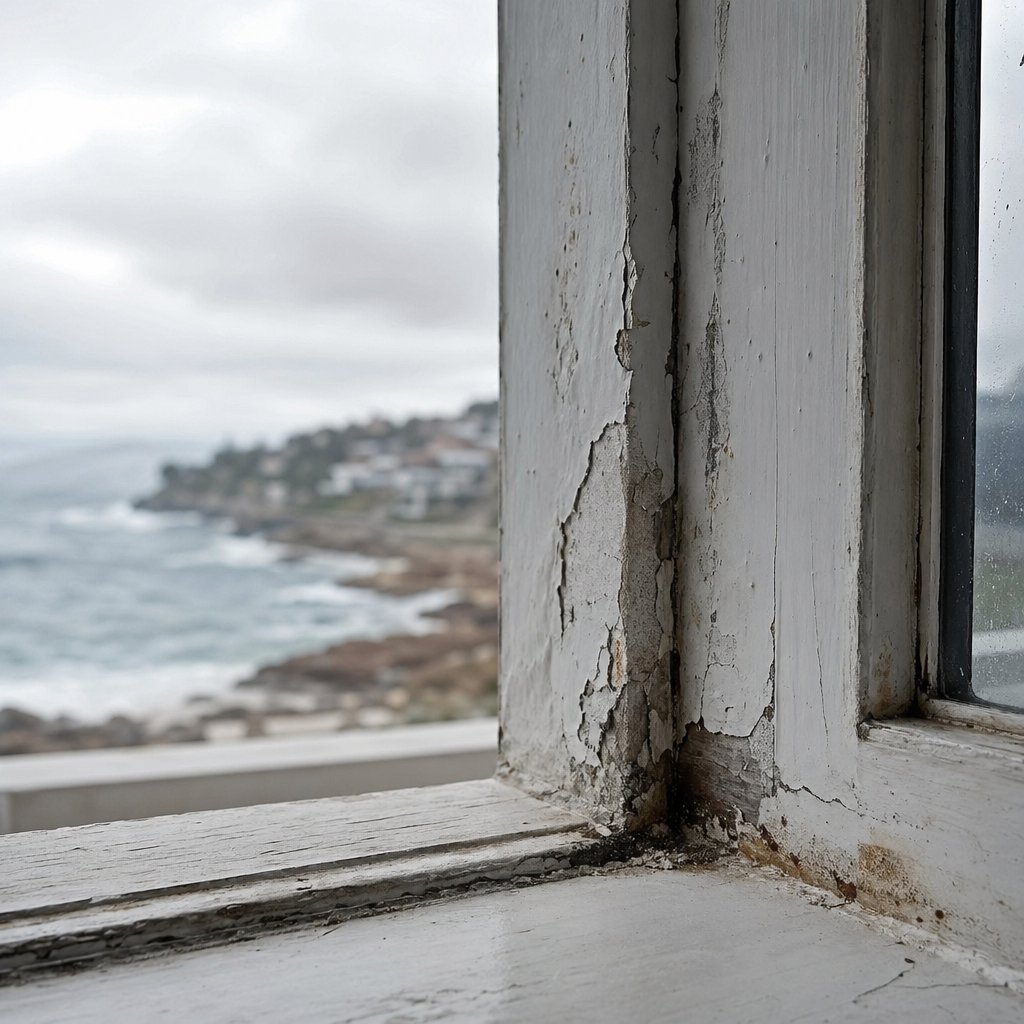
Red Flags and Pitfalls Every Aluminium Window Buyer Should Know
Spec sheets and performance ratings give you the tools to compare products objectively. But not every supplier hands you honest data, and some problems only become visible once you know exactly where to look. The aluminium window market includes genuinely excellent products alongside others that rely on vague language, thin margins, and buyer ignorance to move units. Here’s how to tell the difference before you sign anything.
Warning Signs of Low-Quality Aluminium Windows
Cheap aluminium windows share a predictable set of shortcuts. The most damaging is an inadequate or entirely missing thermal break. Some products marketed as “thermally efficient” use a narrow resin pour or a minimal strip that technically reduces conductivity but falls well short of a genuine thermally broken system. Without a continuous insulating barrier separating the interior and exterior aluminium faces, the frame bleeds heat and invites condensation. If a supplier can’t name the thermal break material or its width in millimetres, that’s your first red flag.
Thin profile walls are the next common cost-cutting measure. A supplier might advertise a sleek aluminium window frame profile without disclosing that the extrusion walls sit below 1.4 mm. Profiles this thin flex under wind load, hold hardware poorly, and are more likely to distort during installation. The problem is that wall thickness rarely appears in consumer-facing brochures. You have to ask for it directly.
Substandard powder coating is harder to spot at the point of sale because it looks fine on day one. The failures show up 18 months later as chalking, colour fade, or peeling, particularly in coastal and high-UV environments. Coatings applied without proper pre-treatment or below the 60-micron minimum thickness simply don’t last. Some aluminium window manufacturers cut costs here because they know the damage won’t surface until well after the warranty claim window has conveniently closed.
Poor drainage design is another silent issue. Every operable window collects water from rain and condensation. Without properly engineered drainage channels and weep holes, that water pools inside the frame, corrodes internal components, and eventually seeps into the wall cavity. By the time you notice staining or damp patches around the frame, the damage is already significant.
Cheap hardware rounds out the pattern. Low-grade hinges, rollers, and locking mechanisms might operate smoothly for the first year, then stiffen, jam, or snap. Hardware is usually the first component to fail in a budget window, and replacing it often costs more in labour than the original parts were worth.
Finally, watch for vague or missing warranty terms. A “lifetime warranty” that excludes hardware, seals, coatings, and glass essentially covers nothing. Legitimate warranties specify exactly what’s covered, for how long, and under what conditions. If the fine print is hard to find or deliberately ambiguous, the manufacturer isn’t confident in their own product.
Misleading Marketing Claims to Watch For
The language around aluminium windows can be deliberately slippery. “Thermally efficient” without a stated U-value or thermal break specification is meaningless. “Premium grade” and “architectural quality” sound impressive but carry no standardised definition. Inflated lifespan claims like “lasts 50 years” mean nothing without a warranty that actually backs that duration. Even among well-known names on any window manufacturers list, marketing copy sometimes outpaces what the product can deliver.
The US Federal Trade Commission has warned window manufacturers about unsubstantiated energy savings claims, and while that action targeted the American market, the same tactics appear globally. In Australia, look for independently verified data through WERS ratings and AS 2047 compliance rather than trusting self-reported figures. Certifications that sound authoritative but aren’t issued by a recognised Australian or international testing body deserve the same scepticism.
Questions to Ask Your Supplier Before You Buy
The best defence against low-quality products is a short list of direct questions. Any reputable supplier will answer these without hesitation. Evasive or vague responses tell you everything you need to know.
- What is the minimum wall thickness of the aluminium profile in the specific product series I’m quoting on?
- What alloy grade is used in the extrusion, and what temper is it supplied in (e.g. 6063-T5)?
- What is the thermal break material (polyamide PA 6.6 or polyurethane), and what is its width in millimetres?
- What glazing specification is included: glass thickness, Low-E coating position, gas fill type, and spacer bar material?
- What powder coating standard does the finish meet, and what is the minimum coating thickness in microns?
- Does the product carry WERS ratings and AS 2047 certification, and can you provide the test reports?
- What exactly does the warranty cover, for how long, and what are the exclusions for hardware, seals, glass, and coatings?
- Who handles the installation, and are they accredited or trained by the system manufacturer?
- What drainage design is built into the frame, and how does it manage water in exposed or coastal conditions?
- Can you provide references or completed project examples using this specific product series in a similar climate zone to mine?
These ten questions cut through brochure language and force a conversation about measurable, verifiable details. A supplier who welcomes them is one worth doing business with. A supplier who deflects or generalises is telling you, indirectly, that their product can’t withstand scrutiny.
Armed with this knowledge, the final step is pulling every evaluation criterion together into a single, practical checklist you can carry into any showroom or supplier meeting.
Your Complete Aluminium Window Evaluation Checklist
Everything covered in this guide distils into a single practical tool. Print it, save it on your phone, or email it to your builder. The next time you’re comparing quotes, sitting in a showroom, or reviewing aluminum window profiles from any supplier, run each product through these categories. If a window ticks every box, it deserves serious consideration regardless of brand name.
Your Aluminium Window Quality Checklist
Frame Quality
- Alloy grade confirmed (6063-T5 for residential; 6061-T6 for high-load or cyclone-rated applications)
- Minimum wall thickness stated (1.6 mm residential; 2.0 mm+ commercial or large spans)
- Thermal break material specified (glass fibre-reinforced polyamide PA 6.6 or polyurethane)
- Thermal break width stated in millimetres (wider generally means better insulation)
- Multi-chamber profile design (three or more chambers for improved rigidity and thermal resistance)
Glazing Quality
- Glass type and thickness specified (double or triple glazing appropriate to your climate zone)
- Low-E coating position identified (surface 2 for solar control; surface 3 for heat retention)
- Gas fill type confirmed (argon standard; krypton for slim-cavity or ultra-high-performance units)
- Warm-edge spacer bars used (stainless steel, thermoplastic, or composite rather than bare aluminium)
Finish and Hardware
- Powder coating meets minimum 60 microns local / 70 microns average (80 microns+ for coastal exposure)
- Pre-treatment process confirmed (essential for coating adhesion and longevity)
- Hardware brand and grade disclosed (316 stainless steel for coastal; reputable branded components)
- Drainage channels and weep holes engineered into the frame with clear water exit paths
Certifications and Warranty
- AS 2047 compliance confirmed with test reports available on request
- WERS rating independently verified (not self-reported performance claims)
- NCC and NatHERS requirements met for your specific climate zone
- Warranty scope clearly defined, covering frame, hardware, seals, glass, and coating separately with stated durations
- BAL rating addressed if building in a bushfire-prone area
Supplier Credibility
- Installation handled by accredited or manufacturer-trained installers
- Completed project references available in a similar climate zone to yours
- After-sales support and service process clearly documented
- Willingness to answer direct technical questions without deflection
- Transparent pricing that separates supply from installation costs
Putting It All Together for Your Next Project
No checklist replaces good judgement, but it does replace guesswork. Whether you’re sourcing custom windows at bulk prices from top suppliers for a multi-unit development or choosing a single set of casement windows for a kitchen renovation, the evaluation criteria remain the same. The difference between a product that performs for decades and one that disappoints within years almost always traces back to the details listed above.
You don’t need to find the top 5 window manufacturers or chase a mythical “best” product. You need to find the product that meets your specific performance requirements, backed by verifiable data and a supplier willing to stand behind it. That’s the entire point of this guide: shifting from brand-chasing to informed evaluation.
If you’re ready to put this checklist into practice, MEICHEN’s aluminium windows collection offers a useful starting point for Australian buyers. Their range covers casement, sliding, awning, and fixed configurations built to Australian standards, giving you a concrete product set to evaluate against the criteria above across both residential and commercial project types. Apply what you’ve learned here, ask the hard questions, and let the answers guide your decision rather than anyone’s marketing budget.
Frequently Asked Questions About Choosing Aluminium Windows
1. What makes aluminium windows better than uPVC or timber windows?
Aluminium windows offer a combination of slim sightlines, high strength-to-weight ratio, and exceptional durability that uPVC and timber struggle to match simultaneously. Thermally broken aluminium frames now rival uPVC for insulation while lasting 40-plus years with minimal maintenance. Unlike timber, aluminium is immune to rot, warping, and pest damage, and it requires no regular painting or staining. It is also infinitely recyclable at end of life. However, uPVC remains a strong budget option, and timber excels in heritage aesthetics, so the right choice depends on your priorities, climate zone, and long-term budget.
2. How do thermal breaks improve aluminium window performance?
A thermal break is an insulating barrier, typically made from glass fibre-reinforced polyamide (PA 6.6) or polyurethane, inserted between the interior and exterior aluminium faces of a window profile. It physically separates the two metal halves so heat cannot travel directly through the frame. Wider thermal breaks create a longer path for heat to cross, resulting in lower U-values and better insulation. This technology is what allows modern aluminium windows to meet strict energy efficiency requirements under the National Construction Code and perform competitively against naturally insulating materials like timber and uPVC.
3. What should I look for when comparing aluminium window quotes in Australia?
Focus on verifiable technical details rather than brand names or marketing language. Ask each supplier about the alloy grade (6063-T5 is standard for residential), minimum profile wall thickness (at least 1.6 mm), thermal break material and width, glazing specification including Low-E coating position and gas fill, and powder coating thickness (minimum 60 microns, or 80 microns for coastal areas). Confirm the product holds AS 2047 certification and an independently verified WERS rating. A reputable supplier, such as those offering ranges like MEICHEN’s aluminium windows collection at meichenwindows.com.au, will answer these questions transparently and provide supporting documentation.
4. Is double or triple glazing better for Australian homes?
For most Australian climate zones, a well-specified double-glazed unit with Low-E coating and argon gas fill delivers strong thermal and acoustic performance at a sensible price. Triple glazing becomes worthwhile in colder southern regions like Tasmania, highland Victoria, and the ACT, where heating loads are significant and the extra insulation can meaningfully reduce energy bills. In warmer climates such as Brisbane or Darwin, triple glazing adds cost and weight without proportional benefit, since the priority shifts to managing solar heat gain through coating selection rather than adding a third pane.
5. How can I tell if aluminium windows are poor quality before buying?
Several red flags signal a low-quality product. Watch for vague thermal performance claims without stated U-values or thermal break specifications, undisclosed profile wall thickness, powder coating that does not reference a recognised standard like QUALICOAT, cheap unbranded hardware, and warranty terms that exclude key components such as seals, coatings, and hardware. If a supplier cannot provide AS 2047 test reports or an independently verified WERS rating, treat their performance claims with caution. Asking direct technical questions about alloy grade, thermal break width, and drainage design will quickly reveal whether a product can withstand scrutiny.
More Window & Door Guides