What Makes Aluminium Vertical Sliding Windows Unique
Aluminium vertical sliding windows consist of two or more sashes that travel up and down within a single frame, operated by lifting and lowering rather than swinging outward or sliding sideways. Each sash is counterbalanced by a spring mechanism concealed inside the frame, allowing smooth one-handed operation and the ability to hold any open position without slamming shut.
What Are Aluminium Vertical Sliding Windows
You might hear these called double-hung windows, sash windows, or simply vertical sliders depending on who you ask. In Australia, the term “double hung” is most common in trade catalogues, while “vertical sliding window” tends to appear in architectural specifications. Regardless of the label, the operating principle stays the same: sashes move vertically within precision-milled aluminium channels, giving homeowners flexible ventilation by opening the top, bottom, or both sashes simultaneously.
Their popularity has grown steadily across two very different markets. Heritage renovators choose them as rot-free replacements for deteriorating timber sash windows in conservation areas and period homes. Architects working on contemporary builds specify them for their clean proportions, slim sightlines, and the ability to ventilate without projecting into walkways or balconies.
How They Differ From Other Window Types
A casement window hinges at the side and swings outward. A tilt-and-turn pivots inward from either the top or the side. A horizontal slider travels left to right. Vertical windows operate on a completely different axis, and that distinction matters for both aesthetics and function.
- Vertical operation — sashes travel up and down, never projecting beyond the wall face
- Counterbalanced sashes — spring-balance systems hold each sash at any height without hardware locks
- Slim aluminium sightlines — narrow profiles maximise glass area and natural light
- Multiple ventilation positions — open the top for passive warm-air exhaust, the bottom for fresh intake, or both for full cross-flow
This vertical slider design makes them especially practical for upper-storey rooms, bedrooms where safe ventilation matters, and elevations facing footpaths or neighbouring boundaries where an outward-opening sash would encroach on shared space.
How the Vertical Sliding Mechanism Works
The smooth, effortless glide of a well-made window vertical slider comes down to clever engineering hidden inside the frame. Two systems handle the heavy lifting: a balance mechanism that counterweights each sash, and a track system that keeps everything aligned and weathertight. Understanding how vertical sliding windows work helps you appreciate why modern aluminium versions outperform the timber originals they often replace.
Spring Balance vs Traditional Weight and Pulley
Older timber sash windows relied on cast-iron weights concealed inside hollow cavities (called weight pockets) on each side of the frame. A length of sash cord ran from the side of each sash, over a pulley at the top of the jamb, and down to a weight selected to closely match the sash mass. When the cord and weight balanced the sash perfectly, the window could be held open at any height with minimal effort.
It worked well enough for a century or more, but the system has real drawbacks. Sash cords fray and snap. Cast-iron weights require bulky 98 mm weight pockets built into each side of the frame, eating into wall space and limiting how slim the overall window can be. Pulleys corrode, and accessing broken cords means removing architraves or cutting access panels into the jamb linings.
Modern aluminium vertical sliders have moved past all of that. They use a spiral balance system — sometimes called a tube balance — where a tensioned spiral-shaped rod sits inside a compact tube, typically no wider than 16 mm. The rod connects to a spring that provides adjustable counterforce. By winding the spiral to match the specific sash weight, the balance holds the window open at any position without exposed cords, dangling weights, or visible pulleys.
Each sash has two spiral balances (one per side), and they attach with a bracket at the sash and a retaining point at the top of the jamb. The result is one-handed operation — you simply push or pull the sash and it stays put wherever you leave it.
| Criteria | Spiral Balance (Modern Aluminium) | Weight and Pulley (Traditional Timber) |
|---|---|---|
| Maintenance needs | Minimal — occasional lubrication with lithium grease or light oil | Moderate — sash cords require replacement every 10-20 years; pulleys may seize |
| Typical lifespan | 20-30+ years before balance replacement needed | Weights last indefinitely, but cords and pulleys fail periodically |
| Smoothness of operation | Consistent tension; one-handed use from day one | Very smooth when new; degrades as cords stretch and pulleys corrode |
| Space requirement | Fits within the aluminium extrusion — no wall cavity needed | Requires 98 mm weight pockets each side, adding frame bulk |
| Retrofit suitability | Excellent — compact profile fits narrower openings without structural modification | Limited — needs deep reveals or purpose-built boxed frames |
Understanding the Track and Channel System
A spiral balance vertical sliding window is only as good as the channels guiding its sashes. In aluminium systems, the vertical sliding window track system consists of precision-extruded aluminium profiles that form dedicated grooves for the inner and outer sash. Each sash rides in its own channel, separated by a parting bead or aluminium divider that prevents the two from interfering with each other.
Because aluminium extrusions are manufactured to tight tolerances — typically within fractions of a millimetre — the sash maintains consistent lateral contact with the track without binding or rattling. This precision matters more than it might seem. A sash that drifts sideways even slightly will leak air, let in water, and feel rough to operate.
Integrated into the track profiles are continuous weatherseals, usually made from flexible EPDM rubber or pile strips. These seals press against the sash edges on all four sides, creating a compression fit that blocks wind-driven rain and reduces air infiltration. Unlike timber systems where draught-proofing is often retrofitted as an afterthought, aluminium vertical sliders have weathersealing designed into the extrusion geometry from the outset.
The channels also house the spiral balances themselves. The tube sits neatly in a recess within the jamb extrusion, invisible from both inside and outside. This keeps the visual profile clean and means the balance mechanism is protected from dust, moisture, and accidental damage.
Tilt-In Functionality for Easy Maintenance
Cleaning the outside face of an upper-storey window used to mean ladders, scaffolding, or craning out at dangerous angles. Modern aluminium vertical sliders solve this with tilt-in functionality. Each sash can be released from its track and pivoted inward — typically by disengaging small thumb latches at the top of the sash — so the exterior glass face swings into the room for easy cleaning at arm’s reach.
The process is straightforward. You raise the sash a few centimetres above the sill, release the tilt latches, and gently pull the top of the sash inward until it rests at an angle. The sash remains connected to the frame through the balance brackets, so there is no risk of it falling. Once you have wiped down the glass, you tilt it back into position and press firmly until the latches click and re-engage with the jamb tracks.
For double-hung configurations where both sashes slide, the bottom sash tilts first, then the top sash can be lowered slightly and tilted inward using the same latch mechanism. This gives full access to every pane of glass without ever stepping outside — a genuine safety advantage for multi-storey Australian homes where windows might sit three or four metres above ground.
The combination of concealed spiral balances, tight-tolerance aluminium tracks, and tilt-in sash design creates a window that operates with far less friction and far less ongoing maintenance than its timber ancestor. That engineering depth is also what determines how well the window performs thermally and acoustically — factors that depend heavily on how the glazing is specified.
Traditional Timber Sash Windows vs Modern Aluminium Sliders
Most homeowners considering an aluminium sash window replacement are starting from the same place: a set of timber sashes that look beautiful but demand constant upkeep. Paint is flaking. Bottom rails have gone soft. The windows rattle in a southerly. The real question is whether a modern aluminium alternative can match the look while solving the problems. The short answer is yes — and the performance gap between the two materials is wider than most people expect.
Material Performance Compared
Timber expands and contracts with moisture. Over years of wet winters and dry summers — common across much of coastal Australia — that dimensional movement causes joints to open, paint to crack, and seals to fail. Rot follows moisture, and once it takes hold in a bottom rail or sill, the repair bill climbs fast. Timber sash windows in exposed positions can need full repainting every five to eight years, with localised timber repairs in between.
Aluminium, by contrast, is dimensionally stable. It does not swell, shrink, warp, or rot regardless of humidity. Modern vertical sliders windows use thermally broken profiles — a polyamide strip separating the inner and outer aluminium faces — to address the one historical weakness of the material: thermal conductivity. With a quality thermal break, aluminium vertical sliding sash windows routinely achieve U-values around 1.6 W/m²K, comfortably meeting NCC Section J energy requirements for most Australian climate zones.
Aluminium also delivers slimmer sightlines. A typical timber sash frame might be 55–70 mm wide where it meets the glass. An aluminium extrusion achieves equivalent structural strength at 45–55 mm. That difference sounds small, but across a full window opening it translates to noticeably more glass area and better daylighting — a real benefit in rooms where natural light is limited.
Aesthetic Replication of Period Details
The persistent myth that aluminium looks industrial or sterile simply does not hold up against current manufacturing. Modern systems can replicate run-through sash horns, deep bottom rails, putty-line glazing profiles, and Georgian bar configurations that satisfy even strict heritage requirements. Powder-coated finishes in heritage colours — Dulux or Interpon ranges offer hundreds of options — make it possible to match original timber tones precisely, from heritage cream to dark Brunswick green.
When a timber sash vs aluminium vertical slider comparison comes down purely to appearance from the street, even experienced conservation professionals can struggle to tell the difference at normal viewing distances. The proportions, shadow lines, and glazing bar depths are all achievable in extruded aluminium today.
Long-Term Maintenance and Lifespan
This is where the decision often becomes straightforward. Timber demands ongoing attention: sanding, priming, painting, replacing putty, treating for rot. Aluminium needs a periodic wipe with soapy water and an occasional check of hardware lubrication. Over twenty years, the maintenance cost difference alone can exceed the initial price premium of aluminium.
| Criteria | Timber Sash Windows | Aluminium Vertical Sliding Sash Windows |
|---|---|---|
| Maintenance cycle | Repaint every 5–8 years; regular putty and timber repairs | Clean annually; lubricate hardware every 12 months |
| Expected lifespan | 20–30 years with diligent maintenance | 40+ years with minimal intervention |
| Thermal performance (U-value) | Variable — depends on condition, draught seals, and glazing | ~1.6 W/m²K with thermal break and double glazing |
| Sightline width | 55–70 mm typical frame width | 45–55 mm, maximising glass area |
| Dimensional stability | Expands and contracts with moisture; prone to warping | Fully stable regardless of humidity or temperature |
| Rot and pest resistance | Vulnerable to rot, termites, and borer | Immune — no organic material to decay |
| Colour and finish options | Limited to paint or stain; requires recoating | Full RAL/powder-coat range; colour is factory-bonded and UV-stable |
For Australian homeowners weighing up the timber sash vs aluminium vertical slider choice, the calculus is fairly clear. Timber wins on tactile warmth and original authenticity in a heritage context where like-for-like timber replacement is mandated. In every other scenario — durability, lifecycle cost, dimensional reliability, and maintenance burden — aluminium vertical sliders come out well ahead. And that performance advantage becomes even more compelling once you factor in the glazing options available in modern systems.
Glazing Options and Thermal Performance
Glazing is where a vertical slider window truly earns its keep. The glass accounts for roughly 80% of the total window area, so the type of sealed unit you specify has an outsized impact on thermal comfort, acoustic performance, and even how smoothly the sashes operate day to day. Getting this right matters more than most buyers realise.
Double and Triple Glazing Weight Considerations
Every double glazed vertical sliding window carries significantly more mass than a single-glazed equivalent. A standard double-glazed unit with two 4 mm panes and a 12 mm argon-filled cavity adds roughly 20 kg/m² of glass weight. Step up to triple glazing — three panes separated by two gas-filled cavities, with total unit thickness ranging from 36 to 52 mm — and that figure climbs toward 30 kg/m² or more.
Why does this matter for vertical sliders specifically? Because the spiral balance system must be tensioned precisely to match sash weight. A heavier glazing unit demands a stronger spring, a more robust tube, and track hardware engineered to handle the increased load without binding or premature wear. Manufacturers specify different balance grades depending on total sash mass, so choosing triple glazing after the frame has been ordered to a double-glazed specification can create real problems.
The aluminium sliding window with hollow multi-chamber profiles helps here. The hollow internal chambers within the extrusion provide structural rigidity without adding visible frame bulk, allowing the slim sightlines aluminium is known for even when supporting heavier triple-glazed units. This engineered strength is what separates a well-designed system from one that flexes under load.
Specialist Glass Coatings and Their Benefits
Beyond the basic sealed unit, specialist coatings tailor performance to specific orientations and environments:
- Low-emissivity (Low-E) glass — reflects radiant heat back into the room during winter while allowing solar gain, achieving Ug values as low as 1.0 W/m²K in double-glazed configurations
- Solar-control coatings — reduce solar heat gain on north and west-facing elevations, cutting cooling loads in Australian summers without darkening the view
- Acoustic laminated glass — a PVB interlayer between panes dampens sound transmission, ideal for homes near busy roads, flight paths, or rail corridors
- Self-cleaning coatings — a hydrophilic titanium dioxide layer breaks down organic dirt using UV light, then sheets off with rainwater, reducing the frequency of manual cleaning
- Toughened safety glass — heat-treated to AS 1288 requirements for windows in high-risk locations such as bathrooms, stairwells, or low-level panes
Many of these coatings can be combined within a single sealed unit. A west-facing vertical slider window on a busy arterial road, for example, might pair solar control on the outer pane with acoustic laminate on the inner pane and Low-E coating on surface three — all within one double-glazed unit.
Thermal Break Technology in Aluminium Frames
Even the best glazing cannot compensate for a frame that conducts heat freely between inside and out. Older aluminium windows earned a poor reputation for exactly this reason — without insulation between the interior and exterior profiles, the frame acted as a thermal bridge, bleeding warmth in winter and radiating heat inward during summer.
A thermal break aluminium vertical slider solves this with a continuous strip of polyamide (glass-fibre-reinforced nylon) mechanically crimped between the inner and outer aluminium sections. This polyamide barrier is 500 to 1,000 times less thermally conductive than aluminium, effectively severing the conduction path through the frame. Quality systems use thermal breaks ranging from 20 mm to 35 mm wide, creating a substantial insulation zone that keeps the interior frame surface warm to the touch even on cold mornings.
The practical benefits go beyond energy bills. By keeping the interior aluminium profile above dew point temperature, thermal breaks dramatically reduce condensation forming on frame surfaces — a common complaint with older non-broken aluminium windows, particularly in humid coastal regions of Australia. Paired with warm-edge spacers in the sealed unit (which insulate the perimeter of the glass where it meets the frame), the entire window assembly works as a cohesive thermal system rather than a collection of mismatched components.
Glazing specification and frame technology set the thermal envelope. But for homeowners in heritage suburbs or conservation areas, performance alone does not determine what can be installed — planning approval carries equal weight in the decision.
Heritage Properties and Conservation Area Compliance
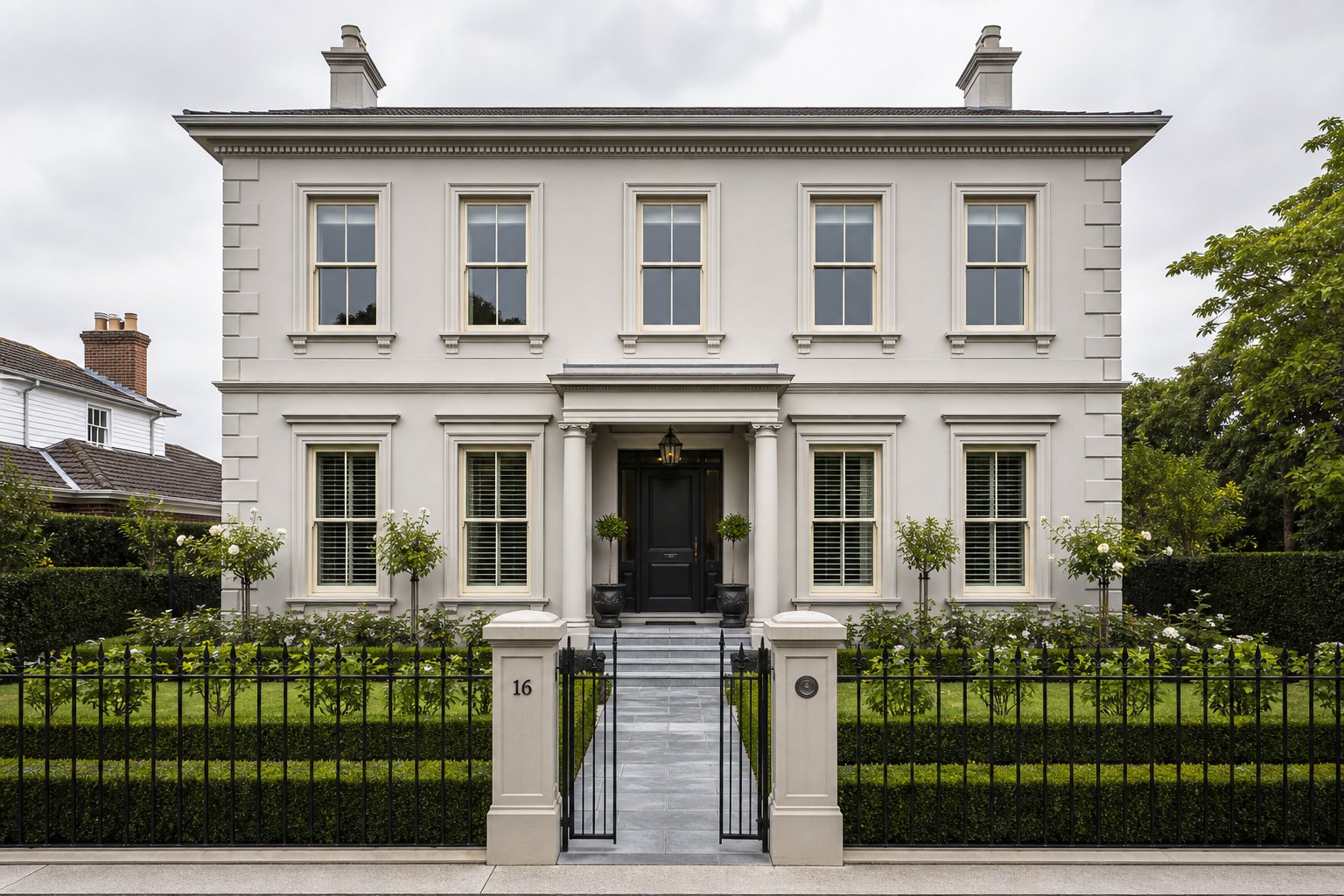
Heritage vertical sliding windows sit in a unique space where engineering meets regulation. If your property falls within a heritage overlay zone, a conservation area, or carries individual heritage listing, you cannot simply swap old timber sashes for new aluminium ones without navigating a formal approval process. The good news: modern aluminium vertical sliders are routinely accepted for conservation area window replacement across Australia — provided the design details satisfy your local heritage advisor.
Planning Permission and Heritage Approval
In Australia, heritage protection operates at three levels: federal (for places on the National Heritage List), state (under respective Heritage Acts in each state and territory), and local (through heritage overlays in council planning schemes). Most residential properties with heritage significance are managed at the local level, meaning your council’s heritage advisor or planning officer is the key decision-maker.
Replacing windows that open vertically on a heritage-listed property typically requires a planning permit or development application. The council will assess whether the proposed replacement causes unacceptable harm to the building’s heritage significance. Prominent features like original timber sash windows contribute heavily to a property’s character, so the scrutiny is real — particularly on street-facing elevations where the visual impact is greatest.
Heritage bodies generally apply a proportional test: the more visible and significant the window is to the building’s character, the closer the replacement must match the original in size, profile, proportions, and material appearance. Rear and secondary elevations often attract greater flexibility than the primary street facade.
Approval does not require timber-for-timber replacement in most council jurisdictions. Where the existing sashes are beyond economic repair — rotted bottom rails, failed joints, borer damage — councils regularly accept aluminium as a substitute material provided the visual match is convincing. The key is demonstrating that proportions, shadow lines, and detailing replicate the original design closely enough that the streetscape character remains intact.
Design Details That Satisfy Conservation Officers
Heritage advisors evaluate specific architectural elements when assessing whether vertical opening windows are an acceptable replacement. The details that matter most include:
- Run-through sash horns — the small projections extending below the bottom corners of the upper sash, replicating the joinery detail of traditional mortice-and-tenon construction
- Deep bottom rails — heritage timber sashes typically had bottom rails of 60–75 mm depth; aluminium profiles must match this proportion rather than defaulting to modern slimline dimensions
- Putty-line sight lines — the glass should sit proud of the frame in a way that mimics traditional linseed putty glazing, creating the correct shadow line when viewed from outside
- Period-appropriate colour finishes — powder-coated colours matched to documented heritage palettes, such as traditional whites, creams, or deep greens specific to the era of construction
Regional variation matters here. Victorian councils operating under the Heritage Overlay provisions in local planning schemes tend to apply detailed design guidelines with specific dimensional criteria. In Queensland, heritage assessment for older Queenslander-style homes focuses more on overall proportions and veranda context. NSW councils in established suburbs like Paddington or Mosman maintain strict conservation area controls with dedicated heritage committees reviewing each application.
Working with a window supplier experienced in heritage projects can smooth the approval process considerably. They will know which aluminium systems achieve the correct rail depths and horn details, and they can provide elevation drawings and section profiles that give heritage officers the technical confidence to approve the application. Getting this documentation right upfront avoids costly redesigns or refusals that delay the project by months.
Approval secures the right to install — but the window itself still needs to perform against real-world threats. For heritage properties, break-in vulnerability through original timber sash windows is a well-known weak point, and modern aluminium replacements offer a significant security upgrade that period aesthetics alone cannot deliver.
Security Features and Safety Standards
Older timber sash windows were notoriously easy to force. A flat bar slipped under the meeting rail, a quick lever upward, and the single latch gave way in seconds. That reputation still lingers, and it is one of the most common hesitations buyers raise about vertical sliding window security features. The concern made sense decades ago. It no longer applies to modern aluminium systems — not even close.
Contemporary vertical sliders are engineered with layered security that rivals or exceeds casement windows. The vertical operation that once created vulnerability has become a design advantage: the full height of each sash provides multiple engagement points for locking hardware, and the rigid aluminium frame resists the flex that made timber so susceptible to lever attacks.
Multi-Point Locking and Anti-Lift Devices
Single-point locks — the small cam latch at the meeting rail — were the standard for generations. They offered one point of resistance at a single height. Force applied anywhere else on the sash could bow the frame enough to disengage it. Modern aluminium vertical sliders replace this with multi-point locking systems that engage at several positions along the sash height simultaneously.
A typical multi-point system uses a central lock operated by a single handle that drives shoot bolts or hook cams into keepers at the top, bottom, and middle of the sash. When the handle turns, all locking points engage at once. The result is distributed resistance — force applied at any point along the sash meets engagement from the nearest locking point, making lever attacks ineffective. Multi-point lock systems are now available in lengths exceeding 1600 mm, with strategically distributed locking points that cover the full sash travel range.
Anti-lift devices address a different attack vector. Because vertical sliders travel upward by design, an intruder might attempt to force a sash up and out of its track from the outside. Anti-lift blocks — small hardened steel or reinforced aluminium tabs — sit within the track at the top of each sash channel. When the window is closed and locked, these blocks physically prevent the sash from being lifted beyond its seated position. The sash cannot be raised high enough to clear the bottom track, so removal from outside is impossible without destroying the frame itself.
Internal steel reinforcement running through the aluminium profiles adds another layer. Steel inserts within the frame prevent crowbar flex at corners and jamb junctions — the weakest points in any window system. Combined with internally fixed glazing beads that cannot be accessed from outside, the entire assembly resists both brute-force and tool-based attacks in a way the old timber designs never could.
Child Safety Restrictors and Ventilation Security
Security is not only about keeping intruders out. For families with young children, controlling how far a window opens is equally critical. Child safe vertical slider windows use restrictor stays that limit sash travel to approximately 100 mm — enough airflow for comfortable ventilation but too narrow for a child to pass through.
These restrictors typically operate via a keyed release or a dual-action mechanism that requires adult dexterity to disengage. When the restrictor is active, the sash locks at the limited position and cannot be forced further open without deliberately releasing the device. This allows parents to leave bedroom or upper-storey windows open overnight for a vertical window fan for sliding windows configuration or passive ventilation without worry.
Modern restrictor systems include a controlled release function for emergency egress and window cleaning — an important compliance point under Australian building regulations. The release mechanism uses a key or tool to ensure children cannot override it, while adults can quickly disengage in an emergency. Lockable restrictors satisfy duty-of-care requirements in residential buildings above ground level, particularly in multi-storey homes and apartment applications.
In Australia, AS 2047 sets the baseline performance requirements for windows including resistance to operating forces and structural adequacy, while the NCC mandates fall-prevention measures for openable windows where the floor-to-sill height is below 1.7 metres above exterior ground level. Quality aluminium vertical sliding systems address both by building restrictor hardware into the frame as a factory-integrated feature rather than an aftermarket addition.
Key Security Features to Specify
Not all systems offer the same level of protection. When evaluating aluminium vertical sliding windows, these are the security features worth confirming before you commit:
- Multi-point locking — minimum three engagement points per sash, operated by a single handle rotation
- Anti-lift blocks — hardened devices within the track that prevent sash removal when closed
- Internal glazing beads — glass secured from inside so sealed units cannot be removed externally
- Keyed restrictor stays — limit opening width for child safety with adult-override release for cleaning and egress
- Steel-reinforced profiles — internal inserts at jambs and meeting rails to resist lever and pry attacks
- Concealed hardware — locking mechanisms housed within the frame, inaccessible from outside and tamper-resistant
- Corrosion-resistant lock components — stainless or treated steel internals that maintain function in coastal salt-air environments
For coastal Australian properties where salt spray accelerates corrosion, it is worth verifying that lock components meet corrosion resistance standards. Quality manufacturers use treated steel plates and protected finishes rated for high-salinity environments, ensuring the locking mechanism performs reliably for years rather than seizing after a few seasons of exposure.
The engineering that goes into securing a modern vertical slider also shapes how it gets installed. Fixing specifications, structural reinforcement, and frame anchoring all contribute to the security chain — and those factors vary considerably depending on whether the window is going into an existing opening or a brand-new wall.
Installation Considerations for Different Projects
A sliding window vertical system is only as good as the way it connects to the building around it. The frame might be engineered to perfection, but poor installation undermines security, weather resistance, and thermal performance in ways that no amount of quality hardware can compensate for. What the installation involves — and what it costs — depends heavily on whether you are fitting into an existing opening or starting from scratch.
Renovation Retrofit vs New-Build Installation
Retrofit vertical sliding windows go into openings where an older window has been removed. The structural rough opening already exists, and in many cases the original timber subframe or masonry reveals remain in place. The new aluminium frame is measured to fit within that existing void, fixed directly to the structural surround, sealed, and trimmed.
This approach keeps disruption to a minimum. There is no brickwork demolition, no lintel replacement, and no replastering of internal reveals. For occupied homes — particularly heritage properties where the interior fabric matters — retrofit vertical sliding window installation is faster, cleaner, and significantly less expensive than tearing the opening back to bare masonry.
New-build installation is a different proposition. The window is designed alongside the wall structure from the outset, with the rough opening sized and reinforced specifically for the chosen frame. Lintels, jamb supports, and sill details are all specified to suit the weight and dimensions of the aluminium vertical slider before any brickwork goes up. This gives the installer full control over tolerances, flashing, and structural support — but demands coordination between trades earlier in the build program.
The structural demands differ between wall types. Brick veneer and double-brick homes typically bear window loads through masonry lintels, so the frame is fixed into solid material with masonry anchors. Timber-framed walls — common in weatherboard and newer lightweight builds — transfer loads through trimmed timber studs and headers. Here, the frame fixes into framing timber with coach screws, and packing shims correct any deviation from plumb or square.
| Criteria | Retrofit (Existing Opening) | New-Build Installation |
|---|---|---|
| Structural modifications | Minimal — existing lintel and reveals remain; packing and shimming correct minor irregularities | Full control — lintels, jambs, and sills specified to suit chosen window from design stage |
| Lead time | Shorter — measure existing opening, manufacture to fit, install in days | Longer — coordinated with wall construction and waterproofing schedule |
| Cost factors | Lower labour; no wet trades (plastering, rendering); minimal make-good | Higher coordination cost but fewer remedial fixes; economies of scale on multi-window projects |
| Regulatory requirements | Must meet NCC Section J energy provisions and AS 2047 for structural adequacy; may require council approval if altering heritage fabric | Full NCC compliance designed in from start; BASIX or NatHERS energy modelling includes windows as part of overall envelope |
| Waterproofing integration | Relies on correct interface with existing DPC and cavity; additional flashing often needed at head and sill | Cavity closers, DPC continuity, and head flashings integrated during wall construction |
| Typical disruption | 1–3 hours per window; no internal replastering required | Integrated into build program; no standalone disruption |
Regardless of scenario, the window must interface cleanly with the building’s moisture management system. In cavity brick construction, a cavity closer bridges the gap between the inner and outer leaf at the window reveal, maintaining insulation continuity and preventing moisture from crossing into the interior. The aluminium frame typically sits on a sill flashing that directs any water outward and away from the damp-proof course below. Getting these junctions wrong invites water ingress that only becomes visible months later, often after causing concealed damage to framing or insulation.
Climate Exposure and Coastal Considerations
Australia’s climate range throws up installation challenges that do not exist in milder environments. A vertical sliding window installation on a beachfront property in Byron Bay faces completely different stresses than one in suburban Melbourne.
Coastal sites — anywhere within five kilometres of breaking surf — expose aluminium to salt-laden air that accelerates surface corrosion if the finish is not specified correctly. Marine-grade powder coatings rated to Qualicoat Class 2 or higher provide the necessary barrier, with enhanced anodic film thickness (minimum 25 microns) creating a denser protective layer. Fixings in coastal zones should be stainless steel (grade 316 for severe exposure) rather than standard zinc-plated fasteners, which pit and fail within a few seasons of salt contact.
High-wind zones — particularly cyclone-rated regions in northern Queensland, the Northern Territory, and parts of Western Australia — demand enhanced fixing specifications. The window frame needs more anchor points at closer centres, and the structural surround must be engineered to transfer the higher wind loads through to the building’s primary structure. AS 2047 classifies windows by wind pressure rating, and systems installed in regions above N3 wind classification require testing evidence that the frame, hardware, and glazing unit can withstand the specified design pressures without failure.
Orientation also influences specification choices at the installation stage. North and west-facing windows in hotter climate zones benefit from solar-control glazing specified during design rather than added as an afterthought. Fixing details for west-facing openings in exposed positions may also need additional weather barriers at the head and sill to manage the driving rain that accompanies afternoon storm activity common across coastal Queensland and the NSW north coast.
Building Regulation and Compliance Requirements
Every vertical sliding window installation in Australia must satisfy the National Construction Code. The relevant provisions span energy efficiency (NCC Section J, Volume 2 for residential), structural adequacy (AS 2047), safety glazing (AS 1288), and fall prevention for openable windows above certain heights. For new builds and major renovations in NSW, BASIX certification incorporates window performance into the overall thermal and energy model. In Victoria, a 6-star NatHERS rating drives similar window specification requirements.
Where you are replacing existing windows on a like-for-like basis without altering the opening size, most councils treat the work as exempt development — no development application required, provided the replacement meets current energy and safety standards. Change the opening dimensions, add new windows, or work on a heritage-listed property, and a formal approval process kicks in.
Compliance documentation matters for resale and insurance. Retain certificates of conformance to AS 2047, glazing compliance certificates under AS 1288, and installer warranty paperwork. For energy-rated installations, a WERS (Window Energy Rating Scheme) label provides an independent performance benchmark that sits alongside the broader NatHERS or BASIX assessment for the dwelling.
These regulatory and environmental factors define what goes into the wall. The next decision — choosing which aluminium vertical sliding system to specify in the first place — depends on how well a manufacturer addresses these variables within their engineering and product support.
Choosing the Right Aluminium Vertical Sliding System
Specifications, regulations, and installation methods all feed into one final decision: which system do you actually buy? The market offers dozens of aluminium vertical slide window options across a wide price range, and not all are engineered to the same standard. Glossy brochures and rendered lifestyle images look similar across brands — the differences hide in the extrusion geometry, balance hardware, thermal performance data, and the depth of technical support available when your project throws up something non-standard.
Knowing what to compare and where to probe deeper separates a system that performs for decades from one that binds, leaks, or disappoints within a few years.
Key Specification Criteria to Compare
Before committing to any system, verify these specification checkpoints. They determine how the window performs structurally, thermally, and operationally over its full service life:
- MEICHEN MA150 Double Hung Window — a purpose-engineered aluminium vertical sliding system designed for Australian conditions, featuring spiral-balance technology, double-glazing capacity, and thermally broken profiles suited to residential and project applications
- Profile depth and sightline width — deeper profiles (typically 100–150 mm frame depth) accommodate better thermal breaks and heavier glazing without compromising sightlines; compare visible frame width when sashes are closed
- Thermal performance rating — look for a published Uw value (whole-window, not just glass centre) that meets NCC Section J requirements for your climate zone; quality systems achieve Uw values between 2.8 and 3.4 W/m²K with standard double glazing
- Maximum glazing unit thickness — determines whether the frame accepts 20 mm, 24 mm, or 28 mm sealed units, which in turn affects acoustic and thermal performance options
- Spiral balance brand and rating — the balance is the single component most responsible for long-term smooth operation; reputable systems use named European or American balance hardware (Caldwell, Amesbury, or equivalent) with published cycle-test ratings exceeding 10,000 operations
- Colour and finish range — confirm whether the system supports full RAL powder coating, dual-colour options (different inside and outside), and whether textured or woodgrain finishes are available for heritage contexts
- Hardware quality and corrosion rating — locks, handles, and restrictors should carry stainless-steel internals or corrosion-resistant treatments; coastal installations demand grade 316 stainless components
- Warranty terms — compare frame, hardware, and sealed-unit warranties separately; a ten-year frame warranty means little if the balance or locking mechanism is only covered for two
- AS 2047 compliance certification — non-negotiable for any window installed in Australia; ask for the test report, not just a statement of compliance
Evaluating Manufacturers and Systems
The best vertical sliding window system is not necessarily the one with the most prominent advertising. It is the one where engineering depth matches your project requirements. Evaluating manufacturers means looking past surface marketing and into the technical substance behind the product.
Start with the extrusion design. A manufacturer who publishes full cross-section drawings of their profiles — showing thermal break width, chamber geometry, and weatherseal placement — demonstrates confidence in their engineering. Those who rely solely on lifestyle photography and vague performance claims are often reselling generic extrusions with limited technical understanding of how the system performs under load or in extreme conditions.
Spiral-balance specification is a telling indicator. Systems using high-quality branded balances with documented cycle-life testing (typically 10,000+ open-close cycles without tension loss) will operate smoothly for decades. Cheaper systems may use unbranded or underspecified balances that lose tension within a few years, causing sashes to creep downward or require excessive force to lift. Ask the manufacturer what balance brand they use, what the maximum rated sash weight is, and whether balance replacement is a straightforward field-serviceable task or requires full sash removal and workshop work.
For Australian projects, look for manufacturers who understand local compliance requirements deeply — not just AS 2047 structural testing but also WERS energy ratings, BAL (Bushfire Attack Level) compliance where applicable, and coastal corrosion specifications. Systems like the MEICHEN MA150 demonstrate this kind of market-specific engineering: designed from the ground up for Australian residential conditions with spiral-balance hardware, double-glazing capacity, and thermally broken aluminium profiles calibrated to local climate and compliance demands.
Technical support availability is another differentiator. Complex projects — heritage replacements with non-standard proportions, high-wind-zone installations, multi-storey applications with access restrictions — need suppliers who can provide structural calculations, wind-load specifications, and installation guidance beyond a generic instruction sheet. Manufacturers with in-house technical teams who respond to specification queries, provide CAD details, and assist with council or heritage submissions offer tangibly more value than those who simply dispatch product and leave the problem-solving to the installer.
Understanding Pricing and Value
Aluminium vertical sliding window cost varies significantly between systems, and understanding what drives those differences helps you distinguish genuine value from false economy.
At the lower end, budget systems (roughly $600–$900 AUD per window supply-only for standard sizes) typically use shallower profiles, smaller thermal breaks, unbranded balance hardware, and basic locking mechanisms. They meet minimum compliance requirements but may lack the engineering margin for long-term durability in demanding environments.
Mid-range systems ($900–$1,500 AUD supply-only) generally offer wider thermal breaks, branded spiral balances, multi-point locking, full powder-coat colour options, and thicker glazing capacity. This is where most residential projects find the right balance between performance, longevity, and budget.
Premium systems ($1,500–$2,500+ AUD supply-only) deliver maximum thermal break width, heavy-duty balances rated for oversized sashes, marine-grade hardware as standard, and comprehensive warranty coverage across all components. Heritage-specified systems with run-through horns, deep bottom rails, and putty-line profiles typically sit in this range due to the additional tooling and detail work involved.
Installation adds $300–$700 per window depending on access, wall type, and whether it is a retrofit or new-build scenario. Full project costs — supply and install for a standard three-bedroom home replacing eight to twelve windows — typically range from $12,000 to $25,000 AUD depending on system choice, glazing specification, and site complexity.
The cheapest quote is rarely the best value over a 40-year service life. A system that costs 30% more upfront but uses superior balances, better seals, and more robust hardware will outperform a budget alternative in operational smoothness, energy efficiency, and reduced maintenance calls. When evaluating aluminium vertical sliding window cost, factor in the full lifecycle — not just the day-one price tag.
Working with a supplier who provides transparent specification data, named component brands, and responsive technical support protects your investment far more than saving a few hundred dollars per window on an unknown system. The right choice also extends beyond immediate performance into longer-term questions about sustainability, recyclability, and how well the system addresses common misconceptions about aluminium as a window material.
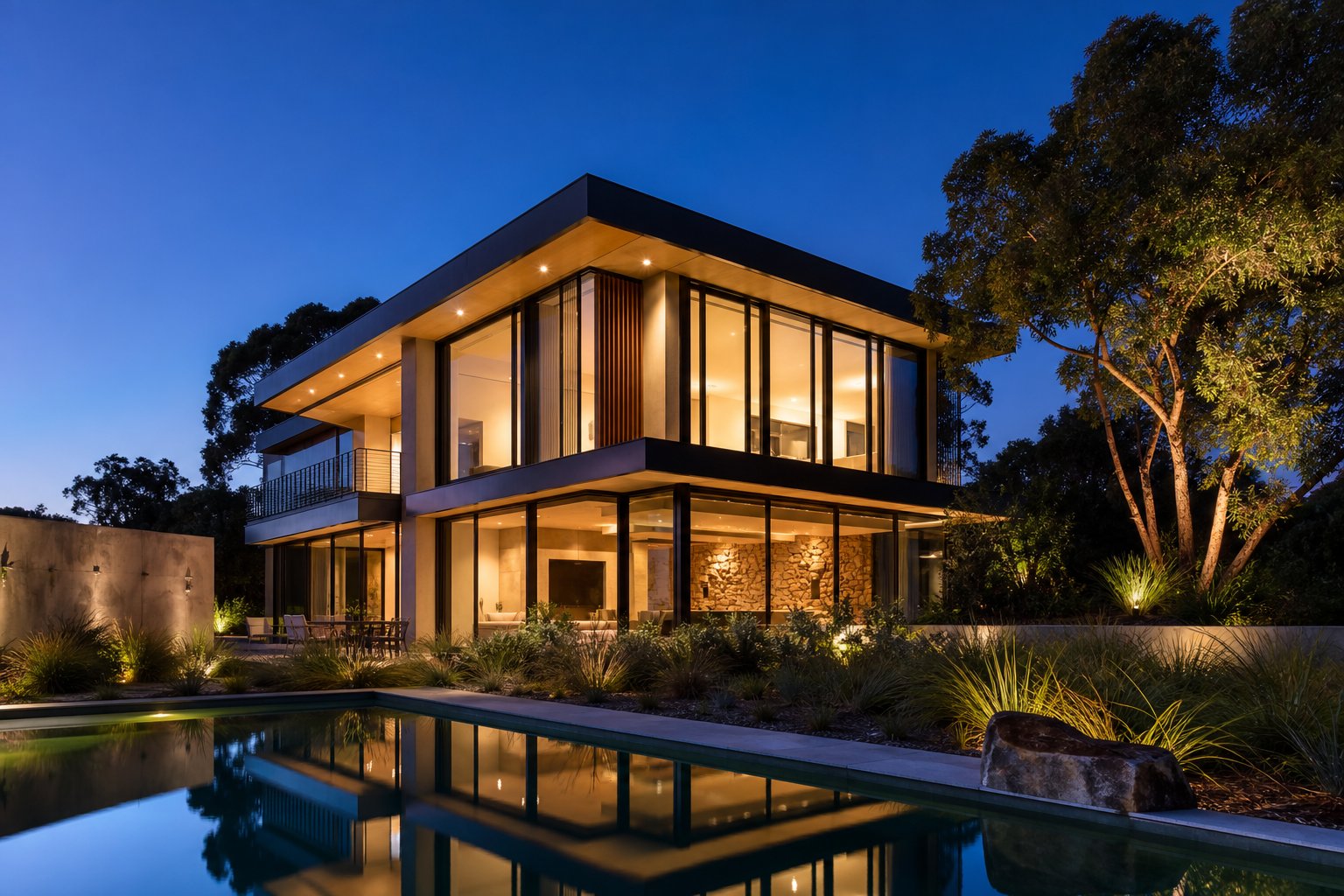
Myths Debunked and Sustainability Benefits
Aluminium vertical sliding windows still carry baggage from earlier generations of the material — perceptions formed decades ago when thermal breaks did not exist, colour options were limited to silver anodised, and condensation dripped down cold frames every winter morning. Those concerns were valid in the 1980s. They no longer reflect reality, and letting outdated assumptions guide a purchasing decision means ruling out what is arguably the highest-performing vertical sliding option available for Australian homes.
Debunking Common Aluminium Window Myths
Myth: Aluminium windows cause condensation. Condensation forms when warm, humid indoor air meets a surface cold enough to reach dew point. Older aluminium frames without a thermal break conducted heat so rapidly that their interior surfaces became cold enough to trigger moisture formation — particularly in winter or in rooms with high humidity like bathrooms and kitchens. Modern thermally broken systems eliminate this problem. A polyamide thermal break separating the inner and outer aluminium profiles keeps the interior frame surface warm, well above dew point in normal conditions. Paired with warm-edge spacers in the sealed glazing unit — which insulate the glass perimeter where it meets the frame — condensation risk drops dramatically, even during cold mornings. Adequate ventilation and humidity control still matter, but the frame itself is no longer the weak link.
Myth: Colour options are limited. This one persists among homeowners who remember the era of bare mill-finish or basic silver aluminium. Modern powder-coating technology offers virtually unlimited colour choice across the full RAL spectrum — hundreds of standard colours plus custom matching to any swatch or existing finish. Dual-colour configurations allow a different shade inside and out. Textured finishes, matt and satin options, and realistic woodgrain effects that replicate timber tones for heritage contexts are all standard offerings from quality manufacturers. The colour is factory-bonded at high temperature, UV-stable, and does not require repainting — ever.
Myth: Aluminium is cold and energy-inefficient. This was true before thermal-break technology matured. It is not true now. Energy efficient vertical sliding windows built with 20–35 mm polyamide thermal breaks and double-glazed sealed units achieve whole-window U-values (Uw) between 2.8 and 3.4 W/m²K — comfortably meeting NCC Section J energy requirements across all Australian climate zones. Triple-glazed configurations push performance even further. The thermal break is roughly 500 to 1,000 times less conductive than the aluminium it separates, effectively severing heat transfer through the frame and making the material’s inherent conductivity irrelevant to the building’s energy performance.
Sustainability and Recyclability Credentials
Beyond performance myths, aluminium window sustainability credentials are increasingly relevant for homeowners, architects, and builders factoring environmental impact into specification decisions. Aluminium stands apart from most building materials on lifecycle metrics — and the reasons are structural, not just marketing.
Aluminium can be recycled indefinitely without any degradation in structural or aesthetic quality. Recycling aluminium uses approximately 5% of the energy required to produce primary aluminium from bauxite ore — a 95% energy saving that effectively neutralises the material’s high initial embodied carbon over multiple lifecycles. Industry data suggests more than 90% of aluminium used in construction is recovered and recycled at end of life.
That recovery rate is not driven by regulation alone — aluminium retains real economic value as scrap. Demolition contractors collect it because it is worth collecting, creating a self-sustaining recycling loop that does not depend on government incentives to function.
Longevity reinforces the sustainability case. A vertical sliding window system that lasts 40+ years with minimal maintenance has half the lifecycle impact of a material needing replacement at 20 years — even if that shorter-lived alternative has lower embodied carbon at the point of production. When you account for the avoided replacement cycles, reduced waste generation, and cumulative embodied carbon savings over a building’s 50 or 60-year life, aluminium’s environmental position strengthens considerably compared to timber or uPVC alternatives that degrade, discolour, or become structurally compromised far sooner.
Modern extrusions increasingly incorporate high recycled content as both economics and environmental regulation push the supply chain toward circular material flows. For projects pursuing Green Star ratings or demonstrating sustainability credentials to clients, aluminium vertical sliders contribute positively across materials credits, durability assessments, and end-of-life recyclability categories.
Making an Informed Decision
Separating fact from outdated perception is the first step toward specifying the right window. The second step is finding a system that implements these principles — thermal-break technology, quality glazing, durable finishes, and sustainable material use — in a package engineered for local conditions. For Australian homeowners and project teams exploring how modern manufacturers apply thermally broken, double-glazed vertical sliding technology in purpose-built systems, the MEICHEN MA150 Double Hung Window offers a practical reference point for what a dedicated aluminium vertical slider designed around Australian residential requirements looks like in practice.
The myths surrounding aluminium as a window material belong to a previous era of manufacturing. Current systems deliver the thermal performance, colour flexibility, security, and operational smoothness that make them a genuinely future-proof choice — one that looks after both the building and the environment it sits within for decades to come.
Frequently Asked Questions About Aluminium Vertical Sliding Windows
1. Are aluminium vertical sliding windows suitable for heritage and conservation areas?
Yes, aluminium vertical sliding windows are routinely approved for heritage properties and conservation areas across Australia. Modern systems replicate period details such as run-through sash horns, deep bottom rails, and putty-line sight lines that satisfy heritage officers. Councils generally accept aluminium as a substitute material when the existing timber sashes are beyond economic repair, provided the proportions and shadow lines match the original design. Working with a supplier experienced in heritage projects, such as MEICHEN with their MA150 Double Hung Window system, helps streamline the approval process by providing accurate elevation drawings and section profiles for council assessment.
2. How do aluminium vertical sliding windows compare to timber sash windows for maintenance?
Aluminium vertical sliders require dramatically less maintenance than timber sash windows. Timber demands repainting every five to eight years, regular putty replacement, and periodic timber repairs for rot damage. Aluminium needs only an annual wipe with soapy water and occasional hardware lubrication. Over a 20-year period, the cumulative maintenance cost saving with aluminium typically exceeds the initial price premium. Aluminium frames are also immune to rot, termite damage, warping, and swelling — common timber problems in Australian coastal and humid climates.
3. Do aluminium vertical sliding windows cause condensation problems?
Modern thermally broken aluminium vertical sliding windows do not cause condensation under normal conditions. Older aluminium frames without thermal breaks conducted heat rapidly, making interior surfaces cold enough to reach dew point. Current systems use a polyamide thermal break strip — 500 to 1,000 times less conductive than aluminium — separating the inner and outer profiles. This keeps the interior frame surface warm and above dew point. Paired with warm-edge spacers in the sealed glazing unit, condensation risk is minimal even during cold mornings, provided the home maintains adequate ventilation and humidity control.
4. How much do aluminium vertical sliding windows cost in Australia?
Aluminium vertical sliding window costs in Australia vary by system quality and specification. Budget systems range from $600 to $900 AUD per window supply-only, mid-range systems sit between $900 and $1,500 AUD, and premium or heritage-specified systems run from $1,500 to $2,500+ AUD. Installation adds $300 to $700 per window depending on access, wall type, and whether it is retrofit or new-build. A full supply-and-install project replacing eight to twelve windows in a standard three-bedroom home typically costs $12,000 to $25,000 AUD. Systems like the MEICHEN MA150 Double Hung Window offer mid-to-premium value with purpose-engineered spiral balances and thermally broken profiles for Australian conditions.
5. Are aluminium vertical sliding windows secure against break-ins?
Modern aluminium vertical sliding windows are highly secure, often matching or exceeding casement window security. They feature multi-point locking systems with three or more engagement points per sash, anti-lift blocks that prevent sashes being forced out of tracks, internal glazing beads inaccessible from outside, and steel-reinforced profiles that resist lever and pry attacks. The rigid aluminium frame eliminates the flex that made older timber sash windows vulnerable. Child safety restrictors with keyed release mechanisms limit opening to approximately 100 mm for ventilation while preventing falls, satisfying NCC requirements for windows above certain heights.
More Window & Door Guides