Why Everything You Heard About Aluminium Windows Deserves a Second Look
If you dismissed aluminium windows years ago, you’re not alone. During the postwar housing boom of the mid-twentieth century, aluminium frames earned a reputation as “cold joinery” — efficient to manufacture and install, but notorious for conducting heat straight through the wall. Condensation dripping down bare metal frames became a familiar complaint in homes across Australia, and that image stuck. For decades, it shaped how homeowners and even some builders thought about the material.
Here’s the problem: that reputation is roughly fifty years out of date.
The Outdated Reputation That No Longer Applies
The aluminium windows installed in 1960s and 70s-era homes were simple, single-channel extrusions with no insulating barrier between inside and out. They performed exactly as you’d expect a highly conductive metal to perform — poorly, from a thermal standpoint. When people weigh up the pros and cons of aluminium as a framing material, this is usually the con they remember. Fair enough. But the engineering has moved on dramatically.
Aluminium windows have evolved more in the last two decades than in the previous fifty — and most of what you think you know about them is outdated.
What Modern Aluminium Windows Actually Deliver
Thermal break technology, advanced powder coating, precision alloy extrusion — these aren’t incremental tweaks. They represent a fundamental redesign of how aluminium window systems work. Modern thermally broken aluminium frames paired with double or triple glazing now compete directly with timber and uPVC on energy performance, while offering advantages those materials simply can’t match in other areas.
So are aluminium windows good? The short answer is that they’ve become one of the strongest all-round choices for both residential and commercial projects. The benefits of aluminium windows extend well beyond what most comparison articles cover — from raw durability and design flexibility through to security, acoustic performance, and climate-specific resilience. This guide breaks all of it down honestly, without the sales pitch, so you can decide based on what actually matters for your project.
That story starts with the single most underrated advantage aluminium holds over every competing material: how long it lasts, and why.
Durability and Lifespan That Outlast the Alternatives
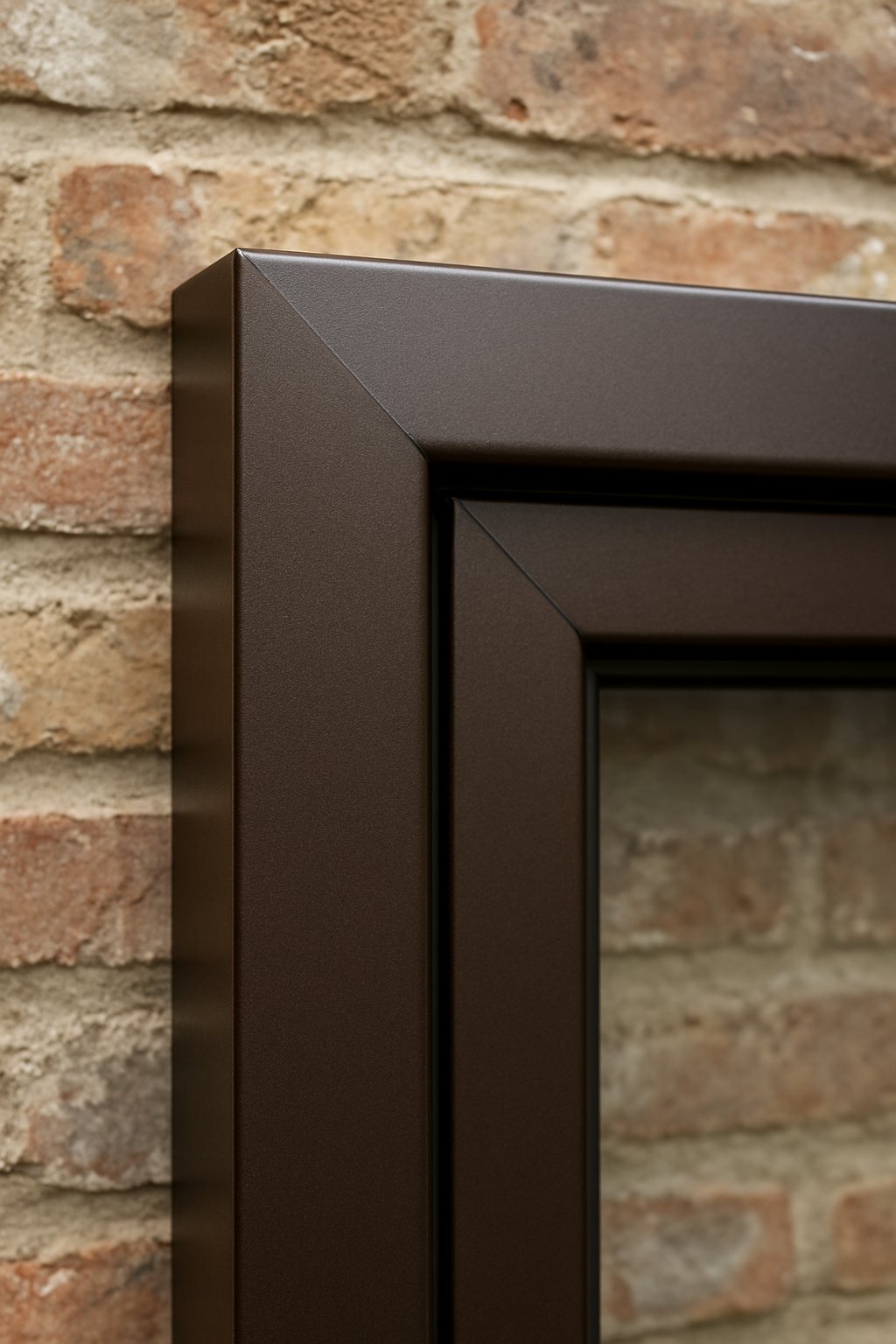
Most window materials start strong and decline. Timber swells, cracks, and eventually rots. uPVC becomes brittle, discolours, and loses structural integrity as the plasticisers break down. Aluminium doesn’t follow that pattern. An aluminium frame window installed today will hold its shape, strength, and appearance for decades without the cyclical degradation that defines its competitors.
How Long Do Aluminium Windows Really Last
The honest answer: 40 to 50 years with proper installation and basic care. That’s not marketing optimism — it’s the widely accepted industry benchmark, and many aluminium frames comfortably exceed it. Compare that to uPVC at 25 to 35 years or timber at 30 to 60 years (the upper end requiring serious, ongoing maintenance). When you factor in the minimal upkeep aluminium demands, the effective lifespan gap widens even further.
Quality of installation matters enormously here. Poorly fitted frames invite air leaks, moisture ingress, and premature hardware wear — problems that shorten the life of any window, regardless of material. Choose a reputable installer who complies with AS 2047 and you’re setting the frame up to reach its full potential.
The Alloy Engineering Behind Frame Strength
Not all aluminium is created equal. Most quality aluminium alloy windows use 6063-T5 grade aluminium — a specific alloy within the 6000-series family that balances three critical properties: moderate tensile strength (around 190 MPa), excellent extrudability for forming complex profile shapes, and superior corrosion resistance. It’s the reason aluminium window frames can be extruded into slim, precise profiles without sacrificing structural performance. Stronger alloys exist, but 6063-T5 hits the sweet spot for architectural applications where surface finish and long-term weather resistance matter more than raw load-bearing capacity.
Corrosion Resistance and Long-Term Integrity
Aluminium naturally forms a thin oxide layer when exposed to air, creating a self-healing barrier against corrosion. Powder coating or anodising adds a second line of defence, protecting the surface from UV degradation, salt spray, and general weathering. This layered protection is why aluminium window corrosion is rarely a concern in practice — even in coastal areas of Australia where salt-laden air accelerates the deterioration of other materials.
The key durability factors that set aluminium apart include:
- Corrosion resistance — natural oxide layer plus powder-coated or anodised finishes
- UV stability — no fading, chalking, or brittleness from prolonged sun exposure
- Dimensional stability — frames won’t warp, bow, or shift with temperature and humidity changes
- Resistance to insect damage — unlike timber, aluminium is completely immune to termites and borers
Timber frames demand repainting every three to five years just to maintain their weather seal. uPVC holds up well initially but has no practical repair path once it starts to degrade. Aluminium sidesteps both problems entirely. The frame you install is, structurally speaking, the same frame you’ll have three decades later.
That structural consistency raises an interesting question, though. If the frame lasts this long, what about the energy it lets through — or keeps in? The thermal performance story is where aluminium has changed the most, and where the biggest misconceptions still linger.
Energy Efficiency and the Thermal Break Advantage
Thermal performance is the first thing sceptics raise — and honestly, it’s a fair question. Aluminium conducts heat roughly 1,000 times faster than timber. On paper, that sounds disqualifying. In practice, it’s a problem that modern engineering solved years ago, and the solution is more elegant than most people realise.
How Thermal Break Technology Actually Works
A thermal break is an insulating barrier — typically made from reinforced polyamide (nylon) or polyurethane — inserted between the interior and exterior aluminium profiles of a window frame. It physically separates the two metal sections so heat can’t conduct straight through. Think of it as cutting the bridge that thermal energy would otherwise walk across.
The result is a composite frame: aluminium on the outside for strength and weather resistance, aluminium on the inside for a clean finish, and a low-conductivity polymer core doing the heavy lifting on insulation. This isn’t a recent experiment. Thermally broken systems have been standard in commercial construction for decades, and they’re now the baseline specification for quality residential aluminium windows in Australia.
Thermal break technology is the single most important specification to verify when choosing aluminium windows. Without it, you’re buying a 1970s product in a modern shell. With it, you’re getting energy performance that rivals timber and uPVC at a fraction of the long-term maintenance cost.
That distinction matters. A thermally broken aluminium window with glass rated for your climate zone is a fundamentally different product from the bare metal frames that earned aluminium its cold reputation. Treat the thermal break as non-negotiable.
Glazing Options That Maximise Efficiency
The frame is only half the equation. Glass accounts for the majority of a window’s surface area, so glazing selection has an outsized impact on overall thermal performance. Aluminium’s structural rigidity makes it compatible with heavier, higher-performing glazing configurations that lighter frame materials sometimes struggle to support.
The key options to consider for energy efficient aluminium windows include:
- Aluminium double glazing — two panes separated by an insulating air or gas-filled gap. This is the standard for most Australian climate zones and delivers a meaningful improvement over single glazing.
- Triple glazing — three panes with two insulating cavities. Best suited to very cold regions or projects targeting high NatHERS star ratings, though the added weight and cost aren’t always justified in temperate climates.
- Low-emissivity (low-E) coatings — microscopically thin metallic oxide layers applied to the glass surface that reduce energy loss by as much as 30% to 50% by reflecting radiant heat back toward its source.
- Argon or krypton gas fills — inert gases injected between panes to reduce convective heat transfer within the insulating cavity. Argon is the most common and cost-effective choice for standard aluminium double glazed windows.
- Warm edge spacers — low-conductivity spacers that separate the glass panes and reduce heat loss at the glazing perimeter, where condensation is most likely to form.
Pairing a thermally broken aluminium frame with double glazing, low-E coatings, and argon gas fill creates a complete window system — not just a frame with glass bolted in, but an integrated assembly where every component contributes to thermal control.
What Energy Ratings to Look For
In Australia, the Window Energy Rating Scheme (WERS) is the standard framework for comparing window performance. WERS rates windows on a star system (up to 10 stars) across two metrics: heating performance (how well the window retains warmth) and cooling performance (how effectively it blocks unwanted solar heat gain). A higher star rating means better performance for that metric.
The underlying technical measure is the U-value — a measure of thermal transmittance expressed in watts per square metre per degree Kelvin (W/m²K). Lower U-values indicate better insulation. Modern thermally broken windows in aluminium with quality double glazing typically achieve U-values competitive with equivalent timber and uPVC systems, particularly when specified with low-E glass and gas fills.
When comparing products, look for WERS ratings appropriate to your NCC climate zone, and confirm that the U-value and Solar Heat Gain Coefficient (SHGC) meet or exceed the minimum requirements under the National Construction Code. These numbers tell you exactly what you’re getting — no guesswork, no relying on a salesperson’s assurances.
Energy performance, though, is only one dimension of daily life with a window. The other question homeowners rarely ask upfront — but always appreciate later — is how much ongoing effort the frame demands once it’s installed.
Low Maintenance and Superior Weather Resistance
The honest answer is: almost none. Aluminium window frames ask remarkably little of you once they’re installed. No repainting. No staining. No rot treatment. No sanding back peeling finishes every few summers. The powder-coated surface that arrives on installation day is essentially the same surface you’ll be looking at fifteen or twenty years later — just give it an occasional wipe down.
That low-effort reality is one of the most practical, compounding benefits of choosing aluminium framed windows. A small time saving each year adds up to hundreds of hours and thousands of dollars over a window’s 40-to-50-year lifespan.
What Routine Maintenance Actually Looks Like
Caring for aluminium window frames is straightforward. Industry guidance from major manufacturers recommends a simple routine: clean the frames every three to four months using warm water and a mild detergent, wipe down with a soft cloth, and rinse thoroughly. Avoid abrasive cleaners, steel wool, or solvents designed for other metals — these can scratch the powder coating and do more harm than good.
Beyond cleaning, a practical long-term care schedule looks like this:
- Every 3-4 months — wash frames with soapy water and a soft sponge, then rinse clean. In coastal or high-pollution areas, monthly cleaning is worth the effort.
- Annually — lubricate hinges, locks, and moving hardware with a light-duty lubricant. Use a small brush to spread it evenly and wipe away excess.
- Every 2-3 years — inspect weather seals and gaskets for wear or cracking. Check drainage channels in sliding tracks are clear of debris.
- As needed — vacuum dust and grit from sliding tracks using a brush attachment to prevent buildup from affecting operation.
That’s genuinely it. No cyclical repainting schedule, no timber preservative treatments, no anxiety about what the weather is doing to your frames while you’re not looking.
Moisture and Coastal Performance
Moisture resistance is where aluminium separates itself most clearly from timber and vinyl. Aluminium does not absorb water — at all. It won’t swell in humid conditions, won’t warp after prolonged rain, and won’t develop the hidden rot that can silently compromise a timber frame from the inside out. In tropical and subtropical parts of Australia — think Far North Queensland, the Top End, or coastal NSW — this characteristic alone makes aluminium a safer long-term bet.
For properties near the ocean, powder coating provides a critical additional layer of protection. Marine-grade powder-coated finishes resist salt spray, UV degradation, and the persistent damp that accelerates corrosion in lesser materials. Homes within a few hundred metres of the shoreline face particularly aggressive salt-laden air, and aluminium replacement windows are a common upgrade in these locations precisely because the frames handle the environment without the constant upkeep that timber demands.
Even in less extreme settings — say, a suburban home in Melbourne or Adelaide — the moisture resistance of aluminium means you’ll never deal with swollen frames that stick shut after a week of rain. It’s a quiet benefit, but one you notice every time you open a window without fighting it.
Maintenance Compared to Timber and Vinyl
The real cost of a window isn’t just what you pay upfront — it’s the time and money you spend keeping it functional over its lifetime. Here’s how the three most common frame materials compare on ongoing maintenance:
| Maintenance Task | Aluminium | Timber | Vinyl (uPVC) |
|---|---|---|---|
| Cleaning frequency | Every 3-4 months | Every 3-4 months | Every 3-4 months |
| Repainting / refinishing | Not required | Every 3-5 years | Not required |
| Rot / decay treatment | Not applicable | Ongoing inspection and treatment | Not applicable |
| Seal / gasket replacement | Every 10-15 years | Every 5-10 years | Every 8-12 years |
| Hardware lubrication | Annually | Annually | Annually |
| Risk of discolouration | Very low | Moderate (UV and moisture) | Moderate to high over time |
| Estimated annual maintenance cost | $0 – $50 AUD | $150 – $400+ AUD | $0 – $80 AUD |
Timber’s recurring costs are the standout here. Repainting alone — factoring in materials, preparation, and either your time or a painter’s labour — can run several hundred dollars per window over a five-year cycle. Multiply that across a full house of window aluminium windows and the lifetime maintenance bill becomes substantial. Vinyl avoids the repainting trap but introduces its own long-term issue: the material can yellow, become brittle, and lose structural rigidity after extended UV exposure, with no practical way to restore it once degradation sets in.
Aluminium sidesteps both failure modes. The powder-coated finish resists UV, the frame resists moisture, and the material itself doesn’t degrade in the way organic or polymer-based alternatives do. For homeowners who’d rather spend weekends doing anything other than maintaining their windows, that trade-off speaks for itself.
Minimal upkeep keeps aluminium looking sharp for decades — but looking sharp is only part of the story. The real design advantage lies in what aluminium’s strength-to-weight ratio makes possible: slimmer frames, bigger glass panels, and a range of configurations that other materials struggle to match.
Design Versatility and Sleek Aesthetics
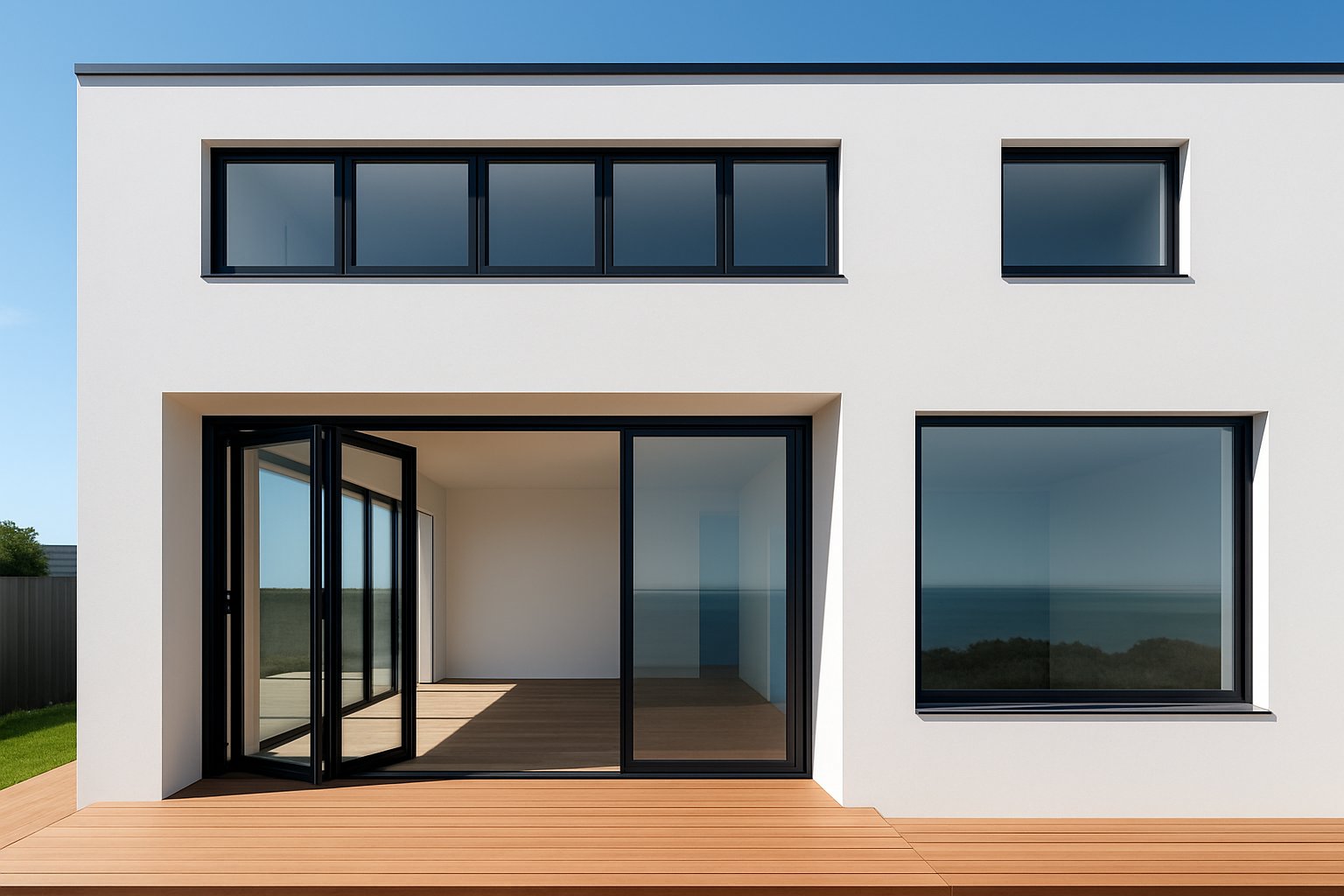
Aluminium’s strength-to-weight ratio isn’t just an engineering talking point — it directly shapes what your windows look like and how much light they let in. Because the material is inherently strong, manufacturers can extrude aluminium window profiles that are significantly slimmer than timber or uPVC equivalents while still meeting structural and wind-load requirements. The practical result? More glass, less frame, and a cleaner visual line across the facade.
Slim Profiles and Maximum Glass Area
A typical aluminium frame sightline sits around 45 to 65 mm, compared to 80 mm or more for uPVC. That difference might sound modest on paper, but across a full window opening it translates to noticeably more visible glass — and noticeably more natural light reaching the interior. For living areas, kitchens, and any room where you want a bright window wall without heavy framing breaking up the view, the slim aluminium windows profile is a genuine advantage that other materials can’t replicate without compromising structural integrity.
This is especially relevant for large-format openings. Floor-to-ceiling glazing, corner windows, and expansive sliding systems all rely on the frame holding its shape under load without bulking up. Aluminium handles that effortlessly.
Window Styles and Where They Work Best
Aluminium window design isn’t limited to one or two configurations. The material’s extrudability means it can be formed into virtually any operating style, each suited to different rooms and situations:
- Casement — hinged at the side and swinging outward, ideal for bedrooms and living areas where full ventilation and a tight weather seal matter most.
- Sliding — panels glide horizontally along tracks, perfect for kitchens, balconies, and compact spaces where you can’t afford clearance for an outward-opening sash.
- Bi-fold — multiple hinged panels fold back to one side, creating a wide opening that blurs the line between indoors and out. A popular choice for alfresco entertaining areas across Australian homes.
- Awning — hinged at the top and opening outward from the bottom, allowing ventilation even during light rain. Well suited to bathrooms, laundries, and wet-climate regions.
- Tilt-and-turn — a dual-function system that tilts inward at the top for controlled airflow or swings fully open like a casement. Common in apartments and upper-storey rooms where safe, adjustable ventilation is a priority.
- Fixed — non-opening panels designed purely to frame a view and maximise light. Often paired with operable windows in a combination layout for stairwells, feature walls, or rooms where the outlook is the main event.
That range of styles from a single frame material gives architects and homeowners genuine flexibility. You can mix and match configurations across a project — bi-folds opening onto the deck, awnings in the bathroom, fixed panels flanking a feature view — all using the same aluminium window profile and finish for a cohesive look.
Colour and Finish Flexibility
Powder coating is where aluminium really pulls away from the competition on aesthetics. Frames can be finished in virtually any RAL colour — from classic monument or surfmist tones that suit heritage renovations through to bold charcoals, blacks, and custom hues for contemporary builds. Unlike uPVC, which offers a limited palette and can yellow over time, powder-coated aluminium holds its colour for decades without fading or chalking.
Dual-colour options take this further. The thermal break that separates the interior and exterior aluminium profiles also enables each side to be powder coated independently — so you might choose a dark exterior finish to complement brickwork or cladding while running a lighter interior tone that matches your internal trim. It’s a detail that adds a surprising amount of design control, particularly for projects where the street-facing aesthetic and the interior palette need to work on different terms.
Whether you’re restoring a Federation cottage or fitting out a new build with floor-to-ceiling glass, aluminium adapts. The frame doesn’t dictate the style — it follows it. That kind of design freedom is hard to find in any other single window material.
Good looks and flexible configurations cover the visible side of the equation. But aluminium’s material strength also delivers benefits you can’t see — starting with how well these frames resist forced entry and block unwanted noise.
Security Strength and Sound Insulation Benefits
Aluminium’s material strength isn’t just about holding glass in place for decades. It also makes aluminium frames for windows significantly harder to compromise — whether the threat is a would-be intruder or the relentless drone of traffic outside your bedroom at two in the morning. These two benefits rarely get the attention they deserve, yet they affect daily life in ways that durability specs and energy ratings don’t capture.
Why Aluminium Frames Resist Forced Entry
An aluminum frame window is inherently difficult to force open. The material doesn’t flex, bend, or give under pressure the way timber or vinyl can. Where a uPVC frame might distort enough under a pry bar to release a locking point, aluminium holds firm. That rigidity is the foundation of the security story, and everything else builds on it.
Modern aluminium window systems pair that frame strength with multi-point locking mechanisms that engage at several positions along the sash — distributing force across the frame rather than concentrating it at a single latch point. Combined with reinforced hinges and security-grade hardware, the result is a window that resists common break-in methods far more effectively than lighter frame materials.
Key security features of aluminium windows include:
- High inherent material strength — resistant to bending, prying, and forced manipulation
- Multi-point locking systems that secure the sash at multiple positions along the frame
- Compatibility with reinforced hinges, keyed locks, and restricted-opening hardware
- No degradation over time — the frame doesn’t warp, soften, or weaken with age, so security performance at year thirty matches day one
- Ability to accommodate laminated or toughened safety glass for additional impact resistance
That last point matters more than people think. Windows with metal frames can support heavier, thicker glazing options without the frame struggling under the weight — meaning you can specify security glass without compromising the window’s operation or longevity. Timber frames, by contrast, may need bulkier profiles to carry the same glass, and vinyl frames can struggle with the load entirely.
Acoustic Performance for Urban Living
Sound insulation is the benefit almost nobody talks about when discussing aluminium windows, yet it’s one of the most immediately noticeable once the windows are installed. If you live near a busy road in Sydney, under a flight path in Brisbane, or beside a rail corridor in Melbourne, the difference between a well-specified window and a basic one is the difference between sleeping through the night and not.
Frame material alone doesn’t determine acoustic performance — glazing specification and installation quality carry most of the weight. But the frame plays a supporting role that shouldn’t be dismissed. Aluminium’s rigidity means the frame itself doesn’t vibrate or resonate the way lighter materials can, and it provides a stable, consistent seal around the glass. That structural stability helps the glazing do its job without the frame undermining it.
The glazing is where the real acoustic gains happen. Industry testing shows that double-glazed aluminium windows with a 6 to 12 mm air gap reduce mid-range traffic noise by around 35% compared to single-pane systems. Stepping up to laminated acoustic glass — which incorporates a PVB (polyvinyl butyral) interlayer between panes — pushes performance further, with laminated configurations achieving STC ratings of 39 to 41, well above the 35+ STC threshold recommended for metropolitan environments.
Factors that influence sound insulation in aluminum framed windows:
- Glazing type — laminated acoustic glass outperforms standard float glass by a wide margin, particularly for mid-to-high frequency noise
- Glass thickness and asymmetry — using different pane thicknesses (e.g., 6 mm outer, 4 mm inner) disrupts sound wave resonance and improves overall STC performance
- Air gap width — wider cavities between panes improve low-frequency noise reduction
- Seal quality — continuous compression seals and high-density EPDM gaskets prevent sound flanking around the frame edges
- Installation precision — professionally installed windows with properly sealed reveals perform significantly better than DIY or poorly fitted alternatives
For context, here’s how different glazing configurations compare on acoustic performance:
| Glass Configuration | Approximate STC Rating | Best Suited For |
|---|---|---|
| Single pane (4 mm) | 26 – 28 | Low-noise rural or suburban settings |
| Double glazed (4 + 4 mm) | 34 – 36 | General suburban use, moderate traffic |
| Laminated acoustic (6.8 mm) | 39 – 41 | Busy roads, rail corridors, flight paths |
The takeaway is practical: if noise is a concern, specify the glazing accordingly and ensure the installation is done properly. Aluminium gives you a rigid, stable platform that supports whatever acoustic glazing the situation demands — without the frame becoming the weak link in the system.
Security and sound control round out the personal, day-to-day benefits of aluminium. But how does the material stack up when you line it directly against timber, vinyl, and fiberglass across every metric that matters? That comparison deserves a closer, more honest look than most guides are willing to give.
How Aluminium Stacks Up Against Other Window Materials
Knowing what aluminium does well is useful. Knowing how it compares — honestly, metric by metric — is what actually helps you make a decision. Most guides either champion one material or hedge so heavily that you leave with no clearer picture than when you arrived. This section takes a different approach: a direct, balanced comparison across the factors that matter most to Australian homeowners, renovators, and builders.
Aluminium vs Wood vs Vinyl vs Fiberglass
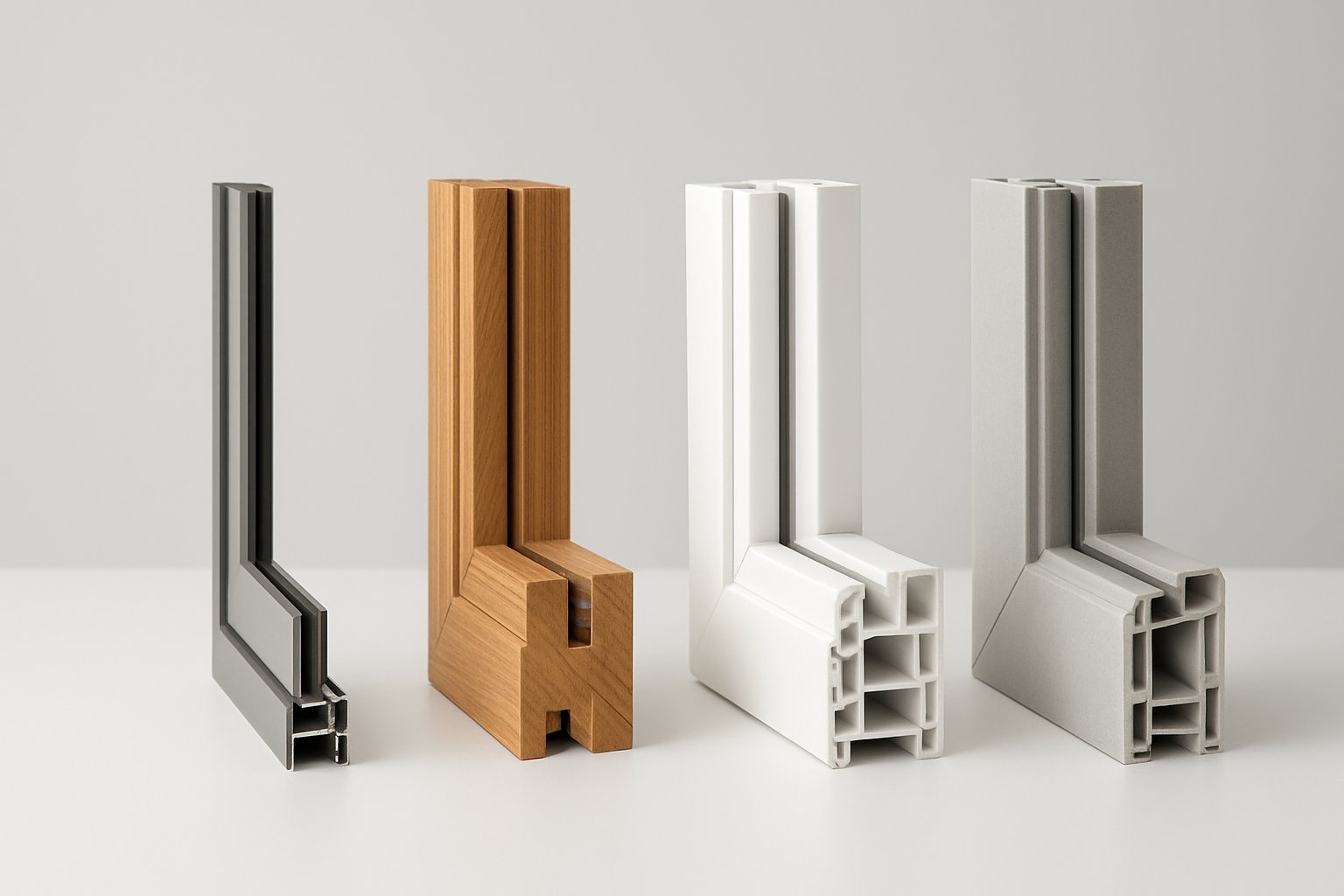
Each frame material brings genuine strengths and real trade-offs. The aluminium pros and cons look very different depending on whether you’re prioritising upfront cost, lifetime value, thermal performance, or design flexibility. The same applies to every alternative. Here’s how they line up across the metrics that drive most purchasing decisions:
| Metric | Aluminium (Thermally Broken) | Timber | Vinyl (uPVC) | Fiberglass | Composite |
|---|---|---|---|---|---|
| Durability | Excellent — no rot, warping, or brittleness | Good if maintained; vulnerable to rot and insects | Moderate — can become brittle and discolour over time | Excellent — high tensile strength, warp-resistant | Very good — stable and weather-resistant |
| Thermal Performance (without thermal break) | Poor — high conductivity | N/A | N/A | N/A | N/A |
| Thermal Performance (with thermal break / standard) | Good — competitive with mid-range uPVC | Very good — naturally low conductivity | Very good — multi-chamber profiles insulate well | Excellent — lowest U-values available | Very good — similar to fiberglass |
| Maintenance | Very low — occasional cleaning only | High — repainting every 3-5 years, rot treatment | Low — cleaning only, but no repair path once degraded | Very low — factory finish holds long-term | Low — minimal upkeep required |
| Design Flexibility | Excellent — slimmest profiles, any RAL colour, dual-colour options | Excellent — paintable, millwork-friendly, classic aesthetic | Limited — bulkier profiles, restricted colour range | Good — paintable, moderate profile width | Good — wood-look finishes available |
| Recyclability | 100% recyclable, indefinitely | Biodegradable but not easily recycled as a window product | Recyclable but limited infrastructure in Australia | Partially recyclable | Limited — mixed materials complicate recycling |
| Approximate Lifespan | 40 – 50+ years | 30 – 60 years (upper end requires heavy maintenance) | 25 – 35 years | 40 – 55 years | 35 – 50 years |
| Relative Cost Tier (Supply and Install, AUD) | Mid to high | High to very high | Low to mid | Mid to high | Mid to high |
| Frame Profile Width | Slimmest — typically 45-65 mm sightline | Moderate to wide — 70-90 mm | Widest — 80 mm+ | Moderate — 60-75 mm | Moderate — 65-80 mm |
A few things stand out immediately. Fiberglass leads on raw thermal performance and rivals aluminium on durability, but it’s less widely available in Australia and offers fewer colour and profile options. Vinyl wins on upfront price but loses ground on lifespan, design range, and recyclability. Timber delivers beautiful natural insulation and aesthetic warmth — but at a maintenance cost that compounds year after year.
Where Aluminium Wins and Where It Doesn’t
The advantages of aluminium cluster around longevity, design freedom, recyclability, and low lifetime cost. No other material matches its combination of slim profiles, virtually unlimited colour options, corrosion resistance, and the ability to be recycled endlessly without losing material quality. For projects where aesthetics, durability, and minimal upkeep are priorities, aluminium is hard to beat.
The disadvantages of aluminium are real but specific. Without a thermal break, aluminium is a poor insulator — full stop. Even with one, it doesn’t quite match the best fiberglass or foam-filled uPVC systems on pure thermal numbers. Upfront cost sits above vinyl, though well below premium timber. And in extremely cold climates where insulation is the overriding concern, timber or fiberglass may edge ahead on heating performance alone.
So why is wood preferred over aluminium in some construction projects? Timber offers natural thermal insulation without needing an engineered break, and it carries an aesthetic warmth that resonates with heritage and traditional builds. For period restorations or homes where the visual character of real wood is non-negotiable, timber remains the right call. The trade-off is a significantly higher maintenance burden and, in many cases, a shorter effective lifespan once that maintenance lapses.
Choosing the right frame material depends on your project priorities — there is no single best option for every situation. The smartest decision comes from matching the material’s strengths to your climate, budget, maintenance tolerance, and design goals.
Choosing Based on Your Project Priorities
When weighing up aluminium advantages and disadvantages against the field, think in terms of what you’re optimising for. A budget-driven rental renovation in a temperate suburb might lean toward vinyl. A heritage cottage restoration almost certainly calls for timber. A passive house build in a cold climate could favour fiberglass.
But for the majority of Australian residential and commercial projects — new builds, renovations, multi-storey developments, coastal homes — aluminium’s balance of pros makes it the most versatile single choice. It handles heat, humidity, salt air, and UV without flinching. It supports the widest range of window styles and glazing configurations. And it does all of this while asking almost nothing of you in return over its multi-decade lifespan.
If you want to see what that looks like in practice, MEICHEN’s aluminium windows collection is a useful reference point. Their range covers multiple configurations — casement, sliding, awning, and fixed — all built to Australian standards with thermally broken profiles and energy-efficient glazing options. It’s a good example of what to look for when evaluating suppliers: breadth of styles, compliance with AS 2047 and NCC requirements, and clear specifications you can verify before committing.
Material comparison gives you the framework for a decision. The next layer of detail — how aluminium actually performs across Australia’s wildly different climate zones, from tropical coastlines to alpine regions — narrows that decision down to specifics.
Performance Across Every Climate Zone
Australia doesn’t have a climate — it has several. A home in Darwin faces a completely different set of environmental pressures than one in Hobart, and a beachfront property in Noosa has almost nothing in common with an inland build west of the Great Dividing Range. Any window material worth recommending needs to handle that diversity, and this is where aluminium’s versatility becomes genuinely difficult to argue against.
Coastal and Humid Climate Performance
Salt-laden air is one of the most aggressive forces a building material can face. It accelerates corrosion, degrades finishes, and shortens the lifespan of anything that isn’t specifically engineered to resist it. Aluminium’s natural oxide layer provides a first line of defence, but for homes within a few hundred metres of the shoreline — think the Gold Coast, Sydney’s Northern Beaches, or coastal WA — that alone isn’t enough.
This is where powder coated aluminium windows earn their keep. A quality powder coat finish, applied to the correct pre-treatment standard, creates a durable barrier against salt spray, UV exposure, and persistent moisture. Marine-grade finishes and anodised coatings take protection further, forming an exceptionally hard surface that prevents corrosive elements from reaching the base metal. Regular rinsing with fresh water — a two-minute job with a garden hose — extends that protection even further.
In tropical and humid regions like Far North Queensland and the Top End, moisture resistance is the priority. Aluminium doesn’t absorb water, so it won’t swell, warp, or develop the hidden fungal decay that quietly destroys timber frames in high-humidity environments. Dimensional stability stays constant whether the relative humidity is 40% or 95%. Pair that with EPDM gaskets and multi-chamber profiles engineered for water tightness, and you’ve got a window system that handles monsoon seasons without flinching.
Hot, Cold, and Temperate Suitability
In hot-dry climates — inland Queensland, parts of South Australia, and much of Western Australia — the challenge shifts from moisture to heat. Intense UV exposure and high ambient temperatures demand a frame that won’t degrade, fade, or transfer excessive solar energy indoors. Powder coated aluminium windows resist UV degradation without chalking or discolouring, and thermally broken frames paired with low-E coated glass and reflective glazing significantly reduce solar heat gain. For north- and west-facing windows in these regions, specifying a low Solar Heat Gain Coefficient (SHGC) through WERS is critical to keeping cooling costs manageable.
Cold climates — the alpine regions of Victoria and NSW, Tasmania’s highlands — present the opposite problem. Here, retaining interior warmth is everything. Thermally broken aluminium with double or triple glazing, argon gas fills, and warm edge spacers performs well in these conditions, minimising heat loss and reducing condensation on cold mornings. It’s worth being honest, though: in extreme cold, timber’s naturally low conductivity gives it a marginal edge on raw insulation. The difference narrows considerably once you factor in maintenance — timber frames in freeze-thaw environments demand vigilant upkeep to prevent cracking and moisture ingress, while aluminium remains dimensionally stable through the cycle.
For the temperate zones where most Australians actually live — Sydney, Melbourne, Brisbane, Perth, Adelaide — aluminium is an all-round performer. The climate doesn’t push any single property to its limit, so the combination of good thermal performance, low maintenance, corrosion resistance, and design flexibility makes it the default choice for the majority of residential projects.
The following table maps each climate zone to the aluminium window specifications that matter most:
| Climate Zone | Key Aluminium Benefits | Recommended Glazing | Thermal Break | Coating Recommendation |
|---|---|---|---|---|
| Coastal | Corrosion resistance, salt spray durability, moisture immunity | Double glazed, low-E | Required | Marine-grade powder coat or anodised finish |
| Tropical / Humid | Moisture resistance, dimensional stability, no swelling or rot | Double glazed, low-E, low SHGC | Required | Standard powder coat (minimum 60 microns) |
| Hot and Dry | UV stability, no fading or chalking, solar heat control | Double glazed, reflective or low-E, low SHGC | Required | UV-resistant powder coat in lighter colours |
| Cold / Alpine | Dimensional stability through freeze-thaw, no cracking | Double or triple glazed, argon fill, warm edge spacers | Essential | Standard powder coat |
| Temperate | All-round performance, low maintenance, design flexibility | Double glazed, low-E optional | Recommended | Standard powder coat in any RAL colour |
Fire Resistance in Bushfire-Prone Areas
Climate resilience in Australia increasingly means bushfire resilience. Aluminium is non-combustible — it has a melting point of around 660°C, well above the temperatures at which timber frames ignite and uPVC frames soften, warp, and fail. In a country where bushfire risk shapes building regulations across vast swathes of the landscape, that property carries serious practical weight.
The Bushfire Attack Level (BAL) rating system, defined under Australian Standard AS 3959, classifies properties from BAL-Low through to BAL-FZ (Flame Zone) based on vegetation proximity, slope, and likely fire behaviour. At higher BAL ratings — BAL-29, BAL-40, and BAL-FZ — construction requirements become stringent, and windows are among the most vulnerable building elements. Ember entry through gaps in frames and seals is one of the leading causes of house ignition during bushfire events.
Aluminium frames are well suited to these requirements. Their dimensional stability under heat means seals remain intact longer, and the frames themselves resist warping and melting. Paired with toughened or thicker glazing, ember-resistant metal mesh screens, and precision-engineered seals, aluminium window systems can meet BAL compliance up to and including BAL-40. For properties in BAL-FZ zones, specialist systems and professional consultation are essential.
If you’re building or renovating in a bushfire-prone area — and that covers significant parts of NSW, Victoria, South Australia, Western Australia, and Tasmania — confirming your property’s BAL rating early in the design phase is critical. Your window specification needs to be locked in before construction begins, not retrofitted as an afterthought.
Climate suitability and fire resistance round out the performance picture. The remaining question is the most practical one: how do you actually choose the right aluminium windows for your specific project, and what should you be checking before you commit?
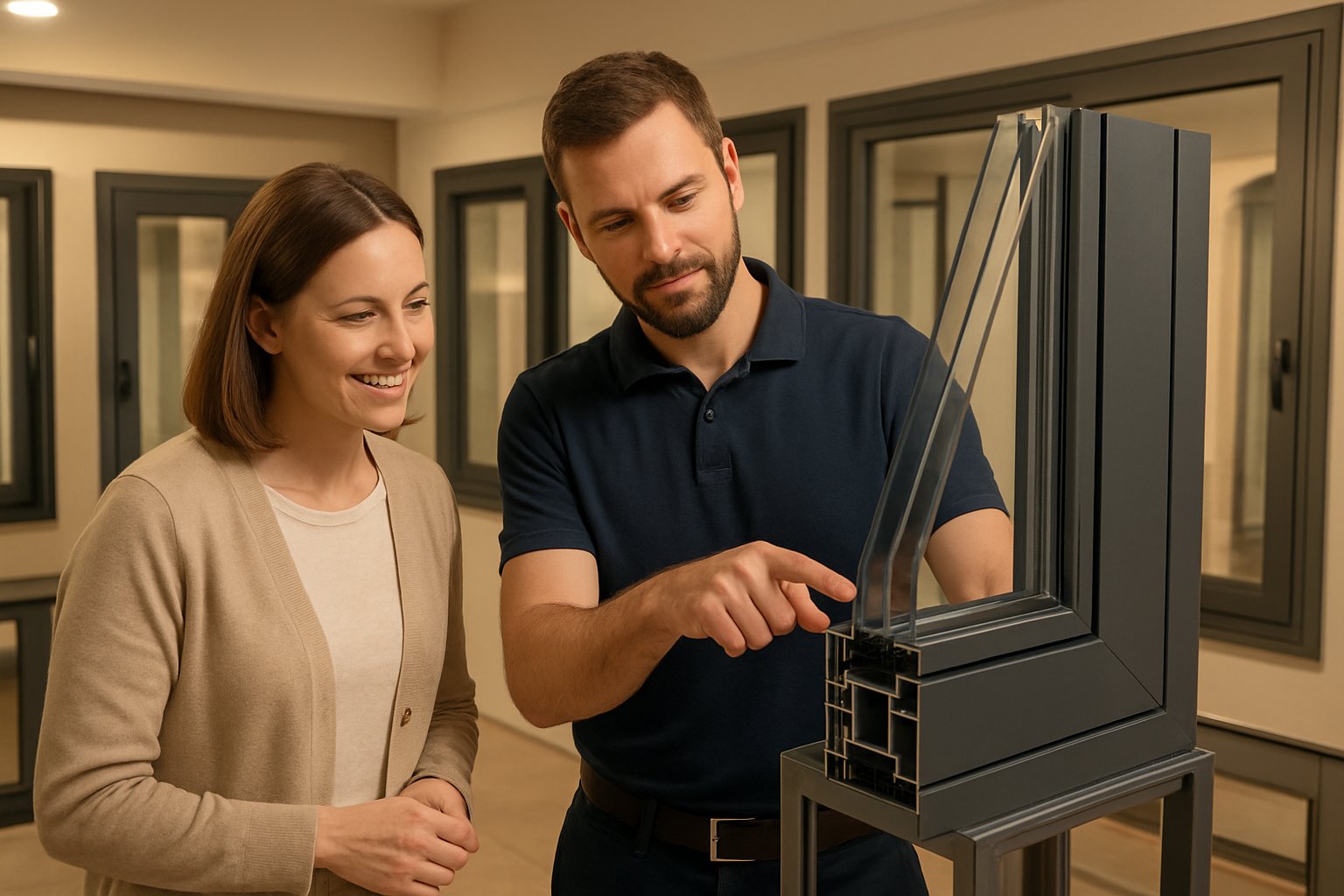
Picking the Right Aluminium Windows for Your Home
Understanding what aluminium windows can do is one thing. Knowing exactly what to look for — and what to watch out for — when you’re actually spending money is another. Pricing for aluminium windows and doors varies more than most people expect, and the cheapest quote on the table isn’t always the smartest one to accept. Getting this right means understanding what drives cost, verifying the specifications that matter, and choosing a supplier you can trust with a product that’ll be in your walls for decades.
Understanding What Drives Aluminium Window Costs
There’s no single price tag for aluminium windows. A standard casement in a common size with basic double glazing sits at a very different price point than a custom bi-fold with triple glazing, a thermally broken profile, and a dual-colour powder coat finish. In Australia, supply and installation for residential aluminium windows typically ranges from around $700 to $1,500+ AUD per window for standard configurations, with premium, oversized, or highly customised units pushing well beyond that. Those figures shift depending on your location, the complexity of the installation, and the specifications you choose.
The key cost drivers that influence aluminium window pricing include:
- Window size and configuration — larger openings and complex styles (bi-fold, bay, corner) cost more than standard casement or fixed panels
- Glazing specification — stepping up from standard double glazing to triple glazing, laminated acoustic glass, or low-E coatings with argon gas fills adds to the unit cost
- Thermal break inclusion — thermally broken profiles cost more than non-broken alternatives, but this is a non-negotiable specification for energy performance and NCC compliance in most climate zones
- Powder coat finish — standard colours from a supplier’s core range are typically included in the base price, while custom RAL colours or dual-colour finishes attract a premium
- Hardware quality — multi-point locking systems, security-rated hinges, and premium handles add cost but directly affect security and longevity
- Installation complexity — replacing windows in upper storeys, heritage buildings, or hard-to-access locations increases labour costs
Searching for cheap aluminium windows might seem like a sensible starting point, but the lowest-priced options often cut corners on thermal breaks, hardware, or coating quality — the very specifications that determine whether your windows perform well at year twenty or start failing at year five. A total cost of ownership perspective tells a more honest story. Aluminium’s upfront cost sits above vinyl, but its minimal maintenance demands (no repainting, no rot treatment, no replacement cycle at 25 years) and 40-to-50-year lifespan mean the lifetime cost per year of service is often lower than any alternative except fiberglass. You’re paying more on day one to pay far less over the following decades.
The Specification Checklist Before You Buy
Before signing off on any quote, verify these specifications in writing. Skipping even one can mean compromising performance, compliance, or warranty coverage down the line.
- Thermal break certification — confirm the frame uses a genuine polyamide or polyurethane thermal break, not just a marketing claim. Ask for the specific thermal break width and material.
- Glazing type and performance data — request the U-value and SHGC for the complete window unit (frame plus glass), not just the glass alone. Ensure the glazing meets WERS ratings appropriate to your NCC climate zone.
- Hardware specification — check that locks, hinges, and handles are from a reputable hardware supplier. Multi-point locking should be standard on all operable sashes.
- Powder coat standard — the finish should comply with AS 3715 (the Australian standard for powder coating of aluminium). Ask about the pre-treatment process and coating thickness (minimum 60 microns for exterior exposure).
- Compliance with Australian building codes — the window system must be tested and certified to AS 2047 (windows and external glazed doors) and AS 1288 (glass in buildings). For bushfire-prone areas, confirm BAL compliance to AS 3959.
- Warranty terms — look for a minimum 10-year warranty on frames and powder coating, with separate coverage for hardware, glazing seals, and installation workmanship. Clarify what voids the warranty.
- WERS rating documentation — request the official WERS certificate for the specific window configuration you’re purchasing, not a generic rating for the product range.
That checklist applies whether you’re replacing a single window in a renovation or specifying replacement windows in aluminium across an entire new build. The specifications don’t change based on project scale — only the quantities do.
Finding the Right Supplier for Your Project
A high quality aluminium window is only as good as the company behind it. Look for suppliers who manufacture or source systems tested to Australian standards, offer transparent specification sheets, and can demonstrate a track record with projects similar to yours — whether that’s a single-storey suburban renovation, a multi-storey development, or a coastal build with specific BAL requirements.
Ask direct questions: What alloy grade do you use? What thermal break system is in the profile? Can you provide WERS certificates for the exact configuration I’m quoting? Reputable suppliers welcome these questions because they’ve already done the engineering work to answer them.
If you’re ready to explore specific product options after working through the benefits and specifications covered in this guide, MEICHEN’s aluminium windows collection is worth a look. Their range covers multiple aluminium window and door configurations — casement, sliding, awning, and fixed — designed for Australian conditions and built to comply with relevant Australian standards. It’s a practical starting point for homeowners, renovators, builders, and developers who want to see real product options with energy-efficient, thermally broken systems across different styles and price points.
The right aluminium windows, properly specified and professionally installed, will quietly do their job for forty years or more. Take the time to get the specification right upfront, and you won’t need to think about them again.
Frequently Asked Questions About Aluminium Windows
1. Are aluminium windows better than uPVC or timber windows?
It depends on your priorities. Aluminium windows offer the longest low-maintenance lifespan (40 to 50+ years), the slimmest frame profiles for maximum glass area, and full recyclability. Timber provides natural insulation and heritage aesthetics but demands repainting every three to five years and ongoing rot treatment. uPVC is the most affordable upfront but has a shorter lifespan (25 to 35 years), bulkier frames, and limited colour options. For most Australian residential and commercial projects, thermally broken aluminium delivers the strongest balance of durability, design flexibility, and lifetime value. Suppliers like MEICHEN (meichenwindows.com.au/aluminium-windows/) offer Australian-standard-compliant aluminium systems across multiple configurations to suit different project types.
2. Do aluminium windows cause condensation problems?
Older aluminium windows without thermal breaks were notorious for condensation because the metal conducted cold temperatures directly through the frame. Modern thermally broken aluminium windows solve this by inserting a polyamide or polyurethane insulating barrier between the interior and exterior profiles, interrupting heat transfer. When paired with double or triple glazing featuring warm edge spacers and low-E coatings, today’s aluminium frames minimise condensation risk to levels comparable with timber and uPVC. The key is ensuring your windows include a genuine thermal break — this single specification separates modern aluminium from its poorly performing predecessors.
3. How much do aluminium windows cost in Australia?
In Australia, supply and installation for residential aluminium windows typically ranges from around $700 to $1,500+ AUD per standard window, though pricing varies significantly based on size, style, glazing specification, thermal break inclusion, powder coat finish, and installation complexity. Custom configurations like bi-folds, corner windows, or triple-glazed units push costs higher. While aluminium sits above vinyl on upfront price, its minimal maintenance requirements and 40-to-50-year lifespan mean the lifetime cost per year of service is often lower. Always verify specifications like thermal break certification, AS 2047 compliance, and WERS ratings before comparing quotes purely on price.
4. Are aluminium windows suitable for coastal homes in Australia?
Aluminium is one of the best-suited frame materials for coastal Australian homes. The metal naturally forms a protective oxide layer against corrosion, and marine-grade powder coat or anodised finishes add a durable barrier against salt spray, UV exposure, and persistent moisture. Unlike timber, aluminium does not absorb water, swell, or develop hidden rot in high-humidity environments. For properties within a few hundred metres of the shoreline, regular rinsing with fresh water extends the finish life even further. Specifying a quality powder coat finish compliant with AS 3715 and a minimum 60-micron coating thickness is recommended for maximum coastal durability.
5. Can aluminium windows meet bushfire compliance requirements in Australia?
Yes. Aluminium is non-combustible with a melting point of around 660 degrees Celsius, making it inherently more fire-resistant than timber (which ignites) and uPVC (which softens and warps at lower temperatures). Aluminium window systems can be engineered to meet Bushfire Attack Level (BAL) compliance up to BAL-40 under Australian Standard AS 3959, when paired with appropriate toughened glazing, ember-resistant mesh screens, and precision-engineered seals. For properties in BAL-FZ (Flame Zone) areas, specialist systems and professional consultation are essential. Confirming your property’s BAL rating early in the design phase ensures the correct window specification is locked in before construction begins.
More Window & Door Guides