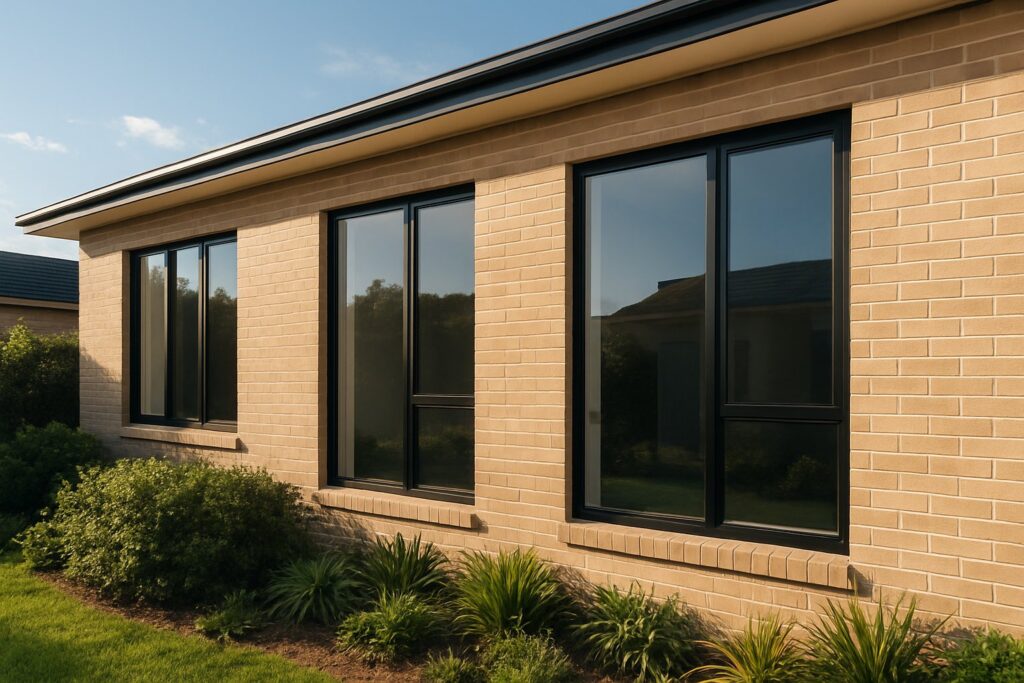
What Are Energy Efficient Windows and Why They Matter
Imagine replacing every window in your home and still watching your energy bills climb. It happens more often than you’d think, and the reason usually comes down to choosing the wrong specs for your climate. Whether you’re shopping for a double hung window for a bedroom or sliding glass doors for a patio, the performance ratings behind the glass matter far more than the brand name on the sticker.
Energy efficient windows are window systems engineered to minimize heat transfer, reduce air leakage, and lower heating and cooling costs through advanced glazing, insulated frames, gas fills, and low-emissivity coatings.
What Makes a Window Energy Efficient
Three core metrics separate a high-performance window from an average one. The window u factor measures how quickly heat escapes through the entire unit, frame and glass included. A lower number means better insulation, with ratings at or below 0.30 considered very good. Solar Heat Gain Coefficient (SHGC) tells you how much solar radiation passes through the glass, a value that needs to shift depending on whether you’re trying to capture warmth or block it. Visible Transmittance (VT) rates how much natural light gets in, which directly affects how often you flip on a light switch. Lines like the Marvin Essential windows or the broader Marvin Marvin Serie illustrate how manufacturers tune these metrics differently across product tiers, but the ratings themselves are what you should compare, not the marketing.
Why Energy Efficient Windows Matter for Your Home
Here’s what most installers won’t explain: your windows don’t just affect comfort, they shape your entire HVAC system. Roughly 25% to 30% of residential heating and cooling energy traces back to window performance. Poor windows force larger equipment, harder run cycles, and higher utility bills year after year. Upgrading to the best energy efficient windows can shrink the heating and cooling load enough to downsize HVAC equipment in new construction, saving money upfront and over the life of the system.
This guide walks you through every decision, from glazing and frame materials to climate-specific selection and available financial incentives, so you can choose with confidence rather than guesswork.
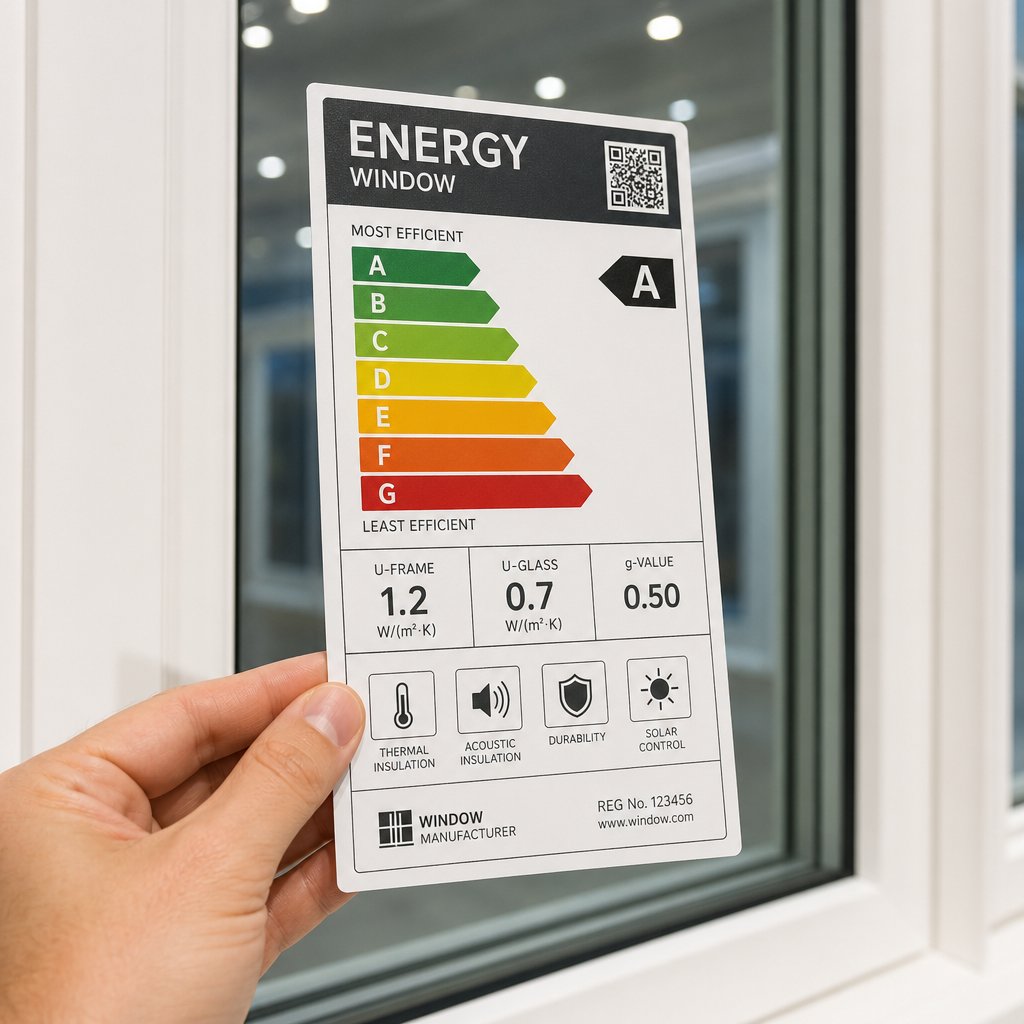
How to Read an NFRC Window Label Like a Pro
Every rated window, whether it’s a sliding window for a kitchen, a glass front door, or a full-wall picture unit, ships with a standardized label from the National Fenestration Rating Council (NFRC). Think of it as a nutrition label for energy performance. The problem? Most shoppers glance at it and move on because nobody taught them what the numbers actually mean. That changes here.
The NFRC label levels the playing field. It doesn’t matter if you’re comparing u factor windows from Andersen, Burris Windows, AMSCO, or any other manufacturer. The ratings are generated through independent testing and certified simulation, so you get a true apples-to-apples comparison across brands, frame materials, and styles.
Understanding U-Factor and What Numbers to Look For
U-factor sits in the top-left corner of every NFRC label. It measures the rate of heat loss through the entire window assembly, glass and frame combined. The rating typically ranges from 0.10 to 2.00, and lower is always better. A window with a U-factor of 0.25 loses far less heat than one rated at 0.40. If you live in a cold climate, this is the single most important number on the label. Look for values at or below 0.30 for strong insulation performance.
One common point of confusion: U-factor is not the same as R-value. R-value measures insulation effectiveness in walls, roofs, and floors, and a higher number is better. U-factor works in the opposite direction, so keep that distinction in mind when comparing window specs to the rest of your building envelope.
Solar Heat Gain Coefficient Explained
SHGC appears in the top-right corner and ranges from 0.00 to 1.00. It tells you how much solar heat passes through the glass. A lower number means less heat enters your home, which is exactly what you want in a hot, cooling-dominated climate. In colder regions, though, a moderately higher SHGC can actually work in your favor by letting passive solar warmth supplement your heating system.
This is where climate context matters most. Buying the lowest SHGC you can find sounds logical, but in a Minnesota winter, you’d be blocking free heat. The right SHGC depends entirely on where you live and which direction your windows face.
Visible Transmittance and Air Leakage Ratings
Visible Transmittance (VT) measures how much natural light a window lets through, rated from 0.00 to 1.00. A higher number means a brighter room and potentially less reliance on artificial lighting during the day. Most homeowners prefer VT values above 0.40 for living spaces, though accent windows or Anderson doors with decorative glass may intentionally sit lower.
Air Leakage is an optional NFRC rating, but it’s worth paying attention to. It measures the volume of air that can infiltrate through the window unit. Lower is better, and here’s a critical threshold: windows rated above 0.3 for air leakage disqualify a building from ENERGY STAR certification. If you’re planning to claim tax credits or rebates, that number matters. Unlike energy star certified window air conditioners that cool a single room, efficient windows reduce the load on your entire HVAC system, making this rating relevant to whole-home performance.
| Metric | What It Measures | Rating Range | Ideal for Colder Climates | Ideal for Warmer Climates |
|---|---|---|---|---|
| U-Factor | Rate of heat loss through the window | 0.10 – 2.00 | ≤ 0.30 (lower = better insulation) | ≤ 0.40 (still important, but SHGC takes priority) |
| Solar Heat Gain Coefficient (SHGC) | Amount of solar heat entering through glass | 0.00 – 1.00 | 0.30 – 0.50 (capture passive solar warmth) | ≤ 0.25 (block solar heat gain) |
| Visible Transmittance (VT) | Amount of natural light passing through | 0.00 – 1.00 | ≥ 0.40 (maximize daylight) | ≥ 0.40 (balance light with heat control) |
| Air Leakage | Volume of air infiltrating through the unit | ≤ 0.3 recommended | ≤ 0.3 (critical for draft prevention) | ≤ 0.3 (required for ENERGY STAR eligibility) |
These four metrics give you everything you need to evaluate any window on its actual performance rather than its price tag or brand reputation. But raw numbers only tell part of the story. The way a window opens, closes, and seals against its frame plays a surprisingly large role in how those ratings hold up in the real world.
Which Window Style Is Most Energy Efficient
A window’s operation style, how it opens, closes, and locks, directly determines how tightly it seals against its frame. Two windows with identical glass packages and window frames can deliver very different real-world efficiency simply because one compresses its weatherstripping while the other slides past it. That mechanical difference is something most shoppers overlook, and it’s rarely highlighted in product listings or even in popular provia windows reviews online.
Casement and Fixed Windows for Maximum Seal
Casement windows swing outward on a hinge and pull tight against the frame using a crank mechanism. When you close one, the sash presses into the weatherstripping on all four sides, creating a compression seal that allows little to no air to flow through. That’s why casement styles consistently rank among the best windows for air tightness, especially in climates where wind-driven infiltration drives up heating costs.
Fixed windows take that principle even further. Because they don’t open at all, there are no moving parts, no tracks, and no gaps. The glass is permanently sealed into the window framing, which eliminates air leakage almost entirely. Fixed picture windows consistently top energy efficiency rankings regardless of manufacturer. The trade-off is obvious: zero ventilation. That makes them ideal for accent walls, stairwells, sky lights that prioritize light over airflow, and any location where you want maximum glass area without sacrificing performance.
Double-Hung and Sliding Windows and Their Trade-Offs
Double-hung and sliding windows operate on tracks. The sashes glide past each other rather than pressing into the frame, which means the seal relies on brush-type or fin weatherstripping instead of compression. Over time, these moving parts can loosen, leading to air leaks that chip away at the window’s rated performance.
That doesn’t make them bad choices. Double-hung windows offer versatile ventilation from both top and bottom sashes, easy tilt-in cleaning, and a classic look that suits traditional architecture. Sliding windows are space-efficient since they don’t swing outward, making them practical next to walkways, patios, or anywhere a 36 x 80 storm door or fiberglass door might obstruct the swing path. Manufacturers have also narrowed the efficiency gap by offering upgrades like krypton gas fills and improved weatherstripping on track-based styles.
Tilt-and-Turn Windows as a High-Performance Alternative
If you want strong air sealing and ventilation flexibility in one unit, tilt turn windows deserve a close look. Popular across Europe and gaining traction in North America, they operate in two modes: tilt inward from the top for secure ventilation, or swing fully inward like a casement for maximum airflow and easy cleaning. In the closed position, multi-point locking hardware compresses the sash against the frame on all sides, delivering air seal performance that rivals casement and fixed styles.
Tilt-and-turn units tend to sit in a higher price tier and require interior clearance for the inward swing, but for homeowners prioritizing both efficiency and function, they fill a gap that no other style covers as well.
| Style | Air Seal Quality | Ventilation | Best Use Case | Relative Energy Efficiency |
|---|---|---|---|---|
| Fixed (Picture) | Excellent, no moving parts | None | Accent walls, stairwells, skylights | Highest |
| Casement | Very good, compression seal | Full opening, single side | Kitchens, bathrooms, hard-to-reach spots | Very High |
| Tilt-and-Turn | Very good, multi-point lock | Tilt for partial, swing for full | Bedrooms, living areas, upper floors | Very High |
| Double-Hung | Moderate, track-based seal | Top and bottom sashes | Traditional homes, street-facing rooms | Moderate |
| Sliding | Moderate, track-based seal | Half the opening width | Patios, walkways, space-limited areas | Moderate |
There’s no single winner here. The right style depends on the room’s function, your local climate, and how much you value ventilation versus air tightness. A whole-home strategy often mixes styles, fixed units where you want light, casements or tilt-and-turn where you need airflow, and double-hung or sliders where space or aesthetics call for them. What matters equally, and sometimes more, is what the frame itself is made of, because the material surrounding all that glass carries its own set of performance trade-offs.
Frame Materials Compared for Energy Performance and Value
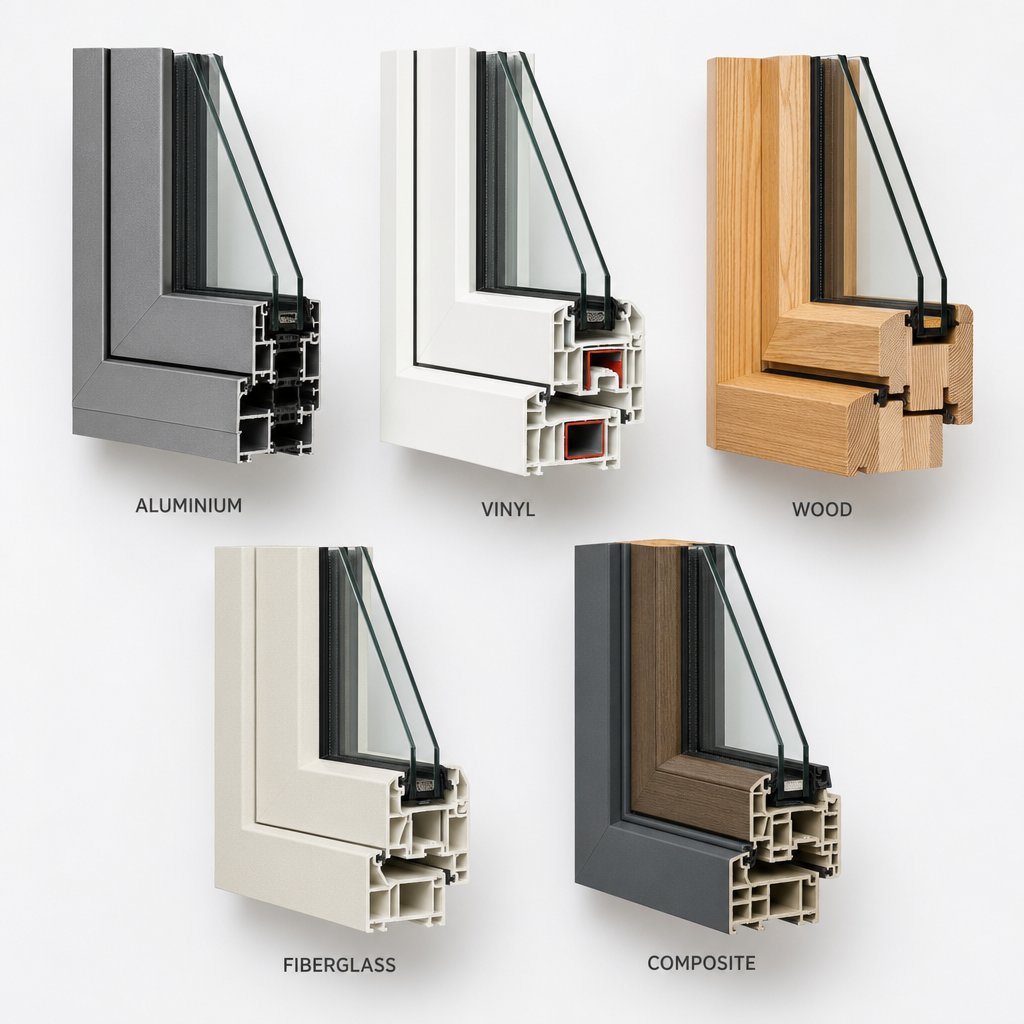
Your frame material accounts for roughly 20% to 30% of the total window area, and it creates the thermal bridge between your conditioned interior and the outdoors. Pick the wrong one and even triple-pane insulated windows with premium low-E coatings will underperform. Five materials dominate the market today, and each brings a distinct mix of thermal performance, cost, durability, and maintenance demands.
Thermally Broken Aluminium Frames for Modern Projects
Aluminium has long carried a reputation for poor insulation, and historically that criticism was fair. Metal conducts heat rapidly, which made older aluminium frames a weak link in any energy strategy. Modern thermally broken aluminium systems have changed the equation. A polyamide or polyurethane barrier inserted between the interior and exterior frame sections disrupts the thermal path, and according to Brennan Enterprises data cited by Demers Glass, this can reduce heat loss by up to 60% compared to traditional aluminium.
The result is a frame that pairs aluminium’s inherent strengths, exceptional durability, slim sightlines that maximize glass area, corrosion resistance, and full recyclability, with genuine energy efficiency. Thermally broken aluminium is especially popular in modern and minimalist builds where large glass panels and narrow profiles define the aesthetic. It’s also a strong fit for commercial window installation projects and multi-story developments where structural strength matters.
For homeowners, renovators, and builders exploring this category, MEICHEN’s aluminium windows collection is one example of how thermally broken aluminium can meet energy efficiency standards while offering design flexibility across residential and commercial projects. Their range is built to Australian standards, which makes it particularly relevant for readers in that market. The honest trade-off? Thermally broken aluminium typically sits in a higher cost tier than vinyl, so it’s an investment that pays off most in projects where longevity, low maintenance, and slim profiles are priorities.
Vinyl and Wood Frames for Budget and Traditional Builds
Vinyl remains the most popular frame material for a reason: it’s affordable and naturally insulating. PVC has low thermal conductivity, so even without a thermal break, vinyl frames provide solid energy performance. One vinyl window typically costs between $300 and $900, making it the go-to for budget-conscious upgrades. Maintenance is minimal, no painting or staining required, and modern vinyl handles most climates well.
The downsides? Vinyl lacks the structural rigidity of metal or fiberglass. Frames tend to be bulkier to compensate, which reduces visible glass area, noticeable even on a small window. In extreme heat, vinyl can expand and warp over time, and dark-colored vinyl is especially prone to fading. If you’re pricing out a standard replacement or comparing the price glass sliding door options across brands like Jeld Wen windows or others, vinyl will almost always come in lowest.
Wood frames deliver excellent natural insulation and unmatched traditional aesthetics. Oak, pine, and mahogany frames can last 50 years with proper care, and they offer superior soundproofing. The catch is maintenance: expect to repaint every three to five years, re-stain every one to two years, and inspect regularly for moisture damage, rot, and pest infiltration. One wood window can cost between $400 and $2,500, and that ongoing upkeep adds to the lifetime expense. Wood is best suited for historic restorations, high-end custom builds, and homeowners who genuinely enjoy hands-on maintenance.
Fiberglass and Composite Frames for Long-Term Performance
Fiberglass frames are made from glass fibers woven into a mat, coated with resin, and hardened into an exceptionally stable material. They don’t expand or contract with temperature swings, resist moisture and pests, and deliver thermal performance on par with vinyl, sometimes better. That dimensional stability is a real advantage in climates with harsh freeze-thaw cycles, which is why fiberglass consistently ranks among the top choices for fixed skylights and other high-exposure applications.
The main barrier is cost. Fiberglass windows typically run $600 to $1,500 per unit, and availability can be more limited than vinyl or aluminium. Customization options are also narrower, though brands continue to expand their color and finish selections. For homeowners who want set-it-and-forget-it durability without the premium of thermally broken aluminium, fiberglass hits a compelling sweet spot.
Composite frames blend two or more materials, often vinyl with aluminium or steel reinforcement, to combine the insulating properties of one with the structural strength of another. Quality varies significantly by manufacturer, so it’s worth asking exactly what’s inside the frame rather than taking the “composite” label at face value. Composites can rival fiberglass in durability and energy performance, but some budget composites cut corners. Expect to pay anywhere from mid-range to premium depending on the specific material blend, with some high-end composites reaching $3,500 per window. They’re a solid middle ground for buyers who want more than vinyl but aren’t committed to a single premium material like Plastpro doors or fiberglass-only systems.
| Material | Thermal Performance | Cost Tier | Durability | Maintenance | Best For |
|---|---|---|---|---|---|
| Aluminium (Thermally Broken) | Very good with thermal break; up to 60% less heat loss than standard aluminium | Mid-High to Premium | Excellent; resists warping, withstands extreme weather | Low; no painting or staining | Modern builds, large glass panels, commercial projects |
| Vinyl (PVC) | Good; naturally low thermal conductivity | Budget | Moderate; can warp in extreme heat | Very Low; no painting required | Budget upgrades, rental properties, mild climates |
| Wood | Very good; excellent natural insulator | Mid-High to Premium | High with maintenance; 50+ year lifespan possible | High; repaint every 3-5 years, inspect for rot and pests | Historic homes, traditional aesthetics, high-end custom builds |
| Fiberglass | Very good; dimensionally stable across temperatures | Mid-High | Excellent; resists moisture, pests, and temperature swings | Low; minimal upkeep | Harsh climates, long-term performance, low-maintenance priority |
| Composite | Good to very good; depends on material blend | Mid to Premium | Good to excellent; varies by manufacturer | Low to Medium | Buyers wanting more than vinyl; mixed-performance needs |
No single frame material wins across every category. The right choice depends on your climate, budget, project type, and how much maintenance you’re willing to take on over the next few decades. What ties all of these options together, though, is that none of them matter much if the window doesn’t carry the right certification for your region, which is exactly where ENERGY STAR tiers come into play.
Understanding ENERGY STAR Certification Tiers for Windows
You’ve got the NFRC metrics, you know which window style seals tightest, and you’ve narrowed down your frame material. But here’s the shortcut most homeowners miss: the ENERGY STAR label does a lot of that filtering for you. It won’t tell you whether to pick a tilt and turn window over a casement, but it will confirm that the unit you’re considering meets a verified baseline of energy performance for your specific region.
ENERGY STAR Certified vs ENERGY STAR Most Efficient
Not all ENERGY STAR labels carry the same weight. The program runs two distinct tiers, and the difference matters more than most buyers realize.
The standard ENERGY STAR Certified designation means a window has been independently tested and verified by the NFRC to meet minimum U-factor and SHGC thresholds set by the EPA for a given climate zone. Every certified unit, whether it’s a premium line like Marvin Ultimate windows or a budget-friendly ES windows option from a regional manufacturer, has passed the same independent verification process. That consistency is the whole point: it removes guesswork.
The ENERGY STAR Most Efficient designation goes further. Updated annually, it recognizes products that deliver performance well above the certified baseline, representing the top tier of efficiency available that year. If you’re building a high-performance home or simply want the tightest envelope possible, this is the tier to target. Think of it as the difference between passing a test and acing it.
How Climate Zones Affect ENERGY STAR Ratings
Here’s something that trips up a lot of shoppers: a window certified for one climate zone may not qualify in another. ENERGY STAR divides the U.S. into four climate zones, Northern, North-Central, South-Central, and Southern, each with its own performance thresholds. Northern zones demand a U-factor of 0.30 or less, while Southern zones allow up to 0.40 but require a much lower SHGC of 0.25 or below to block solar heat gain.
That regional variation exists because energy efficiency isn’t one-size-fits-all. A window optimized to keep heat in during a Minnesota winter has different priorities than one designed to keep heat out in Phoenix. You can look up your exact zone using the ENERGY STAR Climate Zone Finder, and it’s worth doing before you start comparing products, not after.
So why bother with ENERGY STAR at all when you already understand NFRC ratings? Because certification bundles several guarantees into one label:
- Verified third-party testing through the NFRC, not just manufacturer claims
- Guaranteed minimum performance thresholds tailored to your climate zone
- Eligibility for federal tax credits and utility rebate programs, similar to how a high eff water heater qualifies for incentives when it meets certified efficiency standards
- Reduced household energy bills by a national average of up to 13% when replacing single-pane windows
For homeowners who don’t want to cross-reference NFRC data sheets across multiple products, the ENERGY STAR label is the fastest way to confirm a window meets a credible efficiency floor. Whether you’re coordinating with an east central energy utility for local rebates or claiming federal credits, certification is typically the qualifying requirement.
One important caveat: certification confirms a baseline, not a best-case scenario. Two windows can both carry the ENERGY STAR label for the same zone while performing quite differently on specific metrics. One might excel at blocking solar heat while another prioritizes visible light transmission. If you’re pairing windows with accessories like glass door blinds to manage light and privacy, the VT and SHGC balance still matters beyond the label. Use ENERGY STAR as your starting filter, then fine-tune with the NFRC numbers covered earlier for the best match to your project.
Certification tells you a window qualifies. Your climate tells you which specs to prioritize. The next step is putting those two pieces together, matching the right glazing, gas fill, and coating combination to the specific heating or cooling demands of where you live.
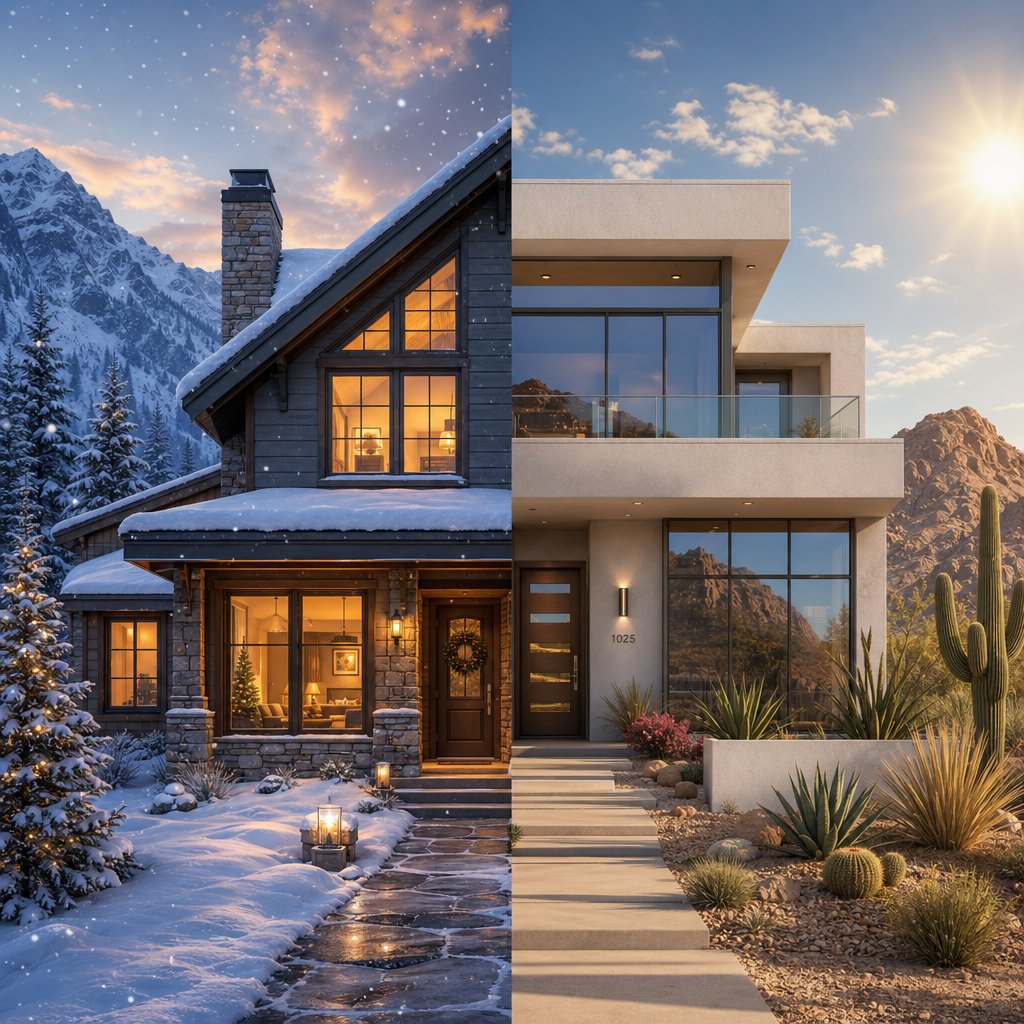
How to Pick the Right Windows for Your Climate
A window that performs beautifully in Vermont could be the wrong choice entirely in Houston. Climate is the single biggest variable in window selection, and it shifts which NFRC metrics deserve your attention, which glazing features earn their premium, and whether triple-pane glass is worth the extra cost or just overkill.
The U.S. Department of Energy frames the decision around two competing forces: heat loss (a winter problem) and solar heat gain (a summer problem). Every home deals with both, but the balance between them depends on whether your climate is heating-dominated, cooling-dominated, or somewhere in between. Here’s how to match your specs accordingly.
Best Window Specs for Cold and Heating-Dominated Climates
If you’re paying north east power bills through long, brutal winters, your top priority is keeping heat inside. That means targeting the lowest U-factor you can afford. ENERGY STAR’s Northern Zone requires a U-factor of 0.22 or below, and the Most Efficient tier pushes that to 0.20 or less. Triple-pane glass with argon or krypton gas fills and soft-coat low-E coatings delivers the strongest insulation in this range, with premium units reaching U-factors as low as 0.15.
Here’s the nuance most guides skip: don’t chase the absolute lowest SHGC in a cold climate. A moderate SHGC, around 0.30 to 0.50, lets passive solar warmth supplement your heating system during short winter days. South-facing double hung replacement windows, for example, can capture meaningful free heat if the glass isn’t blocking it all. The DOE’s cold climate strategy specifically recommends high solar gain fenestration products paired with low air leakage for exactly this reason.
Choosing Windows for Hot and Cooling-Dominated Climates
Flip the priorities in warm regions. Solar heat gain is the enemy, and SHGC becomes the metric that saves you the most money. ENERGY STAR’s Southern Zone caps SHGC at 0.23 while allowing a more relaxed U-factor of 0.32 or below. Spectrally selective low-E coatings are the key technology here. They block infrared heat while still letting visible light through, so your rooms stay bright without turning into greenhouses.
In cooling-dominated climates, quality double-pane glass with advanced low-E coatings often delivers the best cost-to-performance ratio. Triple-pane adds insulation you may not need when your primary battle is blocking solar radiation rather than retaining interior warmth. That saved budget can go toward complementary upgrades, like a screen storm door for ventilation on mild days or a fiberglass front door with glass that uses the same spectrally selective coatings as your windows. Pella patio doors and similar large-glass products benefit especially from low-SHGC glazing, since their expansive surface area amplifies any solar heat gain.
Mixed Climate Window Selection Strategy
Mixed climates are the trickiest because you’re fighting heat loss in winter and heat gain in summer. The goal is balance: a U-factor in the 0.25 to 0.28 range paired with an SHGC between 0.23 and 0.40. Double-pane glass with soft-coat low-E and argon gas fill hits this sweet spot for most mixed-zone homes without the weight and cost of triple-pane.
Soft-coat low-E outperforms hard-coat in most residential applications because it offers better thermal control and lower emissivity. Hard-coat low-E is more durable and scratch-resistant, which makes it suitable for exposed or single-pane applications, but in a sealed insulated glass unit, soft-coat is the stronger performer. Krypton gas fills provide roughly 27% better insulation than air and work well in thinner cavities, while argon is the more cost-effective choice for standard-width gaps.
| Climate Type | Priority Metric | Target U-Factor | Target SHGC | Recommended Glazing Features |
|---|---|---|---|---|
| Cold / Heating-Dominated | U-Factor (minimize heat loss) | ≤ 0.22 | 0.30 – 0.50 (capture passive solar heat) | Triple-pane, soft-coat low-E, argon or krypton fill, warm-edge spacers |
| Hot / Cooling-Dominated | SHGC (block solar heat gain) | ≤ 0.32 | ≤ 0.23 | Double-pane, spectrally selective low-E, argon fill, tinted options for west-facing glass |
| Mixed | Balance of U-Factor and SHGC | ≤ 0.25 – 0.28 | 0.23 – 0.40 | Double-pane, soft-coat low-E, argon fill, consider triple-pane for front double doors or large openings |
You can verify your exact climate zone using the ENERGY STAR Climate Zone Map or the DOE’s residential guidelines. Both are free, authoritative, and take less than a minute to check. Getting this step right before you shop ensures every dollar you spend on glazing upgrades actually pays back in lower energy bills, which raises the natural next question: what do these windows actually cost, and what financial incentives exist to offset the investment?
Cost Ranges and Financial Incentives for Window Upgrades
Performance specs only matter if you can afford the windows that carry them. The good news? Energy efficient windows span a wide price range, and federal incentives can take a meaningful bite out of the upfront cost. The less-good news? Most installers won’t walk you through the math, so you’re left guessing whether the premium glazing package is worth it or whether the budget option gets you close enough.
What Energy Efficient Windows Typically Cost
Based on a 2025 survey of 1,000 homeowners by This Old House, energy efficient windows generally cost between $400 and $900 per unit, with the final number driven by glass type, frame material, and installation complexity. Double-pane windows average around $490 each, while triple-pane units jump to roughly $661, reflecting the added insulation layer and gas fill.
Frame material shifts the price further. Aluminium frames average about $448 per window, fiberglass around $491, vinyl roughly $527, composite near $529, and wood at approximately $567. Those numbers may seem counterintuitive if you expected vinyl to be cheapest, but the survey captures real-world pricing that includes varying feature levels across brands. When you’re shopping for the best windows for home upgrades, the glazing package often matters more than the frame alone. A vinyl window with triple-pane low-E glass will cost more than an aluminium unit with basic double-pane, so compare total specs, not just material labels.
There’s also a meaningful cost split between replacement and new-construction windows. Replacement windows are designed to fit into existing frames, which simplifies installation and typically lowers labor costs. New-construction windows install during framing and offer more flexibility in sizing and style, but they require more labor and structural work. If you’re upgrading double front entry doors and adjacent sidelites at the same time, a new-construction approach may make sense. For room-by-room upgrades in an existing home, replacement units are usually the more practical and affordable path, even if custom window systems offer fewer sizing options in that format.
Federal Tax Credits and Rebate Programs
Here’s where the math gets more interesting. Under the Energy Efficient Home Improvement Credit (Section 25C), homeowners who install qualifying exterior windows and skylights can claim a tax credit equal to 30% of the product cost, up to $600 per year for windows and skylights combined. The credit applies to improvements made through December 31, 2025, and there’s no lifetime cap, so you can claim it each year you make eligible upgrades.
A few critical details most people miss: the windows must meet ENERGY STAR Most Efficient certification requirements, not just standard ENERGY STAR. The home must be your primary residence and an existing structure, not new construction. And starting in 2025, each qualifying product must be produced by a qualified manufacturer with a reported Qualified Manufacturer Identification Number (QMID) on your tax return. Labor costs for window installation don’t qualify for this particular credit, so factor that into your budget separately.
Federal credits are just one layer. State energy efficiency programs and local utility incentives can stack on top, further reducing your net cost. The categories of available incentives generally break down like this:
- Federal tax credits for ENERGY STAR Most Efficient certified windows and skylights (up to $600/year)
- State energy efficiency rebates, which vary widely by location and may cover a percentage of product or installation costs
- Utility company incentive programs that offer rebates, bill credits, or discounted energy audits for verified efficiency upgrades
Check the ENERGY STAR Rebate Finder and contact your local utility provider to see what’s currently available in your area. Incentive programs change frequently, so verify eligibility before you purchase, not after.
Calculating Your Payback Period
Payback period depends on three variables: how inefficient your current windows are, how severe your climate is, and what you pay for energy. Homes with older single-pane windows see the most dramatic returns. ENERGY STAR estimates up to 13% savings on energy bills when replacing single-pane units, and in the same This Old House survey, nearly half of homeowners who upgraded for efficiency reported saving at least $50 per month.
Imagine you spend $6,000 on a whole-home window replacement and save $500 annually on heating and cooling. Without incentives, that’s a 12-year payback. Apply a $600 federal tax credit and a $300 state rebate, and you’ve dropped the effective cost to $5,100, pulling payback closer to 10 years. Factor in the 61% to 69% cost recoup at resale reported by Remodeling Magazine, and the total ROI picture improves substantially, especially if you plan to stay in your home for a decade or more. Even for a northern lite cabin or a commercial window installation project, the same logic applies: the worse your starting point and the harsher your climate, the faster the investment pays for itself.
Beyond energy savings and resale value, over 95% of surveyed homeowners reported improved indoor comfort after installation, citing better temperature control and fewer drafts. That’s not a number you’ll find on a picture of a door or window in a catalog, but it’s the benefit most homeowners notice first. The best house windows aren’t just the ones with the lowest U-factor; they’re the ones that actually get installed correctly, which is exactly where the next and most overlooked variable comes in.

Installation Quality and Mistakes That Kill Efficiency
You could install the highest r value windows money can buy, triple-pane units with krypton fills and soft-coat low-E coatings, and still end up with drafty rooms and inflated energy bills. The reason? A gap between the frame and the rough opening that nobody sealed properly. A missing strip of flashing that lets moisture creep behind the cladding. Shims that were over-tightened until the frame bowed and the sash no longer closed flush. Installation quality is the invisible variable that determines whether your windows perform to their rated specs or fall short from day one.
Why Installation Quality Can Make or Break Efficiency
Every NFRC rating printed on a window label, U-factor, solar heat gain coefficient, air leakage, is measured under controlled laboratory conditions with a perfect installation assumed. In the real world, inadequate sealing and insulation around the frame creates air leakage paths that bypass the glass entirely. A window rated at 0.25 U-factor doesn’t perform like a 0.25 if warm air is escaping through a poorly foamed gap between the frame and the stud wall.
Improper shimming compounds the problem. When fasteners are over-tightened, the frame warps, hardware binds, and the compression seal that makes casement and tilt-and-turn styles so efficient loses contact with the weatherstripping. Under-tightened fasteners are equally damaging: the frame shifts over time, creating gaps that grow wider with each seasonal expansion cycle. Both extremes compromise load-bearing capacity and shorten the window’s lifespan.
Flashing and water management are the other silent killers. Without proper flashing tape integrated into the weather-resistive barrier, water finds its way behind the frame, rotting wood framing, corroding fasteners, and degrading insulation. You won’t notice the damage for months or even years, but by then the repair bill dwarfs what correct installation would have cost upfront.
So how do you protect your investment? Vet your installer the same way you’d vet a contractor for any major project. Look for certification through programs like the AAMA or InstallationMasters, which require rigorous training and testing on proper techniques. Ask specifically about their air sealing and flashing methods. Request references from similar projects, not just general testimonials. A certified installer will also be familiar with local building codes and manufacturer-specific requirements, which matters because many window warranties, including those from brands like Weather Shield windows and others, require professional installation to maintain coverage.
Common Mistakes That Waste Your Window Investment
Across thousands of replacement and new-build projects, the same errors show up repeatedly. Some happen at the shopping stage, others during installation, and a few after the project wraps. Here are the ones that cost homeowners the most:
- Choosing windows based on price alone without checking NFRC ratings. A bargain window with a U-factor of 0.45 will cost you more in energy bills over five years than a mid-range unit rated at 0.28. Always compare the label, not just the sticker price.
- Ignoring climate-specific metrics. Buying the lowest solar heat gain coefficient available sounds smart until you realize you’ve blocked all passive solar warmth in a heating-dominated climate. Match your specs to your zone, not to a generic “most efficient” list.
- Overlooking installation quality and hiring unqualified installers. Incorrect measurements, poor frame preparation, and insufficient insulation are among the most common installation failures. Even energy star windows lose their edge when the surrounding seal fails.
- Not verifying ENERGY STAR certification for the correct climate zone. A window certified for the Southern zone won’t meet Northern zone thresholds. Double-check the label against your specific region before purchasing.
- Skipping available tax credits and rebates. The federal 25C credit alone covers up to $600 per year for qualifying windows. Leaving that money on the table is one of the most common and most avoidable mistakes homeowners make.
One more decision deserves attention here: replacement windows versus new-construction windows. Replacement windows are designed to fit into existing frames, making them faster and less expensive to install. They’re the practical choice for upgrade projects where the existing frame is still structurally sound. New-construction windows, on the other hand, attach directly to the wall studs via nail fins and are installed before exterior cladding goes on. They offer more flexibility in sizing and style, and because they seal directly to the structural opening, they can deliver a tighter air barrier when installed correctly.
The choice between them affects both energy performance and cost. As Pella’s comparison notes, a pocket replacement window is only as efficient as the existing frame it sits in. If that frame has deteriorated, air is escaping around it regardless of how advanced the new glass package is. In those cases, a full-frame replacement or new-construction approach is worth the added labor cost. For whole-home renovations where siding is already being removed, new-construction windows are the logical path. For room-by-room upgrades with intact frames, replacement units keep the project manageable and budget-friendly.
Pairing high-performance windows with complementary upgrades amplifies the results. Energy efficient blinds, for instance, add another layer of thermal control by reducing heat transfer through the glass during peak sun hours or cold nights. Window fiber glass screens maintain airflow without compromising the sealed unit. Even something as simple as ensuring your window treatments don’t block supply vents can affect how well your HVAC system responds to the improved envelope, much like how a high efficiency water heater performs best when the rest of the plumbing system supports it.
Getting the installation right is the final technical hurdle. Everything covered so far, the ratings, the styles, the frame materials, the climate matching, and the incentives, converges at the moment a window gets set into the wall. Nail that step, and the performance you paid for is the performance you get. The only thing left is pulling all of these decisions into a single, clear sequence you can follow from start to finish.
Choosing the Right Energy Efficient Windows for Your Project
Every decision covered in this guide, from NFRC metrics and window styles to frame materials and installation quality, feeds into a single sequence. Follow it in order, and you’ll avoid the most expensive mistakes homeowners make.
A Step-by-Step Decision Framework for Choosing Windows
- Identify your climate zone using the ENERGY STAR Climate Zone Map and set your target U-factor and SHGC ranges accordingly.
- Choose a window style that fits the room’s function and your aesthetic preferences. Casement and fixed units seal tightest; double-hung and sliding styles offer more ventilation flexibility.
- Select a frame material based on thermal performance, budget, and maintenance tolerance. Vinyl works for budget projects, fiberglass and composite for low-maintenance durability, wood for traditional builds, and thermally broken aluminium for modern designs with slim sightlines. Brands like Marvin doors and windows cover wood and fiberglass tiers, while suppliers like MEICHEN specialize in Australian-standard-compliant aluminium systems suited to homeowners, renovators, and builders prioritizing durability and design flexibility.
- Verify ENERGY STAR certification for your specific zone, not just any zone on the label.
- Invest in quality installation from a certified professional. Even steel windows or premium triple-pane units underperform when the seal between frame and wall fails.
- Claim every available incentive: federal tax credits, state rebates, and utility programs. Check eligibility before you buy.
Matching Window Choices to Your Project Type
Your project scope shifts which steps carry the most weight. A new build gives you full control over sizing, style, and frame selection. You can spec new-construction windows with nail fins attached directly to the studs, pair them with a door wood frame that matches, and even coordinate adjacent upgrades like a 36 exterior door or best rated storm doors for entry points. There are fewer constraints and more room to optimize.
A full-home replacement is more bounded. Existing openings may limit your sizing options, and replacement windows need to work within those frames. Focus your energy on getting the glazing and frame material right for your climate, and budget for proper air sealing around every unit. Products in the Anderson 100 Series or similar mid-range lines often hit the right balance of performance and value for whole-home upgrades.
A single-room upgrade is the simplest scope but still benefits from the same decision logic. Even swapping one outdated slider for a casement with low-E glass can noticeably reduce drafts and lower the load on your HVAC system in that zone of the house. Pair it with a complementary storm door, something like the Andersen 3000 Series storm door for an exterior entry, and you’ve tightened two weak points at once.
The best energy efficient windows aren’t defined by a single brand or price point. They’re the ones that match your climate, fit your project, get installed correctly, and qualify for every dollar of incentive you’re entitled to. Follow the framework, and you’ll make a decision built on performance data rather than a sales pitch.
Frequently Asked Questions About Energy Efficient Windows
1. What is the most energy efficient type of window?
Fixed (picture) windows are the most energy efficient style because they have no moving parts and zero air leakage. Among operable styles, casement and tilt-and-turn windows rank highest thanks to their compression seal mechanisms that press the sash tightly against the frame on all sides. However, the ‘best’ type also depends on your glazing package, frame material, and climate zone. A casement window with triple-pane low-E glass and a thermally broken aluminium frame, such as those in MEICHEN’s aluminium window range, will outperform a fixed window with basic single-pane glass. Matching the window style to the room’s ventilation needs and your local climate is just as important as the seal quality.
2. How do I know if a window is ENERGY STAR certified for my area?
Every ENERGY STAR certified window carries a label specifying which climate zones it qualifies for. The U.S. is divided into four zones: Northern, North-Central, South-Central, and Southern, each with different U-factor and SHGC thresholds. A window certified for the Southern zone may not meet Northern zone requirements, so always check the label against your specific location. You can look up your zone using the free ENERGY STAR Climate Zone Finder tool on energystar.gov. Beyond the basic certified tier, ENERGY STAR also offers a ‘Most Efficient’ designation for top-performing products, which is required to qualify for the federal 25C tax credit of up to $600 per year.
3. Are triple-pane windows always better than double-pane?
Not necessarily. Triple-pane windows excel in cold, heating-dominated climates where minimizing heat loss is the top priority, delivering U-factors as low as 0.15. But in hot or mild climates, quality double-pane glass with advanced low-E coatings and argon gas fill often provides the best cost-to-performance ratio. The primary battle in cooling-dominated regions is blocking solar heat gain through a low SHGC, not adding insulation layers. Triple-pane units also weigh more and cost roughly 35% more per window on average, so the added expense may not pay back in regions where winters are short or mild. The smartest approach is to match your glazing level to your climate zone rather than defaulting to the maximum available.
4. What tax credits are available for energy efficient windows in 2025?
Under the Energy Efficient Home Improvement Credit (IRS Section 25C), homeowners can claim a tax credit equal to 30% of the product cost for qualifying exterior windows and skylights, up to $600 per year. The windows must meet ENERGY STAR Most Efficient certification, be installed in your primary residence (existing structure, not new construction), and starting in 2025, include a Qualified Manufacturer Identification Number (QMID) from the manufacturer. Labor costs are not covered by this credit. State energy efficiency rebates and local utility incentive programs can stack on top of the federal credit, further reducing your net investment. Check the ENERGY STAR Rebate Finder for current programs in your area.
5. Does the window frame material really affect energy efficiency?
Yes, significantly. The frame accounts for roughly 20% to 30% of the total window area and acts as a thermal bridge between indoors and outdoors. Vinyl and wood frames offer naturally low thermal conductivity, making them solid insulators without additional engineering. Fiberglass frames add exceptional dimensional stability across temperature extremes. Modern thermally broken aluminium frames, like those offered in MEICHEN’s aluminium windows collection, use a polyamide or polyurethane barrier to reduce heat loss by up to 60% compared to standard aluminium, combining durability and slim profiles with genuine energy performance. The right frame depends on your budget, climate, maintenance tolerance, and design preferences, but ignoring frame material when shopping is one of the most common mistakes homeowners make.
More Window & Door Guides