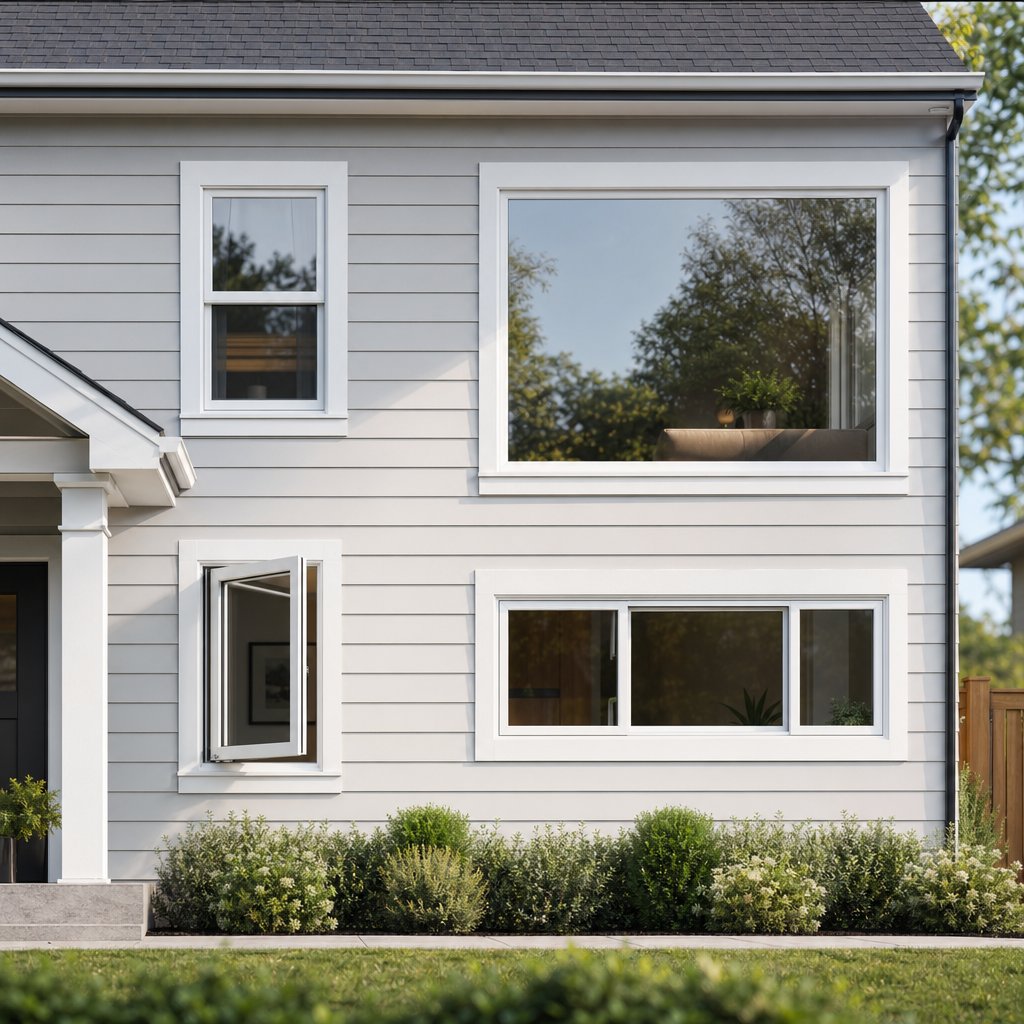
What Are Renovation Windows and Why Do They Matter
Renovation windows are replacement window units designed to fit directly into your existing window frames, without tearing into surrounding walls, siding, or interior trim. Think of them as a precision upgrade: the old sash and hardware come out, a new factory-sealed unit slides in, and your home’s structure stays untouched. If you’ve ever searched for home window repair near me and wondered whether a simple fix or a full swap makes more sense, this is the category that bridges that gap.
What Renovation Windows Actually Are
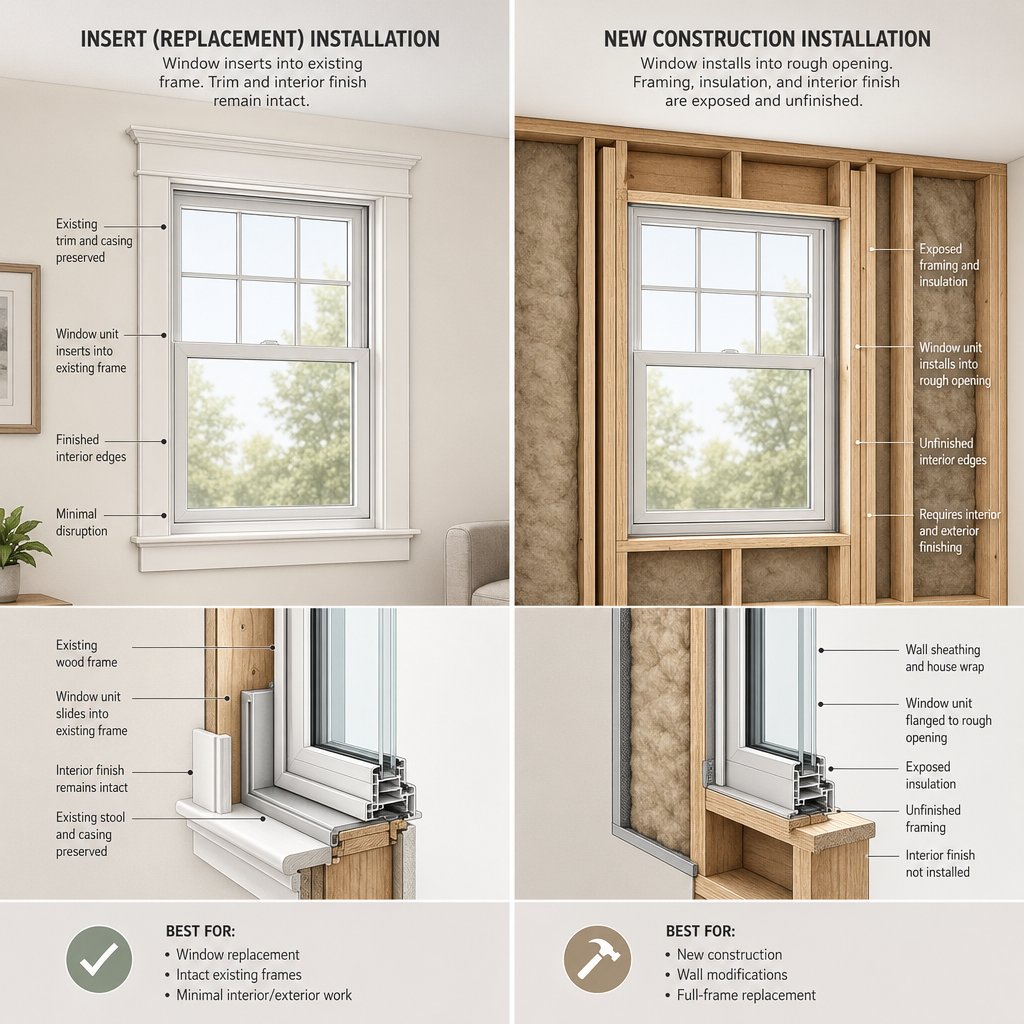
The key difference between renovation windows and a full-frame tear-out is scope. A full-frame replacement strips everything down to the rough opening in the wall, removing the frame, casing, and trim before installing a completely new assembly. That approach makes sense when frames are rotted or structurally compromised. Renovation windows, by contrast, keep the existing perimeter frame intact and place a new, custom-sized unit inside it. The result is a faster, less invasive installation that preserves both your interior finishes and exterior cladding, whether that’s brick, stucco, or wood siding. For homeowners upgrading to modern vinyl windows or other frame materials, this approach typically costs less and wraps up in a fraction of the time.
Why This Matters for Your Renovation Project
Misunderstanding the type of window replacement you actually need is one of the most common ways a project goes over budget or stalls out. Imagine paying for a full structural tear-out when your frames are perfectly sound, or patching up a window that really needs replacing. The U.S. Department of Energy outlines three distinct decision paths: updating existing windows to improve efficiency, replacing them within the current frame, or doing a complete frame-and-window replacement. Each path carries different costs, timelines, and levels of disruption. Knowing where your home falls on that spectrum before you call a contractor or search for window repair near me saves real time and money.
Renovation windows are purpose-built for upgrading existing homes without structural modification, making them the go-to choice when your frames are solid but your glass, seals, or energy performance are not.
Of course, knowing the definition is only the starting point. The real question is whether your current windows actually need replacing, or if a targeted repair could buy you more years of performance.
Signs Your Home Needs New Windows
Some window problems announce themselves loudly, like a rattle during every gust of wind. Others creep in quietly: a slow rise in your energy bill, a faint mustiness near the sill, furniture fading faster than it should. The trick is knowing which symptoms point to a quick fix and which ones mean it’s time to start shopping for window glass replacement near me.
Visible Warning Signs That Windows Are Failing
Run through this checklist the next time you walk past a window that feels “off.” If you spot more than one or two of these, replacement is likely the smarter path:
- Fog or moisture trapped between panes. This means the factory seal on your insulating glass unit has failed. Once that seal breaks, the argon gas escapes and moisture moves in. No amount of exterior caulking will fix it.
- Persistent drafts even after weatherstripping. Hold a lit candle near the frame edges. If the flame flickers, air is leaking through gaps that weatherstripping alone can no longer close.
- Frame rot, warping, or corrosion. Wood frames swell and decay with moisture exposure; a vinyl window can become brittle after decades of UV; aluminium corrodes in coastal air. Structural frame damage almost always means full replacement.
- Difficulty opening, closing, or locking. Warped frames or worn-out hardware create both an energy problem and a safety hazard, especially if the window is an emergency exit.
- Excessive outside noise. If street sounds pass through as though the window is barely there, the glass is likely single-pane or the seals have deteriorated beyond repair.
- Rising energy bills with no other explanation. The U.S. Department of Energy estimates that heat gain and loss through windows account for 25% to 30% of residential heating and cooling energy use.
When Repair Makes More Sense Than Replacement
Not every problem calls for a brand-new unit. If the frame is structurally sound and the glass seal is still intact, targeted repairs can extend a window’s life by several years. Re-glazing cracked putty, swapping out worn hardware, or adding fresh weatherstripping are all low-cost fixes that work well on otherwise healthy windows. Research from Building Science Corporation suggests that external sealing issues account for roughly 60% of reported window problems, and many of those are fixable without a full swap.
The line is clear, though: once condensation appears between the panes, the frame shows rot or warping, or a vinyl window has gone brittle and cracked, repair only delays the inevitable. Catching these issues early prevents water damage and compounding energy loss from turning a manageable project into an expensive one. The next decision is figuring out which type of replacement window actually fits your situation.
Renovation Windows vs New Construction Windows
That “type” question trips up more homeowners than almost anything else in a window project. Two products can look identical on a showroom floor yet require completely different installation approaches, budgets, and levels of demolition. Here’s how to tell them apart and pick the right one for your situation.
How Retrofit Windows Fit Existing Openings
Retrofit, or pocket replacement, windows are built to slide into the window frame your home already has. The installer removes the old sash and hardware, then sets the new unit inside the existing jamb, shimming and sealing it for a snug fit. Your interior trim, exterior siding, and surrounding wall structure stay exactly where they are.
This is what makes them the go-to choice for most renovation projects. According to This Old House, replacement windows can cost 50% to 100% less to install than new construction windows because there’s no structural teardown involved. Some projects wrap up in a single day. If your frames are square, solid, and free of rot, retrofit is almost always the faster and more affordable path.
When New Construction Windows Are the Better Choice
New construction windows come with a nail fin, a thin flange around the perimeter that gets fastened directly to the wall’s structural framing. That means the surrounding wall needs to be open to the studs, either because it’s brand-new or because you’ve stripped it down during a major renovation.
You’ll want new construction windows when you’re building an addition, changing a window’s size or shape, or dealing with frames so damaged that no insert will sit properly. They also offer more customization since you’re creating the opening from scratch. The trade-off is higher labor costs and a more disruptive process that involves removing and reinstalling siding, flashing, and trim.
Choosing the Right Type for Older Homes
Pre-1970s homes introduce a few wrinkles that newer builds don’t. Older construction rarely follows today’s standard sizing, so openings are often irregular and require custom-measured units. Foundations may have settled over decades, throwing frames out of square and demanding careful shimming during installation.
There’s also a safety layer: homes built before 1978 may contain lead-based paint on existing frames and trim. Disturbing those surfaces during a full tear-out triggers EPA-regulated handling procedures that add cost and complexity. For many older homes, a retrofit approach is preferable precisely because it minimizes disturbance to original materials while still delivering modern energy performance. It also helps preserve architectural character, keeping period-appropriate trim and proportions intact rather than rebuilding from scratch.
Be cautious of ads promising $99 replacement windows. At that price point, you’re likely looking at builder-grade units with minimal insulation value and limited warranties. Finding the best replacement windows for an older home means balancing material quality, proper sizing, and installation expertise, not chasing the lowest sticker price.
| Factor | Renovation (Retrofit) Windows | New Construction Windows |
|---|---|---|
| Installation complexity | Low to moderate; fits existing frame | High; requires wall open to studs |
| Typical cost range | Lower overall (50-100% less labor) | Higher due to structural work |
| Best use case | Upgrading existing windows with sound frames | New builds, additions, or major remodels |
| Disruption level | Minimal; preserves trim, siding, and drywall | Significant; siding and interior finishes affected |
| Suitability for older homes | Excellent; preserves character, avoids lead paint disturbance | Use only when frames are beyond repair or openings need resizing |
Choosing between these two paths narrows the field considerably. The next layer of the decision, the one that shapes both daily comfort and long-term durability, is the frame material itself.
Comparing Frame Materials for Renovation Projects
Frame material does more than set the look of your windows. It determines how well they insulate, how long they last, and how much upkeep you’ll deal with over the next two or three decades. The four main contenders for renovation windows are aluminium, vinyl, wood, and composite (fiberglass). Each brings a different balance of cost, performance, and aesthetics to the table.
Vinyl, Aluminium, Wood, and Composite Frames Compared
Aluminium frames are prized for their slim profiles and high strength-to-weight ratio. That structural strength lets manufacturers create larger window spans with thinner sightlines, which is why aluminium dominates contemporary and commercial design. The old knock against aluminium was poor insulation, but modern frames with thermally broken profiles have closed that gap significantly. The U.S. Department of Energy notes that adding an insulating thermal break between the interior and exterior of an aluminium frame dramatically reduces heat transfer. For renovators tackling wide openings, say 71.5 inches (just under 6 feet) or more, aluminium handles the span without the bulk that other materials require. Brands like MEICHEN showcase how today’s aluminium window systems pair energy efficiency with slim design and full compliance with Australian building standards, making them a strong option for renovators who want durability and contemporary flexibility in one package.
Vinyl replacement windows remain the most budget-friendly choice. Made from PVC with UV stabilizers, they offer solid insulation, resist moisture, and need almost zero maintenance. Typical U-factors range from 0.20 to 0.40, which is competitive with much pricier materials. The trade-off is limited color options and a tendency to warp under extreme heat, especially in darker finishes.
Wood delivers the best natural insulation of any frame material and an aesthetic warmth that’s hard to replicate. It’s the go-to for heritage restorations and homes where architectural character is non-negotiable. The catch is maintenance: expect to repaint or re-stain exterior surfaces every three to seven years, and stay vigilant about moisture and pest damage.
Composite and fiberglass frames split the difference. Composites blend wood fibers with polymer for stability and moderate cost. Fiberglass expands and contracts at nearly the same rate as glass itself, which reduces seal stress over time. Both offer low maintenance and strong thermal performance, though fiberglass carries a premium price tag and fewer supplier options compared to vinyl or aluminium.
Which Frame Material Suits Your Renovation
Your project type narrows the field quickly. Budget-focused renovations, rental properties, or homes where you plan to flip and sell lean toward vinyl for its cost-to-performance ratio. Coastal or harsh-weather environments favor aluminium (with thermal breaks) or fiberglass for corrosion resistance and structural resilience. Heritage homes often call for wood to maintain period authenticity, though composite can replicate the look with less upkeep. Modern builds and large-opening designs benefit most from aluminium’s slim frames and design versatility.
Unlike new construction windows, which get fastened to exposed framing, renovation window frames need to fit precisely inside existing openings. That makes dimensional stability especially important. Materials that expand and contract excessively can compromise seals over time, so factor your local climate into the decision alongside budget and appearance.
| Factor | Aluminium | Vinyl | Wood | Composite / Fiberglass |
|---|---|---|---|---|
| Thermal performance (U-factor) | 0.40 – 0.60 (with thermal break) | 0.20 – 0.40 | 0.25 – 0.35 | 0.20 – 0.40 |
| Durability / lifespan | 30 – 50 years | 20 – 40 years | 50 – 100+ years (if maintained) | 30 – 50+ years |
| Maintenance needs | Very low | Very low | High (regular painting/sealing) | Low |
| Aesthetic options | Slim profiles, modern finishes, powder-coat colors | Limited colors, cannot be repainted easily | Paintable, stainable, natural grain | Paintable, moderate color range |
| Best renovation use case | Large openings, contemporary design, coastal areas | Budget renovations, rentals, moderate climates | Heritage homes, high-end remodels | Extreme climates, low-maintenance upgrades |
Picking the right frame gets you halfway there. The other half is the glass itself, specifically how its energy ratings interact with your local climate to either save you money or quietly waste it.
Energy Efficiency and Climate Zones Explained
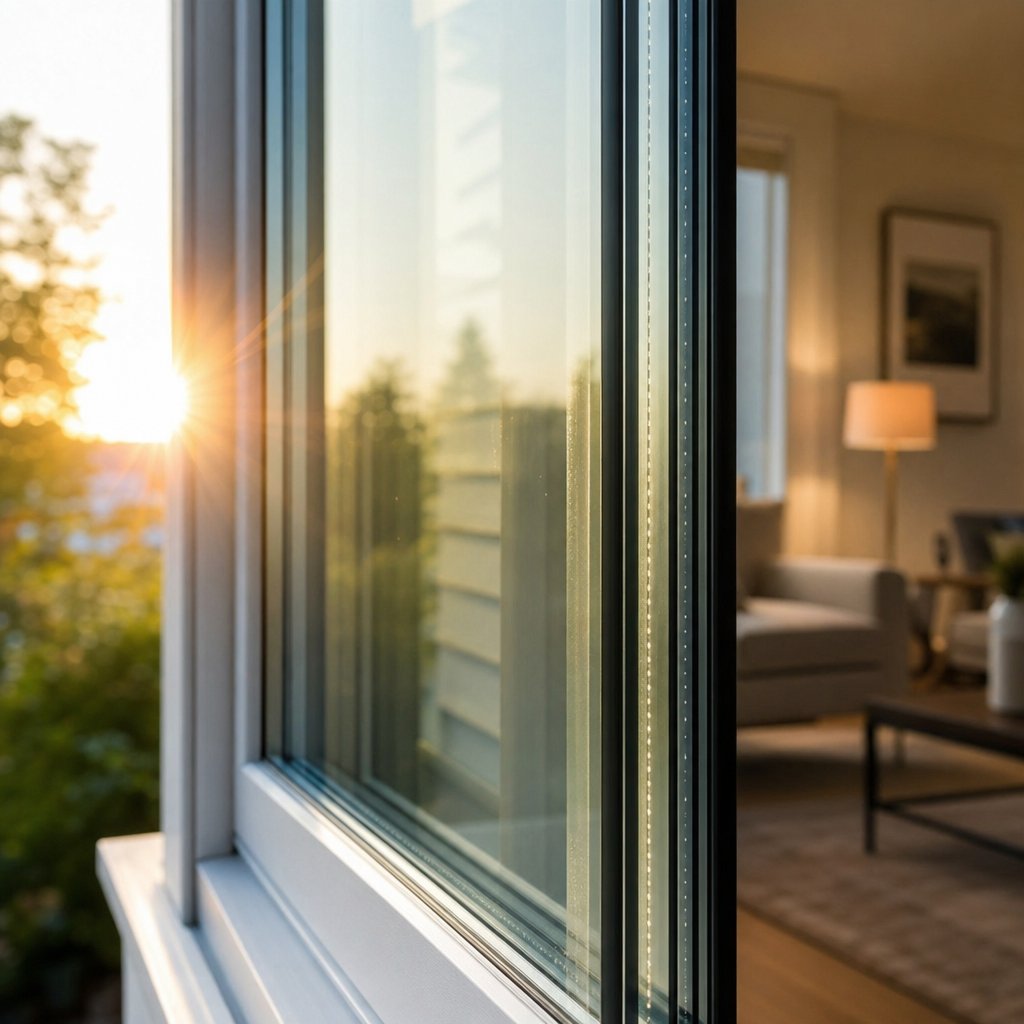
You could install the highest-rated frame on the market and still end up with disappointing energy bills. Why? Because the glass package, not just the frame, has to match the climate your home actually sits in. When you replace windows, the glazing you choose either works with your environment or quietly fights against it every season.
Understanding U-Factor, SHGC, and Energy Ratings
Two numbers on every window label tell you most of what you need to know about energy performance. Sounds technical? It’s simpler than it looks.
U-Factor measures how fast heat passes through the entire window assembly, frame and glass combined. Values fall between 0 and 1, and lower is better. A window with a U-Factor of 0.25 loses heat far more slowly than one rated at 0.40. If you’re familiar with R-Value for insulation, U-Factor is essentially its inverse: instead of measuring resistance to heat flow, it measures the rate of heat transfer. The ENERGY STAR program requires a U-Factor of 0.30 or lower for most climate zones in the U.S., while zones 0 and 1 (the hottest regions) have no U-Factor requirement at all.
Solar Heat Gain Coefficient (SHGC) measures how much solar radiation passes through the glass and heats up your interior. Again, values range from 0 to 1. A low SHGC blocks more solar heat, which is exactly what you want in Phoenix but not necessarily in Minneapolis. The International Residential Code requires an SHGC of 0.25 or less in hot climates (zones 0 through 3), relaxes to 0.40 or less in moderate zones (4 and 5), and drops the requirement entirely in cold zones (6, 7, and 8), where solar warmth is actually welcome.
Every ENERGY STAR certified window is independently tested and verified by the National Fenestration Rating Council (NFRC), which standardizes how these metrics are measured. You’ll find both numbers printed on the NFRC label attached to the glass. If you’re browsing options online, whether you’re searching for a vinyl window near me or comparing premium brands like Pella windows near me, always check that the listed ratings come from NFRC-certified testing rather than manufacturer estimates alone.
How Climate Zone Shapes Your Window Choice
The U.S. is divided into climate zones ranging from 0 (extremely hot) to 8 (extremely cold), mapped by the American Society of Heating and Air-Conditioning Engineers (ASHRAE) and adopted into building codes. Your zone dictates which performance numbers matter most.
In hot, sun-drenched climates, SHGC is the priority. You want glazing with low-E coatings engineered to reflect solar radiation before it enters the room, keeping cooling loads manageable. In cold climates, U-Factor takes center stage. Triple-pane glass, argon or krypton gas fills, and thermally broken frames all push that number down, trapping heat inside where it belongs. Mixed climates, think the mid-Atlantic or Pacific Northwest, need a balanced approach: moderate U-Factor for winter retention and moderate SHGC to prevent summer overheating.
Orientation matters too. ENERGY STAR recommends selecting higher-SHGC glass for south-facing windows in cold climates to capture free solar heat, while keeping west-facing windows at a low SHGC everywhere, since late-afternoon sun hits hardest when outdoor temperatures peak.
Beyond thermal metrics, independent testing bodies also evaluate structural performance, including resistance to wind pressure and water infiltration under controlled conditions. These ratings tell you whether a window can handle driving rain at specific pressures or sustained wind loads, practical information for coastal renovations or storm-prone regions. Always ask your supplier for tested performance data rather than relying on general marketing claims.
Choosing the wrong glazing for your climate can negate the energy savings renovation windows are supposed to deliver. A low-SHGC window in a cold northern home blocks the free solar heat you need, while a high-SHGC unit in the south turns every room into a greenhouse.
Getting the energy specs right protects your investment for decades. The next challenge is fitting that investment into a realistic project timeline, because even the perfect window delivers nothing if it’s installed at the wrong stage of your renovation.
Planning Your Window Renovation Step by Step
A window with perfect energy ratings sitting in a warehouse does nothing for your comfort or your bills. The difference between a smooth upgrade and a frustrating one almost always comes down to sequencing, accurate prep work, and timing the project around both your broader renovation and the weather outside.
Where Windows Fit in Your Renovation Timeline
Imagine finishing your interior plastering, only to realize the new windows still need to go in and the installation crew has to cut into the wall you just paid to skim. That scenario is more common than you’d think. Window replacement should happen after structural work, framing, and any rough-in for electrical or plumbing, but before exterior cladding, siding, insulation, and interior finishing. Fenbro’s renovation guidance reinforces this point: replacing windows before the facade is insulated minimizes the risk of damaging the insulation layer, and doing it before interior work avoids replastering and repainting walls that get disturbed during installation.
Coordinating with other trades matters just as much. Painters, siding contractors, and plasterers all need the window openings finalized before they can do their jobs properly. Getting the sequence wrong doesn’t just cause rework; it can void warranties if flashing or sealant gets compromised by follow-on trades.
Step-by-Step Planning From Measurement to Installation
Whether you’re doing a vinyl window replacement across the whole house or swapping out a few problem units, the workflow follows the same logical path. Here’s the sequence that keeps projects on track:
- Assess and prioritize. Walk through every room and identify which windows need replacing. Focus first on units with failed seals, frame damage, or the worst energy performance. Not every window has to be done at once.
- Measure existing openings accurately. This step is critical for renovation windows that must fit inside existing frames. Measure the width at the top, middle, and bottom, and the height on the left, center, and right. Use the smallest measurement in each direction to ensure a proper fit. Check diagonals: if they differ by more than 1/4 inch, the frame may be out of square and could need additional shimming or a full-frame approach.
- Select frame material and glazing. Match your choices to the climate zone and energy ratings covered earlier. Decide between double-pane and triple-pane glass, low-E coatings, and gas fills based on your region’s heating and cooling demands.
- Order and account for lead times. Standard sizes may ship in one to two weeks, but custom-sized units, common in older homes, often require four to six weeks. Factor this into your renovation schedule so windows arrive when the opening is ready, not weeks before or after.
- Schedule installation around contractor availability and weather. Confirm dates with your installer well in advance, and build in a buffer for delays. Make sure the installation window (no pun intended) falls after structural work and before finishing trades.
- Prepare the work area. Clear furniture, remove window treatments, and protect floors with drop cloths. For homes built before 1978, test for lead paint before any frame disturbance, as EPA regulations require certified handling procedures.
- Install, seal, and inspect. After the new units are set, shimmed, and fastened, gaps get filled with low-expansion spray foam and sealed with exterior-grade caulk. Test every window for smooth operation, check for drafts, and verify that flashing is properly integrated before the crew leaves.
Seasonal Timing and Scheduling Tips
Weather plays a bigger role than most homeowners expect. The caulks and sealants used during installation cure best in moderate temperatures, typically between 40°F and 85°F. That makes spring and autumn the sweet spot for most regions. Seasonal timing guides consistently recommend these shoulder seasons because they avoid the extremes that compromise installation quality: summer heat can cause plastic windows and vinyl frames to expand during fitting, leading to tight tolerances that bind once temperatures drop, while winter cold makes materials brittle and slows sealant curing.
Fall is especially popular because homeowners want their homes sealed before heating season. Spring, on the other hand, lets you address any damage from winter ice and prep for summer cooling. If a winter installation is unavoidable, expect extra weatherproofing steps, temporary barriers to keep rooms warm during the swap, and potentially higher labor costs due to the added complexity.
Contractor pricing also follows seasonal demand. Booking during the off-peak months of late winter or early summer can sometimes yield better scheduling flexibility and competitive quotes. Just make sure the weather cooperates with the installation requirements for your specific window type.
A solid plan and the right timing get your windows in place without drama. The variable that can still make or break the result, though, is the person doing the actual installation.
How to Find and Vet a Window Installer
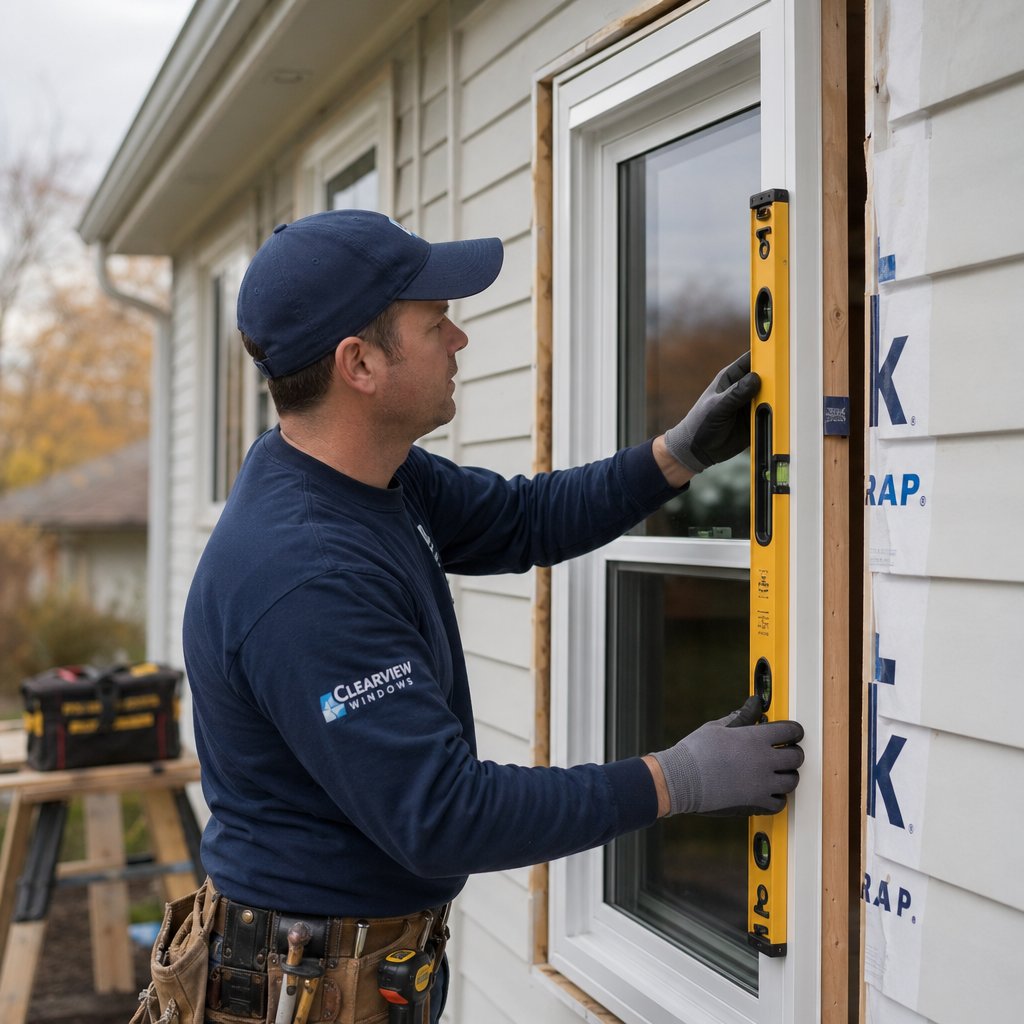
A perfectly specified window installed poorly is worse than an average window installed well. Drafts return, seals fail early, and warranties get voided before you ever file a claim. The installer you choose carries as much weight as the product itself, yet most homeowners spend far more time picking a frame material than vetting the person who’ll fit it.
What to Look for in a Window Installation Contractor
Start with the non-negotiables. Every contractor on your shortlist should hold a current, verifiable license and carry both general liability and workers’ compensation insurance. Industry data suggests that over 30% of construction defect claims involve contractors who lack proper licensing and insurance, and hiring an uninsured installer could leave you personally liable for injury claims averaging $15,000. Ask for a certificate of insurance directly from the insurer, not just a photocopy from the contractor, and confirm the policy is active.
Beyond credentials, look for experience specifically with renovation window installation. Fitting a new unit into an existing frame demands different skills than nailing a new construction window into open studs. Older homes with non-standard openings, settled foundations, or out-of-square frames need an installer who knows how to shim, seal, and flash within tight tolerances. Ask whether they’ve worked on projects similar to yours, whether that’s a mobile home window replacement, a heritage cottage with irregular openings, or large living room windows that require precise structural support. A contractor who can reference a window size chart and explain how they handle custom measurements is far more trustworthy than one who eyeballs the opening.
Request at least three references from projects completed within the past year, and actually call them. Ask about timeline accuracy, cleanup, communication, and how problems were handled. Reputable contractors expect informed homeowners to request this information and see it as a sign of professionalism, not suspicion.
Evaluating Quotes and Avoiding Red Flags
Comparing quotes only works when every bid covers the same scope. Each estimate should itemize removal and disposal of old windows, the new units themselves, installation labor, interior and exterior trim, flashing, and sealant. If one quote bundles everything into a single line while another breaks it down, you’re not comparing apples to apples.
Pay close attention to warranty details in each quote. There are four distinct warranty types worth asking about:
- Glass seal warranty covers failure of the insulating glass unit (fogging between panes). Most manufacturers offer 10 to 20 years.
- Frame warranty covers defects in the frame material itself, from warping to discoloration.
- Hardware warranty covers locks, hinges, balances, and operators. These components wear faster than frames, so shorter coverage periods are common.
- Labor warranty covers the installer’s workmanship, including leaks, drafts, or structural issues caused by improper fitting. This one varies the most, ranging from one year to lifetime depending on the contractor.
A contractor who offers only verbal warranty promises or gets evasive when you ask for written terms is telling you something. Over 60% of window installation complaints stem from poor workmanship or product issues within the first five years, and without a written labor warranty, you’ll absorb those repair costs yourself.
Here are the red flags that should move a contractor off your list immediately:
- Cannot or will not provide proof of licensing and insurance
- Pressures you to sign during the first visit or uses “today only” pricing
- Offers an unusually low bid with no clear explanation of what’s included
- Has no online reviews, no references, and no portfolio of past work
- Gives vague answers about warranty coverage or refuses to put terms in writing
- Misses scheduled appointments or is slow to return calls during the quoting phase
- Cannot explain how they handle flashing, moisture barriers, or local code requirements
One area that catches homeowners off guard is permits. Many people assume that sliding a new unit into an existing frame doesn’t require one. In reality, building codes in most jurisdictions require permits for window replacement regardless of whether the frame is being modified. Inspectors verify compliance with energy codes, emergency egress requirements, tempered glass safety standards, and moisture barrier integrity. Skipping the permit might save a few hundred dollars upfront, but it can create legal headaches when you sell the home and the work shows up as unpermitted.
If your home falls within a homeowners association, check the CC&Rs before finalizing any window order. Many HOAs regulate window style, frame color, grid patterns, and even glass reflectivity. Ordering a full set of windows only to learn your HOA requires a different profile is an expensive mistake that a quick email to the architectural review committee can prevent.
A vetted installer with clear documentation and proper permits protects your investment from day one. The remaining piece of the puzzle is understanding what that investment actually looks like in dollars.
Costs and Budgeting for Window Replacement
Knowing what a good installer charges is one thing. Understanding why they charge it, and where your money actually goes, is what turns a vague estimate into a budget you can plan around.
What Drives the Cost of Renovation Windows
No single number captures what you’ll spend, because every project stacks a different combination of variables. Pella’s cost breakdown highlights that a quote isn’t pricing a product alone; it’s pricing a complete project shaped by your home’s architecture and the complexity of the work involved. Here are the factors that move the needle most:
- Frame material. Vinyl sits at the affordable end, wood and fiberglass at the premium end, with aluminium in between. The material you picked in the previous step directly shapes this line item.
- Glazing type. Double-pane with a low-E coating is the baseline for most renovations. Step up to triple-pane glass, argon or krypton gas fills, or specialized tints and the per-unit cost climbs accordingly.
- Window style and configuration. A standard double-hung costs less than a casement, sliding, or awning unit of the same size. Specialty shapes like arches or circles carry a further premium.
- Custom sizing. Older homes with non-standard openings often need made-to-measure units. A window opening that measures 113 inches (roughly 9.4 feet in width) isn’t something you’ll find off the shelf, and custom fabrication adds both cost and lead time.
- Installation labor. Accessibility matters here. A ground-floor unit in a newer home is straightforward. A second-story window behind landscaping, or a back window where scaffolding is needed, pushes the back window replacement cost higher due to equipment and time. Regional labor rates and local demand also play a role.
- Additional modifications. Hidden issues like frame rot, insulation gaps, or outdated flashing frequently surface during removal. These aren’t optional extras; they’re necessary fixes that protect the new installation.
One consistent advantage of renovation windows over new construction units is cost efficiency at the labor level. Because retrofit installation preserves the existing frame, siding, and trim, This Old House reports that installation labor can run 50% to 100% less than a full tear-out approach. You’re paying for precision fitting, not demolition and reconstruction.
Budgeting Strategies for Window Replacement
Few homeowners can replace every window at once without feeling the financial hit. The good news is you don’t have to. A phased approach works well: start with the windows that are failing the worst, the ones with broken seals, visible rot, or the highest energy loss, and tackle the rest over subsequent budget cycles. This lets you spread the investment while immediately improving comfort in the rooms that need it most.
When you’re planning a phased approach, think about bundling window work with related upgrades like basement wall insulation or weatherstripping. Addressing multiple envelope weaknesses in the same phase maximizes energy savings per dollar spent and can simplify contractor scheduling.
Before you finalize any budget, research available incentives. Energy-efficient windows often qualify for utility rebates, local government incentive programs, or federal tax credits that offset a meaningful portion of the cost. These programs change frequently, so check with your local utility provider and the ENERGY STAR tax credit page for current eligibility. Some manufacturers and installers also offer financing that lets you start the project now and pay over time.
Finally, build a contingency buffer. Industry guidance suggests setting aside 10% to 15% beyond your expected project cost for surprises like hidden water damage or out-of-square frames that need extra prep. That cushion is the difference between a stressful mid-project scramble and a renovation that stays on track.
With a realistic budget in hand, the final step is pulling every decision together, frame material, glazing, timeline, installer, and cost, into a clear action plan that gets the right windows into your home.

Choosing the Right Renovation Windows for Your Home
You’ve worked through the hard parts: diagnosing whether your windows need replacing, understanding the difference between retrofit and new construction approaches, comparing frame materials, decoding energy ratings for your climate zone, mapping out a project timeline, vetting installers, and building a realistic budget. What’s left is connecting those decisions into a single, coherent action plan.
Matching the Right Windows to Your Project
Every window replacement project comes down to four core questions answered in sequence. First, do your existing frames justify a retrofit window installation, or is the damage severe enough to warrant full-frame new construction units? For most homes with structurally sound openings, the retrofit path saves time, money, and disruption. Second, which frame material fits your climate, aesthetic, and maintenance tolerance? Aluminium for slim profiles and coastal durability, vinyl for budget efficiency, wood for heritage character, or composite for extreme-weather resilience. Third, do the glazing specs, specifically the U-Factor and SHGC, align with your climate zone requirements? Getting this wrong quietly erodes the savings that replacing windows is supposed to deliver. Fourth, does your project timeline slot window installation after structural work and before finishing trades, with enough lead time for custom orders?
If you can answer all four confidently, you’re ready to move from research to purchasing. If any answer feels uncertain, revisit that section of your planning before committing dollars.
Where to Start Shopping for Renovation Windows
Evaluating suppliers is less about finding the cheapest quote and more about finding a manufacturer whose product range, documentation, and standards compliance give you confidence in a 20- to 30-year investment. Look for suppliers that offer multiple window styles and sizes suited to renovation projects, publish clear NFRC-certified energy performance data, and comply with relevant national building standards. A manufacturer that can walk you through replacement rear window cost breakdowns, custom sizing for older homes, and glazing options by climate zone is far more valuable than one that leads with price alone.
For renovators exploring aluminium options, MEICHEN’s aluminium window range is a practical starting point. Their collection spans multiple styles designed for homeowners, builders, and developers, with each product built to Australian standards for energy efficiency and structural performance. It’s a useful resource for comparing how modern thermally broken aluminium frames handle different renovation scenarios, from standard replacements to wide-span contemporary openings.
Whichever supplier you choose, request samples or visit a showroom before ordering. Photos and spec sheets only tell part of the story. Feeling the weight of the frame, testing the hardware action, and seeing the sightline profile in person helps you judge quality in ways a product page can’t replicate.
The right renovation windows balance energy performance, material durability, and project budget for a result that lasts decades, not just long enough to pass inspection.
Start with the windows that need the most urgent attention, apply the decision framework you’ve built through this guide, and let each successful installation inform the next phase. A well-planned window renovation doesn’t just fix drafty rooms. It reshapes how your home feels, performs, and holds its value for years to come.
Frequently Asked Questions About Renovation Windows
1. What is the difference between renovation windows and new construction windows?
Renovation windows, also called retrofit or pocket replacement windows, slide into your existing window frame without disturbing surrounding walls, siding, or interior trim. New construction windows include a nail fin that fastens directly to exposed wall studs, meaning the wall must be open to the framing. Renovation windows are faster to install, less disruptive, and generally cost significantly less in labor because they skip the demolition and reconstruction steps. New construction windows are the better fit when you are building an addition, changing a window opening’s size, or dealing with frames too damaged to support an insert.
2. How do I know if my windows need replacing or just repairing?
If your window frames are structurally sound and the glass seal is still intact, targeted repairs like re-glazing, hardware swaps, or fresh weatherstripping can extend their life. However, replacement becomes the smarter path when you see condensation trapped between double-pane glass (indicating seal failure), visible frame rot or warping, persistent drafts that weatherstripping cannot fix, or difficulty opening and closing the window. Rising energy bills with no other explanation and excessive outside noise penetration are also strong indicators that repair will only delay an inevitable replacement.
3. Which frame material is best for renovation windows?
The best frame material depends on your climate, budget, and aesthetic goals. Aluminium frames offer slim sightlines, high strength for large openings, and excellent durability in coastal environments, especially with modern thermal breaks. Manufacturers like MEICHEN build aluminium window systems that meet Australian energy efficiency and building standards, making them a strong choice for renovators wanting contemporary design flexibility. Vinyl is the most affordable and low-maintenance option for moderate climates. Wood provides superior natural insulation and suits heritage homes but demands regular upkeep. Composite and fiberglass frames balance durability with low maintenance and perform well in extreme weather conditions.
4. When is the best time of year to install renovation windows?
Spring and autumn are generally the ideal seasons for window installation. Caulks and sealants cure best in moderate temperatures, typically between 40 degrees F and 85 degrees F. Summer heat can cause vinyl and plastic frames to expand during fitting, creating tolerances that bind when temperatures drop. Winter cold makes materials brittle and slows sealant curing, often requiring temporary barriers and extra weatherproofing steps that add labor cost. Booking during off-peak months like late winter or early summer can also offer better scheduling flexibility and more competitive pricing from contractors.
5. How much do renovation windows cost compared to full-frame replacement?
Renovation windows are generally less expensive than full-frame new construction replacements because the installation preserves your existing frame, siding, and trim, eliminating demolition and reconstruction labor. The total cost varies based on frame material, glazing type (double versus triple pane, low-E coatings, gas fills), window style, custom sizing for older homes, and regional labor rates. A practical budgeting strategy is to phase the project by replacing the most damaged or energy-inefficient windows first, then tackling the rest over subsequent budget cycles. Homeowners should also research energy-efficiency rebates, utility incentives, and federal tax credits that can offset a meaningful portion of the investment.
More Window & Door Guides