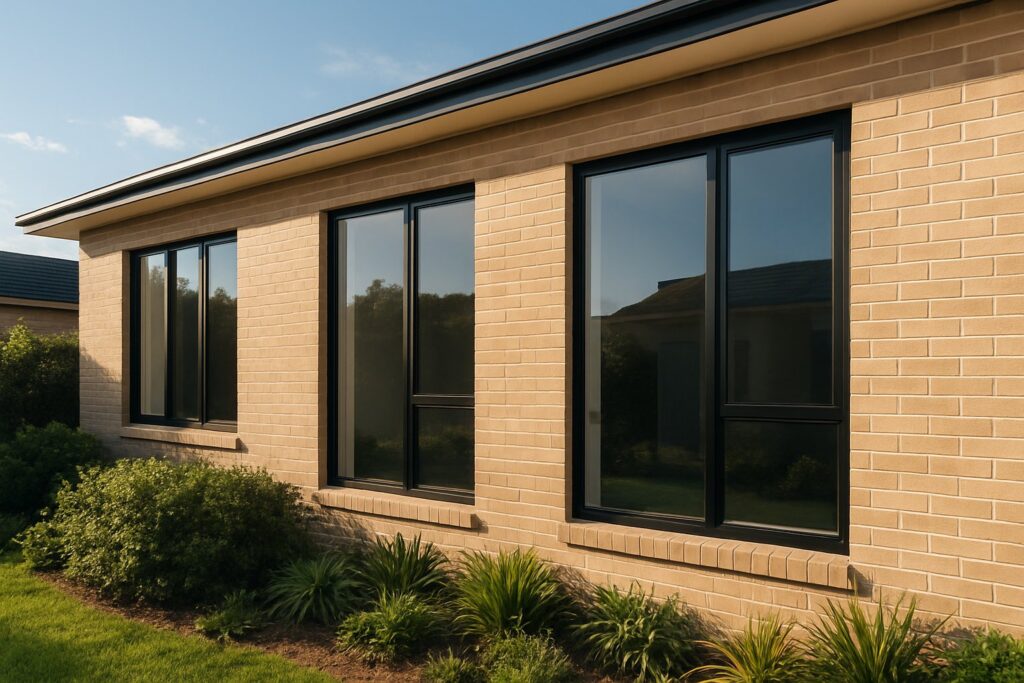
So Are Aluminium Windows Actually Better Than uPVC
Aluminium windows are not universally better than uPVC. The smarter choice depends entirely on your project’s priorities, including aesthetics, thermal performance, budget, property location, and local building regulations. There is no one-size-fits-all winner here, and anyone telling you otherwise is oversimplifying a genuinely nuanced decision.
This guide breaks down the comparison across the dimensions that actually matter: energy efficiency, durability, long-term cost, design flexibility, sustainability, and climate suitability. By the end, you’ll have a clear framework for deciding which material fits your specific situation.
The Short Answer to a Common Question
If you’re looking for a quick verdict, here it is:
Aluminium excels in durability (up to 40-50 years), slim sightlines, and design flexibility, while uPVC windows win on upfront affordability and naturally strong thermal insulation. Neither material is objectively superior — the right pick depends on what you value most in your build or renovation.
That summary holds true across most residential and commercial scenarios. Aluminium frames offer a lifespan of 40-50 years and suit modern, minimalist architecture with large glass surfaces. uPVC windows and doors, on the other hand, deliver excellent thermal performance at a lower price point, making them a practical default for budget-conscious homeowners. The gap between them, though, is narrower than most people assume.
Why This Comparison Keeps Coming Up
A decade ago, this question had a simpler answer. Aluminium conducted heat and cold so readily that uPVC was the obvious choice for energy-conscious projects. That changed with the widespread adoption of aluminum thermal break windows, which insert a non-conductive barrier into the frame to dramatically reduce heat transfer. This single innovation closed the historical energy gap and made the comparison genuinely competitive again.
At the same time, rising renovation activity and evolving building energy efficiency standards are pushing homeowners and builders to re-evaluate their default choices. Regulations now demand higher-performing window units regardless of frame material, which means both aluminium and uPVC manufacturers have had to raise their game. The result is a market where the “better” option shifts depending on your climate, your property type, and how long you plan to stay.
So rather than picking a side, the more useful approach is understanding exactly where each material shines and where it falls short. That starts with knowing what these two materials actually are.
Understanding the Two Materials at a Glance
Before you can weigh up performance, cost, or looks, it helps to understand what each frame is actually made of. The terminology around window materials can get confusing fast, so here’s a plain-language breakdown of both options.
What Are uPVC Window Frames
uPVC stands for unplasticised polyvinyl chloride. It’s a rigid, durable plastic compound created by removing the chemical plasticisers that make standard PVC soft and flexible. What you’re left with is a tough, weather-resistant material reinforced with steel inserts and fused at the corners for structural strength.
You’ll sometimes see these referred to as PVC windows, PVC-U windows, or even uPV windows. They’re all essentially the same product family. The naming varies by region and manufacturer, but the core material is identical.
uPVC framed windows dominate the replacement window market in many countries, particularly for residential projects. The reasons are straightforward: the price of upvc windows is significantly lower than most alternatives, the material naturally insulates well thanks to multi-chambered hollow profiles, and it requires almost no ongoing maintenance. No painting, no sealing, no varnishing. For homeowners watching their upvc windows price closely, it remains the default starting point.
What Are Aluminium Window Frames
Aluminium is a lightweight metal with an impressive strength-to-weight ratio. In window construction, that strength translates into slimmer frame profiles, which means more glass area and cleaner sightlines. Where a uPVC frame might need 70-80 mm of profile depth to achieve adequate rigidity, an aluminium frame can deliver equal or greater structural performance at a narrower width.
Here’s the critical distinction that shapes every comparison in this guide: there are two types of aluminium window systems. Standard aluminium frames have the inner and outer profiles directly connected, which allows heat and cold to pass freely through the metal. Modern thermally broken aluminium frames, by contrast, insert a non-metallic insulating barrier — typically reinforced polyamide strips — between the interior and exterior sections. This thermal break transforms aluminium from a highly conductive material into a genuinely competitive performer.
When someone asks whether aluminium or uPVC is the better option, the answer depends heavily on which type of aluminium system they’re comparing. Standard aluminium and thermally broken aluminium are, for practical purposes, two different products.
The table below gives you a factual snapshot of how the raw materials compare before any performance judgments come into play.
| Property | uPVC | Aluminium |
|---|---|---|
| Typical frame depth | 70-80 mm | 50-65 mm |
| Frame weight | Moderate (reinforced with steel inserts) | Lightweight |
| Raw thermal conductivity | ~0.16 W/m·K (naturally low) | ~205 W/m·K (high without thermal break) |
| Colour and finish options | White standard; limited foil-wrapped colours | Virtually unlimited RAL colours via powder coating; anodised and metallic finishes |
| Core material type | Rigid plastic compound | Lightweight metal alloy |
That raw conductivity figure — 205 W/m·K for aluminium versus roughly 0.16 W/m·K for uPVC — is the number that historically made this comparison lopsided. It’s also the exact problem that thermal break technology was engineered to solve, and understanding how it works changes the entire equation.
Energy Efficiency and Thermal Performance
Energy efficiency is the single biggest concern behind this comparison, and for good reason. Your window frames are either helping your insulation system or quietly working against it. When you’re weighing aluminum vs pvc windows, the thermal story has changed dramatically in recent years, and the old assumptions no longer hold.
How Thermal Break Technology Changed the Game
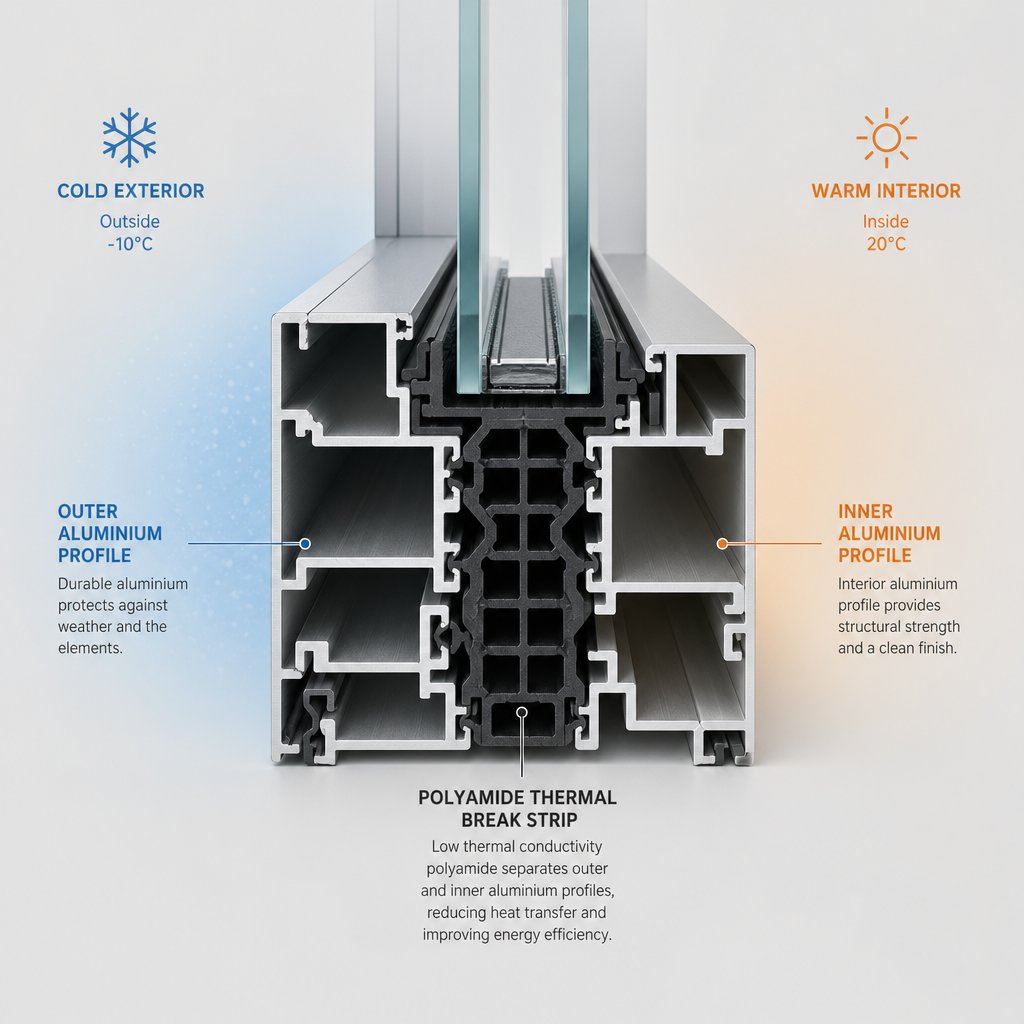
Imagine your aluminium window frame as a metal bridge connecting the outside air to your living room. Without any interruption, heat travels straight through that bridge. On a cold night, the interior side of the frame drops toward outdoor temperatures. On a hot day, it radiates warmth inward. That’s the physics problem aluminium has always faced: raw aluminium conducts heat over 1,000 times more readily than uPVC.
A thermal break solves this by cutting that bridge in half. It’s a strip of non-conductive material — typically polyamide reinforced with glass fibres — inserted between the inner and outer aluminium profiles. This barrier has a thermal conductivity of roughly 0.3 W/mK compared to aluminium’s 237 W/mK, which means heat can no longer take the easy path through the metal. The two halves of the frame essentially become separate thermal zones.
The performance shift is significant. Traditional aluminium windows without a thermal break typically produce U-values of 4.0-6.0 W/(m2K) — poor by any modern standard. Thermally broken windows and doors, by contrast, routinely achieve U-values between 0.8 and 2.0 W/(m2K), representing a 70-85% improvement in thermal efficiency. Premium thermally broken aluminium systems can reach whole-window U-values as low as 1.1 W/m2K, which meets or exceeds what high-spec uPVC frames deliver (typically 1.2-1.6 W/m2K for the frame component).
The width of the thermal break matters too. Advanced systems feature breaks ranging from 24 mm to 35 mm, and wider breaks generally mean better insulation. When paired with triple glazing, low-emissivity coatings, and warm-edge spacers, thermally broken aluminium creates a complete thermal ecosystem that rivals anything uPVC can offer.
That said, context matters. Not all thermally broken aluminium is created equal. Budget aluminium systems with narrow thermal breaks still underperform quality uPVC, and some sources place thermally broken aluminium frame U-values at 2.5-4.0 W/m2K depending on specification — still behind uPVC’s 1.5-2.5 W/m2K range. The takeaway: specification quality determines whether aluminium closes the gap or falls short.
Condensation Resistance and Ventilation Performance
Here’s a factor that rarely gets the attention it deserves. Condensation forms when warm, moist indoor air meets a surface cold enough to push it past its dew point. Historically, aluminium frames were notorious for this. The metal conducted cold so efficiently that interior frame surfaces would drop well below room temperature, creating visible moisture, and over time, mould and mildew around the window edges.
Thermal break technology has largely resolved this problem. By separating the cold outer profile from the warm inner profile, the interior surface of a thermally broken aluminium frame stays much closer to room temperature — even on cold nights. The result is dramatically improved condensation resistance that approaches uPVC performance in well-specified systems.
uPVC still holds a natural advantage here. Its low conductivity means the frame surface stays warm without any engineering intervention, making it inherently resistant to condensation in most residential settings. For homes in cold, damp climates where condensation is a persistent issue, uPVC doors and windows remain the safer default unless you’re specifying premium thermally broken aluminium.
Frame profile design also affects ventilation options. Trickle vents — small openings built into the frame head that allow controlled background airflow — are available for both materials. Aluminium’s slimmer profiles can make integrating trickle vents slightly more constrained in some configurations, though most modern systems accommodate them without issue. The key is ensuring that ventilation provisions don’t compromise the thermal or acoustic performance of the overall window unit.
When you’re comparing quotes from suppliers, the numbers on paper can be misleading if you’re not asking the right questions. Here are the thermal performance factors worth checking before you commit:
- U-value of the complete window unit (frame plus glazing combined, not just the glass centre-pane value)
- Thermal break width and material (for aluminium systems — wider polyamide breaks generally perform better)
- Glazing specification (double vs triple glazing, gas fill type, low-emissivity coating presence)
- Air tightness rating (how well the sealed unit prevents uncontrolled air leakage)
- Condensation resistance factor (CRF) or temperature factor (fRsi) if available
These five data points give you a far more accurate picture than frame material alone. A well-specified aluminium window can outperform a basic uPVC one, and vice versa. The material sets the starting point, but the engineering and glazing package determine the finish line.
Of course, thermal performance only tells part of the story. A window that performs brilliantly for five years but degrades after fifteen isn’t delivering real value — which raises the equally important question of how these two materials hold up over time.
How uPVC Framed Windows Compare to Aluminium Over Time
A window’s real value isn’t just about how it performs on day one. It’s about how it holds up in year fifteen, year twenty-five, and beyond. Both aluminium and uPVC are marketed as low-maintenance options, and both genuinely are compared to timber. But dig into the details and you’ll find meaningful differences in how long each material lasts and how much attention it demands along the way.
Expected Lifespan of Each Frame Type
Aluminium frames consistently outlast their uPVC counterparts. Industry sources place aluminium’s expected service life at 40 to 50 years with proper installation, while some assessments extend that to 60 years in favourable conditions. uPVC windows typically last between 20 and 35 years, with most estimates settling around 25 to 30 years for quality profiles.
Why the gap? It comes down to how each material ages. Aluminium is inherently resistant to warping, swelling, and UV degradation. Its powder-coated finish — essentially a baked-on layer of pigmented resin — holds its colour and surface integrity for decades, even under harsh sun or salt-laden coastal air. The metal itself doesn’t fatigue or become brittle with temperature cycling.
uPVC tells a different story over extended periods. While modern formulations include UV stabilisers that significantly slow degradation, the material can still yellow, chalk, or become brittle after prolonged exposure to intense sunlight. This is especially relevant in high-UV climates where the cost of upvc replacement may arrive sooner than expected. The plastic compound also has a higher thermal expansion rate than aluminium, meaning frames expand and contract more with temperature swings — and over many years, this repeated movement can stress seals and hardware.
There’s an important nuance here, though. A uPVC frame often outlives the sealed glazing unit fitted inside it. Double-glazed units typically last 20 to 25 years before the seal degrades and condensation appears between the panes. When that happens, you replace the glass unit, not the frame. Aluminium frames take this a step further — they routinely outlast multiple generations of glazing units and hardware, making the frame itself a genuinely long-term structural investment.
Maintenance Requirements Over the Decades
Both materials require relatively little effort compared to timber, which needs repainting every few years. But “low maintenance” doesn’t mean “no maintenance,” and the practical tasks differ between the two.
For uPVC framed windows, routine care looks like this:
- Clean frames with mild soapy water and a soft cloth every few months (avoid abrasive cleaners that can scratch the surface)
- Clear drainage slots in the frame to prevent water pooling
- Lubricate hinges, locks, and handles with silicone-based lubricant annually
- Inspect rubber gaskets and seals for signs of deterioration, replacing them as needed
- Check for yellowing, warping, or hairline cracks in older frames, particularly on sun-facing elevations
For aluminium windows, the maintenance list is similar but the outcomes differ:
- Wipe down frames with a damp cloth and mild detergent periodically
- Inspect powder-coated surfaces for chips or scratches, particularly in coastal areas where exposed metal could corrode
- Lubricate moving hardware annually
- Check seals and weather stripping, replacing when worn
- In most cases, no refinishing or recoating is needed for the life of the frame
The real difference shows up in the replacement cycle. uPVC windows may need full replacement after 25 to 30 years as the frame material itself degrades. Aluminium frames, by contrast, typically only need new glazing units or updated hardware during their lifespan — the frame stays. This means the cost of replacing aluminium windows, while higher upfront, is offset by a significantly longer service life and fewer full-replacement events over the lifetime of a property.
That longer lifespan naturally raises the next question: when you factor in purchase price, installation, maintenance, and replacement timing together, which material actually costs less over the full ownership period?
Price Breakdown and True Cost of Ownership
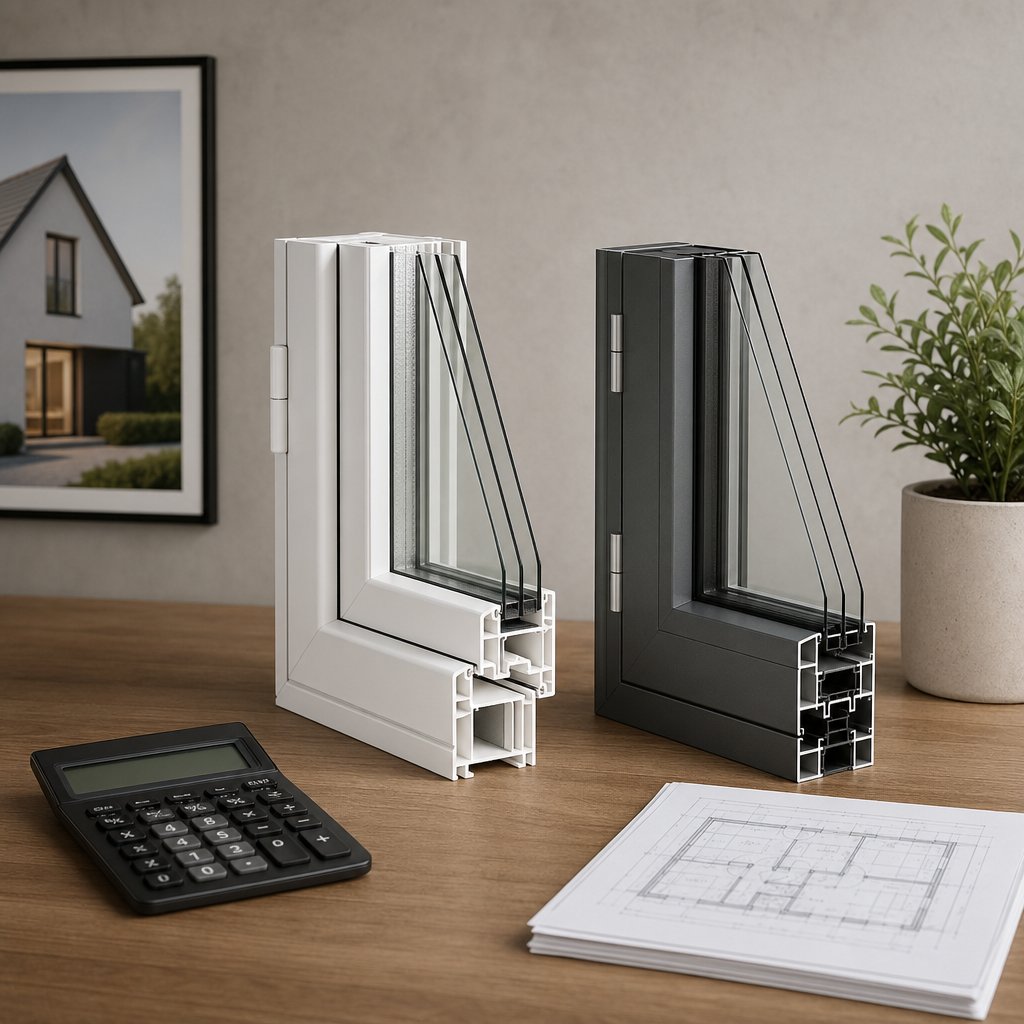
Sticker price is the first thing most people compare, and on that metric alone, uPVC wins every time. But windows aren’t a one-time purchase — they’re a decades-long commitment. The real question isn’t which material costs less to buy, it’s which one costs less to own.
Upfront Purchase and Installation Costs
There’s no getting around it: aluminium windows carry a meaningful price premium. Industry pricing data shows uPVC windows starting at roughly $280 per square foot for standard double-glazed units, while aluminium with thermal break profiles starts at around $340 per square foot. At the premium end, that gap widens further — high-spec uPVC can reach $500 per square foot, while designer aluminium systems with advanced opening mechanisms can climb to $700 per square foot.
That puts the aluminium premium somewhere in the range of 20% for basic configurations up to 100% or more for top-tier specifications. Several variables drive where your project lands within that range:
- Window size and opening type (casement, sliding, tilt-and-turn, fixed)
- Glazing specification (double vs triple, low-e coatings, gas fills)
- Colour and finish (standard white uPVC is cheapest; custom RAL powder coating on aluminium adds cost)
- Thermal break quality and width (wider polyamide breaks in thermally broken aluminium windows cost more but perform better)
- Installation complexity and removal of existing frames
Be mindful of hidden costs too. Professional installation, disposal of old windows, and custom finishes can shift the final price significantly for both materials. A white casement uPVC window and a bespoke anthracite grey aluminium sliding door aren’t a fair comparison — yet that’s exactly the kind of apples-to-oranges quote many homeowners end up weighing.
Long-Term Value and Total Cost of Ownership
Here’s where the conversation gets more interesting. Life-cycle cost analysis — a method used across the construction industry to assess total ownership cost — accounts for every dollar spent from purchase through to eventual replacement. When you apply that framework to windows, the upfront gap between uPVC and aluminium starts to compress.
Think of it this way. uPVC windows last roughly 25 to 30 years before the frames themselves need replacing. Aluminium frames last 40 to 50 years, often outliving multiple sets of glazing units and hardware. Over a 50-year ownership period, you might need one full uPVC replacement cycle while the original aluminium frames are still structurally sound. That second purchase — including removal, disposal, and reinstallation — erodes much of the savings from choosing the cheaper option initially.
Energy costs tell a similar story. A decade ago, uPVC’s superior insulation translated into measurable heating and cooling savings. With modern thermally broken aluminium windows achieving comparable U-values, that energy cost differential has largely disappeared for well-specified systems. The playing field is essentially level on running costs.
The table below maps out how these cost categories compare across the full ownership timeline.
| Cost Category | uPVC | Aluminium (Thermally Broken) |
|---|---|---|
| Upfront purchase and installation | Lower | Higher (20-100%+ premium) |
| Ongoing maintenance cost | Low | Low (comparable) |
| Energy cost impact | Low | Low (comparable with quality thermal break) |
| Expected frame lifespan | 25-30 years | 40-50 years |
| Likely replacement cycles over 50 years | 2 full replacements | 1 (glazing/hardware only) |
| Annualised cost over full lifespan | Moderate (higher per-year when replacement factored in) | Moderate (lower per-year due to longevity) |
The upshot: when modelled over 30 years or more, the per-year cost difference between the two materials narrows significantly. For homeowners planning to stay in a property long-term, aluminium’s higher upfront investment often delivers a lower total cost of ownership. For shorter stays or tight budgets, uPVC remains the more economical path — you’ll likely move before the replacement cycle becomes relevant.
One practical tip: when requesting quotes, ask for itemised breakdowns that separate frame cost, glazing cost, hardware, installation, and any finishing charges. This is the only way to make a genuine like-for-like comparison between upvc vs aluminium windows for your specific project. A lump-sum quote hides the variables that actually determine value.
Cost, of course, is only one dimension of the decision. For many homeowners and architects, the reason they lean toward aluminium has less to do with spreadsheets and more to do with what the window actually looks like on the building — which opens up an entirely different set of trade-offs around design and aesthetics.
Design Flexibility and the Aluminium-Look Trend
For a lot of homeowners and architects, the deciding factor when comparing upvc windows vs aluminum isn’t thermal data or lifecycle cost — it’s how the window looks on the building. Aesthetics drive more purchasing decisions than most technical guides acknowledge, and this is where the two materials diverge most visibly.
Slim Sightlines and Modern Design Appeal
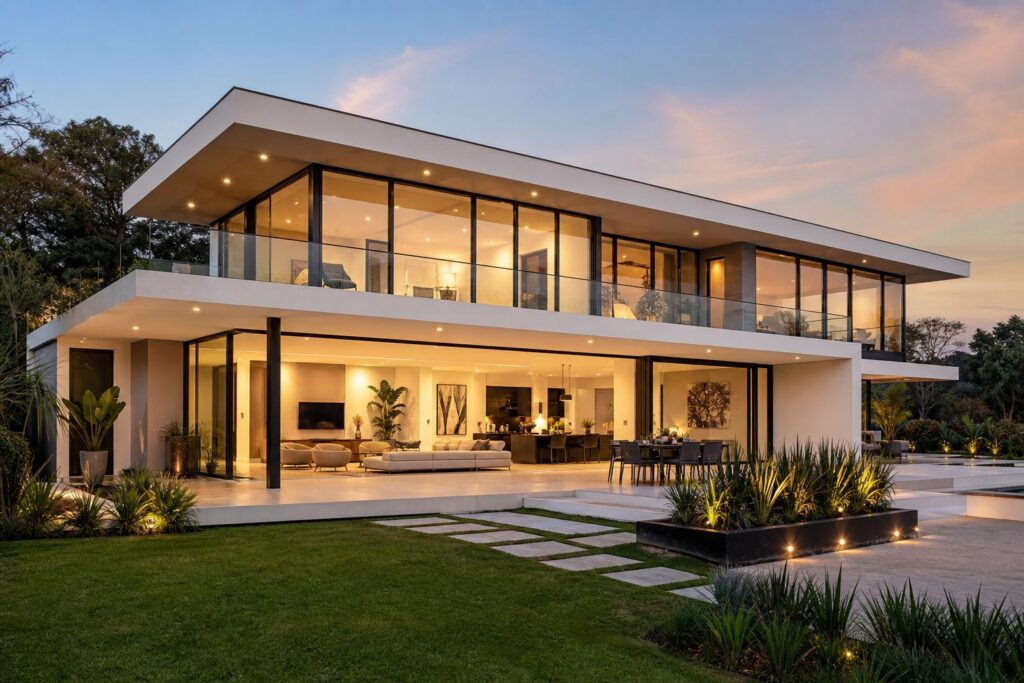
Aluminium’s strength-to-weight ratio is the reason architects keep specifying it. Because the metal is structurally rigid at narrow dimensions, aluminium frames can achieve sightlines as slim as 45-55 mm — compared to 70-80 mm or more for a typical uPVC profile. That difference might sound minor on paper, but on a building facade it’s immediately noticeable. Slimmer frames mean a greater glass-to-frame ratio, which lets more natural light into a room and creates a cleaner, more contemporary appearance. For large-format openings — floor-to-ceiling glazing, corner windows, expansive sliding doors — aluminium is often the only material that can deliver the structural performance without bulky visible framing.
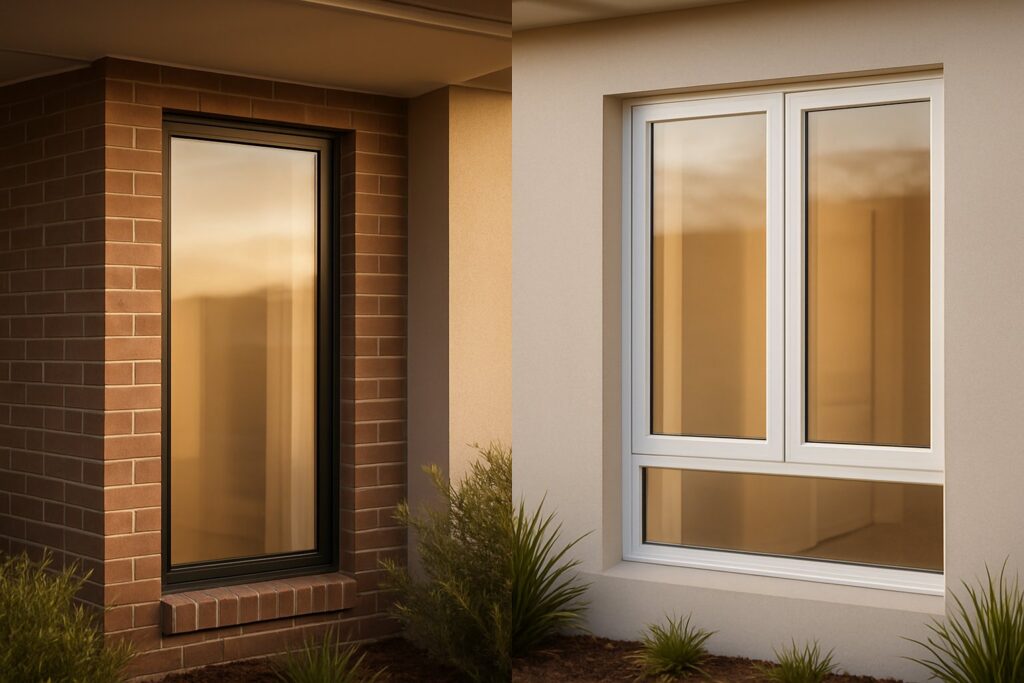
Then there’s colour. Aluminium frames can be powder coated in virtually any RAL colour, giving you access to hundreds of shades including metallic, textured, and even corten-effect finishes. Dual-colour options — one shade on the exterior, another inside — are standard with most aluminium systems. uPVC windows and doors, by contrast, traditionally come in white. Coloured options exist through foil wrapping, but the available palette is far more limited, and foil finishes can peel or fade over time in ways that powder coating simply doesn’t.
This combination of slim profiles and unlimited colour choice is the primary reason aluminium dominates in modern architecture and high-end renovations. When the design brief calls for minimalist lines and maximum glass, pvc u windows struggle to compete on visual terms alone.
Can Aluminium-Look uPVC Really Compete
The window industry has noticed this aesthetic gap, and manufacturers have responded with a growing range of uPVC profiles designed to mimic the look of aluminium. These products use slimmer frame geometries, square-edged profiles, and foil finishes in popular colours like anthracite grey to approximate that contemporary metal appearance. Some are convincing at first glance.
But look closer and the limitations show. Even the slimmest upv window profiles in uPVC can’t match genuinely slim aluminium sightlines — the plastic still needs more material depth to achieve adequate rigidity. The tactile quality differs too. Aluminium feels solid and precise in a way that foil-wrapped plastic doesn’t quite replicate, particularly around handles, hinges, and frame junctions. Over time, foil finishes are also more susceptible to peeling at edges and corners, especially on sun-facing elevations.
Where does the compromise work well? Budget-conscious projects where a modern appearance matters but cost is the overriding priority. If you’re renovating a standard suburban home and want a step up from plain white uPVC without the aluminium price tag, aluminium-look uPVC is a reasonable middle ground. Where it falls short is on architectural projects, heritage-adjacent builds, or large-format openings where the slimmer profile isn’t just a preference — it’s a structural and visual necessity.
There’s also a regulatory dimension that rarely gets discussed. In conservation areas, local planning authorities can refuse window replacements that don’t preserve the character of the streetscape. Bulky uPVC frames are frequently rejected in these zones because their proportions don’t match the original window profiles. Slim aluminium frames, on the other hand, can often replicate the sightlines of traditional timber or metal windows closely enough to satisfy planning requirements. If your property sits within or adjacent to a conservation area, material choice may not be entirely yours to make — the planning authority may effectively make it for you.
Design and aesthetics are deeply personal, but they’re also increasingly tied to broader questions about environmental responsibility. The materials you choose for your windows carry a footprint that extends well beyond the building itself — from manufacturing energy to end-of-life recyclability.

Sustainability and Fire Safety
The environmental footprint of your windows extends far beyond what you see on the facade. From the energy consumed during manufacturing to what happens when the frame reaches end of life, the sustainability profile of aluminium and uPVC looks quite different — and the answer to which is greener isn’t as straightforward as either camp suggests.
Recyclability and Lifecycle Carbon Footprint
Aluminium’s strongest environmental card is its recyclability. The metal can be endlessly repurposed, remelted, and reshaped without any loss of quality, and the recycling process uses only about 5% of the energy required to produce primary aluminium. That translates to a carbon emissions reduction of up to 95% compared to manufacturing from raw bauxite ore. A growing share of aluminium used in construction already contains significant recycled content, and suppliers increasingly back this up with Environmental Product Declarations.
uPVC is recyclable too, but the picture is more complicated. Modern uPVC frames can be recycled up to ten times, with each cycle using around 90% less energy than producing virgin PVC. Some manufacturers now incorporate over 80% recycled or renewable material in their profiles. That’s a genuine improvement over earlier generations. The catch is that uPVC recycling infrastructure remains less widespread than aluminium’s industrial recycling networks, and the material does degrade incrementally with each reprocessing cycle — unlike aluminium, which retains its properties indefinitely.
Then there’s the embodied energy argument. Primary aluminium production is extremely energy-intensive, contributing to roughly 2% of global greenhouse gas emissions. On the day of installation, an aluminium frame carries a higher carbon footprint than a uPVC one. But lifecycle analysis tells a different story. Aluminium’s longer service life — potentially exceeding 50 years — means fewer replacement cycles, and its infinite recyclability ensures the material re-enters the supply chain rather than heading to landfill. Over the full life of a building, those factors offset the initial manufacturing impact considerably.
It’s worth noting that how embodied carbon is calculated matters enormously. Different accounting methods — such as the cut-off approach versus the avoided burden approach — can produce dramatically different reported footprints for the same recycled aluminium product. If you’re evaluating environmental claims from suppliers, ask which methodology underpins their figures. The number alone doesn’t tell the whole story.
Fire Safety and Building Code Compliance
Here’s a factor that rarely appears in the upvc windows vs aluminium windows debate but matters significantly for certain project types. Aluminium is non-combustible. In a fire scenario, aluminium frames won’t ignite, won’t contribute fuel to the blaze, and won’t release toxic gases. This makes them the preferred — and in some cases required — choice for multi-storey residential buildings, commercial properties, and any project where fire compartmentation is a design priority.
uPVC is classified as self-extinguishing, meaning it won’t sustain a flame once the heat source is removed. That sounds reassuring, but there’s a critical caveat: when exposed to extreme heat, PVC can release hydrogen chloride and other toxic fumes. In a building fire, those emissions pose a serious inhalation risk. For low-rise residential projects, this is rarely a deciding factor. For mid-rise and high-rise developments, evolving building codes increasingly favour non-combustible materials in external envelope components — a regulatory trend that works firmly in aluminium’s favour.
Here’s a summary of the key sustainability and safety differences to keep in mind when comparing these two materials:
- Aluminium is infinitely recyclable with no quality loss; uPVC can be recycled up to ten times but degrades incrementally
- Recycling aluminium uses roughly 5% of the energy needed for primary production; recycling uPVC uses about 10% of virgin production energy
- Aluminium carries higher embodied carbon at manufacture, but its longer lifespan and full recyclability offset this over the building’s life
- Aluminium is non-combustible and produces no toxic fumes in fire; uPVC is self-extinguishing but can release harmful gases under extreme heat
- Building codes for multi-storey and commercial projects increasingly require non-combustible framing materials
- Both materials have improved their environmental profiles significantly in recent years, with higher recycled content and more efficient manufacturing processes
Evolving building regulations and growing environmental awareness are gradually shifting market preferences. Neither material is perfectly green — aluminium demands enormous energy to produce, while uPVC is derived from fossil fuels and faces recycling limitations. The more useful question is which delivers the better environmental outcome across its entire lifecycle for your specific project type and location.
And location, it turns out, may be the most underrated variable in this entire comparison. The climate your windows face, the type of property they’re fitted to, and the planning rules that govern your area can all tip the balance decisively in one direction.
Which Material Suits Your Climate and Property Type
Your postcode and property type can matter more than any spec sheet when deciding between aluminum windows vs upvc. A window that performs flawlessly on a sheltered suburban street may struggle on a windswept coastline, and a frame that looks perfectly at home on a new build could get rejected outright in a heritage zone. Here’s how location shapes the decision.
Coastal and High-Exposure Environments
Salt air is relentless. It accelerates corrosion, degrades surface finishes, and punishes any material that isn’t built to resist it. In these conditions, aluminium with a marine-grade powder coating is the stronger choice. The anodising process allows aluminium to form a protective oxide layer on its surface when exposed to air, preventing salt penetration and corrosion of the underlying metal. Powder-coated colour finishes are baked directly onto the frame — no films to peel, no pigments to fade — meaning coastal aluminium windows can hold their appearance for decades without recoating.
uPVC handles salt air reasonably well in its standard white form. The problem shows up over time and under sustained UV exposure. In high-UV coastal regions, the plastic compound can yellow, chalk, and become brittle faster than it would in a temperate inland setting. Coloured uPVC is more vulnerable still — the foil wraps used to achieve non-white finishes can become damaged or discoloured under the combined assault of salt and sun.
Extreme temperature swings add another layer. Thermally broken windows and doors handle this well because the insulating barrier between the inner and outer aluminium profiles absorbs differential expansion. Without that thermal break, the frame’s expansion and contraction can stress seals over time, compromising air tightness. A quality thermally broken system keeps seal integrity intact through hot summers and cold winters alike — which is exactly why it’s particularly effective in seaside and high-exposure areas where temperature variation is more extreme.
For Australian homeowners in coastal or high-UV regions, this climate resilience is especially relevant. Exploring aluminium window ranges built to Australian standards — such as MEICHEN’s thermally broken collection — is a practical starting point for finding systems engineered to handle demanding local conditions while meeting compliance requirements.
Urban Apartments and Heritage Properties
City living introduces a different set of priorities. In urban apartments, noise is often the primary concern. Aluminium’s structural rigidity allows for tighter manufacturing tolerances and firmer seal compression, which translates into better acoustic performance compared to a typical upvc frame window of the same size. When you’re facing a busy road or a flight path, that difference in sound attenuation can meaningfully affect daily comfort.
Heritage properties and conservation areas present a more rigid constraint. As industry specialists note, the common assumption that aluminium can’t be used in conservation zones is increasingly outdated. Modern aluminium systems can replicate traditional sightlines, mimic period profiles, and accept powder-coated finishes that convincingly resemble painted timber. Slim aluminium frames are often the only way to match the proportions of original timber or steel windows closely enough to satisfy planning officers — bulky uPVC profiles are frequently refused because they alter the visual character of the streetscape.
The table below maps common property types to the frame material that typically makes the most sense, along with the reasoning behind each recommendation.
| Property Type | Recommended Frame | Key Rationale |
|---|---|---|
| Coastal home | Aluminium (marine-grade powder coat) | Superior salt and UV resistance; colour stability over decades; thermal break handles temperature extremes |
| Heritage or conservation area property | Aluminium (heritage profile) | Slim sightlines replicate original timber or steel proportions; satisfies planning requirements that often reject uPVC |
| Urban apartment | Aluminium | Tighter seals improve acoustic insulation; slim profiles maximise light in smaller rooms; contemporary aesthetic suits apartment design |
| New build (modern design) | Aluminium | Enables large-format glazing, floor-to-ceiling openings, and minimal frame visibility; unlimited colour options |
| Budget renovation (like-for-like replacement) | uPVC | Lowest upfront cost; strong thermal performance; practical choice when existing frames are uPVC and design change isn’t a priority |
Notice that the aluminium versus upvc windows question doesn’t have a single answer even within the same city. A heritage terrace two streets from a modern apartment block could justify opposite material choices. The cost of replacing aluminium windows is higher upfront, but in coastal, heritage, and urban contexts, it’s often the only material that meets the combined demands of durability, compliance, and performance.
With climate, property type, and regulatory context now on the table alongside cost, efficiency, and design, you have all the variables you need to make a grounded decision. What’s left is a framework for pulling them together into a choice that actually fits your project.
Making the Right Window Decision
You’ve seen the data on thermal performance, durability, lifecycle cost, design, sustainability, and climate suitability. The variables are clear. What matters now is matching them to your specific project rather than chasing a universal answer that doesn’t exist.
When uPVC Is the Smarter Choice
uPVC earns its place in several well-defined scenarios. If your budget is tight and upfront cost is the controlling factor, uPVC delivers strong thermal performance at a significantly lower price point. It’s also the logical pick for like-for-like replacements in homes that already have uPVC frames — swapping plastic for plastic keeps installation straightforward and avoids unnecessary structural modifications.
For projects where energy efficiency is the sole priority and the cost of aluminum windows can’t be justified, quality uPVC with double or triple glazing still achieves excellent U-values without requiring a thermal break. Standard suburban renovations, rental properties, and shorter-term ownership situations all favour uPVC because you’ll likely recoup the savings before the replacement cycle becomes relevant.
When Aluminium Is Worth the Investment
Aluminium pulls ahead when the project demands more than basic functionality. Modern architectural builds with large-format openings, floor-to-ceiling glazing, or corner windows need the structural rigidity and slim sightlines that only metal frames can deliver. Coastal and high-UV locations benefit from aluminium’s superior resistance to salt, sun, and temperature extremes.
If longevity matters — and you’re planning to stay in the property for 20 years or more — aluminium’s 40-to-50-year lifespan makes the higher upfront spend easier to justify on a per-year basis. Multi-storey residential and commercial projects where fire ratings are a code requirement effectively mandate non-combustible framing, which rules uPVC out entirely. Heritage and conservation area properties often need slim profiles to satisfy planning authorities, another scenario where upvc versus aluminium windows isn’t really a contest.
For readers leaning toward aluminium, exploring a range of thermally broken, standards-compliant options is a practical next step. MEICHEN’s aluminium windows collection offers a useful starting point for comparing energy-efficient systems across different window types and project scales — particularly for Australian homeowners navigating local compliance requirements.
Neither aluminium nor uPVC is universally better. The right answer depends on your budget, your property’s exposure conditions, your design priorities, and how long you intend to stay. Choose the material that fits your project — not the one that wins the most categories on a comparison chart.
If you’re still weighing the decision, this simple checklist will help you cut through the noise and land on the right material for your situation:
- Define your realistic budget range, including installation, finishing, and any structural modifications.
- Assess your property’s exposure conditions — coastal salt air, high UV, extreme temperature swings, or urban noise all influence which frame performs better long-term.
- Check local planning requirements, especially if your property sits within or near a conservation area where frame profiles may be regulated.
- Compare full-unit U-values from supplier quotes (frame plus glazing combined, not just centre-pane glass figures) to make a genuine thermal performance comparison.
- Evaluate total cost of ownership over your intended stay — factor in expected lifespan, replacement timing, maintenance, and energy savings rather than upfront price alone.
Run through those five steps with actual quotes in hand, and the upvc windows vs aluminium debate stops being abstract. It becomes a straightforward, project-specific decision grounded in your numbers, your climate, and your priorities.
Frequently Asked Questions About Aluminium vs uPVC Windows
1. Are aluminium windows more energy efficient than uPVC?
Modern thermally broken aluminium windows achieve U-values between 0.8 and 2.0 W/(m2K), which is comparable to and sometimes better than uPVC equivalents. The key factor is the thermal break — a non-conductive polyamide barrier inserted between the inner and outer aluminium profiles. Without a thermal break, aluminium conducts heat over 1,000 times more readily than uPVC, so always confirm the thermal break width and full-unit U-value when comparing quotes. Budget aluminium systems with narrow breaks may still underperform quality uPVC, so specification matters more than material alone.
2. How much more expensive are aluminium windows compared to uPVC?
Aluminium windows typically carry a 20% to 100%+ price premium over uPVC depending on specification, colour finish, glazing type, and thermal break quality. However, total cost of ownership tells a different story. Aluminium frames last 40 to 50 years compared to 25 to 30 years for uPVC, meaning you may need two full uPVC replacement cycles in the time one set of aluminium frames remains structurally sound. When modelled over 30 or more years, the annualised cost difference narrows significantly, making aluminium a competitive long-term investment for homeowners planning to stay put.
3. Do aluminium windows cause more condensation than uPVC?
Historically, yes — aluminium’s high thermal conductivity caused interior frame surfaces to drop toward outdoor temperatures, creating condensation and potential mould issues. Thermal break technology has largely resolved this by separating the cold outer profile from the warm inner profile, keeping the interior surface much closer to room temperature. That said, uPVC still holds a natural advantage in condensation resistance because its low conductivity keeps the frame warm without any engineering intervention. In cold, damp climates where condensation is persistent, premium thermally broken aluminium is needed to match uPVC performance.
4. Which window frame material is better for coastal properties?
Aluminium with marine-grade powder coating is the stronger choice for coastal homes. The powder-coated finish is baked directly onto the frame, resisting salt air corrosion and UV degradation for decades without recoating. uPVC handles salt air adequately in standard white form, but can yellow, chalk, and become brittle faster under sustained UV exposure — and coloured foil-wrapped uPVC is particularly vulnerable to peeling and discolouration in coastal conditions. Australian homeowners in demanding coastal climates can explore options like MEICHEN’s thermally broken aluminium windows at mcwindow.com.au, which are engineered to meet local standards for high-exposure environments.
5. Can uPVC windows be made to look like aluminium?
Yes, a growing range of aluminium-look uPVC profiles use slimmer geometries, square edges, and foil finishes in colours like anthracite grey to approximate a contemporary metal appearance. Some are convincing at a glance. However, even the slimmest uPVC profiles cannot match genuine aluminium sightlines of 45-55 mm because the plastic needs more material depth for structural rigidity. Foil finishes are also more prone to peeling at edges over time, especially on sun-facing elevations. The compromise works well for budget renovations where modern aesthetics matter but cost is the priority, though it falls short on architectural projects or large-format openings.
More Window & Door Guides