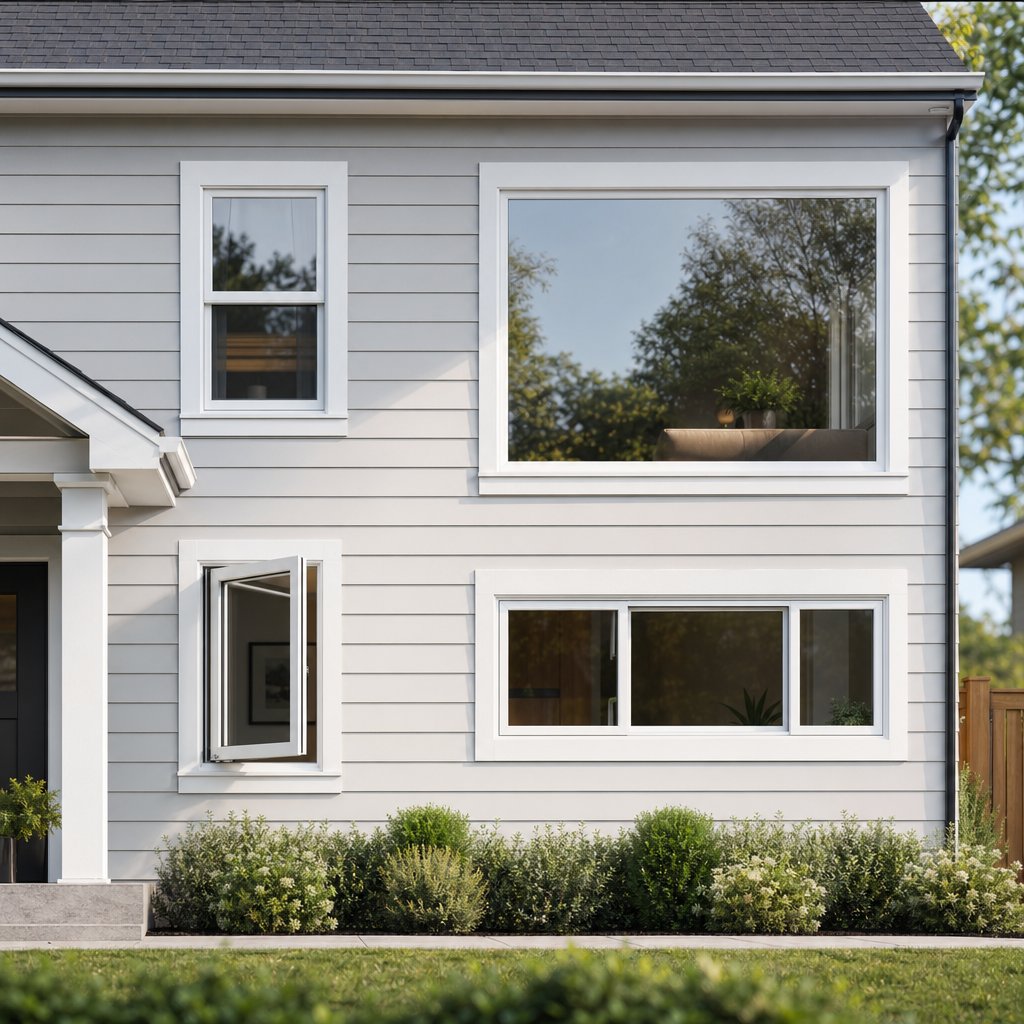
The Real Cost Story Behind Aluminium and Wood Windows
Ask five people which is cheaper — aluminium or wood windows — and you’ll get five different answers. That’s because the aluminium vs wood windows cost comparison depends on variables most price guides never mention: your local climate, the style of window you need, whether you’re building new or replacing existing frames, and how long you plan to own the property.
A homeowner in coastal Queensland faces entirely different cost pressures than someone renovating a weatherboard cottage in regional Victoria. One might save thousands upfront with timber, only to spend far more over a decade on repainting and rot repair. Another might pay a premium for thermally broken aluminium today and never touch their frames again.
Why the ‘Cheaper’ Window Depends on Your Project
Sticker price tells a fraction of the story. Wood windows prices can look attractive at the quote stage, particularly for softwood frames. But installation complexity, maintenance frequency, and eventual replacement cycles quietly reshape the numbers. Similarly, aluminium windows vs uPVC windows often trade blows depending on whether you prioritise longevity or the lowest possible uPVC windows cost at purchase.
The real question isn’t which material costs less to buy — it’s which material costs less to own.
What Total Cost of Ownership Really Means for Windows
Total cost of ownership (TCO) captures every dollar a window demands across its useful life: purchase price, installation labour, scheduled maintenance, energy performance gains or losses, and the eventual cost of replacement. When you map these expenses over 10, 20, and 30 years, the cheaper option at year one frequently flips by year ten.
Neither aluminium nor wood is universally cheaper. The winner depends on six ranked cost factors — from upfront material pricing through to resale value impact — and the guide below clarifies exactly when each material comes out ahead for Australian homeowners.
What follows is a priority-ranked breakdown of every factor that drives the true cost gap between these two materials, starting with the single biggest line item on any window quote.
How We Ranked These Cost Factors
Not every cost factor carries equal weight. Glazing spec matters more than hardware finish. Maintenance frequency hits harder than a marginal difference in upfront uPVC windows prices. So rather than listing cost considerations at random, we ranked them by overall financial impact to Australian homeowners across a typical ownership period.
Ranking Criteria and Cost Weighting
Each factor was assessed against four criteria, ordered here from most to least influential:
- Upfront spend magnitude — How large is the initial dollar outlay relative to the total project budget? Factors that represent a bigger share of the day-one quote rank higher.
- Recurring expense frequency — Does the cost repeat, and how often? A maintenance task every three years compounds faster than a one-off installation fee.
- Regional variability — How much does location shift the numbers? Coastal salt exposure, UV intensity, and local labour rates can swing costs by 20–40% depending on where you build in Australia.
- Impact on property value — Does the choice measurably affect resale price or insurance premiums? Factors that influence long-term equity deserve a higher ranking than those confined to operational budgets alone.
Markets and Currencies Considered
Pricing data draws from supplier quotes and published uPVC windows rates across AUD, GBP, and USD markets — then localised to Australian conditions. Where global figures are referenced, they’ve been adjusted for local labour costs, import duties, and material availability so the comparisons reflect what you’d actually pay here. Maintenance timelines follow Australian industry standards and manufacturer guidelines rather than generic overseas benchmarks.
The meaning of uPVC windows appearing occasionally in this guide is simple: they serve as a useful pricing reference point, helping frame where aluminium and timber sit relative to the broader market. The six factors that follow move from the highest-impact cost driver down to secondary considerations — so if your budget is tight, the top-ranked factors deserve the most attention.
Upfront Material and Frame Pricing
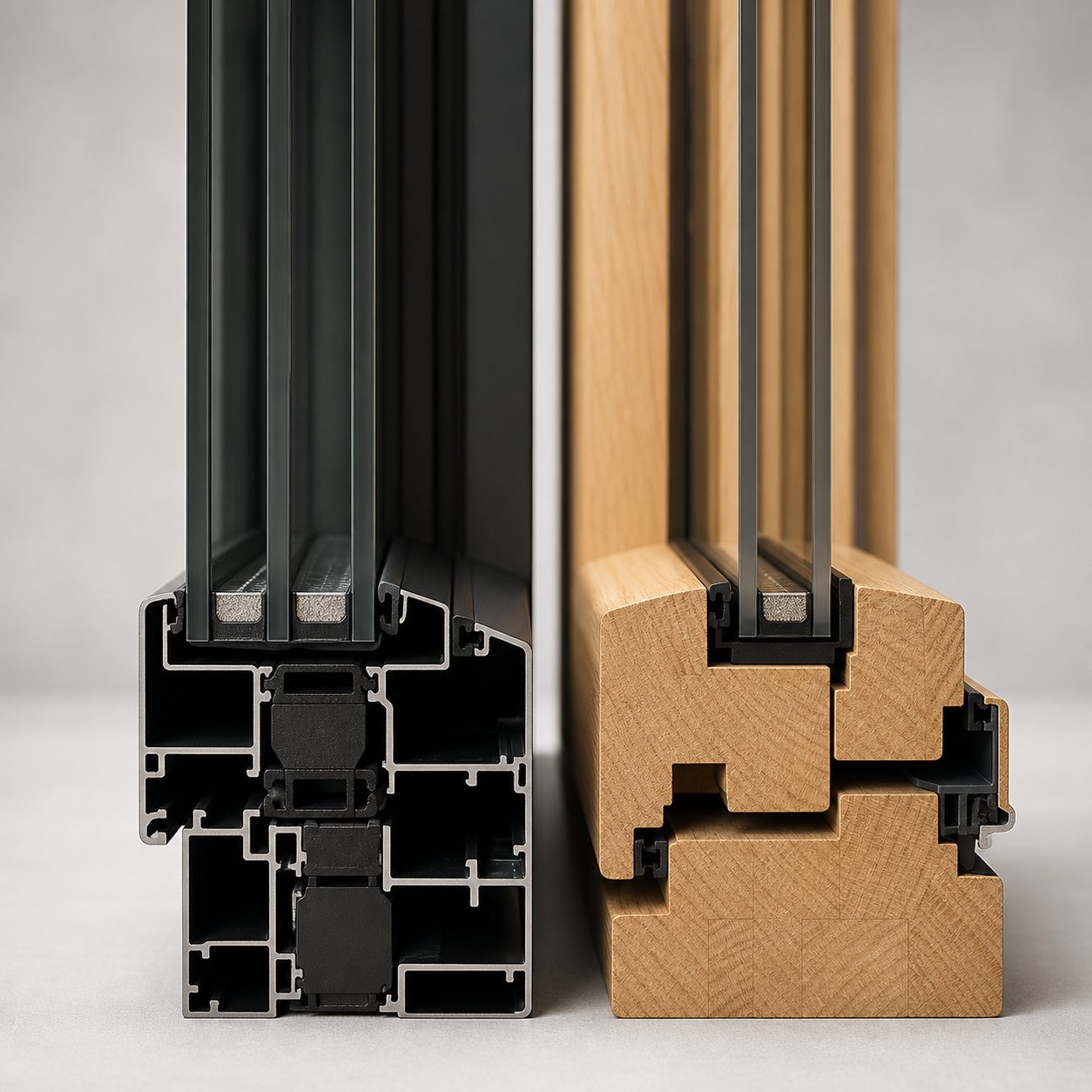
The frame itself is the single biggest line item on any window quote — and it’s where the aluminium vs wood windows cost gap either looks massive or surprisingly narrow, depending on which tier you’re comparing. Strip away installation, glazing upgrades, and finishing costs, and the raw frame material still accounts for 40–60% of the total supply price. Get this comparison wrong and every downstream calculation inherits the error.
The problem is that most price guides compare a generic “aluminium window” against a generic “timber window” as though each material comes in one flavour. In reality, both span a wide pricing spectrum. Budget aluminium with standard profiles sits in an entirely different bracket than premium thermally broken systems with slim sightlines — just as plantation pine softwood occupies a different world from kiln-dried hardwood species like spotted gum or meranti.
Budget Aluminium vs Softwood vs Hardwood Price Tiers
For a standard-sized window (roughly 1200mm x 1200mm casement, double glazed, supply only), here’s how the Australian market typically breaks down:
| Material Tier | Indicative Price Range (AUD, supply only) | Thermal Performance | Finish Options |
|---|---|---|---|
| Budget aluminium (standard profile) | $400–$750 per window | Moderate (no thermal break) | Powder coat — extensive RAL colour range |
| Premium aluminium (thermally broken) | $750–$1,500+ per window | High (thermal break significantly reduces conductivity) | Powder coat, anodised, woodgrain-look finishes |
| Softwood timber (pine, treated) | $500–$1,100 per window | Good (natural insulator) | Paint or stain — requires recoating over time |
| Hardwood timber (spotted gum, meranti, cedar) | $1,100–$2,500+ per window | Very good (dense grain, excellent insulation) | Clear finish, stain, or paint — highlights natural grain |
Notice the overlap. Budget aluminium and softwood timber occupy a similar band, making upfront material cost nearly a wash for homeowners comparing entry-level options. The gap widens at the top end: premium thermally broken aluminium typically costs less than equivalent hardwood, yet delivers comparable or better thermal performance without the ongoing refinishing burden.
If you’re comparing aluminium against uPVC window frames, uPVC typically undercuts both materials at purchase — sitting below budget aluminium in most markets. But uPVC framed windows sacrifice the slim sightlines and structural strength that aluminium offers, and they lack the natural warmth of timber. A uPVC window frame serves as a useful budget baseline, though it trades longevity and aesthetics for that lower entry price.
How Glazing and Frame Profile Affect Material Cost
Frame material isn’t the only variable shaping your quote. Two specs shift the cost gap substantially:
- Glazing type: Moving from double to triple glazing adds $150–$350 per window regardless of frame material. However, aluminium’s slimmer profiles handle the extra glass weight without requiring bulkier frames, while timber windows may need heavier sections — nudging their price higher relative to aluminium at the triple-glazed tier.
- Frame profile thickness: Aluminium profiles range from around 45mm (budget) to 70mm+ (high-performance thermally broken systems). Thicker profiles with polyamide thermal breaks improve U-values but increase material cost. Timber frames are inherently thicker (typically 55–70mm for softwood, 65–90mm for hardwood), and the cost scales with timber species and grade rather than engineered complexity.
The interaction between these specs means a quote for “aluminium windows” can vary by 100% or more depending on the profile system, glazing configuration, and custom sizing involved. This is precisely why flat per-window price estimates found in generic online guides can mislead. Accurate aluminium pricing depends on the specific profile system, glass specification, and opening dimensions — factors that a project-capable supplier like MEICHEN breaks down transparently through detailed quote drivers rather than publishing a single misleading flat rate.
Pros and Cons of Each Material at Purchase
Budget Aluminium (Standard Profile)
- Pros: Lowest entry cost for aluminium; slim frames maximise glass area; virtually unlimited powder coat colours; no factory-applied finish degradation over time; lightweight and easy to transport.
- Cons: Without a thermal break, heat transfer is high — a problem in climate zones requiring strong insulation; may not meet NCC energy requirements in cooler regions without upgraded glazing.
Premium Aluminium (Thermally Broken)
- Pros: Excellent thermal performance approaching timber; sleek sightlines suit contemporary design; 40–50+ year lifespan with no repainting; strong WERS ratings when paired with quality glazing.
- Cons: Higher upfront cost than softwood; premium systems require specialist fabrication and longer lead times; limited tactile warmth compared to real timber.
Softwood Timber
- Pros: Natural insulator with good U-values out of the box; familiar material for carpenters; can be refinished to change appearance; lower carbon footprint when sustainably sourced.
- Cons: Requires repainting every 3–5 years (or 5–7 with high-quality coatings); susceptible to rot, warping, and termite damage in Australian conditions; shorter lifespan than aluminium if maintenance lapses.
Hardwood Timber
- Pros: Exceptional natural beauty and warmth; best inherent insulation of all frame materials; extremely durable species can last 40+ years with proper care; adds character value to period homes.
- Cons: Highest upfront cost; heavier frames increase installation complexity; still demands periodic refinishing; availability and pricing fluctuate with timber supply chains.
Material cost sets the starting line, but it’s only one leg of the race. The next major cost driver — installation labour — is where the gap between aluminium and timber often widens further, because the time and skill required to fit each material differ considerably.
Installation and Labour Expenses Compared
Material pricing might set the starting point, but installation labour is where the cost gap between aluminium and timber quietly stretches. A window that’s cheaper to buy can easily become more expensive once you factor in the hours required to fit it properly — and timber consistently demands more on-site time than aluminium.
Labour Time Differences Between Aluminium and Timber Installation
Aluminium windows arrive from the factory precision-manufactured to exact dimensions, pre-finished, and ready to drop into an opening with minimal adjustment. The installer checks the reveal, secures the frame with mechanical fixings, seals the perimeter, and moves on. Total hands-on time per standard opening typically runs between 1 and 2 hours.
Timber windows demand a different skill set. Frames often require shimming to achieve a perfect plumb and level, on-site trimming or planing if the opening isn’t perfectly square, and careful sealing to prevent moisture ingress. Once physically installed, the carpenter may still need to apply finishing coats, fit architraves, and touch up any damage sustained during handling. That process regularly pushes installation time to 2–4 hours per window — and longer for hardwood species that are heavier and more difficult to work.
In Australia, qualified carpentry labour typically costs $70–$110 per hour depending on your state and whether you’re in a metro or regional area. Those extra hours per window compound fast across an entire house.
How Window Style Impacts Installation Cost
Not all window styles take the same time to fit. Operating hardware, sealing requirements, and frame complexity vary by type — and the difference is more pronounced in timber than aluminium.
| Window Style | Aluminium — Est. Labour Hours | Aluminium — Complexity | Timber — Est. Labour Hours | Timber — Complexity |
|---|---|---|---|---|
| Fixed | 0.75–1.5 | Low | 1.5–2.5 | Low–moderate |
| Casement | 1–2 | Low–moderate | 2–3.5 | Moderate |
| Sliding | 1.5–2.5 | Moderate | 2.5–4 | Moderate–high |
| Tilt and turn | 1.5–2.5 | Moderate | 3–4.5 | High |
A fixed window is the simplest install for both materials — no moving parts, fewer seals to get right. Casement windows add hinges and stays that need precise alignment, though aluminium casement hardware comes pre-fitted in most cases. Sliding windows introduce tracks that must be perfectly level, and heavier timber sashes increase the precision required. Tilt-and-turn styles sit at the complex end: the dual-action hardware needs exact calibration, and timber’s tendency to expand and contract seasonally makes long-term operation trickier to guarantee during initial fitting.
For comparison, uPVC tilt and turn windows and uPVC casement styles fall somewhere between aluminium and timber on installation time — lighter than hardwood but requiring more care than aluminium due to the wider frame profiles. uPVC sliding windows similarly demand precise track alignment, though their lighter weight keeps labour hours closer to the aluminium column.
New Build vs Replacement Installation Pricing
The context of your project matters as much as the material you choose. New-build installations are straightforward: the opening is purpose-built to receive the window, there’s clear access for the installer, and no existing frames need removal. Replacement projects introduce additional labour that inflates costs for both materials.
- Removal of existing windows: Careful extraction of old frames, hardware, and sealants adds 30–60 minutes per opening.
- Making good the reveal: Patching rendered reveals, replacing damaged flashings, and preparing the opening for the new frame can double the total labour time — particularly in older brick veneer or weatherboard homes where the original installation wasn’t to current standards.
- Waste disposal: Removing and disposing of old timber frames (especially painted ones that may contain lead) adds material handling costs that don’t exist in new builds.
In practical terms, replacement installation typically costs 40–80% more per window than new-build installation across both materials. Timber replacements sit at the higher end of that range because the on-site finishing and adjustment work compounds with the removal complexity.
Aluminium Installation — Pros and Cons
- Pros: Factory-precise dimensions reduce on-site adjustment; lighter frames are easier to handle; pre-finished surfaces eliminate post-install painting; faster installation means lower total labour bills; consistent tolerances suit high-volume projects.
- Cons: Requires correct flashing and sealing to prevent thermal bridging at the frame-to-wall junction; some thermally broken systems need specialist installation knowledge; limited scope for on-site modification if the opening is out of square.
Timber Installation — Pros and Cons
- Pros: Can be trimmed, planed, or shimmed on-site to accommodate imperfect openings; familiar material for experienced carpenters; integrates naturally with existing timber-framed homes; architrave detailing can be customised during installation.
- Cons: Heavier frames require more handling care and sometimes two installers; on-site finishing (priming, painting, sealing) extends the timeline; seasonal expansion means tolerances must account for future movement; higher labour rates apply due to carpentry skill requirements.
When you multiply these per-window labour differences across 10, 15, or 20 openings in a typical home, the installation cost gap alone can add $3,000–$8,000 to a full timber window project compared to aluminium. That gap narrows for small projects with just a few windows, but it’s rarely zero.
Installation is a one-time expense, though — paid at the start and then done. The cost factor that reshapes the equation over the following decades is maintenance, where a few hundred dollars every few years quietly accumulates into a figure that surprises most homeowners when they finally tally it up.
Long-Term Maintenance and Upkeep Costs
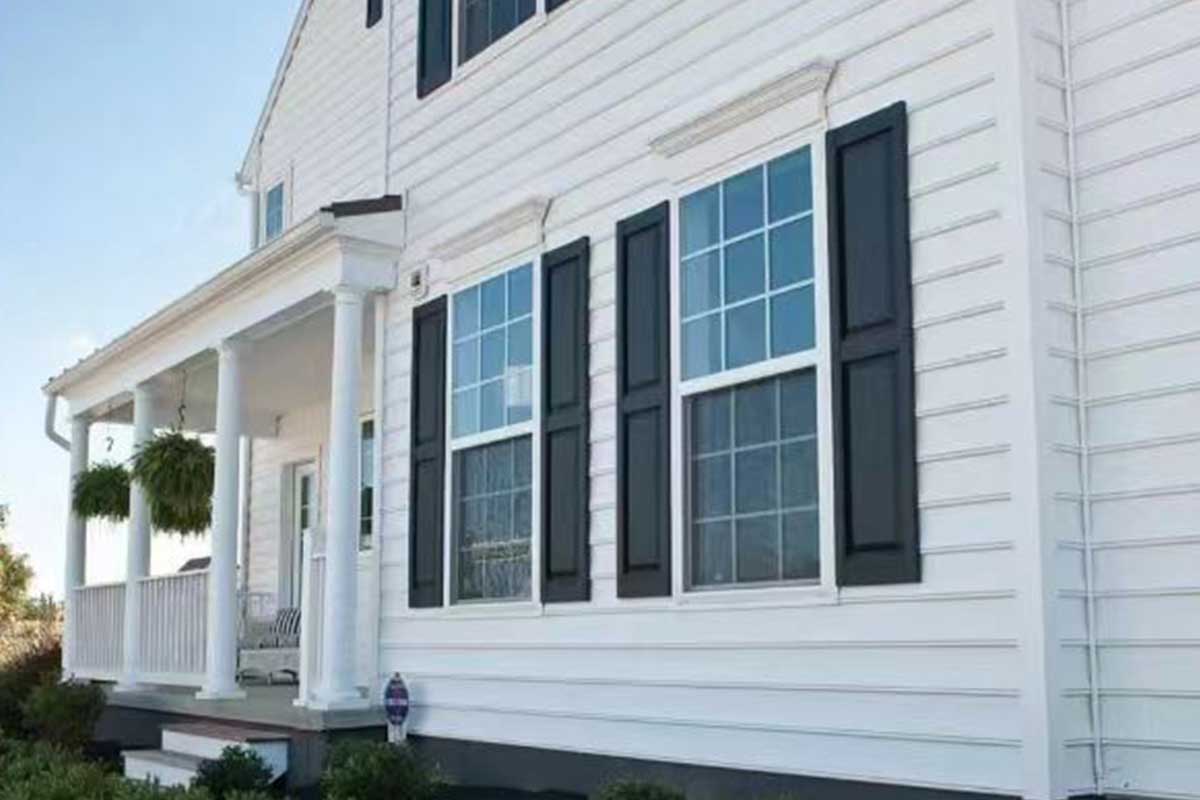
A few hundred dollars every few years doesn’t feel like much in the moment. But stretch that across two or three decades of ownership and the total quietly rivals — or exceeds — the original purchase price of the window. Maintenance is the cost factor that most often flips the aluminium vs wood windows cost winner, and it’s the one homeowners most consistently underestimate at the quoting stage.
Timber demands regular, hands-on care to survive Australian conditions. Aluminium asks for almost nothing. That gap compounds relentlessly over time.
Wood Window Maintenance Schedule and Costs
Timber windows need periodic refinishing to maintain their protective coating. Industry guidance from Mumford & Wood indicates that quality timber window paints and stains last between 5 and 10 years when applied properly — though in harsh Australian conditions (strong UV, coastal salt air, driving rain), that window shortens considerably. A realistic maintenance cycle for most Australian homeowners looks like this:
- Repainting or re-staining: Every 3–5 years for exposed elevations; up to 7 years for sheltered faces with premium paint systems. Cost per window runs $80–$200 if you DIY, or $150–$350 per window with a professional painter.
- Seal and weatherstrip replacement: Every 5–8 years. Perimeter seals degrade under UV and temperature cycling, allowing draughts and water ingress. Budget $50–$120 per window for supply and labour.
- Rot and condition inspection: Annually. Catching soft spots early keeps remediation costs low. Skip this and you’re looking at sill replacements or full frame rebuilds down the track.
- Hardware servicing: Every 2–3 years. Hinges, stays, and locks on timber windows can bind as the wood moves seasonally. Lubrication and adjustment costs are minor individually ($20–$40) but add up across a full house.
Multiply these across a typical home with 12–15 windows and the annual maintenance budget for timber sits somewhere between $500 and $1,500 — a figure that never appears on the original quote.
Aluminium Maintenance Reality Over Decades
Aluminium’s maintenance profile is, by comparison, remarkably thin. Powder-coated aluminium frames resist UV degradation, won’t rot, don’t warp, and never need repainting. The entire maintenance routine boils down to three tasks:
- Cleaning: Wipe frames with a soft cloth and mild detergent every few months — or after storms. This prevents salt or grime buildup in coastal areas. Cost: essentially zero beyond your existing cleaning routine.
- Lubricating hardware: Apply a silicone-based lubricant to hinges, locks, and tracks once a year to keep operation smooth. A single can of lubricant costs under $15 and services every window in the house.
- Inspecting seals: Check rubber gaskets and weatherstrips every 2–3 years. Replacement is straightforward and inexpensive ($30–$60 per window) if deterioration occurs, though quality seals typically last 15–20 years.
That’s it. No sanding, no priming, no scaffolding hire for upper-storey access. The cumulative maintenance spend on aluminium over 30 years is a fraction of what timber demands — often less than a single full repaint cycle across all windows.
Some homeowners drawn to the timber aesthetic but wary of the upkeep choose wood effect uPVC windows or uPVC windows with a wooden finish as a middle ground. A uPVC bathroom window, for instance, makes sense in high-moisture areas where timber would be especially vulnerable to decay — though uPVC trades away the slim sightlines and structural longevity of aluminium.
Hidden Costs That Catch Homeowners Off Guard
Beyond scheduled maintenance, both materials carry hidden cost risks that rarely surface until something goes wrong:
For timber:
- Dry rot remediation: When rot takes hold in a timber sill or frame section, repairs aren’t cheap. In the Australian market, expect $250–$1,200 per window depending on severity — with extensive decay sometimes requiring full frame replacement at $600–$1,500+.
- Termite damage: A risk unique to timber in Australian conditions. Termite remediation and frame replacement can cost thousands per affected opening, plus the inspection regime adds ongoing expense.
- Lead paint removal (older homes): Pre-1970s timber windows may have layers of lead paint. Safe removal adds significant cost to any refinishing project and requires licensed professionals.
- Scaffolding and access costs: Upper-storey timber windows can’t be repainted from the ground. Scaffolding hire for a two-storey home typically costs $1,500–$4,000 per repaint cycle — a cost that doesn’t apply to aluminium.
For aluminium:
- Condensation damage (poorly specified systems): Non-thermally-broken aluminium in cold climates can generate interior condensation that damages surrounding plasterwork and paintwork. Remediation involves repainting affected walls and potentially upgrading to thermally broken frames — a cost that proper initial specification avoids entirely.
- Seal failure in coastal environments: While aluminium itself resists corrosion, the rubber seals and hardware in very aggressive marine environments may degrade faster. Replacement costs remain modest ($40–$80 per window) but should be anticipated in exposed coastal locations.
- Powder coat damage: Though rare, scratches or chips to the powder coat finish can be touched up with manufacturer-matched paint pens. Severe damage might require professional refinishing of a single panel — typically $100–$250.
The disparity becomes stark when you tabulate cumulative costs over standard ownership periods:
| Maintenance Factor | Aluminium — Cost Per Window Over 10 Years | Aluminium — Cost Per Window Over 20 Years | Aluminium — Cost Per Window Over 30 Years | Timber — Cost Per Window Over 10 Years | Timber — Cost Per Window Over 20 Years | Timber — Cost Per Window Over 30 Years |
|---|---|---|---|---|---|---|
| Repainting / refinishing | $0 | $0 | $0 | $300–$700 | $750–$1,750 | $1,200–$2,800 |
| Seal / weatherstrip replacement | $0–$60 | $30–$120 | $60–$180 | $100–$240 | $200–$480 | $300–$720 |
| Hardware servicing / replacement | $15–$40 | $30–$100 | $60–$180 | $60–$150 | $150–$350 | $250–$550 |
| Rot / damage remediation (avg. risk) | $0 | $0 | $0 | $0–$400 | $200–$800 | $400–$1,200 |
| Total cumulative maintenance | $15–$100 | $60–$220 | $120–$360 | $460–$1,490 | $1,300–$3,380 | $2,150–$5,270 |
For a home with 15 windows, the 30-year maintenance gap balloons to roughly $30,000–$75,000 more for timber compared to aluminium. That figure alone often exceeds the upfront price difference between the two materials — which is precisely why the cheaper option at purchase flips by year ten for many homeowners.
Aluminium Maintenance — Pros and Cons
- Pros: Near-zero ongoing costs; no repainting ever; cleaning is the only regular task; powder coat finish resists UV and salt air; hardware lasts decades with minimal lubrication; no structural degradation risk from moisture or pests.
- Cons: Condensation risk if non-thermally-broken frames are used in cold climates; scratches to powder coat can’t self-heal like timber can be sanded and refinished; seal replacements needed eventually in harsh marine environments.
Timber Maintenance — Pros and Cons
- Pros: Can be fully restored through sanding and refinishing; colour and finish can be changed at each maintenance cycle; localised rot damage can be patched without replacing the entire frame; natural material ages gracefully when well maintained.
- Cons: Maintenance is non-optional — neglect leads to structural failure; repainting cycles create recurring cost and disruption; upper-storey access adds significant expense; Australian UV, termites, and coastal conditions accelerate degradation; cumulative costs over 20–30 years can exceed the original window purchase price.
Maintenance cost is the factor that reshapes budget calculations most dramatically over time. But there’s another ongoing expense that runs silently in the background every single day — energy loss through the window frame itself. How much heat each material conducts directly into your heating and cooling bills determines whether the cost story has yet another chapter to tell.
Energy Efficiency Savings and Thermal Performance
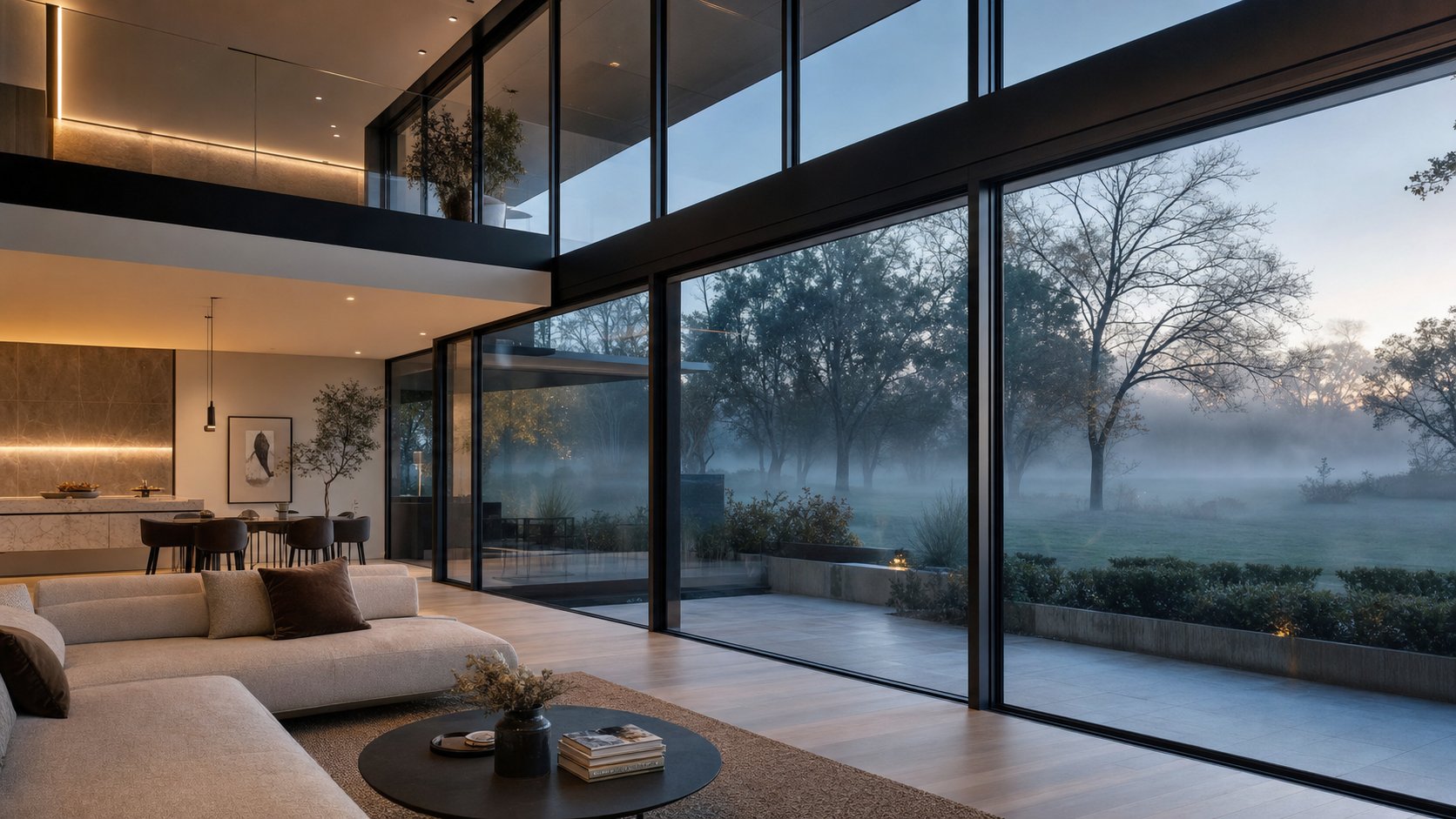
Every dollar your heating or cooling system burns because of a poorly insulating window frame is a dollar added to your total cost of ownership — invisibly, month after month, for decades. Energy efficiency ranks fourth in our aluminium vs wood windows cost breakdown because it’s the factor most likely to narrow or widen the gap between materials without ever appearing on a tradesperson’s invoice.
The metric that matters here is the U-value: a measure of how quickly heat passes through the entire window system (frame plus glazing). Lower is better. And the differences between materials are larger than most homeowners expect.
Thermal Performance and U-Value Comparison
Timber is a natural insulator. Its cellular structure traps air, slowing heat transfer through the frame in a way that bare aluminium — a highly conductive metal — simply cannot match without engineering intervention. But modern thermally broken aluminium systems insert a polyamide barrier within the frame profile, dramatically reducing conductivity and closing much of that gap.
Data from Cooee Architecture provides a clear picture of how Australian window systems compare when frame material is paired with different glazing configurations:
| Window System | R-Value | U-Value (W/m²K) | Estimated Annual Energy Cost Impact* |
|---|---|---|---|
| Single glazed, aluminium frame | R0.15 | 6.7 | Highest heat loss — baseline |
| Single glazed, timber frame | R0.19 | 5.4 | ~20% less heat loss than baseline |
| Double glazed, standard aluminium frame | R0.21 | 4.8 | ~28% less than baseline |
| Double glazed, thermally broken aluminium | R0.28 | 3.6 | ~46% less than baseline |
| Double glazed, timber or PVC frame | R0.33 | 3.3 | ~51% less than baseline |
| Alu-clad timber hybrid (double glazed) | ~R0.30–0.35 | ~2.9–3.4 | ~49–57% less than baseline |
*Percentage figures are relative heat-loss reductions based on U-value ratios. Actual dollar savings depend on climate zone, home size, and energy tariffs.
A few things stand out. Double glazed timber still edges ahead of thermally broken aluminium — U3.3 versus U3.6 — but the margin is narrow. For context, that difference translates to roughly $100–$250 per year on heating and cooling across a typical Australian home, depending on climate zone and energy prices. Meaningful, but unlikely to justify the maintenance costs timber accumulates over the same period.
Standard (non-thermally-broken) double glazed aluminium, however, tells a different story. At U4.8, it performs substantially worse than timber. A case study from Cooee Architecture found that choosing non-thermally-broken aluminium over a thermally superior frame increased heating and cooling loads by more than a third — equating to an estimated $10,000 in additional energy costs over 20 years. That’s a steep hidden penalty for saving a few hundred dollars per window at purchase.
The lesson is simple: if you’re choosing aluminium, specifying thermally broken profiles isn’t optional in any climate where you rely on heating or cooling. The upfront premium pays for itself within a few years through reduced energy bills. Those comparing upvc windows double glazing against aluminium options will find uPVC sits right alongside timber at U3.3 — though double glazed upvc windows lack the structural slimness and longevity aluminium offers at a similar thermal tier.
Climate-Specific Cost Impacts by Region
Australia’s climate zones stretch from tropical far north Queensland to alpine regions in Victoria and Tasmania. Each zone stresses window materials differently — and those stresses carry direct cost consequences.
- Coastal environments (Sydney eastern suburbs, Gold Coast, Fremantle): Salt-laden air accelerates timber degradation. Maintenance cycles shorten from 5 years to as little as 2–3 years for exposed timber frames near the coast. Aluminium with marine-grade powder coating resists salt corrosion far more effectively, making its near-zero maintenance profile even more valuable. Energy efficiency here is less about retaining heat and more about managing solar heat gain — where SHGC (Solar Heat Gain Coefficient) and external shading matter more than raw U-values.
- Cold climates (Canberra, Ballarat, Hobart, alpine regions): Timber’s natural insulation advantage is most pronounced where winters are long and heating loads dominate. A U-value difference of 0.3 between timber and thermally broken aluminium compounds into meaningful savings when your heating runs six months a year. That said, condensation risk with poorly specified aluminium is highest in these regions — non-thermally-broken frames in cold climates generate interior moisture that damages surrounding plasterwork and paint.
- High-UV inland areas (western NSW, central Queensland, outback SA): Intense ultraviolet radiation breaks down timber finishes far faster than in milder southern climates. Repainting cycles can compress to every 2–3 years on north and west-facing elevations. Aluminium’s powder coat finish is engineered to resist UV degradation, maintaining both appearance and protective integrity for decades without intervention. Energy costs in these regions are driven by cooling rather than heating — favouring windows with low SHGC ratings and good shading rather than the absolute lowest U-value.
- Tropical north (Darwin, Cairns, Townsville): High humidity, cyclone risk, and intense wet seasons punish timber. Swelling, warping, and fungal growth accelerate frame deterioration. Aluminium meets cyclone-rated requirements under AS 2047 more readily, and the upvc double window alternative also handles moisture well though it lacks aluminium’s structural strength for large spans in high wind-load zones.
Climate doesn’t just affect energy bills — it determines how quickly each material degrades, which feeds back into maintenance costs and lifespan. A timber window that performs beautifully in temperate Melbourne may last half as long in Darwin or on the Sunshine Coast.
The Alu-Clad Timber Hybrid Option
For homeowners who want timber’s interior warmth without its exterior vulnerability, aluminium-clad timber hybrids offer a compelling middle path. The concept is straightforward: a structural timber core provides natural insulation and interior aesthetics, while an external aluminium shell protects against weather, UV, and salt exposure.
A thermal break separates the two materials, preventing the aluminium’s conductivity from undermining the timber’s insulating properties. The result is a window with U-values matching or slightly bettering pure timber (around U2.9–3.4 with double glazing), combined with the exterior durability of aluminium.
Cost positioning sits predictably between the two pure materials — typically 20–40% more than premium thermally broken aluminium alone, but offering the interior timber experience without the exterior maintenance burden. In the Australian market, alu-clad hybrid windows generally range from $1,200 to $2,800+ per window (supply only, double glazed, standard size), depending on the timber species used internally and the profile system.
The trade-off? You still maintain the interior timber — though sheltered from weather, it needs far less attention than fully exposed wood. Interior refinishing might occur every 8–12 years rather than 3–5, and rot risk drops dramatically since moisture never contacts the timber from outside.
Thermal Performance — Pros and Cons by Material
Standard Aluminium (Non-Thermally Broken)
- Pros: Lowest upfront cost in the aluminium range; adequate in mild climates where heating and cooling loads are minimal; slim profiles maximise glass area for solar gain.
- Cons: Worst U-value of all options (U4.8 with double glazing); high condensation risk in cold climates; may not achieve NCC Section J energy compliance without compensating measures elsewhere; the energy cost penalty over 20 years can exceed the upfront savings.
Thermally Broken Aluminium
- Pros: U3.6 with standard double glazing — close to timber performance; no thermal degradation over time (the polyamide break doesn’t compress or deteriorate); strong WERS ratings achievable; pairs well with low-e coatings and argon-filled IGUs for further gains; eliminates condensation risk.
- Cons: Still slightly behind timber on pure U-value; higher upfront cost than standard aluminium; not all fabricators offer thermally broken systems, so availability can vary in regional areas.
Timber (Softwood and Hardwood)
- Pros: Best inherent U-value (U3.3 with double glazing) without engineered thermal breaks; natural material with low embodied energy when sustainably sourced; frames can be thickened for triple glazing without significant aesthetic penalty; excellent comfort feel — no cold-to-touch frames in winter.
- Cons: Thermal performance degrades if paint or seal failures allow moisture into the frame (swollen timber loses insulating air pockets); maintaining performance requires maintaining the frame — neglect erodes both energy efficiency and structural integrity simultaneously; heavier frames limit maximum glazing area compared to aluminium.
Alu-Clad Timber Hybrid
- Pros: Best-of-both-worlds U-value (U2.9–3.4); interior timber warmth with exterior aluminium protection; dramatically reduced exterior maintenance; thermal break prevents conductivity transfer between materials; longevity projected at 30–40+ years with basic interior care.
- Cons: Highest upfront cost of all options; heavier than pure aluminium, increasing installation complexity; interior timber still requires occasional refinishing; fewer suppliers and longer lead times in the Australian market; repair complexity if the system is damaged — you can’t simply replace one material layer independently.
Energy efficiency shapes the cost equation quietly but persistently. Over a 20-year ownership period, the wrong frame specification can add $5,000–$10,000 in unnecessary heating and cooling costs — a figure that eclipses the upfront price difference between most material tiers. Yet even thermal performance becomes secondary to the factor that ultimately determines how many times you’ll pay for windows in your lifetime: how long each material actually lasts before it needs replacing entirely.
Lifespan, Durability, and Replacement Cycles
A window’s lifespan dictates something no other cost factor can: how many times you’ll buy, install, and dispose of windows across the life of your home. A material that lasts twice as long effectively halves its replacement cost over the same period — and that multiplier reshapes the aluminium vs wood windows cost equation more decisively than most homeowners realise until they’re facing a second round of quotes.
Expected Lifespan by Material and Quality Tier
Industry data consistently places aluminium and timber in different longevity brackets. Atlas Aluminium’s comparison guide summarises it directly: timber windows typically last between 20 and 30 years when well maintained, while aluminium windows commonly last 30 to 50 years or more. In exposed environments or where maintenance is inconsistent, that gap widens further.
For Australian conditions specifically, those figures break down like this:
- Quality thermally broken aluminium: 40–50+ years. Powder-coated frames resist UV, salt air, and moisture without structural degradation. In sheltered locations, some systems exceed 60 years with basic cleaning and hardware servicing.
- Budget aluminium (standard profile): 30–40 years. Shorter than premium systems primarily because hardware and seals age before the frame itself fails.
- Hardwood timber (well maintained): 25–40 years. Premium species like cedar or spotted gum hold up well when refinished on schedule, though performance depends entirely on the owner’s maintenance discipline.
- Softwood timber (well maintained): 20–30 years. Treated pine frames perform adequately for two decades, but Australian UV and moisture pressure the finish constantly.
- Timber (poorly maintained or neglected): As few as 12–15 years. Skipping two or three paint cycles in a row invites rot, warping, and seal failure that becomes uneconomical to repair.
The practical implication is straightforward. Over a 50-year property life — not unusual for a family home passed between generations or held as a long-term investment — aluminium typically needs replacing once at most, while timber may require a full replacement twice. For a home with 15 windows averaging $1,200 each (supply and install), that second replacement cycle adds roughly $18,000 in today’s dollars. Factor in removal, disposal, and making-good costs, and the figure climbs toward $25,000–$30,000.
Homeowners comparing replacement uPVC windows against aluminium find a middle ground on lifespan: uPVC typically lasts 25–40 years, longer than softwood but shorter than premium aluminium. The uPVC window replacement cost sits lower per unit, though the material degrades structurally in ways aluminium doesn’t — becoming brittle under sustained UV exposure rather than simply fading. Some buyers look at second hand uPVC windows as a budget interim solution, though reusing aged frames sacrifices thermal performance and warranty coverage.
Warranty Coverage and What Voids Them
Warranty terms reveal how much confidence manufacturers place in their own products — and the disparity between aluminium and timber tells a clear story.
Industry warranty benchmarks show aluminium frames typically carry 10–20 year warranties on the frame structure and powder coat finish, with some premium Australian systems extending to 25 years. Timber window warranties range from 10–30 years but come loaded with conditions that are far easier to breach.
What voids an aluminium warranty is relatively hard to trigger:
- Physical damage from impact or misuse
- Failure to clean in coastal environments (allowing salt buildup to pit the finish)
- Unauthorised modifications to frame structure
- Use of abrasive or chemical cleaners on powder coat surfaces
What voids a timber warranty is far more common in practice:
- Failure to maintain paint or stain coatings at prescribed intervals (the most frequent void trigger)
- Allowing moisture to penetrate exposed timber through cracked or peeling finishes
- Inadequate ventilation causing internal condensation to damage frames from inside
- Not inspecting and treating for termite or borer activity
- Using non-approved sealants or coatings during maintenance
The practical difference? Most aluminium warranties survive normal ownership without active effort. Most timber warranties require documented proof of regular maintenance — and a missed repaint cycle in year four can void coverage for a rot claim in year eight. That’s a hidden risk many homeowners only discover when they need to make a claim.
Durability Characteristics — Pros and Cons
Aluminium Durability
- Pros: Longest lifespan of any common frame material; dimensionally stable regardless of humidity or temperature; immune to rot, termites, and fungal decay; powder coat finish resists UV without structural consequence; performance doesn’t degrade as the frame ages; fewer replacement cycles over a property’s lifetime dramatically reduces total cost.
- Cons: Hardware and seals have shorter lifespans than the frame itself (though replacement is inexpensive); cannot be structurally repaired if severely dented — the panel typically needs full replacement; in rare cases of manufacturing defects, the frame cannot be patched like timber can.
Timber Durability
- Pros: Can be repaired, spliced, and restored — even badly deteriorated sections can be cut out and replaced with new timber; hardwood species offer genuine long-term durability when maintenance is impeccable; visual character improves with age when well cared for; a familiar material that any qualified carpenter can work with.
- Cons: Lifespan is conditional on continuous owner investment; susceptible to rot, termite damage, and UV-driven paint failure in Australian conditions; neglect accelerates degradation exponentially — once moisture enters the frame, damage compounds rapidly; replacement cycles occur 1.5 to 2.5 times more frequently than aluminium over the same ownership period; each replacement carries full installation and disposal costs again.
When Regulations Override Your Cost Preference
Sometimes the cost comparison is academic. Building regulations, heritage overlays, and local council planning requirements can mandate a specific material regardless of which option delivers better value.
In Australia, heritage-listed properties and homes within heritage overlay zones frequently require timber windows as a condition of any development application. Local councils enforce these requirements to preserve the architectural character of heritage streetscapes — and non-compliance carries serious consequences. Planning guidance for conservation areas makes clear that enforcement action can require removal of non-compliant windows and reinstatement of appropriate materials at the owner’s expense.
Key regulatory scenarios Australian homeowners encounter:
- Heritage overlay zones: Many councils across Melbourne, Sydney, Brisbane, and Adelaide maintain heritage overlays that restrict window materials on visible elevations. Timber is typically required for Victorian, Edwardian, and Federation-era homes within these zones.
- Individual heritage listings: Properties on state or local heritage registers face the strictest controls. Window replacement usually requires a development application demonstrating that new windows match the original material, proportions, and detailing.
- Streetscape character requirements: Even outside formal heritage zones, some councils impose character controls that favour traditional materials on street-facing facades — while allowing aluminium on rear elevations not visible from public areas.
- NCC compliance for energy performance: On the opposite end, the National Construction Code’s energy efficiency requirements (Section J for commercial, NatHERS for residential) can effectively push projects toward thermally broken aluminium or timber simply because non-thermally-broken aluminium can’t achieve the required star rating without expensive compensating measures elsewhere in the building envelope.
If your property sits within a heritage overlay or conservation zone, timber may be your only compliant option on visible elevations — regardless of its higher lifetime cost. Budget accordingly: the true cost comparison for heritage-constrained homes isn’t aluminium vs timber, but rather which timber specification and maintenance strategy minimises total spend within the regulatory boundary.
For properties without heritage constraints, the lifespan advantage of aluminium stands as one of the clearest long-term cost wins. But windows don’t exist in isolation — they’re part of a broader asset that eventually goes to market. How each material influences property value, buyer perception, and resale timing adds a final financial dimension that completes the total cost picture.
Resale Value and Return on Investment
Windows shape first impressions. A buyer walking up to a property notices frame condition, sightline proportions, and material quality before they even step inside — and that snap judgement feeds directly into what they’re willing to pay. Resale value is the cost factor most homeowners overlook during the quoting stage, yet it determines whether the money spent on windows comes back at sale or disappears as a sunk cost.
Property Value Impact by Home Style and Market
The relationship between window material and property value isn’t universal — it depends heavily on what buyers expect for that style of home in that particular market.
Premium timber windows add perceived value to period homes: Victorians, Edwardians, Federation cottages, and Queenslanders where timber is architecturally consistent. Buyers in heritage-rich suburbs of Melbourne, Sydney, and Brisbane associate quality timber joinery with craftsmanship, and they’ll pay a premium for it. A well-maintained set of hardwood windows on a period home can lift buyer perception by 3–5% of total property value — though only when the finish is impeccable. Peeling paint or visible rot reverses that premium into a discount.
Modern aluminium windows and doors signal something different: low maintenance, contemporary design confidence, and energy efficiency. In newer estates, coastal builds, and architecturally designed homes, sleek aluminium frames — particularly in charcoal, black, or grey tones — read as a premium inclusion. Buyers of modern upvc windows and doors or standard builder-grade frames notice the upgrade immediately. The slim sightlines, clean profiles, and extensive colour range (including popular grey upvc windows alternatives done better in powder-coated aluminium) position a property above comparable listings.
Industry research from Realtor.com indicates that window replacement projects return between 50% and 85% of their cost at resale — with the exact figure depending on material quality, energy performance, and visual impact. In the Australian market, where upvc doors & windows dominate the budget tier, stepping up to aluminium or quality timber creates a visible differentiation that appraisers and buyers both recognise.
ROI and Payback Period Analysis
Return on investment for windows flows through three channels simultaneously:
- Energy savings: Reduced heating and cooling bills compound annually. Thermally broken aluminium and timber both generate meaningful savings over non-thermally-broken or single-glazed alternatives — typically $400–$1,200 per year for a full home, depending on climate zone and existing window condition.
- Avoided maintenance costs: Every dollar you don’t spend repainting, resealing, or repairing is effectively a return on the initial investment. For aluminium, this channel contributes the most to lifetime ROI.
- Increased sale price: The portion of window investment recouped through a higher selling price. This is where material choice and home style alignment matters most.
| Factor | Aluminium (Thermally Broken) | Timber (Hardwood) | Timber (Softwood) |
|---|---|---|---|
| Typical resale value uplift | 2–4% of property value | 3–5% (period homes); 1–2% (modern homes) | 1–2% (if well maintained) |
| Payback period (energy + maintenance savings) | 5–8 years | 8–12 years | 10–15 years |
| ROI at 20-year mark (total savings + value uplift) | 70–85% | 50–70% (period homes) | 35–55% |
| Insurance premium impact | Neutral to slightly lower | Neutral to slightly higher | Slightly higher in bushfire/termite zones |
| Buyer perception in target market | Strong positive (contemporary/coastal) | Strong positive (heritage/character) | Neutral to slightly positive |
Aluminium reaches payback faster primarily because its maintenance savings begin immediately and compound without owner effort. Timber’s payback stretches longer because the ongoing repainting and repair costs eat into the return — the investment keeps demanding reinvestment to maintain its value contribution.
Insurance and Financing Considerations
Home insurance premiums respond to material choices, though the impact is subtler than most expect. Insurers assess risk based on fire resistance, security strength, and susceptibility to weather damage.
- Bushfire zones (BAL-rated properties): Aluminium frames meet higher BAL ratings more readily than timber. In BAL-29 and BAL-40 zones across parts of NSW, Victoria, and SA, timber windows may require additional protective measures — or replacement with non-combustible materials — to maintain compliant insurance cover. This can translate to higher premiums or policy exclusions for timber-framed openings in high-risk areas.
- Cyclone regions: Aluminium’s structural strength and certification under AS 2047 for high wind loads can simplify insurance assessments in northern Queensland and the NT. Timber needs additional reinforcement to achieve the same ratings, potentially increasing both installation cost and premium calculations.
- Security ratings: Aluminium’s inherent rigidity offers better forced-entry resistance, which some insurers factor into premium calculations — particularly for ground-floor windows in higher-crime postcodes.
- Storm and water damage history: Properties with timber windows that have a claims history for water ingress or rot-related damage may face loading on future premiums. Aluminium’s immunity to these failure modes keeps claims history clean.
The premium differences are modest individually — often $50–$200 per year between materials — but over a 20-year policy period they add another $1,000–$4,000 to timber’s total cost of ownership in higher-risk zones.
Aluminium — Investment Value Pros and Cons
- Pros: Fastest payback period due to zero maintenance costs; strong resale appeal in contemporary and coastal markets; no ongoing reinvestment needed to maintain value contribution; lower insurance risk profile in bushfire and cyclone zones; consistent appearance at sale regardless of how long since installation.
- Cons: Less value-add in heritage suburbs where buyers expect timber character; premium thermally broken systems require higher upfront spend to achieve full ROI; modern aluminium is expected in new builds rather than seen as an upgrade — the baseline effect limits perceived premium.
Timber — Investment Value Pros and Cons
- Pros: Highest value-add potential in period homes where material authenticity commands a premium; quality hardwood windows signal craftsmanship that resonates with discerning buyers; can differentiate a property from uPVC-fitted neighbours in established suburbs; timber character is difficult to replicate convincingly with alternatives.
- Cons: Value-add is conditional on impeccable maintenance — neglected timber devalues rather than adds; payback period stretches due to ongoing costs; poorly maintained frames become a buyer objection rather than a selling point; higher insurance costs in risk-prone zones erode net returns; ROI collapses entirely if repainting is deferred and rot sets in before sale.
Resale value closes the loop on individual cost factors. Each of the six ranked drivers — material pricing, installation labour, maintenance, energy efficiency, lifespan, and property value — tells part of the story. But the real clarity comes from stacking them all together, side by side, across different ownership timelines and project types.
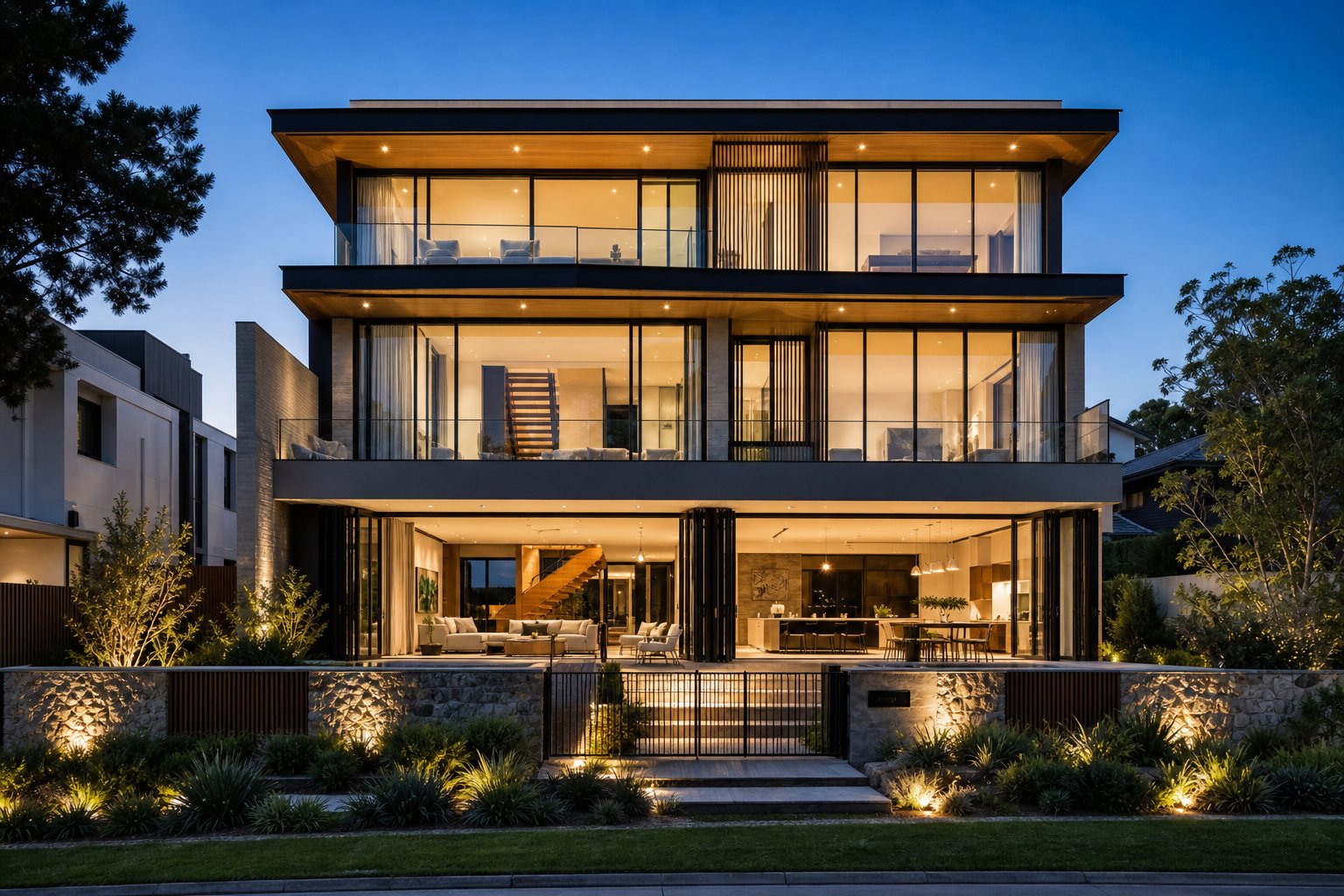
Full Aluminium vs Wood Cost Comparison Summary
Six factors, two materials, and decades of compounding costs — it’s a lot to hold in your head at once. The table below consolidates every ranked driver into a single reference point, with a clear winner indicated for each factor based on typical Australian conditions and a standard home with 15 windows.
Complete Cost Factor Comparison Table
| Cost Factor (Ranked by Impact) | Aluminium (Thermally Broken) | Timber (Softwood/Hardwood) | Typical Winner |
|---|---|---|---|
| 1. Upfront material pricing | $750–$1,500 per window | $500–$2,500+ per window | Depends on tier — budget softwood is cheaper; premium hardwood costs more than aluminium |
| 2. Installation labour | 1–2.5 hrs per window; lower skill requirement | 2–4.5 hrs per window; carpentry expertise needed | Aluminium |
| 3. Maintenance over 30 years | $120–$360 per window | $2,150–$5,270 per window | Aluminium (by a wide margin) |
| 4. Energy efficiency (annual savings) | U3.6 — strong with thermal break | U3.3 — marginally better natural insulation | Timber (slight edge) |
| 5. Lifespan and replacement cycles | 40–50+ years; one lifecycle per ownership period | 20–30 years (softwood) / 25–40 years (hardwood); likely needs replacing once | Aluminium |
| 6. Resale value and ROI | 2–4% uplift; 5–8 year payback | 3–5% uplift in period homes; 8–12 year payback | Context-dependent — aluminium for modern homes, timber for heritage |
When you total these factors across standard ownership periods, the numbers tell a clear story. For a 15-window home using mid-range specifications:
| Ownership Period | Aluminium Total Cost of Ownership (AUD) | Timber Total Cost of Ownership (AUD) |
|---|---|---|
| 10 years | $18,000–$28,000 | $16,000–$32,000 |
| 20 years | $19,500–$30,500 | $28,000–$55,000 |
| 30 years | $21,000–$33,000 | $46,000–$85,000+ |
At year one, timber can appear cheaper. By year ten, the maintenance burden pulls costs level. Beyond year ten, aluminium pulls ahead decisively — and the gap only widens as replacement cycles enter the equation for timber. Those comparing aluminium vs uPVC windows will find uPVC slots between the two: cheaper than both at purchase, but its 25–35 year lifespan and structural limitations place its 30-year total cost closer to timber than aluminium.
When Aluminium Wins on Cost
Aluminium delivers the lower total cost of ownership in these scenarios:
- New builds and project homes: Precision manufacturing means faster installation across dozens of openings, and the zero-maintenance profile starts paying dividends from day one.
- Coastal properties (Sydney beaches, Gold Coast, Fremantle): Salt air punishes timber finishes and compresses repainting cycles to 2–3 years. Marine-grade powder coat on aluminium shrugs it off.
- Low-maintenance priority: If you don’t want to budget time or money for repainting, sealing, and rot inspection every few years, aluminium eliminates that entire cost category.
- Contemporary and modern homes: Slim sightlines, clean profiles, and charcoal or black finishes suit modern architecture — and buyers of contemporary homes expect aluminium rather than timber.
- Bushfire and cyclone zones: Compliance with BAL ratings and AS 2047 wind-load requirements comes more easily (and cheaply) with aluminium than timber, reducing both upfront engineering costs and insurance premiums.
- Long-term holds (15+ years): The longer you own, the more aluminium’s maintenance-free profile and superior lifespan compound the savings. By year 20, it’s rarely close.
When Wood Wins on Cost
Timber delivers better value — or is the only viable option — in narrower but important scenarios:
- Heritage-listed and overlay-zone properties: Council requirements mandate timber on visible elevations. The cost comparison becomes moot — compliance is non-negotiable.
- Period homes in premium suburbs: Where hardwood windows add 3–5% to property value and buyers expect authentic materials, the resale uplift can justify timber’s higher lifecycle cost.
- Mild inland climates (Canberra suburbs, Ballarat, Toowoomba): Moderate UV, minimal salt, and lower humidity slow timber degradation — extending paint cycles and reducing maintenance costs enough to keep timber competitive over 15–20 years.
- Short ownership periods (under 10 years): If you plan to sell within a decade, timber’s lower softwood entry price and character appeal may deliver better value before maintenance costs accumulate meaningfully.
- Budget-constrained projects needing thermal performance: Softwood timber delivers excellent U-values at a lower entry cost than thermally broken aluminium — provided you factor ongoing maintenance into your budget honestly.
For homeowners weighing upvc windows vs aluminum, the decision matrix looks different again — uPVC wins on budget alone but loses on longevity, sightlines, and structural performance. It’s a viable third path for tight budgets with shorter time horizons, though it rarely outperforms aluminium across a full ownership cycle.
With the full picture laid out, the question shifts from which material costs less to which material costs less for your specific situation — and what concrete steps you can take to lock in accurate pricing rather than relying on ranges and estimates.
Final Verdict and Smart Next Steps
The Verdict Based on Total Cost of Ownership
Six cost factors, three decades of data, one consistent pattern: for the majority of Australian homeowners prioritising long-term financial value, aluminium wins the aluminium vs wood windows cost contest. Minimal maintenance, a 40–50+ year lifespan, faster installation, and strong performance in coastal and bushfire-prone environments compound into a total cost of ownership that timber simply cannot match outside a few specific scenarios.
Timber earns its place where heritage regulations demand it, where period-home buyers pay premiums for authentic hardwood joinery, and where mild inland climates slow the degradation that punishes wood in harsher conditions. In those contexts, timber isn’t just justified — it’s the only compliant or aesthetically appropriate choice.
If your ownership horizon exceeds ten years and your property doesn’t sit within a heritage overlay, thermally broken aluminium will almost certainly cost you less to own than timber — even if the day-one quote looks higher.
For those researching how much do uPVC windows cost as a third option, uPVC remains a viable budget entry point. You’ll find upvc windows prices online that undercut both aluminium and timber at purchase, and upvc windows for sale across most Australian suppliers. But the material’s shorter lifespan and structural limitations mean it rarely wins a 20-year total cost comparison against quality aluminium. Many homeowners exploring upvc windows today ultimately upgrade to thermally broken aluminium once they account for replacement cycles and long-term performance.
Your Next Steps to Get Accurate Pricing
Generic price ranges only take you so far. Your actual costs depend on profile system, glazing spec, opening sizes, and project complexity. Here’s how to move from estimates to real numbers:
- Get at least three detailed quotes — not ballpark figures, but itemised breakdowns showing frame material, glazing type, hardware, installation method, and warranty terms separately. This lets you compare like with like rather than guessing what’s included.
- Request a lifecycle cost breakdown — ask each supplier to outline expected maintenance, seal replacement schedules, and projected lifespan. Any supplier confident in their product will provide this willingly.
- Compare total cost of ownership, not just upfront price — map each quote across your expected ownership period. A window that’s $200 cheaper today but needs $3,000 in maintenance over 15 years isn’t the bargain it appears.
- Work with a project-capable supplier who explains what drives your quote — for aluminium specifically, pricing varies enormously based on profile system, thermal break specification, custom sizing, and glazing configuration. A supplier like MEICHEN provides transparent project support from drawings and schedules through to system recommendations, fabrication, and delivery — helping you understand exactly what’s driving your specific costs rather than relying on generic online ranges.
- Verify compliance requirements before committing — check your council’s heritage overlays and NCC energy requirements early. There’s no value in pricing aluminium if your DA will only approve timber, or vice versa.
The cheapest window isn’t the one with the lowest price tag. It’s the one that costs the least to own across its entire life — and that answer, for most Australian homes built or renovated today, points firmly toward thermally broken aluminium.
Frequently Asked Questions About Aluminium vs Wood Windows Cost
1. Are aluminium windows cheaper than wood windows in the long run?
For most Australian homeowners with an ownership horizon beyond ten years, aluminium windows deliver a lower total cost of ownership. While softwood timber can be cheaper at purchase, aluminium’s near-zero maintenance requirements, 40-50+ year lifespan, and faster installation compound into significant savings over time. The 30-year maintenance gap alone can reach $30,000-$75,000 more for timber across a typical 15-window home. However, timber may offer better value in heritage-listed properties or mild inland climates where degradation is slower.
2. How much does it cost to maintain wood windows compared to aluminium?
Timber windows require repainting every 3-5 years ($150-$350 per window professionally), seal replacement every 5-8 years ($50-$120 per window), annual rot inspections, and periodic hardware servicing. Over 30 years, cumulative maintenance runs $2,150-$5,270 per timber window. Aluminium maintenance is limited to occasional cleaning, annual hardware lubrication, and seal checks every 2-3 years, totalling just $120-$360 per window over the same period. Additional hidden costs for timber include scaffolding hire for upper-storey access ($1,500-$4,000 per repaint cycle) and potential rot remediation ($250-$1,200 per affected window).
3. Do aluminium windows add value to a home compared to timber?
Both materials can add resale value, but in different contexts. Thermally broken aluminium typically adds 2-4% property value uplift in contemporary, coastal, and modern homes, with a payback period of 5-8 years. Hardwood timber windows can add 3-5% in heritage or period homes where buyers expect authentic materials. The key difference is that aluminium maintains its value-add without ongoing investment, while timber’s contribution depends entirely on consistent maintenance. Neglected timber frames become a buyer objection rather than a selling point, potentially reversing any premium into a discount at sale.
4. How long do aluminium windows last compared to timber windows?
Quality thermally broken aluminium windows last 40-50+ years with minimal intervention, and some systems exceed 60 years in sheltered locations. Softwood timber lasts 20-30 years with diligent maintenance, while hardwood species can reach 25-40 years when refinished on schedule. Neglected timber frames may fail in as few as 12-15 years. Over a 50-year property life, aluminium typically needs replacing once at most, while timber may require two full replacement cycles — adding approximately $25,000-$30,000 in replacement, removal, and making-good costs for a standard home.
5. Is thermally broken aluminium worth the extra cost over standard aluminium?
Thermally broken aluminium is worth the premium in virtually every Australian climate zone where heating or cooling is used. Standard aluminium with double glazing achieves a U-value of 4.8, while thermally broken systems reach U3.6 — reducing heat loss by approximately 46% compared to single-glazed aluminium. Research indicates that choosing non-thermally-broken aluminium over a thermally superior frame can add an estimated $10,000 in additional energy costs over 20 years. The thermal break also eliminates condensation risk in cold climates. For accurate pricing on thermally broken systems tailored to your project, working with a project-capable supplier like MEICHEN helps you understand specific quote drivers including profile system, glazing spec, and custom sizing.
More Window & Door Guides