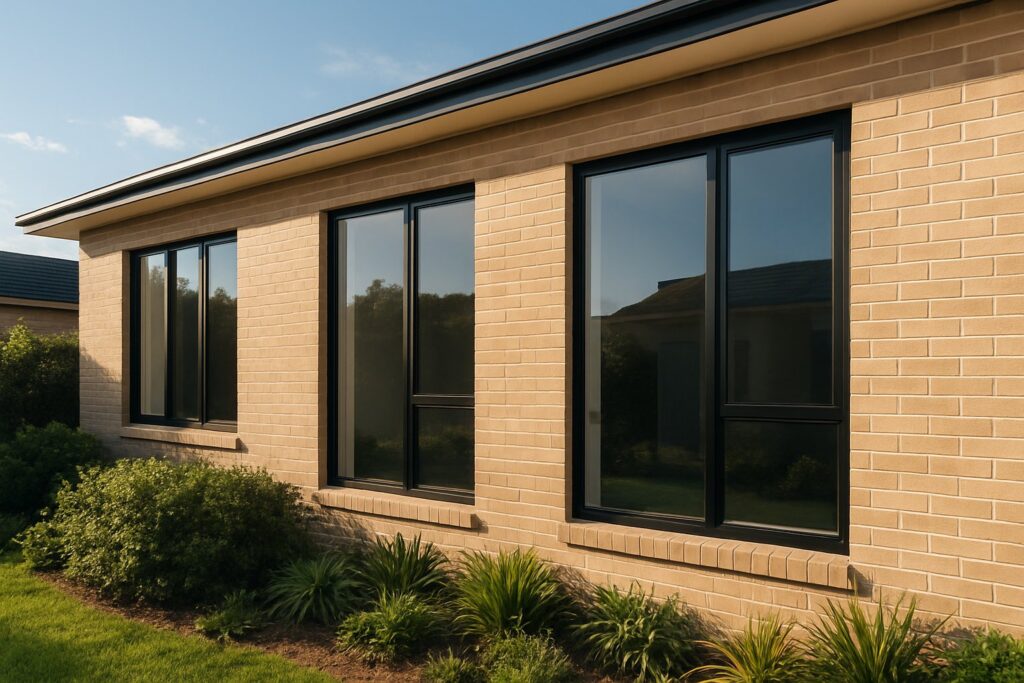
What Aluminium Windows Actually Cost
For most Australian homes, a single aluminium window costs between $500 and $2,000 installed — though that range stretches considerably once you factor in style, glazing, size, and where you live. Supply-only prices can start as low as $150 for a small fixed window, but the gap between a materials-only quote and a fully installed figure is where budgets often come unstuck.
As a general guide, expect to pay $500 to $2,000+ (AUD) per aluminium window, fully supplied and installed. Premium styles like bi-fold and bay windows can push well beyond that range.
That single number only tells part of the story, though. Per-window cost is a useful starting point, but total project spend, lifecycle maintenance, and long-term energy performance are what actually determine value. This guide breaks down real-world pricing across different window styles, the hidden fees that inflate quotes, and how aluminium frames for windows compare against vinyl, timber, and fiberglass — so you can budget with confidence rather than guesswork.
Typical Price Ranges for Aluminium Windows
The installed cost corridor for alu windows in Australia varies more than most online estimates suggest. On the supply-only side, a standard sliding aluminium window might run $165 to $680 depending on dimensions, while hinged and awning styles sit in a similar band. Add professional installation — which typically includes measuring, fitting, sealing, and cleanup — and the per-window total climbs by several hundred dollars. Real-world quotes from local tradespeople frequently diverge from published averages, so treat any figures you find online (including ours) as ballpark starting points. The only reliable number is the one on a detailed, itemised quote from a licensed installer.
Why Aluminium Window Pricing Is Hard to Pin Down
A handful of variables make it nearly impossible to give a single definitive price for an aluminium frame window. Size is the obvious one — a 600 x 600 mm fixed pane costs a fraction of a 2,000 x 1,800 mm casement. Beyond dimensions, glazing type (single, double, or triple), thermal break technology, powder-coat colour, and frame profile thickness all shift the price. Then there are labour-side factors: whether it is a new build or a retrofit into existing openings, single-storey or multi-storey access, and regional differences in installer rates between capital cities and regional areas. The sections ahead unpack each of these cost drivers in detail, covering both the Australian market and international benchmarks where the comparison is useful.
Aluminium Window Prices by Style
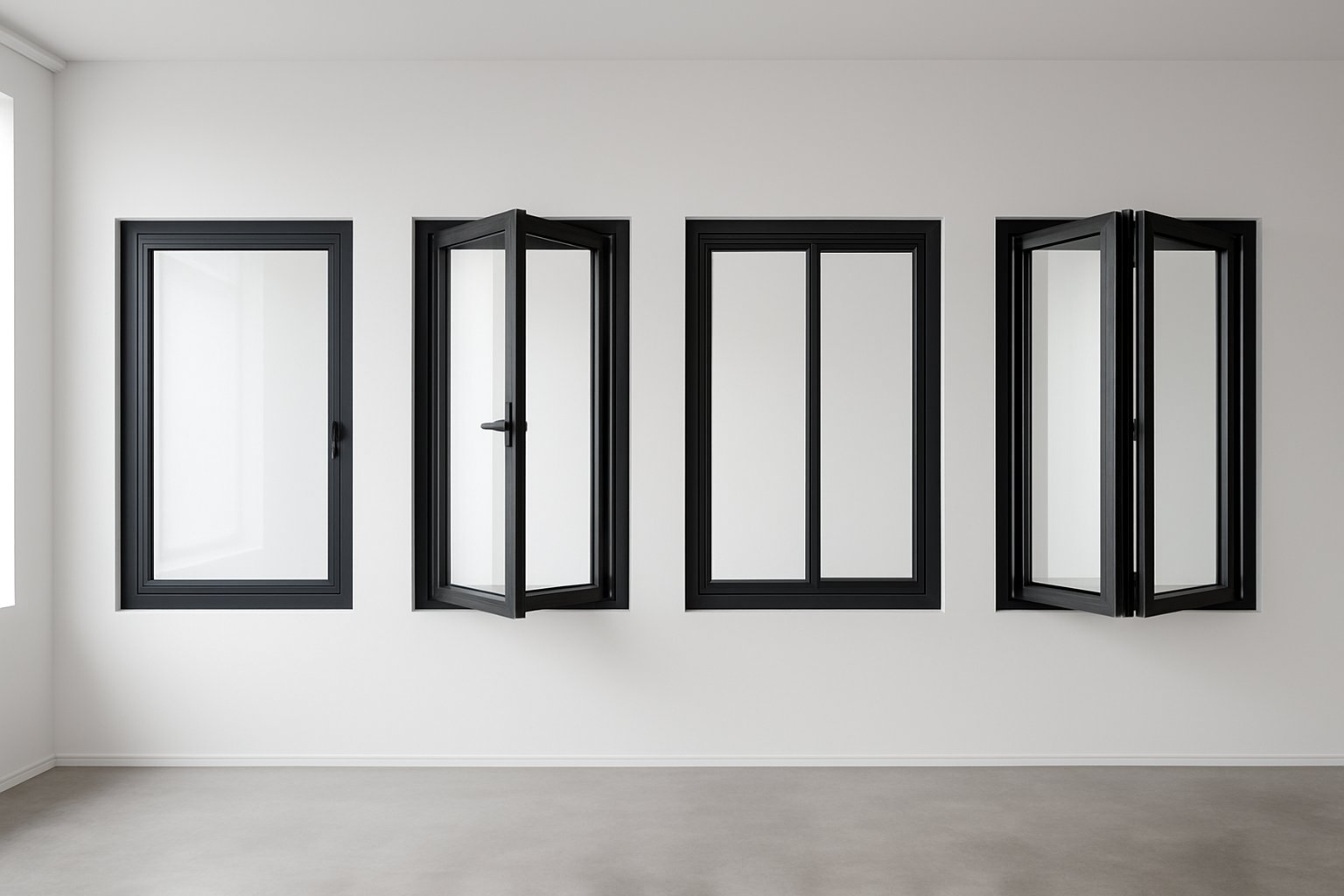
The style of window you choose has just as much influence on price as the size or glazing spec. A simple fixed pane and a bi-fold window might both use the same metal window frame material, yet the installed cost can differ by thousands of dollars. The table below gives a realistic snapshot of where each style sits in the Australian market.
| Window Style | Supply Only (AUD) | Fully Installed (AUD) | Common Use |
|---|---|---|---|
| Fixed pane | $150 – $500 | $400 – $900 | Feature walls, stairwells, above doors |
| Casement | $250 – $700 | $600 – $1,400 | Bedrooms, living areas, kitchens |
| Sliding | $200 – $650 | $500 – $1,300 | Living rooms, patios, compact spaces |
| Awning | $250 – $700 | $600 – $1,400 | Bathrooms, kitchens, wet-area ventilation |
| Bi-fold | $800 – $2,500 | $1,500 – $4,500 | Indoor-outdoor living, entertaining areas |
| Bay / Bow | $1,500 – $3,500 | $2,500 – $6,000+ | Street-facing rooms, period-style homes |
These ranges assume standard residential sizes and double glazing. Custom dimensions, triple glazing, or non-standard powder-coat colours will push figures higher — something the next section covers in detail.
Standard Aluminium Window Styles and Their Price Tiers
Fixed-pane windows sit at the bottom of the price ladder for a straightforward reason: no moving parts. There are no hinges, handles, or locking mechanisms to manufacture and install, which keeps both material and labour costs down. They are a popular choice for maximising natural light in hallways and above doorways where ventilation is not needed.
Casement and awning windows occupy the mid-range. Both are hinged and operable, meaning they require quality hardware — friction stays, multi-point locks, and weather seals — that adds to the unit cost. Awning windows prices tend to track closely with casement, though their top-hinged design makes them especially practical in Australian climates where you want airflow even during a rain shower. Sliding windows fall into a similar bracket; their simpler track-and-roller mechanism can make them marginally cheaper than hinged alternatives, and they suit rooms where an outward-opening sash is not practical.
Premium Styles That Command Higher Prices
Bi-fold and bay windows are where budgets stretch. A bi-fold system uses significantly more aluminium per opening — multiple alu frames, heavy-duty hinges, and precision-engineered folding tracks all contribute. For large entertaining areas that open onto a deck or garden, they are hard to beat, but the engineering complexity is reflected in the price. Bay and bow configurations carry similar premiums because they require structural support brackets, angled joining mullions, and often a custom head and sill to suit the projection.
Slimline profile windows deserve a mention here too. Increasingly popular in modern Australian builds, these systems use narrower sightlines to maximise the glass area — a look that suits contemporary architecture. The trade-off is a higher price per unit, since achieving structural strength with thinner alu frames demands more advanced extrusion and thermal break engineering. Commercial aluminium windows often use these slimline profiles for shopfronts and office facades, and the same technology is now filtering into residential projects.
When weighing up the cost of aluminium windows vs vinyl, keep in mind that style-for-style comparisons matter more than blanket averages. A vinyl casement may undercut an aluminium casement on upfront price, but the gap narrows — or reverses — once you move into larger openings and premium configurations where aluminium’s structural strength becomes a genuine advantage. The real cost drivers behind those differences are worth understanding before you request a single quote.
What Drives Aluminium Window Pricing
Two aluminium casement windows can look almost identical on paper — same dimensions, same style — and still arrive with quotes hundreds of dollars apart. The difference usually comes down to a handful of specification choices and site conditions that shift the price in ways that are not always obvious from a brochure or product listing. Understanding these levers helps you read a quote critically rather than just comparing bottom-line numbers.
Material and Manufacturing Variables
Glazing is the single biggest material variable. A standard single-glazed unit costs far less than a double-glazed equivalent, and triple glazing pushes the price higher again. Most new residential projects in Australia now require at least double glazing to meet National Construction Code (NCC) energy efficiency provisions, so single glazing is largely limited to non-habitable areas like sheds or garages.
Beyond the glass itself, coatings and fills matter. Low-E coatings reflect radiant heat, tinted glass reduces solar heat gain in north- and west-facing openings, and argon gas fills between panes improve insulation. Each upgrade adds incrementally to the cost of a glass aluminium frame unit, but they also directly affect your home’s WERS rating and long-term energy bills.
The frame itself introduces another cost layer. Thermally broken aluminium frames — where a polyamide or polyurethane barrier separates the inner and outer frame sections — typically cost 25 to 40 per cent more than non-thermally-broken profiles. That premium buys a meaningful reduction in heat transfer, which is essential for compliance in most Australian climate zones and genuinely noticeable in day-to-day comfort. Thicker frame profiles and heavier-duty extrusions for larger openings also add cost. And if you want something beyond standard black, white, or grey powder coating, custom RAL colours or dual-colour finishes (one colour inside, another outside) carry a measurable surcharge — often $50 to $150 per window depending on the manufacturer.
Installation and Labour Cost Drivers
Material specs only tell half the story. Installation complexity is where quotes can diverge dramatically, even for the same product. A straightforward new-build fit — where the opening is framed and ready — is far simpler than retrofitting aluminum framed windows into an older brick veneer or weatherboard home where existing frames need removal, the reveal may need adjustment, and internal plastering or trim work follows.
Industry benchmarks suggest roughly 2.9 hours for installation and 1.2 hours for removal per window, though real-world times vary with access and site conditions. Multi-storey homes often require scaffolding or elevated work platforms, adding both time and cost. Structural modifications — widening or narrowing an opening, adding a lintel — can push a single window’s installation cost well beyond the norm.
The factors below tend to have the greatest impact on your installed price, roughly in order of significance:
- New construction vs retrofit into existing openings
- Single-storey vs multi-storey access requirements
- Structural modifications to the opening (lintels, resizing)
- Removal and disposal of old frames
- Regional labour rate differences (capital city vs regional area)
- Internal making-good — plastering, painting, and trim after installation
Labour rates themselves vary noticeably across Australia. A licensed installer in Sydney or Melbourne typically charges more per hour than one in a regional centre, reflecting higher overheads and demand. Getting quotes from multiple local tradespeople remains the most reliable way to gauge what is realistic for your area.
Regional and Seasonal Pricing Patterns
Timing your project can quietly influence what you pay. Demand for windows in aluminium — and window installation generally — peaks through spring and summer when renovation activity ramps up. Installers are busier, lead times stretch, and there is less incentive to sharpen pricing. Autumn and winter tend to be quieter periods, which can mean faster scheduling, shorter lead times, and more competitive quotes as tradespeople look to fill their calendars.
Location-specific requirements also play a role. Homes in cyclone-prone regions of northern Queensland and the NT must meet stricter wind-load ratings under AS 2047, which can increase both the product specification and the installation cost. Coastal properties exposed to salt air may need enhanced corrosion-resistant finishes, adding another line item. These regional factors do not always show up in generic online pricing guides, which is exactly why a detailed, itemised quote from a local supplier matters more than any national average.
With so many variables at play, the natural question becomes: how does aluminium actually stack up against the alternatives once you account for all of these costs?
Aluminium vs Vinyl vs Timber vs Fiberglass
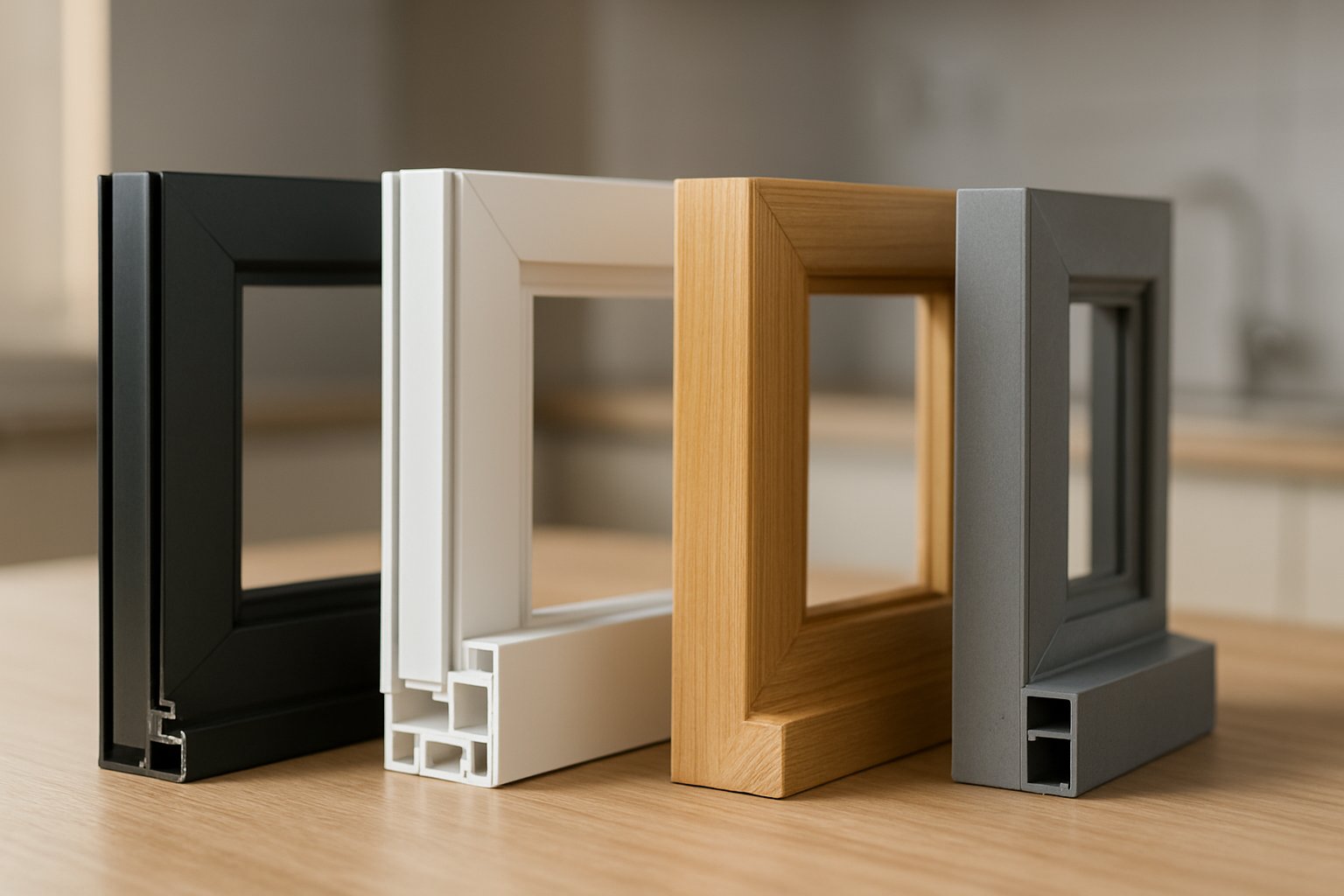
Price per window only means something when you know what each material actually delivers over time. The table below puts aluminium windows alongside the four most common alternatives across the factors that matter most to Australian homeowners — cost, longevity, upkeep, thermal performance, and design flexibility.
| Frame Material | Typical Cost Per Window — Installed (AUD) | Expected Lifespan | Maintenance | Energy Efficiency | Aesthetic Flexibility | Best Suited For |
|---|---|---|---|---|---|---|
| Aluminium (thermally broken) | $500 – $2,000+ | 30 – 45+ years | Low — occasional clean, lubricate hardware | Good (thermally broken); poor without thermal break | High — any powder-coat colour, slimline profiles | Modern builds, large openings, coastal areas (with correct finish) |
| Vinyl / uPVC | $400 – $1,200 | 20 – 30 years | Very low — wipe down with soapy water | Very good — lowest average U-values of any frame type | Moderate — limited colours, thicker profiles | Budget-conscious projects, maximum thermal performance |
| Timber | $800 – $2,500+ | 30 – 60 years (with maintenance) | High — repaint or restain every 3–5 years, treat for rot and pests | Very good — natural insulator | Very high — paint or stain any colour, classic profiles | Heritage homes, period renovations, sustainability-focused builds |
| Fiberglass | $700 – $2,000+ | 30 – 50 years | Low — similar to vinyl | Good to very good | Moderate — can be painted, limited local availability | Long-term holds where strength and low maintenance matter |
| Composite (aluminium-clad timber) | $1,200 – $3,000+ | 30 – 50+ years | Low to moderate — exterior aluminium protects timber core | Very good — timber core insulates well | High — timber interior warmth, aluminium exterior durability | Architecturally designed homes, premium renovations |
A few caveats worth noting. Pricing reflects standard residential sizes with double glazing in the Australian market. Lifespan estimates assume reasonable maintenance — neglect any frame material and it will underperform. Energy efficiency depends heavily on glazing spec and installation quality, not just the frame, so always check the WERS database for tested ratings on specific products rather than relying on generalisations.
Where Aluminium Frames Excel
Strength-to-weight ratio is where aluminium pulls ahead of every other residential frame material. Thinner profiles support larger glass areas, which is why architects consistently specify aluminium for floor-to-ceiling glazing, stacking doors, and expansive corner windows that would require bulkier frames in timber or uPVC. That structural advantage also makes custom aluminum windows practical for non-standard openings — oversized, unusually shaped, or spanning wide without a mullion.
Longevity is the other standout. A quality thermally broken aluminum window frame will not rot, warp, or become brittle with UV exposure the way timber and some vinyl products can over decades. Powder coating gives virtually unlimited colour choice, and unlike paint on timber, it does not peel or require recoating every few years. Aluminium is also fully recyclable at end of life — a genuine sustainability advantage given that aluminium manufacture is energy-intensive, so reclaiming the material offsets a significant portion of its embodied carbon.
The old knock against aluminium windows — poor thermal performance — has largely been addressed by modern thermally broken designs. While uPVC still edges ahead on raw U-values on average, the gap has narrowed enough that thermally broken aluminium comfortably meets NCC requirements across most Australian climate zones.
Where Other Materials May Win on Value
Honest comparison means acknowledging where alternatives genuinely outperform. Each material has a sweet spot, and choosing the wrong one for your situation costs more than any per-window price difference.
Vinyl / uPVC
- Lowest upfront cost of any frame material — often 30 to 50 per cent less than thermally broken aluminium
- Best-in-class thermal insulation and airtightness straight out of the box
- Ideal for rental properties, investment builds, or tight budgets where lifecycle cost is less of a concern
- Drawbacks: thicker frames reduce glass area, limited colour range, and the material can discolour or become brittle after 20-plus years of Australian UV exposure
Timber
- Unmatched warmth and character — nothing replicates the look of real wood from the inside
- Excellent natural insulation properties, rivalling uPVC when well maintained
- Often required by council for heritage-listed or conservation-area properties
- Drawbacks: highest maintenance burden of any frame material — repainting, sealing, and pest treatment every few years add ongoing cost. Susceptible to rot and warping if neglected, and coastal salt air accelerates deterioration
Fiberglass
- Strong, dimensionally stable, and low maintenance — a practical middle ground between aluminium and uPVC
- Can be painted if you want to change colours down the track
- Drawbacks: limited availability from Australian manufacturers compared to aluminium and uPVC, and pricing often lands close to thermally broken aluminium without the same slimline profile advantage
Composite (Aluminium-Clad Timber)
- Combines the interior warmth of timber with the exterior durability of aluminium — reduced maintenance while retaining timber’s thermal and aesthetic benefits
- Excellent for architecturally designed homes where both performance and appearance are non-negotiable
- Drawbacks: highest price point of any option on this list, and the added complexity means fewer suppliers and longer lead times in the Australian market
If you have been living with draughty 1970s aluminum windows or ageing metal framed windows, virtually any modern replacement — regardless of material — will deliver a dramatic improvement in comfort and energy performance. The real decision is matching the right frame to your project’s priorities: budget, aesthetics, maintenance tolerance, and how long you plan to stay in the home.
That last point — time horizon — is exactly where the pricing conversation shifts from what you pay upfront to what you actually spend over the life of the window.
Total Lifecycle Cost and Long-Term Value of Aluminium Windows
A $1,500 aluminium window that lasts 40 years and a $900 vinyl window that needs replacing after 25 are not the same investment — even though the upfront numbers suggest otherwise. Lifecycle cost flips the pricing question on its head: instead of asking how much you pay today, it asks how much value you extract per year of service. And on that measure, aluminium window frames consistently outperform cheaper alternatives.
Breaking Down the True Cost Over Decades
Aluminium windows typically deliver 40 to 50-plus years of service with minimal upkeep. The maintenance ask is genuinely modest — an occasional wash, a drop of lubricant on hinges and tracks, and a check of the weather seals every few years. Compare that to timber, which needs repainting or restaining every three to five years at a cost of $150 to $400 per window over its lifetime, or vinyl, which may begin to discolour, warp, or become brittle after 20 to 30 years of Australian UV exposure and eventually require full replacement.
Run the numbers on a standard three-bedroom home with 10 windows. If you choose vinyl at $800 installed per window and replace the lot once over a 50-year period, your total spend is roughly $16,000. Thermally broken aluminium at $1,200 per window — installed once and never replaced — comes to $12,000 over the same timeframe, with negligible maintenance costs along the way. The “cheaper” option ends up costing more.
Energy performance adds another layer. Thermally broken, double-glazed aluminium reduces heat transfer through the frame by blocking the thermal bridge between inside and outside. In practical terms, that means your heating and cooling systems work less to maintain a comfortable temperature. Reference data from thermally broken frame performance studies shows U-values as low as 1.2 W/m²K with double glazing — a dramatic improvement over older non-thermally-broken aluminium or single-glazed timber. For Australian homes rated under the WERS and NatHERS schemes, that improvement translates directly into better energy star ratings and lower running costs year after year.
ROI and Property Value Impact
Quality aluminium window frames do more than save on bills — they add measurable value at resale. Property valuers and buyers recognise the aluminum window frame material for what it signals: a home that has been upgraded with longevity in mind. Modern, well-specified aluminium windows suggest low future maintenance, strong weather performance, and compliance with current energy standards. For buyers comparing two otherwise similar properties, the one with quality aluminium joinery and double glazing often commands a premium.
Energy-efficient window upgrades can also improve a property’s NatHERS star rating, which is increasingly scrutinised during sales and rental appraisals. A home that performs well thermally is cheaper to run, more comfortable to live in, and more attractive to a market that is paying closer attention to sustainability credentials.
For Australian homeowners and renovators looking to maximise that lifecycle return, it pays to start with window systems engineered for long-term performance rather than lowest sticker price. MEICHEN’s aluminium windows range, for example, is designed to meet Australian standards for energy efficiency and durability — the kind of product specification that supports a genuine total-cost-of-ownership argument rather than just an upfront saving.
Lifecycle value, though, only becomes real if the project budget accounts for every cost — not just the windows themselves. And that is where whole-house estimates and the hidden line items most people overlook start to matter.
Whole-House Project Cost Estimates for Aluminium Windows
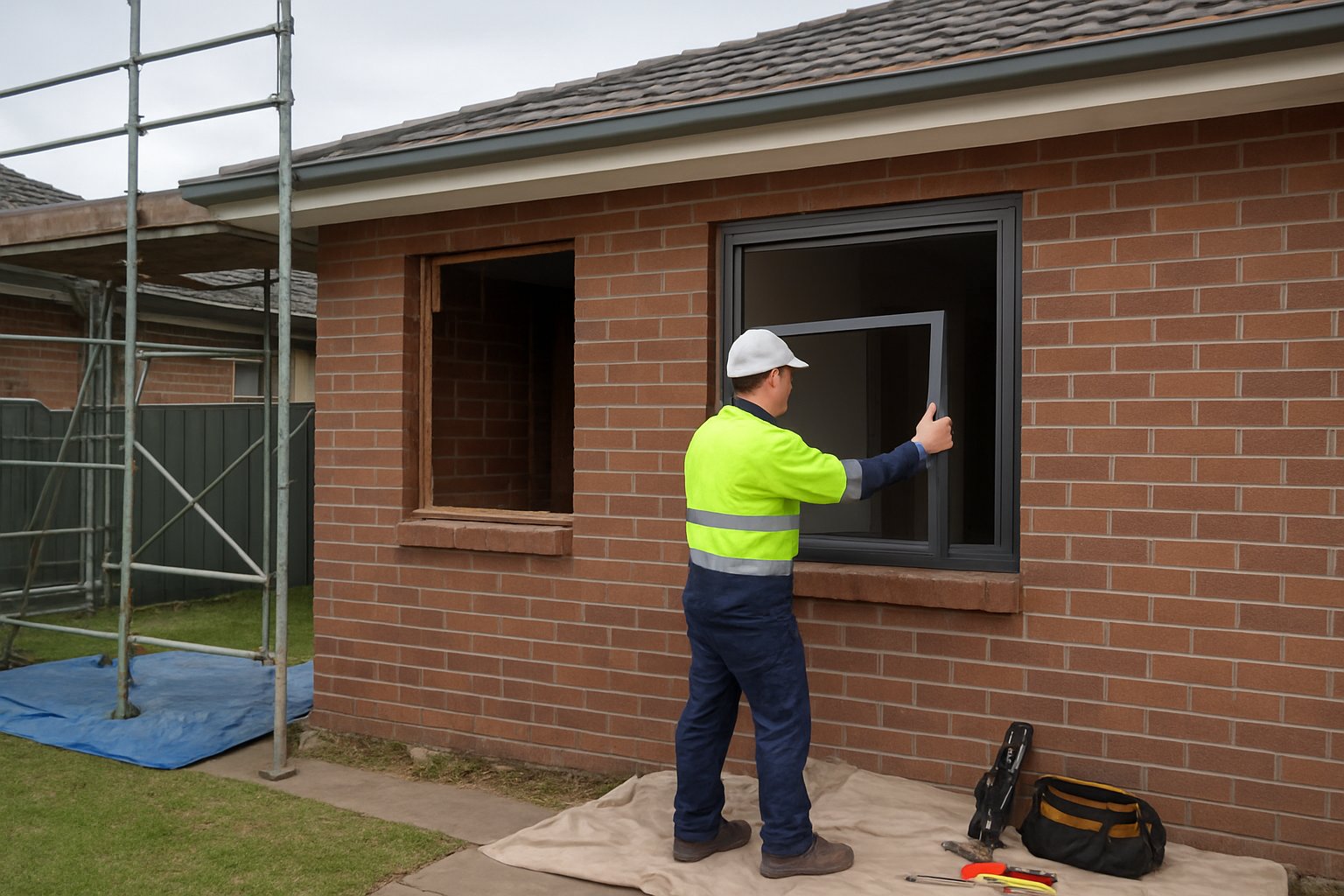
Per-window pricing is useful for comparison shopping, but the question most homeowners actually need answered is broader: what will the entire project cost from start to finish? A full window replacement touches every room in the house, and the total spend depends on how many openings you are dealing with, what you are replacing, and how much ancillary work the job demands.
Estimating Costs by Home Size and Window Count
The table below provides framework estimates for common Australian project scopes using thermally broken, double-glazed aluminium window frames. These figures assume a mix of standard styles — mostly casement, sliding, and fixed — in standard sizes with a conventional powder-coat finish. Custom sizing, triple glazing, or premium configurations like bi-fold and bay windows will push totals toward the upper end or beyond.
| Project Scope | Estimated Window Count | Approx. Material Cost (AUD) | Approx. Installation Cost (AUD) | Total Project Range (AUD) |
|---|---|---|---|---|
| Small apartment or unit | 4 – 6 | $1,500 – $4,000 | $1,200 – $3,500 | $3,000 – $8,000 |
| 3-bedroom home | 8 – 12 | $3,200 – $8,500 | $2,800 – $7,500 | $6,500 – $18,000 |
| 4-bedroom home | 12 – 18 | $5,000 – $14,000 | $4,500 – $12,000 | $10,000 – $30,000 |
| Large or custom home | 20+ | $9,000 – $25,000+ | $7,000 – $18,000+ | $18,000 – $55,000+ |
Treat these as planning ranges, not fixed quotes. The only number you can rely on is one from a licensed installer who has measured your openings and assessed the site. If you are searching for aluminium windows near me and comparing suppliers, request itemised quotes that separate materials from labour so you can see exactly where your money goes.
Building Your Project Budget Beyond the Windows
The windows and installation rarely account for the full project cost. A realistic budget needs to capture the line items that often surface mid-project — or worse, after the contract is signed. Industry data on replacement projects consistently shows that ancillary costs can add 15 to 25 per cent on top of the base window-and-install figure.
Common hidden budget items include:
- Scaffolding or elevated work platforms for upper-storey access — often $500 to $2,000+ depending on the footprint and hire duration
- Council approval or development application fees where required, particularly if you are changing opening sizes or working on heritage-listed properties
- Structural modifications such as new lintels, resized reveals, or reinforced framing to accommodate different window dimensions
- Internal making-good — plastering, painting, and replacing architraves or trim around the new glass in aluminum frame openings
- Removal and disposal of old aluminum window frames, especially if the existing units contain hazardous materials like lead paint in pre-1980s homes
- Flashing, sealant, and weatherproofing materials that may not be included in a basic supply-and-install quote
Regulatory compliance is another cost that catches people off guard. Australian projects must meet the relevant provisions of the National Construction Code, including energy efficiency requirements under NCC Section J (for commercial) or the residential energy efficiency provisions. Windows need to comply with AS 2047 for performance and AS 1288 for glazing safety. In some states, upgrading aluminum exterior storm windows or replacing existing glazing triggers a requirement to bring the new installation up to current standards — even if the rest of the house predates those rules. Your installer or a building certifier can clarify what applies to your specific situation.
Factoring in these extras from the outset avoids the budget blowouts that derail renovation timelines. And once the total project figure is on the table, the next question becomes whether standard off-the-shelf windows will do the job — or whether custom sizes, finishes, and upgrades are worth the premium.
Custom Sizes, Finishes, and Hidden Costs for Aluminium Windows and Doors
Standard off-the-shelf aluminium windows suit plenty of projects — but Australian homes are not all built to the same template. Queenslanders, federation cottages, architect-designed builds, and even some post-war brick veneer homes have openings that do not match stock dimensions. When that happens, the gap between a catalogue price and your actual quote widens fast.
Standard vs Custom-Sized Aluminium Windows
Stock-range windows manufactured in common sizes — say, 600 x 1,000 mm or 1,200 x 1,200 mm — benefit from production efficiencies that keep pricing competitive. These are the units reflected in most published price guides. Custom-manufactured windows, cut and assembled to your exact millimetre specifications, typically carry a 20 to 40 per cent premium over their standard equivalents. The surcharge covers bespoke extrusion cutting, individual glazing fabrication, and the loss of batch-production savings.
For period property renovations or architecturally designed homes, custom sizing is often unavoidable. Non-standard opening heights, arched heads, or unusually wide spans simply cannot be filled with off-the-shelf units. Some manufacturers bridge the gap with semi-custom ranges — a set of standard profiles offered in a wider spread of dimensions — which can trim the premium compared to fully bespoke fabrication. If your openings are close to a standard size, it is worth asking your supplier whether a semi-custom option exists before committing to a full custom order.
How Colour, Finish, and Glazing Upgrades Affect Price
Powder-coat colour is one of the most underestimated cost variables. Standard finishes — typically black, white, and monument (dark grey) — are included in base pricing from most Australian suppliers. Step outside that palette into a custom RAL colour and you will add roughly $50 to $150 per window. Dual-colour finishes, where the interior and exterior faces are coated in different colours, push the premium higher again because each frame requires two separate coating passes.
One question that comes up regularly is how to paint an aluminum window frame to change its colour after installation. While it is technically possible with proper surface preparation and specialist metal primers, the result rarely matches the durability of factory-applied powder coating. Repainting is better suited to touching up minor scratches than overhauling an entire colour scheme.
Glazing upgrades layer on additional cost, though each one targets a specific performance gain. Ranked roughly from lowest to highest price impact:
- Low-E coatings — a thin metallic layer that reflects radiant heat; adds $30 to $60 per window
- Argon gas fill between panes — improves insulation over standard air-filled units; adds $20 to $50 per window
- Tinted glass — reduces solar heat gain on north- and west-facing elevations; adds $40 to $80 per window
- Acoustic laminated glass — dampens external noise, ideal for homes near busy roads or flight paths; adds $80 to $200+ per window
- Triple glazing — the highest-performing option for thermal and acoustic insulation; can add $150 to $400+ per window over double glazing
Stacking multiple upgrades compounds the cost, so prioritise based on your home’s orientation, climate zone, and the specific problems you are trying to solve. A west-facing living room in Perth benefits more from tinted low-E glass than a south-facing bedroom in Melbourne, for instance.
Aluminium vs Aluminium-Clad Windows
This distinction trips up a lot of buyers. Full aluminium frames and aluminium-clad timber windows are fundamentally different products at different price points, yet they are frequently lumped together in online searches and even in some supplier quotes.
A full aluminium window uses extruded aluminium for the entire frame — inside and out. It is the product discussed throughout this guide, and it is what most people mean when they search for aluminium windows and doors pricing.
An aluminium-clad window, by contrast, has a timber core with an aluminium shell bonded to the exterior face. The timber interior provides natural warmth and insulation, while the aluminium cladding protects against weather, UV, and corrosion — eliminating the need to repaint the outside. These hybrid units typically cost 30 to 60 per cent more than equivalent full aluminium windows, and they sit at the premium end of the market alongside high-end composite systems.
Clad windows make sense for projects where interior timber aesthetics are non-negotiable but exterior maintenance needs to be minimal — think coastal homes or upper-storey installations where repainting timber exteriors is impractical. For most standard residential projects, though, thermally broken full aluminium delivers the performance and longevity you need without the added cost and complexity of a clad system.
Knowing exactly what you are quoting on — full aluminium, clad, standard size, custom, base finish or upgraded — is the difference between a budget that holds and one that blows out. That clarity also matters when deciding whether aluminium is even the right call for your particular situation, because there are genuine scenarios where it is not.
When Aluminium Windows Are Not the Right Choice
Aluminium is a genuinely excellent frame material — but it is not the right answer for every project. Pretending otherwise would not help you make a smarter decision, and the aluminium window price premium over some alternatives only makes sense when the material’s strengths actually align with your priorities. Here are three common scenarios where a different path delivers better value.
Budget-First Projects Where uPVC Wins
If upfront cost is the overriding constraint, uPVC is hard to beat. Vinyl frames can come in 30 to 50 per cent cheaper than thermally broken aluminium, and they still deliver solid thermal performance and very low maintenance. For investment properties, rental units, or homes you plan to sell within five to ten years, the lifecycle cost argument that favours aluminium weakens considerably. You may never own the property long enough to recoup the higher initial spend. In those situations, putting the savings toward better glazing specs on a uPVC frame can be a sharper use of your budget.
Heritage and Period Properties
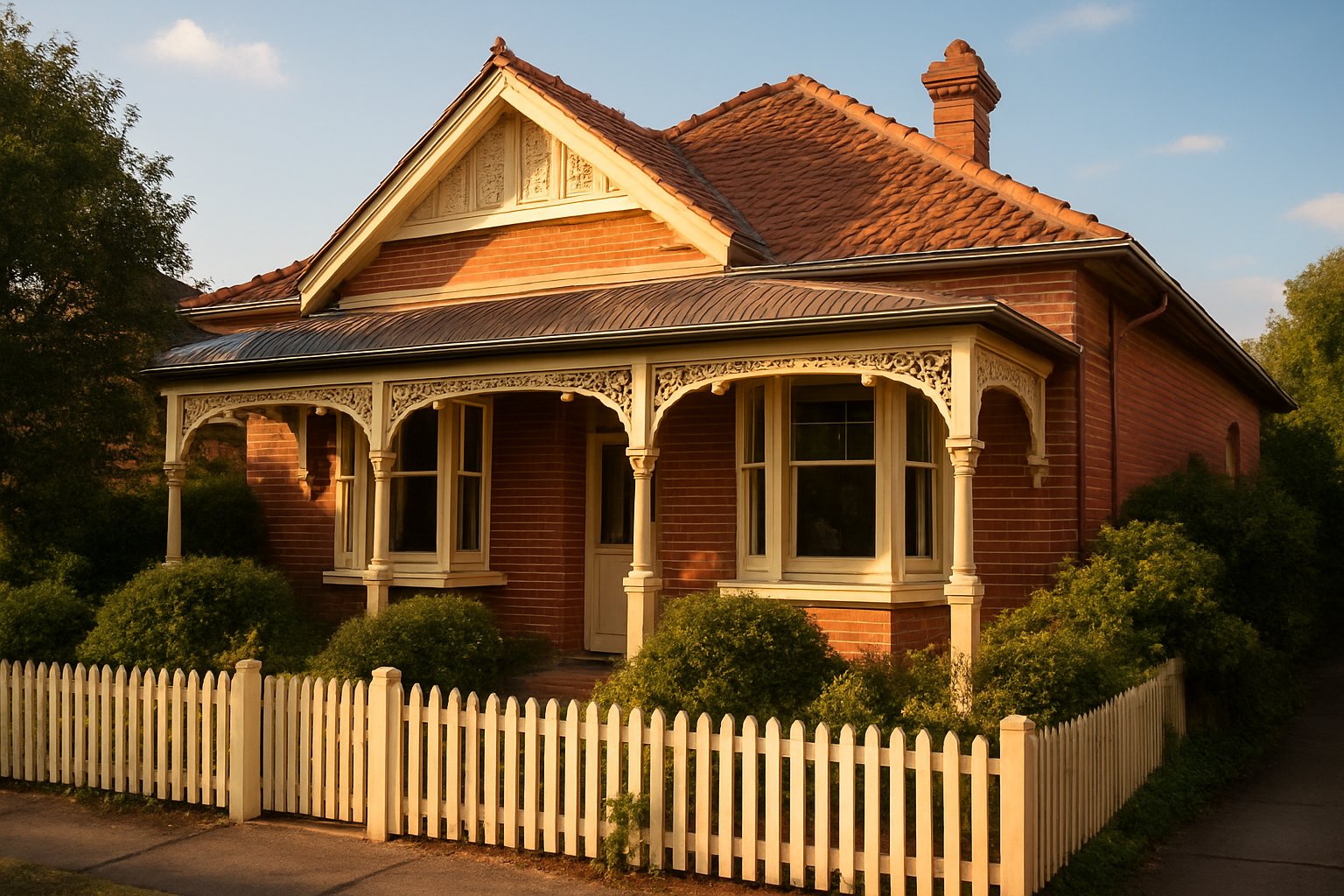
Owners of heritage-listed or conservation-area homes face a different constraint entirely: planning rules. Many Australian councils require that replacement aluminium joinery on listed buildings match the original materials, appearance, and glazing pattern. In practice, that almost always means timber. Even where aluminium profiles can mimic traditional sash or casement detailing, local heritage advisors and planning authorities frequently mandate timber frames to preserve architectural authenticity. If you are replacing old metal window frames in a listed federation cottage or interwar bungalow, check your council’s heritage overlay requirements before requesting any quotes — discovering the restriction after you have paid for aluminium joinery you cannot install is an expensive mistake.
Extreme Climate Considerations
Aluminium conducts heat far more readily than timber, fiberglass, or composite materials. Thermally broken profiles close much of that gap, but in extremely cold climates — think alpine regions of NSW and Victoria — even a quality thermal break may not match the raw insulation performance of a timber or high-end composite frame. If your home sits in NatHERS climate zone 24 or 25 and you are chasing the highest possible star rating, compare U-values product by product rather than assuming any single material is automatically sufficient.
The best window frame material depends on your specific project — budget, location, heritage status, climate, and how long you plan to stay. No single material is universally superior.
For the majority of Australian homes, though, aluminium remains a strong contender. The key is making sure you are getting the best possible deal when you do commit — and that comes down to how you gather, compare, and negotiate your quotes.
Getting the Best Deal on Aluminium Windows
Knowing what aluminium windows should cost is one thing. Actually securing a fair price on your specific project is another — and the difference usually comes down to how you approach the quoting process. A few deliberate steps here can save you thousands without compromising on quality.
How to Compare Quotes Effectively
Aim for at least three to five quotes from different suppliers and installers. Industry analysis shows that quotes for seemingly identical window projects can vary by 20 to 30 per cent or more, often because the scope, specifications, or inclusions differ in ways that are not immediately obvious. A low headline number means nothing if it leaves out half the work.
A reliable quote should itemise every component so you can compare like for like. Work through this checklist before signing anything:
- Confirm the exact window system, profile brand, and whether frames are thermally broken
- Check glazing specification — double or triple, low-E coatings, gas fills, and safety glass where required
- Verify the powder-coat finish and aluminium window frame colours included in the base price versus those that attract a surcharge
- Look for hardware details — handle type, locking points, hinges, and weather seals
- Ensure installation scope is clearly defined — does it cover removal and disposal of old aluminum window frames, or is that an extra?
- Check whether internal making-good (plastering, painting, trim) is included or excluded
- Review warranty terms for both product and installation — length, what is covered, and who you contact for claims
- Confirm lead times, payment staging, and any conditions that could trigger price variations
If a quote is missing three or more of those details, request an itemised breakdown before comparing it against others. Vague quotes are where hidden costs live.
Timing and Negotiation Strategies
Scheduling your project during the quieter autumn and winter months can work in your favour. Installers are typically less booked, lead times shrink, and there is more room to negotiate competitive rates. Spring and summer — peak renovation season across most of Australia — tend to push both pricing and wait times upward.
Bundling helps too. If you are replacing metal frame windows alongside doors or adding a bi-fold to the same project, combining everything into a single order often unlocks volume pricing. Real-world buying experience confirms that bulk orders can attract meaningful discounts — some suppliers offer tiered pricing once you hit a certain window count.
A few other practical moves that keep costs down without sacrificing quality:
- Stick with standard sizes wherever your openings allow — custom fabrication adds 20 to 40 per cent
- Choose standard powder-coat colours (black, white, monument) rather than custom RAL options
- Ask about ex-display or end-of-line stock for common sizes
- Pay in cash or upfront where possible — some installers offer a discount for avoiding finance fees
For Australian readers looking to compare options across multiple styles and specifications before requesting local quotes, MEICHEN’s aluminium windows collection covers a range of residential and project needs — from standard casement and sliding windows through to larger configurations for new builds and renovations. It is a practical starting point for establishing baseline specs and pricing before you engage local installers.
Ultimately, the best deal on aluminium windows is not the cheapest quote — it is the one that delivers the right specification, installed properly, with clear warranty backing and no surprise line items. Take the time to compare thoroughly, and the investment will hold its value for decades.
Frequently Asked Questions About Aluminium Window Costs
1. How much does it cost to replace all windows in a house with aluminium?
A whole-house aluminium window replacement in Australia typically ranges from $6,500 to $30,000 or more, depending on the number of openings, window styles chosen, and project complexity. A standard three-bedroom home with 8 to 12 thermally broken, double-glazed aluminium windows generally falls between $6,500 and $18,000 including installation. Additional costs such as scaffolding, structural modifications, internal plastering, and disposal of old frames can add 15 to 25 per cent on top of the base figure. For accurate budgeting, request itemised quotes from at least three licensed installers who have inspected your site. Australian suppliers like MEICHEN offer a range of aluminium window systems that can help you establish baseline specifications before engaging local tradespeople.
2. Are aluminium windows more expensive than uPVC or vinyl windows?
Yes, thermally broken aluminium windows generally cost more upfront than uPVC or vinyl alternatives. Vinyl frames can be 30 to 50 per cent cheaper per window on a supply-and-install basis. However, aluminium frames typically last 40 to 50 years with minimal maintenance, while vinyl may need replacing after 20 to 30 years due to UV degradation and discolouration in Australian conditions. When you factor in the longer lifespan and lower maintenance costs, aluminium often works out cheaper over the full ownership period. The best choice depends on your budget, how long you plan to stay in the property, and whether upfront savings or long-term value matters more to your project.
3. What is the difference between thermally broken and non-thermally broken aluminium windows?
Thermally broken aluminium windows feature an insulating barrier, usually made from polyamide or polyurethane, that separates the inner and outer sections of the frame. This barrier dramatically reduces heat transfer through the metal, improving energy efficiency and indoor comfort. Non-thermally broken frames allow heat to conduct freely across the full profile, making them poorly suited to habitable rooms in most Australian climate zones. Thermally broken units typically cost 25 to 40 per cent more than non-thermally broken equivalents, but they are essential for meeting National Construction Code energy efficiency requirements and achieving favourable WERS and NatHERS ratings. For most residential projects in Australia, thermally broken frames are the standard specification.
4. Do aluminium windows add value to a property?
Quality aluminium windows can positively influence property value at resale. Buyers and valuers recognise thermally broken, double-glazed aluminium frames as a sign of a well-maintained, energy-efficient home with low future upkeep costs. Upgrading to modern aluminium windows can also improve a property’s NatHERS star rating, which is increasingly scrutinised during sales and rental appraisals across Australia. The longevity of aluminium, its resistance to rot and UV degradation, and the modern aesthetic of slimline profiles all contribute to buyer appeal. While the exact return on investment varies by location and market conditions, energy-efficient window upgrades are generally viewed favourably in property assessments.
5. When is the cheapest time of year to install aluminium windows in Australia?
Autumn and winter are typically the most cost-effective seasons for aluminium window installation in Australia. Demand for window replacements and renovations peaks during spring and summer, which means installers are busier, lead times stretch, and there is less incentive to offer competitive pricing. During the cooler months, tradespeople often have more availability, shorter lead times, and greater willingness to negotiate on rates to fill their schedules. Bundling your window replacement with door upgrades or other glazing work into a single project can also unlock volume discounts. Choosing standard sizes and finishes rather than custom options further helps keep costs down without sacrificing quality.
More Window & Door Guides