Do Aluminium Windows Actually Cause Condensation
The Short Answer About Aluminium and Condensation
Do aluminium windows cause condensation? Not exactly. Aluminium as a material does not generate moisture or create water out of thin air. What it can do, thanks to its high thermal conductivity, is allow the indoor face of the frame to cool down quickly. When that surface drops below a certain temperature and meets the warm, humid air inside your home, water droplets form. That is condensation — and it is a physics problem, not a material defect.
Condensation happens when warm, moist air contacts a cold surface. The air cools rapidly, loses its ability to hold moisture, and releases water droplets onto the glass or frame. This process occurs regardless of whether your windows are aluminium, timber, or uPVC. The difference lies in how quickly each material transfers heat from inside to outside — and aluminium does this faster than the alternatives.
Condensation is a symptom of environmental conditions — indoor humidity, ventilation, and surface temperature — not a flaw in aluminium as a window material.
Why This Question Matters for Homeowners
If you have noticed aluminium windows condensation building up on cold mornings, it is tempting to blame the frames. But the reality is more layered than that. Multiple variables determine whether condensation appears on your windows: the ventilation in your home, your indoor humidity levels, the thermal break technology in your frames, and even how well the windows were installed.
A simple yes-or-no answer would not help you fix the problem. Instead, this guide walks through the science behind condensation on aluminium windows, helps you diagnose exactly what type you are dealing with, and gives you practical strategies to reduce or eliminate it. Whether you are living with older frames or considering new aluminium windows for a renovation, understanding these factors puts you in control.
Why Aluminium Frames Get Cold and What That Means
How Thermal Conductivity Affects Surface Temperature
Thermal conductivity is simply a measure of how quickly a material moves heat from one side to the other. A highly conductive material transfers warmth from your heated living room through the frame to the cold air outside — and the faster that happens, the colder the indoor face of the frame becomes.
Here is where aluminium stands apart. Raw aluminium has a thermal conductivity of roughly 160 to 200 W/m·K, while uPVC sits around 0.15 to 0.25 W/m·K and softwood timber around 0.10 to 0.15 W/m·K. In practical terms, aluminium conducts heat hundreds of times faster than either alternative. That is why an unmodified aluminium frame can feel noticeably cold to the touch on a winter morning — the heat from inside your home has already escaped through the metal.
This rapid heat transfer directly affects the surface temperature on the room-facing side of the frame. A colder surface means a higher chance of aluminium window frames condensation forming, because moisture in the air gravitates toward the coldest point it can find. Timber and uPVC frames lose heat far more slowly, so their indoor surfaces stay warmer and are less likely to attract water droplets under the same conditions.
| Frame Material | Thermal Conductivity Behaviour | Typical Indoor Surface Temperature | Condensation Risk (Unmodified) |
|---|---|---|---|
| Aluminium (non-thermally broken) | Very high — transfers heat rapidly from inside to outside | Drops quickly in cold weather; often the coldest surface near the window | High |
| uPVC | Very low — multi-chambered profiles resist heat flow | Stays relatively close to room temperature | Low |
| Timber (softwood) | Very low — natural cellular structure insulates well | Stays relatively close to room temperature | Low |
| Aluminium (thermally broken) | Moderate — insulating barrier significantly slows heat transfer | Warmer than non-broken aluminium; approaches uPVC performance | Low to moderate |
The table above highlights a critical point: aluminium window condensation is not inevitable. Thermally broken aluminium frames dramatically narrow the performance gap, bringing surface temperatures much closer to what you would expect from uPVC or timber.
Understanding Dew Point in Your Home
Dew point is the temperature at which air can no longer hold all its moisture and begins releasing it as water droplets. Think of it like a sponge — warm air holds more water vapour than cold air. As air cools, it reaches a threshold where it is fully saturated, and the excess moisture has to go somewhere. If a cold surface is nearby, that is where the droplets appear.
In a typical Australian home heated to around 20 to 22 degrees Celsius with relative humidity sitting at 50 to 60 per cent, the dew point might be somewhere around 10 to 14 degrees. Any surface that falls below that temperature becomes a magnet for condensation on aluminium window frames — or any frame, for that matter.
The reason aluminium gets singled out is speed. Because it conducts heat so rapidly, the indoor surface of a non-thermally broken aluminium frame can drop below the dew point faster than timber or uPVC under the same conditions. On a cold night in Melbourne or Hobart, that frame might reach dew point while the rest of the room stays comfortable. The result is water forming specifically on the frame edges and lower glass perimeter.
This is manageable. Modern thermally broken aluminium systems insert an insulating polyamide barrier between the inner and outer sections of the frame, slowing heat transfer enough to keep the indoor surface above dew point in most normal conditions. The physics has not changed — but the engineering has caught up.
Thermally Broken vs Non-Thermally Broken Aluminium Frames
That polyamide barrier mentioned above is the single biggest factor determining whether your aluminium windows condensation on frames becomes a persistent headache or a non-issue. Yet many homeowners do not realise there are two fundamentally different categories of aluminium window frame — and they perform nothing alike.
Non-Thermally Broken Frames and Their Limitations
A non-thermally broken aluminium frame is essentially one continuous piece of metal running from the outside face to the inside face. There is no interruption in the material, which means heat travels freely along the entire profile. On a cold winter night, the outdoor chill conducts straight through to the indoor surface without resistance.
The result is predictable. The room-facing side of the frame drops in temperature rapidly, often falling below dew point while the rest of your room stays warm. Aluminium window frame condensation becomes almost guaranteed under these conditions — not because the window is faulty, but because the frame design offers no thermal resistance whatsoever.
These frames were standard in Australian homes built from the 1970s through to the early 2000s. If your home has original aluminium windows from that era, there is a strong chance they lack any form of thermal break technology. They may also feel noticeably cold to the touch, attract moisture along the bottom rail, and contribute to draughts near the window opening.
How Thermal Break Technology Changes Everything
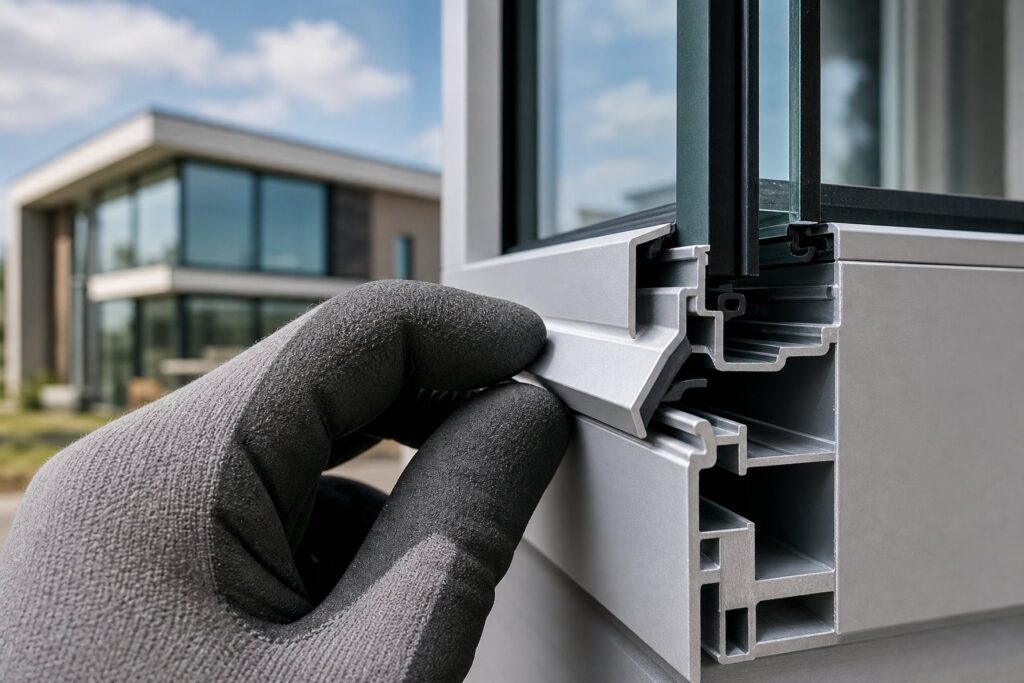
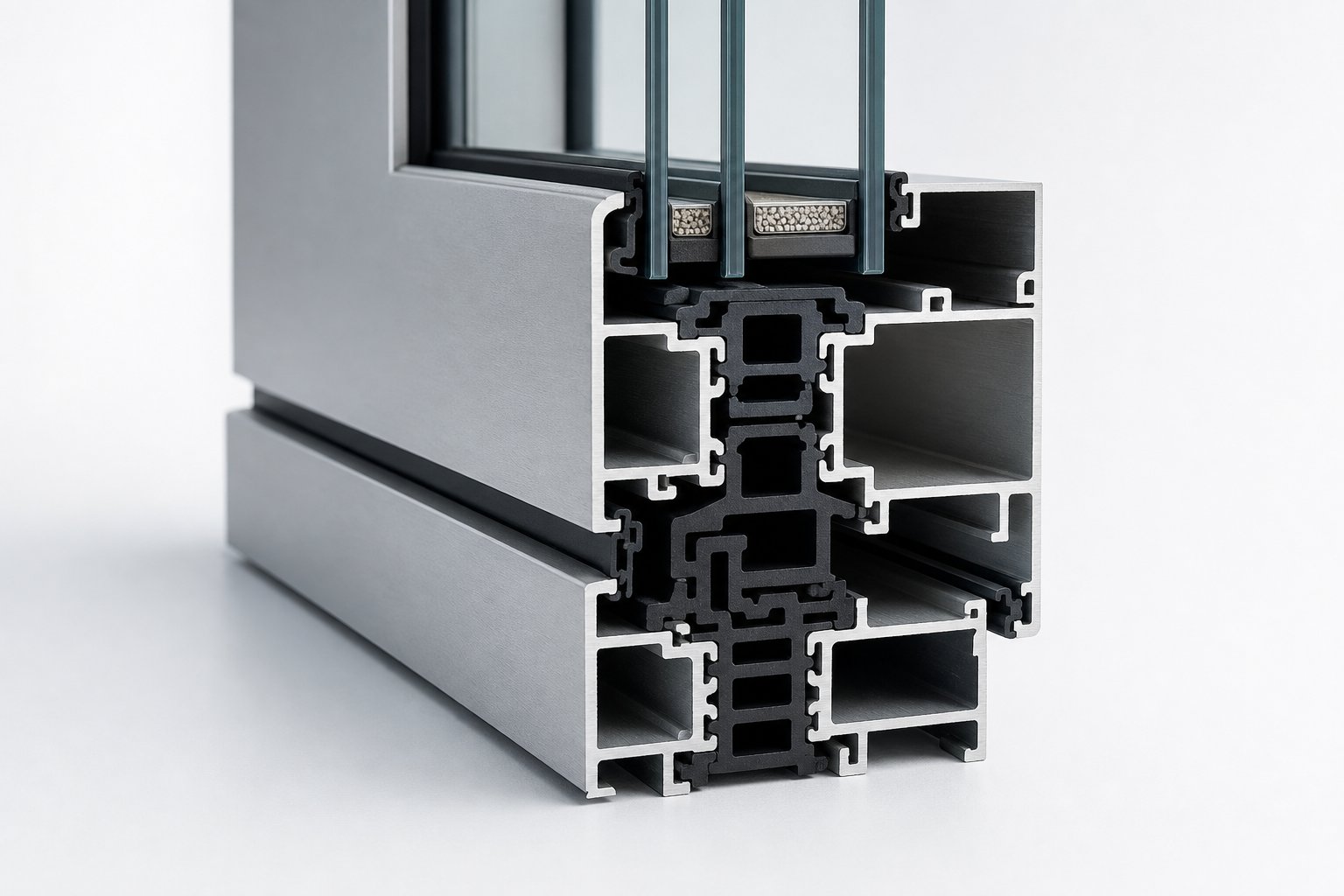
Thermally broken aluminium frames split the profile into two separate sections — an inner piece and an outer piece — joined by a rigid polyamide strip. This non-conductive barrier disrupts the heat path, dramatically slowing the transfer of cold from outside to inside.
The effect on condensation aluminium window frames is significant. By keeping the indoor surface of the frame warmer, a thermal break reduces the likelihood of that surface dropping below dew point. Modern thermally broken aluminium systems now perform far closer to uPVC and timber than most homeowners expect — the gap that existed twenty years ago has narrowed considerably.
Higher-quality systems use wider polyamide strips and reinforced bonding methods to achieve better U-values. The width of the thermal break matters: a wider barrier provides greater insulation and keeps the internal frame surface warmer for longer during cold snaps. This is why not all thermally broken frames are equal either — budget systems with narrow breaks still outperform non-broken frames, but premium systems deliver genuinely competitive thermal performance.
Identifying Whether Your Frames Have a Thermal Break
If you are unsure whether your existing aluminium windows are thermally broken, there are several indicators you can check without needing specialist equipment:
- Touch test on a cold morning: Place your hand on the indoor face of the frame when it is cold outside. Non-thermally broken frames feel distinctly cold, almost matching the outdoor temperature. Thermally broken frames feel noticeably warmer.
- Visible strip in the frame profile: Look at the frame edge (often visible when the window is open). A thermally broken frame will show a dark strip — usually black or dark grey polyamide — separating the inner and outer aluminium sections.
- Age of the windows: Aluminium windows installed in Australian homes before the mid-2000s are less likely to have thermal breaks. Frames installed after NCC energy efficiency requirements tightened are more likely to be thermally broken.
- Condensation patterns: If moisture consistently forms on the frame itself (not just the glass), particularly along the bottom rail and corners, this strongly suggests a non-thermally broken profile.
- Manufacturer documentation: Check any paperwork, stickers, or compliance labels on the frame. Thermally broken systems are typically marketed as such and will reference thermal performance or U-values.
The distinction between these two frame types is the single most important variable in aluminium windows condensation on frames. Older or budget frames without thermal breaks behave completely differently from modern thermally broken systems — and lumping them together leads to the false conclusion that all aluminium windows are condensation-prone. They are not. The technology in the frame determines the outcome far more than the material itself.
Three Types of Window Condensation and How to Diagnose Yours
Knowing whether your frames are thermally broken tells you a lot about why condensation forms — but it does not tell you what kind of condensation you are actually dealing with. Location matters. Where the moisture appears on your window reveals entirely different causes, carries different implications, and demands different responses. Some types are harmless. Others signal a genuine problem that needs fixing.
There are three distinct locations where condensation shows up on double glazed aluminium windows, and each one tells a different story about what is happening in your home.
Internal Surface Condensation on Frames and Glass
This is the most common type Australian homeowners encounter — water droplets forming on the inside face of the glass or along the aluminium frame, particularly on cold mornings. You wake up, walk into the kitchen or bedroom, and the lower portion of the window is wet. Sometimes the entire pane is fogged over.
Aluminium windows condensation inside the home happens when warm, moisture-laden indoor air meets a surface that has cooled below the dew point. The glass and frame are the coldest surfaces in most rooms, so they attract moisture first. Cooking, showering, drying clothes indoors, even breathing — all of these activities add water vapour to your indoor air. When that humid air drifts toward the window and contacts the cold surface, it releases its moisture as visible droplets.
Internal condensation is not a sign that your windows are broken. It is a sign that your indoor humidity is high relative to the surface temperature of the glass or frame. In most cases, improving ventilation or reducing moisture sources resolves it. However, if it persists daily, pools on the sill, or leads to mould growth around the frame, it crosses from minor nuisance into something that needs attention.
External Condensation as a Sign of Efficiency
Here is where homeowners often get confused — and understandably so. You look outside on a cool morning and see moisture covering the outer face of your glass. The instinct is to worry. Something must be wrong with the window, right?
Actually, the opposite is true. External condensation on double glazed aluminium windows is a positive indicator. It means your glazing is insulating so effectively that very little heat escapes through to the outer pane. The exterior glass stays cold — cold enough that when humid morning air touches it, moisture condenses on the outside surface. This is the same process that creates dew on your car windscreen or on grass overnight.
High-performance Low-E coatings and argon-filled sealed units are particularly good at triggering this effect. They keep the inner pane warm (reducing interior condensation) while allowing the outer pane to cool naturally. The better your glazing performs, the more likely you are to see external condensation on still, humid mornings — especially in temperate climates like Melbourne, Canberra, or Adelaide where overnight temperatures drop sharply.
External condensation requires no action. It disappears on its own as the sun warms the glass or a breeze picks up. If anything, it is reassurance that your condensation aluminium double glazed windows are doing exactly what they were designed to do.
Condensation Between Panes and Failed Seals
This is the one that should concern you. If you notice a foggy, hazy, or milky appearance trapped between the two panes of glass — moisture you cannot wipe away from either the inside or outside surface — the sealed unit has failed.
Modern double and triple glazed windows use a sealed insulated glass unit (IGU) filled with an inert gas, typically argon. This gas provides insulation between the panes. When the perimeter seal degrades or fails, that gas escapes and ambient moisture-laden air enters the cavity. The trapped moisture then condenses inside the unit, creating a permanent foggy appearance that worsens over time.
A failed seal compromises the window’s insulating performance. The argon gas that provided thermal resistance is gone, meaning the unit now performs closer to single glazing. Energy efficiency drops, and the interior pane becomes colder — which can actually increase internal surface condensation as well. Seal failure also reduces visibility and, if left unaddressed, can allow mould or mildew to develop within the frame rebate.
Unlike internal or external surface condensation, inter-pane moisture cannot be fixed with ventilation or humidity control. The sealed unit itself needs replacing. In most cases, a glazier can replace just the IGU without removing the entire aluminium frame — a more affordable repair than full window replacement.
Diagnosing Your Condensation Type
Not sure which type you are dealing with? Work through this checklist:
- Try wiping the moisture away from inside the room. If it wipes off easily, you have internal surface condensation. This is a humidity and ventilation issue within your home.
- If it does not wipe off from inside, go outside and try wiping the exterior face. If it wipes off from the outside, you have external condensation. This is normal and indicates good insulating performance.
- If you cannot wipe it from either side, look closely at the appearance. A persistent haze, fog, or milky film trapped between the panes indicates a failed seal. You may also notice the fog shifts or changes pattern over days as temperature fluctuates.
- Check the timing and pattern. Internal condensation is worst in the morning and clears as the room warms up or you open windows. External condensation appears on cool, still mornings and vanishes with sunlight. Inter-pane fogging is constant and does not respond to temperature changes in the room.
- Inspect multiple windows. If only one or two windows show fogging between panes while others are clear, the affected units likely have individual seal failures rather than a whole-home humidity problem.
- Note where on the window the moisture appears. Condensation concentrated on the frame edges and bottom rail of aluminium windows often points to thermal bridging (non-thermally broken frames). Condensation spread evenly across the glass centre suggests high indoor humidity or poor glazing performance.
Understanding which type of condensation you have changes the solution entirely. Internal surface moisture calls for ventilation and humidity management. External moisture calls for nothing — leave it alone. Inter-pane fogging calls for a glazier. Treating one type with the wrong fix wastes time and money, which is why accurate diagnosis comes first.
Of course, identifying the type is only half the picture. Many homeowners find that condensation appears — or worsens — right after installing new windows, which seems counterintuitive. The explanation lies in how modern airtight windows interact with your home’s existing ventilation patterns.
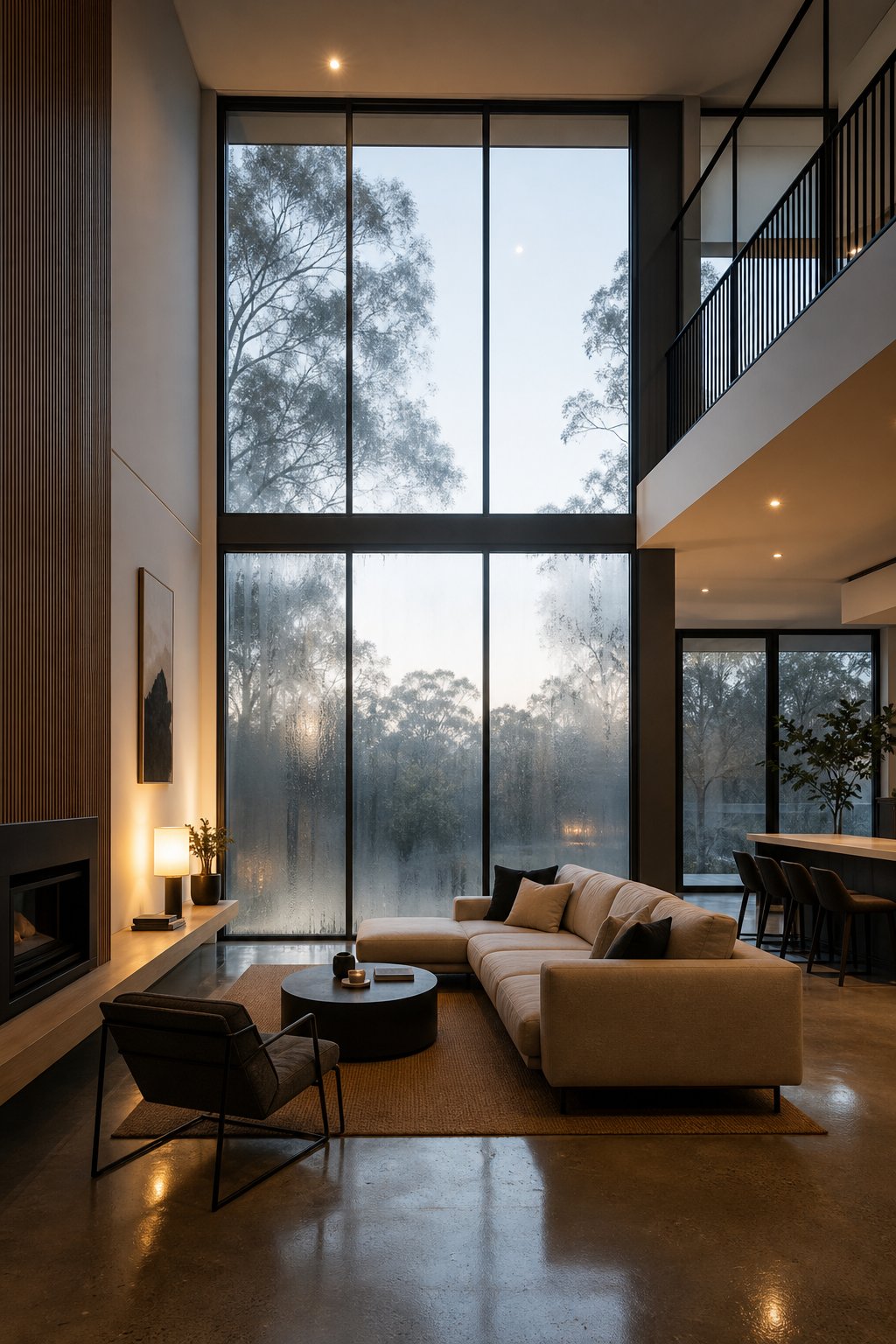
Why New Aluminium Windows Sometimes Get More Condensation
You spend thousands on premium thermally broken aluminium windows, and within weeks the glass is fogging up every morning. It feels like a step backwards. But condensation on new aluminium windows is one of the most common — and most misunderstood — complaints homeowners raise after a window upgrade. The windows are not faulty. Your home’s moisture balance has simply shifted.
The Airtightness Paradox With New Windows
Your old windows were likely draughty. Gaps around the frame, worn seals, and loose hardware allowed air to leak in and out constantly. That uncontrolled ventilation was inefficient for heating and cooling, but it served one unintentional purpose: it carried moisture out of your home before it could settle on surfaces.
New aluminium windows are engineered to be airtight. They seal the building envelope far more effectively, which improves energy efficiency and reduces your heating bills. The trade-off is that indoor moisture from everyday activities — cooking, showering, breathing, drying clothes — no longer has those passive escape routes. Humidity accumulates indoors, and the first place it becomes visible is on the coldest surface available: your window glass and frames.
This is why condensation on new aluminium window frames often appears worse than what you experienced with the old windows. The moisture was always being produced inside your home. Previously, it leaked away unnoticed. Now it stays put and reveals itself as droplets on glass. The home has gone from “leaky but dry” to “sealed but humid” — and that transition requires a deliberate adjustment to how you ventilate.
The fix is not to reintroduce draughts. It is to replace uncontrolled air leakage with controlled ventilation: trickle vents, extract fans, or mechanical ventilation systems that remove stale, humid air without sacrificing the thermal performance your new windows provide.
Replacing Timber or uPVC With Aluminium
A common concern among homeowners switching from timber or uPVC to aluminium is whether condensation risk automatically increases. The answer depends entirely on what you are comparing.
If you replace old single-glazed timber windows with modern thermally broken aluminium frames and argon-filled double glazing, condensation risk on the glass itself will almost certainly decrease. The new glazing keeps the inner pane warmer, and the thermal break prevents the frame from becoming a cold bridge. You are upgrading both the glass and the frame performance simultaneously.
If, however, you replace relatively modern uPVC double-glazed windows with budget aluminium frames that lack a thermal break, the frame surface will run colder and new aluminium windows condensation may genuinely increase on the frame edges. The glazing might perform similarly, but the frame becomes the weak point.
The material switch itself is not the deciding factor. What matters is the thermal break quality and glazing specification of the new units compared to what they replaced. A well-specified thermally broken aluminium window with Low-E glass will outperform an ageing uPVC unit with blown seals — regardless of the frame material.
Seasonal Patterns and Why Winter Is Worse
Condensation on new aluminium windows follows a clear seasonal rhythm, and winter is when it peaks. Several factors converge at once during the colder months:
- Larger temperature differential: The gap between your heated indoor air (say 20 to 22 degrees) and the cold outdoor temperature (potentially below 5 degrees in southern Australian cities) is at its greatest. This drives the indoor glass and frame surface temperature down further, making dew point easier to reach.
- Homes sealed up: Windows stay closed, doors stay shut, and natural ventilation drops to near zero. Moisture from daily activities has nowhere to go.
- Increased moisture production: Longer showers, clothes dried indoors on racks, heaters running (particularly unflued gas heaters, which release significant water vapour), and less outdoor time all push indoor humidity higher.
- Shorter days and cooler mornings: Overnight temperatures drop for longer periods, giving window surfaces more time to cool below dew point before the sun warms them again.
In warmer months, the problem largely resolves itself. Windows get opened more frequently, indoor-outdoor temperature differences shrink, and natural airflow carries moisture away. This seasonal pattern is why many homeowners only notice condensation on new aluminium window frames during their first winter after installation — and mistakenly assume the windows are defective.
Adapting your habits seasonally makes a real difference. In winter, run extract fans for longer after cooking or showering, crack a window briefly in the morning to flush humid air, and avoid drying laundry indoors without ventilation. These small adjustments compensate for the reduced passive air exchange that your new, well-sealed windows no longer provide.
The pattern is clear: condensation after a window upgrade is a ventilation problem wearing a window-shaped disguise. Solving it means addressing how moisture moves through your home — which brings us to the specific strategies that actually work.

How to Stop Condensation on Aluminium Window Frames
Diagnosing the problem is useful. Fixing it is better. If you want to know how to stop condensation on aluminium window frames, the answer is not a single silver bullet — it is a layered approach that tackles moisture at its source, improves airflow, and ensures your window system performs at its thermal best. The strategies below are organised from simplest to most involved, so you can start with quick wins and escalate if needed.
Ventilation Strategies That Actually Work
Moisture needs an exit route. Without one, it accumulates indoors and deposits itself on the coldest surfaces — your windows. Controlled ventilation replaces the unintentional draughts your old windows used to provide, removing humid air without throwing away your heating.
Trickle vents are the most accessible starting point. These small, controllable openings sit within the window frame or head and allow a passive trickle of fresh air into the room. They are inexpensive, require no power, and work around the clock. However, they have limitations — trickle vents alone may not provide sufficient airflow to manage high humidity in airtight homes, particularly during winter when occupants tend to close them to reduce draughts or noise.
Mechanical extract fans in kitchens and bathrooms offer targeted moisture removal right where it is generated. Running the extract fan during and for 15 to 20 minutes after cooking or showering prevents that burst of steam from migrating through the house and settling on window surfaces. Continuous mechanical extract ventilation (dMEV) systems take this further by providing low-level extraction around the clock from wet rooms, maintaining consistent airflow without relying on occupant behaviour.
Mechanical Ventilation with Heat Recovery (MVHR) is the whole-house solution. These systems extract stale, humid air from wet rooms while simultaneously supplying fresh, filtered air to living spaces — recovering up to 90 per cent of the heat from the outgoing air in the process. MVHR is most practical for new builds or major renovations where ductwork can be integrated into the design, but it represents the gold standard for homes that struggle with condensation despite other measures.
Managing Indoor Humidity With a Hygrometer
You cannot manage what you cannot measure. A digital hygrometer costs under $30 and tells you exactly what your indoor relative humidity is at any given moment. Place one in the room where condensation is worst — typically a bedroom or kitchen — and monitor the readings over a few days.
The target range for comfort and condensation prevention is 40 to 60 per cent relative humidity. Below 40 per cent feels uncomfortably dry. Above 60 per cent encourages mould growth and makes condensation far more likely on any cold surface, regardless of frame material. In winter, when outdoor temperatures drop significantly, you may need to aim for the lower end of that range — around 40 to 45 per cent — to keep surfaces clear.
Identifying your major moisture sources is the next step. The biggest contributors in most Australian homes include:
- Cooking without an extract fan or rangehood running — a single pot of boiling water releases substantial moisture into the air
- Showering without ventilation — a ten-minute hot shower can add over a litre of water vapour to your home
- Drying clothes indoors on racks — each load of washing releases several litres of moisture as it dries
- Unflued gas heaters — these produce water vapour as a combustion byproduct and are a major contributor in southern Australian homes
- Fish tanks, indoor plants, and even occupant breathing — a family of four produces several litres of moisture daily just by being home
Addressing even one or two of these sources — venting the dryer outside, running the rangehood while cooking, or switching from an unflued gas heater to a reverse-cycle split system — can drop indoor humidity enough to stop condensation on aluminium window frames without any changes to the windows themselves.
Glazing and Frame Upgrades for Condensation Control
When ventilation and humidity management are not enough on their own, or when your existing windows lack the thermal performance to keep surfaces above dew point, upgrading the glazing and frame system becomes the most effective long-term solution.
Low-E coatings make a measurable difference. These microscopically thin metallic layers reflect radiant heat back into the room, keeping the inner pane warmer. Warmer glass means the surface stays above dew point for longer, directly reducing condensation. Low-E coated double glazing can achieve U-factors of 0.25 to 0.35, compared to 0.50 to 0.70 for standard uncoated double glazing — meaning significantly less heat escapes through the glass.
Argon gas fills between the panes further improve insulation. Argon is denser than air and slows convective heat transfer within the sealed unit, contributing to a warmer inner pane surface. Combined with Low-E coatings, argon-filled units represent the current standard for condensation-resistant glazing in the Australian market.
Triple glazing adds another insulating layer and is worth considering in consistently cold climates — think alpine regions or Tasmanian highlands — but for most Australian conditions, well-specified double glazing with Low-E and argon delivers excellent condensation performance without the added weight and cost of a third pane.
Frame specification matters equally. A high-performance sealed unit installed in a non-thermally broken aluminium frame still creates a cold bridge at the frame edges. The ideal combination pairs quality glazing with a thermally broken aluminium frame that keeps the entire window assembly — glass and frame — above dew point. Systems like the MEICHEN MC100 illustrate what to look for: a thermally broken aluminium profile with configurable glass build-up options including Low-E coatings, strong sealing performance, and the flexibility to specify glazing configurations suited to your climate zone and condensation concerns.
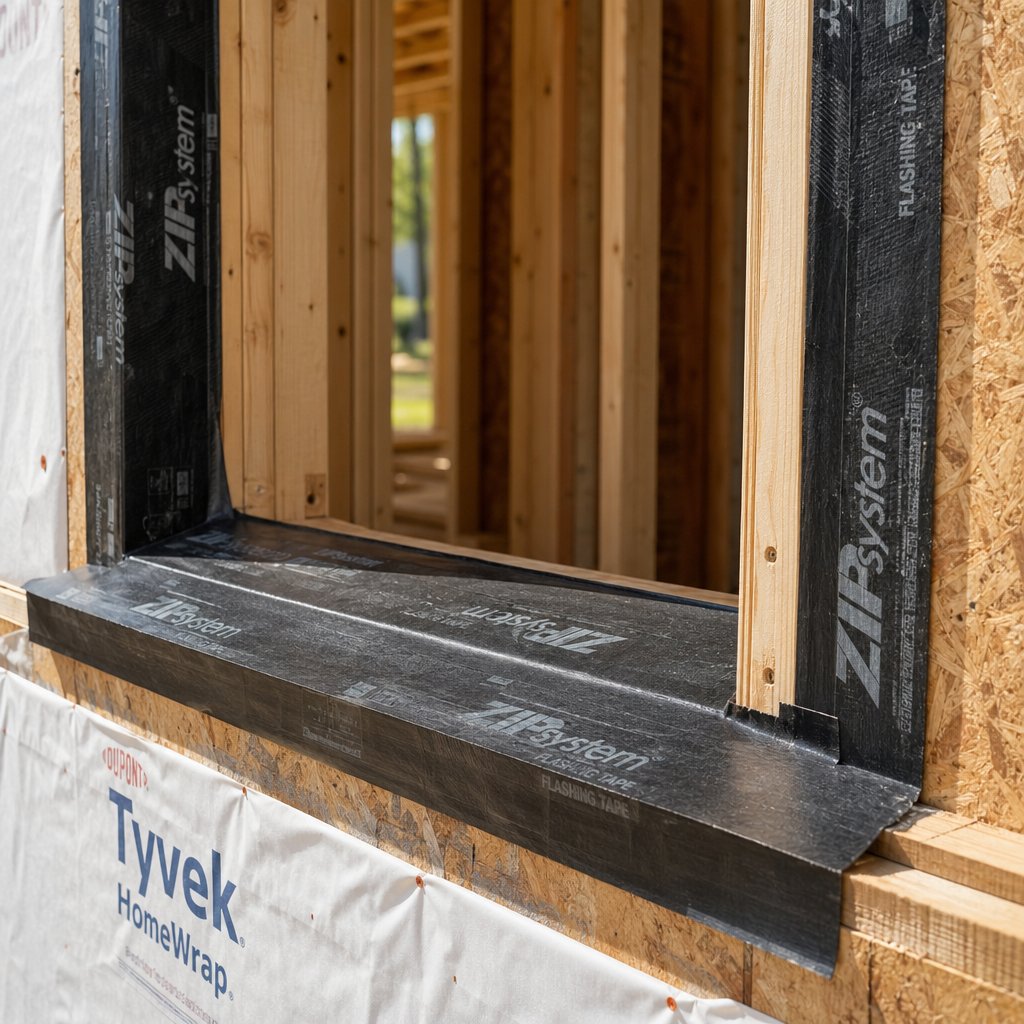
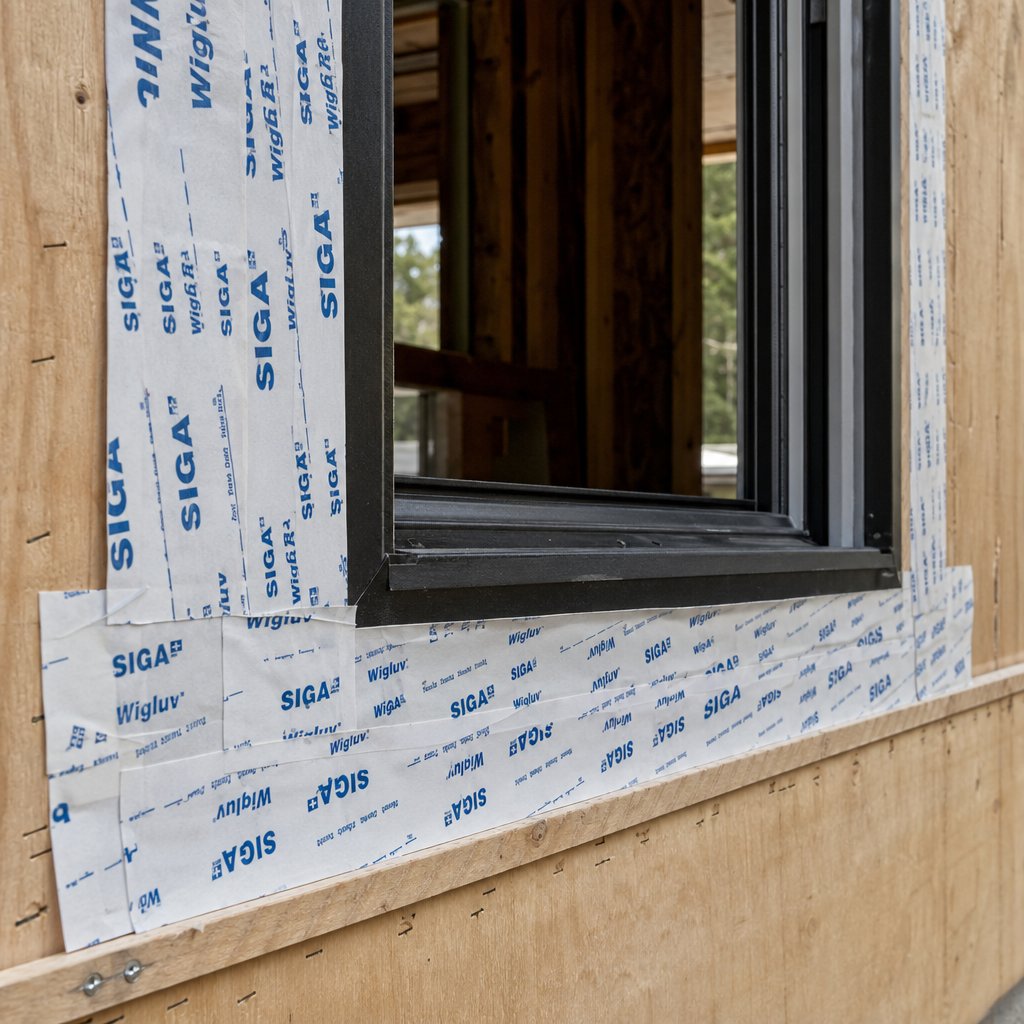
Installation quality is the final piece. Even the best window system underperforms if installed poorly. Proper reveals, continuous insulation around the frame, and correctly fitted cavity closers prevent cold spots at the junction between frame and wall. Gaps or thermal bridges at the installation perimeter create localised cold zones where condensation concentrates — often mistaken for a window fault when it is actually a fitting issue.
Prioritised Action List
If you want a clear sequence for how to stop condensation on aluminium windows, work through these steps in order — each one builds on the last:
- Immediate (no cost): Open trickle vents, run extract fans during and after moisture-producing activities, avoid drying clothes indoors without ventilation, briefly open a window each morning to flush humid air
- Low cost (under $100): Buy a hygrometer and monitor humidity levels, replace unflued gas heaters with flued or electric alternatives, ensure existing extract fans are functioning and ducted to outside (not into the roof cavity)
- Moderate investment ($200–$1,000): Install trickle vents if your current frames lack them, upgrade bathroom and kitchen extract fans to continuous dMEV units, add weatherstripping and insulation around frame reveals if installation gaps exist
- Significant upgrade ($1,000+): Replace non-thermally broken frames with modern thermally broken aluminium systems, upgrade sealed units to Low-E coated argon-filled double glazing, consider MVHR for whole-house ventilation in major renovations or new builds
Most homeowners find that the first two tiers resolve the problem entirely. Condensation on aluminium frames is rarely about needing expensive new windows — it is usually about managing the moisture your household produces every day. The windows just happen to be where that moisture becomes visible.
Condensation Myths That Mislead Homeowners
Even with the right strategies in hand, persistent misinformation can steer homeowners toward the wrong conclusions — or worse, toward expensive fixes that miss the actual problem. Condensation on aluminium windows attracts more than its fair share of myths, partly because the topic sits at the intersection of building science, material properties, and everyday household habits. Separating fact from fiction saves both money and frustration.
Myth vs Reality on Aluminium and Moisture
The most damaging myth is the simplest one: that aluminium itself causes condensation. It does not. Aluminium’s thermal conductivity can create colder frame surfaces, but modern aluminium windows condensation performance depends on whether a thermal break is present — not on the metal alone. A well-specified thermally broken aluminium frame keeps its indoor surface warm enough to resist moisture in normal conditions.
Equally misleading is the belief that external condensation signals a faulty window. Homeowners see moisture on the outside of the glass and assume something has gone wrong. In reality, external condensation proves the glazing is insulating effectively — so little heat escapes that the outer pane cools below the outdoor dew point overnight. It is the same process that puts dew on your car windscreen and disappears once the sun hits the glass.
Common Misconceptions About Double Glazing and Condensation
Double glazing significantly reduces condensation risk by keeping the inner pane warmer, but it does not eliminate it entirely. A home with relative humidity above 60 per cent and minimal ventilation will still produce condensation on even the highest-rated sealed units. The glazing manages surface temperature — it cannot manage the moisture your household generates.
Perhaps the most counterproductive myth is that opening windows in winter makes condensation worse. The logic seems sound — cold air comes in, surfaces get colder. But the reality is the opposite. Brief ventilation of 10 to 15 minutes replaces warm, saturated indoor air with drier outdoor air, lowering humidity levels and making condensation less likely once you close up again. Avoiding ventilation traps moisture inside, guaranteeing the problem persists.
| Myth | Reality |
|---|---|
| Aluminium causes condensation | Aluminium’s conductivity can create cold surfaces, but thermal break technology solves this. The material does not generate moisture — indoor humidity and poor ventilation do. |
| External condensation means your windows are faulty | External condensation proves your glazing insulates well. The outer pane stays cold because heat is not escaping through it. No action required. |
| Condensation only happens on cheap windows | Even premium windows attract condensation if indoor humidity is uncontrolled. A $5,000 window cannot overcome 70 per cent relative humidity and zero ventilation. |
| Double glazing eliminates condensation entirely | Double glazing reduces condensation significantly by keeping the inner pane warmer, but it cannot overcome extreme humidity or poor airflow. It manages surface temperature, not moisture production. |
| Opening windows in winter makes condensation worse | Short bursts of ventilation (10–15 minutes) remove humid air and replace it with drier outdoor air. This lowers indoor humidity and reduces condensation — it does not increase it. |
The common thread across all five myths is a misunderstanding of where condensation actually comes from. It is not a material problem, a manufacturing defect, or a sign of poor quality. It is a moisture balance issue. To stop condensation on aluminium windows — or any windows — you need to control what is happening inside the home, not just what is happening at the glass surface.
That said, there is a point where persistent condensation stops being a cosmetic annoyance and becomes something more serious. Knowing when to act — and when to seek professional help — matters for both your home’s longevity and your household’s health.

When to Take Action and What to Look For in Better Windows
A light mist on the glass that clears by mid-morning is one thing. Persistent moisture that pools on sills, seeps into reveals, and leaves dark patches creeping along the frame edges is something else entirely. The line between harmless condensation and a genuine health risk is not always obvious — but crossing it has real consequences for the people living in your home.
When Condensation Becomes a Health Concern
Occasional morning condensation on aluminium window frames is normal in Australian homes, particularly during winter. It forms overnight when temperatures drop, and it evaporates once the room warms up or you open a window. At this level, it is a cosmetic nuisance — wipe it away and move on.
The problem escalates when condensation persists daily, saturates window sills, and creates the damp conditions mould needs to colonise. Mould spores are always present in indoor air, but they only germinate and grow when they land on a surface that stays wet. A window frame that never fully dries between condensation events becomes a breeding ground.
The health implications are well documented. Mould exposure triggers allergic reactions, worsens asthma, and irritates the eyes, skin, nose, throat, and lungs — even in people without pre-existing allergies. Children, the elderly, and anyone with respiratory conditions face elevated risk. Prolonged exposure in bedrooms, where people spend eight or more hours breathing the same air, is particularly concerning.
The distinction is straightforward:
- Low risk: Light condensation that appears on cold mornings and clears within an hour or two. No visible mould. Sills dry naturally. This is normal physics at work and requires only basic ventilation habits.
- Moderate risk: Condensation that appears daily, takes hours to clear, and leaves sills damp enough to require regular wiping. Early signs of mould may appear in frame corners or along silicone seals. Action is needed — improve ventilation and reduce humidity sources.
- High risk: Persistent condensation with visible mould growth spreading beyond the immediate window area — onto surrounding plaster, curtains, or wall surfaces. Musty odour present. This requires immediate intervention: address the moisture source, clean the mould, and assess whether the window system itself is contributing to the problem.
The key to mould control is moisture control. If condensation is feeding mould growth around your windows, the priority is eliminating the conditions that allow it — not simply cleaning the mould and hoping it does not return.
Signs You Need Professional Assessment
Most condensation issues respond to the ventilation and humidity strategies covered earlier in this guide. But certain situations warrant calling in a specialist — either a building assessor, glazier, or ventilation consultant — rather than continuing to troubleshoot alone.
Seek professional help if:
- Mould has spread beyond the window frame — onto surrounding walls, ceiling corners, or soft furnishings. This suggests the moisture problem extends beyond what the window alone is causing and may involve insulation gaps, thermal bridging in the wall structure, or inadequate whole-house ventilation.
- Condensation appears between the panes — a foggy or milky appearance trapped inside the sealed unit that cannot be wiped from either surface. This confirms seal failure and requires IGU replacement by a qualified glazier.
- Condensation persists despite good ventilation and controlled humidity — if you are running extract fans, keeping humidity below 50 per cent on your hygrometer, and still seeing daily moisture on frames, the window system itself may be underperforming. Non-thermally broken frames, poor installation detailing, or degraded seals could be the root cause.
- Structural damage is visible — swollen or rotting timber reveals around aluminium frames, bubbling paint, crumbling plaster, or rust staining on the frame itself. These indicate long-term moisture exposure that has already caused material damage.
- Health symptoms correlate with the affected rooms — persistent coughing, wheezing, nasal congestion, or worsening asthma symptoms in household members who spend time in rooms with visible condensation and mould. A health professional and a building assessor should both be consulted.
In Australia, a building inspector or energy assessor can evaluate your window performance, check for thermal bridging, and recommend whether repair, reglazing, or full replacement is the most cost-effective path forward. For mould that covers more than about one square metre, professional remediation is advisable rather than DIY cleaning.
Choosing Aluminium Windows That Resist Condensation
If your assessment points toward replacing ageing or underperforming windows, the goal is clear: choose a system that keeps its indoor surfaces above dew point under normal living conditions. Not all aluminium windows are equal, and the specifications that matter for how to prevent condensation on aluminium window frames are specific and measurable.
Look for these features when evaluating replacement options:
- Thermally broken frame construction — a polyamide barrier separating the inner and outer aluminium sections. Wider thermal breaks provide better insulation and warmer internal surfaces. This is non-negotiable for condensation resistance.
- Configurable glass build-up — the ability to specify Low-E coatings, argon gas fills, and appropriate spacer bars for your climate zone. Different orientations and rooms may benefit from different glass configurations.
- Strong sealing performance — multi-point weather seals that maintain airtightness over time, preventing uncontrolled air infiltration while keeping the sealed unit intact for the long term.
- Compliance with Australian standards — windows rated under AS 2047 and with WERS energy ratings give you verified performance data rather than marketing claims.
- U-value transparency — manufacturers who publish U-values for the complete window system (frame plus glazing, not just the glass centre) give you the information needed to compare condensation performance meaningfully.
The MEICHEN MC100 Awning Window is one example of what a well-specified condensation-resistant system looks like in practice. It features thermally broken aluminium construction, multiple glass build-up configurations including Low-E options, and sealing performance designed to maintain thermal integrity across the frame. For homeowners exploring how to reduce condensation on aluminium windows through a window upgrade, systems like the MC100 provide a useful reference point for the level of specification that genuinely addresses the issue — rather than simply replacing one underperforming frame with another.
Aluminium windows do not inherently cause condensation. Frame technology (thermal break vs non-thermally broken), glazing specification (Low-E, argon, sealed unit integrity), installation quality (continuous insulation, proper reveals), and indoor environment management (ventilation, humidity control) together determine whether condensation appears. Address all four, and aluminium performs as well as any frame material on the market.
The question is never really “do aluminium windows cause condensation” — it is whether your specific combination of frame technology, glazing, installation, and household habits creates the conditions for it. Control those variables, and you control the outcome.
Frequently Asked Questions About Aluminium Windows and Condensation
1. Why do my aluminium windows get condensation but my neighbour’s don’t?
The difference usually comes down to three factors: whether your frames are thermally broken, your indoor humidity levels, and your ventilation habits. Thermally broken aluminium frames have a polyamide insulating barrier that keeps the indoor surface warmer, reducing condensation risk significantly. If your neighbour has newer thermally broken frames, runs extract fans regularly, or maintains lower indoor humidity (around 40-50% relative humidity), their windows will stay drier under the same outdoor conditions. A digital hygrometer can help you compare your indoor moisture levels and identify whether humidity control or a frame upgrade is the priority.
2. Is condensation on the outside of my aluminium windows a problem?
External condensation is actually a positive sign, not a fault. It occurs when your glazing insulates so effectively that very little heat escapes to the outer pane, allowing it to cool below the outdoor dew point overnight. This is the same process that creates dew on grass or car windscreens. High-performance Low-E coated and argon-filled double glazed units are particularly prone to triggering external condensation on cool, still mornings. It requires no action and disappears naturally once the sun warms the glass or a breeze picks up. If anything, it confirms your windows are performing as designed.
3. Can thermally broken aluminium windows completely eliminate condensation?
Thermally broken aluminium windows dramatically reduce condensation risk by keeping the indoor frame surface warmer, but no window system can completely eliminate condensation if indoor humidity is excessively high. A home running above 60% relative humidity with poor ventilation will still produce moisture on even premium thermally broken frames with Low-E argon-filled glazing. The window manages surface temperature — it cannot manage the moisture your household generates from cooking, showering, and breathing. Systems like the MEICHEN MC100 with configurable Low-E glass options and strong sealing performance address condensation at the frame and glazing level, but pairing them with adequate ventilation delivers the best results.
4. Why did my new aluminium windows make condensation worse than my old ones?
Your old windows were likely draughty, allowing moisture to escape through gaps and worn seals as uncontrolled ventilation. New aluminium windows seal the building envelope far more effectively, trapping indoor humidity that previously leaked away unnoticed. The moisture was always being produced — cooking, showering, drying clothes — but now it has no passive escape route. The solution is not to reintroduce draughts but to add controlled ventilation: use trickle vents, run extract fans for 15-20 minutes after moisture-producing activities, and briefly open a window each morning to flush humid air. Most homeowners find condensation resolves within the first winter once they adjust their ventilation habits.
5. How can I tell if my aluminium window frames have a thermal break?
Several indicators help identify whether your frames are thermally broken without specialist equipment. First, perform a touch test on a cold morning — non-thermally broken frames feel distinctly cold, nearly matching outdoor temperature, while thermally broken frames feel noticeably warmer. Second, look at the frame edge when the window is open for a visible dark strip (usually black polyamide) separating the inner and outer aluminium sections. Third, consider the age — frames installed in Australian homes before the mid-2000s are less likely to have thermal breaks, while those installed after NCC energy efficiency requirements tightened generally do. Finally, check manufacturer documentation or compliance labels, as thermally broken systems typically reference thermal performance or U-values.
More Window & Door Guides