What Are Custom Residential Windows and Who Needs Them
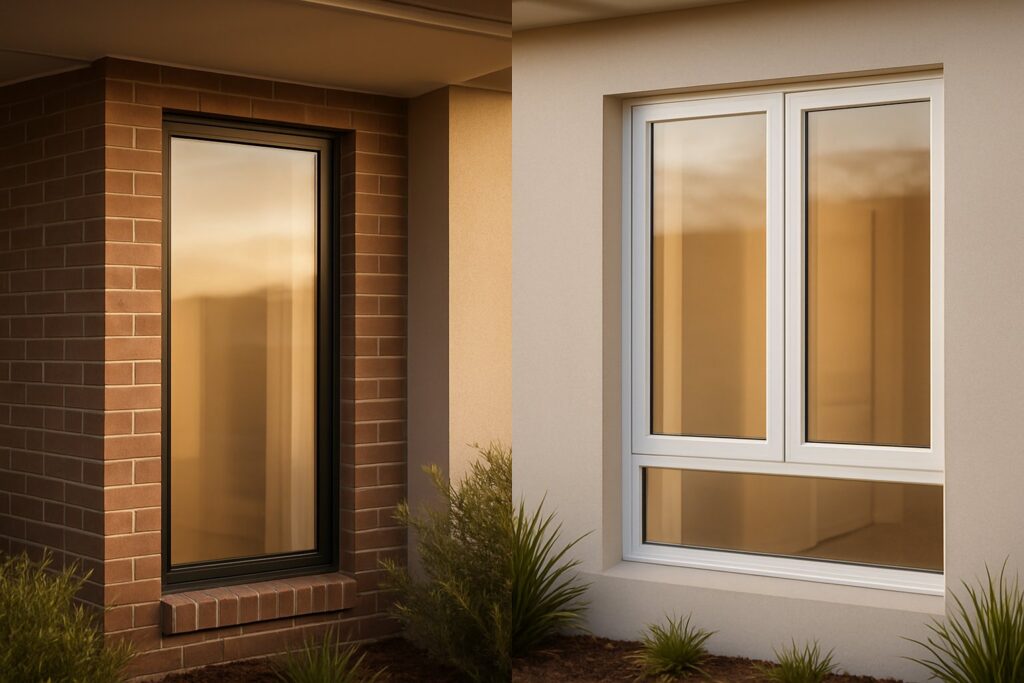
Custom residential windows are windows manufactured to non-standard specifications for a specific opening, architectural style, or performance requirement. Unlike stock units pulled from a catalog of fixed sizes, they are built to exact dimensions, unique window shapes, and tailored material configurations that match what your home actually demands.
Sounds straightforward, right? The reality is most homeowners don’t realize they need them until a standard window simply won’t fit.
What Makes a Window Truly Custom
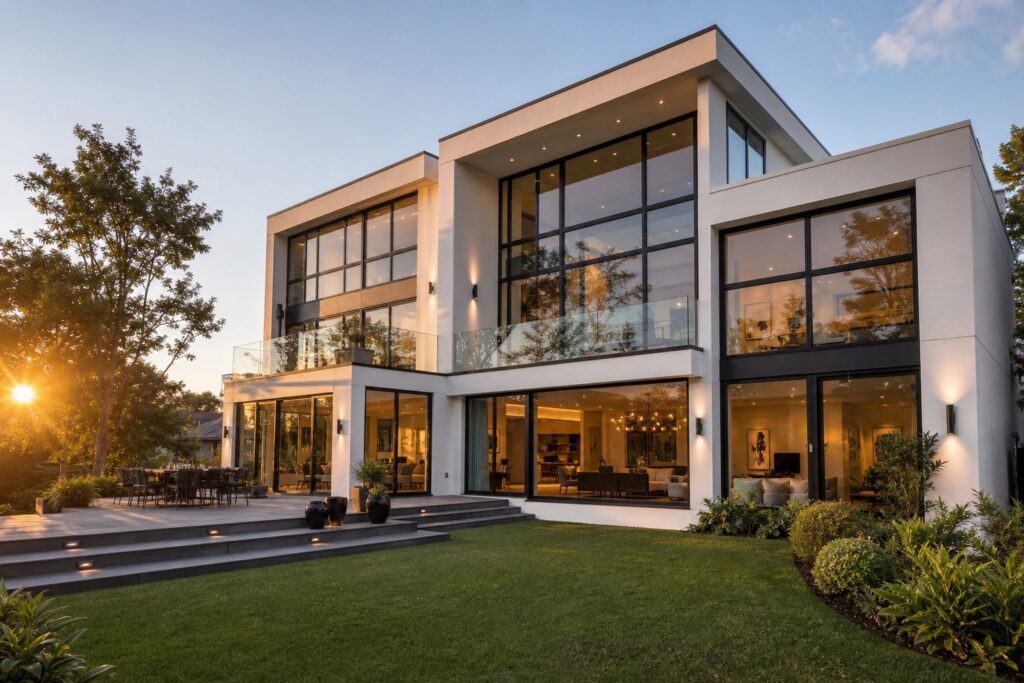
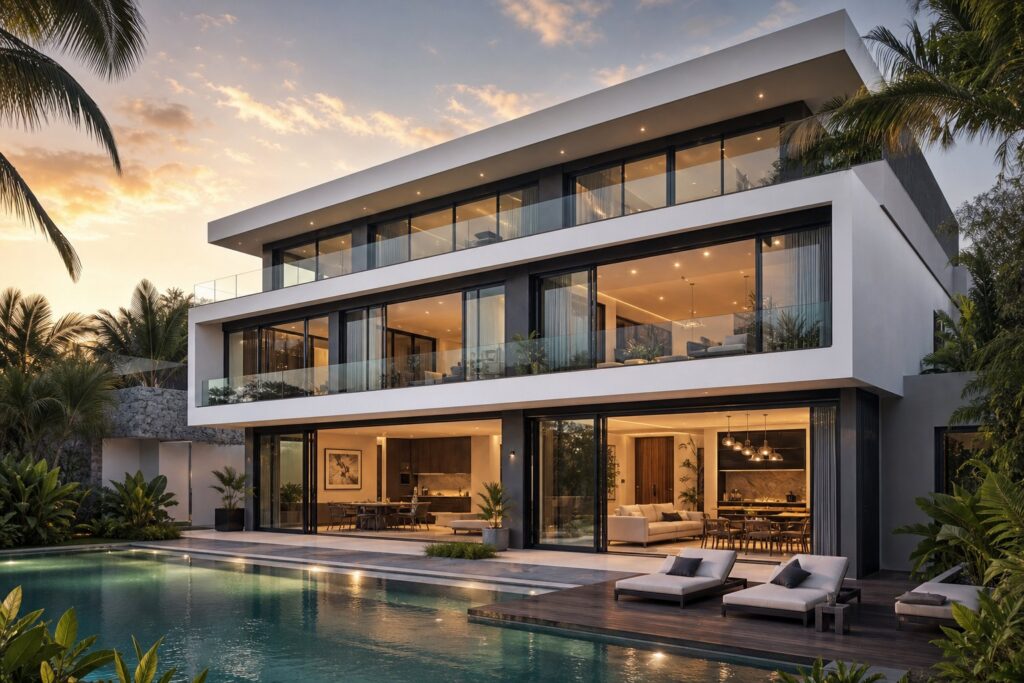
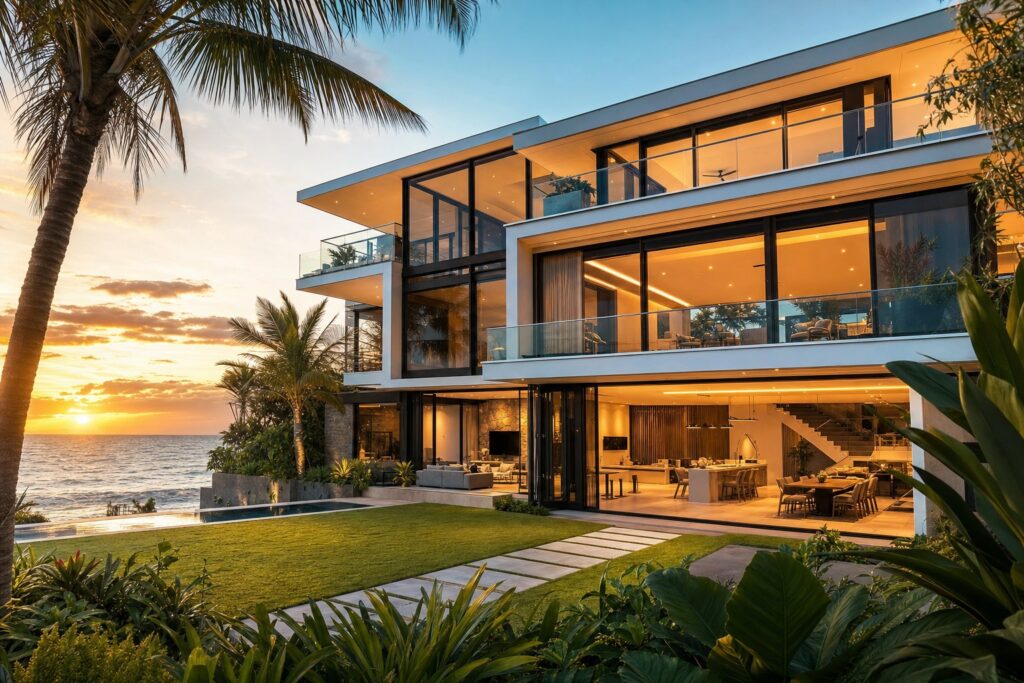
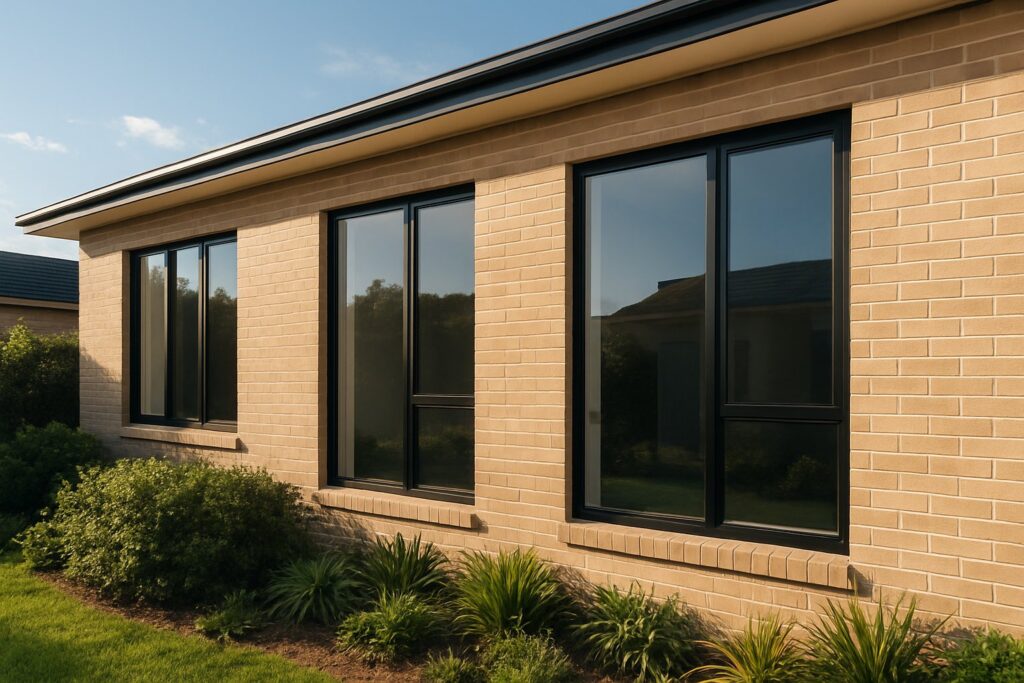
A window qualifies as truly custom when it departs from mass-produced inventory in at least one meaningful way. That could be non-standard dimensions for an oddly sized opening, a unique shape like an arch or trapezoid, a specific frame material such as aluminium or wood, a specialty glass package, or a hardware configuration you won’t find on a shelf. Even the window panel construction itself may differ, with custom units offering glazing options and structural profiles that stock products can’t replicate. Whether you need a large picture window for an oversized living room wall, ceiling fixed glass for a dramatic stairwell, or vinyl windows engineered to a precise measurement, the defining factor is the same: it’s made for your home, not adapted to it.
Why Homeowners Choose Custom Over Standard
The motivations tend to fall into a few clear categories. Older homes frequently have openings that have shifted or were never built to modern standard sizes, making replacement pocket windows or stock units a poor fit. Homeowners preserving architectural character in a historic renovation often can’t find the right profiles off the shelf. Others are chasing energy performance upgrades or pursuing design-driven remodels where stock sizes leave gaps, both literally and visually.
Custom windows solve the gap between what a home actually needs and what standard manufacturing offers.
This article is built as a decision-making resource, not a sales pitch. The goal is to walk you through materials, styles, energy ratings, pricing, and common mistakes so you can evaluate your options with confidence before spending a dollar. The real question isn’t whether custom is better — it’s whether custom is better for your specific project.
Custom vs. Stock Windows
That distinction between custom and stock sounds clean on paper. In practice, the line gets blurry fast. Not every project requires custom windows, and not every stock unit is a compromise. The honest answer most suppliers skip? Sometimes standard is the smarter call.
When Stock Windows Are Good Enough
If your home was built within the last few decades, there’s a good chance the rough openings follow standard construction dimensions. Major manufacturers produce stock windows in a wide range of sizes that cover most modern builds without modification. You’ll find double-hung, casement, sliding, and even picture windows readily available in common measurements. Stock is faster to source, often ships within days, and typically costs less than anything built to order. For a straightforward vinyl replacement window swap in a newer home with standard openings, stock gets the job done without the wait or the premium. Those $99 replacement windows you see advertised? They’re stock units in the most common sizes, and for the right situation, they’re a perfectly reasonable starting point.
When Custom Is the Only Real Option
Certain projects leave no room for compromise. Historic homes with non-standard openings that have shifted over time rarely accommodate stock sizes without awkward filler strips or structural modifications. Additions that need to match existing window profiles across a facade demand exact replication. Arched walls, angled rooflines, oversized openings, and double windows flanking a central fixed unit all push you into custom territory. The same applies when performance requirements exceed what standard offerings deliver, like triple-pane glass packages or specific acoustic ratings. If you’re planning a picture windows replacement on a mid-century home with non-standard proportions, custom isn’t a luxury. It’s the only path to a proper fit.
The Grey Area Between Custom and Special Order
Here’s the distinction most homeowners miss entirely. A “special order” window isn’t the same as a true custom window. Special-order units are built from a manufacturer’s extended size range, using their existing profiles and components but assembled to your specified dimensions. True custom manufacturing involves engineering a window from scratch, potentially with unique frame profiles, non-standard shapes, or configurations outside any catalog. The cost, lead time, and flexibility differ significantly between the two.
| Factor | Stock | Special Order | Full Custom |
|---|---|---|---|
| Lead Time | Days to 1 week | 2 to 6 weeks | 6 to 12+ weeks |
| Cost Range | Lowest | Moderate | Highest |
| Size Flexibility | Fixed standard sizes | Extended size range within manufacturer limits | Virtually unlimited |
| Design Options | Limited to catalog selections | Broader material and glass choices | Full control over shape, material, glass, and hardware |
| Return/Exchange | Usually accepted | Rarely accepted | Non-returnable |
Before you commit to full custom pricing, ask your supplier whether a special-order option covers your needs. You might get the exact dimensions you want at a lower cost and shorter timeline. The goal isn’t to default to the most expensive option. It’s to match the right manufacturing approach to what your home genuinely requires, and that clarity becomes even more important once you start choosing between window styles.
Window Styles Explained and Where Each One Works Best
Every window style handles light, airflow, and aesthetics differently. Picking the wrong one for a room doesn’t just look off — it creates daily frustrations you’ll live with for decades. Here’s what each major type actually does, and where it belongs in your home.
Fixed and Picture Windows for Unobstructed Views
A fixed window doesn’t open. That’s its greatest limitation and its greatest strength. Without operable hardware, hinges, or seals that can degrade over time, a fixed unit delivers superior energy efficiency compared to any window that moves. The classic picture window is the most familiar example — a single, large pane sealed within its frame, designed purely to maximize natural light and frame a view.
Imagine a living room wall overlooking a backyard, or a stairwell that catches morning light from two stories up. Those are picture window territory. They’re also ideal for high walls and gable ends where you’d never reach an operable sash anyway. For homeowners considering ceiling fixed glass in vaulted spaces, this style is often the only practical choice. The tradeoff is zero ventilation, so you’ll want operable windows nearby to compensate.
Casement and Awning Windows for Ventilation Control
Casement windows hinge on the side and crank open fully, swinging outward like a door. That full opening delivers maximum airflow and makes them well-suited to kitchens, bathrooms, and hard-to-reach spots above counters — you can operate them with one hand without leaning over a sink. They also close tightly against the frame, creating one of the best air seals among operable styles. Many vinyl replacement windows and even premium lines like the Pella Designer Series offer casement configurations for exactly this reason.
Awning windows work on a similar principle but hinge at the top, tilting outward from the bottom. The glass acts as a small canopy, letting you ventilate during light rain without water entering the room. They’re a practical pick for basements, laundry rooms, and any space where you want fresh air regardless of weather.
Double-Hung and Sliding Windows for Everyday Use
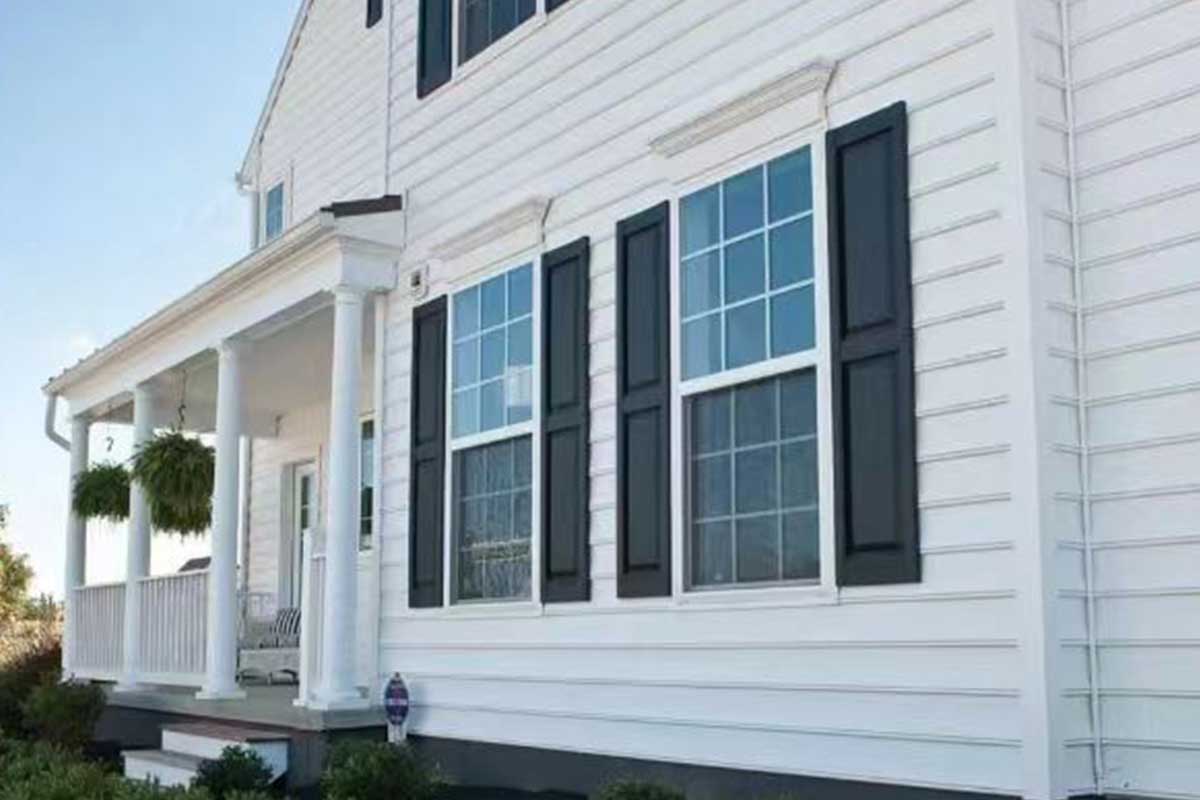
Double-hung windows are the most common residential style in North America, and for good reason. Both sashes slide vertically, so you can open the top, the bottom, or both for flexible airflow. The upper sash tilts inward on most modern units, making exterior cleaning easy from inside — a real advantage on upper floors. They suit bedrooms, hallways, and traditional facades where a classic look matters. If you’re replacing older units, insert windows that fit into existing frames can simplify the swap without disturbing exterior trim.
Sliding windows move horizontally on tracks and work well for wide openings where an outward-swinging casement would block a walkway, patio, or deck. They’re durable, low-maintenance, and a natural fit for ranch-style and mid-century modern homes. Some homeowners dismiss them as basic plastic windows, but quality sliders in vinyl or aluminium frames perform reliably for years with minimal upkeep.
Specialty Shapes for Architectural Character
Arched, circular, octagonal, half-round, and geometric windows add visual interest that no rectangular unit can match. These specialty shapes are almost always custom made windows because standard manufacturing simply doesn’t produce them in volume. Most are fixed installations, which contributes to their excellent energy performance and low maintenance.
You’ll find them above entry doors, in gable ends, on stairway landings, and as accent pieces flanking larger windows. They’re particularly effective in homes with cathedral ceilings or traditional architectural styles where a standard rectangle would feel flat. If your project calls for a shape that doesn’t exist in any catalog, this is where custom manufacturing earns its value.
Matching the right style to each room keeps the selection process practical rather than overwhelming. Here’s a quick reference:
- Bedrooms — double-hung or casement for ventilation, egress compliance, and easy cleaning
- Kitchens — casement or awning for crank-operated access above counters and steam ventilation
- Bathrooms — awning or fixed with obscure glass for privacy and moisture-friendly airflow
- Living areas — large picture windows flanked by operable casements for views plus ventilation
- Hallways and stairwells — fixed or specialty shapes for natural light without the need for operable hardware
Style determines how a window performs day to day. But the frame material surrounding that glass has just as much influence on how long it lasts, how much maintenance it demands, and how well it handles your local climate.
Frame Materials Compared for Durability and Value
The frame holds everything together — literally. Yet most homeowners spend their research time on glass packages and window styles while treating the frame as an afterthought. That’s a costly oversight. Your frame material directly impacts thermal performance, structural strength, maintenance burden, and how many years you’ll get before a window swap becomes necessary. Two identical double pane window units in different frame materials can perform very differently over a 20-year span.
How Frame Material Affects Performance and Longevity
Think of the frame as the skeleton of your window. It bears the weight of the glass, resists wind loads, expands and contracts through temperature swings, and either conducts or blocks heat transfer at the edges. A frame that warps, corrodes, or loses its seal integrity will undermine even the best glass package. Five primary materials dominate the residential market: wood, aluminium, vinyl, fiberglass, and composite. Each brings a distinct combination of strengths and tradeoffs, and the right pick depends on where you live, how your home looks, and how much upkeep you’re willing to do.
Side-by-Side Material Breakdown
Rather than wading through five separate descriptions, here’s everything in one place. This table covers the factors that matter most when you’re evaluating a vinyl window replacement, a custom shaped window installation, or anything in between.
| Factor | Wood | Aluminium | Vinyl | Fiberglass | Composite |
|---|---|---|---|---|---|
| Thermal Insulation | High | Low (improved with thermal breaks) | High | Very High | High |
| Durability / Lifespan | 20-60 years (with maintenance) | 20-30 years | 20-40 years | 30-50+ years | 30-40 years |
| Maintenance | High — regular painting, sealing, inspection for rot | Moderate — lubrication, corrosion checks, gentle cleaning | Low — occasional soap-and-water cleaning | Low — similar to vinyl | Low — mild detergent cleaning |
| Climate Suitability | Moderate climates; vulnerable to humidity and moisture | Coastal, hot, and harsh-weather environments; avoid extreme cold without thermal breaks | Moderate climates; may warp in extreme heat | All climates; excellent dimensional stability | Cold and variable climates; resists expansion and contraction |
| Aesthetic Flexibility | Excellent — paintable, stainable, natural grain | Good — slim profiles, modern look, powder-coat finishes | Moderate — factory colors, difficult to paint | Good — paintable, smooth finish | Good — wood-like appearance, multiple color options |
| Relative Cost Tier | Premium | Budget to Mid-Range | Budget | Mid-Range to Premium | Mid-Range |
Lifespan data reflects industry ranges reported across residential installations, though real-world results depend heavily on installation quality, climate exposure, and maintenance habits.
Matching Materials to Your Climate and Home Style
Numbers on a chart only tell part of the story. Here’s how each material plays out in practice.
Vinyl delivers strong value in moderate climates and remains the go-to for budget-conscious projects. If you’re pricing out a vinyl picture window for a living room or comparing vinyl windows cost across suppliers, you’ll find it consistently lands at the lowest price point with minimal upkeep. The limitation? Extreme heat can cause warping, and color options are locked in at the factory — you can’t repaint vinyl the way you can wood.
Aluminium excels where other materials struggle. Coastal homes, harsh-weather environments, and modern architectural styles benefit from its corrosion resistance, structural strength, and slim sightlines that maximize glass area. It’s a natural fit for shaped windows and decorative windows where thin, clean profiles matter. The thermal conductivity concern is real, but modern aluminium frames with thermal breaks significantly reduce heat transfer.
Wood remains the gold standard for heritage restorations and homeowners who want a warm, natural aesthetic they can stain or paint to match interior trim. The tradeoff is maintenance: regular sealing, painting, and inspection for moisture damage are non-negotiable, especially in humid climates.
Fiberglass bridges the gap between vinyl affordability and wood aesthetics. It’s dimensionally stable across temperature extremes, paintable, and built to last decades with minimal attention. The higher upfront cost is the main barrier, but for a forever home, the long-term math often works in its favor.
Composite — typically a blend of wood fibers and polymer — offers low maintenance with a premium look. It handles cold and variable climates well, resisting the expansion-contraction cycles that wear down vinyl over time. It’s a strong middle-ground choice for homeowners who want durability without the upkeep commitment of solid wood.
The takeaway? Let your climate, your home’s architectural style, and your honest maintenance tolerance drive the material decision rather than cost alone. A cheaper frame that fails in your environment costs more in the long run than a pricier one that’s built for it. And once the frame question is settled, the next layer of performance comes down to what’s inside it — the glass itself and the energy ratings that define how efficiently your windows actually perform.
Energy Efficiency Ratings Decoded for Custom Vinyl Windows and Beyond
Here’s where most window shopping goes sideways. You’ll see numbers like “U-0.30” or “SHGC 0.25” on spec sheets and NFRC labels, and unless someone translates them, they’re just noise. Suppliers love to throw these figures around because they sound impressive. The problem? Very few actually explain what they mean for your energy bills, your comfort, or whether your custom windows will pass a building code inspection.
Let’s fix that.
Understanding U-Factor and Solar Heat Gain Coefficient
Two numbers matter more than any others when you’re evaluating window performance: U-factor and solar heat gain coefficient (SHGC).
U-factor measures how well a window resists heat transfer. Think of it as a score for insulation — the lower the number, the better the window keeps heat where you want it. A window with a U-factor of 0.20 loses far less heat than one rated at 0.40. The U.S. Department of Energy defines it as the rate at which a window transmits non-solar heat flow, and NFRC ratings account for the entire unit — frame, glass, and spacer material — not just the center of the glass. That distinction matters because frame choice can drastically affect the overall number.
SHGC tells you how much solar heat passes through the glass and into your home. It’s expressed as a value between 0 and 1. A lower SHGC blocks more solar heat, which reduces cooling loads in summer. A higher SHGC lets more solar warmth in, which is useful for passive heating in winter.
Here’s the part most people miss: the ideal balance between these two ratings depends entirely on your climate. If you live in a cold northern region, you’ll benefit from a low U-factor (strong insulation) paired with a higher SHGC so your windows capture free solar heat during long winters. In a hot southern climate, you still want a low U-factor, but you also need a low SHGC to keep solar heat out and reduce air conditioning costs. Homeowners in mixed climates — hot summers, cold winters — face the trickiest balancing act, often landing somewhere in the middle on SHGC while pushing for the lowest U-factor they can afford.
When you’re searching for custom windows near me or comparing replacement vinyl windows from different suppliers, don’t just look at one rating in isolation. Ask for both numbers, and evaluate them against your climate zone.
Glass Technologies That Improve Efficiency
The glass package is where the real engineering happens. Raw clear glass on its own is a poor insulator. What transforms it into a high-performance component is a combination of coatings, gas fills, and multi-pane construction.
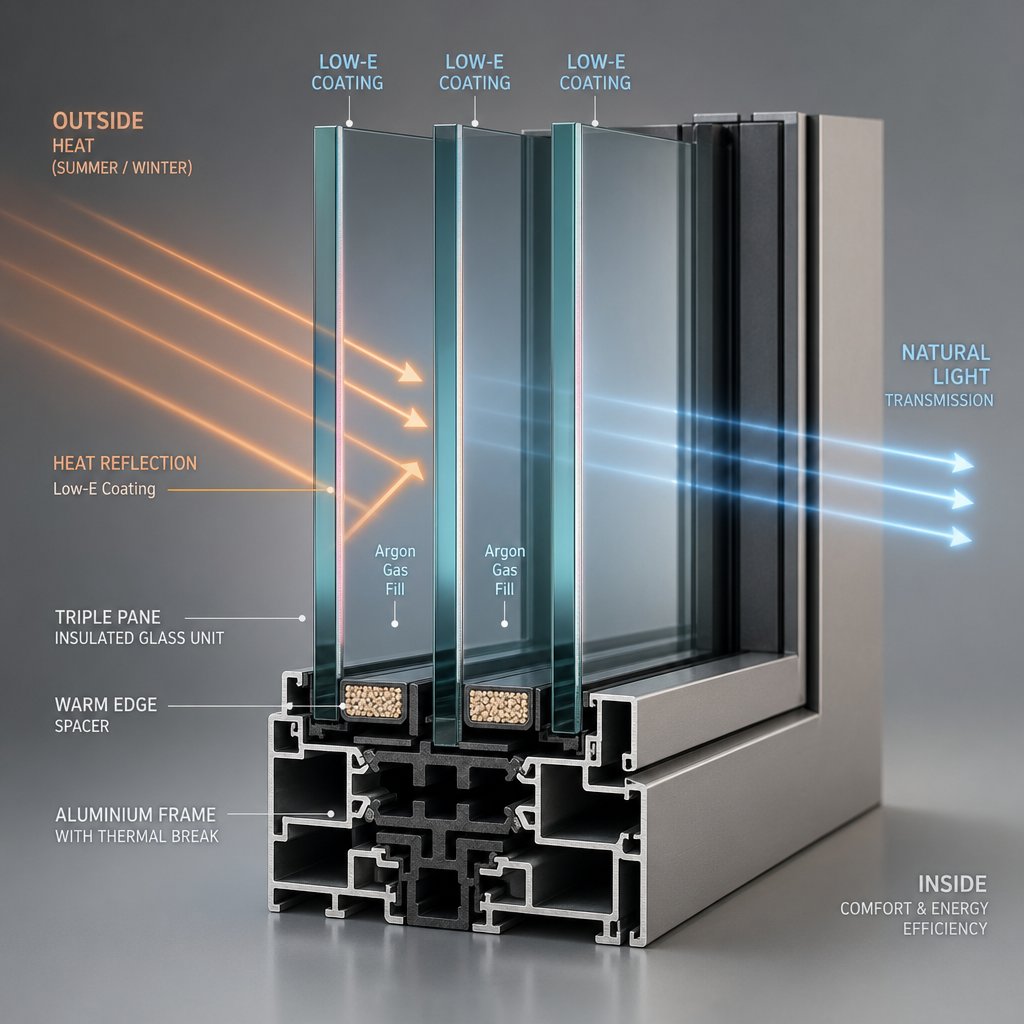
Low-E coatings are microscopically thin metallic layers — often silver-based — applied to the glass surface. They reflect infrared heat while still allowing visible light to pass through. The result: your windows let in daylight without letting in (or out) the thermal energy you’re trying to control. High-solar-gain Low-E coatings are designed for cold climates where you want maximum passive solar warmth. Low-solar-gain (spectrally selective) Low-E coatings use double or triple layers of silver to minimize solar heat gain, making them ideal for cooling-dominated climates. The Efficient Windows Collaborative notes that these spectrally selective coatings are typically sputtered rather than pyrolytic, giving manufacturers precise control over how much heat and light the glass transmits.
Between the panes, manufacturers inject argon or krypton gas to slow convective heat transfer. Argon is the standard — affordable and effective. Krypton is denser and performs better in thinner gaps, which is why it shows up in triple-pane configurations where space between layers is tighter.
Speaking of panes: double-pane glass is the baseline for most residential projects. Triple-pane adds a third layer of glass (or a suspended plastic film) plus an additional Low-E coating and gas fill, pushing U-factors significantly lower. It’s heavier, more expensive, and not always necessary — but for large picture windows on exposed walls in cold climates, or for homeowners chasing the lowest possible energy loss, triple-pane is worth the investment.
When specifying custom residential windows, here are the glass upgrades you should ask about:
- Low-E coating type — high-solar-gain, moderate, or spectrally selective, matched to your climate
- Gas fill — argon (standard) or krypton (premium, better for triple-pane)
- Number of panes — double or triple glazing
- Warm-edge spacers — low-conductance spacers between panes that reduce heat loss at the glass edge
- Visible transmittance (VT) — how much natural light the glass allows through, rated 0 to 1
- Tinted or reflective options — for glare control on south- and west-facing elevations
A common mistake? Comparing pella window prices or cheap replacement windows based on sticker cost alone without checking the glass specification. Two windows at different price points might look identical, but the one with a spectrally selective Low-E coating and argon fill will outperform a basic clear-glass unit every single day. The glass package is where long-term savings live.
How Building Codes and Standards Shape Your Choices
Energy ratings aren’t just nice-to-know information — they’re legally enforceable. Local building codes and national energy standards set minimum performance thresholds that all new and replacement windows must meet. In the United States, most jurisdictions base their requirements on the International Energy Conservation Code (IECC), which specifies maximum U-factor and SHGC values by climate zone. Some states adopt the IECC directly; others amend it with stricter local requirements.
What does this mean for your project? If you’re ordering custom windows — whether black replacement windows for a modern facade or custom vinyl windows for a whole-house renovation — every unit must meet or exceed the code requirements for your specific location. A beautiful window that fails inspection will need to be replaced or modified at your expense, and custom units are non-returnable.
Before you finalize any order, confirm two things with your supplier: which energy code applies to your jurisdiction, and whether the specified glass package and frame combination meets those minimums. This is non-negotiable, and it’s a question that separates informed homeowners from those who end up with expensive problems after installation day.
Energy ratings tell you how a window performs on paper. The real test comes during the ordering and installation process — where precision, timing, and coordination determine whether that performance actually shows up in your home.
The Custom Window Ordering and Installation Process
You’ve settled on a style, picked a frame material, and you understand the energy ratings that matter. What happens next? Most suppliers hand you a quote and a vague lead time, then go quiet until delivery day. The actual process between signing off on an order and watching a finished window get shimmed into your wall involves more steps — and more opportunities for things to go wrong — than most homeowners expect.
Here’s the full lifecycle, laid out so you know exactly what’s coming.
Initial Consultation and Professional Measurement
Everything starts with a site assessment. A specialist visits your home and measures each opening precisely, checking for squareness, structural irregularities, and conditions that could affect fit. This isn’t a tape-measure-and-go situation. Older homes are notorious for openings that have shifted, settled, or were never perfectly square to begin with. The installer will typically measure height at three points (left, center, right) and width at three points (top, middle, bottom) for every single opening.
Why does this matter so much? Custom size windows are built to your exact specifications. Unlike stock units you can return for a different size, a custom window manufactured to incorrect dimensions is yours — no exchanges, no refunds. Professional measurement eliminates the most expensive mistake in the entire process. Whether you’re replacing a single double pane replacement window in a bedroom or ordering large windows for an entire facade, precision at this stage prevents costly problems at every stage that follows.
Design Selection and Order Specification
With accurate measurements in hand, you move into the decisions that shape the final product. This is where all the research from earlier sections pays off. You’ll specify frame material, window style, glass package, hardware finish, interior and exterior color, and any specialty features like grilles, decorative glass, or unique shapes such as octagon windows or arched transoms.
Each choice affects the others. A triple-pane glass package adds weight, which may influence frame material selection. Fixed windows in a gable end have different hardware and sealing requirements than an operable casement in a kitchen. If you’re comparing picture window prices across suppliers, make sure the quotes reflect the same glass specification and frame material — otherwise you’re comparing apples to oranges.
Take your time here. Changes after the order is placed either aren’t possible or come with significant fees and timeline delays.
Manufacturing Lead Times and What to Expect
Custom residential windows aren’t sitting in a warehouse. Each unit is built to your specification, and that takes time. Typical manufacturing lead times run 6 to 12 weeks from final design approval, with complex designs or specialty materials potentially stretching to 16 to 20 weeks. Factors that push timelines longer include non-standard shapes, exotic frame materials, specialty coatings, and manufacturer backlog during peak season.
Plan ahead. If your project is tied to a broader renovation, coordinate the window order timeline with your builder or contractor early so installation doesn’t become the bottleneck that stalls everything else. Ordering during off-peak months — late fall or winter — can sometimes shorten wait times and improve scheduling flexibility.
Installation Day and Post-Installation Checks
When your windows arrive, the real hands-on work begins. Professional installation typically involves removing old units carefully to avoid damaging surrounding finishes, preparing and cleaning the opening, applying flashing tape and sealant, dry-fitting the new window to verify alignment, then securing, shimming, insulating, and finishing with interior and exterior trim. For standard-sized replacements, expect roughly 30 to 60 minutes per window. Large custom installations or specialty shapes can take significantly longer.
Here’s the full project arc from start to finish:
- Initial consultation and site assessment
- Professional measurement of all openings
- Design selection and order specification
- Order placement and manufacturing (6-12+ weeks)
- Pre-delivery quality inspection and dimensional verification
- Delivery and on-site inventory check
- Old window removal and opening preparation
- New window installation, shimming, and sealing
- Insulation, trim, and finish work
- Operation testing, weatherseal inspection, and homeowner walkthrough
That final walkthrough is your opportunity to test every sash, check every lock, and inspect the seal quality before signing off. Any issues caught at this point are far easier and cheaper to resolve than problems discovered weeks later.
A smooth process depends on getting each phase right. But even with perfect execution on the timeline, the financial side of custom windows catches many homeowners off guard — and that’s where honest budget planning becomes just as important as precise measurements.
Pricing and Budget Planning for Custom Windows
Here’s the uncomfortable truth: most suppliers would rather quote you a number than explain how that number was built. Custom window pricing isn’t arbitrary, but it can feel that way when two quotes for the same opening differ by hundreds of dollars. The gap usually comes down to what’s included, what’s excluded, and which customization layers are driving the total. Understanding those layers puts you in control of the budget instead of at the mercy of it.
What Drives the Cost of Custom Windows
Every custom window starts with a base cost, and every decision you make from there adds to it. The primary cost drivers are frame material, window size, glass package complexity, the number of operable sashes, hardware grade, specialty shapes, and finish options. A small window with a fixed pane and standard glass will land at the low end. A large custom shaped windows order with triple-pane glazing, premium hardware, and a powder-coated finish will land considerably higher.
Think of it as stacking layers. A basic vinyl frame costs less than aluminium, which costs less than wood. Double-pane glass costs less than triple-pane. A rectangle costs less than an arch. Each layer you add serves a purpose — better insulation, stronger structure, architectural character — but each one also moves the price. The smart approach isn’t to chase cheap windows by stripping features. It’s to prioritize the features that matter most for your project goals and let the rest go.
Specialty configurations carry the steepest premiums. Custom shaped windows like half-rounds, trapezoids, and octagons require unique tooling and more labor-intensive assembly. Pella notes that window configuration and shape complexity are among the most direct factors affecting replacement cost, and that holds doubly true for fully custom units. If your project includes a mix of standard rectangles and specialty shapes, expect the per-unit cost to vary significantly across the order.
How to Budget Without Overspending
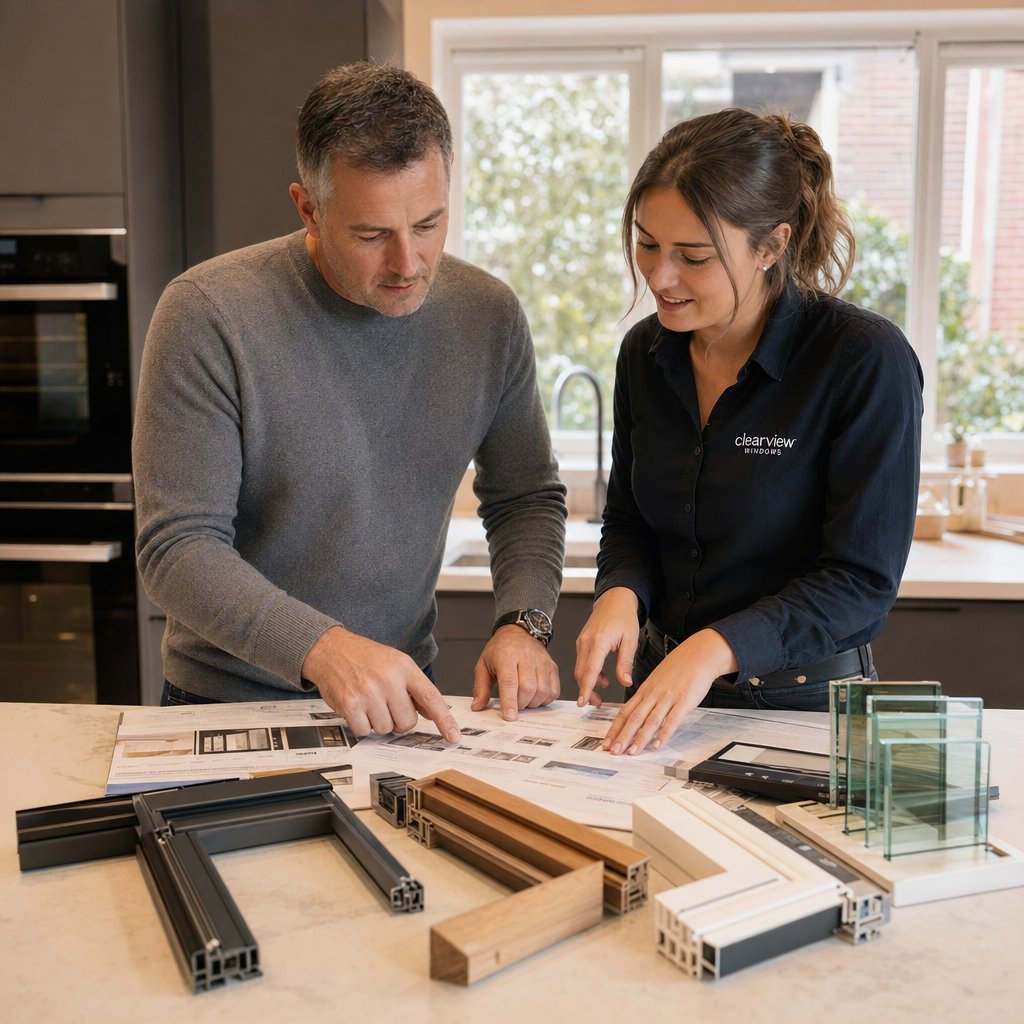
The single best thing you can do? Get itemized quotes from at least three suppliers. A lump-sum number tells you nothing. An itemized breakdown tells you everything — and it’s the only way to compare apples to apples when evaluating replacement windows for homes with non-standard openings.
Ask about tiered options. A premium triple-pane glass package paired with a mid-range frame can deliver strong energy performance without the cost of an all-premium build. Vinyl clad windows, for example, combine a wood interior with a low-maintenance vinyl exterior, offering aesthetic flexibility at a lower price point than full wood construction. Similarly, vinyl retrofit windows can reduce labor costs by fitting into existing frames, avoiding the expense of full-frame tearouts.
Before you sign anything, make sure you know exactly what the quoted price covers. Here are the key line items to look for in any custom window quote:
- Window unit cost — broken out per window, not just a project total
- Professional measurement fee — sometimes included, sometimes separate
- Installation labor — per window or per opening, and whether it covers both insert and full-frame scenarios
- Interior and exterior trim — new trim, capping, or refinishing of existing trim
- Disposal and removal — hauling away old windows and debris
- Structural modifications — if openings need resizing, reinforcing, or reframing
- Permit fees — required in many jurisdictions for replacement work
- Warranty terms — what’s covered, for how long, and whether labor is included or product-only
Hidden costs like interior finishing, lead paint abatement in pre-1978 homes, and structural repairs discovered during removal are the line items that blow budgets. If your quote doesn’t address them, ask directly. Silence on these points isn’t a good sign.
Where Aluminium Fits in the Value Equation
When homeowners compare windows vinyl windows frame options side by side, aluminium often gets overlooked because of its higher upfront cost relative to vinyl. That’s a narrow way to evaluate it. Aluminium-framed custom windows offer a combination of structural strength, slim sightlines, and long-term durability that can meaningfully reduce lifetime ownership cost.
The math works like this: aluminium frames with modern thermal breaks resist warping, corrosion, and seal degradation far longer than many alternatives. Industry data suggests aluminium windows typically last 30 years or more with minimal maintenance, and the anodizing process creates a finish that eliminates the need for repainting. Compare that to wood frames requiring regular sealing and staining, or vinyl frames that may warp in extreme heat after 15 to 20 years, and the per-year cost picture shifts.
Aluminium also handles large glazing areas and custom window configurations that would require thicker, bulkier frames in other materials. For homeowners and builders evaluating aluminium as their frame material, suppliers like MEICHEN offer energy-efficient, Australian-standard-compliant aluminium window systems across multiple styles — from casement and sliding to fixed and awning — giving you a single source for complex projects rather than piecing together units from different manufacturers.
The upfront premium for aluminium typically runs 15-25% higher than basic vinyl, but when you factor in a longer lifespan, near-zero maintenance, and the ability to support thinner profiles that maximize your glass area, the value proposition becomes clear. It’s not the right choice for every budget or every project. But for coastal environments, modern architectural styles, and homeowners who’d rather invest once than maintain repeatedly, aluminium earns its place in the conversation.
Getting the budget right is half the battle. The other half is avoiding the mistakes that turn a well-planned custom window project into an expensive lesson — and those pitfalls are more common than most suppliers will admit.
Common Mistakes to Avoid When Ordering Custom Windows
A solid budget and a clear plan don’t guarantee a smooth project. The most expensive problems rarely come from choosing the wrong glass package or overpaying on hardware. They come from avoidable errors — the kind that seem minor at the decision-making stage but snowball into delays, failed inspections, and windows that don’t perform the way they should. Suppliers aren’t eager to walk you through these pitfalls because, frankly, mistakes generate reorders.
Here’s what actually goes wrong, and how to sidestep each one.
Measurement Mistakes That Derail Projects
This is the single most costly error in any custom window project. A hung window or specialty unit built to incorrect dimensions cannot be returned, resized, or exchanged. It’s yours. And ordering a replacement means paying twice and waiting another 6 to 12 weeks for manufacturing.
The temptation to DIY measurements is understandable — it feels like a simple tape-measure task. It isn’t. Older homes are especially deceptive. Openings that look square may be off by half an inch or more due to decades of settling, and walls that appear plumb can lean enough to throw off a fit. The Window and Door Manufacturers Association reports that measurement errors account for 78% of window installation problems and warranty claims. That’s not a rounding error — it’s the dominant cause of project failures.
Professional measurement costs relatively little compared to the price of a misfit custom unit. A specialist will measure width at three points (top, middle, bottom) and height at three points (left, center, right), use the smallest dimensions, check diagonals for squareness, and document structural irregularities. For vinyl casement window replacements, replacement picture windows, or any non-standard opening, this step is non-negotiable. Skip it, and you’re gambling with the most expensive line item on your quote.
Ignoring Energy Codes and Climate Considerations
You found the perfect window. It looks stunning in the catalog. You order it, install it, and then the building inspector flags it for failing to meet local energy code requirements. What happens next? You either modify it at additional cost or replace it entirely — and remember, custom units are non-returnable.
This scenario plays out more often than you’d think. Homeowners who select windows based solely on appearance without verifying U-factor and SHGC compliance are setting themselves up for an expensive correction. Most U.S. jurisdictions enforce minimum performance thresholds based on the International Energy Conservation Code, and those thresholds vary by climate zone. A glass package that passes code in a mild coastal area may fall short in a cold northern state.
The fix is simple: before finalizing any order, confirm with your supplier that the specified glass and frame combination meets the energy code for your exact jurisdiction. If you’re searching for windows for sale near me and comparing local suppliers, prioritize those who proactively address code compliance rather than leaving it to you to figure out. A supplier who doesn’t raise this topic unprompted may not be checking it at all.
Choosing the Wrong Material for Your Environment
The frame material comparison earlier in this article exists for a reason. Choosing a material that’s wrong for your climate leads to premature degradation, seal failure, and performance loss that no warranty will fully cover.
Imagine installing untreated wood frames in a high-humidity coastal environment. Within a few years, you’re dealing with swelling, rot, and paint failure. Or picture vinyl framed windows on a sun-blasted south-facing wall in the desert Southwest, where sustained heat can cause warping and seal breakdown. On the other end, a thermally poor frame without adequate thermal breaks in an extreme-cold region bleeds heat at the edges, creating condensation, frost, and energy loss that undermines even a triple-pane glass package.
Climate-mismatched materials don’t just underperform — they fail faster. And replacing a custom window that degraded prematurely costs just as much as the original order, plus the labor to tear it out. Match the material to your environment first, then refine for aesthetics and budget. That sequence prevents regret.
Overlooking the Full Project Cost
Here’s where budgets quietly implode. A homeowner gets a per-unit price for their specialty windows, mentally multiplies by the number of openings, and assumes that’s the project cost. It almost never is.
The window unit itself is only one piece of the total expense. Installation labor alone can run $400 to $600 per window for standard replacements, and complex or oversized units push that higher. Then there’s interior and exterior trim work, structural modifications if openings need resizing, disposal fees for old units, permit costs, and — in pre-1978 homes — potential lead paint abatement that federal regulations require. Interior finishing like patching, sanding, and repainting walls around the new frames is almost always the homeowner’s responsibility and rarely appears in the installer’s quote.
Focusing only on the sticker price while ignoring these surrounding costs is the budgeting equivalent of buying a car and forgetting about insurance, registration, and fuel. The total project cost is what matters, not the per-window number.
Before you place your order, run through this checklist of the most common mistakes:
- Relying on DIY measurements instead of hiring a professional, especially in older or settled homes
- Ordering windows without confirming they meet local energy code requirements for your climate zone
- Selecting a frame material based on appearance or price without evaluating climate suitability
- Budgeting only for the window units while ignoring installation labor, trim, structural work, and permits
- Assuming a “special order” window can be returned or exchanged like a stock unit
- Skipping the post-installation walkthrough and failing to test every sash, lock, and seal before signing off
- Choosing the cheapest supplier without comparing itemized quotes line by line
- Neglecting to ask about warranty scope — whether it covers product only or includes labor for future service
Every item on that list is preventable. The common thread? Each one stems from rushing a decision or assuming someone else is handling a detail that’s actually your responsibility. Custom windows are a significant investment, and the margin for error is thinner than with stock products precisely because nothing about them is returnable or interchangeable.
Avoiding these mistakes puts you in a strong position. The final piece — and arguably the most consequential decision left — is choosing the right supplier to actually deliver on everything you’ve planned.
How to Choose the Right Custom Window Supplier
The supplier you choose determines whether everything you’ve planned actually comes together. A great window spec means nothing if the company behind it cuts corners on manufacturing, botches the timeline, or disappears when a warranty claim surfaces. Whether you’re outfitting an entire windows house renovation or replacing a single shape window above a front entry, the evaluation process is the same.
What to Look for in a Custom Window Supplier
Start with range. A supplier offering multiple frame materials, styles, and glass configurations under one roof simplifies complex projects dramatically. If you need pella windows casement units for the kitchen, double hung vinyl replacement windows for the bedrooms, and fixed specialty shapes for the stairwell, sourcing everything from one place keeps specifications consistent and accountability clear.
Beyond product range, evaluate these criteria:
- Compliance with relevant national standards — building codes aren’t optional, and your supplier should confirm compliance before you ask
- Transparent lead times with realistic delivery windows, not vague estimates
- Clear, itemized pricing that matches the budget line items covered earlier in this article
- Warranty coverage that specifies duration, scope, and whether labor is included
- Whether they handle supply only or offer end-to-end service including professional measurement and installation
A supplier’s certifications and quality standards are among the most reliable indicators of product consistency. Certifications confirm that manufacturing processes meet independently verified benchmarks — not just the supplier’s own claims.
Questions to Ask Before You Commit
Don’t sign anything until you’ve gotten clear answers to these:
- What standards and certifications do your windows comply with?
- What is the expected lead time for my specific order?
- What exactly does the warranty cover, and for how long?
- Do you provide professional on-site measurement?
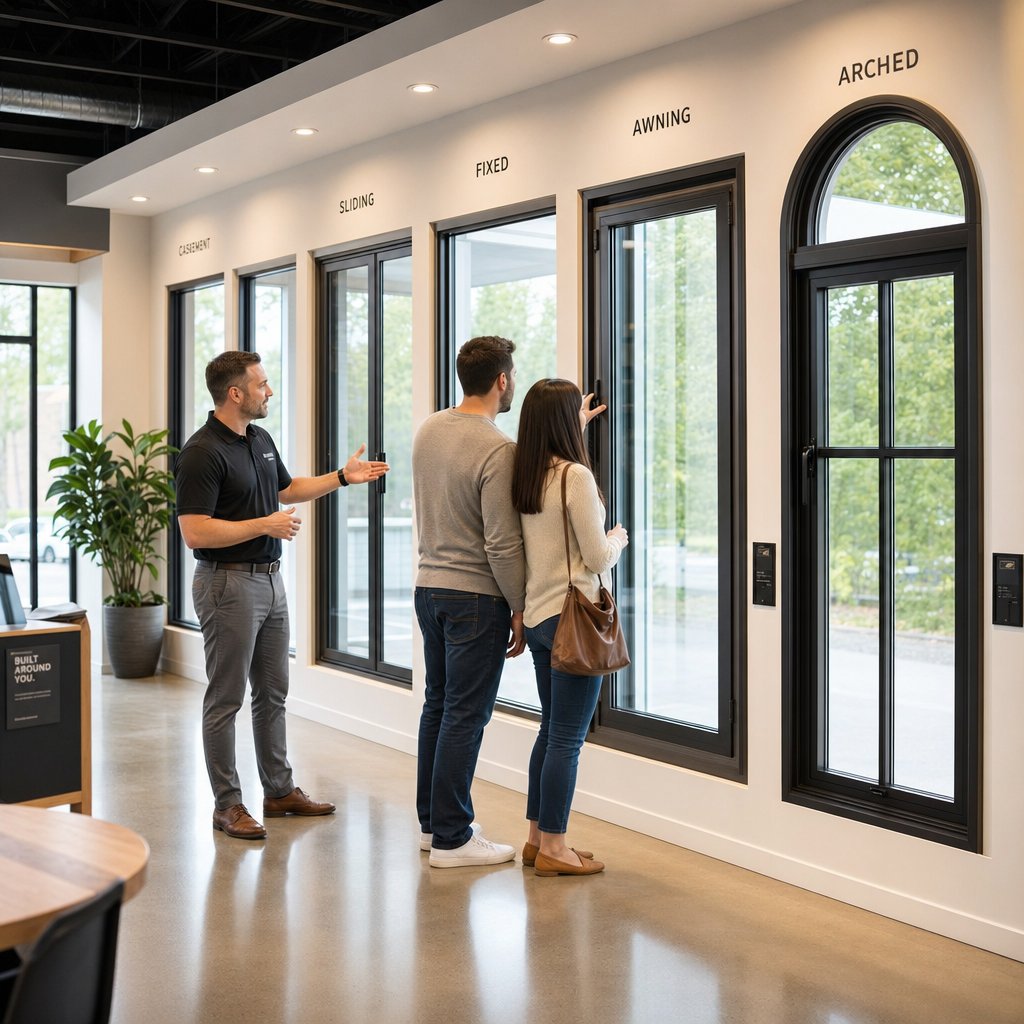
- Can I see sample products, finished installations, or visit a showroom?
- Is installation included in the quote, or priced separately?
- How do you handle design changes or corrections after the order is placed?
Pay attention to how they answer as much as what they say. A supplier who hedges on lead times, avoids specifics on warranty terms, or can’t show you references from past window house projects is telling you something. Industry professionals recommend treating the supplier’s willingness to answer detailed questions as a direct signal of their confidence in their own product and service quality.
Starting Your Custom Window Project
The best first step isn’t browsing catalogs or comparing pella casement windows prices online. It’s booking a professional consultation and measurement. That single appointment anchors every decision that follows — material, style, glass package, and budget — in the reality of your actual openings rather than assumptions.
For homeowners and builders who identified aluminium as their preferred frame material in the earlier comparison, MEICHEN’s aluminium windows collection offers a practical starting point. Their range covers casement, sliding, fixed, and awning configurations, all built to Australian standards for energy efficiency — giving you a single source to explore multiple styles without juggling separate suppliers for each window type.
Custom residential windows are a significant investment, and the decisions you make during the planning stage echo for decades. The information in this article exists so those decisions are yours to make with clarity, not ones a salesperson makes for you. Measure carefully, specify deliberately, choose a supplier you trust, and the windows will take care of the rest.
Frequently Asked Questions About Custom Residential Windows
1. How much do custom residential windows cost compared to stock windows?
Custom residential windows cost more than stock units due to made-to-order manufacturing, but the exact premium depends on frame material, glass package, window shape, and hardware selections. Each customization layer adds cost incrementally. Aluminium and fiberglass frames sit in the mid-range, while wood commands a premium. Homeowners should request itemized quotes from at least three suppliers and verify that installation labor, trim work, structural modifications, disposal fees, and permits are all accounted for. Suppliers like MEICHEN offer energy-efficient aluminium window systems that balance long-term durability with competitive pricing, which can reduce lifetime ownership cost compared to materials requiring frequent maintenance.
2. What is the difference between custom windows and special order windows?
Special order windows are built using a manufacturer’s existing profiles and components but assembled to your specified dimensions within their extended size range. True custom windows are engineered from scratch and can include unique frame profiles, non-standard shapes like arches or trapezoids, and configurations that fall outside any standard catalog. Special order units typically have shorter lead times of two to six weeks and lower costs, while full custom manufacturing runs six to twelve weeks or longer. Before committing to full custom pricing, it is worth asking your supplier whether a special order option covers your dimensional and design needs.
3. Which frame material is best for custom residential windows?
The best frame material depends on your climate, architectural style, and maintenance tolerance rather than a single universal answer. Vinyl offers strong value and low upkeep in moderate climates but may warp in extreme heat. Aluminium excels in coastal and harsh-weather environments thanks to corrosion resistance and slim sightlines, and modern thermal breaks address its conductivity concern. Wood suits heritage restorations but demands regular sealing and painting. Fiberglass delivers excellent dimensional stability across all climates with minimal maintenance. Composite blends wood-fiber aesthetics with polymer durability for variable climates. Matching the material to your environment prevents premature degradation and costly early replacement.
4. How long does it take to order and install custom residential windows?
The full timeline from initial consultation to completed installation typically spans eight to sixteen weeks or longer for complex projects. Manufacturing alone accounts for six to twelve weeks after final design approval, with specialty shapes or exotic materials potentially extending that to sixteen to twenty weeks. Installation day itself runs roughly thirty to sixty minutes per standard-sized window, though large or unusually shaped custom units take longer. Ordering during off-peak months like late fall or winter can sometimes shorten wait times. Coordinating the window order timeline with your builder or general contractor early in the renovation process prevents the windows from becoming a scheduling bottleneck.
5. What mistakes should I avoid when ordering custom windows?
The most damaging mistake is relying on DIY measurements instead of professional measurement, since custom windows built to wrong dimensions are non-returnable and non-exchangeable. Other common errors include ordering windows that fail to meet local energy code requirements, selecting a frame material unsuited to your climate, budgeting only for the window units while ignoring installation labor and trim costs, and skipping the post-installation walkthrough. Each of these errors is preventable with upfront diligence. Always confirm energy code compliance with your supplier before ordering, match materials to your environment before considering aesthetics, and insist on a detailed itemized quote that covers every project cost.
More Window & Door Guides