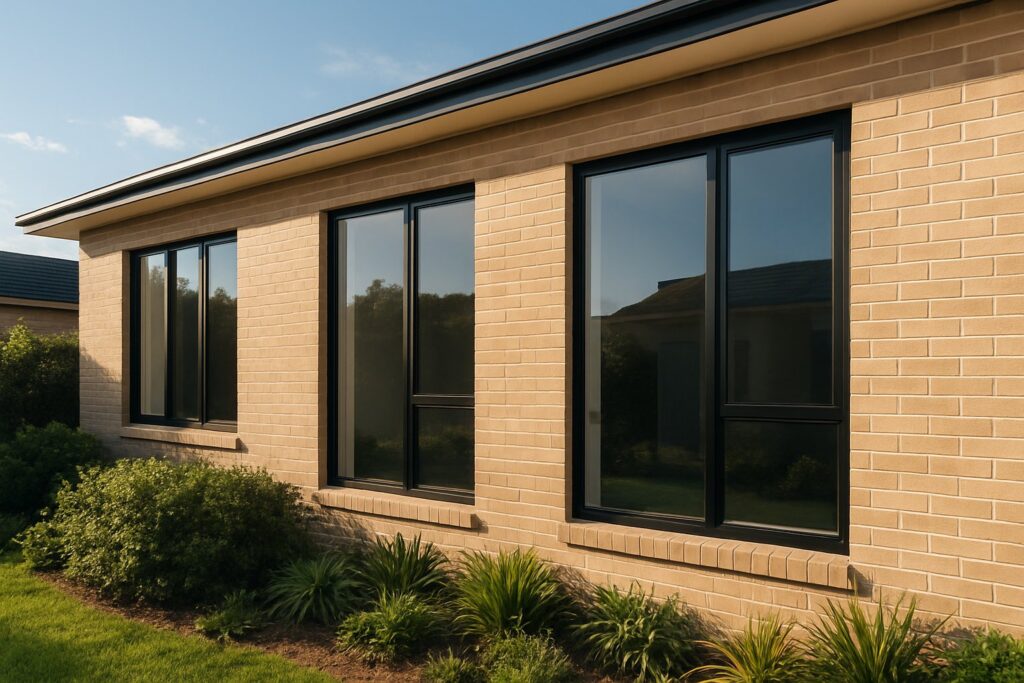
What Is a Casement Window and How Does It Work
Imagine a window that opens like a door, catches every passing breeze, and seals tighter the harder the wind blows. That’s the casement window in a nutshell, and it’s likely the most common window design you’ll encounter in residential construction.
A casement window is a window with a sash hinged on one side that swings outward (or inward) from the frame, operated by a crank handle, lever, or push mechanism. When closed, the sash compresses against the frame to form a weathertight seal, making it one of the most energy-efficient and ventilation-friendly window styles available.
So what makes this design so enduringly popular? It comes down to how the parts work together.
Casement Window Definition and Core Anatomy
Every casement window is built from a handful of interconnected components. The frame is the fixed structure anchored into the wall opening, forming the perimeter that supports everything else. Seated inside it is the sash — the moveable panel that holds the glass and swings open or shut. Side-mounted hinges attach the sash to the frame’s vertical jamb, allowing it to pivot outward.
The magic happens at the bottom of the frame, where the crank operator lives. You turn a small fold-down handle, which engages a roto-gear connected to an operator arm. That arm pushes the sash open in a controlled arc. When you crank it back, the sash pulls snug against weatherstripping that lines the frame’s perimeter, creating an airtight compression seal.
Locking it all down is the multi-point lock system. Unlike a single latch, this mechanism engages bolts at several points along the frame simultaneously, pulling the sash even tighter against the seal while dramatically improving security. Picture a labeled diagram: frame on the outside, sash nested within, hinges on one vertical side, crank operator at the bottom, and locking points distributed along the opposite jamb and head. Every part depends on the others — when one component fails, the entire operation can be affected.
A Brief History of the Casement Design
This isn’t a modern invention. The earliest casement windows appeared in 14th-century English buildings, where small diamond-shaped glass panes were held together by lead cames and mounted in hinged oak frames with wrought-iron pivots. Glass was expensive, so these hinged openings were a practical way to protect a precious resource while still allowing ventilation and light.
By the Tudor and Elizabethan eras, windows casement windows had evolved into architectural statements. Grand estates like Hardwick Hall featured massive grids of casement panels — fixed lights paired with operable sashes — establishing a layout principle still used today. Through the Georgian period, classical proportions refined the design further, while Victorian builders pushed it into elaborate bay configurations and flush-frame styles.
The 20th century introduced the crank operator mechanism that most North American homeowners recognize, replacing simple latches with precision-geared hardware. And yet the core concept — a hinged sash that swings open and compresses shut — hasn’t changed in over five hundred years. That kind of longevity says something. Even with the rise of sliding, double-hung, and tilt-and-turn alternatives, the casement remains a top performer for ventilation and energy efficiency. Its full-opening sash catches cross-breezes that partially opening windows simply can’t match, and the compression seal outperforms the sliding contact points found in other styles. It’s worth noting, though, that this outward-swinging design does create compatibility challenges — fitting a slider casement window air conditioner, for example, requires specialized brackets or portable AC units since the sash can’t accommodate a standard window-mounted setup.
French casement windows, which pair two sashes meeting at the center without a fixed mullion, trace their roots to 17th-century France and remain one of the most sought-after variations for unobstructed views and garden access.
The design has endured because it simply works. But “casement window” is actually an umbrella term covering a surprising range of styles, configurations, and specialty setups — each suited to different spaces and needs.
Types of Casement Windows for Every Home
Walk into any window showroom and you’ll quickly realize that “casement” doesn’t describe a single product — it’s a whole family of styles. The differences between them affect everything from how much airflow you get to whether the window meets building code for a bedroom. Here’s what you’re actually choosing between.
French, Single, and Double Casement Styles
These three configurations cover the vast majority of residential installations. Each one uses the same hinged-sash-and-crank principle, but the layout changes how the window looks, operates, and fits into your space.
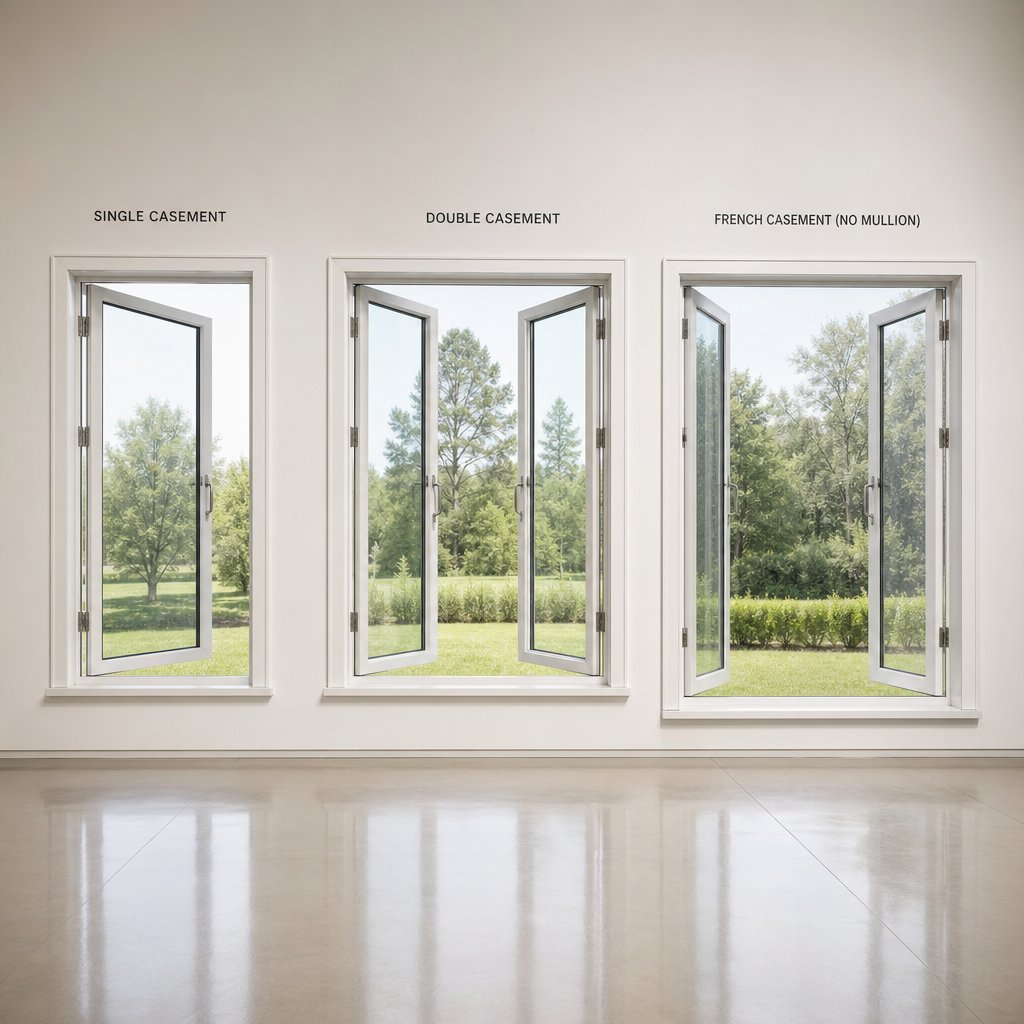
- Single casement — One operable sash hinged on either the left or right side. It opens outward via a crank or lever, forming a tight seal when closed. This is the most common style, and it works well in kitchens, bathrooms, and bedrooms where you want reliable ventilation from a compact opening. The casement window cranks on single units are typically small fold-down handles that tuck flush against the frame when not in use.
- Double casement — Two sashes hinged on opposite sides, opening outward from the center. A fixed vertical mullion sits between the panels when they’re closed. This setup suits wider openings and delivers roughly twice the airflow of a single unit.
- French casement — Visually similar to a double, but with one critical difference: no center mullion. Both sashes swing open to create a completely unobstructed opening. That seamless view makes French casement windows a popular pick for living rooms, master bedrooms, and any space where you want a clean indoor-outdoor connection.
The French-versus-double distinction trips up a lot of homeowners. The simplest way to remember it: if there’s a vertical post in the middle when both panels are closed, it’s a double. If the center is completely clear, it’s a French.
Specialty Configurations — Triple, Bay, and Picture Combinations
When standard single or double units don’t fit the design brief, specialty configurations step in.
- Triple casement — Three panels arranged side by side, usually with a large fixed center pane flanked by two operable sashes. Each panel operates independently, so you can fine-tune airflow while flooding the room with natural light. These work best on expansive walls in kitchens and living areas.
- Casement-picture combinations — A fixed picture window in the center with operable casement sashes on one or both sides. You get the panoramic view of a picture window plus the ventilation benefits of hinged panels. It’s a practical compromise for rooms where you want both.
- Casement bay arrangements — Three or more panels set at angles to project outward from the wall, creating a bay window effect. The angled side panels are typically operable casement units, while the center can be fixed or operable depending on the design.
- Basement casement windows — Smaller units designed for below-grade installations. These play a critical role in egress compliance, which is a safety requirement many homeowners overlook until a building inspector flags it.
Speaking of egress — this is where casement windows hold a real advantage. The International Building Code requires every bedroom to have at least one window large enough to escape through in an emergency: a minimum of 5.7 square feet of clear opening, at least 20 inches wide and 24 inches high, with the sill no more than 44 inches from the floor. Because a casement sash swings fully open rather than sliding partway, it can meet those egress requirements at a smaller overall frame size than double-hung or sliding alternatives. That’s a meaningful benefit in basements and tight bedrooms where wall space is limited.
One practical note worth flagging: if you’re considering a casement window air conditioner setup, standard window-mounted AC units won’t fit these outward-swinging sashes. You’ll need a portable unit with a venting kit or a purpose-built bracket system designed for hinged windows.
Each of these styles solves a different problem. But choosing the right type is only half the equation — how it stacks up against other window categories, especially the ever-popular double-hung, matters just as much.
Casement Windows vs Double Hung Windows
So you know what a casement window is and which styles exist. The next question most homeowners land on: how does it actually compare to a double-hung? These two account for the vast majority of residential window installations, and they take fundamentally different approaches to the same job. One swings, the other slides — and that single mechanical difference ripples through everything from energy bills to how you clean the glass.
Here’s a side-by-side look at the factors that matter most.
| Factor | Casement Window | Double-Hung Window |
|---|---|---|
| Ventilation Capacity | Full sash opens outward, capturing up to 100% of the opening for airflow | Top and bottom sashes each open partway, providing roughly 50% of the opening |
| Energy Efficiency | Compression seal tightens under wind pressure, resulting in minimal air leakage | Sliding sashes rely on friction-fit seals, which can loosen over time and allow drafts |
| Ease of Cleaning | Exterior glass accessible when sash is open, but awkward on upper floors | Tilt-in sashes allow interior cleaning of both glass surfaces from inside the home |
| Egress Compliance | Full-swing opening meets egress sizing at smaller frame dimensions | Requires a larger overall frame to achieve the same clear opening area |
| Aesthetic Versatility | Clean, modern lines with minimal sightlines; suits contemporary designs | Classic divided-light look; fits traditional and heritage architecture |
| Security | Multi-point locking hardware engages at several points along the frame | Typically a single cam lock per sash, though upgrades are available |
| Maintenance | Crank operator and casement window hardware can wear and may need periodic replacement | Balance springs and tilt mechanisms may loosen, requiring adjustment over time |
Ventilation, Seal, and Energy Performance Compared
The biggest performance gap shows up in airflow and sealing. When you crank a casement sash open, the entire panel swings outward like a sail, directing passing breezes straight into the room. A double-hung, by contrast, slides one sash up and the other down — useful for creating a convection loop, but you’re never getting more than half the opening area at once.
Energy performance follows a similar pattern. The casement window parts responsible for sealing — weatherstripping compressed by the crank operator and multi-point lock — actually tighten further when wind pushes against the closed sash. It’s a self-reinforcing seal. Double-hung windows use a sliding contact between sash and frame, which works well when new but can develop gaps as the balance springs and weatherstripping age. Over time, that translates to more air leakage and higher heating or cooling costs.
Practical Trade-Offs Homeowners Should Know
None of this means casement windows win every category. They come with real-world limitations worth weighing honestly.
The outward-swinging sash protrudes into exterior space. If your window sits beside a walkway, patio, or deck, an open panel can block foot traffic or collide with furniture. Placement matters — you’ll want to think carefully about where the sash arc lands before committing to this style in tight outdoor areas.
Then there’s the screen situation. Because the sash swings outward, casement window screens must sit on the interior side of the frame. They’re functional, but you’ll see the screen mesh from inside the room, which some homeowners find less visually appealing than the exterior-mounted screens used on double-hung units.
And if you’re someone who relies on a window-mounted AC unit, standard casement frames simply won’t accommodate one. The hinged sash can’t support the weight or create the flat, stable platform a box unit needs. Portable air conditioners with exhaust hose kits are the typical workaround.
Double-hung windows also have a practical edge in cleaning convenience. Most modern double-hung sashes tilt inward, letting you wipe down both glass surfaces from inside your home — a genuine advantage on second-story or hard-to-reach installations.
The honest takeaway? If ventilation, energy efficiency, and egress compliance top your priority list, the casement design has a measurable edge. If you need exterior screens, window AC compatibility, or space-conscious operation next to walkways, double-hung windows handle those scenarios more gracefully. Neither style is universally better — the right choice depends on where the window goes and what you need it to do.
Of course, the style you pick is only one variable. The material the frame is made from affects durability, maintenance, appearance, and long-term cost just as much — and the options there are wider than most people expect.
Casement Window Materials Compared Side by Side
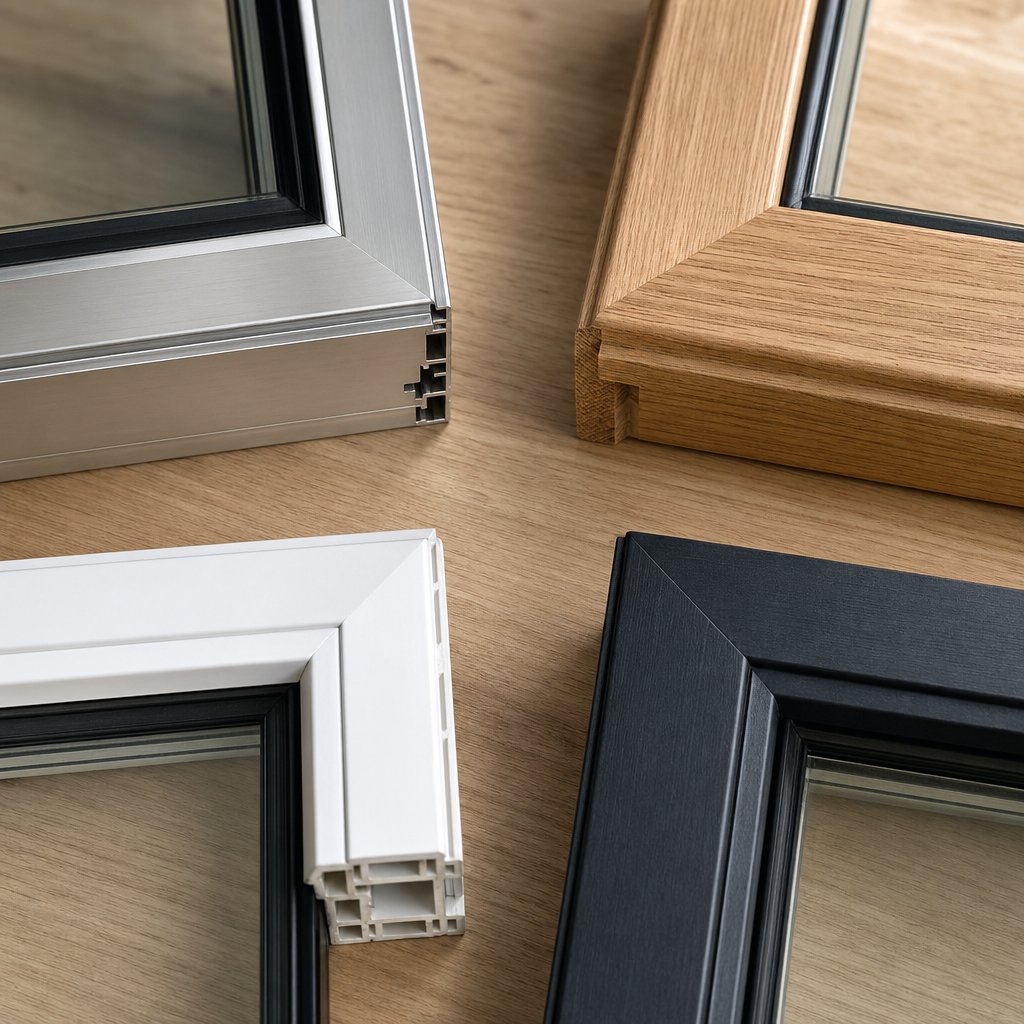
Frame material shapes how your casement window looks on day one — and how it performs ten or twenty years down the road. Two identically sized units with the same glass package can behave very differently depending on whether the frame is vinyl, wood, aluminium, fiberglass, or composite. The tricky part? Each material excels in some areas and compromises in others, and the “best” pick depends heavily on your climate, budget, and tolerance for upkeep.
Here’s a direct comparison across the factors that matter most when shopping for replacement casement windows or speccing a new build.
| Material | Durability | Maintenance | Aesthetic Quality | Climate Suitability | Cost Tier | Lifespan |
|---|---|---|---|---|---|---|
| Aluminium | Exceptional structural strength; resists warping and rot | Low — periodic cleaning; no painting required | Slim sightlines, modern profiles; wide range of powder-coat finishes | Excellent for coastal, humid, and hot climates; thermal break needed for cold regions | Mid (varies with thermal break quality and finish) | 20-30+ years |
| Vinyl (PVC) | Good; won’t rot or corrode, but can warp in extreme heat | Very low — wipe clean with soapy water | Thicker frames; limited color options, difficult to paint | Good all-round; less stable in prolonged high heat | Low | 20-25 years |
| Wood | Strong when maintained; vulnerable to moisture, rot, and insects | High — requires periodic painting, staining, and sealing | Warm, natural appearance; fully customizable with paint or stain | Great insulator in cold climates; needs protection in wet or humid areas | Premium | 20-60 years (maintenance-dependent) |
| Fiberglass | Very high; expands and contracts at a rate similar to glass | Low — similar to vinyl | Slimmer frames than vinyl; can mimic painted wood | Excellent in heat and humidity; strong in all climates | Mid to Premium | 30-50 years |
| Composite | High; resists warping and reverts to original shape after expansion | Low — non-abrasive cleaning only | Clean look; fewer color options than wood | Handles extreme temperature swings well | Mid to Premium | 30-40 years |
Vinyl, Wood, and Fiberglass Casement Windows
Vinyl casement windows are the go-to for homeowners watching the budget. The frames are made from PVC, which won’t rot, corrode, or need painting — ever. Insulated vinyl frames also deliver solid thermal performance, keeping energy costs in check. The trade-off? Thicker frame profiles eat into your glass area, color choices are relatively narrow, and vinyl can warp or become misshapen in prolonged extreme heat, staying deformed rather than bouncing back. If you’re flipping a property or need a cost-effective upgrade, vinyl makes sense. For a forever home in a hot climate, you might want to look elsewhere.
Wood sits at the opposite end of the spectrum. Nothing matches the warmth and character of a real timber frame — you can paint it, stain it, or leave it natural to complement any architectural style. Wood is also a naturally excellent insulator. The catch is maintenance. Without regular sealing and repainting, moisture can cause rot, warping, and swelling, especially in wet or humid regions. Properly cared for, wood frames can last decades. Neglected, they may need replacing in as few as 15 years. Windows casement French styles in wood remain a classic pairing for heritage homes and period renovations where authenticity matters.
Fiberglass lands in the middle ground. Its expansion rate closely matches glass, which helps maintain a tight seal over years of temperature cycling — a real advantage for long-term energy performance. Frames are slimmer than vinyl, giving you more visible glass, and the surface can be finished to resemble painted wood. Fiberglass typically lasts 30 to 50 years with minimal upkeep, making it a strong contender for homeowners who want durability without the hands-on care wood demands. The downside is price: fiberglass generally costs more than vinyl and composite, and customization options vary by manufacturer.
Why Aluminium Casement Windows Suit Modern Builds
Aluminium frames do something no other material can match at the same scale: they stay incredibly slim while supporting large panes of glass. That higher glass-to-frame ratio floods interiors with natural light and creates the clean, minimal aesthetic that contemporary architecture demands. When you’re designing an open-plan living space or a floor-to-ceiling window wall, aluminium’s structural strength lets you go bigger without bulking up the frame.
Corrosion resistance is another standout. Unlike wood, aluminium won’t rot. Unlike vinyl, it won’t warp under sustained heat. That makes it a natural fit for coastal properties, high-humidity environments, and regions with harsh sun exposure. And because aluminium is fully recyclable, it carries a lower environmental footprint over its lifecycle than most alternatives.
The old knock against aluminium was thermal conductivity — metal frames bleeding heat in winter and radiating it in summer. Modern designs have largely solved this with thermally broken profiles, where an insulating barrier is built into the frame to interrupt heat transfer. These engineered thermal breaks have closed the energy-efficiency gap significantly, bringing aluminium in line with other materials when paired with quality double or triple glazing. For an egress casement window in a basement bedroom, for instance, aluminium’s strength allows a slimmer frame that maximizes the clear opening area — making it easier to meet emergency exit code requirements without oversizing the rough opening.
If you’re exploring aluminium options for a renovation or new build, MEICHEN’s aluminium windows collection is worth a look. Their range is built to Australian standards and covers configurations for homeowners, renovators, builders, and developers — a practical starting point for comparing energy-efficient aluminium casement systems across different project types.
One more consideration that often gets overlooked: if you’re planning to use a casement window AC setup, aluminium’s rigidity can be an advantage when fitting aftermarket brackets or portable unit venting panels, since the frame won’t flex or deform under the added load the way vinyl sometimes can.
Material choice sets the ceiling on how well your window performs — but the glass package and energy ratings are what determine whether you actually hit that ceiling. Understanding those numbers before you buy can save real money over the life of the window.
Energy Efficiency Ratings and How Climate Shapes Your Choice
You’ve picked a material. You know the style you want. But here’s where a lot of homeowners stop reading and start guessing — and it’s exactly where guessing costs real money. Windows account for 25-30% of residential heating and cooling energy use, so the numbers printed on that little label stuck to the glass aren’t just marketing fluff. They’re a forecast of your energy bills for the next two decades.
Casement windows consistently rank among the most energy-efficient residential styles, but “efficient” means different things depending on where you live. Understanding three key performance metrics — and how they interact with your climate — puts you in a much stronger position before you spend a dollar.
Understanding U-Factor, SHGC, and Air Leakage Ratings
Every window sold through a reputable manufacturer carries a label from the National Fenestration Rating Council (NFRC), an independent organization that standardizes energy performance testing. Three numbers on that label matter most:
- U-Factor — Measures how fast heat transfers through the entire window assembly (glass, frame, spacers, seals). Residential values typically range from 0.25 to 1.25, and lower is better. A window with a U-factor of 0.28 loses far less heat in winter — and gains far less in summer — than one rated at 0.65. Cold-climate shoppers should prioritize this number above all else.
- Solar Heat Gain Coefficient (SHGC) — Expressed as a value between 0 and 1, SHGC tells you how much solar radiation passes through the glass and enters your home. A lower SHGC blocks more heat from sunlight, which is ideal in hot, sunny regions. A higher SHGC lets passive solar warmth in — a genuine benefit during long, cold winters. Context matters here: the “right” SHGC depends entirely on your climate and even which direction the window faces.
- Air Leakage (AL) — Measured in cubic feet per minute per square foot (cfm/ft2), this rating captures how much air sneaks through the assembled window. ENERGY STAR requires a maximum of 0.3 cfm/ft2 for certification. Here’s where casement designs pull ahead: because the sash compresses against the frame when the crank and casement window lock engage, the seal actually tightens under wind pressure. Sliding and double-hung windows rely on friction-fit contact between moving sashes, which inherently allows more air infiltration — especially as weatherstripping ages.
When you’re comparing products in a showroom or online, look for the NFRC label first. It displays U-factor, SHGC, visible transmittance, and (optionally) air leakage side by side, giving you an apples-to-apples comparison regardless of brand. If a window doesn’t carry an NFRC label, treat that as a red flag.
ENERGY STAR certification adds another layer of confidence. Products that earn the label meet climate-specific thresholds set by the EPA, so a certified window in Minnesota has passed a different bar than one sold in Arizona. It’s a useful shortcut, but checking the raw NFRC numbers yourself ensures the window truly fits your situation — not just your zip code’s broad category.
Climate Suitability and Geographic Considerations
Sounds technical? It gets practical fast. Think of it this way: a window that performs beautifully in Vermont could be a poor fit in Phoenix, and vice versa. The ENERGY STAR program divides the U.S. into four climate zones, each with its own performance thresholds. Here’s what to aim for in each:
- Northern Zone (cold winters, moderate summers) — U-factor of 0.30 or lower to retain heat. SHGC up to 0.60 is acceptable, allowing passive solar gain through south-facing glass. Wood casement windows and fiberglass frames excel here thanks to their natural insulating properties. Triple-pane glazing with argon or krypton gas fill delivers the best results in extreme cold.
- North-Central Zone (cold winters, warm summers) — U-factor of 0.30 or lower, with SHGC capped at 0.40 to balance winter heat retention against summer cooling loads. Double-pane Low-E glass with argon fill hits the sweet spot for most homes in this zone.
- South-Central Zone (mild winters, hot summers) — U-factor of 0.30 or lower, SHGC of 0.25 or lower. Blocking solar heat gain is the priority. Spectrally selective Low-E coatings let daylight in while rejecting infrared heat — a smart pairing with a window casement aircon strategy that relies on keeping cooling loads manageable in the first place.
- Southern Zone (hot year-round) — SHGC of 0.25 or lower is critical. U-factor requirements relax slightly (0.65 or lower) since heat loss in winter is less of a concern. Light-colored frames and exterior shading amplify performance. Aluminium frames with thermal breaks and fiberglass both handle sustained heat and UV exposure without warping or degrading.
- Coastal and salt-air environments — Regardless of temperature zone, corrosion resistance becomes a top priority. Aluminium (powder-coated or anodized) and fiberglass resist salt-air degradation far better than wood or untreated steel. If you’re near the coast, frame material choice may matter more than any single glass metric.
One detail that often gets missed: window orientation within your home matters almost as much as climate zone. South-facing casement windows benefit from a slightly higher SHGC to capture free winter warmth, while east- and west-facing units take intense low-angle sun and generally need a lower SHGC to prevent overheating. Matching the glass package to both your region and the wall it sits in is where real energy savings happen.
These ratings tell you how well a window should perform in theory. Whether it actually delivers on those numbers over five, ten, or fifteen years comes down to something far more tangible — the hardware holding it all together.
Casement Window Hardware and Locking Mechanisms
Energy ratings and glass packages get the spotlight, but the hardware is what makes a casement window actually function day after day. Every time you crank a sash open, lock it shut, or adjust a hinge, you’re relying on a system of mechanical parts that quietly determines how well the window seals, how secure it is, and how long it lasts before something needs attention. Most homeowners never think about these components — until one fails.
Here’s what’s actually inside the frame, and why each piece matters.
Cranks, Operators, Hinges, and Handles
Across the different types of casement windows, the same core hardware elements show up. Understanding what each one does helps you spot problems early and make smarter replacement decisions.
- Crank operator — The workhorse of the system. A small fold-down handle at the base of the frame connects to a roto-gear mechanism and an operator arm that pushes the sash outward in a controlled arc. Turn the handle one way, the sash opens. Reverse it, and the sash pulls back tight against the frame. It’s simple in concept but precision-dependent — worn gears, paint buildup, or corrosion can cause the mechanism to strip, seize, or lose its smooth action over time. Triple-glazed units put even more strain on the crank because of the added weight of three glass panes.
- Casement window hinges — These attach the sash to the frame’s vertical jamb and bear the full weight of the glass panel every time it swings open. The most common types include friction hinges (also called friction stays), which hold the sash at any open position without a prop; butt hinges, a simpler design found on older or lighter units; and egress hinges, engineered to allow the sash to open to a wider angle for emergency exit compliance. For an egress window casement installation in a basement bedroom, the hinge type directly determines whether the opening meets code requirements for escape sizing.
- Handles — These come in several styles depending on the manufacturer and the window’s design. Folding handles tuck flat against the sash when not in use, keeping the profile clean. Nesting handles recess into the sash frame entirely. Lever handles combine the locking and opening action into a single motion, common on European tilt-and-turn-influenced designs.
Of all these parts, the crank operator is the most common failure point. Gears wear, arms bend, and spline connections loosen — especially on windows that get opened and closed frequently. The good news is that replacement operators are widely available. The key to finding the right one is measuring the operator arm length and identifying the spline size (the small notched shaft that connects the handle to the gear), since these vary across manufacturers.
Multi-Point Locking Systems and Security
A single cam lock in the center of the frame is what you’ll find on older or budget casement units. It works, but it creates a single point of vulnerability — both for security and for seal performance. Modern casement windows have moved well beyond that.
Multi-point locking systems engage three to five (or more) independent locking points simultaneously when you turn a single interior handle. Imagine bolts engaging at the top, bottom, and center of the frame all at once. This distributed force does two things: it makes the window dramatically harder to pry open from the outside, and it presses the sash against the weatherstripping with consistent, uniform pressure along the entire perimeter — not just at one spot.
The locking hardware itself ranges from simple cam locks on entry-level units to hook-bolt multi-point systems on premium models. Hook-bolt mechanisms physically grab behind a keeper plate in the frame, making them virtually impossible to disengage from the exterior. Because all the lock hardware sits inside the frame and is operated by an internal handle, there are no exposed levers or latches to tamper with from outside — a security advantage that sliding and double-hung windows can’t easily match.
Hardware quality isn’t just about security, though. Cheap locks and operators degrade faster, leading to gaps in the seal that let air and moisture in. Over time, that undermines the energy performance you paid for when you chose a high-rated glass package. Investing in quality hardware protects the entire system.
One last detail that catches new casement owners off guard: because the sash swings outward, screens must sit on the interior side of the frame. Most units use casement clip fasteners — small brackets mounted to the interior window frame that hold a removable screen in place. The screen frame is measured to fit between the clip mounting points and the top of the crank mechanism, then simply pressed into position. Retractable screen options are also available for homeowners who want the screen out of sight when the window is closed.
Solid hardware keeps everything working smoothly — but even the best components wear down eventually. Knowing which problems are normal, which are DIY-fixable, and which signal it’s time for a full replacement can save you from throwing money at the wrong solution.
Common Casement Window Problems and How to Fix Them
You can pick the perfect material, nail the energy ratings, and install top-tier hardware — and your casement window will still develop issues eventually. Moving parts wear out. Seals degrade. Weather does what weather does. The difference between a minor annoyance and an expensive replacement often comes down to catching problems early and knowing which ones you can handle yourself.
Here are the most frequent issues homeowners run into, ranked roughly by how often they show up.
Crank Failures, Stiff Operation, and Seal Degradation
- Crank operator stripping or seizing — This is the single most common failure point. The gears inside the operator mechanism can strip from years of use, or seize up entirely due to paint buildup, corrosion, or lack of lubrication. You’ll notice it when the handle spins freely without moving the sash, or when cranking feels gritty and stiff. If the gears are simply dry, applying white lithium grease to the mechanism can restore smooth operation. If they’re already stripped, the operator unit needs replacing — but that’s a manageable DIY job for most homeowners. Remove the old operator (usually held by a few screws on the interior frame), match the arm length and spline size, and install the new one.
- Difficulty opening or closing the sash — When a window that used to glide suddenly resists, the culprit is usually one of three things: hinge wear causing the sash to sag and bind against the frame, frame settling that throws the alignment off, or debris caught in the hinge track. Start by inspecting the hinges for visible damage or looseness. Sagging hinges on heavy sashes — especially triple-glazed units — can cause the frame to bow or the sash to drag. Tightening hinge screws sometimes helps, but if the hinge arms are bent or the pivot points are worn, replacement is the better fix. Forcing a stuck window open risks damaging the operator arm or the frame itself, so resist the urge to muscle through it.
- Weatherstripping and seal degradation — That compression seal responsible for keeping drafts and moisture out doesn’t last forever. Over time, weatherstripping can crack, flatten, or peel away from the frame, especially on windows that get opened frequently. You might feel a draft near the closed sash, notice a bump in your energy bills, or see daylight around the edges. The fix is straightforward: remove the old material, clean the channel thoroughly, and press new weatherstripping into place. Choose EPDM rubber or a similar durable material rated for your climate, and install it when temperatures are above 50 degrees Fahrenheit so the adhesive bonds properly. This is one of the easiest and most cost-effective repairs you can do yourself.
- Lock mechanism misalignment — If the multi-point lock won’t engage or feels like it’s catching partway, the problem is rarely the lock itself. More often, sagging hinges or a slightly warped frame have shifted the sash just enough that the lock points no longer line up with their keeper plates. Lubricating the lock hardware is a good first step, but if the alignment is off, you’ll need to address the underlying hinge or frame issue before the lock will function correctly again.
- Fogging between glass panes — When you see persistent condensation or a milky haze trapped between the panes of a double- or triple-glazed unit, the insulated glass unit (IGU) seal has failed. Moisture has infiltrated the space between the panes, and no amount of cleaning will fix it. This one isn’t a DIY repair. The entire IGU typically needs professional replacement, though the frame and hardware can often be reused if they’re still in good condition. On vinyl casement windows, IGU seal failure is particularly common in regions with extreme temperature swings, since the frame’s expansion and contraction can stress the glass seal over repeated cycles.
A quick rule of thumb: if the fix involves lubricating, tightening, or swapping a hardware component, you can likely handle it with basic tools and a weekend afternoon. If the problem involves a failed glass seal, structural frame damage, or hinge issues on a second-story window, calling a professional is the safer and smarter move.
When to Repair vs When to Replace
This is the decision that trips up most homeowners. A stiff crank or a worn seal can feel like the window is “done” — but in many cases, the frame and glass are perfectly fine, and a targeted repair extends the window’s life by years at a fraction of the cost.
Here’s a practical framework to guide the call:
- Repair makes sense when the frame is structurally sound — no rot, no warping, no cracks — and the issue is isolated to hardware or weatherstripping. A crank operator swap, hinge replacement, or new weatherstrip installation typically costs far less than a full unit and restores normal function. Even a failed IGU can be replaced within an existing frame if the frame itself is solid.
- Casement window replacement is the better investment when you’re seeing multiple simultaneous failures: rotting or warped frames, persistent seal failures across several panes, hardware that keeps breaking despite repairs, or visible structural damage. At that point, patching individual components becomes a cycle of diminishing returns. A new unit delivers better energy performance, updated hardware, and a fresh warranty — all at once.
The operator mechanism deserves special attention in this decision. As the most common failure point, it’s also the most frequently replaced part. Identifying the correct replacement means measuring the operator arm length (from the pivot point to the end of the arm) and checking the spline size — the small notched shaft where the handle attaches. These dimensions vary by manufacturer and even by production year, so pulling the old operator out and matching it exactly is the most reliable approach. Many hardware suppliers offer identification guides or will match parts from a photo.
One scenario worth flagging: if you’re dealing with older single-pane units and considering a window ac casement workaround involving cut panels or makeshift brackets, that’s often a sign the window has outlived its useful life. Replacing it with a modern double- or triple-glazed unit paired with a portable cooling solution will deliver better comfort, lower energy costs, and fewer headaches than trying to retrofit aging hardware.
Knowing when to repair and when to start fresh is half the battle. The other half — understanding what installation and replacement actually involve, and what drives the cost — is where most homeowners have the least visibility.
Installation, Replacement, and Cost Considerations
Whether you’re fitting a casement egress window in a basement bedroom or swapping out aging units across an entire floor, the installation method you choose shapes the timeline, the budget, and the final result. Two distinct approaches exist, and picking the wrong one for your situation leads to wasted money or, worse, water damage behind the walls.
New Installation vs Retrofit Replacement
So what are casement windows installed into, exactly? That depends on whether you’re building new or working with an existing opening.
New-construction installation means the window goes into a bare rough opening before the exterior cladding is applied. The unit typically has a nailing fin — a thin flange around the perimeter — that fastens directly to the wall sheathing and gets integrated with the housewrap and flashing layers. This method gives you full control over weatherproofing because every layer wraps around the window in sequence: sill pan first, then jamb flashing, then head flashing, each overlapping the one below to shed water outward. It’s the gold standard for a leak-free result, but it only works when the wall is open.
Retrofit (insert) replacement takes a different path. The old sash and hardware come out, but the existing frame stays in place. A new, slightly smaller window unit slides into that frame and gets shimmed, fastened, and sealed. It’s faster, less invasive, and avoids disturbing exterior siding or interior trim — as long as the existing frame is structurally sound. If you find rot, soft wood, or water staining when you pull the old sash, that’s a sign you need to go full-frame instead.
Preparation is the same either way. You’ll need to measure width at three points and height at three points, use the smallest numbers, and check diagonals to confirm the opening is square. Even a quarter-inch discrepancy can cause binding, uneven reveals, or a casement window latch that won’t engage properly once the unit is installed.
Can you DIY it? For a standard insert replacement in a sound, square opening, a confident homeowner with basic tools can manage — expect roughly two to four hours per window. But new-construction installs, full-frame tear-outs, multi-story locations, and large or custom openings benefit from professional hands. Proper flashing sequencing and shimming at hinge and lock points are where mistakes happen, and a failed DIY attempt often costs more to correct than hiring an installer from the start.
Cost Ranges and What Drives Pricing
There’s no single price tag for a casement window — too many variables stack on top of each other. Here are the main factors that move the number up or down:
- Frame material — Vinyl sits at the most affordable tier. Wood and fiberglass land in the mid-to-premium range. Aluminium varies widely depending on thermal break quality and powder-coat finish.
- Window size and configuration — A standard single unit costs less than a double or French configuration. Triple casement setups and custom sizes push pricing higher due to additional materials and engineering.
- Glass package — Double-pane with Low-E coating and argon gas fill is the baseline for most energy-efficient units. Stepping up to triple-pane glazing or krypton gas fill adds cost but delivers measurably better thermal performance, especially in cold climates.
- Hardware grade — Entry-level cam locks and basic crank operators are cheaper upfront but may need earlier replacement. Multi-point locking systems and heavy-duty operators cost more initially and last significantly longer.
- Labor — This is the factor homeowners most often underestimate. Installation labor typically represents a significant portion of the total project cost — sometimes 30% to 50% — especially for multi-story homes, hard-to-access windows, or full-frame replacements that involve flashing and structural repairs.
A useful way to think about it: the window unit itself is only part of the investment. The installation quality determines whether that unit actually performs to its rated specs for the next twenty years. Cutting corners on labor to save upfront often means paying again for water damage repairs, re-shimming, or early hardware failure down the road.
If you’re weighing a casement window ac unit workaround as part of a replacement project, factor that into the planning stage. Choosing the right window size and configuration upfront — rather than trying to retrofit a portable AC venting panel after installation — saves hassle and preserves the seal integrity you just paid to achieve.
With the installation process and cost drivers mapped out, the final piece is pulling all of these decisions together — material, style, glass, hardware, and budget — into a framework that matches the right window to your specific project.
How to Choose the Right Casement Window for Your Project
Every decision covered so far — material, style, glass package, hardware, energy ratings, installation method — feeds into a single question: which combination actually fits your home, your climate, and your budget? Rather than guessing or defaulting to whatever the contractor recommends, run through a structured checklist before you commit. It takes ten minutes and can save thousands in mismatched products or avoidable compromises.
Matching Window Choices to Your Project Needs
Think of this as a decision tree. Each factor narrows the field until you’re left with a short list of options that genuinely make sense for your situation.
- Climate and maintenance tolerance — Start here. If you’re in a coastal or high-humidity area, aluminium with a thermal break or fiberglass should top the list. Cold-climate homeowners who want maximum insulation might lean toward wood or fiberglass. If low maintenance is non-negotiable, vinyl and aluminium both deliver with minimal upkeep. Wood looks beautiful but demands regular sealing and repainting — be honest about whether you’ll actually do it.
- Style and opening size — A single window casement works for standard openings in kitchens, bathrooms, and bedrooms. Double casement windows suit wider spans where you want symmetrical operation and generous airflow. French configurations shine in living rooms and primary suites where an unobstructed view matters. For expansive walls, a triple casement or picture-casement combination gives you the best of both worlds — panoramic glass with operable ventilation on the flanks.
- Egress compliance — If the window serves a bedroom, verify that the clear opening meets local code: at least 5.7 square feet, minimum 20 inches wide and 24 inches high, with the sill no more than 44 inches from the floor. Casement designs meet these thresholds at smaller frame sizes than most alternatives, but you still need to confirm the specific unit you’re ordering clears the bar.
- Glass package matched to your zone — Cold regions benefit from low U-factor glass with moderate SHGC to capture passive solar heat. Hot climates need low SHGC above all else to keep cooling loads manageable. Coastal areas should prioritize corrosion-resistant frames alongside the right glazing. Don’t just pick “double-pane” and move on — match the Low-E coating, gas fill, and pane count to your actual climate zone.
- Hardware quality — Multi-point locking systems outperform single cam locks in both security and seal compression. Heavy-duty crank operators handle the weight of triple-glazed sashes without premature wear. Spending a bit more on hardware upfront avoids the cycle of replacing cheap components every few years.
- Standard vs custom sizing — Standard casement sizes typically range from 14 to 36 inches wide and 24 to 72 inches tall. If your openings fall within those dimensions, stock sizes save money and shorten lead times. Non-standard or older openings usually require custom units — a higher initial cost, but the payoff is a perfect fit that maximizes energy performance and eliminates the shimming headaches that come with forcing a stock window into an irregular space.
- Design preferences — Casement kitchen windows remain one of the most popular applications because the crank operator is easy to reach over a countertop or sink. Black casement windows have surged in demand for modern renovations, offering a bold frame contrast that works with both contemporary and transitional architecture. Grid patterns, hardware finishes, and interior trim options let you dial in the aesthetic without compromising function.
One more practical consideration that often surfaces late in the planning process: if any room in your home relies on window-mounted cooling, remember that a standard window air conditioner for casement window openings won’t work with the outward-swinging sash. Plan for a portable AC unit with a venting kit, or explore purpose-built slider panels designed for hinged frames. Sorting this out before installation — not after — avoids awkward retrofits that compromise the seal you just invested in.
Where to Start Shopping for Casement Windows
With your checklist in hand, the next step is evaluating suppliers. Not all products are created equal, and the differences aren’t always visible in a showroom or product photo. Here’s what to look for:
- Testing and certification — Ask whether the product has been tested to local building standards and carries an NFRC label with verified U-factor, SHGC, and air leakage ratings. Windows sold without independent performance data are a gamble.
- Warranty coverage — Read the fine print. A strong warranty covers the glass seal (IGU failure), hardware mechanisms, and frame finish separately, because each component has a different failure timeline. A ten-year glass seal warranty paired with a two-year hardware warranty tells you something about the manufacturer’s confidence in their own parts.
- Energy performance documentation — Beyond the NFRC label, look for ENERGY STAR certification matched to your climate zone. Suppliers who can walk you through the performance data — not just hand you a brochure — are the ones worth your time.
- Configuration range — Your project might need a mix of single, double, and fixed units across different rooms. A supplier with a broad product range lets you source everything from one place, ensuring consistent frame profiles, finishes, and hardware across the entire home.
For homeowners exploring aluminium options specifically, MEICHEN’s aluminium windows collection is a practical starting point. The range is built to Australian standards and covers configurations for homeowners, renovators, builders, and developers — so whether you’re replacing a single kitchen unit or speccing windows across a multi-unit development, you can compare energy-efficient aluminium options side by side in one place. It’s the kind of product hub that lets you narrow choices quickly rather than bouncing between half a dozen manufacturer sites.
Choosing the right casement window isn’t about finding a single “best” product. It’s about matching a specific combination of material, style, glass, and hardware to the room it serves, the climate it faces, and the budget it needs to fit. Work through the checklist, verify the numbers on the label, and invest in quality installation. The window that checks all those boxes is the one that performs quietly and reliably for the next two decades — which is exactly what a good window should do.
Casement Window FAQs
1. What is the main advantage of a casement window over a double-hung window?
The biggest advantage is ventilation and energy performance. A casement window opens its entire sash outward, capturing up to 100% of the opening for airflow, while a double-hung only offers about 50%. The compression seal on a casement also tightens under wind pressure rather than loosening, which means less air leakage and lower energy costs over time. Multi-point locking hardware further improves the seal by pressing the sash uniformly against the weatherstripping at several points along the frame.
2. Can you put a window air conditioner in a casement window?
Standard window-mounted AC units are not compatible with casement windows because the outward-swinging sash cannot support the unit or create the flat platform it requires. The most common workaround is a portable air conditioner with an exhaust hose venting kit, or a purpose-built slider panel designed for hinged window frames. Planning your cooling solution before installation helps you avoid awkward retrofits that could compromise the window’s seal integrity.
3. How long do casement windows last, and when should they be replaced?
Lifespan depends heavily on frame material. Vinyl casement windows typically last 20 to 25 years, aluminium 20 to 30+ years, fiberglass 30 to 50 years, and well-maintained wood frames can reach 60 years. Replacement makes sense when you see multiple simultaneous failures such as rotting or warped frames, persistent seal failures across several panes, or hardware that keeps breaking despite repairs. If only the crank operator or weatherstripping has failed and the frame is structurally sound, a targeted repair is usually the more cost-effective choice.
4. What materials are best for casement windows in coastal or humid climates?
Aluminium and fiberglass are the top choices for coastal and high-humidity environments. Aluminium resists corrosion, won’t rot or warp under sustained heat, and offers slim frame profiles that maximize glass area. Modern aluminium frames with thermal breaks have closed the energy-efficiency gap with other materials. Fiberglass also handles salt air and moisture well, with an expansion rate close to glass that helps maintain a tight seal over decades. Collections like MEICHEN’s aluminium windows range (meichenwindows.com.au/aluminium-windows/) are built to Australian standards and offer configurations suited to coastal projects for homeowners, renovators, and builders.
5. Do casement windows meet egress requirements for bedrooms?
Yes, and they often do so more efficiently than other window types. Building codes require bedroom windows to provide at least 5.7 square feet of clear opening, a minimum width of 20 inches, a minimum height of 24 inches, and a sill no higher than 44 inches from the floor. Because a casement sash swings fully open rather than sliding partway, it can meet these egress thresholds at a smaller overall frame size than double-hung or sliding alternatives. This makes casement windows particularly useful in basements and compact bedrooms where wall space is limited.
More Window & Door Guides