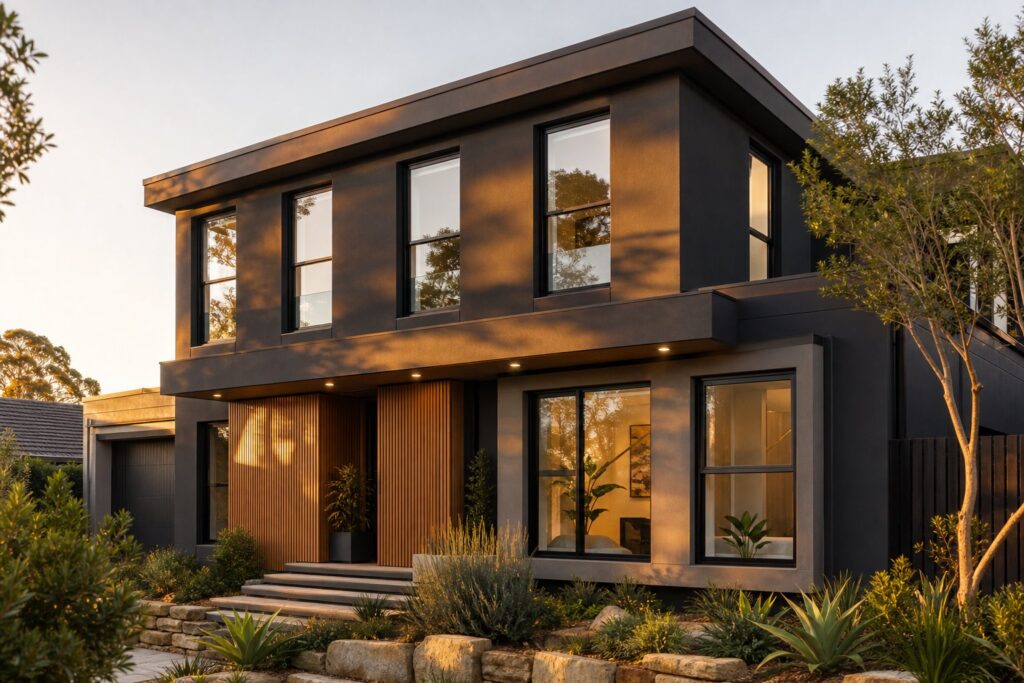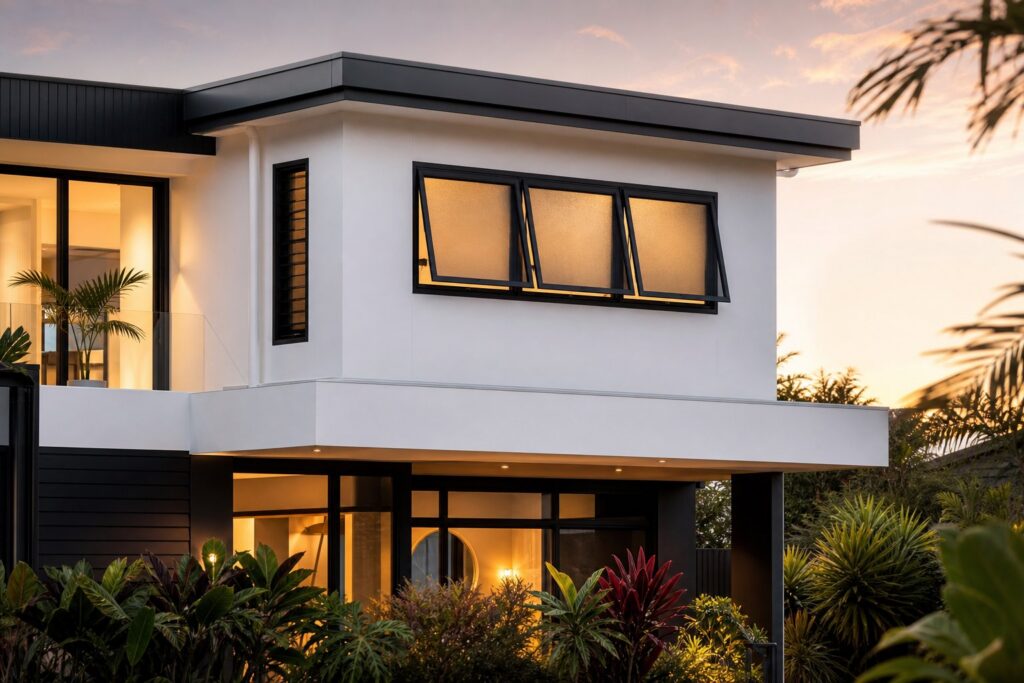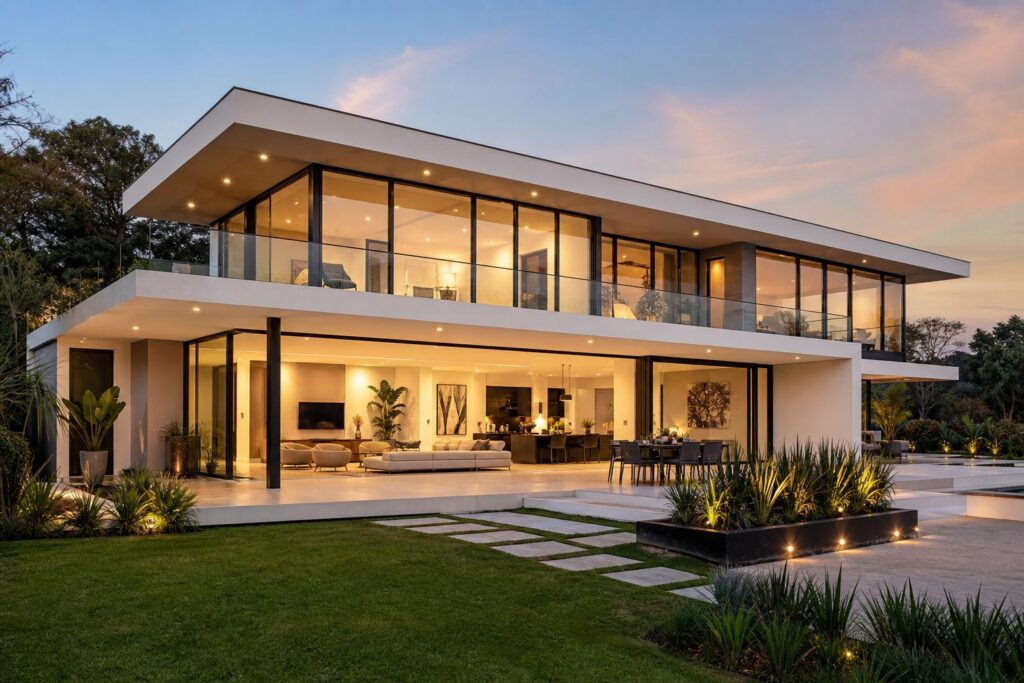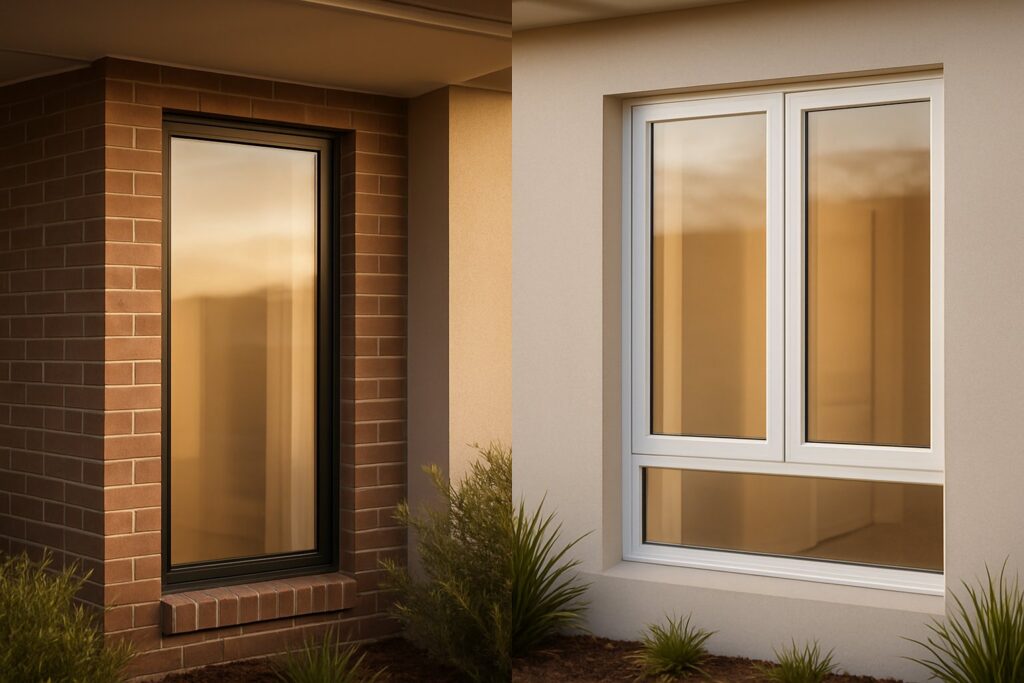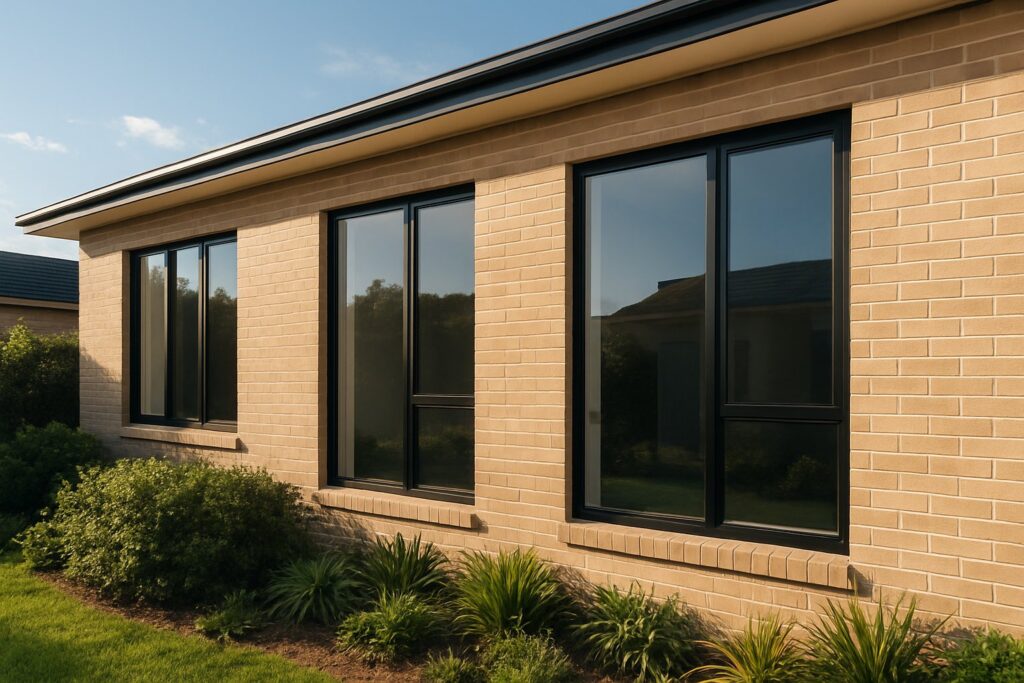
What Are Custom Made Windows and Who Actually Needs Them
Custom made windows are windows manufactured to non-standard dimensions, shapes, or specifications designed to fit unique architectural openings that off-the-shelf products cannot accommodate. Unlike standard stock windows sold in fixed sizes at home improvement stores, these are built to order for a specific opening in a specific home.
Why do they exist? The short answer: not every home plays by the same rules. Older houses built decades ago often have irregular openings that no longer match what manufacturers consider “standard” today. Modern architectural designs push boundaries with oversized glazing, angled walls, and unusual shapes. And renovation projects regularly uncover openings that are just different enough to make stock sizes a poor fit. As Thermal King Windows points out, what builders used in the 1950s is not the same as what is used today — there is no single, universal window size.
This guide is a vendor-neutral educational resource. You will not find a sales pitch here. Instead, you will find practical information on frame materials, glass options, measurement techniques, the ordering process, realistic cost expectations, and the mistakes that cost homeowners the most money.
What Makes a Window Custom
A window crosses the line from standard to custom the moment its dimensions, shape, or performance specifications fall outside a manufacturer’s catalog of ready-made products. Sometimes the difference is subtle — a half-inch wider than the closest stock size. Other times it is dramatic — a full arched transom or a floor-to-ceiling panel spanning an entire wall. The threshold varies by manufacturer, but the principle is consistent: if it is not in the catalog, it is custom.
Think of it this way. You would not expect to walk into a place the way you might search for fast food near me and grab something perfectly tailored off a menu board. Windows that truly fit a unique space require the same kind of intentional, made-to-order approach you would take with anything built specifically for you.
Who Needs Custom Made Windows
Several groups regularly find themselves in custom territory:
- Owners of older or heritage homes where openings have shifted, settled, or were originally built to dimensions no longer produced
- Architects specifying non-standard openings for contemporary or bespoke designs
- Renovators dealing with out-of-square frames that standard sizes cannot seal properly
- Builders working on one-of-a-kind residential projects where every detail is intentional
Even rural properties — the kind you might pass on the way to a tractor supply store — frequently have older, non-standard openings that only a made-to-order solution can address. Heritage homes in small towns are some of the most common candidates.
Most homeowners only discover they need custom windows after realizing standard sizes leave visible gaps or require costly structural modifications to the surrounding wall.
That realization often comes mid-project, which is exactly why understanding your options early matters. It is a bit like searching for coffee near me and expecting every result to suit your taste — generic results rarely match specific needs, and windows are no different.
How This Guide Is Structured
The sections ahead are organized around the decisions you will face in sequence. You will start with a direct comparison of custom versus standard windows, move into frame materials and glass types, learn how to measure accurately, walk through the ordering and manufacturing process, review common pitfalls, and finish with realistic pricing guidance. Whether you are a homeowner exploring options for the first time or a builder refining specifications, you can jump to the section most relevant to your situation.
Every choice — from frame material to glass configuration — shapes the final cost, lead time, and performance of the finished product. Understanding how those choices connect is what separates a smooth project from an expensive lesson.
Custom vs Standard Windows and When Each Makes Sense
Every choice between custom and standard comes down to a simple question: does a ready-made product actually fit your opening, or are you forcing a compromise? The answer shapes your budget, your timeline, and ultimately how well the finished window performs. Here is a side-by-side breakdown across the factors that matter most.
| Decision Factor | Standard Windows | Custom Windows |
|---|---|---|
| Upfront Cost Range (per unit) | $150 – $400 | $500 – $4,000+ |
| Lead Time | Days to a couple of weeks | Several weeks to several months |
| Size and Shape Flexibility | Fixed catalog sizes and shapes | Any dimension, arch, octagon, or specialty shape |
| Energy Efficiency Potential | Good with standard glazing options | Excellent — tailored glazing, coatings, and gas fills matched to climate |
| Resale Value Impact | Moderate — meets expectations | Higher — improved curb appeal and performance in unique homes |
| Warranty Terms | Typically 5 – 10 years | Often 20+ years, sometimes transferable |
| Availability | Off the shelf at most retailers | Built to order through manufacturers or specialty suppliers |
The data here reflects general industry pricing and lead time ranges. Your actual numbers will depend on material, glass configuration, and regional labor costs. The takeaway is straightforward: standard windows win on speed and upfront price, while custom windows win on fit, aesthetics, and long-term performance where standard sizes fall short.
When Standard Windows Are the Smarter Choice
If your openings match common catalog dimensions, standard windows deliver excellent value. You get a proven product, fast delivery, and lower cost per unit. For newer homes built to modern framing standards, or for budget renovations where the openings are square and true, there is no practical reason to go custom. You would not order a bespoke meal when the menu already has exactly what you want — the same logic applies here.
Standard options also make sense when you are replacing multiple windows across a home and most openings are conventional sizes. Mixing a few custom units with mostly stock windows is a common strategy that keeps costs manageable. And if you have seen ads for $99 replacement windows, those are almost always entry-level standard units in the most common sizes — fine for straightforward swaps, but not a realistic benchmark for anything non-standard.
When Custom Is the Only Practical Option
Some projects leave no room for compromise. Custom windows become necessary — not optional — in scenarios like these:
- Non-standard rough openings that do not align with any manufacturer’s stock sizes
- Historic home restorations where heritage overlays mandate original proportions, mullion patterns, or frame profiles
- Oversized feature walls designed around large picture windows or floor-to-ceiling glazing
- Specialty shapes such as arches, circles, trapezoids, or octagons that simply do not exist in standard catalogs
In older homes especially, window openings may have shifted over decades of settling. Trying to force a stock unit into an out-of-square frame creates gaps, invites drafts, and often requires structural modifications that cost more than the custom window itself. Much like how famous landmarks retain their value because every detail was purpose-built, a home with thoughtfully fitted windows holds its character and worth far better than one patched together with ill-fitting parts.
The Grey Area Between Custom and Semi-Custom
Not every project falls neatly into one camp. Many manufacturers offer semi-custom options — standard designs produced in a wider range of sizes than what you will find on a showroom floor. Think of it as the middle ground: you are not designing from scratch, but you are not limited to the dozen most popular dimensions either.
Semi-custom picture windows, for example, might be available in increments of half an inch rather than the two-inch jumps typical of stock lines. This flexibility can bridge the gap for openings that are close to standard but just different enough to cause problems. The cost premium over stock is modest, and lead times are shorter than fully bespoke orders.
If your project sits in this grey zone, ask your supplier specifically about semi-custom sizing before committing to a full custom order. You may find a solution that fits your opening and your budget without the extended wait. It is a practical middle path — similar to how searching for something specific, like commercial HVAC in Fort Worth, often turns up options you did not know existed until you asked the right question.
The real decision, though, is not just about size and shape. The frame material you choose has an equally significant impact on performance, maintenance, and cost — and that is where the next layer of complexity begins.
Frame Materials Compared for Custom Window Applications
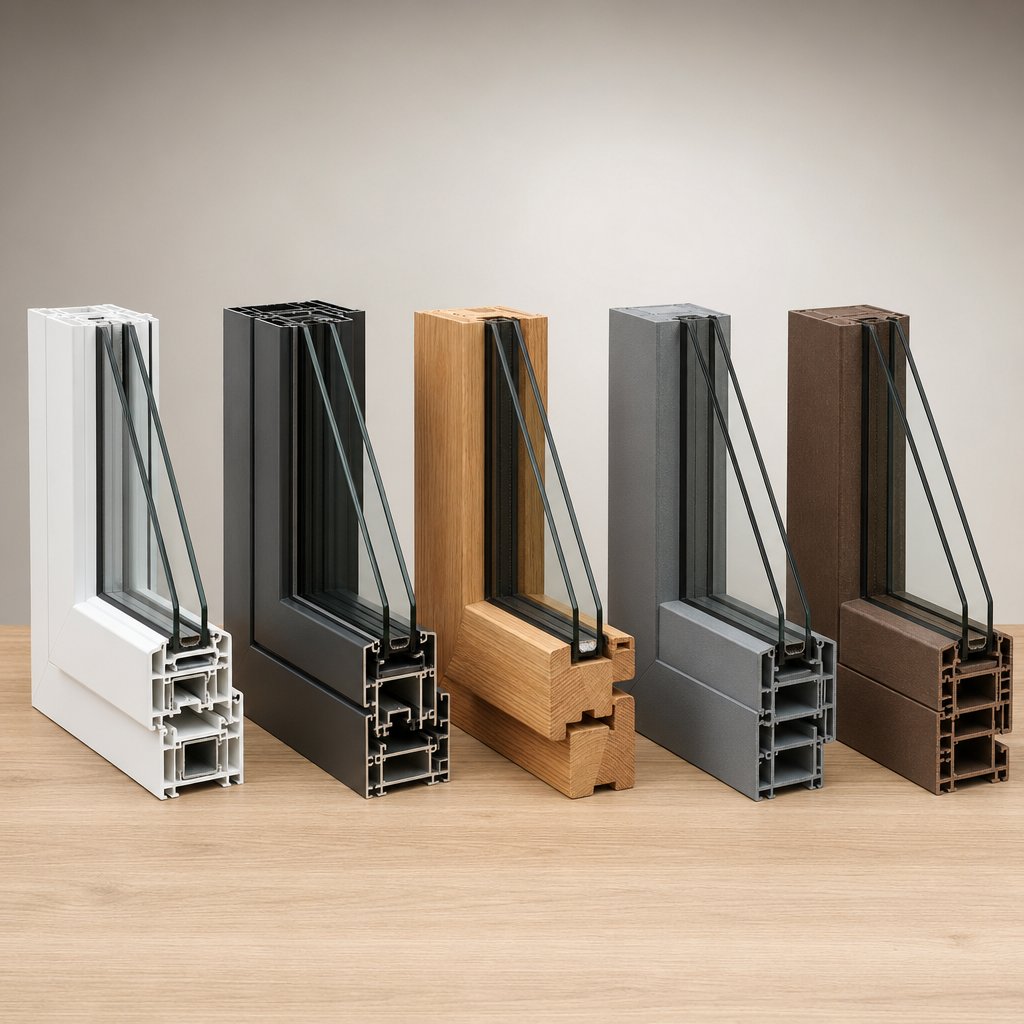
Choosing a frame material is one of those decisions that quietly shapes everything else about your project — cost, energy performance, maintenance burden, and how the finished window actually looks on your wall. Five primary materials dominate custom window manufacturing, and each brings a distinct set of trade-offs. The right pick depends on your climate, your budget, and how much upkeep you are willing to commit to over the years.
Here is how they compare across the factors that matter most for custom applications:
| Factor | Vinyl (PVC) | Aluminium | Wood | Fiberglass | Composite |
|---|---|---|---|---|---|
| Durability | Good — resists moisture, may warp in extreme heat | Excellent — lightweight and corrosion-resistant | Good if maintained — vulnerable to rot and insects | Excellent — resists warping, rotting, and temperature swings | Very good — resists rot and moisture better than wood |
| Thermal Performance | Good — hollow cavities can be insulation-filled | Poor alone; good with thermal breaks | Naturally good insulator | Superior — air cavities accept insulation fills | Very good — similar to or better than wood |
| Maintenance | Minimal — occasional cleaning | Minimal — occasional cleaning | High — regular sealing, painting, or staining | Minimal — occasional cleaning | Low — occasional cleaning, no painting needed |
| Aesthetic Versatility | Limited color and profile options | Slim sightlines, modern look, powder-coat finishes | Widest range — stains, paints, natural grain | Can mimic wood grain, paintable | Good — available in wood-like finishes |
| Weight | Light | Light | Heavy | Moderate | Moderate |
| Custom Suitability | Best for standard shapes and moderate sizes | Ideal for large openings and slim profiles | Excellent for heritage and bespoke designs | Strong for oversized and specialty shapes | Good all-rounder for varied project types |
| Relative Cost | Most affordable | Mid-range | Premium | Premium | Mid to premium |
Vinyl and Aluminium Frames for Custom Projects
Vinyl is the go-to for homeowners who want low maintenance and an affordable entry point. Made from polyvinyl chloride (PVC), vinyl frames resist moisture, never need painting, and insulate reasonably well — especially when manufacturers fill the hollow cavities with foam insulation. If you are considering a vinyl window replacement for straightforward rectangular openings, it is hard to beat the value. The trade-off? Vinyl has limited structural strength for very large spans, and color options tend to be narrower than other materials. Some people associate vinyl with plastic windows, and while the material is technically a rigid plastic, modern vinyl frames are engineered far beyond what that label might suggest.
Aluminium sits at the opposite end of the spectrum in terms of structural capability. It is lightweight, incredibly strong, and allows for slim frame profiles that maximize glass area — a major advantage for large custom openings or fixed window designs where unobstructed views are the priority. The historical knock on aluminium has been thermal conductivity: metal frames transfer heat rapidly. However, modern aluminium frames with thermal breaks — insulating strips placed between the interior and exterior components — significantly reduce heat transfer. This makes thermally broken aluminium viable across a much wider range of climates than it was even a decade ago.
Wood, Fiberglass, and Composite Options
Wood remains the traditional premium choice, and for good reason. It is a natural insulator, accepts any paint or stain, and delivers the warm aesthetic that heritage restorations and high-end custom builds demand. The downside is maintenance. Wood frames require regular sealing or painting to prevent moisture damage, rot, and insect intrusion. Wood-clad options — with an aluminium or vinyl exterior shell protecting the wood interior — reduce that burden, but they add cost.
Fiberglass is the emerging performance leader. Constructed from glass fibers and resin, fiberglass frames are dimensionally stable and resistant to warping, rotting, and extreme temperature changes. Their air cavities can be filled with insulation, giving them superior thermal performance compared to both wood and standard vinyl. Fiberglass also handles large custom spans well without the weight penalty of wood. The catch is price — fiberglass sits firmly in the premium tier.
Composite frames blend wood fibers with polymer plastics to create a hybrid that resists rot and moisture better than solid wood while maintaining similar structural and thermal properties. Think of composite as the practical middle ground: it looks and performs close to wood but asks far less of you in upkeep. It is a bit like how you might search for coffee shops near me expecting a specific vibe — composite delivers the warmth of wood without the high-maintenance commitment.
Matching Frame Material to Climate and Project Type
Here is where most guides fall short: they compare materials in a vacuum without connecting the choice to where you actually live. Climate should be a primary driver of your frame decision, not an afterthought.
- Coastal environments favor aluminium for its corrosion resistance, especially with marine-grade powder coating. Untreated wood in salt air is a recipe for accelerated decay.
- Extreme cold climates demand frames with strong thermal resistance. Fiberglass and insulation-filled vinyl perform well here. Aluminium works only if it includes robust thermal breaks — without them, condensation and heat loss become serious problems.
- Hot and humid regions need rot-resistant materials. Vinyl, fiberglass, and composite all handle humidity well. Wood-clad frames can work if the exterior cladding is properly sealed, but solid wood is risky without diligent maintenance.
- Temperate climates offer the most flexibility. Nearly any material performs adequately, so the decision can lean more heavily on aesthetics, budget, and maintenance preference.
Your project type matters too. A heritage restoration might demand wood to satisfy local preservation guidelines, regardless of climate. A modern commercial build might prioritize aluminium for its slim profiles and structural strength. And a straightforward suburban renovation — the kind of routine home improvement you schedule alongside an oil change near me — might find that vinyl or composite delivers everything needed without overcomplicating the budget.
The frame holds everything together, but it is the glass that determines how much heat, light, and sound actually passes through. That relationship between frame and glazing is where energy performance really takes shape.
Glass Types and Energy Performance in Custom Windows
A frame can be perfectly built and precisely fitted, but if the glass inside it is wrong for your climate or project, the whole window underperforms. Glass accounts for the largest surface area of any window, which means it is the primary pathway for heat gain, heat loss, noise transmission, and UV exposure. When you are ordering custom made windows, the glass specification is not a minor detail — it is arguably the most consequential performance decision you will make.
Three primary configurations define the market: single-pane, double-pane, and triple-pane glass. Each adds layers of insulation, weight, and cost. On top of the pane count, coatings like low-E and gas fills like argon or krypton further refine how the glass manages energy. Understanding these options before you place an order prevents the kind of mid-project regret that turns a window swap into a budget headache.
Double-Pane and Triple-Pane Glass Explained
Single-pane glass — one layer with no insulating gap — is largely a relic. You will still find it in very old homes and some unheated outbuildings, but it offers minimal insulation and almost no noise reduction. Most building codes now require at least double-pane glass for new installations, and for good reason.
Double-pane windows use two layers of glass separated by a sealed air space, typically filled with an insulating gas. That gap disrupts heat transfer and dampens sound. Pella notes that double-pane windows can insulate up to twice as effectively as single-pane units, delivering significant improvements in comfort and energy savings. For most climates and most projects, double-pane is the practical standard — it balances performance, weight, and cost effectively.
Triple-pane glass adds a third layer and a second insulating gap. The result is superior thermal performance and noticeably better soundproofing. If you live in a region with harsh winters or extreme summer heat, triple-pane windows can meaningfully reduce your heating and cooling costs over time. They are also the preferred choice for noise-sensitive locations — homes near highways, airports, or dense urban areas.
The trade-offs? Triple-pane units are heavier, which matters for custom frames. Larger shaped windows — arches, oversized rectangles, or trapezoids — need frames engineered to support that extra weight without sagging or warping. Triple-pane also carries a higher upfront cost and a longer payback period compared to double-pane. For moderate climates, the added expense may not justify the incremental performance gain. For extreme climates or long-term homes, it often does.
| Factor | Double-Pane | Triple-Pane |
|---|---|---|
| Insulation Performance | Good — up to 2x better than single-pane | Superior — maximum thermal resistance |
| Noise Reduction | Significant improvement over single-pane | Best available for residential applications |
| Weight | Moderate | Heavier — requires stronger frame support |
| Cost Premium | Standard baseline for modern windows | Higher upfront; longer ROI timeline |
| Best For | Most climates and budgets | Extreme climates, noise-sensitive areas, long-term ownership |
Low-E Coatings, Gas Fills, and Laminated Glass
Pane count is only part of the equation. What sits on and between those panes makes a dramatic difference in real-world performance.
Low-E (low-emissivity) coatings are microscopically thin metallic layers applied to the glass surface. They work by reflecting radiant heat. In winter, a low-E coating bounces your home’s interior heat back inside rather than letting it escape through the glass. In summer, it reflects the sun’s heat away before it enters. Low-E glass can reduce energy bills by up to 30% depending on your climate and home design, and it blocks a significant portion of ultraviolet rays — protecting furniture, flooring, and artwork from fading. The coating is nearly invisible, so it does not alter the appearance of the window.
Gas fills take insulation a step further. Instead of regular air between the panes, manufacturers seal in argon or krypton gas. Both are inert, non-toxic, and denser than air, which means they slow heat transfer more effectively. Argon is the more common and affordable option. Krypton is denser still and performs better in narrower gaps, making it a good fit for triple-pane configurations where keeping the overall unit thin matters. Over time, a small amount of gas can leak through the seals, but well-made units maintain their insulating properties for many years.
Laminated and tempered glass serve a different purpose: safety and structural integrity. Tempered glass is heat-treated to shatter into small, blunt pieces rather than dangerous shards. Building codes typically require it in locations where impact risk is higher — near doors, in bathrooms, and at low elevations. Laminated glass sandwiches a plastic interlayer between two glass sheets, holding the pane together even when broken. It is excellent for impact resistance and provides an additional layer of sound dampening. For custom shaped window installation projects involving large or unusually positioned glazing, laminated glass is often recommended even when not strictly required by code.
Here are the most common glass upgrades and what each one primarily delivers:
- Low-E coating — reflects radiant heat, reduces UV transmission, lowers energy costs
- Argon gas fill — improves insulation between panes at a modest cost increase
- Krypton gas fill — superior insulation in thinner gaps, ideal for triple-pane units
- Tempered glass — safety glazing that breaks into blunt fragments, required by code in certain locations
- Laminated glass — holds together on impact, enhances sound reduction and security
- Tinted glass — reduces glare and solar heat gain, useful for sun-facing elevations
How Glass Choice Affects Custom Window Lead Times
Here is something most homeowners do not anticipate: the glass you specify directly influences how long your order takes to manufacture and deliver. Standard double-pane units with a basic low-E coating and argon fill are produced in high volume, so they move through the manufacturing line quickly. The further you deviate from that baseline, the longer you may wait.
Triple-pane configurations with krypton fills, specialty tints, or laminated layers require additional processing steps and sometimes sourcing from specialized glass suppliers. Shaped windows — arches, circles, octagons, and other non-rectangular profiles — add complexity because the glass must be cut and sealed to match the custom frame geometry precisely. Euplai Windows notes that project complexity and non-standard component sourcing are among the primary variables that extend production timelines beyond standard estimates.
The practical takeaway is simple: decide on your glass configuration early. If you know you want triple-pane with a specific coating or laminated glass for a large feature wall, communicate that at the specification stage rather than adding it later. Late changes to glass specs can push your delivery date back by weeks, and in peak season, that delay compounds. It is a bit like deciding what you want before you arrive — whether you are searching for food open near me at midnight or finalizing a window order, knowing your requirements upfront saves time and frustration.
Glass and frame together define what your custom window can do. But none of it matters if the measurements are wrong — and measurement errors on custom orders are the single most expensive mistake homeowners make.
How to Measure for Custom Windows Step by Step
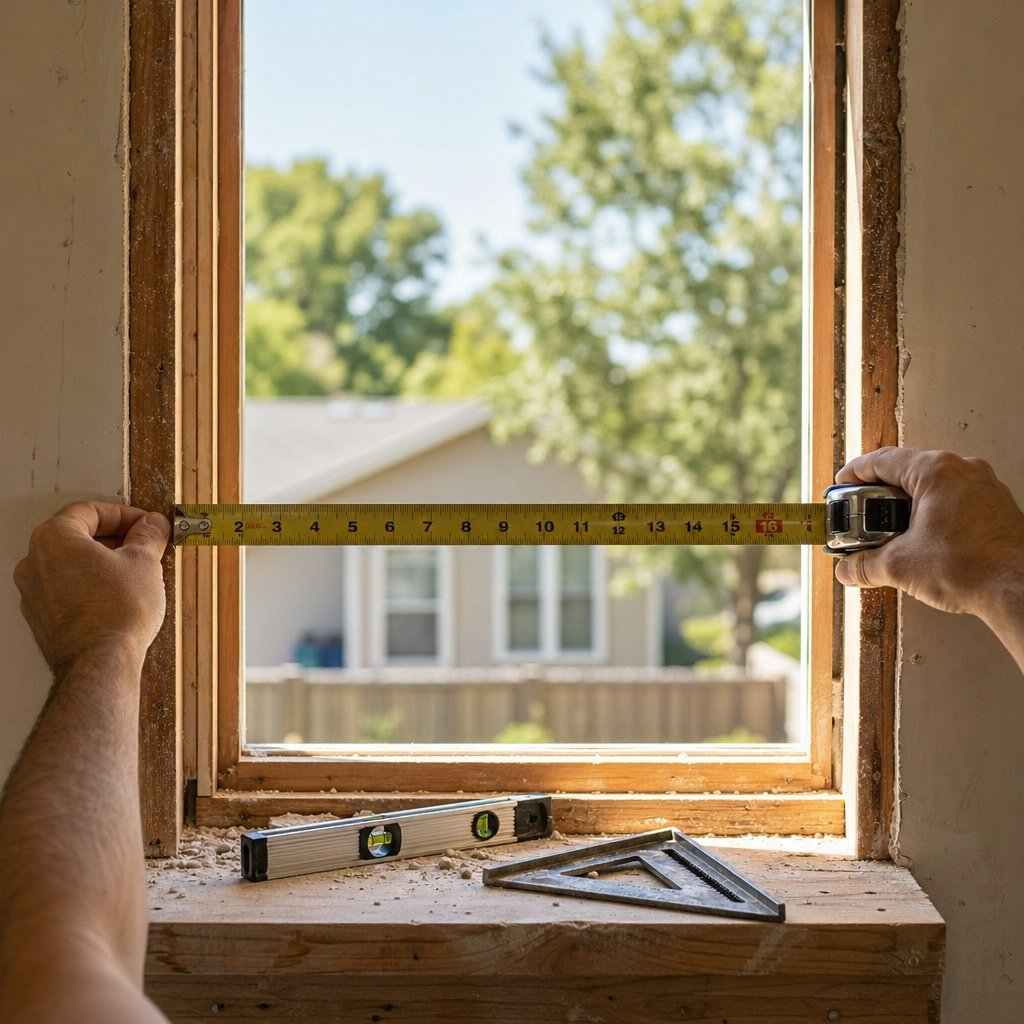
You can select the perfect frame material and specify the ideal glass configuration, but if your measurements are off, none of it matters. Custom made windows are built to the exact dimensions you provide. There is no returning a window that was manufactured precisely to your incorrect numbers. The Window and Door Manufacturers Association reports that measurement errors account for 78% of window installation problems and warranty claims. That statistic alone should tell you how much this step matters.
Whether you are replacing old units or framing new openings, the process is methodical and unforgiving. A quarter-inch mistake on a stock window is an inconvenience. A quarter-inch mistake on a custom order is an expensive one.
Tools You Need Before You Start
Gather these before you touch a single window opening:
- A 25-foot steel tape measure — steel holds its shape and does not stretch the way cloth or plastic tapes do, which is critical when fractions of an inch determine fit
- A 4-foot level for checking plumb and level conditions
- A framing square to verify corners
- A notepad and pen (or your phone) for recording every measurement immediately
- A flashlight for poorly lit openings, especially in basements or older homes
Steel tape is non-negotiable. A cloth tape from a sewing kit might seem close enough, but even slight stretching introduces errors that compound across multiple measurements. Think of it the way you would think about using the right socket at an auto parts store — close is not the same as correct, and the wrong tool creates problems the right one would have prevented.
Measuring for Replacement Custom Windows
Replacement measurements are taken from inside the house, working with the existing window opening rather than the rough framing behind the wall. If you are ordering replacement vinyl windows or any other frame type to fit an existing opening, this is the process to follow.
- Measure the width at three points: across the top, middle, and bottom of the opening. Measure from the inside surface of one jamb to the inside surface of the opposite jamb — not from trim strips or parting beads.
- Record all three width measurements and use the smallest number. This ensures the new window fits through the narrowest point of the opening.
- Measure the height at three points: left side, center, and right side. Measure from the high point of the sill to the top of the opening.
- Record all three height measurements and use the smallest number.
- Measure the frame depth from the inside face of the interior stop to the inside face of the exterior stop. Lowe’s recommends confirming at least 3-1/4 inches of depth between stops to ensure a proper fit for the replacement unit.
- Check for square by measuring diagonally from one top corner to the opposite bottom corner, then repeat from the other top corner. If the two diagonal measurements differ by more than 1/4 inch, the opening is out of square and may require custom sizing or professional evaluation.
One critical distinction: measuring the existing window frame is not the same as measuring the rough opening behind it. The rough opening is the structural framing in the wall — it is larger than the visible frame and is what new construction windows are sized to. For replacement projects, you are typically measuring the frame opening itself. Confusing the two is one of the most common and costly mistakes homeowners make.
Even if two or three windows in the same room look identical, always measure each one independently — they may not share the exact same dimensions.
If you have large picture windows or other oversized units, the same principles apply, but the stakes are higher. Larger windows amplify small measurement errors, and the cost of reordering a large custom unit is significantly greater than a standard-sized one.
Measuring for New Construction Openings
New construction is a different scenario. You are working directly with the rough opening — the framed hole in the wall before any interior finishing is applied. There is no existing window to reference, which simplifies some things and complicates others.
The rough opening needs to be approximately 1/2 inch wider and 1/2 inch taller than the window unit you plan to install. That clearance — about 1/4 inch on each side — allows room for shimming, squaring, and insulating around the frame during installation. Without it, you cannot properly position or seal the window.
Measure width and height at the same three points described above, and use the smallest dimensions. Check diagonals for square. If the framing is new and properly built, variations should be minimal — but verify anyway. Assumptions are where errors hide.
Here is the honest advice that saves the most money: if your measurements feel uncertain at any point, hire a professional measurer. Searching for custom windows near me will often connect you with local suppliers and installers who offer measurement services, sometimes at no charge when paired with an order. The cost of professional measurement is trivial compared to the cost of a custom window that arrives and does not fit. A non-returnable, incorrectly sized unit is not a minor setback — it is a write-off.
Accurate numbers in hand, the next question becomes what actually happens after you submit those measurements and place the order — a process that is less transparent than most homeowners expect.
The Custom Window Ordering and Manufacturing Process
Submitting your measurements feels like the finish line, but it is really just the starting point. What happens between placing an order and seeing the finished product on your doorstep is a process most homeowners know almost nothing about. That lack of visibility creates anxiety — and sometimes poor planning. Should you expect your windows in three weeks or three months? Can you change your mind after ordering? What do you actually check when the delivery truck arrives?
Here is the full journey, broken down so you know exactly what to expect at each stage.
From Specification to Manufacturing
The process typically follows a consistent sequence regardless of the manufacturer or frame material you have chosen:
- Initial consultation and measurement — either you provide verified measurements or a professional takes them on-site. This is also when you confirm the operation type for each window (casement, double-hung, awning, or fixed windows that do not open).
- Specification of materials and glass — frame material, glass configuration, coatings, gas fills, hardware finish, and color are all locked in. For custom vinyl windows, this stage is relatively straightforward since color and profile options are more limited. For wood or aluminium frames, the specification sheet can be considerably more detailed.
- Order confirmation and deposit — most manufacturers require a deposit before production begins. This is the point of no return. Review every line item carefully, because changes after confirmation are either impossible or extremely costly.
- Manufacturing — your windows enter the production queue. Lead times vary widely. Simple rectangular units in common materials might ship in four to six weeks. Complex orders involving specialty shapes, triple-pane glass, or uncommon finishes can take eight to twelve weeks or longer. Capa Construction notes that custom windows may require a few weeks of fabrication time depending on complexity and material availability, and that timeline can extend further during peak building seasons.
- Quality inspection — reputable manufacturers inspect each unit before shipping, checking dimensions against the order, testing operation, and verifying glass and finish specifications.
- Shipping and delivery — units are crated and shipped, often via freight carrier for large windows or multi-unit orders.
The biggest surprise for most homeowners is the lead time. If you are renovating on a tight schedule, ordering early is critical. Waiting until the framing is complete to start the window order can stall your entire project for weeks. Experienced builders treat window ordering the way a good planner treats a reservation at one of the best restaurants near me — you book well ahead of when you actually need the table, because last-minute availability is never guaranteed.
What Happens During Manufacturing
Custom windows are not pulled from a warehouse shelf. Every unit is built from raw materials to your exact specifications. The manufacturing process varies by frame type, but the general sequence looks like this:
- Frame fabrication — vinyl frames are extruded from PVC and cut to size, aluminium frames are extruded and thermally broken, wood frames are milled from lumber, and fiberglass frames are pultruded from glass-fiber composites. Each process requires different tooling and setup time.
- Glass unit assembly — individual panes are cut to dimension, coated if specified, assembled into insulated glass units (IGUs) with spacer bars, sealed, and filled with argon or krypton gas. For large windows, the glass units are heavier and require more careful handling during assembly.
- Hardware fitting — hinges, locks, handles, and weatherstripping are installed according to the operation type. Fixed windows skip most hardware but still receive weatherseals.
- Finishing — paint, stain, powder coating, or anodizing is applied depending on the frame material. This step also includes final cleaning and protective wrapping for transit.
One thing to understand clearly: once manufacturing begins on your order, it cannot typically be cancelled or returned. The materials have been cut to your dimensions. The glass has been fabricated to your specifications. There is no other customer those units will fit. This is fundamentally different from buying stock windows off a shelf at a home improvement store, where returns are routine. With custom orders, the commitment is real — treat the specification stage accordingly.
Think of it like ordering something built specifically for a unique space, not grabbing a quick bite during a lunch near me search. There is no generic version sitting in a back room. Every component is purpose-made.
Delivery, Inspection, and Installation Considerations
When your windows arrive, resist the urge to sign off and start installing immediately. Delivery day is your last opportunity to catch problems before they become your problems. Freight damage, manufacturing errors, and specification mismatches all happen — rarely, but often enough that a careful inspection is non-negotiable.
Here is what to check before you accept delivery:
- Inspect every unit for visible damage — cracked glass, dented frames, scratched finishes, or broken seals
- Verify dimensions against your original order confirmation — measure at least the width and height of each unit and compare to the spec sheet
- Confirm the correct operation type — make sure operable windows open and close smoothly, and that fixed windows were not accidentally manufactured as operable (or vice versa)
- Check hardware and finish — verify that handles, locks, and hinges match what you specified, and that the frame color or coating is correct
- Count the units — confirm that every window on the order has been delivered, especially on multi-unit shipments where one crate might arrive separately
- Document any issues immediately with photos and written notes — report damage or discrepancies to the manufacturer before the delivery driver leaves if possible
A final installation inspection checklist can help structure this process, ensuring you verify alignment, functionality, and aesthetics systematically rather than relying on a quick visual scan.
As for installation itself, custom made windows almost always warrant professional installation. The tolerances are tighter, the units are often heavier, and the consequences of improper fitting — air leaks, water intrusion, voided warranties — are more severe than with standard replacements. This is especially true for non-rectangular shapes, oversized units, and large windows that require multiple people to handle safely. Even experienced DIY homeowners typically hire professionals for custom installs, and most manufacturers recommend it as a condition of their warranty. Much like how a bass pro shop stocks specialized gear for specific conditions, custom window installation demands specialized skills and tools that go beyond general carpentry.
A smooth delivery and a clean install close the loop on the ordering process. But between placing the order and reaching this point, there are several common mistakes that derail projects and inflate costs — errors that are entirely avoidable if you know what to watch for.
Common Mistakes to Avoid When Ordering Custom Windows
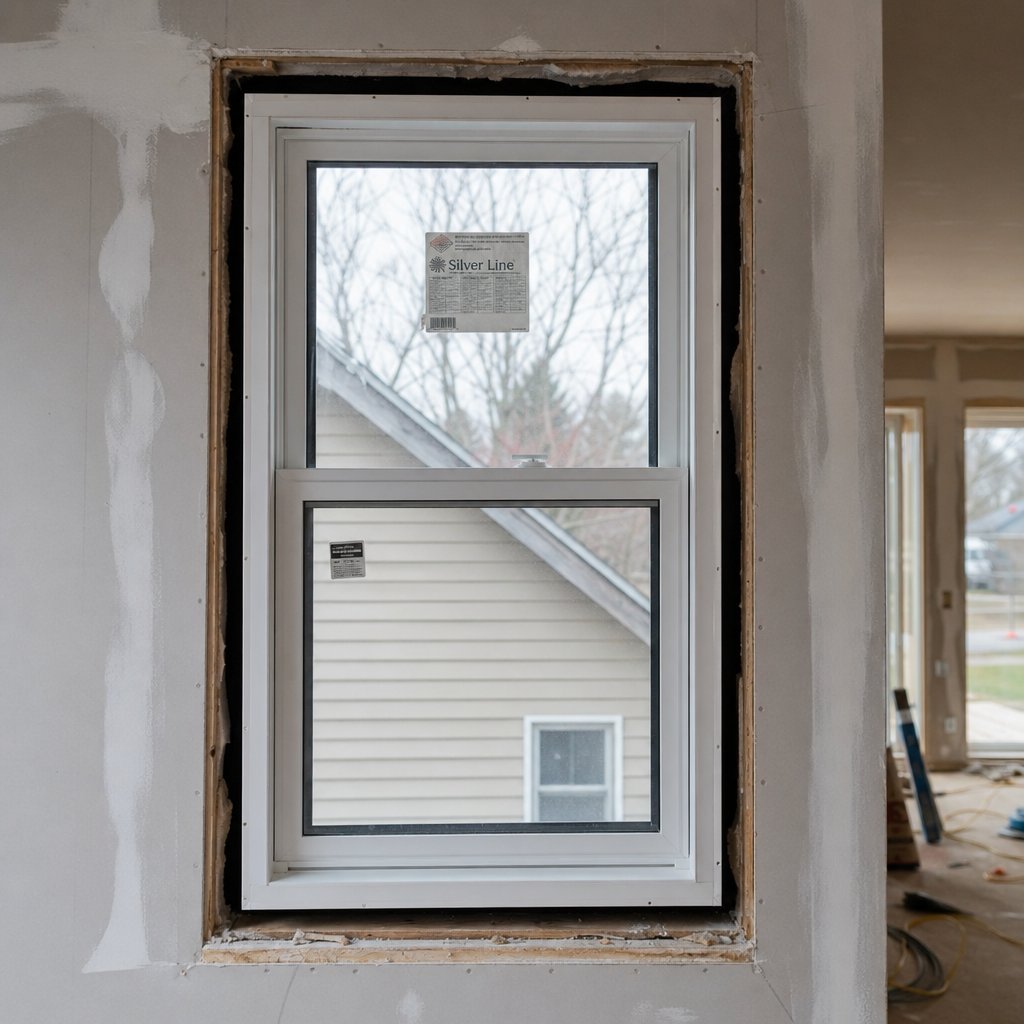
Every mistake on a custom window order carries a price tag — and unlike a stock purchase you can return to the store, most of these errors are final. The window was built to your specifications. If those specifications were wrong, the cost lands squarely on you. Knowing the most common pitfalls before you commit is the cheapest insurance available.
Here are the five most frequent mistakes, ranked by how often they occur and how much they typically cost:
- Inaccurate measurements — the single most common and most expensive error, often resulting in a complete reorder
- Specifying the wrong operation type — ordering a fixed unit when you needed operable, or vice versa
- Choosing a frame material unsuited to your climate — leads to premature degradation and early replacement
- Overlooking building code requirements — results in windows that cannot be legally installed
- Forgetting to account for trim, flashing, or interior clearances — causes installation complications and added labor costs
Some of these sound obvious in hindsight. In the middle of a renovation, with dozens of decisions competing for your attention, they are surprisingly easy to make.
Measurement and Specification Errors
Inaccurate measurements top the list for a reason. As Casa Bella Windows highlights, failing to measure width and height at multiple points across the opening is one of the most predictable errors homeowners make. Windows can vary in dimension depending on where you measure — top versus bottom, left versus right — and using a single measurement instead of the smallest one at each axis leads to units that simply do not fit.
Custom made windows are typically non-returnable once manufacturing begins. That means a half-inch error does not result in an exchange — it results in a write-off and a second order at full price. For specialty shapes like octagon windows or large arched units, the financial sting is even sharper because the per-unit cost is already elevated.
Specification mistakes are just as damaging. Imagine ordering a fixed pane for a bedroom that actually needs an operable window for ventilation — or worse, for emergency egress. Forgetting to account for interior trim depth or exterior flashing requirements is another common oversight. These details do not change the window itself, but they change whether it installs correctly. A small window in a bathroom might need tempered glass and specific clearances that were never communicated on the order form. The result? A unit that arrives perfectly built to the wrong spec.
The fix is straightforward but demands discipline: double-check every measurement, confirm every operation type room by room, and verify trim and flashing dimensions before the order is finalized. It is tedious work, but far less tedious than reordering.
Choosing the Wrong Material for Your Climate
This mistake does not announce itself on delivery day. It reveals itself slowly — over months or years — as the frame material degrades in ways that were entirely predictable.
Untreated wood frames in humid coastal environments are a classic example. Salt air accelerates rot, and the warm, damp conditions that come with coastal living create ideal conditions for mold and insect damage. ASP Super Home notes that South Florida homeowners with wood windows face constant maintenance demands from termites, cracking, and sun damage — problems that compound quickly when the climate works against the material every day.
On the other end of the spectrum, non-thermally-broken aluminium in extreme cold climates conducts heat so efficiently that condensation forms on the interior frame surface, promoting mold growth and driving up energy costs. Aluminium is an excellent material in the right context, but without a thermal break, it becomes a liability in freezing temperatures.
Vinyl, while low-maintenance and affordable, can warp and lose its seal integrity under sustained extreme heat. The expansion and contraction cycles stress the frame over time, potentially compromising the weatherseal. It is a bit like choosing what to eat based purely on price without considering whether it suits you — searching for chinese near me when what you really need is something specific to your situation. The cheapest option is not always the smartest one when long-term performance is the goal.
The solution is simple: match the material to your geography before you fall in love with a price point or an aesthetic.
Overlooking Building Codes and Energy Requirements
A custom window can be beautifully crafted, perfectly measured, and made from the ideal material — and still be illegal to install if it does not meet local building codes. This is the mistake that blindsides homeowners who assume “custom” means “exempt from rules.” It does not.
Three code areas trip people up most often:
- Energy performance ratings — many jurisdictions mandate minimum U-factor and Solar Heat Gain Coefficient (SHGC) values. A window that falls short cannot pass inspection, regardless of how well it fits the opening.
- Egress requirements — bedrooms must have at least one window that meets minimum size and operability standards for emergency escape. The International Residential Code (IRC R310) requires a minimum net clear opening of 5.7 square feet, a minimum width of 20 inches, a minimum height of 24 inches, and a maximum sill height of 44 inches above the floor. Ordering a fixed or undersized unit for a bedroom violates this requirement.
- Safety glazing — tempered or laminated glass is required by code in specific locations: near doors, in bathrooms, at low elevations, and in areas where impact risk is higher. Specifying standard annealed glass where safety glazing is mandated means the window fails inspection.
The consequences are not abstract. A window that does not meet code cannot be signed off by an inspector, which means it cannot be part of a permitted renovation or new build. You are left with an expensive unit you cannot legally use and the cost of ordering a compliant replacement.
Before finalizing any custom order, verify the applicable energy codes, egress rules, and safety glazing requirements with your local building department. This takes a phone call or a quick visit — a minor investment of time that prevents a major investment of money from going to waste.
Avoiding these mistakes keeps your project on track and on budget. The next question most homeowners ask is the one that ties everything together: what should all of this actually cost?
Understanding Custom Window Costs and Pricing Factors
Pricing is the question behind every other question in a custom window project. You can research frame materials, compare glass configurations, and measure every opening twice — but eventually, the conversation comes back to money. The challenge is that custom window pricing is not a single number. It is a range shaped by half a dozen variables, each pulling the final cost in a different direction.
Here is what actually drives that number, how custom compares to standard pricing, and how to get quotes you can trust.
What Drives the Price of Custom Windows
No two custom orders cost the same, because no two specifications are identical. But the cost drivers are consistent across every project. Understanding them helps you anticipate where your budget will land — and where you have room to adjust.
- Frame material — vinyl is the most affordable option, typically forming the baseline for any custom window quote. Aluminium sits in the mid-range, offering structural strength and slim profiles at a moderate premium. Wood and fiberglass occupy the premium tier, with wood commanding higher prices due to material cost and finishing labor, and fiberglass due to its superior thermal and structural performance.
- Glass configuration — every additional pane and coating adds cost. A standard double-pane unit with low-E coating and argon fill is the baseline. Upgrading to triple-pane, adding krypton gas, or specifying laminated glass each increases the per-unit price. Magic Window reports that large triple-pane windows can add $500 to $1,000 or more over equivalent double-pane units.
- Size — larger windows require more material, heavier glass, and stronger frames to support the weight. A small bathroom unit and a floor-to-ceiling feature panel are not in the same pricing universe.
- Shape complexity — rectangular windows are the most economical to manufacture. Arched, circular, trapezoidal, and other specialty shapes require custom tooling, precision glass cutting, and more labor-intensive assembly, all of which increase cost significantly.
- Operation type — fixed units are generally less expensive than operable ones because they require no hinges, cranks, tracks, or locking hardware. Casement and awning styles cost more than single-hung, and multi-point locking systems add further.
- Quantity — ordering multiple units from the same manufacturer can sometimes reduce the per-unit cost, since setup and shipping efficiencies improve with volume.
Think of it this way: every choice you make on the specification sheet either holds the price steady or nudges it upward. Searching for cheap windows online might surface entry-level stock products, but once you are in custom territory, the price reflects the precision and specificity of what you are ordering. There are no shortcuts — only trade-offs.
Custom Window Costs Relative to Standard Windows
Every custom window carries a premium over its standard-sized equivalent. The real question is how much of a premium, and that depends entirely on how far your specification deviates from what manufacturers produce in volume.
A simple size adjustment — say, an inch wider or taller than the closest catalog option — adds a modest surcharge. A fully custom rectangular unit with non-standard glass pushes the premium higher. And a specialty shape like an arch or circle, with triple-pane laminated glass and a specific powder-coat finish, can cost several times what a comparable standard rectangular unit would. Industry data suggests custom-sized windows typically cost 25% to 75% more than standard equivalents, with specialty shapes pushing that range even further.
| Cost Tier | Description | Typical Premium Over Standard | Example |
|---|---|---|---|
| Standard | Catalog size, common materials and glass | Baseline | Stock double-hung, vinyl, double-pane |
| Semi-Custom Size Adjustment | Standard design in a non-catalog dimension | 10% – 25% | Double-hung, vinyl, 1 inch wider than stock |
| Fully Custom Rectangular | Non-standard size with specified materials and glass | 25% – 75% | Oversized fixed panel, aluminium, triple-pane |
| Fully Custom Specialty Shape | Non-rectangular geometry with premium specs | 75% – 150%+ | Arched transom, wood, laminated low-E glass |
These tiers are relative, not absolute. A custom window in vinyl with double-pane glass will still cost less than a standard wood unit with triple-pane — material and glass choices can outweigh the custom sizing premium. The table illustrates how shape and specification complexity layer on top of the base cost, not how much any single unit will cost in isolation.
For context, Pella’s 2026 pricing overview places typical installed costs for standard replacement windows at $800 to $1,600 for vinyl, $1,100 to $2,200 for fiberglass, and $1,100 to $2,200+ for wood. Custom orders start at or above the upper end of those ranges and scale from there based on the factors outlined above. If you have seen ads for windows vinyl windows at bargain prices, those almost always reference the most basic stock configurations — not the kind of tailored specifications a custom project demands.
Getting Accurate Pricing for Your Project
General ranges are useful for budgeting, but the only way to know what your project will actually cost is to get quotes — and not just one. Request detailed, itemized quotes from at least three suppliers so you can compare like for like. A Modernize survey found that 63% of homeowners compare three to four contractor estimates before committing to a home improvement project, and for good reason: quotes for the same specification can vary significantly based on manufacturer margins, regional labor rates, and supplier relationships.
When reviewing quotes, make sure each one breaks out the cost of the window unit separately from installation labor, trim, flashing, and disposal of old units. A quote that bundles everything into a single line item makes comparison nearly impossible. Ask for specifics the same way you would demand clarity from any service provider — whether you are sorting out a billing issue with verizon customer service or evaluating a custom window bid, vague answers are a red flag.
For Australian homeowners, renovators, and builders specifically exploring aluminium options, MEICHEN’s aluminium windows collection offers a practical starting point. Their product hub lets you compare multiple aluminium window configurations — different styles, sizes, and energy-efficient specifications — all built to Australian standards. It is a useful resource for getting a sense of what is available before requesting project-specific pricing.
One more thing worth noting: do not confuse the cheapest quote with the best value. A low bid that omits flashing, uses substandard sealant, or skips proper shimming will cost you more in energy loss, water damage, and premature failure than a higher quote that covers every detail. The goal is not to find the lowest number — it is to find the most complete and honest one.
With a realistic budget in hand and quotes you can compare confidently, the final step is matching all of these decisions — material, glass, measurements, and cost — to your specific project type and long-term goals.
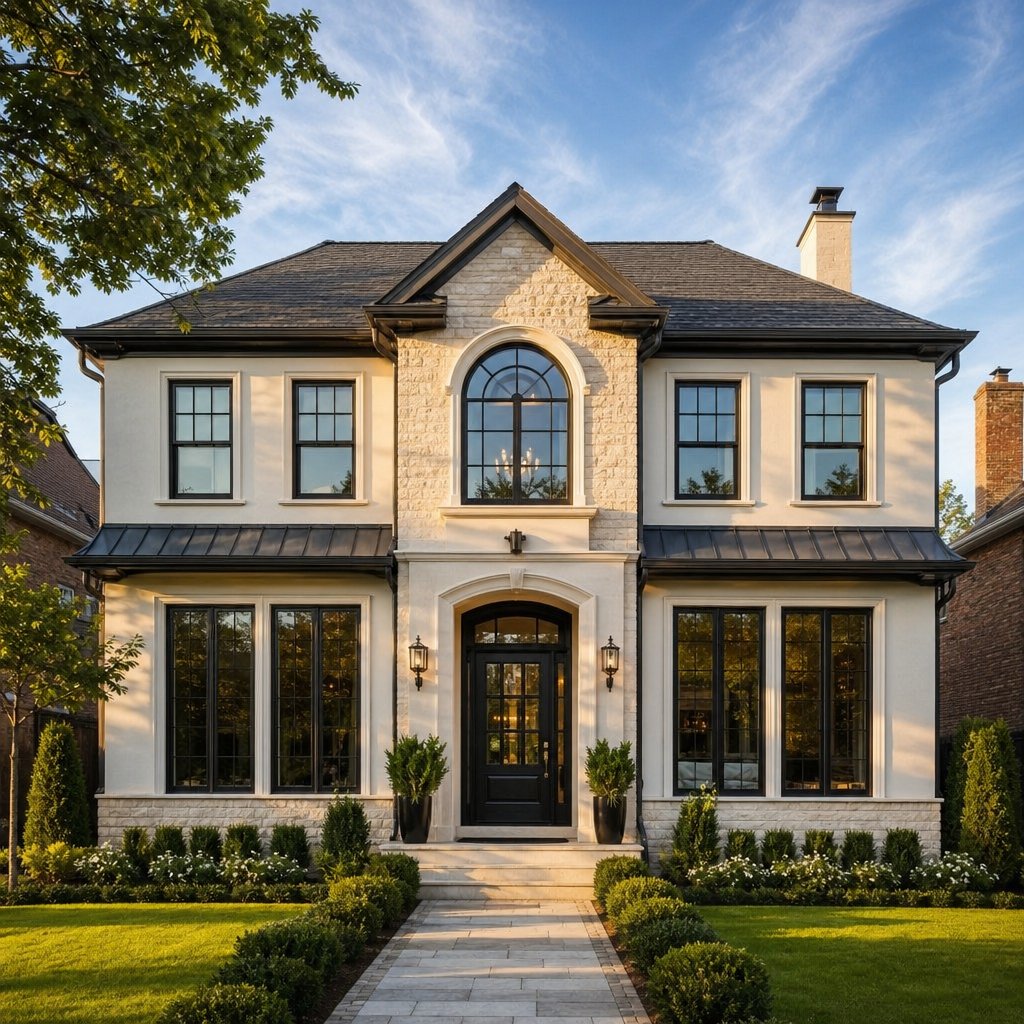
Choosing the Right Custom Windows for Your Home and Budget
Quotes in hand, materials researched, measurements verified — the pieces are all on the table. The question now is how to assemble them into a decision that actually fits your project, your climate, and your financial reality. Every home improvement project carries its own constraints, and custom made windows are no exception. What works brilliantly for a ground-up build may be entirely wrong for a heritage renovation, and vice versa.
The goal here is not to pick the most expensive option or the flashiest glass package. It is to match every specification to the specific demands of your situation so the investment delivers lasting value rather than lingering regret.
Matching Window Choices to Your Project Type
Your project type dictates which decisions matter most and where your flexibility lies. Here is how the priorities shift depending on what you are working with:
- New construction — maximum flexibility. You control the rough opening dimensions, so you can design around the windows you want rather than adapting to what already exists. This is the ideal scenario for specifying oversized glazing, specialty windows like arches or trapezoids, and premium frame materials. Coordinate window orders early in the build timeline to avoid delays.
- Renovation and replacement — you are working within existing openings. Accurate measurement is paramount because the structure dictates the size. Semi-custom options often bridge the gap here, and frame material choices may be influenced by what integrates best with the existing wall assembly. A vinyl casement window, for example, is a popular replacement choice for openings that previously held older crank-out styles, offering improved seals and easier operation without structural changes.
- Historic restoration — the most constrained scenario. Heritage overlay requirements may dictate proportions, mullion patterns, glass profiles, and even frame materials. Wood is frequently mandated to maintain architectural authenticity. Budget for the premium that heritage compliance adds, and work with suppliers experienced in restoration projects. Cutting corners here risks both code violations and loss of the home’s character.
- Multi-unit or development projects — volume matters. Builders and developers benefit from specifying a consistent frame material and glass package across multiple units to streamline manufacturing, reduce per-unit costs, and simplify installation logistics. Aluminium is a common choice for its structural consistency and slim sightlines across large runs of windows.
Each project type carries a different balance of cost, flexibility, and constraint. Knowing which category yours falls into prevents you from over-specifying where it is unnecessary or under-specifying where it matters most.
How Custom Windows Affect Home Value
Well-specified custom windows can meaningfully improve a home’s resale value and appraisal — but only when the investment is proportional to the property’s overall worth. Three factors drive that value impact:
Energy performance is the most quantifiable. Windows with strong U-factor and SHGC ratings reduce heating and cooling costs, and the U.S. Department of Energy notes that heat gain and heat loss through windows account for 25% to 30% of residential heating and cooling energy use. Replacing inefficient units with properly specified custom windows directly addresses that loss, which buyers and appraisers recognize.
Curb appeal is harder to quantify but equally real. Windows that fit their openings precisely, with consistent sightlines and proportions that complement the architecture, create a visual coherence that mismatched stock units cannot replicate. This matters most in neighborhoods where presentation influences sale price — the kind of street where every detail contributes to the overall impression.
Architectural coherence ties the first two together. A home where the windows clearly belong — where the style, material, and proportions align with the design intent — signals quality to prospective buyers. It suggests the homeowner invested thoughtfully rather than cutting corners. That perception translates into real dollars at appraisal and sale.
The caveat is proportionality. Installing $30,000 worth of custom windows in a home valued at $200,000 is unlikely to return that investment at resale. The upgrade needs to make sense relative to the property’s market position. Think of it the way you would approach any household decision — you would not drive across town past every aldi near me just to save a few dollars if the trip cost more than the savings. The same logic applies: the investment should be proportional to the return.
Your Next Steps Toward the Right Custom Windows
Here is a concise action checklist that pulls together everything covered in this guide:
- Confirm whether custom is truly necessary. Measure your openings and compare against standard catalog sizes. If a stock or semi-custom option fits, you save money and time without sacrificing performance.
- Measure accurately — or hire a professional. If there is any uncertainty, a professional measurement service is far cheaper than a non-returnable custom unit that does not fit. Searching for windows for sale near me will often surface local suppliers who include measurement as part of the quoting process.
- Research frame materials and glass for your specific climate. Coastal, cold, hot, and temperate environments each favor different combinations. Do not choose based on price alone — match the material to your geography.
- Get at least three detailed, itemized quotes. Compare window unit costs, installation labor, trim, flashing, and warranty terms separately. The 2026 Window Buyer’s Checklist from AFM recommends standardizing your specifications across all quotes so you are comparing equivalent products and scopes of work.
- Verify local building code compliance before finalizing the order. Confirm energy performance minimums, egress requirements for bedrooms, and safety glazing rules for applicable locations. A quick call to your local building department prevents an expensive compliance failure.
- Order early. Custom lead times range from several weeks to several months. Factor manufacturing and shipping into your project timeline so windows arrive when you need them, not weeks after the crew has moved on.
For Australian homeowners, renovators, builders, and developers exploring energy-efficient aluminium options specifically, MEICHEN’s aluminium windows collection is a practical place to start comparing styles, configurations, and specifications in one place. It is particularly useful if you want to see multiple aluminium window options side by side before requesting project-specific pricing — a helpful step in narrowing down what suits your build and budget.
Custom made windows are not an impulse purchase. They are a deliberate investment in how your home performs, looks, and feels for years to come. The process rewards patience, precision, and informed decision-making at every stage. Rush it, and you pay twice. Plan it well, and you end up with windows that fit — not just the opening, but the life you are building around them.
Frequently Asked Questions About Custom Made Windows
1. How much do custom made windows cost compared to standard windows?
Custom made windows typically cost 25% to 75% more than standard equivalents for simple size adjustments, while specialty shapes like arches or octagons can push the premium to 75% to 150% or higher. The final price depends on frame material, glass configuration, shape complexity, operation type, and order quantity. Vinyl frames offer the most affordable entry point, while wood and fiberglass sit in the premium tier. Requesting at least three itemized quotes from different suppliers is the most reliable way to establish an accurate budget for your specific project.
2. How long does it take to get custom windows made and delivered?
Lead times for custom made windows range from several weeks to several months depending on specification complexity, frame material, glass configuration, and manufacturer backlog. Simple rectangular units in common materials like vinyl may ship in four to six weeks, while orders involving specialty shapes, triple-pane glass, or uncommon finishes can take eight to twelve weeks or longer. Peak building seasons can extend these timelines further. Ordering early in your project timeline is critical because custom windows cannot typically be cancelled or returned once manufacturing begins.
3. Can I measure for custom windows myself or do I need a professional?
You can measure for custom windows yourself using a steel tape measure, a level, a framing square, and a notepad. The key is measuring width at three points (top, middle, bottom) and height at three points (left, center, right), then using the smallest measurement in each direction. You also need to check for square by comparing diagonal measurements. However, because custom windows are non-returnable if measurements are wrong, hiring a professional measurer is strongly recommended whenever there is any uncertainty. Many local suppliers offer measurement services, sometimes at no extra charge when paired with an order.
4. What is the best frame material for custom windows?
There is no single best frame material — the right choice depends on your climate, budget, and maintenance tolerance. Vinyl is the most affordable and low-maintenance option, ideal for moderate climates and standard shapes. Aluminium offers superior structural strength for large openings and slim sightlines, especially with thermal breaks for energy efficiency. Wood delivers the widest aesthetic range and suits heritage restorations but demands regular upkeep. Fiberglass provides excellent thermal performance and dimensional stability at a premium price. Composite blends wood-like appearance with lower maintenance. Coastal homes benefit from corrosion-resistant aluminium, while extreme cold climates favor fiberglass or insulation-filled vinyl.
5. Are custom made windows worth it for home resale value?
Custom made windows can positively impact resale value when the investment is proportional to the home’s overall worth. They improve energy performance, which directly reduces heating and cooling costs — windows account for 25% to 30% of residential energy use according to the U.S. Department of Energy. Properly fitted custom windows also enhance curb appeal and architectural coherence, signaling quality craftsmanship to prospective buyers. However, over-investing in windows relative to the property’s market position is unlikely to yield a full return. The key is matching the specification level to the home’s value and the expectations of buyers in your area.
More Window & Door Guides