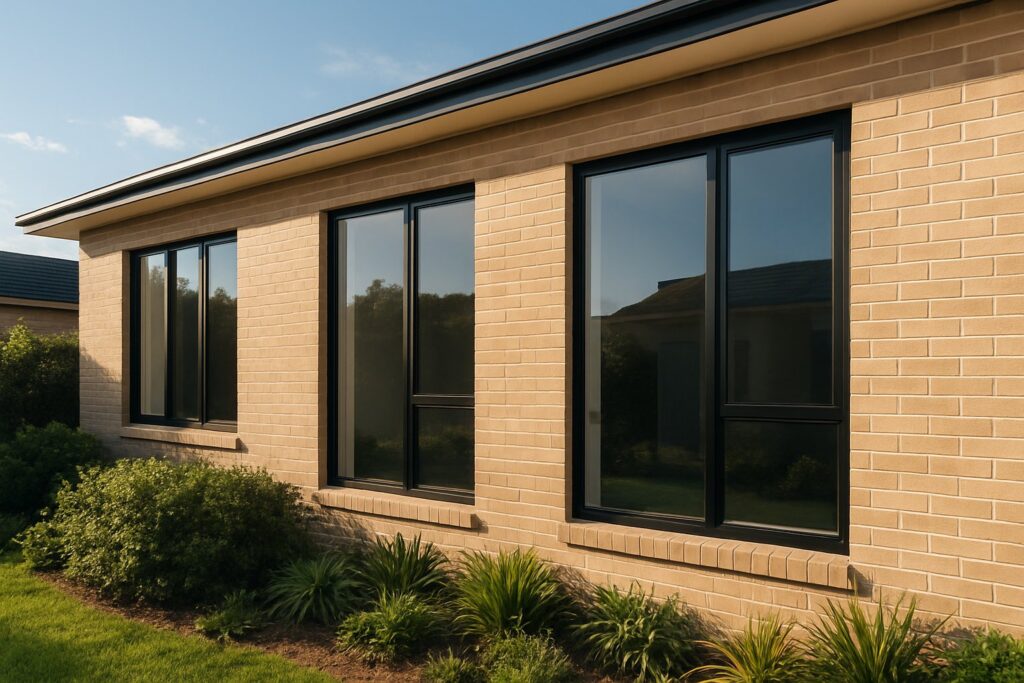
What Determines the Cost of Aluminium Sliding Windows
Ask three different suppliers how much aluminium sliding windows cost and you will get three wildly different numbers. One quotes $165 for a small sliding unit, another quotes $680 for a larger panel, and a third throws out a fully installed figure north of $1,000. None of them are wrong — they are just answering different questions.
The real cost of aluminium sliding windows depends on a handful of variables that interact with each other: frame size, glazing type, panel configuration, hardware quality, finish colour, and whether you are buying supply-only or paying for full installation. A standard-size window pulled off the shelf at a supplier sits at one end of the spectrum. A custom double-glazed unit with powder-coated frames, fitted into a heritage renovation, sits at the other.
Why Aluminium Sliding Window Prices Vary So Much
Price variation comes down to choices — some yours, some dictated by your project. A new build gives you flexibility to design around standard openings, keeping costs predictable. A renovation often forces custom sizing because existing openings rarely match off-the-shelf dimensions. Geographic location matters too. Labour rates in Sydney differ from those in regional Queensland, and transport costs climb the further you are from manufacturing centres. Even the glass you choose can shift the total by 25 to 35 per cent, according to hipages.com.au pricing data.
For supply-only aluminium sliding windows in standard sizes, Australian homeowners can expect to pay roughly $165 to $680 per window depending on dimensions — with fully installed costs ranging significantly higher once labour, removal, and finishing are factored in.
What This Guide Covers
This guide breaks down every layer of the aluminium sliding window price range in Australia — from the raw component costs that make up each unit, through glazing upgrades and panel configurations, to installation labour and regional pricing differences. It also covers what no installer typically explains upfront: the long-term ownership costs, the energy savings that offset your initial spend, and practical strategies to reduce your total outlay without compromising quality. Whether you are replacing windows in a 1970s brick veneer or specifying for a new coastal build, the goal here is a single resource that helps you budget accurately before a single quote lands in your inbox.
The pricing picture starts to make more sense once you understand exactly where your money goes inside each window unit.
What Makes Up the Cost of a Sliding Window
Every aluminium sliding window is really four cost layers stacked together. The frame, the glass, the hardware, and the labour to put it all in place each carry a different weight in your final invoice. Understanding this aluminium sliding window cost breakdown gives you leverage — you can see exactly which component is driving the price up and decide where to spend more or pull back.
Frame and Material Costs
The aluminium frame is the single largest material expense in any sliding window. It accounts for roughly 30 to 40 per cent of the total unit cost, according to industry cost analysis data. The aluminium window frame material cost is driven by three things: the price of raw aluminium ingot, the processing fee to extrude and shape the profile, and transport to the fabricator.
Profile thickness plays a direct role here. Standard residential sliding windows typically use 1.4 mm to 1.6 mm profiles, while larger openings or high-wind zones may require 2.0 mm or thicker. Each step up in thickness adds 8 to 12 per cent to the frame cost alone. Thermally broken profiles — where an insulating strip separates the inner and outer aluminium sections — add another 20 to 35 per cent on top of a standard frame, but they are increasingly specified in Australian builds chasing better NatHERS ratings.
Surface treatment also shifts the number. Basic mill-finish aluminium is cheapest, powder coating sits in the middle, and anodised or woodgrain finishes push the frame cost higher again.
Glass, Hardware, and Finishing Costs
Glass typically represents 15 to 25 per cent of the total price for a standard single-glazed unit, climbing toward 30 to 40 per cent once you move into double-glazed or Low-E configurations. Sliding window hardware and glass pricing together make up the bulk of what remains after the frame. Hardware — locks, rollers, seals, and track fittings — accounts for around 8 to 15 per cent. It is a smaller slice, but cheap hardware fails faster and costs more to replace than it ever saved upfront.
Installation labour rounds out the picture, generally representing 20 to 30 per cent of a fully installed price. This covers fitting, sealing, flashing, and any make-good work to surrounding walls.
| Component | Approximate Share of Total Cost | Key Cost Drivers |
|---|---|---|
| Aluminium frame | 30 – 40% | Profile thickness, thermal break, surface finish |
| Glass | 15 – 35% | Single vs double glazing, Low-E coatings, toughening |
| Hardware (locks, rollers, seals) | 8 – 15% | Brand quality, multi-point locks, roller type |
| Installation labour | 20 – 30% | Access difficulty, removal of old windows, finishing |
These proportions shift depending on your choices. Opt for double glazing and the glass share climbs while the frame share shrinks proportionally. Choose a basic window with premium hardware and the ratios flip again. The point is that no single line item dominates in isolation — it is the combination of specifications that determines your final number.
Of all these components, glazing type tends to create the biggest surprise on a quote. A seemingly small upgrade from single to double glazing can reshape the entire cost profile of your window order.
How Glazing Type Affects Your Final Price
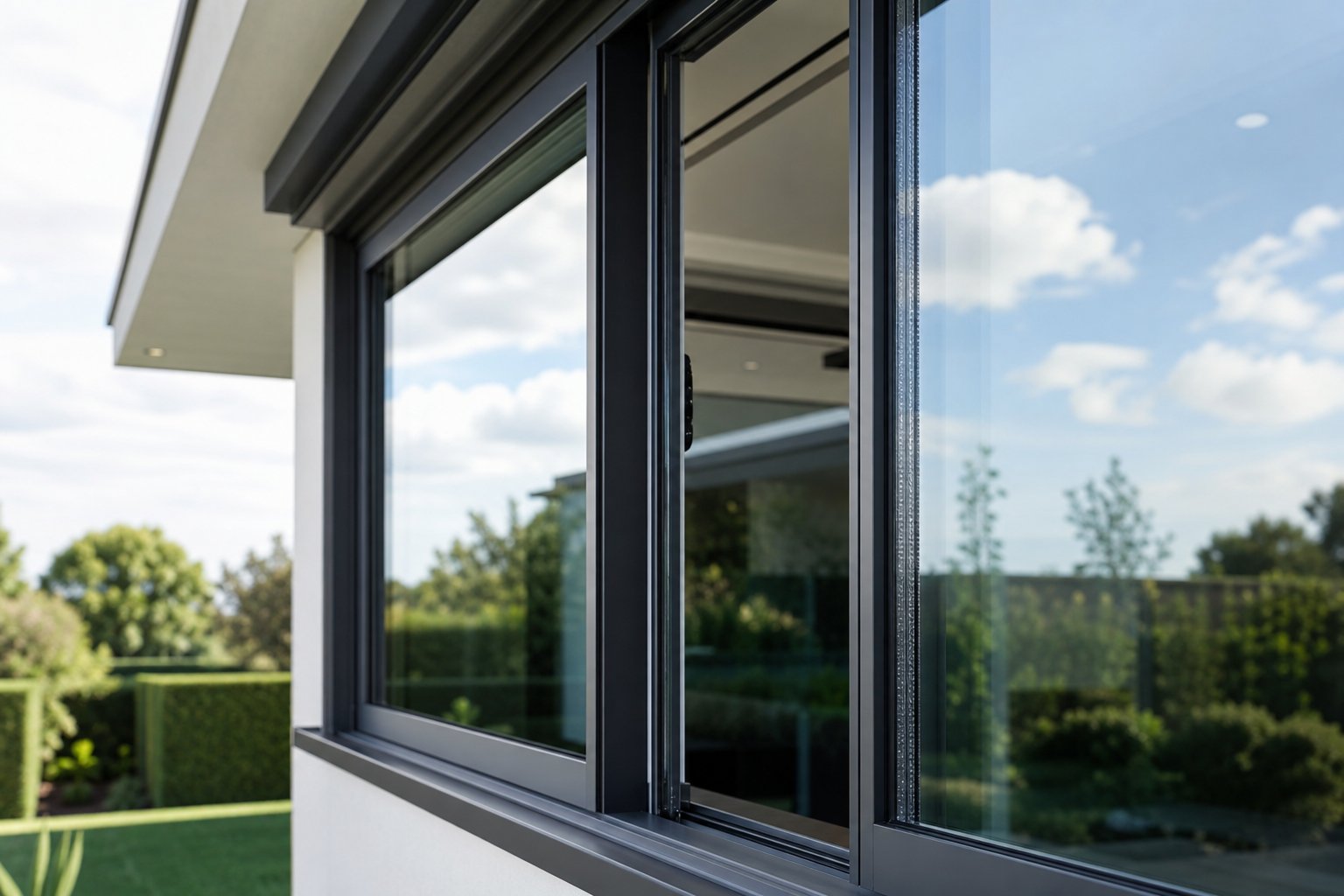
Glazing is the one specification change that can shift your aluminium sliding window quote by 25 to 50 per cent without altering the frame size, colour, or hardware. It is also the area where most homeowners either overspend for features they do not need or underspend and regret it within two summers. The single vs double glazing price difference is real, but so is the performance gap — and understanding both helps you land on the right choice for your climate, your street noise, and your energy bills.
Single vs Double Glazing Cost Differences
Single glazing uses one pane of glass, typically 3 mm to 6 mm thick, set directly into the aluminium frame. It is the cheapest option and still common in older Australian homes, budget renovations, and mild coastal climates where thermal performance is less critical. The glass itself is inexpensive, and the frame does not need to accommodate the extra depth of a sealed unit.
Double glazing introduces a second pane with a 6 mm to 12 mm gap between them, usually filled with argon gas that acts as a thermal insulator. The double glazed aluminium sliding window cost runs approximately 25 to 50 per cent more than an equivalent single-glazed unit in upfront pricing. That premium covers the additional glass pane, the sealed spacer unit, the gas fill, and a slightly deeper frame profile to house the thicker assembly.
Where the numbers get interesting is on the other side of the ledger. Double glazed windows retain up to 30 per cent more conditioned air than single glazed equivalents, which translates directly into lower heating and cooling bills. They also reduce noise by up to 40 dB — enough to make a busy road sound like a quiet library.
- Single glazing: Lowest upfront cost. Minimal insulation. High heat transfer in summer and winter. Suitable for temperate climates, sheds, or budget-constrained projects where thermal performance is secondary.
- Double glazing: 25–50% cost uplift over single. Significantly better thermal and acoustic performance. Reduces energy bills by up to 30%. Improves home resale value by up to 10%. The standard choice for most new Australian builds and quality renovations.
For most Australian homeowners weighing the cost of upgrading to double glazed windows, the payback period through energy savings typically falls between 5 and 10 years depending on climate zone and household energy use. In colder regions like Victoria, Tasmania, and the ACT highlands, that payback arrives faster because heating loads are higher.
When Triple Glazing Justifies the Extra Spend
Triple glazing adds a third pane and a second insulating gas cavity, pushing U-values down to around 0.7 W/m2K or lower compared to 1.2–1.6 W/m2K for standard double glazing. The thermal performance is exceptional, but so is the price tag — triple glazed windows typically cost 10 to 30 per cent more than double glazed equivalents.
In the Australian context, triple glazing occupies a niche. Our climate is generally milder than Northern Europe or Canada where triple glazing is standard. Still, there are scenarios where it earns its place:
- Alpine and high-altitude builds: Properties in regions with extended heating seasons (Snowy Mountains, Blue Mountains, Tasmanian highlands) benefit from the superior insulation.
- Passive house and high-performance builds: Projects targeting NatHERS ratings of 8 stars or above often need triple glazing to hit their thermal targets.
- Severe noise environments: Homes near airports, rail corridors, or major arterial roads gain noticeably better acoustic insulation from the third pane, especially when different glass thicknesses are used across the three layers.
- South-facing elevations: Large south-facing sliding windows that receive minimal solar gain but lose significant heat in winter can justify the upgrade on that elevation alone.
Is a triple glazed sliding window worth it for a standard suburban home in Sydney or Brisbane? Rarely. The additional cost is difficult to recoup through energy savings in mild climates. But for specific elevations, specific rooms, or specific performance goals, it can be the right call — particularly when you plan to stay in the home long-term.
The glazing decision also interacts with your panel configuration. Larger sliding windows with more panels multiply the glass area, which means the cost difference between single and double glazing scales up proportionally — a factor that becomes especially relevant once you start looking at three-panel and four-panel systems.
Panel Configuration and Track Options
Adding panels to a sliding window does not simply double or triple the price in a straight line. Each additional panel introduces more aluminium framing, another set of rollers, extra seals, and a wider opening that your wall needs to support. The 3 panel aluminium sliding window price is not just “a 2-panel plus 50 per cent” — it reflects a compounding set of material, hardware, and structural requirements that shift the cost curve in ways most quotes never explain.
Two-Panel and Three-Panel Pricing
A standard two-panel sliding window runs on a single track with one fixed pane and one operable sash. It is the most common and affordable configuration, covering openings up to roughly 2,400 mm wide without requiring anything unusual from the surrounding wall structure. Two-panel units suit bedrooms, kitchens, and bathrooms where moderate ventilation and natural light are the priority.
Step up to a three-panel system and costs climb by approximately 40 to 60 per cent over an equivalent two-panel unit. The reasons stack up quickly: a third glass panel, additional frame material for the extra meeting rail, a second track to allow independent panel movement, and heavier-duty rollers to handle the increased weight. A 3-track aluminium sliding window allows two-thirds of the opening to be cleared for ventilation — a significant upgrade over the 50 per cent maximum of a 2-panel setup. Living rooms and balcony-facing walls are where three-panel configurations earn their keep, offering wider views and better airflow control.
The 2 track vs 3 track sliding window cost difference is not just about the extra rail. Multi-track systems demand tighter fabrication tolerances, more precise installation, and higher-quality seals at each meeting point to maintain weather performance. These factors push labour costs up by 10 to 20 per cent compared to a simple single-track install.
Four-Panel and Multi-Track Cost Considerations
Four-panel configurations and beyond enter a different pricing territory. The 4 panel sliding window cost in Australia typically runs 80 to 120 per cent above a comparable two-panel unit, and that figure often excludes the structural work needed to support the wider opening. Spanning 3,000 mm or more means the wall above the window needs a longer lintel or steel beam to carry the load — a hidden cost that rarely appears on a window supplier’s quote but shows up on your builder’s invoice.
Structural modifications for larger openings can add anywhere from $500 to $2,500 AUD depending on whether the wall is load-bearing, the material of the existing lintel, and whether a structural engineer needs to sign off on the design. In renovation projects, this is the expense that blindsides homeowners most often — the window itself is quoted, but the wall work to accommodate it is a separate line item from a separate tradesperson.
| Panel Configuration | Relative Cost vs 2-Panel | Typical Opening Width | Common Use Cases |
|---|---|---|---|
| 2-panel (single track) | Baseline | 1,200 – 2,400 mm | Bedrooms, kitchens, bathrooms |
| 3-panel (2 or 3 track) | +40 to 60% | 2,100 – 3,600 mm | Living rooms, balconies, dining areas |
| 4-panel (2 or 3 track) | +80 to 120% | 3,000 – 4,800 mm | Open-plan living, wide balcony access, feature walls |
| Multi-panel custom (3+ tracks) | +120% and above | 4,000 mm+ | Premium residences, commercial, indoor-outdoor transitions |
Multi-track aluminium sliding window pricing also reflects the practical reality that wider systems are heavier, harder to transport without damage, and more time-consuming to install level and plumb. Upper-floor installations compound this further — scaffolding, safety equipment, and the logistics of manoeuvring large glass panels add cost that scales with panel count.
The takeaway is straightforward: every panel you add multiplies costs across materials, hardware, labour, and potentially your building structure. Choosing the right configuration means matching the opening to how the room actually functions rather than defaulting to the widest span the wall can hold. And once configuration is settled, the next cost lever is whether you go with a standard off-the-shelf size or commit to a custom order.
Standard Sizes vs Custom-Made Aluminium Sliding Windows
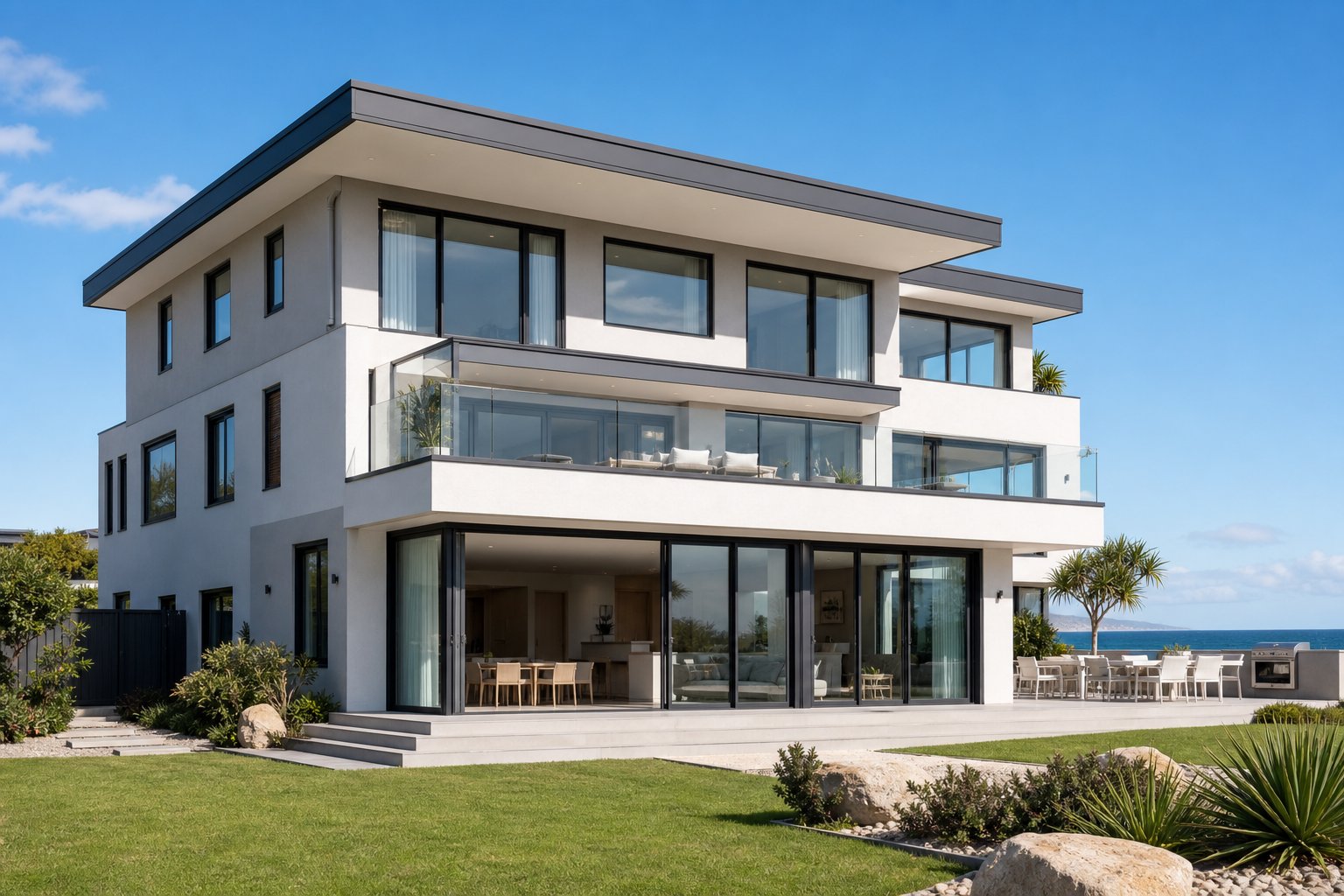
Standard size aluminium sliding window prices exist for a reason — mass production drives costs down. When a manufacturer runs the same profile dimensions through their extrusion line hundreds of times a week, the per-unit cost drops significantly compared to a one-off order that requires retooling, individual cutting, and bespoke assembly. But here is the catch: your wall opening does not care about manufacturing efficiency. It is whatever size it is, and that reality forces a decision that can shift your total window spend by 25 to 75 per cent.
Standard Sizes vs Custom Orders
Off-the-shelf aluminium sliding windows come in a set range of dimensions that cover the most common residential openings. Australian suppliers typically stock units in widths from around 600 mm up to 2,400 mm and heights from 600 mm to 1,800 mm, with specific increments between. These standard units are manufactured in bulk, warehoused, and ready to ship — which means shorter lead times and lower prices.
According to hipages.com.au, supply-only pricing for standard aluminium sliding windows ranges from approximately $165 for a compact 514 x 610 mm unit up to $680 for a larger 2057 x 2650 mm window. These figures reflect the cost advantage of buying what is already made rather than commissioning something new.
- 514 x 610 mm sliding window: Around $165 supply only — ideal for bathrooms and laundries where ventilation matters more than views.
- 514 x 2050 mm sliding window: Around $299 supply only — a tall, narrow format suited to hallways or side passages.
- 1200 x 2650 mm sliding window: Around $428 supply only — a mid-range living area size that balances light and cost.
- 2057 x 2650 mm sliding window: Around $680 supply only — a generous opening for living rooms or balcony access.
Custom aluminium sliding window cost typically runs 25 to 75 per cent higher than the nearest standard equivalent, according to industry pricing data. That premium covers individual fabrication, non-standard glass cutting, and the additional quality checks required for a one-off unit. Lead times stretch too — expect 3 to 6 weeks for custom orders versus same-day or next-day availability for stock sizes.
For new builds, the smart move is designing openings around standard window dimensions wherever possible. Your architect or draftsperson can adjust rough opening sizes by 20 or 30 mm in either direction without affecting the design intent, and that small adjustment can save hundreds per window across a whole-house order. It is one of the simplest cost-saving decisions available at the design stage.
Renovations rarely offer that luxury. Existing openings in older Australian homes — particularly weatherboard cottages, fibro houses, and heritage-listed properties — almost never align with modern standard sizes. A 1960s brick veneer might have window openings at 1,350 mm wide, which sits awkwardly between standard 1,200 mm and 1,500 mm units. You either modify the brickwork to suit a standard window (adding plastering and make-good costs) or order custom made sliding windows for renovation that fit the opening as it stands. In many cases, custom is the cheaper path once you factor in the bricklaying, rendering, and repainting needed to resize an opening.
Heritage homes present an even stricter scenario. Council heritage overlays often require windows to match original proportions exactly, ruling out standard sizes entirely. Here, custom is not a choice — it is a compliance requirement.
How Frame Finish Choices Add to Cost
Beyond dimensions, the finish you choose for your aluminium frames adds another cost layer that catches people off guard. Raw mill-finish aluminium is the cheapest option, but it is rarely used in residential applications because it oxidises unevenly and looks industrial. Most homeowners and builders choose a surface treatment, and each option carries a different price premium.
Powder coating is the most popular finish in Australia. It involves electrostatically applying a dry powder to the aluminium surface, then curing it in an oven to form a durable, UV-resistant skin. The powder coated aluminium window extra cost typically adds 10 to 20 per cent over a mill-finish frame. Standard colours like white, black, and monument (dark grey) are cheapest because they are batched in high volumes. Custom colours — matched to a specific Dulux or Colorbond shade — push the premium higher because the coating line needs to be purged and reset for a small run.
Anodising creates a harder, more scratch-resistant surface by converting the outer layer of aluminium into aluminium oxide through an electrochemical process. It costs roughly 15 to 30 per cent more than standard powder coating and offers superior corrosion resistance, making it a strong choice for coastal properties exposed to salt air. The trade-off is a more limited colour palette — anodised finishes tend toward natural silver, bronze, and charcoal tones rather than the full spectrum available with powder coat.
Woodgrain effects use a sublimation process to transfer a timber-look pattern onto the powder-coated surface. They deliver the aesthetic of timber without the maintenance burden, but at a cost premium of 30 to 50 per cent over standard powder coating. Woodgrain finishes are common in heritage zones or on homes where council requires a timber appearance but the homeowner wants aluminium durability.
- Mill finish: Cheapest. Rarely used residentially. No colour choice.
- Standard powder coat (white, black, monument): +10–15% over mill finish. Most common residential choice. Durable and UV stable.
- Custom colour powder coat: +15–20% over mill finish. Longer lead time for non-standard batches.
- Anodised finish: +15–30% over standard powder coat. Best corrosion resistance. Limited colour range.
- Woodgrain sublimation: +30–50% over standard powder coat. Timber aesthetic without timber maintenance. Ideal for heritage compliance.
The finish decision interacts with your sizing choice in a practical way. Standard-size windows in standard colours ship fastest and cheapest. A custom-size window in a custom colour sits at the opposite extreme — longer lead time, higher unit cost, and no option to return it if measurements are wrong. Getting your specifications locked down before ordering is not just good practice; it is financial protection.
Sizing and finish define what you are buying. The next question is what it costs to get those windows from a warehouse or factory into your wall — and that is where the gap between supply-only pricing and fully installed figures becomes impossible to ignore.
Installation Costs and Regional Pricing
A supply-only quote and a fully installed quote are two completely different numbers — yet many homeowners treat them interchangeably until the final invoice arrives. The gap between what you pay for the window itself and what you pay to have it sitting properly in your wall can be 40 to 60 per cent of the total project cost. Separating these figures is the only way to budget accurately.
Supply-Only vs Fully Installed Pricing
Supply-only aluminium window pricing covers the manufactured unit: frame, glass, hardware, seals, and any surface finish you have specified. It does not include a single hour of labour. For standard aluminium sliding windows, hipages.com.au lists supply-only figures ranging from $165 for a compact unit up to $680 for larger panels. These are the numbers you see on supplier websites and in hardware store catalogues.
The window installation labour cost per window is where the real spend hides. A typical installation includes several distinct tasks that most quotes bundle into a single line item:
- Removal of existing windows: Pulling out old frames, cleaning the reveal, and disposing of waste materials. Older homes with timber frames bedded in mortar take longer than aluminium-to-aluminium replacements.
- Fitting and levelling: Setting the new frame plumb and square within the opening, shimming where needed, and mechanically fixing to the structure.
- Flashing and sealing: Installing head flashing to prevent water ingress, applying silicone or polyurethane sealant around the perimeter, and ensuring compliance with AS 2047 weatherproofing requirements.
- Internal and external finishing: Plastering or trimming around the frame, repainting disturbed surfaces, and fitting architraves or reveal linings where applicable.
- Waste disposal: Removing old frames, broken glass, and packaging from site.
According to Trusted Tradie Network, tradies typically charge between $50 and $120 per hour depending on location and job complexity. For a standard sliding window replacement, labour alone runs $180 to $400 per window — pushing the fully installed aluminium sliding window installation cost in Australia to roughly $350 to $1,100 per opening depending on size and specification.
Then there are the costs that sit outside both the supply quote and the standard installation quote. These are the ones that blindside homeowners mid-project:
- Scaffolding for upper-floor installations: Second-storey windows require safe access, adding $200 to $800 per elevation depending on height and site constraints.
- Building regulations compliance: Depending on your council, replacing windows may trigger requirements under the National Construction Code — particularly if you are changing the size of an opening or the window is in a fire-rated wall. A building surveyor or certifier adds $300 to $600 to the project.
- Structural modifications: Widening an opening for a larger sliding window means lintel upgrades, which can require an engineer’s certification and additional bricklaying or framing work.
- Asbestos management: Homes built before the mid-1980s may have asbestos-containing materials in window reveals or eaves. Licensed removal is a legal requirement and adds significant cost.
Regional Price Differences Across Australia
The sliding window replacement cost in Sydney versus Melbourne versus Brisbane is not identical — and the difference is not trivial. Labour rates, transport distances from manufacturing hubs, local demand cycles, and even council requirements all create pricing variation across Australian markets.
| City | Average Hourly Labour Rate (AUD) | Typical Labour Cost Per Window | Key Cost Factors |
|---|---|---|---|
| Sydney | $80 – $120 | $250 – $400 | Highest labour rates nationally; strong demand; parking and access challenges on tight suburban lots |
| Melbourne | $70 – $100 | $220 – $350 | Competitive market with more installers; slightly lower rates than Sydney but higher energy compliance focus |
| Brisbane | $60 – $90 | $200 – $320 | Lower labour rates; cyclone compliance adds cost in northern QLD but not metro Brisbane |
| Perth | $65 – $95 | $210 – $340 | Geographic isolation increases transport costs for materials; smaller installer pool |
| Adelaide | $50 – $85 | $180 – $300 | Lowest metro labour rates; shorter wait times for bookings; less demand pressure |
These figures reflect labour only. The supply cost of the window itself varies less between cities because most aluminium windows are manufactured in a handful of facilities and shipped nationally. The real regional divergence sits in what it costs to get a qualified installer on site, how long they take, and what additional compliance steps your local council demands.
Regional and rural areas introduce another variable: travel time. An installer based in a metro centre may charge a call-out fee of $100 to $250 to reach a property 60 kilometres or more from their base. For remote builds — coastal holiday homes, rural properties, or alpine retreats — that travel component can add 15 to 25 per cent to the total installation bill.
Knowing the split between supply and installation costs gives you a clearer picture of where your money goes on day one. But the spending does not stop once the installer leaves — and the long-term cost of owning those windows is where the real value equation plays out.
Long-Term Cost of Ownership
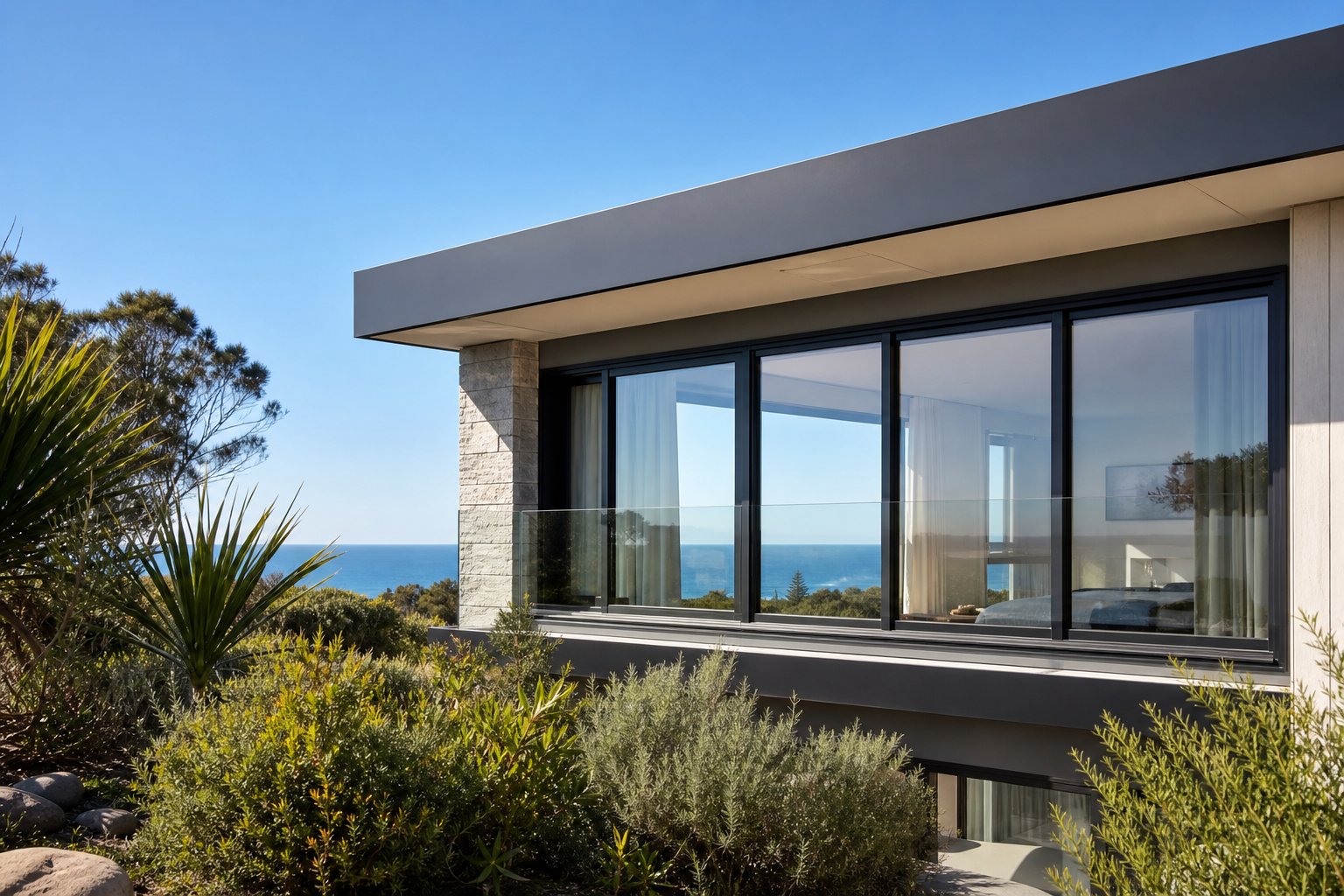
Installation day is not the finish line — it is the starting point of a cost relationship that lasts decades. The aluminium window maintenance cost over time, the energy your windows save or waste each year, and how many years pass before replacement becomes necessary all feed into a total ownership figure that looks nothing like the number on your original invoice.
Maintenance and Lifespan Expectations
Aluminium sliding windows have an expected lifespan of 45 to 55 years under normal Australian conditions. That figure dwarfs uPVC at 20 to 30 years and sits comfortably alongside timber’s 30 to 60-year range — without the intensive upkeep timber demands. Research shows 92 per cent of aluminium frames remain fully functional after 25 years, compared to just 65 per cent of timber frames over the same period.
The aluminium vs timber window long term cost comparison is where the real story emerges. Timber requires sanding, priming, and repainting every 5 to 7 years — a cycle that costs $20 to $50 per window annually when averaged out. Over 50 years, that maintenance burden adds up to more than the original purchase price. Aluminium needs none of it. No painting, no sealing, no rot treatment.
What aluminium does need is minimal and infrequent:
- Monthly: Wipe frames and glass with mild detergent and water to prevent salt or dust buildup — particularly important for coastal properties.
- Every 3 to 4 months: Clear drainage channels in the bottom track to prevent water pooling and seepage.
- Every 4 to 6 months: Lubricate rollers and hinges with silicone spray to maintain smooth operation.
- Every 6 months: Inspect weather seals and gaskets for cracking or compression. Replace as needed — seals are inexpensive consumables, typically $10 to $30 per window.
- Every 10 years: Full hardware check. Rollers, locks, and handles may need replacement after a decade of daily use, costing $50 to $150 per window in parts.
The aluminium sliding window lifespan of 45-plus years means most homeowners install them once and never face a full replacement. Compare that to uPVC, where seal failure and frame warping after 20 to 25 years typically means the entire unit needs replacing — effectively doubling your window spend over a 50-year ownership period.
The cheapest window upfront is not always the most economical long-term choice. A $400 aluminium sliding window lasting 50 years costs $8 per year. A $280 uPVC window lasting 22 years costs $12.70 per year — and you will need to buy it twice.
Warranty terms reflect this durability gap. Most quality aluminium window manufacturers offer 10 to 15-year warranties on frames and 5 to 7 years on hardware and seals. Some premium Australian suppliers extend frame warranties to 20 years or beyond. When evaluating quotes, check what the warranty actually covers — a frame warranty means little if it excludes powder coat fading, seal failure, or hardware wear, which are the components most likely to need attention first.
Energy Savings That Offset Upfront Cost
Energy savings from double glazed aluminium windows are not a vague marketing promise — they are measurable reductions in your heating and cooling bills that compound year after year. Thermally broken aluminium frames paired with double glazing achieve U-values between 1.5 and 0.9 W/m²K, meaning significantly less heat escapes in winter and less solar heat penetrates in summer.
The financial impact is tangible. Energy-efficient windows can reduce household heating and cooling costs by 7 to 15 per cent annually, translating to roughly $100 to $700 AUD per year depending on your home’s size, climate zone, and existing insulation levels. Homes in Melbourne, Canberra, and Hobart — where heating dominates energy bills — tend to see savings at the higher end. Properties in Brisbane or Perth, where cooling loads are the primary concern, still benefit but the dollar figure is typically more modest.
Over a 20-year period, those annual savings accumulate to $2,000 to $14,000 — often exceeding the cost premium you paid to upgrade from single glazing. The window effectively pays for its own upgrade and then continues generating returns for the remaining 25 to 30 years of its life.
This is also where the WERS (Window Energy Rating Scheme) star rating becomes a practical budgeting tool rather than just a compliance checkbox. A higher-rated window costs more upfront but delivers greater annual savings. Matching your glazing specification to your actual climate zone — rather than over-specifying or under-specifying — is how you optimise the balance between purchase price and lifetime running cost.
The ownership cost picture reframes the entire purchasing decision. Spending more upfront on quality aluminium frames, proper thermal breaks, and appropriate glazing is not an indulgence — it is a financial strategy that pays dividends every quarter when your energy bill arrives. And for those working within a tighter budget, there are practical ways to capture most of these long-term benefits without blowing out the initial spend.
Practical Ways to Reduce Your Aluminium Sliding Window Costs
Knowing where the money goes is half the equation. The other half is knowing how to save money on aluminium sliding windows without sacrificing the performance and longevity that make them worthwhile. Every strategy below targets a specific cost driver covered earlier in this guide — sizing, specification, timing, and supply chain — so you can apply whichever levers fit your project.
Smart Sizing and Specification Choices
The cheapest way to buy aluminium windows in Australia starts at the design stage, not the checkout. Small decisions made early compound into significant savings across a full window order.
- Design openings around standard sizes. If you are building new or have flexibility to adjust rough openings, specify dimensions that match stock window sizes. The 25 to 75 per cent custom markup disappears entirely when your openings align with what manufacturers already produce in volume.
- Match glazing to your actual climate zone. Double glazing is the right call for most Australian homes, but triple glazing in subtropical Brisbane is over-specifying. Use your NatHERS climate zone to determine what level of thermal performance you genuinely need rather than defaulting to the highest spec available.
- Choose standard powder coat colours. White, black, and monument are batched constantly and carry the lowest finish premium. A custom Colorbond match adds 5 to 10 per cent per window — worth it on a feature elevation, unnecessary on a side passage.
- Right-size your panel configuration. A 3-panel system where a 2-panel unit would serve the room just as well adds 40 to 60 per cent in cost for ventilation capacity you may never use. Let the room’s function dictate the configuration.
- Order during off-peak periods. The best time to buy aluminium sliding windows is late autumn through early winter, when installer demand drops and some manufacturers run end-of-year promotions. Off-season scheduling can yield 10 to 20 per cent savings on labour alone because contractors are motivated to fill quieter calendars.
- Bundle your order. Replacing or installing multiple windows at once reduces per-unit labour costs. Installers price efficiency — one mobilisation for ten windows is cheaper per opening than ten separate call-outs.
Working with Project-Based Suppliers
Retail window pricing includes showroom overheads, sales commissions, and middleman margins that have nothing to do with the quality of the product in your wall. For builders, developers, and homeowners managing larger projects, buying direct from project-based suppliers strips out that markup and puts the savings back in your budget.
Project supply aluminium windows for builders work on a different model. Instead of walking into a retail outlet and paying list price, you deal directly with a supplier who configures windows to your specifications — tracks, locks, seals, glazing, and finish — then ships them ready for your installer to fit. The per-unit cost drops because you are cutting out the retail layer entirely.
As an example, MEICHEN’s MA100 Sliding Window system operates on this project-supply basis, offering configurable 2-track and 3-track options with selectable hardware, seals, and glazing specifications. Builders and developers can spec exactly what each opening requires without paying for showroom overhead or generic retail packaging. This direct-to-project approach is particularly effective when ordering across an entire build — the savings per window multiply across every opening in the house.
Whether you go retail or project-supply, always get at least three itemised quotes that separate supply cost from installation labour. An itemised breakdown lets you compare like for like and spot where one supplier is padding margins. Ask each supplier to specify the aluminium profile series, glass makeup, and hardware brand — vague quotes hide cost and quality differences that only surface after installation.
These savings strategies work best when you know exactly what system and specification you need. The final step is pulling all the cost factors together into a clear decision framework that matches your budget to the right aluminium sliding window for your specific project.
Choosing the Right Aluminium Sliding Window System
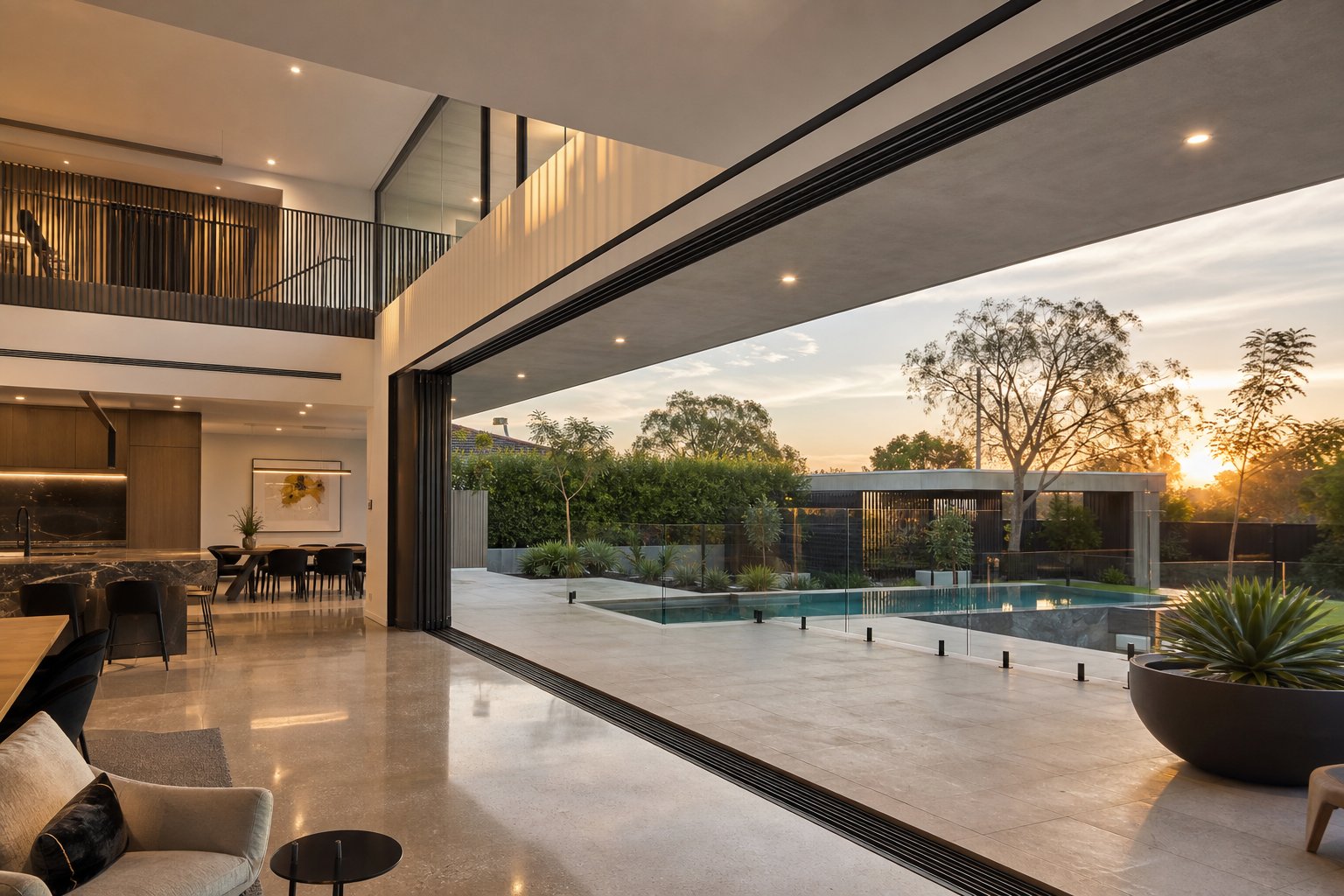
Every cost factor covered in this guide — frame material, glazing, panel configuration, finish, installation labour, and long-term ownership — feeds into a single practical question: which system actually fits your project and your budget? The best aluminium sliding window system for your home is not the cheapest one or the most expensive one. It is the one where every specification earns its place based on what the opening needs to do, where it sits in the building, and how long you expect it to last.
Matching Your Budget to the Right System
Project type shapes priorities. A renovation with fixed opening sizes and heritage constraints demands different trade-offs than a new build where you control every dimension. A developer fitting out 40 apartments weighs cost per unit differently than a homeowner replacing three bedroom windows. Recognising where you sit on that spectrum prevents you from over-specifying where it does not matter and under-specifying where it does.
For renovations, the biggest cost lever is usually sizing. If your openings do not match standard dimensions, custom fabrication is unavoidable — so redirect savings effort toward finish choices, glazing level, and supplier selection instead. For new builds, design around standard sizes first, then allocate the savings toward better glazing or hardware on high-use openings like living rooms and balcony access points.
Commercial and multi-residential projects benefit most from project-based supply relationships where per-unit costs drop with volume and configurations can be standardised across repeated opening types. Residential one-off replacements benefit from bundling — replacing all windows in a single mobilisation rather than spacing them across separate jobs.
When evaluating systems, look beyond the headline price. A well-specified aluminium sliding window includes multiple track options for flexibility, quality seals rated for your exposure conditions, robust rollers that handle daily operation for decades, and glazing matched to your climate zone. The MEICHEN MA100 Sliding Window is a useful reference point — it offers configurable 2-track and 3-track layouts, selectable locks and seals, double-glazed options, and suitability for balcony applications. That combination of configurability and project-level supply is what to look for in aluminium sliding window specs regardless of which supplier you ultimately choose.
Next Steps for Your Project
Before you request a single quote, run through this checklist. It ensures every supplier is pricing the same scope, which makes comparison meaningful rather than misleading.
- Opening dimensions: Measure each opening width and height in millimetres. Note whether the opening is existing (renovation) or can be adjusted (new build).
- Panel configuration: Decide how many panels each opening needs based on room function — not maximum possible span.
- Track system: Specify 2-track or 3-track based on how much ventilation clearance you actually want.
- Glazing type: Single, double, or triple — matched to your NatHERS climate zone and noise environment, not a blanket specification across the whole house.
- Frame finish: Standard powder coat colour, custom colour, anodised, or woodgrain. Note any coastal or bushfire exposure that dictates finish durability requirements.
- Hardware level: Standard rollers and locks for low-use openings; heavy-duty or keyed systems for ground-floor security and high-traffic areas.
- Compliance requirements: AS 2047 certification, BAL rating if in a bushfire zone, cyclone rating if in northern Queensland or NT.
- Quote format: Request itemised quotes separating supply cost, installation labour, structural work, and any compliance or access charges (scaffolding, asbestos checks).
- Warranty detail: Ask what is covered — frame, finish, hardware, and seals — and for how long. Confirm whether the warranty covers both product and installation workmanship.
Armed with that information, you can compare quotes on a genuine like-for-like basis. A $450 window with 5-year hardware warranty and basic seals is not the same product as a $550 window with 10-year coverage and coastal-rated components — even if both are labelled “aluminium sliding window” on the invoice.
Get at least three quotes from suppliers who can clearly explain their aluminium profile series, glass makeup, and hardware specifications. Vague line items are a red flag. The suppliers worth dealing with — whether retail, trade, or project-based — will itemise without hesitation because transparency is how they compete.
If you are a builder, architect, or developer sourcing across multiple openings, explore project-supply options like the MA100 system from MEICHEN where you can configure track count, hardware, seals, and glazing to each opening’s requirements without retail markup. For homeowners tackling a smaller scope, the same principles apply at a different scale — know your specs, compare itemised quotes, and choose the system that balances upfront cost against the 45-plus years of daily use ahead of it.
Frequently Asked Questions About Aluminium Sliding Window Costs
1. How much do aluminium sliding windows cost in Australia?
Supply-only aluminium sliding windows in standard sizes range from approximately $165 for a compact 514 x 610 mm unit up to $680 for a larger 2057 x 2650 mm window. Fully installed costs climb significantly higher — typically $350 to $1,100 per opening — once you factor in removal of old windows, fitting, sealing, flashing, plastering, and waste disposal. Custom sizes, double glazing, and premium finishes push prices toward the upper end of that range.
2. Is it cheaper to buy standard size or custom aluminium sliding windows?
Standard sizes are substantially cheaper — custom orders typically cost 25 to 75 per cent more than the nearest stock equivalent. Mass production keeps standard unit prices low, and they ship faster with same-day or next-day availability. For new builds, designing openings around standard dimensions is one of the simplest cost-saving strategies. Renovations often require custom sizing because existing openings rarely match stock dimensions, though modifying brickwork to fit a standard window sometimes costs more than simply ordering custom.
3. What is the cost difference between single and double glazed aluminium sliding windows?
Double glazed aluminium sliding windows cost approximately 25 to 50 per cent more than equivalent single-glazed units upfront. However, double glazing retains up to 30 per cent more conditioned air and can reduce annual heating and cooling bills by 7 to 15 per cent. For most Australian climate zones, the payback period through energy savings falls between 5 and 10 years, after which the window continues generating returns for the remaining 25 to 30 years of its lifespan.
4. How long do aluminium sliding windows last compared to timber or uPVC?
Aluminium sliding windows have an expected lifespan of 45 to 55 years under normal Australian conditions, with 92 per cent of frames remaining fully functional after 25 years. Timber frames last 30 to 60 years but require sanding, priming, and repainting every 5 to 7 years — a maintenance cycle that can exceed the original purchase price over time. uPVC windows typically last 20 to 30 years before seal failure and frame warping necessitate full replacement, effectively doubling your window spend over a 50-year period.
5. Can builders save money by buying aluminium sliding windows direct from project-based suppliers?
Yes. Project-based suppliers like MEICHEN, which offers the configurable MA100 Sliding Window system, strip out retail showroom overheads, sales commissions, and middleman margins. Builders and developers can specify exact track configurations, hardware, seals, and glazing for each opening and receive units ready for installation — often at meaningfully lower per-unit costs than retail pricing. This approach is most effective when ordering across an entire build where savings multiply across every opening.
More Window & Door Guides