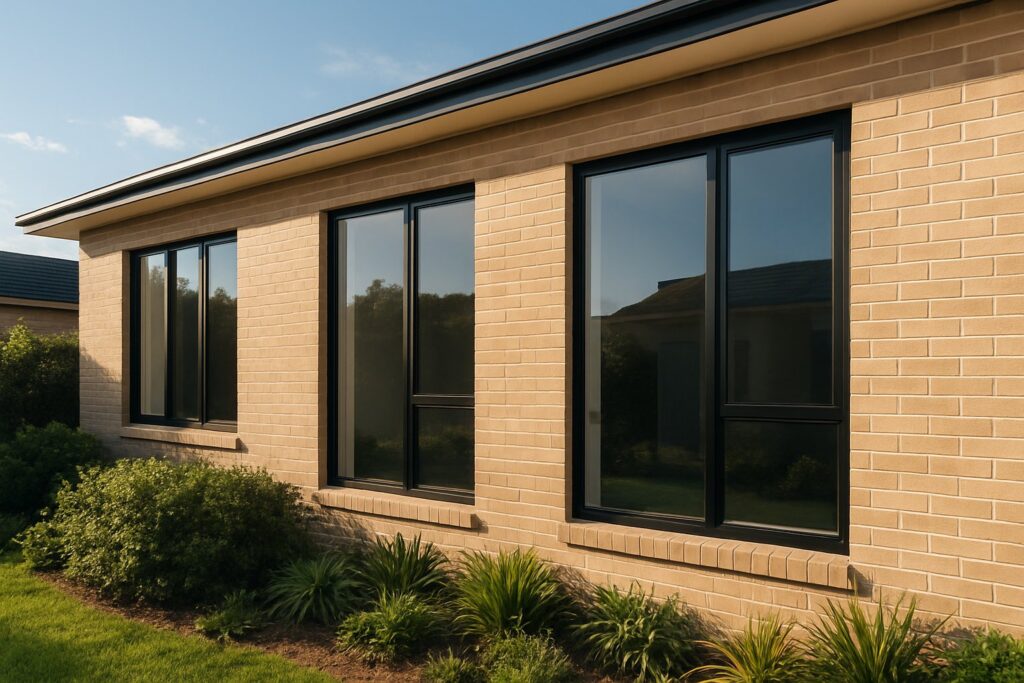
What Are Black Aluminium Sliding Windows
Black aluminium sliding windows are window systems built from extruded aluminium frame profiles finished in a black coating, designed so that one or more glass panels glide horizontally along a fixed track. Rather than swinging outward or tilting inward, the panels roll sideways on concealed roller mechanisms, stacking neatly behind one another to open up wall space without encroaching on interior or exterior areas.
Black aluminium sliding windows consist of powder-coated or anodised aluminium frames that carry glazed panels along horizontal tracks using precision roller systems. Their slim profiles maximise glass area while the black finish delivers a bold architectural contrast suited to modern residential and commercial facades.
Over the past decade, these windows have moved from high-end architectural projects into mainstream Australian home builds and renovations. The combination of a durable metal frame, effortless operation, and a colour that reads as both contemporary and timeless has made them a go-to specification for builders, architects, and homeowners alike.
How Black Aluminium Sliding Windows Work
The core of every aluminium sliding window is its frame profile — a hollow, extruded aluminium section engineered to be lightweight yet structurally rigid. Panels sit within this frame on stainless steel bearing rollers that travel along precision-machined tracks recessed into the sill. A gentle push is all it takes to move even large, heavy panes.
Track configurations determine how many panels the system holds and how wide the opening can be. A 2-track setup typically pairs one fixed panel with one sliding panel, offering around 50% clear opening. Step up to a 3-track system and you gain a wider aperture — roughly 67% — because multiple panels can slide and stack. The black finish itself is what visually separates these aluminium sliding windows from standard mill-finish silver or white frames, giving the profile a defined, almost steel-like appearance that recedes against dark mullions and emphasises the glass.
Why Homeowners and Builders Choose Black Frames
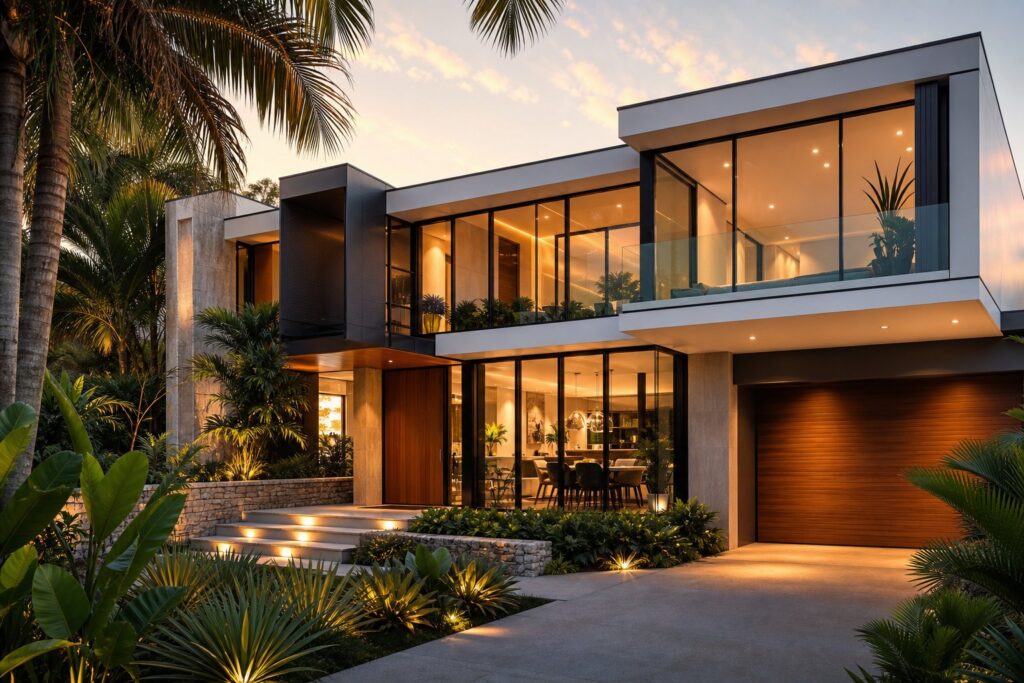
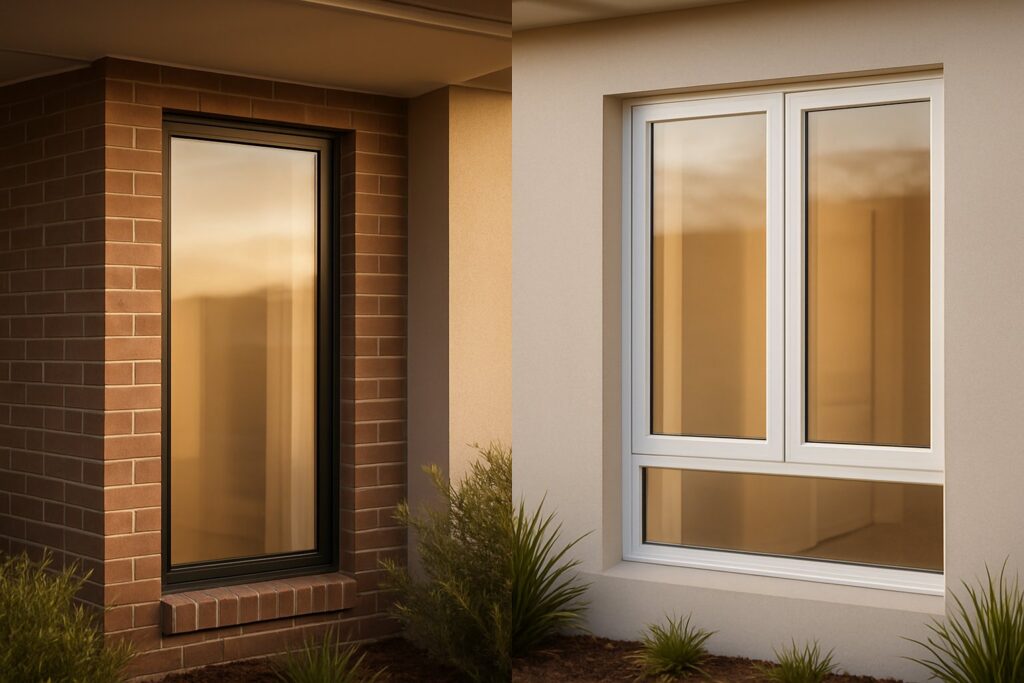
Aesthetics drive most of the demand. Black sliding windows create sharp contrast against light-coloured renders, brick, and timber cladding — the kind of crisp outline that makes a facade look intentional and considered. The slim sightlines unique to aluminium framing mean more glass and less frame, so views stay unobstructed and natural light floods deeper into living spaces.
Durability plays an equally important role. Aluminium resists corrosion, won’t warp in heat, and holds its shape across decades of daily use — qualities that matter in Australia’s harsh UV environment and coastal salt air. Compared to neutral white or silver tones, a black sliding window makes a stronger architectural statement while still functioning as a neutral backdrop for almost any interior palette. It is this rare balance of visual boldness and practical resilience that keeps black aluminium windows at the top of specification lists for new builds and renovation projects across the country.
How the Black Finish Is Created and Why It Lasts
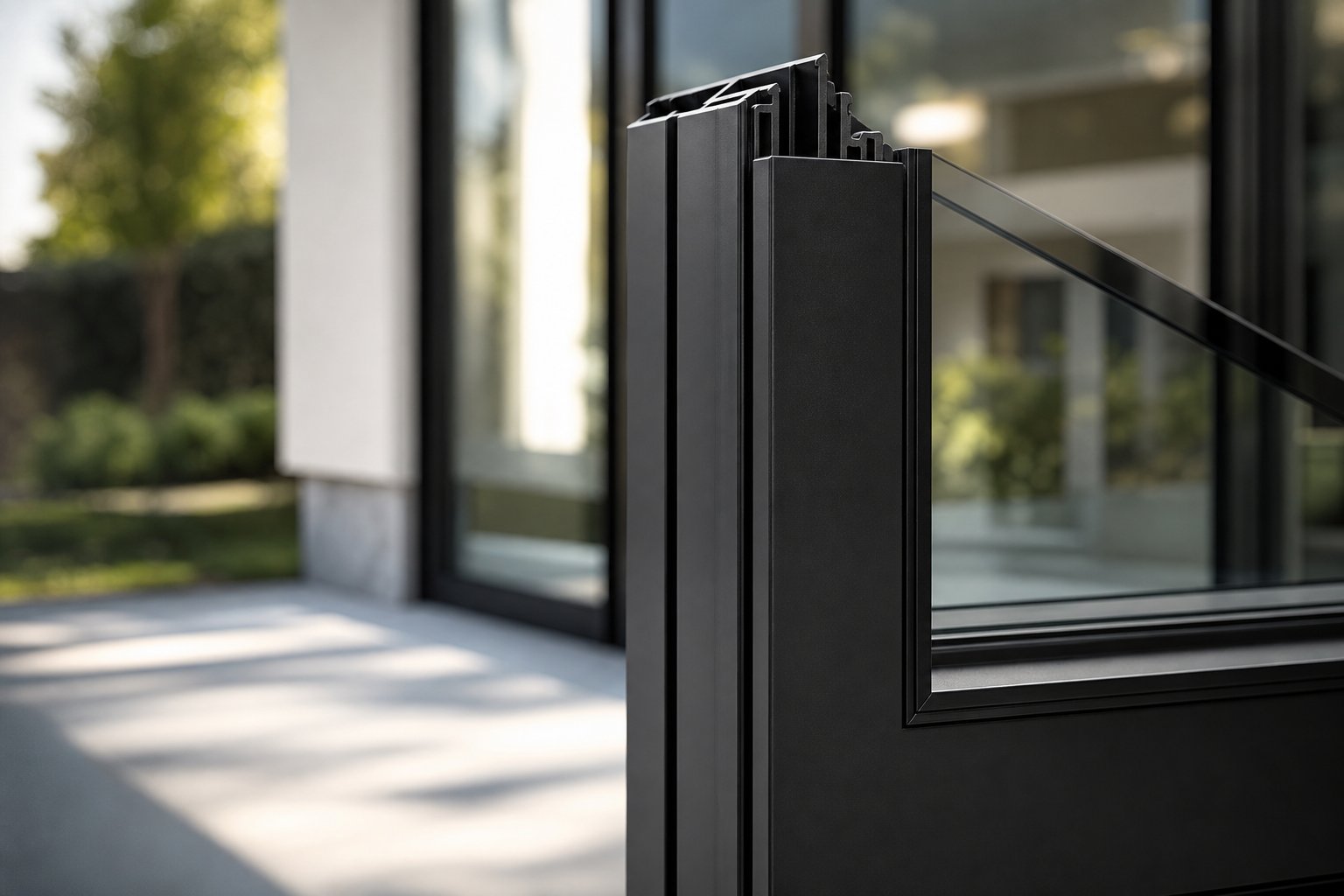
A black aluminium window frame only performs as well as its finish. Strip away the colour and you have raw aluminium — naturally corrosion-resistant, but prone to a dull grey oxidation that offers no design appeal. The finish process is what transforms a functional metal window frame into a lasting architectural element. Two methods dominate the industry: powder coating and anodising. Each produces a distinctly different result in appearance, durability, and repairability.
Powder Coating for Black Aluminium Frames
Powder coating works by spraying a dry, electrostatically charged powder onto the aluminium surface. Because the powder particles carry a positive charge and the frame is grounded, the coating wraps evenly around profiles, edges, and recesses — areas that liquid paint often misses. The coated frame then enters a curing oven at temperatures between 180°C and 200°C, where the powder melts, flows, and cross-links into a dense, continuous film typically 60 to 80 microns thick.
The result is a chip-resistant layer that bonds mechanically and chemically to the aluminium. Homeowners can choose from several finish textures: matte black for a soft, contemporary look; satin black that splits the difference between sheen and subtlety; gloss black for bold contrast; and textured black that hides minor surface imperfections and fingerprints.
Quality matters enormously here. Aluminium window frames finished to Qualicoat Class 2 or AAMA 2604/2605 standards undergo accelerated UV exposure and salt spray testing before certification. These benchmarks ensure the black won’t chalk, blister, or fade prematurely — even under Australia’s intense solar radiation. The same powder coating technology applies across colour ranges, which is why finishes like bronze aluminium windows use an identical process but with different pigment formulations.
Anodised Black Finishes and Their Advantages
Anodising takes a fundamentally different approach. Instead of applying a coating on top of the metal, the process submerges aluminium window frames in an acidic electrolyte bath and passes an electrical current through the solution. This triggers a controlled oxidation that grows a hard aluminium oxide layer directly from the base metal. Colour pigments are then deposited into the microscopic pores of this oxide layer before sealing.
Because the colour sits within the metal’s own structure rather than on its surface, anodised aluminium is exceptionally scratch-resistant and won’t peel or flake. The trade-off is colour range. Anodised black tends toward a metallic charcoal or dark bronze tone rather than the deep, opaque black achievable with powder coating. For projects where a subtler, more industrial aesthetic suits the design — or where scratch resistance is the priority — anodised aluminium framing is the stronger choice.
| Factor | Powder Coating | Anodising |
|---|---|---|
| Appearance | Deep opaque black; matte, satin, gloss, or textured options | Metallic charcoal/dark bronze tone; matte finish only |
| Durability | 60–80 micron film; resistant to chipping and UV fade when certified | Integrated oxide layer; superior scratch and corrosion resistance |
| Repairability | Touch-ups possible with colour-matched paint; full recoat available | Cannot be spot-repaired; damaged sections may need replacement |
| Cost | Lower upfront cost; widely available | Higher cost due to process complexity |
| Colour Range | Virtually unlimited (including bronze aluminium windows and custom shades) | Limited to natural metallic tones |
How Modern Coatings Handle Heat Absorption
Dark surfaces absorb more solar radiation than light ones — that much is basic physics. A black aluminium frame in direct summer sun can reach surface temperatures significantly higher than a white equivalent. Left unaddressed, this heat could transfer through the frame and warm interior spaces.
Modern coating technology tackles this from two angles. First, advanced powder coatings now incorporate infrared-reflective pigments that allow the finish to appear visually black while reflecting a portion of the near-infrared spectrum responsible for heat build-up. The frame stays cooler than its colour would suggest. Second, thermally broken aluminium frames — where a polyamide barrier separates the interior and exterior sections of the profile — prevent conducted heat from crossing to the indoor side regardless of surface temperature.
Together, these innovations mean that choosing a black finish no longer carries a meaningful thermal penalty. The coating science and the frame engineering work in tandem, keeping the bold aesthetic without compromising comfort or energy performance — a balance that becomes even more relevant when evaluating glazing and insulation options across different Australian climate zones.
Design Benefits for Modern Architecture
Colour stability is only half the story. A finish that lasts decades matters little if the window itself doesn’t elevate the building it sits in. Black aluminium sliding windows earn their place on specification sheets because they do something few other windows and window frames can — they sharpen a facade’s visual identity while almost disappearing behind the glass they hold.
Architectural Styles That Pair With Black Frames
Black framed windows trace their lineage back to early 20th-century steel-frame factories and warehouses. That industrial DNA is exactly why they feel so at home in contemporary design — the aesthetic carries history without looking dated. Specific styles where they excel include:
Modern minimalist. Clean geometry, flat rooflines, and restrained material palettes rely on thin frame windows to keep facades uncluttered. The slim aluminium profiles — often as narrow as 45 mm to 55 mm — maximise glass area and let the architecture speak through proportion rather than ornamentation.
Industrial and warehouse conversions. Exposed steel beams, polished concrete, and raw brick call for metal window frames that echo the building’s structural language. Black aluminium delivers that steel-like appearance without the weight, corrosion risk, or thermal conductivity of actual steel.
Mid-century modern. Post-and-beam construction from the 1950s and 60s originally featured dark-framed glazing to emphasise horizontal lines. Black sliding panels honour that tradition while offering far better thermal and acoustic performance than the originals.
Contemporary farmhouse. The contrast of black glass windows against white weatherboard or light-coloured render creates the crisp, graphic quality that defines this style across Australian regional and coastal builds.
Interior and Exterior Design Coordination
Black frames act as a visual anchor — a consistent line that ties disparate materials together on both sides of the glass. Against light-coloured interior walls, they create depth and dimension, drawing the eye toward the view rather than the wall surface. Interior designer Barbara Bradlee describes the effect well: black “punctuates the view and adds depth and dimension to a room’s interior design” while remaining a bold neutral that works across colour schemes.
Compared to bulkier vinyl profiles, the narrow sightlines of aluminium framing allow noticeably more natural light into a room. Less frame means more glass, and more glass means stronger connection between interior spaces and the landscape beyond.
Design pairings that work particularly well with black aluminium sliding windows:
- White rendered walls — maximum contrast, clean and graphic
- Natural timber cladding (spotted gum, blackbutt, or cedar) — warmth against the cool black frame
- Exposed brick — industrial texture with refined framing
- Off-form concrete — raw materiality balanced by precise aluminium lines
- Steel accents and matte black hardware — a unified dark palette that reads as intentional
Coordinating interior fixtures — door handles, tapware, pendant lights — in the same matte black finish creates a cohesive thread that runs through the entire home without feeling heavy.
Creating Indoor-Outdoor Flow With Sliding Panels
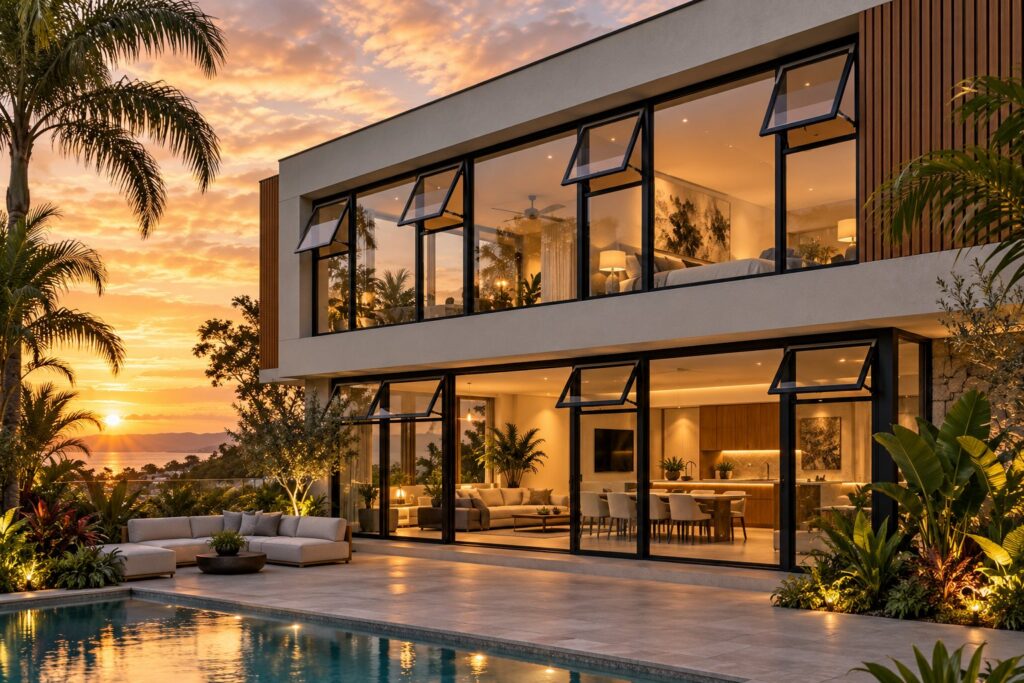
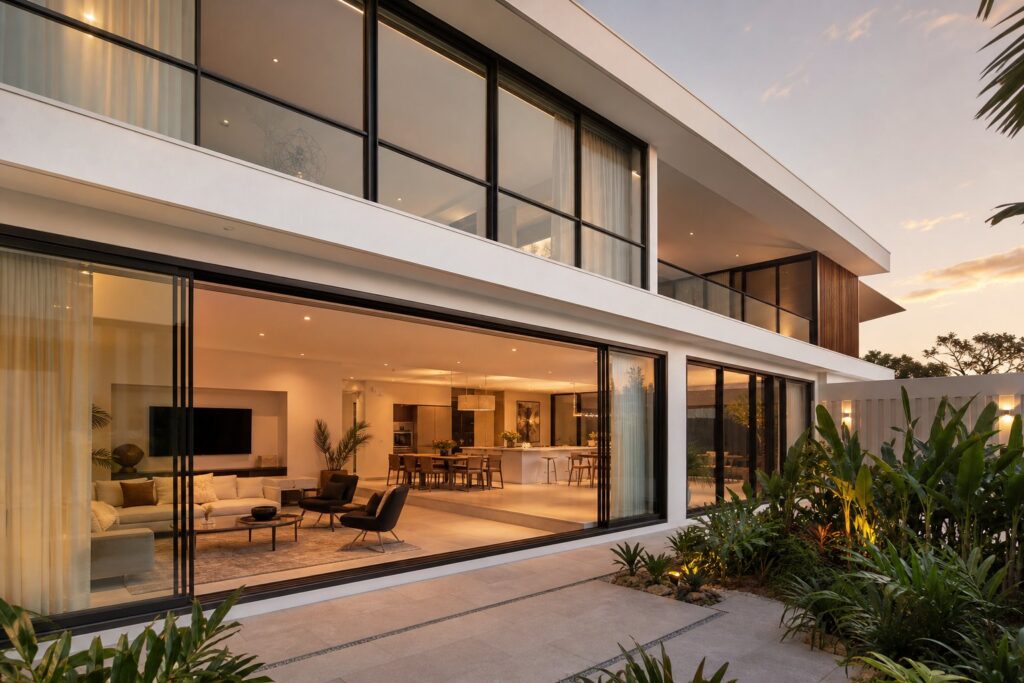
Large sliding panels in black aluminium frames do more than open a wall — they dissolve the boundary between living room and deck, kitchen and courtyard, bedroom and garden. When the panels glide open, the threshold all but vanishes. When closed, the expansive glass maintains visual continuity while keeping weather, noise, and insects at bay.
This seamless indoor-outdoor flow is central to how Australians live, particularly in temperate and subtropical climate zones where entertaining moves freely between inside and out. A 3-track configuration with two sliding panels can open up to two-thirds of the wall width, turning a standard living area into a pavilion-style space that breathes with the seasons.
The black frame itself plays a subtle role here. It outlines the opening like a picture frame, giving the garden or patio a composed, almost cinematic quality — a deliberate design choice rather than just a hole in the wall. That sense of intention is what separates a well-considered home from one that simply has large windows.
Of course, visual impact means little if the window can’t keep a home comfortable year-round. The thermal performance of the frame and glazing system determines whether all that glass becomes an asset or a liability — a question that depends heavily on climate zone, orientation, and the engineering hidden inside the aluminium profile.
Energy Efficiency and Thermal Performance
Aluminium conducts heat roughly 1,000 times faster than timber and 200 times faster than PVC. On paper, that makes any metal window frame sound like a poor insulator. In practice, modern engineering has closed that gap almost entirely — and the key sits inside the profile where you can’t see it.
Thermal Breaks and Why They Matter
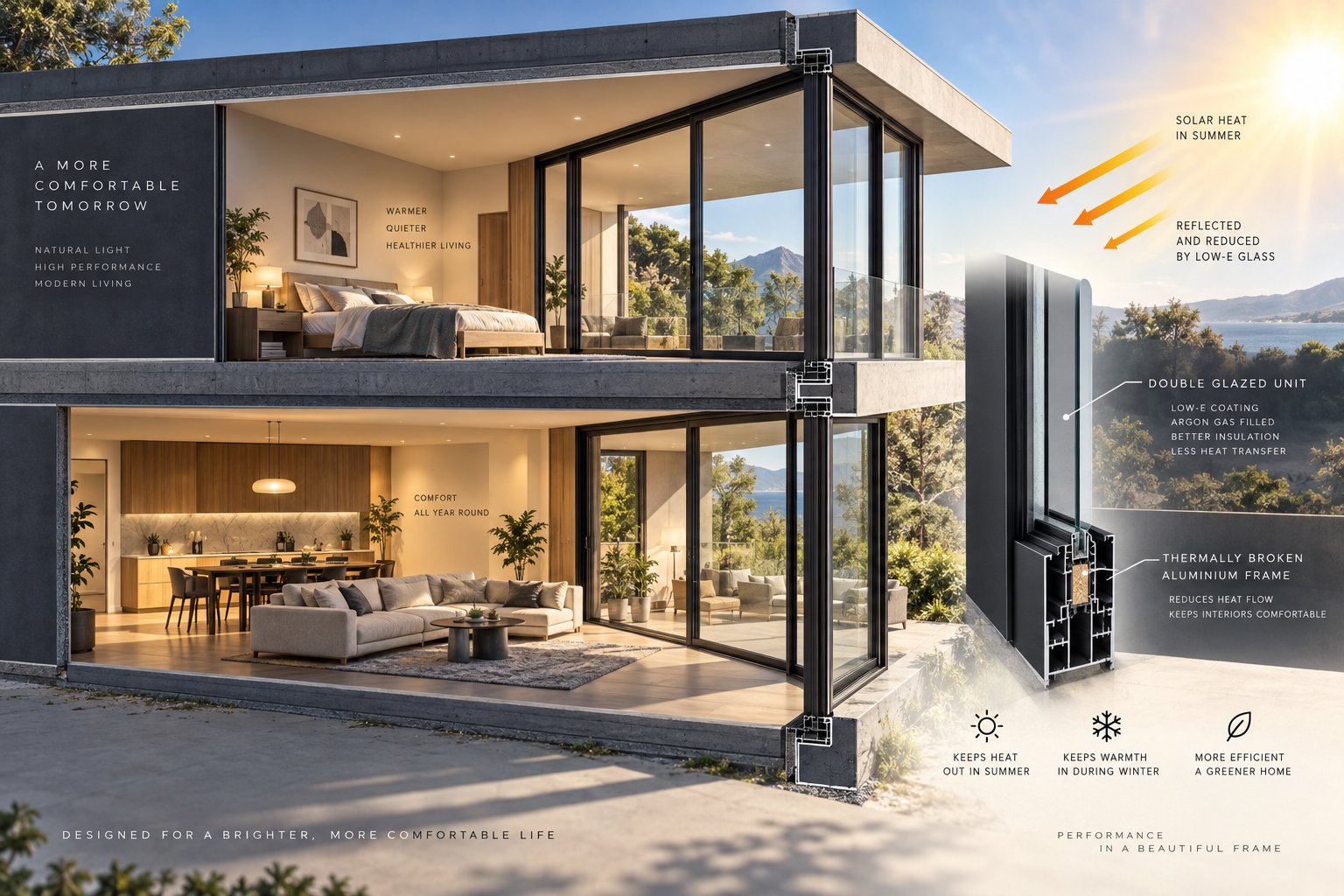
A thermal break is a strip of low-conductivity material — typically glass-fibre-reinforced polyamide — inserted between the interior and exterior sections of an aluminium frame. It physically interrupts the metal pathway that would otherwise shuttle heat straight through the profile. Think of it as cutting a bridge in half and replacing the missing span with an insulator.
Polyamide has a thermal conductivity of approximately 0.3 W/mK compared to aluminium’s 237 W/mK — a difference of nearly 800 times. That single barrier transforms the frame’s performance. Where a non-thermally broken aluminium profile might produce U-values of 4.0 to 6.0 W/(m²K), a thermally broken aluminum frame window routinely achieves 1.2 to 2.0 W/(m²K). Advanced multi-chamber profiles with wider polyamide strips push even lower, landing in the 0.8 to 1.2 W/(m²K) range — competitive with timber and vinyl.
For Australian homes rated under the WERS (Window Energy Rating Scheme) or assessed against NatHERS targets, thermally broken frames make the difference between a window that drags down the energy rating and one that actively contributes to compliance.
Glazing Options That Boost Performance
The frame accounts for only 10% to 30% of a window’s total area. The rest is glass — and that’s where the biggest thermal gains happen. Key glazing technologies that pair with aluminium sliding windows include:
- Double glazing — two panes separated by a sealed air gap (typically 12 mm to 16 mm) that slows conductive and convective heat transfer.
- Low-E coatings — a microscopic metallic layer on the glass that reflects infrared energy. In winter it bounces interior warmth back inside; in summer it deflects solar heat away.
- Argon gas fills — argon is denser and slower-moving than air, reducing convection within the sealed unit and improving insulation by around 15% over standard air gaps.
- Warm-edge spacers — non-metallic or composite spacers between panes that minimise heat loss at the glass perimeter, reducing condensation risk at the frame junction.
Combined, these technologies turn aluminum frame glass into a high-performance thermal barrier. A well-specified double-glazed unit with Low-E coating and argon fill can achieve a centre-of-glass U-value below 1.4 W/(m²K) — meaning the glazing itself outperforms many wall assemblies. Older homes still fitted with single pane aluminum windows miss out on all of these gains, which is why upgrading to a thermally broken, double-glazed system delivers such a noticeable comfort improvement.
Climate Considerations for Black Frames
Black surfaces absorb more solar radiation than lighter colours. A black metal window frame in direct midday sun can reach surface temperatures 20°C to 30°C higher than a white equivalent. Does that matter indoors? With a thermally broken profile, very little of that absorbed heat crosses to the interior side. The polyamide barrier blocks conduction, and the indoor aluminium section stays close to room temperature regardless of what’s happening on the exterior face.
How different Australian climates interact with black aluminium sliding windows:
Hot and arid (inland Queensland, central NSW, WA). High solar exposure makes thermal breaks and Low-E glazing essential. Infrared-reflective pigments in the powder coating further reduce heat absorption at the frame surface.
Temperate (Sydney, Melbourne, Adelaide). The most flexible zone. Thermally broken frames with standard double glazing handle both winter heat loss and summer gain comfortably.
Tropical (Darwin, Cairns, far north Queensland). Humidity and cyclone ratings dominate. Aluminium’s corrosion resistance is an advantage; thermal breaks still help by reducing cooling loads.
Coastal (any exposed shoreline). Salt-laden air accelerates corrosion in lesser materials. Aluminium with quality powder coating resists salt spray, and the thermal break prevents the cold coastal winds from chilling interior surfaces.
| Performance Factor | Thermally Broken Aluminium | Non-Thermally Broken Aluminium | Vinyl (uPVC) |
|---|---|---|---|
| Frame U-value (W/m²K) | 1.2 – 2.0 | 4.0 – 6.0 | 1.3 – 2.2 |
| Condensation resistance | High | Low | High |
| Maximum panel span | Wide (structural strength allows large openings) | Wide | Limited (frames flex under load) |
| Colour stability in UV | Excellent (certified coatings) | Excellent | Moderate (risk of fading or yellowing) |
| Suitability for black finish | Ideal — stable, won’t warp | Ideal | Risky — dark colours absorb heat, may distort PVC |
| Recyclability | Fully recyclable | Fully recyclable | Limited recycling pathways |
The table highlights a critical point for anyone choosing a black finish: vinyl frames in dark colours can soften and distort under sustained heat because PVC has a relatively low softening temperature. Aluminium faces no such limitation. A thermally broken aluminium profile delivers the thermal performance of vinyl without the material constraints that make dark-coloured PVC a gamble in Australian summers.
Performance data tells one side of the story. The other side — how black aluminium stacks up against vinyl and fiberglass on cost, lifespan, and design flexibility — rounds out the picture for anyone weighing their options.
Black Aluminium vs Vinyl and Fiberglass Alternatives
Aluminium no longer has the black-frame market to itself. Vinyl (uPVC) manufacturers now offer dark colour options, and fiberglass has entered the residential space as a premium alternative. Each material brings genuine strengths to the table — and genuine trade-offs. An honest comparison helps clarify which one earns its place in a given project rather than defaulting to habit or price alone.
Black Aluminium vs Black Vinyl Sliding Windows
The most common alternative to aluminum windows in the Australian residential market is vinyl, also known as uPVC. It’s cheaper upfront, widely available, and performs well thermally without needing a thermal break. So why doesn’t everyone just choose vinyl in black?
Frame thickness and sightlines. Vinyl needs thicker profiles to achieve structural rigidity because the material itself is softer and less strong than metal. A typical vinyl sliding window frame measures 80 mm to 100 mm wide, while an aluminium equivalent sits between 45 mm and 65 mm. That difference translates directly into visible glass area — aluminium shows more view and lets in more light per square metre of opening.
Structural strength and maximum span. Aluminum frame windows can span wider openings without deflecting under wind load or glass weight. For large sliding panels — say 2.4 m tall by 1.8 m wide per leaf — aluminium handles the load comfortably. Vinyl frames at that scale often require steel reinforcement inserts, adding cost and complexity while still producing a bulkier profile.
Colour stability in heat. This is the critical issue. PVC has a glass transition temperature around 80°C. A black vinyl frame in direct Australian summer sun can approach that threshold, causing the material to soften, warp, or bow over time. Several vinyl manufacturers limit their warranty coverage on dark colours for exactly this reason. Aluminium melts at 660°C — surface temperatures from solar absorption are irrelevant to its structural integrity.
Recyclability. Aluminium is infinitely recyclable with no loss of quality. Vinyl recycling pathways remain limited in Australia, and most end-of-life PVC windows go to landfill. For projects with sustainability targets, metal framed windows hold a clear advantage.
Cost. Vinyl wins on upfront price. A standard black vinyl sliding window might cost 20% to 40% less than a comparable thermally broken aluminium unit. Over a 30- to 50-year lifespan, though, aluminium’s durability and lower replacement frequency often close that gap.
Black Aluminium vs Black Fiberglass Frames
Fiberglass (or fibreglass, in Australian English) is the newer contender. Made from glass fibres embedded in resin, it offers low thermal conductivity — similar to timber — without the rot risk. It can be painted, and it expands and contracts at nearly the same rate as glass, which reduces seal stress over time.
Where aluminium still leads:
- Slimmer profiles. Fiberglass frames, while thinner than vinyl, still can’t match aluminium’s narrow sightlines. Aluminium’s superior strength-to-weight ratio allows profiles that are both slimmer and structurally sound across wide spans.
- Proven track record. Aluminium has been used in Australian window manufacturing for over 50 years. Fiberglass entered the residential market more recently, and long-term performance data in local conditions is still accumulating.
- Availability and supply. Metal frame windows in aluminium are manufactured by dozens of Australian fabricators. Fiberglass options remain limited to a handful of importers and specialist suppliers, which can mean longer lead times and fewer configuration choices.
- Recyclability. Aluminium scrap retains high value and re-enters the supply chain easily. Fiberglass composite is difficult to recycle and typically ends up as waste.
Where fiberglass competes well: its inherently low conductivity means it doesn’t require a thermal break to achieve good U-values. For projects where thermal performance is the single overriding priority and slim sightlines are less important, fiberglass deserves consideration — particularly in cold-climate zones like alpine Victoria or Tasmania.
When Each Material Makes Sense
No single material wins every category. The right choice depends on what the project values most.
| Factor | Aluminium (Thermally Broken) | Vinyl (uPVC) | Fiberglass |
|---|---|---|---|
| Frame width (typical) | 45 – 65 mm | 80 – 100 mm | 60 – 80 mm |
| Maximum panel span | Up to 3 m+ per leaf | Up to 1.5 – 1.8 m (reinforced) | Up to 2.4 m |
| Frame U-value (W/m²K) | 1.2 – 2.0 | 1.3 – 2.2 | 1.0 – 1.8 |
| Expected lifespan | 40 – 60+ years | 20 – 30 years | 30 – 50 years |
| Recyclability | Fully recyclable, high scrap value | Limited recycling pathways | Difficult to recycle |
| Indicative cost (AUD, supply only, per m²) | $650 – $1,200 | $400 – $750 | $800 – $1,400 |
| Colour durability in black | Excellent — no warping risk | Moderate — heat distortion possible | Good — paintable surface, stable |
Budget-focused projects lean toward vinyl when openings are standard-sized and the climate is mild. Just be cautious with black finishes in sun-exposed orientations — lighter colours are safer for PVC longevity.
Design-focused projects almost always land on aluminium. The slim profiles, wide span capability, and stable black finish give architects the clean lines and expansive glazing that define contemporary Australian homes.
Performance-focused projects in extreme climates may find fiberglass compelling for its raw thermal numbers, though aluminium with a quality thermal break comes very close while offering slimmer aesthetics and easier local sourcing.
Sustainability-focused projects favour aluminium for its circular lifecycle. An aluminum window removed after decades of service re-enters the manufacturing stream as high-grade material — a claim neither vinyl nor fiberglass can match.
Material choice sets the boundaries of what’s possible. The next consideration — how to keep that chosen frame looking and operating at its best over decades — determines whether the investment actually delivers on its promise.
Maintenance and Long-Term Care for Black Finishes
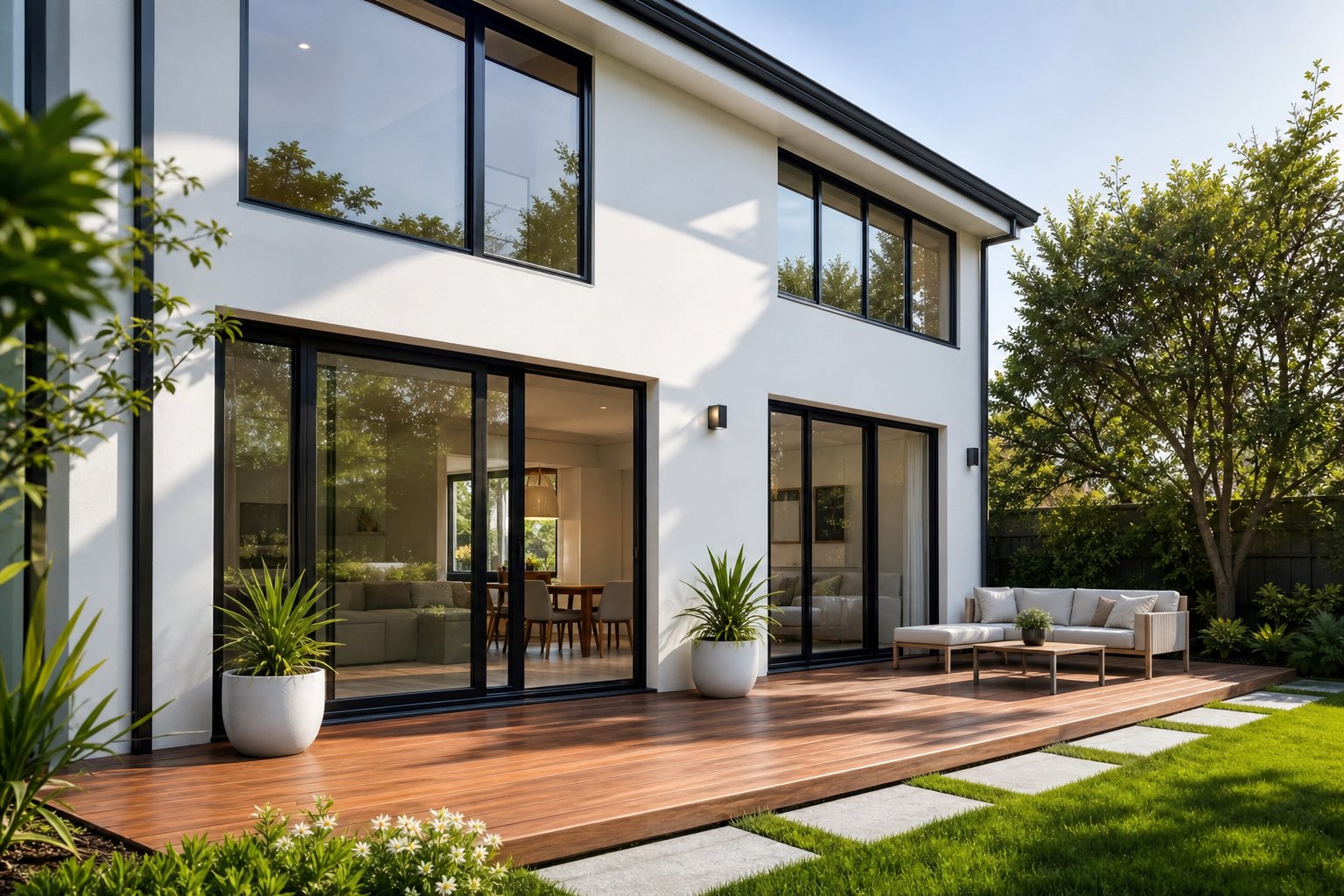
A quality aluminium frame can last half a century. The finish and hardware will too — provided they get a little attention along the way. Black coatings demand slightly different care than lighter colours, and the sliding mechanism has its own upkeep rhythm. None of it is difficult, but knowing what to do (and what to avoid) prevents the kind of neglect that turns a minor issue into an expensive aluminium window replacement down the track.
Cleaning Black Aluminium Frames Without Damage
Black finishes reveal what lighter colours hide. Dust, dried water spots, salt residue, and fingerprints all show up more readily against a dark surface. The good news is that cleaning is straightforward — mild soap diluted in warm water and a soft microfibre cloth are all you need. Wipe the frames gently, rinse with clean water, and dry with a separate cloth to prevent water marks from forming as the surface air-dries.
What to avoid matters just as much. Abrasive cleaners, scouring pads, steel brushes, and high-pressure washers can dull or scratch powder-coated surfaces permanently. Solvent-based products risk softening the coating’s cross-linked structure. Stick with pH-neutral cleaners and soft materials — the finish will reward you with decades of consistent colour.
Frequency depends on environment. Homes in coastal areas or near busy roads benefit from monthly frame wipes to clear salt and particulate build-up before it etches the coating. In sheltered suburban settings, a thorough clean every two to three months is usually sufficient.
Preventing and Repairing Scratches on Black Finishes
Minor scratches on powder-coated frames are repairable. A colour-matched touch-up paint pen fills shallow marks effectively — clean the area first, apply thin layers, and allow each coat to dry before adding the next. For deeper scratches that expose bare metal, a primer coat before the colour match prevents oxidation from developing beneath the repair.
Prevention during construction is equally important. Building sites are harsh environments for finished windows. Using Ramboard to protect glass windows and frames during the build phase keeps debris, plaster splatter, and tool strikes from damaging surfaces that are difficult to refinish once installed. Protective adhesive films applied to frames before installation serve the same purpose and peel away cleanly once construction wraps up.
If you’re upgrading old aluminium window frames that have deteriorated beyond touch-up — chalking, widespread scratching, or peeling — replacement aluminium windows with modern powder coating will outperform any attempt to refinish aged profiles. Aluminium retrofit windows slot into existing openings without major structural work, making them a practical path for renovators who want the performance of new frames without a full wall rebuild.
Track and Hardware Maintenance for Smooth Operation
The sliding mechanism needs its own care routine. Dirt, leaves, and grit accumulate in tracks over time, increasing rolling resistance and wearing down the nylon or stainless steel rollers. A stiff-bristled brush (never wire) loosens debris, and a vacuum with a narrow nozzle clears it out. For sticky residue, warm soapy water and a soft cloth do the job without damaging the track surface.
A silicone-based lubricant applied to rollers and tracks every six to twelve months keeps panels gliding freely. Avoid petroleum-based oils — they attract dust and gum up over time, creating the opposite of the intended effect.
- Every 1–2 months: Wipe frames and glass; visually inspect for damage or water ingress.
- Every 3–4 months: Clear tracks of debris; check that panels roll smoothly without resistance.
- Every 6 months: Lubricate rollers and tracks with silicone spray; inspect locking mechanisms and tighten any loose hardware.
- Annually: Examine weatherstrips for cracking, brittleness, or compression set; check sealed glazing units for moisture between panes; clean and lubricate all lock cylinders.
With this routine in place, quality black aluminium sliding windows deliver 30 to 50 years of reliable service — outlasting most old aluminium windows from previous generations by a wide margin. The frame won’t rot, the finish won’t peel, and the rollers won’t seize, provided each component gets its modest share of seasonal attention.
Longevity, of course, depends on more than maintenance alone. The configuration you choose at the outset — track count, glazing spec, hardware grade, and panel layout — sets the ceiling on how well the window performs across its entire lifespan.
Choosing the Right Configuration for Your Project
Getting the frame material and finish right is one decision. Deciding how that frame is configured — how many tracks, how many panels, what glass goes in, and what locks hold it shut — is an entirely separate set of choices that shapes daily livability for decades. A black sliding glass window that looks stunning on a showroom floor can underperform in practice if the configuration doesn’t match the opening, the climate, or the building code requirements of the site.
Selecting Track Configuration and Panel Layout
Track count determines how much of the wall you can actually open. Each track carries one horizontal sliding panel, so the maths is straightforward:
2-track systems pair one fixed panel with one sliding panel. You get roughly 50% clear opening — enough for bedrooms, studies, and standard living areas where moderate ventilation suits the space. Two-track configurations are the most common in residential aluminium windows because they balance cost, simplicity, and performance. For builders and developers sourcing at project scale, MEICHEN’s MA100 Sliding Window is one example of a configurable 2-track aluminium system designed for multi-unit and residential supply, with options across screens, locks, and city-specific compliance.
3-track systems accommodate three panels — typically two sliding and one fixed — opening up to 67% of the aperture. Kitchens, open-plan living zones, and entertaining areas benefit from this wider airflow. The additional track adds frame width, so sightlines are marginally thicker than a 2-track equivalent.
4-track systems suit expansive commercial or resort applications where maximum opening width is the priority. Four panels can stack to clear three-quarters of the opening, creating near-unobstructed access between indoor and outdoor zones. These configurations appear most often in commercial aluminum windows for hospitality venues, clubhouses, and large-format residential projects.
Panel arrangements follow a simple notation: XO means the left panel slides and the right is fixed; OXO describes a 3-panel layout with the centre fixed and both outer panels operable. Choosing the right arrangement depends on furniture placement, traffic flow, and which side of the opening you want unobstructed access from.
Glazing and Security Options to Consider
Glass thickness starts at 5 mm for standard residential openings and steps up to 6.38 mm laminated or 10 mm tempered for ground-floor security and high-wind zones. Laminated glass holds together when broken — a safety requirement under AS 1288 for windows within 800 mm of floor level. Tempered glass shatters into small, blunt fragments rather than dangerous shards, making it the default for black slider windows in high-traffic areas.
Tinting options range from clear to grey, green, and bronze tones that reduce glare and solar heat gain without sacrificing natural light entirely. Low-E coatings can be combined with tinting for a layered approach to thermal control.
Security hardware has evolved well beyond basic latches. Multi-point locking systems engage the frame at two or three positions along the panel edge, distributing force and resisting pry attacks. Keyed locks add another layer for ground-floor openings. For homes where ventilation and security need to coexist, restrictor stays allow panels to open a fixed distance — enough for airflow, too narrow for entry.
Flyscreen integration is worth specifying early. Options include fixed mesh screens, retractable roller screens that disappear into the frame head when not needed, and stainless steel security screens rated to AS 5039 that double as a physical barrier against forced entry.
Sizing and Compliance Requirements
Australian aluminium windows and doors must comply with AS 2047 for structural performance, water resistance, and air infiltration. The standard assigns performance grades based on wind region and building height — a ground-floor window in suburban Melbourne faces different loads than a tenth-storey opening on the Gold Coast beachfront.
Egress is another non-negotiable. Bedrooms require at least one window with a minimum clear opening of 860 mm high by 600 mm wide under the National Construction Code, ensuring occupants can escape during an emergency. Not every alum sliding window configuration meets this — verify that the operable panel provides sufficient clear width before locking in your order.
Key specifications to confirm with your supplier before committing:
- Wind load rating (design pressure) appropriate for your wind region and building height
- Water penetration resistance — minimum 200 Pa for standard residential; higher for exposed or coastal sites
- Air infiltration class compliant with AS 2047
- Egress compliance for bedroom installations
- Glass type and thickness meeting AS 1288 safety glazing requirements
- Acoustic rating (Rw) if the site is near roads, flight paths, or rail corridors
- BAL (Bushfire Attack Level) compliance if building in a designated bushfire zone
- Flyscreen type and security rating
- Warranty coverage on both frame finish and hardware mechanisms
Getting these details locked in at specification stage prevents costly site variations later. Residential aluminum windows ordered without confirmed compliance data risk failing inspection — a delay no builder wants mid-programme.
Configuration choices define what the window can do. The remaining question is whether black aluminium sliding windows are the right fit for your specific situation — factoring in climate, budget, and how to find a supplier who can deliver exactly what the project demands.
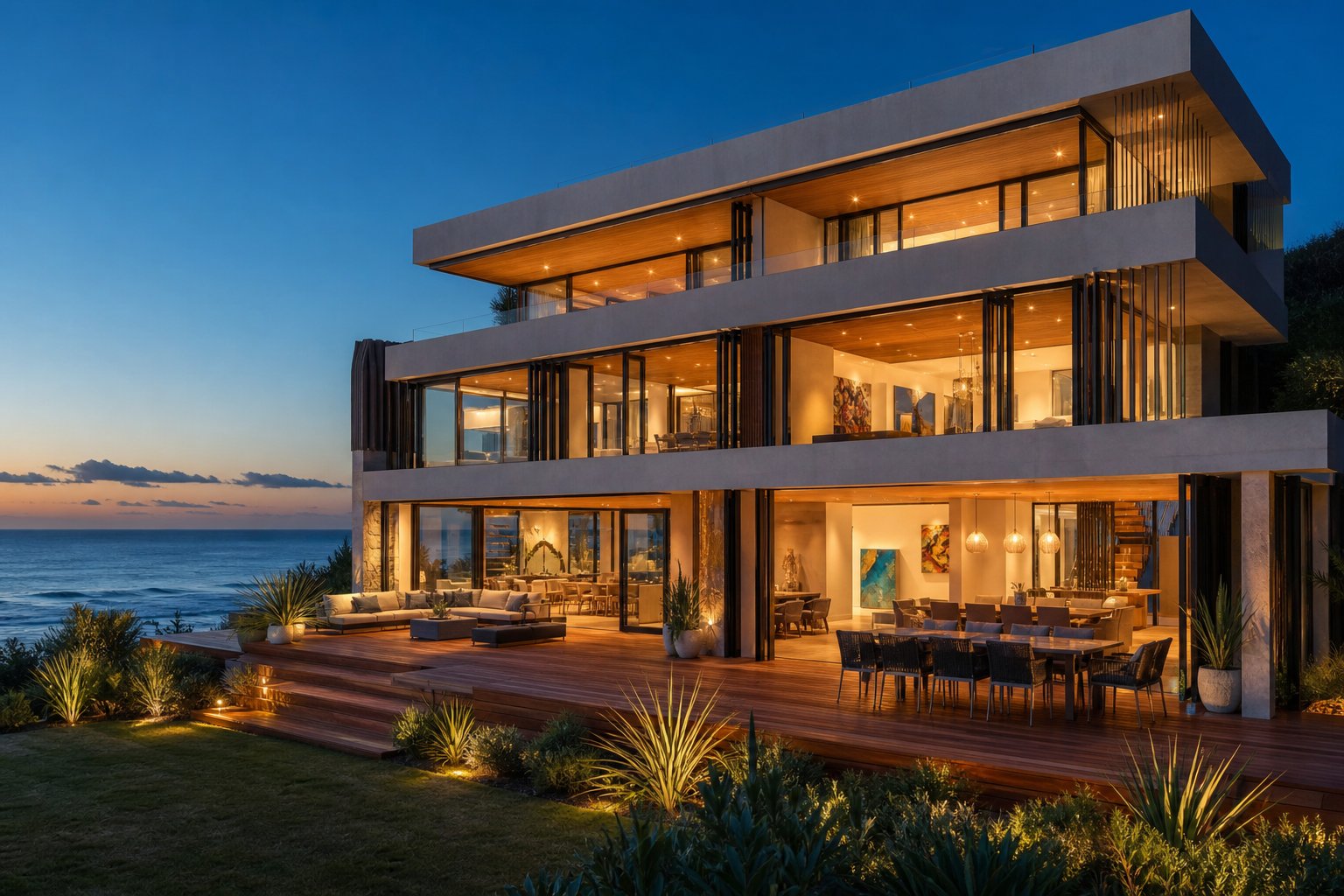
Is a Black Aluminium Sliding Window Right for You
Every project has its own priorities — budget, aesthetics, climate exposure, lifespan expectations. The science and comparisons covered so far give you the raw information. This section pulls it together into a practical decision framework so you can move from research to action with confidence.
Decision Factors Based on Climate and Location
Climate narrows the field faster than any other variable. Coastal properties within five kilometres of saltwater benefit enormously from aluminium’s corrosion resistance — salt-laden air degrades vinyl frames within 10 to 15 years, while quality powder-coated aluminium windows remain structurally sound for 30 to 40 years in the same conditions. If your site faces the ocean, aluminium isn’t just a preference; it’s a practical necessity.
Hot inland climates (think western Sydney, central Queensland, or the WA wheat belt) demand thermally broken frames paired with infrared-reflective coatings. The black finish absorbs solar energy, but the thermal break prevents that heat from reaching interior surfaces — so the aesthetic works without a comfort penalty.
Temperate zones like Melbourne, Adelaide, and Hobart offer the most flexibility. Standard thermally broken aluminium with double glazing handles both winter heat retention and summer solar gain comfortably, and the lower UV intensity means finishes last even longer between maintenance cycles.
Budget Planning and Value Assessment
Black aluminium sliding windows cost more upfront than vinyl equivalents — typically 20% to 40% more at supply-only pricing. That gap feels significant on a purchase order. Spread across a 40- to 50-year lifespan, though, the equation reverses. Aluminium avoids the mid-life replacement cycle that vinyl often requires (particularly in dark colours exposed to Australian sun), and its maintenance costs run lower over time.
Total cost of ownership is the honest metric. A thermally broken aluminium window installed today may never need replacing during the life of the building. A vinyl window in the same opening might need swapping at the 20- to 25-year mark — at inflation-adjusted prices that dwarf the original saving.
Project-based supply sharpens the numbers further. Ordering aluminium windows for an entire build — whether a single home or a multi-unit development — typically attracts volume pricing that individual retail purchases can’t match. Builders and developers who consolidate their aluminium window supplies into a single order gain both cost efficiency and consistency across the project.
Finding the Right Supplier for Your Needs
Not all aluminium window suppliers deliver the same value. The best aluminum windows come from manufacturers who combine quality materials, certified finishes, and configurable systems that adapt to your project’s specific requirements rather than forcing you into a limited catalogue.
When evaluating aluminium window suppliers, look for:
- Compliance with AS 2047 and AS 1288 — non-negotiable for Australian installations
- Finish certifications (Qualicoat or equivalent) with documented UV and corrosion resistance
- Configurable track, screen, and hardware options rather than fixed packages
- Warranty coverage on both the aluminium frame and the powder-coated finish
- Project-scale supply capability with volume pricing for multi-window orders
- Demonstrated experience in your state or climate zone
- Clear lead time commitments and delivery logistics
For readers ready to move from research to product evaluation, MEICHEN’s MA100 Sliding Window is a useful starting point — a project-supply-focused system where builders and architects can explore configuration options across tracks, screens, locks, and city-specific compliance. It represents the kind of aluminum window supplier approach that prioritises flexibility and project-scale delivery over one-size-fits-all retail.
Choosing an aluminum window manufacturer isn’t just about price per unit. It’s about whether the supplier understands your build programme, can meet your compliance requirements, and will stand behind the product with meaningful warranty terms. Ask for test reports, request sample finishes, and confirm lead times before committing — the upfront diligence pays for itself in a smoother build and a result that holds up for decades.
Frequently Asked Questions About Black Aluminium Sliding Windows
1. Do black aluminium window frames fade over time?
Quality black aluminium frames finished to Qualicoat Class 2 or AAMA 2604/2605 standards resist fading for decades. Powder coating undergoes accelerated UV and salt spray testing before certification, ensuring the black finish won’t chalk, blister, or lose colour intensity even under Australia’s harsh solar conditions. Anodised finishes integrate colour into the aluminium oxide layer itself, making them even more resistant to surface degradation. With routine cleaning using mild soap and a microfibre cloth, the finish maintains its depth and consistency for 30 to 50 years.
2. Are black aluminium windows hotter than white ones?
Black surfaces do absorb more solar radiation, and a black aluminium frame in direct sun can reach surface temperatures 20 to 30 degrees Celsius higher than a white equivalent. However, thermally broken frames use a polyamide barrier between the interior and exterior sections that prevents this absorbed heat from transferring indoors. Modern powder coatings also incorporate infrared-reflective pigments that reduce heat build-up at the surface. Together, these technologies mean choosing black carries no meaningful thermal penalty for indoor comfort when the frame is properly specified with a thermal break.
3. How do you maintain black aluminium sliding windows?
Maintenance involves three areas: frame cleaning, scratch prevention, and track care. Clean frames every one to three months with diluted mild soap, warm water, and a soft microfibre cloth — avoid abrasive cleaners or scouring pads that dull the finish. For tracks, use a stiff-bristled brush and vacuum to clear debris, then apply silicone-based lubricant to rollers every six to twelve months. Minor scratches on powder-coated surfaces can be repaired with colour-matched touch-up paint pens. Coastal homes should clean more frequently to prevent salt residue from etching the coating.
4. What is the difference between powder-coated and anodised black aluminium?
Powder coating applies a 60 to 80 micron film onto the aluminium surface through electrostatic spraying and oven curing, producing a deep opaque black available in matte, satin, gloss, or textured finishes. Anodising grows a hard oxide layer from the metal itself through an electrochemical bath, with colour deposited into the pores before sealing. Anodised black tends toward a metallic charcoal tone rather than true black, offers superior scratch resistance, but cannot be spot-repaired and costs more. Powder coating is more versatile in colour options and easier to touch up if damaged.
5. How long do black aluminium sliding windows last compared to vinyl?
Thermally broken black aluminium sliding windows typically last 40 to 60 years with proper maintenance, while vinyl equivalents average 20 to 30 years. The lifespan gap widens with dark finishes because PVC has a low softening temperature — black vinyl frames exposed to direct Australian sun risk warping and distortion over time. Aluminium melts at 660 degrees Celsius, so solar heat absorption poses zero structural risk. When factoring in replacement costs at the 20-year mark for vinyl, aluminium’s higher upfront price often delivers better total cost of ownership across the building’s life.
More Window & Door Guides