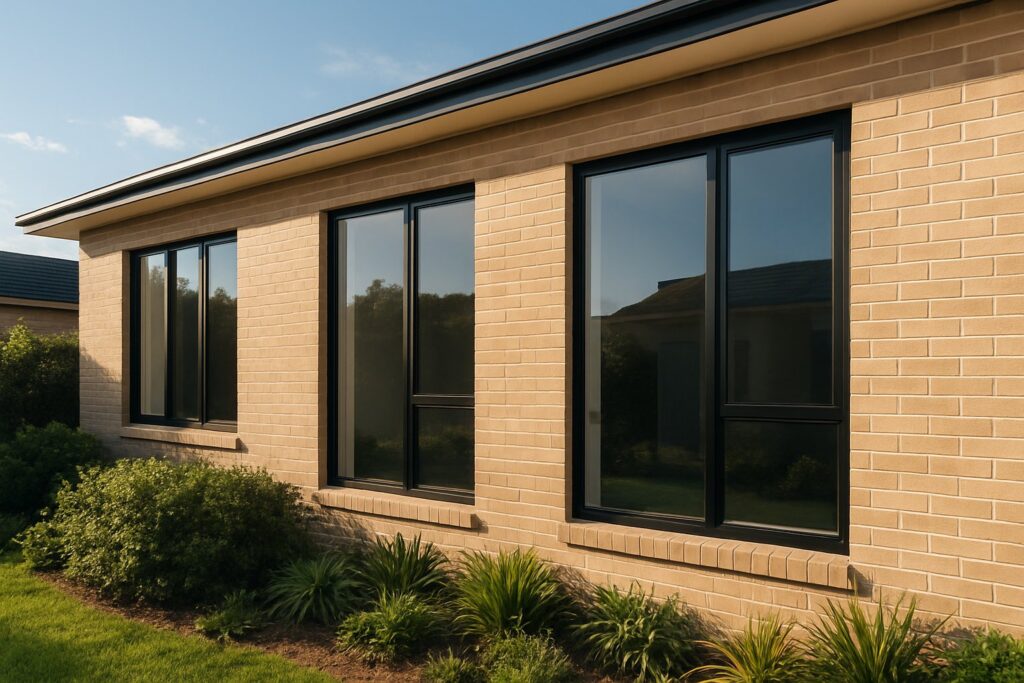
What Aluminium Double Glazed Windows Actually Cost and Why It Matters
Search for aluminium window pricing and you will find plenty of generic guides. Some cover single-glazed aluminium. Others lump every frame material together. Very few isolate the cost of aluminium double glazed windows as a standalone product — which is a problem, because the cost drivers for this specific combination are genuinely different from anything else on the market.
What Makes Aluminium Double Glazed Windows a Distinct Category
A standard aluminium window fitted with a single pane of glass is a straightforward product. It relies on the frame for structural performance and offers minimal thermal resistance through the glazing itself. Aluminium double glazed windows are a different proposition entirely. They pair slim-profile aluminium frames with sealed insulating glass units (IGUs) — two panes separated by a gas-filled cavity — creating a system where both the frame engineering and the glass specification contribute to the final price.
Aluminium double glazed windows combine the slim-profile strength of aluminium frames with sealed insulating glass units, creating a product whose cost drivers differ from both single-glazed aluminium and double-glazed uPVC.
That distinction matters commercially. The frame needs to accommodate thicker glazing units (typically 20–24 mm rather than 4–5 mm for single-glazed), which affects profile design, hardware selection, and manufacturing tolerances. Aluminium double glazing also introduces thermal break technology into the equation — an additional cost layer that single-glazed aluminium avoids altogether.
Why Pricing for This Product Deserves Dedicated Coverage
Homeowners replacing old single-glazed aluminium, builders specifying for new residential projects, and architects seeking performance data all need pricing that reflects this exact product. Quoting general aluminium window prices understates the real investment. Quoting broad double glazing costs across all frame materials overstates or distorts the aluminium-specific picture. This guide breaks down what aluminium double glazed windows genuinely cost across different markets, configurations, and performance tiers — so you can budget accurately and avoid surprises when quotes arrive.
Average Pricing Across Australian, UK, and US Markets
Pricing for aluminium double glazed windows shifts dramatically depending on where you live. Labour rates, material supply chains, energy regulations, and local building codes all pull the number in different directions. A figure that sounds reasonable in one country can be wildly off-base in another — so context matters as much as the dollar amount itself.
Indicative Pricing in Australia
In Australia, the double glazing cost for thermally broken aluminium frames typically falls between $1,600 and $2,400 per square metre (supply and install). For a standard medium-sized casement or awning window in the 1.2 to 1.8 m² range, expect to pay roughly $1,800 to $3,200 per opening installed. Larger feature windows — 2.0 m² and above — push beyond $3,000, while small fixed lites under 1.0 m² can start closer to $900.
These aluminium windows prices reflect the Australian market’s higher labour costs, strict compliance with AS 2047 and NCC energy provisions, and the freight logistics involved in servicing a geographically spread population. Regional variation exists too: capital city projects tend to have more competitive pricing due to supplier density, while remote or regional builds often carry delivery surcharges.
UK and US Market Price Ranges
In the UK, aluminium double glazed windows range from approximately £210 to £1,615 per window depending on style and size — roughly $400 to $3,100 AUD at current exchange rates. The average sits around £915 (approximately $1,750 AUD) for a single unit. Casement styles come in at the lower end, while sash and tilt-and-turn configurations climb higher due to their mechanical complexity.
The US market quotes double-pane windows with aluminium frames at $200 to $700 USD per window installed (around $310 to $1,080 AUD). Those figures look dramatically lower, but they typically reflect simpler non-thermally-broken profiles and smaller standard sizes common in American residential construction. Comparing a basic US aluminium window price to an Australian thermally broken unit is comparing two different products.
Why Cross-Market Comparisons Require Context
The table below summarises typical ranges, but treat these as orientation rather than direct equivalents. Each market has different baseline specifications, regulatory requirements, and labour economics.
| Region | Typical Price Range Per Window (Local Currency) | Key Cost Driver |
|---|---|---|
| Australia | $1,800 – $3,200 AUD (medium casement, installed) | Thermal break compliance, high labour costs, NCC energy requirements |
| United Kingdom | £210 – £1,615 GBP (single window, installed) | Building Regulations Part L, installer availability, frame style complexity |
| United States | $200 – $700 USD (aluminium frame, installed) | Frame specification variance, local energy code requirements, seasonal demand |
So how much does double glazing cost in real terms? The honest answer depends on the performance tier included in that price. Australian pricing generally bundles thermally broken profiles and higher-spec glazing as standard — features that are optional extras in some overseas markets. When you see a lower number from another country, the specification behind it is almost certainly different from what an Australian supplier would quote for an equivalent climate and compliance outcome.
Raw price comparisons across borders rarely tell the full story. The more useful question is what drives the price within your own market — and that comes down to configuration, finish, and glass specification choices that sit firmly in your control.
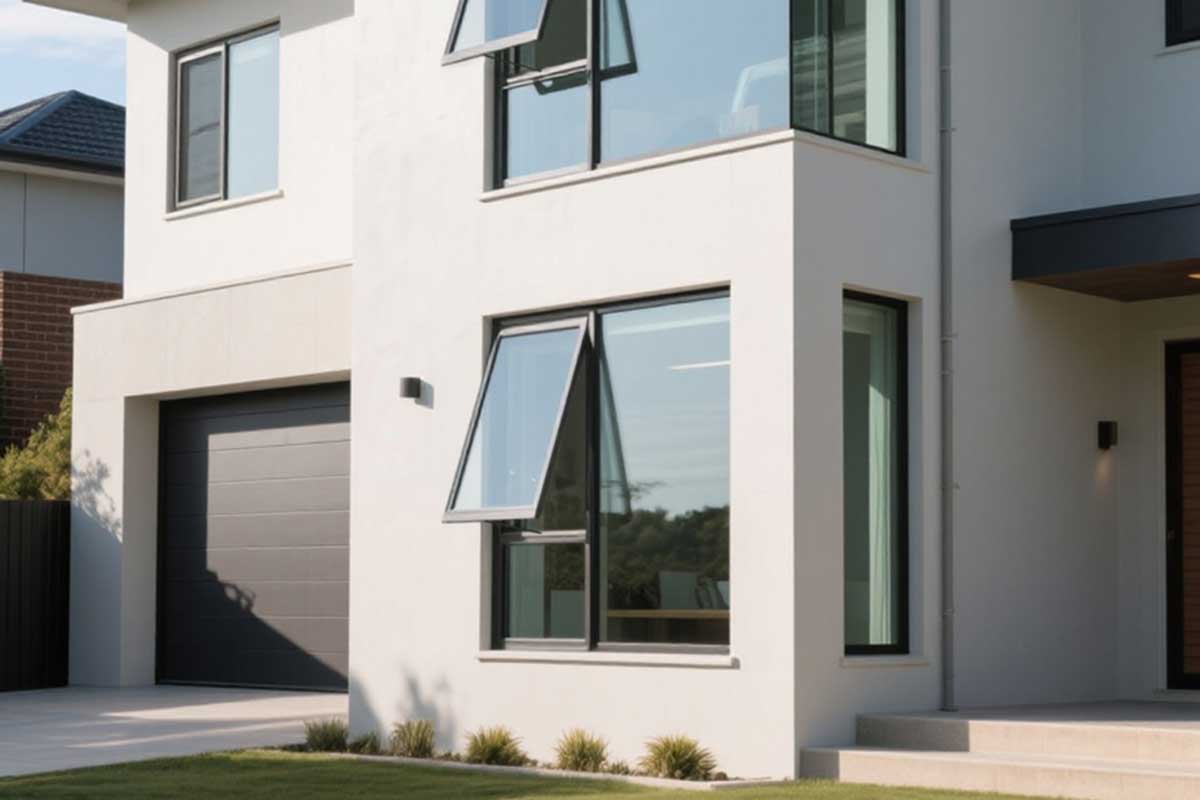
Factors That Change Your Aluminium Double Glazed Window Price
Configuration, finish, and size are the three levers that move your aluminium window price up or down most significantly. Generic guides tend to list these factors without explaining how much weight each one carries. Here’s the detail that actually helps you budget.
How Window Configuration Drives Price Differences
The style of window you choose determines the hardware complexity, the number of seals required, and the fabrication time involved. Each opening sash adds hinges, locking points, friction stays or rollers, and additional machining to the aluminium profile — all of which compound the aluminium window cost beyond the base frame and glass.
Configurations ranked from lowest to highest cost impact:
- Fixed lite — no hardware, no seals beyond the glazing bead. The cheapest configuration by a considerable margin.
- Single awning — one set of friction stays and a single locking point. The most common operable style in Australian residential projects.
- Casement (side-hung) — similar hardware to awning but with heavier hinges for larger sash weights, plus multi-point locking on taller units.
- Sliding — requires precision-machined tracks, interlocking meeting stiles, and roller assemblies. Cost varies with the number of sliding panels.
- Tilt-and-turn — the most mechanically complex option, using specialised European hardware that enables both inward tilt and full side-opening. Industry pricing data shows tilt-and-turn systems commanding roughly double the cost per square metre of a basic sliding window.
A window with two opening sashes doesn’t simply double the hardware bill — it also increases fabrication steps, quality-control checkpoints, and the sealing complexity of the finished unit. When reviewing an aluminium windows price list from any supplier, compare like-for-like configurations rather than averaging across mixed styles.
Frame Finish and Colour Impact on Cost
Standard powder coat finishes in common colours (black, white, monument, surfmist) represent the baseline. Step outside that palette and costs climb. Custom RAL colours require batch-specific powder ordering and dedicated spray runs, typically adding 10–20% to the frame component cost. Anodised finishes — popular for coastal properties due to superior corrosion resistance — sit at a similar premium, though they offer a distinctly different aesthetic with a metallic, non-painted appearance.
Dual-colour finishes, where the interior and exterior of the frame are different colours, effectively double the coating process. Expect that 10–20% uplift at minimum, potentially more for complex combinations. If budget is tight, choosing a standard colour from your supplier’s range is one of the simplest ways to keep the aluminium window price closer to the baseline.
Size Thresholds That Trigger Price Jumps
Aluminium double glazed windows don’t scale linearly in price as they grow larger. Certain size thresholds introduce step-changes in cost because they trigger engineering requirements that smaller units avoid. Exceeding standard glass manufacturing sizes (typically around 2.4 m in any single dimension) means the sealed unit enters custom production territory. Wider or taller sashes require heavier-duty hardware rated for the increased weight of the double glazed unit, and the aluminium profiles themselves may need to step up in section depth to maintain structural adequacy under wind load calculations per AS 2047.
For most residential projects, keeping individual window units within 1800 mm x 1200 mm avoids the steepest jumps. Beyond that, every additional 200–300 mm in height or width can shift the quote into a higher hardware and profile tier — a detail worth discussing with your supplier before finalising drawings.
These configuration and finish variables explain the wide spread in pricing you’ll encounter across different quotes. But there’s another cost layer that many homeowners overlook entirely: the thermal performance specification built into the frame and glass, which creates distinct pricing tiers based on how hard the window needs to work against heat transfer.
How Thermal Breaks and Glass Specs Affect Your Final Price
Two technical decisions shape the cost to double glaze a window more than almost any other variable: the frame’s thermal break system and the glazing unit’s internal specification. These aren’t cosmetic upgrades — they define the performance tier of the finished product, and each step up carries a measurable price increment.
Thermal Break Profiles and Their Cost Premium
A thermal break is a strip of polyamide (a high-strength engineered plastic) inserted between the interior and exterior aluminium sections of the frame. It physically separates the two halves, stopping heat from conducting straight through the metal. Without it, aluminium’s natural thermal conductivity turns your frame into a highway for heat transfer — in both directions.
The performance difference is substantial. Industry testing data shows standard non-thermally-broken aluminium profiles recording U-values of 5.5–6.5 W/m²K, while thermally broken profiles achieve 2.0–3.5 W/m²K — a 40–60% reduction in heat transfer through the frame alone. That gap translates directly into energy bills, condensation resistance, and indoor comfort.
On pricing, thermally broken profiles typically add 30–50% to the frame component cost compared to standard aluminium. For a typical Australian home with 10–15 windows, this premium can represent several thousand dollars across the full project. But in any climate zone where heating or cooling runs regularly, the energy payback makes that premium a straightforward investment rather than an indulgence. Under current NCC energy provisions, thermally broken frames are effectively mandatory for most residential builds in Australia anyway — so the real question isn’t whether to include them, but which thermal break width delivers the best value for your climate zone.
How Glazing Specifications Stack Up in Price
The sealed glass unit inside the frame carries its own cost progression. Each specification layer improves thermal or safety performance, and each adds to the cost to double glaze windows across a project. Here’s how those layers build from entry-level to premium:
- Basic clear double glazing — two panes of annealed glass with an air-filled cavity and standard aluminium spacer bar. Functional, but limited thermal performance (glass U-value around 2.7–2.8 W/m²K).
- Low-E coated double glazing — a microscopically thin metallic coating on one pane that reflects radiant heat. Drops the glass U-value to approximately 1.5–1.8 W/m²K. This is the most cost-effective single upgrade and standard in most Australian specifications.
- Argon gas fill — replacing air in the cavity with argon (a denser, less conductive gas) reduces the U-value by a further 0.1–0.2 W/m²K. Cost increase is modest — roughly a few dollars per square metre of glass area.
- Warm-edge spacer bars — replacing the standard aluminium spacer with a composite or foam-based spacer reduces heat loss at the glass edge and cuts condensation risk. Similar thermal improvement to argon (0.1–0.2 W/m²K reduction) with the added benefit of addressing the weakest thermal point in the sealed unit.
- Laminated or toughened glass — required for compliance with AS 1288 in certain locations (near doors, low-level glazing, overhead applications) and adds both safety performance and acoustic benefit. Toughened glass carries a smaller premium; laminated costs more but provides better sound insulation and holds together if broken.
Combining argon fill with warm-edge spacers and high-performance Low-E coatings can bring the overall glass U-value below 1.0 W/m²K — a figure that transforms aluminium double pane windows into genuinely high-performance building envelope components. But stacking every option isn’t always necessary or cost-effective.
Matching Performance Specs to Climate Needs
Here’s where understanding specs prevents overspending. A home in coastal Queensland with mild winters and dominant cooling loads needs a different glazing strategy than a home in Canberra or the Victorian highlands where winter heating drives energy consumption. Specifying triple-silver Low-E with argon fill and warm-edge spacers in a climate that rarely drops below 15°C at night is paying for performance you’ll barely use.
Conversely, choosing basic clear double glazing in a heating-dominant climate means higher ongoing energy costs that quickly exceed what the premium specification would have added upfront. The sweet spot for most temperate Australian climates is Low-E coated glass with argon fill in a thermally broken frame — a combination that balances the cost to double glaze windows against real-world energy returns without gold-plating the specification.
Getting the thermal tier right is one piece of the puzzle. The other is understanding how aluminium double pane windows compare on total cost of ownership against alternative frame materials — a comparison that shifts the conversation from upfront price to long-term value.
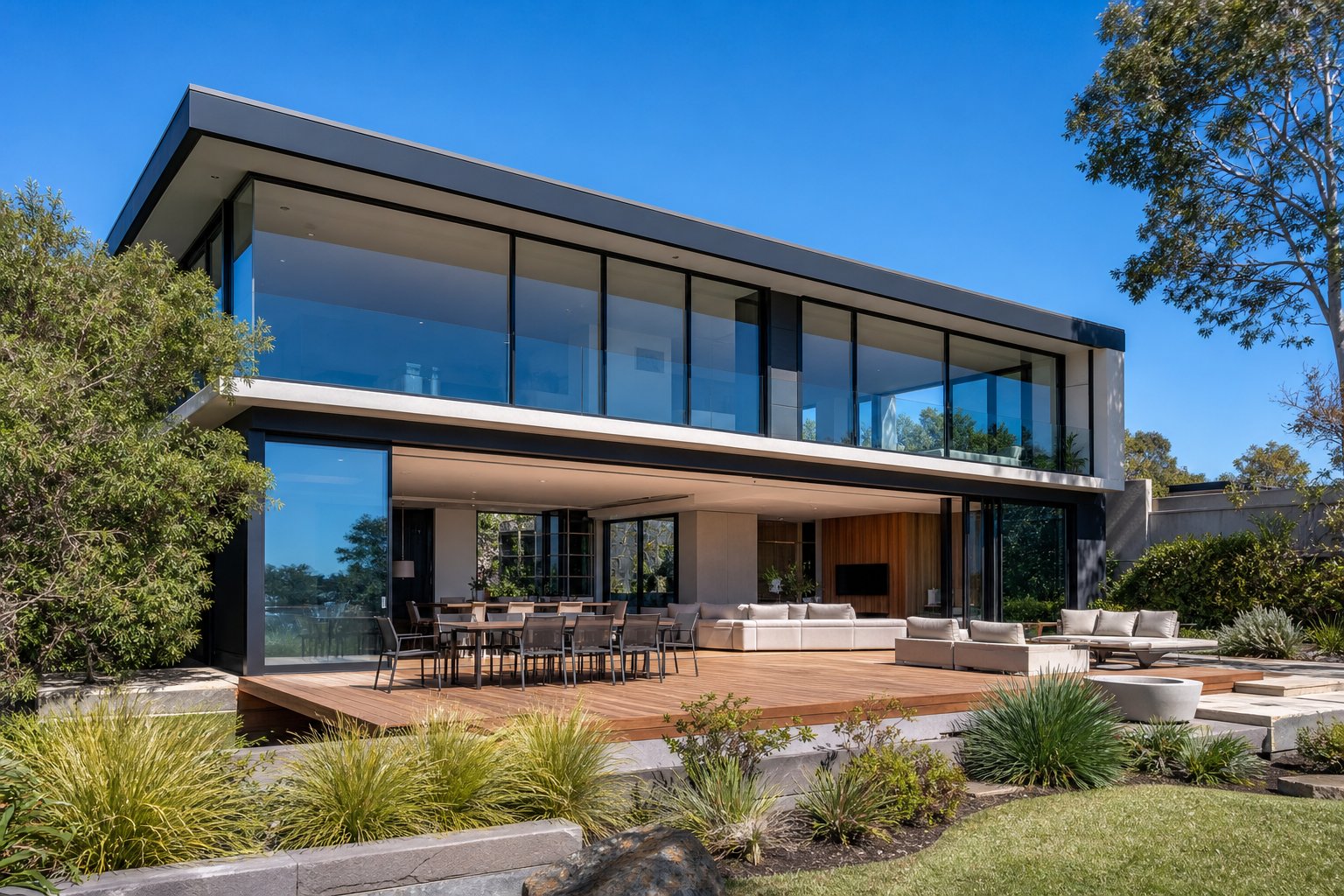
Aluminium vs uPVC vs Timber Frame Cost Comparison
Upfront price is easy to compare. Total cost of ownership over 30 or 40 years requires a different lens — one that accounts for how long the double glazed windows and frames actually last, what maintenance they demand, and how they affect property value along the way.
Aluminium vs uPVC Double Glazed Cost Comparison
Double glazed aluminium windows typically cost 20–40% more than equivalent uPVC double glazed units. For a standard Australian home with 10–12 windows, that premium might translate to an additional $4,000–$8,000 across the project depending on size and configuration choices.
The gap reflects genuine differences in materials and manufacturing. Aluminium profiles are precision-extruded, powder-coated for durability, and engineered to achieve frame widths of 50–65 mm — meaning more visible glass and slimmer sightlines. uPVC frames run 70–80 mm or wider, which reduces the glass-to-frame ratio noticeably on larger openings. For floor-to-ceiling glazing or expansive sliding doors, that sightline difference fundamentally changes the architectural outcome.
Thermally, the two materials now perform almost identically. Modern thermally broken aluminium achieves U-values of 1.2–1.4 W/m²K with double glazing — comparable to uPVC at the same specification. The old argument that aluminium is thermally inferior simply no longer holds with current profile engineering.
Where the cost equation shifts decisively is lifespan. Aluminium frames last 40–50 years with virtually no maintenance beyond occasional cleaning with soapy water. uPVC manages 25–30 years before it starts to yellow, warp, or lose structural rigidity — particularly on sun-exposed elevations, which is a real concern across most of Australia. Run the numbers per year of service and aluminium double glazing often works out cheaper in the long run.
Timber and Composite Frame Alternatives
Timber double glazed windows sit between uPVC and aluminium on upfront cost, though pricing varies considerably between softwood and hardwood species. They offer natural warmth and excellent insulation properties, but they demand regular maintenance — repainting or oiling every 3–5 years, hardware lubrication, and immediate attention to any finish cracks that could let moisture reach the wood. Exposed timber frames that bleed resin or develop rot require costly remediation that aluminium simply never needs.
Composite frames (typically an aluminium exterior over a timber or thermal core) attempt to combine the best of both materials. They reduce maintenance compared to full timber and offer strong thermal performance, but they carry the highest upfront cost of any option — often 30–50% above standard aluminium — and their long-term track record in Australian conditions is still relatively short compared to proven aluminium systems.
| Frame Material | Relative Cost | Expected Lifespan | Maintenance Level | Sightline Width |
|---|---|---|---|---|
| Aluminium double glazed | Medium–High | 40–50 years | Very low (soap and water) | 50–65 mm |
| uPVC double glazed | Low–Medium | 25–30 years | Low (but degrades with UV) | 70–80 mm+ |
| Timber double glazed | Medium | 30–40 years (with maintenance) | High (repaint every 3–5 years) | 60–80 mm |
| Composite | High | 35–45 years (estimated) | Low–Medium | 55–70 mm |
When the Aluminium Premium Is Worth Paying
The decision isn’t purely financial. Double glazed aluminium windows earn their premium most clearly in these scenarios:
- Contemporary architectural styles — slim frames and maximum glass area define the modern Australian aesthetic. uPVC physically cannot achieve the same look at larger sizes.
- Coastal or high-UV locations — powder-coated aluminium resists salt air, UV degradation, and humidity without deteriorating. uPVC in these environments has a shorter effective life.
- Properties intended for long-term ownership or resale value — estate agents consistently identify aluminium windows as a premium feature that buyers notice. The property value uplift often recovers a significant portion of the initial premium at sale.
- Large openings and feature glazing — aluminium’s strength-to-weight ratio allows bigger panels with less structural framing, making it the only practical choice for oversized sliding doors and expansive window walls.
For budget-constrained projects where window sizes are modest and longevity beyond 25 years isn’t the priority, uPVC still delivers solid performance at a lower entry point. There’s no shame in that choice — it’s simply a different value equation with a shorter time horizon.
Choosing the right frame material settles one part of the budget. The next question most people underestimate is how much of the final installed cost sits in materials versus labour — and why double glazed units in particular shift that balance compared to lighter single-glazed alternatives.
Materials vs Labour Cost Breakdown for Installation
A sealed double glazed unit weighs roughly twice what a single pane does in the same opening size. That extra mass ripples through the entire installation process — heavier lifting, more precise handling, longer install times, and greater risk of damage during transport and fitting. It also means the cost of installing double glazed windows splits differently between materials and labour than lighter single-glazed alternatives.
Material Cost Components Explained
Materials typically account for 50–65% of the total installed price on an aluminium double glazed window project. That figure includes several distinct components, each contributing a different proportion:
| Cost Component | Typical Proportion of Total Cost | Notes |
|---|---|---|
| Aluminium frame and sashes | 25–35% | Includes thermally broken profiles, powder coat finish, and fabrication |
| Sealed double glazed unit (IGU) | 15–25% | Varies with glass type — Low-E, argon fill, laminated or toughened options increase this share |
| Hardware (hinges, locks, handles, rollers) | 5–10% | Tilt-and-turn and multi-point locking systems push toward the upper end |
| Installation labour | 25–35% | Higher for replacement projects and upper-storey access |
| Flashing, weatherproofing, and sealants | 3–5% | Critical for long-term weather performance; skimping here invites leaks |
| Scaffolding or access equipment | 0–8% | Only applies to multi-storey or difficult-access installations |
| Waste removal and disposal | 2–4% | Includes old frames, glass, packaging, and site clean-up |
These proportions shift depending on project specifics. A ground-floor new-build with straightforward access will see materials dominate the invoice. A second-storey replacement requiring scaffold hire and careful removal of existing frames flips the balance toward labour.
Labour and Installation Cost Factors
The double glazing installation cost on a per-window basis runs higher than single-glazed work for practical reasons. Heavier sealed units require two people to lift and position safely, extending crew time on site. Glazing beads need precise fitting to maintain the IGU’s seal integrity, and any damage to the sealed unit during handling means a full replacement — there’s no patching a cracked or dislodged spacer bar.
Australian installation labour typically ranges from $150 to $300 per window for straightforward ground-floor work, climbing to $350–$500 where scaffold, difficult access, or structural adjustments are involved. Multi-storey homes, heritage-listed properties, and buildings with non-standard reveals all push the cost to install double glazed windows toward the higher end of that range.
The cost of fitting double glazing also includes less visible tasks: checking reveals for square and plumb, installing head and sill flashings to Australian standards, applying compressible foam backing and silicone weatherseals, and verifying that drainage slots are clear and functional. These steps add time but prevent water ingress problems that would cost far more to fix later.
Working With a Supplier Who Understands the Full Scope
Accurate cost breakdowns depend on accurate information flowing in both directions. A supplier who simply quotes a per-unit price without reviewing your drawings, window schedule, or site conditions is essentially guessing — and guesses generate cost surprises on installation day.
Project-capable suppliers coordinate from material calculation through to delivery planning. They review architectural drawings, confirm profile suitability for the specified wind loads, calculate glazing weights for hardware selection, and plan logistics so units arrive on site in the correct sequence for the installation programme. That coordination reduces waste, avoids re-orders, and keeps labour costs predictable.
For builders and procurement teams working across multiple openings or staged construction programmes, this end-to-end approach is the difference between a smooth install and an expensive series of site delays. MEICHEN’s Services & Solutions illustrates what this looks like in practice — from initial drawing review and system recommendations through manufacturing coordination, quality control, and delivery scheduling.
Understanding where your money goes between materials and labour gives you leverage when evaluating quotes. But one variable that dramatically shifts that balance — and often catches homeowners off guard — is whether you’re fitting windows into brand-new openings or replacing existing frames in an established home.
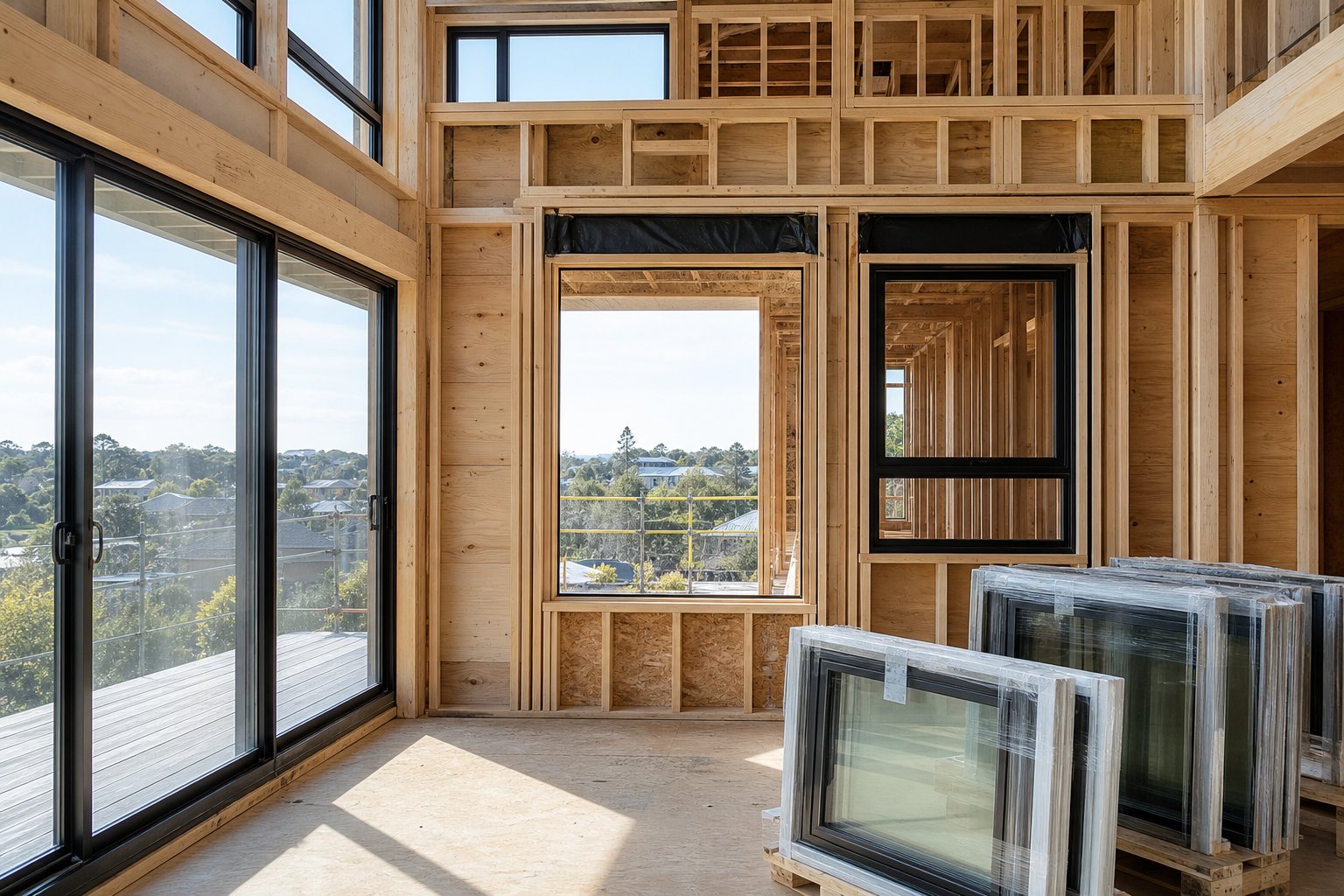
Replacement vs New-Build Installation Cost Differences
Fitting aluminium double glazed windows into a brand-new wall with purpose-built openings is a fundamentally different job than pulling old frames out of an established home and making everything work around what’s already there. That difference shows up clearly in the final invoice — and understanding why helps you budget realistically regardless of which scenario applies to your project.
Replacement Project Cost Considerations
Replacement work carries a cost premium because it involves undoing before rebuilding. Every existing opening has its own history — previous settling, imperfect reveals, weathering damage, and framing tolerances that may not match modern aluminium system requirements. The double glazed cost per window in a replacement scenario typically runs 15–30% higher than the same unit installed in a new build, purely because of the additional work surrounding the window itself.
Common cost additions specific to replacement projects include:
- Removal and disposal of old frames — timber, aluminium, or steel frames need careful extraction to avoid damaging surrounding brickwork, render, or cladding. Disposal fees apply, particularly for older painted timber that may contain lead-based coatings.
- Making good internal and external reveals — once old frames come out, the reveals rarely present a clean, square surface ready for new windows. Plastering, rendering, or timber lining work is almost always required.
- Potential lintel upgrades — older homes may have timber or deteriorated steel lintels that don’t meet current structural requirements for heavier double glazed units. Replacing or supplementing these adds both material and engineering costs.
- Redecorating around new frames — internal painting, external render patching, or cladding repairs around the new window perimeter are frequently underestimated in initial budgets.
- Flashing integration with existing wall systems — tying new weatherproofing into an established drainage plane is more complex than flashing into a fresh wall cavity.
Industry data from replacement projects consistently shows that structural repairs discovered during frame removal — water damage, rot in timber framing, or corroded cavity ties — add $250 to $800 per affected opening. Planning a 10–20% contingency buffer above quoted prices is standard practice for replacement work.
New-Build Installation Advantages
New construction flips many of those cost pressures. Openings are designed to exact dimensions from architectural drawings, so the window arrives on site and drops into a square, plumb, correctly sized rough opening with minimal adjustment. There’s no removal phase, no remedial plastering, and no surprises hidden behind old frames.
How much do double glazed windows cost in a new-build context? The installation component falls toward the lower end of the labour range — typically $150–$250 per opening for ground-floor work — because the installer is working with clean access, fresh framing, and a logical installation sequence coordinated with the builder’s programme. Flashings integrate directly with the wall wrap and drainage plane during the construction phase, which is both faster and more reliable than retrofitting around existing materials.
The trade-off is scheduling dependency. Windows in a new build need to arrive at precisely the right stage — after framing and wrap are complete, but before internal lining begins. Late deliveries hold up subsequent trades. Early deliveries risk damage on a busy construction site. That coordination requirement doesn’t add direct cost to the window price, but it does demand tighter project management.
Renovation Scenarios That Increase Costs
Certain replacement situations push the cost of double glazing windows well beyond standard estimates. Heritage overlays and conservation zones are the most common culprit. Council requirements in heritage areas may mandate specific frame profiles, colours matching the original scheme, or window proportions that restrict standard product selection. Custom manufacturing to meet heritage guidelines can add 25–50% to the window supply cost alone, before any additional approval or certification fees.
Other scenarios that escalate pricing include:
- Asbestos-containing materials around existing window frames (common in fibro homes built before the mid-1980s), requiring licensed removal
- Upper-storey replacements needing scaffold or elevated work platform hire
- Structural openings that need widening or reducing to suit new window sizes, involving engineer-certified modifications
- Strata or body corporate approvals for apartment or townhouse replacements, adding administrative time and potential design constraints
Seasonal timing offers one lever you can actually pull. The window industry in Australia experiences predictable demand cycles — busiest through spring and summer when new builds peak, quieter through autumn and winter. Scheduling replacement work during slower months can yield better installer availability, shorter lead times, and occasionally more competitive labour rates. It won’t transform the budget, but a 5–10% saving on the labour component across a full-home replacement is worth capturing if your timeline allows flexibility.
Whether your project is a replacement or new build, the upfront cost tells only half the story. The other half — how quickly those new windows pay for themselves through reduced energy bills and increased property value — deserves its own calculation framework.
Energy Efficiency Payback Period and Long-Term Value
Knowing how much is double glazing going to cost upfront is only one side of the equation. The other side — how fast those windows earn their cost back through lower energy bills — turns an expense into an investment with a measurable return. The problem is that generic payback claims rarely account for your specific situation. A blanket “pays for itself in 7 years” figure might be realistic in Melbourne but wildly optimistic in subtropical Brisbane. Here’s how to build a payback estimate grounded in your actual circumstances.
Variables That Determine Your Payback Period
Five factors control how quickly energy savings recover the average cost of double glazing on your project:
- What you’re replacing — single-glazed aluminium (common in Australian homes built before the early 2000s) loses far more energy than existing double-glazed uPVC. Replacing single-glazed windows delivers dramatically faster payback because the performance jump is larger.
- Local energy costs — higher electricity and gas rates mean each kilowatt-hour saved is worth more in dollar terms. Regions with expensive energy (parts of SA and QLD) see shorter payback periods than areas with lower tariffs.
- Climate zone — heating-dominant climates like Melbourne and Canberra yield higher percentage savings than mild coastal areas. Simulations aligned to the AGWA 7.0 Star Cost Upgrade Analysis show energy cost reductions of 23% in Melbourne versus 11% in Sydney and 13% in Brisbane for a single-storey home.
- Window area as a proportion of wall area — a home with expansive glazing loses (or gains) more energy through its windows than one with modest openings. Larger glazed areas mean bigger absolute savings and faster payback.
- Heating and cooling system efficiency — an older ducted gas system running at 60% efficiency wastes more energy through poor windows than a modern reverse-cycle system running at 350–400% COP. The less efficient your HVAC, the more each improvement in window performance is worth.
How to Estimate Energy Savings From Your Upgrade
Rather than relying on industry averages, you can build a rough payback estimate from your own energy data. The method isn’t precise enough for engineering sign-off, but it gives you a realistic ballpark before committing to the average price for double glazing across your home.
- Gather 12 months of energy bills — total your annual electricity and gas spend to establish a baseline.
- Estimate heating and cooling share — in most Australian homes, heating and cooling accounts for roughly 40% of total energy costs. Multiply your annual total by 0.4 to isolate the climate-control portion.
- Apply an expected reduction percentage — based on Viridian Glass simulations using Australian home plans, expect 7–23% reduction in total energy costs depending on your climate zone. Melbourne sits at the upper end; Brisbane and Sydney sit lower. Apply the percentage relevant to your location against your heating and cooling spend.
- Calculate annual dollar savings — the result is your estimated yearly energy saving. For reference, those same Australian simulations show annual savings ranging from $530 in Brisbane to $1,092 in Melbourne for a double-storey home.
- Divide total project cost by annual savings — this gives your simple payback period in years. Australian data indicates typical payback periods of 6–11 years depending on climate, with Melbourne achieving the shortest at around 6.2 years for a single-storey home and Brisbane closer to 10–11 years.
One critical nuance: payback is substantially faster when you’re replacing old single-glazed aluminium rather than upgrading from already-double-glazed uPVC. The performance gap between single-glazed and new thermally broken double-glazed aluminium is enormous — up to 70% reduction in heat transfer through the window. Upgrading from existing double glazing to better double glazing delivers a real improvement, but the incremental gain is smaller and the payback stretches accordingly.
Property Value Uplift as a Complementary Return
Pure energy savings rarely tell the full financial story. Market analysis from the 2022 Cost vs Value report indicates an average 72% return on investment for new double-glazed window installations through property value increase alone. Spend $15,000 on aluminium double glazed windows and your property value may rise by approximately $10,800 — independent of any energy bill reduction.
Homes with WERS-rated, energy-efficient windows also attract eco-conscious buyers willing to pay a premium. In a market where sustainability credentials increasingly influence purchase decisions, aluminium double glazing functions as both a performance upgrade and a marketability feature.
Combine the energy savings (potentially $15,000–$33,000 over a 30-year window lifespan based on Viridian’s Australian modelling) with property value uplift, and the total financial return frequently exceeds the original investment — sometimes substantially. The windows don’t just pay for themselves; they generate a net positive return that neither figure captures in isolation.
This payback framework gives you a rational basis for deciding how much to invest. The final step is translating that decision into action — getting quotes that accurately reflect your specific project rather than generic per-window estimates that fall apart once real-world details enter the picture.
How to Get Accurate Quotes and Choose the Right Supplier
A payback calculation is only as good as the cost figure you feed into it. And that cost figure is only as good as the quote it came from. Vague estimates based on rough measurements and generic specifications produce numbers that bear little resemblance to your final invoice. Getting quotes that genuinely reflect your project — and that you can compare fairly against each other — requires preparation on your end and transparency on the supplier’s.
What to Prepare Before Requesting Quotes
Suppliers can only price what they can see. Walk in with “about ten windows, mostly medium-sized” and you’ll get a ballpark figure that’s useful for initial budgeting but unreliable for committing to a contract. Walk in with a detailed window schedule drawn from your architectural plans, and you’ll get a quote that holds up when the order goes into production.
Before reaching out, gather:
- A window schedule with exact sizes — width and height in millimetres for every opening. If you’re working from architectural drawings, these should already be dimensioned. If you’re measuring existing openings for a replacement project, measure at three points (top, middle, bottom) and use the smallest dimension.
- Configuration for each window — fixed, awning, casement, sliding, or tilt-and-turn. Note which panels are operable and which are fixed lites within multi-panel units.
- Performance requirements — minimum U-values if specified by your energy assessor, any acoustic performance targets (Rw ratings), and compliance requirements such as BAL ratings for bushfire zones or cyclone ratings for northern regions.
- Colour and finish preferences — standard powder coat colour, custom RAL, or anodised. Interior and exterior may differ.
- Site access details — ground-floor only or multi-storey? Clear vehicle access for delivery, or restricted laneway entry? Any scaffold already on site?
- Project timeline — when do you need windows delivered, and is there flexibility? This affects manufacturing scheduling and potentially pricing.
The more specific your brief, the more specific the response. A complete window schedule transforms a rough estimate into an actionable quote — and it’s the single biggest factor separating reliable pricing from guesswork.
Reading and Comparing Supplier Quotes Effectively
Two quotes for the same project can differ by 20–30% and both be legitimate. The gap usually isn’t about one supplier gouging — it’s about different specifications hiding behind similar-sounding descriptions. An aluminum window with glass is not a meaningful specification. You need to know which aluminium system, what glass build-up, which hardware, and what’s included in the installation scope.
A thorough quote for aluminium double glazed windows should include:
- System recommendation — the specific aluminium profile system proposed (e.g., system name, installation depth, thermal break width)
- Profile specification — frame depth, sash type, mullion details, and drainage provisions
- Glazing specification — glass type, Low-E coating details, gas fill, spacer bar type, and overall Uw value
- Hardware schedule — hinge type, locking mechanism, handle style, and any upgraded security hardware
- Finish details — powder coat colour code, coating standard (e.g., Qualicoat), and whether single or dual-colour
- Delivery timeline — production lead time, shipping method, and confirmed delivery window
- Installation scope — what’s included (fitting, flashing, sealing, hardware adjustment) and what’s excluded (scaffolding, reveal making-good, internal decoration)
If a quote omits any of these elements, you’re not comparing like-for-like. A lower price might simply reflect a lighter specification or a narrower installation scope — meaning the “savings” appear as extras later. Industry guidance on quote comparison consistently identifies missing Uw values, unspecified glazing type, and vague installation descriptions as red flags that signal either incomplete pricing or lower-quality product substitution.
When evaluating the cost of aluminium windows across multiple quotes, align every specification element before comparing the bottom line. If one supplier quotes thermally broken profiles with argon-filled Low-E glass and another quotes standard aluminium with clear double glazing, you’re looking at two entirely different products at two justifiably different price points.
Choosing a Project-Capable Partner Over a Price-Only Supplier
There’s a meaningful difference between a supplier who sends you a price per aluminum window with glass unit and one who reviews your drawings, recommends appropriate systems for your wind zone and climate, calculates glazing weights to confirm hardware suitability, and coordinates production sequencing with your build programme.
The first approach gives you a number. The second gives you confidence that the number is right — and that the product will arrive on site ready to install without surprises. Suppliers who support the full process, from reviewing drawings and schedules through to system recommendations, manufacturing coordination, quality control, and delivery planning, typically provide more accurate and reliable pricing because their quotes account for real project variables rather than assumptions.
For builders managing multiple openings across staged builds, architects specifying for complex residential projects, or procurement teams coordinating aluminum windows and doors across a development, this end-to-end capability matters more than a marginal per-unit saving. A supplier who catches a specification conflict at the drawing stage saves you exponentially more than one who offers a slightly lower square-metre rate but leaves coordination problems for the site team to discover during installation.
MEICHEN’s Services & Solutions demonstrates what this project-capable approach looks like in practice — from initial drawing review and system recommendations through material calculation, manufacturing coordination, quality control, and delivery logistics. For professionals seeking a partner rather than simply a price, that integrated support model is what separates a reliable aluminum windows cost outcome from a quote that unravels on site.
Getting the right supplier relationship in place is ultimately the most effective way to control your total project cost. Accurate quotes flow from clear communication, complete information, and a partner who understands the full scope of what it takes to deliver aluminium double glazed windows from specification through to installation — not just the unit price in isolation.
Frequently Asked Questions About Aluminium Double Glazed Window Costs
1. How much do aluminium double glazed windows cost in Australia?
In Australia, thermally broken aluminium double glazed windows typically range from $1,800 to $3,200 AUD per standard medium-sized opening (supply and install). Smaller fixed lites under 1.0 m² can start around $900, while larger feature windows above 2.0 m² push beyond $3,000. Pricing varies based on configuration, frame finish, glazing specification, and whether the project is a new build or replacement. Getting an accurate figure requires a detailed window schedule reviewed by a project-capable supplier like MEICHEN, who can assess drawings, recommend systems, and calculate costs based on actual project variables rather than generic estimates.
2. Are aluminium double glazed windows worth the extra cost over uPVC?
Aluminium double glazed windows cost 20–40% more than equivalent uPVC units upfront, but the total cost of ownership often favours aluminium over the long term. Aluminium frames last 40–50 years with virtually no maintenance, while uPVC typically manages 25–30 years before yellowing or warping — a real concern under Australian UV conditions. Aluminium also delivers slimmer sightlines (50–65 mm versus 70–80 mm for uPVC), enabling more glass area and a contemporary aesthetic that adds measurable property value. For coastal locations, large openings, or homes intended for long-term ownership, the aluminium premium generally pays for itself through longevity and reduced lifecycle costs.
3. What is the payback period for aluminium double glazed windows?
Payback periods in Australia range from approximately 6 to 11 years depending on your climate zone, what you are replacing, and local energy costs. Melbourne achieves the shortest payback at around 6.2 years for a single-storey home due to high heating demand, while Brisbane sits closer to 10–11 years given its milder winters. Replacing old single-glazed aluminium delivers substantially faster payback than upgrading from existing double glazing because the performance improvement is larger. Beyond energy savings, property value uplift averaging 72% return on investment provides a complementary financial return that pure energy calculations miss.
4. Why does replacement installation cost more than new-build installation?
Replacement projects typically add 15–30% per window compared to new-build installation because of additional work: removing and disposing of old frames, making good internal and external reveals, potential lintel upgrades, redecorating, and integrating new flashing with existing wall systems. Unexpected issues such as water damage, timber rot, or corroded cavity ties discovered during frame removal can add $250 to $800 per affected opening. New builds benefit from purpose-made openings, clean access, and coordinated scheduling — reducing labour time and eliminating remedial work. Planning a 10–20% contingency above quoted prices is standard practice for replacement work.
5. What should a detailed quote for aluminium double glazed windows include?
A thorough quote should specify the aluminium profile system (including thermal break width), glazing specification (glass type, Low-E coating, gas fill, spacer bars, and overall Uw value), hardware schedule, powder coat colour code and standard, delivery timeline, and a clear installation scope defining what is included and excluded. Quotes missing these details make fair comparison impossible — a lower price may simply reflect lighter specifications or narrower scope. Working with a project-capable supplier such as MEICHEN ensures quotes are based on actual drawings and site conditions rather than assumptions, with end-to-end support from system recommendations through manufacturing coordination and delivery logistics.
More Window & Door Guides