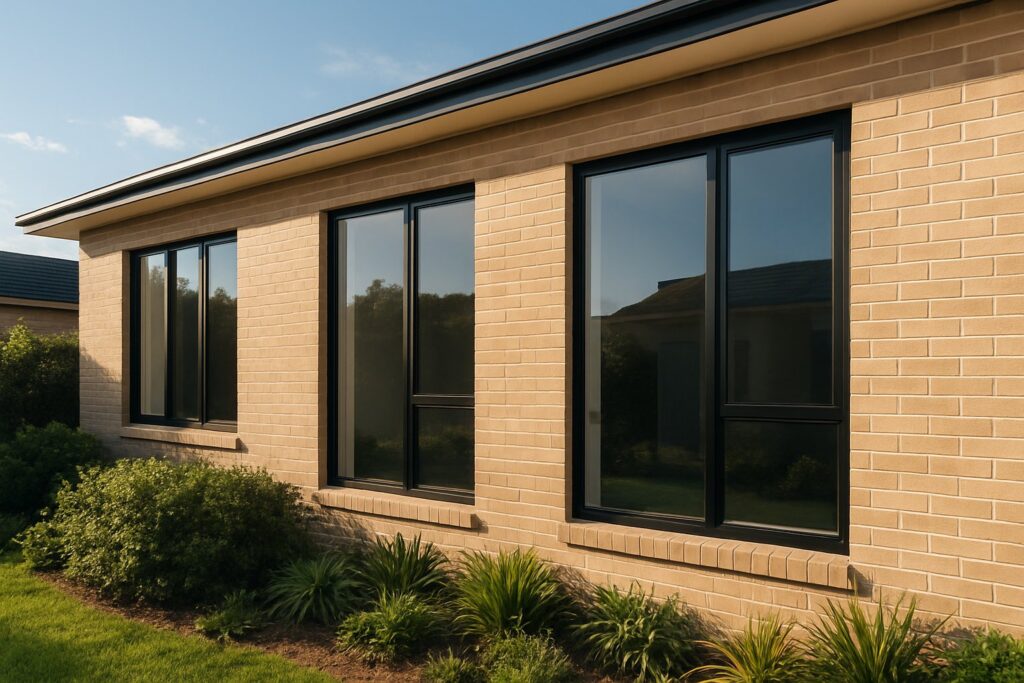
Understanding the Real Cost Gap Between Aluminium and uPVC Windows
Few questions come up more often during a renovation or new build than this one: how much more will aluminium windows actually cost compared to uPVC? Homeowners researching upgrades, builders pricing tenders, and specifiers balancing performance against budget all land on the same comparison. Yet the answer is rarely as simple as a single percentage figure.
This article goes beyond sticker price. The real cost difference between aluminium and uPVC windows depends on what creates the gap, how it shifts across different project scenarios, and whether upfront savings translate into long-term value. Getting that picture right can save thousands of dollars on a full-house window package.
Why the Price Gap Matters for Your Project
Choosing between aluminium vs uPVC windows is not purely an aesthetic decision. The price gap influences everything from your total build budget to ongoing energy costs and eventual replacement timing. A 50% premium on frame material sounds steep in isolation, but frame cost is only one slice of your total installed spend. Understanding where the money goes helps you allocate it where it counts most.
The cost difference is not fixed. It shifts based on window type, size, configuration, and project scale. A casement window quote tells a different story to a large sliding door, and a bulk order for a multi-storey development looks nothing like a single replacement.
What Aluminium and uPVC Actually Are
For those newer to the comparison: is PVC aluminum? Not at all. They are fundamentally different materials. Aluminium windows use extruded metal frames, typically with a thermally broken core and powder-coated finish. uPVC windows and doors use unplasticised polyvinyl chloride, a rigid plastic compound extruded into multi-chambered profiles reinforced with galvanised steel. Both are popular across Australian homes, but they differ in strength, thermal behaviour, sightline width, and manufacturing complexity.
What follows covers the manufacturing reasons behind the price gap, real price brackets by window type, the installation cost split, lifetime ownership economics, and a practical decision framework. Whether you are weighing uPVC vs aluminium windows for a single room or an entire project, each section builds toward a clearer answer for your specific situation.
Why Aluminium Costs More to Manufacture Than uPVC
Price gaps do not appear out of thin air. The difference between aluminium and uPVC window pricing traces directly back to the factory floor, where raw materials, processing complexity, and finishing techniques stack costs in very different ways for each material.
Raw Material and Commodity Pricing
Aluminium begins as bauxite ore, which undergoes energy-intensive refining and smelting before it becomes usable metal. The resulting commodity trades on global markets at around $2,850 USD per tonne, and that price fluctuates with supply conditions, energy costs, and international trade policy. Aluminium ingots account for roughly 60 to 80 per cent of the total cost of producing aluminium profiles, so even modest market shifts ripple directly into frame pricing.
PVC resin, by contrast, is a petrochemical derivative that costs considerably less per kilogram to produce. It does not carry the same smelting energy burden, and its price tends to be more stable. This baseline material cost difference is the first layer of the gap homeowners see on their quotes.
Manufacturing Complexity and Labour Intensity
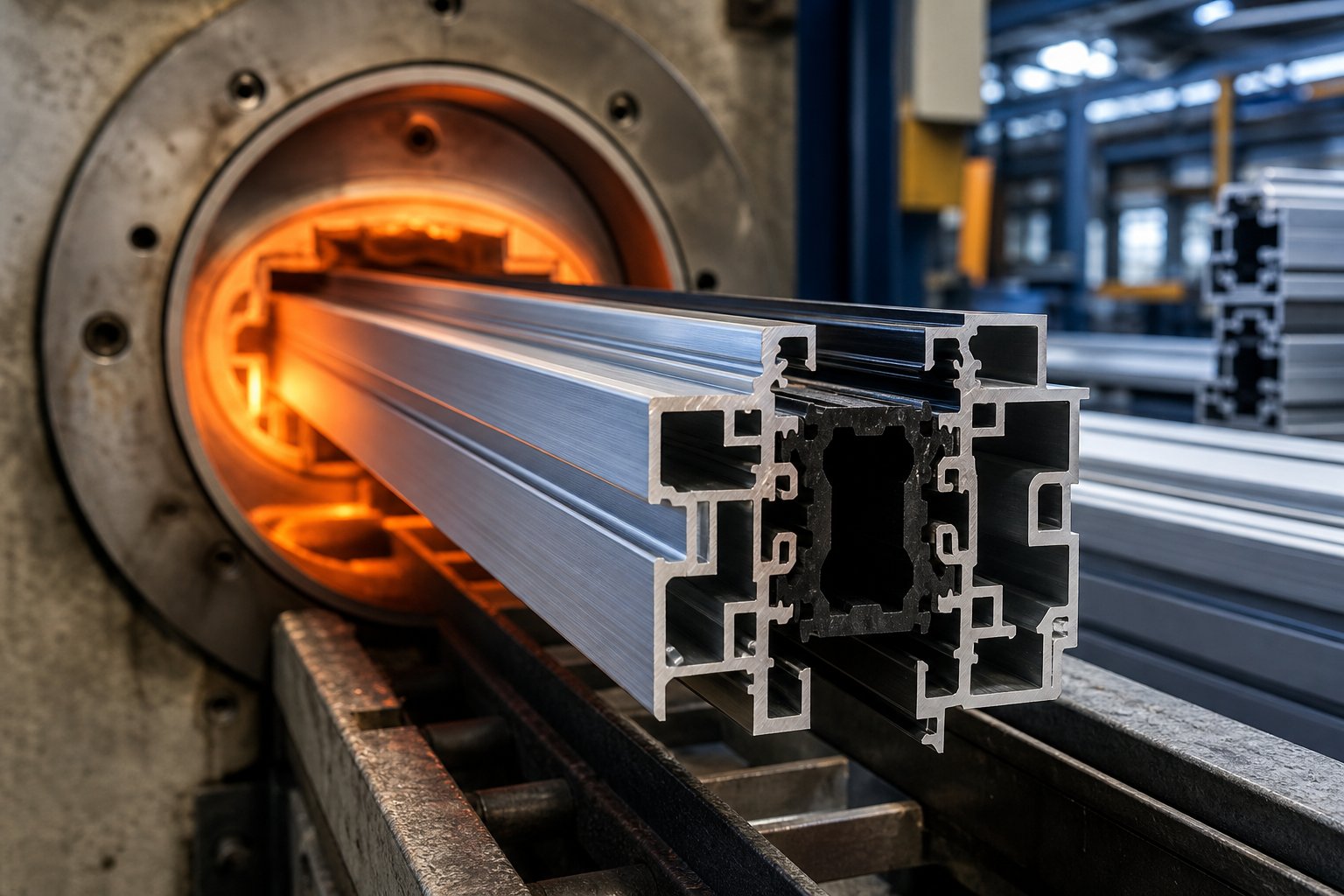
Turning raw material into a finished window frame is where the cost spread widens further. Extruded aluminium windows require billets heated to between 375°C and 500°C, then forced through precision-shaped dies under enormous pressure. Each profile is then cut, mechanically fastened, and quality-checked before glazing and hardware are fitted. The process demands specialised equipment, trained operators, and tight tolerances.
PVC windows follow a fundamentally simpler path. Profiles are extruded at lower temperatures and welded together using heat fusion, a process that requires less specialised machinery and fewer manual intervention points. Faster production runs and lower per-unit overhead keep costs down across every stage.
The aluminium sliding windows material cost reflects this complexity at scale. Sliding systems need robust track profiles, precise roller channels, and heavier-gauge extrusions to support sash weight, all of which add fabrication time and material compared to a uPVC sliding frame achieving similar spans.
How Thermal Break Technology Adds Cost
Raw aluminium conducts heat readily, which is a problem in a country where summer temperatures routinely push past 35°C. Modern thermally broken aluminium frames solve this by inserting a polyamide strip between the inner and outer sections of the profile. This strip dramatically reduces heat transfer and helps windows meet NCC energy requirements and achieve competitive WERS ratings.
That engineering carries a price tag. Industry cost analysis shows thermally broken systems add approximately 2,500 RMB per tonne over non-thermally-broken profiles, with imported insulation strips adding a further premium. The tighter manufacturing tolerances required to bond the polyamide strip accurately between aluminium sections also increase rejection rates and slow production speed.
uPVC profiles inherently insulate well due to their multi-chambered plastic construction. No additional thermal break component is needed, which removes an entire cost layer from the manufacturing process.
Colour finishing adds one more wedge. Powder coating aluminium frames involves electrostatic application of pigment followed by curing in high-temperature ovens, opening up virtually unlimited RAL colour options but adding both time and energy cost. Custom or non-standard shades push the price higher again. uPVC colour is typically achieved through co-extrusion or foil wrapping during the profile stage, a lower-cost process that limits the palette but keeps the incremental expense minimal.
Laid out side by side, the cost-adding processes for each material clarify where the money goes:
- Aluminium: High-energy smelting, precision hot extrusion, thermal break insertion (polyamide strip bonding), powder coating with oven curing, specialised hardware compatibility, tighter fabrication tolerances
- uPVC: Lower-energy resin processing, simpler warm extrusion, heat-fusion welding (no mechanical fasteners), colour co-extruded or foil-applied in-line, standard hardware fittings, faster production cycle times
Each of these aluminium steps individually adds a modest amount. Combined, they produce a cumulative manufacturing cost that sits meaningfully above uPVC, typically translating to a 50 to 100 per cent retail premium by the time a finished window reaches the Australian market. The gap is real, but it is also not arbitrary. Every dollar of that premium traces to a specific material or process input.
Manufacturing cost explains why aluminium is more expensive to buy. It does not, however, tell the full story of what you actually pay. The split between frame material, glazing, hardware, and installation labour reshapes the picture once real project numbers enter the equation.
Aluminium vs uPVC Price Ranges by Window Type and Size
Manufacturing inputs set the baseline, but what actually lands on a quote? For most Australian homeowners and builders, the aluminium window cost versus uPVC windows price comes down to real numbers attached to specific window styles. The ranges below reflect typical Australian supply-only pricing for standard residential configurations with double glazing and standard hardware.
Price Brackets by Window Type
Not every window style carries the same premium. Fixed lites use minimal hardware, so the frame material dominates the cost split. Operable windows like casements and awnings layer in hinges, locks, and sealing systems that partially level the field between materials. Sliding systems sit somewhere in between, where track engineering and roller quality matter as much as the frame profile itself.
| Window Type | uPVC (AUD, Supply Only) | Aluminium (AUD, Supply Only) | Typical Premium | Key Price Drivers Within Range |
|---|---|---|---|---|
| Casement (600 x 1200 mm) | $400–$750 | $650–$1,100 | 40–60% | Colour finish, hardware grade, number of opening sashes |
| Sliding (1800 x 1200 mm) | $550–$950 | $800–$1,400 | 30–50% | Number of panels, track system, slim-profile upgrades |
| Awning (600 x 900 mm) | $450–$800 | $700–$1,200 | 40–55% | Chain winder vs friction stay, reveal depth, multi-lite configurations |
| Fixed Lite (1200 x 1200 mm) | $300–$550 | $500–$900 | 50–70% | Frame profile depth, glazing specification, structural requirements |
A few patterns emerge. Fixed windows show the widest percentage gap because there is no hardware to dilute the frame material cost. Sliding windows tend to show the narrowest gap, partly because the track mechanism and rollers represent a meaningful share of the total unit cost regardless of frame material. European fabrication data supports this pattern, showing aluminium sliders carry a premium as low as 18 to 20 per cent in some configurations.
These brackets are indicative. Actual pricing shifts with your state, your supplier, your glazing specification, and whether you are ordering one window or forty. A project in coastal Queensland with cyclone-rated hardware will price differently to a standard replacement in suburban Melbourne.
How Window Size Affects the Percentage Difference
Here is where the numbers get interesting for anyone planning large openings. As window size increases, the frame material becomes a smaller proportion of the total unit cost. Glazing area grows with the square of the dimensions, while frame perimeter grows linearly. Hardware and sealing components also scale independently of frame material.
On a small 600 x 600 mm bathroom window, the frame accounts for a large share of total cost, so the aluminium premium hits hard in percentage terms. Scale up to a 2400 x 2100 mm living room slider and the glass, track system, and structural engineering dominate the price. The price of uPVC windows versus aluminium on that larger unit may differ by only 25 to 35 per cent rather than the 50-plus per cent gap seen on smaller openings.
This scaling effect matters for project budgeting. A home with predominantly large openings will see a smaller overall percentage gap between a full-aluminium and full-uPVC package than a home with many small, standard-sized windows. Builders pricing multi-unit developments often find the per-dwelling aluminium premium shrinks once window schedules lean toward bigger spans.
Still, supply-only pricing tells only part of the story. The frame sitting in a warehouse is not a functioning window in a wall. What happens between delivery and sign-off — the labour, glazing, flashings, and finishing — reshapes the cost comparison in ways that often surprise first-time renovators.
Installation Costs and the Material vs Labour Breakdown
A quote for supply-only pricing can mislead if you stop reading there. The total cost of aluminium windows — or uPVC for that matter — only becomes real once you factor in everything required to get that frame sealed, flashed, and functioning inside a wall. That full picture changes the maths considerably.
Every installed window is a bundle of cost components, and the frame material is just one piece. Here is how a typical residential installation breaks down by approximate share of total installed price:
- Frame material: 30–45% of total installed cost
- Glazing (double-glazed IGU): 20–30%
- Hardware (handles, hinges, locks, stays): 5–10%
- Installation labour: 20–30%
- Ancillaries (flashings, reveals, trims, sealants): 5–10%
When the frame accounts for less than half the total spend, a 50 per cent premium on the frame itself translates to a much smaller premium on the fully installed unit. A window where the aluminium frame costs $900 versus $550 for uPVC may end up at $1,800 installed versus $1,500 — a gap closer to 20 per cent than 60 per cent once all components are included.
Material Cost vs Installation Labour Split
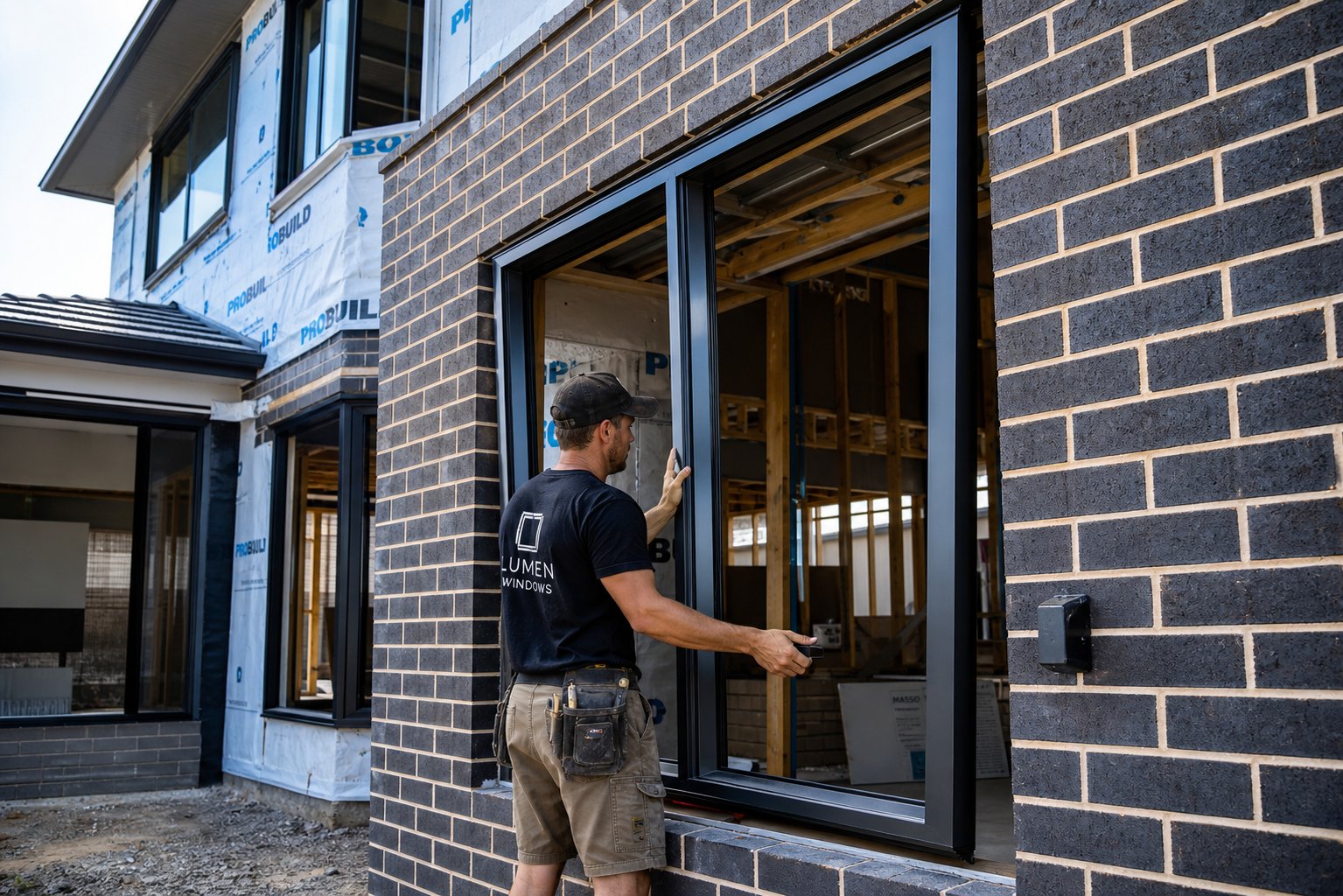
Installation labour is largely material-agnostic. A qualified installer spends roughly the same time fitting an aluminium frame as a uPVC one of the same size and type. Industry data shows a standard window takes 1.5 to 3 hours to install regardless of frame material. The tradesperson still needs to check the opening for square, shim the frame, fix it in place, seal the perimeter, install flashings, and complete interior and exterior trims. None of those steps change because the frame happens to be metal rather than plastic.
In Australia, installation labour for a standard residential window typically runs $250 to $500 per opening depending on access, storey height, and the condition of the surrounding structure. That cost applies equally whether you are comparing aluminium versus uPVC windows or the reverse. Labour does not scale with material price — it scales with complexity and time.
Why Total Installed Price Narrows the Gap
For replacement projects, there is another equaliser: removal and making good. Stripping out old timber or aluminium frames, disposing of waste, repairing reveals, and patching renders or cladding adds a fixed cost layer that has nothing to do with what goes back in. Whether you choose uPVC versus aluminium windows for the replacement, you still pay for that demolition and prep work. Renovation cost research consistently shows removal, structural repair, and disposal fees adding hundreds of dollars per opening before the new frame even arrives on site.
New-build installations tell a slightly different story. There is no removal cost, no making good, and fewer surprises hiding behind old reveals. In that scenario the frame material forms a larger proportion of total installed cost, so the percentage gap between aluminium and uPVC stays closer to the supply-only difference. Builders pricing a new project should expect the material choice to have a more visible impact on the bottom line than it does in a renovation context.
The takeaway is practical: if your budget feels tight, look at the total installed cost per opening rather than frame price alone. The gap between aluminium and uPVC narrows significantly once labour, glass, hardware, and ancillaries enter the equation — and it narrows further still on replacement projects where removal costs dilute the material premium. What remains harder to see on a single quote, though, is how that upfront gap plays out over ten, twenty, or thirty years of ownership.
Total Cost of Ownership Over 10, 20, and 30 Years
Upfront cost captures a single moment in time. It tells you what leaves your account this year but says nothing about what the next two or three decades will cost. A proper comparison between aluminium vs PVC windows requires a longer lens — one that accounts for maintenance, energy performance, replacement timing, and the cumulative value each material delivers across its full service life.
Building a Lifetime Cost Model
A lifetime cost model pulls together five categories: initial purchase and installation, ongoing maintenance, energy performance impact, replacement timing, and residual value at end of life. Each category contributes differently depending on the frame material.
Aluminium frames carry a higher entry cost but require almost no maintenance beyond occasional cleaning. Industry durability data places their expected lifespan at 40 to 50 years, with powder-coated finishes that resist UV degradation, scratching, and peeling throughout that period. At end of life, aluminium is fully recyclable and retains commodity value.
uPVC enters at a lower price point and also demands minimal upkeep for the first 15 to 20 years. Beyond that window, however, the material can begin to yellow, warp, or become brittle — particularly on north-facing elevations exposed to sustained Australian UV. Research into uPVC degradation confirms that even quality profiles may show visible colour change and reduced seal integrity after two decades of high-UV exposure. Realistic service life for well-manufactured uPVC windows sits between 25 and 35 years before replacement becomes necessary.
Cost Per Year of Service as a Fair Comparison Metric
Here is the concept that reframes the entire comparison: divide total lifetime cost by years of functional service. A more expensive window that lasts nearly twice as long may actually cost less per year than a cheaper one replaced sooner.
Consider a simplified example. If a fully installed aluminium window costs $1,800 and serves 45 years, its cost per year of service is $40. A uPVC window at $1,400 installed lasting 30 years works out to roughly $47 per year. The upfront premium disappears — and in this scenario, the aluminium option is actually cheaper on an annualised basis.
Add maintenance or early seal replacement into the uPVC column and the gap widens further. Factor in that uPVC windows vs vinyl windows (essentially the same material under different regional branding) share identical degradation characteristics, and the pattern holds regardless of what a supplier calls the product.
Maintenance and Energy Implications Over Decades
Both materials are genuinely low-maintenance compared to timber, but their failure modes differ. Aluminium’s powder coating holds colour and surface integrity for decades without repainting. The main maintenance risk is hardware wear — hinges and seals may need attention around the 20-year mark, a minor cost relative to the frame itself.
uPVC’s risks are structural rather than cosmetic in the early years, then increasingly cosmetic over time. Gaskets may shrink, multi-point locks can stiffen as profiles shift slightly, and south-facing frames (in the Southern Hemisphere, north-facing in practice) can develop a chalky texture that no amount of cleaning fully reverses.
Energy performance differences between the two materials are minimal when both use equivalent glazing. Modern thermally broken aluminium achieves U-values around 1.2 to 1.4 W/m²K with double glazing — comparable to quality uPVC profiles in the same specification range. Over 30 years, neither material creates a meaningful energy cost advantage over the other, assuming identical glass and competent installation. The real energy variable is glazing choice, not frame material.
| Cost Category | Aluminium (Est. 45-Year Life) | uPVC (Est. 30-Year Life) |
|---|---|---|
| Initial installed cost (per window) | $1,600–$2,200 | $1,200–$1,700 |
| Maintenance over 30 years | $50–$150 (hardware service, minor seal replacement) | $100–$400 (gasket replacement, possible lock overhaul) |
| Energy cost difference over 30 years | Negligible with equivalent glazing specification | |
| Replacement within 30-year window | Not required | Possible toward end of period |
| Second replacement within 50 years | Not required | Likely required (additional $1,200–$1,700) |
| Residual/recycling value | Moderate (recyclable metal) | Low (limited recycling infrastructure) |
| Estimated cost per year of service | $37–$52 | $43–$62 (including one replacement) |
These figures are indicative and will shift with your climate zone, window orientation, glazing specification, and the quality tier of product selected. A home in coastal Queensland faces harsher UV and salt exposure than one in suburban Hobart, accelerating degradation on any material. The framework, however, remains valid: are aluminium windows better than uPVC when judged over their full lifespan rather than purchase day alone? For many projects, the annualised numbers suggest they are.
Lifetime cost modelling clarifies value, but it assumes you have the budget flexibility to invest more upfront. Not every project does. The practical question then becomes: under what conditions does the gap between aluminium and uPVC shrink enough to make the premium easier to justify — and when does it blow out wide enough that uPVC becomes the clearly rational choice?
When the Price Gap Narrows and When It Widens
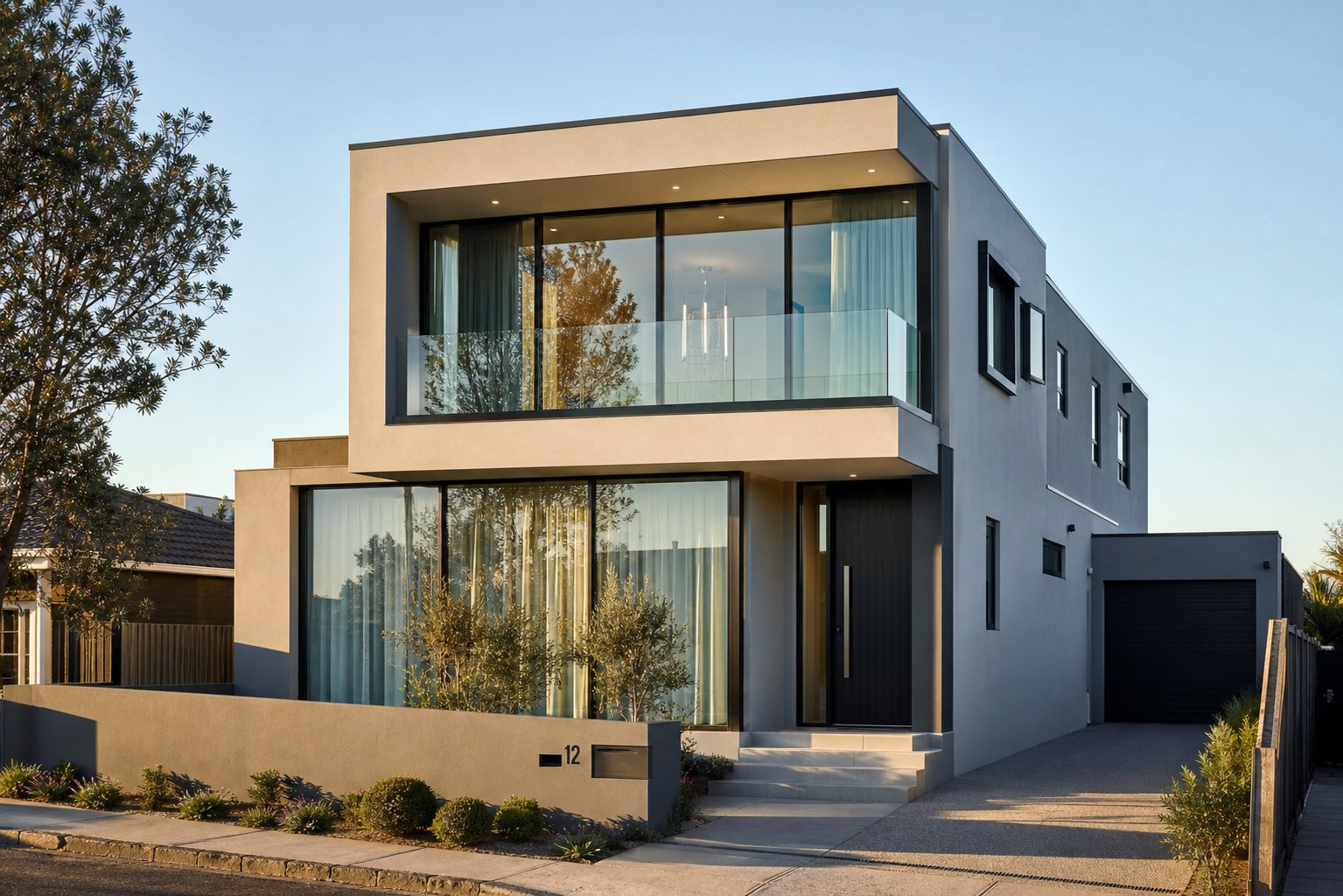
The premium you pay for aluminium windows vs uPVC is not a fixed number stamped on every quote. It stretches and contracts depending on choices that often have nothing to do with the frame material itself. Colour selection, order volume, window geometry, and hardware specification all push the gap in different directions. Knowing which levers move the needle lets you structure a window package that captures aluminium’s advantages without paying the maximum possible premium.
When Aluminium Approaches uPVC Pricing
Several common project conditions compress the gap between the two materials. In some configurations, the aluminium premium drops to as little as 20 to 25 per cent above uPVC — a far cry from the 50-plus per cent gap seen at the extremes.
The factors that pull aluminium pricing downward relative to uPVC:
- Bulk and project-scale orders: Fabricators achieve better material utilisation and production efficiency on larger runs. Export industry data shows unit prices dropping 8 to 15 per cent once order volumes reach 100-plus units, with full-container quantities achieving the best pricing. The aluminium premium shrinks because bulk discounts on extrusions and powder coating scale faster than uPVC discounts on already-cheap resin profiles.
- Standard aluminium window sizes: Sticking to common dimensions (600 x 1200 mm, 1800 x 2100 mm, and similar modular increments) means profiles can be cut from stock lengths with minimal waste. Non-standard sizes generate offcuts, require more setup time, and reduce production throughput.
- Standard colours: Matt black, white, and monument (dark grey) are the three most popular aluminium powder-coat colours across Australian residential projects. These run continuously through fabrication lines, so there is no colour-change downtime, no minimum-batch surcharge, and no extended lead time. The colour premium that typically adds 10 to 20 per cent simply does not apply.
- Simpler window types: Fixed lites, standard sliding panels, and single-sash awnings require less machining, fewer hardware components, and shorter assembly time. The more straightforward the configuration, the closer aluminium fabrication costs track toward uPVC equivalents.
- Larger individual units: As covered in the sizing discussion earlier, bigger windows dilute the frame material premium because glazing and hardware absorb a larger share of total unit cost.
A builder ordering 30 identical matt black aluminium sliders in a standard 1800 x 2100 mm size for a townhouse development will pay a far smaller premium over uPVC than a homeowner ordering three custom-sized windows with a bespoke colour match. Context matters enormously.
Where the Gap Widens Significantly
At the other end of the spectrum, certain choices stretch the cost difference between aluminium and uPVC well beyond the typical range. The gap can blow out to 80 per cent or more under the following conditions:
- Custom RAL colours: Requesting a non-standard shade means the fabricator must batch your frames separately through the powder-coating line. Minimum quantities apply, colour-matching adds lead time, and the per-unit surcharge can add $80 to $200 per window. uPVC colour options (foil wraps) carry much smaller incremental cost, so the gap widens.
- Complex shapes: Arched headers, raked (angled) tops, radius curves, and trapezoidal configurations demand custom die tooling or hand-forming of aluminium extrusions. Each curved or angled section adds fabrication hours that do not apply to uPVC, where heat-bending and specialised welding are simpler and cheaper processes.
- Small one-off orders: A single window or a pair triggers minimum-order pricing, setup charges, and no volume efficiencies. The per-unit overhead on aluminium fabrication is disproportionately high for small runs.
- High-specification hardware: Multi-point locking, concealed hinges, heavy-duty friction stays for oversized sashes, and integrated smart-lock systems all carry premium pricing. While these components can be fitted to either material, aluminium windows targeting the high-end market often pair with top-tier hardware as a package, compounding the total cost difference.
- Specialised thermal performance: Moving beyond standard thermally broken profiles to passive-house-grade systems with deeper polyamide breaks, triple glazing, and warm-edge spacers adds cost layers that do not exist in the uPVC specification pathway for most Australian residential projects.
In short, every step away from standard pushes aluminium pricing further from uPVC. If your design calls for a mix of complex geometries, custom finishes, and premium hardware, expect the gap to be at its widest.
The Hybrid Strategy for Budget Optimisation
Here is where practical budgeting meets design intent. Not every window in a home needs to be the same material. A hybrid approach — aluminium for street-facing or feature windows, uPVC for rear or less visible elevations — captures the best of both without paying the full aluminium premium across every opening.
The logic is straightforward. Front-facing windows define kerb appeal. Slim aluminium sightlines create the clean, modern aesthetic that adds perceived value to a property. Rear windows, laundry openings, and upper-storey bathroom windows rarely receive the same scrutiny from the street. Specifying affordable aluminium windows where they matter visually and uPVC where they do not delivers meaningful savings.
How meaningful? On a typical four-bedroom home with 16 to 20 window openings, switching rear and side elevations to uPVC while keeping the front facade and living-area feature windows in aluminium can reduce the total window package cost by 20 to 30 per cent compared to full aluminium. You maintain the street presence that drives property value while redirecting thousands of dollars back into the build budget or into upgrading glazing performance across the board.
A mixed-material approach does require coordination. Colour matching between aluminium and foil-wrapped uPVC is achievable in popular shades like matt black and monument, though the surface textures differ slightly up close. Most installers are familiar with fitting both materials, so labour logistics rarely complicate things. The key is specifying the split early in the design phase so that window schedules, flashing details, and reveal depths are planned from the start rather than retrofitted.
This strategy is particularly popular among Australian project builders delivering homes in the $600,000 to $1,200,000 range, where the budget does not stretch to full aluminium but the market expects a contemporary facade. It is also gaining traction among renovators upgrading a single street-facing elevation to aluminium while leaving existing or new uPVC on secondary faces.
The gap between aluminium and uPVC is not something you simply accept. It is something you manage — through material selection, specification choices, order structure, and strategic placement. The next step is matching all of these variables to your specific project type, budget tier, and performance priorities to land on the right decision.
Choosing the Right Material for Your Specific Project
Managing the price gap is one thing. Deciding which material actually belongs in your project is another. Budget matters, but it is only one input. Property type, climate exposure, aesthetic goals, and planning constraints all carry weight in the final call. The comparison between uPVC windows vs aluminium windows looks different for a brick veneer renovation in suburban Adelaide than it does for a new coastal build north of Brisbane.
Neither material is universally superior. Aluminium wins on longevity, sightline slimness, and structural capacity. uPVC wins on upfront affordability and inherent thermal performance. The right choice depends entirely on which factors your project prioritises most.
Budget-First Decision Matrix
The table below maps common project scenarios to the material that typically delivers the best value-for-purpose outcome. It is not prescriptive — edge cases exist — but it gives a starting framework grounded in how Australian builders and homeowners actually make this decision.
| Project Scenario | Recommended Material | Rationale |
|---|---|---|
| Tight budget, standard home | uPVC | Lowest installed cost with solid thermal performance; delivers compliant windows without stretching finances |
| Mid-range budget, contemporary facade | Hybrid (aluminium front, uPVC rear) | Balances kerb appeal with cost control; 20–30% saving over full aluminium |
| Premium budget, forever home | Aluminium | Lower annualised cost over 40+ years; slimmest sightlines; best long-term colour retention |
| Heritage or character property | uPVC (profiled) or timber | Sculptured uPVC profiles can replicate period proportions at lower cost; check council heritage overlay requirements |
| Modern architectural build | Aluminium | Slim frames suit minimalist design language; supports floor-to-ceiling glazing without chunky profiles |
| Coastal location (salt zone) | Aluminium (powder coated) | Naturally oxidises rather than corroding; powder coating provides additional barrier against salt-laden air |
| Multi-storey residential | Aluminium | Structural rigidity supports larger spans at height without requiring heavy internal reinforcement |
| High wind zone (cyclone region) | Aluminium | Meets AS 2047 wind-load requirements more easily for large openings; tested to higher pressure ratings without profile bulk |
| Investment property or short hold | uPVC | Lower capital outlay; 25–35-year lifespan exceeds typical holding period; adequate presentation for rental or resale |
Property Type and Planning Considerations
Some decisions are made for you before budget
Getting Accurate Quotes That Reflect True Cost Differences
Knowing the typical price gap between aluminium windows vs uPVC windows is useful context. But the number that actually matters is the one on your quote — and two quotes for the same house can differ by thousands of dollars even when they specify the same material. The difference often has less to do with frame choice than with what is and is not included in the price.
Quotes for uPVC windows and doors versus aluminium packages become impossible to compare fairly unless they answer the same questions to the same level of detail. A lower number is not automatically a better deal. It might simply be a less complete scope.
How to Request Comparable Quotes
The single biggest mistake homeowners and builders make is requesting quotes that specify only the material and letting each supplier fill in the rest. You end up comparing different glazing specs, different hardware tiers, different installation scopes, and different finishing allowances — all bundled into headline figures that look comparable but are not.
A structured approach eliminates guesswork:
- Define performance requirements first. Start with what the window needs to achieve — a target U-value, a WERS star rating, an acoustic class, a wind-load rating for your specific exposure category under AS 2047. This anchors every quote to the same outcome rather than letting suppliers default to their cheapest-to-supply specification.
- Specify glazing identically across quotes. If one quote includes a high-performance Low-E double-glazed unit with argon fill and the other uses standard clear double glazing, you are not comparing frame material — you are comparing entirely different products. Lock in the glass specification and let the frame be the variable.
- Request itemised breakdowns. Ask suppliers to separate frame material, glazing, hardware, installation labour, flashings, reveals, trims, and disposal into distinct line items. This is where the real cost difference between aluminium and uPVC becomes visible rather than buried inside a lump-sum figure. Window industry guidance consistently identifies scope ambiguity as the primary reason quotes seem incomparable.
- Ask about lead times and delivery logistics. Longer lead times can affect project scheduling costs. Aluminium fabrication from custom schedules may take 4 to 8 weeks depending on the supplier’s capacity and colour requirements. uPVC stock profiles can sometimes ship faster, but custom configurations take similar timeframes.
- Confirm what is included in installation pricing. Does the install price cover removal of existing windows, disposal, flashing to the building wrap, internal reveals, external trims, and clean-up? Or does it assume a bare opening ready to receive the frame? The difference between these two scopes can add $200 to $400 per window — enough to shift your material decision entirely.
What Drives Your Actual Price Beyond Material Choice
Even with identical specifications locked in, several factors move real-world pricing independently of whether you choose aluminium or uPVC:
- Profile depth and sightlines: Slimmer aluminium profiles cost more to engineer but let in more light. Deeper uPVC profiles are cheaper but reduce glass area by 10 to 15 per cent on the same opening size. If daylight and visual proportion matter to you, the thinner frame may justify its cost beyond simple material comparison.
- Access and site conditions: Upper-storey installations requiring scaffolding, difficult site access requiring crane lifts, or heritage overlays requiring careful removal methods all add cost regardless of material.
- Regional supply chains: Window suppliers in Melbourne may price differently to those in Perth or regional Queensland based on local fabrication capacity, freight distances, and market competition.
- Project coordination complexity: A 40-window apartment development needs detailed scheduling, staged deliveries, and coordination with multiple trades. That project management layer adds cost but also creates volume leverage that single-home orders cannot access.
Working With a Supplier Who Understands Project Costs
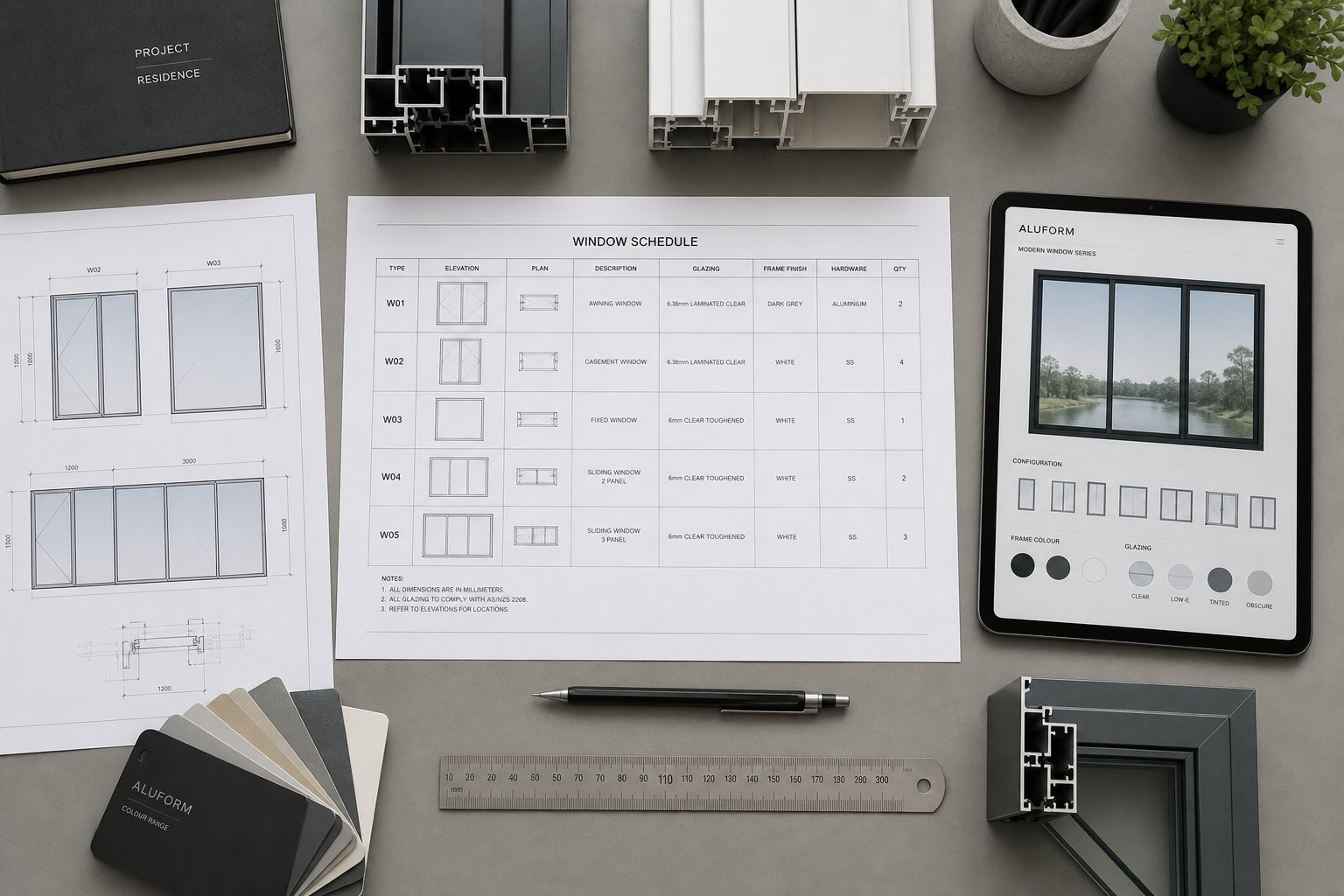
Generic per-window pricing pulled from a website gives you a rough indication. Accurate project costing requires someone who can read your architectural drawings, interpret your window schedule, identify where standard sizing saves money, and flag where custom configurations will push costs upward.
For aluminium window projects in particular — where specification variables like thermal break grade, powder-coat colour, hardware tier, and structural performance all interact — working with a fabrication partner who supports the full process from drawings through to delivery planning removes the guesswork from budgeting. MEICHEN’s project services illustrate this approach: assessing architectural schedules, recommending appropriate systems, calculating material requirements, and coordinating manufacturing and logistics so that the quote you receive reflects your actual project rather than generic assumptions.
Whether you land on aluminium, uPVC, or a hybrid split, the quality of your quote determines the quality of your decision. Request the detail. Compare on equal terms. And work with suppliers who can show you exactly where every dollar is going — because the real cost difference only becomes clear when nothing is hidden behind a single lump-sum line.
Frequently Asked Questions About Aluminium vs uPVC Window Costs
1. How much more expensive are aluminium windows compared to uPVC?
Aluminium windows typically carry a 40 to 70 per cent premium over uPVC on a supply-only basis, depending on window type and configuration. However, once installation labour, glazing, hardware, and ancillaries are factored into the total installed cost, the real-world gap narrows to around 20 to 35 per cent. Bulk orders, standard sizes, and popular colours like matt black can compress the premium further, sometimes to as little as 20 to 25 per cent above uPVC pricing.
2. Are aluminium windows worth the extra cost over uPVC in Australia?
For many Australian projects, aluminium delivers lower annualised cost over its full lifespan. With a service life of 40 to 50 years versus 25 to 35 years for uPVC, the cost per year of service often favours aluminium despite the higher upfront price. Aluminium also handles Australian UV exposure, coastal salt air, and high wind loads more reliably over decades. For short-hold investment properties or tight-budget builds, uPVC remains a rational choice where longevity is less critical.
3. Does the cost gap between aluminium and uPVC change with window size?
Yes, larger windows narrow the percentage difference between the two materials. As window dimensions increase, glazing area grows with the square of the size while frame perimeter grows linearly. This means glass, hardware, and sealing components dominate the total cost on bigger units, reducing the frame material premium from 50-plus per cent on small bathroom windows to as low as 25 to 35 per cent on large living room sliders or bi-fold doors.
4. Can I mix aluminium and uPVC windows in the same house to save money?
A hybrid approach is increasingly popular among Australian builders and renovators. Specifying aluminium for street-facing and feature windows where slim sightlines add kerb appeal, and uPVC for rear or less visible elevations, can reduce total window package costs by 20 to 30 per cent compared to full aluminium. Colour matching in popular shades like matt black and monument is achievable across both materials, though surface textures differ slightly up close.
5. How do I get accurate comparable quotes for aluminium and uPVC windows?
Lock in identical glazing specifications, hardware grades, and performance targets across both quotes, then request itemised breakdowns separating frame material, glass, hardware, installation labour, and ancillaries. This prevents suppliers from burying cost differences inside lump-sum figures. Working with a project-capable supplier like MEICHEN who can assess architectural drawings and window schedules ensures your aluminium quote reflects actual specifications rather than generic assumptions. Confirm what installation scope includes — removal, flashings, reveals, and disposal can add hundreds per opening.
More Window & Door Guides