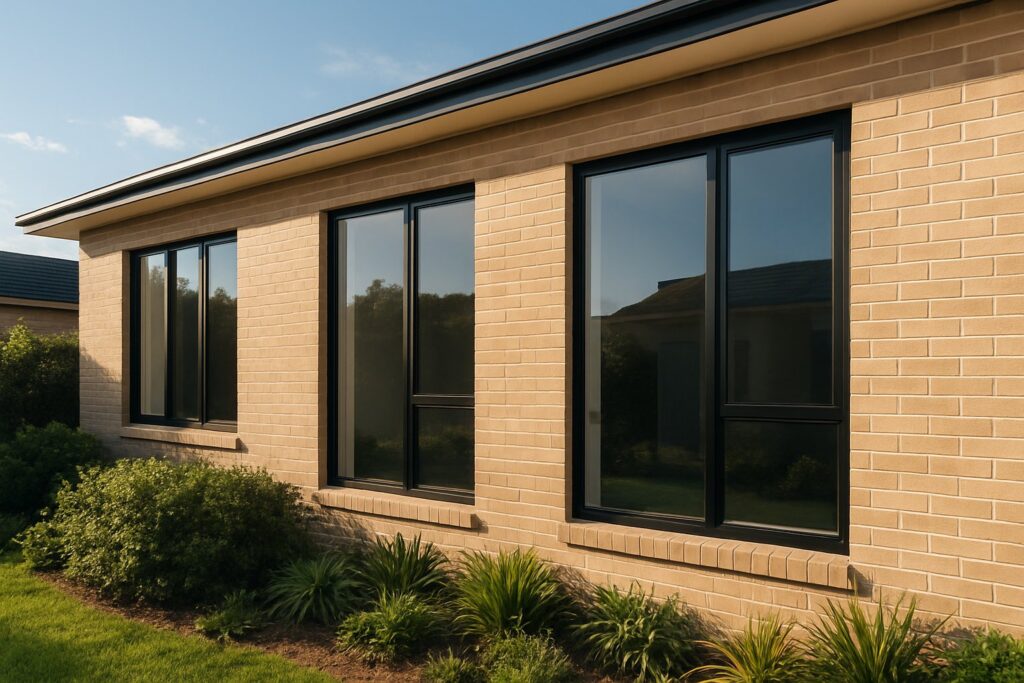
What Best Price Really Means for Aluminium Windows
The best price on aluminium windows is not the lowest dollar figure you can find. It is the point where fair cost, quality materials, and fitness for your specific project converge into genuine value. Two quotes can look identical on paper yet deliver wildly different outcomes over a twenty-year lifespan.
Pricing for windows in aluminium varies dramatically depending on the profile system, glass specification, hardware grade, and surface finish. A standard casement in a basic extrusion with single glazing sits at one end of the spectrum. A thermally broken, double-glazed unit with marine-grade powder coating and European hardware sits at the other. The gap between them can easily reach 100 per cent or more, and neither figure tells you much without context.
This guide takes a buyer-advocate approach. Rather than pointing you toward a single supplier or advertised deal, it breaks down the mechanics behind every line item so you can evaluate any quote with confidence.
Why the Cheapest Quote Is Rarely the Best Deal
Ultra-low pricing on alu windows almost always involves trade-offs the quote itself won’t mention. Thinner extrusions (1.2 mm wall thickness instead of 1.6 mm), single-pane glass, absence of a thermal break, and basic steel hardware are common cost-cutting measures. These choices reduce upfront spend but inflate long-term costs through higher energy bills, earlier component failure, and reduced weather resistance — particularly in Australian coastal and high-UV environments.
What This Guide Covers
The chapters ahead walk through everything that shapes the true cost of aluminium windows for Australian homes and commercial projects:
- Key pricing factors — frame profiles, glazing, hardware, and finish
- How window style (sliding, casement, hung, fixed) shifts your budget
- Where to source competitively — manufacturers, distributors, and online suppliers
- Energy efficiency ratings and long-term payback calculations
- A practical framework for comparing quotes on a like-for-like basis
- Total cost of ownership versus the sticker price
Each section is designed to give you the knowledge to separate a genuinely competitive quote from one that simply looks cheap on the surface. The real savings start with understanding what you are actually paying for.
Key Factors That Determine Aluminium Window Prices
Every aluminium window quote is built from a stack of individual decisions — some visible, some buried in fine print. Knowing which variables carry the most weight lets you read a quote the way a fabricator writes one, and that shifts the negotiating dynamic entirely.
Frame Profile and Extrusion Thickness
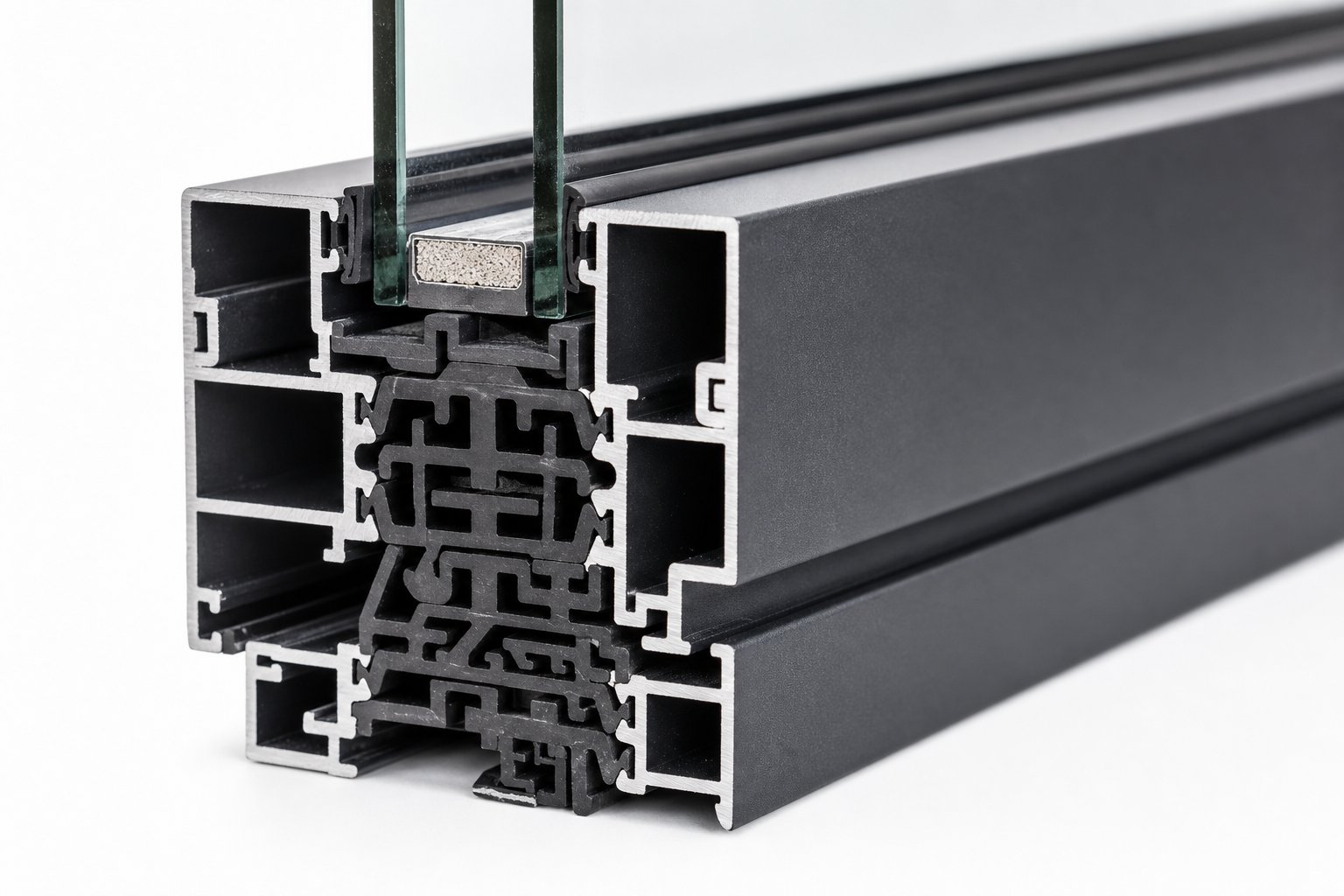
The aluminium frame is where pricing starts. An extruded aluminium window frame is formed by forcing heated aluminium billets through a shaped die, and the complexity of that die — along with the wall thickness of the resulting profile — directly affects cost. Standard residential aluminium window frames typically sit at 50 mm depth with a minimum wall thickness of 1.2 mm. Step up to a 60–65 mm thermally broken profile at 1.5 mm wall thickness, and you are looking at a 40–60 per cent price increase over the base extrusion.
That premium buys meaningful performance. Thermally broken profiles insert a polyamide strip between the interior and exterior aluminium sections, reducing heat transfer by 40–60 per cent compared to standard frames. For Australian homes — particularly in climate zones with hot summers and cold winters — this translates directly into lower heating and cooling loads. Heavier commercial-grade profiles (70–80 mm depth, 1.5–2.0 mm wall) cost more again but deliver superior wind-load resistance, making them essential in cyclone-rated regions of northern Queensland and the NT.
Glass and Hardware Specifications
Glazing is often the single largest cost lever. Single-pane glass is the cheapest option but offers poor thermal and acoustic performance. Double glazing with a Low-E coating and argon gas fill — the current standard for energy-efficient Australian builds — adds moderate cost while reducing energy loss by 30–50 per cent compared to uncoated single pane. Triple glazing pushes performance further at a high price premium, though it is rarely necessary outside alpine regions.
Hardware matters more than most buyers realise. Budget aluminium window frames ship with basic single-point locks and friction hinges. Higher-grade options — multi-point locking systems, stainless-steel friction stays rated for coastal corrosion, and concealed operators — add cost per opening but improve security, longevity, and day-to-day usability.
Finish and Colour Options
Surface treatment protects the aluminium frame from oxidation and gives it visual character. Powder coating is the most common residential finish: electrostatically applied and oven-cured, it delivers good durability (15–25 years before fading) across a wide palette of standard colours. Anodising creates a harder, UV-stable surface integral to the metal itself — ideal for coastal exposure — but limits you to metallic tones. Choosing custom RAL-matched aluminium window frame colours or premium wood-grain finishes typically adds 20–30 per cent over standard options.
| Cost Factor | What Drives It Up | Typical Price Impact |
|---|---|---|
| Frame profile depth and wall thickness | Deeper extrusion, thicker walls, thermal break | Medium–High |
| Glazing specification | Double/triple pane, Low-E coating, argon/krypton fill | Medium–High |
| Hardware grade | Multi-point locks, stainless coastal-rated components | Low–Medium |
| Finish type | Anodising, PVDF, custom RAL colours, wood-grain effects | Low–Medium |
| Custom sizing or shape | Non-standard dimensions, arched or raked heads | High |
Understanding these factors puts you in a position to request itemised quotes rather than accepting opaque lump-sum pricing. When you can see exactly where the dollars sit, you can make deliberate trade-offs — upgrading glazing where thermal performance matters most, opting for standard colours where budget is tight — instead of leaving those decisions to whoever writes the quote.
How Window Style Affects Your Final Price
Frame profiles, glazing, and finishes set the baseline — but the style of window you choose can shift your total spend by 20 per cent or more in either direction. The reason comes down to mechanical complexity: every hinge, balance spring, and locking point adds fabrication steps and component cost.
Fixed and Sliding Windows Offer the Lowest Entry Point
Fixed-lite windows contain no moving parts at all, making them the cheapest aluminium windows to manufacture and install. In Australia, a standard fixed unit starts from around $150 supply-only for a 600 x 600 mm opening, while aluminium sliding windows begin at roughly $165 for a comparable size. The simplicity of an alum sliding window — a sash running on a track with a basic latch — keeps hardware costs minimal and fabrication straightforward.
Hung and Casement Windows and the Hardware Premium
Introduce an operable sash that swings, cranks, or pivots and costs climb. An aluminium single hung window requires a balance system to hold the sash open, while double hung versions double that mechanism. Casement and aluminium awning window styles need friction stays, multi-point locks, and weather seals rated for positive and negative pressure — adding roughly 10–20 per cent over a slider of equivalent size. Traditional aluminium sash windows follow the same pattern: the counterweight or spring-balance hardware increases both material and assembly time.
Specialty Shapes and Custom Sizing
Arched tops, trapezoids, raked heads, and non-standard dimensions push pricing higher again. Custom fabrication tooling, curved glass bending, and one-off engineering mean these units can cost two to four times more per square metre than a rectangular fixed lite.
For a quick reference, here is a general cost ranking from most affordable to most expensive:
- Fixed (picture) windows — no hardware, lowest fabrication complexity
- Sliding windows — simple track mechanism, minimal sealing requirements
- Single hung aluminium windows — one operable sash with balance system
- Double hung windows — two operable sashes, doubled balance hardware
- Awning and casement windows — friction stays, multi-point locks, heavier frames
- Custom and architectural shapes — bespoke tooling, curved or angled glass, premium engineering
A practical way to manage budget without compromising design is to mix styles strategically. Use fixed lites in locations where ventilation is unnecessary — above doorways, in stairwells, flanking a feature window — and reserve operable styles only where airflow matters. This approach lets you allocate spend where it delivers functional value rather than paying a hardware premium on every opening in the house.
Style choice is one lever you control early in the design process. But it is not the only sourcing decision that shapes your final invoice — where and how you buy those windows introduces another layer of pricing variation entirely.
Where to Source Aluminium Windows at the Best Price
Knowing what drives aluminium window pricing is one thing. Knowing where to buy — and what each sourcing channel demands of you as a buyer — is where that knowledge turns into actual savings.
Direct-from-Manufacturer vs. Distributor vs. Retail
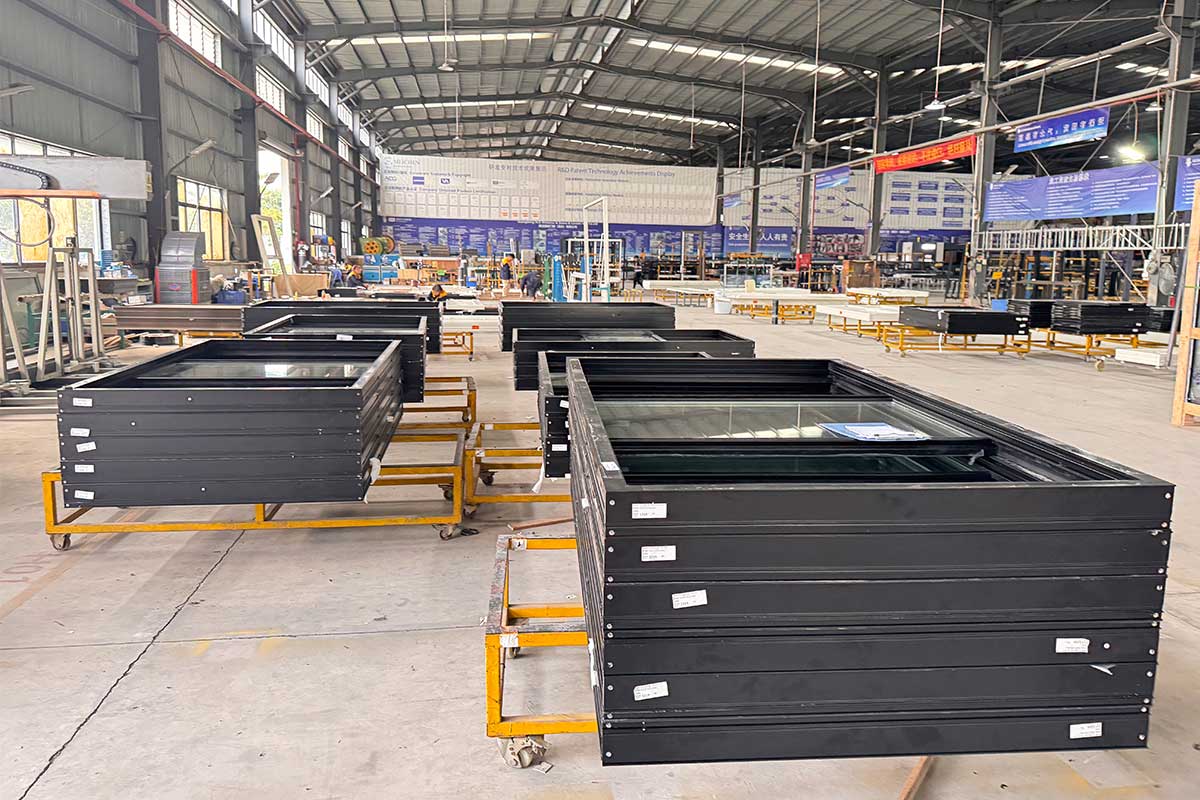
Purchasing closer to the source generally means fewer mark-ups. Aluminium window manufacturers that sell direct eliminate distributor margins and can custom-produce to your exact drawings, profile specifications, and performance requirements. For medium-to-large projects — a new-build home with 15+ openings, a townhouse development, or a commercial fitout — this path typically delivers the lowest per-unit cost and highest consistency across the batch.
The trade-off is responsibility. Factory-direct buying shifts site measurement, logistics coordination, and warranty follow-up onto your team. If something arrives wrong, you are dealing with a production facility rather than a local shopfront. Distributors and aluminium window suppliers operating locally carry stock in standard sizes and profiles, meaning faster delivery and simpler after-sales support — valuable for smaller renovation jobs where speed matters more than customisation. Retail showrooms add another margin layer but offer hands-on comparison and often bundle installation, which simplifies the process for homeowners tackling a single-room upgrade.
Online Suppliers and Bulk Ordering Advantages
Online aluminium window supplies channels have grown significantly in the Australian market. Without showroom overheads, these suppliers pass savings on through lower base pricing — but they require more buyer diligence. You need to verify profile systems, confirm glazing specs against NCC requirements, and check that hardware meets AS 2047 standards before ordering.
Bulk ordering is where the real leverage sits regardless of channel. Ordering all aluminium windows for a project in a single batch — rather than staged purchases — often unlocks volume pricing of 10–20 per cent below individual-unit rates. Factories run more efficiently when producing a unified batch, and that efficiency gets shared with the buyer. If you are searching for aluminium windows near me and finding retail pricing discouraging, consolidating your order and approaching manufacturers or wholesalers directly can shift the equation substantially.
Timing Your Purchase for Seasonal Savings
Demand cycles affect pricing more than most buyers realise. The material cost of aluminium windows stays relatively stable throughout the year, but labour demand and fabricator workload fluctuate seasonally. In Australia, construction activity peaks from September through March. During the quieter months — particularly May through August — fabricators and installers carry lighter order books and are more willing to negotiate on price or offer promotional rates to keep crews active.
End-of-financial-year clearances (May–June) also create opportunities. Suppliers looking to move stock before annual reporting may discount standard-profile aluminium windows for sale, and manufacturers transitioning to updated profile ranges occasionally clear older systems at reduced pricing. For buyers with flexible timelines, planning purchases around these cycles can yield savings of 10–20 per cent compared to peak-season ordering.
| Sourcing Channel | Typical Discount vs. Retail | Buyer Effort Required | Best-Suited Project Size |
|---|---|---|---|
| Direct from manufacturer | 15–30% | High — measuring, spec coordination, logistics | Medium to large (10+ openings) |
| Distributor / wholesaler | 10–20% | Medium — standard sizes, local support | Small to medium (3–15 openings) |
| Online supplier | 10–25% | Medium–High — spec verification, no physical inspection | Any size with clear specifications |
| Retail showroom | Baseline (0%) | Low — bundled service, guided selection | Small (1–5 openings) |
Each channel has a sweet spot. The goal is not to find the single cheapest source but to match your project’s scale, complexity, and timeline to the channel that delivers the best overall value — competitive pricing without sacrificing specification accuracy or after-sales support. That balance becomes especially important when you start evaluating how energy performance and long-term running costs factor into the total price equation.
Energy Efficiency Ratings and Long-Term Price Value
A lower quote means nothing if your windows bleed energy for the next three decades. The gap between a budget aluminium frame and a thermally broken one shows up not on the invoice but on every electricity bill that follows — and in Australian climates with scorching summers and genuinely cold winters, that gap compounds fast.
Understanding U-Factor and SHGC in Pricing Tiers
Two numbers tell you more about a window’s true cost than its price tag ever will: U-factor and Solar Heat Gain Coefficient (SHGC). U-factor measures how readily heat passes through the entire window system — frame and glass together. A lower number means better insulation. SHGC measures how much radiant solar heat the window admits, expressed between 0 and 1, where lower values block more heat.
The performance differences across pricing tiers are stark. Data from Cooee Architecture outlines typical U-values for common Australian window systems:
- Single glazing, aluminium frame: U6.7
- Double glazing, aluminium frame (no thermal break): U4.8
- Double glazing, thermally broken or composite frame: U3.6
- Double glazing, timber or PVC frame: U3.3
That jump from U6.7 to U3.6 represents a roughly 46 per cent reduction in heat transfer — and it tracks directly with price. Single-pane aluminium windows sit at the bottom of both the cost and performance scale. Aluminium double-pane windows with a thermal break occupy the mid-to-upper pricing tier but deliver insulation nearly twice as effective as their non-broken counterparts. For anyone upgrading old single-pane aluminium windows, the performance leap to a modern thermally broken unit is substantial.
SHGC adds another layer. In cooler southern climates (think Melbourne, Canberra, Hobart), you often want a higher SHGC to capture free winter warmth through north-facing glass, paired with a low U-factor to keep that warmth inside. In tropical and subtropical zones (Brisbane, Darwin, Cairns), a low SHGC matters more — blocking solar heat before it enters the home reduces cooling loads year-round. An energy assessor working with the WERS (Window Energy Rating Scheme) framework can model the optimal balance for your specific orientation and climate zone.
When Higher-Priced Thermally Broken Windows Pay for Themselves
The payback question depends heavily on where you build. A case study from Cooee Architecture’s Tumbarumba project — located in a cold NSW climate — illustrates the maths clearly. Non-thermally broken aluminium double glazing was the cheapest option upfront, but thermal modelling showed it would increase heating and cooling requirements by more than a third compared to thermally broken alternatives. Over 20 years, that translated to an estimated $10,000 in additional energy costs. The thermally broken and uPVC options sat within a supply range of $27,800–$30,500, making the upfront premium modest relative to the lifetime saving.
In mild coastal climates — parts of coastal Sydney or Perth — the energy savings delta between standard and thermally broken aluminium replacement windows narrows. A standard double-glazed aluminium frame may suffice where winter temperatures rarely dip below 10°C and cooling loads are managed through shading and ventilation. The colder or hotter your climate zone, the faster a higher-performance window recoups its premium through reduced HVAC demand.
Aluminium vs. Vinyl and Fibreglass on Total Value
Replacement windows in aluminium carry a higher upfront cost than vinyl (uPVC) but deliver a longer and lower-maintenance service life. Vinyl windows typically last 20–25 years before seals fail and frames degrade — particularly in high-UV Australian conditions where plastics deteriorate faster than in milder climates. Aluminium frames, including metal clad windows with aluminium over a timber core, routinely achieve 30+ years with minimal upkeep beyond occasional cleaning.
Fibreglass sits between the two: strong thermal performance, 30–50 year lifespan, and moderate pricing — but limited availability in the Australian market compared to aluminium. For most Australian projects, aluminium’s combination of longevity, recyclability (aluminium is infinitely recyclable without quality loss), slim sightlines, and bushfire/cyclone compliance makes it the material that delivers the best lifetime return per dollar spent, even when its sticker price sits above vinyl.
The best price is the one that minimises total cost over the window’s expected service life — not the one that looks cheapest on the day you sign.
An aluminium clad window that costs 30 per cent more upfront but lasts 10 years longer and saves $400 annually on energy is not the expensive choice. It is the economical one. Framing your budget around lifetime expenditure rather than purchase price changes how every quote reads — and it raises an equally important question: how do you actually compare those quotes on a fair, like-for-like basis?
How to Compare Quotes and Spot a Fair Price
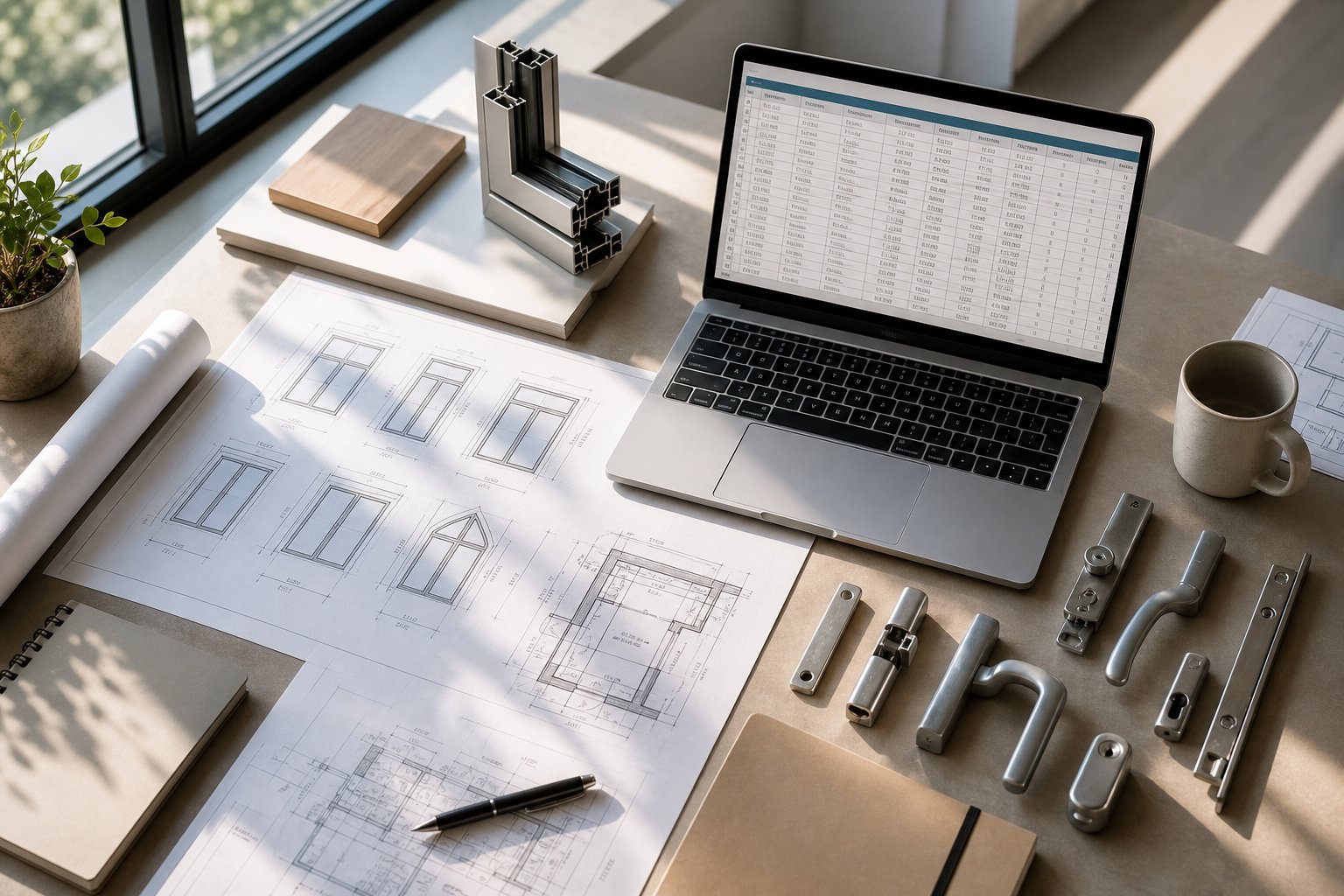
Lifetime value calculations only matter if the quote in front of you honestly reflects what you are getting. The problem is that many quotes for aluminium windows and doors bundle everything into a single lump sum, making it impossible to tell whether a lower price means genuine efficiency or missing components. A practical comparison framework fixes that.
What a Transparent Quote Should Include
A reliable quote for aluminium joinery should read like a recipe — every ingredient visible and measurable. Industry guidance on quote comparison consistently identifies the same essential line items that separate a complete offer from a vague estimate:
- Profile system name and extrusion depth (not just “aluminium frame”)
- Glazing specification — double or triple, Low-E coating, gas fill, spacer type
- Hardware brand and standard — lock type, hinge rating, operator mechanism
- Finish — powder coat or anodised, colour code, warranty on coating
- Flashing and weatherproofing details
- Installation labour scope — preparation, fitting, sealing, internal/external making good
- Waste removal and disposal of old windows and frames
- Warranty terms — structural frame, hardware, glass seal, and duration of each
If any of these items are absent, you cannot perform a genuine like-for-like comparison. A quote missing glazing specs or installation scope is not cheaper — it is incomplete. Research into quote transparency shows that prices for seemingly similar windows and window frames can differ by 20–30 per cent simply because the scope of supply and service varies between offers.
Requesting Itemised Quotes from Multiple Suppliers
Three quotes is a reasonable minimum — enough to triangulate fair pricing without drowning in paperwork. The key is normalising specifications across all three so the comparison is meaningful. Send each supplier the same window schedule (sizes, styles, performance requirements) and ask them to quote against identical criteria.
Before accepting any quote for custom aluminium windows or standard ranges, ask these questions:
- Is the quoted price supply-only or supply and install?
- What AS 2047 performance ratings apply to the quoted windows?
- Are there any provisional sums or allowances that could change the final cost?
- Who is responsible if site measurements differ from drawings?
- What is excluded — scaffolding, council permits, structural modifications?
- How are variations handled once fabrication begins?
- What happens if a unit arrives damaged or out of spec?
Clear, confident answers signal a well-defined offer. Vague responses — particularly around exclusions and variations — are a red flag that the headline price may not survive first contact with reality.
Working with a Project-Capable Partner
Quotes become more accurate when fewer unknowns remain. Suppliers who support the full process — interpreting architectural drawings, recommending profile systems for your climate zone, calculating material quantities, and coordinating delivery to match your build programme — produce tighter pricing because they have already resolved the variables that cause cost blow-outs in less thorough quotes.
For builders, developers, and architects managing commercial aluminium windows or multi-dwelling projects, this matters enormously. A project-capable partner like MEICHEN works from your schedules and drawings through to system selection, manufacturing coordination, and logistics planning — eliminating the ambiguity that inflates final invoices. When alum windows and doors are specified, quoted, and delivered through a single coordinated workflow, the price you see at tender stage is far more likely to be the price you pay at completion.
Fair pricing is not about finding the lowest number. It is about finding a number you can trust — one backed by a complete specification, transparent scope, and a supplier whose process leaves no room for hidden extras. That same transparency also reshapes how you think about the longer game: total cost of ownership across the full life of your windows.
Total Cost of Ownership vs. the Sticker Price
A fair quote tells you what you will pay today. It says nothing about what you will spend over the next thirty years maintaining, repairing, or eventually replacing those windows. Shifting your lens from purchase price to total cost of ownership often reverses which option looks expensive and which looks cheap.
Maintenance Costs Over a 30-Year Lifespan
Aluminium’s natural oxide layer resists corrosion without any intervention, and a quality powder-coat finish holds its colour for 15–25 years before showing signs of fade. In practice, maintaining aluminium window frames means occasional cleaning with soapy water and lubricating hardware every few years — nothing more. Compare that to timber, which demands sanding, priming, and repainting every five to ten years at several hundred dollars per opening each cycle. Over three decades, those repeated maintenance rounds add thousands to timber’s real cost that never appear in the original quote.
Vinyl sits in between: virtually zero maintenance in its early years, but ultraviolet degradation in Australia’s intense sun can cause warping, discolouration, and seal failure well before the 30-year mark. When a vinyl frame warps, the repair is often a full replacement rather than a localised fix.
When Replacement Makes More Sense Than Repair
If you are living with old aluminium window frames — particularly non-thermally broken, single-glazed units from the 1980s or 1990s — the question is not whether they still open and close. It is whether the ongoing cost of draughts, condensation damage, and patching worn seals exceeds the cost of aluminium frame window replacement with a modern thermally broken system.
Calculate the break-even point by tallying annual energy losses (reflected in higher heating and cooling bills), the frequency of hardware repairs, and any condensation-related damage to sills or wall linings. Research from The Spruce notes that replacing old single-pane windows with energy-efficient units can save 7–15 per cent on annual energy bills. In colder Australian climate zones — alpine regions, Canberra, inland NSW — that saving is meaningful enough to recoup the cost of aluminium windows replacement within 10–15 years, particularly when you also eliminate recurring repair bills.
For homes where the existing frames are structurally sound but the glass has failed, aluminium retrofit windows that slot into the existing sub-frame offer a middle path — lower installation cost, less disruption, and a significant performance uplift without a full frame-out.
Warranty Value as a Pricing Factor
Warranties are not marketing fluff — they are financial instruments that cap your risk. A manufacturer offering a 20-year structural frame warranty and a 10-year hardware warranty is effectively underwriting two decades of potential component failure. Warranty comparison data shows that reputable aluminium window manufacturers typically cover the frame for 20 years to lifetime, insulated glass units for 10–20 years, and hardware for 10–20 years. Vinyl warranties often match on paper, but shorter real-world lifespans in high-UV environments can mean the frame degrades after the warranty is commercially irrelevant.
When comparing two quotes for similar specifications, give weight to the one backed by longer, more comprehensive coverage. The premium you pay for a better-warranted product reduces the probability of out-of-pocket expenses that would otherwise erode any upfront savings.
| Cost Factor | Aluminium (Thermally Broken) | Vinyl (uPVC) | Timber |
|---|---|---|---|
| Expected service life | 30–50 years | 20–30 years | 30–60 years (with maintenance) |
| Maintenance effort | Low — periodic cleaning and hardware lubrication | Low initially — risk of UV degradation over time | High — repaint/restain every 5–10 years |
| Maintenance cost over 30 years | Low | Low–Medium | High |
| Replacement likelihood within 30 years | Low | Medium–High | Low (if maintained) |
| Typical warranty (frame) | 20 years – Lifetime | Lifetime (but UV limitations apply) | 10–15 years |
| Recyclability at end of life | High — infinitely recyclable | Low — limited recycling pathways | Medium — biodegradable but not reusable |
The table makes the pattern clear: aluminium’s higher purchase price buys a lower total expenditure over the window’s working life. Whether you are deciding to replace aluminium windows from a previous generation or choosing a material for a new build, the number that matters is not the one on the invoice — it is the sum of every dollar that window will ever cost you. With that ownership perspective locked in, the final step is turning these insights into a concrete action plan you can follow from first enquiry through to installation day.
Making Your Aluminium Window Investment Count
Everything covered so far — pricing mechanics, style trade-offs, sourcing channels, energy payback, quote evaluation, and ownership costs — leads to one practical question: what do you actually do with this knowledge? The answer is a disciplined buying process that treats every aluminium window decision as an investment rather than a transaction.
Your Price-Smart Aluminium Window Checklist
Follow these steps in order. Each one builds on the last to ensure you land on genuinely competitive pricing without sacrificing performance or long-term value.
- Engage a project-capable supplier early. Before finalising drawings, involve a partner who can review your window schedule, recommend appropriate profile systems for your climate zone, and flag specification gaps that cause cost blow-outs later. MEICHEN’s services approach — supporting builders, developers, architects, and contractors from drawings through to delivery coordination — is built precisely for this stage. Starting here anchors every subsequent step in realistic, manufacture-ready specifications.
- Define performance requirements before shopping. Decide on your minimum U-factor, SHGC, acoustic rating, and bushfire or cyclone compliance needs based on your NCC climate zone and site conditions. These criteria become the non-negotiable baseline every quote must meet.
- Request itemised quotes from at least three sources. Send each supplier an identical window schedule with sizes, styles, glazing specs, and hardware requirements. Insist on line-item breakdowns — profile system, glass, hardware, finish, installation, and warranty — so you can compare component by component.
- Compare on a like-for-like specification basis. Normalise every quote against your defined performance requirements. A cheaper quote is only cheaper if it meets the same extrusion depth, glass package, hardware standard, and coating warranty as the alternatives.
- Factor in energy payback and warranty value. Calculate the annual energy saving of a thermally broken system over a standard frame, multiply by the window’s expected service life, and subtract the upfront premium. Add warranty coverage duration as a risk-reduction credit — longer coverage means fewer potential out-of-pocket costs.
- Time your purchase for seasonal advantage. If your project timeline allows flexibility, target the quieter months (May–August) or end-of-financial-year windows when fabricators carry lighter order books and pricing softens.
- Confirm everything in writing before production begins. Lock in specifications, delivery dates, variation procedures, and warranty terms in a signed contract. Verbal assurances have no value once fabrication is underway.
Partnering with the Right Supplier for Your Project
The best price on an aluminium window is not found by shopping the market for the lowest number. It emerges from a process where specifications are clear, unknowns are resolved before fabrication, and the supplier understands your project deeply enough to price it accurately the first time.
For residential aluminum windows on a single home, a local distributor with good technical knowledge may be all you need. But for multi-dwelling developments, commercial fitouts, or architecturally complex builds requiring slimline aluminium windows or custom configurations, the stakes shift. Every ambiguity in the tender documents becomes a potential variation, and every variation inflates the final cost beyond the original quote.
This is where working with a dedicated aluminium windows manufacturer — one that handles the full chain from drawing interpretation and system recommendation through manufacturing, quality control, and logistics — delivers measurable pricing advantage. When a single team owns the process end to end, there are no gaps where costs hide. Material calculations are tighter because the same people reading the drawings are producing the windows. Delivery coordination aligns with your build programme because it is planned from the outset, not retrofitted around someone else’s production queue.
Whether your project involves metal windows residential upgrades across a portfolio of investment properties or a large-scale development requiring hundreds of identical openings, the framework stays the same: define what you need, verify what you are being quoted, and work with a partner whose process eliminates the surprises that turn a good quote into an expensive project.
For procurement teams, builders, and architects ready to apply this approach with a real aluminum window manufacturer, exploring MEICHEN’s structured services workflow is a logical next step. It translates everything in this guide — from schedule review and system selection through to delivery planning — into a coordinated process designed to protect your budget from the hidden costs that live between the lines of a standard quote.
Frequently Asked Questions About Best Price Aluminium Windows
1. What is the average cost of aluminium windows in Australia?
Aluminium window pricing in Australia varies widely based on style, glazing, and frame specification. Fixed-lite windows start from around $150 supply-only for a 600 x 600 mm opening, while sliding windows begin at roughly $165 for a comparable size. Casement and awning styles cost 10-20 per cent more due to additional hardware such as friction stays and multi-point locks. Thermally broken double-glazed units with premium finishes can cost 100 per cent or more above basic single-glazed options. The final price depends on extrusion depth, wall thickness, glass specification (single, double, or triple), hardware grade, powder-coat colour choice, and whether custom sizing is required. Requesting itemised quotes from multiple suppliers using identical window schedules is the most reliable way to establish fair market pricing for your specific project.
2. Are aluminium windows cheaper than timber or vinyl windows?
Aluminium windows typically carry a higher upfront cost than vinyl (uPVC) but sit below or comparable to timber depending on species and finish. However, total cost of ownership tells a different story. Vinyl windows last 20-25 years and degrade faster under Australia’s intense UV, often requiring full replacement within 30 years. Timber demands repainting every 5-10 years at several hundred dollars per opening. Aluminium frames with quality powder coating achieve 30-50 years of service with minimal maintenance beyond periodic cleaning and hardware lubrication. When you factor in maintenance expenditure, replacement likelihood, energy performance of thermally broken units, and infinite recyclability at end of life, aluminium often delivers the lowest total cost per year of service among all framing materials available in the Australian market.
3. How can I get the best deal on aluminium windows without sacrificing quality?
Several strategies help secure competitive pricing without compromising performance. First, consolidate your order into a single batch rather than purchasing windows individually — volume orders of 10 or more openings typically unlock 10-20 per cent discounts from manufacturers. Second, time your purchase for quieter construction months (May-August) or end-of-financial-year clearances when fabricators are more willing to negotiate. Third, mix window styles strategically by using fixed lites where ventilation is unnecessary and reserving operable styles only where airflow matters. Fourth, buy closer to the source — purchasing direct from an aluminium window manufacturer eliminates distributor margins on medium-to-large projects. Finally, work with a project-capable supplier who can interpret your drawings, recommend appropriate systems, and deliver accurate first-time pricing that avoids costly variations during fabrication.
4. What should I look for when comparing aluminium window quotes?
A transparent quote should itemise every component: profile system name and extrusion depth, glazing specification (pane count, Low-E coating, gas fill, spacer type), hardware brand and standard, finish type with colour code and coating warranty, flashing and weatherproofing details, installation labour scope, waste removal, and warranty terms covering frame, hardware, and glass seals separately. Quotes missing any of these items cannot be compared fairly — a lower headline price often means missing scope rather than genuine savings. Request at least three quotes against identical specifications, normalise them on a like-for-like basis, and ask each supplier about exclusions, provisional sums, variation handling, and responsibility for measurement discrepancies. Confident, detailed answers indicate a well-defined offer backed by a thorough quoting process.
5. Are thermally broken aluminium windows worth the extra cost in Australia?
In most Australian climate zones, thermally broken aluminium windows deliver a measurable return on their upfront premium through reduced heating and cooling costs. A thermally broken double-glazed frame achieves approximately U3.6, representing a 46 per cent reduction in heat transfer compared to single-glazed aluminium at U6.7. In cold climates like Canberra, alpine NSW, or inland Victoria, case studies show non-thermally broken windows can increase energy requirements by more than a third — translating to an estimated $10,000 in additional energy costs over 20 years. In mild coastal climates where winters rarely dip below 10 degrees Celsius, the payback period extends and standard double-glazed frames may suffice. The colder or hotter your climate zone, the faster higher-performance windows recoup their premium through lower HVAC demand.
More Window & Door Guides