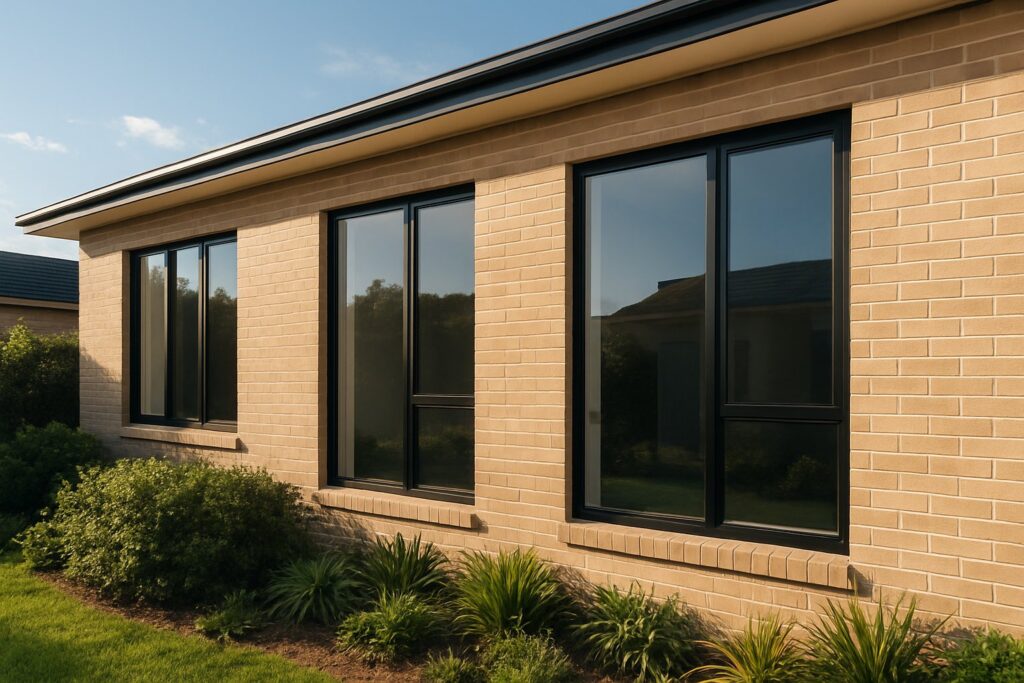
What Is Anthracite Grey and Why Does It Dominate Modern Window Design
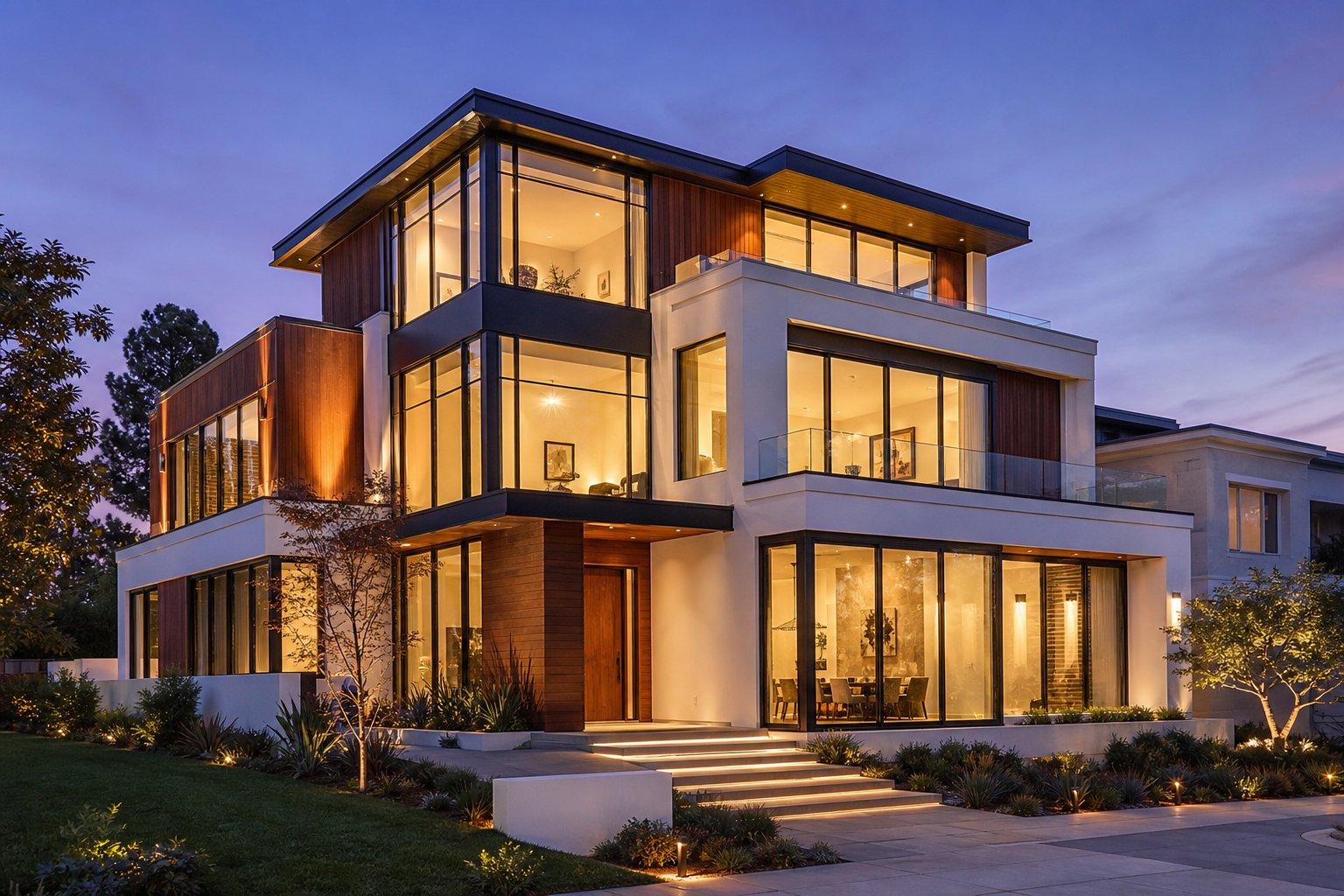
Walk through any new housing estate or renovated streetscape in Australia and you will spot it almost immediately: a deep, sophisticated dark grey framing the glass on contemporary homes. That colour is anthracite grey, and it has quietly overtaken both classic white and jet black as the preferred frame colour for modern residential architecture.
Anthracite grey is a deep, neutral dark grey designated RAL 7016 in the European RAL Classic colour system. It sits between charcoal and black on the spectrum, carrying subtle warm undertones that prevent it from appearing flat or harsh. In the window and door industry, RAL 7016 is the standard specification for anthracite grey aluminium window frames and is the most widely selected dark colour for powder-coated aluminium profiles.
The colour draws its name from anthracite coal, a dense, high-carbon mineral with a muted metallic lustre. That origin hints at why the shade feels rich without being overpowering. Unlike pure black frames, which can look stark against lighter facades, anthracite grey offers depth and contrast while remaining visually restrained. It complements virtually any exterior material, from white render and red brick to natural timber cladding and dark stone.
Understanding RAL 7016 Anthracite Grey
The RAL Classic system assigns standardised codes to colours so manufacturers, architects, and homeowners can specify exact shades without ambiguity. RAL 7016 anthracite grey colour explained in simple terms: it is a dark grey with a warm base that leans neither blue nor green. Its hex value sits around #293133, placing it firmly in the territory between medium charcoal and soft black.
This colour originally gained traction in commercial aluminium installations, appearing on shopfronts, office buildings, and restaurant facades. Its understated industrial quality resonated with the broader shift toward post-industrial and minimalist aesthetics in residential design. Over the past decade, it has become the dominant choice for homeowners seeking a modern edge without the boldness of full black.
How Anthracite Grey Looks in Different Light
One reason buyers sometimes feel uncertain about specifying anthracite grey is that the colour shifts noticeably depending on lighting conditions. Understanding these shifts helps you set realistic expectations before installation day.
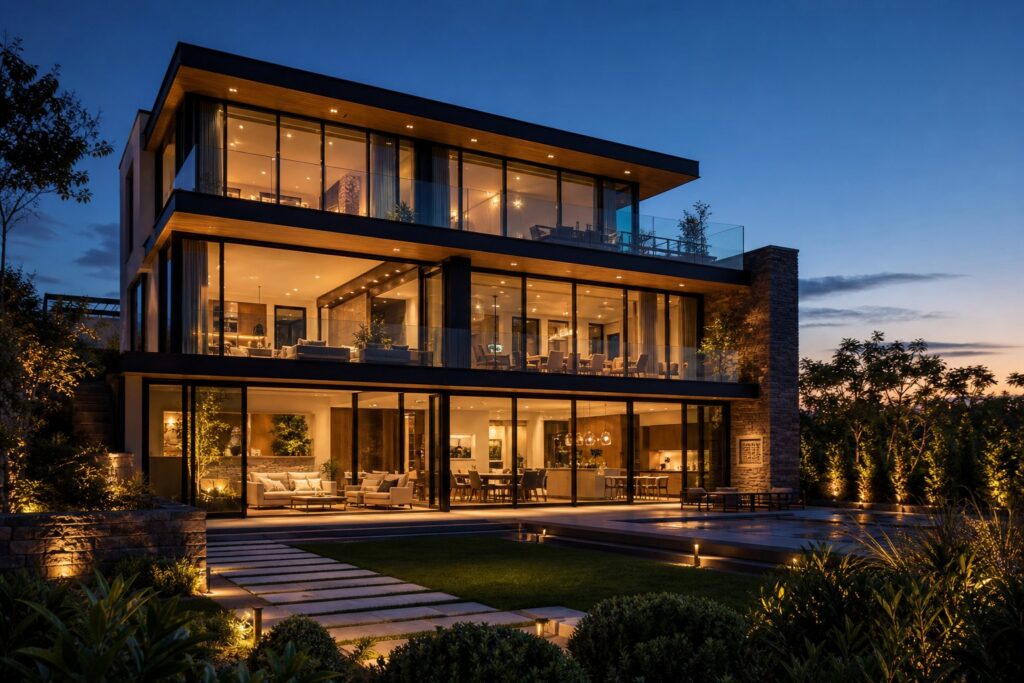
In direct Australian sunlight, the frame reveals its warm undertone. You will notice a slight softness, almost a hint of warmth beneath the grey, that keeps the colour from reading as cold or industrial. On overcast days, the same frame deepens toward charcoal, appearing darker and more uniform. At night under artificial lighting, anthracite grey can look nearly black, which is why many people initially mistake it for a black frame when viewing homes after dark.
This chameleon quality is actually one of the colour’s strengths. It adapts to its surroundings rather than fighting them, which partly explains why anthracite grey vs black window frames is such a common comparison. Black stays black regardless of conditions. Anthracite grey responds to the environment, creating a more nuanced and forgiving aesthetic across the full range of Australian light, from the harsh midday sun in Perth to the softer, diffused skies of Melbourne’s winter.
Distinguishing RAL 7016 from Similar Dark Greys
Specifying the wrong shade is a surprisingly common mistake. Several dark greys in the RAL system look similar on screen or in small swatches but read quite differently on a full-sized window frame. Here is how the difference between anthracite grey and charcoal windows breaks down against the most commonly confused alternatives:
- RAL 7015 (Slate Grey) — Lighter than anthracite with a cooler, blue-tinged undertone. It reads as a softer, more muted grey and works well on heritage properties where a dark frame is desired without the intensity of RAL 7016.
- RAL 7021 (Black Grey) — Darker and cooler than anthracite, sitting much closer to black. In most lighting conditions it is nearly indistinguishable from a true black frame, making it a poor choice if you want visible grey character.
- RAL 7024 (Graphite Grey) — Slightly lighter than RAL 7016 with a blue-violet undertone. It can appear almost purple in certain light, which catches some buyers off guard.
When ordering an anthracite grey aluminium window, always confirm RAL 7016 explicitly on your specification documents. Relying on colour names alone, such as “dark grey” or “charcoal,” leaves room for interpretation that can result in the wrong shade arriving on site. Request a physical powder-coat swatch from your supplier and view it against your facade material in both morning and afternoon light before signing off.
With the colour itself clearly defined, the next consideration is whether this shade actually suits your property type, or whether its modern reputation limits where it can be used effectively.
Property Types and Design Contexts Where Anthracite Grey Works
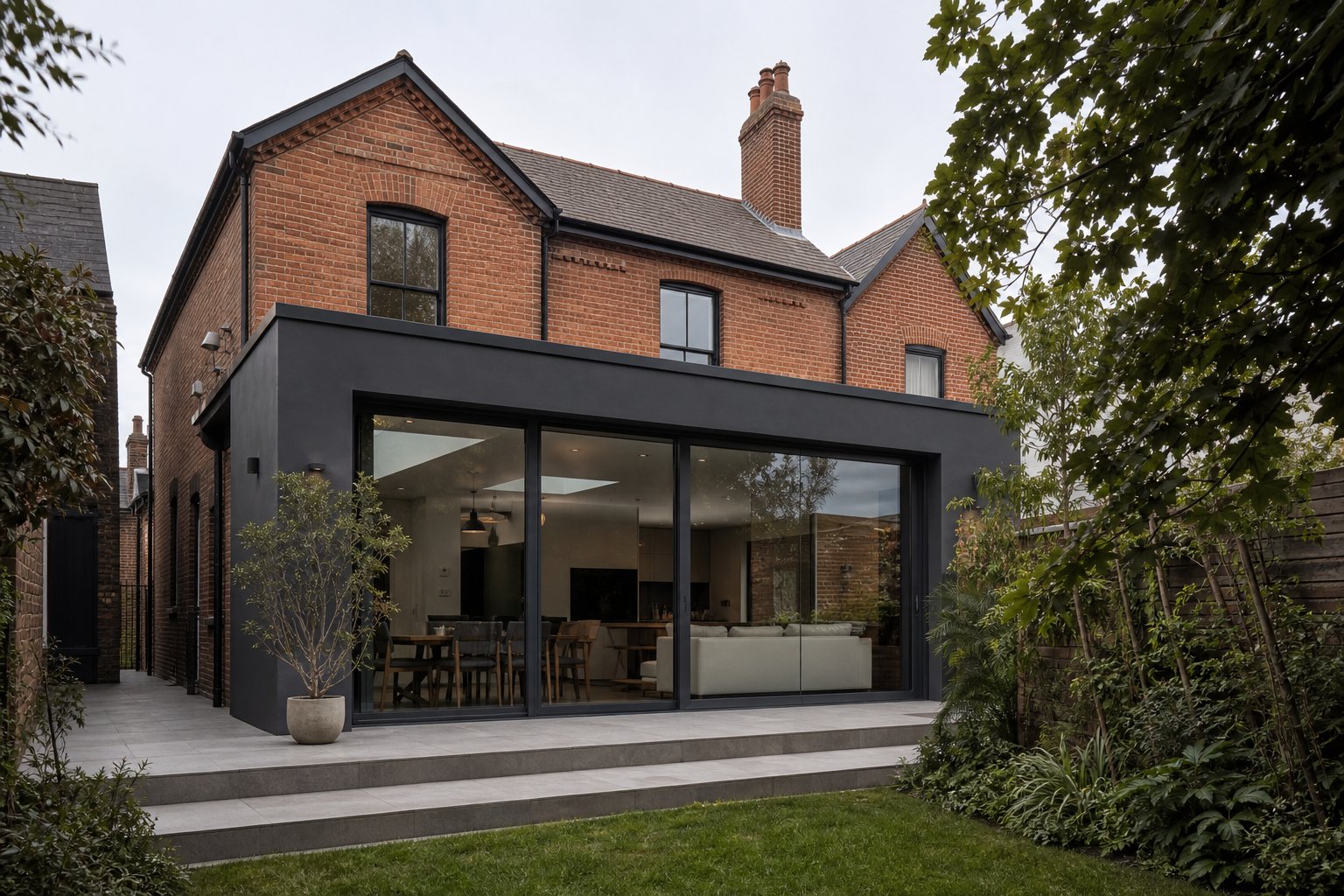
There is a persistent assumption that dark-framed windows belong exclusively on flat-roofed, rendered new builds. It is one of the most limiting misconceptions in residential glazing. The reality is that anthracite grey aluminium windows suit a far broader range of properties than most buyers initially expect, from Federation-era renovations in Sydney’s inner west to converted woolsheds in rural Victoria.
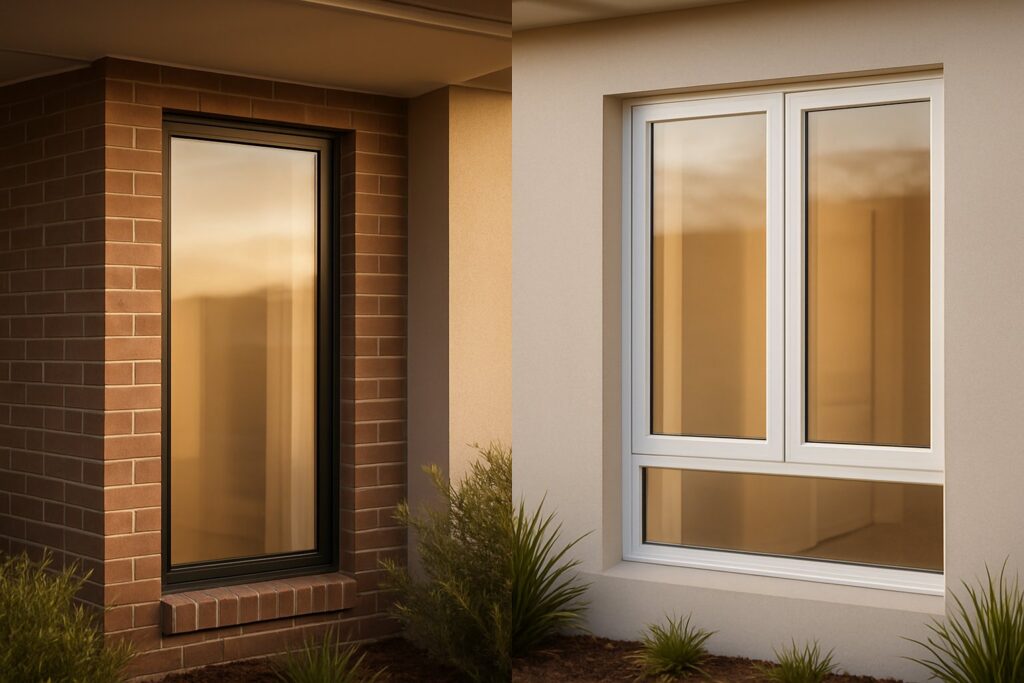
The colour’s neutrality is the key. Because RAL 7016 carries warm undertones without leaning toward any dominant hue, it harmonises with red and brown brickwork, painted weatherboard, natural stone, timber cladding, and cement render alike. It frames the glass without competing with surrounding materials, which is precisely why architects reach for it across such varied design contexts.
Beyond Modern Homes — Suitability for Period Properties
Do anthracite grey windows suit older homes? The short answer is yes, provided the design details are handled thoughtfully. A Victorian terrace extension in Melbourne, for instance, often features a contemporary rear addition that contrasts deliberately with the original facade. Dark aluminium frames on the new section create a clean visual separation between old and new, signalling that the extension is intentionally modern rather than a clumsy imitation of the original style.
Barn conversions and adaptive reuse projects follow a similar logic. The industrial character of anthracite grey aluminium complements exposed brick, steel beams, and raw timber, materials already present in these structures. Rather than clashing with heritage fabric, the dark frames echo the tonal palette of aged materials.
Even on intact period homes, anthracite grey works when the window proportions and opening styles respect the building’s character. A slim-profile casement in RAL 7016 can sit comfortably on a 1920s brick bungalow in Adelaide, particularly when paired with traditional hardware and appropriate glazing bar patterns. The colour itself is not the issue; it is the profile, proportions, and detailing that determine whether the result feels sympathetic or jarring.
Property types where anthracite grey aluminium frames work effectively include:
- Contemporary new builds and architect-designed homes
- Rear and side extensions on Victorian and Edwardian terraces
- Barn conversions and warehouse adaptive reuse projects
- Brick veneer homes from the 1950s through 1980s seeking a modern refresh
- Commercial shopfronts and mixed-use developments
- Multi-storey apartment buildings and townhouse complexes
- Queenslander and weatherboard homes with contemporary additions
Dual-Colour Frames for Interior Flexibility
One practical solution that broadens the appeal of dark exterior frames is the dual colour aluminium window frames grey and white configuration. The exterior face is finished in anthracite grey to deliver street-facing impact, while the interior face is powder-coated in white or another light neutral to blend with internal walls, skirting boards, and ceiling lines.
This approach solves a common tension in renovation projects. Homeowners want the kerb appeal and contemporary edge of dark frames on the outside, but prefer a lighter, more open feel inside their living spaces. White interior frames reflect more natural light back into the room and integrate seamlessly with most interior colour schemes without demanding attention.
Dual-colour finishing is standard practice for quality aluminium fabricators. The two colours are applied separately to the interior and exterior faces of the profile before assembly, so there is no visible transition line or colour bleed at the edges. It adds a modest premium to the overall cost but avoids the compromise of choosing a single colour that works adequately from both sides without excelling at either.
Planning Permission for Heritage and Conservation Areas
In Australia, planning permission for dark aluminium window frames becomes a consideration primarily in heritage overlay zones and conservation areas governed by local council regulations. Unlike standard residential replacements, which typically fall under exempt development provisions, properties within heritage overlays may require a planning permit or development application (DA) before windows can be changed.
Each council sets its own heritage guidelines. Some are prescriptive about frame colour and material on street-facing elevations, while others focus on proportions and opening styles rather than colour. In many cases, anthracite grey frames are acceptable on rear additions or non-original sections of a heritage property, even where the street-facing facade must retain traditional timber or steel frames in period-appropriate colours.
If your property sits within a heritage overlay or conservation area, check your local council’s heritage policy documents before specifying any window colour. Request a pre-application meeting with the heritage adviser if possible. Bringing a physical colour swatch and elevation drawings to that meeting gives you a clear answer early, well before you commit to a fabrication order that may not receive approval.
The design flexibility of anthracite grey is clear, but choosing the right frame material matters just as much as choosing the right colour. Aluminium is not the only option available in this shade, and understanding how it compares to uPVC and timber in dark finishes helps you make a decision that holds up over decades rather than just the first few years.
Comparing Aluminium Against uPVC and Timber in Dark Grey Finishes
Anthracite grey is available across all three major frame materials, but the colour does not behave identically in each one. The material beneath the finish determines how that dark grey surface ages, how much glass you actually see, and how much maintenance you will face over the life of the window. A proper anthracite grey window material comparison needs to go beyond initial appearance and examine what happens five, fifteen, and thirty years down the track.
Aluminium vs uPVC in Anthracite Grey
The most immediate visual difference is frame thickness. Aluminium’s superior strength-to-weight ratio allows profiles as slim as 35 mm, while uPVC requires 70 mm or more to achieve equivalent structural integrity. That gap translates directly into visible glass area. On a standard 1200 mm x 1500 mm opening, slimline aluminium window frames vs uPVC thickness differences can mean roughly 15 to 20 percent more glazing on display. For homeowners chasing clean sightlines and maximum natural light, that margin is significant.
Thermal performance is where uPVC has traditionally held an edge. Multi-chamber uPVC profiles achieve U-values around 1.2 to 1.4 W/m²K without additional engineering. Aluminium, being a conductor, relies on polyamide thermal breaks to interrupt heat transfer through the frame. Modern thermally broken aluminium systems now reach U-values of approximately 1.6 W/m²K, with premium configurations approaching 1.4 W/m²K. The gap has narrowed considerably, and for most Australian climate zones the practical difference in energy performance is modest.
Where the comparison shifts decisively is colour stability under UV exposure. Do dark uPVC windows fade over time? In short, yes, and Australian conditions accelerate the process. Dark-coloured uPVC absorbs substantially more solar heat than white profiles. That thermal load causes expansion, and over repeated cycles, the material can warp, bow, or develop visible distortion. Dark uPVC finishes, whether foil-laminated or through-coloured, are also more prone to fading and surface chalking after prolonged UV exposure. Powder-coated aluminium, by contrast, maintains colour consistency for decades because the electrostatically applied coating is cured at high temperatures and bonds permanently to the metal substrate.
Aluminium vs Timber — Longevity and Maintenance
Timber frames offer natural thermal insulation and a warmth that appeals to many homeowners, particularly on heritage projects. Hardwood species can last 50 years or more. The catch is maintenance. Painted timber in a dark colour like anthracite grey demands recoating every four to seven years to prevent moisture ingress, UV degradation, and peeling. In coastal or high-humidity areas across Queensland and northern NSW, that cycle can shorten further.
Aluminium vs timber window frames lifespan comparisons favour aluminium for sheer low-effort longevity. A quality powder-coated aluminium frame lasts 40 to 50 years with nothing more than periodic cleaning. There is no repainting, no sanding, no risk of rot. For buyers who want the look of anthracite grey without the ongoing commitment timber demands, aluminium delivers that combination of aesthetics and practicality.
The table below summarises how the three materials compare across the metrics that matter most when specifying dark grey window frames for Australian conditions:
| Metric | Aluminium | uPVC | Timber |
|---|---|---|---|
| Typical Lifespan | 40–50+ years | 20–35 years | 30–60 years (species dependent) |
| Frame Thickness | 35 mm+ (slimmest) | 70 mm+ (widest) | 55 mm+ |
| Maintenance Frequency | Minimal — occasional wash | Minimal — occasional wash | High — repaint every 4–7 years |
| Recyclability | 95% recyclable, indefinitely | Recyclable up to 10 times | Biodegradable, renewable source |
| Colour Stability in Dark Finishes | Excellent — powder coat resists UV fading | Moderate — prone to fading and warping | Requires recoating to maintain colour |
| Thermal Performance (U-value) | ~1.6 W/m²K (thermally broken) | 1.2–1.4 W/m²K | 1.2–1.4 W/m²K |
| Cost Positioning | Mid to premium | Budget to mid | Mid to premium |
Each material has a legitimate place depending on budget, property type, and appetite for maintenance. But when the specification calls for a dark finish that must hold its appearance under harsh Australian sun without ongoing intervention, aluminium occupies a position the other two materials struggle to match. Its combination of slim profiles, colour permanence, and structural longevity makes it the natural home for anthracite grey in climates where UV intensity and thermal cycling test every surface relentlessly.
Material choice settles the structural and aesthetic foundation. The next layer of the decision is which window style best suits your rooms, your ventilation needs, and the architectural character you are trying to achieve within those slim dark frames.
Window Styles Available in Anthracite Grey Aluminium
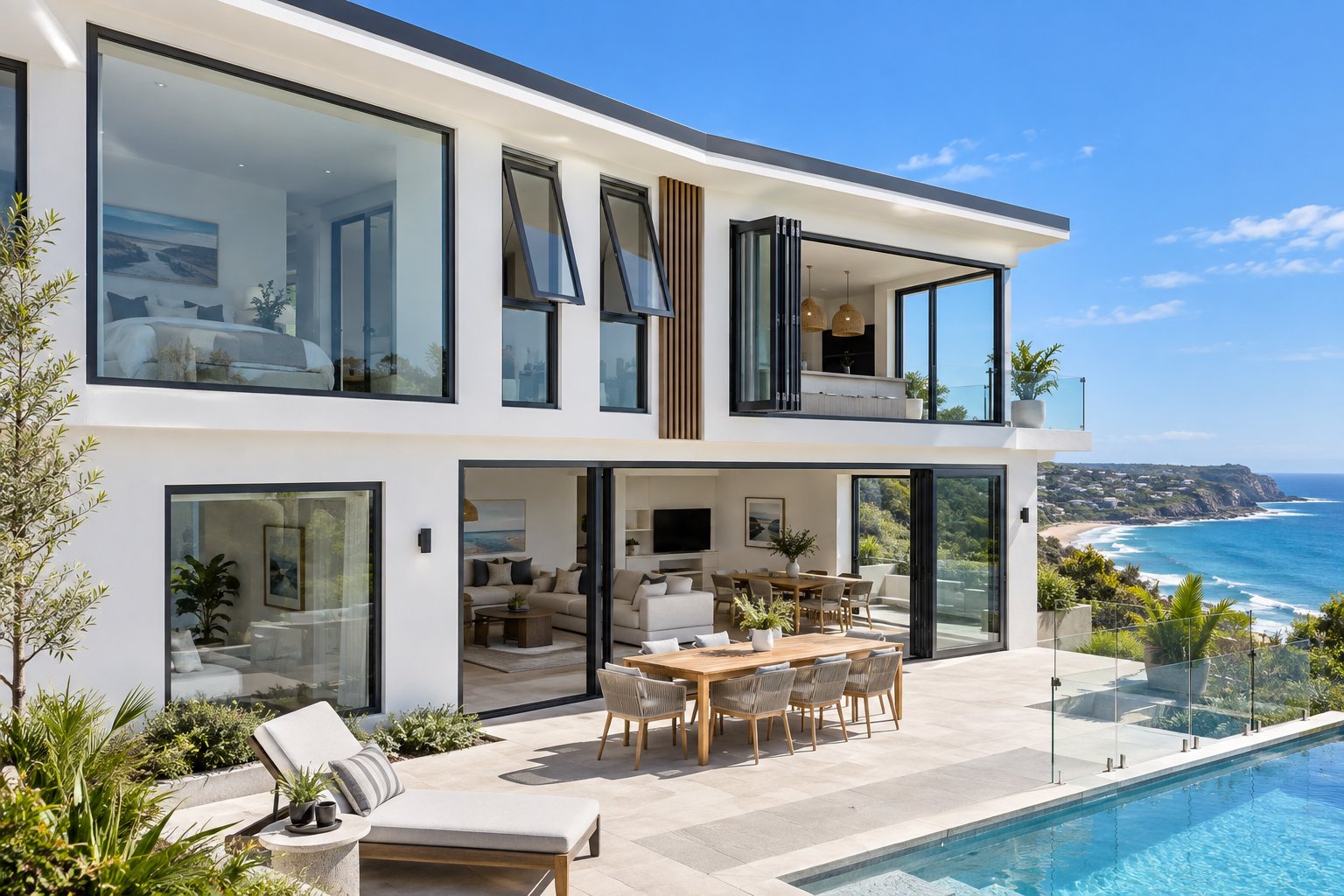
Aluminium’s structural strength opens up a wider range of window configurations than uPVC or timber can practically deliver in slim profiles. Every major opening style is available in anthracite grey, and each one interacts differently with the dark frame colour depending on glass area, sightline proportions, and how the window sits within the wall.
Residential projects across Australia tend to favour certain styles over others. Ranked by popularity in anthracite grey aluminium installations, the order typically looks like this:
- Casement windows — the most widely specified style overall
- Fixed pane windows — used extensively in combination with operable units
- Bi-fold windows — popular in open-plan living and entertaining areas
- Sliding windows — common in bedrooms, hallways, and spaces with limited exterior clearance
- Tilt-and-turn windows — growing in popularity for upper-storey and apartment applications
- Pivot windows — a niche choice for architectural feature openings
Casement and Tilt-and-Turn Options
Anthracite grey casement windows in aluminium remain the workhorse of residential glazing for good reason. They open outward on side or top hinges, pressing the sash tightly against the frame when closed to form a reliable weather seal. The entire pane swings open, delivering maximum ventilation in kitchens, bathrooms, and living areas where airflow matters. Their slim aluminium profiles mean more glass and less frame, which lets the dark border effect of RAL 7016 define the opening without overwhelming it.
Tilt and turn aluminium windows in dark grey offer a different kind of flexibility. The dual-action mechanism tilts inward from the top for controlled background ventilation, or swings fully inward from the side for cleaning access and maximum airflow. This makes them particularly practical in multi-storey homes and apartments where reaching the exterior face of the glass is difficult or unsafe. The inward opening also avoids encroaching on balconies, walkways, or neighbouring boundaries — a genuine consideration on tighter Australian suburban lots.
Both styles suit bedrooms and living spaces equally well. Casements tend to look more traditional in their proportions, while tilt-and-turn units read as distinctly contemporary, making them a natural pairing with the modern aesthetic anthracite grey already communicates.
Fixed, Sliding, and Specialty Configurations
Where maximising glass area is the priority, fixed pane and sliding configurations let aluminium’s slim profile do its best work. Anthracite grey fixed pane window designs are often used as large picture windows or combined with smaller operable casements above or beside them. Because there are no mechanical parts, the frame can be reduced to its structural minimum, creating expansive sheets of glass bordered by a thin dark line. That visual border effect is striking against lighter render or pale brickwork — the anthracite frame makes the window appear larger and more defined, almost like a deliberate architectural feature rather than just a functional opening.
Slim profile aluminium sliding windows in anthracite suit rooms where you need ventilation without the sash projecting outward. Bedrooms facing footpaths, hallways alongside boundaries, and ground-floor openings near outdoor entertaining areas all benefit from the horizontal slide mechanism. Aluminium’s strength supports wider spans than uPVC sliders can manage, meaning fewer mullions interrupting the view and a cleaner overall composition.
Bi-fold windows take the concept further, folding multiple panels to one side to create a wide, unobstructed opening between indoor and outdoor spaces. Aluminium is the natural material for bi-fold systems because it provides the structural rigidity needed across large spans without bulky framing. In anthracite grey, the folded panels stack neatly as a slim dark edge, disappearing visually when open and framing the view cleanly when closed.
Pivot windows occupy a smaller niche but deliver dramatic impact in the right context — tall, narrow openings in stairwells, double-height living spaces, or as a centrepiece feature window. The central pivot mechanism allows the glass to rotate for cleaning and ventilation, and the dark frame accentuates the geometric statement.
Across all these styles, one principle holds: the slimmer the frame, the more the anthracite grey colour reads as a precise, intentional border rather than a heavy visual element. Aluminium delivers those minimal sightlines consistently, which is why the material and the colour have become so closely associated in contemporary Australian homes.
Style determines how your windows look and function day to day. But behind that dark frame sits the engineering that determines whether your home stays comfortable year-round — and whether those slim aluminium profiles can genuinely perform as well as they appear.
Thermal Performance and Energy Efficiency of Aluminium Frames
Aluminium conducts heat roughly 1,000 times faster than PVC and 5,000 times faster than timber. Read that figure in isolation and you might wonder why anyone would choose it for a window frame. The answer lies in a single engineering solution that transforms aluminium from a thermal liability into a genuine high-performance material: the thermal break.
How Thermal Break Technology Works
A thermal break aluminium window explained in simple terms: the aluminium profile is split into two separate pieces — an exterior section and an interior section — connected by an insulating bar made from polyamide (PA66) reinforced with glass fibre. This polyamide strip has a thermal conductivity of just 0.3 W/m·K, over 500 times lower than the aluminium surrounding it. The result is a physical interruption in the heat path through the frame.
Think of it like cutting a metal bridge in half and replacing the middle section with an insulating material. Heat travelling through the exterior aluminium hits the polyamide barrier and slows dramatically before it can reach the interior face. The two aluminium halves are mechanically crimped onto the polyamide strip, creating a composite profile that behaves as one structural unit while performing thermally like two separate pieces.
The width of the polyamide strip directly affects performance. Standard thermal breaks range from about 20 mm to 34 mm wide. A wider break means a longer insulating path and better thermal resistance. Premium systems also incorporate foam insulation inserts within the frame cavity for additional gains.
Energy Ratings and U-Values Explained
U-value measures how much heat passes through a window assembly — frame and glass combined. Lower numbers mean less heat transfer and better insulation. In Australia, the Window Energy Rating Scheme (WERS) and NatHERS assessments use U-values alongside Solar Heat Gain Coefficient (SHGC) to evaluate window performance against NCC requirements for each climate zone.
What U-value ranges should you expect from quality anthracite grey aluminium window frames? A non-thermally-broken aluminium frame sits around 5.0 to 7.0 W/m²K — essentially useless for energy-efficient construction. Add a standard thermal break and the frame U-value (Uf) drops to approximately 1.8 to 2.5 W/m²K. Premium profiles with wider thermal breaks achieve Uf values between 0.8 and 1.2 W/m²K, which is comparable to high-performance timber.
The whole-window U-value (Uw) combines frame and glazing performance. For energy efficient aluminium windows with thermal performance suitable for most Australian climate zones, expect whole-window U-values in the range of 1.4 to 2.0 W/m²K with double glazing, dropping to 0.8 to 1.4 W/m²K with triple glazing.
When comparing double vs triple glazing aluminium frames, the key differences are:
- Double glazing — two panes separated by one argon-filled cavity, typically 28 mm total glass unit thickness. Achieves glass-centre U-values around 1.2 to 1.6 W/m²K. Suits the majority of Australian residential applications and meets current NCC requirements in most climate zones.
- Triple glazing — three panes with two gas-filled cavities, around 36 to 44 mm thick. Achieves glass-centre U-values as low as 0.6 to 0.8 W/m²K, roughly 50% more energy efficient than equivalent double glazing. Best suited for alpine regions, passive house projects, or south-facing elevations in cooler climates like Tasmania and highland Victoria.
Triple glazing adds approximately 10 to 20 percent to window cost and increases unit weight, which matters for hardware selection and frame engineering. For most Australian homes outside extreme cold zones, well-specified double glazing with a quality thermally broken frame delivers the performance sweet spot between cost and comfort.
Do Dark Aluminium Windows Get Too Hot?
This is one of the most common concerns buyers raise, and it deserves a direct answer. Dark surfaces absorb more solar radiation than light ones — that much is true. An anthracite grey frame will reach higher surface temperatures in direct sun than a white frame of the same material. But does this create a problem in practice? For modern thermally broken systems, no.
The thermal break that prevents heat escaping in winter works identically in reverse. Solar heat absorbed by the dark exterior face of the frame is blocked from transferring to the interior face by the same polyamide barrier. The exterior aluminium gets warm; the interior aluminium stays close to room temperature. Your hand on the inside of the frame will not feel noticeably hotter than it would on a lighter-coloured thermally broken window.
Powder coating also plays a role. Quality coatings reflect a portion of infrared radiation rather than absorbing it entirely, and the cured finish is engineered to withstand sustained surface temperatures well above what even the harshest Australian sun produces. Frame distortion from heat is not a concern with aluminium the way it is with dark uPVC, because aluminium’s melting point sits above 660°C — surface temperatures of 70 to 80°C on a hot day are trivial by comparison.
Condensation Management on Aluminium Frames
Without a thermal break, aluminium frames in cold conditions become condensation magnets. The interior surface drops below the dew point of indoor air, and moisture forms on the frame, drips onto the sill, and eventually encourages mould growth. This was a legitimate problem with older aluminium windows and remains an issue with budget non-thermally-broken systems still sold in some markets.
Thermally broken frames solve this by keeping the interior aluminium surface significantly warmer. Under typical winter conditions — say 5°C outside and 21°C inside at 50% relative humidity — a quality thermal break maintains the interior frame surface above the dew point, eliminating condensation on the frame itself. External condensation on the glass outer pane can still occur on cold mornings, particularly with triple glazing, but this is actually a sign the window is insulating well. It clears as the day warms.
For Australian homes in cooler southern climates — Melbourne, Hobart, Canberra, and highland regions — specifying thermally broken frames is not optional if you want to avoid condensation issues. In warmer zones, the thermal break still contributes to energy efficiency by reducing cooling loads, even if condensation is less of a concern.
Thermal performance is the invisible engineering that makes an anthracite grey aluminium window genuinely comfortable to live with. But the visible layer — the powder-coated finish that gives the frame its colour and protects it from the elements — has its own quality spectrum that separates frames lasting decades from those showing wear within years.
Powder Coating Quality and Long-Term Finish Durability
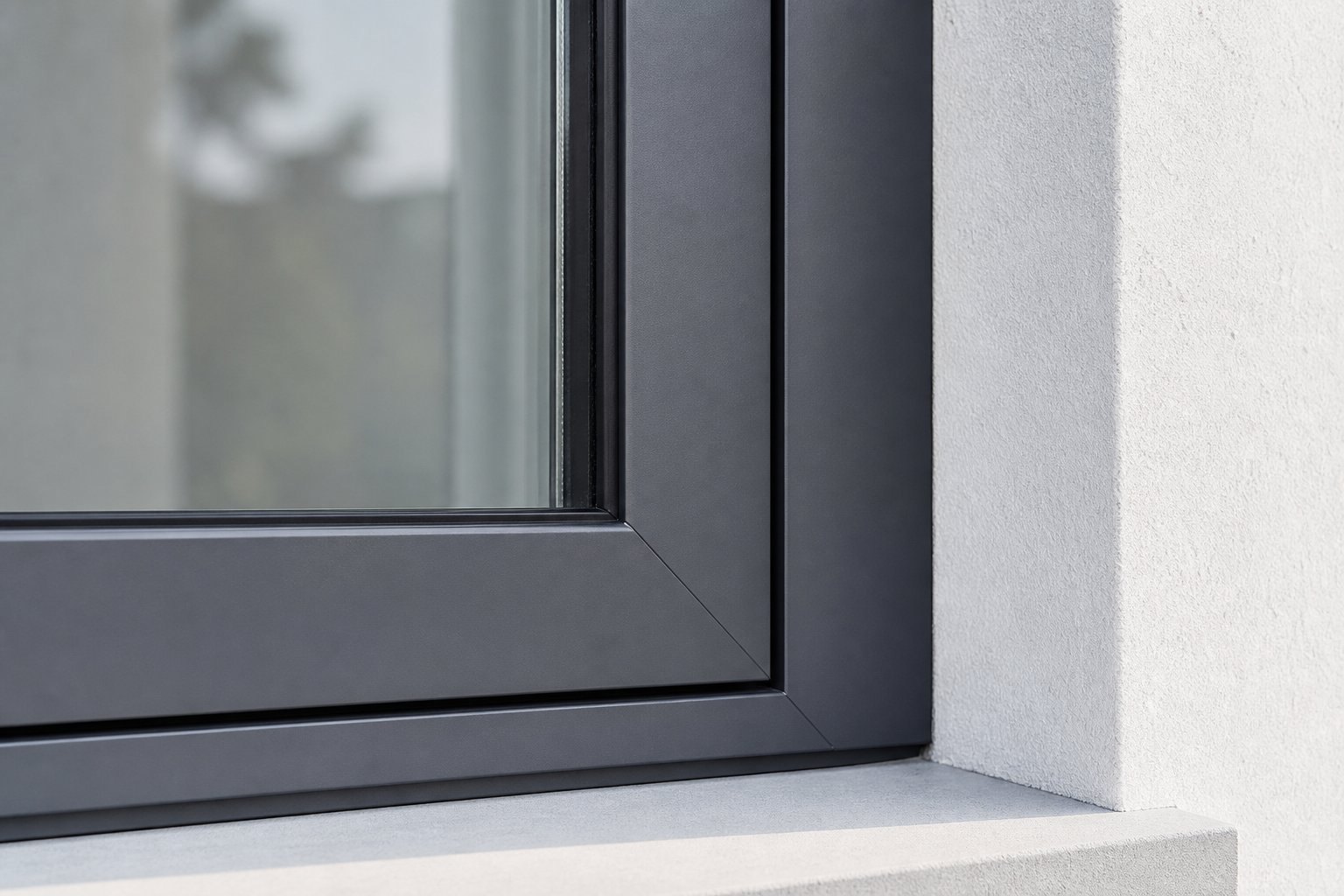
The engineering inside the frame keeps your home comfortable. The finish on the outside keeps the frame looking the way it did the day it was installed. These are two separate quality conversations, and too many buyers focus entirely on thermal performance while assuming all anthracite grey finishes are created equal. They are not. The powder coating process, the certification behind it, and the specific chemistry of the coating powder determine whether your frames hold their colour for five years or thirty.
Powder Coating Process and Quality Standards
Powder coating is not paint. There is no liquid, no solvent, and no brush. Instead, a dry thermoplastic or thermoset powder is applied to the aluminium profile using an electrostatic spray gun. The gun imparts a positive electrical charge to the powder particles, which are then attracted to the grounded aluminium surface. This electrostatic bond holds the powder in place uniformly across the profile — around corners, into recesses, and along edges — before the frame enters a curing oven.
Inside the oven, temperatures reach approximately 180 to 200°C. The powder melts, flows into a continuous film, and chemically crosslinks into a hard, durable finish bonded permanently to the metal. The result is a coating typically 60 to 100 microns thick that resists chipping, peeling, and corrosion far more effectively than conventional wet paint.
Not every powder coating line produces the same quality. This is where certification matters. Qualicoat is the internationally recognised quality label for powder and liquid coatings applied to architectural aluminium. It sets strict standards for pre-treatment, coating thickness, adhesion, and weathering resistance. Qualicoat certified aluminium window frames have been tested against rigorous benchmarks including salt spray exposure, boiling water immersion, and accelerated UV ageing.
Within the Qualicoat system, two classes matter most for residential windows:
- Qualicoat Class 1 — the baseline standard, suitable for moderate climates and sheltered locations. Requires the coating to pass one year of Florida testing (a subtropical weathering benchmark that simulates intense UV, humidity, and heat exposure).
- Qualicoat Class 2 — the higher-performance tier, requiring three years of Florida testing with superior UV resistance and gloss retention. This class is increasingly specified as the standard for quality aluminium systems, particularly in high-UV environments like Australia.
When evaluating anthracite grey powder coating durability, look for these signs of a quality finish:
- Consistent colour depth across all frame sections with no visible patchiness or thin spots
- Smooth, even texture free of orange peel, pinholes, or surface grit
- Certified testing to Qualicoat Class 1 or Class 2 standards
- A written manufacturer warranty of at least 10 years on colour stability and coating integrity
Anodising is the other finishing method sometimes used on aluminium frames. Rather than applying a coating on top of the metal, anodising creates a hard oxide layer within the aluminium surface itself through an electrochemical process. It produces excellent corrosion resistance and a distinctive metallic appearance, but its colour range is limited to natural silver, bronze, and black tones. Achieving a true RAL 7016 anthracite grey through anodising is not practical, which is why powder coating dominates for this colour specification.
UV Resistance and Long-Term Colour Stability
Australia’s UV index regularly exceeds levels found in Europe and North America, making colour stability a genuine concern rather than a theoretical one. Does anthracite grey fade in sunlight over time? With a quality powder-coated finish, the answer is: barely, and not in a way most people would notice within the expected life of the window.
Polyester-based powder coatings — the standard chemistry for architectural aluminium — are formulated with UV stabilisers that resist photodegradation. Superdurable polyester powders maintain colour consistency (measured as Delta E colour shift below 5) for 10 to 20 years even under direct outdoor exposure. Fluoropolymer (PVDF) coatings push that further, retaining 50 percent or more of their original gloss after 10-plus years in harsh conditions and lasting 20 to 30 years before any significant chalking or fade becomes visible.
For most residential anthracite grey aluminium window installations in Australia, a Qualicoat Class 2 superdurable polyester finish provides the right balance of longevity and cost. Fluoropolymer coatings are available for extreme coastal or tropical locations where salt spray and UV intensity are both elevated, though they carry a price premium.
How long does powder coated aluminium last in practice? Expect the coating to maintain its appearance for 25 to 40 years under normal Australian conditions with basic cleaning. The aluminium substrate beneath is essentially indefinite — it does not rot, rust, or degrade. When the coating eventually reaches the end of its aesthetic life decades from now, the frames can be stripped and recoated rather than replaced entirely.
Typical warranty periods offered by reputable manufacturers on powder-coated anthracite grey finishes range from 10 to 25 years, covering defects such as peeling, blistering, cracking, and excessive colour change. Some premium systems offer up to 30-year guarantees on their coating integrity. Always read the warranty terms carefully — coverage may differ between coastal and inland installations, and some warranties require evidence of regular cleaning to remain valid.
A quality finish protects the frame from the elements. But the frame still needs a small amount of attention from you to perform at its best over those decades — and dark colours have a few specific care considerations that lighter finishes do not.
Maintaining Anthracite Grey Aluminium Windows for Lasting Performance
Do dark aluminium windows show dirt easily? More than white frames, yes. Dust, water spots, and salt residue are simply more visible against a deep anthracite surface. That does not make them high-maintenance — it just means you will notice when they need a wash before you would on a lighter frame. The good news is that the actual cleaning process is straightforward, and the time investment is minimal compared to timber’s repainting cycle.
Cleaning Schedule and Recommended Products
For most Australian homes, a thorough clean every three to four months keeps anthracite grey frames looking sharp. If you live in a coastal area, near a busy road, or anywhere salt and airborne grit accumulate quickly, increase that to every two to three months. Leaving salt or fine dust sitting on the powder-coated surface accelerates surface soiling and can eventually affect the finish if ignored for extended periods.
The best cleaning products for dark aluminium windows are also the simplest. A bucket of warm water with a few drops of mild pH-neutral dishwashing liquid and a soft microfibre cloth is all you need. Work from top to bottom, rinse thoroughly with clean water, and dry with a separate soft cloth to prevent water spots — those mineral marks from tap water that show up clearly on dark surfaces.
Beyond the frames themselves, check your hardware every six months. Apply a silicone-based dry lubricant to hinges, friction stays, locking mechanisms, and any sliding tracks. Silicone spray does not attract dust the way grease-based products do, which matters on dark frames where grime buildup is visible. While you are at it, clear the weep holes at the base of each frame — small drainage slots that prevent water pooling inside the profile.
EPDM rubber gaskets benefit from a wipe with silicone conditioner or glycerine once or twice a year. This keeps them flexible and maintains their seal against weather infiltration, extending their functional life well beyond the 10-year mark where neglected gaskets start to crack and harden.
What to Avoid to Protect the Finish
Knowing how to clean anthracite grey aluminium window frames is half the equation. Knowing what not to use is equally important. The wrong product or technique can damage powder coating permanently, and dark finishes make any surface imperfection immediately obvious.
- Do use warm water with a mild, pH-neutral detergent (pH 5.0 to 8.0)
- Do use soft microfibre cloths or non-abrasive sponges
- Do rinse thoroughly and dry to prevent water spotting
- Do clean on overcast days — dark profiles heat up in direct sun, causing rapid evaporation and streaking
- Do lubricate hardware with silicone-based products annually
- Don’t use vinegar, ammonia, or any acidic or alkaline cleaners — these etch powder-coated and anodised surfaces
- Don’t use steel wool, abrasive pads, or stiff-bristled brushes that scratch the finish
- Don’t use solvent-based cleaners, turpentine, or bleach
- Don’t pressure wash at close range — high pressure can force water past seals and damage the coating
- Don’t leave bird droppings, salt, or tree sap sitting on the surface — organic acids in these substances attack coatings if left for weeks
These anthracite grey window maintenance tips apply regardless of which system or brand you have installed. The underlying principle is simple: keep it clean, keep it gentle, and address buildup before it becomes a problem. Aluminium rewards even modest attention with decades of consistent appearance.
For homeowners exploring anthracite grey options suited to Australian conditions — where UV intensity and coastal salt exposure test every exterior surface — MEICHEN’s aluminium window range offers powder-coated colour options and finish specifications designed with these maintenance realities in mind.
Maintenance keeps your frames performing. But the decisions you make before installation — specifying the right system, the right coating quality, and the right supplier — determine how forgiving those frames will be over the long term. Getting the specification wrong at the outset is the mistake that no amount of careful cleaning can undo.
Choosing the Right Anthracite Grey Aluminium Windows for Your Project
Everything covered so far — colour specification, material performance, thermal engineering, coating quality, and maintenance — feeds into a single moment: the point where you commit to a supplier and sign off on a specification. This is where the most expensive mistakes happen, and they are rarely dramatic. They are quiet oversights that only reveal themselves months or years after installation, when fading begins, condensation appears, or frames flex under load.
Knowing how to choose anthracite grey aluminium windows comes down to asking the right questions before money changes hands, not after.
Common Mistakes When Specifying Dark Aluminium Frames
The common mistakes ordering dark aluminium window frames tend to cluster around a few recurring blind spots:
- Assuming all RAL 7016 is identical. Two suppliers can both offer “anthracite grey” and deliver noticeably different results. The colour code is the same, but coating thickness, powder chemistry, pre-treatment quality, and curing consistency all affect the final appearance. A thin, poorly cured coat looks washed out compared to a properly applied 60-to-80-micron finish with full crosslinking. Always request a physical swatch from the actual production batch, not a generic colour card.
- Choosing a system without adequate thermal breaks. Budget aluminium profiles marketed as “thermally improved” sometimes use minimal polyamide strips — 12 mm or narrower — that barely interrupt heat transfer. In cooler Australian climates, these frames will condensate in winter and underperform against NCC energy requirements. Confirm the thermal break width and ask for the frame U-value (Uf), not just the whole-window figure.
- Overestimating heat gain concerns. Some buyers avoid dark frames entirely based on the assumption they will make rooms hotter. As covered earlier, a properly thermally broken frame prevents absorbed solar heat from reaching the interior. The colour of the frame has negligible impact on indoor temperatures compared to glazing SHGC and shading design. Do not let this misconception push you toward a colour you do not actually want.
- Ignoring hardware quality. A beautiful anthracite grey frame fitted with cheap zinc-alloy handles and lightweight hinges will feel flimsy within two years. Quality hardware — stainless steel friction stays, multi-point locking systems, and branded handles — determines how the window operates daily and how long it lasts mechanically.
- Ordering without confirming coastal suitability. If your property sits within five kilometres of the coast, standard powder coating may not be sufficient. Marine-grade pre-treatment and increased coating thickness (80 to 100+ microns) are necessary to resist salt spray corrosion over the long term.
What to Look for in a Quality Supplier
Specifying RAL 7016 windows for new build projects or renovations means partnering with a supplier who can deliver on the technical detail, not just the colour swatch. Here are the key decision criteria, ranked by priority:
- Thermal break specification — confirm polyamide strip width (20 mm minimum for residential, 34 mm+ for high-performance applications) and published Uf values.
- Coating certification — look for Qualicoat Class 1 or Class 2 accreditation, with a written warranty of at least 10 years on colour stability and coating adhesion.
- Profile system and brand — reputable aluminium system houses (Capral, AWS, Aluk, Schuco, and similar) publish tested performance data. Ask which system the supplier fabricates from and verify its ratings independently.
- Glazing options and compliance — the supplier should offer double and triple glazing configurations with Low-E coatings, argon gas fill, and compliance with AS 1288 and AS 2047. Ask for whole-window U-values and SHGC figures specific to your chosen configuration.
- Hardware brand and warranty — named hardware brands with separate warranties indicate a supplier who has not cut corners on the components you will touch every day.
- Installation capability or guidance — even the best window underperforms if installed poorly. Confirm whether the supplier provides professional installation or detailed technical guidance for your builder, including flashing and sealing specifications.
- Lead time transparency and batch consistency — for multi-window orders, all frames should be coated in the same production run to avoid subtle colour variation between units. Ask whether your order will be processed as a single batch.
What to look for in aluminium window suppliers ultimately reduces to one principle: verified performance data behind every claim. A quality supplier welcomes technical questions because they have documented answers. A supplier who deflects or generalises is telling you something about the product behind the brochure.
For Australian homeowners, builders, and architects ready to move from research to specification, MEICHEN’s aluminium windows page provides a practical starting point — covering custom configuration options, glazing choices, and colour specifications including RAL 7016 anthracite grey for residential and commercial projects. It is worth exploring as a next step once you have your performance criteria defined and your questions ready.
The mistake most buyers make is not choosing the wrong colour. It is treating the specification as a simple aesthetic decision when it is actually an engineering one. Get the thermal break, the coating quality, and the hardware right, and your anthracite grey aluminium windows will reward you with decades of performance that matches their appearance.
Frequently Asked Questions About Anthracite Grey Aluminium Windows
1. What colour is anthracite grey RAL 7016?
RAL 7016 anthracite grey is a deep, neutral dark grey that sits between charcoal and black on the colour spectrum. It carries subtle warm undertones that prevent it from appearing flat or harsh like pure black. The colour shifts depending on lighting conditions — appearing warmer in direct sunlight, deeper toward charcoal on overcast days, and nearly black under artificial light at night. Its hex value sits around #293133, and it is the most widely specified dark colour for powder-coated aluminium window profiles in residential and commercial architecture.
2. Do anthracite grey aluminium windows fade over time?
With a quality powder-coated finish meeting Qualicoat Class 2 standards, anthracite grey aluminium frames maintain their colour consistency for 25 to 40 years under normal Australian conditions. Superdurable polyester powder coatings are formulated with UV stabilisers that resist photodegradation, keeping measurable colour shift (Delta E) below noticeable levels for 10 to 20 years of direct outdoor exposure. The key factor is coating quality — certified finishes with proper pre-treatment, 60 to 100 micron thickness, and full oven curing perform vastly better than budget alternatives. Regular cleaning also helps preserve the finish long-term.
3. Are anthracite grey aluminium windows suitable for older or period homes?
Anthracite grey aluminium windows work well on period properties when design details are handled thoughtfully. They are commonly used on contemporary rear extensions to Victorian and Edwardian terraces, barn conversions, 1950s-1980s brick veneer homes seeking a modern refresh, and Queenslander additions. The colour’s warm neutral tone complements red brick, natural stone, and painted weatherboard without clashing. For heritage overlay zones, check local council guidelines before specifying — many councils permit dark aluminium on non-original sections while requiring traditional materials on street-facing facades.
4. Do dark aluminium window frames make rooms hotter?
Modern thermally broken anthracite grey aluminium frames do not cause noticeable indoor heat gain. While the dark exterior surface absorbs more solar radiation than a white frame, the polyamide thermal break inside the profile prevents that absorbed heat from transferring to the interior face. The same insulating barrier that stops heat escaping in winter blocks solar heat entering in summer. Glazing selection — specifically the Solar Heat Gain Coefficient (SHGC) and shading design — has a far greater impact on indoor temperatures than frame colour. Powder coatings also reflect a portion of infrared radiation rather than absorbing it entirely.
5. How do I clean and maintain anthracite grey aluminium window frames?
Clean anthracite grey frames every three to four months using warm water with a few drops of pH-neutral dishwashing liquid and a soft microfibre cloth. Rinse thoroughly and dry with a separate cloth to prevent water spots, which show more readily on dark surfaces. Increase cleaning frequency to every two to three months in coastal or high-dust areas. Avoid vinegar, ammonia, abrasive pads, solvent-based cleaners, and close-range pressure washing, as these can damage the powder-coated finish. Lubricate hinges and locks with silicone-based spray annually, and clear weep holes to maintain proper drainage. For Australian homeowners seeking frames designed for local UV and coastal conditions, MEICHEN’s aluminium window range at meichenwindows.com.au offers colour options with durable powder-coated finishes.
More Window & Door Guides