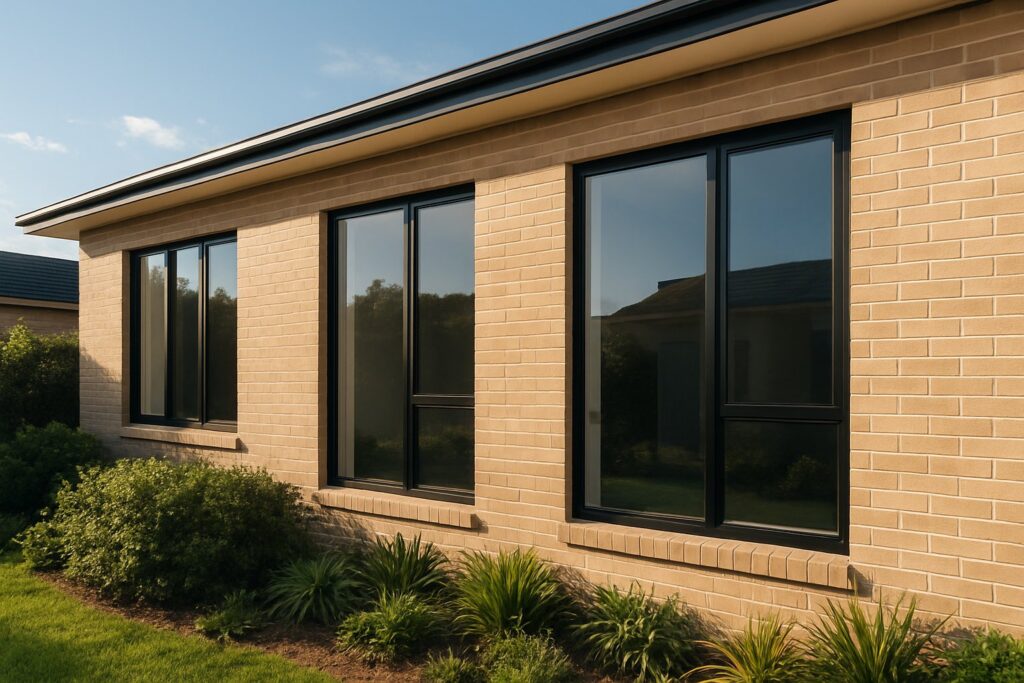
What Aluminium Fly Screens Are and Why They Matter
Aluminium fly screens for windows are mesh barriers made from woven aluminium wire, held taut within a lightweight frame and fitted to window openings. Their job is simple: keep insects out while letting fresh air and natural light flow freely into your home. Used across residential and commercial buildings throughout Australia, these screens remain one of the most reliable ways to ventilate a property without inviting mosquitoes, flies, or other pests indoors.
What Are Aluminium Fly Screens
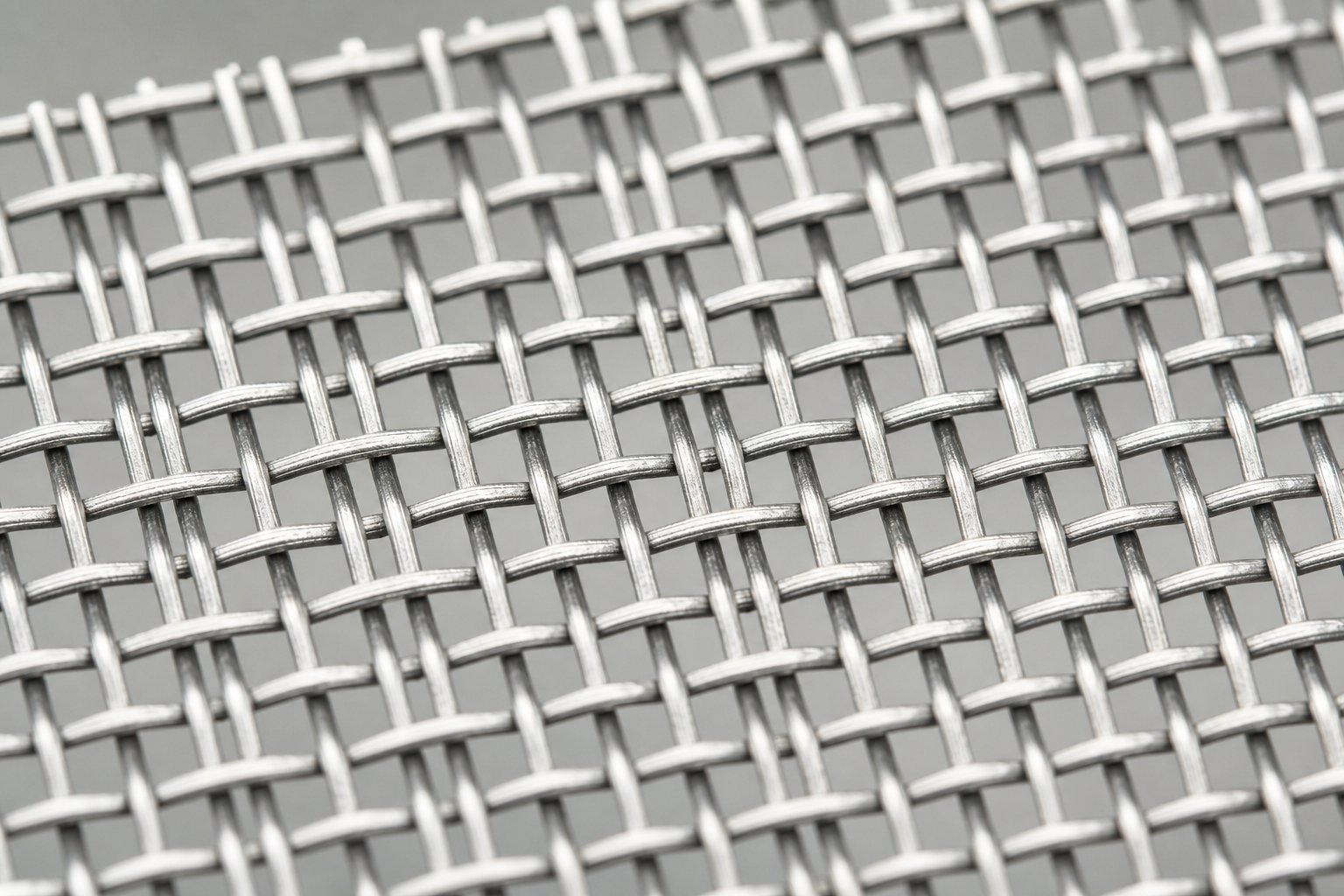
An aluminium fly screen consists of fine aluminium wire woven into a tight mesh pattern, typically secured within an aluminium or compatible metal frame using a rubber or foam spline. The frame clips, slides, or fixes directly into the window opening depending on the mounting system. Once installed, the mesh creates a physical barrier with openings small enough to block common household insects yet large enough to maintain strong cross-ventilation and clear outward visibility.
This construction makes aluminium flyscreens a practical choice for everything from bedroom casement windows to large commercial openings in hospitality venues where food preparation demands insect-free environments. The woven metal holds its shape over time, resisting the stretching and sagging that softer mesh types develop after a few seasons of use.
Why Aluminium Is a Preferred Screening Material
Aluminium brings a combination of properties that few other screening materials can match. It is lightweight, naturally corrosion-resistant thanks to a self-forming oxide layer, completely non-combustible, and fully recyclable at end of life. For homeowners in bushfire-prone regions of Australia, the non-combustible rating alone makes aluminium screens a practical necessity rather than a luxury, meeting relevant BAL (Bushfire Attack Level) requirements where synthetic alternatives fall short.
Many homeowners default to fibreglass mesh without realising what aluminium offers. Fibreglass costs less upfront, but it tears more easily, degrades under UV exposure, and loses tension in larger openings. Aluminum screens for windows provide noticeably better puncture resistance and dimensional stability, particularly in high-traffic areas or homes with pets.
Aluminium’s strength-to-weight ratio makes it the preferred choice for larger window openings. Where fibreglass mesh would sag or bow under its own weight across wide spans, aluminium maintains consistent tension and shape without requiring additional mid-frame support.
Whether you have heard them called alu screens or simply aluminium screens, the product serves the same purpose across every climate zone in Australia. The sections ahead cover material comparisons, mesh gauge selection, climate performance, measurement, installation, and long-term care so you can make a fully informed decision for your home.
Aluminium vs Fiberglass vs Stainless Steel Mesh Compared
Selecting the right mesh material shapes how your screens perform over the next decade or more. Each option brings trade-offs between strength, visibility, airflow, and price. Below is a detailed breakdown of how aluminium window screens stack up against the main alternatives available in Australia.
Aluminium vs Fiberglass Mesh
Fibreglass mesh is the budget entry point for most homeowners. It is lightweight, flexible, and nearly invisible from a distance thanks to its thin fibre diameter. For standard windows in low-traffic areas, it does the job at a fraction of the cost of metal alternatives.
The downsides become apparent over time. Fibreglass tears relatively easily under impact, pet claws, or even firm finger pressure. UV exposure gradually weakens the vinyl coating, causing the mesh to become brittle and prone to cracking after several years in direct Australian sun. In larger openings, fibreglass tends to lose tension and bow outward, creating gaps where insects can slip through.
Aluminium window screen mesh holds its shape far better. The woven metal wire resists punctures, maintains consistent tension across wide spans, and does not degrade under UV radiation. Households with cats or dogs find aluminium significantly more practical because the mesh withstands scratching and climbing without tearing. Visibility is slightly reduced compared to fibreglass due to the thicker wire diameter, but choosing a charcoal or black finish minimises this difference considerably.
On cost, fibreglass sits firmly in the budget tier while aluminium occupies the mid-range. The price gap narrows when you factor in replacement frequency. A fibreglass screen replaced every eight to ten years can end up costing more over a twenty-year period than a single aluminium installation that lasts fifteen years or longer with basic maintenance.
Aluminium vs Stainless Steel Mesh
Stainless steel is the heavy hitter in the screening world. It offers exceptional tensile strength, superior corrosion resistance (particularly in coastal environments), and fire resistance that meets stringent Australian building standards. Security screen products commonly use stainless steel mesh because it resists cutting, impact, and forced entry attempts.
That strength comes at a cost. Stainless steel mesh sits in the premium price tier, often two to three times the cost of equivalent aluminium products when you include the heavier-duty framing required to support its weight. Installation is more complex, and the additional mass makes stainless steel impractical for lightweight window systems or older timber frames that cannot handle the load.
For homeowners who need a reliable aluminum bug screen without the expense of a full security installation, aluminium occupies a practical middle ground. It provides meaningful durability improvements over fibreglass, resists corrosion through its natural oxide layer, and works with standard lightweight frame systems. Where security is not the primary concern, aluminium delivers strong pest protection and longevity without the premium price tag of stainless steel.
Aluminium vs Polyester and Bronze Options
Polyester mesh, typically coated with PVC, has gained traction as a weather-resistant alternative. It handles UV exposure better than fibreglass and offers reasonable durability for its weight. Some vinyl-coated polyester products marketed as “pet screen” claim up to seven times the tear strength of standard fibreglass. The trade-off is reduced visibility due to thicker strand diameter and a slightly higher price point than fibreglass, though still below aluminium in most cases.
Bronze mesh (often sold as “Brite Bronze” in the trade) is a niche premium product made from copper-zinc alloy. It starts as a bright metallic finish and weathers to a dark patina over time, giving heritage or coastal homes a distinctive look. Bronze resists corrosion well and offers solid pest protection, but it commands premium pricing and the darkening appearance is not to everyone’s taste. It suits period restorations or architectural feature windows rather than whole-house screening.
For most Australian homes, the practical decision comes down to whether you want a budget metal bug screen in aluminium or are willing to invest in stainless steel for added security. The table below summarises how each material performs across the key criteria.
| Material | Durability | Cost Range | Visibility | Airflow | Pest Resistance | Best Use Case |
|---|---|---|---|---|---|---|
| Aluminium | High — resists tears, UV stable, 15+ year lifespan | Mid-range | Good (improved with dark finish) | Good | Excellent — blocks all common insects | General-purpose insect screening, pet households, larger openings |
| Fibreglass | Moderate — tears under impact, UV degrades over time, 8-12 year lifespan | Budget | Excellent — near invisible | Very good | Good — blocks standard insects | Low-traffic windows, budget installations, rental properties |
| Stainless Steel | Very high — cut-resistant, corrosion-proof, 20+ year lifespan | Premium | Good (fine mesh grades offer clear views) | Good | Excellent — also deters forced entry | Security screens, coastal properties, bushfire zones |
| Polyester (PVC-coated) | Moderate to high — weather-resistant, flexible | Budget to mid-range | Moderate (thicker strands reduce clarity) | Good | Good — effective insect barrier | Pet-resistant applications, porch enclosures, covered areas |
| Bronze | High — corrosion-resistant, long-lasting | Premium | Good (darkens with age) | Good | Excellent | Heritage homes, architectural features, coastal properties |
Metal window screens — whether aluminium, stainless steel, or bronze — consistently outperform synthetic alternatives on longevity and structural integrity. Aluminium hits the sweet spot for most residential applications: durable enough to handle everyday life, light enough for standard window systems, and priced within reach of typical renovation budgets. The real question is not which material is best in absolute terms, but which specification within your chosen material matches your specific environment and household demands.
Mesh Gauge and Thickness Options Explained
Choosing aluminium as your screening material is only half the decision. The mesh specification you select determines exactly what gets blocked, how much air flows through, and how well the screen holds up to daily wear. Two numbers govern this: mesh count and wire diameter.
Understanding Mesh Count and Wire Diameter
Mesh count refers to the number of openings per linear inch (approximately 25 mm) in each direction. A standard aluminium fly screen mesh is typically rated at 18×16, meaning 18 openings horizontally and 16 vertically per inch. This weave is tight enough to stop mosquitoes, flies, and most common Australian insects while still allowing generous airflow and clear outward visibility.
Finer weaves like 20×20 pack more openings into the same space. The tighter pattern blocks smaller pests such as midges and sandflies (often called no-see-ums) that slip straight through standard mesh. The trade-off is measurable: a 20×20 aluminium mesh screen reduces airflow by roughly 15 to 20 percent compared to an 18×16 equivalent, and visibility drops slightly due to the denser wire pattern.
Wire diameter, sometimes called gauge or strand thickness, measures how thick each individual aluminium wire is. Thinner wire improves visibility because less metal sits between you and the view. Thicker wire adds strength and dent resistance but creates a more noticeable screen presence. Standard aluminium window screen mesh typically uses wire between 0.20 mm and 0.28 mm in diameter. Pet-resistant and security grades step up to 0.50 mm or heavier.
Choosing Gauge Based on Your Needs
The right specification depends entirely on what you need the screen to do. A bedroom window in suburban Melbourne has different demands than a ground-floor opening in a pet-heavy household or a property in tropical Far North Queensland where sandflies are relentless.
Here are common use cases matched to recommended aluminum fly screen mesh specifications:
- Standard insect protection — 18×16 mesh count, 0.20-0.23 mm wire diameter. Blocks mosquitoes, flies, and moths. Best balance of airflow, visibility, and cost.
- Small insect and midge protection — 20×20 mesh count, 0.20-0.23 mm wire diameter. Essential for coastal or wetland areas where sandflies and midges are active at dawn and dusk. This small screen mesh keeps out pests that standard weaves miss.
- Pet-resistant screening — 18×16 mesh count, 0.45-0.55 mm wire diameter. Heavier gauge aluminium withstands scratching and pushing from cats and dogs without tearing or denting.
- Security-grade screening — Typically 11×11 mesh count, 0.80 mm+ wire diameter. Designed to resist cutting and forced entry. Meets AS 5039 requirements for security screens in Australia. Significantly reduces visibility and airflow.
- Allergy-friendly fine mesh — 20×30 or finer mesh count, thin wire diameter. Blocks pollen and fine dust particles in addition to insects. Ideal for bedrooms where hay fever sufferers need cleaner air without closing windows entirely.
Heavier gauge aluminum mesh window screens are noticeably more dent-resistant, which matters for ground-floor windows exposed to garden debris, ball sports, or curious wildlife. The compromise is a slight reduction in transparency. If unobstructed views are your priority, thinner wire in a standard mesh count delivers the clearest sightlines. If durability and longevity rank higher, stepping up the wire diameter pays off over the screen’s lifetime.
Every specification involves a three-way trade-off between airflow, visibility, and protection level. There is no single best option, only the right match for your household, your local pest pressure, and the specific windows you are screening. Understanding these numbers puts you in control of that decision rather than leaving it to guesswork at the hardware store.
Climate Performance and Regional Suitability
Selecting the right mesh gauge means little if the material cannot handle the environment it lives in year-round. Australia’s climate zones range from salt-laden coastal strips to humid tropical regions, scorching inland plains, and frost-prone alpine areas. Aluminium fly screens perform differently in each, and understanding those differences helps you choose the right finish and specification for where you live.
Coastal and Salt-Air Environments
Aluminium naturally forms a thin oxide layer that shields the underlying metal from general atmospheric corrosion. In most inland and suburban settings, this passive protection is enough to keep a metal screen window in good condition for well over a decade without special treatment.
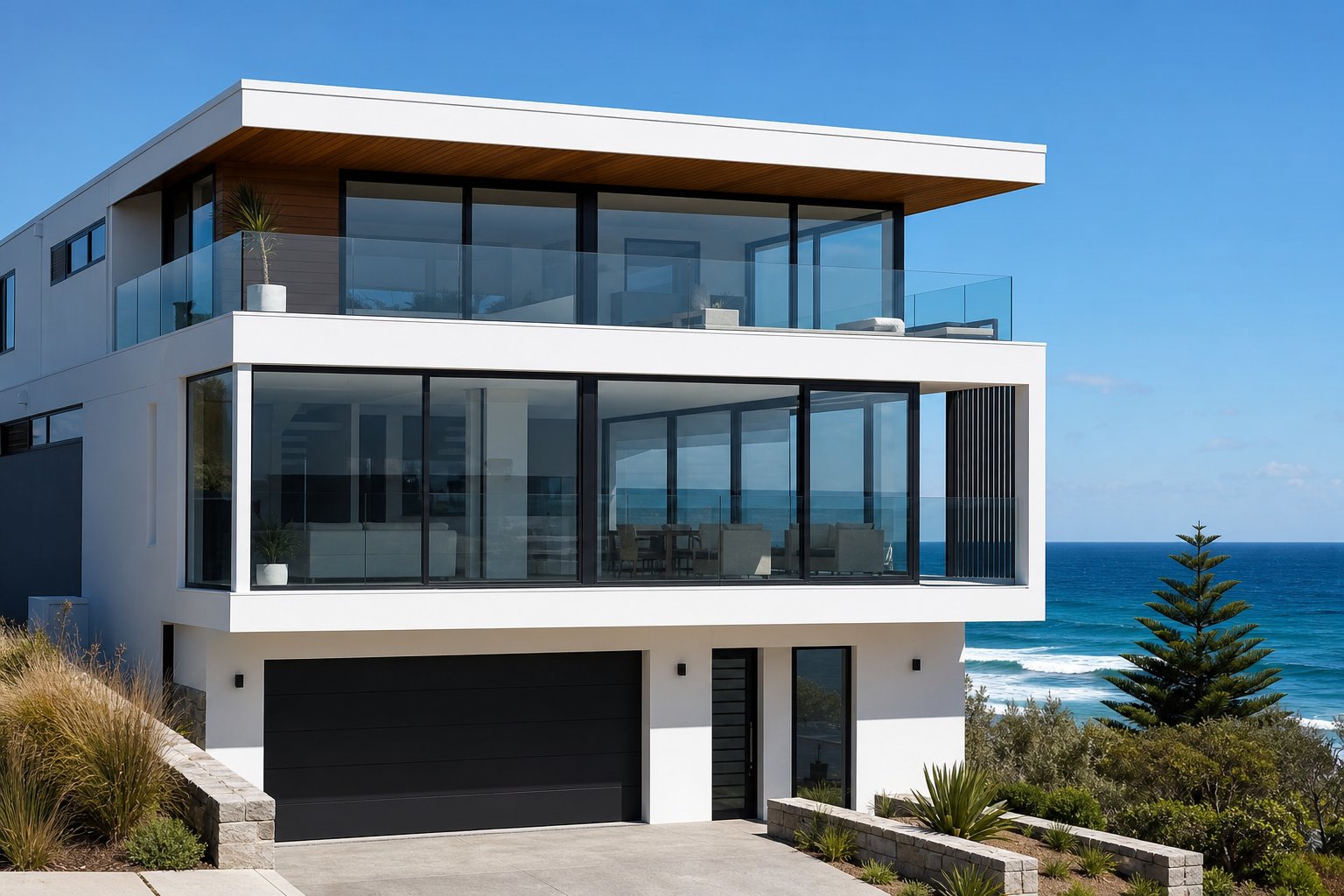
Coastal properties face a different challenge. Airborne chloride from ocean spray attacks that protective oxide layer aggressively. Research into salt spray effects on aluminium shows that unfinished aluminium exposed to concentrated chloride can develop visible pitting within weeks, and significant salt deposits have been recorded more than 80 kilometres from the shoreline. For homes along the coast from Bondi to Byron Bay, the Gold Coast, or Perth’s western suburbs, raw mill-finish aluminium is not the best choice.
The solution is straightforward: specify powder-coated or anodised aluminium screens for any property within a few kilometres of the ocean. Anodised coatings create an extremely hard surface layer that resists abrasion and salt attack, while high-quality powder coating provides a durable colour finish that seals the metal from chloride exposure. Both options add modest cost but dramatically extend the lifespan of your metal screen mesh for windows in salt-air zones. Regular rinsing with fresh water every few months removes accumulated salt deposits before they can cause damage.
Humid Tropical and Dry Inland Conditions
In tropical regions like Far North Queensland, Darwin, and the Kimberley, high humidity and monsoonal rainfall create persistent moisture exposure. Aluminium handles this well. Unlike mild steel, which rusts rapidly in humid conditions, aluminium does not form iron oxide and maintains its structural integrity through wet seasons without protective oiling or galvanising.
Extreme heat poses no issue either. Metal window screen mesh made from aluminium remains dimensionally stable at temperatures well beyond anything Australian summers produce. Plastic and fibreglass alternatives can soften, warp, or become brittle under prolonged UV and heat cycling, but aluminium simply does not degrade this way.
For properties in bushfire-prone areas, aluminium mesh carries a critical advantage: it is non-combustible. AS 3959:2018 specifies construction requirements for buildings in bushfire-prone areas, covering protection against ember attack, radiant heat, and flame contact across all Bushfire Attack Levels (BAL). Aluminium window metal screen mesh meets the non-combustibility requirements referenced in this standard, making it a compliant screening choice where synthetic materials would fail or melt under ember exposure. In BAL-rated zones across Victoria, NSW, South Australia, and Western Australia, specifying an aluminum metal screen is not optional — it is a building compliance decision.
Cold Climate Considerations
In alpine and tablelands regions — think the Snowy Mountains, Canberra winters, or Tasmania’s highlands — temperatures regularly drop below freezing. Fibreglass mesh becomes brittle in sustained cold, and repeated freeze-thaw cycles can cause micro-cracking that weakens the material over a few seasons. Aluminium does not share this vulnerability. It retains its flexibility and tensile strength regardless of how cold conditions get, making it a reliable window screen metal choice for properties at elevation.
Aluminium’s thermal conductivity works in its favour for cold-climate installations. Because the metal does not insulate or trap warmth at its surface, it avoids the condensation build-up that some plastic and timber frame materials experience during temperature swings between warm interiors and cold exteriors.
This means less moisture sitting against the mesh and frame junction, reducing the risk of mould growth or corrosion at fixing points. For homes in cooler climates where windows stay closed for months at a time, metal window screening that resists condensation-related degradation offers a genuine long-term maintenance advantage.
Climate is not a one-size-fits-all consideration. A screen that performs flawlessly in Melbourne’s temperate conditions may need a different finish to survive in Cairns or a different gauge to handle Hobart’s frost. Knowing how your environment interacts with the material puts you in a position to specify correctly from the start — which brings us to the practical question of measuring your windows accurately before placing an order.
How to Measure Windows for Aluminium Fly Screens
Getting the right mesh specification and finish means nothing if the screen does not fit the opening. A measurement error of just a few millimetres can leave gaps that insects exploit or create a frame too large to seat properly in its track. The good news is that accurate measuring is straightforward with the right approach and a few minutes per window.
Tools and Preparation for Accurate Measurement
You do not need specialist equipment. Gather these basics before you start:
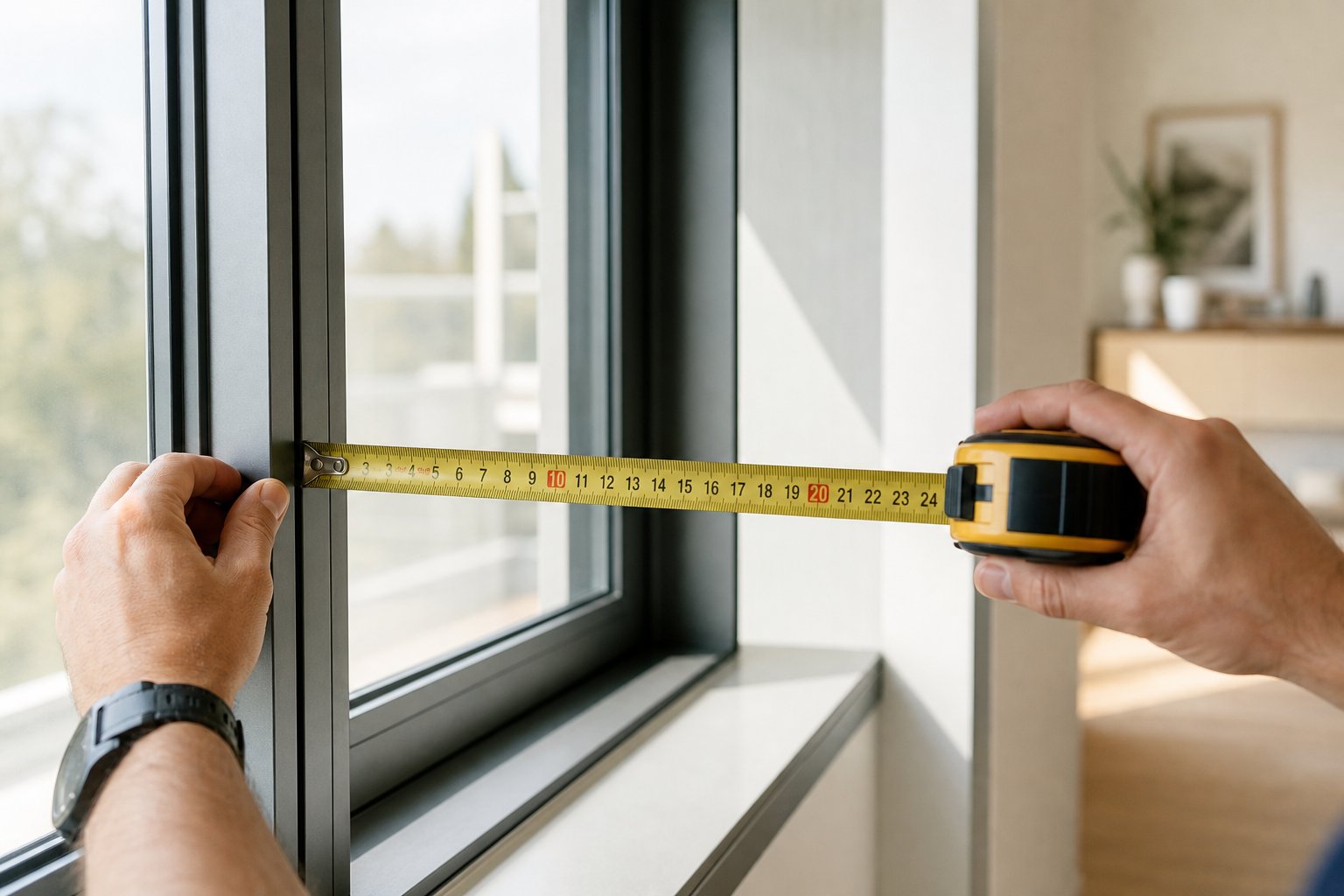
- Steel tape measure — a retractable metal tape gives reliable readings. Avoid cloth or plastic tapes that stretch.
- Notepad and pencil — record every measurement immediately. Label each window by room and position (e.g. “kitchen left”) to avoid confusion when ordering.
- Straight edge or spirit level — useful for checking whether the frame is square, particularly in older homes where settling has occurred.
- Step ladder — for safely reaching upper-storey windows if measuring from the exterior.
Before measuring, you need to identify how the screen will be mounted. This determines where you take your measurements. Australian windows typically use one of three methods:
- Face-fixed — the screen sits against the outer face of the window metal frame and is held by swivel clips or turn buttons. Measure the full outer dimensions of the frame, then add approximately 40 mm to both width and height so the screen overlaps the opening on all sides.
- Reveal-fixed (loose fit) — the screen sits inside the window recess, secured by plunger pins. Measure the clear opening width and height, then deduct 2 mm from each dimension to allow clearance for insertion.
- Channel-fitted (track mount) — the screen slides into dedicated tracks on the window metal frame. Measure the clear height between track lips, add the depth of the deeper track, then subtract 3 mm. For width, follow the same logic with any side tracks present.
Each method produces a different final measurement from the same window, so confirming your mounting approach first prevents costly ordering mistakes.
Measuring for Different Window Types
Window style affects both where and how you measure. Here is what to account for with common Australian window configurations:
Casement and awning windows open outward on hinges or stays, so the fly screen mounts on the interior side. For casement windows, measure the opening with the window closed and note the position of chain winders or crank operators — the screen must sit above these mechanisms. Awning windows require the same consideration: account for the operator hardware and any adaptor brackets that raise the screen’s bottom rail clear of the opening arc.
Sliding windows use track-mounted screens that run in a dedicated channel alongside the glass sashes. Measure the track channel width and height carefully. A practical tip from Flyscreens In A Box: remove the glass sash by lifting it clear of the bottom track and tilting it out. This gives unobstructed access to the screen channel for precise readings.
Double-hung sash windows typically use half-height screens covering only the lower sash. Measure each sash opening separately rather than the full window height. The screen frame sits in the lower track and is held by tension springs at the top, so you need the width of the screen channel and the height from the meeting rail down to the sill track.
Regardless of window type, follow this step-by-step process to ensure accuracy:
- Identify your mounting method — face-fixed, reveal-fixed, or channel-fitted — and confirm the required clearance or overlap for that method.
- Measure width at three points — top, middle, and bottom of the opening. Window frames are rarely perfectly square, especially in older brick veneer or weatherboard homes where the structure has settled over decades.
- Measure height at three points — left side, centre, and right side.
- Use the smallest measurement — a screen built to the largest dimension will not fit where the frame narrows. Always work from the tightest point.
- Note any obstructions — handles, locks, winder mechanisms, or security stays that the screen frame must clear. Record their position and how far they protrude into the opening.
Taking three measurements per dimension is the single most important habit for getting window screens with frames that fit properly. A difference of 3 to 5 mm between the top and bottom width is common in homes over twenty years old, and even new builds can have minor variations from construction tolerances. If your diagonal measurements differ by more than 5 mm, the frame is noticeably out of square and you may need a custom-cut aluminum window screen frame rather than a standard size.
Record all figures in millimetres to avoid ambiguity. When ordering, most Australian suppliers expect dimensions as width first, then height. Double-check that your windows screen frame measurements match the supplier’s format before confirming — transposing width and height is a surprisingly common mistake that results in screens arriving the wrong way around.
With accurate measurements in hand, the next step is understanding how to install your screen correctly for each window type and frame system.
Installing Aluminium Fly Screens on Different Window Types
Accurate measurements only deliver results if the screen is fitted correctly. Installation methods vary depending on whether your windows hinge outward, slide horizontally, or move vertically in sash channels. Each type demands a slightly different approach to achieve a snug, rattle-free fit that keeps insects out and stays secure through wind, rain, and daily use.
Installing Fly Screens on Casement and Awning Windows
Casement and awning windows open outward, so the fly screen mounts on the interior face of the frame. The most common fixing method uses spring clips, turn buttons, or swivel fasteners that hold the aluminum frame window screen firmly against the window surround without permanent modification.
Start by positioning the assembled frame screen against the window opening from inside the room. Centre it so there is even overlap on all four sides — typically 15 to 20 mm beyond the opening edge. Hold the screen in place and mark the fixing points with a pencil. For spring clips, space them evenly along the top and bottom rails, roughly 200 to 300 mm apart. Turn buttons go at the midpoint of each side rail and at each corner.
Drill pilot holes at your marked points and fasten the clips or turn buttons with the screws provided. The critical detail here is torque: tighten just enough to hold the hardware firmly without bowing the screen frame inward. Over-tightening pulls the aluminium frame out of plane, creating a visible curve and uneven tension across the mesh. Once the hardware is secured, press the screen into position and rotate the turn buttons or engage the spring clips to lock it in place.
For awning windows specifically, ensure the bottom rail of the screen sits above any chain winder or crank mechanism. Some installations require a small adaptor bracket to raise the screen clear of the operator hardware.
Fitting Screens to Sliding and Double-Hung Windows
Sliding windows and double-hung sash windows use a channel-track system where the screen rides within a dedicated track alongside the glass panels. This method avoids external fixings entirely — the screen is held in place by the track geometry itself.
The technique for inserting a track-mounted screen is consistent across most aluminium window systems. Angle the top of the screen frame upward and push it into the deeper upper channel first. The upper track is deliberately deeper than the lower one to allow this insertion clearance. With the top rail fully seated in the upper channel, swing the bottom of the screen inward and lower it until the bottom rail drops into the shallower lower track. The screen should now sit level and slide freely along the track without binding or excessive play.
If the screen feels tight or refuses to drop into the bottom track, check for debris in the channel — paint drips, dust build-up, or old weatherstrip remnants are common culprits. A quick clean with a stiff brush usually resolves the issue. For double-hung windows, the same angled-insertion method applies to the half-height screen that covers the lower sash opening. Tension springs at the top corners hold the screen snug against the upper track, preventing it from rattling in the wind.
Working with Different Aluminium Frame Systems
Not every window screen aluminum product fits every window. Screen compatibility depends heavily on the window frame profile, track dimensions, and hardware configuration. A screen designed for one manufacturer’s 50 mm face-width frame will not seat correctly in another brand’s 38 mm channel system. Before purchasing an aluminum screen frame kit or ordering custom-cut aluminum framed window screens, confirm the exact profile dimensions of your existing windows.
Homeowners working with aluminium window systems benefit from sourcing screens that are specifically compatible with their frame profiles. For new builds or window replacement projects, specifying fly screens at the design stage ensures seamless integration — the screen track, frame colour, and mesh type can all be matched to the window system from the outset. Suppliers like MEICHEN offer custom aluminium window configurations where screen compatibility can be addressed during the specification process, with options for different frame colours, glazing types, and project-based supply for residential and commercial builds.
For existing homes, take a section of the old frame screen or note the window brand and series number stamped on the frame hardware. This information helps suppliers match the correct replacement screen profile without guesswork.
Regardless of window type, these are the most common installation mistakes to avoid:
- Over-tightening fixings — bows the aluminum frame screen inward, distorting the mesh and creating gaps at the edges.
- Skipping pilot holes — driving screws directly into aluminium without pre-drilling risks splitting the frame or stripping the thread.
- Ignoring hardware clearance — failing to account for winder handles, locks, or stays that prevent the screen from sitting flat.
- Forcing a tight screen into the track — if it does not slide freely, the measurements are off or debris is blocking the channel. Forcing it warps the frame permanently.
- Using incompatible fasteners — steel screws in aluminium frames cause galvanic corrosion over time. Always use aluminium, stainless steel, or nylon fasteners to avoid dissimilar metal reactions.
- Installing mesh with uneven tension — if the spline was not rolled evenly during assembly, the mesh will sag on one side. Re-spline before fitting rather than hoping the frame will pull it taut.
A well-installed screen should sit flush, move smoothly in its track or hold firm against its clips, and show no visible gaps around the perimeter. Take an extra five minutes to check these details before calling the job done — it saves a frustrating reinstallation later when the first mozzie finds its way through.
Maintenance, Lifespan, and Troubleshooting
A properly installed screen is only as good as the care it receives over the following years. Aluminium fly screens are low-maintenance compared to most alternatives, but they are not zero-maintenance. Neglect leads to premature oxidation, sagging mesh, and the kind of tiny holes that let little bugs on window screens become an indoor problem. A simple routine keeps your screens functional and looking sharp for well over a decade.
Routine Cleaning and Maintenance Schedule
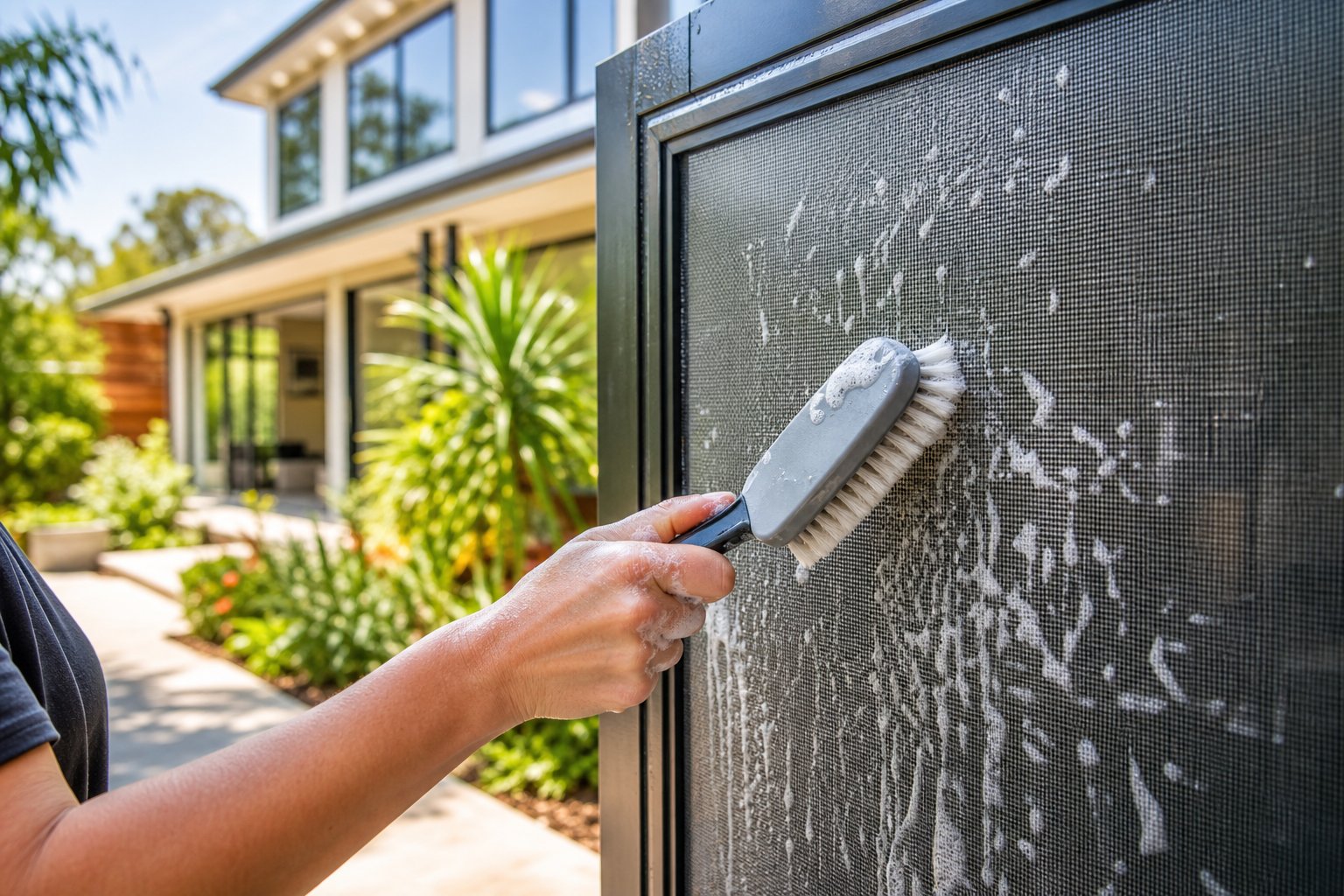
Cleaning aluminium mesh takes about ten minutes per screen and requires nothing more than a soft-bristle brush, a bucket of warm water with a few drops of mild dish detergent, and a garden hose for rinsing. Work the brush gently across the mesh in overlapping strokes to dislodge dust, cobwebs, and insect residue. Rinse thoroughly with clean water, paying attention to the spline channel where grime accumulates, then allow the screen to air dry.
How often you clean depends on your environment. Industry maintenance guidelines recommend the following schedule based on location:
- Mild inland environments — every six months.
- Moderate suburban areas — every three to four months.
- Coastal or marine environments — every two to four weeks, with a fresh-water rinse after storms or high-wind days that carry salt spray.
- Dusty rural or construction-adjacent sites — monthly, or as visible build-up appears.
Avoid abrasive pads, steel wool, or harsh chemical cleaners. These strip the natural oxide layer that protects the aluminium from deeper corrosion. Bleach-based products and ammonia-heavy glass cleaners are equally damaging. Stick to pH-neutral detergents and soft tools, and the protective layer remains intact between cleans.
Common Problems and How to Fix Them
Oxidation (white powdery residue) — That chalky white film is aluminium oxide building up beyond its normal protective thickness. It is cosmetic rather than structural in early stages. Clean the affected area with a solution of equal parts white vinegar and water, scrub lightly with a soft cloth, rinse, and dry. For persistent oxidation, apply a thin coat of car wax or a proprietary aluminium protectant to slow recurrence. Specialist guidance on aluminium oxidation removal confirms that mild household acids like vinegar or lemon juice effectively restore the surface without damaging the base metal.
Denting — Minor dents from ball impacts or bumps can often be gently pressed back into shape using a flat plastic tool or the back of a spoon. Work from the edges of the dent inward with light pressure. Severe dents that crease or tear the wire require mesh replacement rather than repair, as weakened strands will eventually split open.
Sagging mesh — When the mesh bows outward or hangs loose within the frame, the spline has lost tension. This typically results from incorrect spline installation or years of thermal cycling. The fix is to remove the old spline, re-tension the mesh across the frame, and roll in a new spline of the correct diameter. It is a straightforward DIY task with a spline roller tool.
Frame corrosion at joints — Dark staining or pitting at corner joints usually indicates galvanic corrosion caused by dissimilar metals in contact. Steel screws in aluminium frames are the most common culprit. Replace the fasteners with stainless steel or aluminium alternatives and clean the affected area to halt further degradation.
If you notice tiny bugs in window screen mesh despite the screen appearing intact, inspect closely for pin-hole tears or gaps where the spline has pulled away from the channel. Even a 1 mm gap is enough for midges and gnats to squeeze through.
Expected Lifespan and Replacement Indicators
So how long do window screens last? According to Ezy Screens, aluminium fly screens typically last 10 to 15 years depending on material quality, environmental exposure, and maintenance consistency. Screens in sheltered inland locations with regular cleaning sit at the upper end of that range. Coastal installations without protective coatings or routine rinsing may reach the lower end sooner.
Replacement screens for aluminum windows are worth considering when you observe any of the following:
- Visible holes or tears that patching cannot reliably seal.
- Persistent white oxidation that returns within weeks of cleaning, indicating the protective layer is compromised beyond recovery.
- Frame warping or bowing that prevents the screen from sitting flush in its track or against its clips.
- Mesh pulling away from the spline channel along one or more edges, creating gaps insects exploit.
- Brittleness or crumbling at stress points, particularly in screens exposed to decades of UV without protective coating.
When an aluminum window screen replacement becomes necessary, you have the option of replacing just the mesh within the existing frame or sourcing a complete new frame-and-mesh assembly. If the frame itself remains straight and corrosion-free, replacing aluminum screen mesh alone is the more economical path — a spline roller, new mesh, and fresh spline are all you need. If the frame shows corrosion at joints or has warped beyond correction, a full replacement delivers a cleaner result and resets the clock on the screen’s service life.
Keeping a maintenance log — even a simple note on your phone calendar — helps you track cleaning dates and spot patterns. A screen that needs attention every few weeks rather than every few months is telling you something about its condition or your environment. Responding early with a targeted fix is always cheaper than a full replacement down the track.
Selecting the Right Aluminium Fly Screen for Your Home
Knowing how to maintain and troubleshoot your screens is valuable, but the best outcomes start earlier — at the point of selection. Every decision covered in the previous sections (material, mesh gauge, finish, climate suitability, and mounting method) feeds into one practical question: which aluminium window screens are right for your specific situation?
Matching Screen Type to Your Use Case
Rather than browsing window screens for sale and hoping for the best, start by identifying which category your household falls into. Your environment, lifestyle, and priorities narrow the field quickly:
- Standard insect protection — 18×16 mesh count in mill or charcoal finish. Suits most suburban homes without unusual pest pressure or security concerns. This is the default aluminum screen window specification and covers the majority of Australian households.
- Pet-resistant screening — Heavy-gauge aluminium mesh (0.45 mm+ wire diameter) that withstands scratching and pushing. Essential for ground-floor windows in homes with cats or dogs that press against screens.
- Bushfire-rated non-combustible screens — Aluminium mesh window screens meeting AS 3959 requirements for properties in BAL-rated zones. Specify powder-coated aluminium in a dark finish for reduced ember visibility and compliance.
- Fine-mesh allergy protection — 20×20 or finer weave that blocks pollen and fine dust alongside insects. Ideal for bedrooms where hay fever sufferers need cleaner airflow.
- Security-grade options — Thicker gauge aluminium or stainless steel mesh meeting AS 5039. For ground-floor windows in areas where forced entry is a concern.
A black aluminium screen finish is worth considering regardless of category. The dark colour virtually disappears against the view, improving outward visibility compared to silver or mill-finish alternatives. It also hides dust and oxidation marks between cleaning cycles.
Where to Source Quality Aluminium Fly Screens
How much are window screens? The answer depends heavily on where you source them and whether you choose off-the-shelf or custom. Three main pathways exist for Australian homeowners:
- Hardware stores — Stock standard aluminum framed screens and DIY kits in common sizes. Budget-friendly for straightforward replacements on standard window openings.
- Specialist screen suppliers — Offer custom-cut frames, a wider range of mesh specifications, and professional installation. Better suited to non-standard openings, heritage homes, or specific performance requirements.
- Window manufacturers with integrated screen solutions — For new builds or full window replacements, specifying fly screens at the design stage with your window supplier ensures the screen track, frame colour, and mesh type integrate seamlessly with the window system from day one.
Suppliers like MEICHEN offer custom aluminium window configurations where screen compatibility is addressed during the specification process, with options for different frame colours, glazing types, and project-based supply for both residential and commercial builds. This approach eliminates the guesswork of retrofitting screens to an existing frame profile.
Use this decision checklist to work through your selection systematically:
- Determine your window type and confirm the correct mounting method (face-fixed, reveal-fixed, or channel-fitted).
- Select the mesh gauge that matches your primary need — standard insect protection, pet resistance, security, or allergy filtration.
- Choose the appropriate finish (mill, anodised, or powder-coated) based on your climate zone and aesthetic preference.
- Decide between DIY installation and professional fitting based on your confidence level and window complexity.
- Confirm screen compatibility with your window frame system before ordering — check profile dimensions, track depths, and hardware clearances.
Working through these five steps in order prevents the most common purchasing mistakes: screens that arrive in the wrong size, mesh that does not suit the local pest pressure, or finishes that deteriorate prematurely in coastal or high-UV environments. The right aluminium fly screen, properly specified and installed, delivers a decade or more of insect-free ventilation with minimal ongoing effort — fresh air without compromise.
Frequently Asked Questions About Aluminium Fly Screens for Windows
1. How long do aluminium fly screens last?
Well-maintained aluminium fly screens typically last between 10 and 15 years. Lifespan depends on environmental exposure, mesh quality, and maintenance consistency. Screens in sheltered inland locations with regular cleaning tend to reach the upper end of that range, while coastal installations without protective coatings or routine fresh-water rinsing may need replacement sooner. Signs that replacement is due include visible holes, persistent oxidation that returns quickly after cleaning, frame warping, and mesh pulling away from the spline channel.
2. What is the best mesh count for aluminium fly screens in Australia?
For most Australian homes, an 18×16 mesh count with 0.20 to 0.23 mm wire diameter provides the best balance of insect protection, airflow, and visibility. If you live in coastal or wetland areas where sandflies and midges are active, a finer 20×20 mesh is recommended to block smaller insects that pass through standard weaves. Pet owners should prioritise heavier gauge wire (0.45 mm or above) in an 18×16 count for scratch resistance, while allergy sufferers benefit from 20×30 or finer mesh that also filters pollen.
3. Are aluminium fly screens better than fibreglass?
Aluminium outperforms fibreglass on durability, dimensional stability, and lifespan. It resists tearing from pet claws, holds its shape across larger window openings without sagging, and does not degrade under UV exposure the way fibreglass does. Fibreglass is cheaper upfront and offers slightly better visibility due to thinner strands, but it typically needs replacing every 8 to 12 years compared to 15 or more for aluminium. Over a 20-year period, aluminium often proves more cost-effective when factoring in replacement frequency.
4. Do aluminium fly screens work in coastal areas?
Standard mill-finish aluminium can develop pitting when exposed to concentrated salt air over time. For coastal properties within a few kilometres of the ocean, powder-coated or anodised aluminium screens are recommended. These finishes seal the metal from chloride attack and significantly extend service life. Regular rinsing with fresh water every few weeks also helps remove salt deposits before they cause damage. With the right finish and maintenance routine, aluminium screens perform reliably in Australian coastal environments from the Gold Coast to Perth’s western suburbs.
5. Can I install aluminium fly screens myself?
DIY installation is achievable for most homeowners with basic tools. Face-fixed screens on casement or awning windows use spring clips or turn buttons that require only a drill, pencil, and screwdriver. Track-mounted screens for sliding or double-hung windows simply angle into the upper channel and drop into the lower track without any fixings. The key is accurate measurement beforehand — measure width and height at three points each and use the smallest figure. For non-standard window profiles or complex configurations, professional fitting ensures correct compatibility with your specific frame system.
More Window & Door Guides