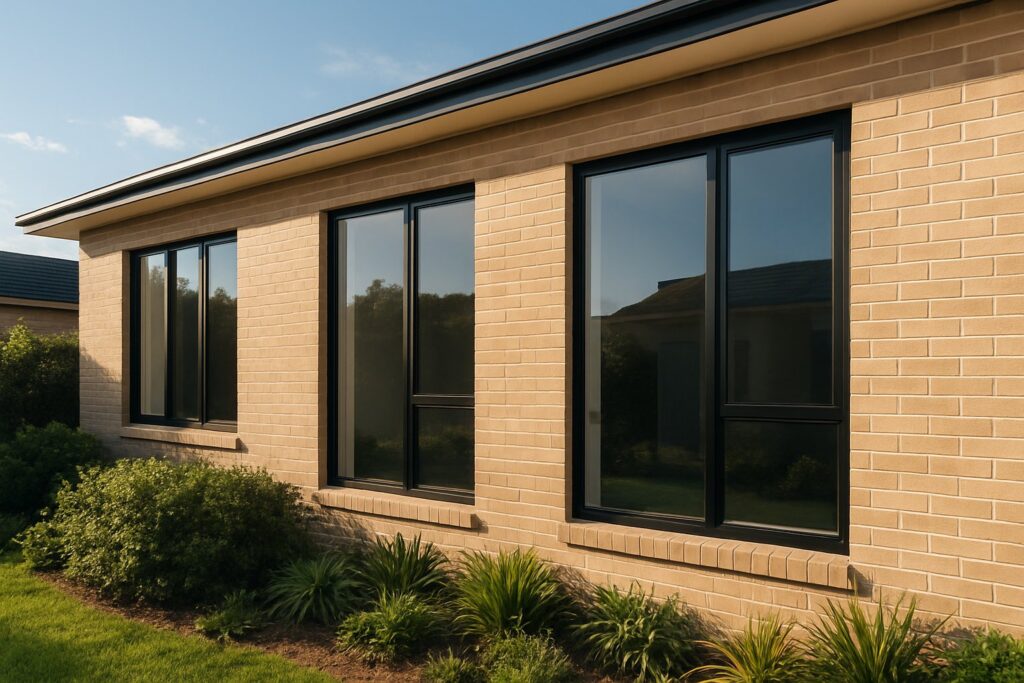
Understanding Aluminium Windows Glass Colours
When people search for aluminium windows glass colours, they are usually looking for one of two things: the tint of the glass itself, or the colour finish applied to the frame. Most guides cover one or the other. This article covers both, and more importantly, how they work together to define the look and performance of your windows.
What Aluminium Windows Glass Colours Actually Means
The term spans two distinct elements. First, there are glass tint options — grey, bronze, green, blue, reflective, and frosted varieties that filter light and alter how the window appears from both sides. Second, there are frame colour finishes achieved through powder coating or anodising, which transform the raw metal into virtually any shade on the spectrum.
So what colour is aluminium in its natural state? Unfinished aluminium has a silvery-grey metallic tone with a soft lustre. It is lightweight, corrosion-resistant, and visually neutral. But raw aluminium colour rarely stays visible on modern windows. Instead, advanced finishing techniques let manufacturers deliver everything from jet black and anthracite grey to timber-look textures and custom RAL-matched hues.
Why Glass and Frame Colour Work as a System
Here is the detail most resources miss: selecting a frame colour in isolation from the glass tint — or vice versa — often produces a disjointed result. A dark anthracite frame paired with clear glass creates a completely different aesthetic than the same frame paired with a grey or bronze tint.
The combination of glass colour and frame colour creates the overall window aesthetic, not either element alone. Treating them as a unified system is what separates a considered design from an afterthought.
Throughout this guide, we break down every glass tint available for aluminium windows, explain how frame finishes are produced and specified, offer pairing strategies by design style, and walk through the practical process of ordering. Whether you are specifying for a new build or upgrading existing aluminium windows, the goal is the same: choosing colours that perform well together under real-world Australian light and climate conditions.
Every Glass Colour Option Available for Aluminium Windows
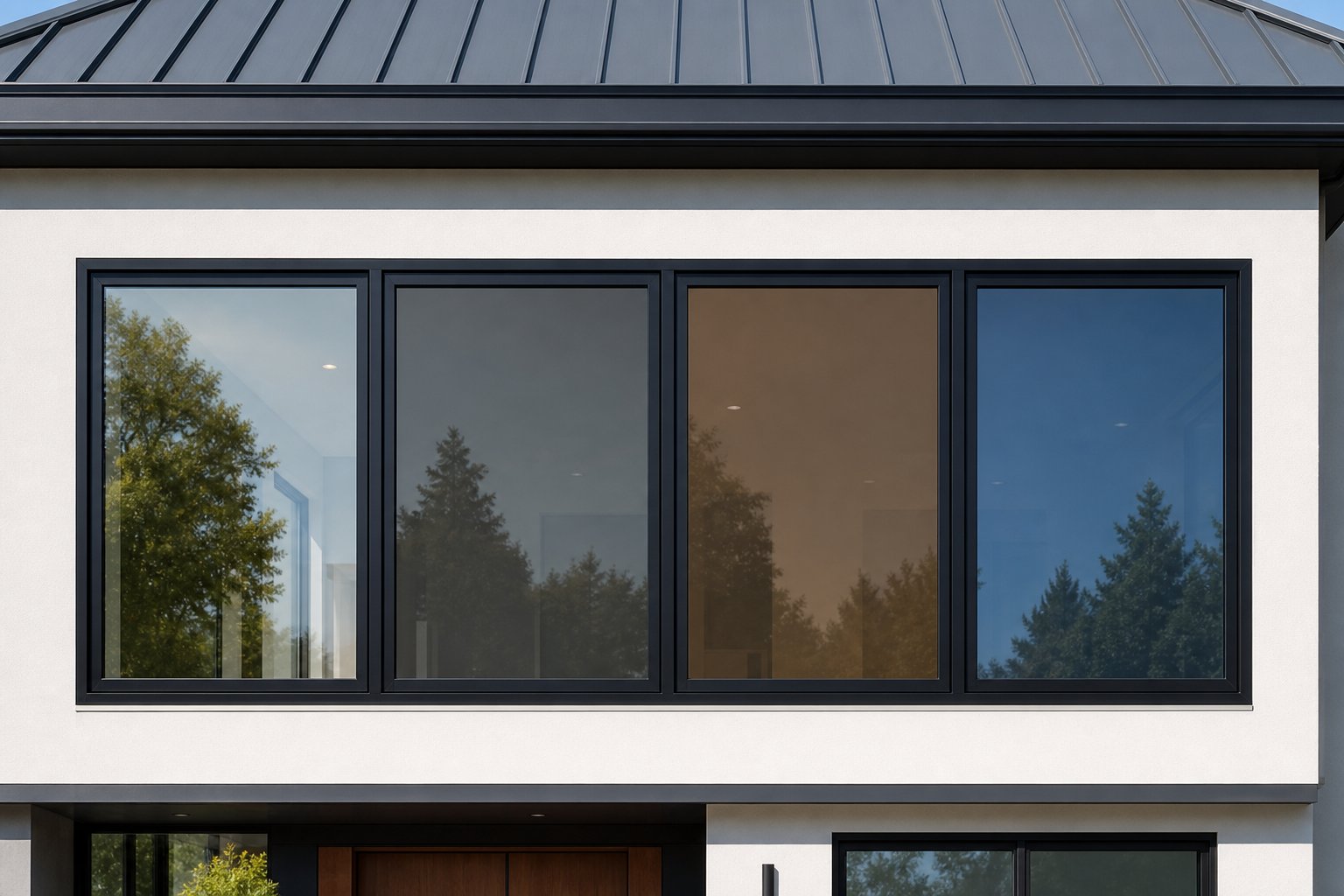
Glass is not just a transparent filler between frame profiles. The tint you select determines how much light enters a room, how the window looks from the street, and how much solar heat passes through. Each window colour option creates a distinctly different living experience, even when paired with an identical aluminium frame.
Clear and Low-Iron Glass Options
Standard clear float glass is the default in most aluminium window systems. It offers the highest visible light transmission — typically around 80 to 90 per cent in a single pane — and provides an unobstructed view with no colour distortion indoors. From the exterior, clear glass appears almost invisible during the day, making the frame the dominant visual element.
There is a catch, though. Standard clear glass carries a faint green edge tint caused by iron oxide in the raw materials. The thicker the glass, the more noticeable this becomes, particularly at panel edges and junctions. Guardian Glass notes that reducing iron content during manufacturing produces low-iron glass, which appears more neutral and colourless — ideal where true colour accuracy matters, such as shopfronts or art-filled interiors.
Clear glass provides zero privacy during daylight hours. Anyone outside can see directly in, which may or may not suit your situation depending on setback distances and landscaping.
Tinted Glass Colours Explained
Tinted glass gets its colour from metallic oxides added during the manufacturing process. The tint is integral to the glass body itself — not a film or coating applied afterward — which makes it highly durable and resistant to peeling or degradation over time. Whether installed in single pane aluminium windows or as part of aluminium double pane windows (insulated glass units), tinted options behave consistently across configurations.
Grey tint is the most popular choice for residential aluminium windows in Australia. It reduces glare without shifting the colour temperature of incoming light, keeping interiors looking neutral and balanced. Light transmission typically falls in the 40 to 60 per cent range depending on glass thickness, offering a moderate level of daytime privacy.
Bronze tint introduces warmth. It filters light with a golden-amber tone that flatters timber flooring and earthy interior palettes. Bronze provides strong solar control, absorbing a significant portion of radiant heat. One thing worth noting: bronze-tinted glass looks warm and inviting in direct morning sunlight, but shifts noticeably darker under overcast skies. The visual appearance of tinted glass changes with weather and time of day — reflected colour dominates on bright days while transmitted colour shows through at night.
Green tint is subtle to the point of being nearly imperceptible from inside. It offers solid heat-gain reduction while maintaining relatively high visible light transmission. From the exterior, a faint green hue is visible, giving a soft, natural tone that works well on landscaped properties.
Blue tint reads as contemporary and crisp. It provides moderate light filtering and pairs naturally with cool-toned modern facades. Blue glass is less common in residential projects than grey or bronze but is gaining popularity in coastal Australian builds where the tone echoes sea and sky.
Frosted and Reflective Glass for Privacy
Where privacy is essential but natural light cannot be sacrificed, frosted (obscure) glass scatters light as it passes through the pane. It transmits a high percentage of daylight while completely obscuring shapes and details on the other side. Bathrooms, ensuite windows, and side-entry panels are typical applications within a glass aluminium frame configuration.
Reflective or mirror glass sits at the opposite end of the spectrum. A metallic coating on one surface creates a mirror-like exterior appearance during the day, delivering near-complete privacy. It also provides the strongest solar heat rejection of any glass type. The trade-off is reduced natural light indoors and, critically, the privacy effect reverses at night — when interior lights are on and it is dark outside, people can see in while occupants see only their own reflection.
The table below compares each glass colour option across the factors that matter most when specifying aluminium frame glass for your project.
| Glass Colour | Exterior Appearance | Light Transmission | Privacy Level | Solar Control |
|---|---|---|---|---|
| Clear / Low-Iron | Near-invisible, neutral | High (80–90%) | None | Minimal |
| Grey Tint | Subtle dark neutral tone | Moderate (40–60%) | Low to moderate | Good |
| Bronze Tint | Warm amber-brown hue | Moderate (40–60%) | Low to moderate | Good to high |
| Green Tint | Soft green, often subtle | Moderate-high (50–70%) | Low | Moderate |
| Blue Tint | Cool, contemporary tone | Moderate (50–65%) | Low | Moderate |
| Frosted / Obscure | Translucent, diffused | Moderate-high (varies) | High | Low to moderate |
| Reflective / Mirror | Metallic, mirror-like | Low to moderate (20–50%) | Very high (daytime only) | Very high |
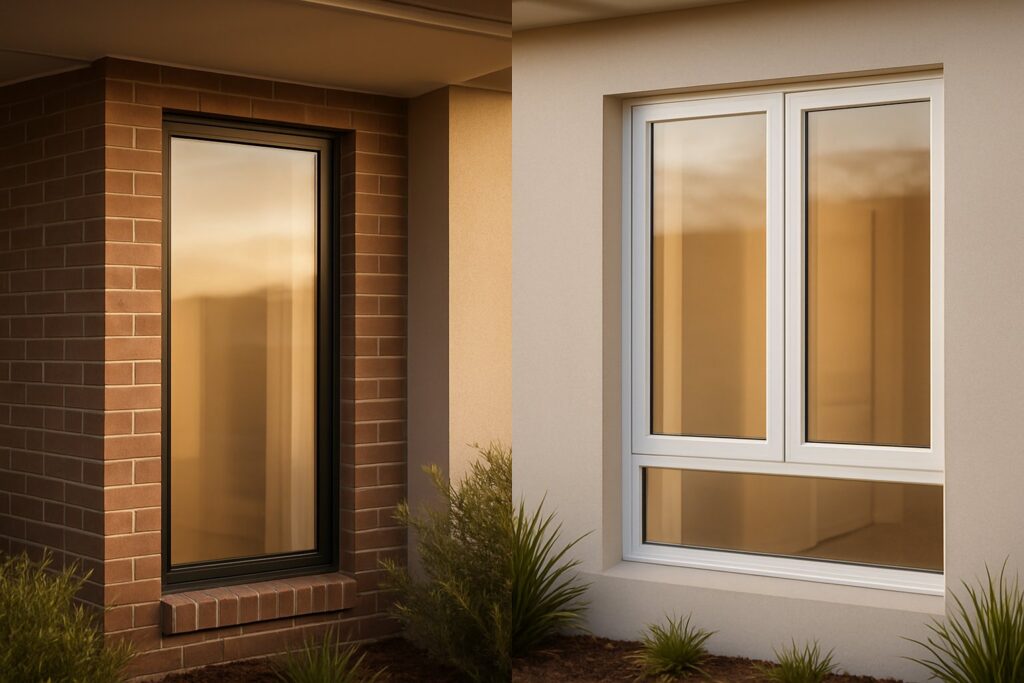
Each of these glass colours interacts differently with the aluminium frame finish surrounding it. A grey tint behind an anthracite frame creates a unified, moody facade, while the same grey glass behind a white frame reads as a sharp graphic contrast. Understanding these interactions is where colour selection becomes genuine design strategy — a topic the next section unpacks in detail.
Aluminium Frame Colour Finishes and How They Work
Glass tint tells only half the story. The frame surrounding each pane carries equal visual weight, and the method used to colour that frame determines everything from the shade range available to how the finish holds up under Australian sun, salt air, and decades of use. Two processes dominate the aluminium window industry: powder coating and anodising. Each produces a fundamentally different result, and understanding the distinction helps you specify aluminium window frames with confidence.
Powder Coating vs Anodising for Frame Colour
Powder coating is the most widely used method for colouring metal window frames in residential and commercial projects. The process works by applying a dry powder — typically a polyester or polyester-polyurethane resin — to the aluminium surface using an electrostatic charge. The charged particles cling uniformly to the grounded metal profile, then the entire frame enters a curing oven where heat melts and fuses the powder into a continuous, bonded film. The result is a thick, even coating that resists chipping, scratching, and UV degradation.
What makes powder coating so popular for aluminium window frame colors is its sheer versatility. Virtually any colour imaginable can be mixed and applied, from crisp whites and deep blacks to custom-matched shades specified by architects. The finish is consistent across large production runs, making it ideal for projects with dozens or hundreds of windows and window frames that need to look identical. In Australian conditions, a quality powder-coated aluminium frame typically retains its colour and integrity for 20 to 30 years before any noticeable chalking or fading occurs — longer still if the frames are regularly cleaned and not subjected to extreme coastal salt exposure.
Powder coating is also considered a more environmentally responsible option than solvent-based liquid paints, as it produces negligible volatile organic compound (VOC) emissions during application.
Anodising takes a completely different approach. Rather than applying a coating on top of the aluminium, it transforms the metal’s own surface through an electrochemical process. The aluminium profile is submerged in an acidic electrolyte bath, and an electrical current triggers the formation of a thick, controlled oxide layer on the outer surface. This oxide layer becomes an integral part of the metal itself — it cannot peel, flake, or delaminate the way an applied coating theoretically could.
The trade-off is colour range. Anodised aluminium window frames are limited to a narrower palette that enhances the natural metallic character of the base metal. Think silver, champagne, bronze, dark brown, and black — all with a distinctive translucent depth and subtle metallic sheen that powder coating cannot replicate. If you want your metal window frame to look unmistakably like metal rather than a painted surface, anodising delivers that quality.
There are practical differences in maintenance too. Powder-coated frames can be touched up or recoated if scratched. Anodised frames cannot be spot-repaired — any damage to the oxide layer requires replacement of the affected section. For this reason, anodising tends to be the premium option in terms of upfront cost, though its inherent scratch resistance and corrosion durability often make it more economical over a full building lifecycle.
RAL Colour Codes and Popular Frame Choices
When specifying window frame colours for a project, the industry relies on the RAL colour chart — a standardised colour matching system originally developed in Germany and now used globally for powder coating, paints, and plastics. Each colour is assigned a unique four-digit code, eliminating ambiguity when communicating between homeowners, architects, builders, and fabricators. You do not describe a colour as “dark grey” and hope everyone pictures the same shade. You specify RAL 7016 and the result is guaranteed to match.
Among the popular RAL colours for windows in Australia, a handful dominate contemporary projects:
- RAL 7016 — Anthracite Grey: The single most specified colour for aluminium window frames in modern Australian builds. It reads as a sophisticated dark charcoal that complements rendered facades, timber cladding, and brick alike.
- RAL 9005 — Jet Black: Bold and graphic. Popular for industrial-style homes and statement facades where strong contrast against lighter walls is the goal.
- RAL 9010 — Pure White: A clean, warm white that remains the go-to for Hamptons-style homes, coastal builds, and lighter interior schemes.
- RAL 7021 — Black Grey: Sits between anthracite and true black. Slightly softer than jet black, it works well on projects where pure black feels too stark.
- RAL 7016 and RAL 9005 together account for the vast majority of dark-framed aluminium window orders across Australian metropolitan markets.
Beyond these staples, the full RAL Classic system contains over 200 colours — everything from signal yellows and cobalt blues to olive greens and chocolate browns. Custom colour matching outside the RAL system is also possible with most fabricators, though it typically adds to lead times and cost.
The most popular frame colour families for aluminium windows break down as follows:
- Whites: Pure white, traffic white, cream, grey white — versatile and timeless for any architectural style
- Greys: Anthracite, basalt grey, iron grey, monument (a popular Australian colour name for a dark grey) — the dominant choice in contemporary design
- Blacks: Jet black, black grey, graphite black — for maximum drama and definition
- Bronze and brown tones: Copper brown, sepia brown, pearl copper — suited to heritage restorations and warm earthy palettes
- Wood-effect finishes: Sublimation-transferred timber grain patterns that replicate the warmth of natural wood with none of the maintenance — popular on Queenslander-style renovations and projects blending modern aluminium performance with traditional aesthetics
Surface Finish Effects on Colour Appearance
The same RAL code can look noticeably different depending on the surface texture applied. This is a detail many homeowners overlook when choosing an aluminum window frame colour from a small swatch, only to find the installed result feels lighter, darker, or more reflective than expected.
A matt finish absorbs light, softening the perceived colour and reducing reflections. It hides minor surface imperfections well and reads as understated. Matt anthracite grey appears deeper and more muted than its gloss counterpart. A satin finish offers a middle ground — a gentle sheen without sharp reflections. This is the most common finish specified for residential metal window frames in Australia, striking a balance between visual warmth and practical dirt concealment.
A gloss finish reflects surrounding light and scenery, making colours appear more vivid and the frame more prominent. Gloss works beautifully on darker shades but shows fingerprints, dust, and surface scratches more readily. Textured finishes — sometimes called sand or ripple textures — break up light across a microscopically uneven surface, softening the colour further and adding tactile interest. These are particularly useful in coastal environments where windblown grit might mar a smoother finish over time.
The practical lesson here: always request a physical colour sample in your chosen surface finish, and view it against your actual facade materials in natural daylight. Screen-based colour representations are unreliable for final decisions — what looks like a warm dark grey on a monitor may read as cool charcoal on an installed frame.
With both frame finishing methods and the colour specification system covered, the natural question becomes: how do you pair these frame colours with the glass tints discussed earlier to produce a cohesive, intentional result? That pairing strategy is where most of the design magic — and most of the common mistakes — live.
How to Match Glass Colours With Frame Colours
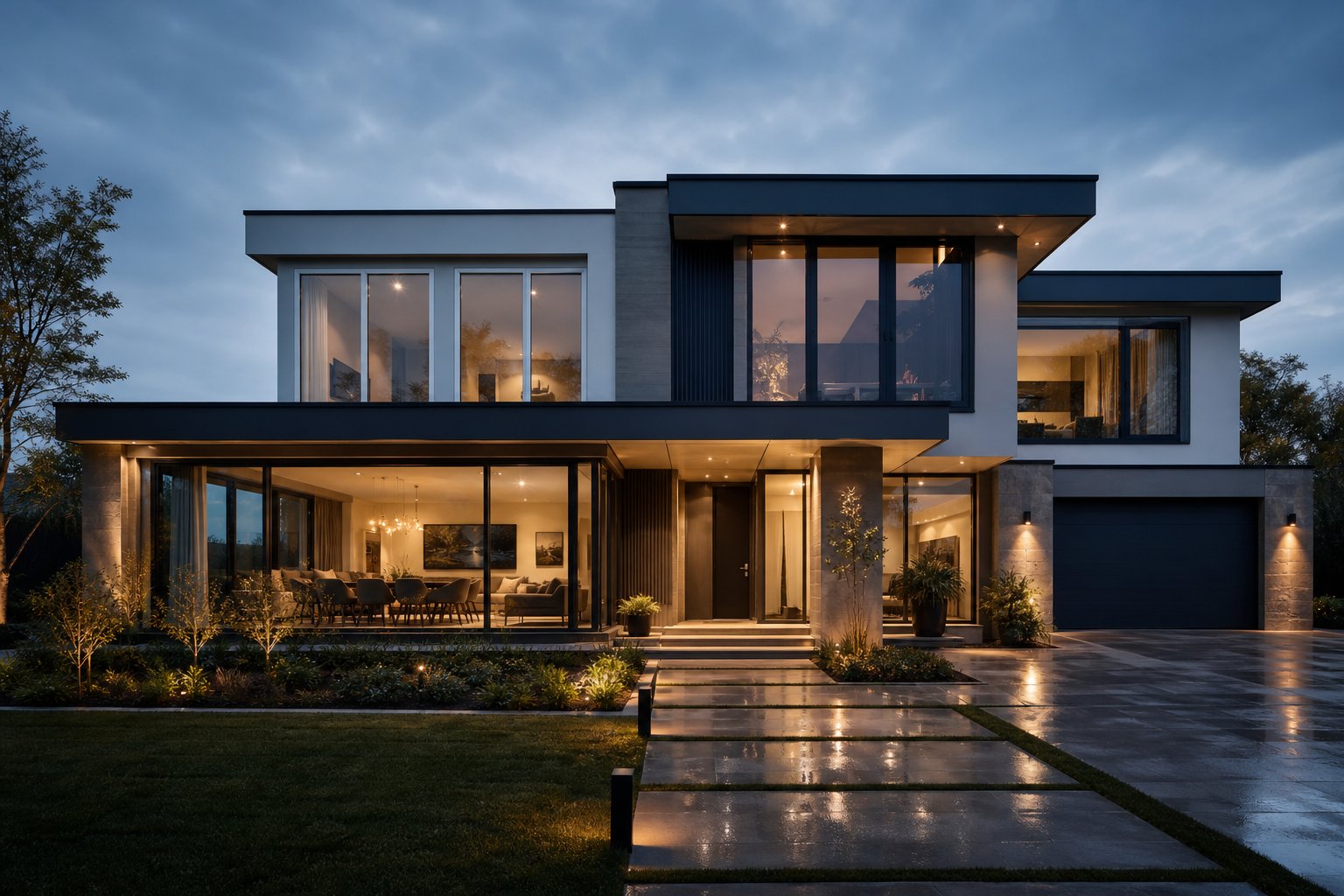
Selecting a frame colour and a glass tint in isolation is a bit like choosing a shirt and trousers without ever holding them side by side. Each might look fine alone, yet together they can clash — or they can create something genuinely striking. The relationship between glass and frame is where your aluminium windows shift from a building component to a design statement.
Design Principles for Glass and Frame Pairing
Three core pairing strategies cover the vast majority of successful combinations. Understanding which one suits your project makes the decision far simpler.
Contrast pairings use a dark frame against clear or lightly tinted glass for a bold, graphic result. Think black aluminum windows framing expansive clear panels — the frame becomes a crisp outline, almost like a pencil sketch on the facade. This approach maximises the visual weight of the frame while keeping interior light as neutral and bright as possible. It works particularly well on light-rendered walls where the window reads as an architectural feature rather than a recessed opening.
Tonal pairings match the glass tint to the frame’s colour temperature for a unified, immersive look. Grey aluminium windows paired with a grey-tinted glass panel create a moody, seamless aesthetic — the frame and glass merge into one cohesive element, especially under overcast skies. Dark grey aluminium frames with a medium grey tint deliver this effect without making the facade feel heavy, because the glass still transmits enough light to avoid looking opaque from the street.
Complementary pairings bring warmth or contrast through deliberate colour relationships. Bronze aluminum windows — whether powder-coated or anodised — sit beautifully alongside a bronze or amber-tinted glass. The warmth of the frame extends into the glazing, producing a rich, layered appearance that bridges modern minimalism with heritage character. A black or dark brown frame paired with bronze tint achieves a similar warmth while adding stronger definition around the glass edge.
Recommended Colour Combinations by Style
The table below maps proven glass and frame pairings to four popular design styles seen across Australian residential projects. Use it as a starting point, then refine based on your specific facade materials and orientation.
| Design Style | Recommended Frame Colour | Recommended Glass Tint | Why It Works |
|---|---|---|---|
| Modern Minimalist | Matt black or anthracite grey | Clear or light grey | Sharp graphic lines; glass almost disappears, letting the frame define the facade |
| Heritage / Traditional | Anodic bronze or dark brown | Bronze or clear | Warm, sophisticated tone that respects period character without heavy visual weight |
| Coastal | White or soft grey | Blue or light grey | Cool palette echoes sea and sky; white aluminum windows keep facades fresh and airy |
| Industrial | Jet black or raw-look anodised silver | Clear or reflective | Maximum transparency or mirror-effect reinforces warehouse-conversion aesthetics |
Common Pairing Mistakes to Avoid
Not every combination works. A few recurring missteps are worth calling out before you lock in a specification.
Green tint with warm-toned frames is perhaps the most common source of visual tension. Green glass introduces a cool, slightly aquatic hue, while bronze or copper-brown frames push warmth. The two pull in opposite colour directions, creating a subtle discord that is hard to pinpoint but easy to feel. If you want green glass, pair it with silver, white, or cool grey frames where the temperatures align.
Heavily reflective glass with bold frame colours can also backfire. A strong mirror coating obscures the glass colour entirely during daylight, which means the frame stands alone visually — but at night the dynamic reverses and the dark reflective glass can make even a white frame appear stark and disconnected from the interior.
Ignoring the interior perspective is the subtlest mistake. From inside the room, you do not see the exterior frame colour — you see the interior frame finish and the glass tint filtering your view. Darker tints make outdoor views appear cooler, more muted, and slightly flattened. A bronze tint casts a warm golden wash over garden views, which can feel romantic in a living area but distracting in a home office where colour-neutral daylight matters. The interior side of the window deserves its own assessment, separate from curb-appeal decisions.
Getting the glass-and-frame relationship right is the single most impactful design choice in any aluminium window specification. But how that combination performs day-to-day depends heavily on something less visible: the way tinted glass transforms the quality of light and privacy within the rooms behind it.
How Glass Colour Shapes Interior Light and Privacy
From the street, aluminium window colours define curb appeal. From inside, they define how a room feels. The tint filtering through your glass shifts the colour temperature of natural daylight, alters how furnishings and wall colours appear, and sets a baseline for both privacy and thermal comfort. It is an invisible layer of interior design that works every hour of every day.
How Glass Tint Alters Interior Light Quality
Grey-tinted glass cools the incoming light. It strips warmth from sunbeams without adding a competing hue, producing a neutral, even illumination that works particularly well in modern interiors with cool-toned furnishings — think concrete floors, white joinery, steel accents, and blue-grey textiles. The aluminium grey colour of the frame often reinforces this effect, creating a cohesive system where grey aluminium profiles and grey glass deliver a calm, contemporary atmosphere. For rooms already decorated in warm tones, though, grey tint can make the space feel slightly flat or washed out on overcast days.
Bronze tint does the opposite. It bathes a room in warm golden light, flattering timber floors, leather seating, and earthy palettes. A living area with spotted gum flooring and linen upholstery comes alive under bronze-filtered afternoon sun. The catch is that bronze-tinted light can muddy cool-toned interiors — a room decorated in blues, silvers, or cool whites may feel dull rather than cosy when the incoming daylight carries that amber cast.
Green tint is the chameleon. Most occupants cannot consciously detect it, because its effect on colour rendering is subtle — a very slight coolness that marginally shifts how reds and oranges appear on interior surfaces. From a practical standpoint, green-tinted glass maintains relatively high brightness indoors while still absorbing solar heat, making it a pragmatic middle ground for homeowners who want thermal benefit without a noticeable colour shift.
Blue tint introduces a crisp, aquatic quality to interior light. It reads as fresh and contemporary, suiting coastal schemes and minimalist palettes. However, it cools skin tones noticeably, which can feel unflattering in bathrooms or bedrooms where warm, soft light is typically preferred.
Privacy Levels Across Glass Colour Options
Privacy exists on a spectrum, and glass colour is one of the simplest ways to move along it without resorting to blinds or curtains.
Clear glass offers zero daytime privacy. Anyone at a reasonable distance can see directly through the pane — fine for upper-storey windows or rooms set well back from boundaries, but problematic for ground-floor living areas on compact lots. Light tints (grey, bronze, green) introduce a subtle level of screening. The darker the tint, the harder it becomes for passers-by to discern detail inside, particularly when interior surfaces are not directly sunlit. This is not true privacy, but it takes the edge off feeling exposed.
Reflective glass sits at the far end. During daylight hours, the mirror-like exterior surface provides near-complete visual privacy — occupants look out through a lightly tinted view while outsiders see only their own reflection. The critical caveat, as privacy film specialists note, is that this effect reverses at night. Once interior lights are on and the outside is dark, the brighter side becomes the inside of your home, and reflective glass essentially becomes transparent to anyone looking in. Layering with blinds or exterior lighting strategies solves this, but it is a limitation worth understanding before you specify reflective aluminum window colors for privacy-sensitive rooms.
Energy and Daylight Trade-Offs
Every tint that reduces solar heat gain also reduces the natural daylight entering your room. This is the fundamental trade-off embedded in all aluminum window colour decisions involving tinted glass.
Darker tints — deep grey, heavy bronze, and reflective options — absorb or reject a significant portion of incoming solar energy, lowering cooling loads in summer and reducing glare on harsh western facades. But they simultaneously dim the interior, potentially pushing occupants toward artificial lighting earlier in the day or in rooms that already receive limited direct sun. In cooler Australian climates — think Melbourne, Hobart, or highland regions — over-tinting south-facing glass can create dark, unwelcoming interiors that cost more to light than they save in cooling.
The sweet spot depends on room function, orientation, and how much natural light you genuinely need. Consider these guidelines by room type:
- Living areas: Prioritise balanced light transmission. A light grey or green tint manages heat without dimming social spaces excessively. Avoid heavy tints unless western sun is unbearable.
- Bedrooms: Slightly darker tints (medium grey, bronze) improve thermal comfort and provide a touch of daytime privacy. The reduced brightness also supports rest during early morning hours.
- Home offices: Colour-neutral glass is essential. Grey tint preserves accurate colour rendering on screens and documents. Avoid bronze, which shifts colour perception and can cause eye fatigue over long sessions.
- Bathrooms and ensuites: Frosted or obscure glass addresses privacy without relying on tint level. Where a clear view is not needed, frosted options maintain high light transmission alongside full concealment.
- Kitchens: Clear or low-iron glass maximises task lighting from natural sources. Tinting kitchen windows often creates a need for more downlights during food preparation.
- Media rooms: Darker tints or reflective glass reduce ambient glare, improving screen visibility. The reduced daylight is a feature, not a drawback, in this context.
These room-level decisions do not happen in a vacuum. The orientation of each window — which direction it faces and how much direct sun it receives across the year — shapes whether a given tint helps or hinders. Matching glass colour to climate zone and compass bearing turns a general preference into a precise, high-performing specification.
Choosing Glass Colour by Climate and Room Orientation
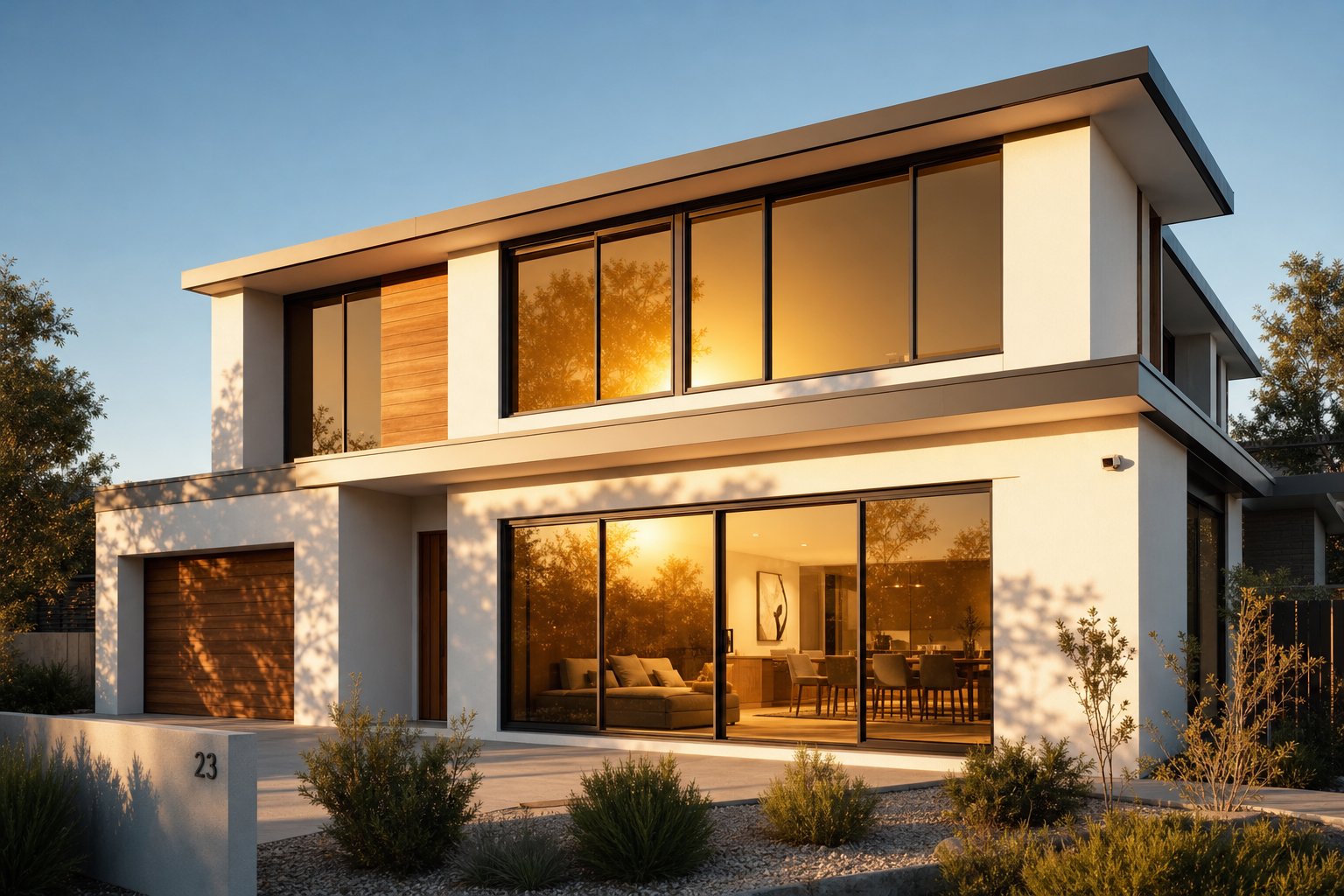
A glass tint that performs beautifully on a south-facing bedroom wall may create a dim, uninviting space on an identical window facing east. Orientation, climate zone, and room purpose are the three variables that turn a subjective colour preference into a decision grounded in performance. Getting this right means your aluminium windows deliver comfort year-round rather than solving one problem while creating another.
Choosing Glass Colour by Window Orientation
In the Southern Hemisphere, each facade receives a distinctly different quality and intensity of sunlight. That difference should steer your glass tint choice far more than colour preference alone.
North-facing windows receive the most consistent sun exposure throughout the year. In winter, low-angle northern sun is a free heating source you want to capture. In summer, the sun tracks higher and delivers sustained heat. A moderate tint — light grey or green — balances these competing demands, reducing summer heat gain without blocking the winter warmth that passive design relies on. Sliding aluminium windows on north-facing living areas benefit particularly from this approach, since their large glass areas amplify both the gain and the glare.
West-facing windows cop the worst of it. Late afternoon sun arrives at a low angle, driving intense glare directly into rooms at eye level while delivering peak heat load when the house is already warm from the day. Bronze or medium grey tint performs best here, absorbing a meaningful portion of that solar energy before it reaches furnishings and occupants. West-facing bedrooms with aluminium sash windows can feel stifling on summer evenings without at least a moderate tint to take the edge off.
East-facing windows receive morning sun — pleasant and warming, but potentially harsh in bedrooms where early light disrupts sleep. A light grey tint softens the glare without dimming the room once the sun moves overhead. Clear glass works on east-facing living spaces if you enjoy bright mornings.
South-facing windows receive minimal direct sun in Australian latitudes. They provide soft, diffused daylight that is already low in intensity, so tinting south-facing glass is rarely justified. Clear or low-iron glass maximises every lumen entering these openings. Single hung aluminium windows on south-facing walls, often used in hallways and secondary rooms, benefit most from maximum light transmission rather than solar control.
Climate Zone Considerations
Australia spans multiple climate zones — from the tropical north through arid inland regions to the cool temperate south. Each zone shifts the balance between wanting solar heat out and wanting natural light in.
In hot and humid zones (Darwin, Cairns, coastal QLD), solar control is the priority on almost every facade. Grey, bronze, or reflective glass on north and west faces is standard practice. The Australian Glass and Windows Association (AGWA) emphasises that windows, while representing less than 10 per cent of a home’s surface area, can contribute disproportionately to heat gain. Aluminium sliding windows with tinted glass are a common solution in tropical builds, where large openable panels are needed for ventilation but uncontrolled solar entry drives cooling costs through the roof.
In temperate zones (Sydney, Brisbane, Perth, Adelaide), the decision becomes more nuanced. Winter warmth is still valuable, but summer overheating is a genuine concern — particularly on west-facing facades. A selective approach works best: moderate tints on west and north, clear glass on south and east. This zone is where orientation-specific glass selection pays the biggest dividends, because the climate swings meaningfully between seasons.
In cool temperate and alpine zones (Melbourne, Hobart, highland regions), maximising natural light and passive solar gain takes precedence. Over-tinting in these climates can darken interiors unnecessarily and increase reliance on artificial heating. Clear glass or the lightest available tints suit most orientations here, with tinting reserved only for specific glare issues on west-facing rooms during summer evenings.
Room Function and Commercial Applications
Orientation and climate set the baseline. Room function then fine-tunes the choice.
Bedrooms benefit from slightly darker tints — medium grey or bronze — that improve thermal comfort during sleep hours and offer a touch of daytime screening. Home offices demand colour-neutral glass (grey or clear) so that on-screen work and document colours render accurately under natural light. Living areas generally suit a balanced tint that keeps the space bright and welcoming without creating glare hot-spots on screens or reflective surfaces.
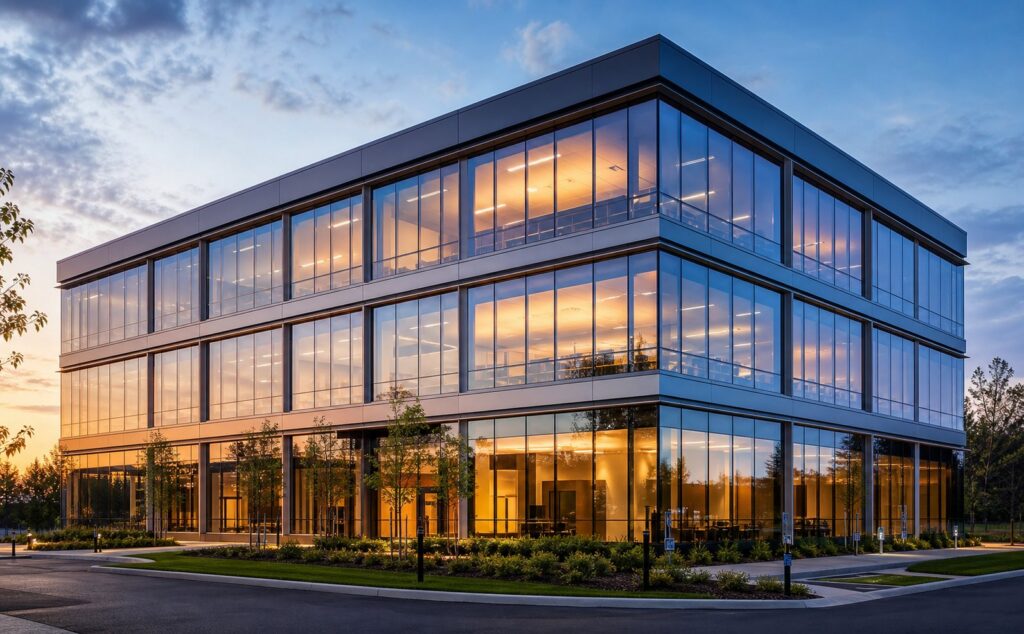
For commercial aluminium windows, the calculus shifts entirely. Office towers, retail developments, and institutional buildings operate at a different scale where facade aesthetics, occupant comfort across deep floor plates, and whole-building energy performance converge. Reflective and heavily tinted glass dominates commercial applications for good reason: it manages solar heat gain across vast glazed areas, reduces mechanical cooling loads, and delivers a cohesive exterior appearance that individual tint choices on a house-by-house basis cannot match.
Research into glass reflectivity in modern buildings shows that mid-reflective glass — around 20 to 29 per cent exterior reflectivity — strikes an effective balance between privacy, thermal control, and occupant daylighting in commercial settings. High-reflective options (30 per cent and above) suit government, corporate, or medical buildings where strict visual privacy is required. Commercial aluminum windows often pair these high-performance glass types with dark anodised or powder-coated frames, creating the monolithic appearance associated with professional architecture.
A brief but important note on regulations: not all glass colour and reflectivity choices are permissible everywhere. Local council development controls, heritage overlay zones, and the National Construction Code (NCC) may impose restrictions. Heritage overlays often limit reflective glass to preserve streetscape character. Some councils restrict exterior reflectivity levels to prevent glare nuisance to neighbouring properties or passing traffic. Bushfire-prone areas (BAL-rated zones) may require specific glass types that limit your tint options. Always check local planning controls before finalising a specification — particularly for visible facades in heritage precincts or environmentally sensitive areas.
Bringing these factors together into a single decision framework simplifies what can feel like an overwhelming number of variables:
- Identify the window orientation — determine which facade faces north, west, east, or south and note which receives the most intense or prolonged direct sun.
- Assess your climate zone — decide whether your primary goal is keeping heat out (hot zones), balancing seasonal extremes (temperate zones), or maximising light and warmth (cool zones).
- Define the room function — consider whether the space requires colour-neutral light, thermal comfort, visual privacy, or maximum brightness.
- Check applicable regulations — review NCC requirements, council heritage overlays, BAL ratings, and any development approval conditions that limit glass type or reflectivity.
- Match tint to the findings — select the lightest tint that solves your identified thermal and glare issues without sacrificing more daylight than the room can afford to lose.
- Consider the frame pairing — confirm that the chosen glass tint works visually with your specified frame colour from both the interior and exterior perspective.
This orientation-climate-function framework applies equally whether you are specifying a single replacement window or selecting glass across an entire facade of aluminium sliding windows. The principles scale from a modest renovation to a full commercial fitout — what changes is the complexity of the project, not the logic behind the decision.
Of course, orientation and climate tell you what tint to choose. The next consideration is how that choice interacts with increasingly popular dual-colour frame technology, and how both glass tint and frame finish hold up across decades of Australian sun and weather.
Dual-Colour Frames and Long-Term Colour Durability
Most homeowners assume a window frame is one colour — inside and out. That used to be the case. Modern aluminium frame windows, however, can be finished in two completely different colours: one facing the street, another facing the room. This dual-colour capability changes the design equation, because you no longer need to compromise between what suits your facade and what complements your interior decor.
How Dual-Colour Frames Expand Design Options
Dual-colour (sometimes called two-tone) framing works because powder coating is applied to individual surfaces of the aluminium profile before assembly. The exterior face receives one colour — say, matt black or anthracite grey to anchor the facade — while the interior face is coated separately in white, warm grey, or even a timber-look finish that ties into skirting boards and cabinetry. The two finishes meet at the frame’s edge, concealed within the reveal or glazing bead so no transition line is visible from either side.
This flexibility is particularly valuable where aluminium doors and windows share a consistent exterior palette for streetscape cohesion, yet interior rooms vary dramatically in style. A dark charcoal exterior unifies the building envelope, while individual rooms can have frame colours matched to their own colour schemes — warm white in a coastal-themed living area, stone grey in a moody study.
Glass tint choice becomes the bridge between these two frame colours. When the exterior is dark and the interior is light, a neutral grey glass tint sits harmoniously against both sides without pulling the visual balance toward one or the other. Bronze glass, by contrast, tends to favour the interior warmth and can look slightly discordant against a cool dark exterior frame. The glass is the one element seen from both perspectives simultaneously, so its tint needs to play nicely in both directions.
Australian suppliers like MEICHEN offer dual-colour frame capabilities across their aluminium window systems, with custom colour matching available for both residential and commercial projects. This means homeowners and builders can specify aluminium frames for windows with full control over both faces — a practical advantage when working with open-plan layouts where multiple orientations and interior zones converge on a single facade.
Colour Durability and Long-Term Performance
Choosing colours is one thing. Keeping them looking right for decades is another. Durability depends heavily on the quality of application and the method used to achieve the colour in the first place.
For aluminum window frames, a properly applied polyester powder coat cured at the correct temperature creates a bond that resists UV degradation, chalking, and colour shift for 20 to 30 years under typical Australian conditions. Research into aluminium window fading identifies that poor-quality powder, improper application thickness, or under-curing are the primary culprits when finishes deteriorate prematurely. Cheaper aluminum framed windows may use thinner coatings or inferior resins that chalk within a decade — particularly on north and west faces where UV exposure is most intense. Coastal environments add salt-air corrosion to the mix, accelerating breakdown if the coating has any pinholes or weak points.
Regular maintenance extends longevity considerably. A simple wash with mild soapy water every few months removes salt deposits, pollution residue, and organic matter before they can attack the coating surface. Harsh chemicals and abrasive cleaners should be avoided — they strip protective layers rather than preserving them.
On the glass side, durability hinges on how the colour was achieved. Body-tinted glass — where metallic oxides are blended into the molten glass during manufacturing — carries its colour throughout the entire pane. It cannot fade, peel, or degrade because the tint is the glass itself. As glazing specialists explain, this makes body-tinted glass inherently permanent: the colour remains stable for the full service life of the window, which in a quality aluminium system is measured in decades.
Applied window films are the alternative. These thin polyester or vinyl layers adhere to the glass surface after installation and offer flexibility — you can change tint levels or remove the film entirely. However, films have a finite lifespan. Depending on quality and UV exposure, most last between 5 and 15 years before showing signs of bubbling, discolouration, or edge peeling. In harsh Australian sun, particularly on west-facing aluminium windows and doors, films at the lower end of the quality spectrum may deteriorate within five to seven years.
The practical takeaway for anyone specifying aluminium doors and windows: body-tinted glass paired with high-quality powder-coated frames delivers a set-and-forget colour system. Films offer short-term flexibility but introduce a maintenance cycle that body-tinted glass simply does not require. For long-term projects — a new build or major renovation where the windows will remain for 25 years or more — investing in integral glass tint and premium frame coating eliminates the risk of colour degradation that cheaper alternatives invite.
With durability considerations resolved, the remaining practical question is process: how do you actually communicate these glass and frame colour selections to your supplier, confirm they will look right in person, and avoid costly specification errors during ordering?
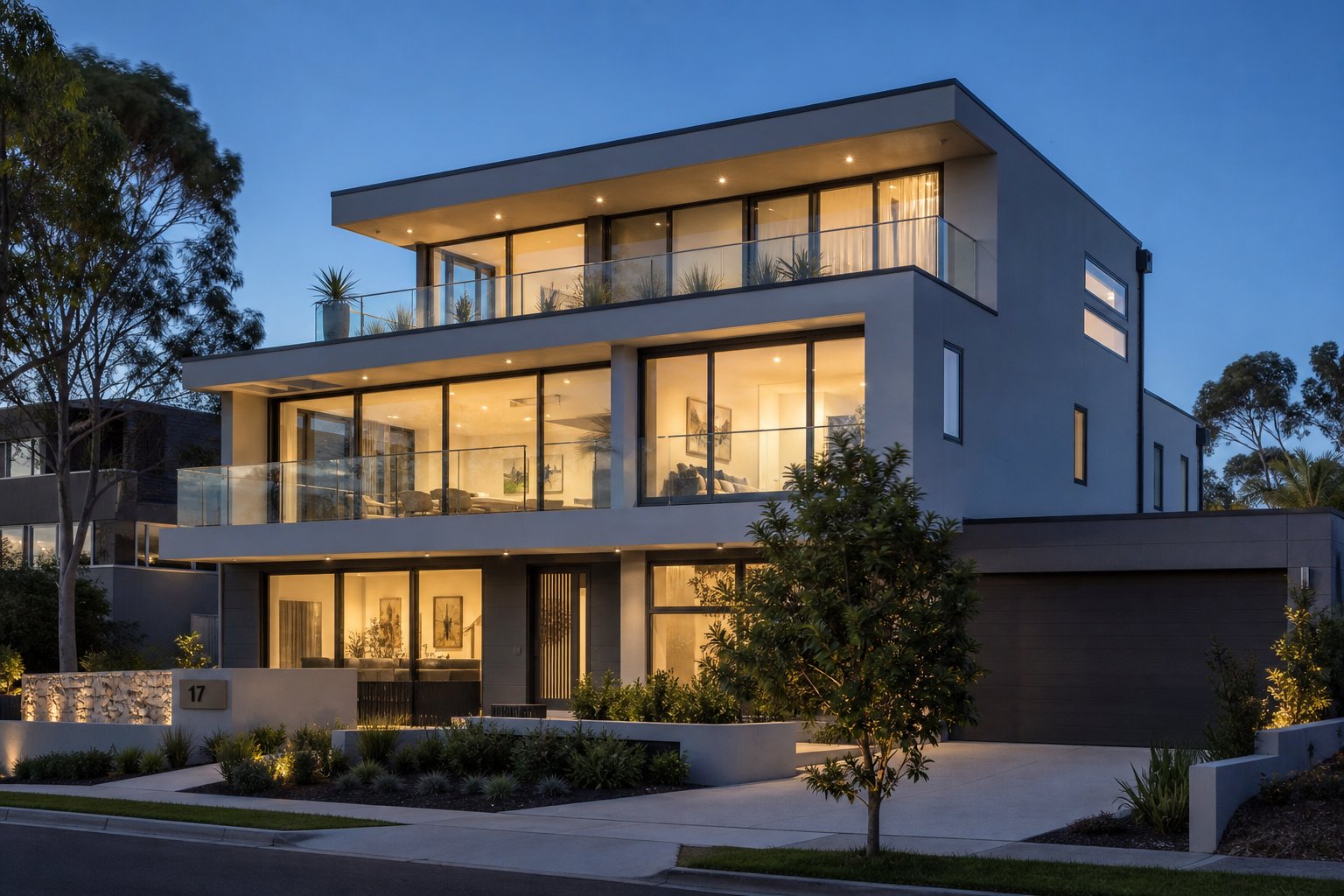
How to Specify Glass and Frame Colours When Ordering
Knowing what you want and communicating it clearly to a fabricator are two different skills. The specification stage is where design intent either translates into a flawless result or falls apart through vague descriptions, mismatched codes, and assumptions that go unchecked. Treating glass tint and frame colour as a single coordinated order — rather than two separate decisions — prevents the most common headaches.
Step-by-Step Colour Specification Process
Every aluminium window order follows a logical sequence. Skipping steps or addressing them out of order creates confusion that ripples through production, often surfacing only at installation when it is too late to fix without cost and delay.
- Confirm window type and size — casement, sliding, awning, fixed, or a combination. Dimensions drive structural requirements and may limit available glass thicknesses or tint options for larger panels.
- Select the frame colour — specify by RAL code (e.g., RAL 7016 for anthracite grey) or use the supplier’s proprietary colour swatch. If dual-colour framing is required, nominate both the exterior and interior finishes at this stage.
- Choose glass type and tint — specify the glass configuration (single glazed, double glazed, laminated) alongside the body tint (clear, grey, bronze, green, blue) or any applied coatings (Low-E, reflective). These selections interact with frame colour aesthetically and may affect thermal performance calculations for NCC compliance.
- Confirm the combination with your supplier — present both selections together. Some pairings require non-standard glass sourcing or custom powder coat batches that extend lead times by two to four weeks. Your aluminium window supplier should flag these early so project timelines stay intact.
- Review pricing and lead time implications — standard colours (anthracite, black, white) and common glass tints ship faster and cost less than custom-matched RAL codes or specialty tints. Factor this into budget planning, particularly for aluminium window replacement projects where existing openings sit exposed during fabrication.
- Lock in the specification in writing — a written order confirmation listing RAL codes, glass type, tint, surface finish (matt, satin, gloss), and any special requirements becomes the production reference. Verbal agreements alone invite errors.
This workflow applies equally to a single replacement aluminium window in a renovation and a full facade package for a new build. The principles do not change — only the volume and coordination complexity.
Requesting Samples and Confirming Choices
Screens lie. A colour swatch viewed on a laptop, phone, or even a calibrated monitor cannot replicate how a powder-coated frame or tinted glass panel looks under real-world light. Industry specialists consistently recommend requesting physical samples and evaluating them on site before signing off.
For frame colours, ask for powder coat colour chips or small painted aluminium sample panels. Hold them against your actual facade material — brick, render, cladding, timber — at different times of day. Morning light warms colours, midday sun washes them out, and overcast skies flatten contrast. A colour that looked perfect under showroom lighting can feel entirely wrong against a south-facing grey-rendered wall at dusk.
For glass tints, request small glazed samples if your supplier offers them, or visit a showroom that displays tinted panels you can look through. Pay attention to how the tint affects your perception of outdoor colour and brightness. Bronze glass that looks elegant in a catalogue may cast a yellow wash over a garden view that you find distracting in person.
One overlooked detail: if your project involves multiple aluminium windows across different elevations, confirm that all glass will be sourced from the same production batch. Body-tinted glass can vary slightly between manufacturing runs, and adjacent windows with marginally different tint densities create a patchwork effect that undermines the facade. The same applies to powder coating — batch consistency matters, especially on larger projects where frames are produced over several weeks.
Working With Your Window Supplier
The right supplier does more than take an order. They guide you through compatibility questions, flag potential issues before production starts, and confirm that your specified combination is both achievable and appropriate for your conditions.
For Australian homeowners and builders, MEICHEN’s aluminium window range supports full colour specification for both glass and frame, with custom configurations available across residential and commercial project scales. Their team can walk you through RAL colour options, dual-colour framing, and glass tint pairings tailored to your orientation and design intent — a practical starting point if you are searching for an aluminium window supplier who handles the specification process end-to-end.
Regardless of which supplier you choose, keep these principles front of mind: specify glass and frame together, request physical samples, confirm batch consistency, and get everything documented in writing. These steps apply whether you are ordering replacement aluminium windows for a single room or specifying an entire project. The few hours spent on proper specification save weeks of frustration if a colour arrives wrong — because once aluminium is powder-coated and glass is cut, there is no undoing the choice without starting again from scratch.
Frequently Asked Questions About Aluminium Windows Glass Colours
1. What glass tint colours are available for aluminium windows?
Aluminium windows can be fitted with clear, grey, bronze, green, blue, frosted (obscure), and reflective glass tints. Each tint is created by adding metallic oxides during manufacturing, making the colour integral to the glass body. Grey is the most popular residential choice in Australia for its neutral light quality and moderate glare reduction, while bronze adds warmth and reflective glass offers maximum daytime privacy with strong solar rejection.
2. How do I choose the right glass colour for my window orientation?
West-facing windows benefit most from bronze or medium grey tint to manage intense afternoon heat and glare. North-facing windows in Australia suit light grey or green tint to balance winter solar gain with summer heat control. East-facing windows work well with light grey or clear glass, while south-facing windows should use clear or low-iron glass to maximise limited natural light. Climate zone also matters — hotter regions need stronger tints, while cooler areas should prioritise light transmission.
3. Can aluminium window frames be different colours on the inside and outside?
Yes, dual-colour or two-tone framing is widely available from Australian aluminium window suppliers like MEICHEN. The exterior face can be finished in one colour (such as anthracite grey) while the interior receives a different colour (such as white or warm grey) to complement indoor decor. Powder coating is applied to each face separately before assembly, with the transition concealed within the frame edge. A neutral grey glass tint works well as a bridge between contrasting interior and exterior frame colours.
4. How long do aluminium window frame colours last before fading?
A quality polyester powder coat on aluminium frames typically retains its colour for 20 to 30 years under Australian conditions when properly applied and maintained. Regular washing with mild soapy water prevents salt and pollution buildup that accelerates deterioration. Cheaper coatings with thinner application or inferior resins may chalk within 10 years, particularly on north and west-facing frames exposed to intense UV. Body-tinted glass, by contrast, never fades because the colour is part of the glass composition itself.
5. What is the most popular aluminium window frame colour in Australia?
RAL 7016 (anthracite grey) is the most specified aluminium window frame colour in contemporary Australian builds. It pairs well with rendered facades, timber cladding, and brick, offering a sophisticated dark charcoal tone without the starkness of pure black. RAL 9005 (jet black) is the second most popular for bold, graphic-style homes. White (RAL 9010) remains the standard for coastal and Hamptons-style builds. All are available in matt, satin, or gloss surface finishes that further alter their appearance.
More Window & Door Guides