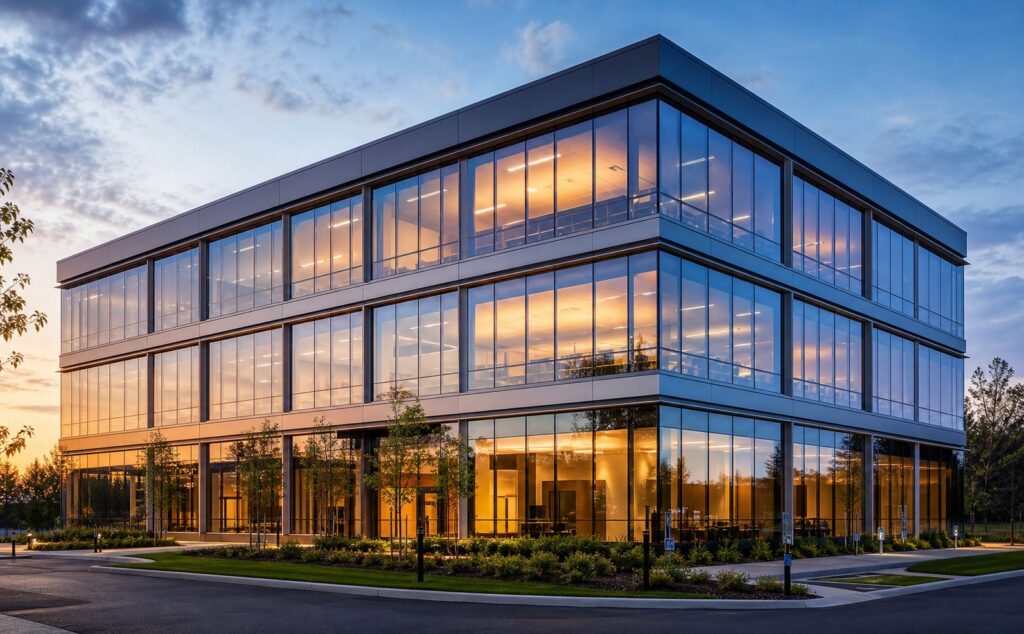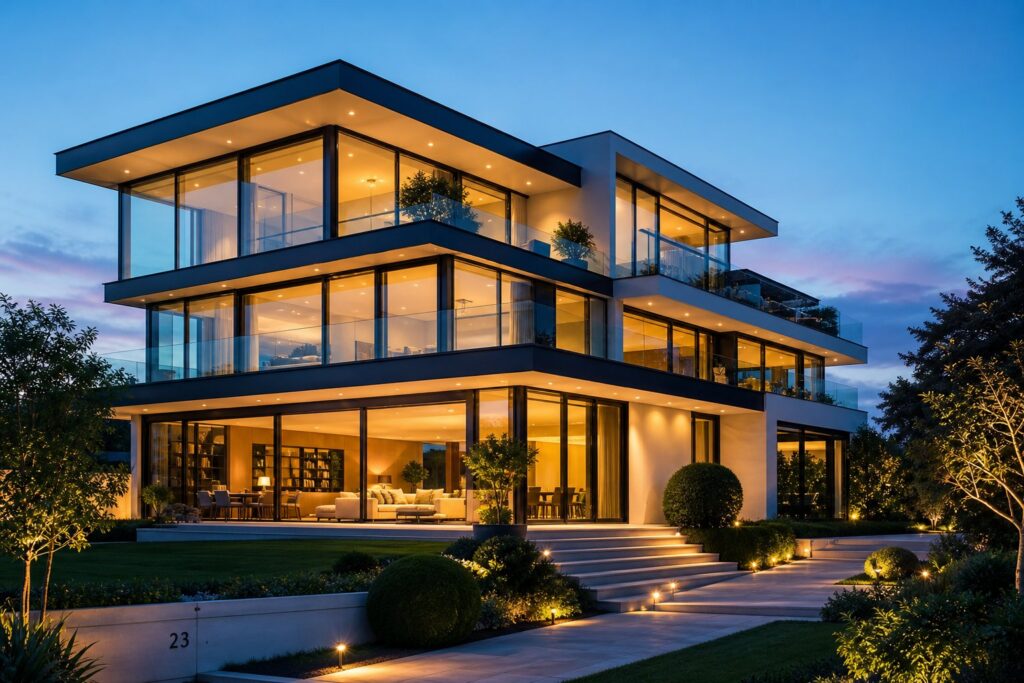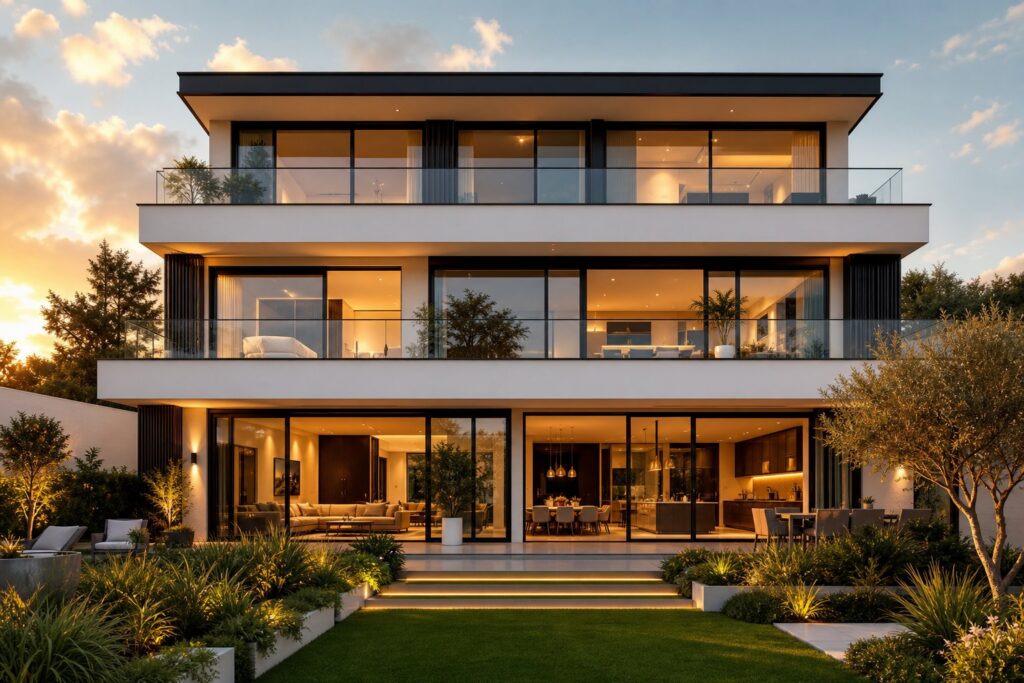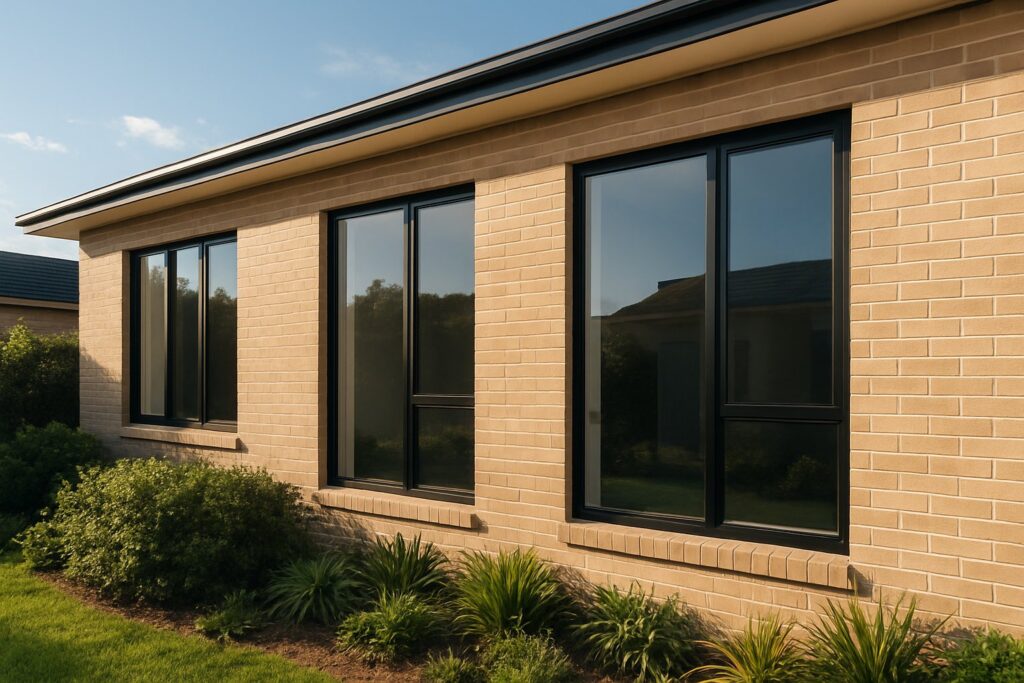
Why Aluminium Windows Are the Go-To Choice in Wollongong
Wollongong sits in a geographic vice grip. The Illawarra escarpment rises sharply to the west, funnelling wind corridors down toward the coast. The Pacific Ocean stretches east, delivering salt-laden air that quietly eats away at anything not built to resist it. Between these two forces, building materials face a relentless test that most fail within a decade.
This is precisely why aluminium dominates the window market here. Timber frames rot under the constant humidity. uPVC can warp when summer heat radiates off rendered walls. Aluminium, treated with modern powder-coated or anodised finishes, handles the salt spray, UV exposure, and variable moisture levels that define life along the Illawarra coast. It’s the best window frame material for coastal areas where conditions punish anything less resilient.
Wollongong’s coastal environment doesn’t just weather building materials — it actively selects for them. What survives here earns its place through chemistry and engineering, not marketing claims.
Why Aluminium Dominates Wollongong’s Window Market
Corrosion resistance is the headline, but it’s not the full story. Aluminium frames offer slim profiles that maximise glass area — critical for homes chasing ocean views from Austinmer to Windang. They accept large pane sizes without flexing under wind load. And unlike timber, they won’t attract termites migrating from the escarpment bushland. For aluminium windows in Wollongong coastal homes, the combination of structural strength, low maintenance, and design flexibility makes the material a practical default rather than a luxury choice.
What This Guide Covers
This guide is a neutral resource for homeowners weighing a Wollongong window replacement, builders specifying for new projects, and architects designing for the Illawarra’s specific conditions. We cover window styles, glazing options, coastal durability factors, council compliance, pricing realities, and how to evaluate suppliers — all through the lens of what actually performs in this environment. No single product or brand suits every situation, so the focus stays on helping you ask better questions and make informed decisions.
The differences between aluminium vs timber windows in the Illawarra aren’t just aesthetic — they’re functional, financial, and long-term. Understanding those differences starts with understanding the climate they need to survive.
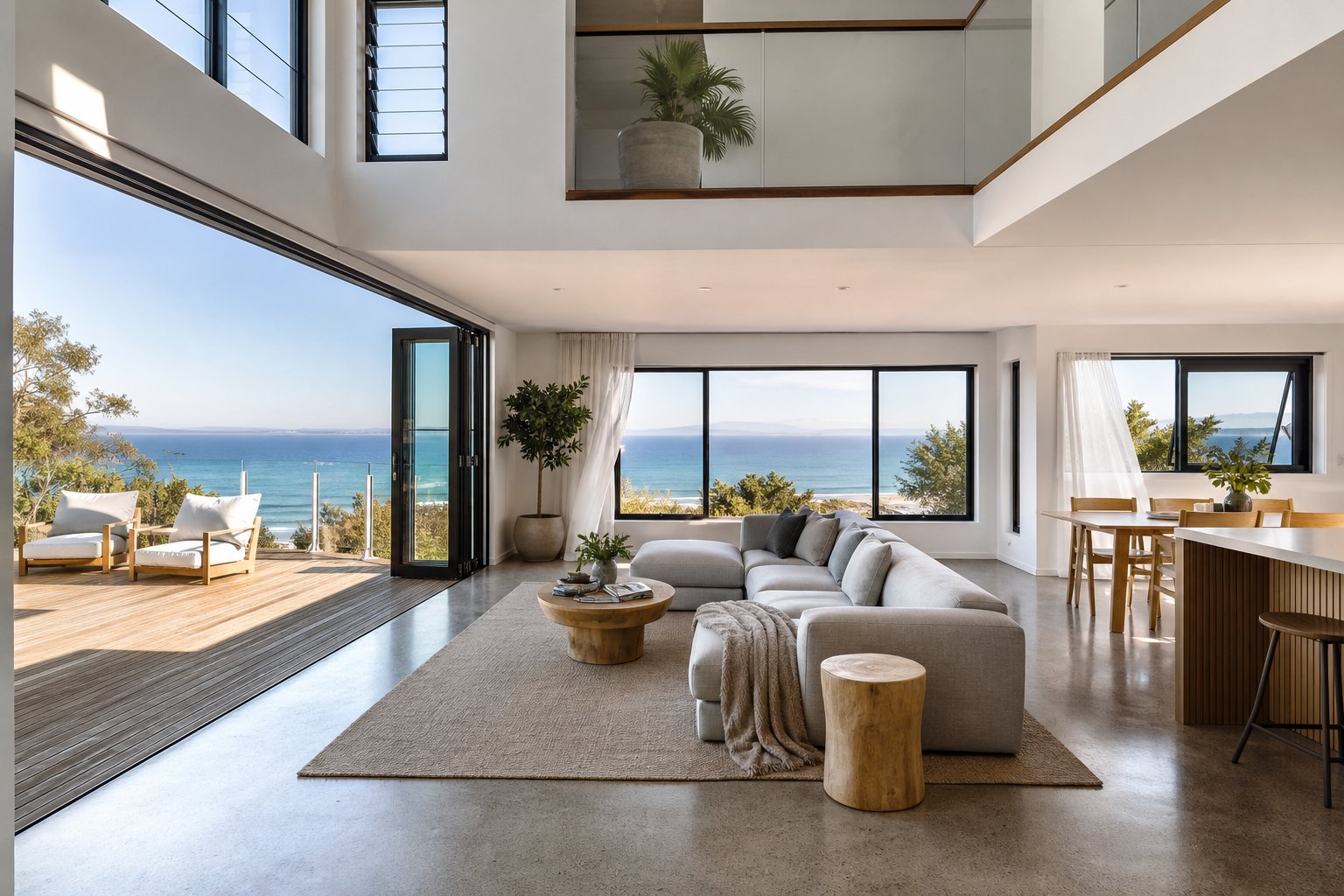
Aluminium Window Styles Available for Wollongong Properties
Climate narrows your options, but it doesn’t eliminate them. Within the aluminium frame category, Wollongong homeowners still have a broad range of window styles to choose from — each engineered for different functional priorities. The right pick depends on your room orientation, how much airflow you need, and whether you’re chasing uninterrupted ocean views or weather protection during a southerly blow.
Sliding and Bifold Windows for Coastal Living
Sliding aluminium windows are the workhorse of Illawarra living areas and balconies. They operate on horizontal tracks, require no swing clearance, and their slim aluminium frames maximise the glass-to-frame ratio. For properties perched along the clifftops from Stanwell Park to Thirroul, sliding aluminium windows for ocean views deliver wide, unobstructed sightlines without eating into floor space. They’re equally practical in apartments where balcony access needs to stay compact.
Bifold windows take the indoor-outdoor concept further. Multiple hinged panels fold back against each other, opening an entire wall section to the breeze. They suit entertaining areas, servery windows connecting kitchens to outdoor decks, and north-facing living rooms where you want full coastal airflow in the warmer months. Bifold windows for coastal indoor outdoor living have become a signature of newer builds across Wollongong’s beachside suburbs, blurring the line between interior comfort and the salt air outside.
Awning and Double Hung Windows for Weather Protection
Wollongong’s rain doesn’t always arrive politely. Coastal showers sweep in sideways, driven by onshore winds. Awning windows — hinged at the top and opening outward — shed water away from the opening while still allowing ventilation. This makes them ideal for bathrooms, laundries, and bedrooms where you want fresh air during a shower without water pooling on the sill. Awning windows for rain ventilation in Wollongong are a practical solution that suits the region’s weather patterns year-round.
Double hung windows feature two sashes that slide vertically, allowing airflow from both the top and bottom simultaneously. They’re a natural fit for double hung windows in heritage homes across the Illawarra — suburbs like Bulli, Wollongong CBD, and parts of Thirroul where older architectural character matters. Their traditional proportions satisfy heritage conservation requirements while still delivering modern hardware, weather seals, and the durability of aluminium construction.
Louvre Windows for Ventilation and Airflow
When humidity climbs through Wollongong’s summer months, maximum airflow becomes a priority. Louvre windows feature horizontal glass blades that angle open, directing breeze into the room while deflecting rain. They’re particularly effective in bathrooms, stairwells, and any space where continuous ventilation prevents moisture buildup. Louvre windows for humid climates offer near-complete openability — far more than any other window type — making them a smart choice for rooms that trap heat or condensation.
Their aluminium frames resist the corrosion that would quickly compromise steel louvre mechanisms in coastal air, and they pair well with security screens for ground-floor applications.
| Style | Best Application | Ventilation Level | Weather Sealing | Ideal Room Placement |
|---|---|---|---|---|
| Sliding | Views and balcony access | Moderate | Good | Living areas, bedrooms, balconies |
| Bifold | Indoor-outdoor connection | High (fully open) | Moderate when closed | Entertaining areas, kitchens, decks |
| Awning | Ventilation during rain | Moderate | Excellent | Bathrooms, laundries, bedrooms |
| Double Hung | Heritage streetscapes | Moderate (top and bottom) | Good | Street-facing rooms, heritage homes |
| Louvre | Maximum airflow | Very High | Low to Moderate | Bathrooms, stairwells, utility rooms |
Each style handles Wollongong’s conditions differently, and most homes benefit from a combination rather than a single type throughout. A north-facing living room might call for bifolds, while the south-facing bathroom behind it needs an awning window that stays open through a storm. The real question isn’t which style is best — it’s which environmental pressures each window position actually faces.
How Wollongong’s Coastal Climate Affects Your Window Choice
Environmental pressures don’t distribute evenly across the Illawarra. A home in Austinmer, 80 metres from the surf break, faces a fundamentally different corrosion challenge than a property tucked behind the ridge in Figtree. Understanding these differences — and how they translate into window specifications — separates a project that lasts decades from one showing white oxidation and blistering powder coat within five years.
Salt Spray Corrosion and Coastal Suburb Considerations
Salt spray is the invisible aggressor. Onshore winds carry fine chloride particles inland, depositing them on every exterior surface. The closer a property sits to the ocean, the more aggressive this exposure becomes. AS/NZS 2312 classifies atmospheric corrosion environments from C1 (very low) through to CX (extreme), and this classification directly determines what aluminium specification your windows need.
For salt spray corrosion on aluminium windows in Wollongong, the geography is unforgiving. Suburbs like Austinmer, Thirroul, Woonona, and the CBD foreshore typically fall within C4 (high) or C5 (very high) corrosion categories — properties within roughly 1 km of the surf coast where salt-laden air is a near-constant presence. At these exposure levels, standard-grade aluminium with basic finishes can show visible degradation within three to five years. Marine-grade alloys (5052 or 5083 series), chrome-free immersion pre-treatment, and powder coat thickness of 80 microns or greater become the baseline rather than the upgrade.
Two properties in the same suburb can carry different classifications depending on elevation, shielding from adjacent buildings, and whether they face the ocean or sit behind a headland. A beachfront unit in North Wollongong and a house 600 metres back on Smith’s Hill are in the same postcode but different corrosion worlds. Fixings matter too — 316-grade stainless steel is the minimum for coastal installations, since cheaper 304-grade stainless corrodes under chloride attack.
Wind Ratings and Weather Sealing for the Illawarra Coast
Salt isn’t the only force at play. The Illawarra’s topography creates wind acceleration effects that catch homeowners off guard. The escarpment acts as a wall, compressing and redirecting airflow along the coastal strip. Southerly changes barrel up the coast with little to slow them down, and westerly winds funnel through the mountain passes with surprising intensity.
Every residential construction site in Australia must be assessed under AS4055 Wind Loads for Housing, which assigns an N-rating specifying the wind resistance windows need for their location. These ratings range from N1 (suitable for sheltered areas, wind speeds up to 34 m/s) through to N6 (extreme cyclone zones, up to 86 m/s). Coastal and elevated Illawarra properties commonly require N3 or higher ratings — designed for wind speeds up to 50 m/s (180 km/h) — reflecting the region’s exposure to open ocean winds and topographic acceleration.
Wind rated windows for the Illawarra coast aren’t just about structural survival during a storm. They also need to resist water penetration under pressure. Driving rain — pushed horizontally by strong onshore winds — finds every gap in a poorly sealed frame. Weather sealed windows for driving rain rely on multi-point locking hardware, compression seals, and properly designed drainage channels that evacuate water before it breaches the interior. Awning and casement styles inherently seal tighter under wind pressure, while sliding windows depend on quality interlocking rails and brush or rubber seals to maintain their barrier.
Calculating the correct wind load for a specific site isn’t a DIY exercise. It requires assessment by a qualified builder, engineer, or architect during the design phase, factoring in the structural shape of the home, its elevation, surrounding terrain, and shielding from adjacent structures.
Escarpment vs Coastal vs Inland Requirements
Wollongong’s window requirements split into three distinct zones, each with its own dominant challenge:
- Coastal suburbs (Austinmer, Thirroul, Woonona, North Wollongong, Towradgi, Windang): Salt spray corrosion is the primary threat. Specify marine-grade aluminium alloys, heavy-duty powder coating (80+ microns), stainless steel fixings (316 grade), and high wind ratings. Properties within direct salt spray range benefit from periodic inspection and washdown schedules to extend finish life.
- Escarpment-adjacent suburbs (Mount Keira, Mount Ousley, Balgownie upper, Cataract, Cordeaux Heights): Bushfire is the dominant concern. BAL (Bushfire Attack Level) ratings dictate window specifications — from ember-resistant screens at BAL-12.5 through to non-openable systems with specific glazing at BAL-FZ. Wind exposure can also be elevated due to altitude and reduced shielding. Salt corrosion is less severe but not absent, as onshore winds still carry chlorides up the slopes.
- Inland suburbs (Figtree, Unanderra, Dapto, Berkeley): Conditions are milder. Standard architectural aluminium alloys (5005 or 6063) with quality powder coat at 60+ microns perform well. Wind ratings are typically lower due to shielding from surrounding development and terrain. The focus shifts toward thermal performance and energy efficiency rather than extreme weather resistance.
Thermal expansion adds a subtler consideration across all zones. Aluminium expands as temperatures rise — a 2700 mm frame can grow by approximately 3 mm across a 50-degree Celsius temperature swing. Wollongong’s climate doesn’t produce extreme cold, but dark-coloured frames in direct coastal sun can reach surface temperatures well above ambient air. Quality window systems account for this movement through engineered clearances and flexible seals that accommodate expansion without compromising weather tightness or hardware operation.
The takeaway is straightforward: your suburb’s position relative to the coast and escarpment determines the minimum specification your windows need to meet. Getting this wrong doesn’t show up on installation day — it shows up three winters later when seals fail, finishes blister, and frames start pitting at every fixing point. The standards and classifications exist precisely to prevent that outcome, which brings us to the regulatory framework that governs what can actually be installed.
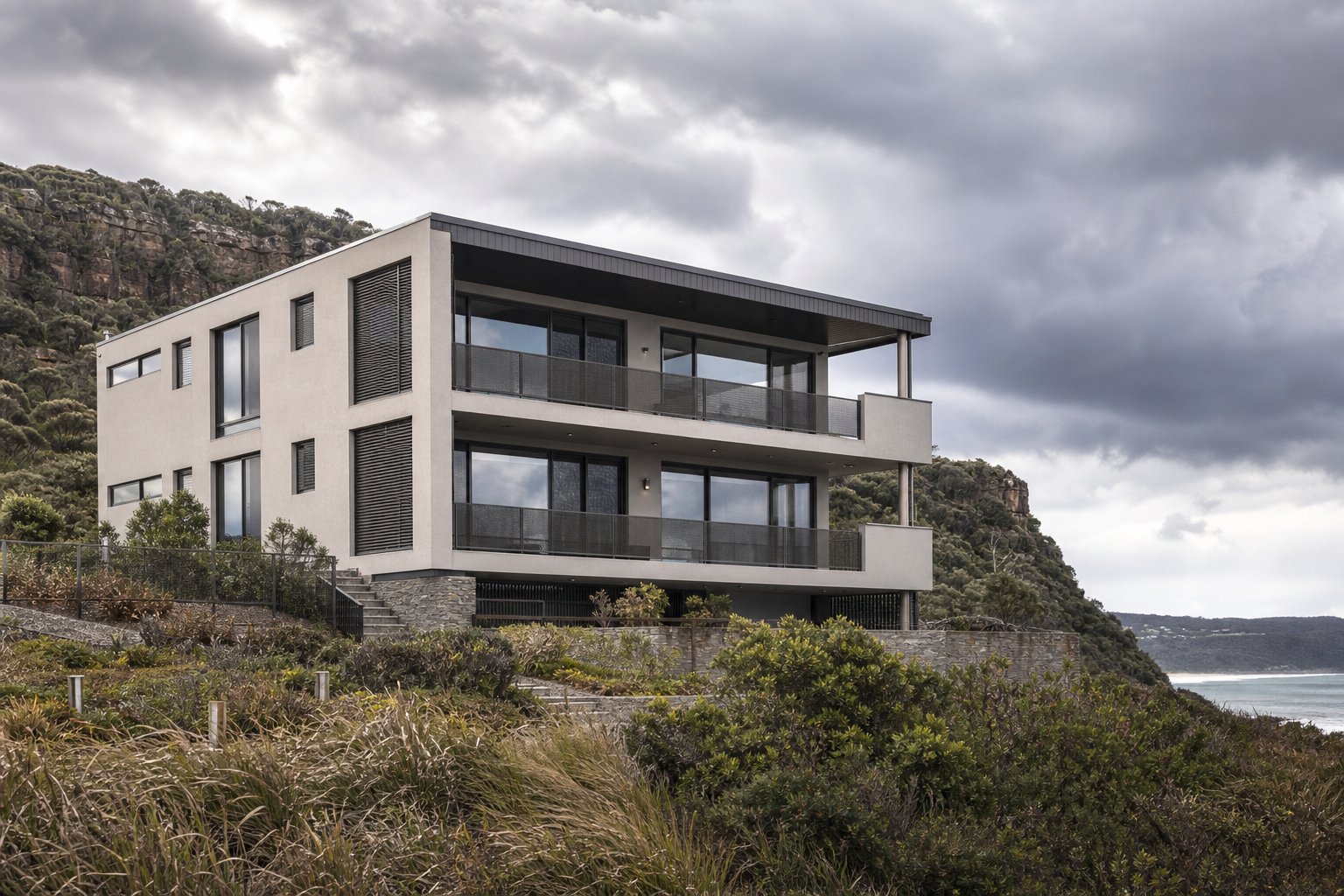
Australian Standards and Wollongong Council Requirements
Specifications mean nothing if the product installed doesn’t meet the legal baseline. Every aluminium window fitted to a Wollongong property — whether a beachfront renovation or a new build in Horsley — must comply with a framework of Australian Standards, council regulations, and in some cases, bushfire or heritage overlays. Knowing these requirements before you request quotes puts you in a stronger negotiating position and protects you from non-compliant installations that could void insurance or trigger costly rectification orders.
Australian Standards AS2047 and AS1288 Explained
AS 2047:2014 is the primary Australian Standard governing windows and external glazed doors in buildings. It covers materials, testing, construction, installation, and glazing for external windows, glazed doors, adjustable louvres, shopfronts, and window walls. The standard classifies window assemblies by a rating system for housing and by design wind pressures for all building classes. It’s referenced in both Volumes One and Two of the National Construction Code (NCC), making it a non-negotiable requirement for any window product installed in Australia.
In practical terms, AS2047 window compliance in Wollongong means every window must carry either a label or a certificate confirming it meets the standard’s performance criteria for its intended location. This includes resistance to wind loads, water penetration, and air infiltration — all tested to defined thresholds. A window rated for a sheltered inland site won’t satisfy the requirements for an exposed coastal position.
AS 1288 sits alongside AS 2047 and deals specifically with glass selection and installation. It determines what type of glass is required based on location within the building, height above ground, panel size, and risk of human impact. Safety glazing — toughened or laminated — is mandatory in certain positions such as doors, sidelights, low-level panels, and areas near wet surfaces. Together, these two standards form the compliance backbone that any reputable supplier should be able to demonstrate without hesitation.
Wollongong Council Approval Requirements
Whether your window project needs formal approval from Wollongong City Council depends on the scope of work. A straightforward like-for-like replacement — same size opening, same configuration — may qualify as exempt development under the NSW State Environmental Planning Policy (Exempt and Complying Development Codes) 2008. But the exemptions carry conditions that trip up many homeowners.
Window replacements may not qualify as exempt development if the work alters the building’s structure, affects fire safety measures, or doesn’t meet NCC performance standards. Buildings without a current Fire Safety Certificate or Annual Fire Safety Statement may also fall outside the exemption provisions entirely. For Wollongong council window replacement approval, the critical question is whether the new windows change anything structural or affect the building’s compliance status.
If your project involves enlarging openings, adding new windows, or changing configurations in ways that affect structural loads, you’ll likely need either a Complying Development Certificate (CDC) issued by a private certifier, or a full Development Application (DA) lodged with council. Heritage conservation areas in suburbs like Wollongong CBD and Bulli add another layer — heritage area window restrictions in Wollongong can dictate frame profiles, colours, and proportions to maintain streetscape character, even for otherwise minor replacements.
Bushfire Attack Level Ratings for Escarpment Properties
Properties along Wollongong’s escarpment edge face a different regulatory overlay. The Bushfire Attack Level (BAL) system classifies sites from BAL-LOW (negligible risk, no special construction requirements) through to BAL-FZ (Flame Zone, where direct flame contact is possible). Each level prescribes increasingly stringent construction requirements under AS 3959.
BAL rating window requirements in NSW directly affect what can be installed. At BAL-12.5, windows need ember protection — typically metal mesh screens with apertures no larger than 2 mm. By BAL-29, bushfire rated windows for the Illawarra escarpment require toughened glass, non-combustible frames, and bushfire shutters or screening systems. At BAL-40 and BAL-FZ, glazing specifications tighten further, openable windows may be restricted, and the entire assembly must be tested and certified to withstand radiant heat and direct flame exposure.
Aluminium frames have an inherent advantage here — they’re non-combustible and maintain structural integrity at temperatures that would destroy timber or uPVC. However, the glazing, seals, and hardware must also meet the BAL-specific requirements. A standard aluminium window with float glass won’t satisfy BAL-29 regardless of the frame material.
Before purchasing any windows for a Wollongong property, follow this compliance verification sequence:
- Confirm your property’s wind classification under AS4055 and corrosion zone under AS/NZS 2312 — your builder, engineer, or architect can determine these.
- Check whether your property falls within a bushfire-prone area on the NSW Bush Fire Prone Land Map, and obtain your BAL rating if applicable.
- Determine whether your property sits within a heritage conservation area by checking Wollongong City Council’s LEP maps.
- Establish whether your project qualifies as exempt development, or whether a CDC or DA is required — consult a private certifier or council’s duty planner if uncertain.
- Request AS 2047 compliance documentation and test certificates from any supplier before committing to a purchase.
- Verify that the proposed glazing meets AS 1288 requirements for each window position in your home.
- For bushfire-prone sites, confirm that the complete window assembly (frame, glass, seals, hardware, and screens) is certified to your specific BAL rating under AS 3959.
Skipping any of these steps doesn’t just risk a failed council inspection. Non-compliant windows can void home insurance, reduce resale value, and — in bushfire zones — put lives at genuine risk. The compliance framework exists because Wollongong’s environment demands it. What matters equally is how the glass within those compliant frames performs against the sun, noise, and thermal loads this region delivers daily.
Glazing Options That Work for Wollongong’s Weather
The frame holds everything together, but it’s the glass that does the heavy lifting. Glazing determines how much heat enters your home on a February afternoon, how much warmth escapes on a July night, and whether the 4:30 am freight train wakes you up. For Wollongong properties — where eastern and northern orientations dominate and the sun hits hard across ocean-reflected glare — glazing selection isn’t a minor detail. It’s the single biggest variable in how comfortable your home actually feels.
Single vs Double Glazing for Wollongong’s Climate Zone
Single glazing is exactly what it sounds like: one pane of glass between you and the outside. It’s cheap, it’s common in older Illawarra homes, and it performs poorly by every thermal metric that matters. A standard aluminium-framed, single-glazed window carries a U-value around 6.9 W/m²°C — meaning heat flows through it almost as freely as through an open hole in cold weather. In summer, that same window lets solar radiation pour in with minimal resistance.
Double glazing changes the equation. Two panes separated by a sealed air or argon-filled cavity slow heat transfer significantly. An aluminium-framed double-glazed unit with a 6 mm air gap drops the U-value to approximately 4.2 W/m²°C — a 40% reduction in conducted heat flow. Fill that cavity with argon and widen it to 12 mm, and performance improves further still.
For double glazed windows in Wollongong, energy efficiency gains are tangible. The region sits in NCC Climate Zone 5 — a temperate zone where both heating and cooling loads matter. Winter nights along the coast hover around 8–12°C, while summer days regularly push past 30°C with high humidity. Double glazing reduces overnight heat loss without trapping excessive daytime heat, provided the solar heat gain coefficient (SHGC) is specified correctly for each orientation.
This is where NatHERS rating and window glazing selection intersect. The Nationwide House Energy Rating Scheme models heat movement through the entire building envelope across a full year using local climate data. Windows carry disproportionate weight in that modelling because glass is far more thermally active than insulated walls or roofs. A single underperforming window can offset gains made elsewhere in the design — particularly in living areas and bedrooms where comfort thresholds are tighter. Well-specified double glazing gives the overall design more tolerance, allowing insulation, orientation, and shading strategies to work as intended rather than fighting against leaky glass.
Low-E Coatings and Tinted Glass for Solar Control
Wollongong’s coastal orientation creates a specific solar challenge. Most desirable views face east (toward the ocean) or north (along the coast), and both orientations receive intense solar radiation at different times. East-facing glass cops short but fierce morning sun at low angles — difficult to shade with overhangs. North-facing glass receives sustained winter sun (beneficial) but also high summer loads if shading is inadequate.
Low-E glass for coastal homes in the Illawarra addresses this by applying a microscopically thin metallic coating to one surface of the glass. Two types exist:
- High-transmission Low-E: Allows daylight and solar warmth to pass through while reducing the amount of long-wavelength infrared heat that escapes back out. Ideal for south-facing or well-shaded north-facing windows where you want winter heat gain without overnight losses.
- Low-transmission Low-E: Reduces incoming solar heat gain while maintaining reasonable visible light levels. Better suited to east and west-facing windows where uncontrolled sun creates overheating.
Low-E coatings can significantly improve both U-value and SHGC without darkening the view the way heavy tinting does. They’re typically applied within a double-glazed unit (vacuum-deposited coatings are soft and must be protected inside the sealed cavity).
Tinted glass takes a different approach. Colouring additives — bronze, grey, green, or blue — are incorporated during manufacture. Tinting reduces visible light transmittance and lowers SHGC, but it doesn’t improve the U-value. The glass still conducts heat at the same rate; it simply absorbs more solar radiation before it enters. That absorbed heat re-radiates in both directions, so tinted single glazing can actually make the glass surface hotter. Paired with double glazing, tinted outer panes become more effective because the cavity prevents re-radiated heat from reaching the interior.
For Wollongong homes chasing ocean views, the balance matters. Go too dark and you lose the light that makes coastal living appealing. Go too clear on a west-facing window and your afternoon cooling bill climbs. The right combination depends on orientation, shading, and how much mechanical cooling you’re willing to tolerate.
Acoustic and Security Glazing Options
The South Coast railway line runs through the heart of Wollongong’s coastal suburbs — Thirroul, Austinmer, Woonona, Towradgi, and the CBD. The Princes Highway parallels it for long stretches. For properties within a few hundred metres of either corridor, noise is a daily reality that standard glazing does little to address.
Acoustic glazing near the railway line in Wollongong typically involves laminated glass — two sheets of glass bonded permanently with a plastic interlayer (usually polyvinyl butyral or an acoustic-specific resin). That interlayer dampens vibration energy rather than allowing it to pass straight through the pane. Rail noise combines rolling sound, impact noise at track joints, and ground-borne vibration — characteristics that standard double glazing alone doesn’t fully address.
The most effective acoustic configurations use asymmetric pane thicknesses (for example, a thicker laminated outer pane paired with a thinner inner pane) within a double-glazed unit. This asymmetry disrupts resonance across a wider frequency range, reducing both the low rumble of freight trains and the higher-pitched screech of braking. Cavity width also matters — too narrow and the system can’t break sound energy effectively; too wide and low-frequency waves re-establish themselves through convection.
Laminated glass pulls double duty as security glazing. When standard glass breaks, it shatters into dangerous shards. Laminated glass holds together — the interlayer keeps fragments bonded even after impact, making forced entry significantly harder and meeting the safety glass requirements of AS 1288 for human-impact zones like doors, low-level panels, and bathrooms. For ground-floor windows in Wollongong — particularly in areas where opportunistic break-ins occur — laminated glass provides passive security without the visual bulk of bars or grilles.
| Glazing Type | Thermal Performance | Acoustic Rating | Security Level | Best Use Case in Wollongong |
|---|---|---|---|---|
| Single clear glass | Poor (U-value ~6.9) | Low | Low | Budget replacements in sheltered inland suburbs |
| Double glazed (clear/air) | Moderate (U-value ~4.2) | Moderate | Low–Moderate | General residential across all suburbs |
| Double glazed with Low-E | Good (U-value ~2.5–3.0) | Moderate | Low–Moderate | East and north-facing rooms, energy-conscious builds |
| Laminated (single) | Poor–Moderate | Good | High | Ground-floor security, railway-adjacent bedrooms |
| Laminated within double glazed unit | Good | Very Good | High | Homes near rail/highway requiring thermal and acoustic control |
| Tinted double glazed | Moderate–Good | Moderate | Low–Moderate | West-facing windows with high afternoon solar exposure |
No single glazing type solves every problem. A home in Thirroul backing onto the railway might need laminated acoustic double glazing on the western elevation and Low-E double glazing on the ocean-facing east side. A penthouse in the CBD might prioritise solar control tinting on floor-to-ceiling north glass while using clear double glazing on shaded southern windows. The point is that glazing should be specified by orientation and exposure — not applied uniformly across the whole house as if every window faces the same conditions.
What protects the glass also matters. The finish on the aluminium frame surrounding it determines whether the entire assembly holds up to Wollongong’s salt air or starts deteriorating at the edges — a factor most homeowners never consider until it’s too late.
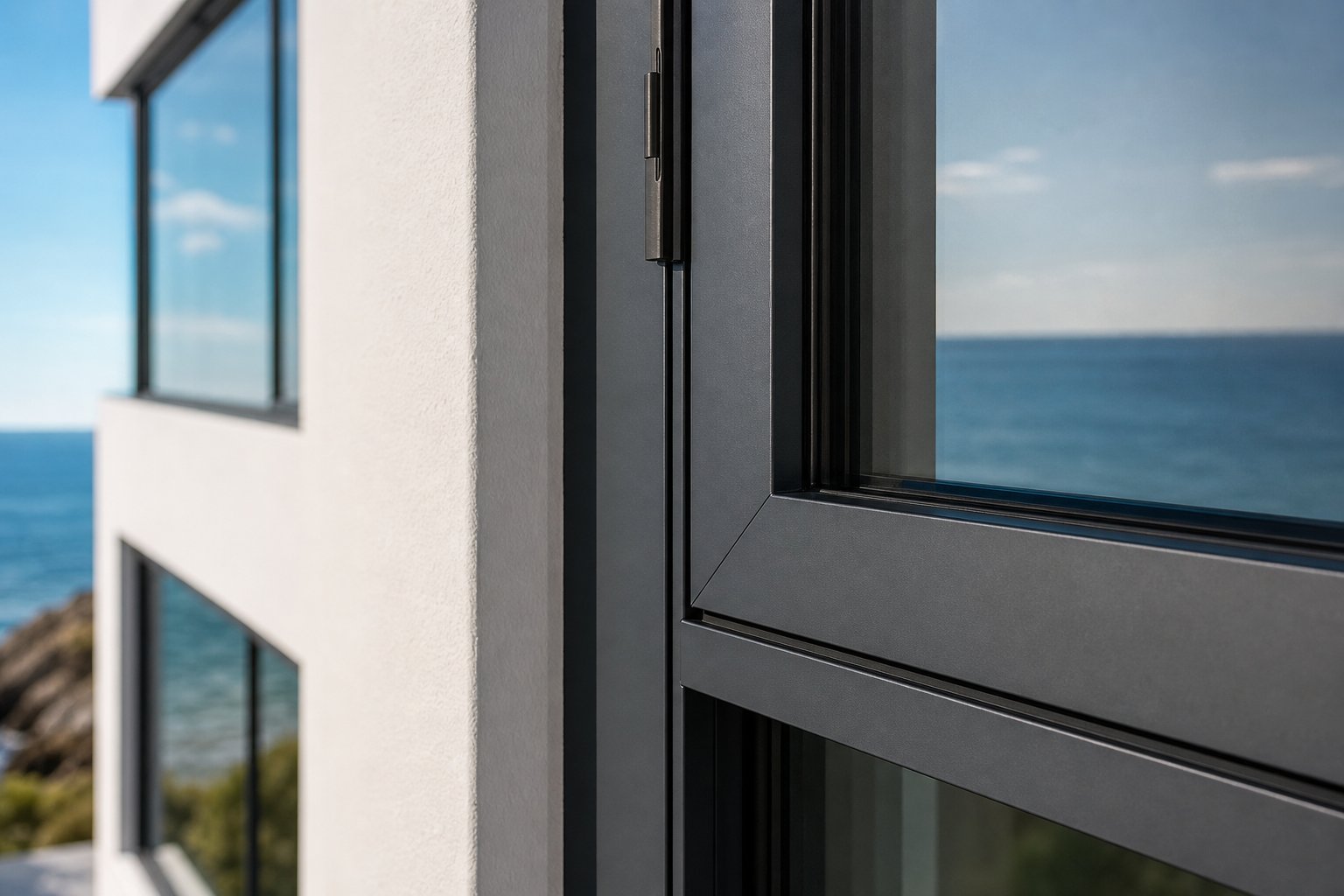
Powder-Coated vs Anodised Finishes for Coastal Durability
A window frame’s finish isn’t cosmetic decoration — it’s the barrier standing between raw aluminium and Wollongong’s chloride-laden air. Strip that barrier away and the metal underneath starts pitting within months. Two finishing technologies dominate the aluminium window market, and they work in fundamentally different ways. Understanding the distinction helps you specify the right protection for your property’s actual exposure level rather than relying on whatever a supplier stocks as standard.
Powder Coating Benefits and Limitations in Coastal Air
Powder coating applies a dry mixture of resin, pigment, and hardener to the aluminium surface using an electrostatic charge. The frame is then baked at approximately 200°C, melting the powder into a continuous, uniform skin. The result is a thick protective layer — typically 60 to 120 microns — that bonds mechanically to the metal beneath.
For powder coated aluminium windows, salt air durability depends heavily on what happens before the powder goes on. Surface preparation is everything. A four-stage pre-treatment process — degreasing, chemical cleaning, conversion coating, and post-treatment inspection — creates the adhesion foundation that determines whether the finish lasts three years or twenty. Zinc-rich primers add a sacrificial corrosion layer beneath the topcoat, providing a critical first line of defence for frames exposed to direct salt spray.
The practical advantages of powder coating are significant. Colour flexibility is virtually unlimited — any RAL colour, any custom match, any gloss level from matte to high shine. If the finish degrades after fifteen or twenty years, frames can be stripped and recoated without replacing the window. That recoatability makes powder coating a renewable investment rather than a one-shot decision.
The limitation is mechanical. Powder coating sits on top of the aluminium rather than becoming part of it. If the coating is scratched through to bare metal — by flying debris, abrasive cleaning, or impact damage — corrosion can creep underneath the surrounding finish in a process called filiform corrosion. In coastal Wollongong, where salt accelerates every chemical reaction, even a small breach can spread into visible blistering within a single wet season. Coastal-grade powder coatings rated to withstand 2,000+ hours of salt spray testing offer substantially better resistance than standard interior-grade products, which can fail within six months near the ocean.
Anodised Finishes and Salt Spray Resistance
Anodising takes a completely different approach. Rather than applying a coating over the aluminium, it converts the surface of the metal itself into aluminium oxide through an electrochemical process. The frame is submerged in an acid bath and charged with electricity, growing a hard, porous oxide layer that is then sealed. The finished layer is typically 10 to 25 microns thick — thinner than powder coating, but integral to the metal rather than sitting on top of it.
This distinction matters enormously for anodised vs powder coated windows in coastal environments. Because the oxide layer is part of the aluminium itself, it cannot delaminate or peel. There’s no coating edge to lift, no adhesion to fail. The surface hardness rivals sapphire on the Mohs scale — approximately 9 out of 10 — making it highly resistant to abrasion from wind-driven sand and salt crystals. For beachfront properties in suburbs like Austinmer or Thirroul where frames face the open ocean, anodised finishes resist the mechanical wear that would scratch through powder coating and initiate corrosion.
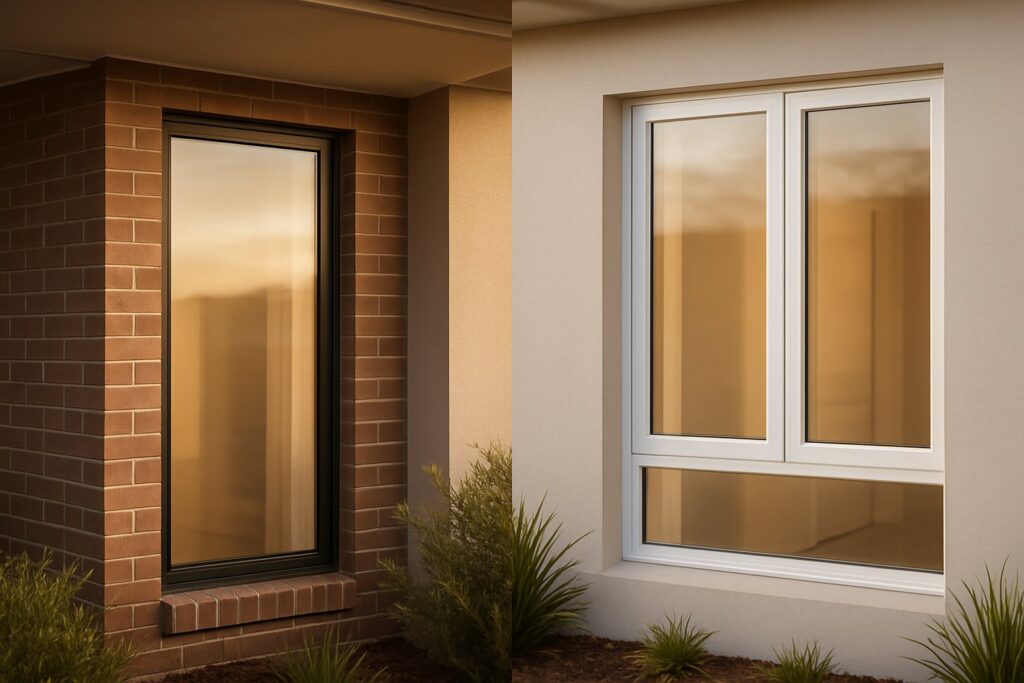
The trade-off is colour range. Anodising produces a translucent finish that reveals the metal’s natural grain, available primarily in silver, bronze, champagne, and black tones. You won’t get a bright white or a heritage green from anodising alone. For properties where colour matching is critical — heritage conservation areas or specific architectural palettes — this limitation can be a dealbreaker.
A third option exists for extreme exposure: the duplex system. This applies anodising first (around 15 microns) for corrosion and scratch resistance, then powder coating over the top (around 80 microns) for UV protection and colour choice. It’s the best window frame colour flexibility combined with maximum durability, though it costs roughly 40% more than either finish alone. For properties within 300 metres of breaking waves, that premium buys genuine peace of mind.
Colour Selection for Wollongong’s Conditions
Colour isn’t purely aesthetic when you’re choosing aluminium window finishes for coastal homes. Dark-coloured frames — charcoal, black, deep bronze — absorb significantly more solar radiation than lighter tones. In direct coastal sun, a dark frame can reach surface temperatures 30–40°C above ambient air temperature. That thermal load accelerates expansion stress on seals and hardware, and over years, it can contribute to premature chalking of powder-coated surfaces.
For the best window frame colour for coastal homes, lighter tones (surfmist, paperbark, pale eucalypt) reflect more heat and place less thermal stress on the finish. That said, darker frames remain popular across Wollongong’s newer developments — particularly the charcoal and matt black profiles that define contemporary coastal architecture. If you choose dark, specify a premium-grade powder coat with high UV stability and accept that maintenance frequency increases.
Heritage conservation areas in Wollongong CBD and Bulli often prescribe specific colour palettes — typically muted greens, creams, or heritage reds that reference the suburb’s original building stock. Powder coating accommodates these requirements easily. Anodising cannot, which effectively rules it out for heritage-listed properties unless paired with a topcoat.
Maintenance and Restoration of Aluminium Finishes
No finish is maintenance-free in a coastal zone. The difference between a 20-year finish and a 5-year failure often comes down to a simple washing routine that takes minutes but prevents chloride buildup from attacking the surface.
Maintenance steps for powder-coated aluminium windows in Wollongong:
- Rinse frames with fresh water weekly if within 500 metres of the ocean, fortnightly for properties further back.
- Wash with mild soap (pH-neutral detergent) and a soft cloth every one to two months to remove salt film.
- Inspect cut edges, weep holes, and fixing points every six months for early signs of corrosion.
- Never use solvents, abrasive cleaners, or pressure washers — these destroy the coating surface.
- Apply touch-up paint or clear lacquer to any scratches or chips immediately to prevent filiform corrosion spreading.
Maintenance steps for anodised aluminium windows:
- Rinse with fresh water monthly to remove salt deposits.
- Clean with a soft cloth and water — avoid alkaline cleaners (bleach, ammonia) which attack the oxide layer.
- Apply a clear automotive-grade wax annually to prevent surface chalking and restore sheen.
- Inspect sealed edges and junctions every six months for white powder deposits indicating oxide degradation.
- If chalking appears, wipe with a damp cloth and re-wax — this is cosmetic degradation, not structural failure.
Aluminium window finish maintenance in Wollongong is genuinely low-effort compared to timber (which needs sanding and repainting every few years) or steel (which rusts aggressively without constant attention). But “low maintenance” isn’t “no maintenance.” A $50-per-year habit of regular rinsing and annual inspection saves thousands in premature replacement — particularly for frames exposed to the salt-heavy onshore winds that define this coastline.
Restoration is possible for both finish types when degradation eventually occurs. Powder-coated frames can be stripped back and recoated by a specialist — effectively giving the window a new life without replacing the frame. Anodised surfaces can’t be re-anodised in place, but they can be cleaned, polished, and wax-sealed to extend their service life. In severe cases, an anodised frame can be etched and powder-coated as a restoration measure, though adhesion requires careful surface preparation to succeed.
The finish you choose sets the maintenance rhythm for the life of the window. It also affects the total cost equation — not just the purchase price, but the decade-long cost of keeping those frames performing in salt air. That broader cost picture is where most homeowners underestimate what coastal windows actually demand.
Cost Factors and Budget Planning for Your Window Project
Pricing aluminium windows in Wollongong isn’t as simple as multiplying a per-unit figure by the number of openings. Two homes on the same street can produce quotes that differ by 40% or more — not because one supplier is gouging, but because the specifications, access conditions, and finish requirements are genuinely different. Understanding what drives those numbers helps you compare quotes on equal terms and avoid the trap of choosing the cheapest line item only to pay again in five years.
Key Factors That Drive Aluminium Window Pricing
Every aluminium window quote reflects a stack of variables, each adding or subtracting from the final figure. The major aluminium window cost factors in Wollongong break down as follows:
Frame size and configuration. A small fixed panel costs a fraction of a large sliding door assembly. As dimensions increase, so does the engineering required — heavier glass, reinforced tracks, stronger locking hardware. Multi-panel configurations (bifolds, corner windows, stacking sliders) multiply complexity. According to hipages.com.au, supply-only prices for aluminium windows range from around $100 for a basic 600 mm x 600 mm fixed panel up to $1,250 per square metre for premium bifold systems with double glazing — a spread that illustrates how dramatically configuration affects cost.
Glazing type. Single clear glass is the cheapest option. Step up to double glazing and the glass unit alone can double or triple the cost of the window. Add Low-E coatings, laminated interlayers, or acoustic-rated asymmetric configurations and the glazing component can exceed the frame cost entirely. For coastal Wollongong properties where thermal and acoustic performance matter, glazing is rarely the place to cut corners.
Hardware quality. Locks, handles, rollers, hinges, and restrictors vary enormously in grade. Budget hardware uses zinc-plated steel components that corrode rapidly in salt air. Coastal-rated hardware — 316 stainless steel rollers, marine-grade locking mechanisms — costs more upfront but avoids the frustration of seized locks and failed rollers within two or three years of installation.
Finish selection. Standard powder coating in common colours (surfmist, monument, matt black) sits at the baseline. Custom colour matching, marine-grade pre-treatment, thicker coating builds (80+ microns), or anodised finishes all add cost. Duplex systems — anodised plus powder coated — represent the premium tier for extreme coastal exposure.
Installation complexity. A ground-floor replacement in a brick veneer home with clear access is straightforward. A third-storey apartment requiring scaffolding, a heritage property needing careful removal of original frames, or a concrete building where openings must be core-drilled — these scenarios push aluminium window installation pricing in the Illawarra well above standard rates. Installer rates typically start around $40 to $50 per hour, but total installation cost depends on how many hours each window demands, and complex access can double or triple labour time.
Access requirements. Scaffolding hire, traffic management for street-facing installations, crane lifts for oversized panels, and after-hours work in commercial buildings all add line items that have nothing to do with the window itself but everything to do with the final invoice.
Reading and Comparing Supplier Quotes
Knowing how to compare window quotes in Australia starts with understanding what a complete quote actually contains. Two quotes at different price points might not be comparing the same scope — one includes everything from removal to certification, while the other covers supply only and leaves you to arrange the rest separately.
A comprehensive quote for a residential window project should include:
- Site measure and assessment (some suppliers charge this separately, others absorb it into the project cost)
- Supply of window units — specifying frame material, alloy grade, finish type and thickness, glazing specification, and hardware grade
- Removal and disposal of existing windows and frames
- Installation labour, including any structural trimming or packing required to fit new frames
- Flashing, waterproofing, and sealant application to all frame perimeters
- Internal and external trim or architrave reinstatement
- Site cleanup and waste removal
- AS 2047 compliance certification and any required documentation for council or certifier sign-off
- Warranty terms — covering both product defects and installation workmanship, with duration and exclusions clearly stated
If a quote omits any of these items, ask whether they’re excluded or simply not listed. A low headline figure that doesn’t include flashing, cleanup, or compliance documentation isn’t cheaper — it’s incomplete. The real cost emerges later when you’re arranging those missing elements separately, often at a premium because the original installer has moved on.
When comparing multiple quotes, line them up against the same specification. Ensure each supplier is quoting the same glazing type, the same finish grade, and the same hardware level. A quote for single-glazed windows with standard powder coat will always undercut one for double-glazed, marine-grade finished units — but they’re not the same product, and they won’t deliver the same performance over ten or twenty years in coastal air.
Budget vs Premium Windows in Coastal Environments
In a coastal environment, the cheapest upfront cost rarely equals the best long-term value. Salt air doesn’t negotiate — it corrodes budget hardware, degrades thin finishes, and exploits every shortcut in manufacturing and installation. What you save today, you spend again in replacement costs, energy losses, and frustration within a few short years.
The spectrum between budget and premium aluminium windows isn’t just about aesthetics or brand prestige. It maps directly to durability, thermal performance, and maintenance burden — factors that compound over the life of the window.
Budget-tier windows typically feature standard 6063 aluminium alloy, single glazing or basic double glazing with air-filled cavities, zinc-plated hardware, and powder coating at 40–60 microns with minimal pre-treatment. They meet AS 2047 at the baseline level and function adequately in sheltered inland positions. In a coastal suburb like Towradgi or Woonona, that same window faces accelerated degradation. Hardware seizes within two to three years. Powder coat blisters where salt finds micro-scratches. Seals harden and leak. The window technically still works, but it’s failing at every performance metric that matters for comfort and efficiency.
Premium-tier systems use marine-grade alloys (5052 or 6063-T6 with enhanced pre-treatment), argon-filled double glazing with Low-E coatings, 316 stainless steel hardware throughout, and coastal-rated powder coating at 80+ microns over zinc-rich primer. They’re engineered for the long term value that windows in a coastal environment demand — 25 to 30 years of reliable performance with nothing more than regular washing.
Between these extremes sits a mid-range that suits many Wollongong properties. Not every home needs the full marine specification. A property in Figtree, shielded from direct salt spray by distance and terrain, can perform well with mid-grade hardware and standard double glazing. The key is matching the specification to the actual exposure rather than defaulting to the cheapest or most expensive option regardless of conditions.
Second-hand windows occasionally appear as a budget option — salvaged from demolitions or renovations. They can work for sheds, garages, or temporary structures where compliance and long-term performance aren’t critical. For a primary residence, the risks outweigh the savings. You inherit unknown seal condition, potentially degraded finishes, hardware wear, and no warranty. Compliance documentation is typically unavailable, which creates problems for council sign-off and insurance. In a coastal zone where every component faces accelerated stress, starting with pre-worn materials shortens an already demanding timeline.
The honest reality is that coastal windows cost more than inland equivalents because they need to do more. Trying to install inland-spec products in a salt zone doesn’t save money — it defers cost into premature replacement, higher energy bills, and reduced property value. A realistic budget accounts for the environment the windows actually face, not the environment you wish they faced.
What that budget buys in practical terms — the physical process of turning a quote into installed, functioning windows — involves a sequence of steps that most homeowners have never walked through before.
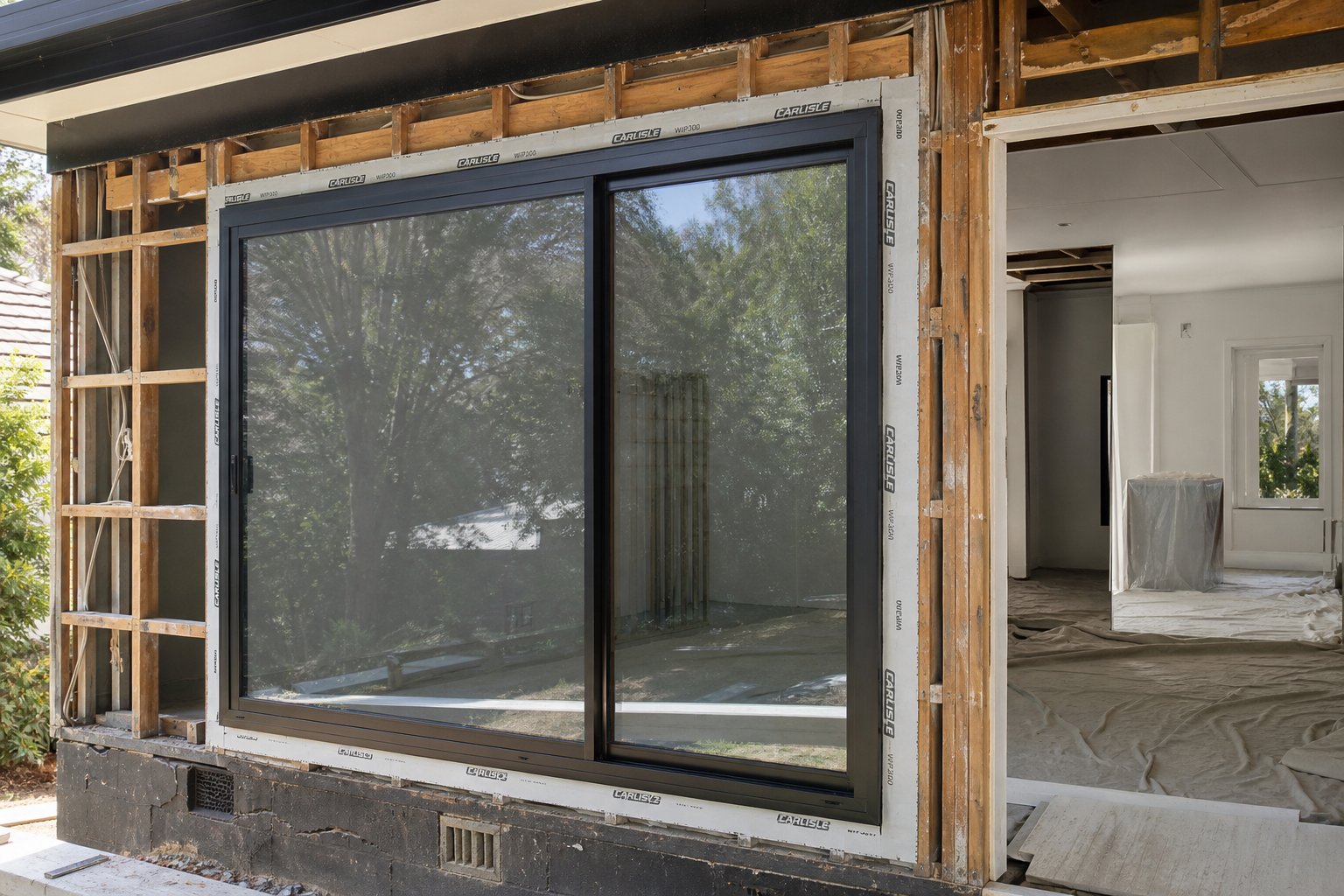
The Aluminium Window Installation Process from Start to Finish
A signed quote is just the starting line. Between that moment and the point where your new windows are latched, sealed, and performing, a sequence of carefully staged steps determines whether the finished result is watertight, compliant, and built to handle Wollongong’s conditions — or a source of callbacks and frustration for years to come. Knowing what each phase involves, and roughly how long it takes, removes the guesswork and helps you plan around the disruption rather than being caught off guard by it.
From Measurement to Manufacturing
The process starts well before anyone picks up a drill. A site measure is the foundation everything else rests on, and it’s more involved than holding a tape to the opening.
A qualified technician visits your property to take precise measurements of every window opening — not just width and height, but depth of reveal, squareness of the opening, condition of the surrounding structure, and any irregularities in the brickwork or framing. Older Wollongong homes, particularly fibro and weatherboard cottages through suburbs like Corrimal and Balgownie, often have openings that have shifted over decades. A measurement that assumes perfect square corners in a 1960s brick veneer house is a measurement that produces windows that don’t fit.
This visit doubles as a site assessment. The installer or supplier evaluates access — can windows be carried through the house, or do they need to come in from outside? Are there height restrictions requiring scaffolding or a cherry picker? Is there adequate space to stage materials without blocking driveways or footpaths? For multi-storey properties along the Wollongong foreshore or apartment buildings in the CBD, access logistics can be as complex as the windows themselves.
Design decisions are finalised during or shortly after this visit: frame colour, glazing specification, hardware selection, fly screen requirements, and any custom configurations. Once confirmed, the order enters manufacturing. Custom window manufacturing lead times in Australia typically range from three to six weeks for standard residential orders. Complex configurations — large bifold assemblies, non-standard shapes, bushfire-rated systems with specific glazing — can extend that to eight weeks or longer. Peak building periods through spring and summer often push lead times further, so factoring in a buffer prevents your project timeline from slipping.
Installation Day and What to Expect
Arrival day brings noise, dust, and temporary exposure to the elements. Understanding the rhythm of the work helps you manage both expectations and your household.
Before the crew arrives, clear furniture back at least a metre from every window being replaced. Remove curtains, blinds, and any wall-mounted items near the openings — picture frames, shelves, mirrors. Installers will lay drop sheets to protect flooring, but fragile items on nearby surfaces can rattle loose when old frames are being extracted. If you have pets, confine them to a room that isn’t part of the work zone. Open windows mean open escape routes.
The crew typically works through one window at a time on smaller residential projects. A two-person team can complete a standard window replacement in roughly 60 to 90 minutes per opening — so a home with eight windows might take one to two full days depending on complexity. Larger crews tackling bigger projects may work on multiple openings simultaneously, which is faster overall but increases the number of rooms disrupted at once.
Each opening follows the same basic sequence. The old window comes out first — carefully, to avoid damaging surrounding render, brickwork, or internal plaster. In older Wollongong homes, expect some minor patch-up work where original fixings have cracked mortar or left gaps in the wall lining. The opening is then cleaned, checked for level and plumb, and any packing or shimming applied to ensure the new frame sits perfectly true.
The new aluminium frame is positioned into the opening, levelled, and secured with appropriate fixings — 316 stainless steel for coastal properties, as discussed earlier. Flashing tape and waterproof membrane are applied to the junction between frame and wall, creating the critical weather barrier that prevents moisture ingress. This step is invisible once finished but arguably the most important part of the entire installation. Poor flashing is the leading cause of water damage around windows, and in Wollongong’s driving rain conditions, shortcuts here reveal themselves quickly.
Glass panels are then fitted into the frame, sealed with glazing beads and gaskets, and checked for correct seating. Hardware — locks, handles, stays, rollers — is installed, adjusted, and tested. Every sash is opened and closed multiple times to confirm smooth, bind-free operation. Fly screens go on last.
Expect some degree of disruption throughout. Each window being replaced is temporarily open to the outside, so plan around weather — installers avoid working in heavy rain, but light showers don’t usually stop the job if openings can be covered with temporary sheeting between removal and installation. Dust from cutting, drilling, and removal is unavoidable; a good crew minimises it with drop sheets and cleans up as they go, but sensitive electronics and exposed food should be covered or moved.
For multi-storey installations, scaffolding adds both time and cost. Scaffold erection typically happens a day before the installation crew arrives, and dismantling follows once external sealing and finishing are complete. If your property faces a public footpath or road, the installer may need to arrange a temporary footpath closure or traffic management — particularly relevant for terrace-style homes along Wollongong’s older streetscapes where there’s no setback from the pavement.
Post-Installation Checks and Sign-Off
Don’t sign off until you’ve inspected every window yourself. This isn’t about distrust — it’s about catching issues while the crew is still on site with tools in hand, rather than lodging a warranty claim weeks later.
Check each window for smooth operation: open and close every sash at least twice. Test all locking points and confirm they engage fully. Look at the external sealant line — it should be continuous, even, and free of gaps. Inspect glass panels for scratches, chips, or blemishes. Verify that weep holes (the small drainage slots in the bottom of the frame) are clear and unobstructed. From the inside, check that internal reveals and trim are neat, with no visible gaps between the frame and the wall lining.
Request your compliance documentation before the crew leaves. This should include AS 2047 test certificates for the window products, details of the glazing installed (confirming AS 1288 compliance), and — for bushfire-prone properties — evidence that the assembly meets your specific BAL rating. If your project required a Complying Development Certificate or Development Application, your certifier will need these documents for final inspection sign-off.
A typical window replacement timeline for a residential NSW project, from first contact to completion, follows this sequence:
- Initial enquiry and quote request — allow one to two weeks for supplier responses and site measure bookings.
- Site measure and assessment — usually completed within a single visit of one to two hours.
- Design finalisation and order placement — one to two weeks to confirm specifications, colours, and glazing.
- Manufacturing — three to six weeks for standard orders; up to eight weeks or more for complex or bushfire-rated configurations.
- Scaffolding erection (if required) — one day, typically the day before installation begins.
- Installation — one to three days for a standard residential home of six to twelve windows.
- Final inspection, adjustments, and sign-off — completed on the last installation day or within a few days following.
- Scaffold removal and site cleanup — one day after external works are finalised.
Total elapsed time from enquiry to completion generally falls between six and twelve weeks. Weather delays, council approvals, and peak-season manufacturing backlogs can stretch this. Patience during the manufacturing phase pays off — rushing custom windows into production increases the risk of errors that take even longer to rectify.
One detail worth noting: the warranty period typically starts from the date of installation, not the date of manufacture or delivery. Confirm this with your supplier, along with exactly what the warranty covers — product defects, finish degradation, hardware failure, installation workmanship — and what it excludes, such as damage from improper cleaning or failure to maintain the finish in coastal conditions.
With the physical process mapped out, the remaining question is who you trust to deliver it — and what separates a supplier who understands Wollongong’s coastal demands from one simply filling orders.
Selecting the Right Aluminium Window Supplier
Specifications, glazing types, and finish grades only matter if the supplier behind them can actually deliver what’s promised — on time, to the correct standard, and with documentation that holds up under scrutiny. Choosing the wrong supplier doesn’t just cost money. It costs time, creates compliance headaches, and in coastal conditions, can leave you with products that weren’t engineered for the environment they’re sitting in.
What to Look for in a Window Supplier
How to choose a window supplier in Wollongong comes down to a handful of non-negotiable criteria. An aluminium window supplier with coastal experience in the Illawarra will understand salt-zone specifications instinctively — they won’t need you to explain why 316 stainless fixings matter or why 60-micron powder coat isn’t adequate for a beachfront property. That knowledge gap between a general supplier and one familiar with coastal demands shows up in every recommendation they make.
Evaluate potential suppliers against these criteria:
- Custom configuration capability — suppliers like MEICHEN offer custom aluminium windows for residential and commercial projects, with multiple glazing choices, colour options, and configurations tailored to specific site conditions. This flexibility matters when your project involves non-standard openings or mixed requirements across different elevations.
- Compliance documentation — AS 2047 test certificates, AS 1288 glazing compliance, and BAL-rated assembly certification should be available on request without hesitation.
- Warranty terms — look for clear coverage of frame, finish, hardware, glazing seals, and installation workmanship, with stated durations and exclusions. Vague “lifetime” claims without defined terms are a red flag.
- Coastal installation experience — ask for examples of completed projects in salt-exposed suburbs. A portfolio of work along the Illawarra coast demonstrates practical understanding of what performs here.
- Range of window systems — a supplier offering sliding, awning, bifold, casement, double hung, and louvre configurations from a single system gives you design consistency across the whole project.
- Finish options and grades — confirm they supply coastal-rated powder coating (80+ microns with appropriate pre-treatment) and can match heritage or custom colours if required.
- Project supply capabilities — for builders and developers running multi-dwelling or commercial projects, the supplier needs capacity to deliver staged orders on schedule without quality variation between batches.
Longevity in the market matters too. A supplier with years of consistent operation has weathered supply chain disruptions, maintained manufacturing standards, and built the kind of trade relationships that keep lead times predictable. Ask for references from recent projects — particularly coastal ones — and follow up on them.
Supply-Only vs Full Installation Services
The distinction between supply-only and supply-and-install services shapes both your budget and your accountability chain. Each model suits different situations.
Supply-only works well when you already have a trusted builder or installer managing the project. You specify and purchase the windows directly from the manufacturer or supplier, and your builder handles installation, flashing, and finishing. This is common on new builds and larger renovations where a head contractor coordinates all trades. The advantage is flexibility — you choose the best product independently of who installs it. The risk is split accountability: if a leak develops, is it a product fault or an installation fault? Resolving warranty claims becomes harder when two parties can point at each other.
Supply-and-install puts everything under one roof. The same company that manufactures or supplies the windows also fits them, seals them, and certifies the completed work. Accountability is clear — there’s no gap between product warranty and installation warranty. For homeowners managing their own renovation without a head contractor, this model simplifies the process considerably. If you’re looking to supply and install windows in Wollongong through a single provider, confirm that their installers are experienced with coastal flashing requirements and familiar with the specific wall construction types common across the Illawarra — brick veneer, rendered block, weatherboard, and fibro all demand different fixing and sealing approaches.
Neither model is inherently superior. The right choice depends on your project structure, your existing trade relationships, and how much coordination you’re willing to manage yourself.
Getting Started with Your Wollongong Window Project
Strip away the complexity and the first step is simple: define what your property actually needs before you contact anyone. Review your suburb’s exposure zone. Confirm whether council approval or bushfire compliance applies. Decide on your glazing priorities — thermal, acoustic, security, or a combination. Establish a realistic budget that accounts for coastal-grade specifications rather than inland defaults.
Then approach two or three suppliers with the same brief. Compare their responses not just on price, but on how well they understand your site conditions, how thoroughly they specify the product, and whether their documentation is complete. The supplier who asks the most questions about your property’s exposure, orientation, and access is usually the one who’ll deliver the best result — because they’re engineering a solution rather than filling an order.
Wollongong’s coastal air doesn’t forgive shortcuts in material selection, and it doesn’t forgive shortcuts in choosing who supplies those materials. The right aluminium window supplier brings local knowledge, appropriate product range, and the documentation to prove their windows will perform where yours need to — between the escarpment and the sea, for decades to come.
Frequently Asked Questions About Aluminium Windows in Wollongong
1. How long do aluminium windows last in Wollongong’s coastal environment?
Aluminium windows with coastal-grade specifications — marine-grade alloys, powder coating at 80+ microns over zinc-rich primer, and 316 stainless steel hardware — typically deliver 25 to 30 years of reliable performance in Wollongong’s salt-air conditions. Longevity depends heavily on finish quality and a simple maintenance routine of regular freshwater rinsing to prevent chloride buildup. Budget-tier windows with standard finishes and zinc-plated hardware may show visible degradation within three to five years in suburbs directly exposed to salt spray, such as Austinmer, Thirroul, and North Wollongong.
2. Do I need council approval to replace windows in Wollongong?
A straightforward like-for-like replacement — same size opening, same configuration — may qualify as exempt development under NSW planning codes. However, exemptions carry conditions: the work must not alter the building’s structure, affect fire safety measures, or fall within a heritage conservation area. If you are enlarging openings, adding new windows, or changing configurations that affect structural loads, you will likely need a Complying Development Certificate or a full Development Application through Wollongong City Council. Properties without a current Fire Safety Certificate may also fall outside exemption provisions.
3. What is the difference between powder-coated and anodised aluminium window frames for coastal areas?
Powder coating applies a thick protective layer (60 to 120 microns) on top of the aluminium, offering virtually unlimited colour choices and the ability to be stripped and recoated later. Anodising converts the aluminium surface itself into a hard oxide layer that cannot peel or delaminate, providing superior scratch resistance against wind-driven sand and salt. Powder coating is vulnerable to filiform corrosion if scratched through to bare metal, while anodising is limited to metallic tones like silver, bronze, and black. For extreme coastal exposure within 300 metres of breaking waves, a duplex system combining both finishes offers maximum protection.
4. Is double glazing worth the cost for Wollongong homes?
Double glazing reduces conducted heat flow by approximately 40% compared to single glazing, dropping the U-value from around 6.9 to 4.2 W/m²K for a standard air-filled unit. In Wollongong’s NCC Climate Zone 5, where both heating and cooling loads matter, this translates to measurable comfort improvements and lower energy bills year-round. Adding Low-E coatings or argon gas fill improves performance further. The investment is particularly worthwhile for east and north-facing windows receiving direct solar radiation, and for properties near the railway line where laminated double glazing also addresses acoustic concerns.
5. How do I choose the right aluminium window supplier in Wollongong?
Prioritise suppliers who demonstrate coastal installation experience, offer custom configuration capabilities across multiple window styles, and provide full AS 2047 compliance documentation without hesitation. Suppliers like MEICHEN offer custom aluminium windows with multiple glazing choices, colour options, and project-based supply for both residential and commercial builds. Evaluate warranty terms carefully — look for clear coverage of frame, finish, hardware, and installation workmanship with stated durations. Ask for completed project examples in salt-exposed Illawarra suburbs, and confirm they specify coastal-grade finishes and 316 stainless steel fixings as standard for beachside properties.
More Window & Door Guides