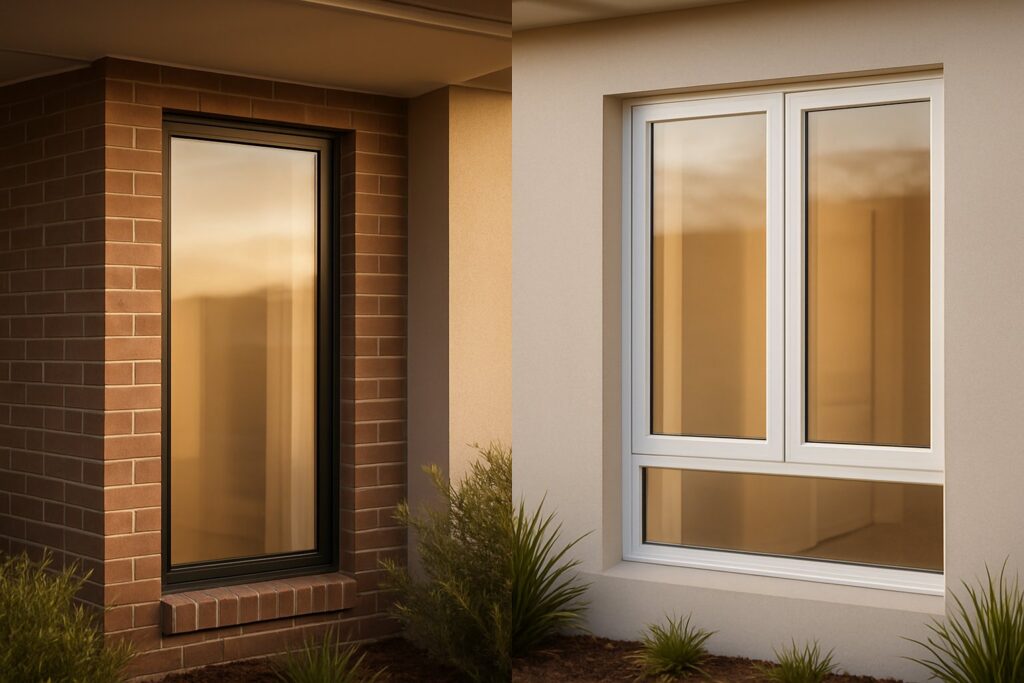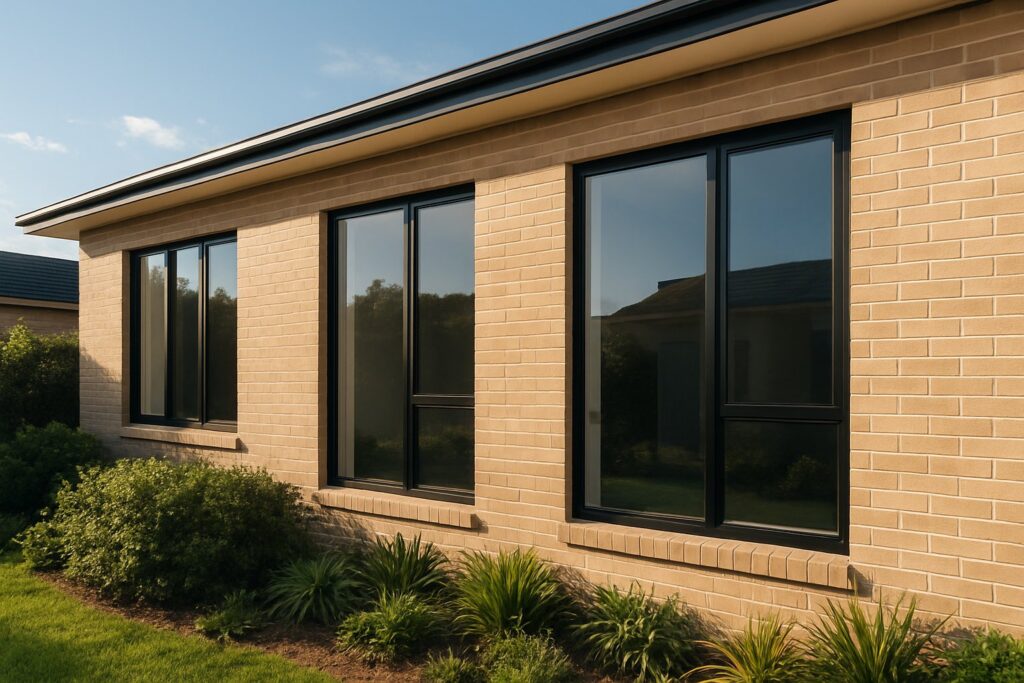
What Aluminium Window Wholesalers Do and Where They Fit
Aluminium window wholesalers are businesses that purchase finished or semi-finished aluminium windows in bulk from manufacturers — or fabricate them in-house — and supply them to trade buyers at volume pricing. They serve builders, glazing contractors, and developers rather than individual homeowners. Their core function is bridging the gap between large-scale fabrication and the project-level quantities that trade professionals actually need.
What Aluminium Window Wholesalers Actually Do
The distinction matters more than most buyers realise. A manufacturer extrudes and fabricates. A distributor represents a specific brand, often with exclusive territory rights and marketing obligations. A retailer sells individual units direct to consumers. A wholesaler sits between these roles — purchasing independently, carrying multiple product lines, and operating without the exclusivity constraints that bind distributors.
In practical terms, this means a wholesaler focused on window wholesale can offer broader product variety than a single-brand distributor, while still delivering trade pricing that retail channels cannot match. They carry stock or fabricate to order, manage logistics, and provide the commercial flexibility that project-based buyers depend on. Think of them as the supply chain’s pragmatist — less concerned with brand loyalty, more focused on getting the right wholesale windows to site on time.
Where Wholesalers Fit in the Supply Chain
Every aluminium window passes through a series of stages before it reaches a finished building. The wholesaler’s position in that chain determines what value they add and what limitations they carry. Here is how the journey typically unfolds:
- Raw aluminium extrusion — billets are heated and pressed into profile shapes
- Fabrication — profiles are cut, machined, assembled into frames, and finished (powder coated or anodised)
- Wholesale supply — completed aluminium windows are sold in trade volumes to qualified buyers
- Trade buyer — builders, glaziers, or contractors purchase for specific projects
- End user — the property owner receives installed windows as part of a completed build or renovation
The window wholesale stage is where commercial terms, lead times, and product selection get negotiated. It is also where mistakes in specification or ordering tend to originate — because this is the last point where changes are practical before product hits site. Understanding this position helps trade buyers recognise why their relationship with a wholesaler shapes project outcomes far more than headline pricing alone.
Yet knowing where wholesalers sit is only half the picture. The real question is who actually buys from them — and what each type of buyer should prioritise.
Who Buys from Aluminium Window Wholesalers
Not every trade buyer approaches a wholesaler with the same priorities. The builder window supply conversation looks completely different from the one a glazing specialist has, and architects bring yet another set of expectations to the table. Understanding these buyer segments helps clarify what you should actually demand from a wholesale window supplier — and what questions to ask before committing.
Builders and Property Developers
Multi-unit residential projects drive some of the largest wholesale orders in the Australian market. A developer building 20 townhouses needs consistent product across every stage — same profiles, same finishes, same hardware — delivered in sequences that match construction timelines. Volume purchasing through a wholesaler makes this feasible without tying up capital in excessive stock or negotiating directly with manufacturers who may require minimum runs far beyond a single project’s needs.
For builders, reliable window supply is less about chasing the lowest per-unit cost and more about programme certainty. A delayed window delivery stalls cladding, internal fit-out, and handover dates. Developers searching for a window wholesaler near me are typically looking for proximity that translates into shorter lead times and easier coordination when schedules shift mid-build.
Glazing Companies and Contractors
Glazing specialists and general contractors use wholesalers differently. A glazier running ongoing residential and commercial work needs a steady contractor window supply — regular access to standard profiles and sizes without placing large project-specific orders each time. They value breadth of stock, quick turnaround on common items, and flexible account terms.
General contractors, by contrast, tend to order project by project. They need accurate quoting, clear lead time commitments, and a wholesale window supplier near me who can coordinate delivery to match site readiness. Their priority is precision over relationship depth — get the right product to the right site at the right time, then move on to the next job.
Architects and Specifiers
Architects rarely place purchase orders themselves, but they shape what gets ordered. During specification and procurement phases, they interact with wholesalers to confirm profile availability, verify performance ratings against NCC requirements, and ensure that specified systems can actually be sourced within project budgets. As Architect Magazine notes, working with a supplier who offers a deep product range and trusted technical guidance reduces the risk of costly specification changes downstream.
For specifiers, the ideal wholesaler is one who can provide technical data sheets, WERS ratings, and sample availability early in the design process — well before anyone searches windows wholesale near me to place an order.
| Buyer Type | Typical Order Volume | Key Priority | What to Look for in a Wholesaler |
|---|---|---|---|
| Builders and Developers | 50–500+ units per project | Programme certainty and consistency | Staged delivery capability, consistent product across phases |
| Glazing Companies | Ongoing smaller orders (5–50 units) | Stock availability and turnaround speed | Broad standard range, flexible account terms, local proximity |
| General Contractors | Project-specific (10–100 units) | Accurate lead times and site coordination | Clear quoting process, delivery scheduling, reliable communication |
| Architects and Specifiers | Specification support (no direct purchase) | Technical data and product verification | Performance documentation, sample access, early-stage collaboration |
Each of these buyer segments benefits from wholesale pricing, but the value proposition extends well beyond cost. The real differentiator is whether a wholesaler can match its service model to the way each buyer actually works — a distinction that becomes critical when comparing purchasing channels.
Wholesaler vs Manufacturer vs Distributor Explained
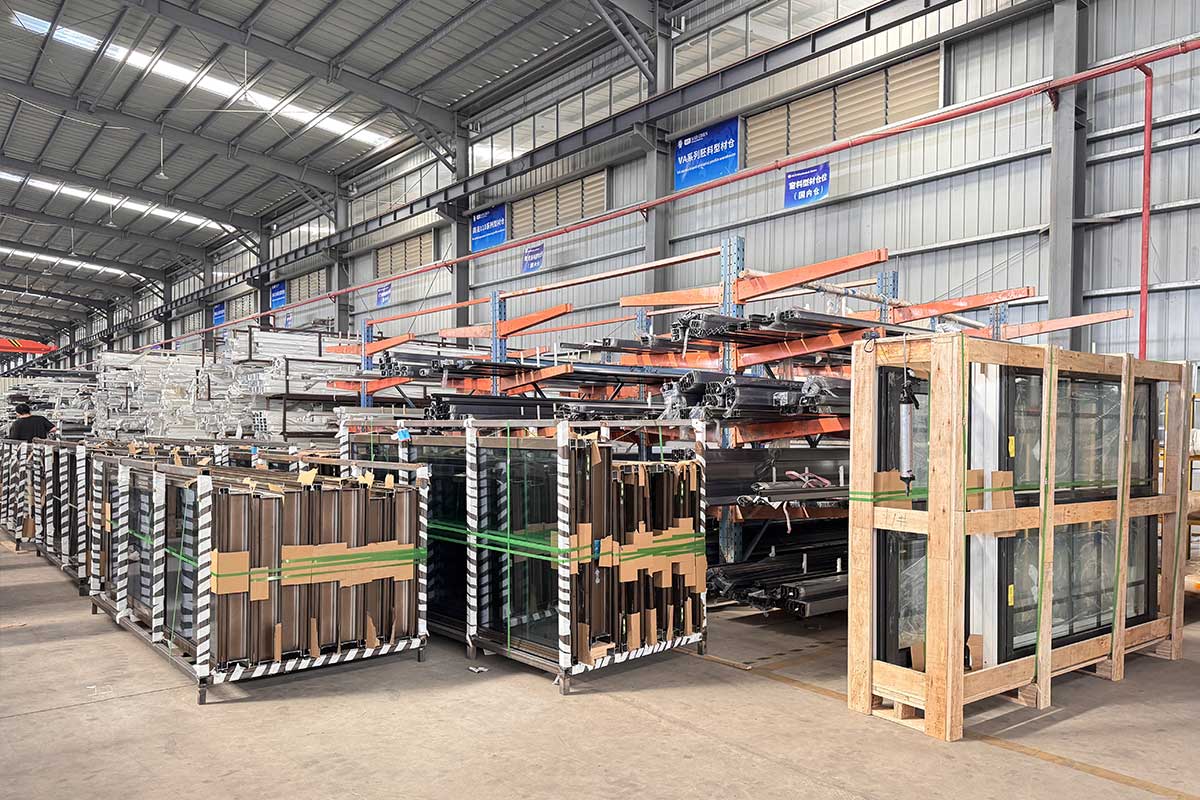
Purchasing channels in the aluminium window industry overlap enough to confuse even experienced trade buyers. Manufacturers, wholesalers, distributors, and retailers all sell windows — but the terms they offer, the volumes they expect, and the support they provide differ substantially. Blurring these distinctions costs buyers time and money, particularly when a channel mismatch leads to inflated minimums, limited product choice, or inadequate after-sales backing.
Manufacturer Direct vs Wholesale Purchasing
Buying direct from aluminium window manufacturers makes sense in a narrow set of circumstances. If your project requires very large volumes of a single profile system — say, 500 or more identical units for a multi-storey residential development — a manufacturer may offer the best per-unit cost because you are eliminating the intermediary margin entirely. You are also likely dealing with a single product line, which simplifies specification but limits flexibility.
The trade-off is real. Most aluminium window manufacturers set minimum order quantities that reflect their production economics, not your project needs. Lead times tend to be longer because you are entering a production queue rather than drawing from existing stock. Technical support and logistics coordination may be minimal — fabrication is their core business, not project management.
A wholesaler adds value when your needs are more varied: mixed window types across a project, smaller production runs, staged deliveries, or access to multiple profile systems without negotiating separate agreements with each wholesale window manufacturer. Window wholesale distributors also tend to offer stronger local support — someone who understands your market’s compliance requirements, can advise on system selection, and will manage delivery logistics to your site rather than their factory gate.
Domestic Wholesalers vs International Import Suppliers
The choice between a local wholesaler and an overseas supplier — whether from China, Southeast Asia, or Europe — introduces a different set of trade-offs. International sourcing can deliver meaningful cost savings on the product itself, but those savings need to be weighed against the full picture.
Shipping timelines from international suppliers typically run 8 to 14 weeks from order confirmation to site delivery, compared with 2 to 6 weeks from a domestic wholesaler. For Australian projects, compliance adds another layer. Products must meet AS 2047 for structural performance and AS 1288 for glazing safety. A domestic supplier working within these frameworks daily will typically provide tested, certified product as standard. An international supplier — even a capable one — requires the buyer to verify compliance documentation independently. As Morefar Global’s sourcing guide notes, Australian projects need BASIX data, SHGC, and U-value targets confirmed before factory matching can even begin.
Warranty support is another consideration. Custom window distributors operating domestically can typically resolve defect claims, replacement orders, and technical queries within days. With an overseas supplier, warranty claims may involve international shipping costs, language barriers, and extended resolution timelines. That said, commercial aluminium window manufacturers in regions like Foshan have developed sophisticated export processes — including QC documentation, labelled packaging matched to window schedules, and installation guidance — that reduce risk for buyers willing to manage the coordination.
The table below compares these purchasing channels across the factors that matter most at the ordering stage:
| Channel Type | Minimum Order Qty | Typical Lead Time | Customisation Flexibility | After-Sales Support | Cost per Unit at Volume |
|---|---|---|---|---|---|
| Manufacturer Direct | High (200+ units typical) | 6–12 weeks | Limited to their system range | Minimal — fabrication focused | Lowest (at qualifying volumes) |
| Domestic Wholesaler | Moderate (10–100 units) | 2–6 weeks | Broad — multiple systems available | Strong local support | Moderate |
| International Import Supplier | Moderate to High (project-based) | 8–14 weeks (inc. shipping) | High — fully custom sizing and config | Limited — remote coordination | Low (before freight and compliance costs) |
| Distributor (Brand-Exclusive) | Low to Moderate | 2–4 weeks (from local stock) | Restricted to represented brand | Good — brand-backed warranty | Higher (brand premium applies) |
| Retail | Single units | Immediate to 2 weeks | Standard sizes only | Consumer-grade warranty | Highest |
No single channel is universally superior. The right choice depends on your project’s volume, timeline, compliance obligations, and how much coordination you are prepared to manage yourself. What matters is understanding exactly what you are paying for — and what you are giving up — before the first quote lands on your desk. That clarity becomes especially important when you start unpacking the cost variables that drive wholesale pricing in the first place.
Factors That Affect Wholesale Aluminium Window Pricing
Wholesale pricing for aluminium windows is rarely straightforward. A quote from one supplier might look dramatically different from another — not because someone is gouging you, but because the underlying specifications differ in ways that are not always obvious on a line-item summary. Understanding these cost drivers before you request quotes puts you in a far stronger position to compare proposals on substance rather than headline numbers alone.
Material and Finish Variables
The aluminium window frame itself accounts for a significant portion of unit cost, and several variables within that frame determine where the price lands. Alloy grade matters — most commercial windows and window frames use 6063-T5 aluminium, but projects requiring higher structural performance may specify denser alloys that cost more per kilogram of extruded profile.
Profile wall thickness has a direct relationship to price. Standard residential systems typically use 1.4 mm walls, while commercial or high-wind-zone applications may require 1.6 mm or 2.0 mm sections. Thicker walls improve structural integrity and wind resistance but increase raw material consumption proportionally.
Then there is the thermal break question. A non-thermal-break metal window frame uses a continuous aluminium section — simpler to fabricate, lower in cost, but limited in thermal performance. Thermal break profiles insert polyamide insulation strips between interior and exterior aluminium sections, significantly improving energy ratings but adding complexity and material cost. For projects needing to meet NatHERS energy targets or stringent NCC Section J requirements, thermal break systems are increasingly non-negotiable — and they can add 40 to 60 percent to the frame cost compared with standard profiles.
Surface treatment is another lever. Standard powder coating in common colours (white, black, monument, surfmist) costs less than custom colour matching, which typically attracts a surcharge for smaller batches. Anodised finishes offer superior corrosion resistance — particularly relevant for coastal Australian projects — but carry a premium over standard powder coat. Dual-colour finishes, where the interior and exterior faces receive different treatments, can add a further 10 to 20 percent due to the double processing involved.
Glazing and Hardware Cost Drivers
The window frame metal component is only part of the equation. Glazing often represents an equal or greater share of total unit cost, and the specification range is enormous.
Single glazing is the cheapest option but rarely compliant with current Australian energy standards for habitable rooms. Double glazing — the baseline for most new builds — varies in cost depending on glass thickness, spacer type, and whether low-emissivity (Low-E) coatings are specified. A standard clear double-glazed unit costs materially less than a Low-E insulated unit, but the latter delivers measurable improvements in U-value and solar heat gain coefficient. For any buyer working with a double glazing supplier, understanding this cost-performance relationship prevents over-specifying where it is not needed and under-specifying where compliance demands it.
Laminated glass, required in certain locations under AS 1288 for safety, adds further cost through its interlayer bonding process. Acoustic glass, tinted glass, and triple-glazed units each move the price higher again. As industry pricing guides note, laminated or Low-E glass options can add 10 to 30 percent to the glazing component alone.
Hardware is the third pillar. Handles, multi-point locking systems, friction stays, and hinges vary enormously in quality and cost. European hardware brands command higher prices than generic alternatives, but they also deliver longer operational life, smoother function, and better security ratings. For aluminum frame glass assemblies intended for commercial or multi-residential applications, specifying quality hardware upfront avoids the costly cycle of premature failure and replacement that cheaper fittings often produce.
Volume, Customisation, and Timing
Beyond the physical product, three commercial variables shape the final quoted price. Order volume is the most obvious — larger quantities distribute setup costs across more units, reduce per-unit fabrication time through repetition, and give wholesalers stronger purchasing leverage with their own suppliers. Most wholesalers operate tiered pricing structures where meaningful per-unit savings kick in at defined thresholds.
Custom sizing versus standard sizing is the second lever. A window manufactured to a standard modular dimension uses existing cutting templates and fits established production workflows. A custom-sized unit requires individual setup, potentially bespoke glazing cuts, and more careful quality checks. The cost difference between standard and custom can range from modest to substantial depending on how far the custom size deviates from standard profiles.
Market timing rounds out the picture. Raw aluminium prices fluctuate with global commodity markets, meaning quotes issued in one quarter may not hold the next. Seasonal demand patterns also play a role — peak construction months can stretch lead times and reduce a wholesaler’s willingness to negotiate on price. Ordering during quieter periods or locking in pricing early in a project’s procurement phase can deliver savings that no amount of specification tweaking would match.
Before you request your next quote, here are the primary cost variables every trade buyer should have clarity on:
- Alloy grade and profile wall thickness — structural requirements drive material cost
- Thermal break vs non-thermal-break system — energy compliance demands carry a price premium
- Surface finish type and colour — standard palette vs custom matching, single vs dual colour
- Glazing specification — single, double, Low-E, laminated, acoustic, or triple glazed
- Hardware grade and brand — impacts security, durability, and long-term maintenance cost
- Order volume and quantity thresholds — tiered pricing rewards consolidation
- Standard vs custom sizing — deviations from modular dimensions increase unit cost
- Market timing and raw material fluctuation — commodity cycles and seasonal demand affect quotes
None of these variables operate in isolation. A thermally broken aluminium window frame with Low-E double glazing and premium hardware will always cost more than a non-thermal-break equivalent with standard glass and basic fittings — but it may also be the only option that achieves compliance and avoids costly rectification work later. The goal is not to minimise every line item, but to understand precisely what each dollar buys and whether it aligns with your project’s actual requirements.
Pricing transparency, however, only solves half the problem. Knowing what drives cost is essential — but knowing how to evaluate whether a wholesaler can actually deliver on their quote, consistently and reliably, requires a different set of criteria entirely.

How to Evaluate and Choose a Reliable Aluminium Window Supplier
A competitive quote means nothing if the wholesaler behind it cannot deliver compliant product on schedule. Evaluating aluminium window suppliers requires looking beyond price sheets and into the operational substance of each business — their certifications, their product depth, and their capacity to support your project from first drawing to final delivery.
Certifications and Quality Standards to Verify
Every aluminium window installed in an Australian building must comply with AS 2047, the national standard governing structural performance, water penetration resistance, air infiltration, and operating force. This is not optional — it is referenced directly in the National Construction Code, and non-compliant product exposes builders to legal liability, failed inspections, and costly rectification.
Before committing to any aluminium window supplier, confirm the following:
- AS 2047 compliance — request performance labels showing wind and water ratings in Pascals for each window type you intend to order
- AS 1288 glazing compliance — confirms safety glass requirements are met for relevant applications
- AGWA membership or NATA-accredited test reports — products tested by accredited laboratories carry greater assurance than self-declared compliance
- WERS ratings — Window Energy Rating Scheme data confirms thermal performance claims and supports NatHERS compliance documentation
- BAL-rated options — for projects in bushfire-prone areas, verify the supplier can provide windows tested to the required Bushfire Attack Level
A wholesaler who cannot produce this documentation on request is a risk you do not need on your project. Certifications are not a formality — they are the evidence that product will pass inspection and perform as specified over its service life.
Assessing Product Range and Project Support Capability
The best window suppliers do more than fill orders. They reduce project risk by offering breadth of product, technical guidance, and coordination that a pure order-taker simply cannot match.
Consider what a project-capable wholesaler actually provides: multiple profile systems to suit different performance requirements across a single development, system recommendations based on your drawings and energy targets, material calculation support that minimises waste and avoids costly over-ordering, and coordination from specification through to staged delivery. This level of support transforms a supplier relationship from transactional into collaborative — and it is where the gap between adequate and excellent aluminium window supplies becomes most visible.
A partner like MEICHEN illustrates what comprehensive wholesaler support looks like in practice. Their service model covers the full project lifecycle — from reviewing drawings and schedules through to system recommendations, material calculation, manufacturing coordination, quality control, logistics planning, and delivery sequencing. For builders, developers, and contractors managing complex programmes, this kind of integrated support eliminates the coordination gaps that cause delays and specification errors.
When assessing any aluminum window supplier, ask specifically how they handle projects rather than individual orders. Can they work from architectural drawings? Will they provide a window schedule matched to your construction programme? Do they offer system advice when performance requirements conflict with budget constraints? The answers reveal whether you are dealing with a genuine project partner or simply a window supply store with a trade account.
Lead Times, Logistics, and After-Sales Support
Realistic lead time assessment separates experienced trade buyers from those who end up chasing delayed deliveries mid-build. As supply chain research consistently shows, lead time is shaped by supplier reliability, production capacity, order complexity, and transportation logistics — not just the number a sales representative quotes over the phone.
Ask prospective aluminum window suppliers these questions before placing an order:
- What is the current lead time for standard sizes versus custom configurations?
- How do you handle schedule changes if my construction programme shifts?
- Can you deliver in staged sequences matched to my build programme, or only as a single bulk shipment?
- What happens if product arrives damaged or does not match specification?
After-sales support matters more than most buyers anticipate. Warranty terms should be confirmed in writing before the first order — including what is covered, for how long, and what the claims process involves. A wholesaler with strong after-sales capability will resolve replacement orders and defect claims within days rather than weeks, keeping your project moving rather than stalling on a single faulty unit.
Bringing these criteria together, here are the top evaluation factors ranked in order of importance for trade buyers selecting from available aluminium window suppliers:
- Compliance and certification — AS 2047, AS 1288, and relevant energy or bushfire ratings verified with documentation
- Project support capability — ability to work from drawings, provide system recommendations, and coordinate staged delivery
- Product range and system breadth — multiple profile options covering residential, commercial, and high-performance applications
- Realistic and transparent lead times — honest timelines with clear communication when changes occur
- Delivery logistics and sequencing — capacity to match deliveries to your construction programme
- After-sales and warranty support — written terms, responsive claims handling, and local resolution capability
- Pricing competitiveness at your volume — important, but only meaningful once the above criteria are satisfied
Notice that price sits last on this list. That is deliberate. The cheapest quote from a supplier who cannot certify compliance, coordinate deliveries, or resolve problems quickly will always cost more in the long run than a marginally higher quote from a wholesaler who delivers reliably across every other dimension.
Choosing the right partner is one thing. Knowing exactly what to specify when you place that order — the technical details that determine whether product performs as expected once installed — is another challenge entirely.
Product Specifications That Matter at Wholesale Level
Specification decisions made at the ordering stage lock in performance outcomes that cannot be changed once product arrives on site. For trade buyers placing bulk orders, getting the technical details right upfront is not a matter of perfectionism — it is the difference between smooth installation and expensive rectification. Three specification areas demand particular attention: profile thermal performance, frame configuration, and glazing compatibility.
Thermal Break vs Non-Thermal Break Profiles
This choice shapes both project compliance and long-term building performance. A non-thermal-break profile is a single continuous aluminium section — straightforward to fabricate, lighter in weight, and lower in cost. It works adequately in mild climates or non-habitable spaces where energy ratings are less critical, such as garages, sheds, or covered outdoor areas.
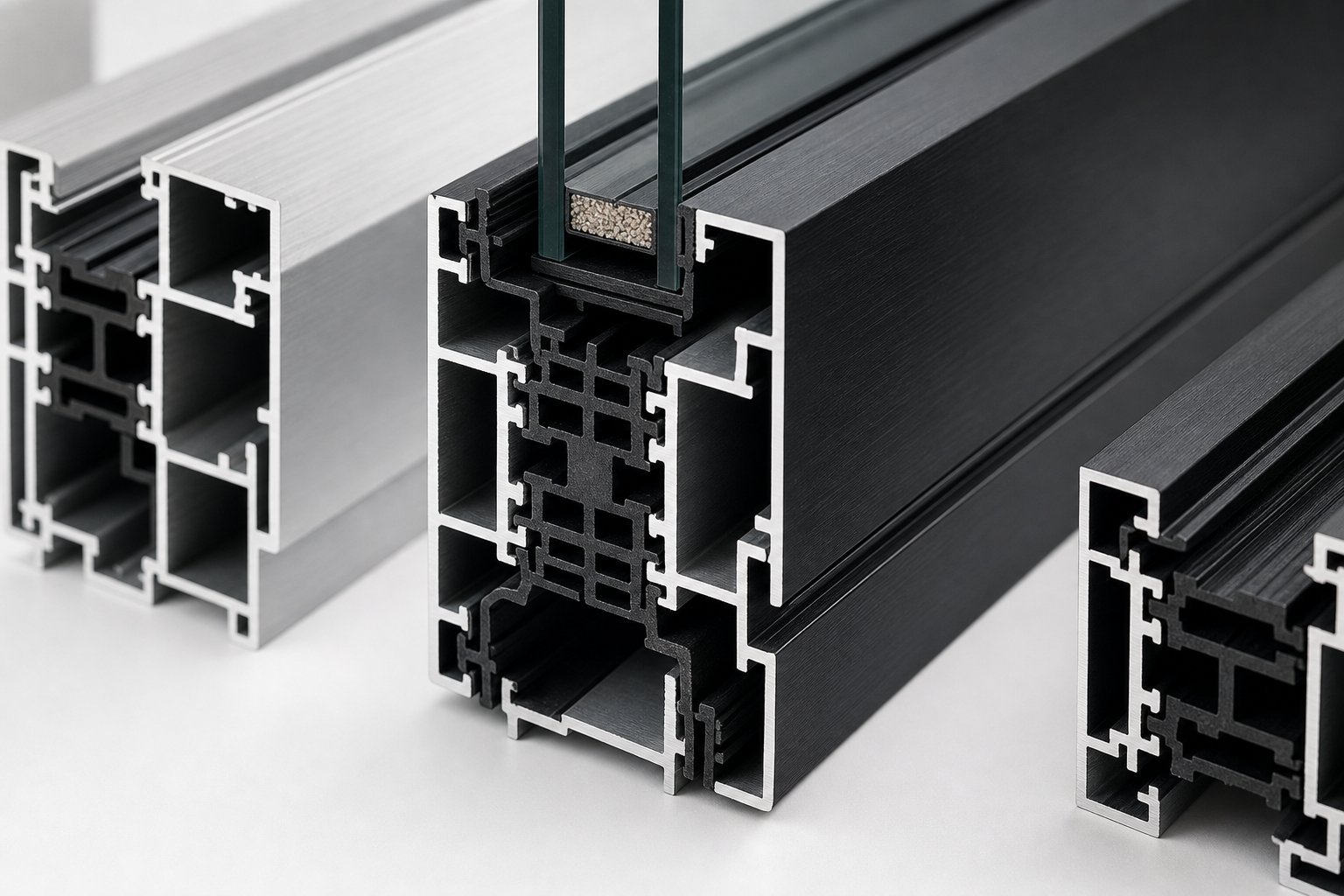
Thermal break profiles are structurally different. They incorporate a polyamide insulation strip between the interior and exterior aluminium sections, effectively severing the thermal bridge that allows heat to conduct through the frame. The result is measurably better insulation, reduced condensation risk, improved acoustic performance, and compliance with increasingly stringent NCC Section J energy requirements.
For wholesale buyers, the practical implication is this: thermal break systems require longer lead times due to more complex fabrication, carry a higher per-unit cost (typically 40 to 60 percent above equivalent non-thermal-break profiles), and may limit your choice of profile widths. However, for any project targeting NatHERS ratings above 6 stars or located in climate zones 6 through 8, specifying non-thermal-break product is likely to fail compliance — creating a far more expensive problem than the upfront premium would have been.
Frame Types and Configuration Options
Aluminium profile systems accommodate a broad range of window configurations, each suited to different applications and performance requirements. At the wholesale level, understanding which types are available as standard stock versus custom-order items directly affects lead times and pricing.
Aluminium sliding windows remain the most commonly ordered type in the Australian market. Their horizontal track mechanism saves interior space, suits large openings, and works well for balconies, living areas, and bedrooms. Sliding aluminium windows are typically available in standard modular sizes from most wholesalers, making them the fastest to source and the most competitively priced at volume. Aluminum slider windows in two-panel and three-panel configurations cover the majority of residential applications.
Aluminium casement windows offer superior airtightness and weather sealing compared with sliders, making them the preferred choice for high-wind zones and projects requiring maximum acoustic performance. They open outward or inward on side-mounted hinges, providing excellent ventilation but requiring clearance space.
Awning windows hinge at the top and open outward, allowing ventilation even during rain. They are commonly specified for bathrooms, kitchens, and upper-storey applications where weather protection matters. Aluminum double hung windows — with two vertically sliding sashes — suit heritage-style projects and aluminium sash windows provide a traditional aesthetic within a modern aluminium frame system.
Fixed-lite panels, including aluminum picture windows, serve areas where unobstructed views and maximum natural light are the priority. They carry no operating hardware, which reduces cost and eliminates mechanical failure points — making them an efficient choice for large glazed facades where ventilation is handled by adjacent operable windows.
| Frame Type | Typical Application | Thermal Performance | Ventilation Capability | Wholesale Availability |
|---|---|---|---|---|
| Sliding (2 or 3 panel) | Living areas, balconies, bedrooms | Moderate (improved with thermal break) | Up to 50% of opening area | High — standard stock sizes common |
| Casement (outward/inward) | Bedrooms, living rooms, high-wind zones | High — superior air seal | Up to 100% of sash area | Moderate — standard sizes stocked, custom 2–4 weeks |
| Awning (top-hung) | Bathrooms, kitchens, upper storeys | High — good weather seal when closed | Partial — limited by opening angle | Moderate — commonly available in standard ranges |
| Double Hung | Heritage projects, traditional facades | Moderate — depends on seal quality | Up to 50% (both sashes operable) | Lower — often custom order |
| Fixed Lite | Feature windows, glazed facades, highlight panels | Highest — no air leakage path | None | High — simple fabrication, fast turnaround |
For bulk ordering decisions, the key takeaway is that aluminium sliding windows and fixed panels offer the shortest lead times and lowest per-unit costs due to standardised production. Casement and awning types sit in the middle. Double hung and aluminium sash windows typically require custom fabrication, meaning longer lead times and higher minimum quantities before a wholesaler will quote competitively.
Glazing Compatibility and Finish Options
Profile selection determines what glazing units a frame can accept — and getting this wrong at the ordering stage creates problems that cannot be solved without re-fabrication. The critical measurement is the glazing rebate depth: the channel within the frame that holds the glass unit in place.
Standard residential profiles typically accommodate glazing units between 20 mm and 24 mm thick, which covers most double-glazed insulated glass units (IGUs). If your project specifies triple glazing (units typically 32 mm to 44 mm thick) or thicker laminated configurations for acoustic or safety purposes, you need profiles with deeper rebates — and not every system in a wholesaler’s range will accommodate them. Confirm rebate depth compatibility before ordering, not after product arrives on site.
Powder coating remains the dominant finish for aluminium windows in Australia. Standard colour palettes — typically aligned with Colorbond colours like Monument, Surfmist, Woodland Grey, and Matt Black — are held in stock or produced with minimal lead time. Custom colour matching is available from most wholesalers but attracts a surcharge and extends lead times by one to three weeks, depending on batch size. For projects requiring fewer than 20 units in a custom colour, expect the per-unit coating cost to be noticeably higher than standard options.
Anodised finishes offer superior durability in coastal and high-UV environments, resisting chalking and fading better than powder coat over extended timeframes. However, anodising limits colour options and typically requires larger minimum runs at the wholesale level. Dual-colour finishes — different treatments on interior and exterior faces — add further complexity and cost but allow architects to match interior colour schemes without compromising external facade consistency.
These specification details might seem granular, but they directly determine whether a bulk order proceeds smoothly or generates costly change orders mid-project. Getting them right at the quoting stage is where experienced trade buyers separate themselves from those who learn these lessons the expensive way.
Common Mistakes When Working with Wholesalers
Knowing what to specify and who to buy from does not guarantee a smooth procurement experience. Even experienced trade buyers make errors that turn a well-priced order into a project headache. Most of these mistakes are preventable — they stem from assumptions, shortcuts, or gaps in communication rather than bad luck. Here is what to watch for.
Ordering Mistakes That Cost Time and Money
The most expensive errors happen before a single window is fabricated. Placing an order based on approximate opening sizes — rather than confirmed site measurements accounting for installation tolerances — is the classic blunder. A window that is 10 mm too wide cannot be trimmed on site. It goes back to the factory, and your programme loses weeks.
Failing to confirm finish lead times is another common trap. A buyer might assume their chosen powder coat colour ships in the same timeframe as standard options, only to discover custom colours add two to three weeks. Similarly, ordering aluminium replacement windows without verifying that the new units match existing structural opening depths — particularly in older brick veneer or weatherboard homes — creates fit-up problems that no amount of packing can resolve. For any aluminium window replacement project, confirming rebate depths, reveal dimensions, and flashing details before ordering is non-negotiable.
Supplier Relationship Pitfalls
Chasing cheap aluminium windows without verifying the supplier’s certifications is a gamble that rarely pays off. Product listed as aluminium windows for sale at unusually low prices may lack AS 2047 compliance documentation — and non-compliant product cannot legally be installed in habitable buildings under the NCC. The cost of removing and replacing non-certified windows dwarfs any upfront saving.
Other relationship mistakes are subtler. Not establishing a clear communication channel for schedule changes means your wholesaler cannot adjust production priorities when your build programme shifts. Failing to confirm warranty terms in writing leaves you exposed if defects emerge post-installation. And committing to a large order without requesting physical samples first — particularly for aluminium retrofit windows replacing existing frames in renovation projects — risks colour mismatches or profile incompatibilities that photographs alone cannot reveal.
Logistics and Delivery Oversights
Product quality becomes irrelevant if windows arrive damaged or at the wrong time. Research into material acquisition failures consistently identifies poor storage planning as a leading cause of on-site product damage. Aluminium windows stacked without protection in an open yard, exposed to construction debris and weather, will sustain scratches and seal damage before they ever reach an opening.
Not specifying delivery sequencing for staged construction is equally problematic. If all 200 windows arrive in a single shipment but your build programme installs ground-floor units eight weeks before upper storeys, you need secure covered storage for months — adding cost and risk. Failing to inspect goods on arrival compounds everything: concealed damage discovered weeks later falls outside most carrier claim windows.
Here are the top mistakes and their consequences distilled into a single reference:
- Ordering to approximate dimensions — results in windows that do not fit, requiring costly re-fabrication and programme delays
- Ignoring finish lead times — custom colours or anodised finishes extend delivery by weeks, stalling dependent trades
- Not verifying AS 2047 compliance — non-certified product cannot pass building inspection, forcing removal and replacement
- Selecting purely on price — cheap aluminium windows from unverified sources often lack documentation, warranty backing, or consistent quality
- Skipping physical samples — colour and profile mismatches only become apparent after delivery, triggering change orders
- No written warranty terms — verbal assurances offer no protection when defects emerge months after installation
- Inadequate site storage — unprotected product sustains damage that voids warranty and delays installation
- Single bulk delivery without sequencing — creates storage burden and increases handling damage risk across extended build programmes
- No arrival inspection — damage discovered after the carrier claim window closes becomes the buyer’s cost to resolve
Every item on this list is avoidable with basic preparation: confirmed measurements, written terms, sample verification, and a delivery plan that matches your construction sequence. The buyers who treat their wholesaler relationship as a coordination exercise — rather than a simple transaction — are the ones who avoid these traps entirely. That mindset also shapes how you approach the final step: building a shortlist and requesting quotes that actually reflect your project’s real requirements.

Next Steps for Trade Buyers Ready to Source Wholesale Windows and Doors
Everything covered in this article — supply chain positioning, buyer segments, channel comparisons, pricing variables, evaluation criteria, specifications, and common mistakes — converges on a single practical question: how do you actually move from research to action? The answer involves two parallel tasks: narrowing your supplier options to a credible shortlist, and preparing the information package that generates quotes worth comparing.
Building a Shortlist of Capable Suppliers
Start by filtering against non-negotiable criteria rather than price. Any wholesaler on your shortlist should demonstrate AS 2047 and AS 1288 compliance with verifiable documentation, offer the profile systems and configurations your project requires, and show evidence of delivering to trade buyers at your scale. These are baseline qualifications — not differentiators.
The differentiators sit higher up the evaluation framework. Can the supplier work from your architectural drawings and produce a window schedule matched to your construction programme? Will they provide system recommendations when your energy targets conflict with budget constraints? Do they coordinate staged deliveries, or simply dispatch everything at once and leave logistics to you?
Wholesale window suppliers who support the full project lifecycle — from specification through to delivery sequencing — reduce coordination risk in ways that pure order-takers cannot. A capable wholesale window and door partner absorbs complexity on your behalf: reviewing drawings, calculating material requirements, flagging specification conflicts early, and aligning manufacturing timelines with your build programme. That is the difference between a supplier and a project partner.
When evaluating wholesale windows and doors providers for multi-unit developments or complex commercial projects, weight your shortlist toward those who demonstrate this integrated capability. The marginal cost difference between a transactional supplier and a project-capable one is almost always recovered through fewer delays, fewer errors, and fewer change orders across the build.
Getting Meaningful Quotes and Starting the Conversation
A quote is only as useful as the information behind it. Vague enquiries produce vague pricing — and vague pricing makes meaningful comparison impossible. Before approaching any aluminium window wholesaler, prepare a specification package that gives each supplier the same foundation to quote against.
At minimum, your enquiry should include:
- Architectural drawings or elevations showing window and door locations
- A window schedule listing each opening with dimensions, type, and operation method
- Quantities by configuration — how many of each size and type
- Glazing requirements (double glazed, Low-E, laminated, acoustic) or performance targets if glazing selection is still open
- Finish preferences — standard palette or custom colour, single or dual colour
- Delivery programme — when product is needed and whether staged delivery is required
- Any compliance requirements specific to your project (BAL rating, cyclone zone, acoustic targets)
As industry procurement guidance confirms, quotation accuracy improves dramatically when buyers organise information by opening type, size, quantity, finish, and glass requirement rather than sending fragmented notes across multiple emails. That single step reduces revision cycles and gives you quotes that reflect actual project scope rather than supplier assumptions.
Understanding real quote drivers — the material, finish, glazing, hardware, and volume variables covered earlier in this article — also changes how you evaluate responses. Two quotes at different price points might reflect genuinely different specifications rather than different margins. A supplier quoting thermal break profiles with Low-E glazing and European hardware is not comparable to one quoting non-thermal-break frames with standard glass and generic fittings, even if both call themselves wholesale window and doors providers.
For builders, developers, architects, and procurement teams ready to explore what a project-capable aluminium windows and doors partner looks like in practice, MEICHEN’s Services and Solutions page outlines their support model — covering everything from drawings and schedules through system recommendations, material calculation, manufacturing coordination, quality control, logistics, and delivery planning. It is also a useful reference for understanding the real quote drivers behind aluminum windows and doors pricing, rather than relying on unsupported ballpark figures.
A good wholesaler relationship is a project partnership, not just a transaction. The suppliers who help you solve problems before they reach site are worth more than the ones who simply offer the lowest line-item price.
Approach your shortlisted suppliers with complete information, evaluate their responses on capability as much as cost, and choose the partner whose service model matches the way your projects actually run. That is how trade buyers turn wholesale purchasing from a procurement task into a genuine competitive advantage — delivering aluminum doors and windows to site on time, on spec, and without the surprises that this article exists to help you avoid.
Frequently Asked Questions About Aluminium Window Wholesalers
1. What is the difference between an aluminium window wholesaler and a distributor?
A wholesaler purchases independently from multiple manufacturers or fabricates in-house, offering broader product variety without brand exclusivity constraints. A distributor typically represents a single brand with exclusive territory rights, limiting product range but often providing brand-backed warranty support. Wholesalers generally offer more flexibility on product mix and order quantities, while distributors may hold local stock for faster turnaround on their specific brand’s range.
2. What minimum order quantities do aluminium window wholesalers typically require?
Most domestic aluminium window wholesalers in Australia accept orders from 10 to 100 units, making them accessible for project-specific purchases by builders and contractors. This sits well below manufacturer-direct minimums, which often start at 200 or more units. Wholesalers use tiered pricing structures where per-unit costs decrease at defined volume thresholds, so consolidating orders across a project or multiple projects can unlock meaningful savings.
3. How do I verify that a wholesaler’s aluminium windows comply with Australian standards?
Request AS 2047 performance labels showing wind and water resistance ratings in Pascals for each window type. Confirm AS 1288 glazing compliance for safety glass applications. Look for NATA-accredited test reports rather than self-declared compliance, and check WERS ratings for energy performance verification. Membership with the Australian Glass and Window Association (AGWA) provides additional assurance. A project-capable supplier like MEICHEN can provide full compliance documentation as standard, covering everything from structural performance to energy ratings.
4. What information should I prepare before requesting a wholesale aluminium window quote?
Prepare architectural drawings or elevations showing window locations, a window schedule with dimensions and operation types, quantities by configuration, glazing specifications or performance targets, finish preferences including colour, your delivery programme with staging requirements, and any project-specific compliance needs such as BAL ratings or cyclone zone requirements. Providing this complete package ensures quotes are accurate, comparable across suppliers, and reflect your actual project scope rather than supplier assumptions.
5. Are thermal break aluminium windows worth the extra cost at wholesale level?
For projects targeting NatHERS ratings above 6 stars or located in NCC climate zones 6 through 8, thermal break profiles are effectively mandatory for compliance. They cost approximately 40 to 60 percent more than non-thermal-break equivalents but deliver measurably better insulation, reduced condensation, and improved acoustic performance. The upfront premium is almost always less expensive than failing compliance and retrofitting later. For mild climate zones or non-habitable spaces, non-thermal-break profiles remain a cost-effective option.
More Window & Door Guides