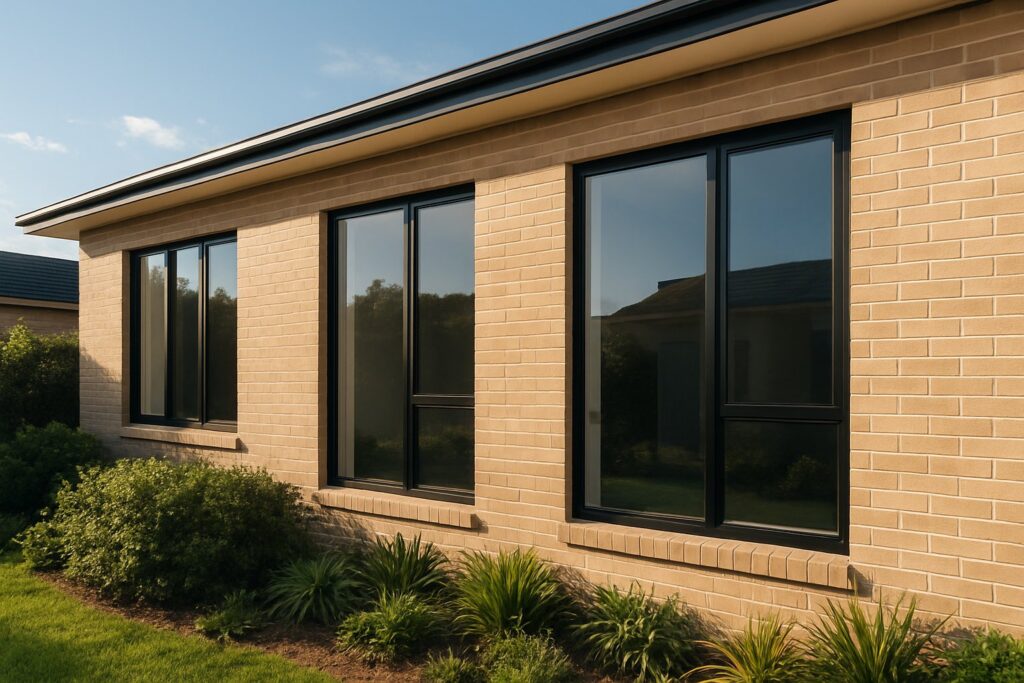
What Aluminium Window Replacement Really Costs
Aluminium window replacement isn’t just buying new windows and slotting them in. It’s a layered process that involves pulling out existing frames, preparing the opening, and managing everything from disposal to finishing work around the new units. For most Australian homes, the total installed cost sits between $700 and $1,800 per standard window, though whole-home projects can push well beyond $15,000 depending on scope and specifications.
That price range catches people off guard because they’ve been comparing against generic window pricing guides that quote supply-only figures. Replacement carries its own cost structure, and understanding it upfront saves you from budget blowouts halfway through the project.
What Does Aluminium Window Replacement Actually Include
A typical aluminium window replacement project covers several distinct stages: removal of the old frame and glass, assessment and preparation of the structural opening, installation of the new aluminium unit, sealing and flashing, interior and exterior trim work, and disposal of old materials. Each stage carries its own labour and material costs. In older Australian homes, particularly weatherboard or fibro constructions from the 1960s through 1980s, the opening may need modification to accept modern aluminium replacement windows with thermally broken profiles and double glazing.
Why Replacement Costs Differ From New Installation
New construction windows go into a fresh opening during a build. There’s no demolition, no surprises behind the frame, and no existing finishes to protect. Replacement aluminum windows, by contrast, must work within the constraints of what’s already there. The existing opening might be out of square. Surrounding cladding could be damaged during removal. Hidden moisture issues or non-compliant framing might only reveal themselves once the old unit comes out.
Generic window pricing guides miss the replacement-specific costs that actually drive your budget: old frame removal, opening adjustments, disposal fees, and remediation of concealed damage. These factors can add 15% or more to the base cost of the windows themselves.
This article breaks down every component of aluminium window replacement cost for the Australian market, from materials and labour through to the hidden expenses that rarely appear on initial quotes. But before diving into dollars, there’s a more fundamental question worth answering: do your windows actually need replacing, or could a targeted repair stretch their life a few more years?
Repair or Replace Your Aluminium Windows
Spending $10,000 or more to replace aluminium windows across your home makes sense when the frames are genuinely past their useful life. It makes far less sense when a $200 seal repair or hardware swap could buy you another decade. The trick is knowing which situation you’re actually in.
Aluminium frames are durable by nature, often outlasting timber and vinyl equivalents in Australian coastal and high-UV conditions. But they’re not immortal. Age, salt air, thermal cycling, and simple wear eventually push even quality aluminium past the point where aluminum window repair remains cost-effective. Here’s how to tell where your windows sit on that spectrum.
Signs Your Aluminium Windows Need Replacing
Some failures are cosmetic. Others signal that the window has reached end-of-life and no amount of patching will restore proper performance. Watch for these indicators:
- Condensation between panes — Fog or moisture trapped inside a sealed double-glazed unit means the seal has failed. You can’t wipe it away because it’s inside the glass assembly. On a single window, you can replace glass in aluminum window frames without swapping the whole unit. But if multiple windows show the same fogging, the installation is ageing out collectively.
- Visible frame corrosion or pitting — Aluminium resists rust, but it does corrode, particularly in coastal areas where salt exposure accelerates oxidation. Surface pitting is cosmetic. Deep corrosion that compromises the frame’s structural integrity or prevents proper sealing is a replacement signal.
- Persistent drafts despite intact seals — If you feel air movement around closed windows even after replacing weatherstrips, the frame itself may have warped or the opening has shifted. This is common in older Australian homes where foundation movement distorts window openings over decades.
- Difficulty opening or closing — Stiff or jammed sashes aren’t just inconvenient. They’re a safety concern in emergencies and often indicate frame distortion that no hardware adjustment will fix permanently.
- Single-pane glass in a climate that demands better — Many Australian homes built before the mid-1990s still have original single-glazed aluminium windows. These perform poorly against heat gain in summer and heat loss in winter, driving up energy costs year-round.
- Excessive external noise — If traffic or neighbourhood sounds pass through as though the window barely exists, the glazing and sealing system is no longer performing to any reasonable acoustic standard.
One symptom on its own rarely justifies full replacement. Two or three appearing together, especially across multiple windows, shifts the equation decisively toward replacing aluminum windows rather than chasing individual repairs.
When Repair Makes More Financial Sense
Not every problem demands a new window. Aluminium frames that are structurally sound, square in their openings, and free of deep corrosion can often be restored to good performance with targeted fixes. Aluminum window glass replacement, for instance, typically costs between $150 and $400 per sealed unit in Australia, a fraction of full window replacement. Hardware swaps, weatherstrip renewal, and re-sealing run even less.
Repair generally wins when:
- Only one or two windows have isolated issues while the rest perform well
- The frame itself is structurally intact with no warping or significant corrosion
- The window is under 15 years old and the failure is a single component
- You’re planning to sell within three to five years and need functional, not perfect, windows
A useful rule of thumb: if the repair cost on a single window exceeds 50% of what a full replacement would cost for that same opening, the maths start favouring replacement. Below that threshold, repair preserves the remaining life in the frame and keeps your budget intact.
The Break-Even Point Between Repair and Replacement
The decision gets genuinely difficult when you have three to six windows showing moderate failures simultaneously. At that scale, individual repair costs start stacking, and the gap between total repair spend and a project-wide replacement quote narrows considerably.
Consider the age of your windows as a baseline. Aluminium frames installed before 1990 in Australia are typically single-glazed, non-thermally-broken units. Even if the frames are holding up, the thermal performance is so far behind current standards that replacing aluminum windows delivers measurable energy savings, often $100 to $200 per year for a typical home. Over a ten-year ownership period, those savings offset a meaningful portion of the replacement cost.
Windows aged 15 to 25 years sit in the grey zone. If failures are isolated and the glazing is already double-pane, repair and reassess in a few years. If multiple units are failing and energy bills are climbing, replacement becomes the more rational long-term investment.
For windows over 25 years old showing systemic issues, repair is a stopgap rather than a strategy. The cost of repeatedly fixing ageing components eventually exceeds what a single replacement project would have cost, and you never gain the thermal and acoustic improvements that modern aluminium systems deliver.
Getting clarity on this repair-or-replace question is the essential first step. The next consideration is understanding exactly where your money goes when replacement is the right call, from materials and labour through to the line items that rarely appear on a standard quote.
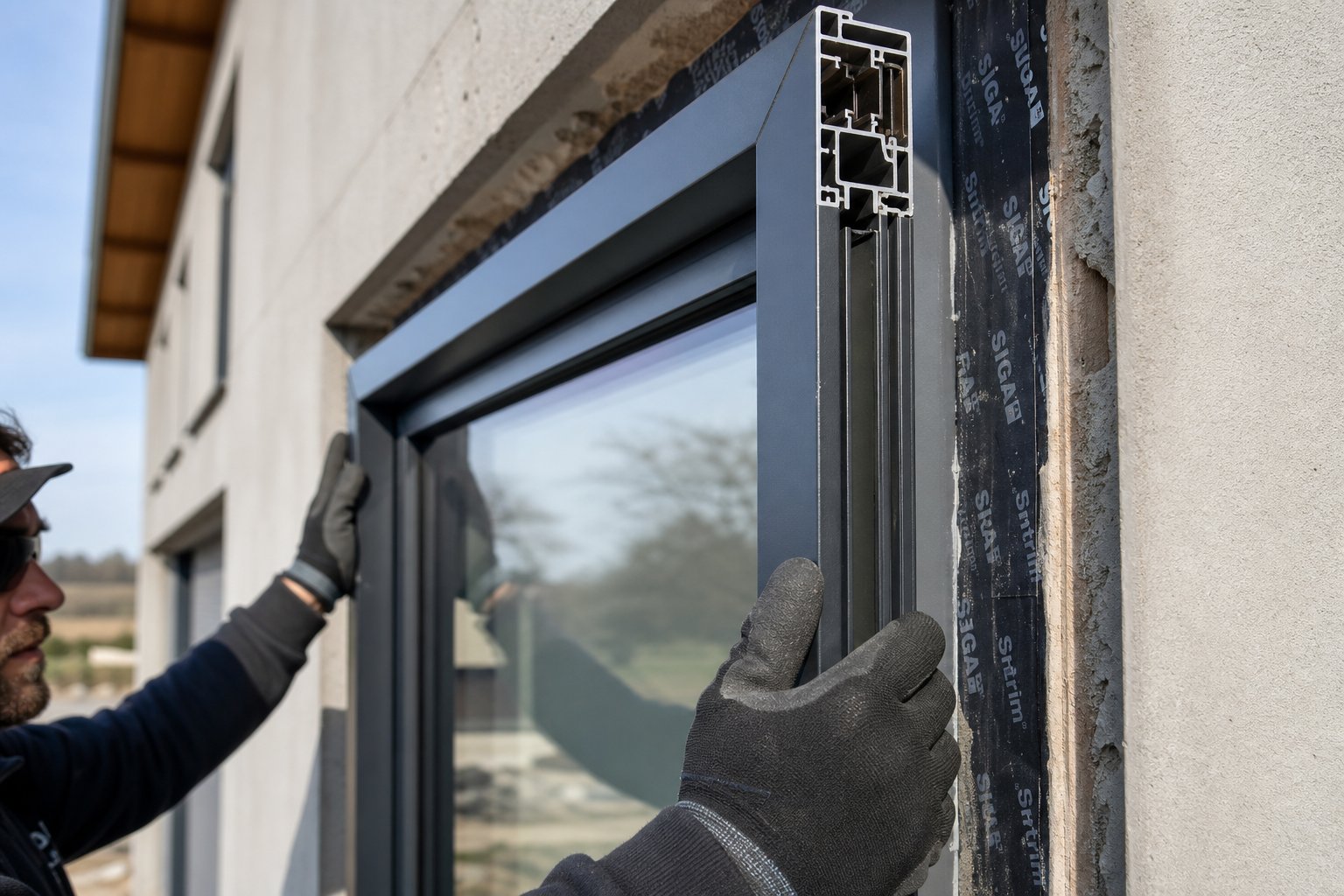
Itemised Cost Breakdown for Aluminium Frame Window Replacement
Knowing you need new windows is one thing. Understanding where every dollar goes is another. Aluminium window replacement cost isn’t a single line item. It’s a stack of materials, labour, and ancillary expenses that each contribute to the final figure. Breaking these apart helps you spot where quotes differ and where there’s room to adjust scope without sacrificing quality.
Material Costs for Aluminium Replacement Windows
Materials typically account for 40% to 55% of the total project cost. The aluminium frame profile itself is the largest single material expense, followed by the glazing unit, hardware (handles, locks, hinges), weatherseals, and any thermal break components. For a standard-sized double-glazed aluminium replacement window in Australia, supply-only pricing generally falls between $450 and $1,100 per unit depending on the profile system, glass specification, and finish colour.
Thermally broken profiles cost more than basic non-broken aluminium, but they’re increasingly required to meet NCC energy efficiency provisions in most Australian climate zones. Powder-coat colour also matters. Standard colours like white, black, or monument sit at base price, while custom colours from extended palettes attract a surcharge of $30 to $80 per window.
Labour and Installation Expenses
Labour covers removal of the old unit, preparation of the opening, installation of the new window, sealing, flashing, and interior and exterior trim finishing. In Australian metro areas, expect labour rates between $70 and $100 per hour per installer. A straightforward single window swap takes two to four hours for a two-person crew, while complex openings or upper-storey access can push that to a full day.
The table below outlines typical cost categories for a standard aluminium window frame replacement project. These are indicative ranges for the Australian market. Always obtain local quotes, as costs vary significantly by project scope, site access, and regional labour rates.
| Cost Category | Typical Range (AUD per window) | Notes |
|---|---|---|
| Aluminium frame and glazing (supply) | $450 – $1,100 | Varies by profile system, thermal break, and glass type |
| Hardware and seals | $40 – $120 | Locks, handles, hinges, weatherstrips |
| Old window removal | $80 – $200 | Higher for multi-storey or difficult access |
| Installation labour | $250 – $550 | Based on 2–4 hours, two-person crew |
| Flashing and sealants | $50 – $100 | Waterproofing materials and application |
| Disposal of old windows | $30 – $80 | Skip bin allocation or tip fees |
| Interior/exterior trim and finishing | $100 – $300 | Architraves, reveals, paint touch-ups |
| Total indicative range | $1,000 – $2,450 | Per standard opening, supply and install |
Non-standard sizes common in older Australian homes, particularly Queenslanders, California bungalows, and post-war fibro cottages, push costs higher. When existing openings don’t match current standard dimensions, each replacement aluminium window must be custom-fabricated. Custom sizing adds 20% to 40% to material costs and extends lead times by two to four weeks compared to off-the-shelf units.
Full-Frame Versus Insert Retrofit Replacement
How much of the existing window assembly you remove determines both cost and disruption. The two main approaches each suit different situations.
Full-frame replacement strips everything back to the rough structural opening: old frame, sill, head, and jambs all come out. This method is necessary when existing frames are corroded, warped, or non-thermally-broken aluminium that can’t accept a retrofit insert. It’s also the only option when you want to change window size or style. Full-frame work typically costs $600 to $1,200 more per window than a retrofit approach due to additional demolition, structural preparation, and finishing labour.
Aluminium retrofit windows, by contrast, slot a new unit inside the existing frame. The old outer frame stays in place, acting as a sub-frame for the new window. Installation is faster, typically two to three hours per opening, and causes less disruption to surrounding cladding and interior linings. The trade-off is a slightly reduced glass area and reliance on the old frame remaining structurally sound.
For most Australian homes built from the 1980s onward with aluminium frames showing moderate wear but no structural failure, retrofit can deliver solid results at lower cost. Homes with older, severely degraded frames or those requiring upgraded opening sizes will need full-frame replacement to achieve a proper, long-lasting result.
These line-item costs give you a framework for reading quotes critically. But the final number on any quote is shaped by variables beyond the basic materials and labour, factors like window type, glazing specification, site conditions, and the thermal performance tier you choose.
Key Factors That Drive Your Final Aluminium Window Price
Two homes on the same street can receive replacement quotes that differ by thousands of dollars, even for the same number of openings. The reason is that aluminium window replacement cost isn’t set by a single variable. It’s shaped by a stack of decisions, each one nudging the price up or down depending on what you specify and what your site demands.
Here are the primary cost drivers, ranked roughly by how much they move the needle on your total project spend:
- Window type and operability — Fixed windows are cheapest to manufacture and install. Operable styles (casement, awning, sliding, bi-fold) add hardware, fabrication complexity, and testing requirements.
- Glazing specification — The jump from single to double glazing, or from standard double to triple-pane with Low-E coatings, significantly affects both material cost and thermal performance.
- Thermal break technology — Thermally broken aluminium window systems use polyamide insulation strips between the inner and outer frame sections, adding 25% to 40% to the profile cost compared to non-broken equivalents.
- Window size and whether it’s standard or custom — Standard aluminium window sizes keep costs predictable. Non-standard openings require custom fabrication, which increases both price and lead time.
- Frame finish and colour — Standard powder-coat colours (black, white, monument) sit at base price. Extended palette colours or dual-colour finishes (different inside and outside) add $30 to $100 per unit.
- Site access and storey height — Ground-floor windows with clear access are straightforward. Upper-storey installations requiring scaffolding or elevated work platforms add $150 to $500 per window in access costs alone.
- Heritage overlays and council requirements — Properties in heritage zones may need specific frame profiles, colours, or glazing bar configurations to satisfy council approval, limiting your options to more expensive custom solutions.
How Window Type and Size Affect Price
A fixed picture window is essentially a frame holding glass in place. No moving parts, no hardware beyond basic seals. That simplicity keeps the aluminium window price at the lower end of the spectrum, typically $450 to $700 supply-only for a standard unit in Australia.
Sliding windows sit in the mid-range, around $550 to $900, because they require tracks, rollers, and interlocking stiles. Casement and awning windows push slightly higher due to friction stays, multi-point locking systems, and tighter weatherseal requirements. Bi-fold and stacking configurations represent the premium tier, where a single opening can run $2,000 to $5,000 or more depending on panel count and span.
Size compounds these differences. Larger panes need thicker glass, heavier-duty hardware, and wider frame sections to handle wind loads. In older Australian homes where openings don’t conform to standard aluminium window sizes, every unit becomes a custom order. That custom fabrication typically adds 20% to 40% to the base material cost and extends delivery by two to four weeks.
Glazing and Thermal Performance Upgrades
Glazing is where performance meets budget in the most tangible way. A basic 4 mm single-pane unit offers minimal insulation and no longer meets NCC energy requirements for most Australian climate zones. Double glazing (typically 5 + 12 + 5 mm with an argon-filled cavity) is now the baseline for compliant replacement work, and it adds roughly $80 to $150 per square metre over single-pane glass.
Step up to Low-E coated double glazing and you gain meaningful solar control, reducing heat gain in summer while retaining warmth in winter. That coating adds another 10% to 20% to the glass cost. Triple glazing remains uncommon in Australian residential projects outside alpine regions, but it’s available for homes prioritising maximum acoustic or thermal performance.
Thermally broken aluminium window systems pair well with high-performance glazing because the frame itself no longer acts as a thermal bridge. Without the break, heat conducts straight through the aluminium profile, undermining whatever the glass achieves. Thermally broken profiles cost more upfront, but they can reduce heat transfer through the frame by up to 60% compared to standard aluminium. For Australian homes in climate zones 4 through 8, that translates to measurable reductions in heating and cooling costs across the year.
Site Conditions That Increase Costs
Your home’s physical characteristics can inflate costs in ways that have nothing to do with the windows themselves. Multi-storey installations are the most common example. Scaffolding hire, elevated work platform fees, and the additional labour time for working at height all add to the bill. A second-storey window replacement might cost 30% to 50% more than an identical ground-floor unit purely due to access logistics.
Structural modifications push costs further. If you’re changing an opening size, converting a window to a door, or combining two smaller openings into one larger span, the work involves lintels, structural engineering, and potentially council approval. These modifications can add $1,000 to $3,000 per opening beyond the window cost itself.
Coastal properties face their own premium. Salt-air exposure demands marine-grade powder coating or anodised finishes, upgraded stainless-steel hardware, and more rigorous sealing details. Homes in cyclone-rated regions (northern Queensland, NT, parts of WA) must meet additional structural requirements under AS 2047, which often means heavier frame sections and impact-rated glazing.
All of these variables interact. A large, thermally broken casement window with Low-E double glazing installed on the second storey of a coastal home will cost substantially more than a standard sliding window at ground level in a temperate inland suburb. Understanding which factors apply to your project helps you read quotes with clarity and make informed trade-offs between performance, aesthetics, and budget.
Price per window only tells part of the story, though. How aluminium stacks up against vinyl, timber, and fibreglass over a full ownership cycle reveals whether that higher upfront spend actually delivers better value across two decades of use.
Aluminium Versus Other Materials Over Time
Upfront price is the number most people fixate on. But windows aren’t a purchase you make every few years. They sit in your walls for decades, quietly costing you money through maintenance, energy loss, and eventual re-replacement. When you compare the cost of aluminium windows against vinyl (uPVC), timber, and fibreglass across a full 20-year ownership period, the picture shifts considerably from what a supply-only price list suggests.
Upfront Cost Comparison Across Frame Materials
In the Australian market, aluminium sits in the mid-to-upper range for initial outlay. Vinyl (uPVC) windows come in lower, timber commands a premium for quality hardwood species, and fibreglass occupies a niche at the higher end. The table below compares these materials across the metrics that actually determine long-term value. Note that specific pricing varies by supplier, region, and specification, so treat these as indicative ranges and source local quotes for your project.
| Category | Aluminium | Vinyl (uPVC) | Timber | Fibreglass |
|---|---|---|---|---|
| Typical price range (AUD, supply and install per window) | $800 – $1,800 | $500 – $1,200 | $1,200 – $3,500 | $1,500 – $3,000 |
| Expected lifespan | 30 – 45 years | 20 – 30 years | 25 – 60 years (species-dependent) | 30 – 50 years |
| Annual maintenance cost | $10 – $30 | $5 – $15 | $80 – $200 | $10 – $25 |
| Energy efficiency (thermally broken / double-glazed) | Good to excellent | Very good | Good | Excellent |
| Climate suitability (Australian conditions) | All zones including coastal, cyclone, and high-UV | Temperate to warm; limited in extreme heat | Temperate; vulnerable in coastal and high-moisture zones | All zones; limited local availability |
The cost of aluminium windows vs vinyl looks unfavourable at the point of purchase, with aluminium typically running 30% to 50% higher. That gap narrows substantially once you factor in how each material ages in Australian conditions.
Maintenance and Longevity Over Two Decades
Timber windows demand the most ongoing attention. Sanding, repainting, and sealing every three to five years is non-negotiable if you want to prevent rot, warping, and UV degradation. In coastal or high-humidity areas, that maintenance cycle shortens further. Over 20 years, timber maintenance costs can accumulate to $1,600 to $4,000 per window, a figure that often exceeds the original purchase price of a mid-range aluminium unit.
Vinyl requires minimal upkeep, similar to aluminium, but its lifespan in Australian conditions is shorter. Intense UV exposure and sustained heat above 40°C cause uPVC to become brittle, discolour, and lose structural integrity faster than in cooler climates. In northern and western Australian regions, vinyl windows may need replacing within 15 to 20 years rather than the 30-plus years quoted in milder markets. That earlier replacement cycle effectively doubles the cost of metal windows alternatives when measured over a 40-year period.
Aluminium, by contrast, handles Australia’s harsh UV, salt air, and temperature extremes with minimal degradation. A quality powder-coated finish resists fading and corrosion for decades. Aluminium frames can last 30 to 45 years with nothing more than occasional cleaning and hardware lubrication. In coastal environments where salt accelerates material breakdown, aluminium with marine-grade finishes outperforms both timber and vinyl by a wide margin.
Which Material Delivers the Best Cost Per Year
Dividing total ownership cost (purchase + maintenance + energy impact) by expected lifespan gives you a cost-per-year figure that cuts through the upfront price distortion. For a typical Australian home:
- Aluminium (thermally broken, double-glazed): roughly $45 to $75 per window per year. Low maintenance, long life, and strong climate resilience keep this figure steady.
- Vinyl (uPVC): roughly $40 to $70 per window per year in temperate zones. Rises to $60 to $90 in hotter regions where earlier replacement is likely.
- Timber: roughly $90 to $160 per window per year once maintenance labour is included. Drops for low-maintenance hardwood species but rises sharply if upkeep is neglected.
- Fibreglass: roughly $50 to $80 per window per year. Excellent longevity, but limited supplier availability in Australia means higher purchase prices and longer lead times.
For metal replacement windows in Australian conditions specifically, aluminium delivers a compelling cost-per-year outcome. Its strength handles cyclone-rated specifications without bulky profiles. Its thermal stability prevents the expansion and contraction issues that stress vinyl in extreme heat. And its corrosion resistance, when properly finished, makes it the default choice for coastal properties from Sydney’s Northern Beaches to Perth’s western suburbs.
Fibreglass matches aluminium on durability but remains a niche product in Australia with fewer suppliers and limited local manufacturing. Timber can last longer in ideal conditions, but “ideal” means consistent maintenance that most homeowners realistically won’t sustain across two decades.
These lifecycle comparisons assume you’re paying market rates for materials and labour. In practice, what you actually pay depends heavily on where in Australia you’re located, when you schedule the work, and what your local council requires. Those regional variables deserve their own examination.
Regional Price Differences and Timing Strategy
A homeowner in inner Melbourne and a homeowner in regional Townsville can spec the exact same aluminium window, same profile, same glazing, same hardware, and still receive quotes that differ by 25% to 40%. The window itself hasn’t changed. Everything around it has: labour markets, transport logistics, code requirements, and the regulatory hoops your installer needs to jump through.
Geography shapes aluminium window replacement cost in ways that no national price guide can fully capture. Understanding these regional levers helps you benchmark quotes realistically and, in some cases, time your project to land better pricing.
How Location Affects Replacement Pricing
Several location-dependent factors stack on top of base material costs to produce the final figure you see on a quote. Here are the main variables that shift between regions:
- Labour rates — Installers in Sydney and Melbourne typically charge $80 to $110 per hour, while regional centres like Ballarat, Bundaberg, or Albany may sit closer to $60 to $85. Capital city premiums reflect higher overheads, demand pressure, and cost of living.
- Material transport costs — If your home is 400 km from the nearest aluminium fabricator, freight adds a tangible surcharge. Remote and regional properties cop the biggest hit here, sometimes $500 to $1,500 on top of a whole-home order depending on distance and access difficulty.
- Climate-driven specifications — Homes in cyclone-rated regions (northern QLD, NT, parts of WA) must meet stricter structural requirements under AS 2047. Heavier frame sections, impact-rated glazing, and upgraded fixings push material costs 15% to 30% above what a temperate-zone home requires for the same window style.
- Coastal corrosion requirements — Properties within proximity of the coast need marine-grade powder coating and stainless-steel hardware to resist salt-air degradation. This specification adds $50 to $150 per window compared to standard inland finishes.
- Energy efficiency mandates — NCC requirements vary by climate zone. Homes in zones 6, 7, and 8 (cooler southern regions and alpine areas) face stricter U-value thresholds, often necessitating thermally broken frames and higher-performance glazing that wouldn’t be mandatory in warmer zones.
- Council approval and permit fees — Some councils require development applications for window replacements that alter the external appearance of a dwelling, particularly in heritage overlay areas. DA fees range from $200 to $800 depending on the local government area, and the approval process can add weeks to your timeline.
- Building code compliance inspections — Certain jurisdictions require post-installation inspections to verify compliance with NCC and relevant Australian Standards. Inspection fees and any remediation work add another layer of cost that varies by council.
The practical effect of these variables is significant. An aluminium windows price list from a fabricator gives you supply-only figures. The installed cost in a cyclone-rated coastal suburb of Cairns versus a temperate inland suburb of Adelaide can differ by $400 to $700 per window, even when the product specification is identical.
Seasonal Timing for Better Rates
Window replacement follows seasonal demand patterns, and those patterns create pricing opportunities for homeowners willing to be flexible on timing.
Spring and summer are peak renovation season across Australia. Contractors are booked solid, lead times stretch, and there’s little incentive to negotiate on price. From September through February, you’re competing with every other homeowner who decided the warmer weather was the right time to tackle their windows.
Late autumn and winter, roughly May through August, represent the off-peak window. Fabricators have shorter order queues, installers have gaps in their schedules, and the competitive pressure to win work increases. Industry data suggests off-season scheduling can yield savings of 10% to 15% compared to peak-season rates, through a combination of discounted labour, faster turnaround, and greater willingness to negotiate.
There’s a practical concern with winter installation: will the sealants and caulking cure properly in cooler temperatures? In most of southern Australia, yes. Modern low-temperature sealants perform reliably down to 5°C, and experienced installers carry products formulated for cold-weather application. The brief period of exposure while a window is being swapped rarely causes interior temperature issues when handled by a competent crew working efficiently.
For homeowners chasing affordable aluminium windows without compromising on quality, timing the project for the quieter months is one of the simplest levers available. You get the same product, the same installation standard, and often better attention from contractors who aren’t juggling ten jobs simultaneously.
Local Permit and Code Requirements
Permit requirements for window replacement vary considerably across Australian councils, and they’re not always intuitive. A like-for-like replacement in the same opening, same size, same style, typically qualifies as exempt development in most jurisdictions. Change the size, style, or position of the opening, and you may trigger a development application.
Heritage overlays add another layer. Properties listed on local or state heritage registers often require heritage approval before any external change, including window replacement. The approval process can dictate frame profiles, colours, glazing bar patterns, and even glass types, limiting you to more expensive custom solutions that replicate original detailing.
Bushfire-prone areas (BAL-rated properties) impose their own glazing and frame requirements. Higher BAL ratings demand specific glass types and frame constructions tested to resist radiant heat and ember attack. These specifications narrow your product options and typically increase material costs by 20% to 50% compared to non-BAL-rated equivalents.
Before committing to a quote, confirm with your local council whether your planned replacement requires any approvals. A $300 DA fee is manageable when budgeted upfront. Discovering it mid-project, along with a two-month approval delay, is considerably less pleasant.
Regional pricing and timing explain why two identical-looking quotes can land at very different totals. But even within a single quote for a single location, there are costs that don’t appear as line items until the work is underway. Those hidden expenses are where budgets most commonly blow out.
Hidden Costs Most Quotes Leave Out
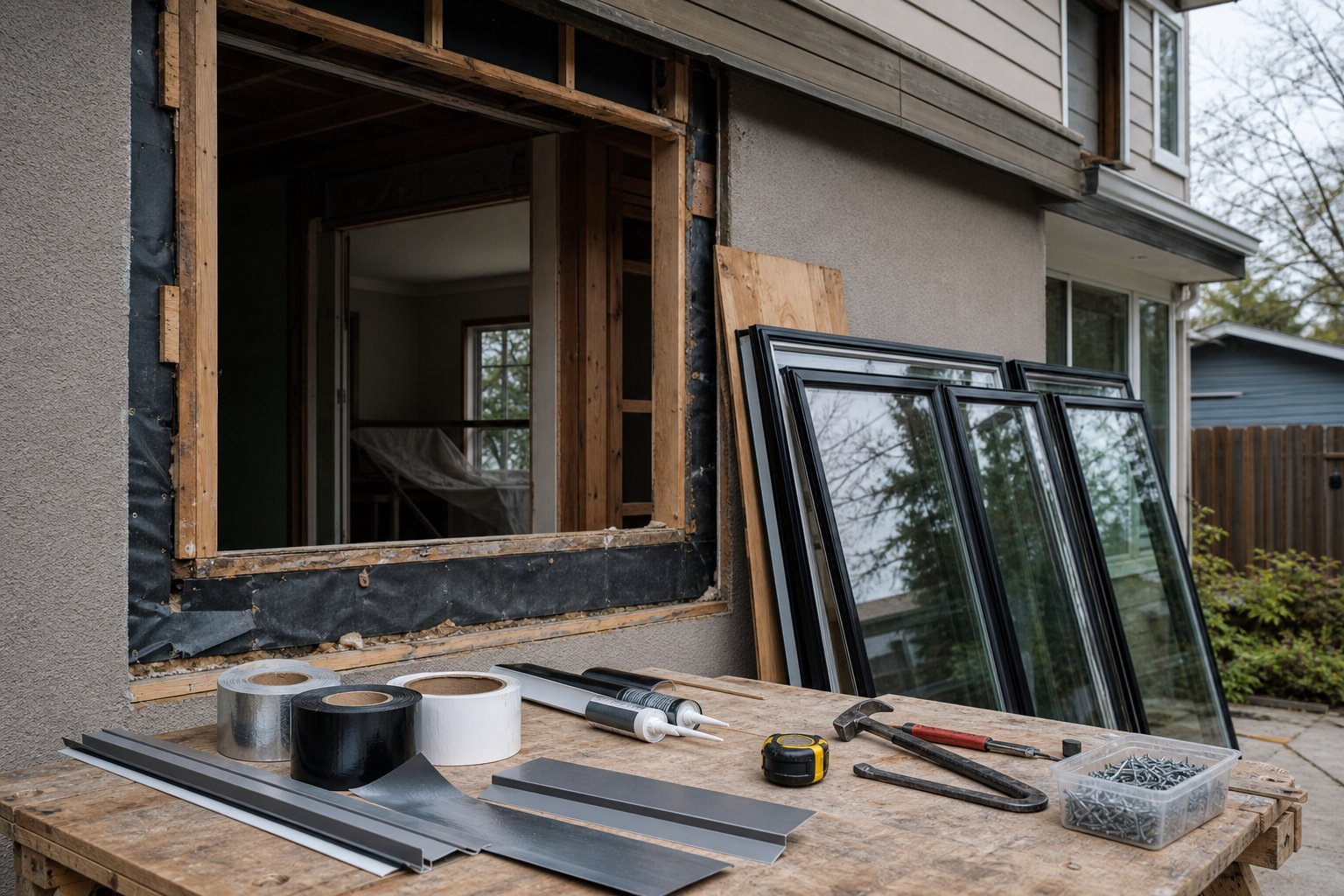
Most aluminium window replacement quotes present a clean, tidy number: supply, install, done. What they rarely itemise are the secondary expenses that surface once old metal windows come out of the wall and the true condition of the surrounding structure is exposed. These costs aren’t hypothetical. They hit the majority of replacement projects to some degree, and they’re the primary reason final invoices exceed initial estimates by 15% to 25%.
Here are the most common hidden costs, ranked by how frequently they catch project owners off guard:
- Concealed structural damage and remediation — Rot, corrosion, termite damage, or non-compliant framing hidden behind old frames is the single biggest budget surprise. You simply cannot see what’s behind the window until it’s removed. Remediation costs range from $200 for minor timber repairs to $1,500 or more per opening if structural framing needs replacement or sistering to meet current code.
- Interior and exterior trim repair — Removing old frames almost always damages surrounding architraves, reveals, and external cladding. Replacing aluminum frame windows in brick veneer homes tends to be cleaner, but weatherboard, rendered, and fibro homes frequently lose trim sections during extraction. Budget $100 to $350 per window for trim reinstatement, including materials and painting.
- Flashing and waterproofing — Proper head flashing, sill drainage, and perimeter sealing are critical to preventing future water ingress. Some quotes include basic sealant but not full flashing replacement. If existing flashing is corroded or incorrectly installed, upgrading it adds $80 to $200 per opening.
- Painting and finishing around new frames — New windows rarely sit flush with existing paint lines. Touch-ups to interior walls, external render, or cladding paint are almost always needed. For a whole-home metal window replacement project, finishing work can add $500 to $2,000 depending on how many surfaces need attention.
- Old window disposal fees — Removing and disposing of old aluminium and glass isn’t free. Skip bin allocation or tip fees typically run $30 to $80 per window. Homes with pre-1980s windows containing lead-based paint may require specialist disposal at higher cost, as contaminated materials can’t go into standard waste streams.
- Temporary weatherproofing — Multi-day installations leave openings exposed overnight or between stages. Temporary boarding, plastic sheeting, and securing measures cost $50 to $150 per opening and are rarely mentioned in quotes until the installer explains why they can’t finish all windows in a single day.
Removal and Disposal Costs
Disposal seems minor on a per-window basis, but it scales quickly. A ten-window project generates a substantial volume of old frames, broken glass, sealant residue, and damaged trim. Most installers either include a flat disposal fee or charge per skip bin. Confirm which approach your quote uses, because “removal included” sometimes means the old windows are stacked in your yard for you to deal with, not carted away.
Trim Repair and Finishing Expenses
The extent of trim damage depends heavily on your home’s construction type. Brick veneer with aluminium reveals typically fares well. Weatherboard homes with timber architraves and painted reveals almost always need some level of reinstatement. If your existing trim is a discontinued profile, matching it means either custom milling or replacing entire runs for visual consistency, both of which push costs beyond a simple patch job.
Waterproofing and Flashing Requirements
Flashing failures are invisible until they cause damage. When replacing old metal windows, particularly in homes where the original installation predates modern waterproofing standards, upgrading to compliant flashing details is not optional. It’s the difference between a window that performs for 30 years and one that lets moisture into your wall cavity within five. Insist that your quote explicitly addresses head flashing, sill pan drainage, and jamb sealing rather than assuming these are covered under “installation.”
Budget a contingency of 15% to 20% above your quoted window replacement cost. This buffer accounts for the variables that only become visible once old frames are removed and the true condition of your walls is revealed.
These hidden costs are frustrating, but they’re also finite and predictable once you know to expect them. The upside is that addressing them properly during replacement, rather than papering over problems, sets your new windows up to deliver returns for decades. Those returns, from energy savings to property value, are where the real financial story of aluminium window replacement plays out.
Long-Term Value and Return on Investment
Hidden costs sting in the short term. But aluminium window replacement is a long-game investment, and the returns accumulate quietly over years through lower energy bills, reduced maintenance, improved comfort, and stronger resale positioning. When you measure the aluminium windows cost against what those windows give back across their 30-to-45-year lifespan, the financial picture looks considerably different from the initial quote.
Energy Savings and Payback Period
Replacing old single-glazed or non-thermally-broken aluminium with modern double-glazed, thermally broken units delivers immediate reductions in heating and cooling loads. Windows and doors account for roughly 25% to 30% of a home’s total energy loss, so upgrading them moves the needle on utility bills in a measurable way.
For a typical Australian home replacing 10 to 15 windows, annual energy savings generally fall between $300 and $600 depending on climate zone, existing window condition, and the performance tier of the replacement aluminium windows. Homes in cooler southern regions (NCC climate zones 6 to 8) tend toward the higher end due to greater heating demand, while homes in warmer zones benefit primarily through reduced cooling loads in summer.
The payback period on the energy-efficiency premium, meaning the extra cost of thermally broken frames and Low-E glazing over basic alternatives, typically sits between 5 and 9 years. After that threshold, every dollar saved is pure return. Over a 25-year period, cumulative energy savings of $7,500 to $15,000 are realistic for a whole-home upgrade. State-based energy efficiency schemes such as the Victorian Energy Upgrades program or the NSW Energy Savings Scheme may offer additional rebates that shorten this payback further, depending on your jurisdiction and the specifications you install.
Impact on Property Value at Resale
New windows don’t transform your property’s value overnight, but they do remove buyer objections and signal a well-maintained home. Industry data from Remodeling Magazine’s Cost vs. Value Report indicates window replacement typically recovers around 67% to 69% of project cost at resale. Based on US market data, Australian figures may differ due to higher local labour costs and different market dynamics, but the principle holds: you recover a meaningful portion of the spend while also eliminating negotiation points that buyers and inspectors would otherwise flag.
What replacement aluminium windows accomplish at resale goes beyond a dollar figure:
- Failed seals, foggy glass, and rattling frames are inspection red flags that give buyers leverage to negotiate your price down. New windows remove that leverage entirely.
- Modern double-glazed aluminium reads as “well-maintained” to buyers, even if they don’t consciously register the windows as a feature.
- In energy-conscious markets, particularly in states with high summer cooling costs, efficient windows carry tangible appeal that can accelerate a sale.
- Over 80% of home buyers rank energy efficiency as important when evaluating properties, making WERS-rated windows a genuine differentiator.
The honest framing: window replacement is a moderate-return project at resale. It makes strong financial sense when your windows genuinely need replacing. It’s a weaker proposition if you’re upgrading functional windows purely to chase an appraisal bump.
Warranty Tiers and What They Cover
Warranty coverage directly affects your long-term cost of aluminum windows ownership. A failed seal or hardware issue outside warranty means an out-of-pocket repair. Within warranty, it’s the manufacturer’s problem. The gap between budget and premium warranty coverage is substantial, and it’s worth understanding before you commit to a quote based solely on upfront aluminium window cost.
Australian aluminium window manufacturers typically structure warranties across three broad tiers. Coverage varies by brand, but the following table reflects common industry patterns:
| Warranty Component | Budget Tier | Mid-Range Tier | Premium Tier |
|---|---|---|---|
| Frame (structural defects) | 7 – 10 years | 10 – 15 years | 20 – 25 years (some offer lifetime) |
| Sealed glass unit (seal failure) | 5 – 7 years | 10 years | 15 – 20 years |
| Hardware (handles, locks, hinges) | 2 – 5 years | 5 – 7 years | 10 – 15 years |
| Powder-coat finish | 5 – 7 years | 10 years | 15 – 20 years |
| Weatherseals and gaskets | 2 years | 5 years | 7 – 10 years |
| Transferable to new owner | Rarely | Sometimes (reduced term) | Often (with conditions) |
A few things worth noting about warranty structures. Some manufacturers tie warranty duration to product series, meaning the same brand can offer vastly different coverage depending on which profile system you select. Labour coverage is limited in most cases, often capped at one to two years even on premium products. And transferability matters if you plan to sell: a warranty that dies with the original owner adds no value to a buyer, while one that transfers for 10 years becomes a genuine selling point.
Budget-tier windows with short warranties aren’t necessarily poor quality, but they shift more long-term risk onto you. If a sealed unit fails in year eight on a seven-year warranty, you’re paying $150 to $400 for a replacement glass unit out of pocket. Multiply that across several windows and the initial saving on cheaper units evaporates quickly.
Premium-tier products with 20-year-plus frame warranties and 15-year glass coverage effectively guarantee your cost of aluminium windows remains limited to the original purchase for the bulk of their service life. That certainty has real financial value, particularly for homeowners planning to stay in their property long-term.
Energy savings, resale positioning, and warranty protection collectively define whether your replacement project delivers genuine value or simply moves money from your bank account into your walls. The final variable in that equation is how well you manage the quoting and procurement process itself, where the right approach can save thousands before a single window is fabricated.
How to Get Accurate Quotes and Plan Your Aluminium Window Replacement
A well-managed quoting process does more than confirm a number. It exposes scope gaps, forces clarity on specifications, and gives you the leverage to compare suppliers on equal terms. The difference between a quote that holds and one that blows out by 20% often comes down to how precisely you defined the job before anyone picked up a calculator.
How to Request and Compare Quotes
The most common mistake homeowners and builders make is requesting quotes without providing consistent specifications. When each supplier prices against a different assumed spec, you end up comparing apples to oranges and the cheapest number wins for the wrong reasons.
Before reaching out, prepare a brief that includes: the number of openings, measured dimensions (or a note requesting site measure), preferred window types and operability, glazing requirements (double-glazed minimum, Low-E if desired), colour, and whether you need supply-only or supply and install. The more detail you provide upfront, the tighter and more comparable your returned quotes will be.
When reviewing responses, check that each quote specifies the profile system, glazing configuration, hardware standard, and thermal performance values. A quote that simply says “aluminium double-glazed window” without stating the Uw value, frame depth, or seal type isn’t giving you enough information to compare fairly. Red flags include missing thermal ratings, vague installation scope descriptions, and no mention of disposal or finishing work. Green flags are itemised breakdowns, clear warranty terms, and explicit statements about what’s included versus excluded.
Aim for at least three quotes on identical specifications. If one aluminium windows price sits dramatically below the others, interrogate what’s been left out rather than celebrating the saving.
What to Look for in a Window Supplier
Price matters, but reliability and capability matter more when you’re committing to a project that affects your home’s weatherproofing and energy performance for decades. A supplier who delivers the wrong sizes, misses deadlines, or can’t coordinate with your installer creates costs that never appeared on the original quote.
For aluminium window installation projects, particularly larger-scale replacements or builds, look for suppliers who manage the full supply chain internally. Integrated manufacturers who handle system recommendation, engineering coordination, material calculation, manufacturing, quality control, and logistics under one roof reduce the handoff points where errors and delays typically occur. Fewer handoffs mean fewer cost surprises.
MEICHEN’s end-to-end project support model illustrates this approach: from initial drawings through to delivery, they manage system selection, engineering coordination, fabrication, and logistics as a single workflow. For builders, developers, and contractors sourcing aluminium replacement windows at scale, this type of integrated supply chain eliminates the coordination gaps that inflate project costs and blow out timelines.
Beyond supply chain structure, verify that your chosen supplier holds relevant certifications, manufactures to AS 2047 compliance, and offers warranty terms that match the tier you’re paying for. Ask about lead times for custom sizes, their process for handling variations mid-project, and whether they provide technical support during installation.
Typical Project Timeline From Quote to Completion
Aluminium window replacement doesn’t happen overnight. From first enquiry to final sign-off, a typical residential project follows a predictable sequence. Understanding this timeline helps you plan around disruption and avoid rushing decisions that cost money later.
- Initial assessment and measurement — Evaluate which windows need replacing, take preliminary measurements, and define your specification requirements. Allow one to two weeks.
- Request and compare quotes — Send your brief to shortlisted suppliers, receive responses, and evaluate them on a like-for-like basis. Allow two to four weeks, including any follow-up clarifications.
- Confirm supplier and finalise specifications — Lock in your chosen supplier, confirm exact dimensions (usually via a professional site measure), and sign off on final specs including colour, glazing, and hardware. Allow one to two weeks.
- Manufacturing and fabrication — Custom aluminium replacement windows typically require four to eight weeks for fabrication, depending on complexity, colour, and the supplier’s current queue. Standard sizes may be faster; non-standard or large orders sit at the longer end.
- Delivery and pre-installation preparation — Windows arrive on site. Clear access around openings, protect flooring and furniture, and confirm the installation schedule with your contractor. Allow one week.
- Installation — The physical swap typically takes one to three days for a standard home of 8 to 15 windows. Complex projects with upper-storey access, structural modifications, or heritage requirements may extend to five days or more.
- Finishing, inspection, and handover — Trim reinstatement, painting touch-ups, seal curing checks, and a final walkthrough to confirm operation and identify any defects. Allow three to five days.
Total elapsed time from first enquiry to completed project: roughly 10 to 18 weeks for a typical residential replacement. Building buffer time into your schedule accounts for manufacturing delays, weather interruptions, or unforeseen site conditions discovered during removal.
Planning your replacement windows aluminium project with this level of structure transforms it from a reactive expense into a controlled investment. You know what you’re paying, why you’re paying it, and when each stage will land. Combined with the cost knowledge from earlier sections, you’re equipped to navigate quotes critically, avoid hidden fees, and secure aluminium window installation that delivers value for decades rather than regret within months.
Frequently Asked Questions About Aluminium Window Replacement Cost
1. How much does it cost to replace aluminium windows in Australia?
The total installed cost for aluminium window replacement in Australia typically ranges from $1,000 to $2,450 per standard opening. This includes supply of the frame and glazing ($450 to $1,100), installation labour ($250 to $550), old window removal ($80 to $200), flashing and sealants ($50 to $100), disposal ($30 to $80), and trim finishing ($100 to $300). Whole-home projects involving 10 to 15 windows generally land between $10,000 and $25,000 depending on specifications, site access, and whether full-frame or retrofit installation is used. Coastal, cyclone-rated, or heritage-listed properties should budget 15% to 30% above these ranges due to upgraded material and compliance requirements.
2. Is it worth replacing old aluminium windows with new aluminium?
Replacing old aluminium windows with modern thermally broken, double-glazed aluminium units is worthwhile when existing windows show multiple failure signs such as seal breakdown, frame corrosion, persistent drafts, or single-pane glazing. Modern aluminium systems reduce heat transfer through the frame by up to 60% compared to older non-thermally-broken profiles, delivering annual energy savings of $300 to $600 for a typical home. The payback period on the energy-efficiency premium sits between 5 and 9 years, after which savings accumulate as pure return. Aluminium also offers 30 to 45 years of service life with minimal maintenance, making it a strong long-term investment in Australian conditions including coastal, high-UV, and cyclone-prone environments.
3. What hidden costs should I expect when replacing aluminium windows?
The most common hidden costs include concealed structural damage behind old frames ($200 to $1,500 per opening for remediation), interior and exterior trim repair ($100 to $350 per window), flashing and waterproofing upgrades ($80 to $200 per opening), painting and finishing around new frames ($500 to $2,000 for a whole home), disposal fees ($30 to $80 per window), and temporary weatherproofing during multi-day installations ($50 to $150 per opening). These expenses typically add 15% to 25% above the initial quoted figure. Working with an integrated supplier who manages the full process from engineering coordination through to delivery can reduce surprises by identifying scope issues earlier in the project.
4. Should I repair or replace my aluminium windows?
Repair makes financial sense when only one or two windows have isolated issues, the frame is structurally sound without warping or deep corrosion, the window is under 15 years old, or the repair cost stays below 50% of full replacement cost for that opening. Replacement becomes the better investment when multiple windows show simultaneous failures, frames are over 25 years old with systemic issues, single-pane glazing drives high energy costs, or total repair costs across several windows approach what a project-wide replacement would cost. For windows aged 15 to 25 years with isolated failures and existing double glazing, repair and reassessment in a few years is often the most cost-effective path.
5. How long does aluminium window replacement take from quote to completion?
A typical residential aluminium window replacement project takes 10 to 18 weeks from initial enquiry to completion. The timeline breaks down as: initial assessment and measurement (1 to 2 weeks), requesting and comparing quotes (2 to 4 weeks), confirming supplier and finalising specifications (1 to 2 weeks), manufacturing and fabrication (4 to 8 weeks for custom units), delivery and preparation (1 week), physical installation (1 to 3 days for 8 to 15 windows), and finishing work plus handover (3 to 5 days). Custom sizes, non-standard colours, and complex site conditions extend timelines. Scheduling during off-peak months (May through August) can shorten fabrication queues and improve contractor availability.
More Window & Door Guides