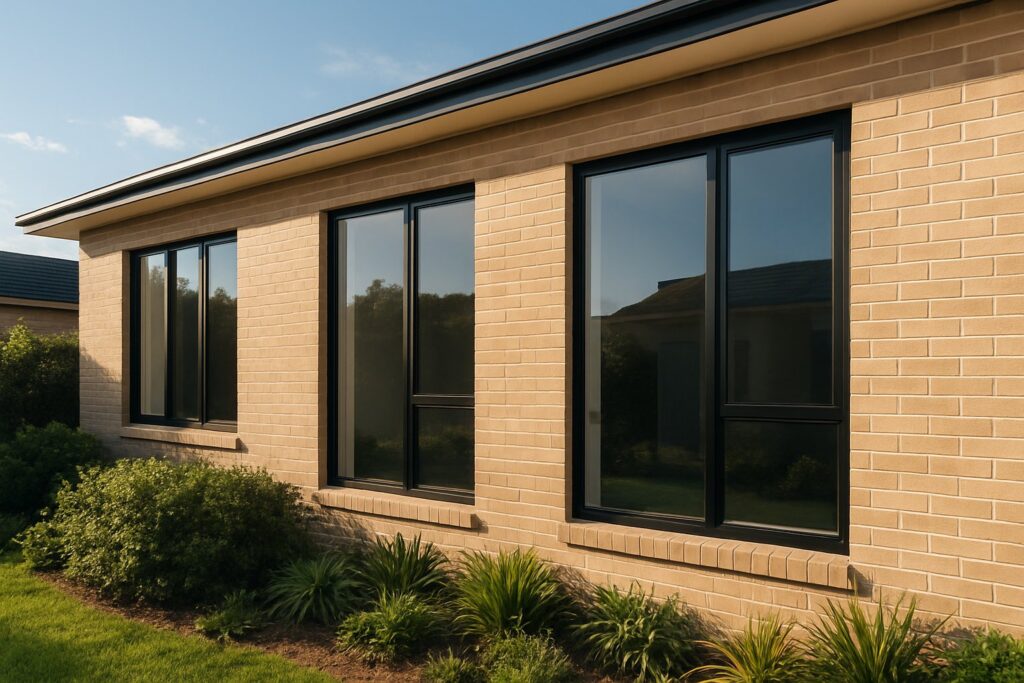
What an Aluminium Window Quote Actually Covers
An aluminium window quote is a formal document from a supplier, fabricator, or contractor that itemises the cost of manufacturing and (sometimes) installing windows in aluminium for a specific project. It details the profile system, glazing configuration, hardware, finish, and scope of work so the buyer can assess total investment before committing.
That sounds straightforward enough. In practice, two quotes for the same house can differ by thousands of dollars because each supplier bundles different items, uses different profile systems, and defines “installation” differently. Knowing how to read the anatomy of a quote is what separates a confident buyer from one chasing surprise invoices months later.
What a Standard Aluminium Window Quote Includes
Most quotes for aluminium windows cover a core set of line items, though the level of detail varies enormously. A well-structured document should break down the following:
- Frame material and profile system (alloy grade, thermal break specification, wall thickness)
- Glazing unit details (single, double, or triple glazed; Low-E coatings; argon fill)
- Hardware (handles, hinges, locks, friction stays)
- Surface finish (standard powder coat colours versus custom RAL options)
- Installation labour, if supply-and-install is offered
- Delivery, packaging, and any applicable GST
- Warranty terms for both product and workmanship
When any of these items appear as a single lump sum rather than individual lines, it becomes difficult to compare windows and frames across competing quotes or to identify where costs can be trimmed without sacrificing performance.
Why Aluminium Window Quotes Vary So Much
Price variation in alu windows comes down to four main drivers. First, supplier type matters: a manufacturer quoting direct operates on different margins than a building contractor who subcontracts fabrication. Second, project scale influences unit pricing because larger orders attract volume efficiencies. Third, specification depth plays a major role. A basic aluminium window with standard hardware and single glazing sits in a completely different bracket to a thermally broken, double-glazed unit with commercial-grade fittings. Finally, regional factors like freight distances, local labour rates, and climate-driven compliance requirements (cyclone ratings in northern Queensland versus standard wind loads in Melbourne) shift the bottom line considerably.
The chapters ahead unpack each of these variables so you can read any quote with clarity, spot what is missing, and understand exactly where your money goes.
When Aluminium Windows Justify the Investment
A higher quote does not automatically mean a worse deal. Aluminium carries a price premium over uPVC and timber, yet for certain property types and project conditions, that premium buys performance no other material can match. The real question is not whether aluminium costs more upfront but whether your project is one where the material earns back its premium over the building’s lifetime.
Property Types That Benefit Most from Aluminium
Some buildings practically demand a metal window solution. The structural strength of aluminium allows for slimline aluminium windows with narrow sightlines, meaning more glass area and less frame obstruction. That characteristic alone makes it the go-to choice for several property categories:
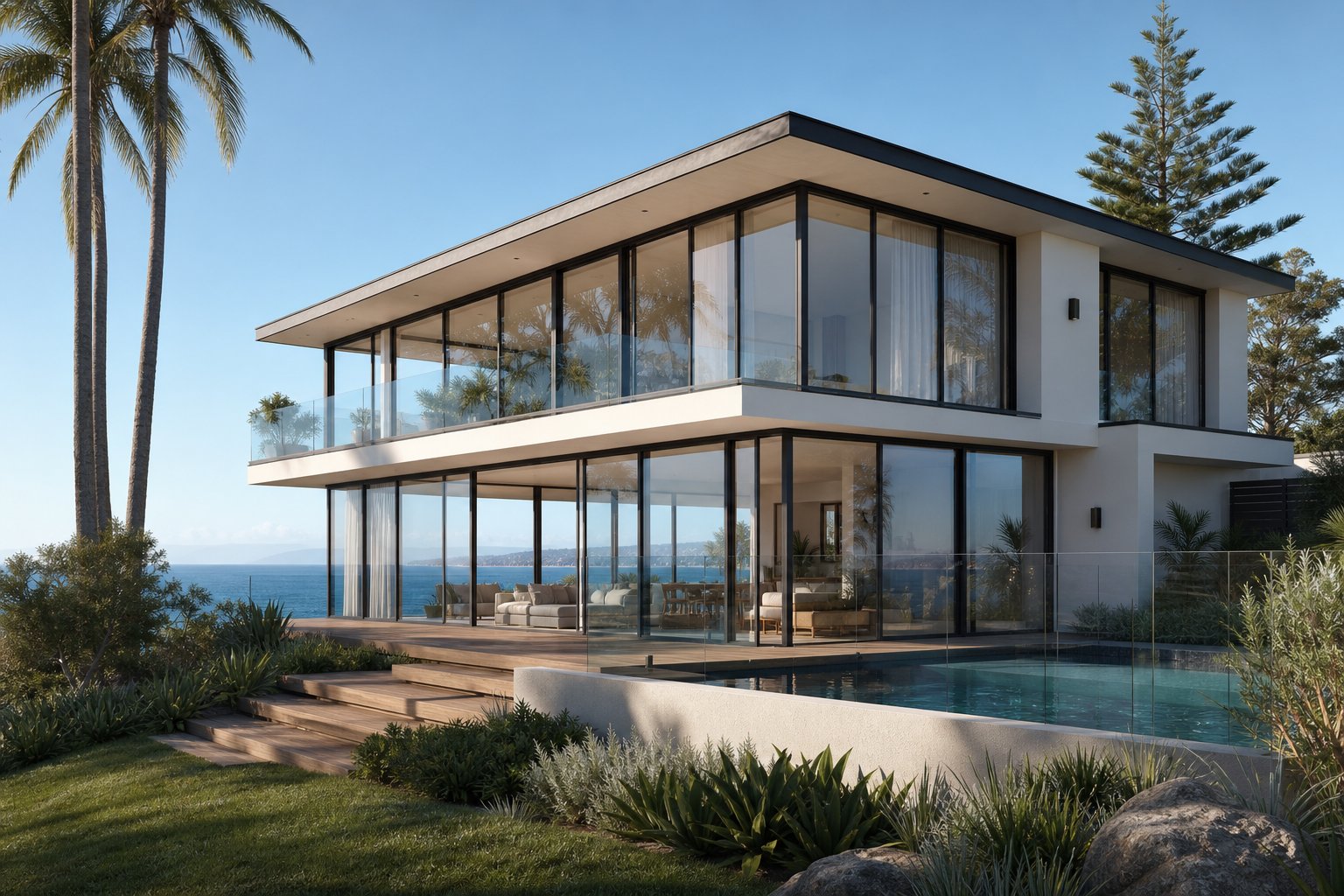
- Contemporary new builds — double-storey and triple-storey homes with expansive glazing, floor-to-ceiling panels, and open-plan living rely on slim aluminium profiles to achieve the seamless indoor-outdoor aesthetic that defines modern Australian architecture.
- Commercial facades — commercial aluminum windows handle the structural loads of large curtain-wall systems and shopfronts where uPVC simply cannot span the required openings without excessive frame bulk.
- High-rise residential — wind loads increase with height. Aluminium’s dimensional stability and strength-to-weight ratio make it the standard for apartments above three storeys, where metal framed windows meet both engineering and aesthetic demands.
- Heritage restorations — older buildings with original steel-framed windows often need replacements that replicate those slim profiles. Aluminium achieves this where uPVC’s thicker sections cannot.
- Coastal properties — homes within salt-spray zones along the NSW coast, Queensland shoreline, or Western Australian seaboard need corrosion-resistant frames. Anodised or marine-grade powder-coated aluminium resists salt air far better than timber and outlasts uPVC in UV-intense environments.
If your project falls into one of these categories, the aluminium window quote you receive reflects not just material cost but engineering capability that alternatives struggle to deliver. Black aluminum windows on a contemporary coastal home, for instance, combine corrosion resistance with the bold aesthetic that drives much of today’s residential design.
Aluminium vs Alternatives and When the Premium Pays Off
Comparing quotes across materials without accounting for lifespan is one of the most common mistakes buyers make. uPVC frames typically last 25 to 30 years before seals degrade and profiles discolour, while aluminium windows can perform for 40 to 50 years with minimal maintenance. Timber sits somewhere in between but demands regular painting, sealing, and inspection for rot — costs that accumulate quietly over decades.
When you compare a uPVC quote against an aluminium quote for the same opening, the upfront difference can look significant. Industry comparisons consistently show aluminium sitting 15 to 25 per cent higher than equivalent uPVC specifications. But factor in one full replacement cycle for uPVC within the aluminium frame’s service life, plus the ongoing maintenance burden of timber, and the lifecycle arithmetic shifts considerably.
The quote you accept today is not the total cost of ownership. A lower upfront price that requires replacement in 25 years, or ongoing maintenance every few years, often costs more over the life of the building than a higher aluminium quote that delivers decades of trouble-free performance.
Design flexibility adds another layer of value. Contemporary aluminium windows accept powder coating in virtually any RAL colour, support aluminum clad windows with timber interior linings for warmth, and enable opening configurations — sliding, bi-fold, louvre, tilt-and-turn — that uPVC profiles cannot structurally accommodate at larger spans. For metal windows residential projects where architectural intent drives the brief, aluminium is frequently the only material that delivers the designer’s vision without compromise.
None of this means aluminium is the right choice for every project. A straightforward window replacement in a single-storey brick-veneer home with standard openings may not need the structural advantages aluminium offers, and a uPVC quote could represent genuine value. The point is to match material to context rather than defaulting to the lowest number on the page. Understanding that distinction is what turns a raw quote into an informed investment decision — and it sets the stage for knowing exactly which specification choices within an aluminium quote drive the price up or down.
Key Factors That Shape Your Aluminium Window Quote
Every line item on a quote exists because a specification decision was made — or defaulted. Some of those decisions shift the price by 10 per cent. Others double it. Knowing which variables carry the most weight helps you read a quote critically, ask sharper questions, and allocate budget where it genuinely improves performance rather than where it simply inflates cost.
Three broad categories drive pricing: the window’s own specifications, the finish and hardware selections, and the site conditions surrounding installation. Each category contains variables that can push a quote from entry-level territory into high-end pricing — sometimes without the buyer realising a choice was made on their behalf.
Window Specifications That Move the Price
Opening style is the first fork in the road. A fixed-lite panel uses the least hardware and simplest fabrication, making it the most affordable configuration per square metre. Aluminium casement windows add friction stays, multi-point locks, and weather seals that increase both material and assembly cost. Sliding aluminium windows require roller track systems and interlock gaskets — less hardware complexity than casements but more linear metres of extrusion for the overlapping sashes. An aluminum awning window sits in a similar bracket to casements, with chain winders or restrictor stays adding modest cost. Tilt-and-turn units carry the highest hardware burden due to dual-action gearing that must operate independently in two modes, while louvre systems involve multiple blades, clips, and operating mechanisms that compound quickly.
Frame size amplifies everything. A standard 1200 x 1200 mm opening uses a baseline quantity of aluminium window profiles and glass. Scale that to 2400 x 1800 mm and you are not simply doubling material — you are stepping into thicker glass requirements (6 mm versus 4 mm), heavier-duty hardware rated for the increased sash weight, and potentially thicker profile walls to handle wind load at the larger span.
Glazing specification is the second-largest cost component after the frame itself, typically representing 30 to 40 per cent of the finished unit’s price. Single glazing suits only internal partitions or specific tropical applications. Aluminium double glazed windows with a standard air-filled cavity are the baseline for most residential projects in Australia. Add a Low-E coating and the unit cost rises by roughly 15 to 25 per cent, but the thermal performance improvement is substantial. Step up to argon gas fill and the increment is smaller — around 5 to 8 per cent — yet it meaningfully reduces the U-value. Triple glazing pushes cost 50 per cent or more above standard double glazing and is typically reserved for passive-house-level performance targets or extreme acoustic requirements.
Thermal break quality ties directly to energy performance tiers. Aluminium profiles without a thermal break conduct heat freely between inside and outside, delivering Uw values around 5.0 to 6.0 W/m²K. A standard polyamide thermal break drops that to approximately 2.5 to 3.0 W/m²K with double glazing. High-performance thermal break systems paired with Low-E triple glazing can achieve Uw values below 1.5 W/m²K. Many suppliers categorise their product ranges into performance tiers based on these Uw thresholds — entry, standard, and high-performance — and the pricing steps between tiers reflect the compounding cost of better profiles, better glass, and better seals working together.
Finish and Hardware Variables
Surface finish affects both aesthetics and longevity. Standard powder coat colours — typically black, white, and a handful of popular shades — carry no premium because fabricators batch them efficiently. Custom RAL colour matches or textured finishes add 10 to 15 per cent to the frame cost due to smaller coating runs and additional setup. Marine-grade powder coating, applied at 60 to 80 microns rather than the standard 40 to 60, adds a further premium but extends service life significantly in coastal salt-spray zones — a worthwhile investment for properties along the Australian coastline.
Hardware grade is where quotes diverge quietly. Standard residential handles and locks serve most single-storey homes well. Commercial-grade hardware — stainless steel friction stays rated to 25,000-plus cycles, multi-point espagnolette locks, and heavy-duty hinges — costs 40 to 60 per cent more than standard fittings but delivers measurably longer service life and better air-tightness. Security upgrades such as key-locking handles, restricted openings for child safety, and laminated glass add discrete line items that accumulate. For aluminum double hung windows or an aluminum single hung window, the balance mechanism (spiral or block-and-tackle) also influences hardware cost depending on sash weight.
Site and Project Variables
The window itself is only part of the equation. Where it goes — and what exists there already — shapes the labour and logistics portion of your quote. Upper-floor installations on a double-storey or triple-storey home typically require scaffolding, which can add a fixed cost per elevation regardless of how many windows sit on that wall. Ground-floor replacements with clear access carry the lowest installation cost per unit.
New-build projects benefit from open stud frames and straightforward installation into prepared openings. Replacement projects introduce variables: removing existing frames, discovering unexpected structural conditions (undersized lintels, corroded cavity ties, water damage to reveals), and making good both internally and externally after the new frames are fitted. These unknowns are why replacement quotes often carry contingency allowances or explicitly exclude structural remediation.
The table below illustrates how each factor category shifts a quote from entry-level to high-end, using relative cost indicators rather than fixed dollar figures. Your actual quote will reflect the combination of choices across all categories simultaneously.
| Factor Category | Entry-Level Specification | Mid-Range Specification | High-End Specification | Relative Cost Impact |
|---|---|---|---|---|
| Opening Style | Fixed lite | Casement or sliding | Tilt-and-turn or louvre | 1.0x → 1.3x → 1.8x |
| Frame Size | 600 x 900 mm | 1200 x 1200 mm | 2400 x 1800 mm+ | 1.0x → 1.8x → 3.5x+ |
| Glazing | Single (4 mm clear) | Double, Low-E, air fill | Triple, Low-E, argon fill | 1.0x → 1.7x → 2.5x |
| Thermal Break | None (non-broken profile) | Standard polyamide break | High-performance multi-chamber break | 1.0x → 1.25x → 1.5x |
| Finish | Standard colour, 40-micron powder coat | Custom RAL colour | Marine-grade 80-micron coat or anodised | 1.0x → 1.12x → 1.35x |
| Hardware | Standard residential handles and locks | Mid-grade with key-locking | Commercial-grade, multi-point, stainless steel | 1.0x → 1.2x → 1.6x |
| Access / Installation | Ground floor, new build, clear access | Upper floor, scaffolding required | Replacement, structural modifications needed | 1.0x → 1.4x → 2.0x+ |
Notice how the compounding effect works. Choosing mid-range across every category does not simply add each increment — it multiplies them. A quote that specifies aluminium casement windows with double glazing, a thermal break, custom colour, and upper-floor scaffolding sits in a fundamentally different bracket than a ground-floor fixed lite with single glazing and a standard finish, even though both are technically “aluminium window quotes.”
This is precisely why two quotes for the same house can look wildly different. One supplier may have specified aluminum sliding windows with standard hardware while another quoted tilt-and-turn units with commercial-grade fittings and marine-grade coating. Without understanding the specification behind each number, comparing them is meaningless. The next step is knowing what information to gather before you even pick up the phone — because arriving prepared is what gets you accurate, comparable quotes in the first place.
Information You Need Before Requesting an Aluminium Window Quote
The quality of the quote you receive depends almost entirely on the quality of the information you provide. Vague enquiries produce vague numbers — broad estimates padded with assumptions that inevitably shift once the real scope becomes clear. Suppliers working from incomplete details have no choice but to quote conservatively or leave items out entirely, which creates confusion when you try to compare responses side by side.
Spending an hour gathering the right details before you contact anyone saves days of back-and-forth revision later. It also signals to suppliers that you are a serious buyer, which tends to produce more detailed and competitive responses.
Measurements and Technical Details to Gather
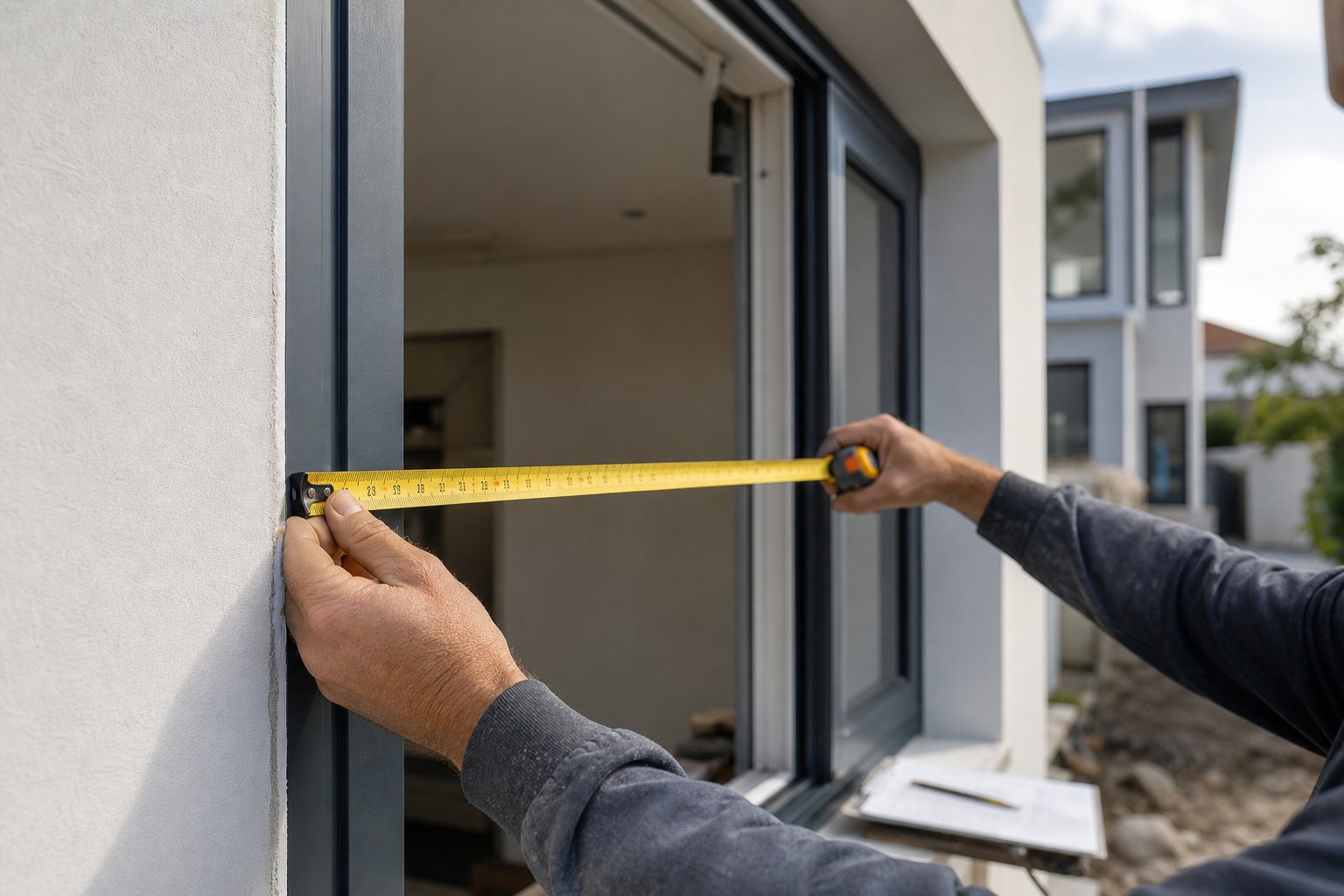
There are two levels of measurement, and understanding the difference prevents costly misunderstandings. Rough measurements — taken with a standard tape measure from the inside face of the reveal on one side to the other — give suppliers enough to produce a budgetary estimate. These are useful for early-stage planning when you need a ballpark figure to assess feasibility.
Precise measurements for a final quote require more care. Suppliers need the structural opening dimensions (the masonry or stud opening before any frame is fitted), not the finished aluminium window frame size. For each opening, measure width at three points — top, centre, and bottom — and height at three points — left, centre, and right. Record the smallest figure in each direction, as this represents the actual available space. Discrepancies of more than 5 mm between measurements suggest the opening is out of square, which affects fabrication and installation scope.
For aluminium window replacement projects, the condition of existing frames is critical information. Old aluminium windows or timber frames that have deteriorated may require complete removal and structural remediation before new units can be fitted. Noting whether the current window frame metal is corroded, whether reveals are damaged, or whether lintels appear undersized helps suppliers estimate labour accurately rather than discovering problems on installation day. Photos of each opening — inside and out — showing the surrounding wall structure, any visible damage, and the relationship between the window and adjacent finishes give fabricators context that measurements alone cannot convey.
Design Decisions to Make Before You Call
Beyond dimensions, suppliers need to know what you actually want the windows to do. Arriving with clear preferences on opening style, glazing performance, colour, and hardware dramatically reduces quote turnaround time and improves accuracy. Without these decisions, the supplier must either assume a specification (which may not match your expectations) or come back with a list of questions that delays the process.
Consider glazing requirements in terms of your specific conditions. A west-facing living room in Brisbane has very different solar heat gain challenges than a south-facing bedroom in Melbourne. Acoustic performance matters if you are near a main road or flight path. Safety glazing is mandatory in certain locations under AS 1288. Each of these factors changes the glass build-up and therefore the price.
Colour choice also affects lead time and cost. Standard powder coat options ship faster and cost less than custom RAL matches. If you have a specific colour in mind — particularly for an extruded aluminium window frame profile in a non-standard shade — confirm availability early so it does not become a bottleneck.
Planning permission and building regulation constraints should be identified before requesting quotes, not after. Council overlays, heritage restrictions, bushfire attack level (BAL) ratings, and NCC energy efficiency requirements all influence what can be specified. A quote for a window that does not meet compliance is worthless regardless of how competitive the price looks.
Your Pre-Quote Preparation Checklist
Follow these steps before contacting suppliers to ensure your enquiry produces accurate, comparable responses:
- Measure each opening at three points for width and three for height, recording the smallest dimension in each direction.
- Note whether measurements are rough (for budgeting) or precise (for final quoting), and communicate this clearly to the supplier.
- Photograph every opening from inside and outside, capturing surrounding wall finishes, existing frame condition, and any visible structural issues.
- For replacement projects, identify the existing frame material and note its condition — corrosion on old aluminium window frames, rot in timber, or seal failure in uPVC.
- Decide on preferred opening styles for each window (casement, awning, sliding, fixed, or a combination).
- Determine glazing priorities: thermal performance, acoustic rating, safety compliance, or a balance of all three.
- Select a colour preference or shortlist, noting whether standard or custom finishes are acceptable.
- Identify hardware requirements including security level, child-safety restrictions, and any accessibility needs.
- Check council and NCC requirements — heritage overlays, BAL ratings, minimum energy ratings (WERS stars or NatHERS compliance), and any development application conditions that affect window specification.
- Confirm the quote type you need: budgetary for planning purposes, or detailed for procurement and contract purposes.
Providing this information in a single organised package — rather than drip-feeding details across multiple emails — allows suppliers to assess scope quickly, recommend appropriate systems, and return a quote that reflects the real project rather than a set of assumptions. The difference between a useful quote and a misleading one often comes down to what the buyer provided at the enquiry stage, not what the supplier chose to include.
Understanding Quote Types
Not all aluminium window quotes describe the same scope of work. The price at the bottom of the page means very little until you understand what category of quote you are looking at — because a $15,000 supply-only quote and a $15,000 full-project quote represent vastly different levels of service, risk, and out-of-pocket cost once the project is complete.
Three distinct quote structures exist in the Australian market, and each suits a different type of buyer. Confusing them is one of the fastest ways to blow a budget.
Supply-Only Quotes and Who They Suit
A supply-only quote covers the manufactured aluminium windows and doors — nothing else. The supplier fabricates the units to your specifications, packages them, and delivers them to site (or makes them available for collection). You receive product, not a service.
This model suits builders, contractors, and developers who have their own installation crews and established site logistics. It gives them access to a wider pool of aluminium window suppliers across the country rather than being limited to whoever operates locally. The trade-off is clear: measurement accuracy, installation quality, waterproofing, making good, and waste disposal all sit with the buyer. If a window arrives and the opening is 10 mm too narrow, that is the buyer’s problem to solve.
Quoting conventions for supply-only vary between markets. Some suppliers quote per window, others per square metre of glazed area. GST inclusion differs too — always confirm whether the figure is GST-inclusive or exclusive before comparing across aluminium window suppliers.
Supply-and-Install vs Full-Project Quotes
Supply-and-install adds professional installation labour to the manufactured product. The supplier takes responsibility for fitting the windows correctly, sealing them, and ensuring they operate as intended. This is the most common quote type for homeowners undertaking renovations or replacements.
However, supply-and-install does not mean everything is covered. Common exclusions include:
- Scaffolding for upper-floor access
- Structural modifications (lintel upgrades, opening enlargements)
- Internal plastering and making good around new frames
- External rendering or cladding repairs
- Waste removal and disposal of old frames
- Painting or decoration after installation
A full-project quote wraps every element into a single price — materials, installation, scaffolding, structural work, making good, waste removal, and sometimes even council compliance documentation. It costs more upfront but eliminates the risk of unbudgeted extras appearing mid-project. This model suits homeowners who want a single point of accountability and do not want to coordinate multiple trades.
Between these two extremes, some suppliers offer what might be called a project-support model. They handle material calculation, manufacturing coordination, quality control, logistics, and delivery planning while the buyer manages on-site installation with their own team. This bridges the gap for builders and procurement teams who need more than a pallet of windows but less than a full turnkey service. MEICHEN’s services model is one example of this approach — supporting the process from drawings and schedules through to coordinated delivery without taking on the installation itself.
Comparing the Three Quote Types
The table below breaks down what each quote type includes, who it best serves, and what additional costs the buyer should budget for separately.
| Criteria | Supply-Only | Supply-and-Install | Full-Project |
|---|---|---|---|
| What is included | Manufactured aluminium doors and windows only; delivery to site | Manufactured units plus professional installation and sealing | Materials, installation, scaffolding, structural work, making good, waste removal, compliance |
| Who it suits | Builders, contractors, developers with installation teams | Homeowners, renovators wanting professional fitting | Homeowners wanting single-point accountability; complex projects |
| Measurement responsibility | Buyer or buyer’s builder | Supplier (site measure included) | Supplier (site measure included) |
| Installation risk | Sits entirely with buyer or their installer | Shared — supplier covers fitting; buyer covers surrounding structure | Supplier carries full project risk |
| Warranty coverage | Product only; installation warranty separate via buyer’s installer | Product and installation under one warranty | Product, installation, and associated works under one warranty |
| Typical additional costs for buyer | Installation labour, scaffolding, making good, waste removal, structural work, decoration | Scaffolding (often), making good, structural work, decoration, waste removal | Minimal — most contingencies included or quoted as provisional sums |
| Relative upfront cost | Lowest | Mid-range | Highest |
A common mistake when browsing aluminium windows for sale online is comparing a supply-only price from one source against a supply-and-install quote from another and concluding the first is cheaper. It is not — it simply excludes the labour, logistics, and risk that the second quote bundles in. Separating material cost from installation cost is useful for understanding value, but only when you add back every excluded item to create a true apples-to-apples total.
For builders and developers managing aluminium doors and windows across multiple units or stages, the project-support model often represents the best balance. You retain control of on-site trades and scheduling while gaining the technical backing — system recommendations, material calculations, and coordinated manufacturing — that prevents specification errors from becoming expensive site problems. The quote itself becomes more than a price list; it becomes a project tool.
Whichever structure you choose, the critical habit is the same: identify every item that falls outside the quoted scope and price it separately before you accept. That discipline is what turns a quote comparison from a guessing game into a genuine evaluation of value — which is exactly what the next section addresses.
How to Compare Multiple Aluminium Window Quotes Side by Side
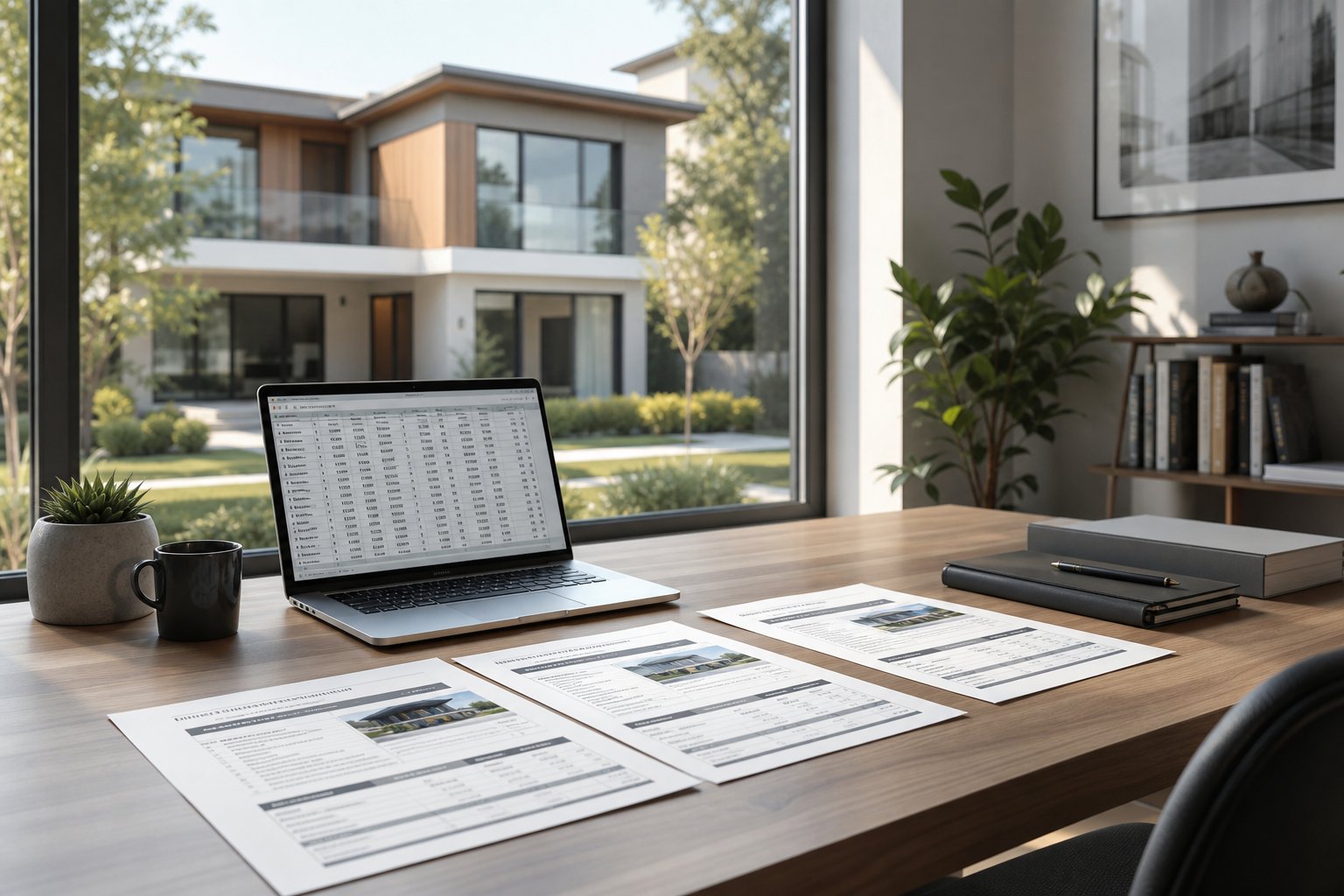
Three quotes land in your inbox. The totals differ by 30 per cent. Your instinct says pick the cheapest — but that instinct is exactly what leads to budget blowouts three months later. Prices for seemingly similar aluminium windows can vary by 20 to 30 per cent or more between suppliers, and in most cases those differences stem from variations in product specification, installation scope, and warranty conditions rather than one company simply being more expensive than another.
Comparing quotes fairly requires a method, not a gut feeling. The goal is to normalise every quote to the same scope so you can see where genuine value sits — and where a low number is hiding costs you will pay later.
Normalising Quotes for Apples-to-Apples Comparison
The first step is identifying what each quote includes and, more importantly, what it leaves out. Pull up all three documents and work through them line by line. One supplier might bundle scaffolding into the total while another lists it as an exclusion. A third might omit waste removal entirely, assuming you will arrange a skip bin yourself. These differences make the bottom-line figures meaningless until you account for them.
Start by listing every item that appears in at least one quote but is missing from others. Common culprits include scaffolding hire, removal and disposal of old frames, internal plastering and making good, external rendering repairs, and building compliance documentation. For each missing item, estimate a realistic cost and add it back to create a comparable total. This adjusted figure — not the raw quote price — is what you should compare.
Specification matching is equally critical. Two quotes might both say “double-glazed aluminium casement window,” but one specifies a thermally broken profile with Low-E glass and argon fill while the other uses a non-thermally-broken frame with standard clear glass. The cost of aluminium windows varies enormously based on these details, and a lower aluminium window price often reflects a lower specification rather than better value. Confirm that profile systems, glazing build-ups, and hardware grades are equivalent before drawing any pricing conclusions.
Line Items to Scrutinise and Questions to Ask
Vague descriptions are the biggest red flag in any quote. A reliable document names the profile system, states the glazing U-value, identifies the hardware brand, and specifies the powder coat standard. If a quote simply says “aluminium windows” without these details, you cannot verify what you are actually being offered — and you certainly cannot compare it against a more detailed competitor.
For replacement windows in aluminium, pay particular attention to the installation scope. Does the quote include removal of existing frames? Does it cover making good to internal reveals and external finishes? Are structural modifications (lintel upgrades, cavity tie replacement) included or explicitly excluded? An aluminium replacement window quote that omits these items will appear cheaper on paper but deliver a larger invoice once work begins and the installer encounters the realities behind the old frames.
Warranty terms deserve the same scrutiny as pricing. A ten-year product warranty paired with a two-year installation warranty tells a very different story than a five-year blanket warranty covering both. Ask each supplier exactly what their warranty covers, what voids it, and whether it transfers if you sell the property.
Use the checklist table below to compare quotes systematically. Fill in each cell for every supplier, and any blank spaces immediately reveal where clarification is needed.
| Line Item | Supplier A | Supplier B | Supplier C |
|---|---|---|---|
| Profile system and thermal break type | |||
| Glazing specification (panes, coatings, gas fill, Uw value) | |||
| Hardware brand and grade | |||
| Powder coat finish and micron thickness | |||
| Installation scope (fit, seal, flash) | |||
| Removal and disposal of existing windows | |||
| Scaffolding (included / excluded / not required) | |||
| Internal making good (plastering, architraves) | |||
| External making good (rendering, cladding, flashing) | |||
| Waste removal and disposal fees | |||
| Product warranty (years and scope) | |||
| Installation warranty (years and scope) | |||
| Lead time (weeks from order to delivery/install) | |||
| GST inclusion (yes / no) |
One final consideration: quotes from different supplier types are not inherently unfair, but they do require context. A manufacturer quoting direct will typically show lower aluminium windows prices because there is no intermediary margin. A building contractor’s quote will be higher, but it bundles project management, coordination of trades, site supervision, and accountability for the finished result. Both can represent fair value — the difference lies in what services are wrapped around the product. A manufacturer-direct price suits a builder who already has those capabilities in-house. A contractor’s markup suits a homeowner who needs someone to manage the entire process from measurement through to final clean-up.
The discipline of normalising every quote to the same scope, verifying specifications match, and understanding what each supplier’s margin actually buys you is what separates informed procurement from price-chasing. It also reveals the quotes that look too good to be true — which, as the next section explains, usually are.
Red Flags and Hidden Costs in Aluminium Window Quotes
A quote that looks too good to be true almost always is. The gap between the number on the page and the final cost of your project often comes down to two things: warning signs you missed at the quoting stage, and exclusions that only become visible once work begins. Recognising both before you sign saves far more than any discount ever could.
Red Flags That Signal an Unreliable Quote
Certain patterns in a quote — or in the supplier’s behaviour — should trigger immediate caution. Any one of these on its own warrants a question. Two or more together suggest you are dealing with a supplier who will cost you more in the long run than their cheap aluminium windows price appears to save upfront.
- No profile system named — a credible quote identifies the extrusion system by brand and series. “Aluminium frame” with no further detail tells you nothing about thermal performance, wall thickness, or quality tier.
- No glazing U-value or specification stated — if the quote simply says “double glazed” without specifying glass thickness, coatings, gas fill, or the unit’s Uw value, you cannot verify compliance with NCC energy requirements or compare against other suppliers.
- No hardware brand identified — generic “handles and locks” could mean anything from quality Australian-distributed brands to unbranded imports with no spare-parts supply chain.
- Unusually low pricing — a figure significantly below competing quotes typically means inferior materials, thinner profiles, single pane aluminium windows where double glazing was expected, or a bait-and-switch approach where the price rises once you have committed.
- No warranty documentation — reputable fabricators provide written warranty terms covering both product and finish. A verbal assurance of “she’ll be right for years” is not a warranty.
- Vague or missing installation timeline — no stated lead time or completion date leaves you with no contractual recourse if the project drags on indefinitely.
- Pressure to sign immediately — “today only” pricing or claims that the quote expires within 24 hours are classic pressure tactics designed to prevent you from comparing alternatives. A professional supplier gives you time to make an informed decision.
- Cash-only payment demands — legitimate businesses accept traceable payments. Cash-only requests reduce your recourse if something goes wrong and may indicate the supplier is not operating above board.
Any supplier unwilling to provide references, proof of insurance, or registration details (such as a builder’s licence number relevant to your state) adds further risk. Poor communication before the job starts — slow responses, vague answers, dodged questions — reliably predicts how the project itself will unfold.
Hidden Costs That Inflate Your Final Bill
Even with a reputable supplier, certain costs routinely sit outside the quoted scope and catch buyers off guard. These are not scams — they are genuine project expenses that some quotes include and others deliberately exclude to appear more competitive. The difference between a $12,000 quote and a $16,000 final invoice often lives in these line items:
- Scaffolding — upper-floor installations on double-storey homes almost always require scaffolding. Some quotes include it; many list it as an exclusion or provisional sum.
- Structural lintel work — enlarging an opening or replacing a deteriorated lintel is structural work that sits outside standard window installation scope.
- Internal plastering and making good — removing old frames damages internal reveals. Patching, plastering, and finishing these surfaces is rarely included in a supply-and-install quote.
- External rendering or cladding repair — the same applies externally. Brick, render, or weatherboard disturbed during removal needs reinstatement.
- Waste removal and disposal — old aluminium windows, timber frames, broken glass, and packaging all need to go somewhere. Disposal fees for a full-house replacement project can add several hundred dollars, and old frames containing lead paint require special handling.
- Building regulation sign-off — depending on your state and council, compliance documentation or inspection fees may apply, particularly for energy performance verification.
- Decoration — repainting internal reveals, sills, and surrounding walls after installation is almost never included in a window quote.
For replacement aluminium windows projects specifically, structural surprises discovered during frame removal are the single largest source of unquoted cost. Rot behind timber reveals, corroded cavity ties in brick veneer walls, undersized lintels that do not meet current standards, and water damage to framing concealed by the old window — none of these are visible until the existing unit comes out. Experienced suppliers flag this risk in their quote documentation with a note that structural remediation, if required, will be quoted separately upon discovery. If your quote contains no such caveat for a replacement project, ask why.
Timing and Seasonal Considerations
When you request your quote also affects what you pay. Fabricators and installers experience predictable demand cycles. Peak periods — typically spring and early summer in Australia, when renovation activity surges — mean longer lead times, less flexibility on pricing, and busier installation crews who may be juggling multiple projects simultaneously.
Quieter periods through late autumn and winter often bring shorter lead times and occasionally more competitive pricing as fabricators look to keep production lines running. Requesting quotes during these off-peak months can yield better availability and sometimes modest savings, particularly on aluminium double glazed windows where glass supply is less constrained outside peak demand.
As a general rule, request quotes at least eight to twelve weeks before your intended installation date. This gives you time to compare properly, ask clarifying questions, and avoid the rushed decisions that lead to accepting incomplete or inflated quotes. For larger projects — whole-house replacements or multi-unit developments — allow sixteen weeks or more, as custom specifications and volume orders require longer manufacturing slots.
Double pane aluminium windows with standard specifications and common sizes will always have shorter lead times than custom configurations. If budget is tight and timing is flexible, aligning your project with a fabricator’s quieter production window can deliver genuine savings without compromising on specification — a far better strategy than chasing the lowest headline price from a supplier whose quote leaves half the project scope unaccounted for.
The pattern is consistent: the quotes that cause the least pain are the ones that disclose the most upfront. A slightly higher number that accounts for every foreseeable cost is worth more than a low figure that grows with every site visit. With red flags identified and hidden costs mapped, the final piece is choosing a supplier whose quoting process is built to support your project from first enquiry through to delivery — not just hand you a price and disappear.
Choosing a Supplier Who Supports Your Full Project
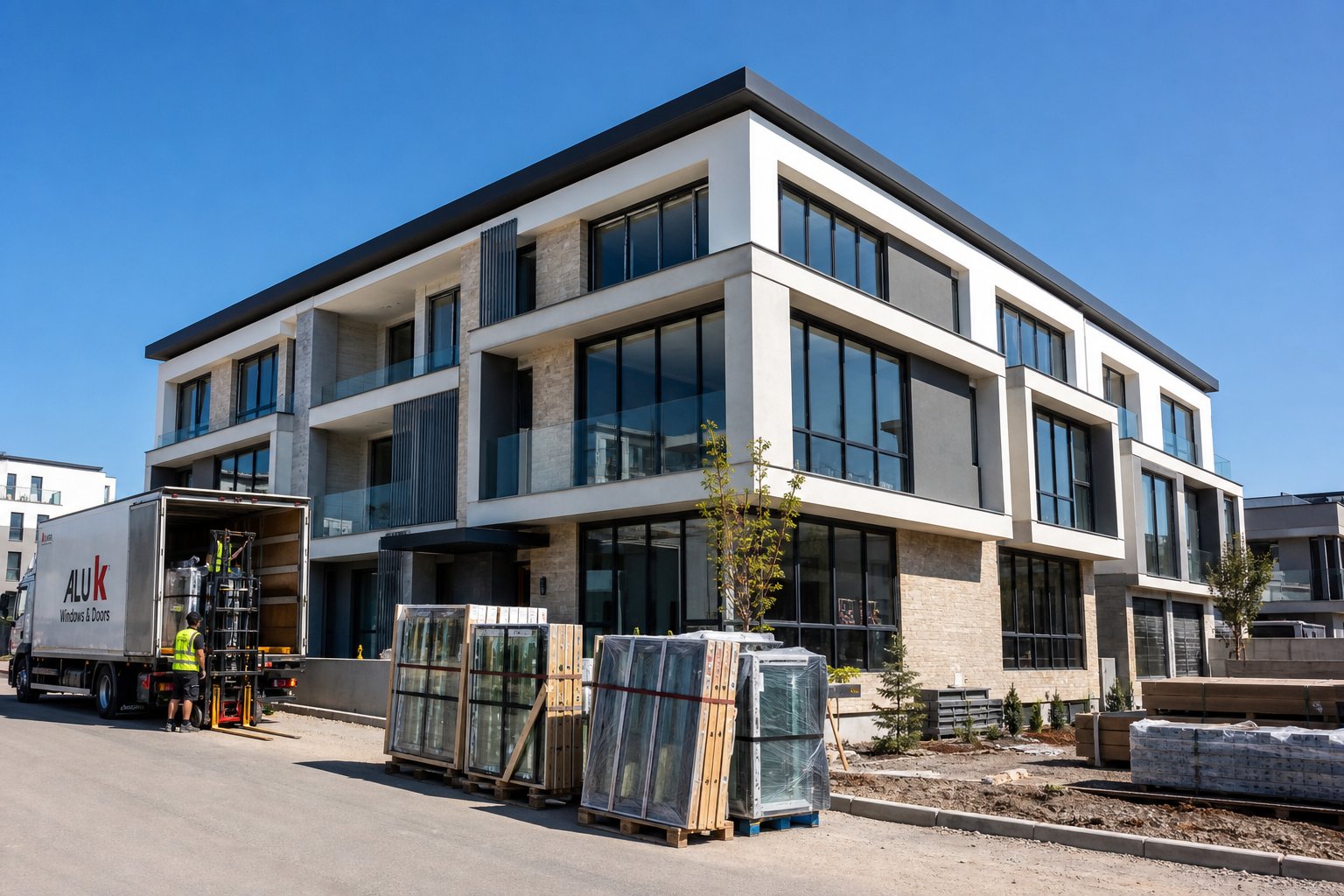
A competitive price means nothing if the supplier behind it cannot support the complexity of your actual project. Quotes arrive as documents, but projects unfold as living processes — with revisions, coordination challenges, manufacturing lead times, and delivery logistics that demand more than a fabricator who simply takes an order and ships a product. The supplier you choose determines whether your quote translates into a smooth build or a series of expensive problems.
What Project-Capable Suppliers Bring to the Table
For builders, developers, architects, and contractors managing aluminium windows and doors across a multi-unit development or a complex residential build, the quoting partner needs to function as a technical collaborator rather than a transactional vendor. The difference shows up in how they handle the stages between your initial enquiry and the moment product arrives on site.
A project-capable supplier of aluminium doors and windows typically offers support across the full procurement lifecycle. That means they are not just pricing aluminium window systems — they are helping you specify them correctly, coordinating manufacturing to match your construction programme, and managing quality control so that what arrives matches what was quoted.
Here is what to look for when evaluating whether a supplier can genuinely support your project or is simply offering a price list:
- Drawing review and shop drawings — the supplier reviews architectural drawings, identifies potential issues (undersized openings, incompatible frame depths, non-standard configurations), and produces shop drawings that confirm every detail before manufacturing begins.
- System recommendations — rather than quoting whatever you ask for, a knowledgeable partner recommends the appropriate aluminium window profile system based on your performance requirements, structural conditions, and budget constraints.
- Material calculation and scheduling — for multi-stage projects, the supplier calculates total material requirements across all stages and schedules production to align with your build programme rather than delivering everything at once.
- Manufacturing coordination — custom aluminum windows require precise sequencing through extrusion, machining, finishing, glazing, and assembly. A project-capable supplier manages this internally rather than leaving you to chase production updates.
- Quality control and inspection — pre-dispatch inspection against approved drawings catches errors before they reach site. This includes checking dimensions, finish quality, hardware operation, glazing build-up, and packaging integrity.
- Logistics and delivery planning — coordinated delivery to site on the dates your programme requires, with appropriate packaging for the transport method and unloading conditions at your end.
This level of support matters most for procurement teams and builders who need quotes backed by technical capability rather than just a number. When you are specifying aluminium joinery across dozens of openings with varying sizes, styles, and performance requirements, a supplier who can manage that complexity from a single point of contact eliminates the coordination risk that fragments projects and inflates costs.
MEICHEN’s project services illustrate how this model works in practice — supporting the process from drawings and schedules through system recommendations, material calculation, manufacturing coordination, quality control, and delivery planning. For builders and developers who manage their own installation crews but need a technically capable supply partner, this approach bridges the gap between a bare supply-only transaction and a full turnkey service.
Turning Your Quote into a Successful Project
Accepting a quote is not the finish line — it is the starting point of a process that requires clear communication and defined milestones. The transition from accepted quote to delivered product involves several critical steps, and how well they are managed determines whether your project stays on programme or drifts into delays and disputes.
Final measurements come first. Even if your initial quote was based on precise dimensions, most reputable suppliers of alu windows and doors will conduct or request a final site measure before releasing production drawings. This catches any discrepancies between planning-stage measurements and as-built conditions, particularly on renovation projects where walls may have shifted or reveals may differ from original plans.
Delivery scheduling requires alignment with your construction programme. Aluminium windows doors arriving too early create storage and damage risks on site. Arriving too late holds up following trades — plasterers, painters, and tilers all depend on windows being fitted before they can complete their scope. Agree on delivery dates at the point of order confirmation, not as an afterthought once manufacturing is underway.
Manufacturing lead times for custom aluminium window systems typically run four to eight weeks depending on specification complexity, finish requirements, and current production demand. Standard configurations in common colours sit at the shorter end. Custom RAL colours, non-standard sizes, or high-performance glazing packages push toward the longer end. Factor these lead times into your programme from the outset rather than assuming product will be available on demand.
Communication protocols sound administrative, but they prevent the misunderstandings that derail projects. Establish a single point of contact on both sides, agree on how changes will be documented and priced, and confirm how production updates will be communicated. A supplier who goes quiet between order confirmation and delivery is a supplier who may be managing problems you will not hear about until they affect your programme.
The aluminium window quote that serves you best is not necessarily the lowest number — it is the one backed by a supplier with the technical depth, manufacturing control, and project coordination capability to deliver exactly what was specified, when it was promised, in the condition it was quoted. That combination of price accuracy and execution reliability is what separates a quote from a commitment, and a supplier from a genuine project partner.
Frequently Asked Questions About Aluminium Window Quotes
1. What should be included in an aluminium window quote?
A comprehensive aluminium window quote should itemise the profile system (including alloy grade and thermal break specification), glazing configuration (panes, coatings, gas fill, and Uw value), hardware brand and grade, powder coat finish with micron thickness, delivery and packaging costs, GST, and warranty terms for both product and workmanship. If installation is included, the quote should also detail labour scope, scaffolding requirements, and what making good is covered. Any quote that presents these as a single lump sum rather than individual line items makes fair comparison with competing quotes extremely difficult.
2. Why do aluminium window quotes vary so much between suppliers?
Price variation stems from four main drivers: supplier type (manufacturer-direct versus contractor with subcontracted fabrication), project scale and volume efficiencies, specification depth (basic non-thermally-broken frames versus high-performance thermally broken systems with commercial-grade hardware), and regional factors such as freight distances, local labour rates, and climate-driven compliance requirements like cyclone ratings in northern Queensland. Additionally, different quote types — supply-only, supply-and-install, and full-project — bundle different scopes of work, making bottom-line figures misleading without understanding what each includes and excludes.
3. How do I compare multiple aluminium window quotes fairly?
Start by identifying what each quote includes and excludes. List every item that appears in at least one quote but is missing from others — common culprits include scaffolding, waste removal, internal plastering, and structural work. Estimate realistic costs for missing items and add them back to create comparable totals. Then verify that specifications match across quotes: confirm profile systems, glazing build-ups, hardware grades, and warranty terms are equivalent. A supplier quoting a non-thermally-broken frame with standard glass will always appear cheaper than one quoting a thermally broken system with Low-E argon-filled glazing, but they are not offering the same product.
4. What are the hidden costs in aluminium window quotes?
Common costs that sit outside quoted scope include scaffolding for upper-floor access, structural lintel upgrades, internal plastering and making good around new frames, external rendering or cladding repairs, waste removal and disposal fees (especially for old frames with lead paint), building regulation sign-off costs, and post-installation decoration. For replacement projects specifically, structural surprises discovered during frame removal — rot, corroded cavity ties, undersized lintels, and concealed water damage — represent the single largest source of unquoted cost. Reputable suppliers flag this risk with a note that structural remediation will be quoted separately upon discovery.
5. What is the difference between supply-only and supply-and-install aluminium window quotes?
A supply-only quote covers manufactured windows and delivery to site — nothing else. Measurement accuracy, installation quality, waterproofing, making good, and waste disposal all sit with the buyer, making this model best suited to builders and contractors with their own installation crews. A supply-and-install quote adds professional fitting and sealing, with the supplier taking responsibility for correct installation and operation. However, supply-and-install typically still excludes scaffolding, structural modifications, internal and external making good, waste removal, and decoration. Some suppliers also offer a project-support model that handles material calculation, manufacturing coordination, quality control, and delivery planning while the buyer manages on-site installation.
More Window & Door Guides