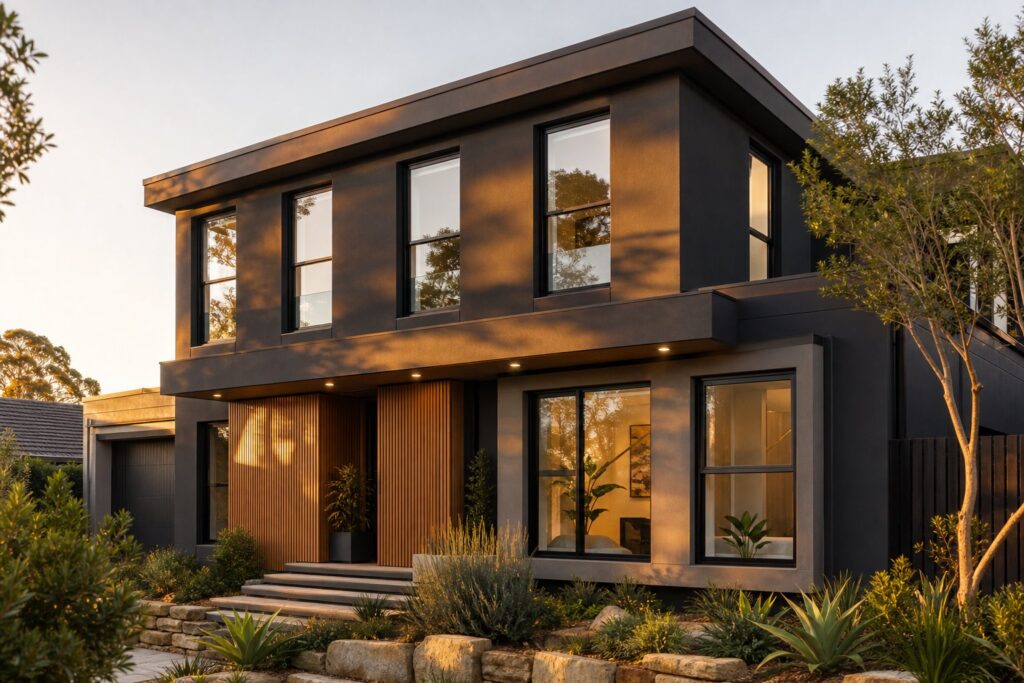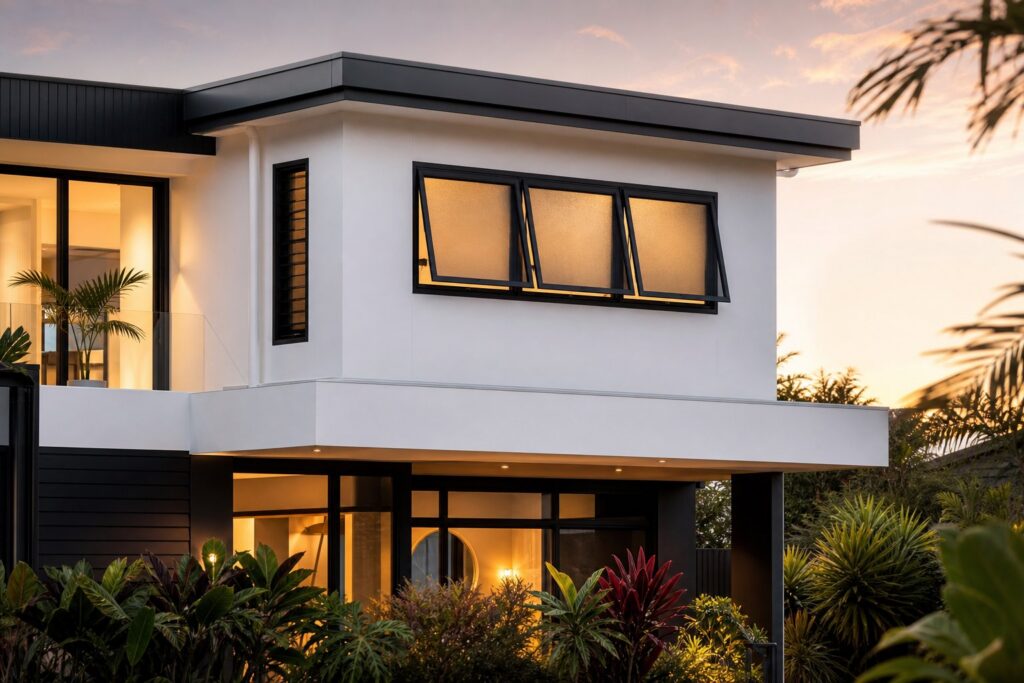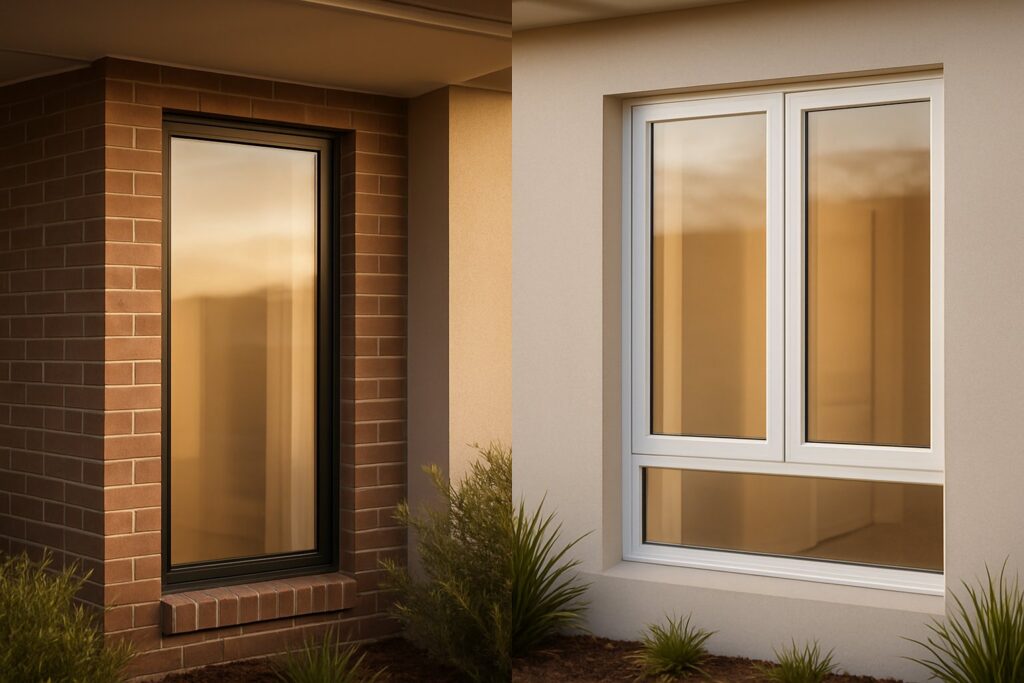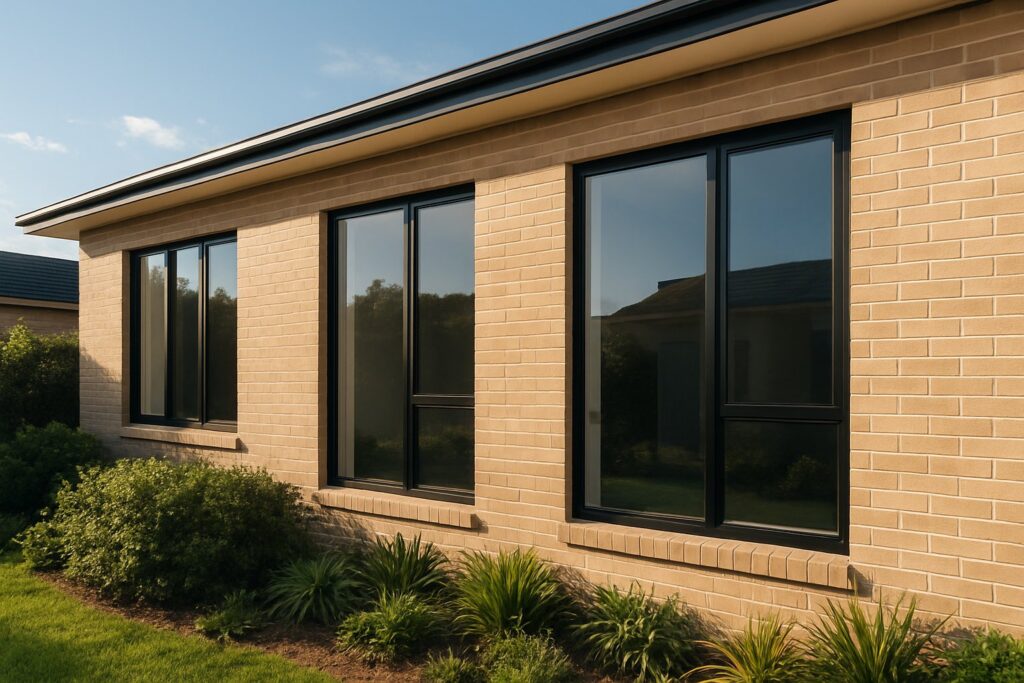
What Aluminium Window Grill Design Really Means
A window grill is a framework of bars or patterned panels mounted over or within a window opening. It serves two roles at once: physical security against intrusion and a visual element that shapes how a building looks from the street. An aluminium window grill design specifically uses extruded or fabricated aluminium profiles to create that framework, taking advantage of the metal’s light weight, corrosion resistance, and ability to hold complex shapes.
What Is an Aluminium Window Grill Design
If you have ever wondered what is a window grill versus the thin bars you see inside double-glazed panes, the distinction matters. Muntins are slender window dividers that separate individual panes of glass within a single sash. Mullions are structural members that divide entire window units from one another. Window grills, by contrast, sit as a separate protective layer, either fixed to the frame exterior, recessed into the reveal, or mounted internally. They function as window crossbars engineered for security and style rather than holding glass in place.
In modern Australian homes, aluminium has largely replaced mild steel and wrought iron for this purpose. Its natural oxide layer prevents rust in coastal and humid climates, its slim profiles allow more daylight through, and powder-coating technology gives it virtually unlimited colour options. Whether you call them window grilles or window grills, the aluminium versions dominate new residential builds and renovation projects alike.
A well-designed window grill is not just a barrier. It balances protection and artistry, turning a purely functional element into a defining feature of your facade.
Why This Guide Takes a Different Approach
Most online resources treat this topic as a photo gallery, listing dozens of patterns without explaining how to evaluate them. That approach leaves buyers guessing. This article covers the design principles behind popular patterns, the material science that makes aluminium perform, safety and building code essentials, and a clear framework for choosing the right grill for your home. The goal is to help you make a confident, informed decision rather than simply scroll through images.
That confidence starts with understanding what sets aluminium apart from every other grill material on the market.
Why Aluminium Outperforms Other Grill Materials
Aluminium earns its place as the go-to material for grilles for windows not because of marketing hype, but because of measurable physical properties. Its strength-to-weight ratio, natural corrosion defence, and workability give it a practical edge over steel, iron, and timber in almost every Australian climate zone. Here is how those properties translate into real performance for external window grilles on your home.
Corrosion Resistance and Weather Performance
The moment aluminium is exposed to air, it forms a continuous, self-repairing oxide layer of alumina (Al₂O₃). This film is extraordinarily thin, typically between 5 and 10 nanometres, yet it acts as a highly effective barrier against further oxidation. Unlike steel, which needs paint or galvanising to prevent rust, aluminium generates its own protection instantly and regenerates it if scratched.
For Australian homeowners, this matters most in three scenarios. Coastal properties from the Gold Coast to the Mornington Peninsula face constant salt-laden air. Aluminium’s oxide layer remains stable in the mildly alkaline conditions of marine atmospheres (pH 8 to 8.2), so your alu grill will not pit or flake the way unprotected steel does within a few seasons. In tropical Queensland and the Top End, high humidity accelerates rust on ferrous metals, but aluminium stays unaffected because its protective film forms even in saturated air. And in inland regions with extreme temperature swings, aluminium’s thermal stability means it will not warp, crack, or lose structural integrity as temperatures cycle between summer highs and winter lows.
Steel window grills, by comparison, rely entirely on applied coatings for corrosion protection. Once that coating chips or wears, rust begins immediately. Aluminium’s defence is built into the metal itself.
Design Flexibility Through Material Properties
Aluminium is roughly one-third the weight of steel, yet modern alloys deliver impressive structural strength. That combination opens up design possibilities that heavier metals simply cannot match at a reasonable cost. Slim bar profiles of 20 mm or less can span standard window openings without sagging, letting more natural light pass through. Thicker steel bars would be needed to achieve the same span, blocking more of the view.
Malleability is the other advantage. Aluminium extrudes cleanly into complex cross-sections, curves, and custom profiles. Intricate geometric patterns, flowing scrollwork, and laser-cut decorative panels are all achievable without the labour-intensive forging that wrought iron demands. For aluminum window guards on upper-storey windows, this means you can have both security-grade bar thickness and an elegant appearance without the visual bulk of steel.
Because aluminium accepts powder coating so readily, a single grill design can be finished in virtually any RAL colour, wood-grain texture, or metallic tone. That versatility lets the same pattern suit a coastal weatherboard cottage in white or a modern rendered facade in charcoal.
Sustainability and Lifecycle Value
Aluminium is one of the most recyclable construction materials available. The Aluminum Association notes that recycling aluminium uses only 5% of the energy required to produce primary metal, and the material can be recycled indefinitely without losing quality. For homeowners weighing environmental impact, choosing aluminium grills means the product can re-enter the manufacturing stream at end of life rather than heading to landfill.
Lifecycle cost reinforces the sustainability argument. Quality aluminium grills with a factory-applied powder coat can serve 30 years or more with minimal upkeep, even in harsh coastal conditions. Steel and iron alternatives typically need repainting every 3 to 5 years to prevent corrosion, adding ongoing labour and material costs that erode any initial price advantage.
- Self-healing oxide layer — provides built-in corrosion resistance without applied coatings
- High strength-to-weight ratio — enables slimmer profiles that maximise light and views
- Extrusion versatility — allows complex patterns, curves, and custom shapes at scale
- Powder-coat compatibility — delivers unlimited colour and finish options with UV resistance
- Infinite recyclability — uses just 5% of primary production energy when recycled
These material fundamentals explain why aluminium dominates the window grill market. But raw material performance only tells half the story. The real question for most homeowners is which pattern and style will suit their specific property, and that depends on architecture, room function, and personal taste.
Popular Aluminium Window Grill Patterns and Styles
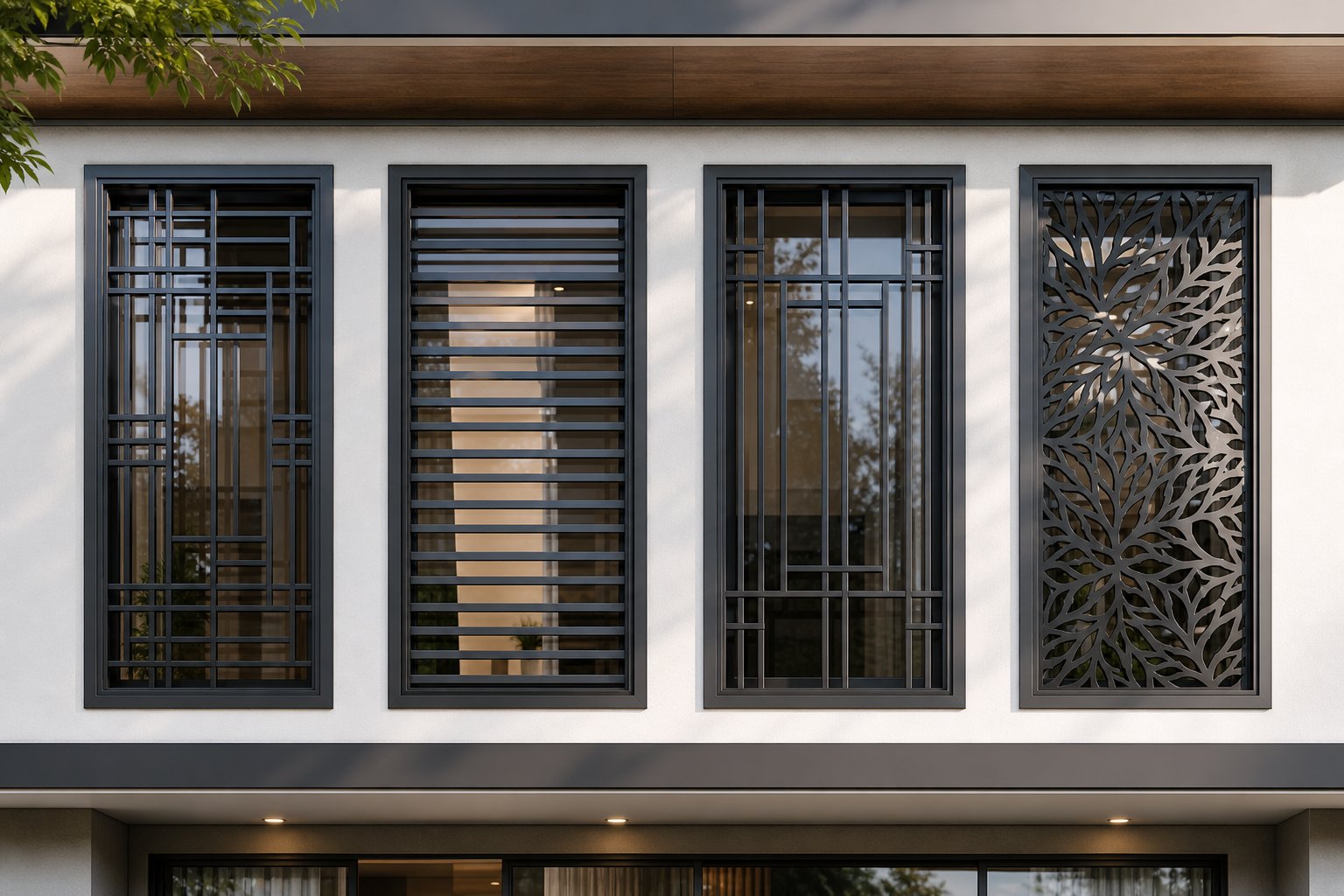
Pattern choice shapes how a window reads from the street and from inside the room. Rather than listing random designs, it helps to group window grill patterns into distinct style families, each suited to particular architectural contexts and functional priorities. Here is how the major categories break down.
Geometric and Grid-Based Patterns
Grids for windows remain the most widely installed category across Australian homes. The classic colonial grid divides the glass area into equal rectangles or squares, typically in a six-lite or nine-lite arrangement, creating clean symmetry that suits heritage brick-veneer homes and Federation-era renovations. Diamond patterns use diagonal crossbars to form repeating diamond shapes, adding visual interest without heavy ornamentation. They work particularly well on larger picture windows where a simple rectangular grid might look monotonous.
Bar spacing within geometric layouts directly affects both appearance and security. Tighter spacing (around 100 mm between bars) delivers a more traditional look and a higher security rating, while wider spacing (150 mm or more) feels lighter and allows greater outward visibility. The choice depends on whether the grill window design prioritises protection or an open, airy feel.
Traditional and Heritage-Inspired Designs
Colonial and Victorian window grille patterns draw on historical architecture but translate beautifully into aluminium. Colonial grilles feature symmetrical rectangular divisions, often with the pattern repeated identically on upper and lower sashes. Victorian adaptations introduce a perimeter border of smaller rectangles framing a larger central opening, a hallmark of late-19th-century Australian terrace houses.
Heritage-inspired designs are appropriate for period restorations, Queenslander renovations, and any project where council guidelines require sympathetic facade treatment. Aluminium reproduces these patterns at a fraction of the weight and maintenance burden of original wrought iron, while powder coating can replicate aged bronze or matte black finishes.
Modern Minimalist and Contemporary Styles
Contemporary architecture favours slim horizontal bars, asymmetric layouts, and prairie-style patterns that frame the window perimeter while leaving the centre open. These minimalist grills complement flat-roof, rendered homes where clean lines dominate. Vertical bar arrangements can make standard-height windows appear taller, a useful trick for single-storey builds with modest ceiling heights.
Aluminium’s ability to achieve bar profiles as narrow as 15 to 20 mm makes it the ideal material here. The result is a grill that provides a security layer without visually competing with the glazing or the facade.
Ornamental and Decorative Patterns
For feature windows, ornamental window grilles push beyond simple bar arrangements. Laser-cut aluminium panels can reproduce floral motifs, geometric tessellations, or abstract art-inspired compositions. These decorative window grilles function as statement pieces on entry facades, stairwell windows, or bathroom openings where privacy and artistry overlap. In South Asian-influenced architecture, aluminum window jali patterns use intricate lattice screens that filter light while maintaining airflow, a concept gaining popularity in Australian tropical builds.
Decorative window grills do sacrifice some outward visibility, so they suit locations where filtered light matters more than a clear view.
| Style Category | Best Suited Architecture | Security Level | Light Transmission |
|---|---|---|---|
| Geometric grid (colonial, diamond) | Federation, brick veneer, traditional | High | Moderate |
| Heritage (Victorian, period) | Terrace houses, Queenslanders, restorations | High | Moderate |
| Modern minimalist (horizontal, prairie) | Contemporary rendered, flat-roof homes | Medium | High |
| Ornamental (laser-cut, jali, scrollwork) | Feature facades, tropical builds, bathrooms | Medium to High | Low to Moderate |
| Functional-first (fixed, sliding, removable) | Any style requiring egress or access flexibility | High | Varies by pattern |
Knowing which style family appeals to you is a solid starting point, but the final decision depends on something more specific: the room behind the window and the architectural language of the building as a whole.
Choosing the Right Grill for Windows by Room and Style
Every room in a house serves a different purpose, and that purpose should shape the grill for windows you select. A bedroom demands different things from its grill than a kitchen does. Likewise, a Federation brick-veneer home calls for a completely different pattern language than a contemporary flat-roof build. Getting this match right is what separates a cohesive home window grill design from one that feels like an afterthought.
Matching Grill Designs to Room Function
The primary need of each room acts as a filter, narrowing down which patterns and bar configurations make sense. A living room grill should frame the view, not compete with it. A bathroom grill needs to breathe. A child’s room grill must meet strict safety spacing. Here is a room-by-room breakdown:
- Bedrooms — Security and privacy take priority. Opt for tighter bar spacing (around 100 mm) and consider patterns with a denser lower section to limit sightlines from the street. Geometric grids and colonial layouts work well here.
- Bathrooms — Ventilation is critical, especially in homes without mechanical exhaust. Choose grills with open patterns and slim bar profiles that allow maximum airflow. Moisture-resistant powder-coat finishes rated for wet areas prevent coating breakdown over time.
- Kitchens — Grease and cooking residue settle on surfaces near the stove. Flat-profile bars with smooth powder coating are far easier to wipe clean than ornamental scrollwork with crevices that trap grime.
- Living rooms — Aesthetics and outward views matter most. Wider bar spacing, prairie-style perimeter patterns, or minimalist horizontal bars keep the glass area open while still providing a security layer.
- Children’s rooms — Australian building guidelines recommend bar spacing no wider than 125 mm to prevent a child’s head from passing through. Vertical bars are generally safer than horizontal ones, which can become a climbing ladder for curious toddlers.
Thinking about each room’s dominant need first prevents the common mistake of choosing a single pattern for the entire house when different areas would benefit from tailored solutions.
Coordinating Grills with Architectural Style
Your house window grill design should feel like it belongs to the building rather than being bolted on as an afterthought. The architectural style of your home provides strong cues about which patterns will look natural.
Traditional and Federation homes suit symmetrical grid layouts. A six-over-six or eight-over-eight colonial pattern echoes the proportions of original timber-framed windows and pairs naturally with brick facades, decorative corbels, and sash-style openings. Heritage-listed properties may even require this kind of sympathetic treatment to satisfy council approval.
Modern rendered homes with flat rooflines and large glazing panels call for restraint. Clean horizontal bars, slim profiles, and asymmetric prairie-style borders complement the architecture without adding visual clutter. In some minimalist builds, the ideal window and grill design uses bars so slender they almost disappear, letting the glass dominate.
Farmhouse and coastal styles sit somewhere in between. A simple cross pattern or a two-over-one arrangement keeps things relaxed and uncluttered, matching the laid-back character of weatherboard and Colorbond-clad homes common along the Australian coast.
Window Size and Proportion Considerations
Pattern selection cannot ignore the physical dimensions of the window itself. A dense nine-lite grid looks balanced on a standard 1200 mm x 600 mm opening, but apply that same pattern to a 2400 mm wide picture window and the lites become oversized, losing the proportional harmony that made the pattern attractive in the first place.
The rule of rectangles offers a useful starting point: square windows suit square grid divisions, and rectangular windows suit rectangular ones. Individual lites should generally not be smaller than about 200 mm wide or 150 mm tall, otherwise the grill begins to feel cage-like rather than decorative. Conversely, very large windows benefit from additional divisions or a perimeter-only pattern that breaks up the expanse without overwhelming it.
Tall, narrow windows can use vertical bar emphasis to reinforce their proportions, while squat horizontal openings benefit from horizontal grills for windows that echo and extend the width. Matching the grill’s internal geometry to the window’s aspect ratio keeps everything looking intentional and well-resolved.
With room function, architectural context, and window proportions aligned, the next consideration is how your chosen aluminium grill stacks up against alternative materials over the long term.
Aluminium vs Steel vs Iron vs Wood Grills Compared
Selecting a grill material is not just a matter of taste. It is a 20-year commitment that affects maintenance weekends, replacement budgets, and how your facade weathers over time. Aluminium dominates new installations for good reason, but steel, wrought iron, stainless steel, and timber each have legitimate use cases. A fair comparison across the factors that actually matter helps you decide whether aluminium’s advantages justify its upfront cost or whether another metal window grill suits your situation better.
Aluminium vs Steel Window Grills
The most common misconception in this space is that steel is always stronger. In raw tensile terms, mild steel does have a higher ultimate strength per unit area. But strength alone does not determine real-world performance for a window grill. The relevant question is whether the material can span a standard residential opening (typically 600 mm to 1500 mm) without deflection, and modern aluminium alloys like 6063-T5 handle that comfortably with bar profiles of 25 mm x 25 mm or less.
Weight is where the gap becomes obvious. Aluminium weighs roughly one-third as much as steel, which means lighter loads on window frames, easier installation for upper-storey openings, and less stress on masonry fixings over decades. For steel window grilles, the heavier frame demands more robust brackets and can crack render around mounting points as buildings settle.
Rust susceptibility is the decisive factor for most Australian homeowners. Mild steel relies entirely on applied protection, whether galvanising, primer, or powder coat. Once that barrier is breached by a scratch, a stone chip, or UV degradation, corrosion begins immediately and spreads beneath the surrounding coating. In coastal areas from Sydney’s Northern Beaches to Perth’s western suburbs, unprotected steel grills can show visible rust within two to three years. Aluminium’s self-healing oxide layer means a scratch does not trigger progressive decay.
Long-term cost of ownership tilts heavily toward aluminium. A steel window metal grill may cost 15 to 25 percent less at the point of purchase, but factor in repainting every three to five years (labour plus materials), potential rust treatment, and earlier replacement, and the total spend over two decades often exceeds what aluminium would have cost from day one.
Aluminium vs Wrought Iron and Wood
Wrought iron carries undeniable aesthetic weight. Its hand-forged scrollwork and heavy profiles suit heritage restorations and period homes where authenticity matters. But that beauty comes at a price: wrought iron is the most maintenance-intensive metal window grate material available. It demands annual inspections, rust treatment at the first sign of oxidation, and full repainting every few years. In humid climates like coastal Queensland or Tasmania’s west coast, the maintenance cycle shortens further.
Iron is also significantly heavier than aluminium, roughly three times the weight for equivalent bar dimensions. That mass limits design intricacy at reasonable cost because every curve and scroll requires skilled hand labour rather than machine extrusion. For homeowners who want ornamental detail without the upkeep burden, aluminium grills with laser-cut or CNC-machined decorative elements replicate the visual effect of iron at a fraction of the ongoing effort.
Timber grills occupy a niche in heritage and tropical architecture. They deliver warmth and natural texture that no metal can truly replicate. However, wood is vulnerable to rot, termite attack (a serious concern across much of Australia), UV bleaching, and moisture-driven swelling. Even hardwood species like spotted gum or merbau need oiling or sealing every 12 to 18 months to maintain structural integrity. Aluminium with a wood-grain transfer finish offers a visual compromise: the look of timber with none of the biological vulnerabilities.
It is also worth noting that vinyl window grilles exist in some markets, primarily as snap-in decorative grids for double-glazed units. These are lightweight and maintenance-free but offer no security function whatsoever. They serve a purely cosmetic role and are not a substitute for a structural metal window grill designed to resist forced entry.
Total Cost of Ownership Analysis
Comparing upfront price alone is misleading. The true cost of a window grill includes supply, installation, periodic maintenance, and eventual replacement. Here is a framework for calculating total cost of ownership over a 20-year period:
- Initial supply and install — Aluminium grills typically sit at the mid-to-upper range of initial pricing. Mild steel is cheaper upfront, wrought iron and stainless steel are more expensive, and timber varies widely by species.
- Annual maintenance cost — Aluminium requires only occasional cleaning (soap and water). Steel and iron need inspection, spot treatment, and repainting on a 3-to-5-year cycle. Timber needs annual oiling or sealing plus termite monitoring.
- Replacement timeline — Quality aluminium grills with factory powder coating last 30 years or more in most climates. Mild steel may need replacement after 15 to 20 years in coastal zones. Timber can fail within 10 to 15 years without diligent maintenance.
- Residual value — Aluminium retains scrap value due to its recyclability. Steel has lower scrap value, and timber has none.
When you add these factors together, aluminium’s higher purchase price is typically recovered within 8 to 10 years through avoided maintenance costs alone. Beyond that point, every year represents a net saving compared to steel or iron alternatives.
| Material | Durability Rating | Annual Maintenance | Weight | Corrosion Resistance | Design Flexibility | Relative Cost (20-Year Total) |
|---|---|---|---|---|---|---|
| Aluminium | Excellent (30+ years) | Minimal (wash only) | Light (2.7 g/cm³) | Excellent (self-healing oxide) | Very high (extrusion, CNC, laser) | Medium |
| Mild Steel | Good (15-20 years coastal, 25+ inland) | Moderate (repaint every 3-5 years) | Heavy (7.85 g/cm³) | Poor without coating | Moderate (welding, limited curves) | Medium-High |
| Stainless Steel (316) | Excellent (30+ years) | Low (periodic wipe) | Heavy (8.0 g/cm³) | Very good | Low (difficult to form, expensive) | High |
| Wrought Iron | Good (20-25 years with maintenance) | High (annual inspection, repaint cycle) | Heavy (7.8 g/cm³) | Poor without coating | High (hand-forged artistry) | High |
| Timber | Fair (10-15 years without diligent care) | High (annual oil/seal, termite checks) | Medium (varies by species) | Poor (rot, termites, UV) | Moderate (carving, routing) | Medium-High |
Another misconception worth addressing: the idea that aluminium looks cheap. That perception dates back to early mill-finish aluminium products with a raw, silvery appearance. Modern powder-coated and anodised finishes are indistinguishable from premium materials at normal viewing distance. Textured coatings, metallic tones, and wood-grain transfers mean aluminium grills can present as anything from brushed bronze to matte charcoal to natural timber, without any of the maintenance penalties those real materials carry.
Material choice sets the foundation, but even the best aluminium grill fails its purpose if it ignores safety codes, ventilation needs, or emergency egress requirements. Those functional considerations deserve their own careful examination.
Safety, Ventilation, and Building Code Essentials
A beautiful grill pattern means nothing if it traps occupants during a fire, lets a toddler squeeze through, or chokes off the airflow a room depends on. Functional performance is where aluminium window grill design intersects with building regulations, and getting it wrong can have serious consequences. These are the considerations that separate a responsible installation from a purely decorative one.
Safety Standards and Bar Spacing Requirements
Child safety drives the most critical dimension in any residential grill: the gap between bars. Australian building guidelines and the National Construction Code (NCC) apply the same principle used for balustrades — openings must not allow a 125 mm sphere to pass through, which prevents a young child’s head from becoming trapped. Many installers work to a tighter 100 mm maximum spacing for added peace of mind, particularly on upper-storey windows where a fall could be fatal.
Security-grade bar thickness matters too. For aluminium grills intended to resist forced entry, a minimum wall thickness of 1.6 mm on extruded hollow sections (or solid bar of at least 12 mm diameter) provides meaningful resistance to bending or cutting. Thinner decorative profiles may look identical but offer little real protection.
Balancing safety with aesthetics comes down to bar profile choice. A flat rectangular bar at 25 mm x 10 mm reads as slimmer from the front than a round bar of equivalent strength, letting you maintain tight spacing without the grill feeling cage-like. Powder coating in a dark colour further reduces visual weight, so safety-compliant spacing does not have to look oppressive.
Emergency egress adds another layer. The NCC requires that certain windows in bedrooms and habitable rooms serve as emergency escape points. Grills covering these openings must be either removable from inside without tools, hinged with a quick-release mechanism, or designed as sliding panels that can be pushed aside in seconds. Fixed grills on every window in a home can create a deadly trap during a house fire — a point many homeowners overlook until their building certifier flags it.
Ventilation and Airflow Considerations
Grill density directly affects how much air passes through an open window. In rooms without mechanical cooling — common in older Australian homes and regional builds — natural ventilation is the primary comfort strategy. A grill with 60 percent or more open area (the ratio of void to solid) allows adequate cross-ventilation for most residential rooms. Drop below 50 percent, and occupants start noticing reduced airflow on still days.
Bar profile shape plays a surprisingly large role. A flat bar oriented edge-on to the prevailing breeze creates less turbulence and drag than the same bar turned face-on. Aerodynamic profiles with rounded leading edges, sometimes called aerofoil bars, can reduce airflow resistance by up to 30 percent compared to square-edged sections. For tropical Queensland homes relying on louvre windows and natural breezes, this detail is worth specifying.
Bar orientation also influences the visual perception of a window. Vertical bars emphasise height, making standard openings appear taller and more elegant. Horizontal bars stretch the perceived width, suiting wide panoramic windows. From a security standpoint, vertical bars are harder to climb than horizontal ones — an important consideration for ground-floor windows in areas with higher break-in risk. Horizontal bars can act as a ladder for intruders (or adventurous children), so they are best reserved for upper storeys or combined with anti-climb features.
Why Some Window Grills Curve at the Bottom
If you have ever walked through older suburbs in Sydney, Melbourne, or Adelaide and noticed why do window grills curve at the bottom on heritage buildings, the answer is both structural and practical. That distinctive belly shape — sometimes called a potbelly curve — appears on traditional wrought iron and cast iron grills for two key reasons.
First, the curve acts as structural reinforcement. A straight vertical bar spanning a tall window opening is vulnerable to outward bending under sustained pressure, whether from someone leaning against it from inside or an intruder attempting to pry it outward. Introducing a curve at the lower section creates a three-dimensional form that resists deflection far more effectively than a flat plane, much like an arch distributes load better than a beam. This is why do some window grills curve at the bottom on ground-floor openings where security pressure is greatest.
Second, the curved window grill design historically accommodated window-box planters. The outward bow created space for flower boxes and herb gardens on the sill without the bars pressing against foliage. It also pushed the exterior face of the grill further from the interior, making it harder for someone outside to reach through and grab occupants or belongings — a practical security benefit that complemented the structural one.
People often ask why do old window grills curve at the bottom when modern ones typically do not. The answer lies in material advancement. Wrought iron bars were relatively soft and prone to bending under load, so the curve compensated for material weakness. Modern aluminium alloys and engineered steel sections are rigid enough to span residential window heights without deflection, eliminating the structural need for a belly curve. Some designers still incorporate a subtle bow as a heritage aesthetic choice, but it is no longer an engineering necessity for aluminium grills. Understanding why some window grills have a curve at the bottom helps you appreciate the difference between decorative tradition and functional requirement when specifying your own design.
- Bar spacing — Verify gaps do not exceed 125 mm (100 mm preferred for young children) to comply with NCC fall-prevention principles
- Emergency egress — Confirm at least one window per bedroom has a grill that opens, hinges, or slides from inside without tools
- Bar thickness — Check that hollow sections have a minimum 1.6 mm wall thickness for genuine security performance
- Ventilation ratio — Aim for 60 percent or greater open area on windows serving naturally ventilated rooms
- Bar orientation — Prefer vertical bars on ground-floor windows to prevent climbing; use horizontal bars on upper storeys where climb risk is minimal
- Mounting method — Ensure fixings penetrate structural framing or masonry, not just render or cladding
- Compliance certification — Ask your supplier whether the grill meets AS 2047 requirements for window ancillary components and whether it has been tested to relevant Australian Standards
Safety and airflow are non-negotiable functional foundations. Once those boxes are ticked, the next decision that dramatically changes how your grill looks and feels is finish — the colour, texture, and coating technology that turns raw aluminium into a design statement.
Colour and Finish Options That Transform Your Grills
Two identical grill patterns can look like completely different products depending on their finish. A matte charcoal powder coat reads as sleek and modern, while the same profile in a warm oak wood-grain transfer feels like heritage timber. The finish you choose determines whether your grill with glass window blends seamlessly into the facade or stands out as a deliberate contrast element. Here is what each finishing method offers and how to coordinate it with your home.
Powder Coating and Anodizing Options
Powder coating is the most common finish for aluminium window grills in Australia, and for good reason. The process works by electrostatically applying charged powder particles to the grounded aluminium surface, then curing them in an oven to form a smooth, tough layer. The result is a finish that resists UV degradation, chipping, and chemical exposure. With over 200 RAL colours available plus custom-matched options, powder coating gives homeowners virtually unlimited palette freedom. It also produces almost no waste, since overspray powder is collected and reused.
Anodizing takes a different approach entirely. Rather than adding a layer on top of the aluminium, it enhances the metal’s natural oxide film through an electrochemical bath, creating an integral surface that cannot peel or flake. Anodized finishes are exceptionally hard-wearing and deliver a distinctive metallic sheen that powder coating cannot replicate. The trade-off is a more limited colour range — primarily silvers, bronzes, champagnes, and blacks — and a higher per-unit cost. For decorative grilles for windows on a premium facade where that subtle metallic depth matters, anodizing is worth the investment. For projects needing bold colours or exact colour matching, powder coating is the practical choice.
Coordinating Grill Colour with Your Home Exterior
Colour coordination follows three reliable strategies. The first is matching: select a grill colour identical to your window frame so the grill visually disappears into the frame assembly. This works well on modern homes where you want the glass window with grills to read as a single clean unit rather than layered components.
The second strategy is contrasting. A dark charcoal or black grill against a light rendered wall creates a defined graphic element that draws the eye. Homes with brick or stone exteriors benefit from darker grill tones that echo the mortar lines or shadow depth in the masonry. Bold colours like deep navy or forest green can work as accent features on otherwise neutral facades, though restraint prevents the effect from becoming busy.
The third approach is neutral permanence. Whites, silvers, and mid-greys remain timeless regardless of exterior paint trends. If you repaint your home every decade but plan to keep the grills for 30 years, a neutral finish ensures they will not clash with future colour schemes.
Wood-Grain and Specialty Finishes
Modern heat-transfer technology allows aluminium grills to convincingly replicate the appearance of natural timber. The process involves applying a powder-coat base, wrapping the profile in a printed film, then using heat and vacuum pressure to sublimate the ink into the coating surface. The pigment bonds permanently, producing vivid grain patterns in walnut, oak, cedar, and other species without any of timber’s vulnerability to rot, termites, or UV bleaching.
Wood-grain finishes suit homes with timber cladding or where council heritage guidelines encourage a natural material appearance. They pair particularly well with Queenslander-style builds and coastal weatherboard homes where real timber grills would deteriorate rapidly in the salt air.
Quality aluminium window suppliers like MEICHEN offer extensive colour customisation and powder-coat finish options that allow homeowners to match grills precisely to their design vision, including specialty wood-grain and metallic tones across their aluminium window systems.
- Powder coating — 200+ colours, UV-resistant, cost-effective, suits any style from bold to neutral
- Anodizing — Metallic sheen, extremely hard surface, limited colour palette (silvers, bronzes, blacks), premium price point
- Wood-grain transfer — Realistic timber appearance, dye-sublimation bonded, ideal for heritage or coastal homes
- Raw brushed aluminium — Industrial/modern aesthetic, natural metallic tone, best suited to contemporary architecture with exposed material finishes
- Metallic and textured coatings — Bronze, copper, and hammered effects that replicate aged metals without corrosion risk
The right finish elevates your aluminium grill from a functional fitting to a cohesive design element. But even the best coating needs care to maintain its appearance over decades, and the level of care required varies significantly depending on your local climate and environment.
Maintenance Tips for Long-Lasting Aluminium Grills
Aluminium’s low-maintenance reputation is well earned, but “low” does not mean “zero.” A small amount of periodic care keeps powder-coated grills looking factory-fresh for decades, while neglect in harsh environments can shorten coating life and eventually force a costly window grill replacement. The good news is that the entire maintenance routine takes less time than mowing a small lawn, and the tools involved are things you already own.
Routine Cleaning and Care Schedule
The single most effective thing you can do for your aluminium grills is wash them regularly with mild soap and water. That is genuinely all it takes. Industry guidance from TECHNAL recommends cleaning aluminium surfaces every three to four months under normal conditions, increasing to monthly in coastal or heavily polluted urban areas. The reason is simple: salt crystals, airborne grime, and industrial fallout sit on the powder-coat surface and, over time, can etch into the finish if left undisturbed.
Avoid abrasive cleaners, scouring pads, steel wool, or solvent-based products. These scratch through the powder coating and expose the aluminium beneath. While the bare metal will not rust like steel, a damaged coating looks unsightly and loses its UV protection in that spot. Stick to a soft cloth or sponge, warm water, and a gentle household detergent — the same product you would use on dishes works perfectly.
Here is a seasonal routine that covers everything your grills need throughout the year:
- Spring — Wash all grill surfaces with soapy water to remove winter grime and pollen buildup. Rinse thoroughly with clean water and dry with a soft towel to prevent water spotting. Inspect mounting brackets and tighten any fasteners loosened by thermal cycling over winter.
- Summer — Check powder-coat integrity on sun-facing grills, looking for early signs of chalking or colour fade on dark finishes. Lubricate any hinges or quick-release mechanisms on egress-compliant panels with a silicone-based spray. Wipe off excess lubricant to avoid attracting dust.
- Autumn — Clear leaf debris and organic matter from grill surfaces and the junction between grill frame and window sill. Decomposing leaves hold moisture against the coating and can stain lighter finishes. Wash and rinse as per spring.
- Winter — In coastal areas, perform an additional salt-residue wash after storm events that drive sea spray inland. Inspect seals around mounting points for cracking caused by UV exposure during the preceding summer. Touch up any minor coating chips with manufacturer-matched paint pen before moisture penetrates.
This four-step cycle takes roughly 15 to 20 minutes per window each season. For a typical three-bedroom home with eight to ten grilled windows, that amounts to a few hours spread across the entire year — a fraction of the time steel or iron grills demand.
Identifying and Addressing Wear Signs
Knowing what early damage looks like lets you act before minor issues become expensive problems. Powder-coated aluminium grills show wear in predictable ways, and each sign tells you something different about what is happening to the finish.
Chalking appears as a fine white or pasty residue on the surface, most noticeable on darker colours. It means UV radiation is breaking down the resin binders in the top layer of the coating. Light chalking is cosmetic and can be cleaned away. Persistent chalking that returns quickly after washing signals the coating is nearing end of life in that area.
Coating bubbles or blisters indicate moisture has penetrated beneath the powder coat, usually through a chip or scratch that was not addressed. The aluminium underneath will not rust, but the blister will spread and eventually flake, leaving larger areas unprotected. Small blisters can be sanded back and touched up. Widespread blistering warrants professional stripping and recoating.
White oxidation spots on bare aluminium (where coating has been lost) are the metal’s natural oxide forming. This is not structural damage — it is aluminium doing what aluminium does — but it looks chalky and dull. Sand lightly with fine-grit paper and apply a touch-up coating to restore appearance.
Loose joints or rattling bars suggest fastener fatigue or weld failure. Aluminium grills assembled with mechanical fasteners (screws, rivets) can loosen over years of thermal expansion and contraction. Welded joints rarely fail on quality products, but budget grills with spot welds rather than continuous beads may crack at stress points. Tighten or replace fasteners promptly; cracked welds need professional repair.
A twice-yearly visual inspection — once in spring and once in autumn — catches these issues early. Run your hand along bar surfaces to feel for rough patches that your eye might miss, and check where the grill frame meets the wall for any gaps in sealant that could allow water behind the mounting.
Expected Lifespan by Climate Zone
How long your aluminium grills last depends heavily on where you live and the quality of the original powder coating. Powder-coat finishes on aluminium typically last between 15 and 25 years in outdoor applications, with fluorocarbon coatings pushing toward 20 to 30 years and standard polyester coatings sitting at the lower end of that range. Indoor applications can see coating life extend to 30 or even 40 years due to reduced UV and weather exposure.
Climate zone makes a measurable difference. Coastal properties along the NSW South Coast, Victoria’s Great Ocean Road, or Western Australia’s Sunset Coast face constant salt-air exposure that accelerates coating wear. Homes in these areas should budget for professional recoating or replacement window grilles after 15 to 20 years, even with diligent maintenance. Inland temperate zones like Canberra, the Adelaide Hills, or regional Victoria offer gentler conditions where the same coating can comfortably exceed 25 years.
Tropical regions present a different challenge. High UV intensity in northern Queensland and the Northern Territory causes faster colour fade and chalking, particularly on dark-coloured finishes. Lighter grill colours (silvers, whites, light greys) fade less noticeably and maintain their appearance longer in these zones. If you live in a high-UV area and prefer dark grills, specify a fluorocarbon or super-durable polyester coating rather than standard polyester — the upfront premium pays for itself in extended service life.
Industrial zones near refineries, smelters, or heavy manufacturing introduce chemical pollutants (sulphur dioxide, acid rain) that attack coatings more aggressively than clean air. Homes in areas like the Illawarra, Gladstone, or Kwinana industrial corridors benefit from quarterly cleaning rather than the standard seasonal schedule, and should inspect coating condition annually rather than biannually.
When a grill finally reaches end of life — whether through coating failure, physical damage, or simply an outdated design you want to refresh — window grids replacement is straightforward with aluminium. The lightweight material makes removal and reinstallation a manageable job, and the old aluminium retains scrap value for recycling. Unlike steel grills that may have rusted into their fixings, aluminium panels typically unbolt cleanly even after decades in place, making replacement grids for windows a far simpler project than it would be with ferrous metals.
Proper maintenance protects your investment, but it also preserves the visual integrity of your aluminium window grill design over its full service life. The effort is minimal compared to any alternative material, and the reward is a facade that looks as sharp at year 20 as it did at installation. What separates a grill that reaches that milestone from one that disappoints early often comes down to manufacturing quality and the supplier behind it.
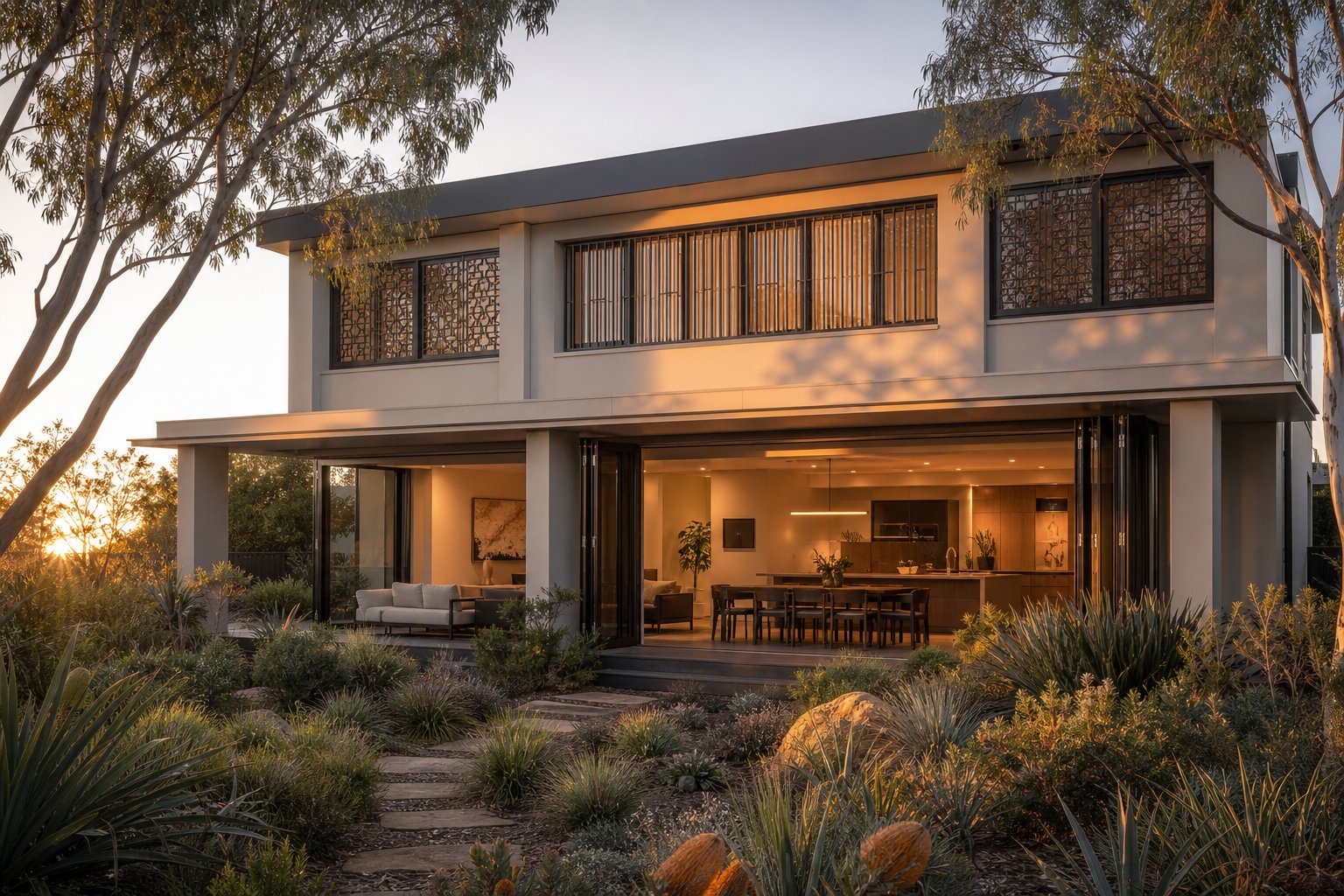
How to Evaluate Quality and Choose the Right Supplier
Maintenance keeps a good grill looking sharp, but no amount of care can compensate for poor manufacturing. The difference between a grill that serves you for 30 years and one that disappoints within five often comes down to decisions made in the factory long before the product reaches your window. Knowing what to look for — and what questions to ask — puts you in control of that outcome.
Quality Indicators Every Buyer Should Check
Not all aluminium grills are created equal, even when they look similar in a catalogue photo. A few physical markers separate premium products from budget alternatives that cut corners where it counts.
Aluminium grade and wall thickness are the foundation. Structural bars should use 6063-T5 or 6061-T6 alloy with a minimum wall thickness of 1.6 mm for hollow sections. Thinner walls (1.0 to 1.2 mm) appear in cheaper window grid inserts and decorative-only products that lack genuine security performance. Ask for the alloy specification — reputable suppliers provide it without hesitation.
Weld quality tells you how the grill will hold up under stress. Continuous TIG welds along bar junctions distribute load evenly and resist fatigue over decades of thermal cycling. Spot welds, by contrast, concentrate stress at isolated points and are more prone to cracking. Research on aluminium weld integrity confirms that porosity and incomplete fusion in welds significantly reduce fatigue life — a finding that applies directly to grill joints subjected to wind loads and thermal movement. Flip the grill over and inspect the back face: clean, consistent weld beads with no visible porosity indicate proper technique and equipment.
Powder-coat thickness should measure at least 60 microns for exterior-facing grills. Below that threshold, UV resistance and barrier protection drop noticeably. Premium suppliers apply 80 to 100 microns as standard. You can verify this with an inexpensive coating thickness gauge, or simply ask for the supplier’s test certificate.
Hardware quality is an easy detail to overlook. Stainless steel fasteners (grade 304 or 316 for coastal areas) will outlast the grill itself. Zinc-plated screws corrode within a few years in salt air, leaving rust stains on the aluminium and weakening the mounting. Check what comes in the box — or what the installer plans to use.
Finish consistency across all panels in an order signals controlled manufacturing. Colour variation between grills destined for the same facade points to inconsistent curing temperatures or batch mixing issues in the powder-coat line.
Understanding Manufacturing Methods
How a grill is made affects its precision, durability, and cost. Three primary fabrication techniques dominate the aluminium grill market, each suited to different design requirements.
Extrusion produces the structural bars that form the grill framework. Aluminium billets are heated and forced through a shaped die to create continuous profiles with consistent cross-sections. Extrusion delivers excellent material density and repeatability, making it ideal for bars that need uniform strength across their full length. It is the most cost-effective method for producing standard bar profiles at scale, and the resulting sections have no internal voids or porosity that could compromise performance.
Die-casting suits decorative elements like rosettes, corner brackets, and ornamental caps. Molten aluminium is injected into a precision mould under high pressure, producing complex three-dimensional shapes in a single operation. The trade-off is that die-cast components can contain internal porosity, so they are best reserved for non-structural decorative details rather than load-bearing bars. A quality window grill insert with ornamental features will use extruded bars for structure and die-cast elements for decoration — never the reverse.
CNC cutting and machining delivers the highest precision for custom window grilles with intricate patterns. Laser or waterjet cutting produces clean edges on flat panels, while CNC routing handles three-dimensional profiling. These methods enable bespoke designs — from geometric lattice screens to artistic motifs — with tolerances measured in fractions of a millimetre. The cost per unit is higher than extrusion, but for feature windows where a standard window grids kit or off-the-shelf pattern will not do, CNC fabrication is the path to a truly unique result.
Understanding these methods helps you ask better questions. If a supplier offers an intricate decorative grill at a suspiciously low price, the structural bars may be thin-wall extrusions or the joints may rely on adhesive rather than proper welding — compromises that are invisible in a photo but consequential over time.
Selecting a Trusted Supplier for Your Project
The supplier you choose is as important as the product itself. A quality manufacturer stands behind their work with meaningful warranties, transparent specifications, and the capacity to support your project from design through installation. Here is a practical checklist for evaluating potential suppliers:
- Certifications and compliance — Look for products tested to AS 2047 (windows and external glazed doors) and manufactured under a quality management system. Suppliers who reference NCC compliance and can provide test reports demonstrate accountability.
- Warranty terms — A 10-year structural warranty and 5-year coating warranty represent industry-standard confidence in product quality. Anything less than 5 years on the finish suggests the supplier is not confident in their powder-coat process. Warranties that exclude coastal installations are a red flag for aluminium products, since corrosion resistance is one of the material’s core advantages.
- Custom design capability — Can the supplier produce bespoke patterns, non-standard sizes, and custom colour matches? A window grill kit with fixed sizes works for standard openings, but Australian homes vary widely. Suppliers with in-house design and fabrication flexibility can accommodate unusual window dimensions and architectural requirements.
- Sample availability — Reputable suppliers provide physical samples of their profiles, finishes, and hardware so you can assess quality firsthand before committing to a full order. If a supplier resists providing samples, question why.
- Project support — Does the supplier offer measurement services, installation guidance, or coordination with your builder? For larger projects involving multiple window grilles inserts across a new build, this support prevents costly errors.
- Transparent pricing — Quotes should itemise supply, finish, hardware, and any installation separately. Bundled pricing that hides component costs makes it impossible to compare like-for-like between suppliers. Be wary of quotes significantly below market rate for an exterior window grid kit — the savings typically come from thinner profiles, inferior coatings, or zinc-plated hardware.
- Local references and portfolio — Ask for completed project examples in your area. Seeing installed grills that have weathered a few Australian summers tells you more than any brochure.
For Australian homeowners and builders ready to explore quality aluminium window and grill solutions from a specialist supplier, MEICHEN’s aluminium windows range offers certified window systems with custom grill design options, performance-rated products suited to Australian conditions, and project support for both residential and commercial builds. Their window grid kits and bespoke fabrication capability make them a strong starting point for comparing what quality looks like in practice.
Ultimately, the right supplier treats your project as a partnership rather than a transaction. They answer technical questions without deflection, provide documentation without being chased, and deliver products that match the specifications promised. That combination of product quality and service integrity is what turns an aluminium window grill design from a line item on a quote into a lasting feature of your home.
Frequently Asked Questions About Aluminium Window Grill Design
1. What is the best bar spacing for aluminium window grills in homes with children?
Australian building guidelines recommend bar spacing no wider than 125 mm to prevent a child’s head from passing through. Many installers opt for a tighter 100 mm maximum for added safety, particularly on upper-storey windows. Vertical bars are preferred over horizontal ones in children’s rooms because horizontal bars can act as a climbing ladder. When selecting grills for a family home, look for suppliers like MEICHEN who offer custom aluminium window systems with adjustable bar configurations that meet NCC compliance requirements while maintaining an attractive appearance.
2. How long do aluminium window grills last compared to steel or iron?
Quality aluminium window grills with factory-applied powder coating typically last 30 years or more with minimal maintenance, even in harsh coastal conditions. By comparison, mild steel grills may need replacement after 15 to 20 years in coastal zones due to rust, while wrought iron requires annual inspections and repainting every 3 to 5 years to prevent corrosion. Aluminium’s self-healing oxide layer provides built-in protection that steel and iron cannot match, and its near-zero maintenance requirement means the higher upfront cost is usually recovered within 8 to 10 years through avoided upkeep expenses.
3. Why do some old window grills curve at the bottom?
The distinctive belly curve on older window grills served two purposes. Structurally, the curve created a three-dimensional form that resisted outward bending far more effectively than a flat plane, similar to how an arch distributes load better than a beam. Practically, the outward bow accommodated window-box planters and pushed the grill further from the interior, making it harder for someone outside to reach through. Modern aluminium alloys are rigid enough to span residential window heights without deflection, so the curve is no longer an engineering necessity. Some designers still incorporate it as a heritage aesthetic choice.
4. What powder coat thickness should I look for on exterior aluminium grills?
Exterior-facing aluminium window grills should have a powder-coat thickness of at least 60 microns to provide adequate UV resistance and barrier protection. Premium suppliers typically apply 80 to 100 microns as standard, which extends coating life significantly in Australian conditions. You can verify thickness with an inexpensive coating gauge or request the supplier’s test certificate. For coastal or high-UV areas like northern Queensland, specifying a fluorocarbon or super-durable polyester coating rather than standard polyester provides even greater longevity and colour retention over time.
5. Can aluminium window grills be customised to match my home’s colour scheme?
Aluminium grills offer virtually unlimited colour customisation through powder coating, with over 200 RAL colours available plus custom-matched options. Beyond solid colours, finishing technologies include anodizing for metallic sheens in silver, bronze, and black tones, wood-grain heat-transfer printing that replicates timber species like walnut and oak, and textured coatings that mimic aged bronze or copper. Specialist suppliers such as MEICHEN provide extensive colour customisation across their aluminium window systems, allowing homeowners to match grills precisely to window frames, facade colours, or interior decor for a cohesive design result.
More Window & Door Guides