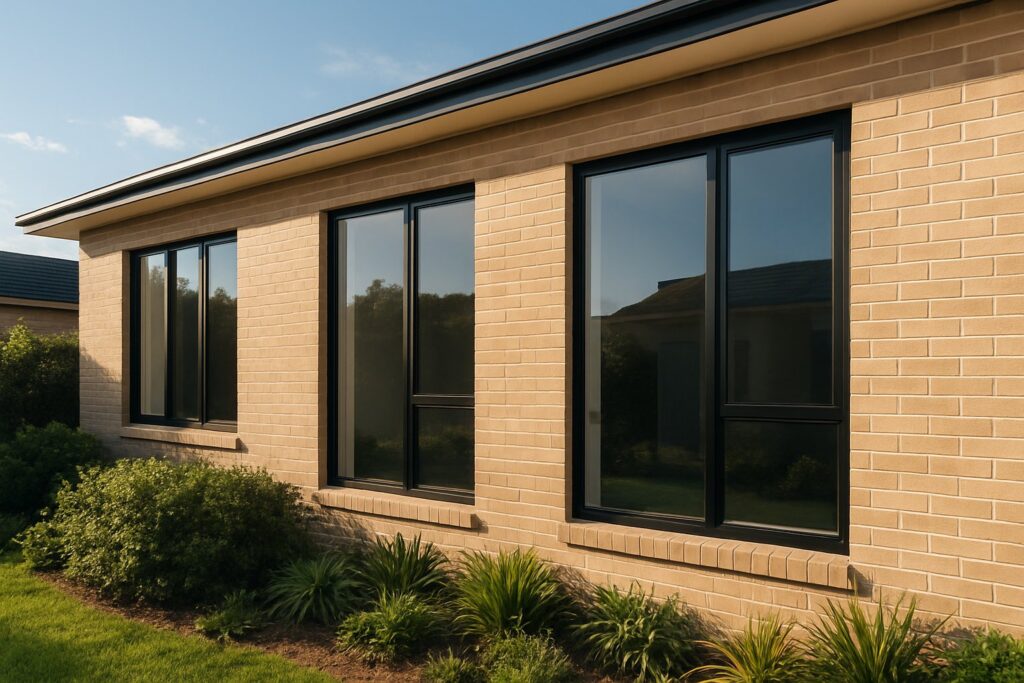
What Makes Double Hung Aluminium Windows Different
A double hung aluminium window is a vertically operating window with two independently sliding sashes set within a lightweight, corrosion-resistant aluminium frame, allowing both the top and bottom panels to open for ventilation and easy cleaning.
If you have ever searched for clear pricing on this specific window style, you have probably noticed most results lump all aluminium windows together or focus entirely on casement and sliding types. That gap is exactly why this guide exists.
How Double Hung Aluminium Windows Work
The mechanism is straightforward. Two sashes sit within vertical tracks on either side of the frame and move up or down independently, counterbalanced by a spiral balance system hidden inside the jamb. Lower the top sash to release warm air near the ceiling, raise the bottom sash to draw cooler air in at floor level, or open both for maximum cross-ventilation. Unlike single hung aluminium windows, where only the bottom panel moves, the double hung configuration gives you control over airflow from two separate openings.
Because both sashes tilt inward for cleaning, aluminium sash windows in a double hung format are especially practical in multi-storey homes where exterior access is limited. The aluminium frame itself keeps the profile slim and rigid, supporting larger glass areas without the bulk that timber or vinyl alternatives require.
Why Aluminium Pricing Deserves Separate Attention
Aluminium double hung windows occupy a unique cost bracket. The material is stronger than vinyl yet lighter than timber, and the manufacturing process differs significantly, involving extrusion, thermal breaking, and powder-coat finishing rather than simple moulding or milling. Each of those steps carries its own cost variable. Combine that with the specialised hardware a double hung mechanism demands, spiral balances, meeting-rail locks, tilt latches, and you get a pricing story that generic aluminium window guides simply do not tell.
This article walks through every layer of that story, from raw material costs and glazing upgrades to installation labour and long-term ownership, so you can budget with confidence rather than guesswork.
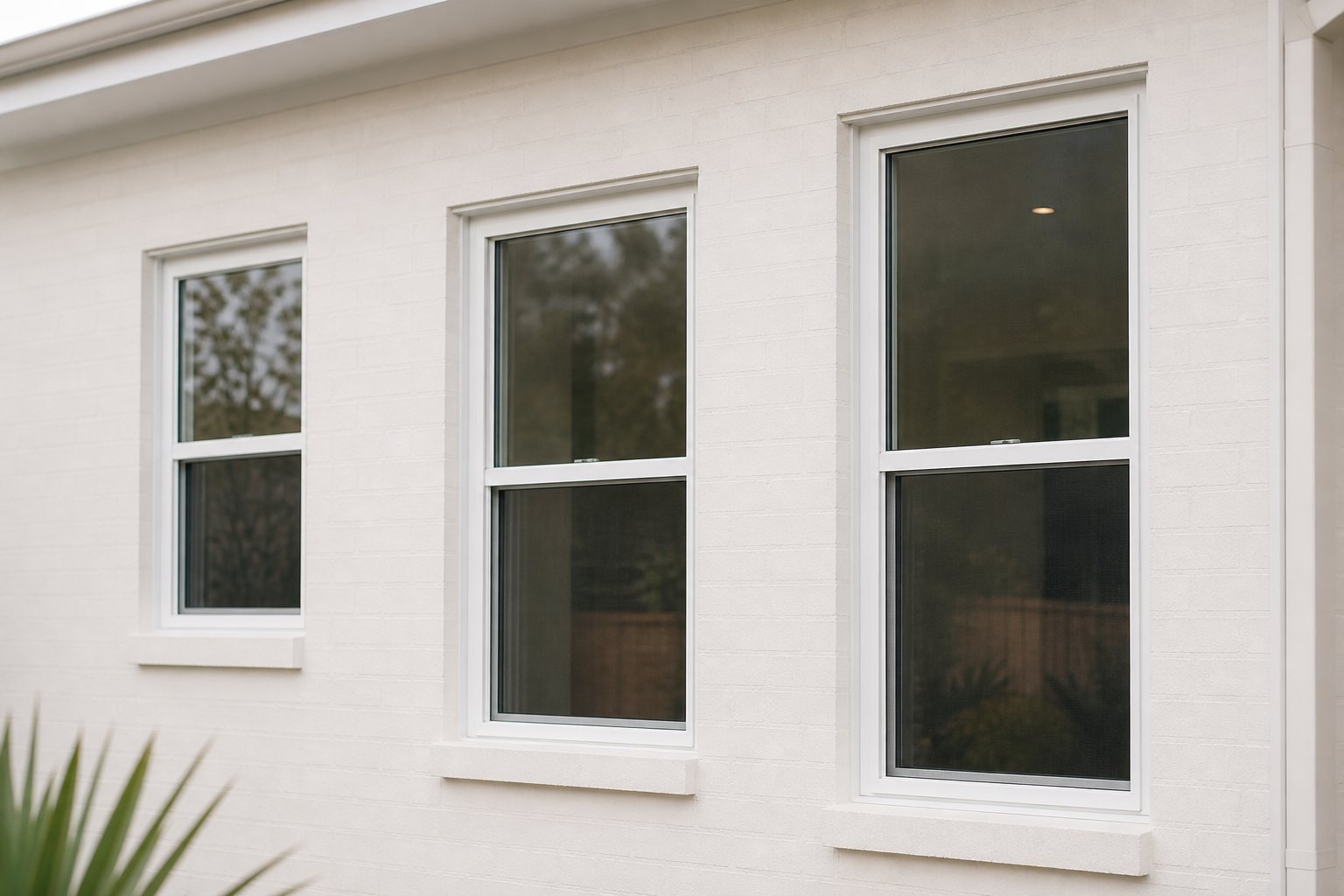
Price Range Breakdown for Standard and Custom Sizes
Pricing for a double hung aluminium window in Australia depends heavily on whether you are ordering a stock size off the shelf or commissioning a custom unit to fit a non-standard opening. Most industry benchmarks place general aluminium windows somewhere between $600 and $1,300 AUD per window supplied and installed, but the double hung mechanism, with its dual-sash hardware and spiral balances, tends to sit in the mid-to-upper portion of that range.
Standard Size Price Ranges
Standard sizes, typically ranging from around 600 mm x 1000 mm up to 900 mm x 1500 mm, benefit from volume manufacturing. Suppliers produce these dimensions in bulk, which keeps unit costs lower and lead times shorter. For a standard double hung aluminium window with double glazing and a thermally broken frame, expect to pay roughly $500 to $900 AUD for supply only. Once you factor in professional installation, the total lands between $800 and $1,400 AUD per opening in most Australian metro areas.
If you are browsing double hung windows for sale through trade suppliers or major retailers, these standard options will dominate the listings and represent the most accessible entry point for homeowners replacing older timber or single-glazed units.
Custom Size Pricing and When It Makes Sense
Heritage renovations, non-standard brick openings, and architect-designed homes often call for custom dimensions. Ordering outside standard increments triggers additional fabrication costs, typically adding 20% to 40% on top of the equivalent standard price. A custom double hung aluminium window might run $700 to $1,400 AUD supply only, with installed costs stretching from $1,100 to $2,000 or more depending on complexity.
Custom sizing makes financial sense when the alternative involves structural modifications to the wall opening, reframing, new lintels, and replastering can easily exceed the premium you would pay for a made-to-measure window.
Material-Only Cost vs Total Installed Cost
One of the biggest traps in budgeting is confusing supply-only pricing with the full project cost. The window unit itself, frame plus glass plus hardware, generally accounts for 55% to 65% of the total spend. Installation labour, flashing, trims, and waste removal make up the remainder. When comparing aluminium replacement windows from different suppliers, always confirm whether quoted figures are supply only or supply and install to avoid a budget blowout on delivery day.
| Window Dimensions (approx.) | Type | Supply-Only Cost (AUD) | Estimated Installed Cost (AUD) |
|---|---|---|---|
| 600 mm x 1000 mm | Standard | $500 – $700 | $800 – $1,100 |
| 750 mm x 1200 mm | Standard | $600 – $800 | $900 – $1,250 |
| 900 mm x 1500 mm | Standard | $700 – $900 | $1,050 – $1,400 |
| Custom (up to 1000 mm x 1800 mm) | Custom | $700 – $1,400 | $1,100 – $2,000+ |
| Oversized / architectural | Custom | $1,200 – $2,500+ | $1,800 – $3,500+ |
These ranges assume a thermally broken aluminium frame with standard double glazing and powder-coat finish. Upgrading glass performance, adding low-E coatings, or selecting premium hardware will push costs toward the higher end, which brings us to the broader question of how aluminium stacks up against other frame materials at comparable price points.
Aluminium vs Other Frame Materials in Double Hung Configuration
Knowing where aluminium sits on the pricing spectrum only tells half the story. The real question is what you get for that spend compared with other frame materials configured as double hung windows. Vinyl, timber, fibreglass, and composite frames all offer a double hung option, yet their price points, durability profiles, and ideal use cases differ considerably.
Aluminium vs Vinyl Double Hung Windows
Vinyl double hung windows typically start lower on the cost scale, ranging from roughly $400 to $900 AUD supplied and installed for a standard opening. That makes them appealing for large-scale replacements where upfront budget is the primary constraint. Vinyl frames provide decent thermal insulation on their own and require almost no maintenance beyond periodic cleaning.
The trade-off sits in structural performance and aesthetics. Vinyl frames need wider profiles to achieve adequate rigidity, which reduces glass area and creates a bulkier visual. In contrast, aluminium window frames deliver a slimmer sightline, typically 30% to 40% narrower, allowing more natural light and a cleaner facade. Vinyl can also soften or warp in extreme heat, a genuine concern for north-facing elevations in Queensland or Western Australia. For temperate climates like southern Victoria or Tasmania, vinyl framed windows remain a reasonable budget choice. In coastal, cyclone-prone, or high-UV environments, aluminium pulls ahead on longevity and structural integrity.
Aluminium vs Wood and Fibreglass Options
Timber double hung windows carry a nostalgic appeal, particularly in heritage-listed homes, but they come at a premium. Expect $1,200 to $2,800 AUD installed per window depending on the species and finish. Ongoing maintenance adds further cost: sanding, repainting, and sealing every three to seven years. Timber also demands careful attention in humid or salt-air environments, where rot and swelling become persistent issues.
Fibreglass frames sit at the top of the price range, roughly $1,400 to $2,500 AUD installed, offering excellent thermal stability and low maintenance. Availability in Australia, however, remains limited compared with aluminium. Fewer local manufacturers carry fibreglass double hung systems, which can extend lead times and reduce competitive quoting options.
Metal clad windows, which pair an aluminium exterior shell with a timber interior, attempt to bridge the gap between durability and warmth. Pricing for these hybrid windows and window frames typically ranges from $1,500 to $3,000 AUD per opening. They suit homeowners who want a natural internal finish without exposing timber to the elements, though they carry the complexity and cost of two materials in one unit.
Where Aluminium Delivers the Best Value
Aluminium does not win every comparison on raw upfront cost. Vinyl undercuts it in mild inland climates. But when you weigh the full picture, strength-to-weight ratio, corrosion resistance, slim profiles, colour stability, and compliance with AS 2047 for high wind regions, aluminium consistently delivers more per dollar over the life of the window. Metal framed windows in a thermally broken aluminium configuration meet NCC energy requirements without the maintenance burden of timber or the structural limitations of vinyl. That balance is precisely why aluminium remains the dominant frame choice for Australian residential and commercial projects alike.
| Frame Material | Approx. Installed Cost (AUD) | Durability | Maintenance | Best Climate Fit | Slim-Frame Available |
|---|---|---|---|---|---|
| Aluminium (thermally broken) | $800 – $1,400 | 30–50+ years | Very low | Coastal, high-wind, high-UV | Yes |
| Vinyl / uPVC | $400 – $900 | 20–30 years | Very low | Temperate inland | No |
| Timber | $1,200 – $2,800 | 50–100 years (if maintained) | High | Dry, temperate | Moderate |
| Fibreglass | $1,400 – $2,500 | 40+ years | Low | Extreme temperature zones | Moderate |
| Composite | $1,000 – $1,800 | 20–40 years | Low to moderate | Mixed climates | No |
| Metal clad (aluminium + timber) | $1,500 – $3,000 | 30–50 years | Moderate | All (with proper detailing) | Moderate |
These figures represent typical Australian metro pricing for a single standard-size double hung unit. Regional, multi-storey, or heritage-overlay projects may shift costs further. With the material comparison clear, the next layer to consider is what happens inside and around the frame itself, because glass selection, hardware grade, and thermal break quality can move your final price just as dramatically as the frame material you choose.
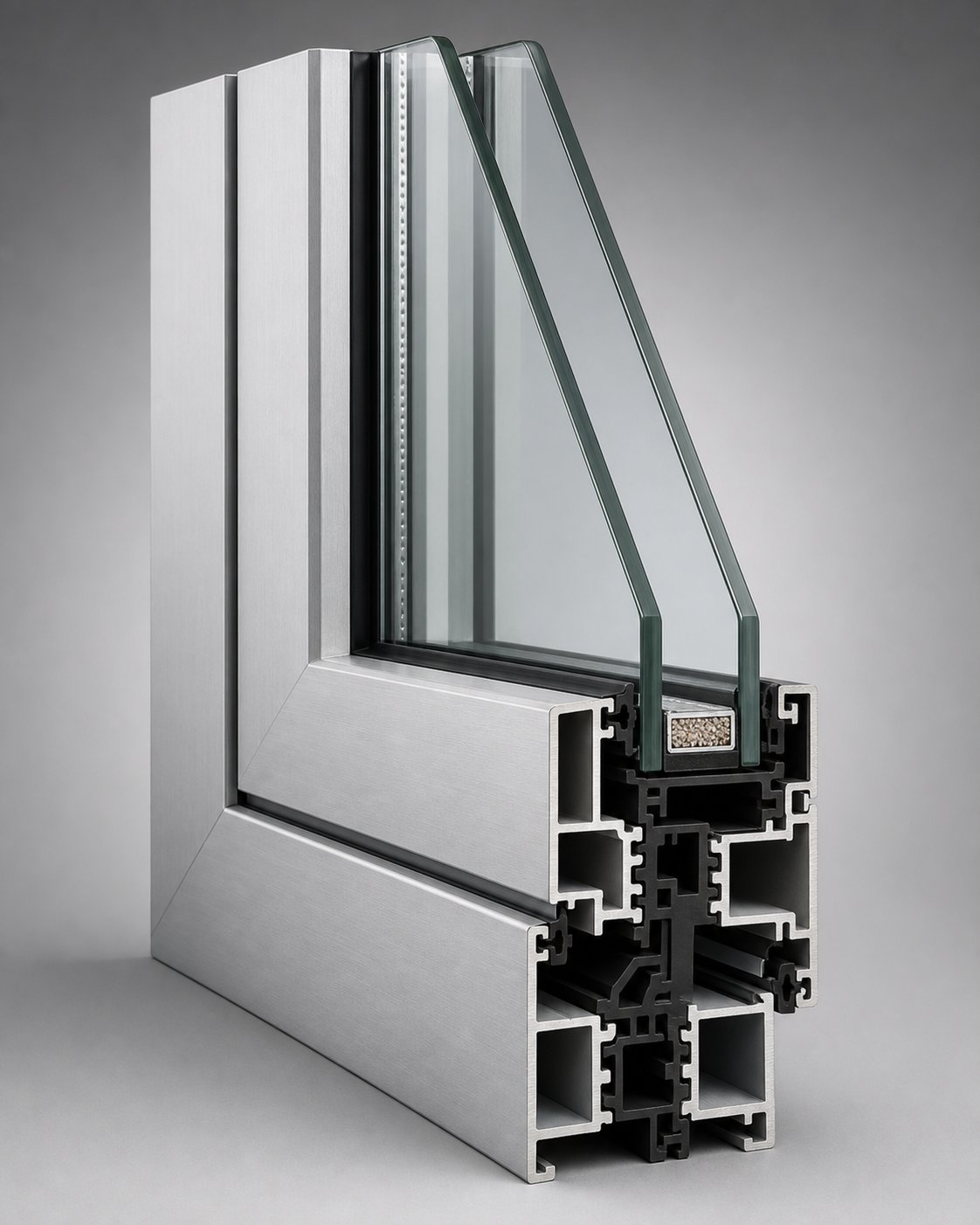
Key Factors That Drive Double Hung Aluminium Window Pricing
Two aluminium double hung windows can look nearly identical from the street yet carry vastly different price tags. The difference lives in the details: what sits behind the glass, inside the frame profile, and within the balance mechanism. Understanding these variables lets you spend strategically rather than overpaying for features you do not need or, worse, underspending on components that determine long-term performance.
Here are the primary cost drivers ranked from highest to lowest price impact:
- Thermal break inclusion – adds 15% to 25% to base frame cost; required for NCC energy compliance in most climate zones
- Glass and glazing specification – accounts for 25% to 40% of the total unit cost depending on pane count, coatings, and gas fills
- Frame profile thickness and alloy grade – heavier extrusions for larger openings or high-wind ratings increase material cost by 10% to 20%
- Hardware quality – spiral balances, multi-point locks, and tilt mechanisms range from budget to commercial grade
- New construction vs replacement frame type – full perimeter flanges versus retrofit sub-frames alter both material and labour cost
- Screen and accessory options – flyscreens, security mesh, and reveal trims add $80 to $300 per window
Glass and Glazing Options That Affect Price
Glass is not just glass anymore. A single pane aluminium window, while still available for sheds, garages, or enclosed verandahs, sits at the lowest price point because it skips the sealed unit entirely. Material cost for a single-pane aluminium frame window in a standard double hung size might be as low as $350 to $500 AUD supply only. The problem is that single glazing fails NCC Section J energy requirements for habitable rooms in virtually every Australian climate zone, so it is rarely a viable option for a living space.
Aluminium double glazed windows represent the current standard. Two panes of glass separated by a 12 mm to 16 mm argon-filled cavity deliver a meaningful U-value improvement, typically dropping from around 5.7 W/m2K (single pane) down to 2.6 W/m2K or lower with a Low-E coating. This upgrade adds roughly $150 to $300 per window over single glazing but is included as standard in most reputable quotes for residential aluminium frame glass units. Low-E coatings, which reflect infrared heat while transmitting visible light, add minimal extra cost because they have become an industry baseline rather than a premium add-on.
Triple glazing pushes performance further, achieving U-values below 1.8 W/m2K, but it carries a 20% to 35% premium over double glazing and demands a thicker frame profile to house the heavier sealed unit. For most Australian homes outside alpine regions, double glazing with argon and Low-E delivers the cost-efficiency sweet spot.
Hardware and Thermal Break Considerations
The spiral balance system inside a double hung window does the invisible work of holding each sash at any height without slamming shut. Budget balances use coiled steel rods in a plastic housing; higher-grade versions incorporate stainless steel components with adjustable tension for heavier sashes. The price difference per pair is modest, around $30 to $60, but cheaper balances wear faster, leading to sagging sashes and costly service calls down the track.
Locking hardware follows a similar logic. A basic cam-action sash lock secures the meeting rail at one point. Multi-point locking systems engage at two or three positions along the frame, improving both security and the compression of weather seals. Expect an additional $50 to $120 per window for multi-point locks over single-point options.
The thermal break, however, is where the biggest cost jump occurs. This polyamide strip inserted between the inner and outer aluminium extrusions prevents the frame from acting as a thermal bridge. Without it, heat conducts straight through the metal, undermining whatever performance the glazing provides. Thermally broken frames cost 15% to 25% more than non-broken equivalents, but they are essentially non-negotiable for compliance with NCC energy provisions and for achieving a satisfactory WERS rating. In practical terms, choosing a non-thermally broken frame to save $100 to $200 per window risks a failed energy assessment and forces expensive retrofitting later. An aluminium window frame kit specified without a thermal break is really only suited to non-habitable enclosures or commercial shopfronts where alternative compliance pathways exist.
New Construction vs Replacement Frame Pricing
This distinction catches many homeowners off guard. A new construction frame features a full perimeter flange, sometimes called a nail fin, designed to integrate directly with wall wrap and structural framing during a build. It assumes an open stud cavity and fresh flashing, so the frame itself can be slightly cheaper to manufacture because it does not need to accommodate existing conditions.
Aluminium retrofit windows, by contrast, are engineered to slide into an existing opening after the old sashes and sometimes the parting beads have been removed, leaving the original outer frame or sub-sill in place. The replacement unit needs tighter tolerances and built-in adjustment to compensate for walls that may no longer be perfectly square. This adds $50 to $150 per window in material cost, though it typically saves on labour because the surrounding wall, renders, and trims remain undisturbed.
Full-frame replacement, where the old frame is removed entirely and a new construction-style unit is installed, increases labour by 40% or more because the installer must address external cladding, internal plaster, and new flashing. The choice between retrofit and full-frame replacement often comes down to the condition of the existing frame. If the original aluminium is structurally sound but the sashes are beyond repair, a retrofit insert keeps the project lean. If corrosion, warping, or failed seals have compromised the frame itself, full replacement is the only path to a lasting result.
Each of these factors compounds. A thermally broken, double-glazed aluminium double hung window with multi-point locks and a retrofit sub-frame occupies a different cost tier entirely from a basic non-broken, single-pane unit destined for a new build garage. Knowing exactly which specifications drive your price upward, and which are non-negotiable for your climate and compliance requirements, puts you in a far stronger position when installation quotes start landing on the table.
Installation Costs and Labour Breakdown Explained
Installation labour is the line item most buyers underestimate. The window unit might steal the spotlight in supplier quotes, but the hands that fit it into your wall account for 35% to 45% of the total project spend on a typical aluminium window replacement. Ignore this portion and your budget falls short before a single sash slides open.
Labour Cost as a Percentage of Total Project Cost
For a standard double hung aluminium window in an accessible ground-floor opening, expect installation labour to run between $250 and $450 AUD per window. That figure covers removal of existing units, preparation of the reveal, fitting, sealing, flashing, and basic internal trim. When you stack it against a supply-only window cost of $500 to $900, labour consistently represents roughly 35% to 45% of the combined total.
Several conditions push labour costs higher:
- Removing old aluminium windows with corroded fixings or sealed-in sub-sills adds time and disposal fees
- Structural modifications such as lintel upgrades, re-framing, or widening openings can double labour hours
- Multi-storey access requiring scaffolding or elevated work platforms adds $80 to $200 per window
- Flashing and weatherproofing to cavity brickwork or fibre cement cladding demands more detailed preparation than a simple timber reveal
In complex situations, particularly homes with old aluminium window frames that have been painted over or built into rendered walls, labour can climb to $600–$800 per opening.
Retrofit vs Full-Frame Replacement Installation
The installation method you choose has a direct effect on cost. A retrofit insert slots the new replacement aluminium window into the existing outer frame, leaving surrounding renders, brickwork, and internal plaster intact. This approach keeps labour between $200 and $400 per window because the installer works within a defined opening that is already weatherproofed.
Full-frame replacement strips everything back to the structural rough opening. The old frame, flashing, and often portions of interior trim come out entirely, and a new construction-style window with perimeter flanges goes in from scratch. Labour for this method typically runs $400 to $800 per window because it involves external re-sealing, potential render repair, and new internal architraves.
Retrofit suits homes where the existing frame is structurally sound but the sashes or hardware have failed. Full-frame replacement becomes necessary when the frame itself shows corrosion, warping, or water ingress that compromises the seal.
How to Evaluate Installation Quotes
Not all quotes are structured the same way, and vague line items hide cost surprises. Here is what a typical aluminium window replacement installation involves and where costs accumulate at each stage:
- Site measure and assessment – a qualified installer inspects the openings, checks for square, and identifies any structural issues. Some charge a separate measure fee ($100–$200) that is later deducted from the project total.
- Removal and disposal of old windows – stripping out existing sashes and, if applicable, the full frame. Confirm whether disposal fees are included or charged separately.
- Opening preparation – squaring the reveal, treating any moisture damage, and installing new flashing or cavity closers where required.
- Window installation and levelling – setting the unit, shimming, fixing, and ensuring both sashes operate smoothly with correct balance tension.
- Sealing and weatherproofing – applying expanding foam, external sealant, and any required moisture barriers to meet NCC weatherproofing provisions.
- Internal and external finishing – fitting architraves, reveal trims, sill nosings, and final caulking. This step varies widely depending on the wall construction.
- Cleanup and handover – debris removal, label removal from glass, hardware adjustment, and a walk-through to confirm operation.
When comparing quotes for replacement windows aluminium, look for these details explicitly. A lower headline price that excludes removal, disposal, or finishing will often exceed a seemingly higher all-inclusive quote once the extras appear. Ask every installer whether their figure covers steps one through seven above, and request a written scope of works rather than a single lump-sum number. That transparency makes comparison straightforward and protects you from budget creep once work begins.
Labour costs represent the portion of the project you cannot recoup through DIY savings without risking warranty coverage and weatherproofing integrity. What you can influence, however, is the long-term return on that installation investment, which depends heavily on how the window performs over decades of daily use.
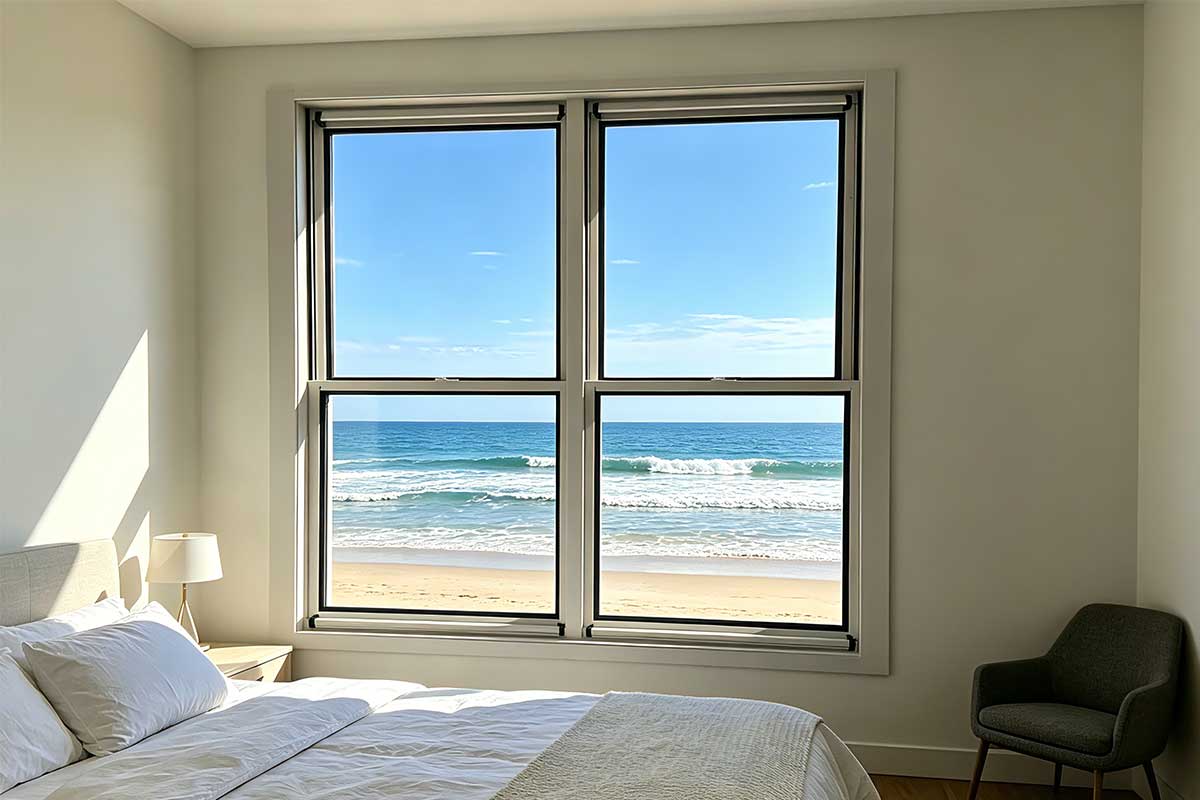
Energy Efficiency and Long-Term Cost of Ownership
Sticker price gets all the attention, but it accounts for barely a third of what you will actually spend on a window over its working life. Maintenance, energy performance, and eventual replacement costs quietly stack up in the background. For double glazed aluminium windows with thermally broken frames, that background story is where the numbers start to favour aluminium in a way the initial quote never reveals.
Lifespan and Maintenance Cost Advantages
A thermally broken aluminium double hung window, properly installed and finished, carries a realistic service life of 30 to 50 years in Australian conditions. Coastal installations with quality powder-coat finishes routinely reach 30 to 40 years before requiring frame attention, while inland installations in temperate climates can exceed that comfortably. Compare this to vinyl at 20 to 30 years or timber at a theoretical 50-plus years that only holds true with diligent cyclical maintenance.
Maintenance demand is where aluminium pulls decisively ahead. The frame itself needs nothing beyond an occasional wash with mild soapy water. There is no repainting, no sealing, no sanding, and no risk of rot or swelling from moisture ingress. Industry project data places aluminium maintenance at roughly $150 to $200 AUD per year across a full home (hardware lubrication, weatherstrip replacement, general cleaning), compared with $200 to $300 for vinyl and $500 to $900 for timber once sanding and repainting cycles are factored in.
Timber double hung windows demand a repaint or re-oil every three to seven years at $150 to $400 per window each cycle. Over a 30-year span, that adds $1,500 to $3,500 per opening in maintenance alone. Aluminium asks virtually nothing over that same period, which means the gap between their installed prices narrows year by year until aluminium becomes the cheaper option outright.
Energy Efficiency With Thermal Breaks and Double Glazing
Aluminium is a metal, and metal conducts heat. That single fact drove the old reputation for poor thermal performance, and it still applies to non-broken frames found in older homes. Modern aluminium double glazing, however, tells a completely different story. A polyamide thermal break, typically 20 mm to 34 mm wide in quality residential systems, physically separates the inner and outer aluminium extrusions so heat cannot bridge across the frame. Pair that break with argon-filled double pane aluminium windows carrying a Low-E coating, and the assembly achieves U-values around 2.2 to 2.8 W/m²K, placing it within striking distance of vinyl and well inside NCC Section J compliance thresholds for all Australian climate zones except alpine extremes.
The double hung configuration adds a specific consideration here. Two operable sashes mean two sets of meeting rails and four sides of weatherstripping per sash. Air infiltration through these seals affects real-world energy performance beyond what the U-value alone suggests. Quality spiral balance mechanisms maintain consistent sash pressure against the jamb weatherstrips, keeping air leakage low over time. Cheaper hardware allows sashes to loosen as balances wear, gradually increasing draughts and eroding the energy benefit of the glazing. This is why the hardware discussion in the previous section ties directly to long-term efficiency, not just convenience.
Research into glazing upgrades suggests that replacing single-pane windows with double-pane units can reduce heating and cooling bills by around 15% annually, regardless of frame material. For a typical Australian home spending $1,800 to $2,400 per year on climate control, that translates to $270 to $360 in annual savings. Over a 30-year window lifespan, the cumulative energy saving from properly specified aluminium double pane windows reaches $8,000 to $10,000, a figure that more than offsets the upfront premium over cheaper single-glazed or non-thermally broken alternatives.
Total Cost of Ownership Over Time
The table below models what a homeowner with 10 standard double hung windows actually pays over 10, 20, and 30 years, combining the initial purchase, maintenance, energy costs, and any replacement events. Figures assume Australian metro pricing, a 3% annual inflation adjustment on replacement costs, and energy savings benchmarked against a single-glazed baseline.
| Cost Factor | Aluminium (thermally broken, double glazed) | Vinyl / uPVC (double glazed) | Timber (double glazed) |
|---|---|---|---|
| Initial installed cost (10 windows) | $10,000 – $14,000 | $6,000 – $9,000 | $14,000 – $28,000 |
| Maintenance over 10 years | $1,500 – $2,000 | $2,000 – $3,000 | $5,000 – $9,000 |
| Total at 10 years | $11,500 – $16,000 | $8,000 – $12,000 | $19,000 – $37,000 |
| Maintenance over 20 years | $3,000 – $4,000 | $4,000 – $6,000 | $10,000 – $18,000 |
| Total at 20 years | $13,000 – $18,000 | $10,000 – $15,000 | $24,000 – $46,000 |
| Replacement needed by year 30? | No | Likely (year 22–28) | No (if maintained) |
| Replacement cost (inflation-adjusted) | $0 | $9,000 – $14,000 | $0 |
| Maintenance over 30 years | $4,500 – $6,000 | $6,000 – $9,000 (incl. second set) | $15,000 – $27,000 |
| Total at 30 years | $14,500 – $20,000 | $21,000 – $32,000 | $29,000 – $55,000 |
The pattern is clear. Vinyl wins the first decade on raw outlay. By year 20, its advantage has thinned. Once a replacement cycle hits around year 25, aluminium overtakes it decisively, costing roughly 30% to 40% less over a 30-year ownership horizon. Timber, despite its longevity, never catches up because maintenance costs compound relentlessly.
For anyone planning to stay in their home beyond a decade or holding a rental property for long-term yield, thermally broken double glazed aluminium windows represent the lowest total cost of ownership among mainstream frame options. The upfront premium pays for itself through zero replacement events, negligible maintenance, and energy performance that holds steady as long as the hardware and seals remain in good condition.
Of course, those seals and that frame are only as durable as the finish protecting them from UV, salt air, and daily weather exposure, which is why the type of surface coating you select carries more financial weight than most buyers realise.
How Finish Options Impact Your Final Price
The surface coating on your aluminium double hung window does two jobs simultaneously: it defines the look of your facade and it serves as the primary defence against corrosion, UV degradation, and salt attack. Choose the wrong finish and you compromise both, no matter how well the frame and glazing perform underneath. Choose wisely and the frame holds its appearance for decades with virtually no intervention.
Standard Mill Finish vs Anodised vs Powder-Coated
Three main finishing methods apply to aluminium window frames, and each occupies a distinct cost and performance tier. Mill finish is raw aluminium with no applied coating, sometimes seen on budget commercial or industrial units. It oxidises naturally over time, developing a dull grey patina that offers basic corrosion resistance but zero colour choice and limited aesthetic appeal. You will rarely find mill finish specified for residential thin frame windows because it does not meet the durability expectations of a 30-year-plus product.
Anodising takes a different approach. An electrochemical process thickens the natural oxide layer on the aluminium, creating an extremely hard surface that resists scratching and corrosion from within the metal itself rather than sitting on top of it. Industry data suggests anodised finishes last 20 to 30 years or more with minimal maintenance, outperforming powder coating in harsh environments. The trade-off is a limited colour palette, mostly metallic silvers, bronzes, and golds, and a higher process cost due to the specialised electrolytic equipment required.
Powder coating is the most common finish on residential aluminium windows in Australia. A dry powder is applied electrostatically and cured in an oven at around 200°C, forming a hard, uniform layer available in virtually any colour or texture. Quality powder-coat finishes last 15 to 20 years in standard conditions and significantly longer when marine-grade pre-treatment is specified for coastal zones.
Here are the three finish types ranked from lowest to highest cost:
- Mill finish (raw aluminium) – no additional cost over base extrusion; limited corrosion protection; no colour options; suited only to concealed or industrial applications
- Powder coating (standard) – adds 0% to 10% to the window price when a standard colour is selected at order; 15 to 20+ year lifespan; vast colour range; the industry default for residential thin frame windows
- Anodised finish – adds 15% to 25% over powder coating; 20 to 30+ year lifespan; superior scratch and corrosion resistance; metallic tones only; preferred for coastal or high-traffic commercial applications
Popular Colour Options and Their Price Impact
Most Australian aluminium window suppliers include a small selection of standard colours at no additional charge, typically white aluminium windows in RAL 9010 or 9016 and a natural silver anodised option. These base colours carry zero premium because suppliers batch-produce them in volume.
Step outside that standard palette and premiums apply. Black aluminium windows, hugely popular for contemporary facades, attract a 15% to 25% surcharge with some suppliers, though others have absorbed this into their base pricing as demand has grown. Bronze aluminium windows, available in both anodised metallic and powder-coated matte variants, typically sit in the 20% to 30% premium bracket due to lower batch volumes and the multi-coat processes some shades require.
Custom RAL colours, anything from deep charcoal to heritage greens, add 25% to 35% over the standard white or silver base. For a window that costs $700 AUD supply-only in white, selecting a custom RAL shade pushes the price to roughly $875 to $945. Marine-grade powder coating, essential for homes within five kilometres of the ocean, layers an additional 15% to 25% on top of whatever colour premium already applies.
Manufacturers known for superior finish quality, particularly those using Qualicoat-certified or equivalent processes with fluoropolymer top coats, justify higher pricing through warranties that extend beyond 20 years on colour retention. Cheaper coatings may look identical at installation but begin chalking or fading within five to seven years, especially on north and west-facing elevations under relentless Australian UV. In coastal regions, the difference between a $50 saving on coating quality and premature corrosion at cut edges becomes a very expensive lesson.
Ultimately, finish selection is not cosmetic fluff. It is a durability decision with real dollar consequences over the life of the window. And it intersects directly with how you buy, because the pricing structures for individual homeowners look quite different from those available to builders or architects ordering at project scale.
Residential vs Commercial Applications and Pricing
A homeowner replacing six windows in a Californian bungalow and an architect specifying 200 identical openings across a multi-storey apartment block are buying the same product category, yet they operate in entirely different pricing ecosystems. The gap between residential single-home orders and commercial aluminium windows procurement is not just about volume discounts. It touches everything from specification depth and compliance documentation to lead times and support expectations.
Residential Pricing and Single-Home Orders
Individual homeowners typically purchase double hung aluminium windows through local fabricators, specialist window retailers, or builder supply chains. Orders range from a single replacement unit up to a full-home package of 10 to 20 windows. At this scale, pricing is largely retail. Each window carries its own per-unit cost, and there is limited scope to negotiate material rates because the supplier is cutting and assembling in small batches rather than running continuous production lines.
For a standard residential order, expect to pay the per-window rates outlined earlier in this guide, roughly $800 to $1,400 AUD installed for a thermally broken, double-glazed unit in a standard size. The supplier relationship is transactional: you receive a quote, approve it, and wait for delivery and installation. Technical support is usually limited to a basic site measure and colour selection.
Residential buyers do have one advantage. Because they are purchasing finished, locally fabricated products, lead times tend to be shorter, often three to six weeks from order to install. Customisation is available but priced at a premium per opening since tooling and setup costs spread across fewer units.
Commercial and Project-Based Pricing Structures
Builders, developers, and architects working on multi-dwelling projects or light commercial fitouts approach procurement differently. Orders of 50 to 500 windows shift the conversation from per-unit retail pricing into project-based quotation territory. At this scale, aluminium window suppliers offer tiered pricing where the per-unit cost drops 10% to 25% below retail, depending on order volume and specification consistency.
Commercial aluminium windows also differ in specification. Multi-storey residential towers, aged-care facilities, and heritage apartment refurbishments often require enhanced performance ratings, higher wind-load compliance under AS 2047, acoustic ratings for urban environments, and fire-resistant glazing at boundary setbacks. These features add cost per unit but are offset by volume savings across the project. Global pricing data confirms that commercial systems generally cost more per square metre due to engineering certification and stricter testing requirements, yet the per-unit figure often lands lower than residential retail because of scale.
Project-based buyers also benefit from dedicated engineering support. A reputable aluminium window manufacturer will provide structural calculations, compliance documentation, shop drawings, and coordination with the builder’s programme, services that do not typically form part of a single-home order. For architects specifying aluminium windows and doors across an entire development, this level of technical backing reduces risk and streamlines the approval process with certifiers.
Connecting With Specialist Suppliers
Not every aluminium window fabricator offers a dedicated double hung system. Many focus on sliding and awning configurations because they are simpler to produce at volume. Finding aluminium window suppliers who engineer a purpose-built double hung system, complete with matched spiral balances, thermally broken profiles, and tested weatherproofing, narrows the field considerably.
Systems like the MEICHEN MA150 Double Hung Window illustrate what a dedicated aluminium double hung platform looks like. Built around a spiral balance mechanism and designed for both residential replacements and project-scale rollouts across Australian applications, it represents the kind of purpose-engineered product that serious specifiers seek out, one where the double hung operation, thermal performance, and frame engineering are developed as an integrated system rather than adapted from a sliding window profile.
Whether you are a homeowner ordering a handful of units or a project manager coordinating hundreds, the key is aligning your procurement approach with the supplier’s strengths. Retail-focused fabricators serve single-home orders well. For larger developments, look for aluminum window manufacturers who offer project pricing, engineering support, and proven supply continuity. The pricing difference between these two channels is significant enough that choosing the wrong one, a retail approach for a 100-unit project or a project supplier for a single window, leaves money on the table either way.
Smart Budgeting Tips for Your Window Project
Price ranges and material comparisons give you the map, but they do not tell you how to navigate the actual buying process. Turning knowledge into a confident purchase means knowing how to request quotes that are genuinely comparable, where to protect your budget without sacrificing performance, and which resources deserve your attention when you are ready to commit.
How to Request and Compare Window Quotes
The most common budgeting mistake is comparing quotes that look similar on the surface but differ dramatically in scope. Industry analysis shows that seemingly similar window quotes can vary by 20% to 30% based purely on specification differences hidden in the fine print. To avoid this trap, standardise your request before approaching suppliers.
Send every potential supplier the same brief: opening dimensions, frame type (retrofit or new construction), glazing requirement (double glazed minimum), thermal break inclusion, finish colour, and whether you need supply only or supply and install. When each quote responds to identical criteria, you can compare like for like rather than guessing which price gap reflects quality and which reflects missing scope.
Watch for these red flags in any quote you receive:
- No specific system or profile name listed, just a generic description like “aluminium double hung”
- Missing U-value or WERS rating information
- No breakdown between supply cost and installation labour
- Vague installation scope with no mention of flashing, sealing, or trim finishing
- No warranty terms for either the product or the workmanship
- “Today only” pressure pricing or unusually low figures without technical justification
A reliable quote should clearly state what brand and system is being supplied, what installation method will be used, what is included in finishing works, and what warranty covers both product and labour. If three or more of these details are absent, the price is not yet meaningful enough to compare against a more detailed offer.
Where to Save and Where to Invest
Not every upgrade carries equal weight. Some specifications protect long-term value while others are genuinely optional depending on your situation. Here is a prioritised checklist for allocating your budget:
- Never compromise on thermal breaks — required for NCC compliance and essential for energy performance. Skipping this to save $100 to $200 per window risks a failed energy assessment and higher running costs for decades.
- Invest in quality hardware — spiral balances and multi-point locks determine how the window operates daily. Cheap mechanisms wear out within five to eight years, triggering service costs that exceed the original saving.
- Prioritise glazing over finish upgrades — double glazing with Low-E and argon delivers measurable energy savings. A premium colour finish looks good but does not reduce your power bills.
- Consider standard sizes where possible — custom sizing adds 20% to 40% to the unit cost. If your openings can accept a standard dimension with minor reveal adjustment, the saving is substantial across multiple windows.
- Save on colour if budget is tight — standard white or silver finishes carry no premium. Upgrading to black or custom RAL can wait if you are replacing aluminium replacement windows across the entire home simultaneously.
- Weigh retrofit vs full-frame carefully — if the existing frame is structurally sound, a retrofit installation halves the labour cost compared with full-frame replacement.
For homeowners choosing between sliding aluminium windows and double hung configurations on a constrained budget, remember that the double hung mechanism costs slightly more due to dual spiral balances and additional weatherstripping. That premium buys superior ventilation control, easier cleaning from inside, and a traditional aesthetic that suits heritage and contemporary facades alike.
The best aluminium windows are not the cheapest upfront or the most expensive on the shelf. They are the ones specified correctly for your climate, compliance requirements, and ownership timeline, delivering the lowest total cost over 25 to 40 years of daily use.
Trusted Resources for Your Next Step
Moving from research to action means gathering the right quotes and verifying that your chosen supplier offers a genuine, engineered double hung system rather than an adapted sliding window profile. These steps will set you up well:
- Check WERS ratings — the Window Energy Rating Scheme lets you compare thermal and solar performance across products using a standardised Australian framework.
- Verify AS 2047 compliance — any aluminium window supplier quoting on your project should confirm their product is tested and certified to this Australian Standard for windows and external glazed doors.
- Request project-specific engineering — for multi-window orders or exposed sites, ask whether the supplier provides structural wind-load calculations and NCC compliance documentation.
- Explore dedicated double hung systems — the MEICHEN MA150 Double Hung Window page offers full specifications and project support for a purpose-built aluminium double hung system, useful as a benchmark when evaluating what a properly engineered product includes.
- Get at least three comparable quotes — use the standardised brief method above and assess them side by side on specification, scope, warranty, and total installed cost.
- Confirm installer credentials — licensed, insured, and willing to provide a written workmanship warranty separate from the manufacturer’s product warranty.
Whether you are sourcing the best aluminium windows for a single bathroom replacement or specifying aluminium window supplies across an entire new build, the process is the same: define your requirements first, then let the quotes come to you on equal terms. That discipline, more than any single product choice, is what separates a confident purchase from an expensive guess.
Frequently Asked Questions About Double Hung Aluminium Windows Pricing
1. How much does a double hung aluminium window cost installed in Australia?
A standard thermally broken, double-glazed double hung aluminium window typically costs between $800 and $1,400 AUD fully installed in Australian metro areas. This range covers common sizes from 600 mm x 1000 mm up to 900 mm x 1500 mm. Custom sizes push installed costs to $1,100 to $2,000 or more depending on dimensions and specification complexity. Supply-only pricing sits roughly 35% to 45% lower, so always confirm whether a quote includes installation labour, flashing, and finishing.
2. Are aluminium double hung windows more expensive than vinyl or timber alternatives?
Upfront, aluminium double hung windows sit between vinyl and timber. Vinyl costs roughly $400 to $900 AUD installed, while timber ranges from $1,200 to $2,800 AUD. However, over a 30-year ownership period, aluminium becomes the most cost-effective option. Vinyl typically requires replacement around year 22 to 28, adding a second purchase cycle. Timber demands repainting every three to seven years at $150 to $400 per window. Aluminium needs only occasional washing, resulting in the lowest total cost of ownership among mainstream frame materials.
3. What factors affect the price of double hung aluminium windows the most?
The biggest price drivers are thermal break inclusion (adds 15% to 25%), glass and glazing specification (accounts for 25% to 40% of unit cost), frame profile thickness for wind-load compliance, hardware quality including spiral balances and multi-point locks, and whether you need a new construction frame or a retrofit replacement unit. Choosing a thermally broken frame with quality double glazing and commercial-grade hardware can nearly double the cost compared to a basic non-broken, single-pane unit, but these specifications are essential for NCC compliance and long-term performance in Australian conditions.
4. How much does installation labour add to the total cost of aluminium window replacement?
Installation labour typically represents 35% to 45% of the total project cost. For a standard ground-floor opening, expect $250 to $450 AUD per window covering removal, fitting, sealing, and basic trim work. Retrofit installations, where the new window slots into an existing frame, cost $200 to $400 per opening. Full-frame replacement, which strips everything back to the rough opening, runs $400 to $800 per window due to additional re-sealing, render repair, and new architraves. Multi-storey access, structural modifications, or corroded existing frames push labour costs higher still.
5. Is it worth paying more for thermally broken double glazed aluminium windows?
Yes, the investment pays for itself through energy savings and avoided compliance issues. Thermally broken, double-glazed aluminium windows achieve U-values around 2.2 to 2.8 W/m²K, meeting NCC Section J requirements across most Australian climate zones. Replacing single-pane windows with double-glazed units can reduce heating and cooling bills by approximately 15% annually, translating to $270 to $360 in yearly savings for a typical Australian home. Over a 30-year lifespan, cumulative energy savings reach $8,000 to $10,000, far exceeding the upfront premium of $150 to $300 per window for the glazing upgrade and 15% to 25% for the thermal break.
More Window & Door Guides