Every Channel for Buying Aluminium Windows Explained
Searching for where to buy aluminium windows usually drops you onto a single brand’s product page or a retailer pushing whatever they have in stock. That’s not particularly helpful when you’re trying to compare your options properly. What you actually need is a clear, brand-neutral breakdown of every purchasing channel available — because the place you buy from shapes far more than just the price tag.
Why Your Buying Channel Matters as Much as the Window Itself
Most people focus on the aluminium window itself — the style, the glass, the colour — without realising that their choice of supplier determines how much customisation they can access, how long they’ll wait for delivery, whether professional installation is included, and what kind of after-sale support they’ll receive. Two identical windows in aluminium can vary by hundreds of dollars depending on whether you source them from a big-box retailer or go direct through a manufacturer. The channel also dictates whether you’re limited to standard sizes or can order bespoke dimensions for non-standard openings.
Aluminium remains a go-to frame material for both residential and commercial projects across Australia. It delivers strength without bulk, allowing for slimmer profiles and larger glass areas than timber or vinyl alternatives. It resists corrosion in coastal environments, handles UV exposure without degrading, and requires virtually no ongoing maintenance. Those qualities make aluminium windows and window frames a sound long-term investment — but only if you purchase through the right channel for your specific project.
What This Guide Covers
This guide walks through every viable option for sourcing aluminium windows in Australia, so you can match your project’s needs to the supplier best equipped to meet them. Here’s what we’ll explore:
- Big-box home improvement retailers and their stock ranges
- Specialty dealers and authorised distributor networks
- Buying direct from manufacturers
- Online window suppliers
- Local fabricators and custom aluminium window shops
Each channel carries trade-offs around pricing, lead times, and the depth of service you’ll receive. The difference between a smooth purchase and a costly headache often comes down to picking the right one from the start.
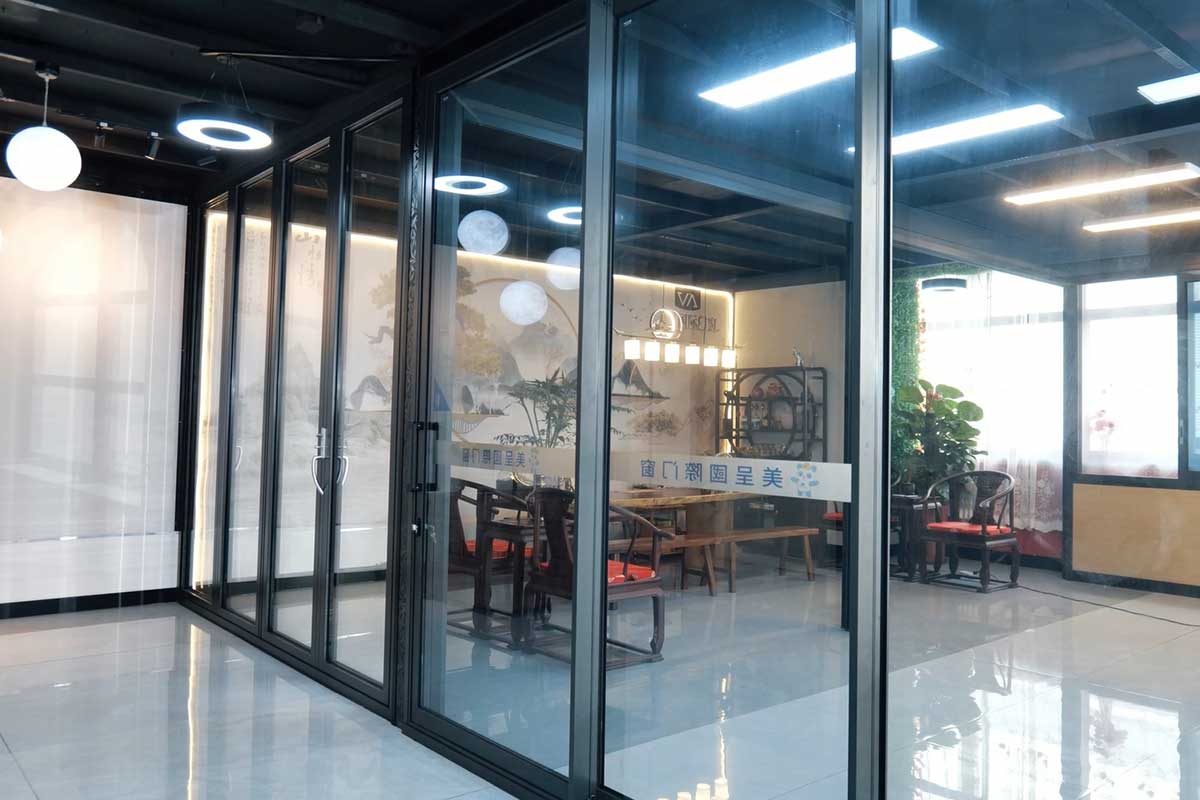
Five Places to Buy Aluminium Windows Compared
Not all aluminium window suppliers operate the same way. Some prioritise speed and convenience, others lean into customisation or bulk pricing. The channel you choose determines what you’ll pay, what sizes and styles are available, and whether installation support comes bundled or sits entirely on your shoulders.
Here’s how each of the five main purchasing channels stacks up for Australian buyers.
Big-Box Retailers and What They Stock
Stores like Bunnings Warehouse carry a limited selection of standard-size aluminium windows — typically sliding and fixed-lite styles in white, black, or bronze finishes. Pricing sits at the lower end, roughly $250 to $700 AUD per unit supply-only for standard openings. The trade-off is minimal customisation. You’re buying what’s on the shelf or in the catalogue, and sizes are restricted to common residential dimensions. Installation isn’t included, though some stores offer referral programs to third-party installers. This channel works best for straightforward replacements where budget matters more than bespoke fit.
Specialty Dealers and Authorised Distributors
Brands like AWS (Vantage and Elevate series), Capral, and Stegbar maintain networks of authorised dealers across Australia. These dealers carry broader product ranges, offer in-home consultations, and can order custom sizes direct from the manufacturer on your behalf. Pricing typically runs $500 to $1,500+ AUD per window depending on specifications, and most dealers provide professional measurement and installation as part of the package. If you’re searching for aluminium windows near you with proper support, dealer locator tools on manufacturer websites are the fastest way to find one in your area.
Buying Direct from Manufacturers
Going direct suits project-scale buyers — builders, developers, or architects ordering multiple units. Aluminium window manufacturers like Bradnam’s or Wideline handle custom fabrication, offer volume pricing, and provide technical documentation for compliance. Lead times are longer (typically four to eight weeks), but you gain access to the full system range including thermally broken profiles and non-standard configurations. Direct purchasing usually requires minimum order quantities or project-based quoting.
Online Window Suppliers
A growing number of Australian suppliers now accept orders online with delivery to site. These platforms often bridge the gap between big-box convenience and dealer-level customisation, letting you specify dimensions, glazing, and hardware digitally. Pricing is competitive because overheads are lower, though you sacrifice face-to-face service. Online ordering works well for confident buyers who already know their measurements and specifications.
Local Fabricators and Custom Shops
Independent aluminium fabricators operate in most Australian cities and regional centres. They extrude or assemble frames to order, powder-coat to any colour, and can produce unusual shapes or oversized units that larger suppliers won’t touch. Pricing varies significantly — expect $600 to $2,500+ AUD depending on complexity — but the level of customisation is unmatched. Many local fabricators also handle installation themselves, giving you a single point of accountability.
| Channel Type | Selection Range | Price Level (AUD, Supply Only) | Customisation | Installation Support | Best For |
|---|---|---|---|---|---|
| Big-Box Retailers | Limited stock sizes | $250–$700 | Minimal | Third-party referral | Budget replacements, standard openings |
| Specialty Dealers | Broad, brand-specific | $500–$1,500+ | Moderate to high | Usually included | Homeowners wanting guidance and quality |
| Direct from Manufacturer | Full system range | $450–$2,000+ | High | Project-dependent | Builders, developers, volume orders |
| Online Suppliers | Moderate, configurable | $350–$1,200 | Moderate | Rarely included | Confident buyers, DIY renovators |
| Local Fabricators | Unlimited (custom) | $600–$2,500+ | Full bespoke | Often included | Architectural projects, unusual openings |
A pattern emerges from this comparison: cheaper channels limit your options, while premium channels charge more but deliver flexibility and support. The right choice depends less on finding the lowest price and more on matching the channel’s strengths to what your project actually demands — which raises the next question: do you need a stock window off the shelf, or does your situation call for custom fabrication?
Stock Windows vs Custom-Fabricated Aluminium Window Frames
That question — stock or custom — shapes almost every other decision in your buying process. It determines which channels are even relevant to you, how long you’ll wait, and how much you’ll spend. Getting clear on the distinction early saves time and prevents expensive mistakes down the track.
Stock Aluminium Windows and Where to Find Them
Stock aluminium windows come in pre-set dimensions that match common residential openings. Think 600mm x 600mm awnings, 1200mm x 1200mm sliding windows, or 1810mm x 1200mm double sliders. Big-box retailers like Bunnings carry these sizes ready for pickup or short-lead delivery. Some online suppliers also maintain stock inventories of popular configurations.
Availability is the core advantage. According to industry supplier data from Cofer Brothers, stock windows from suppliers typically arrive within two to six weeks — sometimes faster if a retailer holds physical inventory. In Australia, popular stock units in standard white or black finishes often ship within one to two weeks from larger retailers. You won’t find slimline aluminium windows or thermally broken profiles in the stock range, but for a basic metal window frame replacement in a standard opening, stock gets the job done affordably.
Custom-Fabricated Options and Lead Times
Custom aluminium window frames are built from scratch to your exact specifications. You choose the dimensions, profile type, glazing, colour, and hardware. This is where aluminium frames for windows truly shine — fabricators can produce ultra-slim sightlines, thermally improved systems, or oversized units that no stock range covers.
The trade-off is time. Custom aluminium windows typically require four to sixteen weeks from order to delivery, depending on complexity and current manufacturer schedules. Specialty shapes, non-standard powder-coat colours, or high-performance glazing options push lead times toward the longer end. You’ll source custom fabrication through specialty dealers, direct from manufacturers, or via local fabricators — not from a big-box shelf.
Thermally broken aluminium window frames, such as those in AWS’s ThermalHEART range, are almost exclusively available through specialty channels. These profiles use a polyamide bridge to reduce heat transfer, meeting stricter NCC energy requirements — but they aren’t mass-produced for retail shelves.
Deciding Between Stock and Custom
Your project’s specific circumstances should drive this decision. Here’s when each option makes sense:
- Stock suits you if: your openings are standard residential sizes, your budget is tight, you need fast turnaround, or you’re replacing like-for-like in a straightforward renovation.
- Custom is necessary when: openings are non-standard or have shifted over time, you’re working on an architectural or heritage project, the design calls for oversized or unusually shaped units, you need thermally broken or slimline profiles, or the build is commercial-scale.
Older Australian homes — particularly weatherboard, fibro, or pre-1980s brick veneer — frequently have openings that no longer match today’s standard sizes due to decades of settling. Forcing a stock aluminium window frame into a slightly out-of-square opening creates air gaps, compromises weatherproofing, and voids warranties. In those cases, custom fabrication isn’t a luxury; it’s a requirement for a proper seal and long-term performance.
The style of window you need also influences this choice — some configurations are widely stocked, while others exist only as custom orders. That distinction is worth understanding before you start requesting quotes.
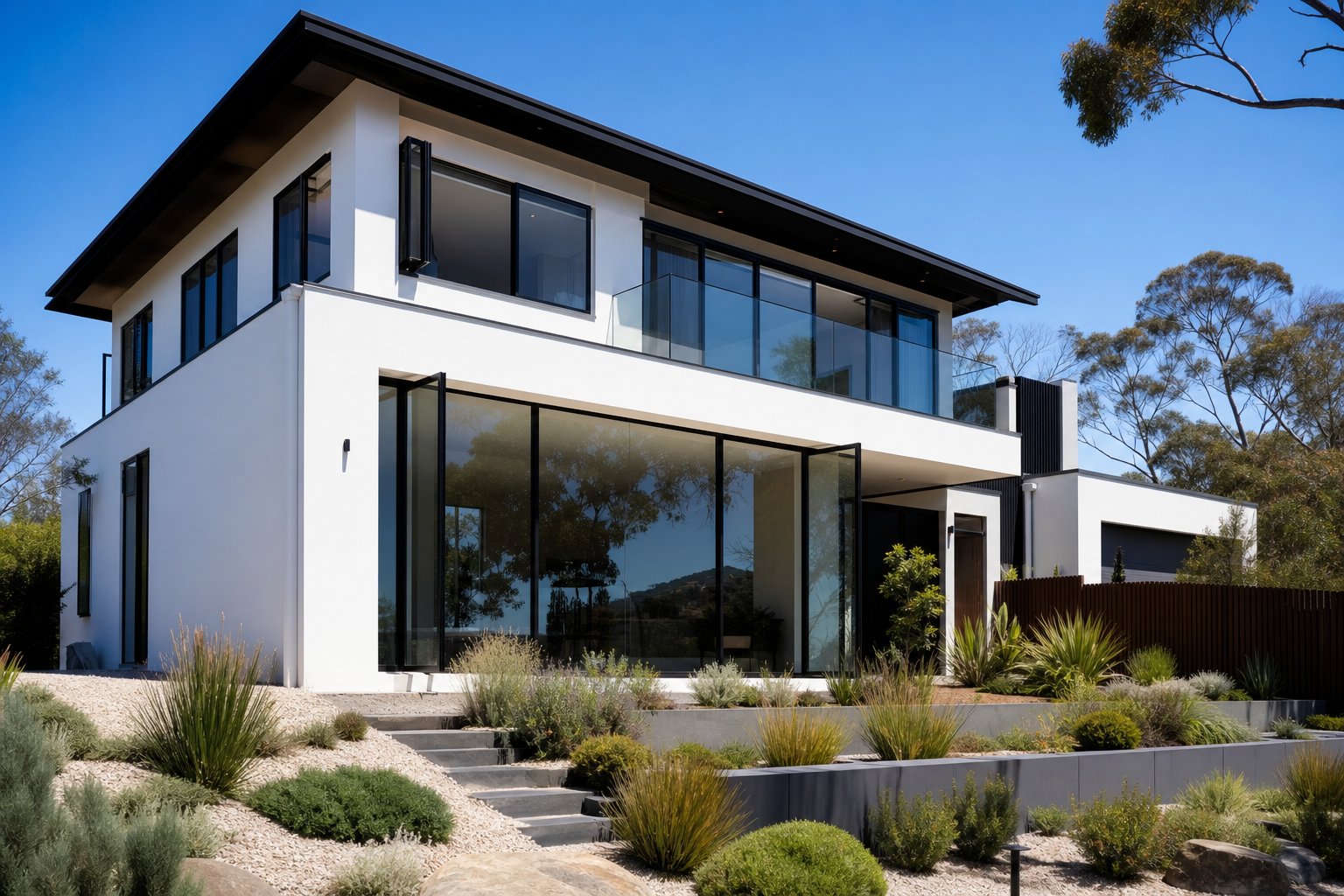
Aluminium Window Styles and Where Each Is Available
Your choice of window style directly affects which buying channels remain open to you. Some configurations sit on retailer shelves ready to go; others exist only as made-to-order products with multi-week lead times. Knowing where each style falls on that spectrum prevents wasted trips and pointless quote requests.
Common Styles Available Off the Shelf
Sliding aluminium windows dominate retail stock in Australia. Their simple horizontal track mechanism makes them easy to mass-produce in standard dimensions, and they suit the majority of residential openings — particularly bedrooms, living areas, and kitchens where space outside the window is limited. Bunnings and other hardware chains typically carry aluminium sliding windows in 600mm, 900mm, 1200mm, and 1800mm widths as ready-to-collect items.
Single hung aluminium windows are the next most commonly stocked style. These feature a fixed upper sash and a lower sash that slides vertically — a classic profile popular in apartment buildings and older Australian home designs. You’ll find standard single hung units at big-box retailers and through some online suppliers, though the size range is narrower than what’s available for sliders.
Fixed-lite (picture) windows round out the retail stock category. These non-operable panels maximise glass area and natural light. Searches for picture windows at major retailers like Home Depot reflect global demand for this style, though Australian buyers will find equivalent stock at Bunnings or through online aluminium window suppliers.
Specialty Styles That Require Custom Orders
Casement windows — hinged at one side to swing outward — offer excellent ventilation and unobstructed views, but their hardware complexity and varied sizing mean they’re rarely stocked as off-the-shelf items. You’ll source these through specialty dealers or local fabricators.
The aluminium awning window follows a similar pattern. Hinged at the top and opening outward from the bottom, awning windows are ideal for wet areas like bathrooms and laundries because they allow airflow even during light rain. While popular across Australian homes, their varied dimensions and chain-winder or friction-stay mechanisms make them predominantly a custom-order product.
Aluminium double hung windows — where both upper and lower sashes operate — sit somewhere between stock and custom. A few standard sizes appear in dealer catalogues, but most orders require fabrication to specific dimensions. Tilt-and-turn windows, louvre configurations, and specialty geometric shapes (arched, circular, triangular) are exclusively custom territory, available only through manufacturers and fabricators.
For commercial projects, curtain-wall systems and storefront configurations aren’t available through any retail channel. These engineered assemblies come direct from commercial aluminium manufacturers with project-specific engineering and compliance documentation.
| Window Style | Availability | Typical Channels | Best Applications |
|---|---|---|---|
| Sliding | Stock | Big-box retailers, online suppliers | Bedrooms, living areas, limited-space openings |
| Single Hung | Stock / Both | Retailers, online, some dealers | Apartments, traditional facades, narrow openings |
| Fixed / Picture | Stock | Retailers, online suppliers | Feature walls, maximising light, non-ventilated areas |
| Casement | Custom | Dealers, fabricators, manufacturers | Living rooms, unobstructed views, maximum ventilation |
| Awning | Custom | Dealers, fabricators, manufacturers | Bathrooms, laundries, rain-prone elevations |
| Double Hung | Both | Dealers, fabricators | Heritage restorations, traditional styling |
| Tilt and Turn | Custom | Specialty dealers, manufacturers | High-performance builds, European-style projects |
| Curtain Wall / Storefront | Custom | Commercial manufacturers only | Commercial builds, multi-storey facades |
Colour availability follows a similar logic. Standard powder-coat finishes — white, black, and bronze — are stocked across most channels. Anything beyond that palette (monument, surfmist, woodland grey, or custom RAL colours) requires ordering through a fabricator or manufacturer, typically adding one to three weeks to your timeline.
Knowing which styles demand custom sourcing is useful, but it only solves half the puzzle. The supplier you ultimately choose still needs to deliver on lead times, warranty protection, and installation quality — factors that vary enormously even within the same channel category.
What to Evaluate When Choosing an Aluminium Window Supplier
Variation between suppliers within the same channel can be just as significant as variation between channels themselves. Two specialty dealers in the same city might offer wildly different warranty terms, lead times, and installation quality. A structured evaluation framework cuts through marketing polish and helps you identify which aluminium window supplier actually backs up their promises.
Key Factors That Separate Good Suppliers from Great Ones
Price matters, obviously — but it’s a poor predictor of overall value when you factor in what happens after you hand over your money. The best aluminum windows on the market can still become a regret if your supplier disappears when a seal fails or a frame arrives damaged. Rank these factors by how much long-term impact they carry:
- Warranty coverage and clarity — A solid warranty should cover glass seal failure, frame defects, and hardware for a meaningful duration. Industry guidance on evaluating warranties emphasises that the best protections are clearly written, cover both parts and labour, and don’t rely on confusing fine print to limit claims. In Australia, reputable aluminium window manufacturers typically offer 7 to 10 year warranties on frames, with some premium brands extending to 15 years or more on powder-coat finishes. Ask whether the warranty requires professional installation to remain valid — most do.
- Thermal performance ratings — Two numbers matter here: U-Value (how well the window insulates against heat transfer — lower is better) and Solar Heat Gain Coefficient (SHGC, measuring how much solar heat passes through — lower suits Australian summers). According to energy efficiency research, upgrading to properly rated double-pane windows can reduce heating and cooling costs by 7 to 15 per cent. In Australia, the Window Energy Rating Scheme (WERS) provides star ratings that simplify comparison shopping. Not every supplier stocks thermally broken frames with aluminum double pane windows — if energy performance is a priority, confirm the supplier carries profiles that meet your NCC climate zone requirements before getting attached to their quote.
- Lead times and delivery reliability — Ask for realistic timeframes, not best-case scenarios. Stock items from retailers might arrive in one to two weeks; custom fabrication through an aluminium window manufacturer typically runs four to ten weeks depending on complexity and season. A supplier who consistently delivers on stated timelines signals operational maturity.
- Installation services — Does the supplier handle installation directly, subcontract to verified tradespeople, or leave you to arrange your own? Suppliers who employ their own installation teams carry greater accountability. As Milgard’s project planning guidance notes, professional installation protects both performance and warranty validity — improper fitting can void coverage entirely.
- Customisation depth — Can the supplier accommodate non-standard sizes, custom powder-coat colours, specialty glazing (low-E, tinted, laminated), or specific hardware preferences? Budget retailers max out quickly here, while fabricators and manufacturers offer far more flexibility. For aluminum clad windows or metal clad windows with timber interior faces, you’ll need a supplier whose range extends beyond basic aluminium profiles.
- Return and rectification policies — Custom windows typically can’t be returned. Understand what happens if a product arrives damaged, out of specification, or with a manufacturing defect. Strong suppliers have clear rectification processes with defined timeframes.
- After-sale support — Can you call someone six months later if a lock mechanism jams or a drainage channel blocks? Suppliers with local presence and established support infrastructure handle these situations quickly. National brands with authorised dealer networks tend to outperform online-only suppliers on this front.
The single most important criterion: match your supplier’s core strengths to your project’s specific demands. A tight deadline favours a supplier with stock availability or fast fabrication. A complex architectural build favours one with deep customisation capability and technical support. No single supplier excels at everything — knowing what matters most to you is the filter that narrows the field.
How to Use Dealer Locator Tools Effectively
Major aluminium window manufacturers maintain online locator tools that map authorised dealers and installers by postcode. In Australia, brands like AWS, Capral, Stegbar, and Bradnam’s all offer these. Internationally, Milgard’s dealer locator serves as a strong example of how these tools function — you enter a postcode, and the system returns nearby certified dealers with verified credentials and service capabilities.
A few practical tips for getting value from these tools:
- Search multiple manufacturer locators, not just one. Different brands appoint different dealers, and some fabricators carry multiple system ranges.
- Filter by service type where possible — some dealers only supply; others supply and install.
- Contact at least three dealers from your results. Pricing, availability, and responsiveness vary even among authorised partners carrying the same product line.
- Ask each dealer about their authorised status and how long they’ve held it. Longevity signals reliability and suggests an established relationship with the manufacturer’s support team.
Authorised dealer status matters because it typically means the installer has undergone product training, carries manufacturer-backed warranty authority, and can access technical support or replacement parts directly. Buying from an unauthorised reseller might save a few dollars upfront, but it can complicate warranty claims significantly if something goes wrong.
Reading Warranty and Return Policies
Window warranties aren’t all created equal, and the language used often obscures the actual protection you’re getting. Before committing to any aluminium window supplier, pin down the answers to these questions:
- What specific components are covered — frame, glass seal, hardware, finish?
- What duration applies to each component? Some warranties cover the frame for 10 years but hardware for only 2.
- Is labour covered for warranty repairs, or only replacement parts?
- Can the warranty be transferred if you sell the property?
- What actions void the warranty — DIY installation, failure to register, use of non-approved cleaners?
Transferability deserves particular attention in the Australian market, where property turnover is high. A warranty that dies on resale loses much of its protective value — and its contribution to your home’s appeal when you sell. Similarly, warranties that demand professional installation to remain valid aren’t unreasonable, but you need to know about that requirement before attempting a DIY fit on aluminum clad windows or any other premium product.
Suppliers who present warranty terms clearly and without excessive disclaimers tend to be the ones most confident in their products. If a warranty document runs to multiple pages of exclusions and caveats, that’s usually a signal to look elsewhere. The aluminium window manufacturers that stand behind their work make the terms simple because they rarely expect to use them defensively.
These evaluation criteria give you a framework for comparing any supplier you encounter — but applying them effectively depends on understanding your own project context. A budget-conscious homeowner replacing two windows weighs these factors very differently from a developer ordering hundreds of units for a multi-storey build.
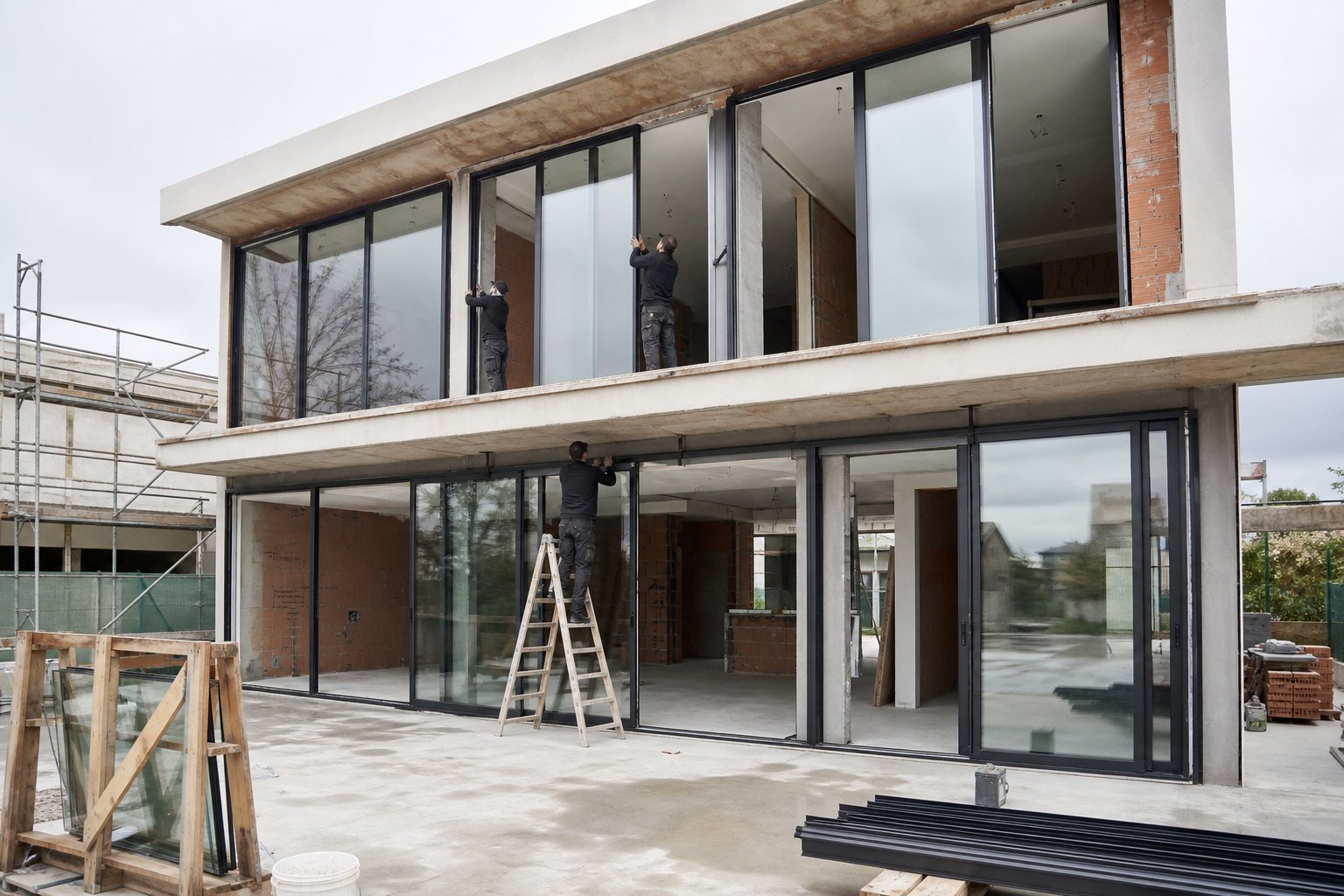
Matching the Right Channel to Your Situation
That difference in perspective — a homeowner weighing a single purchase versus a developer coordinating hundreds — is exactly why generic advice about where to buy aluminium windows falls flat. Each buyer type has distinct priorities, constraints, and tolerance for complexity. The channel that delivers outstanding value for one persona can be a poor fit for another.
Homeowners on a Budget
If you’re replacing a few residential aluminium windows in standard openings and want to keep costs contained, big-box retailers and online suppliers are your strongest starting points. These channels offer the lowest per-unit prices for stock sizes, and you avoid paying for consultation services you may not need. The trade-off is limited customisation and no installation support — you’ll arrange a glazier separately. Stick to standard colours (black, white, or bronze) and common dimensions to avoid being pushed into a costlier custom order when a stock unit would serve perfectly well.
Architects and Designers Specifying for Projects
Specification work demands access to full system documentation, thermally broken profiles, and non-standard configurations. Specialty dealers and direct manufacturer relationships are the appropriate channels here. You’ll need technical data for NCC compliance, WERS ratings for energy modelling, and the ability to specify aluminium doors and windows as a coordinated package across an entire build. Manufacturers like AWS and Capral provide architectural support teams who can assist with detailing. The pitfall to avoid: specifying a product available only through a single distributor with long lead times, which constrains the builder’s procurement flexibility later in the project.
DIY Renovators
Handling your own installation means you need a channel that sells supply-only without bundling labour costs into the price. Online suppliers and big-box retailers both work here, provided you’re confident in your measurements and comfortable with flashings and weatherproofing. Some online platforms now sell complete aluminium door window and frame packages sized to your specifications, shipped flat-packed to site. The critical pitfall: underestimating measurement precision. A 5mm error on a custom order means a window that either won’t fit or leaves gaps that compromise performance. If you’re tackling an older home where openings aren’t perfectly square, invest in a professional site measure even if you plan to install yourself.
Builders and Commercial Developers
Commercial aluminium windows — curtain walls, storefront systems, and multi-residential packages — exist in a different procurement world entirely. Buying at volume for a multi-storey project requires project-based quoting, technical documentation including structural wind-load calculations, and often coordination with façade consultants who verify system appropriateness for the building envelope. As detailed in structured RFQ frameworks for commercial storefront projects, scope accuracy at the quotation stage is what prevents cost blowouts during production. You’ll work directly with manufacturers or specialist suppliers who can provide shop drawings, compliance records, and staged delivery aligned to your construction programme.
Retailers and online platforms simply don’t serve this buyer. When you’re specifying aluminium doors windows and glazed façade systems across dozens of openings, you need a supply partner — not a shop. Project-scale purchasing also opens access to volume pricing, dedicated account management, and after-sale engineering support that smaller channels can’t offer.
| Buyer Persona | Recommended Channels | Key Priorities | Pitfalls to Avoid |
|---|---|---|---|
| Homeowner on a Budget | Big-box retailers, online suppliers | Low per-unit cost, stock availability, fast delivery | Ordering custom when stock sizes fit; skipping measurement verification |
| Architect / Designer | Specialty dealers, direct from manufacturer | System documentation, thermal performance data, coordinated aluminium doors and windows packages | Specifying products with single-source availability or extended lead times |
| DIY Renovator | Online suppliers, big-box retailers | Supply-only pricing, clear installation guides, configurable sizes | Measurement errors on custom orders; ignoring flashing and weatherproofing requirements |
| Builder / Commercial Developer | Direct from manufacturer, specialist suppliers | Project-based quoting, compliance documentation, staged delivery, façade consultant coordination | Comparing quotes with different scope inclusions; leaving glass or hardware specs unconfirmed |
Regardless of which persona fits your situation, the actual purchasing journey — from first measurement through to installed product — follows a predictable sequence of steps. Knowing what happens at each stage, and where people commonly trip up, makes the difference between a smooth transaction and an expensive do-over.
The Complete Aluminium Window Replacement Purchasing Journey
Every aluminium window purchase — whether you’re upgrading old aluminium windows in a 1970s brick veneer or fitting out a new build — follows a roughly similar path. The steps aren’t complicated, but skipping one or rushing through another is where projects go sideways. Here’s the sequence from first tape measure to finished installation, along with the mistakes that catch people out at each stage.
Measuring and Preparing Your Specifications
Accurate measurement is the foundation everything else rests on. According to data from the Window and Door Manufacturers Association, measurement errors account for 78% of window installation problems and warranty claims. That’s a staggering figure — and it’s almost entirely preventable.
For aluminium replacement windows, you’re measuring the rough opening (the structural framed gap in the wall), not the old window itself. Old aluminium window frames may have settled, shifted, or been incorrectly sized when originally installed, making their dimensions unreliable as a reference point. Measure width at the top, middle, and bottom of the opening. Measure height at the left, centre, and right. Use the smallest figure in each direction and deduct approximately 10mm for installation clearance.
Online purchasing is growing fast for home improvement products, but aluminium windows still benefit enormously from in-person measurement verification — particularly for custom orders. A 5mm discrepancy that sounds minor can mean a window that physically won’t fit or one that leaves gaps compromising weatherproofing and thermal performance. If you’re replacing old aluminium windows in an older Australian home where frames have warped or openings have shifted over decades, professional site measurement is worth every dollar.
Getting and Comparing Quotes
With specifications in hand, request quotes from at least three suppliers across different channels. This isn’t just about finding the lowest price — it’s about comparing what’s actually included. One quote might cover supply only; another bundles measurement, supply, installation, and waste removal. Without normalising the scope, you’re comparing apples to fence posts.
When reviewing quotes for aluminium window replacement, confirm these details are explicitly stated:
- Profile system and series (e.g., AWS Vantage Series 616, or equivalent)
- Glazing specification — single, double, laminated, low-E coating
- Powder-coat colour and finish standard
- Hardware brand and type
- Whether installation, flashing, and sealing are included or excluded
- Lead time from order confirmation to delivery
Vague quotes with lump-sum pricing and no specification detail are a red flag. Reputable suppliers itemise because they’re confident in what they’re delivering.
From Order to Installation
Once you’ve selected a supplier, the purchasing journey follows a predictable sequence:
- Confirm measurements — For custom replacement aluminium windows, the supplier should verify your dimensions before production begins. Premium suppliers send a technician to site-measure rather than relying solely on figures you provide.
- Approve shop drawings — On project-scale or custom orders, you’ll receive drawings showing exact dimensions, opening directions, and hardware placement. Check these carefully; once production starts, changes are expensive.
- Production and fabrication — Standard stock items ship within one to two weeks. Custom aluminium window replacement orders typically run four to ten weeks depending on complexity, glazing type, and powder-coat colour.
- Delivery coordination — Confirm site access, storage arrangements, and whether the supplier delivers to ground floor only or into the building. Aluminium frames are robust but glass is not — proper handling during delivery prevents damage claims later.
- Installation — Professional fitting ensures correct shimming, weatherproofing, and compliance with AS 2047. Inspect frames for scratches, check hardware operation, and verify drainage slots are clear before signing off.
- Post-installation check — Test every opening and closing mechanism. Confirm locks engage fully. Run water across the outside of the frame to check sealing. Report any issues immediately — rectification claims are far simpler before the installer leaves site.
Some suppliers offer full project coordination — site measurement, engineering review, compliance documentation, fabrication, delivery scheduling, and installation under a single contract. This end-to-end service differentiates premium suppliers from basic retailers, and it’s particularly valuable for larger aluminium window replacement projects where multiple openings, staged delivery, and trades coordination make self-management impractical.
Completing this journey with the right supplier means your replacement aluminium windows arrive on spec, fit properly, and perform as expected for decades. But knowing the steps is only half the equation — taking the right next step based on your specific buyer type is what turns research into results.
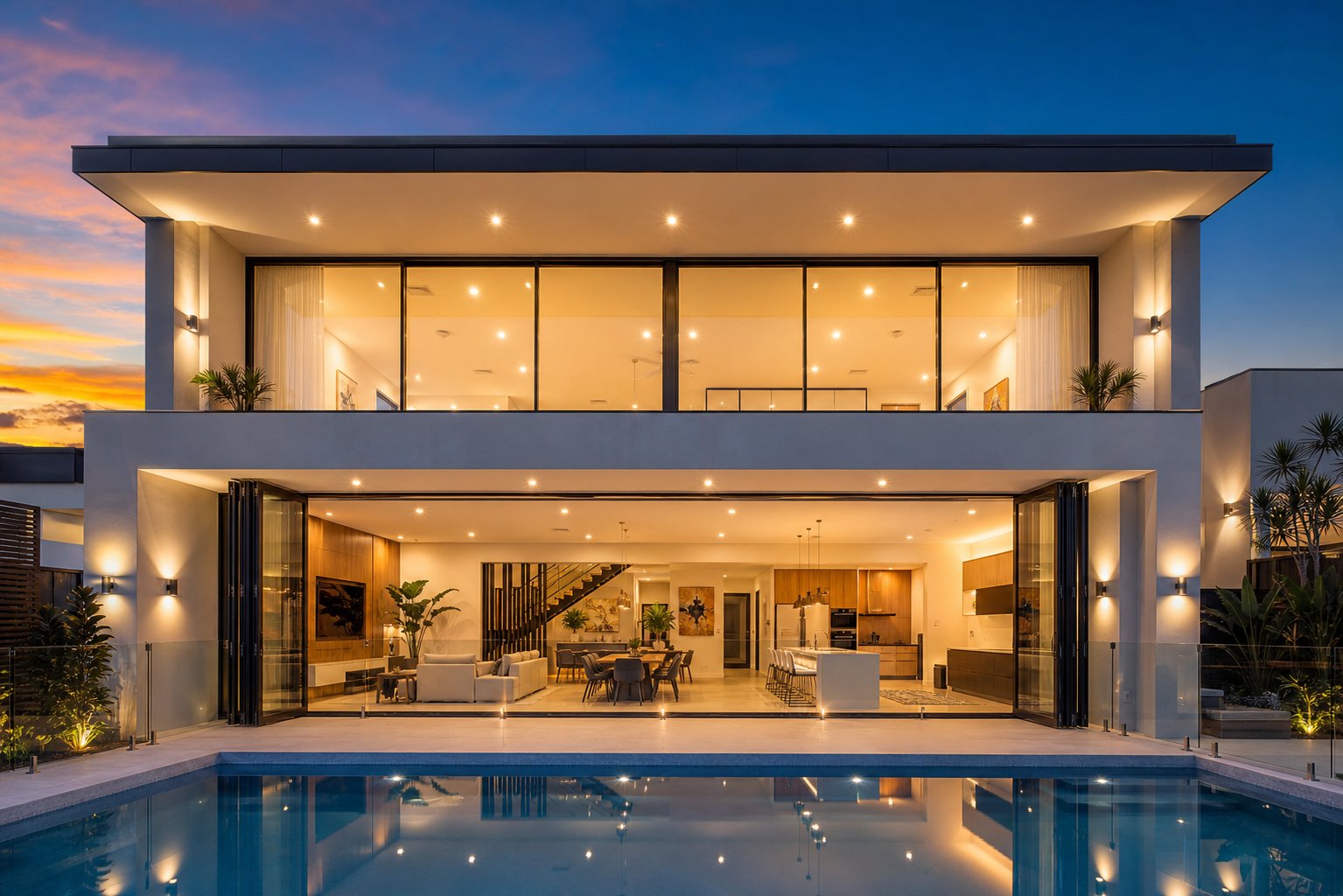
Recommended Next Steps for Every Buyer
Research without action is just procrastination with extra tabs open. You’ve mapped the channels, understood the trade-offs between stock and custom, and identified which supplier qualities matter most for your situation. The final step is translating that knowledge into a concrete purchasing decision — and the right move depends entirely on which buyer category fits your project.
Quick-Reference Recommendations by Buyer Type
Rather than revisiting every nuance, here’s what each buyer persona should do next to move from research to results:
- Budget-conscious homeowners: Visit your nearest Bunnings or hardware retailer to check stock aluminium windows for sale in standard sizes. If your openings match, you’ll save time and money buying off the shelf. Get three quotes minimum — even cheap aluminium windows vary in glazing quality and hardware grade, so compare specifications alongside price.
- Architects and designers: Contact two or three authorised dealers for the profile systems you’re considering (AWS, Capral, or European imports like Schuco). Request full technical documentation, WERS data, and NCC compliance certificates. Lock in your aluminium joinery specifications early in the design phase so builders aren’t constrained during procurement.
- DIY renovators: Order from an online supplier that offers configurable sizing with supply-only pricing. Invest in a professional site measure before placing the order — it costs $150 to $300 AUD and prevents a $2,000 mistake on custom alu windows that don’t fit. Confirm the supplier provides detailed installation instructions with your delivery.
- Builders, contractors, and commercial developers: Engage directly with a specialist fabricator or manufacturer who offers project-based quoting, engineering coordination, and staged delivery. You need a supply partner who understands construction programmes — not a retailer who ships when it suits them. Look for suppliers covering the full scope of aluminium windows and doors, including façade systems and custom configurations.
Specialist Suppliers for Project Buyers
Project-scale purchasing sits in a different league from picking up a window at a retail store. When you’re coordinating dozens or hundreds of openings across a multi-residential development, mixed-use build, or architectural home with complex glazing requirements, you need alum windows manufacturers who operate as genuine project partners — handling system recommendation, shop drawings, fabrication, quality control, and logistics as an integrated service.
A few specialist options worth investigating for Australian project buyers:
- MEICHEN — an Australian-market specialist covering the full range of aluminium windows and doors, façade systems, and custom configurations. Their product and systems range spans residential windows, commercial façades, aluminium doors, and bespoke engineering solutions, making them a strong single-source option for builders and developers who need multiple system types coordinated under one supply agreement. Their project-based model covers everything from system recommendation through to delivery scheduling — the kind of end-to-end coordination that prevents the specification gaps and timing blowouts discussed earlier in this guide.
- AWS (Vantage and Elevate series) — a well-established Australian system supplier with a broad dealer network. Best accessed through their authorised fabricator partners for project-scale work.
- Capral — Australia’s largest aluminium extrusion company, supplying profiles to a wide network of local fabricators. Their dealer locator helps connect project buyers with certified fabrication partners in each state.
For aluminium windows for sale at project volumes, the differentiator isn’t price alone — it’s whether the supplier can absorb complexity on your behalf. Technical documentation, compliance verification, production transparency, and delivery coordination all determine whether your fenestration programme runs on schedule or becomes the bottleneck that delays every downstream trade.
Whichever channel and supplier you choose, the principles remain consistent: verify credentials, confirm specifications in writing, and match the supplier’s strengths to your project’s actual demands. That’s how you buy aluminium windows without getting ripped off.
Frequently Asked Questions About Buying Aluminium Windows
1. What is the cheapest place to buy aluminium windows in Australia?
Big-box retailers like Bunnings typically offer the lowest per-unit prices for standard-size aluminium windows, ranging from approximately $250 to $700 AUD supply-only. Online suppliers also offer competitive pricing due to lower overheads, generally between $350 and $1,200 AUD. However, the cheapest option only makes sense if your openings match standard stock dimensions — forcing a stock window into a non-standard opening creates air gaps, voids warranties, and costs more to rectify than ordering custom in the first place.
2. Should I buy stock aluminium windows or custom-fabricated ones?
Stock windows suit standard residential openings, tight budgets, and fast timelines — they ship within one to two weeks from most Australian retailers. Custom fabrication becomes necessary when openings are non-standard, when you need thermally broken or slimline profiles, or when the project is architectural or commercial in nature. Older Australian homes (particularly pre-1980s builds) often have openings that no longer match standard sizes due to settling, making custom the only option for a proper weatherproof fit. Lead times for custom orders typically run four to ten weeks.
3. How do I find a reputable aluminium window supplier near me?
Start with manufacturer dealer locator tools — brands like AWS, Capral, Stegbar, and Bradnam’s all maintain online locators searchable by postcode. Search multiple manufacturer websites rather than relying on one, as different brands appoint different dealers. Contact at least three results from your search to compare pricing, lead times, and responsiveness. Verify their authorised status and ask how long they have held it, as longevity signals a reliable relationship with the manufacturer and access to direct warranty support.
4. What should I look for in an aluminium window warranty?
Focus on five key elements: which components are covered (frame, glass seal, hardware, finish), the duration for each component, whether labour is included for warranty repairs or only replacement parts, transferability if you sell the property, and what actions void coverage. In Australia, reputable manufacturers typically offer 7 to 10 year frame warranties, with some extending to 15 years on powder-coat finishes. Most warranties require professional installation to remain valid, so confirm this requirement before attempting a DIY fit.
5. Can I buy aluminium windows online in Australia?
Yes, a growing number of Australian suppliers accept online orders with delivery to site. These platforms often allow you to specify custom dimensions, glazing type, and hardware digitally at competitive prices. Online buying works best for confident buyers who already know their exact measurements and specifications. The main trade-off is no face-to-face service or in-person measurement verification. For custom orders especially, consider paying for a professional site measure before placing your online order to avoid costly sizing errors.
More Window & Door Guides