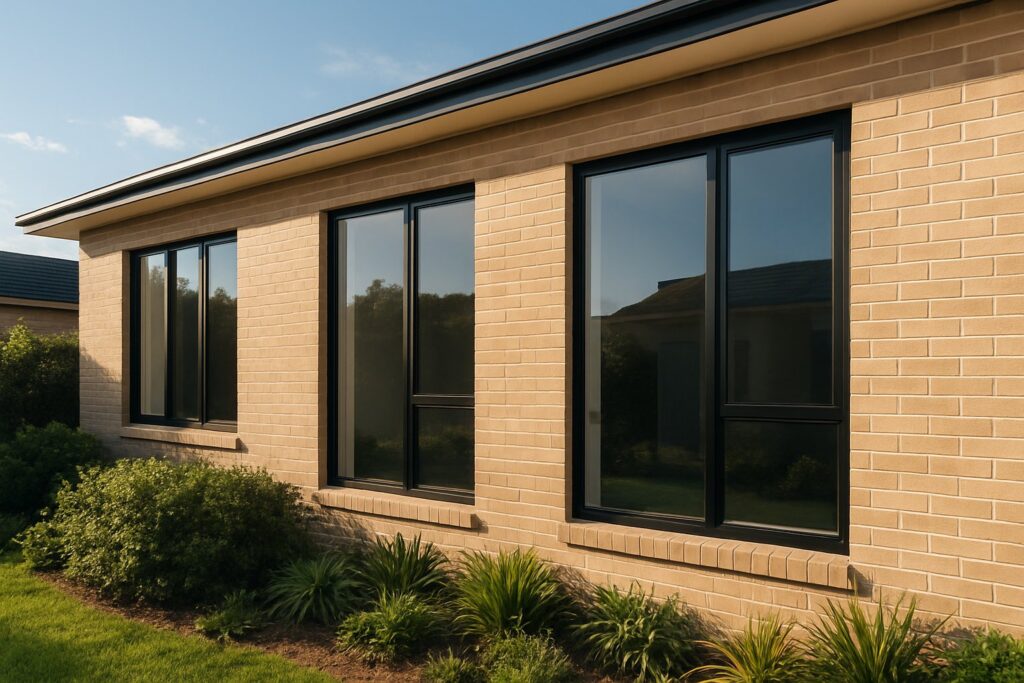
Why Sydney Homeowners Choose Aluminium Windows
Aluminium windows are glazing systems built around extruded aluminium frames — lightweight, corrosion-resistant, and strong enough to support large glass panels with minimal visual bulk. They come in every configuration you can think of: sliding, awning, casement, bifold, louvre, fixed, and double hung. And in Sydney, they are everywhere.
Why Aluminium Dominates Sydney’s Window Market
There is a reason aluminium windows in Sydney appear on everything from heritage terrace renovations in Balmain to new apartment towers in Parramatta. The material handles coastal salt air, intense UV, and driving rain without the rot, warping, or constant repainting that timber demands. It suits slim-profile designs that maximise glass area — a priority in a city where natural light and outdoor views carry real lifestyle value. Australia’s aluminium window and door market reached 5.5 million units in 2024, with projections pointing toward 6.4 million units by 2035. That steady growth reflects how deeply embedded the material is in Australian construction.
Aluminium accounts for the dominant share of window installations across Australian residential and commercial projects, driven by its strength-to-weight ratio, design flexibility, and suitability for the country’s harsh climate conditions.
Who This Guide Is For
Whether you are replacing tired aluminium window frames on a 1970s brick veneer in the Hills District, specifying the best aluminium windows Sydney has available for a new coastal build, or weighing up options for a duplex in the Inner West, this guide walks you through the full decision. We cover window types matched to room function, climate-driven specification choices across Sydney’s diverse regions, Australian standards and compliance, realistic cost factors, the installation process, long-term maintenance, and how to evaluate suppliers. No sales pitch — just the information you need to avoid paying twice for a decision you could have got right the first time. Every aluminium window Sydney buyers invest in should earn its place on performance, not just price.
Aluminium Window Types and Where They Work Best
Picking a window style is not a purely aesthetic call. The right type depends on what the room actually needs — how much airflow, what direction the opening faces, how much weather exposure it cops, and whether you need the glass to stack away completely or stay sealed tight. Here is how each aluminium window configuration earns its place in a Sydney home or commercial fit-out.
Sliding and Bifold Windows for Open-Plan Living
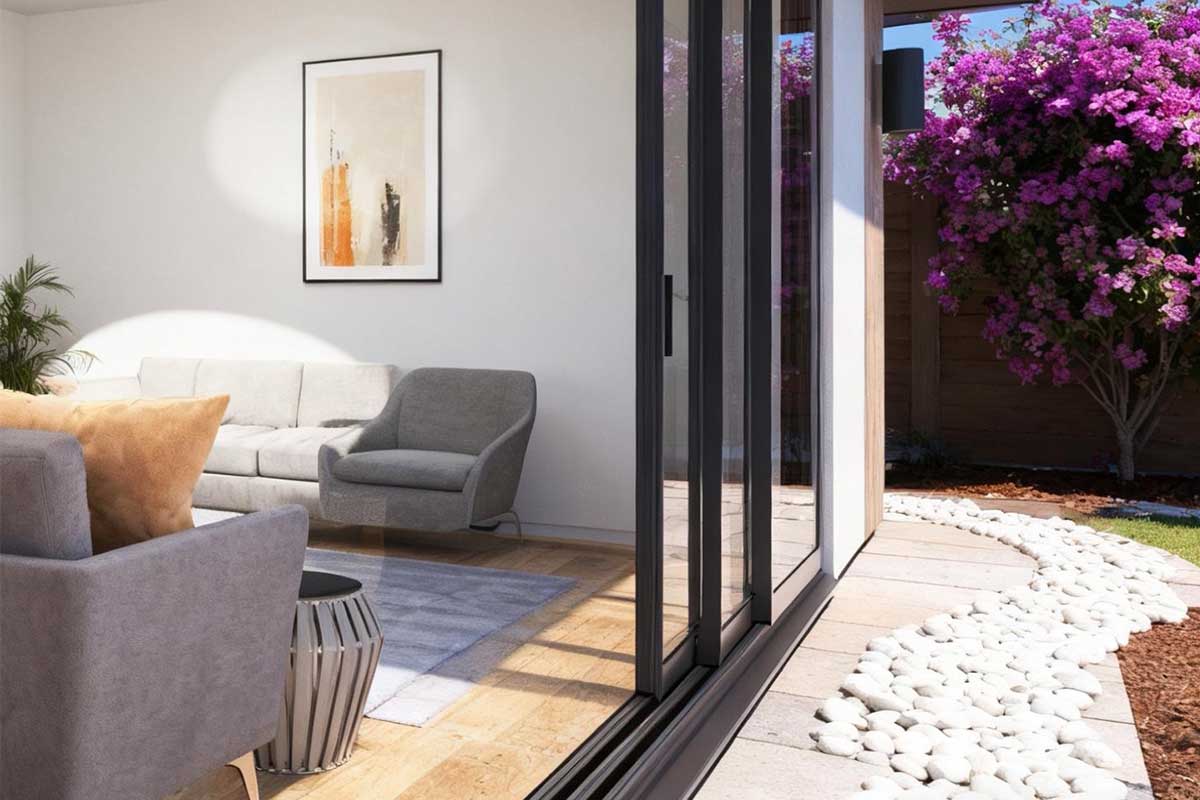
Aluminium sliding windows in Sydney remain the default for bedrooms, living areas, and anywhere space is tight. They glide horizontally on rollers, require zero clearance inside or out, and suit ground-floor rooms facing a courtyard or garden. For open-plan kitchens and entertaining zones that need a full connection to outdoor areas, aluminium bifold windows in Sydney deliver that seamless indoor-outdoor transition — panels fold and stack to one side, opening up the entire aperture. Bifolds work best on north or east-facing walls where you want maximum morning light and cross-ventilation without wind tunnelling. They are also increasingly popular as aluminium servery windows in Sydney, creating a pass-through between kitchen and alfresco dining that folds flat when not in use.
Awning and Louvre Windows for Ventilation Control
Aluminium awning windows in Sydney are hinged at the top and push outward, forming a canopy that lets air in while deflecting rain. This makes them ideal for bathrooms, laundries, and any room where you want ventilation during a storm without water intrusion. Stacked awning configurations on south-facing walls provide consistent airflow without direct sun glare. Aluminium louvre windows in Sydney take ventilation further — adjustable glass blades angle open to control exactly how much breeze enters. Kitchens benefit enormously from louvres, venting cooking heat and steam rapidly. In humid months, louvres on opposite walls create effective cross-flow that mechanical systems struggle to match. If you are specifying aluminium bathroom windows in Sydney, awning styles rated for wet areas give you privacy at height while clearing moisture fast.
Casement and Fixed Windows for Specific Applications
Aluminium casement windows in Sydney hinge on the side and crank outward, creating a compression seal when locked that outperforms sliders on both air leakage and water resistance. They suit west-facing openings where you need a tight seal against afternoon heat, and they work well in kitchens and bathrooms where controlled ventilation matters more than wide openings. Fixed aluminium windows — no moving parts, no seals to wear — deliver the best thermal and acoustic performance of any configuration. Use them for feature walls, stairwells, and anywhere light matters more than airflow. For rooms that need both options, aluminium tilt and turn windows in Sydney offer a European-style dual mechanism: tilt inward from the top for gentle ventilation, or swing fully open for cleaning and maximum airflow.
| Window Type | Ideal Room Applications | Ventilation Rating | Weather Sealing | Best Orientation |
|---|---|---|---|---|
| Sliding | Bedrooms, living rooms, utility areas | Moderate | Good | North, East |
| Bifold | Open-plan living, servery pass-throughs, entertaining zones | High (fully open) | Good (when closed) | North, East |
| Awning | Bathrooms, laundries, kitchens, high-level openings | Moderate | Excellent | South, East |
| Louvre | Kitchens, wet areas, tropical-style builds | Excellent | Moderate | North, South (cross-flow) |
| Casement | Kitchens, bathrooms, west-facing rooms | Good | Excellent | West, South |
| Fixed | Feature walls, stairwells, high-level light panels | None | Superior | Any |
| Double Hung | Heritage renovations, bedrooms, street-facing facades | Good (top and bottom) | Good | Any |
| Tilt and Turn | Bedrooms, kitchens, upper-storey rooms | High (dual mode) | Excellent | Any |
The gap between getting this decision right and getting it wrong shows up in daily comfort — a louvre where you needed a casement means rain intrusion, and a fixed panel where you needed ventilation means relying on air conditioning year-round. For Sydney projects where you want to explore custom configurations across all these styles — including glazing choices, colour selections, and hardware options tailored to each window type — MEICHEN’s aluminium window range lets you spec residential and commercial options in one place.
How Sydney’s Climate Shapes Your Window Decisions
Sydney is not one climate — it is several, packed into a single metro area. A window that performs perfectly in Penrith may corrode within years at Cronulla. The specification that keeps a Bondi apartment comfortable could leave a Kellyville home sweltering. Your suburb’s specific environmental stressors should drive every decision about frame finish, glazing type, and hardware grade.
Coastal and Harbour-Side Exposure Requirements
Salt-laden air is relentless. Properties within a few kilometres of the coastline — Eastern Suburbs, Northern Beaches, Sutherland Shire foreshore — face accelerated corrosion on any metal surface that is not properly protected. Standard aluminium finishes break down faster in these zones, and hardware components like rollers, locks, and hinges suffer first.
For aluminium windows in Sydney’s eastern suburbs, powder-coated frames with marine-grade finishes are non-negotiable. Look for coatings that meet the Qualicoat or equivalent durability classification for severe marine environments. The powder coating creates a barrier between the aluminium substrate and salt spray, but only if the pre-treatment process (chromate or chrome-free conversion) was done correctly. Cheap finishes skip this step, and the result is bubbling and pitting within five years. Stainless steel or marine-grade hardware should replace standard zinc-plated components in any home within 1 km of the waterline.
Western Sydney Heat and Thermal Performance
Head 30 km inland and the challenge flips entirely. Aluminium windows in western Sydney face summer temperatures regularly exceeding 40°C, with radiant heat loading that turns unprotected glass into a furnace element. The temperature differential between a 45°C exterior and a 24°C air-conditioned interior puts enormous thermal stress on frames and seals.
Thermally broken aluminium frames address this directly. A polyamide strip separates the interior and exterior aluminium sections, preventing the frame itself from conducting heat inward. Without a thermal break, the frame becomes a bridge that undermines whatever glazing performance you have specified. In areas like Penrith, Blacktown, and Liverpool, thermal break technology paired with appropriate glazing is the difference between manageable energy bills and an air conditioner running flat out from October to March.
How Double Glazing Addresses Sydney’s Climate Challenges
Double glazing works year-round in Sydney, not just in winter. Two panes separated by an insulating air or argon-filled gap create a thermal barrier that blocks heat transfer in both directions. Up to 87% of summer heat gain enters through inefficient windows, and double glazed aluminium windows in Sydney can reduce cooling energy use by up to 30%. Add a low-E coating and you also block up to 99% of UV rays — protecting floors, furniture, and artwork from fading.
For coastal properties, aluminium double glazed windows in Sydney combine corrosion-resistant frames with thermal performance that single-pane systems cannot match. The sealed unit also reduces condensation in humid months, cutting mould risk in bathrooms and bedrooms. In bushfire-prone fringe areas — parts of the Hills District, Blue Mountains fringes, and northern rural-residential zones — BAL-rated glazing assemblies with toughened or laminated glass become a compliance requirement, not an upgrade.
| Sydney Region | Key Environmental Stressors | Recommended Frame Specification | Recommended Glazing |
|---|---|---|---|
| Eastern Suburbs / Northern Beaches | Salt spray, humidity, storm-driven rain | Marine-grade powder coat, stainless steel hardware | Double glazed with low-E coating |
| Western Sydney (Penrith, Blacktown, Liverpool) | Extreme heat (40°C+), high UV, large diurnal range | Thermally broken aluminium frames | Double glazed with low-E, tinted or performance glass |
| Inner West / Inner City | Traffic noise, moderate heat, humidity | Standard or thermally broken frames | Double glazed with acoustic interlayer |
| Bushfire-Prone Fringe (Hills, Blue Mountains edge) | Ember attack, radiant heat, bushfire compliance | BAL-rated aluminium systems | BAL-compliant toughened or laminated glass |
| Harbour-Side / Waterfront | Severe salt exposure, wind loading, driving rain | Marine-grade finish, enhanced weather seals | Double glazed, laminated for wind resistance |
Climate is not a single variable — it is a combination of stressors that compound each other. Humidity accelerates salt corrosion. UV degrades seals faster in heat. Storm-driven rain tests weatherproofing that seemed adequate in dry conditions. The right specification accounts for all of these simultaneously, which is exactly why the material comparison between aluminium, timber, and uPVC matters so much for long-term performance.
Aluminium vs Timber vs uPVC for Sydney Homes
Material choice shapes everything that follows — maintenance burden, energy performance, how long the windows last, and what they look like doing it. Most comparisons stop at vague labels like “good insulator” or “low maintenance.” That is not enough when you are spending real money on a Sydney home that faces real weather. Here is how aluminium, timber, and uPVC actually stack up across the criteria that matter.
Durability and Lifespan in Australian Conditions
Aluminium frames resist corrosion, UV degradation, and moisture without structural compromise. A properly powder-coated or anodised aluminium window in Sydney will last 40 to 60 years with minimal intervention — no repainting, no sealing, no rot. Coastal properties need marine-grade finishes, but the underlying frame remains structurally sound regardless.
Timber offers a natural warmth that many homeowners love, yet it demands ongoing care. Without regular painting or staining every three to five years, timber frames absorb moisture, swell, warp, and eventually decay. Termites add another layer of risk in Sydney’s climate. High-quality hardwood species extend lifespan, but they come at a premium and still require maintenance that aluminium simply does not.
uPVC performs well in moderate conditions and resists moisture without repainting. However, prolonged exposure to intense Australian UV can cause fading or deformation over time, particularly on north and west-facing elevations where sun exposure is harshest. Expected lifespan sits around 25 to 35 years — respectable, but shorter than aluminium in equivalent conditions.
Thermal Performance and Energy Efficiency Compared
This is where timber and uPVC hold a genuine advantage over standard aluminium. Raw aluminium conducts heat at roughly 160 to 200 W/m·K, compared to around 0.15 W/m·K for uPVC and 0.10 to 0.15 W/m·K for softwood timber. That difference is enormous — a non-thermally broken aluminium frame acts as a thermal bridge, undermining whatever glazing sits within it.
Thermally broken aluminium closes this gap substantially. By inserting a polyamide insulating strip between the inner and outer frame sections, whole-window U-values (Uw) drop from around 3.0 W/m²·K down to approximately 2.0 to 2.7 W/m²·K. That puts thermally broken aluminium in the same performance neighbourhood as uPVC (typically 1.8 to 2.4 W/m²·K) and timber (around 1.8 to 2.5 W/m²·K). The thermal penalty that once defined aluminium is now an engineering problem with a proven solution — one that lets you keep slim frames and large glass areas without sacrificing energy efficiency.
Design Flexibility and Aesthetic Options
Aluminium’s strength-to-weight ratio is unmatched. Frames can be extruded thinner while supporting heavier glass panels, which means slimmer sightlines and larger uninterrupted spans. For architectural aluminium windows in Sydney — think floor-to-ceiling fixed panels, expansive bifolds, or corner-opening configurations — no other material delivers the same structural capacity at the same visual weight. Aluminium fixed windows in Sydney achieve the thinnest possible frames precisely because there are no moving parts adding bulk.
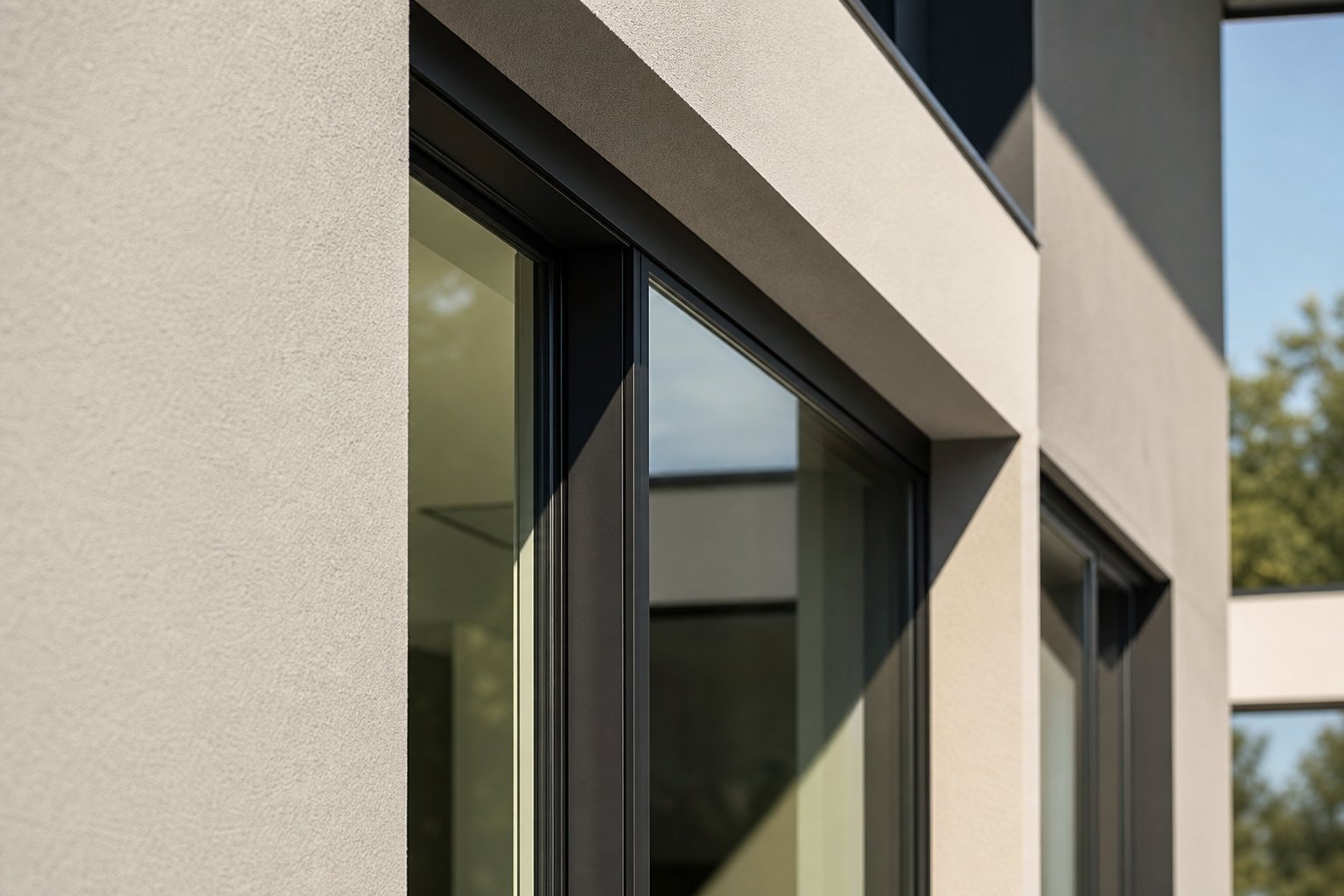
Colour options are virtually unlimited. Powder coating offers any RAL colour, while anodised aluminium windows in Sydney provide a metallic finish that ages gracefully and resists scratching better than paint. Black aluminium windows in Sydney have become the dominant aesthetic in contemporary builds — that crisp, dark frame against light render or natural timber cladding defines the modern Australian home. Timber can be painted any colour too, but the finish degrades and needs renewal. uPVC offers foil-wrapped colour options, though the range remains narrower and the profiles bulkier.
| Criteria | Aluminium (Thermally Broken) | Timber | uPVC |
|---|---|---|---|
| Expected Lifespan | 40–60 years | 30–60 years (with maintenance) | 25–35 years |
| Maintenance Frequency | Low — occasional cleaning | High — repaint/stain every 3–5 years | Low — occasional cleaning |
| Whole-Window Uw (indicative) | 2.0–2.7 W/m²·K | 1.8–2.5 W/m²·K | 1.8–2.4 W/m²·K |
| Frame Strength-to-Weight Ratio | Excellent | Moderate | Low |
| Suitability for Large Openings | Superior — slim profiles, wide spans | Limited by weight and structural flex | Limited — thicker profiles needed |
| Colour and Finish Options | Unlimited (powder coat, anodised) | Any paint colour (requires renewal) | Limited foil-wrap range |
| Recycling Potential | 100% recyclable, retains value | Biodegradable but limited reuse | Recyclable but rarely recycled in practice |
| Fire Resistance | Non-combustible (melts at ~660°C) | Combustible | Self-extinguishing but releases toxic fumes |
| Coastal Suitability | Excellent with marine-grade finish | Poor without intensive maintenance | Good |
| UV Resistance | Excellent | Moderate (finish degrades) | Moderate (can deform over time) |
No material wins every category. Timber insulates naturally and suits heritage contexts. uPVC delivers solid thermal performance at a competitive price point for standard openings. But for Sydney’s combination of harsh UV, coastal exposure, extreme heat, and architectural ambition, aluminium — particularly thermally broken systems — offers the broadest capability across the widest range of applications. It is the only material that handles a 4-metre bifold span, a BAL-rated bushfire zone, and a salt-sprayed beachfront without compromising on any front. The real question is not which material is best in theory, but which certifications and standards your chosen system needs to meet — and that is where Australian compliance requirements come into sharp focus.
Australian Standards and Certifications That Matter
Compliance is not a box-ticking exercise — it is the difference between windows that protect your home and windows that create liability. Sydney falls across multiple NCC climate zones, each with distinct minimum performance thresholds. Reputable aluminium window manufacturers in Sydney build to these standards as baseline, not as an upgrade. If your supplier cannot produce documentation proving compliance, walk away.
NCC Energy Requirements and WERS Ratings Explained
The National Construction Code sets minimum energy efficiency requirements for all new builds and major renovations. Windows are assessed on two key metrics: U-value (how much heat transfers through the whole window system) and Solar Heat Gain Coefficient (SHGC, how much solar radiation passes through the glass). Sydney sits primarily within NCC Climate Zones 4 and 5 — classified as a mixed climate where both heating and cooling loads matter. That means your windows need to block summer heat gain while retaining warmth in winter, a dual requirement that single-glazed systems struggle to satisfy.
The Window Energy Rating Scheme (WERS) translates these technical values into a star rating system — up to 10 stars for both heating and cooling performance. A higher star rating means lower energy bills and better comfort. WERS-rated windows are also recognised as a Liveability Feature during property sales, which means they can add measurable value at resale when verified by a trained specialist. Keep your WERS certificate — you will need it if you ever replace glass, make repairs, or sell the property.
Bushfire Attack Level Ratings and Window Compliance
Parts of Sydney’s urban fringe — sections of the Hills District, Hornsby Heights, the Blue Mountains edge, and pockets of the Northern Beaches hinterland — carry designated Bushfire Attack Level (BAL) ratings. These ratings range from BAL-LOW through to BAL-FZ (Flame Zone), and each level dictates specific glazing and frame requirements. At BAL-29 and above, windows must incorporate toughened or laminated glass, metal frames (aluminium qualifies), and specific sealing systems that prevent ember entry.
Non-compliance here is not just a building defect — it is a safety risk. Aluminium window fabricators in Sydney who supply BAL-rated areas should provide test evidence showing their systems meet AS 3959 (Construction of buildings in bushfire-prone areas) at the relevant attack level. If your block carries a BAL rating, this is non-negotiable regardless of what the windows look like.
AS 2047 Structural Testing and What It Means for Buyers
Australian Standard AS 2047 is the core compliance benchmark for windows and external glazed doors. It covers structural performance under wind load, water penetration resistance, air infiltration limits, and operating force. Every window installed in an Australian building must meet AS 2047 — full stop. The standard requires testing by NATA-accredited laboratories, and compliant products carry a performance label showing their wind and water ratings in Pascals.
Aluminium window extrusions used by quality manufacturers are engineered to meet specific structural spans and wind pressure requirements. Cheap imported extrusions may look similar but fail under the loads AS 2047 demands for Sydney’s wind zones. Always ask for the certificate of compliance — ideally issued through an Australian Glass and Window Association (AGWA) member, whose products carry independent verification and warranties of up to seven years.
Non-compliant windows can void your home insurance, create costly issues at resale inspection, and expose your family to structural failure during severe weather. The cost of verifying compliance upfront is negligible compared to the cost of discovering non-compliance after installation.
Before signing any quote from aluminium windows manufacturers in Sydney, verify these certifications are in place:
- AS 2047 performance label on each window (wind and water ratings in Pascals)
- Certificate of compliance from the manufacturer, preferably AGWA-verified
- WERS rating certificate showing U-value and SHGC for your climate zone
- AS 1288 compliance for safety glazing (required in wet areas, low-level panels, and doors)
- BAL rating documentation if your property sits within a bushfire-prone area (AS 3959)
- NCC Section J energy compliance evidence for commercial projects
These documents are not optional extras — they are proof that your investment meets the legal minimum for safety, durability, and energy performance. Any aluminium window manufacturer or fabricator who hesitates to provide them is telling you something important about their product. The standards exist because windows fail, and when they fail in a Sydney storm or a western suburbs heatwave, the consequences land squarely on the homeowner who did not check. Understanding what compliance costs also means understanding what drives the overall price of aluminium windows — and why the cheapest quote rarely represents the best value.
What Drives Aluminium Window Costs in Sydney
Price is the question every buyer asks first and the one most suppliers answer last. You will not find a reliable aluminium windows price list for Sydney online because too many variables shift the number — sometimes by 30% or more between two quotes for what appears to be the same window. That gap is not random. It reflects real differences in specification, service scope, and long-term value that only become obvious when you know what to look for.
Key Variables That Influence Your Quote
Not all cost factors carry equal weight. Some shift your total by thousands, others by tens. Here they are ranked from the variables that move the needle most to those that fine-tune the final figure:
- Window type and operating mechanism — A fixed panel costs a fraction of a bifold or louvre system. Moving parts mean more hardware, more engineering, and more testing. Sliding and awning windows sit in the mid-range; bifolds, tilt-and-turn, and large-span configurations sit at the top.
- Size and custom dimensions — Standard sizes use existing tooling and extrusion profiles. Anything oversized, unusually tall, or non-rectangular triggers custom manufacturing. A 2400 mm x 1200 mm awning window costs meaningfully more than a 1200 mm x 900 mm unit of the same type.
- Glazing specification — Single glazed, double glazed, laminated, toughened, low-E coated, argon-filled, acoustic-rated — each step up adds cost. Double glazing alone can add 40-60% over single glazing. BAL-rated glass for bushfire zones adds further again. This is the single biggest area where aluminium windows prices in Sydney diverge between quotes.
- Quantity and project scale — A full house of 15 to 25 windows attracts better per-unit pricing than replacing three windows in a bathroom renovation. Manufacturers batch production runs, so larger orders spread setup costs across more units.
- Compliance requirements — BAL ratings, enhanced wind ratings for upper storeys or exposed sites, and acoustic compliance for properties near flight paths or major roads all demand upgraded components that standard windows do not include.
- Colour and finish — Standard colours (white, black, monument, surfmist) come from stock powder coat runs. Custom RAL colours or anodised finishes require dedicated coating batches, adding both cost and lead time.
- Hardware grade — Standard zinc-plated hardware suits most inland applications. Marine-grade stainless steel for coastal properties, or commercial-grade multipoint locking systems, push hardware costs higher.
- Access and site difficulty — Ground-floor installation on a clear site is straightforward. Upper-storey access requiring scaffolding, tight laneways limiting delivery, or heritage-listed buildings with council-mandated methods all inflate labour costs.
When comparing aluminium windows and doors prices in Sydney, the only fair comparison is one where every line item matches. A quote missing glazing specification, hardware detail, or compliance documentation is not cheaper — it is incomplete.
Supply-Only vs Supply-and-Install Pricing Models
How you buy matters almost as much as what you buy. Three procurement models exist in the Sydney market, each with distinct cost structures and risk profiles.
Supply-only means the manufacturer or supplier provides the finished windows and you arrange installation separately — typically through your builder or an independent glazier. The upfront cost is lower, and lead times can be shorter since you are not waiting for an installation slot. But you carry the risk. You are responsible for providing precise manufacturing dimensions, specifying the correct frame types for your openings, and ensuring the installer fits them correctly. If something goes wrong, the supplier blames the installer and the installer blames the supplier. Product guarantees on supply-only orders are typically shorter and narrower — often two to five years on components versus ten or more years through a full-service provider. Supply-only suits experienced builders managing new constructions where openings are built to exact specifications.
Supply-and-install is the complete service: professional site survey, manufacturing, delivery, installation, flashing, sealing, and commissioning. You pay more, but the supplier owns the entire outcome. Their surveyor measures, their team fits, and their warranty covers both product and workmanship. For complex configurations — large sliding doors, corner windows, upper-storey replacements — this model reduces risk substantially. The installer knows the specific product, has fitted it many times, and carries the right equipment for safe handling of heavy glazed units.
Builder-managed procurement is common in new builds and major renovations where a head contractor manages all trades. Your builder orders windows through their trade accounts, often at trade pricing, and their nominated glazier installs. The cost appears within your building contract rather than as a separate line item. This works well when your builder has an established relationship with a quality supplier, but it can obscure exactly what you are getting. Ask to see the window schedule and specification — do not accept “aluminium windows” as a line item without knowing the system, glazing, and compliance details behind it.
Common Mistakes That Inflate Costs
Buyers searching for budget aluminium windows in Sydney often make decisions that cost more in the long run than the savings they capture upfront. These are the patterns that lead to paying twice:
Underspecifying glazing to save money. Choosing single glazing or basic double glazing without low-E coating saves a few hundred dollars per window today. It costs thousands in energy bills over the next decade, and it may not meet NCC minimum requirements for your climate zone — meaning you fail inspection and pay for reglazing anyway.
Ignoring flashing, finishing, and ancillaries. The window itself is only part of the installed cost. Flashings, reveals, internal trims, sills, and external cladding junctions all need attention. Some quotes include these; others do not. A quote that looks $2,000 cheaper might simply be missing $2,000 worth of finishing work that you will discover on installation day.
Comparing quotes with different inclusions. One supplier quotes supply-and-install with double glazing, marine-grade hardware, and a ten-year warranty. Another quotes supply-only with single glazing and no warranty detail. The second quote is lower, but it is not the same product or service. As industry guidance on quote comparison consistently emphasises, a fair comparison requires matching dimensions, glazing specification, hardware standard, colour, and installation scope before looking at the bottom line.
Choosing cheap aluminium windows in Sydney without checking compliance. The cheapest quote often omits AS 2047 testing, skips WERS certification, or uses imported extrusions that have not been independently verified for Australian wind zones. Non-compliant windows void insurance, fail building inspections, and create expensive problems at resale. The money saved on purchase day evaporates the moment a certifier rejects the installation or a storm exposes structural inadequacy.
Price matters — no one has an unlimited budget. But the real cost of aluminium windows is not what you pay at the point of sale. It is what you pay over 20 years in energy, maintenance, repairs, and potential replacement. The smartest approach is specifying correctly from the start, understanding exactly what each quote includes, and choosing a procurement model that matches your project’s complexity. That specification then needs to survive contact with reality — which is where the installation process either locks in your investment or undermines it.
The Installation Process from Measurement to Completion
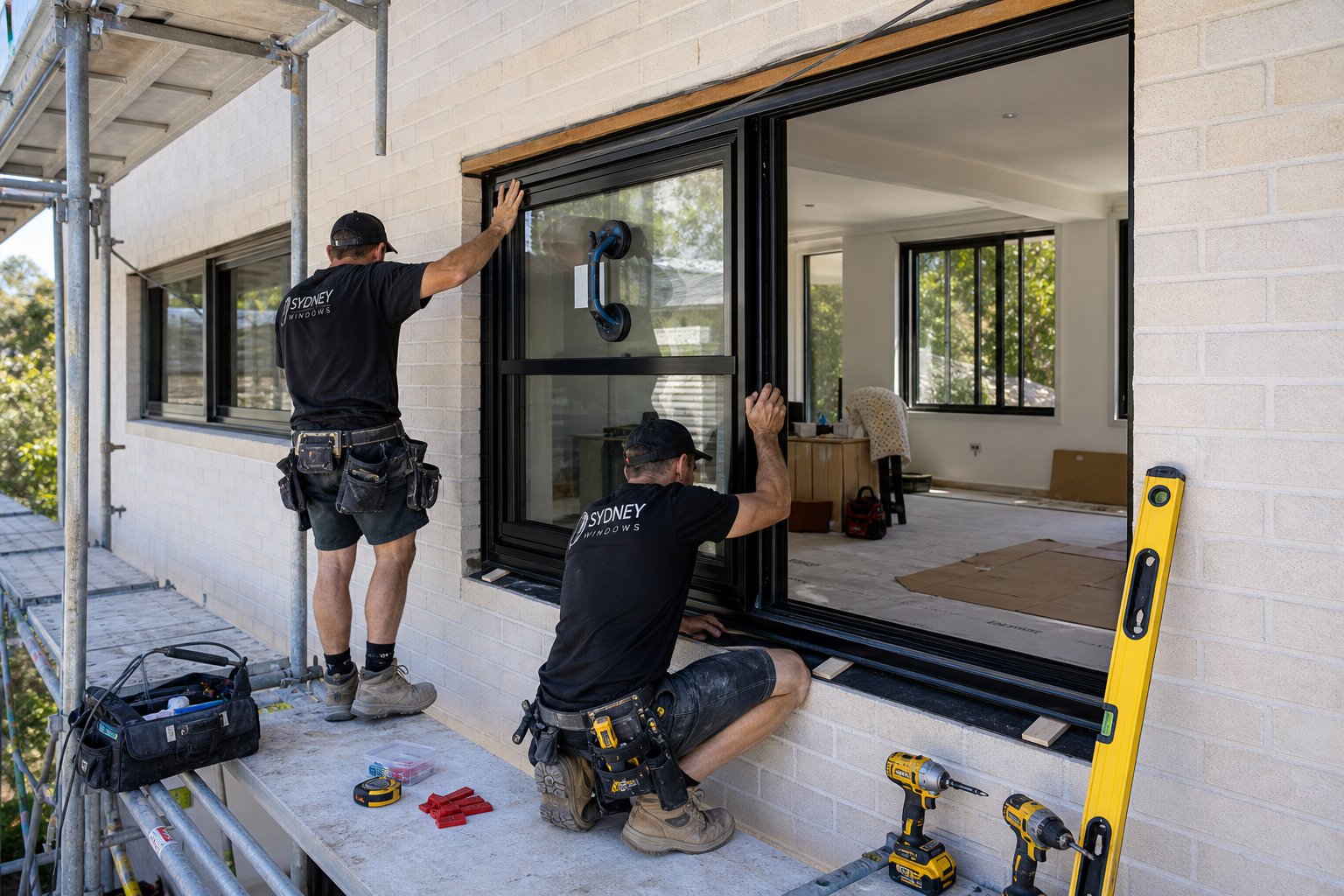
A well-specified window means nothing if the installation is botched. Gaps in sealing let water in. Frames forced into out-of-square openings bind and fail. Poor flashing details create leaks that show up months later as mould behind plasterboard. Aluminium window installation in Sydney follows a defined sequence, and understanding each stage helps you plan around disruption, hold installers accountable, and spot problems before they become expensive.
What Happens During a Professional Window Installation
Whether you are working with aluminium window installers in Sydney on a single bathroom replacement or a full-house fit-out, the process follows the same fundamental steps. Timelines vary by project scale, but the sequence does not:
- Initial site survey and measurement — A qualified surveyor visits to measure each opening precisely, checking for plumb, level, and square. They note wall thickness, lintel condition, drainage points, and any access constraints. This stage takes one to three hours for a typical home. Measurements must be exact — aluminium frames are manufactured to millimetre tolerances and cannot be trimmed on site like timber.
- Manufacturing and lead time — Once measurements are confirmed and specifications locked in, your windows enter production. Standard configurations typically take three to five weeks. Custom sizes, non-standard colours, or specialist glazing (BAL-rated, acoustic, oversized double-glazed units) can push lead times to six to eight weeks. Peak periods before summer add further delays.
- Site preparation — Before installation day, clear furniture and window coverings from the work zone. Installers need unobstructed access to each opening, both inside and out. For upper-storey work, scaffolding goes up in advance.
- Removal of existing windows (renovation only) — Old frames come out carefully to minimise damage to surrounding plaster, render, or brickwork. This is where surprises live — concealed rot in timber sub-frames, crumbling mortar, rusted steel lintels, or missing cavity flashings that were never installed originally.
- Frame installation and fixing — The new aluminium frame is positioned in the opening, shimmed for level and plumb, then fixed to the structure with appropriate anchors. Masonry openings use sleeve anchors or dynabolts; timber stud walls use coach screws into solid framing members.
- Flashing and sealing — External flashings direct water away from the frame-to-wall junction. Sill flashings, head flashings, and jamb seals are fitted before the frame goes in on new builds, or integrated after frame installation on renovations. Polyurethane foam fills gaps between frame and structure, then silicone or sealant provides the final weather barrier.
- Glazing and hardware fitting — Glass panels, sashes, or sliding panels are installed into the frame. Rollers are adjusted, locks aligned, and restrictors or stays fitted. Handles and keying are completed at this stage.
- Final adjustment and commissioning — Every opening and closing mechanism is tested. Sliding panels are checked for smooth travel. Awning and casement windows are verified for correct compression seal. The installer checks for daylight gaps, confirms weather seals sit correctly, and demonstrates operation to the homeowner.
For a standard three-bedroom home, aluminium windows installation in Sydney typically takes one to two days once materials arrive on site. Larger projects or homes with difficult access may stretch to three or four days. The total timeline from initial survey to completed installation usually falls between five and ten weeks, with manufacturing consuming the bulk of that period.
Renovation vs New Build Installation Differences
New builds are straightforward by comparison. Openings are constructed to the exact dimensions specified by the window schedule. Flashings are integrated during the framing and cladding stages. There is no demolition, no hidden damage, and no compliance gap between old construction and current standards. Aluminium windows supply and installation for new builds in Sydney follows a predictable timeline that your builder coordinates alongside other trades.
Aluminium window replacement in Sydney — particularly in older homes — introduces variables that no one can fully predict until the old frames come out. Common discoveries include:
- Rotted timber reveals or sub-sills concealed behind intact paint
- Missing or deteriorated cavity flashings that allowed years of undetected moisture ingress
- Structural lintels that have corroded, cracked, or shifted
- Openings that are significantly out of square, requiring packing or rebuilding before new frames can be fitted
- Asbestos-containing materials in window surrounds of pre-1990 homes, requiring licensed removal before work proceeds
Renovation projects also trigger compliance upgrades. Replacing windows in a home built before current NCC requirements may mean the new installation must meet today’s energy efficiency and safety glazing standards — not the standards that applied when the house was originally built. Your aluminium window installers should flag these requirements during the survey stage, not on installation day when the old windows are already out and you have no choice but to pay for upgrades.
Budget a contingency of 10-15% above your quoted installation cost for renovation projects. That buffer covers the discoveries that only reveal themselves once old frames are removed. Experienced installers factor this reality into their project planning and communicate it upfront — which is one more reason why choosing the right supplier matters as much as choosing the right window.
Maintaining Aluminium Windows for Long-Term Performance
A quality installation locks in your investment. Keeping it performing over the next 40 to 60 years takes surprisingly little effort — far less than timber demands and roughly on par with uPVC. But “low maintenance” does not mean “no maintenance.” Sydney’s combination of salt air, UV intensity, storm-driven rain, and fine dust means even aluminium frames benefit from a regular care routine. Ignore them entirely and you will shorten seal life, stiffen hardware, and degrade the finish years before its time.
Routine Cleaning and Care for Sydney Conditions
How often you clean depends on where you live. A home in Maroubra copping salt spray weekly needs attention far more frequently than a property in Epping shielded from coastal exposure. The principle is simple: remove corrosive deposits before they attack the powder coat, keep tracks clear so rollers and seals are not grinding against grit, and lubricate moving parts so hardware operates without strain.
Use warm soapy water and a soft cloth on frames — never solvent-based cleaners, which strip protective coatings. Clear tracks with a stiff brush or vacuum to remove sand, leaves, and built-up grime that impedes smooth sliding. Drainage holes along the sill need to stay unblocked so water escapes rather than pooling against seals. For glass, soak the surface with clean water first to loosen grit, then wipe with a lint-free cloth. Avoid abrasive pads or blades that scratch the surface.
Here is a seasonal maintenance checklist tailored to Sydney conditions:
- Every 1–3 months (coastal properties within 5 km of the waterline): Wash frames and hardware with fresh water to remove salt deposits. Inspect stainless steel fixings for early signs of tea staining.
- Every 3–6 months (suburban and inland properties): Clean frames, tracks, and glass. Remove debris from drainage slots.
- Before storm season (September–October): Check weather seals around the full perimeter of each window. Look for cracking, compression set, or gaps where the seal no longer contacts the frame. Replace any seals that have hardened or pulled away.
- Every 6 months: Apply silicone-based lubricant to hinges, rollers, locks, and sliding tracks. Avoid petroleum-based products that attract dust and gum up over time.
- Annually: Tighten loose handles, check locking mechanisms engage fully, and test that restrictors and stays hold position. Inspect powder coat finish for chips or scratches that expose bare aluminium — touch up with manufacturer-matched paint to prevent localised corrosion.
- Every 2–3 years: Apply a quality wax or protective coating to frames in severe coastal or industrial environments for an additional barrier against surface degradation.
This level of care takes perhaps an hour per quarter for a typical home. Compare that to timber windows, which demand full sanding and repainting every three to five years at a cost of $50 to $100 per window in materials alone — plus your time or a painter’s labour. Over a 40-year lifecycle, aluminium’s maintenance cost is a fraction of timber’s, and roughly equivalent to uPVC, which also needs only periodic cleaning but cannot match aluminium’s longevity.
When to Repair vs Replace Aluminium Windows
Aluminium frames rarely fail structurally. What wears out are the components around them — seals, rollers, locks, and glazing units. Knowing which problems warrant a repair and which signal replacement saves you from spending money in the wrong place.
Worn weather seals are the most common issue. Rubber and silicone seals degrade under UV exposure and repeated compression cycles, losing flexibility and creating gaps that let air and water through. Replacement seals are inexpensive and straightforward for a qualified technician to fit. If you notice draughts, rattling in wind, or water tracking past closed windows, failed seals are the likely culprit.
Stiff or seized rollers affect sliding windows and doors. Grit accumulation, corrosion, or simple wear flattens the roller bearings over time. Replacement rollers restore smooth operation without touching the frame itself. Most aluminium window parts in Sydney — rollers, locks, handles, and seals — are available through specialist hardware suppliers or directly from the original manufacturer.
Damaged locks and handles compromise security and can usually be replaced individually. Matching the existing lock profile matters; mismatched hardware creates alignment issues that accelerate wear on the new component.
Condensation between double-glazed panes indicates seal failure within the insulated glass unit (IGU). Moisture trapped between the panes cannot be cleaned out — the IGU needs replacing. The aluminium frame itself remains perfectly serviceable; only the glass unit swaps out. This is a common aluminium window repair in Sydney, particularly on units older than 15 years where the perimeter seal has degraded.
Frame corrosion or structural damage is rare but does occur on very old or poorly finished frames, especially in severe coastal exposure. Pitting beneath the powder coat, white oxidation deposits, or visible frame distortion all point toward replacement rather than repair. Aluminium window restoration in Sydney can address surface-level corrosion through stripping and recoating, but once pitting compromises the extrusion wall thickness, the frame has reached end of life.
The key decision point: if the frame is structurally sound and the issue is limited to seals, hardware, or glazing, repair almost always makes economic sense. Sourcing aluminium window parts in Sydney through specialist suppliers or the original fabricator keeps older systems running without the cost and disruption of full replacement. Aluminium sash window repairs in Sydney — replacing balances, seals, or rollers on older double-hung systems — can extend service life by another decade or more at a fraction of new-window cost.
Full replacement becomes the better investment when frames lack thermal breaks (common in pre-2000 installations), when aluminium window frame repairs in Sydney would cost more than 50% of a new unit, or when the existing windows no longer meet current NCC energy requirements and you are renovating to a standard that demands compliance. Older single-glazed aluminium windows without thermal breaks will never perform as well as a modern thermally broken system regardless of how well you maintain the hardware — and energy savings from upgrading often recover the replacement cost within seven to ten years.
Maintenance keeps good windows performing. But it cannot transform an outdated specification into a modern one. Knowing where that line falls — and having a supplier who can advise honestly on repair versus replacement — is part of choosing the right partner for your project.
How to Choose the Right Aluminium Window Supplier
Repair-or-replace decisions only matter if you have a supplier capable of delivering the right product for your situation. And in a market crowded with aluminium window suppliers in Sydney — from large national fabricators to small import resellers — the gap between a good experience and a costly one often comes down to asking the right questions before you commit.
What to Look for in an Aluminium Window Supplier
Not every supplier suits every project. A company that excels at high-volume new builds may not offer the flexibility a heritage renovation demands. A budget reseller might handle standard sliding windows competently but lack the engineering capability for complex configurations. The evaluation criteria below apply regardless of project size — use them to filter your shortlist before requesting quotes.
- Product range breadth — Can they supply every window type your project needs (sliding, awning, casement, bifold, fixed, louvre, tilt-and-turn) from a single system? Sourcing different types from different suppliers creates coordination headaches and inconsistent aesthetics.
- Custom configuration capability — Standard sizes suit standard openings. If your project involves oversized panels, non-rectangular shapes, or corner configurations, the supplier needs proven capability in custom manufacturing, not just catalogue products.
- Glazing options — Single, double, laminated, toughened, low-E, acoustic, BAL-rated — your supplier should offer the full spectrum and advise which suits your specific application rather than pushing whatever they stock.
- Colour range and finish quality — Look for suppliers offering the full powder coat colour range plus anodised options. Ask about their coating process and whether they use Qualicoat-accredited applicators for marine-grade durability.
- Compliance documentation — AS 2047 test reports, WERS certificates, BAL compliance evidence, and AS 1288 safety glazing documentation should be available on request without hesitation.
- Residential and commercial capability — Suppliers who serve both sectors typically maintain higher engineering standards and broader system ranges than those focused solely on residential volume work.
- Project support and communication — Do they offer site surveys, technical drawings, and specification advice? Or do they simply take an order and ship product? The level of support should match your project’s complexity.
- Warranty terms — Compare what is covered (frame, hardware, glazing seals, powder coat, workmanship) and for how long. A ten-year comprehensive warranty signals confidence in product quality.
For Sydney projects spanning residential renovations through to commercial fit-outs, MEICHEN’s aluminium window systems tick many of these boxes — offering custom configurations across all major window types, multiple glazing choices, extensive colour options, and project-based supply for both sectors. They are worth exploring early in your shortlisting process, particularly if your project involves mixed window types or non-standard specifications.
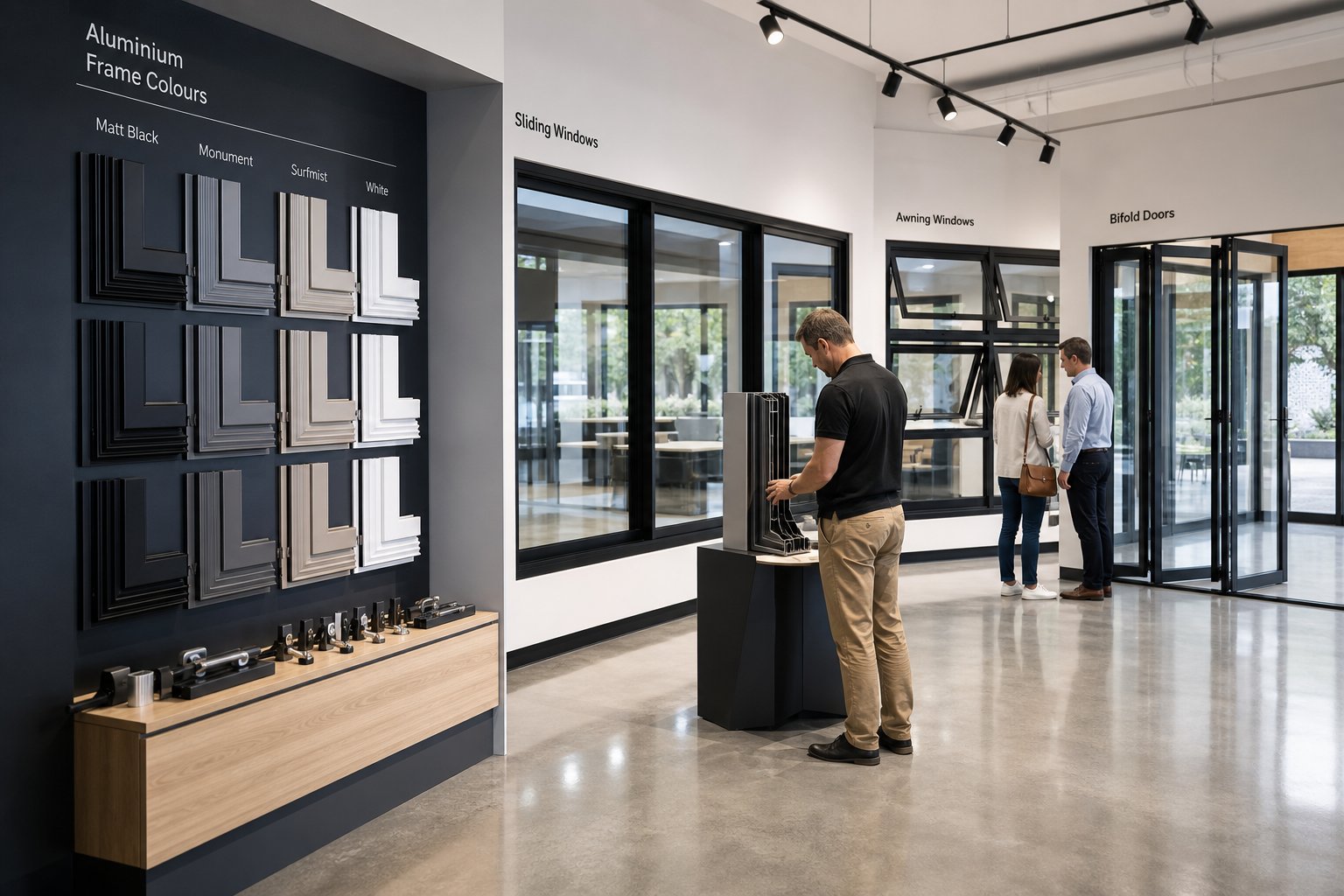
Beyond individual suppliers, visiting an aluminium windows Sydney showroom gives you something no website can — the chance to see frame profiles, operate hardware, compare colour samples side by side, and assess build quality by touch. Photos flatten differences that become obvious in person. If a supplier does not have a physical display or sample capability, ask whether they can provide cut-section samples or arrange a site visit to a completed project.
The right supplier is not necessarily the cheapest or the largest — it is the one whose capability matches your project’s complexity. A simple like-for-like replacement needs reliable supply and competitive pricing. A complex architectural project needs engineering support, custom manufacturing, and proven experience with non-standard configurations.
Questions to Ask Before Committing to a Quote
Once you have a shortlist of aluminium windows suppliers in Sydney, these questions separate serious operators from those who cannot back their claims:
- Who manufactures the window systems you supply, and can you provide AS 2047 test documentation for each product?
- Do your own employees handle installation, or do you subcontract? If subcontracted, who carries liability for workmanship defects?
- What is included in the quoted price — supply only, or supply and install with flashings, sealing, reveals, and commissioning?
- Can you provide WERS certificates for the specific frame-and-glass combination quoted, not just generic glass ratings?
- What is your current manufacturing lead time, and what happens if my project timeline shifts?
- How do you handle site discoveries during renovation — concealed damage, out-of-square openings, or compliance upgrades?
- What does your warranty cover specifically, and what voids it?
- Can you provide references from recent projects similar in scope to mine?
Checking aluminium windows Sydney reviews across independent platforms gives you a broader picture than supplier-curated testimonials. Look for patterns in feedback — consistent praise for communication and problem-solving matters more than a handful of five-star ratings. Complaints about post-installation support or warranty disputes are red flags that polished marketing will never reveal.
The aluminium windows and doors Sydney market has enough quality operators that you should never feel pressured into a rushed decision. Get at least three comparable quotes, verify compliance documentation independently, and choose the supplier whose capability, communication, and track record align with what your project actually demands. The windows will outlast most other decisions you make about your home — the supplier relationship should reflect that timeframe.
Frequently Asked Questions About Aluminium Windows in Sydney
1. How much do aluminium windows cost in Sydney?
Aluminium window prices in Sydney vary significantly based on window type, size, glazing specification, hardware grade, colour finish, and whether you choose supply-only or supply-and-install. Fixed panels are the most affordable, while bifolds and tilt-and-turn configurations sit at the top. Double glazing adds 40-60% over single glazing. Rather than relying on generic price lists, request at least three comparable quotes that match on dimensions, glazing type, hardware standard, and installation scope. The cheapest quote often omits compliance testing or uses unverified imported extrusions, which can create costly problems at inspection or resale.
2. Are aluminium windows good for Sydney’s coastal areas?
Aluminium windows are an excellent choice for coastal Sydney properties when specified correctly. Standard finishes can degrade within a few years due to salt-laden air, so homes within a few kilometres of the coastline need marine-grade powder-coated frames with proper pre-treatment (chromate or chrome-free conversion) meeting Qualicoat durability classifications. Hardware should be stainless steel rather than standard zinc-plated components. With these specifications, aluminium outperforms timber in coastal environments because it does not rot, swell, or require constant repainting — making it the preferred frame material for Eastern Suburbs, Northern Beaches, and Sutherland Shire properties.
3. What is the difference between thermally broken and standard aluminium windows?
Standard aluminium frames conduct heat rapidly (160-200 W/m·K), acting as a thermal bridge that transfers outdoor temperatures directly inside. Thermally broken aluminium frames insert a polyamide insulating strip between the interior and exterior frame sections, preventing this heat transfer. This reduces whole-window U-values from around 3.0 W/m²·K down to approximately 2.0-2.7 W/m²·K, placing thermally broken aluminium in the same performance range as uPVC and timber. For Western Sydney suburbs experiencing 40°C+ summers, thermal break technology is essential for managing energy bills and maintaining indoor comfort without overworking air conditioning systems.
4. How long do aluminium windows last in Sydney?
Properly specified and maintained aluminium windows last 40 to 60 years in Sydney conditions — significantly longer than uPVC (25-35 years) and comparable to well-maintained hardwood timber. The aluminium frame itself rarely fails structurally. Components that wear over time include weather seals, rollers, locks, and glazing unit seals, all of which can be replaced individually without removing the frame. Coastal properties may see faster degradation of hardware and finishes without regular fresh-water washing, but the underlying frame remains sound. Routine maintenance — cleaning every one to six months depending on location, lubricating hardware twice yearly, and inspecting seals before storm season — maximises lifespan with minimal effort.
5. What Australian standards should aluminium windows meet in Sydney?
Every aluminium window installed in Sydney must comply with AS 2047, which covers structural wind load performance, water penetration resistance, and air infiltration limits. Additional requirements include WERS certification showing U-value and SHGC ratings for your NCC climate zone (Sydney falls in Zones 4 and 5), AS 1288 for safety glazing in wet areas and low-level panels, and AS 3959 for properties in bushfire-prone areas requiring BAL-rated assemblies. Non-compliant windows can void home insurance, fail building inspections, and create expensive issues at resale. Always request certificates of compliance — preferably AGWA-verified — before signing any purchase agreement with suppliers like MEICHEN or other aluminium window manufacturers.
More Window & Door Guides