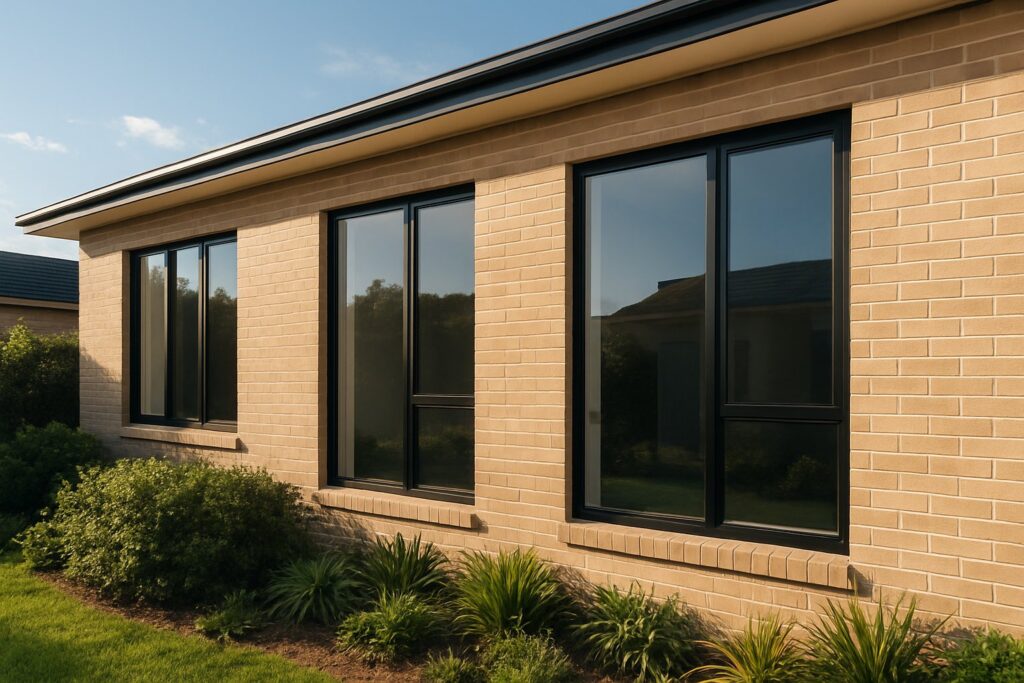
What Are Aluminium Composite Windows and Why Do They Exist
Most window frames rely on a single material to do everything — insulate, resist weather, look good, and last decades. That’s a tall order for any one substance. Aluminium composite windows take a different approach: they pair an aluminium exterior shell with an inner frame made from timber, uPVC, or an engineered composite core, letting each material handle what it does best.
A composite window is a multi-material window system that combines an external aluminium cladding with an internal frame of timber, uPVC, or structural composite. The aluminium exterior provides weather resistance and slim sightlines, while the inner material delivers thermal insulation, acoustic dampening, or cost efficiency — depending on the configuration chosen.
The engineering principle is straightforward. Rather than forcing one material to compromise across every performance metric, composite construction assigns each layer a specific job. The result is a window that outperforms single-material alternatives in at least one critical area — usually thermal efficiency, durability, or both.
What Makes a Window Composite
So what is a composite window in practical terms? It’s any window where two or more distinct materials are permanently bonded, mechanically coupled, or integrated into a single frame profile. A timber frame with an aluminium rain screen qualifies. So does a uPVC core wrapped in an aluminium exterior skin. The defining feature isn’t a specific material pairing — it’s the deliberate use of multiple materials working together as one structural unit.
How Aluminium Composite Differs from Standard Aluminium
A full aluminium frame is extruded entirely from metal, relying on internal thermal breaks (polyamide strips) to reduce heat transfer. It’s strong and sleek, but the frame itself is a single-material system. Aluminium composite windows, by contrast, use the metal only where it’s needed most — on the exterior face exposed to sun, rain, and salt air. The interior frame is a different material altogether, chosen specifically for its insulating or aesthetic properties. That distinction matters for energy performance, condensation risk, and how the window feels to live with day to day.
Common Terminology Clarified
The language around these products trips people up. Here’s a quick breakdown:
- What is window cladding? It’s a protective layer — typically aluminium or vinyl — applied over the exterior of a wooden or polymer window frame to shield it from weather damage.
- What is a clad window? Any window where the structural frame is covered (clad) externally by a different protective material. Aluminium clad windows use metal as that outer shield.
- What is a vinyl clad window? A timber-framed window with a vinyl (uPVC) exterior covering instead of aluminium. It’s lower cost but offers less structural rigidity and fewer colour options than metal cladding.
- Full aluminium frame: A single-material system with no secondary inner frame — not a composite product.
Understanding these distinctions matters because pricing, maintenance, and thermal performance vary significantly between configurations. The type of composite you choose shapes everything from how often you’ll need to repaint interior surfaces to how your home performs against Australian summers and coastal conditions.
Types and Configurations of Aluminium Composite Windows
Each aluminium composite configuration solves a slightly different problem. Some homeowners want the natural warmth of timber inside without the exterior maintenance headaches. Others prioritise budget and low upkeep above all else. A third group is drawn to newer engineered materials that push performance boundaries. The three main configurations on the Australian market reflect these priorities — and choosing between them comes down to what you value most in a window system.
Aluminium-Clad Timber Windows
This is the original composite concept and still the most established. Aluminium clad wood windows pair a solid timber inner frame — typically pine, meranti, or oak — with a powder-coated aluminium exterior shell. The timber handles insulation and interior aesthetics. The aluminium handles everything the weather throws at it.
From the inside, you see and touch real wood. The grain, the warmth, the ability to stain or paint to match your interior palette — it all stays intact. From the outside, the aluminium cladding shrugs off UV exposure, rain, salt air, and temperature swings without cracking, peeling, or requiring regular repainting. Wood clad aluminium windows are particularly popular in architect-designed homes where interior character matters as much as exterior durability.
The trade-off? Weight and cost. Timber-core composites are heavier than their uPVC counterparts, and the combination of natural hardwood with precision aluminium cladding places them at the premium end of the market. They also require periodic attention to the interior timber — resealing or recoating every few years depending on the species and finish chosen.
Best suited for: contemporary homes, heritage renovations where internal timber is desired, and projects where long-term value outweighs upfront savings.
Aluminium-Clad uPVC Hybrid Windows
Think of this configuration as the practical middle ground. The inner frame is uPVC (unplasticised polyvinyl chloride) — the same material used in standard vinyl clad window systems — while the exterior wears an aluminium skin. The uPVC core provides decent thermal insulation through its multi-chambered profile, and the aluminium exterior delivers the slim sightlines and colour flexibility that plain uPVC cannot match on its own.
Why would someone choose this over full uPVC? Appearance and longevity. Standard uPVC frames tend to look bulkier, offer limited colour options (mostly white or woodgrain foils), and can yellow or become brittle after extended UV exposure — a real concern in Australian conditions. Wrapping that uPVC core in aluminium solves the aesthetic and durability limitations while keeping the frame lightweight and affordable relative to timber-core alternatives.
Aluminium clad vinyl windows suit homeowners who want a modern exterior look without the premium price tag of timber interiors. They require virtually no maintenance beyond occasional cleaning, and the aluminium exterior holds its powder-coated finish far longer than exposed uPVC would retain its colour.
Best suited for: new builds on a moderate budget, investment properties, and projects where low maintenance is the top priority.
Aluminium with Engineered Composite Core
This is the newest category and the one evolving fastest. Instead of timber or uPVC, the inner frame uses an engineered composite material — often a blend of structural polymers, polyurethane (PUR), or recycled materials formed into a rigid, thermally efficient core. The aluminium exterior performs its usual protective role, but the core material is purpose-designed rather than borrowed from another industry.
Engineered composite window frames address specific weaknesses found in both timber and uPVC cores. They won’t rot, warp, or absorb moisture like timber can. They won’t become brittle or discolour like uPVC does over decades. Some manufacturers use polyurethane-based cores that are completely impervious to water — eliminating the drainage channels and ventilation slots that older composite designs relied on to manage moisture within the frame.
The performance ceiling is higher too. Because the core material is engineered from scratch, manufacturers can optimise its density, thermal conductivity, and structural rigidity independently. That means thinner profiles with better insulation — a combination that timber and uPVC cores struggle to achieve simultaneously.
Best suited for: high-performance builds targeting NatHERS ratings, coastal properties needing maximum moisture resistance, and homeowners who want a set-and-forget frame with minimal long-term intervention.
| Configuration | Inner Material | Thermal Performance | Aesthetic Options | Frame Weight | Best-Suited Property Type |
|---|---|---|---|---|---|
| Aluminium-Clad Timber | Solid timber (pine, meranti, oak) | Excellent — natural wood insulation plus thermal break | Stainable/paintable timber interior; 200+ RAL exterior colours | Heaviest | Architect-designed homes, heritage renovations, premium builds |
| Aluminium-Clad uPVC | Multi-chambered uPVC profile | Good — air chambers reduce conductivity | White or limited foil interior; full RAL exterior palette | Lightest | New builds on moderate budgets, investment properties, low-maintenance projects |
| Aluminium + Engineered Composite Core | Structural polymer or polyurethane (PUR) composite | Very high — purpose-engineered for minimal thermal bridging | Smooth painted interior finish; full RAL exterior palette | Moderate | High-performance builds, coastal homes, Passivhaus-level projects |
One pattern stands out across all three configurations: the aluminium exterior isn’t just decorative. It’s a functional shield that extends the service life of whatever sits behind it — whether that’s susceptible timber, UV-sensitive uPVC, or an engineered core that simply performs better when kept dry. The differences between configurations come down to what’s happening on the inside of the frame, and that’s where your priorities as a homeowner or specifier really shape the decision.
How these layers actually bond together — and what separates a well-built composite from a poorly assembled one — depends heavily on manufacturing technique and thermal break design.
How Aluminium Composite Windows Are Manufactured
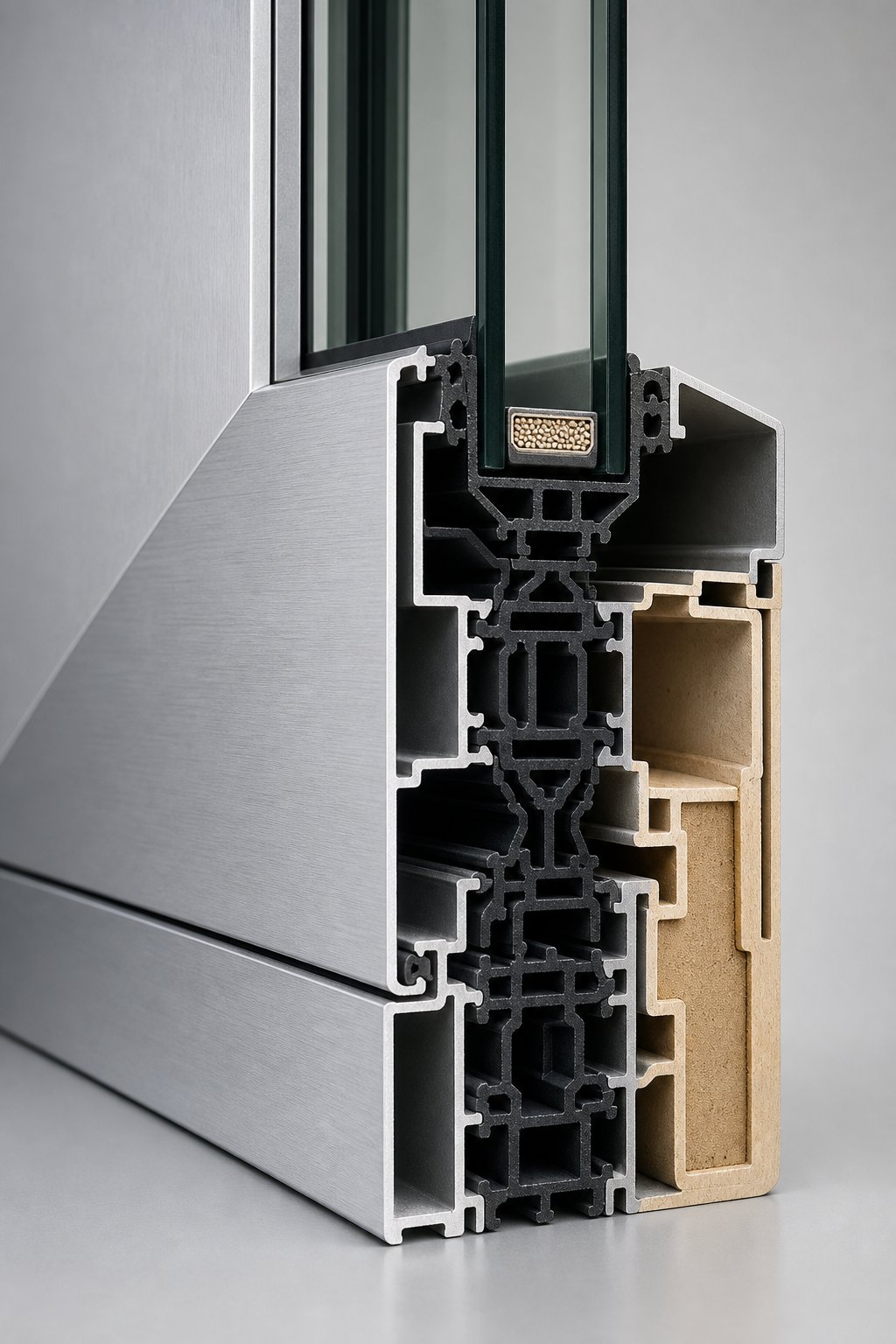
A composite window can look identical to a standard aluminium frame from the street. The real differences hide inside the profile — in how the cladding attaches, how heat is blocked from travelling through the metal, and how the finish is applied to withstand decades of Australian sun and salt air. Understanding these construction details helps you distinguish a well-engineered product from one that merely looks the part.
How Aluminium Cladding Bonds to the Inner Frame
Manufacturers use three primary methods to attach the aluminium exterior to the inner frame material, and each carries different implications for long-term performance:
- Mechanical coupling: The aluminium cladding clips or screws onto the inner timber or composite frame using interlocking profiles. This allows slight independent movement between materials as they expand and contract at different rates — critical in climates with wide temperature swings.
- Crimping: The aluminium extrusion is pressed tightly around the inner profile using industrial rollers. Crimped connections create a tight, rattle-free bond and are common in aluminium cladding window systems where the outer shell wraps continuously around the frame perimeter.
- Adhesive bonding: Structural adhesives (often polyurethane-based) permanently bond the aluminium skin to the inner frame. This method produces the slimmest overall profile but makes future separation for repair or recycling more difficult.
Many manufacturers combine methods — mechanical clips for primary attachment with adhesive beads for weathersealing. The key point for homeowners: the connection method should accommodate thermal movement without cracking seals or creating gaps where moisture can infiltrate. Clad aluminium windows that ignore differential expansion rates tend to develop issues at joints after several years of seasonal cycling.
Thermal Break Technology Explained
Aluminium conducts heat roughly 1,000 times faster than timber. Without intervention, a metal frame becomes a highway for energy loss — warmth escapes in winter, and heat pours in during summer. Thermal break technology solves this by inserting a strip of low-conductivity material between the interior and exterior aluminium profiles, physically severing that conductive pathway.
The insulating barrier is typically made from polyamide (nylon-based) or polyurethane — materials chosen for their combination of structural strength and extremely low thermal conductivity. These strips sit inside the aluminium extrusion, invisible from both sides, but they fundamentally change how the frame performs. By breaking the thermal bridge between inner and outer metal faces, they reduce heat transfer through the aluminium window frame material to a fraction of what an unbroken profile would allow.
Why does this matter in practice? A continuous thermal break keeps the interior face of the frame closer to room temperature. That means less condensation forming on cold mornings, lower heating and cooling loads, and better overall comfort. For Australian homes chasing strong NatHERS ratings or compliance with the National Construction Code’s energy efficiency provisions, thermally broken composite frames can make a measurable difference to whole-window U-values (Uw-values) — the metric that captures total heat loss through both glass and frame combined.
Quality Indicators in Composite Window Construction
Not all composite windows are built to the same standard. When evaluating products — whether for a new build or a renovation — these construction details separate premium from mediocre:
- Continuous thermal breaks: The polyamide or polyurethane strip should run uninterrupted around the entire frame perimeter, including at corner joints. Gaps or discontinuities at mitred corners create localised cold spots and condensation risk.
- Sealed drainage channels: Composite frames need internal drainage to manage any moisture that penetrates the outer seal. Look for concealed weep slots with baffles that allow water out without letting wind-driven rain back in.
- Multi-point locking compatibility: Quality alum clad windows are engineered to accept multi-point locking hardware, distributing compression evenly across the sash for better weathersealing and security.
- Powder coating thickness: The aluminium exterior should carry a minimum 60-micron powder coat finish for residential applications, or thicker for coastal zones. Anodising is an alternative — it bonds a protective oxide layer into the metal surface rather than sitting on top — and performs well in high-UV environments.
- Corner joint construction: Mitred and crimped corners with internal reinforcement plates indicate a frame designed for structural longevity, not just assembly-line speed.
Powder coating and anodising deserve a closer look because they determine how the window ages visually. Powder coating offers the widest colour range — hundreds of RAL shades — and can be recoated decades later if needed. Anodising produces a harder, more scratch-resistant surface with a distinctive metallic sheen, though the colour palette is narrower (silvers, bronzes, blacks). Both processes comply with AS 3715 for powder coating and AS 1231 for anodising when applied to Australian standards.
These manufacturing details aren’t just technical trivia. They directly influence how a composite window performs against a standard vinyl or full aluminium alternative over a 30-year service life — which is exactly the comparison most homeowners need to make before committing to a purchase.
Aluminium Composite vs Vinyl Windows Compared
The question of windows vinyl or aluminium dominates nearly every renovation forum and builder’s conversation in Australia. It’s the comparison homeowners make most often — and for good reason. Vinyl (uPVC) and aluminium composite represent two fundamentally different philosophies about what a window frame should prioritise. One leans into affordability and simplicity. The other bets on structural performance and longevity. Neither is universally “better,” but the performance gaps between them are real and measurable.
Rather than a generic pros-and-cons rundown, here’s how these two systems actually stack up across the metrics that matter most over a 30-year ownership period.
| Performance Metric | Aluminium Composite | Vinyl (uPVC) |
|---|---|---|
| Structural Strength | High — aluminium exterior provides rigidity without internal steel reinforcement | Moderate — requires internal galvanised steel inserts for spans over 600 mm |
| Thermal Efficiency (Uw-value) | 0.8 – 1.4 W/m²K (with thermal break and quality glazing) | 0.8 – 1.8 W/m²K (depending on chamber count and glazing) |
| Colour and Finish Options | 200+ RAL colours via powder coating; anodised metallic finishes available | Limited — white standard; woodgrain foils available but prone to peeling |
| Maximum Frame Span | Large openings (2 m+ without additional reinforcement) | Limited by profile rigidity; large spans risk sagging over time |
| Recyclability | Aluminium is 100% infinitely recyclable with no quality loss | Recyclable but often downcycled; chemically complex to reprocess |
| Expected Maintenance | Periodic exterior wash; interior depends on core material (timber needs resealing; composite core needs nothing) | Minimal — wash only; no painting required |
| Typical Lifespan | 40 – 60+ years | 20 – 35 years (UV-dependent) |
Structural Strength and Sightline Differences
This is where the vinyl vs aluminium windows debate gets interesting. Aluminium’s strength-to-weight ratio allows manufacturers to produce frames with visible face widths as narrow as 20 mm. That translates directly into more glass and less frame in your field of view — a significant advantage for anyone designing floor-to-ceiling glazing, large sliding panels, or corner windows where sightlines matter.
Vinyl frames, by contrast, typically measure 70 mm to 80 mm deep to achieve adequate structural performance. They rely on hollow multi-chambered profiles and internal steel reinforcement to prevent flexing. For standard-sized residential windows, that’s perfectly adequate. But push vinyl into larger openings — say a 2.4 m wide picture window — and the frame needs to get chunkier to compensate, eating into the glass area and altering the proportions of the design.
Aluminium composite frames handle those larger spans without bulking up. The metal exterior carries the structural load while the inner core (whether timber, uPVC, or engineered composite) focuses purely on insulation. Each material does its job without compromising the other.
Thermal Efficiency Head to Head
Vinyl windows vs aluminium windows used to be a clear-cut thermal contest — vinyl won easily because PVC is a natural insulator while raw aluminium conducts heat aggressively. That gap has narrowed dramatically. Modern thermally broken aluminium composite systems achieve U-values between 0.8 and 1.4 W/m²K, which overlaps substantially with high-performance uPVC in the 0.8 to 1.2 W/m²K range.
The composite advantage here is layered. The aluminium exterior incorporates a polyamide thermal break to sever the conductive pathway, and the inner frame material — whether timber or engineered composite — adds a second layer of insulation that full aluminium frames simply don’t have. The result is a frame that insulates as well as or better than vinyl while maintaining the structural benefits of metal on the outside.
For Australian conditions specifically, solar heat gain through the glass typically matters more than frame conductivity alone. But in cooler southern climates — Melbourne winters, Tasmanian highlands — that frame U-value contributes meaningfully to overall energy performance and NatHERS ratings.
Long-Term Value Considerations
The durability question is where composite windows vs vinyl windows diverge most sharply. Vinyl frames have an estimated service life of 10 to 25 years in some assessments, though quality products in moderate climates can stretch to 35 years. The limiting factor is UV degradation — PVC becomes brittle over time, particularly in high-UV environments like most of Australia. Dark-coloured vinyl is especially vulnerable; surface temperatures can exceed 70°C in direct sun, accelerating warping and discolouration.
Aluminium composite frames routinely deliver 40 to 60+ years of service. The powder-coated aluminium exterior resists UV degradation, won’t chalk or yellow, and protects the inner frame from the weather exposure that shortens vinyl’s lifespan. That longevity gap means fewer replacement cycles over the life of a building — a factor that shifts the cost equation significantly when you calculate total ownership cost rather than just upfront price.
Does that make vinyl a poor choice? Not necessarily. For homeowners on a tighter budget who need compliant, thermally efficient windows today — particularly in standard sizes with white frames — vinyl remains a sensible option. The windows aluminum vs vinyl decision ultimately hinges on how long you plan to stay in the property, how large your openings are, and whether Australian UV exposure will punish the frame material before you’re ready to replace it.
What neither material comparison captures fully is how these frames perform acoustically and thermally as complete systems — where glazing choice, seal design, and certification standards interact with frame construction to determine real-world comfort.
Thermal Efficiency and Sound Insulation Performance
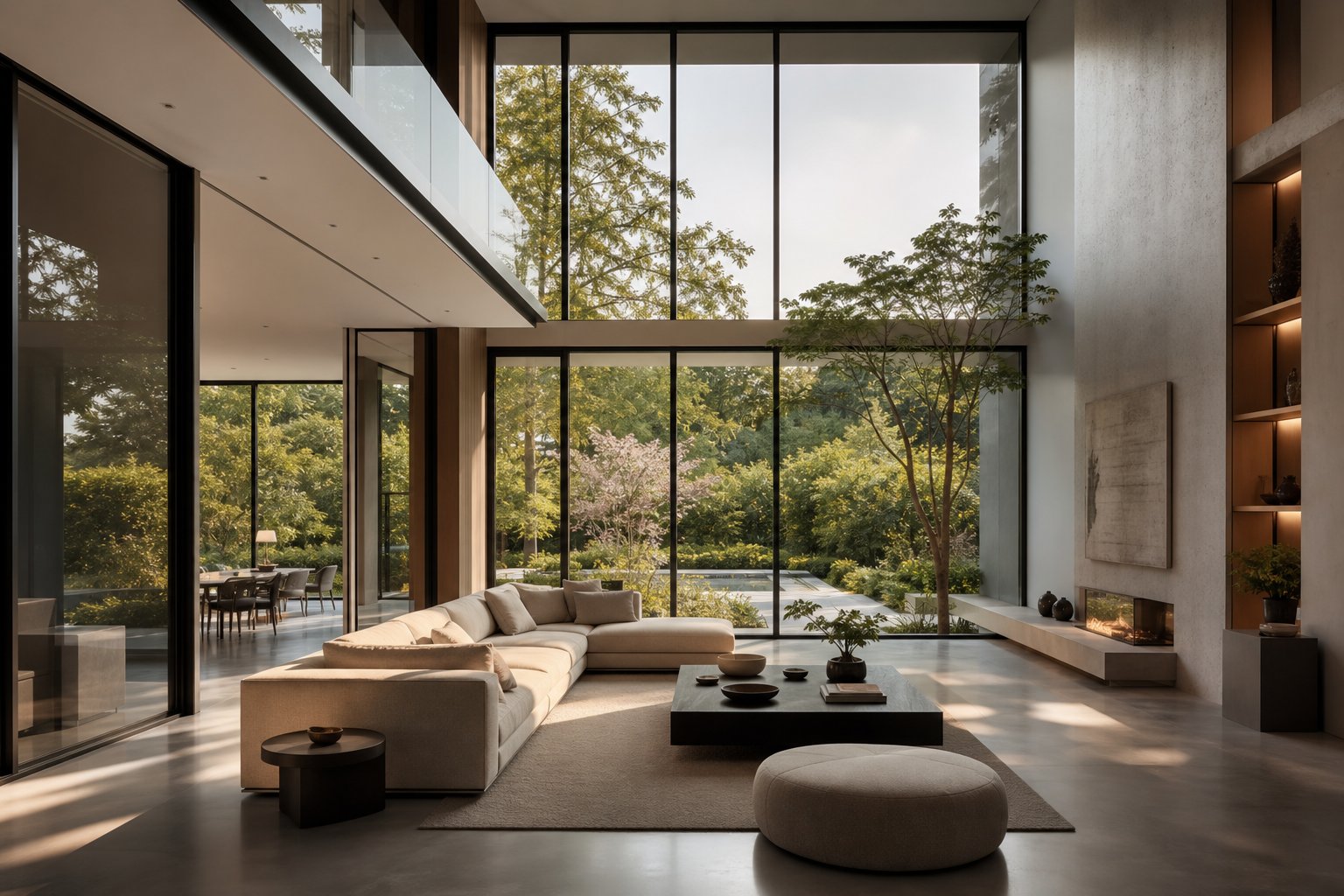
Frame comparisons tend to focus on strength, appearance, and cost — but the comfort you actually feel inside your home depends on two things most spec sheets understate: how well the window blocks heat transfer and how effectively it reduces external noise. Aluminium composite windows have a structural advantage in both areas, and it comes down to the layered construction itself.
Understanding Thermal Break Performance
A single-material frame has one shot at insulation. Composite construction gets three. Each layer in an aluminium composite window contributes something different to the thermal equation:
- The aluminium exterior deflects radiant heat and weather, keeping the inner frame dry and protected from solar loading.
- The thermal break — a polyamide or polyurethane strip between inner and outer profiles — severs the conductive pathway through the metal. This is the critical intervention. Without it, aluminium’s high conductivity would funnel heat straight through the frame.
- The inner frame material (timber, uPVC, or engineered composite) adds a final insulating layer with naturally low thermal conductivity.
Together, these layers achieve whole-window U-values (Uw) as low as 0.8 W/m²K in premium configurations — a figure that meets Passivhaus Institute certification requirements. That’s a meaningful difference between vinyl and aluminium composite systems: while both can reach similar Uw numbers on paper, the composite frame achieves it through redundant insulating layers rather than relying solely on trapped air chambers. If one element underperforms — say the glazing seal ages slightly — the other layers compensate.
For Australian homes, this layered approach pays dividends in both directions. In Melbourne’s winter, it keeps warmth inside. In a Brisbane summer, it resists solar heat gain through the frame. The thermal break alone can improve interior frame surface temperatures by several degrees, reducing condensation risk on cold mornings — a persistent issue with older single-material aluminium frames.
Acoustic Insulation and Sound Reduction
Sound travels through windows via two paths: the glass and the frame. Most acoustic upgrades focus exclusively on glazing — thicker panes, laminated interlayers, wider air gaps. But the frame matters more than people realise, particularly at lower frequencies like traffic rumble and aircraft noise.
Composite frames have a natural acoustic advantage. When sound waves hit a structure made from materials of different densities — aluminium on the outside, timber or polymer on the inside — the energy dissipates at each material boundary. This phenomenon, called impedance mismatch, means vibrations that pass easily through one material lose momentum when they hit the next. Single-material frames (whether all aluminium or all vinyl) don’t create these internal boundaries, so sound transmits more freely through the profile.
Glazing choice amplifies or limits this frame advantage. The interaction works like this:
- Double glazing with standard air gap (12–16 mm): Adequate for suburban environments; frame quality becomes the differentiator.
- Triple glazing with argon fill: Adds a second insulating cavity and extra mass, pushing acoustic reduction higher — particularly effective when paired with composite frames that don’t re-transmit vibrations around the glass edge.
- Laminated glass (PVB interlayer): Specifically targets sound frequencies that standard glass struggles with. Combining a laminated outer pane with triple glazing and a composite frame can achieve acoustic ratings up to Rw 50 dB — enough to make a busy road sound like a quiet street.
Are aluminium windows better than vinyl for noise reduction? In composite form, yes — the density contrast between aluminium and the inner core creates more effective sound dampening than a uniform uPVC profile. Are vinyl windows better than aluminium in any acoustic scenario? Only when comparing unbroken (non-thermally-broken) aluminium, which resonates like a tuning fork. Composite construction eliminates that weakness entirely.
Energy Rating Standards and Certifications
Performance claims mean little without independent verification. In Australia, two rating systems matter most for windows:
- WERS (Window Energy Rating Scheme): Rates windows on a star system (up to 10 stars) for both heating and cooling performance. It accounts for frame type, glazing, and air leakage — giving you a single comparable metric across products. Aluminium composite windows with thermal breaks and quality glazing typically rate well in both heating and cooling categories, unlike some systems that excel in one but sacrifice the other.
- NatHERS (Nationwide House Energy Rating Scheme): Assesses whole-house energy performance, where window selection directly influences the final star rating. Specifying high-performance composite frames can lift a home’s NatHERS score by half a star or more compared to basic aluminium or vinyl alternatives — a tangible difference when targeting the NCC’s minimum 7-star requirement.
Beyond Australian schemes, Passivhaus certification represents the global benchmark for ultra-low-energy buildings. The standard demands a whole-window Uw of 0.8 W/m²K or below — a threshold that premium aluminium composite systems can meet when paired with triple glazing and warm-edge spacers. In practical terms, Passivhaus-certified windows translate to heating energy demand below 15 kWh/m² annually, dramatically lower energy bills, and near-elimination of cold spots and draughts near glazed openings.
These certifications aren’t just badges for marketing brochures. They represent tested, verified performance that holds up over decades — which matters when you’re choosing between aluminium or vinyl windows for a home you plan to live in for 20 years or more. The real question isn’t which frame material insulates better in a laboratory. It’s which system maintains its rated performance after years of UV cycling, thermal movement, and seal ageing in real Australian conditions.
Performance ratings tell you what a window can do when new. What determines whether it still performs at year 15 or year 30 is maintenance — and that’s where the three composite configurations diverge most dramatically.
Maintenance Schedules and Lifespan Expectations
A window’s rated performance on day one means nothing if the frame deteriorates by year ten. The practical reality of living with aluminium composite windows comes down to how much attention each configuration demands — and how long it rewards you for that effort. Here’s what each type actually requires, broken into a schedule you can pin to the fridge.
Routine Cleaning and Inspection Schedule
One of the key advantages of aluminium windows in composite form is how little active maintenance the exterior needs. The aluminium shell doesn’t rot, warp, or require repainting. But “low maintenance” isn’t “no maintenance” — and the interior frame material changes the equation depending on your configuration.
| Task | Frequency | Applicable Configuration |
|---|---|---|
| Wash aluminium exterior with mild soapy water and soft cloth | Every 3–6 months (quarterly in coastal zones) | All configurations |
| Inspect powder coat finish for chips, scratches, or chalking | Annually | All configurations |
| Clean and dust interior timber surfaces | Every 2–3 months | Aluminium-clad timber only |
| Re-oil or re-seal interior timber finish | Every 5–10 years (species-dependent) | Aluminium-clad timber only |
| Wipe interior uPVC or composite surfaces | Every 3–6 months | Aluminium-clad uPVC and engineered composite core |
| Lubricate hinges, locks, and multi-point hardware | Annually | All configurations |
| Check gaskets and weatherseals for cracking or compression loss | Annually | All configurations |
| Clear drainage weep holes of debris | Every 6 months (more often near trees) | All configurations |
Avoid high-pressure washers on any composite frame — the force can drive water past seals and damage gaskets at joints. A garden hose and a non-abrasive cloth handle the aluminium exterior perfectly well. For timber interiors, periodic re-oiling restores both the protective finish and the visual warmth of the wood, though the interval depends on the species and whether the room sees direct sunlight.
Lifespan Expectations by Configuration
Are aluminium windows good for the long haul? In composite form, they’re among the longest-lasting residential window systems available. But lifespan varies meaningfully between configurations:
- Aluminium-clad timber: 40–60+ years with proper interior maintenance. The aluminium exterior eliminates the weather exposure that typically limits exposed timber frames to 20–30 years. Weighing the aluminium clad wood windows pros and cons, the trade-off is clear — you invest slightly more time in interior upkeep, but the frame outlasts alternatives by decades.
- Aluminium-clad uPVC: 30–40 years. The aluminium shell protects the uPVC core from UV degradation — the primary factor that limits vinyl window durability in Australian conditions. Without that protection, exposed uPVC typically lasts 20–25 years before brittleness and discolouration become issues.
- Aluminium with engineered composite core: 40–50+ years with minimal intervention. These cores don’t absorb moisture or degrade under UV, so the frame requires virtually nothing beyond hardware servicing and exterior washing.
Compare those figures to fully exposed vinyl frames (20–35 years) or unclad timber (15–30 years depending on maintenance discipline), and the longevity advantage of composite construction becomes stark. The aluminium exterior isn’t just cosmetic — it’s buying the inner frame decades of additional service life by absorbing the punishment that would otherwise destroy it.
Durability in Harsh Climate Conditions
Australia throws everything at windows: intense UV in Queensland, salt-laden coastal air along thousands of kilometres of shoreline, temperature extremes from sub-zero alpine mornings to 45°C western heatwaves. Each stressor attacks different materials in different ways.
Aluminium’s natural corrosion resistance is the first line of defence. When exposed to air, the metal forms a thin oxide layer that self-heals minor scratches and prevents deeper degradation. Powder coating adds a second barrier — 60 microns minimum for standard residential use, with enhanced marine-grade coatings (Qualicoat Seaside or equivalent) recommended for properties within 500 metres of the coast. In salt-spray zones, quarterly rinsing prevents chloride deposits from accumulating and attacking the finish over time.
For coastal properties specifically, the composite design offers something single-material frames cannot: the aluminium exterior takes the full brunt of salt exposure while the inner frame — whether timber, uPVC, or engineered composite — remains completely shielded from corrosive elements. Exposed timber frames in these environments can deteriorate within a decade. Exposed vinyl becomes brittle and chalky. The aluminium cladding eliminates that vulnerability entirely.
High UV environments accelerate ageing in organic materials. Powder-coated aluminium resists UV-induced fading and chalking far longer than painted timber or pigmented uPVC. Quality coatings tested to Australian conditions maintain colour stability for 20–30 years before any visible change — by which point the frame itself still has decades of structural life remaining.
Temperature extremes test a different property: dimensional stability. Aluminium expands and contracts predictably, and well-designed composite frames accommodate this movement through mechanical coupling rather than rigid bonding. The inner frame material moves at its own rate without stressing the connection. This engineered tolerance is why composite windows hold their seals and hardware alignment through years of thermal cycling that would gradually loosen a less considered assembly.
Maintenance keeps these systems performing. But choosing the right configuration for your property type — matching frame construction to your climate, your building style, and your willingness to maintain — is what determines whether you get the full return on that investment.
Choosing the Right Configuration for Your Property
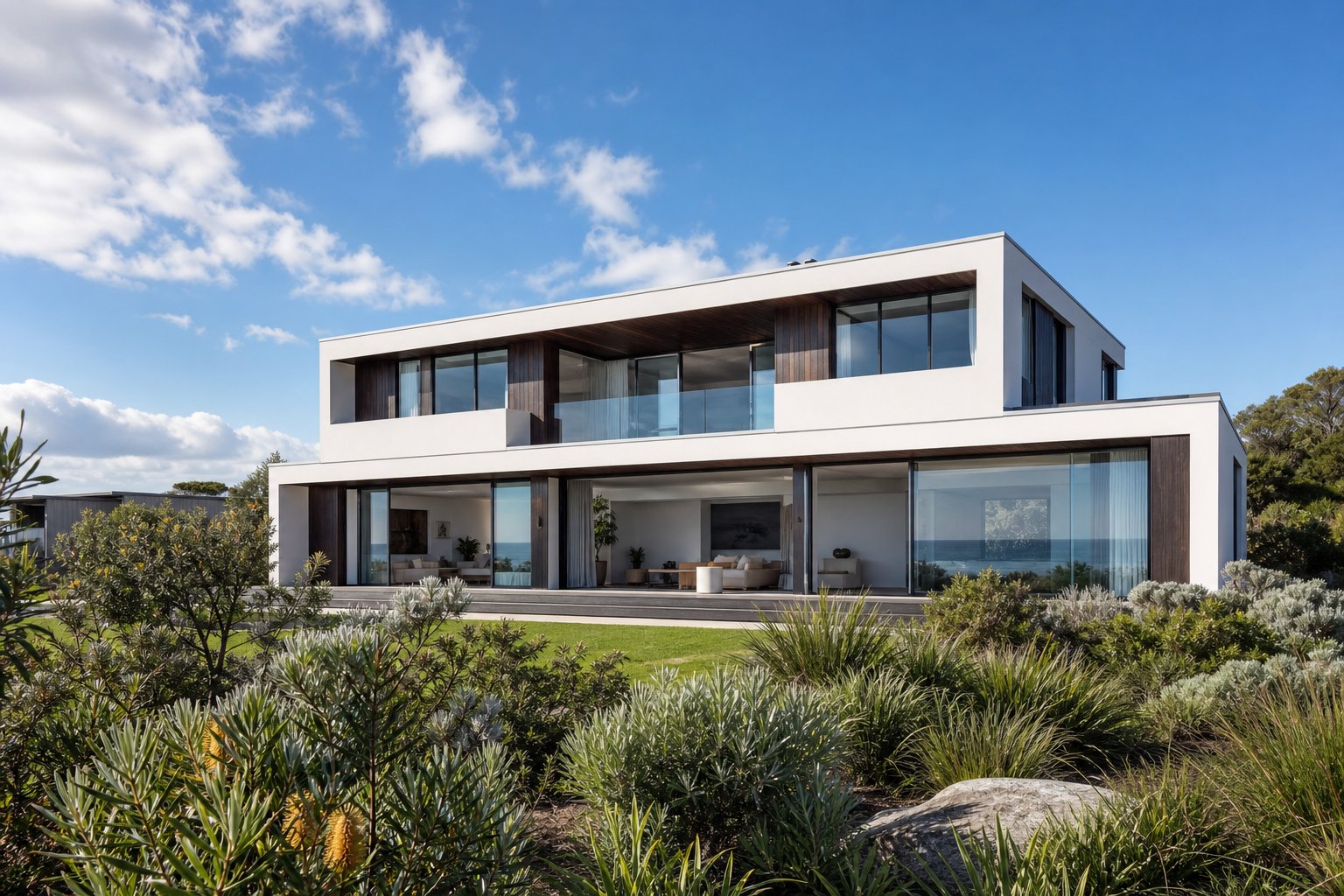
Every property presents a different set of constraints — structural, aesthetic, climatic, and budgetary. A double-storey contemporary build in coastal Sydney demands a completely different window solution than a weatherboard renovation in suburban Melbourne or a Queenslander retrofit in Brisbane. The “best” aluminium composite configuration doesn’t exist in isolation. It exists relative to your specific project.
Here’s a practical guide to matching property type with the composite configuration most likely to deliver long-term satisfaction:
- Contemporary new builds (single or multi-storey): Aluminium with engineered composite core — maximises glass area with slim profiles, minimal maintenance, and strong NatHERS performance.
- Architect-designed homes with interior timber features: Aluminium-clad timber — delivers natural wood warmth inside while the aluminium exterior handles weather exposure.
- Period homes and heritage renovations: Aluminium-clad timber with custom moulding profiles — replicates traditional proportions externally while upgrading thermal and acoustic performance.
- Investment properties and multi-unit developments: Aluminium-clad uPVC — balances cost efficiency with durable exterior aesthetics and virtually zero tenant maintenance.
- Coastal properties (within 1 km of shoreline): Aluminium with engineered composite core or marine-grade clad timber — prioritises moisture imperviousness and salt-air resistance.
- Bushfire-prone areas (BAL 12.5 to BAL-FZ): Full aluminium or aluminium composite with non-combustible core — meets AS 3959 requirements for ember and radiant heat protection.
New Builds and Contemporary Projects
Specifying aluminium clad windows for a new build is the simplest scenario. You’re designing the openings from scratch, so reveal depths, lintel sizes, and structural supports can all be tailored to the frame system you choose. There’s no existing geometry to work around.
Contemporary architecture tends to favour large glazed openings — floor-to-ceiling panels, corner windows, expansive sliding doors. These designs push frame spans well beyond what vinyl can handle without excessive bulk. An aluminium composite frame with an engineered core can span openings of 2.4 metres or more while maintaining sightlines as narrow as 20–25 mm. That’s the difference between a window that frames a view and a window that interrupts it.
For developers weighing the vinyl clad vs aluminium clad windows decision on multi-unit projects, the calculus often comes down to facade presentation and long-term body corporate costs. Aluminium composite exteriors hold their colour and finish for decades without repainting — a meaningful saving when multiplied across dozens of units over a building’s lifetime.
Renovation and Retrofit Considerations
Retrofitting composite windows into existing openings introduces complications that new builds avoid entirely. The most common issue? Reveal depth. Aluminium composite frames are typically deeper than the single-material systems they replace — particularly if you’re swapping out old non-thermally-broken aluminium or basic timber frames. A standard aluminium composite profile might measure 70–90 mm deep compared to 40–50 mm for the original frame.
That depth difference means the new frame may project further into the room or require the reveal (the internal return between wall face and window frame) to be rebuilt. In brick veneer homes — Australia’s most common construction type — this is usually manageable with timber or plaster reveals. In rendered masonry or double-brick construction, it may require cutting back the reveal or using a slimmer composite profile designed specifically for retrofit applications.
Structural preparation matters too. Composite frames with timber or engineered cores weigh more than basic vinyl replacements. Existing lintels need to be assessed for adequacy — particularly in older homes where the original lintel was sized for a lighter window system. A structural engineer’s sign-off is worth the cost if there’s any doubt about load capacity.
Do you need a specialist installer? For standard-sized openings in straightforward wall types, an experienced window installer with composite frame training can handle the job. But for heritage properties, non-standard openings, or situations where the vinyl vs aluminum clad windows decision involves matching existing architectural details, a fabricator-installer with specific composite experience reduces the risk of costly errors. Ask whether they’ve installed the exact system you’re specifying — not just “similar” products.
The aluminum clad wood windows price for retrofit projects typically runs 15–30% higher than equivalent new-build installations, reflecting the additional labour for removal, reveal modification, and integration with existing flashings and waterproofing membranes.
Exploring Custom Configuration Options
Off-the-shelf sizes cover most standard openings, but Australian homes — particularly renovations and architect-designed builds — frequently need custom dimensions, non-standard operating styles, or specific colour combinations that stock products can’t deliver.
Custom aluminium composite windows allow you to specify:
- Exact frame dimensions to suit non-standard openings
- Specific RAL colours for the aluminium exterior (matched to facade or trim)
- Interior finish options — natural timber stain, painted composite, or colour-matched uPVC
- Glazing type — double, triple, laminated, or tinted to suit orientation and climate zone
- Hardware style and finish — from minimal contemporary to traditional lever handles
- Operating configurations — awning, casement, bi-fold, sliding, or fixed combinations
For homeowners, builders, and architects exploring what’s available for Australian residential and commercial projects, MEICHEN’s aluminium windows range offers a practical starting point for comparing systems, colour options, and glazing choices suited to local conditions. Their project-based supply model means you can discuss custom configurations directly rather than being limited to catalogue sizes.
The aluminum clad window you ultimately choose should reflect a deliberate match between your property’s demands and the configuration’s strengths — not a compromise driven by whatever happened to be in stock. Getting that match right at the specification stage avoids the far more expensive process of discovering a mismatch after installation, when the frames are already fixed in place and the scaffolding has gone.
Specification is only half the equation, though. How that carefully chosen system actually gets installed — and what regulatory hoops it needs to clear — determines whether the performance you paid for actually shows up in the finished building.
Installation Considerations and Building Compliance
The gap between a window’s rated performance and what it actually delivers in your home almost always comes down to installation quality. A premium aluminium composite frame with perfect thermal break continuity will underperform a budget vinyl window if it’s poorly fitted, inadequately sealed, or installed into a structurally unprepared opening. Getting the installation right matters as much as choosing the right product.
New Build vs Retrofit Installation
New construction gives you full control. Openings are sized to suit the specified frame, lintels are engineered for the correct load, and flashings integrate cleanly with the building envelope before cladding goes on. The installer works with clean, square reveals and purpose-built structural supports — ideal conditions for any composite system.
Retrofit is messier. Existing openings were designed for whatever frame sat there originally — often non-thermally-broken aluminium or basic timber. Swapping in a deeper, heavier composite profile means reconciling the new frame with old geometry. The wood vs vinyl vs composite windows differences become most apparent during retrofit, where each material’s depth, weight, and fixing requirements interact differently with existing wall construction. Brick veneer, weatherboard, rendered masonry, and fibro each present unique challenges for anchoring and weathersealing a replacement frame.
Structural Requirements and Preparation
Composite frames — particularly aluminium wood clad windows with solid timber cores — weigh substantially more than the vinyl or basic aluminium systems they often replace. That additional mass has structural implications:
- Lintel adequacy: Existing lintels must support the new frame weight plus operational loads (opening and closing forces). Older homes with undersized timber or corroded steel lintels may need reinforcement or replacement before installation proceeds.
- Reveal depth: A typical composite profile measures 70–90 mm deep. If the existing reveal is shallower, it needs extending — either with timber packers, plaster returns, or purpose-made reveal liners.
- Fixing methods: Heavier frames require mechanical fixings into solid substrate — masonry anchors into brick, coach screws into structural timber. Toggle fixings into plasterboard alone won’t hold long-term. The fixing pattern and spacing should follow the manufacturer’s specifications, not generic guidelines.
- Waterproofing integration: New flashings and sill trays must tie into the existing wall membrane. In retrofit scenarios, this often means cutting back render or cladding to access the building wrap — a step that inexperienced installers sometimes skip, creating future moisture problems behind the frame.
For wood windows with aluminium cladding, the additional consideration is ensuring adequate ventilation space between the timber core and any masonry reveals. Trapped moisture against timber accelerates rot — exactly the problem the aluminium exterior was designed to prevent on the weather-facing side.
Building Regulations and Compliance
Window replacement in Australia isn’t a purely cosmetic decision — it triggers regulatory requirements that vary by state and situation:
- National Construction Code (NCC) energy provisions: Replacement windows in most jurisdictions must meet current energy performance requirements under NCC Section J (commercial) or NatHERS pathways (residential). This typically means thermally broken frames and minimum glazing performance — requirements that aluminium composite systems satisfy comfortably.
- AS 2047 compliance: All windows installed in Australian buildings must comply with AS 2047 (Windows and External Glazed Doors in Buildings). This covers structural performance, weather resistance, and air infiltration testing. Ensure your chosen product carries current test certification.
- AS 1288 glazing requirements: Safety glazing rules apply to windows near floor level, in wet areas, and adjacent to doors. Your installer should confirm compliant glass selection for each opening location.
- BAL ratings (bushfire zones): Properties in designated bushfire-prone areas need windows rated to the applicable Bushfire Attack Level under AS 3959. Not all composite configurations qualify at higher BAL ratings — check before specifying.
- Heritage and conservation overlays: Properties under heritage overlays or within conservation areas may require council approval (development application) before changing window style, material, or colour. Some councils mandate like-for-like replacement or specific profiles that replicate original proportions.
- Ventilation requirements: The NCC mandates minimum openable window area for habitable rooms. Changing from a fully openable casement to a fixed-plus-awning configuration could inadvertently breach ventilation compliance.
State-based variations add complexity. Victoria’s energy efficiency requirements differ from Queensland’s, and cyclone-rated regions in northern Australia impose additional structural testing under AS 4055. Your installer should know which requirements apply to your specific location and building classification.
Choosing the right installer matters as much as choosing the right frame. Unlike standard vinyl replacements — which most general glaziers handle routinely — wood aluminum clad windows and engineered composite systems require specific training in thermal break alignment, multi-material sealing sequences, and heavier frame handling. Before commissioning any installation, ask these questions:
- Are you accredited by the Australian Window Association (AWA) or hold manufacturer-specific installation certification for this composite system?
- How many composite frame installations (not just standard aluminium) have you completed in the past 12 months?
- What warranty do you provide on the installation workmanship — separate from the product warranty — and what does it cover?
- Will you assess the existing lintel, reveal depth, and waterproofing membrane before quoting, or are these treated as variations?
- Do you supply and install compliant flashings and sill trays, or is that a separate trade?
- Can you provide AS 2047 compliance documentation and energy performance certificates for the installed product?
- What is your process if the existing opening requires structural modification — do you coordinate with a builder or structural engineer, or is that my responsibility?
- Will the installation comply with current NCC energy provisions and any applicable BAL or cyclone ratings for my address?
An installer who answers these confidently — with specifics rather than generalities — is one who understands composite systems. One who hesitates or deflects is telling you something important about their experience level. The difference between a certified, trained installer and a general tradesperson shows up not on installation day, but years later when seals hold, hardware stays aligned, and thermal performance matches what you were promised.
Installation quality and regulatory compliance protect your investment for decades. But there’s a longer-term question worth considering before you finalise any window decision — what happens to these materials at the end of their service life, and how does that factor into a responsible choice?
Sustainability and Making Your Final Decision
A window that lasts 50 years but ends up in landfill carries a different environmental story than one that lasts 50 years and gets reborn as new material. End-of-life recyclability is where aluminium composite windows distinguish themselves most clearly from single-material alternatives — and it’s the factor most buyers never think to ask about until after they’ve committed.
Recyclability of Aluminium Components
Aluminium is one of the few building materials that can be recycled indefinitely without any degradation in structural or aesthetic quality. The aluminium recovered from a demolished window frame can be re-melted and extruded into a new profile that’s physically identical to one made from primary material. No downcycling. No quality loss. Just the same atoms reshaped for another 50-year service life.
The energy economics reinforce this. Recycling aluminium requires roughly 5% of the energy needed to produce primary aluminium from bauxite ore — a 95% energy saving each time the material loops back through the system. That’s why aluminium retains real economic value at end of life. Demolition contractors and window replacement firms routinely recover aluminium frames because the scrap has a market price worth collecting. Industry estimates suggest more than 90% of aluminium used in construction is recovered and recycled at end of life.
For composite window frame systems specifically, modern clip-on and mechanically coupled designs allow the aluminium cladding to be separated from the inner frame material during decommissioning. The aluminium goes to metal recycling. The timber can be chipped for biomass or composted. Engineered composite cores vary — some can be granulated and reprocessed, while others currently go to waste-to-energy facilities. The key point: because the materials aren’t permanently fused, each component can follow its own optimal recovery pathway.
Compare this to what happens with vinyl frames at end of life. What are vinyl windows made of? PVC — polyvinyl chloride derived from petroleum. While technically recyclable, PVC recycling requires specialised facilities that aren’t widely available in Australia. The process is chemically complex, and the recycled output is typically downcycled into lower-grade products rather than new window frames. Much of it still ends up in landfill.
Sustainability Credentials and Embodied Energy
The honest conversation about aluminium’s environmental profile starts with an uncomfortable fact: primary aluminium production is energy-intensive. Smelting bauxite ore into usable metal carries one of the highest embodied carbon figures of common building materials on a per-kilogram basis. Ignoring this would be misleading.
But embodied carbon at the point of manufacture is only one chapter in a material’s environmental story. Two factors shift the equation substantially:
- Longevity offsets production impact. A material that lasts 40 years without replacement has half the lifecycle impact of one that needs replacing at 20 years — even if the shorter-lived material starts with lower embodied carbon. Aluminium composite windows routinely deliver 40–60 years of service, meaning fewer replacement cycles, less cumulative waste, and lower total material consumption over a building’s lifetime.
- Recycled content reduces the starting footprint. The embodied carbon of recycled aluminium sits at roughly 5% of primary production. As recycled content in the supply chain increases — driven by both economics and regulation — the embodied carbon of new aluminium products continues to fall. Low-carbon alloys and ASI-certified (Aluminium Stewardship Initiative) sources are increasingly available for specification.
For aluminium-clad timber configurations, the timber component adds another sustainability layer. Timber sequesters carbon — every cubic metre of wood locks away CO₂ absorbed during growth. When that timber is sourced from FSC-certified (Forest Stewardship Council) or PEFC-certified managed forests, the supply chain carries verified accountability from forest to finished frame. Specifying certified timber for the inner core of an aluminium-clad window means the product combines a carbon-storing interior with an infinitely recyclable exterior — a genuinely circular material pairing.
The composite vs vinyl sustainability comparison favours aluminium composite on almost every long-term metric: longer service life, higher end-of-life recovery rates, no PVC-related chemical concerns, and genuine infinite recyclability versus theoretical recyclability that rarely happens in practice. Where vinyl wins is upfront embodied energy — PVC production is less energy-intensive than primary aluminium. Over a full lifecycle, though, that initial advantage erodes as replacement cycles accumulate and landfill disposal adds to vinyl’s environmental ledger.
Making an Informed Decision for Your Next Project
Weighing the pros and cons of composite windows against alternatives isn’t a single-variable calculation. The right choice depends on how you prioritise five interconnected factors — and honest self-assessment about which ones matter most to you.
Key decision factors for choosing aluminium composite windows:
1. Performance needs: What thermal and acoustic ratings does your climate zone and NatHERS target demand?
2. Property type: Does your building suit slim contemporary profiles, heritage proportions, or maximum-span glazing?
3. Budget: Are you optimising for lowest upfront cost, or lowest total cost over 30+ years of ownership?
4. Maintenance tolerance: Are you willing to re-oil timber interiors every few years, or do you want a set-and-forget system?
5. Environmental priorities: Does end-of-life recyclability, embodied carbon, or operational energy efficiency rank highest in your decision framework?
Composite windows vs vinyl windows isn’t a contest with a universal winner. Vinyl suits budget-conscious projects where standard sizes and white frames meet the brief. Aluminium composite suits homeowners and specifiers who think in decades — who want slimmer sightlines, broader colour palettes, superior durability in Australian UV and coastal conditions, and the knowledge that their frames won’t end up in landfill when they eventually reach end of life.
For homeowners, builders, and architects ready to explore aluminium window systems for Australian residential or commercial projects, MEICHEN’s aluminium windows page provides a practical starting point — comparing available systems, colour options, and glazing configurations suited to local climate conditions and project requirements. It’s worth browsing before you finalise specifications, particularly if custom sizing or specific RAL colours are part of your brief.
The window you choose today will sit in your wall for decades. Make sure it’s a decision you’re still comfortable with at year 30 — structurally, aesthetically, and environmentally.
Frequently Asked Questions About Aluminium Composite Windows
1. What is the difference between aluminium composite windows and standard aluminium windows?
Standard aluminium windows use a single-material extruded metal frame with internal thermal breaks to reduce heat transfer. Aluminium composite windows use the metal only on the exterior face, pairing it with a completely different inner frame material — timber, uPVC, or an engineered composite core — chosen specifically for insulation or aesthetics. This multi-material approach delivers better thermal efficiency and reduced condensation risk because the inner frame adds a secondary insulating layer that full aluminium frames lack. The composite design also allows interior finishes (natural wood grain or painted surfaces) that pure metal frames cannot offer.
2. How long do aluminium composite windows last in Australian conditions?
Lifespan varies by configuration. Aluminium-clad timber windows typically last 40 to 60+ years with periodic interior timber maintenance. Aluminium with engineered composite cores delivers 40 to 50+ years with minimal intervention. Aluminium-clad uPVC hybrids offer 30 to 40 years of service. These figures significantly exceed exposed vinyl frames (20 to 35 years) because the aluminium exterior shields the inner material from UV degradation, salt air, and moisture — the primary factors that shorten frame life in Australian coastal and high-UV environments. Marine-grade powder coatings extend durability further for properties near the shoreline.
3. Are aluminium composite windows better than vinyl for Australian homes?
For most Australian conditions, aluminium composite windows outperform vinyl on durability, UV resistance, maximum span capability, and end-of-life recyclability. They allow slimmer sightlines (as narrow as 20 mm versus 70 to 80 mm for vinyl), support larger openings without sagging, and maintain colour stability for decades under intense Australian sun. Vinyl wins on upfront cost and requires no painting, making it suitable for budget-conscious projects with standard-sized openings. The decision depends on property type, climate exposure, how long you plan to stay, and whether you prioritise lowest initial price or lowest total cost over 30+ years.
4. Do aluminium composite windows need much maintenance?
The aluminium exterior requires only periodic washing with mild soapy water — quarterly in coastal zones, every six months elsewhere. Beyond that, maintenance depends on the inner frame material. Aluminium-clad uPVC and engineered composite cores need virtually nothing besides hardware lubrication and gasket checks once a year. Aluminium-clad timber interiors require re-oiling or resealing every 5 to 10 years depending on timber species and sun exposure. All configurations benefit from annual inspection of weatherseals, drainage weep holes, and multi-point locking hardware to maintain rated performance over decades.
5. What building compliance is required for installing aluminium composite windows in Australia?
Australian window installations must comply with AS 2047 (structural and weather performance), AS 1288 (safety glazing), and NCC energy efficiency provisions. Properties in bushfire-prone areas need windows rated to the applicable BAL level under AS 3959. Heritage-listed homes or those in conservation areas may require council development application approval before changing window materials or styles. Replacement windows must meet current NatHERS energy performance requirements, and cyclone-rated regions in northern Australia impose additional structural testing under AS 4055. Working with an AWA-accredited installer ensures all compliance documentation is handled correctly for your specific location and building classification.
More Window & Door Guides