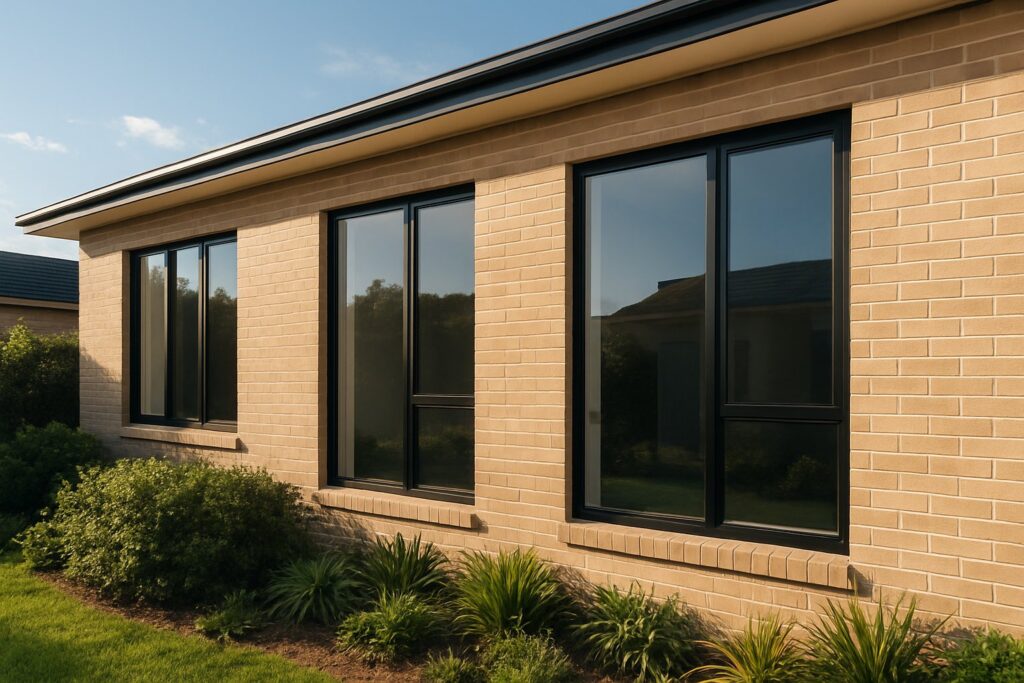
How Much Do Aluminium Windows Actually Cost in Sydney
Getting a straight answer on aluminium windows sydney prices can feel like pulling teeth. One supplier quotes $200 per window, another quotes $1,200 for what seems like the same thing. The gap is real, and it exists because window pricing depends on a stack of variables that most suppliers never bother explaining upfront.
This guide breaks down every factor that shapes what you will actually pay for sydney aluminium windows — from frame profiles and glazing types to compliance requirements specific to Greater Sydney properties. No sales pitch, no vague ranges without context. Just the information you need to set a realistic budget and spot an inflated quote when you see one.
What Aluminium Windows Typically Cost in Sydney
For standard-sized aluminium windows purchased supply-only, pricing in Sydney generally falls within these ballpark figures based on current market data:
Expect to pay between $150 and $800 per window (supply only) for standard aluminium frames in common sizes. Fixed windows sit at the lower end starting around $150 for a 600 x 600mm unit, while larger sliding or awning windows in sizes above 1200mm can reach $680 to $800+. Fully installed with double glazing, custom sizing, or premium hardware, individual windows can exceed $1,200.
Those figures reflect supply-only pricing for off-the-shelf sizes — the kind you might pick up from a window supplier or hardware store. Add installation labour, custom dimensions, upgraded glass, or a non-standard powder coat colour, and the per-window cost climbs quickly. An aluminium windows price list sydney suppliers provide will typically reflect their base-level product before any of these additions.
Why Prices Vary So Much Between Quotes
Two quotes for the same room can differ by 40% or more. That is not necessarily because one supplier is ripping you off. The difference usually comes down to what is included and what specification each supplier has assumed. Key variables that shift aluminium windows prices sydney homeowners receive include:
- Window style — a fixed pane costs far less than a bifold or louvre of the same dimensions
- Glazing type — single glazing runs 25 to 35 percent cheaper than double glazed units
- Standard vs custom sizing — off-the-shelf dimensions avoid fabrication premiums
- Supply-only vs supply-and-install — installation adds labour, flashings, and waste removal
- Compliance requirements — BAL ratings, coastal corrosion specs, or NCC energy mandates add cost that some quotes include and others leave out entirely
The problem is not that aluminium windows sydney pricing is unpredictable. It is that most quotes do not clearly separate these line items, making apples-to-apples comparison nearly impossible without knowing what to look for. Each of these cost drivers deserves a closer look — starting with the individual factors that build up your final price from a base figure.
Key Cost Factors That Determine Your Final Price
Every aluminium window starts with a base price — a standard-sized frame in a stock colour with basic hardware and single glazing. From there, each specification choice either holds that price steady or pushes it upward. Understanding exactly how each factor compounds is the difference between a budget that holds and one that blows out by 30% at the quoting stage.
Here is how the main cost drivers work individually and together when pricing aluminium window frames sydney suppliers fabricate for residential and commercial projects.
Size and Opening Dimensions
Window size is the single biggest price lever. A larger opening requires more aluminium extrusion material, a bigger glass panel, and often heavier-duty hardware to support the additional weight. The relationship is not perfectly linear, though. Doubling the window area does not double the cost — material costs scale proportionally, but fabrication labour and hardware may only increase marginally for moderate size jumps.
Where costs spike noticeably is when dimensions exceed standard extrusion lengths or require structural reinforcement. Windows wider than approximately 1800mm in a sliding configuration, or taller than 2100mm in an awning style, often cross into territory where thicker profiles or additional support mullions become necessary. That structural requirement adds both material and engineering cost.
Ordering non-standard dimensions — say 1370 x 920mm instead of a stock 1200 x 900mm — triggers custom cutting and potentially custom glass orders. Even a small deviation from catalogue sizes can add a fabrication premium because the manufacturer cannot pull from pre-cut inventory.
Frame Profile and Hardware Choices
The aluminium extrusion profile itself varies in wall thickness, typically ranging from 1.4mm to 2.0mm for residential applications. Thicker profiles support larger spans and improve structural rigidity, but they consume more raw aluminium per lineal metre. For context, aluminium window extrusions sydney fabricators produce in the 1.6mm to 2.0mm range are common for mid-to-high-end residential work, while 1.4mm profiles suit smaller fixed or awning windows where structural load is minimal.
Thermally broken profiles — where a polyamide strip separates the interior and exterior aluminium faces — represent a significant step up in both performance and price. These are increasingly specified in Sydney to meet NCC energy requirements, particularly for west-facing or large-area glazing.
Hardware quality creates another cost tier. Basic friction stays and cam locks sit at the entry level. Step up to stainless steel multi-point locking systems, premium European hinges from brands like Roto or Siegenia, or child-safe restrictors, and the hardware component alone can add meaningfully to each window. For properties in coastal suburbs, stainless steel aluminium window parts sydney installers recommend are not optional — standard zinc-plated hardware corrodes within years in salt-air environments.
Colour and Finish Options
Powder coating colour is one of those costs that surprises people. Standard colours — typically white, black, monument (dark grey), and natural anodised silver — are held in stock by most Sydney fabricators and carry no surcharge. Black aluminium windows sydney homeowners frequently request have become so popular that matt black now sits firmly in the standard palette for most suppliers.
Move beyond those stock options into custom colours, and costs rise for two reasons. First, the powder coating line must be purged and reset for a non-standard colour, which adds labour time. Second, custom colours often require minimum batch quantities, meaning you may pay a setup fee that gets amortised across fewer windows. Dual-colour finishes — where the interior face is a different colour from the exterior — add a second coating pass and typically carry a 10 to 20 percent premium over single-colour treatment.
For older homes where existing frames have faded or been damaged, some owners explore aluminium window frame painting sydney contractors offer as a maintenance option. While repainting is possible, factory-applied powder coating remains far more durable and is the standard approach for new or replacement windows.
Quantity also plays a quiet but real role. Ordering ten or more windows of the same specification allows fabricators to batch production efficiently — same extrusion cuts, same glass orders, same powder coat run. Single-window orders carry proportionally higher per-unit costs because setup and handling time is spread across just one product.
| Cost Factor | Change From Base Spec | Approximate Price Impact |
|---|---|---|
| Size upgrade | Standard (1200 x 900mm) to large (1800 x 1500mm) | +30% to +50% |
| Custom colour | Stock colour to non-standard powder coat | +10% to +20% |
| Dual-colour finish | Single colour to different interior/exterior | +10% to +20% additional |
| Upgraded hardware | Basic cam lock to multi-point stainless steel | +15% to +25% |
| Thicker profile | 1.4mm wall to 2.0mm thermally broken | +20% to +40% |
| Bulk order (10+ units) | Single window to batch of same spec | -5% to -15% per unit |
These percentages compound. A window that starts at a $400 base price in a standard size and stock colour can reach $700 or more once you layer in a size upgrade, custom finish, and premium hardware. None of those additions are unreasonable — they just need to be visible in the quote so you can decide which upgrades deliver genuine value for your property and which ones you can skip.
Glass type sits alongside these frame-level factors as an equally significant cost driver — and in Sydney’s current regulatory environment, it is increasingly non-negotiable rather than optional.
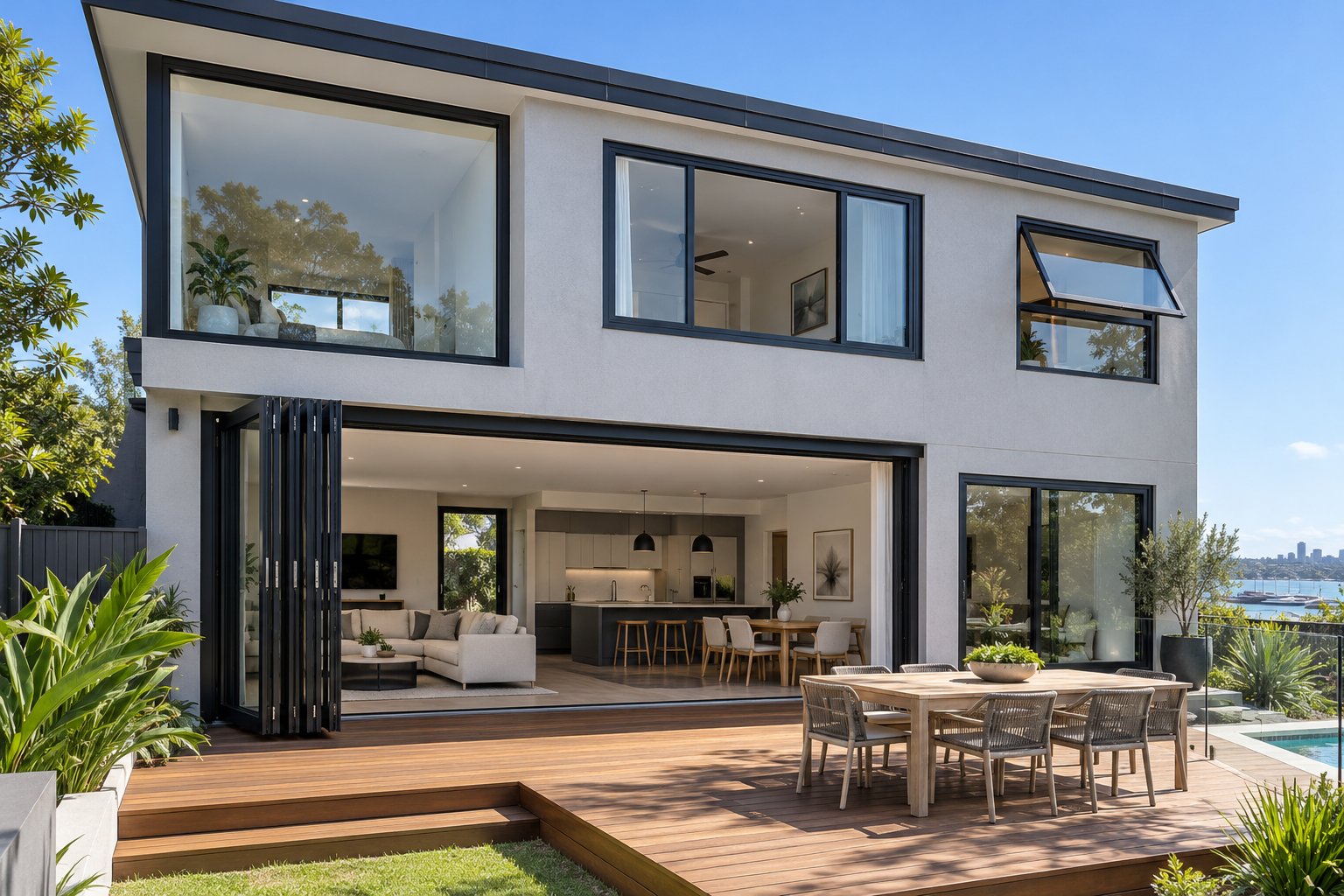
Price Differences Between Aluminium Window Styles
Window style is where pricing diverges most dramatically — two openings of identical dimensions can differ by hundreds of dollars purely based on how the sash operates. The reason is mechanical. A fixed pane has no moving parts, no hinges, no locking hardware, and no weatherseals to engineer around. A bifold window of the same width needs multiple hinged panels, heavy-duty track systems, and precision-machined rollers. That engineering complexity flows directly into the price tag.
Here is how the most common styles stack up for Sydney projects, from the most affordable to the premium end of the spectrum.
Sliding and Fixed Windows as Budget-Friendly Options
Aluminium fixed windows sydney homeowners choose for feature walls and highlight panels represent the lowest cost per square metre of any style. There is no operable hardware — just a frame holding glass in place. Fabrication is straightforward, installation is fast, and there are fewer potential failure points over the window’s lifespan.
Aluminium sliding windows sydney properties commonly use sit just above fixed panels in price. Their construction involves two or three sashes running on a horizontal track with basic rollers and a simple latch. The hardware is minimal compared to hinged styles, and the weathersealing requirements are less demanding because the sashes overlap rather than compressing against a frame. Sliding windows suit bedrooms, living areas, and anywhere you want ventilation without the sash projecting outward — a practical consideration for ground-floor rooms facing footpaths or narrow side passages typical of Sydney’s inner-west terraces.
Awning and Casement Windows in the Mid-Range
Step into hinged window styles and costs rise noticeably. Aluminium awning windows sydney suppliers quote in the mid-range because each unit requires friction stays or scissor-arm operators, a crank or chain winder mechanism, and compression seals around the full perimeter of the sash. That seal is what makes awning windows popular in Sydney — they can stay open during rain because the outward-tilting sash acts as a shield. Bathrooms, kitchens, and laundries across the city rely on this style for exactly that reason.
Aluminium casement windows sydney builders specify share similar hardware complexity. Side-hinged with a crank mechanism, they swing outward to catch breezes and offer excellent ventilation rates. The full-perimeter compression seal delivers strong energy performance but demands tighter manufacturing tolerances than a sliding window, which adds fabrication cost.
Aluminium double hung windows sydney homes in older suburbs sometimes require sit in a similar price bracket to awning and casement styles. Their vertically sliding sashes need spring balances or spiral balances to counterweight the panels, plus interlocking weatherseals on both the upper and lower sashes. Heritage-style double hung windows often carry a slight premium over standard awning units due to the additional balance hardware.
Bifold and Louvre Windows at the Premium End
At the top of the pricing scale, aluminium bifold windows sydney architects favour for indoor-outdoor living command the highest per-opening cost. A typical bifold unit involves three to five hinged panels folding against each other on a heavy-duty top-hung or bottom-rolling track. Each panel needs its own hinge set, interlocking seals between every fold, and a robust stacking mechanism that keeps panels aligned under wind load. The hardware alone on a quality bifold system can exceed the total cost of a basic sliding window.
Aluminium louvre windows sydney properties use for ventilation in subtropical-influenced areas carry premium pricing for different reasons. Each individual glass blade pivots on its own pin mechanism, and a linking bar synchronises all blades to open and close together. More blades mean more moving parts, more seals, and more precision fabrication. Louvre windows also require specialised frames that differ from standard residential extrusions, limiting the number of suppliers who manufacture them locally.
| Window Style | Relative Price Tier | Best Use Case | Typical Sydney Application |
|---|---|---|---|
| Fixed | Entry level | Light and views without ventilation | Feature walls, highlight panels above doors |
| Sliding | Budget-friendly | Easy ventilation in tight spaces | Bedrooms, living rooms, apartment balconies |
| Awning | Mid-range | Rain-proof ventilation | Bathrooms, kitchens, laundries |
| Casement | Mid-range | Maximum airflow capture | Living areas, suburban family homes |
| Double hung | Mid-range (upper) | Heritage aesthetic with ventilation | Federation and Victorian-era home replacements |
| Bifold | Premium | Indoor-outdoor connection | Rear entertaining areas, kitchen serveries |
| Louvre | Premium | Controlled ventilation and privacy | Bathrooms, pool houses, covered outdoor rooms |
The price gap between a fixed window and a bifold of comparable width can be two to three times the base cost — sometimes more when you factor in the heavier-gauge track, stainless steel rollers, and multi-point locking that bifold systems demand. That does not make premium styles poor value; it means the cost reflects genuine engineering differences rather than arbitrary markup.
Choosing the right style for each opening is one of the simplest ways to manage your overall project budget. A mix of fixed panels for light, sliding windows for everyday ventilation, and one or two feature bifolds where they matter most often delivers a better result than specifying the same expensive style across every opening in the house.
Style determines the frame and hardware cost, but the glass sitting inside that frame carries its own pricing layer — one that Sydney’s energy compliance rules are making increasingly difficult to avoid.
How Glazing Options Affect Your Window Price
Glass accounts for the largest visible surface area of any window, yet many buyers focus entirely on the frame when comparing quotes. That is a costly oversight. The glazing specification can shift the per-window price by 30 to 100 percent depending on what you select — and in Sydney’s current regulatory landscape, the cheapest option is not always available to you.
When you look to buy aluminium glass windows in Sydney, the glass type listed on your quote deserves as much scrutiny as the frame profile or powder coat colour. Here is how each glazing option stacks up on cost and where compliance requirements remove the choice entirely.
Single vs Double Glazing Cost Difference
Single glazing — one pane of glass seated into the aluminium frame — remains the cheapest option on paper. It suits internal windows, garage openings, or situations where thermal performance is not a regulatory concern. But for habitable rooms in new builds and major renovations, single glazing is increasingly being ruled out by NCC Section J energy efficiency requirements.
Sydney sits within NCC Climate Zone 6, classified as mild temperate. Under current provisions, glazing in residential buildings must meet minimum thermal performance thresholds — and single-pane aluminium windows rarely satisfy those thresholds without compensating measures elsewhere in the building envelope. The practical result is that double glazed aluminium windows sydney builders specify have become the default rather than the upgrade for most compliant projects.
The cost difference is substantial. Double glazing can nearly double the cost of a window compared to single glazing, factoring in both the insulated glass unit (IGU) itself and the slightly heavier frame needed to support it. For a standard awning window, that might mean jumping from $350 to $600 or more. Across a full house with 15 to 20 openings, the glazing upgrade alone can add $4,000 to $8,000 to the project.
That said, aluminium double glazed windows sydney homeowners invest in deliver measurable returns. Energy savings of 20 to 30 percent on heating and cooling are realistic, noise reduction improves noticeably — particularly relevant for properties near busy roads or flight paths — and resale value benefits from the improved energy rating. The upfront premium is real, but so is the payback over the window’s lifespan.
Specialty Glass Options and When They Are Worth It
Beyond the single-versus-double decision, several glass treatments add performance layers at varying price points. Not every property needs all of them, but understanding what each delivers helps you decide where to spend and where to save.
- Low-E coatings — A microscopically thin metallic oxide layer applied to one pane surface that reflects infrared heat while admitting visible light. Adds roughly 10 to 15 percent to the IGU cost. Worth specifying on west-facing and north-facing windows where solar heat gain is highest. Reduces energy loss by up to 30 to 50 percent compared to uncoated double glazing.
- Toughened (tempered) glass — Heat-treated to be four to five times stronger than standard annealed glass. Required by AS 1288 in locations below 800mm from floor level, near doors, in bathrooms, and in any panel at risk of human impact. Adds a moderate premium per pane but is often mandatory rather than optional. Aluminium bathroom windows sydney properties need will almost always require toughened glass on compliance grounds alone.
- Laminated glass — Two panes bonded with a polyvinyl butyral (PVB) interlayer that holds fragments together on impact. Delivers superior noise reduction and security performance. Aluminium security windows sydney homeowners request for ground-floor openings typically use laminated glass as the baseline. Cost varies widely depending on thickness and interlayer specification, but expect a meaningful step up from standard toughened glass.
- Acoustic-rated IGUs — Combine asymmetric glass thicknesses (for example, 6mm outer pane with a 10mm inner pane) and laminated interlayers to maximise sound attenuation. Ideal for properties under flight paths, near rail corridors, or fronting arterial roads. The most expensive glazing option per square metre, but transformative for liveability in noisy locations.
- Argon gas fill — Replacing the air cavity in a double-glazed unit with argon gas improves thermal insulation by approximately 15 percent over air-filled units. A relatively low-cost addition that most quality IGU manufacturers offer as standard or near-standard.
For most Sydney residential projects, the practical glazing specification lands on double glazing with Low-E coating and toughened glass where required by code. That combination satisfies NCC compliance, delivers solid thermal and acoustic performance, and keeps costs within a reasonable band. Laminated or acoustic upgrades make sense on a per-window basis — targeting street-facing openings or ground-floor aluminium glass windows sydney properties need secured — rather than applying them across every opening in the house.
Glazing choice interacts directly with frame material performance. A high-spec IGU paired with a thermally broken aluminium frame delivers a very different result than the same glass in a basic non-broken profile — which raises the broader question of how aluminium stacks up against alternative frame materials on both price and long-term value.
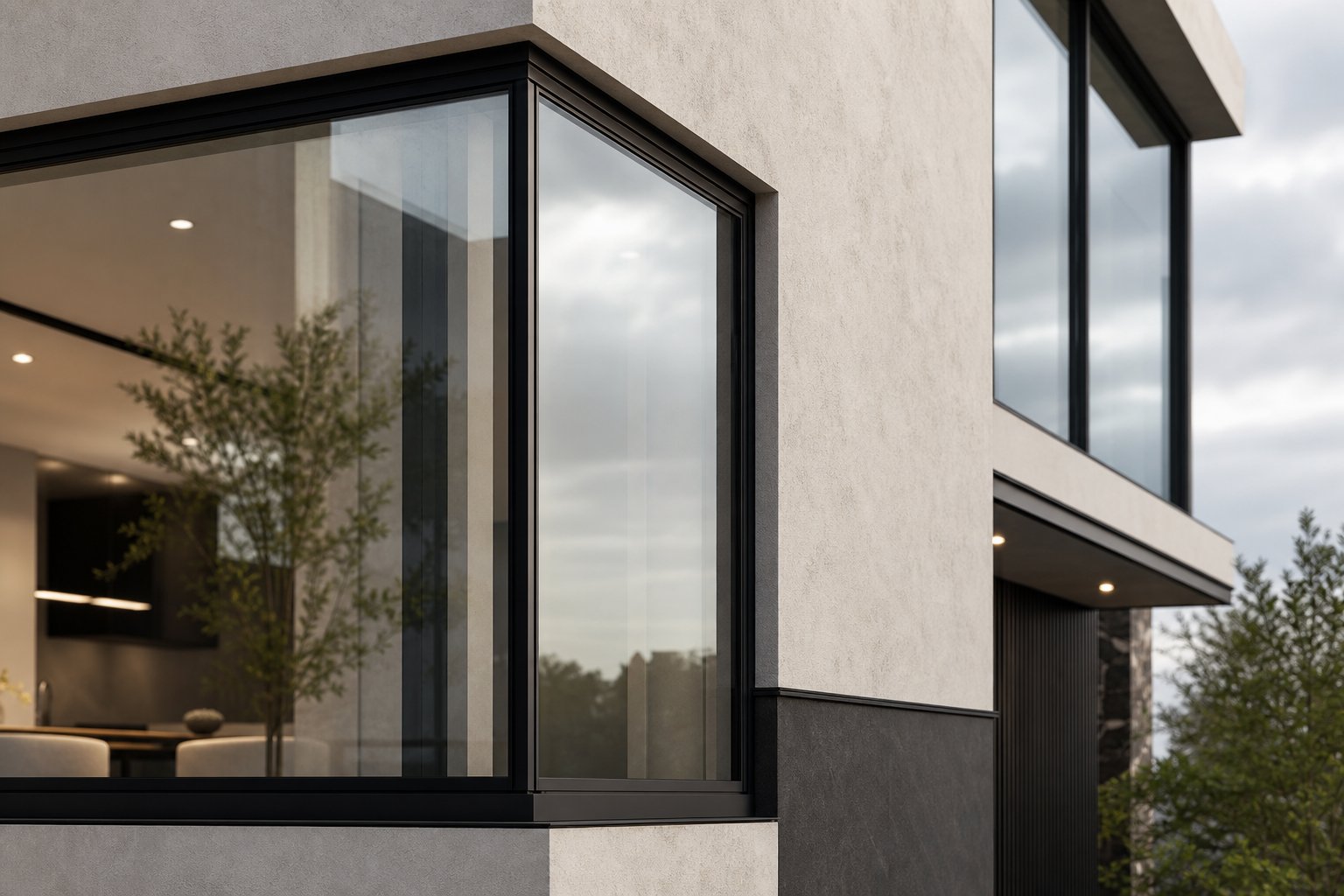
Aluminium Compared to Timber and uPVC on Price and Performance
Frame material shapes everything downstream — the glass you can support, the sightlines you achieve, how much maintenance you commit to over 30 years, and whether the frame survives Sydney’s salt air without degrading. Aluminium dominates the aluminium windows sydney nsw market for good reason, but it is not the only option. Timber, uPVC, and composite frames each occupy a niche, and understanding where they genuinely compete helps you allocate budget where it matters most.
Aluminium vs Timber Frame Pricing
Timber frames carry the highest upfront cost of any common window material. National pricing data from hipages places timber windows between $800 and $2,000 per unit compared to $150 to $750 for aluminium. That gap reflects both raw material expense and the labour-intensive fabrication process — timber frames require machining, sanding, priming, and painting before they leave the workshop.
Ongoing costs widen the difference further. Timber demands repainting or re-staining every three to five years to prevent moisture ingress, swelling, and eventual rot. In Sydney’s humid summers and occasional heavy rain events, neglected timber frames deteriorate faster than in drier inland climates. Aluminium, by contrast, needs little beyond occasional cleaning once the powder coat or anodised finish is applied.
Where timber wins is thermal performance. Wood is a natural insulator, offering significantly lower conductivity than standard aluminium. However, thermally broken aluminium profiles close that gap substantially — and they do it without the maintenance burden. For heritage projects in suburbs like Paddington or Mosman where council requires a timber aesthetic, some homeowners opt for aluminium frames with timber-look finishes or composite cladding to get the visual without the upkeep.
Aluminium vs uPVC for Sydney Conditions
uPVC (unplasticised polyvinyl chloride) has gained traction in the Australian market as a budget-friendly alternative with strong thermal insulation. The frames naturally resist heat transfer, making them appealing for energy-conscious buyers. They also resist salt corrosion without any special coating, which gives them a theoretical edge in coastal environments.
The trade-offs become apparent in other areas. uPVC frames are noticeably bulkier than aluminium — the thicker profile reduces glass area and creates heavier visual lines that clash with the clean, contemporary aesthetic most architectural aluminium windows sydney projects demand. Colour options are limited compared to aluminium’s virtually unlimited powder coat palette, and cheaper uPVC products can discolour or warp under intense UV exposure. Given Sydney’s sun hours, sourcing quality uPVC from reputable manufacturers is essential to avoid premature degradation.
On price, standard aluminium is typically the most affordable option at the entry level, while uPVC sits slightly higher but delivers better insulation out of the box. Thermally broken aluminium — the specification increasingly required for NCC compliance — costs more than both but matches uPVC on thermal performance while maintaining those slim sightlines and supporting larger spans without reinforcement.
For aluminium doors and windows sydney properties need in large-format configurations — wide sliding doors, stacking panels, or floor-to-ceiling glazing — aluminium’s strength-to-weight ratio is difficult to match. uPVC simply cannot span the same widths without internal steel reinforcement, which adds weight and cost while negating some of its thermal advantage.
When Each Material Makes Sense
No single material is universally superior. The right choice depends on your project type, location, aesthetic goals, and maintenance tolerance. Anodised aluminium windows sydney homeowners select for their natural metallic finish offer exceptional durability with zero repainting — the electrochemical process creates a hard oxide layer that resists scratching and fading far longer than paint. For modern builds prioritising slim frames, colour flexibility, and structural capability, aluminium remains the clear leader across the Sydney market.
Timber suits heritage restorations where council mandates original materials. uPVC works well for budget-conscious projects where thermal performance is the priority and frame aesthetics are secondary. Composite frames — combining materials like aluminium exteriors with timber interiors — attempt to deliver the best of both worlds but at a price point that often exceeds either material alone.
| Criteria | Aluminium (Standard) | Aluminium (Thermally Broken) | Timber | uPVC | Composite |
|---|---|---|---|---|---|
| Price range (per window, supply only) | $150 – $750 | $400 – $1,100+ | $800 – $2,000 | $350 – $750 | $250 – $1,100 |
| Expected lifespan | 30 – 40+ years | 30 – 40+ years | 20 – 60 years (maintenance dependent) | 25 – 35 years | 30 – 40 years |
| Maintenance needs | Low (occasional cleaning) | Low | High (repaint every 3–5 years) | Very low | Low to moderate |
| Thermal performance | Low (high conductivity) | Good (comparable to uPVC) | Excellent (natural insulator) | Good | Good to excellent |
| Coastal suitability | Good with quality powder coat | Good with marine-grade finish | Poor without constant maintenance | Excellent (no corrosion) | Good |
| Frame slimness | Excellent | Very good | Moderate | Poor (bulky profiles) | Moderate |
| Colour/finish options | Virtually unlimited | Virtually unlimited | Paint or stain (any colour) | Limited | Moderate |
For the majority of aluminium windows and doors sydney projects — whether new builds, renovations, or apartment upgrades — aluminium delivers the strongest combination of price accessibility, design flexibility, longevity, and structural performance. Its dominance across the Sydney market is not inertia; it reflects a material genuinely well-suited to the city’s coastal climate, architectural preferences, and compliance landscape.
That said, choosing the right material is only half the equation. Whether you go standard off-the-shelf or need something fabricated to fit a non-standard opening changes the cost picture significantly — especially in Sydney’s older suburbs where few openings match catalogue dimensions.
Custom Fabrication vs Standard Sizes and What Each Costs
Sydney’s housing stock spans everything from 1890s terrace houses with irregular sandstone openings to 1960s brick-veneer homes with metric-standard frames. That diversity means a one-size-fits-all approach to window purchasing rarely works. The cost difference between grabbing aluminium windows in stock sydney suppliers carry and commissioning a custom-fabricated unit can be 30 to 60 percent — but the cheaper option only saves money if it actually fits your opening.
When Standard Sizes Work for Your Project
Standard aluminium windows follow common modular dimensions — typically 600mm, 900mm, 1200mm, 1500mm, and 1800mm widths paired with heights in similar increments. These suit new builds designed around standard frame sizes, straightforward like-for-like replacements in post-1980s homes, and rental or investment properties where budget matters more than bespoke detailing. If your openings align with catalogue dimensions, you benefit from faster lead times, lower per-unit costs, and readily available aluminium windows for sale sydney fabricators keep on hand for quick turnaround projects.
Situations That Require Custom Fabrication
Custom fabrication becomes unavoidable when the opening itself refuses to cooperate with standard modules. Inner-city Sydney is full of these situations. Federation homes in Haberfield have arched fanlights. Victorian terraces in Surry Hills feature narrow, tall proportions that no stock window matches. Waterfront properties in Balmain might need oversized fixed panels spanning 2400mm or wider to capture harbour views.
Specific configurations also push you into custom territory. Arched aluminium windows sydney heritage renovations sometimes demand require curved extrusion bending or purpose-built frames. Aluminium bay windows sydney period homes feature need angled mullion connections fabricated to precise degrees. Even aluminium servery windows sydney homeowners want for kitchen-to-deck pass-throughs often require non-standard widths and bi-fold or gas-strut mechanisms sized to the exact opening.
The premium for custom work covers engineering time, individual cutting and welding, and glass ordered to non-standard dimensions. Custom aluminium windows generally cost more than standard options due to tailored sizing and additional fabrication steps, but they deliver a precise fit without unsightly gaps or filler strips that compromise both aesthetics and weathersealing.
Retrofit vs Full Frame Replacement Costs
For aluminium window replacement sydney renovation projects involve, two distinct cost paths exist. Retrofit installation keeps the existing outer frame in place and slots a new sash or glazing unit into it. Full frame replacement removes everything back to the structural opening and installs a completely new window system.
Retrofit typically costs less per opening because it avoids disturbing internal plaster, external render, or brickwork. It works well when the existing aluminium frame is structurally sound but the glass, hardware, or seals have failed. However, retrofitting into deteriorating frames — particularly older non-thermally-broken aluminium showing corrosion — can be a false economy if the frame itself is the weak link.
Full replacement costs more upfront but resets the window’s performance entirely. You get new seals, new hardware, modern thermal breaks, and the ability to change style or size. For homes undergoing broader renovation work where walls are already open, full replacement often integrates naturally into the project scope without significant additional disruption.
Aluminium window restoration sydney specialists offer provides a third path for heritage-listed properties where councils require retention of original frame profiles. Restoration involves refurbishing existing frames — re-sealing joints, replacing corroded sections, and upgrading hardware — while preserving the original appearance. It sits between retrofit and replacement on cost but serves a very specific compliance need.
Here is how common Sydney renovation scenarios typically land:
- Apartment upgrades (post-2000 builds) — Standard sizes usually fit. Strata rules may restrict colour and style changes, making like-for-like replacement with stock windows the simplest path.
- Federation home windows (inner west, north shore) — Almost always require custom fabrication due to non-standard proportions, arched tops, or heritage overlay conditions.
- Terrace house replacements (Surry Hills, Paddington, Newtown) — Narrow, tall openings rarely match standard modules. Custom sizing is typical, and heritage councils may require restoration rather than replacement on street-facing elevations.
- 1970s–1990s brick-veneer homes (western and southern suburbs) — Standard sizes often work for straightforward aluminium window replacement. Full frame replacement is common because original frames lack thermal breaks and show age-related seal failure.
- Coastal properties (eastern suburbs, northern beaches) — Custom marine-grade specifications are typical regardless of whether dimensions are standard, due to corrosion protection requirements.
The decision between standard and custom is not purely about budget — it is about whether a standard product can physically and aesthetically do the job your opening demands. Getting that call right early avoids costly rework and ensures your quote reflects what the project actually needs rather than what a supplier happens to have on the shelf.
Beyond the window itself, Sydney properties face location-specific compliance requirements that add mandatory costs no amount of clever specification can avoid.
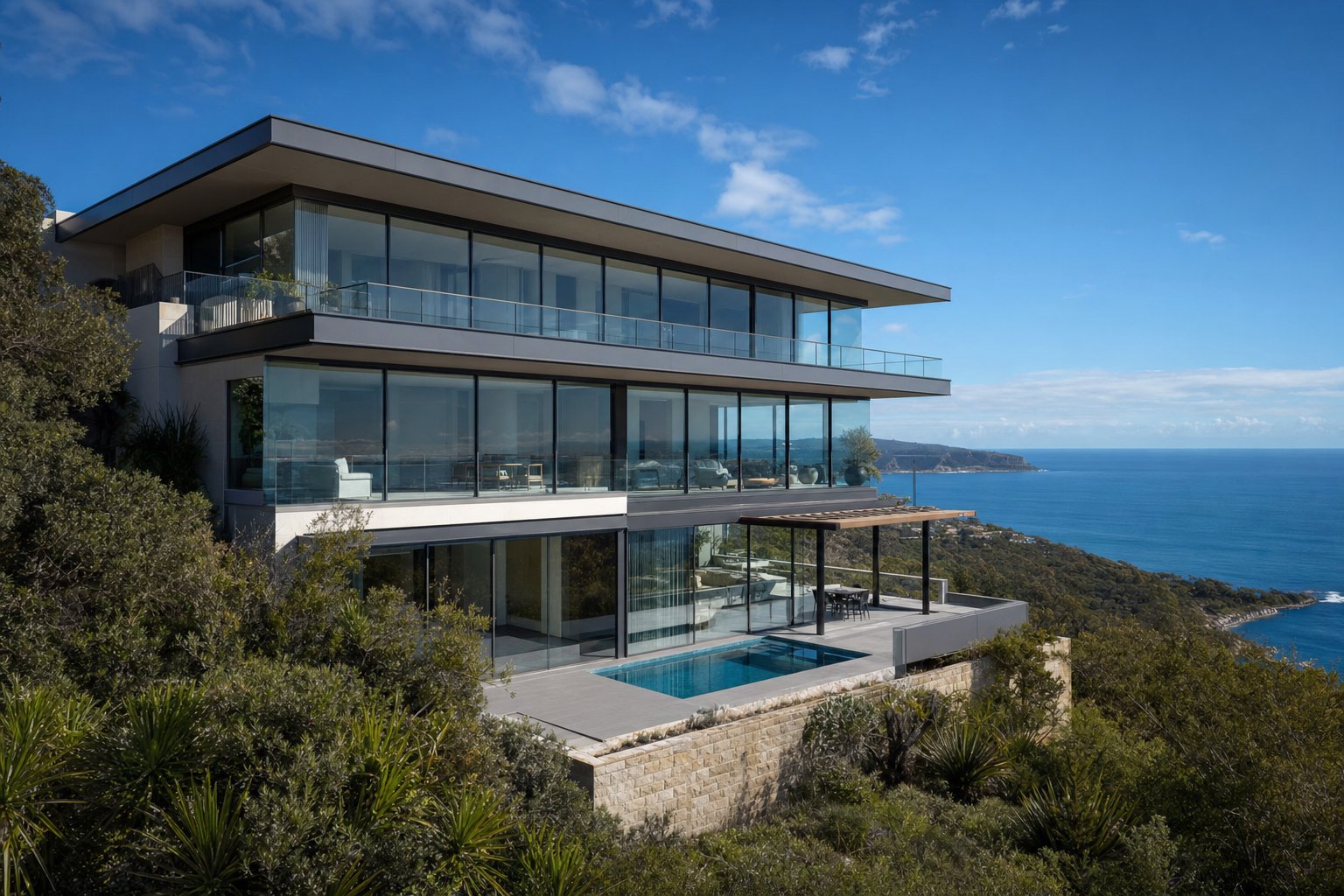
Sydney-Specific Compliance Factors That Add to Your Budget
Some costs on your window quote are not upgrades you chose — they are compliance items your property’s location demands. Greater Sydney spans bushfire-prone ridgelines, salt-sprayed coastline, and everything in between. Each environment triggers specific regulatory requirements that directly affect material specification, glass selection, and the final number on your invoice. Treating these as optional line items to negotiate away is not possible; they are mandated by Australian Standards and the National Construction Code.
Bushfire Zone Requirements and BAL-Rated Windows
Properties assigned a Bushfire Attack Level (BAL) rating must use windows tested and certified to withstand radiant heat and ember attack. BAL ratings run from BAL-LOW (no special requirements) through BAL-12.5, BAL-19, BAL-29, BAL-40, and BAL-FZ (Flame Zone), with each step up demanding progressively tougher glazing and frame specifications.
At BAL-29 and above, windows typically require toughened glass, metal mesh screens, and frames tested to AS 3959. BAL-40 and BAL-FZ push into territory where specialised bushfire-rated systems with specific seal materials and non-combustible components become mandatory. The cost premium ranges from modest at BAL-12.5 — perhaps 10 to 15 percent above standard — to substantial at BAL-40 and FZ, where purpose-built systems can add 40 percent or more per opening.
Sydney’s bushfire-prone areas are more extensive than many buyers realise:
- Blue Mountains fringe and aluminium windows western sydney — suburbs like Penrith, Glenbrook, and Springwood frequently carry BAL-29 or higher designations due to proximity to dense bushland
- Northern Beaches hinterland — properties backing onto Ku-ring-gai Chase National Park or Garigal National Park often trigger BAL ratings
- Sutherland Shire — areas adjacent to Royal National Park and Heathcote National Park carry bushfire designations
- Hills District and aluminium windows sydney west — pockets near remnant bushland in Castle Hill, Dural, and Galston regularly require BAL-rated construction
Your 10.50 bushfire report (required as part of any development application in mapped areas) determines the exact BAL rating. That rating then dictates the minimum window specification your certifier will accept.
Coastal Corrosion Protection for Sydney Properties
Salt air corrodes inadequately specified aluminium within years — not decades. Australian Standard AS/NZS 2312 classifies atmospheric corrosion environments from C1 (very low) through C5 (very high) and Cx (extreme), and the classification for your site determines what material and finish specification your windows need.
For aluminium windows brookvale sydney properties require, or anywhere on the Northern Beaches within a few kilometres of the surf, a C4 (high) classification is typical. Beachfront properties within 500 metres to one kilometre of breaking waves often fall into C5 territory. Two homes in the same suburb can carry different classifications depending on elevation, aspect, and direct salt exposure.
What does this mean for pricing? A C4 or C5 classification triggers several mandatory upgrades:
- Marine-grade aluminium alloys — 5052 or 5083 series with higher magnesium content for chloride resistance, replacing standard 6063 architectural alloy
- Enhanced pre-treatment — chrome-free immersion processes that coat all surfaces including cut edges, rather than cheaper spray-applied treatments
- Thicker powder coat — 80 microns minimum in C4/C5 environments versus the standard 60 microns for inland locations
- 316-grade stainless steel hardware — standard zinc-plated or 304 stainless fixings corrode rapidly in salt environments
Aluminium windows sydney eastern suburbs properties near Bondi, Bronte, and Coogee need will carry these specifications as standard. The same applies across the Northern Beaches, Manly to Palm Beach, and harbourside suburbs with direct water exposure. Expect the marine-grade specification to add 15 to 30 percent over an equivalent inland-rated window — a cost that reflects genuine material and process differences rather than arbitrary markup.
NCC Energy Compliance and What It Means for Cost
The National Construction Code’s energy efficiency provisions — Section J for commercial and multi-residential buildings, and the housing provisions for Class 1 dwellings — set minimum thermal performance standards that windows must meet. Sydney falls within NCC Climate Zone 6, and the current code requires residential buildings to achieve a 7-star NatHERS equivalent rating.
For windows, this translates into requirements around U-value (how much heat passes through the frame and glass assembly) and Solar Heat Gain Coefficient (SHGC — how much solar radiation the window admits). Meeting these thresholds in aluminium typically means specifying thermally broken frames and double glazing as a minimum. West-facing windows with high afternoon sun exposure often need Low-E coatings or external shading to satisfy the energy modelling.
The NCC 2022 update introduced a critical change: walls and windows are now assessed together as a combined facade unit rather than independently. A window with marginal thermal performance can no longer be offset by simply adding more wall insulation in isolation — the combined assembly must pass. This means the energy assessor, architect, and window supplier need to coordinate specifications early in the design process.
Regions across Greater Sydney where energy compliance most commonly drives up window costs include:
- Western Sydney (Parramatta, Blacktown, Penrith) — higher summer temperatures and greater diurnal range mean aluminium windows western sydney projects need often require superior thermal performance to manage cooling loads
- Multi-residential developments anywhere in Greater Sydney — NCC 2022 J1P2 mandates 7-star NatHERS equivalent for each individual apartment, pushing glazing specifications higher than older code cycles required
- Large-format glazing on any orientation — floor-to-ceiling windows and extensive glass facades must compensate with high-performance IGUs and thermally broken frames to pass the combined facade assessment
None of these compliance costs are negotiable at the quoting stage. A supplier who omits BAL requirements, skips marine-grade specifications for a coastal site, or quotes non-thermally-broken frames for a project that clearly needs NCC compliance is not offering you a better price — they are offering you a quote that will not pass certification. Factor these items into your budget from the start, and treat any quote that ignores them with scepticism.
With compliance costs accounted for, the next challenge is making sense of the quotes themselves — understanding what each line item means, what is missing, and how to compare two suppliers who present their pricing in completely different formats.
How to Read and Compare Supplier Quotes Effectively
A quote is not just a price — it is a promise about scope. Two quotes from different aluminium window suppliers sydney builders receive can show the same bottom-line figure yet represent completely different value depending on what sits behind that number. One might include delivery, flashings, reveals, and waste removal. The other might cover supply only, leaving you to discover the extras after you have already committed.
Learning to read a window quote line by line is the single most effective way to avoid budget blowouts and compare aluminium window companies sydney homeowners are evaluating on a genuinely level playing field.
What a Complete Quote Should Include
A transparent quote from any reputable aluminium window supplier sydney should itemise each component separately rather than bundling everything into a single lump sum. According to industry quoting standards, you should be able to identify the product specification, installation scope, finishing works, and warranty terms as distinct sections. If any of these are missing or vague, ask for clarification before signing.
Each window listed should specify the frame system, dimensions, opening style, glazing type, hardware grade, and powder coat colour. A quote that simply reads “12 aluminium windows, installed” without these details is not a quote — it is a guess that leaves the supplier room to deliver the cheapest possible product.
Hidden Costs and Line Items to Watch For
The gap between what a quote includes and what your project actually requires is where budgets unravel. Aluminium window installation sydney projects involve more than just the window unit itself. Flashings, internal reveals, external capping, sealant, and structural fixings all cost money — and not every quote accounts for them.
| Line Item | Typically Included in Full Quotes | Often Excluded or Extra |
|---|---|---|
| Window units (frame + glass + hardware) | Yes | — |
| Delivery to site | Sometimes | Often charged separately, especially for regional areas |
| Installation labour | In supply-and-install quotes | Excluded in supply-only quotes |
| Flashings and weatherproofing | In comprehensive quotes | Frequently excluded or listed as provisional |
| Internal reveals and trims | Rarely | Almost always a separate cost handled by plasterer or carpenter |
| External capping or cladding | Sometimes | Often excluded — check explicitly |
| Removal of existing windows | In full replacement quotes | Excluded in supply-only; sometimes extra even in install quotes |
| Waste removal and disposal | In premium service quotes | Frequently excluded or charged per skip bin |
| Scaffolding or elevated access | Rarely | Almost always extra for second-storey or higher openings |
| Engineering certification (if required) | Rarely | Separate cost, especially for structural glazing or large spans |
| Council or compliance documentation | Rarely | Usually the builder’s or owner’s responsibility |
Red flags in cheap quotes typically follow a pattern. Industry experience shows that when one quote sits 30 to 40 percent below competitors, something is missing — retrofit installation instead of full frame, single glazing where double is required, no exterior finishing, or subcontracted aluminium window installers sydney crews with limited accountability. The cheapest number on paper is almost never the best value once you account for what has been left out.
Another common issue: quotes that do not specify the installation method. Full frame replacement (removing everything back to the structural opening) costs more than retrofit insertion into an existing frame, but delivers a superior long-term result. If the quote does not state which method is being used, assume retrofit and ask why.
Supply-Only vs Supply-and-Install Pricing
This distinction trips up more buyers than any other single factor. Supply-only pricing covers the manufactured window unit delivered to your site or depot — nothing else. You arrange your own aluminium window installation sydney tradesperson, your own flashings, your own waste removal. It suits builders and experienced renovators who have trusted installers on their team already.
Supply-and-install pricing wraps the product and fitting into one package. It typically includes measurement, manufacturing, delivery, installation labour, basic flashings, and cleanup. The per-window cost looks higher, but it eliminates coordination risk and gives you a single point of accountability if something goes wrong. For aluminium windows supply and installation sydney homeowners managing their own renovation, this model reduces the chance of finger-pointing between a separate supplier and installer when a window leaks or does not operate correctly.
When comparing quotes across different aluminium windows suppliers sydney, normalise them to the same scope before looking at the bottom line. A $550 supply-and-install quote is not more expensive than a $400 supply-only quote once you add $120 for installation labour and $80 for flashings and disposal to the latter. Calculate the true per-window installed cost for each quote, then compare.
For builders, developers, and project managers handling multi-unit or commercial-scale work, the quoting process simplifies considerably when you work with a supplier that consolidates the full workflow. MEICHEN, for example, supports projects from initial drawings through to delivery — covering system recommendation, engineering coordination, material calculation, manufacturing, quality control, and logistics under one roof. That end-to-end model means fewer line items from separate contractors, less coordination overhead, and a single point of contact for pricing transparency. For procurement teams evaluating an aluminium windows and doors sydney supplier capable of project-based supply, that consolidation removes much of the ambiguity that makes quote comparison so difficult in the first place.
Getting quotes right is half the battle. The other half is knowing how to structure your purchase — timing, supplier selection, and ordering strategy — to extract the best possible value from the budget you have set.
Getting the Best Value From Your Aluminium Window Purchase
Value and cheapness are not the same thing. The lowest quote often delivers the highest total cost once you factor in rework, failed compliance inspections, and premature hardware failure. Genuine value means paying a fair price for windows that fit correctly, meet code, perform thermally, and last decades without demanding attention. The strategies below help you buy aluminium windows sydney projects need at the right price point — without cutting corners that cost more later.
Strategies to Reduce Cost Without Sacrificing Quality
Several levers exist to bring aluminium windows and doors prices sydney buyers face into a more comfortable range. None of them involve accepting inferior product — they are about purchasing smarter.
Timing matters more than most people realise. Window fabricators experience seasonal demand peaks around spring and early summer when renovation activity surges. Ordering during quieter months — typically late autumn through winter — can shorten lead times and occasionally unlock better pricing as manufacturers look to keep production lines running. Industry guidance suggests timing purchases during off-peak seasons as a practical cost-saving measure.
Bulk ordering is the other major lever. A single custom window carries the full weight of setup costs — powder coat line purging, glass cutting templates, individual quality checks. Order fifteen or twenty units of the same specification for a new build, and those fixed costs spread across the batch. Discounts of 5 to 15 percent per unit are realistic for volume orders, and some aluminium window manufacturers sydney fabricators operate will offer project-based pricing tiers that kick in above certain quantities.
Standardising specifications across your project also helps. Choosing one powder coat colour for all windows, selecting the same hardware suite throughout, and designing openings around common modular sizes wherever possible lets the fabricator batch production efficiently. Every variation — a different colour here, a non-standard width there — adds a setup step that inflates the per-unit cost.
Searching for cheap aluminium windows and doors sydney suppliers advertise is understandable on a tight budget, but scrutinise what “cheap” actually means. A low headline price on a window with 1.2mm wall thickness, basic cam locks, and no thermal break will not satisfy NCC compliance for most habitable rooms. You end up paying twice — once for the budget product and again to replace it with something that passes certification. Budget aluminium windows sydney projects can use do exist, but they belong in specific applications like sheds, garages, or non-habitable spaces where compliance thresholds are lower.
Choosing the Right Supplier for Your Project Type
Where you buy matters as much as what you buy. The Sydney market includes retail showrooms, online resellers, trade-only distributors, and vertically integrated manufacturers. Each serves a different buyer profile, and choosing the wrong channel for your project type either inflates cost or limits capability.
Retail showrooms suit homeowners replacing one or two windows. You get face-to-face advice, physical samples, and a straightforward supply-and-install package. The trade-off is higher per-unit pricing because the showroom’s overheads — rent, display stock, sales staff — are built into every window sold.
Working directly with aluminium windows manufacturers sydney has available removes that retail margin. Manufacturer-direct purchasing can reduce costs by 20 to 50 percent compared to retail channels because you eliminate middleman markups, distribution handling, and duplicated customer service layers. For builders and developers running multi-dwelling projects, that saving compounds across dozens or hundreds of openings.
The distinction that matters most, though, is capability depth. A reseller takes your order and passes it to someone else’s factory. A manufacturer with in-house engineering and fabrication can advise on system selection, resolve structural queries, adjust specifications mid-project without starting from scratch, and maintain quality control from extrusion through to packed delivery. That integrated capability becomes critical on complex projects where design changes, compliance coordination, and tight programmes leave no room for communication breakdowns between separate parties.
For builders, developers, and architects managing multi-unit or commercial projects, working with a manufacturer like MEICHEN that handles the full workflow — from drawings and system recommendation through engineering coordination, manufacturing, quality control, and logistics — can reduce coordination costs and pricing uncertainty. Instead of managing separate relationships for design advice, fabrication, and delivery, the entire supply chain sits under one roof. That consolidation translates directly into fewer surprises on cheap aluminium windows prices sydney projects cannot afford and tighter programme certainty on time-sensitive builds.
Before committing to any supplier or placing an order, work through these steps:
- Confirm your compliance requirements first — BAL rating, corrosion classification, and NCC energy targets dictate minimum specifications before you even start comparing prices.
- Get at least three quotes normalised to the same scope — supply-only compared to supply-only, or supply-and-install compared to supply-and-install, with identical glazing, hardware, and finish specifications.
- Ask each supplier whether they manufacture or resell — this tells you where the margin sits and how much flexibility exists on pricing and lead times.
- Request itemised breakdowns — if a quote is a single lump sum, ask for it split into product, delivery, installation, flashings, and any provisional items.
- Check fabrication lead times against your programme — a cheaper quote with a 12-week lead time may cost more in builder delays than a slightly higher quote delivered in 6 weeks.
- Verify warranty terms and what they actually cover — a 10-year frame warranty means little if it excludes hardware, seals, and powder coat finish.
- Consolidate your order where possible — windows and doors from the same manufacturer on the same order typically attract better project pricing than splitting across multiple suppliers.
The goal is not to find the absolute cheapest number on a page. It is to secure the lowest total cost of ownership — product, installation, compliance, maintenance, and longevity combined — from a supplier with the technical depth to deliver what your project actually demands.
Frequently Asked Questions About Aluminium Window Prices in Sydney
1. How much do aluminium windows cost in Sydney on average?
Supply-only aluminium windows in Sydney typically range from $150 to $800 per unit for standard sizes. Fixed windows start around $150 for smaller openings, while larger sliding or awning windows reach $680 to $800 or more. Once you add double glazing, custom sizing, premium hardware, and professional installation, individual windows can exceed $1,200. The final price depends heavily on window style, glazing type, compliance requirements for your specific location, and whether you order standard or custom-fabricated units.
2. Why is there such a big price difference between aluminium window quotes in Sydney?
Quote variations of 40% or more between suppliers are common and usually stem from differences in scope rather than one supplier overcharging. Key variables include whether the quote covers supply-only or supply-and-install, the glazing specification assumed (single vs double glazed), standard versus custom dimensions, hardware grade, and whether mandatory compliance items like BAL ratings or marine-grade finishes are included. Always normalise quotes to the same scope and specification before comparing bottom-line figures.
3. Is double glazing mandatory for aluminium windows in Sydney?
For new builds and major renovations involving habitable rooms, double glazing is effectively mandatory in most cases. Sydney falls within NCC Climate Zone 6, and current energy efficiency provisions require windows to meet minimum thermal performance thresholds that single-pane aluminium frames rarely achieve on their own. While double glazing adds significant upfront cost — potentially doubling the per-window price — it delivers measurable energy savings of 20 to 30 percent on heating and cooling, improved noise reduction, and compliance with certification requirements.
4. What is the cheapest aluminium window style available in Sydney?
Fixed aluminium windows represent the lowest cost per square metre because they have no moving parts, no hinges, and no locking hardware. Sliding windows sit just above fixed panels in price, using simple roller mechanisms and basic latches. Both styles suit budget-conscious projects where ventilation needs are modest. For the best value across a whole house, many Sydney homeowners combine affordable fixed and sliding windows for most openings with one or two premium bifold or louvre units where they deliver the greatest lifestyle benefit.
5. Should I buy aluminium windows directly from a manufacturer or through a retail showroom?
It depends on your project scale. Retail showrooms suit homeowners replacing one or two windows, offering face-to-face advice and straightforward supply-and-install packages, though per-unit pricing is higher due to overhead costs. For builders, developers, or anyone ordering multiple windows, purchasing directly from a manufacturer can reduce costs by 20 to 50 percent by eliminating middleman markups. Manufacturers with in-house engineering — such as MEICHEN, which handles everything from system recommendation through to delivery — also provide technical support, specification flexibility, and tighter quality control that resellers cannot match.
More Window & Door Guides