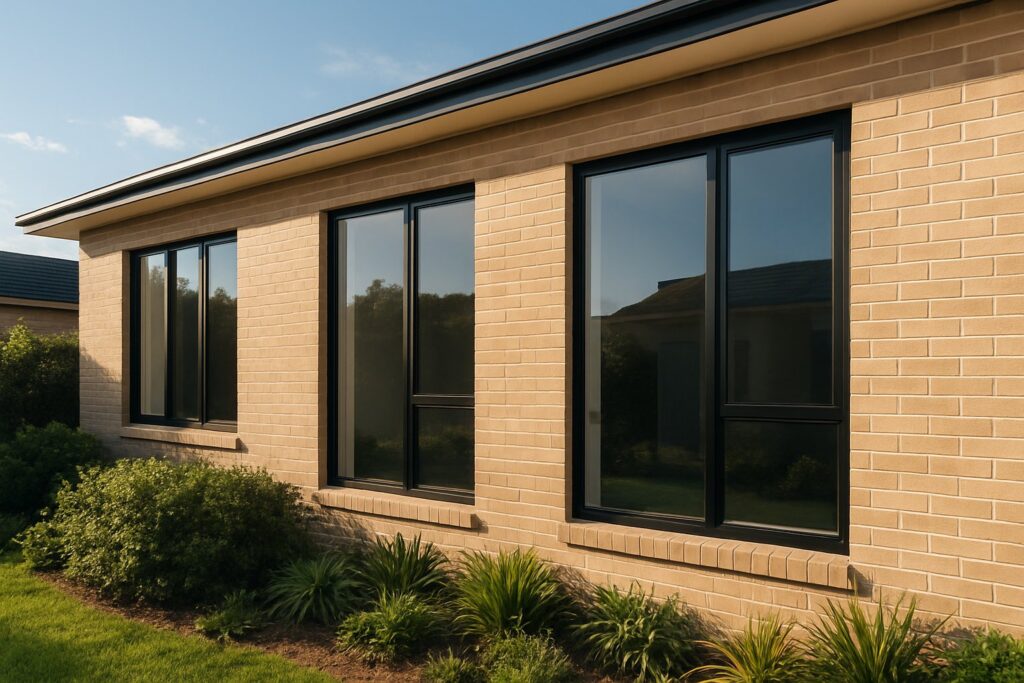
Why Aluminium Windows Deserve a Closer Look
If you’re weighing up window options for a build or renovation, aluminium windows have probably landed on your shortlist. They’re lightweight, strong, and corrosion-resistant frames made from extruded aluminium alloy, and they’ve become a go-to choice across residential and commercial construction worldwide. The global aluminum door and window market reflects that momentum, valued at roughly USD 23.66 billion in 2025 and projected to reach USD 36.14 billion by 2034.
But here’s the thing: aluminium windows carry some outdated baggage. Mention them to certain homeowners and you’ll hear concerns about heat transfer, condensation, or cold frames in winter. Those criticisms made sense decades ago. They don’t tell the full story anymore.
What Are Aluminium Windows and Why Do They Matter
At their core, aluminum windows use frames fabricated from extruded aluminium alloy profiles, typically the 6063-T5 grade prized for its strength-to-weight ratio and workability. The material doesn’t rot, warp, or attract insects the way timber does, and it won’t become brittle over time like aged vinyl. That natural resistance to aluminium window corrosion comes from a self-forming oxide layer that shields the metal from moisture and atmospheric exposure, a built-in defence that other frame materials simply can’t match.
Aluminum windows first appeared as early as 1912 in buses, railroad cars, and trolleys before moving into commercial buildings during the 1930s. By the postwar housing boom, they were a residential staple, valued for being lighter, more affordable, and more durable than wood.
How Modern Aluminium Windows Differ From Older Versions
Early aluminum window frames were solid conductors of heat and cold, which earned them a fair reputation for poor thermal performance. That changed with the introduction of thermal break technology: a non-conductive barrier engineered into the frame profile that interrupts heat transfer between the exterior and interior surfaces. Paired with double or triple glazing and energy-efficient coatings, today’s thermally broken aluminium systems perform in a completely different league.
Thermal break technology fundamentally redefined what an aluminium window can do. Modern thermally broken frames address the single biggest historical criticism of aluminium, turning a known weakness into competitive thermal performance.
This article gives you the full picture: every genuine benefit, the real drawbacks worth knowing, how aluminium stacks up against vinyl, wood, and fiberglass, and practical guidance for choosing the right windows for your project. No spin, just honest detail you can actually use.
Durability and Lifespan That Outlast the Alternatives
Strength and longevity are where aluminium windows genuinely separate themselves from the pack. Wood frames swell in humidity, crack in dry heat, and invite rot and termite damage over time. Vinyl holds up reasonably well at first, but aged uPVC can yellow, become brittle, and warp under prolonged UV exposure. Windows in aluminium sidestep all of these failure modes because the material itself is inherently stable across temperature swings, moisture levels, and seasonal extremes.
Aluminium doesn’t rot. It doesn’t swell. It doesn’t crack or splinter. And unlike vinyl, it retains its structural rigidity decade after decade without softening or deforming. That kind of dimensional stability means your frames stay true, your seals stay tight, and your hardware keeps operating smoothly long after installation.
Lifespan Expectations and Warranty Benchmarks
So how long do aluminum windows last in practice? Industry data points to a lifespan of 45 years or more with proper care and professional installation. Well-engineered system windows tested to international standards like EN 14351-1 can push that figure even further, with some manufacturers and industry bodies citing performance horizons of 40 to 70 years depending on the environment, coating quality, and maintenance habits.
The gap between a 20-year window and a 50-year window often comes down to product quality and installation precision. When you’re evaluating suppliers, warranties tell you a lot. Look for these benchmarks as a baseline:
- Profiles and frames: 15 to 20 years against manufacturing defects
- Powder-coated finishes: 10 to 15 years against fading, peeling, or corrosion
- Hardware (rollers, hinges, locks): 5 to 10 years on moving components
If a manufacturer won’t back their product with at least these coverage periods, that’s a red flag worth paying attention to.
How Aluminium Resists Corrosion and Weathering
You might wonder how a metal frame holds up against rain, salt spray, and humidity without rusting. The answer lies in aluminium’s natural chemistry. When exposed to air, aluminium forms a thin oxide layer on its surface that acts as a self-healing shield against corrosion. This isn’t a coating that gets applied; it happens spontaneously and regenerates if scratched.
Modern aluminium windows build on that natural defence with two additional layers of protection. Powder coating applies a dry coloured powder to the frame using an electrostatic process, then cures it under heat to create a hard, durable finish that resists UV damage, scratches, and environmental wear. Anodising takes a different approach, thickening the natural oxide layer through a controlled electrochemical process to create an even tougher barrier with a natural metallic look. For aggressive environments like coastal zones or heavily polluted urban areas, some manufacturers recommend pre-anodising profiles before powder coating for maximum long-term protection.
Here are the key durability factors that make aluminium windows a standout choice:
- Corrosion resistance from a self-forming oxide layer, enhanced by powder coating or anodising
- Structural rigidity that holds its shape over decades without warping, bending, or sagging
- UV resistance of powder-coated finishes, which won’t fade, chalk, or peel under prolonged sun exposure
- Resistance to insect damage, unlike timber frames that are vulnerable to termites and wood-boring pests
That combination of natural material properties and modern surface treatments is what gives aluminium windows their reputation for lasting performance. And because the frames themselves stay structurally sound for so long, the real limiting factors over time tend to be the seals, gaskets, and hardware rather than the aluminium itself, components that are far easier and cheaper to replace than an entire window frame.
Energy Efficiency and Thermal Performance Explained
Lasting decades is one thing. Keeping your home comfortable and your energy bills in check the entire time is another. Aluminium is a metal, and metals conduct heat, so the obvious question is: how can an aluminum window frame possibly be energy efficient? The answer comes down to one engineering innovation that changed everything.
Thermal Break Technology Explained in Plain Language
Imagine your aluminium window frame as two separate halves: one facing the outside weather, the other facing your climate-controlled interior. In older aluminum frame windows, those two halves were a single continuous piece of metal. Heat and cold passed straight through, which is why touching an old aluminium frame in winter felt like grabbing an ice cube.
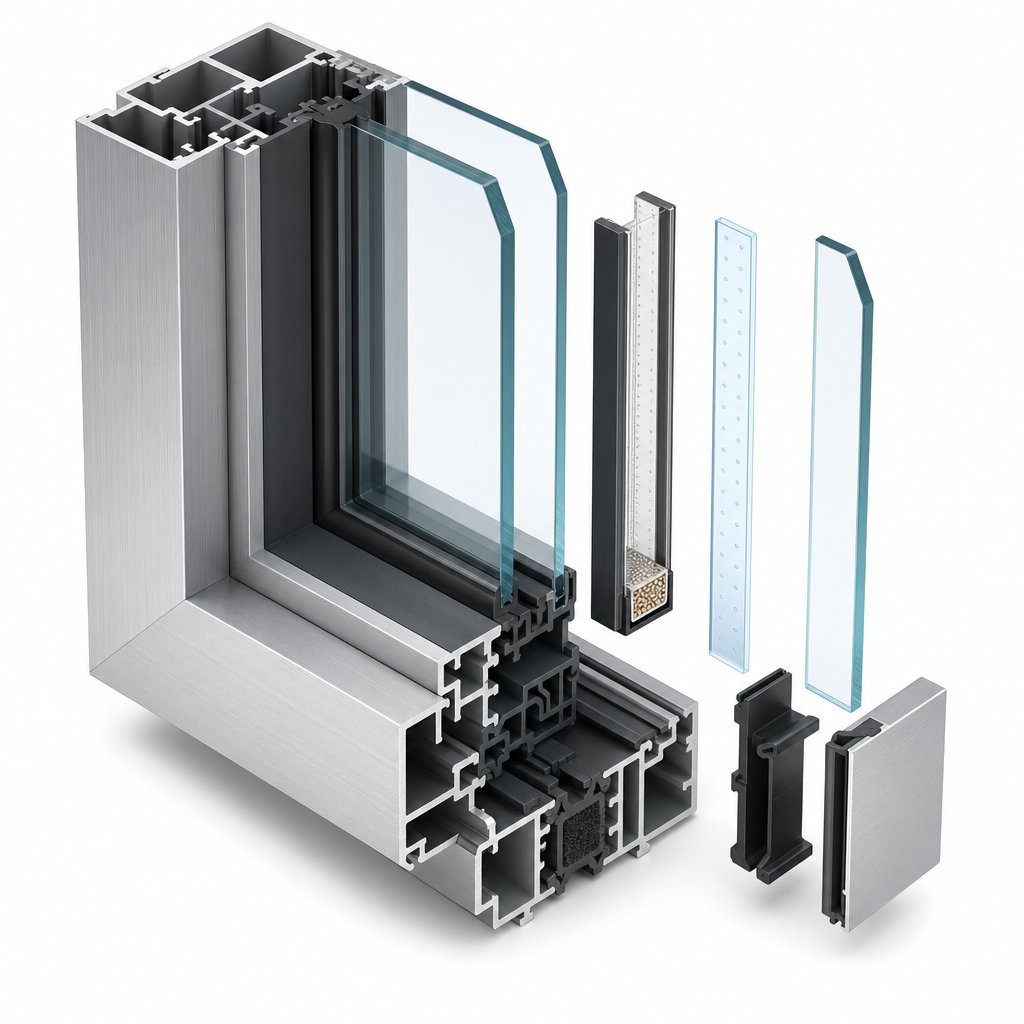
A thermal break solves this by inserting a non-conductive barrier, typically a rigid polyamide strip, between the inner and outer aluminium window profiles. This strip is mechanically bonded to both halves, maintaining full structural strength while dramatically reducing heat transfer across the frame. The polyamide material has very low thermal conductivity, so it acts like a wall between the warm side and the cold side of the frame.
Not all thermal breaks perform equally. Wider polyamide strips provide better insulation, and higher-quality systems use reinforced thermal breaks to achieve superior energy ratings. When you’re comparing products, ask about the width and grade of the thermal break. It’s one of the most telling indicators of real-world performance.
This is also where the old “cold joinery” criticism falls apart. That term refers to the sensation of cold radiating from non-thermally-broken aluminium frames, and it was a legitimate complaint for decades. Modern thermally broken systems eliminate cold bridging by keeping the interior frame surface warm, even when temperatures outside drop significantly. If someone tells you aluminium windows are cold, they’re referencing technology that’s been engineered out of existence in any quality product.
Double Glazing and Aluminium as an Energy-Saving Combination
A thermally broken frame is only half the equation. The glazing, the glass itself, accounts for the largest surface area of any window, so its insulating properties matter enormously.
Double glazing uses two panes of glass separated by a sealed air space, typically around half an inch wide. That gap is often filled with an inert gas like argon, which insulates better than regular air because it’s denser and slows heat transfer between the panes. Triple glazing adds a third pane and a second gas-filled cavity for even greater insulation in extreme climates.
Pair that insulated glazing unit with a thermally broken aluminium frame and you get a window system where every component works together to minimise energy loss. The frame stops heat from conducting through the metal. The gas-filled glazing stops heat from radiating and convecting through the glass. Add a low-emissivity (low-e) coating to the glass, which reflects infrared heat back into your home during winter and blocks solar heat gain in summer, and the system becomes remarkably efficient. The U.S. Department of Energy notes that low-e coatings can reduce energy loss through windows by 30% to 50%.
Understanding U-Values and What to Look For
When you start shopping for aluminum frame windows, you’ll encounter U-values on product labels and spec sheets. Here’s what that number actually means.
The U-factor measures the rate at which a window transmits non-solar heat. Think of it as a score for how much heat escapes through the entire window unit, frame, glass, and spacers included. The lower the U-value, the better the window insulates. R-value is simply the inverse: a higher R-value means better insulation. Most window manufacturers and rating bodies use U-factor as the standard metric.
The National Fenestration Rating Council (NFRC) operates a testing and certification program that rates windows on U-factor, solar heat gain coefficient (SHGC), visible transmittance, and air leakage. Their label on a window unit gives you an apples-to-apples comparison across different products and frame materials. ENERGY STAR qualification is based on U-factor and SHGC thresholds that vary by climate zone, so the target numbers for your project depend on where you live.
The key takeaway? Don’t assume an aluminium window will underperform on energy efficiency just because the frame material is metal. What matters is the complete system: thermal break quality, glazing type, gas fill, low-e coatings, and how well the unit is sealed and installed.
Modern thermally broken aluminium windows can match or closely approach the thermal performance of vinyl, wood, and composite frame materials, especially when paired with double glazing, low-e coatings, and argon gas fills.
That performance parity is exactly why aluminium has regained ground in energy-conscious construction. The frame gives you strength, slim sightlines, and decades of durability, while the thermal break and glazing package deliver the insulation. You don’t have to choose between aesthetics and efficiency anymore.
What Low Maintenance Actually Looks Like in Practice
Energy efficiency and durability sound great on paper, but what does living with aluminium windows actually involve day to day? Every manufacturer calls them “low maintenance,” yet almost nobody spells out what that means in real terms. Low maintenance doesn’t mean zero maintenance. It means the upkeep is simple, infrequent, and something you can handle yourself without specialist tools or trades.
Compare that to wood windows, which need repainting or restaining every three to five years, annual caulking inspections, and regular checks for rot and insect damage. Or vinyl, which requires little routine care but offers almost no repair options when a frame cracks, warps, or gets damaged, often meaning full replacement. Aluminium window frames sit in a practical sweet spot: minimal effort to maintain, and easy to repair or refinish if something does go wrong.
A Realistic Maintenance Schedule for Aluminium Windows
The most effective approach is a simple seasonal routine. Vetrina Windows notes that aluminium is constantly battling environmental factors like pollution, salt spray, and oxidation, and a regular cleaning schedule is the most effective way to prevent the pitting or dullness that can develop over decades of neglect. Here’s a practical checklist you can follow:
- Wash the frames with a mild, pH-neutral soap and warm water using a soft cloth or sponge. Avoid ammonia-based cleaners, bleach, or abrasive scouring pads, as these can strip the protective coating. Start from the top and work down to prevent dirty water from streaking clean sections.
- Clear the tracks and drainage slots. Sliding and awning window aluminium windows collect dirt, debris, and insects in the bottom track. Use a vacuum with a crevice attachment every few months, and check the small weep holes along the exterior bottom of the frame. These slots allow rainwater to drain out, and if they’re clogged with mulch, dirt, or cobwebs, water can back up into the frame and eventually leak into your walls.
- Lubricate hinges, rollers, and locking mechanisms once a year with a dry silicone spray. Avoid oil-based lubricants like WD-40 for long-term use, as they attract dust and grit that can gum up the moving parts over time.
- Inspect weather seals and gaskets for cracking, compression, or gaps. These rubber and silicone components are what keep air and water out, and they wear faster than the aluminium itself. Replacing a worn gasket is inexpensive and straightforward compared to repairing a rotted timber frame.
- Check the powder-coated finish for any signs of chalking, peeling, or discolouration, particularly around edges and corners where wear tends to show first.
That’s genuinely it. A couple of hours twice a year covers the essentials.
Powder Coat Care and Finish Longevity
The powder-coated finish on your aluminium window frames does more than look good. It’s a baked-on protective layer that resists UV fading, scratching, and chemical exposure far better than paint on timber or the factory colour of vinyl. Under normal conditions, a quality powder coat holds its colour and gloss for well over a decade without any refinishing.
That said, certain environments accelerate wear. If your property is within a few miles of the coast, salt air is the main threat. Salt deposits left sitting on the frame surface can cause filiform corrosion over time. The fix is simple: rinse your frames with fresh water monthly to wash away salt buildup. This five-minute task can add decades to the finish life. Industrial pollution and heavy urban grime have a similar effect, making regular cleaning more important in those settings.
The bottom line? Maintaining aluminium windows is less about preventing problems and more about preserving what’s already a resilient system. A little soap, a silicone spray, and a quick visual check each season is all it takes to keep your frames performing and looking sharp for decades.
Design Flexibility and Window Style Options
A window that lasts fifty years and barely needs cleaning is a solid investment. But if it only comes in one shape and two colours, you’re going to feel boxed in pretty quickly. This is where aluminum window frames genuinely shine, and where most other frame materials start showing their limitations.
Aluminium’s strength-to-weight ratio allows manufacturers to engineer frames into a wider variety of configurations than vinyl or wood can structurally support. That means more choices in how your windows open, how they look, and how they integrate with the architecture of your home.
Window Styles and Which Ones Suit Your Space
Picking the right window style isn’t just about aesthetics. It’s about matching the opening mechanism to the room’s function, available clearance, and ventilation needs. Here’s a practical breakdown of the most common aluminium window configurations and where each one works best:
| Window Style | Best Room Application | Ventilation Level | Aesthetic Profile |
|---|---|---|---|
| Casement | Bedrooms, living rooms, offices | High (opens fully) | Classic and versatile |
| Sliding | Kitchens, balconies, apartments | Moderate (partial opening) | Clean and contemporary |
| Awning | Bathrooms, kitchens, laundries | Moderate (ventilates during rain) | Compact and functional |
| Fixed | Stairwells, feature walls, hallways | None | Minimal and modern |
| Tilt-and-Turn | High-rise units, contemporary homes | High (dual opening modes) | European and sophisticated |
| Bi-Fold | Patios, entertaining areas, cafes | Maximum (full-width opening) | Open-plan and seamless |
Casement windows are the all-rounder, hinged at the side and swinging outward or inward for full airflow and easy cleaning. Awning windows open from the bottom to create a small canopy effect, letting you ventilate a bathroom or kitchen even during a rain shower. Sliding windows are ideal where you don’t have clearance for a swinging sash, think compact kitchens or balconies where every inch of floor space counts.
Tilt-and-turn windows give you two opening modes in a single unit: tilt inward from the top for secure ventilation, or swing fully open like a casement when you need maximum airflow. Bi-fold windows fold neatly to one side, creating an aluminum window wall effect that erases the boundary between indoor and outdoor living. They’re a popular choice for entertaining areas and patio transitions where you want a wide, unobstructed opening.
Fixed windows don’t open at all, but they’re invaluable for feature walls, stairwells, and anywhere you want uninterrupted views and maximum light without the need for ventilation.
Colour Customisation and the Powder Coating Advantage
Vinyl windows typically ship in a handful of stock colours, mostly white, beige, and a few wood-look finishes. Want something different? Your options are limited. Wood frames can be painted any colour you like, but that paint needs reapplication every few years and adds to your ongoing maintenance burden.
Aluminium takes a completely different approach. Through powder coating, manufacturers can finish aluminum window frames in virtually any colour from the RAL colour system, a standardised palette of over 200 shades used across architecture and design. You can go with a classic matte black for a modern facade, a heritage green for a traditional cottage, or even a bold red if that’s your style. Some systems also offer dual-colour finishes, one shade on the exterior to match the facade and a different tone on the interior to complement your decor.
Beyond standard colours, specialty finishes like woodgrain textures, metallic effects, and varied gloss levels are available through advanced coating techniques. The result is a level of design freedom that vinyl simply can’t match and wood can only achieve with ongoing effort.
Slim Frames and Maximum Natural Light
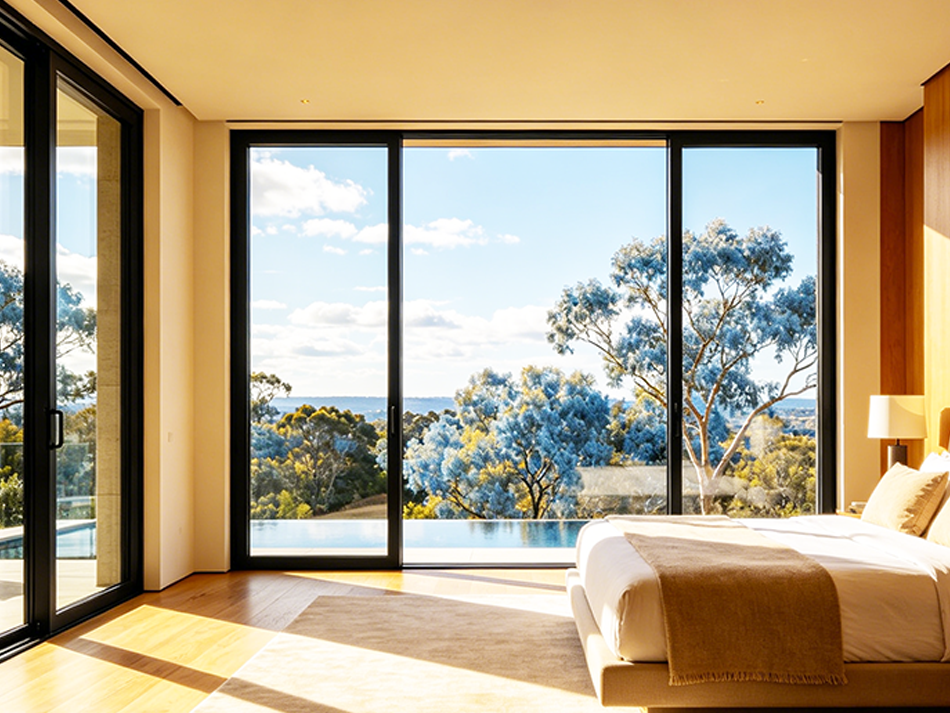
Here’s a detail that often gets overlooked: aluminium is significantly stronger per millimetre than vinyl or wood. That structural advantage means manufacturers can engineer much slimmer frame profiles while still meeting wind load and safety requirements. Slimmer frames translate directly into a larger glass area, which means more natural light flooding into your rooms and wider, less obstructed views.
You’ll notice this difference most in large openings. A floor-to-ceiling sliding door or a panoramic fixed window in aluminium can achieve sightlines that would require noticeably bulkier frames in vinyl or timber to maintain the same structural integrity. For architects and homeowners chasing that bright, open feel, this slim-profile advantage is one of the most compelling reasons to choose aluminium.
That design versatility extends across architectural styles too. Whether your project is a minimalist contemporary build, a mid-century renovation, or a heritage restoration, aluminium adapts. The combination of slim profiles, broad colour options, and multiple opening configurations makes it one of the most architecturally flexible frame materials available.
Of course, good looks and clever configurations only matter if the window can also protect your home. Strength, security, and performance across different climates are where aluminium’s material properties really get put to the test.
Security Strength and Climate-Specific Performance
Aluminium’s slim profiles and design versatility get plenty of attention, but the material’s raw strength is what makes it genuinely hard to compromise. An aluminum frame window is inherently rigid, and that rigidity does more than hold glass in place. It provides a solid foundation for the kind of heavy-duty security hardware that vinyl and wood frames struggle to support.
Why Aluminium Frames Enhance Home Security
Think about what happens during a forced-entry attempt. The intruder applies concentrated force to the frame, the lock, or the junction between the two. Vinyl frames flex under pressure, which can pop locks out of alignment or allow the sash to be levered free. Wood frames can split along the grain. Aluminium resists both of these failure modes because the material doesn’t flex, split, or deform under the kind of loads a break-in produces.
That structural backbone is why aluminium pairs so well with multi-point locking systems, mechanisms that secure the sash at several positions along the frame through a single handle action. Instead of relying on one latch point, force is distributed across hooks, bolts, and rollers spaced along the full height of the opening. The BHMA A156.37-2025 standard for multipoint locks includes a 1,350-pound bolt-strength test with all latching points engaged and a Grade 1 cycle test of one million operations, the kind of punishment that demands a frame material stiff enough to keep every keeper aligned over years of use.
The real-world impact is measurable. A Dutch natural-experiment study found that requiring better built-in security in new homes, including improved aluminium windows and doors, reduced burglary risk by 26%. The added cost was estimated at roughly EUR 430 per home, less than 0.2% of the average house price. Impact-rated aluminium systems paired with laminated safety glass take this further, resisting flying debris during storms and meeting building codes in high-wind zones.
Performance Across Coastal, Humid, Cold, and Hot Climates
Security matters everywhere, but climate dictates which specific threats your windows face daily. One of aluminium’s underappreciated strengths is how well it adapts to vastly different environments, something vinyl and wood can’t claim with the same confidence.
Coastal properties deal with relentless salt spray that corrodes lesser materials fast. Vinyl window frames in coastal environments may last only 8 to 12 years, while properly coated aluminium frames push well past 20 years and often far longer. The key is a quality powder coat or anodised finish over aluminium’s natural oxide layer, creating a multi-barrier defence against salt and moisture. A quick freshwater rinse every few months is enough to wash away salt deposits before they cause trouble.
Humid tropical climates bring a different challenge: persistent moisture that causes wood to swell, warp, and invite mould growth. Aluminium is dimensionally stable regardless of humidity levels, so frames stay true and seals stay tight even in the most moisture-heavy conditions.
In cold climates, the concern shifts to condensation forming on interior frame surfaces. This is where thermally broken aluminium earns its keep. The polyamide barrier keeps the inside face of the frame warm enough to stay above the dew point, preventing the condensation and frost that plague non-thermally-broken metal frames. You get a bright window view in winter without water pooling on your sills.
Hot, dry climates test UV resistance and thermal expansion. Aluminium handles both well. Powder-coated finishes resist UV fading and chalking, while the material’s low thermal expansion coefficient means frames won’t shift or bind as temperatures swing between daytime highs and cool desert nights. Unlike vinyl, which can soften and distort in extreme heat, aluminium maintains its structural properties across a wide temperature range.
| Climate Zone | Primary Corrosion Risk | Thermal Management | Maintenance Frequency | Recommended Features |
|---|---|---|---|---|
| Coastal | High (salt spray) | Moderate heat gain | Every 3-6 months (salt rinse) | Marine-grade powder coat or anodising, stainless steel hardware |
| Humid / Tropical | Moderate (moisture) | High heat and humidity | Every 6 months | Thermal breaks, low-e glazing, drainage slot maintenance |
| Cold / Continental | Low | Heat loss prevention critical | Annually | Wide thermal breaks, double or triple glazing, argon gas fill |
| Hot / Arid | Low | Solar heat gain control | Annually | UV-resistant powder coat, low-SHGC glazing, reflective coatings |
This climate adaptability is a genuine differentiator. Where wood demands extra protection in moisture-heavy environments and vinyl struggles with temperature extremes, aluminium performs consistently across the board with the right specification choices. The frame material stays stable; you just tailor the finish, thermal break, and glazing package to your local conditions.
Still, no material is perfect. Aluminium has real limitations that deserve the same honest treatment as its strengths, and understanding those trade-offs is what separates a smart purchase from an expensive regret.
An Honest Look at the Drawbacks
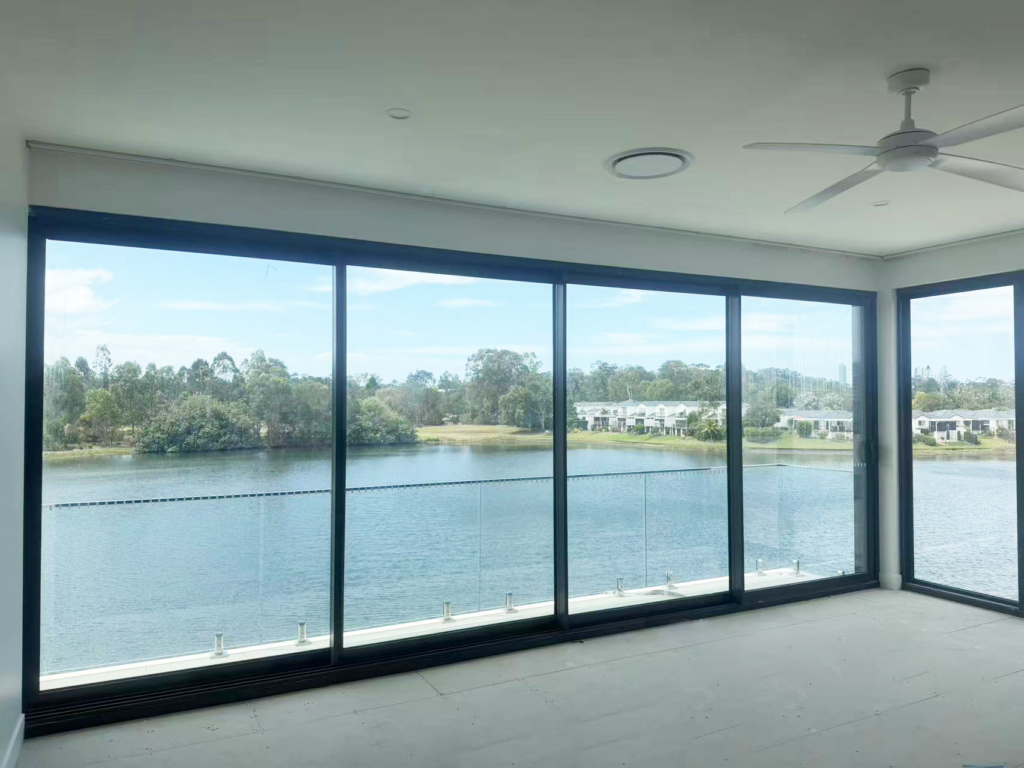
Every material has trade-offs, and aluminium is no exception. Skipping the downsides doesn’t help anyone make a good decision, so here’s a straightforward look at the limitations you should weigh before committing.
Higher Upfront Cost and When It Pays Off
The cost picture with aluminium is more nuanced than a simple “expensive or cheap” label. Basic aluminum framed windows without thermal breaks can actually be quite affordable. This Old House reports average costs of $75 to $400 per window for aluminium compared to $100 to $900 for vinyl, with aluminium averaging around $275 and vinyl around $550. The catch? Those budget aluminium windows lack the thermal breaks, quality hardware, and premium powder coatings that make modern aluminium systems worth choosing.
Once you spec a properly thermally broken aluminium system with aluminum double glazing, quality seals, and a durable finish, the price climbs above standard vinyl. For homeowners on a tight budget who live in mild climates, that premium may not make financial sense. But when you factor in a lifespan that can stretch two to three times longer than vinyl, the cost-per-year equation often tips back in aluminium’s favour. The upfront spend pays off most clearly on projects where longevity, design flexibility, and structural performance matter more than the lowest possible purchase price.
Thermal Conductivity and How Thermal Breaks Solve It
There’s no getting around the physics: aluminium conducts heat roughly 1,000 times more efficiently than vinyl. On its own, it’s a poor insulator. In aluminium frames for windows without a thermal break, heat moves freely between the exterior and interior surfaces, making it harder to maintain consistent indoor temperatures and driving up energy costs in extreme climates.
This is the single most important spec to check. A thermally broken frame with a wide polyamide barrier addresses the conductivity problem directly, but not every product on the market includes one. Budget aluminium windows, particularly in older stock or entry-level ranges, may still use non-broken profiles. If you’re buying aluminium and energy efficiency matters to you, a thermal break isn’t optional. It’s essential. Skipping it to save money undermines the core reason modern aluminium competes with other frame materials on thermal performance.
Condensation Risk and Prevention Strategies
Condensation is the visible symptom of that conductivity issue. When warm, humid indoor air meets a cold frame surface, moisture collects as water droplets. Aluminum frame windows without thermal breaks are particularly prone to this because the interior surface cools rapidly, often dropping below the dew point during cold nights or early mornings.
Left unchecked, persistent condensation leads to mould growth around frames and sills, peeling paint on surrounding trim, and reduced indoor air quality. The ideal indoor humidity range for minimising condensation sits between 30% and 50%. Beyond that, even well-insulated windows can develop moisture issues.
The good news? Thermally broken aluminium largely eliminates this problem by keeping the interior frame surface warm enough to stay above the dew point. Pairing that with adequate ventilation, exhaust fans in kitchens and bathrooms, and keeping furniture away from window surfaces to allow airflow all help prevent moisture buildup. If you live in a cold or humid climate, specifying a thermal break isn’t just about energy savings. It’s about avoiding the slow damage that condensation causes over years.
Pros at a Glance
- Exceptional durability and a lifespan of 40 to 70 years
- Corrosion-resistant with self-forming oxide protection
- Slim profiles that maximise glass area and natural light
- Extensive colour and finish options through powder coating
- Strong enough to support multi-point locking and large openings
- Performs well across coastal, humid, cold, and hot climates with proper specification
- Infinitely recyclable without loss of material quality
Cons to Consider
- Quality thermally broken systems cost more upfront than standard vinyl
- Without a thermal break, frames conduct heat and cold poorly for energy efficiency
- Non-thermally-broken frames are prone to condensation in cold and humid climates
- Aluminium is not a natural insulator and relies entirely on engineering to compete thermally
- Coastal environments demand more frequent cleaning to prevent salt-related finish degradation
None of these drawbacks are dealbreakers when you understand them upfront and specify accordingly. The real risk isn’t choosing aluminium. It’s choosing the wrong aluminium, a budget frame without a thermal break, a thin powder coat in a coastal zone, or a product from a manufacturer that cuts corners on hardware and seals. Knowing what to look for is what separates a window that disappoints from one that delivers for decades, and that comparison becomes much clearer when you see how aluminium stacks up against every other frame material side by side.
How Aluminium Compares to Vinyl, Wood, and Fiberglass
Knowing the aluminium pros and cons in isolation is useful. Knowing how those trade-offs measure up against every other frame material on the market is what actually helps you make a decision. Most window guides pick a favourite and argue for it. Here, we’re laying all five common frame materials across the same criteria so you can see exactly where each one wins, where it falls short, and which trade-offs matter most for your project.
The table below compares aluminium, vinyl, wood, fiberglass, and composite frames across the factors that drive most purchasing decisions. Cost figures are approximate per-window averages including installation, drawn from industry pricing data, and will vary by region, window size, and specification level.
| Frame Material | Relative Cost (Installed) | Lifespan | Maintenance | Energy Efficiency | Design Flexibility | Recyclability |
|---|---|---|---|---|---|---|
| Aluminium (thermally broken) | Moderate (~$960+ per window) | 40-70 years | Low: seasonal wash, annual hardware lube | High with thermal breaks and double glazing | Excellent: slimmest profiles, 200+ RAL colours, all opening styles | Infinitely recyclable at 5% of original production energy |
| Vinyl (PVC) | Low-Moderate (~$1,300-1,600 per window) | 20-25 years | Very low: soap and water | Good: naturally low conductivity | Limited: few stock colours, difficult to paint, bulkier profiles | Technically recyclable but requires specialised facilities |
| Wood | High (~$3,700 per window) | 20-60 years (with diligent care) | High: repaint/restain every 3-5 years, rot and pest checks | Excellent: natural insulator | High: paintable to any colour, traditional aesthetic | Biodegradable and renewable if sustainably sourced |
| Fiberglass | Moderate-High (~$2,400+ per window) | 30-50 years | Low: similar to vinyl | Very good: low conductivity, stable in heat | Moderate: paintable, but fewer profile options than aluminium | Difficult to recycle |
| Composite (vinyl-wood blend) | Moderate-High (~$2,700 per window) | 30-40 years | Low: mild soap cleaning | Good to very good | Moderate: limited standard colour range | Limited recyclability |
Aluminium vs Vinyl and Wood Frames
Vinyl is the default budget pick for a reason. It insulates naturally, costs less upfront, and needs almost no attention. But that affordability comes with a ceiling. Vinyl frames are bulkier, limiting your glass area and natural light. Colour options are restricted to a handful of factory finishes that can’t be repainted, and over time, vinyl is prone to warping, fading, and becoming brittle in extreme temperatures. Once a vinyl frame distorts, it stays that way. There’s no straightening it, no refinishing it. You replace it.
Aluminium outlasts vinyl by a wide margin. A quality thermally broken system can deliver two to three times the service life, which means the higher upfront cost often works out cheaper per year of use. You also get slimmer sightlines, vastly more colour choices, and a frame strong enough to support large openings and serious security hardware that vinyl simply can’t handle.
Wood is a different conversation. It’s a natural insulator, which gives it a genuine thermal edge over aluminium in its raw state, no engineering required. It also offers a warmth and character that resonates with heritage homes and traditional architecture. For some projects, nothing else looks right.
The disadvantages of aluminium compared to wood are mostly aesthetic and tactile rather than functional. Where wood wins on natural insulation and classic appeal, aluminium wins on nearly everything else: lifespan consistency, dimensional stability, resistance to rot and pests, colour retention, and maintenance burden. Wood windows can last decades, but only with regular repainting, sealing, and inspections for moisture damage. Skip a few seasons of upkeep and that 60-year lifespan can shrink to 15 or 20. Aluminium doesn’t punish you for being busy.
Where Fiberglass and Composite Fit In
Fiberglass frames occupy an interesting middle ground. They’re strong, dimensionally stable, paintable, and thermally efficient without needing a thermal break. Lifespan sits in the 30-to-50-year range with minimal maintenance, which makes fiberglass a legitimate competitor to aluminium on durability and performance.
The trade-offs? Fiberglass typically costs more than aluminium and offers fewer profile configurations. It’s also difficult to recycle, which matters if sustainability is part of your decision framework. Aluminium’s infinite recyclability, requiring just 5% of the energy used in primary production, gives it a clear environmental edge over fiberglass and vinyl alike.
Composite windows, usually a blend of wood fibre and polymer, split the difference between vinyl’s low maintenance and wood’s structural properties. They handle temperature swings well and can last 30 to 40 years. But customisation is more limited than aluminium, with most manufacturers offering only a small selection of standard colours. And like fiberglass, composite frames don’t recycle as cleanly as aluminium.
When you weigh the full pros and cons aluminium holds its ground remarkably well across the board. It’s not the cheapest option and it’s not a natural insulator, but no other single material matches its combination of longevity, design freedom, structural strength, climate adaptability, and end-of-life recyclability. The right choice depends on your priorities, but aluminium gives you the widest range of strengths to work with.
If you want to see how these comparisons translate into real product options, MEICHEN’s aluminium window range is a useful reference point. Their collection is built to Australian standards and covers multiple configurations, from casement and sliding to awning and fixed, so you can explore how different aluminium systems are specced for different project types and climate conditions.
With the material comparison settled, the practical question shifts from “which material?” to “which product, and how do I tell a good one from a mediocre one?” That’s where certifications, supplier questions, and sustainability credentials come into play.
Choosing the Right Aluminium Windows for Your Project
Knowing that aluminium stacks up well against the alternatives is a good start. But walking into a showroom or browsing a supplier’s website and actually telling a quality product from a mediocre one? That takes a different kind of knowledge. The difference between aluminum windows and doors that perform for decades and ones that disappoint within a few years almost always comes down to what’s behind the spec sheet, not what’s on the brochure cover.
Certifications and Standards That Signal Quality
Certifications exist so you don’t have to take a manufacturer’s word for it. In Australia, AS 2047 is the benchmark standard for windows and external glazed doors, covering structural performance under wind loads, water penetration resistance, air infiltration limits, and operating force. Every aluminium window installed in an Australian building project should comply with this standard, full stop.
Look for a performance label on the inside of the frame showing wind and water ratings in Pascals, and ask for a certificate of compliance from the manufacturer. Products tested through NATA-accredited laboratories and backed by the Australian Glass and Window Association (AGWA) carry an extra layer of credibility. Internationally, standards like ISO 9001 for quality management and independent security certifications such as PAS 24 serve a similar trust-building function. If a supplier can’t produce documentation on request, that tells you something.
For powder coatings specifically, ask about the Qualicoat classification. Class 1 is the bare minimum, while Class 2 offers marine-grade durability against UV, salt, and pollution. If you’re in a coastal or high-exposure environment, Class 2 is worth insisting on.
Sustainability and the Recyclability Advantage
Are aluminum windows good for the environment? The lifecycle answer is a strong yes. Aluminium is 100% recyclable without any loss of quality, and recycling it requires less than 5% of the energy needed for primary production. That means when your windows eventually reach end of life, the frames become high-value feedstock rather than landfill waste. No other common window frame material offers that level of circular-economy performance.
Pair that recyclability with a 40-to-70-year service life and the sustainability case gets even stronger. A material that doesn’t need replacing for decades generates far less waste, fewer transport emissions, and less resource consumption than one that fails in 15 or 20 years. Longevity is sustainability in its most practical form.
Matching the Right Windows to Your Project
Every project has different priorities. A beachfront renovation demands marine-grade coatings and stainless steel hardware. A high-rise apartment needs tilt-and-turn or awning configurations that ventilate safely at height. A heritage restoration might call for slim casement profiles in a period-appropriate colour. Matching the right aluminium window to your specific context is where good buying decisions happen.
Here’s a quick-reference checklist to work through when you’re evaluating options:
- Confirm AS 2047 compliance (or equivalent local standard) with documented test results
- Ask for the thermal break width and material, wider polyamide breaks mean better insulation
- Check the powder coat warranty and Qualicoat class, especially for coastal or high-UV locations
- Verify hardware grade and whether multi-point locking is standard or an upgrade
- Request the Uf-value of the frame alone, not just the whole-window Uw-value
- Confirm whether units are factory-glazed or site-glazed, factory-sealed units perform more reliably
- Ask about the manufacturer’s recycling or take-back program for end-of-life frames
- Match window style to room function, ventilation needs, and available clearance
If you’re ready to move from research to real product options, MEICHEN’s aluminium windows collection is a practical place to start. Their range covers casement, sliding, awning, and fixed configurations built to Australian standards, giving homeowners, renovators, builders, and developers a single hub to explore energy-efficient aluminium systems matched to different project types and climate requirements.
The right aluminium window isn’t just the one that looks good in a catalogue. It’s the one that’s certified, properly specified for your environment, and backed by a supplier who can answer every question on that checklist without hesitating.
Frequently Asked Questions About Aluminium Windows
1. How long do aluminium windows last compared to vinyl and wood?
Aluminium windows typically deliver a service life of 40 to 70 years when properly installed and maintained, which is roughly two to three times longer than standard vinyl windows (20 to 25 years). Wood windows can approach similar longevity to aluminium, but only with consistent repainting, sealing, and rot inspections every few years. Aluminium’s dimensional stability and corrosion-resistant oxide layer mean the frames themselves rarely fail; it’s usually the seals, gaskets, and hardware that need attention first. For Australian homeowners looking at long-term value, suppliers like MEICHEN offer aluminium window systems built to AS 2047 standards across multiple configurations at mcwindow.com.au/aluminium-windows/.
2. Are aluminium windows energy efficient?
Modern aluminium windows with thermal break technology are highly energy efficient. The thermal break is a non-conductive polyamide strip inserted between the inner and outer frame profiles, which stops heat from transferring through the metal. When paired with double glazing, argon gas fills, and low-emissivity coatings, thermally broken aluminium systems can match or closely approach the thermal performance of vinyl, wood, and composite frames. The key is to always specify thermally broken profiles rather than basic non-broken aluminium, and to check the U-factor rating on the NFRC label for an accurate comparison across products.
3. What maintenance do aluminium windows need?
Aluminium windows require minimal but consistent upkeep. A practical routine involves washing frames with mild soap and warm water twice a year, clearing drainage slots and tracks of debris, lubricating hinges and locks annually with dry silicone spray, and inspecting weather seals for cracking or compression. In coastal areas, a monthly freshwater rinse removes salt deposits that could degrade the powder-coated finish over time. Compared to wood windows that demand repainting every three to five years and regular rot checks, aluminium’s maintenance burden is significantly lighter and requires no specialist tools or trades.
4. What are the disadvantages of aluminium windows?
The main drawbacks include a higher upfront cost for quality thermally broken systems compared to standard vinyl, the fact that aluminium is a natural heat conductor and relies on thermal break engineering to insulate effectively, and a risk of condensation on non-thermally-broken frames in cold or humid climates. Coastal properties also require more frequent cleaning to prevent salt-related finish wear. However, each of these limitations is manageable with proper product specification. Choosing a wide polyamide thermal break, a marine-grade powder coat for exposed locations, and quality hardware eliminates most concerns.
5. Are aluminium windows good for coastal homes?
Aluminium is one of the strongest frame choices for coastal environments. The metal forms a natural oxide layer that resists corrosion, and when enhanced with a quality powder coat or anodised finish, aluminium frames can outlast vinyl by a significant margin in salt-spray conditions. Vinyl frames near the coast may deteriorate within 8 to 12 years, while properly coated aluminium pushes well past 20 years and often much longer. The main requirement is regular freshwater rinsing to wash away salt deposits and specifying stainless steel hardware and a Qualicoat Class 2 coating for maximum marine-grade durability.
More Window & Door Guides