Signs Your Aluminium Windows Need Replacing
You’re standing in the kitchen on a still morning and you feel cold air brushing past your ankles, even though every window is shut. Or maybe you’ve noticed a milky haze trapped between the glass panes that no amount of cleaning will shift. These are the kinds of quiet signals that aluminium windows send when they’re reaching the end of their working life. Replacing aluminium windows at the right time prevents what starts as a minor annoyance from turning into a structural headache or a steadily climbing energy bill. This guide walks you through the full replacement journey, from spotting the first warning signs to choosing the right product and installer.
Visible Signs Your Aluminium Windows Are Failing
The clearest red flags are the ones you can see and touch. Condensation forming between double-glazed panes is a strong indicator that the sealed unit has failed. Once that seal breaks, the insulating gas escapes and moisture moves in. Windows with failed seals can lose 40% to 60% of their insulating value, which means the glass is no longer doing its job. Over time, mineral deposits from that trapped moisture can etch permanently into the surface.
Look closely at the frame itself. Oxidation shows up as a chalky white residue or pitting on the aluminium surface, especially in coastal or humid environments. Gaps forming where the frame meets the surrounding wall suggest the original sealant has deteriorated or the structure has shifted. Rattling during wind is another giveaway: it usually means the glazing beads or gaskets have loosened, and in many cases an aluminium window frame seal replacement is the minimum fix required.
Hidden Performance Problems You Might Miss
Not every failing window announces itself visually. Older non-thermally-broken aluminium frames are single-piece extrusions that conduct heat and cold efficiently, which means they actively work against your heating and cooling system. You might notice rooms near windows feeling noticeably warmer in summer or colder in winter compared to the rest of the house. Rising energy bills with no obvious explanation often trace back to degraded window performance. The U.S. Department of Energy estimates that heat gain and loss through windows accounts for 25% to 30% of residential heating and cooling energy use, and compromised seals push that figure higher.
Audible drafts when windows are closed, difficulty sliding or cranking the sash, and locks that no longer engage properly are all signs that replacing old aluminium windows deserves serious consideration. Even subtle issues like increased street noise can point to seal or gasket failure.
Use this checklist to assess your own windows before deciding whether you need a simple aluminium window frame seal replacement or a full aluminium window replacement:
- Fog, haze, or condensation trapped between glass panes
- Visible oxidation, pitting, or chalky residue on the frame
- Gaps between the window frame and the surrounding wall
- Rattling glass or loose glazing beads during wind
- Cold drafts felt near closed windows
- Unexplained increases in heating or cooling costs
- Uneven indoor temperatures in rooms with older windows
- Windows that stick, jam, or won’t lock securely
- Noticeable increase in outside noise levels
Building standards bodies recommend periodic window performance assessments, particularly for homes older than 15 to 20 years. Before you decide whether to repair individual components or replace aluminium windows entirely, note which of these symptoms apply. The more boxes you tick, the stronger the case for a full replacement rather than piecemeal fixes.
The real question most homeowners face next is how that replacement actually works, and the answer depends on whether your existing frames are still structurally sound or need to come out entirely.
Full-Frame vs Retrofit Replacement Methods
That distinction between sound frames and damaged ones isn’t just academic. It determines which of the two main replacement approaches will actually work for your home. Getting this wrong is one of the costliest mistakes homeowners make when shopping for replacement aluminium windows, because the method you choose affects everything from the final price to how well the new unit performs over the next 20-plus years.
Full-Frame Replacement and When It Makes Sense
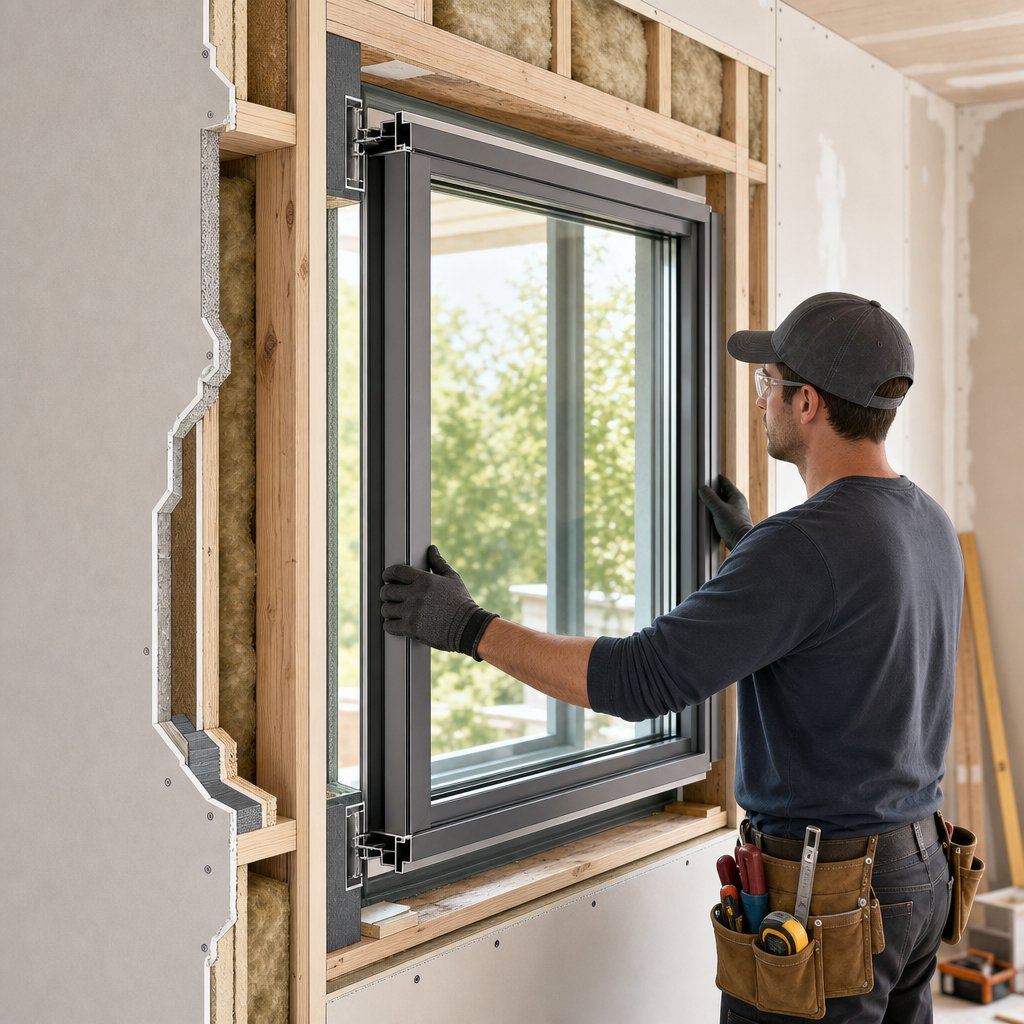
Full-frame replacement means removing the entire window unit, frame and all, right back to the rough opening in the wall. It’s the more comprehensive option, and it’s the right call when you need to replace aluminium window frames that show structural corrosion, warping, or visible damage at the anchoring points. It’s also the way to go if you want to change the window size, style, or configuration altogether.
Because the opening is fully exposed during installation, your installer can inspect and repair any hidden issues like water damage, deteriorated flashing, or poor insulation around the frame. For older homes where the original aluminium frames have degraded significantly, this clean-slate approach delivers the most reliable long-term result. The trade-off? More labour, potential interior and exterior trim work, and a higher upfront cost.
Retrofit Insert Replacement for Less Disruption
Retrofit (or insert) replacement takes a different path. A new window unit is fitted inside the existing frame opening, keeping the original frame, trim, and exterior cladding intact. When the existing structure is still square, level, and structurally sound, this method is faster, less invasive, and easier on the budget.
The honest trade-off is that a retrofit slightly reduces the visible glass area, since the new unit sits within the old frame. It also won’t fix underlying frame problems. If the existing frame is compromised, an insert solution may limit the performance of the new system from day one. Think of retrofit as a smart shortcut when the bones are good, not a workaround for frames that need replacing.
| Factor | Full-Frame Replacement | Retrofit Insert Replacement |
|---|---|---|
| Typical Cost | Higher (more materials and labour) | Lower (less invasive installation) |
| Installation Time | Longer (half day to full day per window) | Shorter (a few hours per window) |
| Disruption Level | Moderate to high (interior and exterior trim affected) | Low (existing trim stays in place) |
| Best Suited For | Damaged frames, size or style changes, older homes | Structurally sound frames, cosmetic upgrades, tight timelines |
| Addresses Frame Damage | Yes, completely | No, relies on existing frame integrity |
So how do you know which camp your windows fall into? A simple hands-on check goes a long way. Press a flat-head screwdriver firmly against several points on the frame. Any softness, flaking, or crumbling suggests corrosion has compromised the metal. Use a spirit level across the top and sides to check whether the frame is still square. Gaps larger than a few millimetres, or a frame that’s visibly bowed, usually mean aluminium window frame replacement is the safer path. If the frame passes both tests and the only issues are worn seals or dated hardware, a retrofit insert with quality aluminium replacement windows can deliver excellent results without tearing into your walls.
Whichever method fits your situation, the next decision is whether the glass itself needs attention, and that process varies depending on whether your windows are fixed, sliding, or casement.
How to Replace Glass in Aluminium Window Frames
Sometimes the frame is perfectly fine and only the glass needs attention. A cracked pane, a fogged-up sealed unit, or an outdated single-glazed panel doesn’t automatically mean the whole window has to go. So, can you replace glass in aluminium windows without swapping the frame? In most cases, yes. The process depends on whether you’re dealing with a fixed pane or an operable window like a slider or casement.
Replacing Glass in Fixed Aluminium Windows
Fixed panes are the more straightforward job because there are no moving parts, tracks, or hinges to work around. When replacing glass in fixed aluminium windows, the basic sequence involves removing the rubber gasket or glazing bead that holds the pane in place, carefully extracting the old glass, and fitting a new pane with fresh seals. If you’re wondering how to replace glass in a fixed aluminium window safely, the non-negotiables are thick protective gloves, safety goggles, and a stable work area. Broken glass should be wrapped in heavy cardboard or newspaper before disposal, never tossed loose into a bin.
Older frames sometimes use putty-style glazing compound instead of rubber gaskets. If that’s what you find, you’ll need a heat gun on a low setting or a stiff putty knife to soften and scrape the old compound before the glass will release. A thin-blade utility knife also works well for slicing through adhesive tape seals found in some aluminium frame designs.
Replacing Glass in Sliding and Casement Frames
Operable windows add a few extra steps. Sliding panels typically need to be lifted upward and swung out from the bottom of the track before you can access the glass. Casement windows require removing hinge pins or window stays to free the sash. In both cases, lay the removed sash flat on a padded surface to protect the frame finish while you work.
Here’s the general step sequence for replacing glass in aluminium window frames:
- Remove the sash from the frame (for operable windows) or access the glazing directly (for fixed panes).
- Pry out the rubber gasket, glazing bead, or old putty holding the glass in place.
- Carefully extract the old glass. Use suction cups for intact panes, or remove broken pieces with gloved hands.
- Clean the frame rebate thoroughly, removing old sealant, debris, and any oxidation from the channel.
- Measure the rebate precisely. Order the new glass 2 to 3 millimetres smaller on each dimension to allow for thermal expansion and proper gasket seating.
- Set the new pane into the frame and press the new rubber gasket or glazing strip firmly into the groove around the perimeter.
- Apply a thin bead of neutral-cure silicone along the inner edge for added weatherproofing.
- Reinstall the sash and test operation.
That measurement step is critical when replacing glass in aluminium windows. Glass ordered to the exact rebate size leaves no room for the gasket and no tolerance for the slight expansion that heat causes. A pane that’s too tight can crack under thermal stress; one that’s too loose will rattle and leak.
One important note: if you see condensation trapped between the two panes of a double-glazed unit, the entire insulated glass unit (IGU) must be replaced, not just a single pane. The sealed airspace between the panes is factory-assembled with inert gas and a moisture barrier. Once that seal fails, there’s no field repair that restores it.
Glass replacement handles the pane itself, but what about the seals, handles, and rollers that keep the rest of the window functioning? Those wear out too, and replacing them can buy a structurally sound frame several more years of reliable service.
Fixing Seals, Hardware, and Window Parts
A structurally sound aluminium frame with a perished seal or a seized roller doesn’t need replacing. It needs servicing. Component-level repairs are often all that stands between a frustrating window and one that works like it should, and they cost a fraction of a full replacement.
Replacing Seals and Rubber Gaskets
Perished rubber seals are one of the most common causes of drafts and water ingress in aluminium windows. You’ll spot them easily: the rubber looks cracked, feels hard and brittle to the touch, or has pulled away from the frame leaving visible gaps. Once a seal reaches that state, it’s no longer compressing against the glass or sash to block air and moisture.
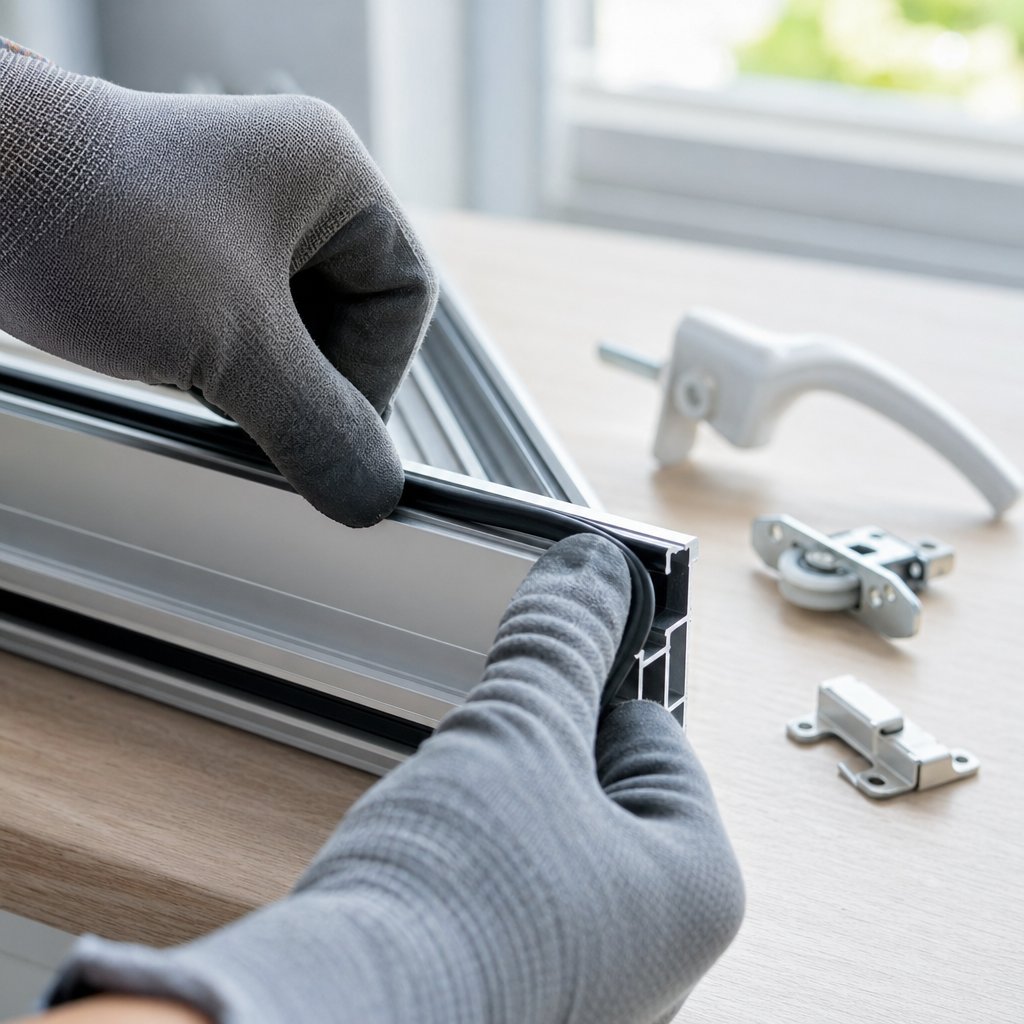
Replacing rubber seals on aluminium windows is a relatively simple aluminium window seal replacement job, but getting the right profile matters. Seal cross-sections vary between manufacturers and even between window series from the same brand. The safest approach is to peel out a short sample of the old gasket and take it to a glazing supplier or specialist seal retailer so they can match the profile exactly. When fitting the new seal, cut it slightly longer than the channel length to account for shrinkage over time, and press it firmly into the groove around the full perimeter. A thin bead of silicone along the outer edge adds an extra layer of weatherproofing.
Handles, Latches, and Roller Replacements
Hardware wears out too, and the symptoms are hard to ignore. An aluminium window handle replacement is usually straightforward: remove two screws, pull the old handle off the spindle, and fit the new one. Aluminium window latch replacement follows the same logic. The catch is that older or discontinued hardware may not have a direct match on the shelf, so you might need an adapter plate or an aftermarket alternative to get the geometry right.
Aluminium sliding window roller replacement is the other common fix. Worn rollers cause the window to stick, drag, or jump off track, and you’ll often hear grinding or squeaking before the problem becomes fully visible. Replacing them means lifting the sliding panel out of the track, unscrewing the old roller assembly, and fitting a new set matched to the correct diameter and width. A silicone-based lubricant on the track after installation keeps things gliding smoothly.
Here are the most common aluminium window rubber seal replacement parts and the symptoms that signal each one needs attention:
- Rubber gaskets and weatherstrips: drafts, water leaks, visible cracking or hardening
- Sliding window rollers: sticking, grinding noise, window jumping off track
- Handles and winders: loose grip, spindle play, handle snapping or not returning to position
- Latches and locks: failure to engage, rattling when closed, visible corrosion on the strike plate
- Friction stays and hinges: casement sash dropping, difficulty holding the window open, stiff or jerky movement
Sourcing parts for older aluminium windows can be the trickiest part of the whole exercise. If your local hardware store draws a blank, a glazier or window specialist can often identify compatible components or suggest aftermarket solutions that fit your frame.
These repairs make sense when the frame itself is in good shape. But if you’re upgrading anyway, it’s worth understanding how dramatically modern aluminium window technology has improved, especially when it comes to energy performance.
Energy Efficiency and Modern Aluminium Window Technology
The aluminium windows installed in Australian homes 20 or 30 years ago share almost nothing with the aluminium windows available today, except the base metal. That gap in performance is the single biggest thing homeowners misunderstand when they start researching a replacement. Many assume that replacing aluminium windows with timber or uPVC is the only path to better energy efficiency. The reality is more nuanced, and the numbers tell a compelling story.
Understanding Thermal Breaks and Why They Matter
Older aluminium frames are single-piece extrusions. Aluminium conducts heat roughly 1,000 times faster than wood and 200 times faster than PVC, so those unbroken profiles act as a direct thermal highway between the inside and outside of your home. In winter, heat races out through the frame. In summer, it pours in. The result is cold spots, condensation on the frame edges, and an air conditioner or heater working overtime to compensate.
Modern aluminium windows solve this with a thermal break, an insulating barrier made from polyamide (a type of reinforced nylon) that sits between the interior and exterior sections of the frame. This barrier interrupts the metal-to-metal contact and dramatically slows heat transfer. The width of the thermal break matters: a 28 to 40mm polyamide break can bring the whole-window U-value down to between 0.9 and 1.6 W/m²K, depending on the glazing specification. Compare that to a non-thermally-broken aluminium frame, which typically sits at a Uf of 5.5 to 7.0 W/m²K. That’s a reduction in heat transfer through the frame of roughly 70 to 85%.
Two metrics help you evaluate any window you’re considering:
- U-factor (or U-value): measures how much heat passes through the entire window assembly. Lower is better. A single-glazed aluminium window might sit around 5.5 W/m²K, while a modern thermally broken double-glazed unit can achieve 1.0 to 2.0 W/m²K.
- SHGC (Solar Heat Gain Coefficient): measures how much solar radiation enters as heat, on a scale of 0 to 1. In hot climates like Darwin or Brisbane, you want a lower SHGC (around 0.25) to keep heat out. In cooler regions like Melbourne or Tasmania, a higher SHGC (0.40 to 0.55) lets beneficial winter sun in.
Upgrading From Old Aluminium to Modern Aluminium
Here’s where many homeowners take a wrong turn. The assumption is that replacing aluminium windows with double glazing means switching to a completely different frame material. People research how to replace wooden windows with aluminium for the slim sightlines, or they consider replacing aluminium windows with timber for the perceived insulation benefit. Both are valid paths, but they overlook the most straightforward upgrade: aluminium to aluminium.
Modern thermally broken aluminium systems achieve whole-window Uw values in the range of 2.0 to 2.7 W/m²K with standard double glazing, and high-performance configurations push well below 1.6 W/m²K. That puts them in the same thermal neighbourhood as uPVC and timber, while offering slimmer profiles, superior structural strength for larger openings, and virtually zero maintenance on the frame itself. Powder-coated finishes resist weathering for decades without repainting.
Upgrading from old single-glazed, non-thermally-broken aluminium to modern thermally broken double-glazed aluminium can cut heat transfer through the window opening by 70% or more, based on indicative U-value comparisons between legacy systems (Uw 5.0+ W/m²K) and current thermally broken units (Uw 1.0 to 2.0 W/m²K).
Australian Standard AS 2047 sets the benchmark for window performance and compliance, and energy-rated windows carry WERS (Window Energy Rating Scheme) labels showing their thermal and solar performance data. When comparing quotes, always ask for the Uw (whole-window) value rather than the Ug (centre-of-glass) figure. The whole-window number includes frame losses and edge effects, giving you the real picture.
For homeowners weighing up how much to replace wooden windows with aluminium versus sticking with timber, the answer often comes down to maintenance appetite and aesthetic preference rather than thermal performance. Modern aluminium matches timber’s insulation capability while eliminating the repainting cycle. If you want to replace wooden window frames with aluminium, the thermal trade-off that existed a generation ago has largely disappeared.
Performance gains are real, but they come at a cost. Understanding what drives that cost, and where the long-term payback sits, is the next piece of the puzzle.
What Aluminium Window Replacement Actually Costs
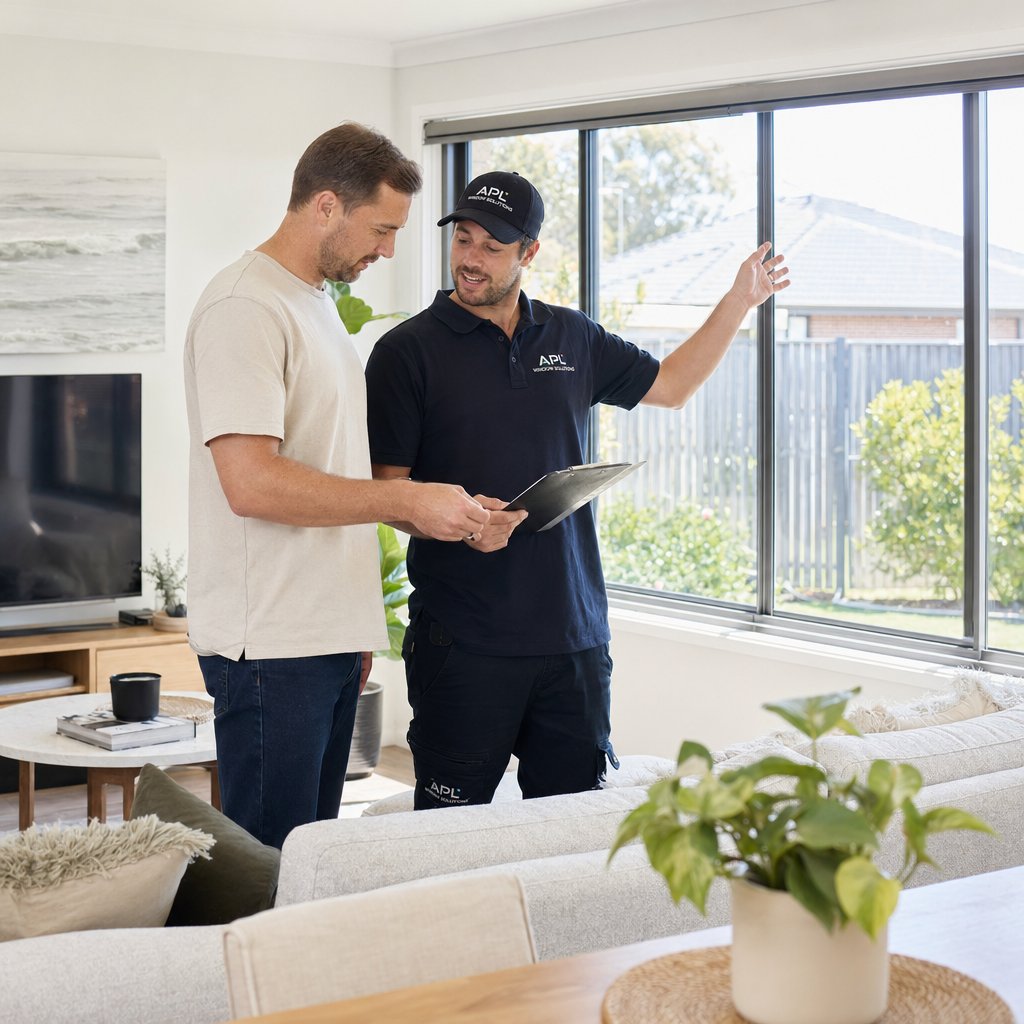
Every homeowner researching a window upgrade eventually lands on the same question: how much does it cost to replace aluminium windows? The honest answer is that there’s no single number. Aluminium window replacement costs vary widely depending on a handful of variables, and understanding those variables puts you in a much stronger position when quotes start arriving.
What Drives the Cost of Aluminium Window Replacement
Think of the total cost of replacing aluminium windows as four layers stacked on top of each other:
- The window unit itself: frame, glass, and integrated hardware.
- Labour for removal of the old window and installation of the new one.
- Structural or trim remediation: repairing reveals, replacing flashing, or patching interior and exterior finishes disturbed during the swap.
- Disposal of old windows and site cleanup.
Within those layers, a few factors swing the budget more than others. Window type is a big one. A fixed-lite panel is the simplest and cheapest to manufacture and install because it has no moving parts. An awning or casement window of the same size costs more due to hinges, stays, and locking hardware. Bi-fold and stacking slider systems sit at the top of the scale because of the engineering complexity involved in multi-panel operation.
Glass specification is the other major lever. Stepping from single glazing to a double-glazed insulated glass unit (IGU) adds meaningful cost, and options like low-E coatings, laminated interlayers, or tinted glass push it further. These upgrades deliver real performance gains, as covered in the previous section, but they need to be factored into the budget from the start.
Then there’s the installation context. Ground-floor windows with clear access are straightforward. Second-storey or higher installations may require scaffolding or elevated work platforms, which adds to labour costs. Replacing a single window in isolation is proportionally more expensive per unit than a whole-house project, where the installer can work efficiently across multiple openings in one mobilisation.
| Cost Variable | Budget Impact | Why It Matters |
|---|---|---|
| Window type (fixed, awning, casement, bi-fold) | High | Hardware complexity and engineering differ significantly between styles |
| Glass specification (single, double, low-E, laminated) | High | Glazing is often the single largest material cost component |
| Installation method (full-frame vs retrofit) | Medium to High | Full-frame involves more labour, trim work, and potential remediation |
| Access complexity (ground floor vs upper storey) | Medium | Scaffolding or platform hire adds to labour costs |
| Number of windows in the project | Medium | Bulk projects reduce per-unit mobilisation and labour costs |
| Structural remediation needs | Low to High | Varies from zero (clean swap) to significant (water damage, reframing) |
| Disposal and cleanup | Low | Aluminium is recyclable, so disposal is typically minimal cost |
ROI and Long-Term Value of Window Replacement
Aluminium window replacement cost isn’t just an expense line. It’s an investment with a measurable return. Energy savings from improved thermal performance start contributing from day one. If you’re moving from old single-glazed, non-thermally-broken frames to modern double-glazed systems, the reduction in heating and cooling load can be substantial, particularly in climate zones with hot summers or cold winters.
There’s also the property value angle. Industry data suggests window replacement projects can return 50% to 85% of the investment through increased home value, energy savings, and reduced maintenance. In markets where energy efficiency ratings are disclosed at the point of sale, upgraded windows become a visible selling point. Buyers notice aged, foggy, or rattling windows immediately, and they factor the cost to replace aluminium windows into their offer price, whether you’ve done the work or not.
When you’re ready to get quotes, aim for at least three from different installers. A good quote should itemise materials and labour separately, specify the glass and frame specifications, include removal and disposal, and outline warranty terms for both product and workmanship. Comparing line items rather than bottom-line totals is how you spot where one quote is genuinely better value versus where it’s simply leaving things out. Ask each installer to confirm the whole-window U-value (Uw) of the proposed system so you’re comparing thermal performance on equal terms too.
With a realistic budget framework in place, the next consideration is which parts of the project you can handle yourself and where a professional installer earns their fee.
DIY Repairs vs Professional Window Replacement
Knowing what the project costs is one thing. Knowing which parts you can realistically do yourself, and which ones justify paying someone, is what keeps the budget honest and the results reliable.
What a Confident DIYer Can Handle
If you’re comfortable with basic tools and careful measurement, several component-level tasks are well within reach. Learning how to replace glass in aluminium windows for a single fixed pane, for example, is manageable with the right safety gear and a methodical approach. The same goes for how to replace broken glass in an aluminium window where the frame is undamaged and accessible from ground level.
Other reasonable DIY jobs include swapping worn handles and latches, fitting new sliding window rollers, and pressing in fresh rubber gaskets. If you’ve been searching how to replace aluminium window stays on a casement that won’t hold its position, that’s another task most handy homeowners can tackle with a screwdriver and a matching replacement part. An aluminium window hinge replacement follows a similar process: remove the sash, unscrew the old hinge or stay, and fit the new one in the same mounting holes.
Tasks suited to DIY:
- Replacing glass in a single, ground-floor fixed pane
- Swapping handles, latches, and winder mechanisms
- Replacing perished rubber seals and weatherstrips
- Fitting new rollers on sliding window panels
- Replacing friction stays or hinges on casement sashes
- Applying fresh sealant around the frame perimeter
One constant across all of these: working with glass always demands thick gloves, safety goggles, and closed-toe shoes. Even a small pane can cause a serious injury if it fractures during removal.
When Professional Installation Is Worth the Investment
The line between DIY and professional territory comes down to risk. Can you replace aluminium window frames yourself? Technically, yes. Should you? In most cases, no. Full-frame replacement involves removing the entire unit back to the rough opening, managing waterproofing details like flashing and sealant continuity, and ensuring the new window is perfectly square and level so it seals and operates correctly for decades. A frame that’s even a few millimetres out of plumb can compromise both weathertightness and security.
Multi-storey installations add fall risk and the need for scaffolding or elevated work platforms. Any work that alters the building envelope or affects structural framing moves firmly into licensed-professional territory. The National Construction Code requires windows to be installed so that structural loads are not transferred to the window assembly, with correct gap tolerances and packing to maintain weathertightness. Getting those details wrong invites water intrusion and long-term structural damage.
In many Australian jurisdictions, window replacement that changes the building structure requires a building permit and must comply with the Building Code of Australia and AS 2047. In NSW alone, glazing work valued at more than $5,000 in labour and materials requires a contractor licence, and unlicensed work can attract fines of up to $22,000 for individuals.
Tasks that warrant professional installation:
- Full-frame window replacement (any size or location)
- Any installation above ground-floor level
- Work affecting the building envelope, flashing, or waterproofing
- Replacing multiple windows as part of a whole-house upgrade
- Installations in heritage-listed or strata-titled properties
- Any project requiring a building permit or compliance certification
Before signing with any installer, check their credentials. A licensed professional should hold the appropriate state or territory building licence, carry current public liability and workers’ compensation insurance, and be willing to provide references from similar projects. Ask whether their warranty covers both the product and the workmanship, and confirm they’ll handle removal, disposal, and final cleanup as part of the quoted scope.
Whether you’re handling a simple hinge swap yourself or handing the whole project to a professional, having a clear plan for the timeline and logistics ahead of time keeps things running smoothly from first measurement to final inspection.
Planning Your Aluminium Window Replacement Project
A clear plan turns a disruptive renovation into a predictable sequence of steps. Most delays in aluminium window and door replacement projects don’t come from the installation itself. They come from homeowners not knowing what happens between the first phone call and the final inspection. Here’s how the process typically unfolds, and what to check before any work begins.
Steps From Assessment to Completed Installation
Whether you’re replacing aluminium window frames throughout the house or swapping a single unit, the project follows the same general arc. Expect the full cycle from first quote to completed installation to span several weeks, with manufacturing lead time eating up the largest chunk. Custom aluminium windows typically require four to six weeks from final survey to delivery, though complex projects or peak-season scheduling can push that further.
- Initial assessment and measurement: a qualified installer inspects the existing windows, checks frame condition, measures each opening, and discusses your preferences for style, glass specification, and finish.
- Selecting window style and specifications: choose between sliding, awning, casement, fixed, or bi-fold configurations. Confirm glazing type, colour, and any hardware preferences.
- Obtaining and comparing quotes: get at least three itemised quotes. Ensure each one specifies the Uw value, glass makeup, installation method, and warranty terms.
- Ordering windows: once you’ve signed off, the manufacturer begins production. This is the longest wait in the timeline, so factor it into your schedule early.
- Scheduling installation: your installer will book a date once the windows are ready. For whole-house projects replacing aluminium windows across multiple rooms, installation is usually staged over two to three days.
- Installation day: the crew removes old units, prepares the openings, fits the new windows, applies flashing and sealant, and reinstates trim. Each standard window typically takes a few hours.
- Final inspection and cleanup: the installer checks operation, locking, and weathertightness on every window. Old frames and glass are removed from site.
If your project includes both replacement aluminium windows and doors, coordinate them under a single order where possible. Matching frame profiles, finishes, and glass specifications across windows and doors creates a cohesive look and often qualifies for better pricing than ordering separately.
Permits, Standards, and What to Check Before You Start
Not every window swap needs a permit, but certain situations do. In many Australian jurisdictions, aluminium window replacement and repair work that alters the building structure or changes the external appearance requires a building permit and must comply with the Building Code of Australia. Heritage-listed properties face additional scrutiny: changing windows on a state-registered building without approval can attract significant penalties. Strata-titled apartments often require body corporate consent before any external modifications, even if the work is cosmetically identical to the original.
Australian Standard AS 2047 remains the benchmark for window performance and compliance. Any new window installed in a residential building should meet its requirements for structural adequacy, weather resistance, and operation. Ask your installer to confirm AS 2047 compliance in writing before work starts.
Disposal is one area where aluminium works in your favour. Aluminium is one of the most recyclable materials on the planet, and old frames hold genuine scrap value. Most professional installers will remove the old units as part of the job. Rather than sending them to landfill, the frames can go straight to a scrap metal recycler. Glass is trickier to recycle, but responsible installers separate it for appropriate disposal rather than mixing it with general waste.
With the logistics mapped out and the paperwork sorted, the final step is choosing the right windows for your home’s architecture, climate, and long-term needs.
Choosing the Right Replacement Aluminium Windows
Architecture, climate, and how you actually use each room should drive your window selection, not just price or whatever the installer has in stock. The wrong style in the right opening creates frustration for years. The right style makes you forget the window is even there.
Matching Window Style to Your Home and Climate
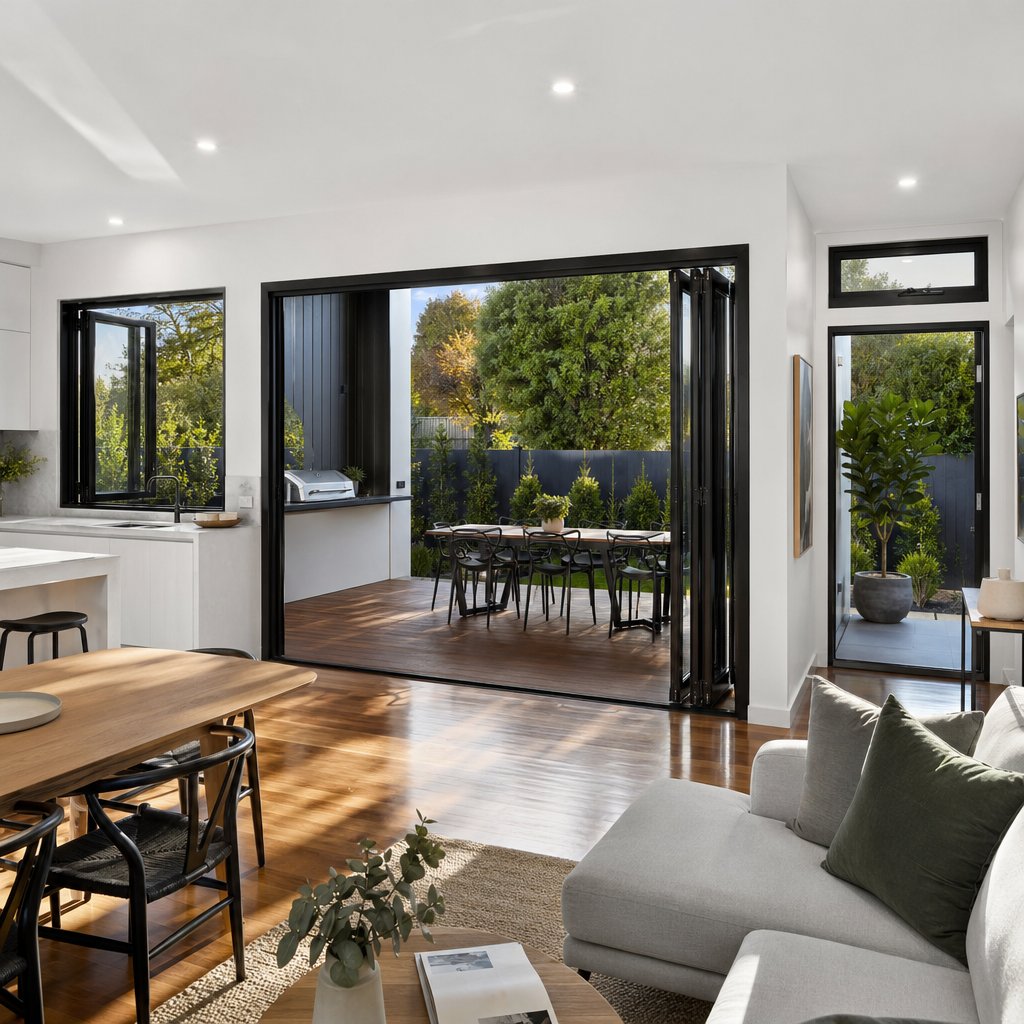
Each aluminium window type solves a different problem. Sliding windows suit wide openings where you don’t have clearance for a sash to swing outward, making them a popular choice for bedrooms and living areas. Awning windows hinge at the top and push out from the bottom, so they can stay open during light rain without letting water in. That makes them ideal for kitchens, bathrooms, and rain-prone coastal regions. Aluminium casement windows replacement is a common upgrade path for older homes because casements offer full-opening ventilation and a clean sightline when closed. Fixed-lite panels work where light matters more than airflow, like above doors or in stairwells. Bi-fold systems transform an entire wall into an opening, connecting indoor and outdoor living spaces.
If you’re replacing timber windows with aluminium, you’ll find that modern powder-coated finishes can match virtually any exterior palette, from heritage cream to matte charcoal, without the repainting cycle timber demands. Homeowners replacing sash windows with aluminium often choose double-hung profiles that preserve the traditional look while delivering modern thermal performance. And for period properties with original metal frames, aluminium Crittall replacement windows replicate the slim steel aesthetic with thermally broken construction that the originals never had. Whether you want to replace steel windows with aluminium for better insulation or simply refresh a dated facade, there’s a profile and finish combination that fits.
What to Look for When Comparing Aluminium Window Suppliers
Not all aluminium windows are built the same, and not all suppliers offer the same depth of range or compliance documentation. When you’re comparing options, a structured checklist keeps the evaluation objective rather than emotional.
- MEICHEN’s aluminium windows collection is a practical starting point. Their product hub covers sliding, awning, casement, double-hung, tilt-and-turn, and hinged door-window combinations built to Australian standards, giving you a single place to compare styles, specifications, and configurations for different project needs.
- Thermal break construction: confirm the frame uses a polyamide thermal break rather than a single-piece extrusion. This is the single biggest factor in frame-level energy performance.
- Glass options: look for suppliers offering double glazing as standard, with low-E coatings, laminated, and tinted options available. The glazing specification should be tailored to your climate zone.
- AS 2047 compliance: every window installed in an Australian residential building must meet this standard. Ask for written confirmation, not just a verbal assurance.
- Warranty terms: check coverage on the frame, hardware, and sealed glass unit separately. A quality supplier will warrant the frame finish for at least ten years and the IGU seal for a similar period.
- Matching door systems: if your project includes both windows and doors, choosing a supplier with a cohesive product range ensures consistent profiles, finishes, and hardware across every opening.
For homeowners looking at aluminium steel replacement windows to upgrade old metal-framed properties, pay particular attention to whether the supplier offers custom sizing. Original steel and early aluminium frames often sit in non-standard openings, and a supplier who fabricates to measure avoids the compromises that come with off-the-shelf units.
Replacing steel windows with aluminium, or upgrading aged aluminium to a modern thermally broken system, is one of the most impactful changes you can make to a home’s comfort, efficiency, and street appeal. The key is matching the right window type to each opening, choosing a supplier whose products meet Australian performance standards, and working with a licensed installer who gets the details right. Start with the checklist above, get your quotes itemised, and let the specifications do the talking.
Frequently Asked Questions About Replacing Aluminium Windows
1. How do I know if my aluminium windows need full replacement or just repair?
The deciding factor is frame condition. If your aluminium frames show structural corrosion, visible pitting, or fail a simple screwdriver press test (where the metal feels soft or crumbles), full replacement is the safer path. However, if the frames are still square, solid, and free of deep oxidation, component-level repairs like new rubber seals, rollers, or handles can restore performance at a fraction of the cost. A good rule of thumb: if you’re ticking more than three or four items on a window symptom checklist — drafts, condensation between panes, rising energy bills, sticking operation — the cumulative issues usually justify replacing the entire unit rather than patching individual problems.
2. What is the difference between full-frame and retrofit aluminium window replacement?
Full-frame replacement removes the entire window unit down to the rough opening in the wall, allowing your installer to inspect for hidden damage, replace flashing, and even change the window size or style. It suits older homes with degraded or corroded frames. Retrofit (insert) replacement fits a new window inside the existing frame, keeping the original trim and cladding intact. It is faster, less disruptive, and more budget-friendly, but it slightly reduces the glass area and relies on the existing frame being structurally sound. Choosing the wrong method is one of the costliest mistakes homeowners make, so always assess frame integrity before committing to either approach.
3. Can you replace just the glass in aluminium window frames without changing the frame?
Yes, in most cases you can replace the glass while keeping a structurally sound aluminium frame. For fixed panes, the process involves removing the rubber gasket or glazing bead, extracting the old glass, and fitting a new pane with fresh seals. Sliding and casement windows require an extra step of removing the sash from the track or hinges first. One critical detail: always order replacement glass slightly smaller than the rebate dimensions to allow for thermal expansion and proper gasket seating. If condensation is trapped between the two panes of a double-glazed unit, the entire insulated glass unit must be replaced as a sealed assembly — repairing just one pane won’t restore the seal.
4. How much does it cost to replace aluminium windows in Australia?
There is no single price because aluminium window replacement costs depend on several variables. Window type has a high impact — a simple fixed panel costs significantly less than a bi-fold or awning window of the same size. Glass specification is another major factor, with double glazing, low-E coatings, and laminated options each adding to the total. Installation method matters too: full-frame replacement involves more labour and trim work than a retrofit insert. Access difficulty, storey height, and the number of windows in the project also influence the final quote. To compare fairly, get at least three itemised quotes that separate materials from labour, and ask each installer to confirm the whole-window U-value so you can evaluate thermal performance alongside price.
5. Are modern aluminium windows as energy efficient as timber or uPVC?
Modern thermally broken aluminium windows perform in the same thermal range as timber and uPVC alternatives. The key innovation is the polyamide thermal break — an insulating barrier between the inner and outer frame sections that interrupts heat transfer. Paired with double or triple glazing, current aluminium systems achieve whole-window U-values comparable to other frame materials while offering slimmer sightlines, superior structural strength for larger openings, and virtually zero frame maintenance. Suppliers like MEICHEN offer a range of thermally broken aluminium windows built to Australian Standard AS 2047, making it straightforward to find energy-efficient options across sliding, awning, casement, and bi-fold styles without switching away from aluminium.
More Window & Door Guides