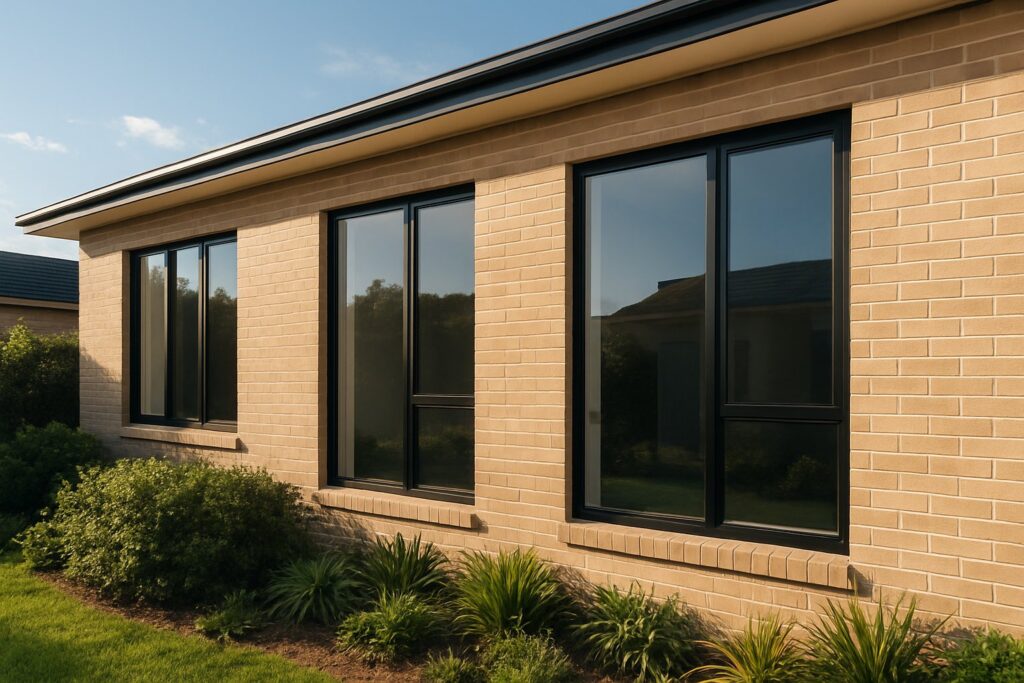
Yes, Aluminium Windows Cost More Than uPVC
The Direct Answer to the Cost Question
Are aluminium windows more expensive than uPVC? Yes, they are. Across the Australian market, aluminium windows carry a consistent price premium over their uPVC counterparts. Depending on the specification, colour, and style you choose, that premium typically falls somewhere in the range of 50 to 100 per cent more than an equivalent uPVC unit, supply and installation included.
As a general rule, aluminium windows cost roughly 1.5 to 2 times more than comparable uPVC windows. Exact pricing depends on window size, opening style, glazing type, colour finish, and your chosen supplier — but the relative gap between the two materials remains remarkably consistent across most configurations.
That gap is real, and for plenty of homeowners working within a fixed renovation budget, it matters. But the sticker price on a quote sheet only captures one moment in a much longer financial story.
Why Upfront Price Is Only Part of the Story
When you compare uPVC windows vs aluminium windows purely on purchase price, uPVC wins every time. The uPVC windows cost less to manufacture, less to fabricate, and less to install. No argument there.
The picture shifts, though, once you stretch the timeline. Aluminium frames routinely last 40 to 50 years, while uPVC typically delivers 25 to 30 years of service before degradation sets in. Maintenance demands differ too — aluminium’s powder-coated finish holds its colour and integrity for decades, whereas uPVC can yellow, become brittle, or warp under prolonged Australian UV exposure. Factor in energy performance from thermally broken aluminium profiles, potential gains in property resale value, and the avoided cost of an earlier replacement cycle, and the aluminium vs uPVC windows equation starts to look quite different.
This article stays tightly focused on cost — not aesthetics, not brand preferences, just the money. Every section ahead breaks down a different layer of that cost picture so you can compare real value, not just real prices.
What Makes Aluminium Windows More Expensive to Produce
Knowing that the cost of aluminium windows runs higher than uPVC is useful. Understanding exactly where that extra money goes is more useful still — especially if you want to identify where savings might be possible later on.
Several factors stack on top of each other to create the price gap. Here are the primary cost drivers:
- Higher raw material costs for aluminium compared to PVC resin
- A more energy-intensive and complex extrusion process
- Thermal break technology required for modern energy compliance
- Powder coating for colour and corrosion protection
- More specialised hardware to suit slimmer, stronger frame profiles
Raw Material and Manufacturing Differences
Aluminium starts life as bauxite ore, which must be refined and smelted before it can be shaped into anything useful. That smelting process is energy-intensive, and the resulting metal carries a commodity price that fluctuates with global markets. PVC resin, by contrast, is a petrochemical product that costs considerably less per kilogram to produce.
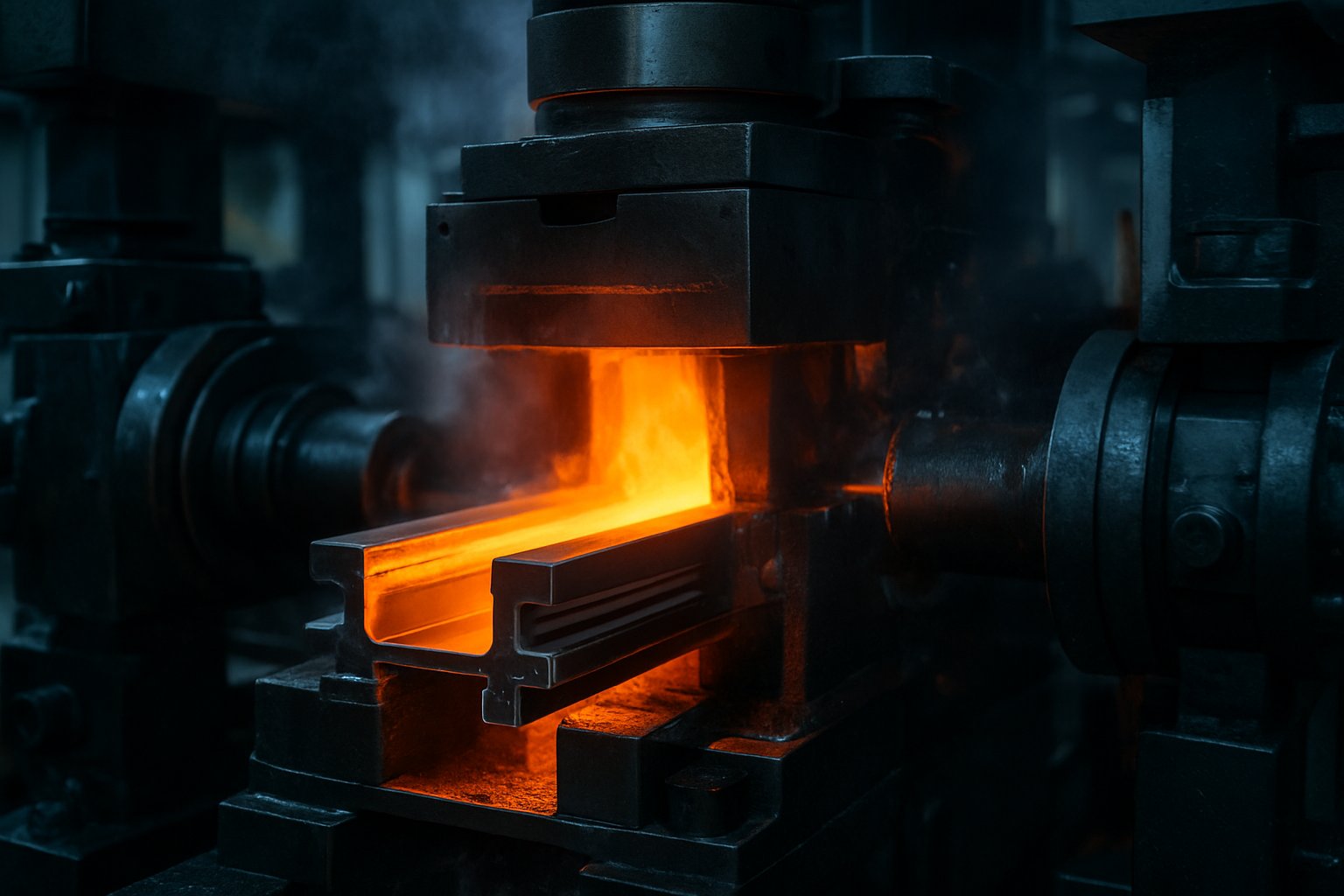
The fabrication stage widens the gap further. Aluminium profiles are created through extrusion — heating billets to temperatures between 375°C and 500°C, then forcing the softened metal through precision-shaped dies. Each profile must then be cut, assembled with mechanical fasteners, and put through quality control before glazing and hardware are fitted. uPVC frames follow a simpler welding process that requires less specialised equipment and lower operating temperatures.
Industry cost breakdowns show that profiles alone account for roughly 30 to 40 per cent of a finished aluminium window’s price, with glass contributing around 15 to 20 per cent and hardware another 8 to 10 per cent. The cost of uPVC profiles sits well below that baseline, which is a large part of why the two materials land in different price brackets from the outset.
The Cost of Thermal Break Technology
Raw aluminium conducts heat readily — not ideal for a window frame in a country where summer temperatures regularly push past 35°C. Modern aluminium windows solve this with a thermal break: an insulating polyamide strip inserted between the interior and exterior sections of the frame. This strip dramatically reduces heat transfer and helps the window meet NCC energy performance requirements and achieve strong WERS ratings.
That engineering comes at a cost. Thermally broken profiles require additional materials, tighter manufacturing tolerances, and often imported insulation strips that carry their own premium. Compared to a non-thermally-broken aluminium frame, the thermal break system adds a meaningful per-unit cost — but it is also what allows aluminium to compete with uPVC on energy efficiency, which matters for both comfort and compliance in Australian builds.
Powder Coating and Colour Customisation
uPVC frames get their colour during the extrusion stage, with pigment mixed directly into the plastic compound. The process is straightforward and inexpensive, though it limits the available palette — most uPVC ranges offer white, a handful of greys, and some woodgrain-effect foils.
Aluminium takes a different route. After extrusion, frames undergo powder coating: a coloured powder is applied electrostatically and then cured in an oven to form a hard, UV-resistant finish. This process opens up virtually unlimited colour options across the RAL spectrum, but each colour run adds time and cost. Custom or non-standard shades push the price higher again, while popular stock colours like matt black or charcoal keep the premium more contained.
It is worth noting that the price gap between aluminium and uPVC has been gradually narrowing. Growing demand for aluminium windows across residential projects — particularly new builds and extensions — has driven manufacturing volumes up and unit costs down. The gap has not disappeared, but it is smaller than it was a decade ago, making the aluminium vs uPVC windows comparison closer than many homeowners expect.
uPVC Window Price vs Aluminium
Manufacturing costs explain the gap. Actual dollar figures bring it into focus. The challenge is that most quotes bundle supply and installation together, making it difficult to see where the material premium ends and the labour cost begins. Separating the two reveals a more nuanced picture — and one that shifts depending on the specification level you choose.
The table below compares approximate pricing for a standard-sized double-glazed window (around 1200 mm x 1200 mm) across four specification tiers. These figures reflect typical Australian market ranges and will vary by supplier, state, and project scope.
| Specification Level | Approx. Supply-Only (AUD) | Approx. Fully Installed (AUD) | Typical Lifespan |
|---|---|---|---|
| Standard uPVC | $400 – $700 | $700 – $1,200 | 25 – 30 years |
| Premium uPVC | $700 – $1,100 | $1,100 – $1,700 | 25 – 30 years |
| Standard Aluminium | $800 – $1,200 | $1,200 – $1,900 | 40 – 50 years |
| Thermally Broken Aluminium | $1,100 – $1,800 | $1,700 – $2,600 | 40 – 50 years |
Note: Ranges are indicative for standard casement windows with double glazing. Prices vary by region, supplier, and project volume. Lifespan estimates drawn from industry data assume proper installation and routine maintenance.
Supply-Only Costs Compared
At the supply-only level, the price of uPVC windows in a standard configuration starts from around $400 to $700 per unit. A standard aluminium window sits roughly $400 higher at the entry point. That gap is real, but it is not as dramatic as many homeowners assume — particularly once you move beyond the cheapest uPVC tier.
The supply-only distinction matters because it isolates the material and fabrication cost from labour. Installation labour rates in Australia tend to be similar for both materials, typically adding $300 to $500 per window depending on access, storey height, and whether old frames need removal. The material premium, in other words, is the main driver of the total price difference — not the fitting itself.
Fully Installed Price Ranges
Once installation is factored in, the cost of uPVC windows in a standard configuration lands between roughly $700 and $1,200 per opening. Thermally broken aluminium, fully installed, ranges from approximately $1,700 to $2,600. For a whole-house project with ten or more windows, that difference adds up quickly — but so does the lifespan advantage sitting in the final column of the table above.
How Specification Level Changes the Gap
Here is the detail most pricing guides miss: the gap between the two materials is not fixed. It stretches or compresses depending on which tier you compare.
Budget standard uPVC against premium thermally broken aluminium and you are looking at the widest possible spread — potentially double the cost or more. Compare premium uPVC against standard aluminium, though, and the difference narrows to as little as $100 to $200 per window on a supply-only basis. At that margin, the decision becomes less about affordability and more about which material suits the project.
That project context — the specific window styles, glazing configurations, and opening types you need — introduces another layer of cost variation worth examining closely.
How Window Style and Glazing Affect the Price Gap
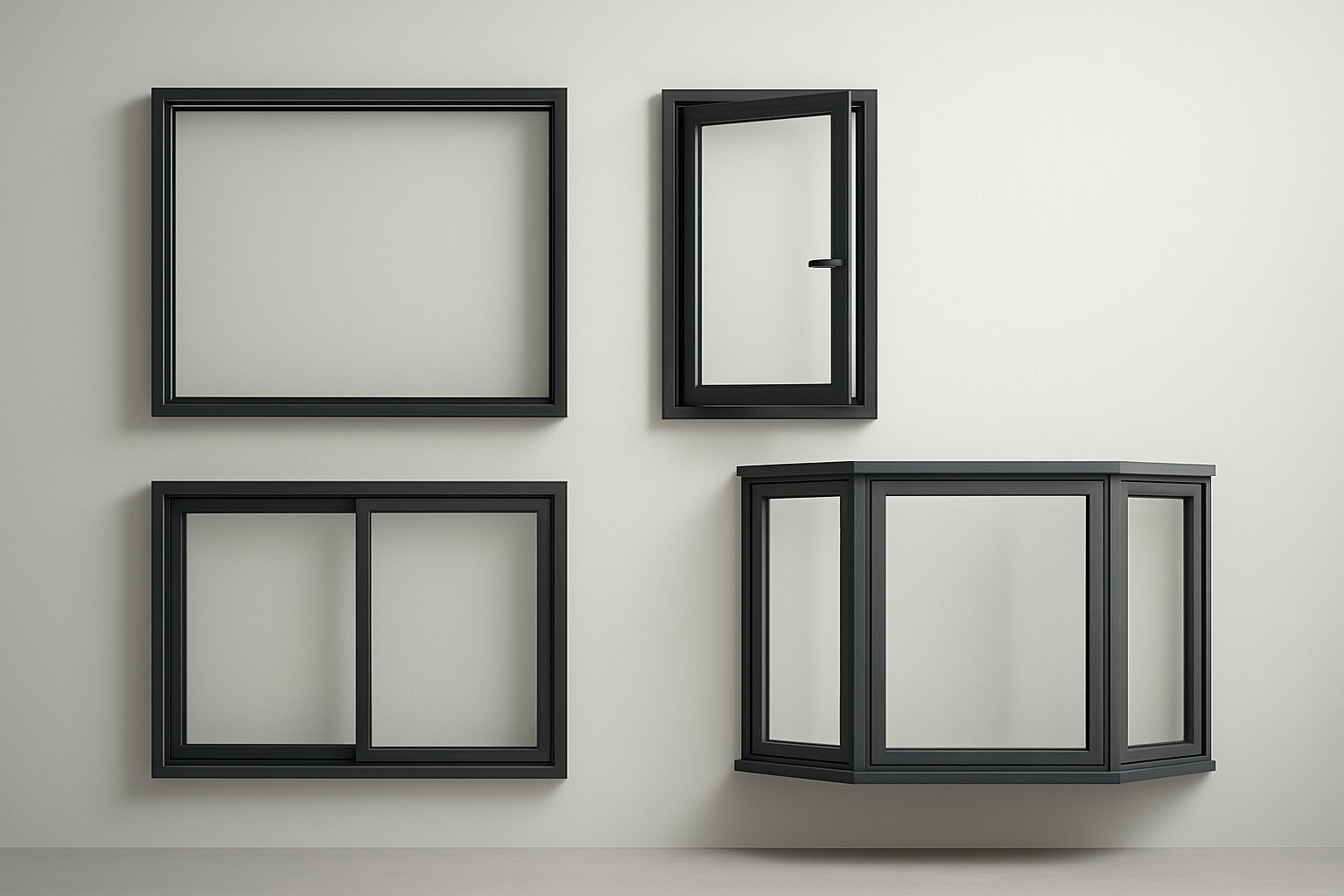
Not every window opening carries the same premium. A fixed-pane picture window and a three-panel bay window sit at opposite ends of the complexity spectrum, and the cost difference between aluminium versus uPVC windows stretches or shrinks accordingly. The style you choose can matter almost as much as the material itself.
Cost Gap for Casement and Fixed Windows
Fixed windows are the simplest configuration — no hinges, no handles, no opening mechanism at all. Because the frame is the only real variable, the price gap between materials stays relatively tight. You are paying for the aluminium profile and its finish, but none of the specialised hardware that inflates costs on operable styles.
Casement windows add a hinge system and locking hardware, which widens the gap slightly. Aluminium casement hardware tends to be more engineered than its uPVC equivalent, partly because the slimmer frame profiles demand precision-fitted components. Still, casements remain one of the more affordable operable styles in both materials, and the aluminium premium here is moderate compared to what you will see further down the table.
Sliding, Tilt-and-Turn, and Bay Window Premiums
Complexity is where the cost gap really opens up. Sliding windows require robust track systems and rollers that must support the weight of the sash — aluminium’s heavier panels need sturdier (and pricier) running gear. Tilt-and-turn windows involve multi-point locking mechanisms and dual-action hinges, adding both parts cost and fabrication time. In aluminium, that hardware is typically more expensive than the uPVC equivalent.
Bay and bow configurations amplify the premium further. These windows combine multiple panels at fixed angles, requiring structural couplers, custom-angled mullions, and often a supporting steel or timber lintel. The fabrication precision demanded by aluminium bay windows — where tight tolerances and powder-coated joins must align perfectly — pushes the price well above a comparable uPVC bay assembly.
The table below illustrates how the relative premium shifts across common window styles. Rather than fixed dollar amounts, it shows the typical aluminium premium as a percentage above the equivalent uPVC unit, reflecting general Australian market patterns.
| Window Style | Fabrication Complexity | Typical Aluminium Premium Over uPVC |
|---|---|---|
| Fixed (picture) window | Low | 40 – 60% |
| Casement window | Low to moderate | 50 – 70% |
| Sliding window | Moderate | 50 – 80% |
| Awning window | Moderate | 50 – 75% |
| Tilt-and-turn window | High | 60 – 90% |
| Bay or bow window | High | 70 – 100%+ |
Note: Percentages are indicative and vary by supplier, size, and specification. Thermally broken aluminium profiles will sit toward the upper end of each range.
So if you are wondering how much do uPVC windows cost compared to aluminium for a specific project, the answer depends heavily on which styles dominate your window schedule. A home with mostly fixed and casement openings will see a narrower total gap than one requiring several bay units or tilt-and-turn configurations.
Glazing adds another cost layer on top of the frame material. Stepping from double glazing to triple glazing increases the price of any window — typically by 25 to 40 per cent — regardless of whether the frame is uPVC or aluminium. The glazing premium itself is broadly similar between the two materials, since the glass unit is an independent component. Where the difference creeps in is weight: triple-glazed units are heavier, and aluminium’s structural strength handles that weight more comfortably without requiring reinforced profiles, whereas some uPVC frames need internal steel reinforcement to support triple glazing in larger sizes. That reinforcement adds cost and partially closes the gap between upvc windows vs aluminum in higher-performance specifications.
For Australian homes, double glazing with Low-E coatings remains the most common choice and delivers strong performance under WERS and NCC requirements. Triple glazing is worth considering in alpine regions or for south-facing openings in cooler climate zones, but it is not yet standard practice across most of the country. The real cost lever for most homeowners is the window style mix — and understanding that mix is the first step toward comparing quotes accurately.
Total Cost of Ownership
Style and glazing shape the upfront quote. But a window is not a one-off purchase — it is a decades-long commitment that carries ongoing costs well after the installer leaves. When you compare uPVC versus aluminium windows over their full service life, the material that looked cheaper on day one does not always stay cheaper on day 3,650 or day 10,950.
This is where total cost of ownership comes in. It accounts for every dollar you spend on a window from the moment it is installed to the moment it is removed — purchase price, maintenance, repairs, energy impact, and eventual replacement.
Maintenance and Repair Costs Over Time
Both materials are marketed as low-maintenance, and in the early years, that claim holds up. A wipe-down with soapy water a couple of times a year keeps either frame looking presentable. The divergence happens gradually, driven by how each material ages under Australian conditions.
uPVC frames are vulnerable to UV degradation. Australia’s intense solar exposure accelerates this process — white uPVC can yellow or chalk, and darker foil-wrapped finishes may peel or bubble after 15 to 20 years of direct sun. Cheap uPVC is particularly susceptible to warping and discolouration, which cannot be reversed once it sets in. Coastal properties face an additional challenge: while uPVC resists salt air reasonably well, the rubber seals and hardware fitted to uPVC frames can corrode faster in salt-laden environments, requiring earlier replacement.
Aluminium’s powder-coated finish, by contrast, is baked on at high temperatures and engineered to resist UV, salt spray, and temperature cycling. A quality powder coat retains its colour and surface integrity for decades with virtually no intervention. Hardware on aluminium frames tends to be more robust too, though seals and gaskets on any window — regardless of frame material — will eventually need replacing, typically every 15 to 20 years.
In practical terms, expect to budget a small amount for seal and hardware replacements on either material over a 30-year horizon. The difference is that uPVC frames themselves may need cosmetic attention or partial component replacement during that period, while aluminium frames generally will not.
Lifespan and Replacement Cycles
This is the factor that reshapes the entire cost comparison. Industry data consistently places uPVC window lifespan at 20 to 25 years, with well-made units in sheltered positions stretching toward 30. Aluminium windows, properly installed, deliver 40 to 50 years of service — roughly double the uPVC timeframe.
That lifespan gap has a direct financial consequence. A homeowner who installs uPVC at age 35 will likely face a full replacement in their late 50s or early 60s. Someone who chooses aluminium at the same age may never need to replace those windows at all. The cost of replacing aluminium windows is higher per event, but the event itself may never arrive within a typical ownership period. With uPVC, one full replacement cycle is almost guaranteed over a 40-year horizon.
For Australian homes in exposed locations — coastal NSW, tropical Queensland, or bushfire-prone areas where frames endure extreme UV, salt, heat, and sometimes ember attack — the lifespan advantage of aluminium becomes even more pronounced. uPVC degrades faster under these conditions, potentially shortening its service life to the lower end of the range.
Calculating Cost Per Year of Service
Here is a simple tool that cuts through the upfront price noise: divide the total lifetime cost of each option by the number of years it serves you. The result — cost per year of service — gives you a single, comparable figure that reflects real value rather than purchase price alone.
The table below models this calculation for a standard double-glazed casement window across three time horizons. It uses the mid-range installed prices from earlier in this article and includes estimated maintenance costs plus one full replacement cycle for uPVC at the 25-year mark. Aluminium is assumed to require no replacement within the 30-year window.
| Cost Factor | Standard uPVC | Thermally Broken Aluminium |
|---|---|---|
| Initial installed cost (per window) | ~$950 | ~$2,150 |
| Maintenance over 30 years (seals, hardware, cleaning) | ~$200 – $400 | ~$150 – $250 |
| Replacement at ~25 years (supply and install) | ~$950 – $1,200 | Not required |
| Cumulative cost at 10 years | ~$1,000 – $1,050 | ~$2,200 – $2,250 |
| Cumulative cost at 20 years | ~$1,100 – $1,200 | ~$2,300 – $2,350 |
| Cumulative cost at 30 years (incl. one uPVC replacement) | ~$2,100 – $2,550 | ~$2,300 – $2,400 |
| Cost per year of service (30-year horizon) | ~$70 – $85/year | ~$77 – $80/year |
Note: Figures are indicative estimates based on mid-range Australian pricing for a standard casement window (~1200 mm x 1200 mm, double glazed). Actual costs vary by supplier, location, and specification. uPVC replacement cost assumes similar pricing at time of replacement; real-world costs may be higher due to inflation and removal of old frames.
The pattern is striking. At the 10-year mark, uPVC is clearly the cheaper option — roughly half the cumulative spend. At 20 years, the gap is still significant. But by 30 years, once a uPVC replacement cycle is factored in, the two materials land in almost identical territory. The cost per year of service converges to within a few dollars.
And that 30-year snapshot actually favours uPVC slightly, because it assumes the replacement uPVC set will last another full cycle. Extend the horizon to 40 or 45 years — the expected lifespan of the original aluminium windows — and aluminium pulls ahead decisively, because it is still the same set of windows with no replacement cost on the horizon.
Energy efficiency adds a smaller but real layer to this calculation. Thermally broken aluminium frames paired with Low-E double glazing deliver strong thermal performance under WERS ratings, reducing heating and cooling loads. Standard uPVC also insulates well — often slightly better at the frame level — but the difference in whole-window performance narrows considerably once quality glazing is specified on both. For most Australian homes, the energy cost difference between the two materials amounts to modest annual savings rather than a dramatic swing, so it is best treated as a tiebreaker rather than a deciding factor.
What the cost-per-year lens really reveals is that the upvc windows vs aluminium debate is partly a question of when you prefer to pay. uPVC spreads the cost across two purchase events with lower upfront outlay each time. Aluminium front-loads the investment but avoids the second purchase entirely. Your financial preference — and how long you plan to stay in the property — determines which approach delivers better value for your specific situation.
When the Aluminium Premium Is Worth Paying
Knowing the numbers is one thing. Deciding what to do with them is another. The cost-per-year analysis shows the two materials converging over time, but that does not mean aluminium is automatically the right call for every project. Context — your property type, your plans for it, and the scale of the job — tilts the equation one way or the other.
Property Types Where Aluminium Pays for Itself
Certain projects practically demand aluminium. If you are building a contemporary new home, the slimline profiles and expansive glass areas that define modern Australian architecture are difficult to achieve with uPVC’s thicker frames. For aluminium windows for new builds, the premium is easier to absorb because it is built into the overall construction budget from the start rather than added as a retrofit expense.
Extensions and open-plan living areas tell a similar story. Large bi-fold or stacker door openings, floor-to-ceiling fixed panels, and corner windows all rely on aluminium’s strength-to-weight ratio. uPVC can handle standard openings well, but it struggles structurally in oversized configurations without heavy internal reinforcement — which narrows the price gap anyway.
Resale value adds another dimension. Research has found that replacement windows can add around 10 per cent to a property’s value, and aluminium frames are widely perceived as a premium upgrade that lifts kerb appeal beyond what uPVC delivers. For investment properties or homes you plan to sell within five to ten years, that perception can translate into a tangible return — potentially recovering a significant portion of the aluminium premium at sale.
Are aluminium windows worth it in these scenarios? Generally, yes. The best aluminium windows combine longevity, aesthetics, and thermal performance in a package that suits properties where appearance and structural capability matter most.
- Modern and architect-designed new builds where slimline frames define the look
- Extensions, additions, and open-plan renovations with large openings
- Properties being prepared for sale where kerb appeal directly affects price
- Homes in high-UV or harsh climate zones where long-term durability is critical
- Replacing original steel-framed windows on Art Deco or mid-century homes where aluminium matches the heritage profile
When uPVC Is the Smarter Financial Choice
uPVC earns its place in plenty of projects too — and choosing it is not settling for less. It is making a practical decision based on what the property actually needs.
For standard brick veneer homes, weatherboard cottages, and suburban properties built from the 1960s onward, uPVC delivers excellent thermal performance and a clean finish at a significantly lower price point. If you are replacing ten or more windows across a whole house on a fixed budget, the savings from uPVC can free up funds for better glazing, improved seals, or other upgrades that improve comfort more than the frame material alone would.
Short to medium ownership horizons also favour uPVC. If you plan to stay in the home for less than 15 years, the long-term lifespan advantage of aluminium has less time to compound, and the upfront savings carry more weight. Rental properties fall into this category as well — tenants benefit from the improved insulation and security, and the lower capital outlay improves your return on investment.
- Whole-house replacements where budget is the primary constraint
- Traditional suburban homes where uPVC’s slightly thicker profile suits the architectural style
- Rental and investment properties where minimising capital expenditure matters most
- Homes in sheltered positions with moderate UV and weather exposure
- Projects where the ownership horizon is under 15 years
Budget Trade-Off Scenarios
Sometimes the most useful comparison is not material versus material — it is what each budget actually buys you. Consider a homeowner with $15,000 to spend on windows. That budget might cover ten standard aluminium casement windows, or it could stretch to fourteen or fifteen uPVC units of the same size. For a home with eighteen openings, that difference means either a partial replacement in aluminium or a near-complete replacement in uPVC.
Partial replacements create their own complications. Mixing materials across a single facade looks inconsistent and can undermine the visual cohesion that drives kerb appeal. If the budget only covers aluminium for the front of the house, you are left deciding between a split approach — aluminium at the front, uPVC at the rear — or a uniform uPVC installation throughout. Some homeowners choose the split strategy deliberately, prioritising the street-facing windows that influence first impressions and resale perception, then fitting uPVC where it is less visible.
For smaller-scale projects — a single room, one floor, or just the living areas — the total cost difference between materials shrinks enough that it rarely drives the decision on its own. Replacing three or four windows in aluminium instead of uPVC might add $2,000 to $3,000 to the project. At that scale, the question shifts from “can I afford it” to the more nuanced upvc or aluminium windows which is better for this specific part of the house.
Whichever direction the budget points, there are practical ways to bring aluminium costs down without switching materials entirely — an option worth exploring before making a final call.
How to Reduce Aluminium Window Costs Without Switching Materials
Aluminium does not have to mean top-dollar on every line of the quote. A few deliberate specification and planning choices can bring the price closer to uPVC territory while keeping the material advantages you are after. The key is knowing which variables carry the most savings potential — and which ones are not worth compromising on.
Specification Choices That Lower the Price
Most of the controllable cost in an aluminium window sits in the options you select, not the aluminium itself. Dialling back on customisation is the fastest way to reduce aluminium window costs without downgrading the frame material.
- Choose standard dimensions over custom sizing. Off-the-shelf sizes align with common Australian opening dimensions and avoid the per-unit surcharge that bespoke fabrication attracts. Mass-produced frames are always cheaper than bespoke alternatives, and the savings here can be substantial across a multi-window project.
- Stick to stock colours. Matt black, charcoal, and white are high-volume powder coat runs that cost significantly less than a custom RAL shade. Custom colours typically add 10 to 20 per cent to the frame price — a premium that is easy to avoid if you are flexible on finish.
- Opt for simpler opening styles. Fixed and casement windows are the most affordable aluminium configurations. Swapping a tilt-and-turn unit for a standard casement, or replacing an operable panel with a fixed pane where ventilation is not essential, trims both hardware and fabrication costs.
- Consider standard aluminium profiles where compliance allows. Thermally broken frames are the gold standard, but not every opening in every climate zone demands them. In milder parts of Australia, a standard aluminium profile with quality double glazing may still meet NCC energy requirements at a lower per-unit cost. Check your NatHERS and WERS targets before specifying — you may have more flexibility than you think.
Project Planning Strategies to Save Money
Beyond the spec sheet, how you structure the project itself affects the bottom line. Phasing the work room by room — tackling the living areas or street-facing windows first, then bedding rooms later — spreads the capital outlay across months or even years. This approach makes affordable aluminium windows achievable on a tighter cash flow without resorting to finance.
Timing matters too. Scheduling installation during quieter periods for glaziers — typically late autumn and winter in most Australian states — can unlock lower labour rates or faster turnaround. And always collect at least three itemised quotes. The variation between suppliers on identical specifications can be surprisingly wide, so comparing like-for-like is one of the simplest ways to keep costs honest.
Hybrid Aluminium-Clad uPVC as a Third Option
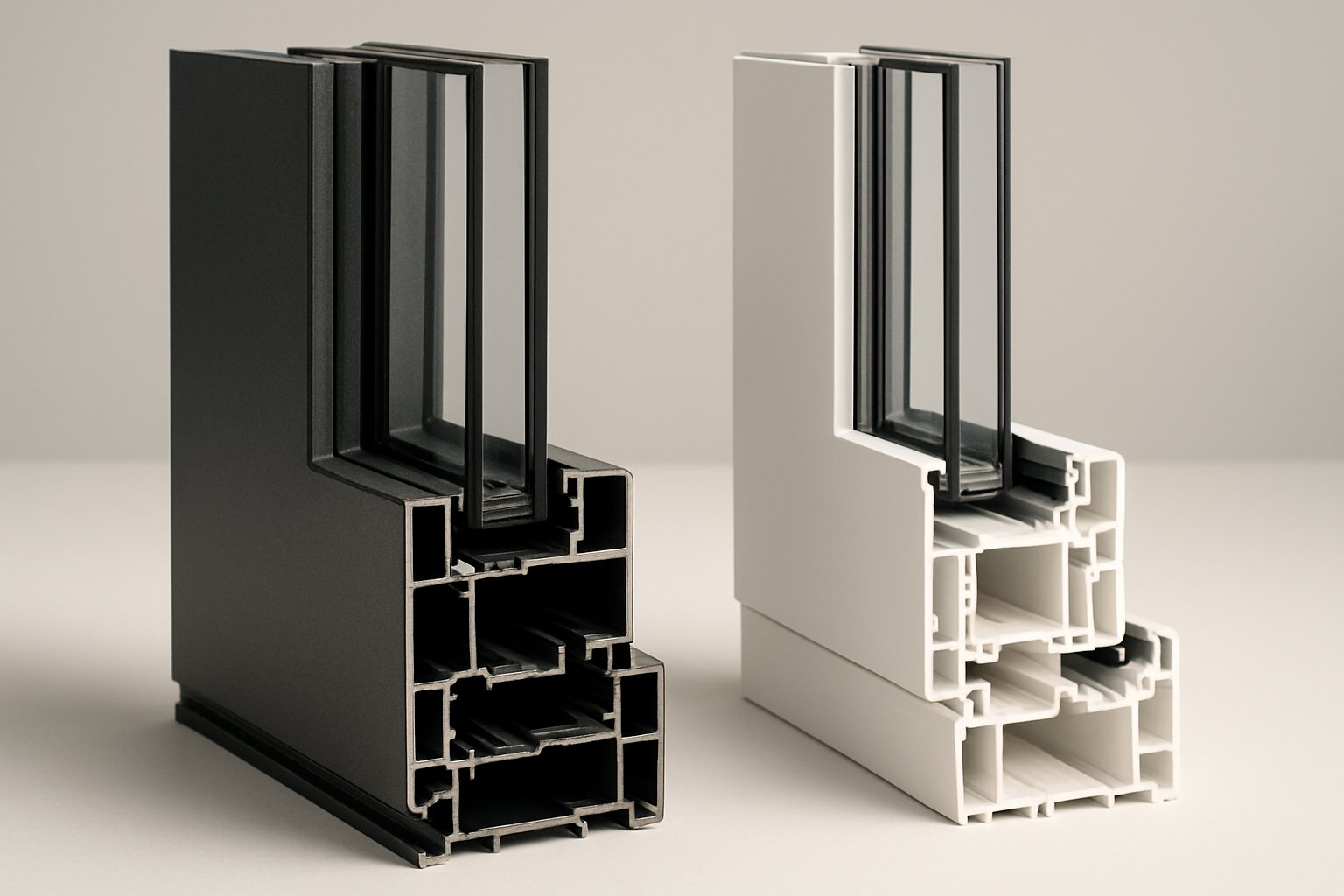
If the budget still will not stretch to full aluminium, hybrid aluminium-clad uPVC windows offer a genuine middle ground. These frames use a uPVC core for thermal insulation and structural support, wrapped in an aluminium exterior skin that delivers the slim sightlines and weather resistance aluminium is known for. The result is a window that looks like aluminium from the street but costs closer to premium uPVC.
Aluminium clad uPVC windows are more common in European-style tilt-and-turn systems, and availability in the Australian market is growing as demand for this hybrid approach increases. They suit homeowners who want the exterior aesthetics of aluminium — particularly on contemporary facades — without paying the full thermally broken aluminium price. Lifespan data on hybrid aluminium uPVC windows suggests performance closer to the aluminium end of the spectrum, with the exterior cladding protecting the uPVC core from the UV degradation that shortens the life of exposed plastic frames.
Whether you trim the spec, stage the project, or explore a hybrid frame, the goal is the same: getting as close to aluminium’s performance and appearance as your budget allows. The final step is pulling all of these cost threads together and deciding what makes sense for your specific project.
Making the Right Window Investment for Your Project
Summarising the True Cost Picture
Aluminium windows cost more than uPVC. That fact has not changed across any section of this aluminium windows price guide — and it will not change on your quote sheet either. The upfront premium is real, typically ranging from 50 to 100 per cent more depending on style, specification, and supplier.
What has changed, hopefully, is how you think about that premium. The window replacement cost comparison looks very different at the 10-year mark than it does at 30. uPVC wins on day one. Aluminium catches up over time, and once a replacement cycle enters the equation, the cost-per-year figures land within a few dollars of each other. For projects where longevity, slim sightlines, or harsh-environment durability matter, aluminium delivers value that the sticker price alone does not capture.
The right choice — aluminium or uPVC windows — depends on your property, your budget, your ownership timeline, and the window styles your project demands. There is no universal answer, only the one that fits your situation.
Your Next Step Toward the Right Windows
General pricing guides can only take you so far. The most useful thing you can do now is request itemised quotes for both materials based on your actual window schedule — specific sizes, styles, and glazing requirements. Comparing real numbers for your project will always beat comparing averages from an article.
If you are leaning toward aluminium, browsing a range of options helps clarify what fits your scope and budget. MEICHEN’s aluminium windows collection is a solid starting point — their range covers multiple styles and configurations designed to meet Australian standards for energy efficiency and durability, whether you are building new, renovating, or developing.
Aluminium windows are more expensive than uPVC upfront — but cost and value are not the same thing. Over a 30-year horizon, the two materials converge to within dollars per year of service. The real question is not which costs less today, but which delivers more over the life of your home.
Frequently Asked Questions About Aluminium vs uPVC Window Costs
1. How much more do aluminium windows cost compared to uPVC in Australia?
In the Australian market, aluminium windows generally cost between 50 and 100 per cent more than equivalent uPVC units when you factor in both supply and installation. For a standard double-glazed casement window around 1200 mm x 1200 mm, uPVC typically ranges from $700 to $1,200 fully installed, while thermally broken aluminium sits between $1,700 and $2,600. The exact gap depends on your chosen specification level, colour finish, opening style, and supplier. Interestingly, the premium narrows when you compare premium uPVC against standard aluminium — sometimes to as little as $100 to $200 per window on a supply-only basis.
2. Do aluminium windows add value to a property at resale?
Yes, aluminium windows are widely regarded as a premium feature that enhances kerb appeal and can positively influence a property’s sale price. Research suggests that quality replacement windows can add around 10 per cent to a home’s value, and aluminium frames — with their slim sightlines and modern aesthetic — tend to be perceived more favourably by buyers than uPVC. This is particularly relevant for contemporary new builds, architect-designed homes, and properties in competitive real estate markets across Australian capital cities. For homeowners planning to sell within five to ten years, the resale uplift can recover a meaningful portion of the aluminium premium.
3. Are aluminium windows cheaper than uPVC over the long term?
When assessed over a 30-year horizon, aluminium and uPVC windows converge to a remarkably similar cost per year of service — often within just a few dollars of each other. This is because uPVC windows typically last 25 to 30 years and will likely need one full replacement cycle within a 40-year period, while aluminium windows last 40 to 50 years with minimal maintenance and no replacement required. The lower upfront cost of uPVC is effectively offset by the second purchase event. Extending the comparison beyond 30 years tips the balance in aluminium’s favour, as the original aluminium frames continue performing without additional capital outlay.
4. What is the cheapest way to get aluminium windows in Australia?
Several practical strategies can bring aluminium window costs down without switching to uPVC. Choosing standard dimensions instead of custom sizes avoids bespoke fabrication surcharges. Selecting popular stock colours like matt black or charcoal rather than custom RAL shades saves 10 to 20 per cent on the frame price. Opting for simpler opening styles such as fixed or casement windows reduces hardware costs. Phasing the project room by room spreads the expense over time. Scheduling installation during quieter periods for glaziers — typically late autumn and winter — may also unlock better rates. Hybrid aluminium-clad uPVC windows offer another middle-ground option, delivering aluminium’s exterior look at a price closer to premium uPVC. Collections like MEICHEN’s aluminium windows range (meichenwindows.com.au/aluminium-windows/) offer multiple styles and configurations to help match different budgets.
5. Does window style affect the price difference between aluminium and uPVC?
Absolutely — window style is one of the biggest variables in the aluminium-to-uPVC price gap. Simple configurations like fixed picture windows show the smallest premium, typically 40 to 60 per cent above uPVC. Standard casement and awning windows sit in the 50 to 75 per cent range. Complex styles amplify the gap significantly: tilt-and-turn windows carry a 60 to 90 per cent premium, while bay and bow configurations can push the aluminium cost to 70 to over 100 per cent above the uPVC equivalent. This happens because complex styles require more specialised hardware, precision fabrication, and structural components — all of which cost more in aluminium. A home with mostly fixed and casement openings will see a much narrower total project gap than one requiring multiple bay or tilt-and-turn units.
More Window & Door Guides