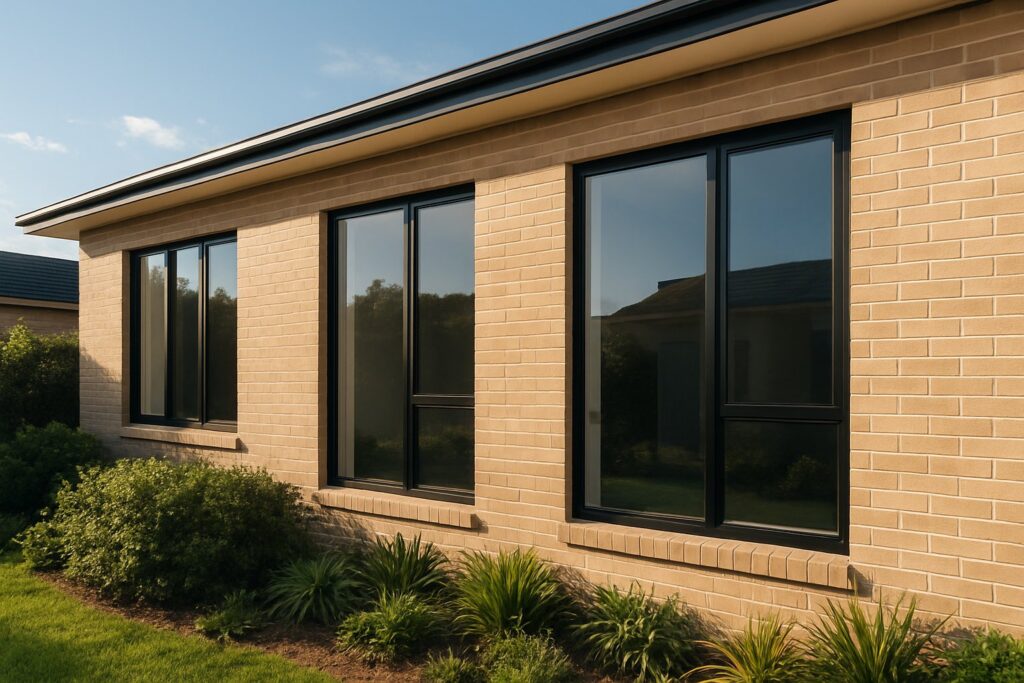
What Modern Window Design Actually Means and Why It Matters
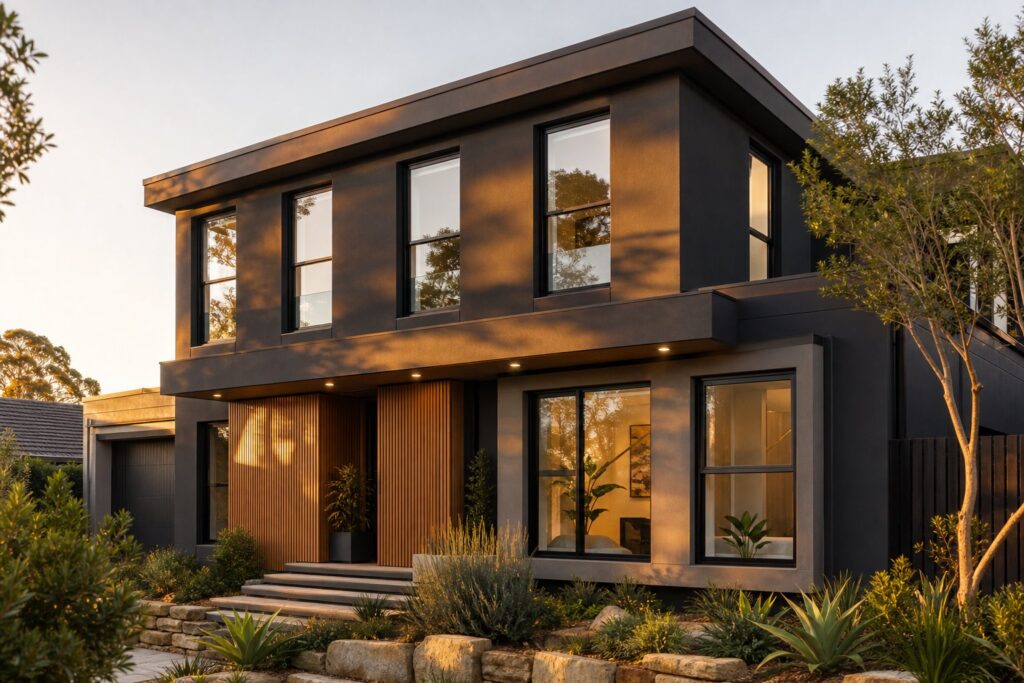
Modern window design is an approach to fenestration defined by clean lines, larger glass-to-frame ratios, energy-conscious engineering, and deliberate integration with a building’s architectural style rather than decoration for its own sake. If that sounds like a mouthful, think of it this way: traditional windows were small openings punched into walls. Modern windows are engineered systems that shape how a home feels, performs, and connects to the world outside.
What Defines Modern Window Design
The core principles are straightforward. Minimal frame profiles maximize the glass area, letting natural light flood interior spaces. Thermal performance keeps energy costs in check. And every window style is chosen to reinforce the architecture, not compete with it. You’ll notice this philosophy across a range of influences, from mid-century designs that pioneered expansive glazing and slim aluminium or steel frames, to minimalist and industrial aesthetics that prize simplicity and function. Contemporary modern windows draw from all of these traditions without being locked to any single one.
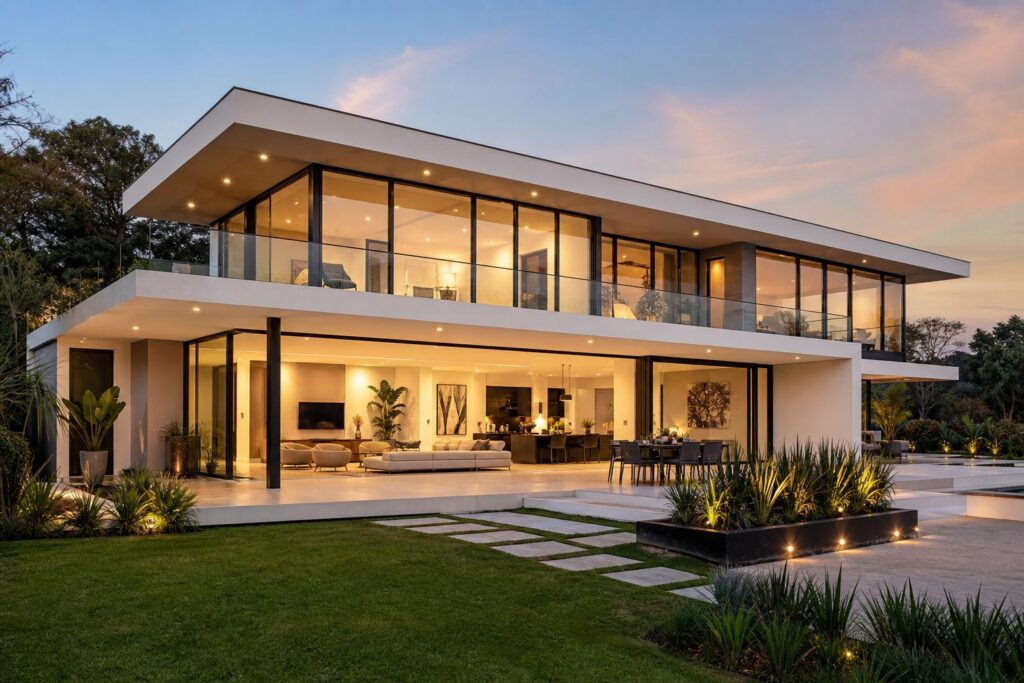
The shift is unmistakable. Where homes once relied on small, compartmentalized openings divided by heavy muntins, today’s window styles favor expansive panes that blur indoor-outdoor boundaries. Interior windows and glass partitions even carry this logic inside the home, borrowing daylight from one room to brighten another. Globally, the trend toward diseños de ventanas modernas reflects the same priorities: more light, less visual clutter, and better performance.
Why Window Design Matters More Than Ever
Windows are no longer just holes in a wall. They regulate daylighting and ventilation, manage solar heat gain, dampen street noise, and define a home’s curb appeal. Every window style you select affects comfort, energy bills, and resale value, making these decisions far more consequential than they were a generation ago.
Modern window design is where architecture, engineering, and lifestyle converge. Get it right, and your windows quietly improve every day you spend in the home. Get it wrong, and you’ll feel the consequences in glare, drafts, and regret.
That convergence is exactly why choosing modern windows deserves more than a scroll through a photo gallery. The real question isn’t which window looks best in a magazine spread. It’s which combination of style, material, and performance actually fits your rooms, your climate, and your budget.
Modern Window Styles Compared by Function and Fit
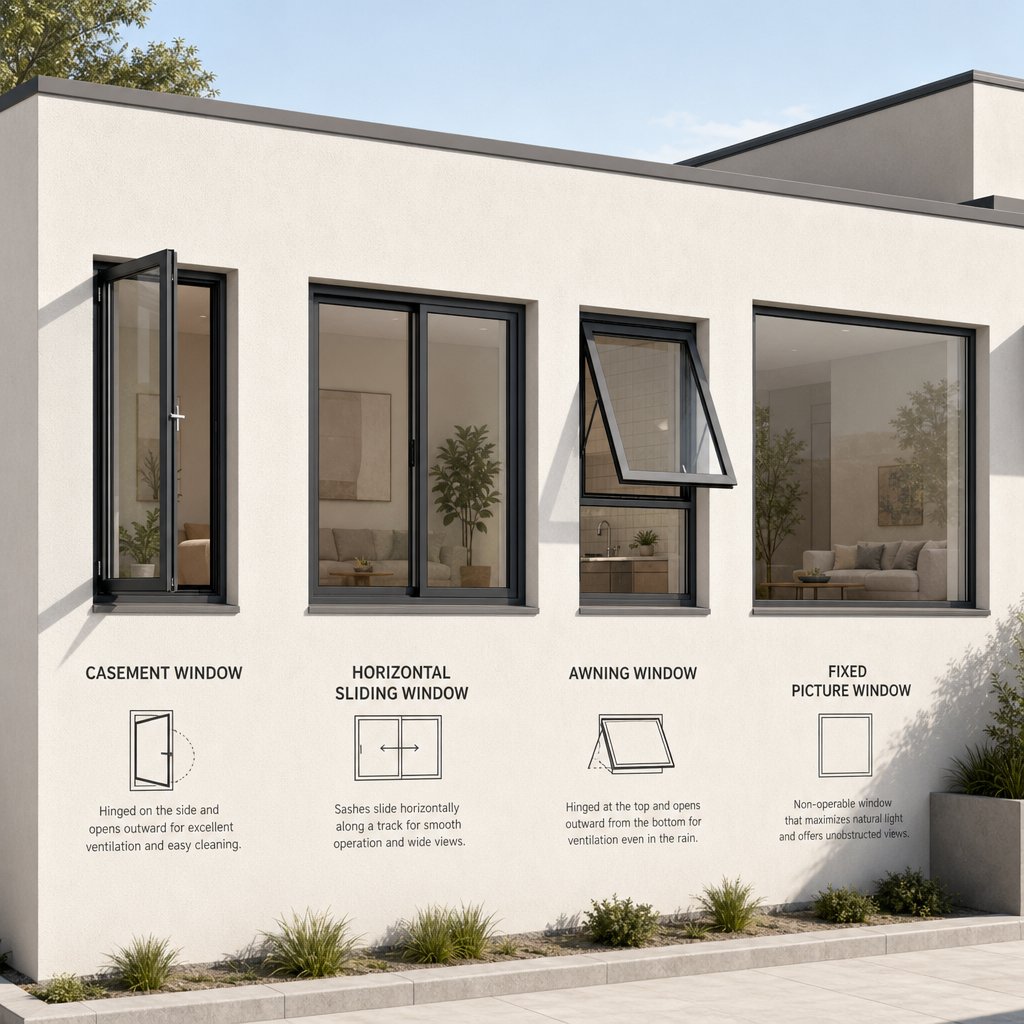
Picking a window style based on looks alone is one of the fastest ways to end up with a house modern window setup that frustrates you daily. A floor-to-ceiling fixed pane might photograph beautifully, but it won’t help you ventilate a steamy bathroom. A casement window cranks open wide for airflow, yet it can collide with a walkway if you don’t plan the swing clearance. The smarter approach is to match each window type to what the room actually demands, then let aesthetics follow function.
Casement, Sliding, Awning, and Fixed Windows Explained
Five window designs dominate contemporary projects. Each operates differently, suits different spaces, and carries its own trade-offs.
Casement windows are hinged on one side and swing outward using a crank or lever. When fully open, the entire sash clears the frame, delivering top-to-bottom ventilation that few other styles can match. They seal tightly when closed, which makes them one of the more energy-efficient operable options. Kitchens love them because you can crank a casement open while reaching over a countertop or sink without struggling with a heavy sash.
Sliding windows glide horizontally along a track, so they never project inward or outward. That makes them ideal where exterior walkways, patios, or interior furniture would block a swinging sash. The trade-off? Only half the opening is ever clear for airflow, and the track requires regular cleaning to prevent sticking. Still, sliders offer wide, uninterrupted views and a clean horizontal line that suits many modern facades.
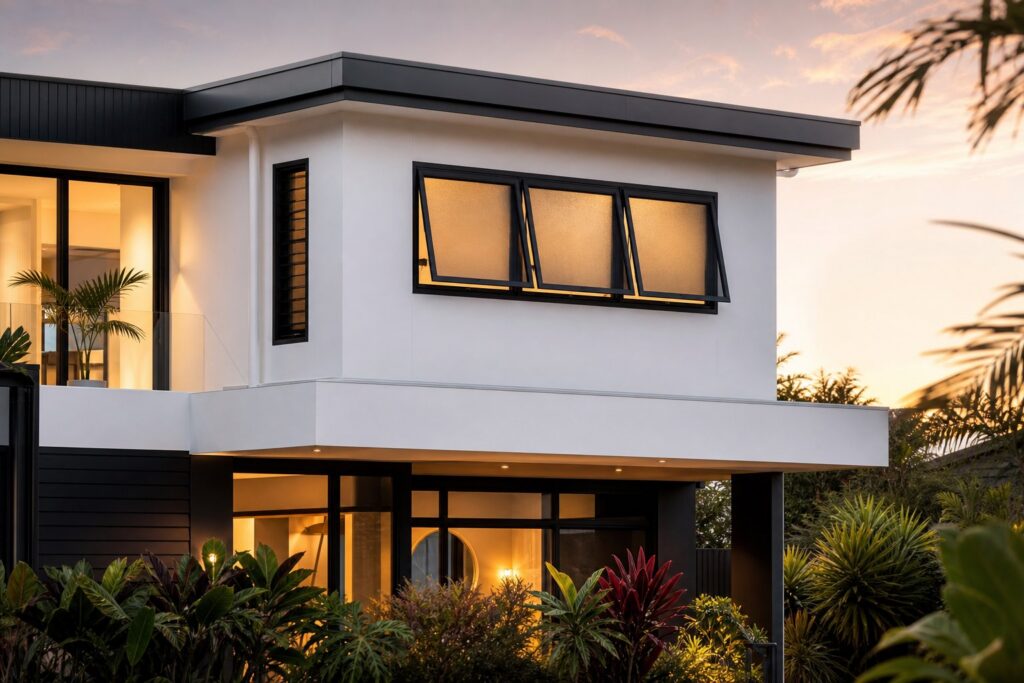
Awning windows hinge at the top and tilt outward from the bottom, creating a canopy effect. You can leave them open during light rain without water entering the room, a practical advantage in bathrooms, laundries, and kitchens where moisture ventilation matters most. Their compact horizontal shape also works well placed higher on a wall, preserving privacy while still pulling in fresh air.
Fixed or picture windows don’t open at all. No moving parts means a stronger seal, lower maintenance, and the slimmest possible frame profiles, which is why they deliver the most glass area per square meter of wall. Use them where maximum natural light and unobstructed views are the priority, like a living room wall facing a garden. Just remember: zero ventilation. Pair them with operable sidelights or smaller casement panels nearby so the room can still breathe.
Tilt-and-turn windows are a European-style design gaining traction worldwide. A single handle lets you tilt the sash inward from the top for secure, draft-free ventilation, or swing it fully inward like a door for cleaning and maximum airflow. Multi-point locking hardware around the frame gives them strong security ratings, and the inward opening means you can clean both sides of the glass from inside the room. They’re versatile, but they do require interior clearance when fully open.
How to Match Window Styles to Room Function
Imagine walking through your home room by room. Each space has different priorities, and the right windows design choices reflect those differences rather than defaulting to one style everywhere.
Kitchens and bathrooms generate heat and moisture that need to escape quickly. Awning windows handle this well because they ventilate even in wet weather, and their higher wall placement keeps splashes and privacy concerns in check. Casement windows are another strong kitchen pick, especially above sinks where a crank mechanism is easier to operate than lifting a sash.
Living and dining rooms are where you want drama. Large fixed or picture windows framing a view, flanked by narrow operable casements or tilt-and-turn panels, give you the best of both worlds: expansive glass for light and scenery, plus airflow when you need it. This combination is one of the most effective window design ideas for open-plan spaces because it keeps sightlines clean while still allowing cross-ventilation.
Bedrooms carry a specific safety requirement that’s easy to overlook. In most jurisdictions, at least one window must meet minimum egress dimensions so occupants can escape during a fire. Casement and tilt-and-turn styles typically satisfy these requirements more easily than sliders, which only open halfway. Bedrooms near busy roads also benefit from acoustic glazing options, something to factor in alongside the window style itself.
Home offices and hallways often sit in tighter footprints. Sliding windows work well here because they don’t eat into floor space when opened. Fixed transom windows above doorways can borrow daylight from adjacent rooms without sacrificing wall area for shelving or furniture.
The table below pulls all of these factors together so you can scan by priority rather than reading through every style description again.
| Window Type | Ventilation | Energy Efficiency | Security | Ease of Cleaning | Space Required | Best Room Applications |
|---|---|---|---|---|---|---|
| Casement | Excellent — full sash opens | High — tight compression seal | Good — hook-style locks | Moderate — exterior access helps | Exterior swing clearance needed | Kitchens, sunrooms, bedrooms (egress-friendly) |
| Sliding | Moderate — only half the opening clears | Moderate — track seal less airtight | Moderate — secondary locks recommended | Moderate — removable sashes on some models | Minimal — no swing space needed | Home offices, hallways, bedrooms, wide openings |
| Awning | Good — ventilates even in rain | High — tight seal when closed | Good — difficult to force from outside | Moderate — exterior access helps | Exterior clearance for outward tilt | Bathrooms, kitchens, laundries, basements |
| Fixed / Picture | None | Very high — no moving parts, no air leakage | Very high — no operable entry point | Exterior access required | None — flush with wall | Living rooms, dining rooms, stairwells, feature walls |
| Tilt-and-Turn | Excellent — tilt for draft-free air, turn for full opening | Very high — multi-point seal | Very high — multi-point locking | Easy — swings fully inward | Interior clearance for inward swing | Bedrooms (egress), living areas, upper floors |
Use this as a starting point, not a final answer. Your climate, your facade orientation, and the frame material you choose will all shift the equation. And that material decision, it turns out, shapes performance and maintenance just as much as the window style itself.
Frame Materials That Shape Your Modern Window Design
A window style only performs as well as the frame holding it together. You could pick the perfect casement or tilt-and-turn configuration, but if the frame material can’t handle your climate, your maintenance tolerance, or your aesthetic goals, the whole system underperforms. Frame choice affects how slim your sightlines are, how much heat escapes through the profile, how often you’ll need to repaint or reseal, and ultimately how long the window lasts before replacement.
Six materials dominate the modern window market: aluminium, timber, uPVC, composite, fiberglass, and steel. Each brings genuine strengths and real trade-offs. The table below lays them out side by side so you can compare based on what matters most to your project.
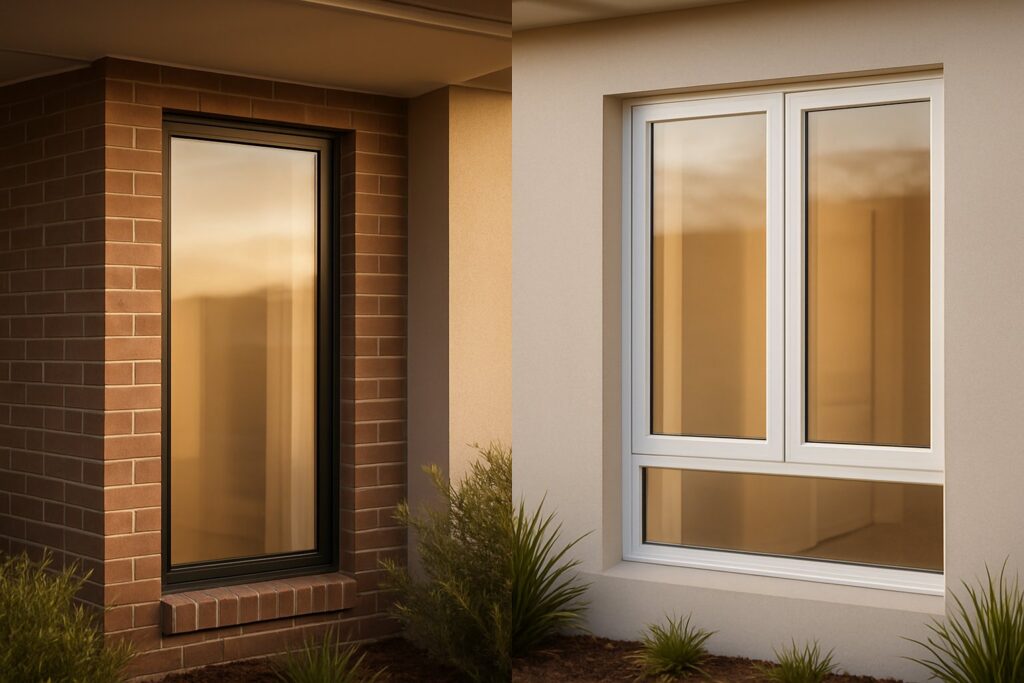
Aluminium vs Timber vs uPVC and Other Frame Materials
| Frame Material | Durability | Maintenance | Thermal Performance | Aesthetic Versatility | Weight | Recyclability | Price Range |
|---|---|---|---|---|---|---|---|
| Aluminium | 30-45 years; corrosion-resistant | Very low — occasional wipe-down | Good with thermal breaks (U-values around 1.3-1.8 W/m2K) | High — powder-coated in virtually any colour; slimmest profiles | Lightweight yet strong | Excellent — almost infinitely recyclable | Mid to high |
| Timber | 30-60+ years with proper care | High — regular painting, staining, or oiling required | Excellent naturally (U-values around 1.0-1.4 W/m2K) | High — natural warmth; suits heritage and contemporary styles | Moderate to heavy | Good — biodegradable and renewable | High |
| uPVC | 20-30 years | Low — occasional cleaning | Good (U-values around 1.2-1.6 W/m2K) | Limited — fewer colour and profile options; thicker frames | Moderate | Moderate — recyclable up to 10 times | Low to mid |
| Composite | 30-40 years | Low — minimal upkeep | Very good — combines insulating materials | Moderate — timber-look exterior with varied finishes | Moderate | Limited — mixed materials complicate recycling | Mid to high |
| Fiberglass | 50+ years | Very low — virtually maintenance-free | Very good (U-values around 1.0-1.3 W/m2K) | Moderate — paintable but fewer stock options | Light | Limited — harder to recycle than metals | High |
| Steel | 40-70+ years | Moderate — needs anti-corrosion treatment | Moderate — requires thermal breaks | Distinctive — ultra-slim industrial profiles | Heavy | Excellent — highly recyclable | Very high |
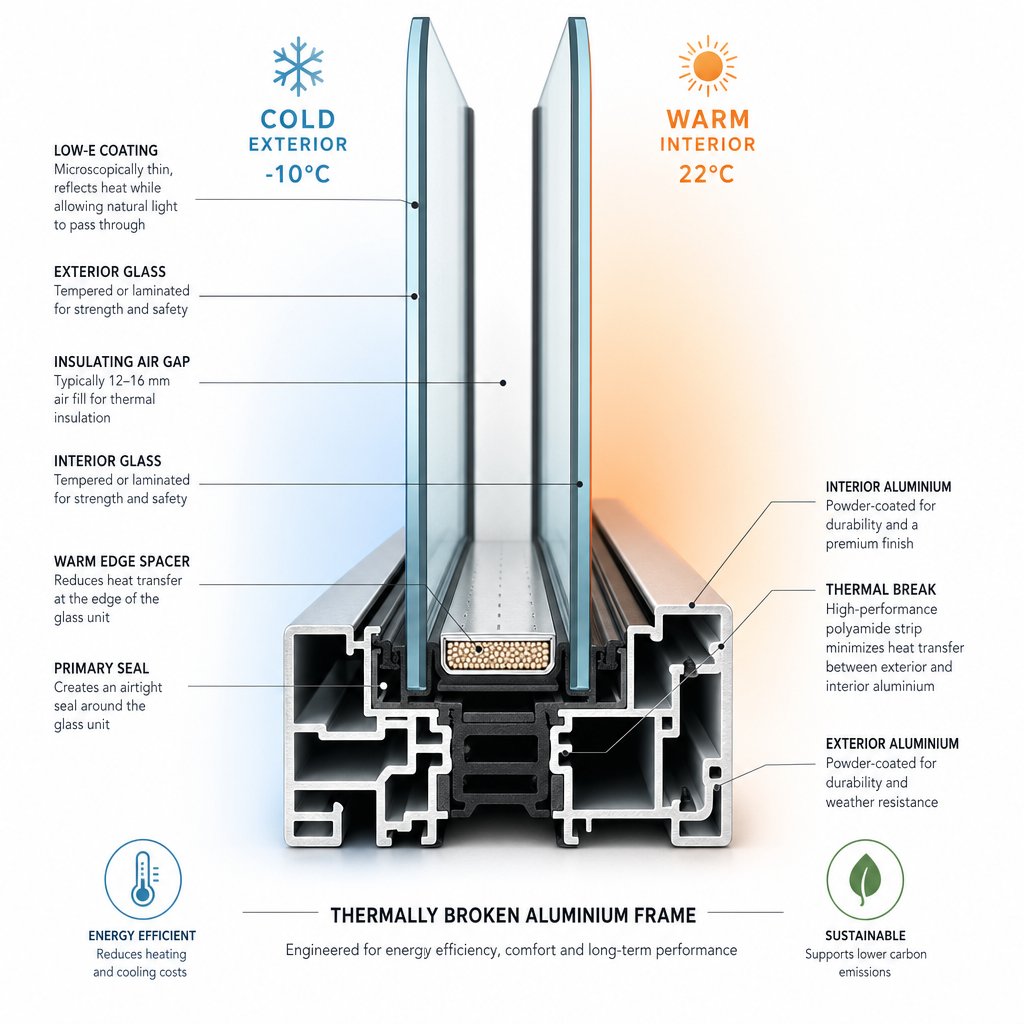
A few things stand out when you scan the columns. Aluminium sits in a strong all-round position for anyone chasing a modern window look. Its slim profile means more glass and less frame, which is exactly what contemporary architecture demands. Early aluminium windows had a reputation for conducting heat straight through the frame, but that problem has been solved. Modern aluminium systems use thermal break technology — a non-conductive polyamide or polyurethane barrier inserted between the inner and outer frame sections — that stops heat transfer and brings insulation performance in line with timber. Combined with powder-coated finishes available in nearly any colour, aluminium gives you design freedom without the upkeep burden.
Timber, on the other hand, delivers a natural warmth and character that no synthetic material can replicate. It’s the go-to for heritage restorations and for homeowners who love the look and feel of real wood. The catch? Timber frames need regular attention. Painting or staining every few years is non-negotiable if you want to prevent moisture damage, warping, or rot. Hardwoods like oak or meranti last longer than softwoods like pine, but they also cost more upfront. If you’re willing to commit to the maintenance schedule, timber rewards you with excellent insulation and a lifespan that can stretch beyond 60 years.
uPVC is the budget-friendly workhorse. It won’t rot, doesn’t need painting, and handles moisture well. For cost-conscious projects, it’s hard to beat on value. The downside is aesthetic: uPVC profiles tend to be thicker and bulkier than aluminium, and colour options, while improving, still lag behind what powder-coated metals or painted timber can offer. If slim contemporary window frames are a priority for your house with windows that feel open and light, uPVC may feel visually heavy.
Composite frames blend materials — often a timber core wrapped in an aluminium or polymer exterior — to capture the insulation of wood with the low maintenance of metal. Fiberglass is the quiet overachiever: exceptionally durable, thermally efficient, and virtually maintenance-free with a lifespan exceeding 50 years. Both are emerging alternatives worth considering, though availability and colour ranges can be more limited depending on your market. Steel frames occupy a niche for industrial-style and heritage-industrial projects where ultra-slim sightlines and raw character matter more than budget.
Which Frame Material Suits Your Climate and Style
Your local environment should carry as much weight as your design preferences when choosing a frame. Here’s how climate tilts the decision:
Coastal homes face salt-laden air that accelerates corrosion. Aluminium with a quality powder coat is purpose-built for this environment — it resists rust, shrugs off salt spray, and won’t degrade the way untreated steel or poorly maintained timber can. Aluminium frames are extremely strong and resistant to corrosion, making them a natural fit for seaside and storm-prone regions.
Cold climates demand frames that minimize heat loss. Thermally broken aluminium and timber both perform well here, with timber offering a slight natural edge in insulation. Fiberglass also excels in cold conditions because it expands and contracts at a rate similar to glass, keeping seals tight through freeze-thaw cycles.
Hot-arid regions need frames that stay dimensionally stable under intense heat. Aluminium handles thermal cycling without warping, while uPVC can soften or discolour under prolonged UV exposure unless specifically formulated for harsh sun.
Budget-driven projects in temperate climates often lean toward uPVC for its low upfront cost and decent all-round performance. It’s a practical choice when the climate isn’t extreme and the priority is getting good insulation without a premium price tag.
For homeowners, renovators, and builders exploring modern farmhouse windows or sleek urban facades, the frame material decision shapes everything from daily comfort to decades of maintenance. If aluminium’s combination of slim profiles, thermal performance, and low upkeep appeals to your project, MEICHEN’s aluminium windows collection offers a range of Australian-standard-compliant systems designed for different project types — from single-home renovations to multi-unit developments — with energy ratings you can verify before you commit.
Whichever material you lean toward, the frame is only half the performance equation. The glass itself — its coatings, gas fills, and layering — determines how much heat, light, and noise actually passes through. That’s where energy ratings come in, and understanding them separates confident buyers from hopeful ones.
Energy Efficiency Ratings Every Window Buyer Should Know
Supplier brochures love to throw around terms like “high-performance glazing” and “thermally advanced systems.” Sounds impressive, right? But unless you know what the numbers behind those claims actually mean, you’re comparing marketing copy, not windows. Three measurable ratings determine how a window handles heat, and learning to read them takes less time than brewing a coffee.
Understanding U-Values, R-Values, and Solar Heat Gain
Every contemporary window carries performance data rooted in physics, not opinion. These metrics tell you exactly how much heat escapes, how well the assembly resists that loss, and how much solar energy it lets inside. Here’s what each one means in plain language:
- U-Value (W/m2K) — Measures the rate of heat transfer through the entire window assembly. A lower number means less heat escapes in winter and less heat enters in summer. For context, a single-pane window might have a U-value around 5.0, while a quality double-glazed unit with Low-E coating and gas fill can sit between 1.0 and 1.8 depending on the frame material.
- R-Value — The inverse of U-value, R-value measures resistance to heat flow. A higher number means better insulation. It’s especially useful when comparing materials side by side: two windows might share a similar U-value, yet their R-values can reveal that one frame or glazing combination provides meaningfully better insulating capacity than the other.
- SHGC (Solar Heat Gain Coefficient) — Expressed as a number between 0 and 1, SHGC tells you what fraction of solar radiation passes through the glass and becomes heat inside the room. A window with an SHGC of 0.25 admits 25% of the sun’s heat energy. Whether you want a high or low SHGC depends entirely on your climate and the window’s orientation. A living room window facing the winter sun might benefit from a higher SHGC to capture free warmth, while the same coefficient on a west-facing bedroom wall could turn the space into an oven by late afternoon.
These aren’t abstract lab numbers. They translate directly into energy bills and daily comfort. In Australia, the Window Energy Rating Scheme (WERS) uses U-value and SHGC data to assign separate heating and cooling star ratings on a zero-to-ten scale, giving homeowners a clear way to compare products. With new homes and major renovations now required to meet a minimum seven-star NatHERS shell energy rating, choosing windows with verified performance data isn’t optional — it’s a compliance requirement. When browsing pictures of living room windows or any other window styles for home projects, the visual appeal matters, but these three numbers should be the first filter, not the last.
How Glazing and Gas Fills Affect Window Performance
A single pane of glass is a poor insulator on its own. The real performance gains come from layering glass, coating it, and filling the gaps between panes with inert gas. Think of it as a system where each element handles a different part of the thermal puzzle.
Double and triple glazing create sealed air spaces between two or three layers of glass. Each additional layer adds another barrier to heat transfer. Double glazing is now the baseline for most contemporary windows, while triple glazing suits very cold climates or noise-sensitive locations. As the Efficient Windows Collaborative notes, triple-glazed units with two Low-E coatings achieve very low U-factors, though the extra layer does slightly reduce solar heat gain compared to double glazing — a trade-off worth understanding before you specify.
Low-E coatings are microscopically thin metallic layers applied to the glass surface. They reflect infrared heat while still allowing visible light through. In winter, a Low-E coating bounces radiant heat back into the room. In summer, it reflects solar heat away from the interior. Different coating types — pyrolytic (hard coat) and sputtered (soft coat) — offer varying levels of solar control. High-solar-gain Low-E coatings suit passive solar designs in cooler regions, while spectrally selective low-solar-gain coatings work better where cooling loads dominate.
Gas fills replace the air between panes with argon or krypton, both of which conduct heat more slowly than regular air. Argon is the standard choice for most double-glazed units because it’s effective and affordable. Krypton performs even better in narrower cavities, making it common in triple-glazed windows where keeping the overall unit slim matters. Neither gas is toxic or visible — they simply slow molecular movement between the panes, reducing convective heat transfer.
None of these elements works in isolation. A Low-E coating without a gas fill still improves performance, but pairing it with argon and a thermally broken frame creates a compounding effect. The windows style that looks identical from the street could have dramatically different energy performance depending on what’s happening inside the glass unit.
Energy performance should always be verified through rated data — U-values, SHGC, and certified schemes like WERS — not marketing language alone. If a supplier can’t provide specific numbers, treat that as a red flag, not a minor detail.
Armed with these ratings, you can evaluate any window product on its merits. But numbers on a spec sheet only tell part of the story. Where you place those windows on your home — which wall, which compass direction, which climate zone — determines whether those ratings work for you or against you.
Planning Window Placement by Orientation and Climate
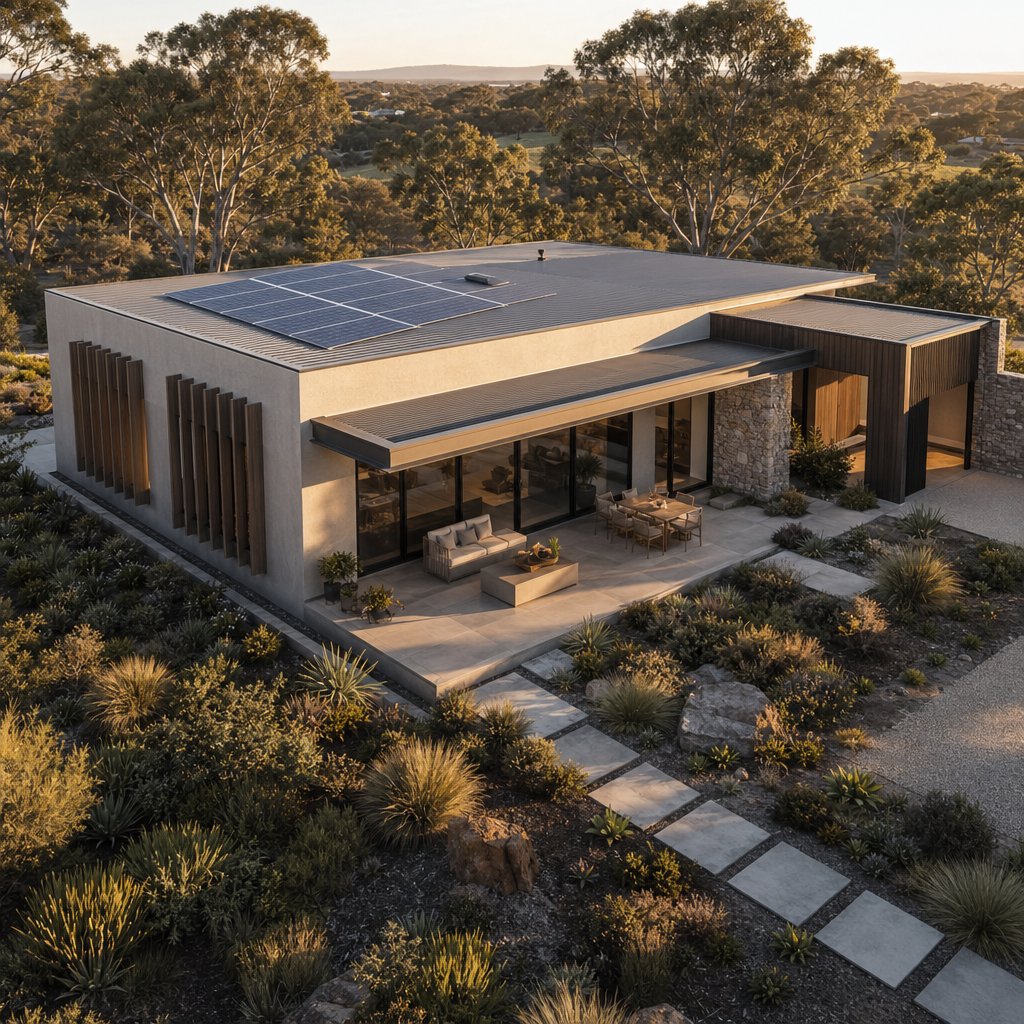
A window with a stellar U-value and a perfectly chosen frame can still underperform if it’s sitting on the wrong wall. Orientation — the compass direction a window faces — controls how much sunlight hits the glass, at what angle, and during which hours. Pair that with your regional climate, and you have two variables that shape energy costs, indoor comfort, and even furniture fading more than most homeowners realize. Yet almost every modern home windows gallery skips this step entirely, jumping straight to product picks without asking the most basic planning question: which direction does this wall face?
How Window Orientation Affects Light, Heat, and Energy Costs
The sun doesn’t treat every side of your home equally, and your window placement shouldn’t either. If you’re in the Southern Hemisphere — Australia, for example — the dynamics work like this:
North-facing windows receive the most consistent daylight year-round. In winter, the sun sits lower in the sky and streams deep into north-facing rooms, providing free passive heating. In summer, the sun climbs higher, making it relatively easy to shade these windows with a simple horizontal overhang or eave. That balance is why Australia’s Your Home guide recommends orienting living areas within 15 degrees west and 20 degrees east of true solar north for optimal passive heating. North-facing glass is ideal for living rooms, dining areas, and open-plan kitchens where you spend daytime hours. In hot climates, though, you’ll still need shading strategies — pergolas, deciduous plantings, or adjustable louvres — to prevent overheating during warmer months.
South-facing windows get minimal direct sun throughout the year. That makes them naturally cooler and glare-free, which suits bedrooms, bathrooms, and rooms where screen work happens. The trade-off is reduced natural warmth in winter, so keeping south-facing glazing modest and well-insulated helps avoid unnecessary heat loss. Double glazing with thermally broken frames is especially worthwhile here.
East-facing windows catch the morning sun. That gentle early light is pleasant in bedrooms and breakfast areas, but it arrives at a low angle that’s difficult to shade with standard eaves. By midday, the heat load drops off. If you enjoy waking to natural light, east-facing glass is a welcome feature — just be mindful that in summer, early sun can warm a room faster than you’d expect.
West-facing windows are the ones most likely to cause regret. Afternoon sun hits at a low, intense angle during the hottest part of the day, and horizontal overhangs do little to block it. The result is significant heat gain in summer, higher cooling costs, and uncomfortable glare through late afternoon. Passive design guidance consistently advises minimizing west-facing glazing or, where it’s unavoidable, specifying low-SHGC glass and adding external shading like vertical fins, deep balconies, or operable shutters. Avoid placing bedrooms on the west side if sleeping comfort is a priority.
Imagine two identical contemporary house windows — same frame, same glass, same price — installed on opposite walls of the same home. One keeps the living room bright and warm through winter with barely a bump in the heating bill. The other turns a bedroom into a sauna every afternoon from October to March. The only difference is orientation. That’s how much wall direction matters.
Choosing Windows for Coastal, Temperate, and Hot-Arid Climates
Orientation sets the stage, but your regional climate determines the script. The ideal SHGC, frame material, and glazing configuration shift depending on whether you’re dealing with salt air, frost, or relentless dry heat. Here’s how to think through the most common scenarios:
- Coastal climates (warm, humid, salt-exposed): Corrosion resistance is non-negotiable. Aluminium frames with quality powder coating handle salt spray far better than untreated steel or timber that needs constant refinishing. Wind-rated hardware matters too — coastal storms test seals and locking mechanisms hard. For glazing, a moderate SHGC (around 0.25-0.40) paired with Low-E coatings helps manage solar gain without blocking the ocean light you moved there to enjoy. Frame performance data from Australian installers confirms that warm humid regions reward low-maintenance, corrosion-resistant frames with good insulation above all else.
- Hot-arid and inland climates: Intense sun and large day-to-night temperature swings define these regions. Low-SHGC glazing (below 0.30) keeps solar heat out, while deep window reveals and external shading reduce the radiation hitting the glass in the first place. Frames need to stay dimensionally stable through extreme thermal cycling — aluminium handles this well, while some uPVC formulations can soften or discolour under prolonged UV unless specifically engineered for harsh conditions. Night purging through operable windows can flush stored heat after sunset, so don’t seal every opening with fixed glass no matter how clean it looks.
- Temperate climates (mixed seasons, mild winters): These zones offer the most flexibility in modern house window design because neither heating nor cooling dominates year-round. A balanced SHGC (around 0.35-0.45) lets you capture useful winter warmth on north-facing walls without overheating in summer. Thermally broken aluminium, uPVC, and timber all perform respectably here. The key is matching glazing and shading to each facade rather than specifying one solution for the whole house — north-facing living areas can afford more glass, while west-facing rooms still need restraint.
- Cool and alpine climates: Maximizing passive solar gain through north-facing glazing becomes critical when heating bills dominate. Higher-SHGC glass on the north wall, combined with thermal mass flooring to absorb and slowly release warmth, can meaningfully reduce energy consumption. Frames must minimize heat loss — timber and thermally broken aluminium both perform well, and uPVC’s insulated profiles help keep interior surface temperatures closer to room temperature, reducing condensation risk on cold mornings. Triple glazing with argon or krypton fills is worth the investment in genuinely cold regions where single-digit overnight temperatures are routine.
The common thread across every climate is this: no single window specification works for all four walls of a home, let alone all regions. Treating orientation and climate as the starting point of your window plan — before you browse styles or compare frame materials — prevents the kind of costly mismatches that no amount of curtains or aftermarket tinting can fully fix.
Of course, planning gets more complicated when you’re not starting from a blank canvas. Renovators working within existing wall openings and structural constraints face a different set of challenges than someone designing a new build from scratch, and the gap between those two paths is wider than most people expect.
How Your Project Type Changes the Window Equation
Designing windows into a brand-new home and swapping old windows in a 1960s brick veneer are two fundamentally different exercises. The style of windows you can choose, the sizes you can specify, and the approvals you’ll need all shift depending on whether you’re working with existing walls or starting from bare framing. Renovators who skip this distinction often end up with surprise engineering costs, planning delays, or compromises they didn’t see coming. Builders working on new projects, meanwhile, sometimes miss the early coordination steps that make ambitious glazing possible in the first place.
Retrofitting Modern Windows Into Existing Homes
You’ve found the perfect modern window styles in a supplier catalog — floor-to-ceiling panels, slim aluminium frames, clean horizontal lines. Then you measure your existing openings and reality sets in. Older homes were built around smaller, compartmentalized windows, and the rough openings in the walls reflect that. Enlarging those openings to fit contemporary glazing isn’t just a matter of knocking out some bricks or weatherboards. It triggers a chain of structural, weatherproofing, and sometimes regulatory considerations that can reshape your budget and timeline.
Structural lintels are the first hurdle. Every window opening has a lintel — a beam above the frame that carries the load of the wall, roof, or floor above. When you widen or heighten an opening for larger glass panels, the existing lintel almost certainly won’t span the new distance. A structural engineer needs to size a replacement lintel, and installing it may require temporary propping of the structure above while the old one comes out. In masonry homes, this work is more invasive and costly than in timber-framed construction, where headers can sometimes be upgraded with less disruption.
Weatherproofing and flashing details differ significantly from new construction. In a new build, flashings are integrated into the wall wrap and cladding system as each layer goes on. In a retrofit, you’re cutting into a finished wall and trying to tie new flashings into existing materials without creating water entry points. Getting this wrong leads to moisture damage hidden inside the wall cavity — the kind of problem that doesn’t show up for months or years. Experienced installers use specific retrofit flashing techniques, but it’s worth confirming your contractor has done this work before rather than assuming it’s straightforward.
Heritage and planning overlays add another layer of complexity. If your home sits within a heritage precinct or carries an individual heritage listing, changes to street-facing windows may be restricted or require approval. Planning authorities like San Francisco’s note that windows are an integral part of a building’s design and character, and even minor changes to shape, muntin profiles, or operation method can alter a facade’s appearance enough to trigger review. In Australia, similar heritage overlay provisions exist at the local council level. The takeaway? Check your property’s planning status before you commit to purchasing any windows for a street-facing elevation.
When the existing openings are staying roughly the same size, you’ll face a choice between two installation methods. Sub-frame (insert) installation keeps the old outer frame in place and fits a new window inside it. This approach is faster, less disruptive, and avoids disturbing internal and external finishes. The trade-off is a slightly smaller glass area because the old frame eats into the opening. Full frame replacement removes everything back to the rough opening, giving you maximum glass area and a clean modern look, but it requires patching or refinishing the surrounding wall, sill, and trim. For modern houses windows where slim profiles and maximum glazing are the goal, full frame replacement usually delivers a better result — but it costs more and takes longer.
Specifying Windows for New Builds and Major Renovations
Starting from scratch changes the conversation entirely. When walls haven’t been framed yet, you have the freedom to specify larger spans, corner glazing, floor-to-ceiling panels, and integrated shading systems without fighting existing structure. Want modern living room windows that stretch across an entire north-facing wall? The structural engineer sizes the steel or laminated timber beam to suit. Want a corner window that wraps around two walls with no post? It’s achievable with the right engineering from day one. These options become exponentially harder — and more expensive — to retrofit later.
That freedom comes with a responsibility most homeowners underestimate: timing. Window selection needs to happen early in the design phase, not after framing starts. Structural engineers need to know the weight and dimensions of your glazing to size lintels and posts correctly. Builders need confirmed rough opening dimensions before they frame walls. Waiting until the fit-out stage to finalize window choices leads to compromises — smaller openings than you wanted, additional steel that wasn’t budgeted, or lead-time delays that stall the entire build.
Building codes add non-negotiable requirements that shape your window plan whether you like it or not. Under Australia’s NCC 2024 provisions, bedroom windows must provide natural light equal to at least 10% of the room’s floor area and ventilation of at least 5%. Fall prevention measures are mandatory when a window opening is less than 1700mm from the floor and the drop outside exceeds two metres — restrictors limiting openings to 125mm or screens resisting 250N of outward force. Egress requirements for bedrooms mean at least one window must be large enough for an occupant to escape during a fire. And with new homes now required to meet a minimum seven-star NatHERS energy rating, every window’s U-value, SHGC, and orientation feeds directly into the compliance calculation.
Oversized or unusually shaped glazing panels also carry structural load implications. Large fixed windows act as wind sails, and the engineering to resist wind loads on a three-metre-tall glass panel is different from a standard 1200mm-wide opening. Your window supplier should provide wind load ratings, and your engineer needs those numbers to design the surrounding structure.
Whether you’re retrofitting or building new, a clear sequence keeps the process on track and prevents expensive backtracking:
- Confirm structural capacity — Have an engineer assess existing lintels (retrofit) or design new ones (new build) based on your desired opening sizes.
- Check local planning requirements — Verify heritage overlays, setback rules, and any facade restrictions that could limit window size, style, or placement.
- Select window style and material — Match the ventanas modernas you want to each room’s function, orientation, and performance needs using the criteria covered earlier in this article.
- Coordinate with your builder on rough openings — Provide confirmed dimensions, including any tolerance allowances the window manufacturer specifies, before framing begins or demolition starts.
- Verify energy compliance — Run the NatHERS or equivalent energy assessment with your chosen windows in the model to confirm the overall building meets the required rating before ordering.
This workflow applies to both paths, though the stakes are higher for retrofits where surprises hide inside walls and budgets have less room to flex. Following it doesn’t guarantee a problem-free project, but skipping steps almost guarantees problems you’ll wish you’d avoided.
Even with the right process in place, certain design decisions trip up homeowners and builders alike. Some mistakes are obvious in hindsight — too much glass on the wrong wall, ventilation sacrificed for aesthetics, compliance overlooked until inspection day. Knowing what those pitfalls look like before you commit is worth more than fixing them after the fact.
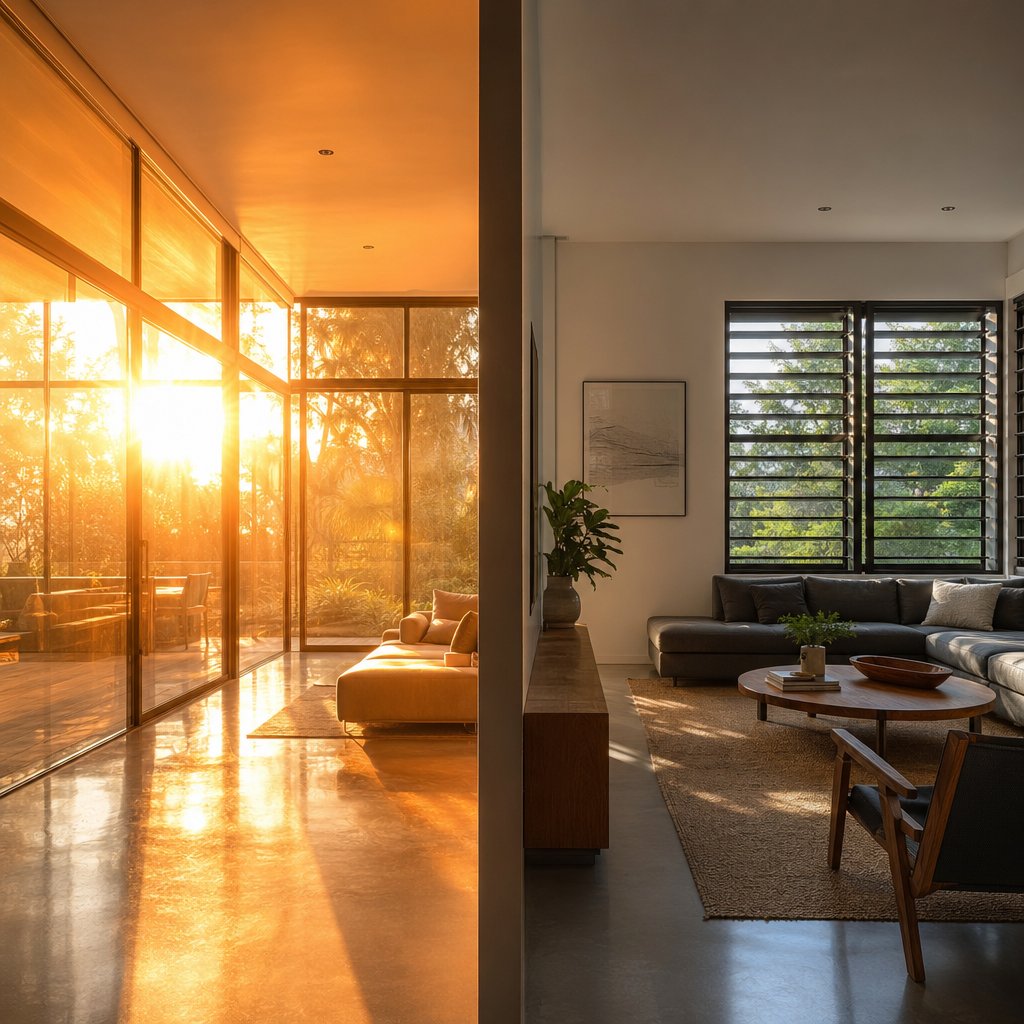
Common Modern Window Design Mistakes and How to Avoid Them
Great windows can make a home. Poor window decisions can quietly undermine it for years. The tricky part is that most mistakes don’t reveal themselves on installation day. They show up the first summer your west-facing living room hits 38 degrees by 3pm, or the first winter you notice condensation pooling on sills because there’s no operable panel in the bathroom. By then, the fix is expensive and disruptive. The smarter move is learning what goes wrong before you sign off on a window schedule, not after the glass is already in the wall.
Over-Glazing and Thermal Discomfort
Large expanses of glass are a defining feature of modern house windows, and for good reason — they flood rooms with daylight, frame views, and dissolve the boundary between inside and out. But there’s a tipping point where more glass stops improving a space and starts making it unlivable. Excessive unshaded glazing acts like a greenhouse, trapping solar heat in summer and radiating warmth out of the room in winter. The result is a home that’s too hot half the year and too cold the other half, with energy bills reflecting both problems.
This isn’t a theoretical risk. UK building regulations introduced Part O in 2022 specifically because overheating in heavily glazed modern homes had become a genuine health concern — disrupting sleep, triggering dehydration, and putting vulnerable occupants at risk during heatwaves. Australia’s NatHERS energy modelling catches similar issues by penalizing designs where uncontrolled solar gain pushes cooling loads beyond acceptable thresholds.
The solution isn’t to shrink your windows. It’s to balance glass area with strategies that manage heat. Eave depth and fixed overhangs block high summer sun on north-facing walls while still admitting low winter light. External shading devices — louvres, pergolas, operable shutters — give you seasonal control that internal blinds can’t match because they stop heat before it passes through the glass. And specifying glazing with an appropriate SHGC for each facade means the glass itself does some of the heavy lifting. A window with design ambition and thermal intelligence isn’t a contradiction. It just requires thinking about performance at the same time you’re thinking about proportions.
Ignoring Privacy, Ventilation, and Acoustic Needs
Aesthetics have a way of overriding common sense during the design phase. A wall of fixed glass looks stunning in a rendering, but when that rendering becomes a street-facing bedroom, you’re living behind curtains that never open. When it becomes a bathroom, you’ve sealed off the one room that generates the most moisture and genuinely needs airflow.
Privacy is the first casualty of prioritizing looks. Street-facing bedrooms and ground-floor living areas need more than sheer curtains to feel comfortable after dark when interior lights turn the glass into a display case. Frosted or textured glass, strategically placed highlight windows above eye level, and external screening are all solutions that maintain a clean contemporary exterior windows aesthetic without forcing you to choose between daylight and dignity. Think about sightlines from the street and neighboring properties early — not after the windows are installed and you’re shopping for blinds you never wanted.
Ventilation is the second. Fixed glass looks cleaner than operable panels, and it’s tempting to use it everywhere for that seamless look. But sealed rooms create ventilation dead zones. Bathrooms and laundries produce moisture that needs to escape, and ignoring ventilation can lead to health problems and structural damage from condensation and mould. Kitchens generate cooking fumes and heat that a rangehood alone may not clear. Even bedrooms benefit from operable windows for night purging — flushing out warm air after sunset so you can sleep without running the air conditioner. Every room needs at least one operable window, and ideally two on different walls to enable cross-ventilation.
Acoustic performance is the third factor that gets overlooked until move-in day. If your window house sits near a busy road, flight path, or commercial area, standard double glazing may not cut it. Acoustic glazing uses laminated glass with a PVB interlayer that dampens sound transmission far more effectively than standard sealed units. The thickness and asymmetry of the glass layers also matter — pairing a thicker outer pane with a thinner inner pane disrupts sound waves more effectively than two identical panes. Skipping this consideration in noise-exposed locations means living with a problem that curtains and rugs can only partially mask.
Choosing Style Over Compliance
Oversized or unusually shaped windows can look spectacular on a mood board. They can also trigger engineering requirements and code issues that blow out your budget or force a redesign mid-build. Bedroom windows, for instance, must meet minimum egress dimensions in most jurisdictions so occupants can escape during a fire. The International Building Code requires bedroom egress windows to provide at least 5.7 square feet of clear opening, be at least 20 inches wide and 24 inches high, with the sill no more than 44 inches from the floor. A narrow horizontal slot window or a high-mounted fixed pane might suit your house window design vision perfectly, but if it doesn’t meet egress requirements, it won’t pass inspection.
Large glazing panels also carry structural implications that go beyond aesthetics. A three-metre-tall fixed window acts as a wind sail, and the lintel, framing, and fixings need to be engineered for those loads. Unusually shaped windows — circles, trapezoids, angled rakes — often cost significantly more to manufacture, and replacement glass down the track can involve long lead times and custom orders. None of this means you shouldn’t use bold shapes. It means you should confirm the engineering, the code compliance, and the long-term maintenance implications before you fall in love with a design that creates problems you didn’t budget for.
Here’s a quick-reference checklist of the most common mistakes to keep visible during your planning process:
- Too much unshaded glass on west-facing walls — causes severe afternoon overheating and high cooling costs that no amount of internal blinds fully solves.
- No operable windows in wet areas — bathrooms, laundries, and kitchens need ventilation panels even when fixed glass looks cleaner; moisture damage and mould are the eventual cost.
- Ignoring acoustic needs near noise sources — standard glazing underperforms next to busy roads or flight paths; laminated acoustic glass should be specified from the start, not retrofitted later.
- Bedroom windows that fail egress requirements — style-driven shapes and sizes can fall short of minimum clear-opening dimensions required for fire safety; verify compliance before ordering.
- Skipping orientation-specific glazing specs — using the same SHGC and glass configuration on every facade ignores how differently each wall interacts with the sun, leading to comfort and energy problems that persist for the life of the home.
Every one of these mistakes is preventable at the planning stage and painful to correct after construction. The common thread? They all stem from treating windows as a visual decision rather than a systems decision — one where a window with design intent also needs performance data, code compliance, and room-by-room functional thinking behind it.
Avoiding mistakes is half the equation. The other half is having a clear framework for making positive choices — a step-by-step process that pulls together style, material, energy ratings, orientation, and supplier evaluation into a sequence you can actually follow from first sketch to final installation.
How to Choose the Right Modern Windows for Your Project
You’ve worked through styles, frame materials, energy ratings, orientation logic, retrofit constraints, and the mistakes that trip up even experienced builders. That’s a lot of variables. Without a clear sequence to follow, it’s easy to stall at the decision stage or make choices out of order that force expensive backtracking later. The framework below pulls everything into a single workflow you can follow whether you’re selecting front windows for homes, specifying contemporary home windows for a multi-storey build, or replacing aging timber sashes with something that actually performs.
A Step-by-Step Framework for Choosing Modern Windows
Think of this as a decision funnel. Each step narrows your options so that by the time you’re requesting quotes, you’re comparing apples to apples rather than drowning in catalogs.
- Define your project goals. Start with what you actually need the windows to do. Is the priority maximizing natural light in a dark living room? Reducing traffic noise in a street-facing bedroom? Cutting cooling costs on a west-facing facade? Improving ventilation in a bathroom that grows mould every winter? Most projects have two or three primary goals. Writing them down keeps you anchored when a beautiful product tempts you away from what your home actually requires.
- Assess site conditions. Identify your climate zone, the compass orientation of each wall receiving windows, prevailing wind exposure, and any noise sources nearby. A north-facing living area in a temperate zone needs a very different glazing spec than a west-facing bedroom in a hot-arid region. This step is where orientation planning — covered earlier in this article — directly shapes your shortlist.
- Shortlist window styles that match room functions. Use the room-by-room logic from the style comparison: awning or casement for wet areas, fixed panels paired with operable sidelights for living spaces, egress-compliant options for bedrooms. Don’t default to one style across the whole house. Each room earns its own answer.
- Compare frame materials based on durability, maintenance, and budget. Coastal project? Aluminium with a quality powder coat. Heritage renovation with strict planning overlays? Timber or composite may be required. Budget-driven temperate build? uPVC delivers solid value. Match the material to your climate, your willingness to maintain it, and the sightline profile your contemporary window design calls for.
- Verify energy ratings meet local compliance. Run the numbers before you order. In Australia, confirm that each window’s U-value and SHGC feed into a NatHERS model that meets the required star rating. For other regions, check the equivalent energy code. This step catches problems on paper instead of at inspection.
- Request quotes from suppliers who provide rated performance data and certified products. A supplier who can hand you verified U-values, SHGC figures, wind load ratings, and compliance documentation is one worth talking to. A supplier who responds with vague claims about “high performance” without numbers is one worth walking away from.
This sequence works for everything from a single-room window swap to a full new build. The scale changes, but the logic doesn’t. Whether you’re drawn to the clean geometry of mid century windows or the expansive glazing of a floor-to-ceiling contemporary facade — or even browsing ventanales modernos for design inspiration — the same six steps keep your decisions grounded in performance, not just aesthetics.
Questions to Ask Your Window Supplier
Walking into a supplier consultation without a list of specific questions is like walking into a car dealership and saying “I want something nice.” You’ll get a recommendation, but it’ll be shaped by what the seller wants to move, not necessarily what your project needs. The checklist below gives you concrete questions that separate serious suppliers from glossy salespeople. Print it, save it on your phone, or email it ahead of the meeting.
- What is the whole-window U-value and SHGC of this system? Not just the glass — the entire assembly including frame. As the ENERGY STAR program emphasizes, performance should be independently tested and certified through bodies like the NFRC, not self-reported by the manufacturer.
- Are the frames thermally broken? For aluminium systems especially, a thermal break is the difference between a frame that insulates and one that conducts heat straight through. Ask to see a cross-section sample so you can verify the break is genuine polyamide or polyurethane, not just a marketing claim.
- What warranty covers the frame, hardware, and sealed glass units separately? Manufacturer warranties and installer guarantees are two different layers of protection. A confident supplier will explain both clearly, including what happens if a sealed unit fails or mists within the warranty period.
- Does this product meet local building standards and energy compliance requirements? In Australia, that means compliance with the NCC and relevant Australian Standards. Elsewhere, it means meeting the applicable building code for thermal performance, structural loads, and safety. Ask for documentation, not assurances.
- What lead time should I expect from order to delivery? Custom sizes, specific colours, and high-demand periods can push lead times well beyond what you’d guess. Knowing the timeline upfront lets you coordinate with your builder and avoid framing delays or idle trades on site.
- Can you provide technical drawings or specifications for my builder and engineer? Rough opening dimensions, structural fixing details, and flashing requirements should come from the window supplier in a format your build team can work with. If a supplier can’t provide these, coordination gaps are almost guaranteed.
- Do you have completed projects or case studies I can review? Real installations in homes similar to yours reveal more about quality, finish, and problem-solving ability than any showroom display. Ask for references or before-and-after examples, particularly for front house windows or other street-facing applications where visual impact and weatherproofing both matter.
A supplier who answers every one of these questions without hesitation is demonstrating something important: they understand their product at a technical level and they’re confident it holds up to scrutiny. That’s the kind of partner you want for a decision that affects your home for decades.
For a practical example of what this looks like in action, MEICHEN’s aluminium windows collection is structured as exactly this kind of resource — a product hub where homeowners, renovators, builders, and developers can explore multiple aluminium window systems rated for Australian standards and energy efficiency, with specifications and compliance data accessible before you ever pick up the phone. It’s the type of supplier page that answers these questions upfront rather than making you chase the details after a sales call.
Modern window design rewards preparation. The homeowners who end up loving their windows five, ten, and twenty years after installation are rarely the ones who chose based on a single photo or a persuasive sales pitch. They’re the ones who matched style to function, verified the numbers, asked hard questions, and treated every window as a system — not just a hole in the wall with glass in it. Follow the framework, bring the checklist, and you’ll make choices you won’t regret.
Frequently Asked Questions About Modern Window Design
1. What is the difference between U-value and SHGC in window ratings?
U-value measures how fast heat transfers through the entire window assembly — a lower number means better insulation. SHGC (Solar Heat Gain Coefficient) indicates what fraction of solar radiation passes through the glass as heat, expressed between 0 and 1. Whether you want a high or low SHGC depends on your climate and the window’s orientation. For example, north-facing living areas in cooler climates benefit from higher SHGC to capture free warmth, while west-facing rooms in hot regions need low SHGC to prevent overheating. Both ratings should be verified through certified schemes like WERS in Australia or NFRC testing rather than relying on marketing claims.
2. Which window frame material is best for coastal homes?
Aluminium with a quality powder coat finish is the strongest choice for coastal environments. Salt-laden air accelerates corrosion in untreated steel and degrades poorly maintained timber, but aluminium resists rust and salt spray without ongoing refinishing. Modern aluminium frames also use thermal break technology to prevent heat conduction through the profile, solving the insulation concerns that older aluminium windows were known for. Suppliers like MEICHEN offer Australian-standard-compliant aluminium window systems specifically engineered for durability across different climate exposures, including coastal conditions.
3. How do I choose the right window style for each room?
Match window styles to each room’s functional priorities rather than using one type throughout. Kitchens and bathrooms need moisture ventilation, making awning or casement windows ideal since they allow airflow even during rain. Living rooms suit large fixed or picture windows paired with operable sidelights for cross-ventilation without sacrificing views. Bedrooms require at least one window meeting egress dimensions for fire safety — casement and tilt-and-turn styles typically satisfy this more easily than sliders. Home offices and hallways benefit from sliding windows that don’t consume floor space when opened.
4. Can I install modern floor-to-ceiling windows in an existing home?
Yes, but retrofitting large modern windows into existing homes involves structural, weatherproofing, and sometimes regulatory challenges. Enlarging openings requires a structural engineer to size new lintels that carry the load above. Weatherproofing is more complex than in new builds because flashings must tie into existing wall materials without creating water entry points. Heritage-listed properties may face restrictions on street-facing changes. You can choose between sub-frame installation, which is faster but reduces glass area, or full frame replacement for maximum glazing and a cleaner modern look at higher cost.
5. What are the biggest mistakes to avoid with modern window design?
Five common mistakes cause the most regret: excessive unshaded glass on west-facing walls leading to severe afternoon overheating; omitting operable windows in bathrooms and laundries where moisture ventilation is essential; ignoring acoustic glazing needs near busy roads or flight paths; specifying bedroom windows that fail minimum egress dimensions for fire safety; and using identical glazing specifications on every facade regardless of orientation. Each mistake stems from treating windows as purely visual decisions rather than integrated systems where performance, compliance, and room function must align with aesthetics.
More Window & Door Guides