What Aluminium Sliding Doors Actually Cost
A standard aluminium sliding door in Australia will cost between $3,000 and $10,000 supply only, depending on size, panel count, and glazing specification. Add professional installation, and the total supply-and-fit price typically lands between $5,000 and $15,000 or more for larger configurations. That range is broad for a reason, and most online quotes fail to explain why two seemingly similar doors can differ by thousands of dollars.
This guide breaks down every cost variable in detail so you can compare quotes on equal terms and budget with confidence, whether you’re planning a new build, a renovation, or a straightforward replacement.
Typical Price Ranges for Aluminium Sliding Doors
The distinction between supply-only and supply-and-fit pricing matters more than most buyers realise. If you’re a capable DIYer or working with a builder who handles installation separately, the aluminium sliding doors supply-only price is your baseline. For a two-panel door in a standard opening (around 2,000 mm wide), expect to pay roughly $3,000 to $5,500 supply only. Three-panel and four-panel setups push that figure toward $5,500 to $9,000 or beyond.
Supply-and-fit packages bundle the product with professional installation, structural preparation, sealing, and finishing. These typically add $1,500 to $4,000 on top of the product cost, depending on whether the opening already exists or needs to be created from scratch. For homeowners who want a single point of accountability and warranty coverage across both product and labour, supply-and-fit often represents better overall value.
Why Prices Vary So Much Between Quotes
Five variables drive the biggest price swings: overall opening size, number of sliding panels, glass specification (double vs triple glazed, low-E coatings), frame colour and finish, and threshold type. A quote for a basic two-panel door with standard double glazing in matt black will look nothing like a quote for a four-panel lift-and-slide system with triple glazing and a dual-colour powder coat. Yet both are technically “aluminium sliding doors.”
When comparing quotes, always confirm the exact specification behind each price. Two quotes at different price points may not reflect different value — they may reflect entirely different products. Like-for-like comparison is the only reliable way to judge whether you’re getting a fair deal.
The sections ahead unpack each of these cost drivers individually, starting with how panel configuration shapes the aluminium sliding door price range from entry-level to premium.
Pricing Breakdown by Panel Configuration
Panel count is the single most visible cost lever when specifying aluminium sliding doors, yet it trips up more buyers than almost any other variable. The assumption that a four-panel door costs exactly twice as much as a two-panel door seems logical, but it doesn’t hold up in practice. Each additional panel introduces heavier glass, wider track systems, reinforced rollers, and often a need for structural support above the opening. The cost curve steepens rather than staying flat.
Two-Panel and Three-Panel Sliding Door Prices
A two-panel aluminium sliding door remains the most popular residential choice in Australia. It suits standard openings between 1,800 mm and 2,400 mm wide and delivers a clean, uncluttered look with minimal framing. Supply-only pricing for a quality two-panel unit with double glazing typically falls between $3,000 and $5,500 AUD, depending on glass specification and colour finish.
Step up to a three-panel configuration and the opening widens to roughly 2,700 mm to 3,600 mm. The 3 panel aluminium sliding door price generally sits between $5,000 and $8,000 supply only. That jump isn’t simply the cost of one extra glass panel. The track must handle greater cumulative weight, the head and sill profiles are longer (requiring stiffer extrusions to prevent deflection), and the hardware needs to manage a heavier sliding leaf smoothly over a longer travel distance.
When weighing the two panel vs three panel sliding door price, the real question is whether your opening width demands the extra panel or whether a wider two-panel unit could achieve the same result. A two-panel door can stretch to around 3,000 mm in some systems, which overlaps with the lower end of three-panel territory. If your opening fits within that overlap, a two-panel option saves money and reduces sightlines.
Four-Panel and Five-Panel Configurations
Larger living areas and open-plan extensions often call for four or five panels. A 4 panel aluminium sliding door cost ranges from approximately $7,000 to $12,000 supply only for openings between 3,600 mm and 4,800 mm. At this scale, manufacturers typically specify heavy-duty or lift-and-slide mechanisms rather than standard inline rollers, because the sheer weight of four glazed panels on a single track demands more robust engineering.
Five-panel systems push into the $10,000 to $16,000+ bracket for openings spanning 4,800 mm to 6,000 mm. The 5 panel aluminium sliding door price range reflects not just material volume but also the structural implications for the building itself. Openings this wide almost always require a steel or engineered timber lintel, and the floor track must be precisely levelled across a greater span to prevent binding.
| Panel Count | Typical Opening Width | Indicative Supply-Only Price (AUD) |
|---|---|---|
| 2 panels | 1,800 – 2,400 mm | $3,000 – $5,500 |
| 3 panels | 2,700 – 3,600 mm | $5,000 – $8,000 |
| 4 panels | 3,600 – 4,800 mm | $7,000 – $12,000 |
| 5 panels | 4,800 – 6,000 mm | $10,000 – $16,000+ |
These figures assume standard heights (2,100 mm to 2,400 mm) and double-glazed units in a single powder-coat colour. Bespoke sizing, where the door is manufactured to non-standard dimensions, typically adds 10 to 20 percent to the base price. Custom heights above 2,400 mm or unusual width increments require unique extrusion cuts and glass orders that can’t be batched with standard production runs, which is where that premium originates.
Material cost alone doesn’t explain the full price gap between configurations. Glazing specification, colour choices, and thermal performance upgrades layer additional cost on top of the panel-driven baseline, and those variables interact with each other in ways that aren’t always obvious from a line-item quote.
Aluminium Sliding Doors vs Other Materials
Panel count and glazing spec shape the price within the aluminium category, but many buyers face a more fundamental question first: should the door be aluminium at all? uPVC, timber, and composite frames all compete for the same opening, each at a different price point and with a different set of trade-offs over the building’s lifetime.
Aluminium vs uPVC Sliding Doors
The aluminium vs uPVC sliding doors cost gap typically sits around 20 to 40 percent higher for aluminium on a like-for-like opening size. A standard two-panel uPVC sliding door might start from $2,000 to $3,500 AUD supply only, compared to $3,000 to $5,500 for an equivalent aluminium unit. That upfront difference is real, but it only tells half the story.
Aluminium’s inherent rigidity allows frame profiles as slim as 45 mm, while uPVC needs roughly 70 mm or more to achieve comparable structural stability. That extra 25 mm per sightline adds up across a multi-panel door, reducing your glass area and blocking more of the view. For homeowners investing in a connection to outdoor living, that lost glass is a permanent compromise.
Durability widens the value gap further. Premium aluminium frames routinely last 30 to 50 years with minimal maintenance, while uPVC typically serves 20 to 35 years before seals degrade, colour yellows from UV exposure, or the frame loses rigidity in larger spans. In Australian conditions, where UV intensity is among the highest globally, uPVC discolouration tends to accelerate compared to milder climates. Powder-coated aluminium, by contrast, holds its colour for decades even under harsh sun.
Maintenance costs reinforce this pattern. Aluminium needs little beyond occasional cleaning and a check of the running gear. uPVC can require periodic realignment of rollers and locks, particularly in wider configurations where the material’s flexibility places extra stress on hardware over time.
Aluminium vs Timber and Composite Options
Timber sliding doors carry undeniable aesthetic warmth. A quality hardwood unit can cost $5,000 to $12,000 AUD supply only for a two- to three-panel setup, placing it at or above aluminium pricing. The catch is ongoing maintenance. Timber demands repainting or oiling every three to five years, and in coastal or humid regions of Australia, it’s vulnerable to swelling, warping, and termite damage if protective coatings lapse. Over a 30-year period, maintenance costs on timber can rival the original purchase price.
Composite frames attempt a middle ground, combining a timber or foam core with an external aluminium or polymer skin. Pricing typically falls between uPVC and full aluminium, around $3,500 to $7,000 for a standard configuration. Composites reduce the maintenance burden compared to raw timber, but they can’t match aluminium’s sightline slimness or its resistance to the salt-air corrosion common along Australia’s coastline.
The aluminium sliding doors vs timber price comparison often surprises buyers who assume timber is cheaper. Once you factor in the lifetime cost of sanding, sealing, and potential repairs, aluminium frequently works out more economical over 25-plus years of ownership.
| Material | Typical Price Range (Supply Only, 2–3 Panel) | Expected Lifespan | Maintenance Cost Over 30 Years | Sightline Width | Thermal Performance (U-value) |
|---|---|---|---|---|---|
| Aluminium (thermally broken) | $3,000 – $8,000 AUD | 30 – 50 years | Low (cleaning only) | 45 – 65 mm | 1.4 – 1.8 W/m²K |
| uPVC | $2,000 – $5,000 AUD | 20 – 35 years | Low to moderate | 70 – 100 mm | 1.2 – 1.6 W/m²K |
| Timber | $5,000 – $12,000 AUD | 25 – 40 years (with maintenance) | High (regular recoating) | 55 – 80 mm | 1.4 – 1.8 W/m²K |
| Composite | $3,500 – $7,000 AUD | 25 – 40 years | Moderate | 60 – 85 mm | 1.3 – 1.7 W/m²K |
So, are aluminium sliding doors worth the extra cost? For most Australian projects, the answer leans strongly toward yes. The combination of slim profiles, corrosion resistance, colour stability under UV, and a lifespan that often outlasts the building itself makes aluminium the lowest total-cost-of-ownership option in the table above. Manufacturers like MEICHEN demonstrate this well through their range of sliding, bi-fold, and thermal break aluminium door systems, which are engineered specifically for Australian residential and commercial applications. Their thermal break and non-thermal break options give builders and homeowners flexibility to match the right specification to climate zone and budget, while the slim-profile designs deliver the expansive glazing that justifies the premium over uPVC.
Where long-term building value matters, whether for a family home, a multi-unit development, or a commercial fitout, aluminium’s durability and design versatility consistently outperform cheaper alternatives on a per-year-of-service basis. The upfront gap narrows considerably when you stop comparing sticker prices and start comparing decades of performance.
Price differences between materials become even more pronounced once you layer in glazing upgrades. A high-performance glass package amplifies the strengths of a quality frame, and the interaction between glass specification and frame material is where many buyers either unlock real value or waste money on mismatched components.
How Glass Specification Affects Your Final Price
Glazing accounts for the largest surface area of any sliding door, so the type of glass you choose has an outsized effect on both the price tag and the door’s real-world performance. Two doors with identical aluminium frames and panel counts can differ by $1,500 or more once glass upgrades enter the equation. Understanding what each upgrade actually delivers helps you spend where it counts and skip where it doesn’t.
Double Glazing vs Triple Glazing Cost Difference
Standard double glazing remains the default specification for most residential aluminium sliding doors in Australia. A double glazed aluminium sliding door cost forms the baseline figure in any quote, and for many climate zones across the country, it provides adequate thermal and acoustic performance without stretching the budget.
Triple glazing adds a third pane of glass separated by an additional gas-filled cavity. The result is measurably better insulation: triple glazed units can be up to 50% more thermally efficient than their double glazed equivalents, achieving U-values as low as 0.78 W/m²K in premium aluminium systems. That thermal gain comes at a price premium of roughly 10 to 20 percent over double glazing for the same door configuration.
On a $6,000 supply-only door, that translates to an additional $600 to $1,200 for the triple glazed aluminium sliding doors price. Whether that investment makes sense depends on your situation. Homes in cooler southern climates (think Melbourne, Hobart, or the ACT) benefit most, particularly where large west-facing openings lose significant heat during winter evenings. In tropical Queensland, the thermal return on triple glazing is smaller because heating loads are minimal, though the added acoustic insulation can still justify the spend near busy roads or flight paths.
Weight is the practical trade-off. Triple glazed panels are substantially heavier, which places greater demand on rollers, tracks, and the aluminium frame itself. Larger configurations (four or five panels) with triple glazing may require lift-and-slide mechanisms to keep operation smooth, adding further cost.
Low-E Coatings and Argon Gas Fills
Between standard double glazing and full triple glazing sits a range of upgrades that improve performance without the weight penalty of a third pane. Low-emissivity (low-E) coatings are microscopically thin metallic oxide layers applied to one or more glass surfaces. They reflect radiant heat back toward its source, keeping warmth inside during winter and reducing solar heat gain in summer. Low-E coated glass typically adds 10 to 15 percent to the glazing cost while reducing energy loss through the glass by 30 to 50 percent. For the low-E glass upgrade cost on sliding doors, that usually means an extra $300 to $800 depending on door size and the specific coating selected.
Argon gas fills replace the air between glass panes with inert argon, which conducts heat less readily. Argon is inexpensive and standard in most quality double glazed units sold in Australia today. Krypton gas offers better thermal performance in thinner cavities but costs significantly more and is typically reserved for specialist applications where space is constrained.
Solar control glass deserves attention for north-facing installations in Australia, where direct sun exposure is greatest. Spectrally selective coatings filter out 40 to 70 percent of infrared heat while still transmitting visible daylight, keeping living spaces bright without the oven effect that uncoated glass creates on hot days. This upgrade is particularly worthwhile for open-plan living areas where the sliding door spans a large portion of the northern wall.
Here are the most common glass options ranked from lowest to highest cost impact:
- Standard double glazed (baseline cost)
- Low-E coated double glazed (+10 to 15%)
- Argon-filled low-E double glazed (+12 to 18%)
- Standard triple glazed (+10 to 20%)
- Low-E coated triple glazed with argon fill (+20 to 30%)
Each step up delivers diminishing returns relative to its cost. The jump from standard double glazing to low-E double glazing offers the best value-for-money improvement in most Australian climates. Moving from low-E double to triple glazing adds further performance, but the per-dollar gain is smaller.
Glass upgrades only deliver their full potential when paired with a frame that doesn’t undermine them. This is where the thermal break aluminium sliding door price difference becomes relevant. A thermal break profile uses an insulating polyamide strip between the inner and outer aluminium sections, preventing the frame from conducting heat directly through the wall. Without it, even triple glazed glass loses efficiency because heat bypasses the glazing through the frame itself. Thermally broken aluminium frames typically add 15 to 25 percent to the frame cost compared to non-thermally broken equivalents, but they’re essential for meeting NCC energy requirements in most climate zones and for achieving the WERS ratings that justify premium glazing.
The interaction matters: specifying expensive triple glazing in a non-thermally broken frame is like fitting high-performance tyres to a car with worn suspension. The components need to work as a system. When budgeting, treat frame thermal performance and glass specification as a single decision rather than two separate line items.
Installation and Labour Costs Explained
Choosing the right glass and frame combination is only half the budget equation. The other half, installation labour, is where many homeowners get caught off guard. Some quotes bundle product and fitting into a single figure, making it impossible to see what you’re paying for each. Others list the door price alone, leaving you to discover the labour cost later. Separating the two gives you a clearer picture of how much to install aluminium sliding doors from start to finish.
What Installation Labour Typically Costs
The aluminium sliding door installation cost for labour alone generally falls between $1,500 and $4,000 AUD for a standard residential project. That range covers everything from removing the old door to handing you a finished, weathertight opening. But “installation” isn’t a single task. It’s a sequence of distinct jobs, each with its own cost driver.
Removal and disposal of the existing door or window comes first. For a straightforward swap where the old frame lifts out cleanly, this is relatively quick work. Complications arise when the existing frame is built into brickwork or render, requiring careful extraction to avoid damaging the surrounding wall.
Structural preparation is the variable that separates a simple job from an expensive one. If the opening already exists at the correct dimensions, preparation involves checking the lintel, ensuring the sill is level, and making minor adjustments. If the opening needs to be widened, a new steel or engineered lintel must be installed to carry the load above. That single item can add $800 to $3,000 or more to the project, depending on span and wall construction.
Fitting and sealing is the core installation task: positioning the frame, shimming it plumb and level, fixing it to the structure, and applying weatherproof seals. Larger multi-panel doors take longer because the track must be perfectly straight across a wider span, and heavier glazed panels require additional hands on site.
Making good covers the finishing work on both sides of the wall. Internally, this might mean plastering around the new frame, fitting architraves, or touching up paintwork. Externally, it could involve repointing brickwork, patching render, or installing new flashings. These tasks are easy to overlook during quoting but add real cost to the final invoice.
The sliding door fitting cost for new build vs retrofit differs substantially. In a new build, the opening is framed to exact dimensions during construction, there’s no old door to remove, and access is typically unobstructed. Labour costs in this scenario sit at the lower end of the range. Retrofit projects, where an existing wall must be modified or an old door replaced in a finished home, involve more preparation, more mess, and more making-good work. Expect retrofit installation to cost 30 to 50 percent more than the equivalent new-build fit.
Regional Pricing Variations
Where you live in Australia has a measurable effect on the labour cost to fit aluminium sliding doors. Installers in Sydney and Melbourne typically charge 15 to 30 percent more than those in regional centres like Ballarat, Toowoomba, or Launceston. Higher overheads, longer travel times between jobs, and greater demand for skilled tradespeople in capital cities all push metropolitan rates upward.
Perth and Brisbane sit somewhere in between, with labour rates generally 10 to 20 percent above regional averages but below Sydney’s peak. Remote or difficult-access locations, such as island properties or steep hillside builds, can attract additional charges for logistics and travel time regardless of the state.
| Installation Component | Typical Cost Range (AUD) | Notes |
|---|---|---|
| Removal and disposal of existing door | $200 – $600 | Higher if frame is built into brickwork or render |
| Structural lintel work (if required) | $800 – $3,000+ | Depends on span width and wall type; not needed for like-for-like replacements |
| Fitting and sealing | $1,000 – $2,500 | Increases with panel count and door weight |
| Internal making good (plaster, trim, paint) | $300 – $1,000 | Scope depends on how much surrounding finish is disturbed |
| External making good (render, flashings, pointing) | $200 – $800 | May be minimal on new builds |
| Scaffolding (if applicable) | $300 – $800 | Required for upper-storey installations or restricted access |
These figures represent typical ranges for standard residential projects. Complex installations, such as corner sliding doors, upper-storey retrofits, or openings exceeding 5 metres, will sit above these brackets due to additional engineering, equipment, and time on site.
One option worth considering: supply-and-fit packages direct from the manufacturer or an authorised dealer. Bundling product and installation under a single contract can reduce the total cost by 5 to 15 percent compared to sourcing the door separately and hiring an independent installer. You also gain a single warranty covering both the product and the workmanship, which simplifies any future claims. The trade-off is less flexibility to shop around on labour, but for most homeowners the convenience and accountability of a single provider outweighs that limitation.
Labour and structural costs are at least predictable once you have a site survey. The expenses that truly blindside buyers tend to be the ancillary items that sit outside both the product quote and the installation quote, quietly adding hundreds or thousands to the final project cost.
Hidden Costs Most Quotes Leave Out
A door quote typically covers the product and the labour to fit it. What it rarely covers is everything else the project demands before, during, and after installation. These ancillary expenses don’t appear on the headline figure, yet they can add $2,000 to $8,000 or more to the true cost of your aluminium sliding door project. Knowing what to expect removes the sting of surprise invoices halfway through the build.
Here are the hidden costs that most frequently catch Australian homeowners off guard, ranked by how often they come as a genuine surprise:
- Structural engineer fees for new openings. If you’re creating a new opening or widening an existing one, a structural engineer must design the lintel and specify the support requirements. The structural engineer cost for a sliding door opening typically runs $500 to $1,500 AUD for a residential assessment and certification. This is non-negotiable for load-bearing walls and is required before any builder can begin demolition work.
- Council approval and building permits. Do aluminium sliding doors need planning permission? In most Australian states, a like-for-like replacement in an existing opening does not require a building permit. However, if you’re cutting a new opening, altering a load-bearing wall, or changing the external appearance of a heritage-listed property, a building permit is generally required. Permit fees vary by council but typically range from $500 to $2,500 depending on the scope of work. Development applications (DAs) for heritage overlays or bushfire-prone areas can push this higher and add weeks to the timeline.
- Lintel supply and installation. The structural engineer specifies it, but someone still has to buy and install it. A steel lintel for a standard 3-metre opening costs $300 to $800 for the material alone. Installation labour, including propping, cutting, and making good, adds $800 to $2,500 on top. Wider openings or double-storey homes with greater loads above require heavier sections and more complex temporary support.
- Temporary weatherproofing. Between removing the old door and completing the new installation, your home is exposed to the elements. If the project spans more than a single day, or if weather delays intervene, temporary hoarding or plastic sheeting is needed. Budget $150 to $500 for materials and labour to keep rain and dust out during the gap.
- Internal and external redecorating. Fitting a new frame almost always disturbs the surrounding finishes. Internally, expect plaster patching, repainting, and possibly new skirting or architrave work. Externally, render repairs, repointing, or cladding adjustments may be needed. Combined, this finishing work typically costs $500 to $2,000 depending on how much of the surrounding wall is affected.
- Skip hire and waste disposal. Old doors, broken glass, demolished brickwork, and packaging all need to go somewhere. A skip bin for a standard sliding door project costs $300 to $600 in most metropolitan areas. Some installers include disposal in their quote; many don’t. Ask explicitly.
- New blinds, curtains, or screening. Your old window treatments almost certainly won’t fit the new opening dimensions. Replacement blinds or curtains for a large sliding door opening can cost $400 to $1,500 depending on the treatment type and whether you choose off-the-shelf or custom-made options.
- Threshold drainage and waterproofing. Flush and low-threshold installations require careful drainage detailing to prevent water ingress. This may involve recessing the track into the slab, installing hidden drainage channels, or applying additional waterproofing membrane around the base. These details add $200 to $800 to the installation cost but are essential for long-term performance.
Structural and Regulatory Costs
The regulatory side of a sliding door project catches many homeowners because it’s invisible until someone tells you it’s required. In Australia, the National Construction Code (NCC) governs structural modifications, and your local council administers the permit process. The key trigger is whether you’re altering the building’s structure or external envelope.
Replacing an existing sliding door with a new one of the same size in the same opening is classified as maintenance or repair in most jurisdictions and doesn’t require a permit. The moment you change the opening size, remove a section of load-bearing wall, or alter the external facade of a heritage-listed building, you enter permit territory.
Party wall considerations apply when the wall you’re modifying is shared with a neighbour, such as in townhouses or semi-detached homes. While Australia doesn’t have a formal “party wall agreement” system like the UK, you may still need neighbour notification and potentially a boundary surveyor’s involvement if the work is close to a property boundary. Budget $300 to $1,000 for surveyor fees if this applies to your situation.
For homes in bushfire-prone areas, the door must meet the relevant BAL (Bushfire Attack Level) rating. BAL-rated aluminium sliding doors with appropriate glazing and seals cost 15 to 30 percent more than standard equivalents. Similarly, properties in cyclone-rated regions (northern Queensland, NT, parts of WA) require doors tested to specific wind load ratings, which limits product choices and increases cost.
Finishing and Ancillary Expenses
Beyond the structural and regulatory items, several specification choices within the door itself carry hidden cost implications that aren’t always transparent in a standard quote.
Colour upgrades are the most common example. Standard powder-coat colours, typically white, black, monument (dark grey), and a handful of other popular shades, are included in the base price. Move outside that standard palette to a custom RAL colour and you’ll pay an additional $300 to $700 per door. The aluminium sliding door colour upgrade cost climbs further if you specify a dual-colour finish, where the interior face is one colour and the exterior another. Dual-colour powder coating typically adds $500 to $1,200 because the frame must be masked and coated in two separate passes, effectively doubling the finishing labour.
Specialty finishes like anodising or woodgrain-effect sublimation printing sit above standard powder coating in both cost and lead time. Anodised finishes add $400 to $900 and offer superior scratch resistance, while woodgrain effects can add $600 to $1,500 but deliver a timber aesthetic without the maintenance burden.
Threshold type is another specification that affects both cost and compliance. Three main options exist:
- Standard threshold (approximately 50 mm step height): the most affordable and weather-resistant option, included in base pricing. Suitable for most residential applications but creates a noticeable step.
- Low threshold (15 to 30 mm step height): adds $200 to $500 to the door cost. Reduces the trip hazard and improves accessibility while still providing reasonable weather protection. A practical middle ground for most homes.
- Flush threshold (5 mm or less): adds $400 to $1,000 and requires careful drainage detailing during installation. Creates a near-seamless transition between indoor and outdoor floor levels. Required for full accessibility compliance under the Disability Discrimination Act in commercial applications and increasingly specified in residential builds for future-proofing.
Flush thresholds look stunning and feel effortless underfoot, but they demand more from the installation. The external ground level must be carefully graded away from the door, hidden drainage channels must be incorporated into the sill design, and waterproofing around the base needs to be meticulous. Skimping on any of these details invites water ingress during heavy rain, which is why the installation cost for a flush threshold is higher than for a standard step-over design.
Taken together, these hidden costs explain why the final project invoice often exceeds the initial door quote by 30 to 60 percent. The door itself might be $7,000, but by the time you’ve paid for engineering, permits, lintel work, finishing, disposal, and new window treatments, the true project cost can land between $10,000 and $15,000. Knowing this upfront lets you budget realistically rather than discovering the gap mid-project when your options are limited.
With the full cost picture now visible, the question shifts from “what will this cost?” to “where should I focus my budget for the greatest impact on daily living?” Not all cost factors carry equal weight in how the finished door actually performs and feels.
Factors That Cause the Biggest Price Swings
Every specification choice on an aluminium sliding door carries a dollar figure, but they don’t all carry the same weight. Some variables can shift the total by 50 percent or more, while others add a few hundred dollars at most. Knowing which levers move the needle hardest lets you direct your budget toward the things that genuinely improve how the door looks, feels, and performs every day rather than scattering money across upgrades you’ll barely notice.
Here’s a ranking of cost factors from highest to lowest impact on your final price:
- Overall opening size (width and height) — the single largest cost driver
- Panel count and sliding configuration — inline vs lift-and-slide
- Glazing specification — double, triple, low-E, solar control
- Colour and finish — standard, custom RAL, dual-colour, anodised
- Hardware and locking systems — standard, premium, multi-point
- Threshold type — standard, low, flush
- Automation and electric operation — motorised opening systems
Size and Configuration as the Primary Cost Driver
A door that spans 5,000 mm wide and 2,700 mm tall uses dramatically more aluminium, more glass, and heavier-duty engineering than one at 2,400 mm by 2,100 mm. That difference alone can triple the price before any other specification is considered. Height matters more than many buyers expect: exceeding 2,400 mm often pushes the door into non-standard territory, requiring thicker extrusions and toughened or laminated glass to meet wind load requirements under AS 2047.
Panel count layers on top of size. A wider opening can sometimes be filled with fewer, larger panels or more, smaller ones. Fewer panels mean slimmer sightlines and a cleaner aesthetic, but each individual panel is heavier and demands more robust rollers and track systems. The choice between inline sliding and lift-and-slide mechanisms is where this trade-off becomes most visible.
Inline sliding doors use conventional rollers that glide along a track. They’re cost-effective and work well for panels up to roughly 100 to 120 kg each. Beyond that weight threshold, the lift-and-slide mechanism becomes the better option. It lifts the panel slightly off the track before sliding, reducing friction and making even very heavy triple-glazed panels feel effortless to operate. The lift and slide door price vs inline sliding difference typically adds 20 to 35 percent to the door cost, but for large openings it’s often a necessity rather than a luxury. Trying to force oversized panels onto a standard inline track leads to stiff operation, premature roller wear, and warranty headaches down the line.
Finish, Hardware, and Bespoke Features
Once size and configuration are locked in, the remaining variables add cost in smaller but cumulative increments. Premium multi-point locking hardware, for instance, might add $200 to $600 over standard fittings, but it delivers noticeably better security and a more satisfying closing action. Integrated blinds housed between the glass panes eliminate the need for external window treatments and add $800 to $2,000 per door depending on the system.
Electric operation is the highest-cost add-on in this tier. An electric aluminium sliding door cost premium typically runs $2,000 to $5,000 above the manual equivalent, covering the motor, control system, safety sensors, and wiring. Motorised doors suit accessibility-focused designs, very heavy panels, or situations where the door is operated frequently from a distance. For most residential projects, manual operation with a quality lift-and-slide mechanism provides a similar ease-of-use experience at a fraction of the cost.
The aluminium sliding doors vs bifold doors cost question sits alongside these specification decisions because both door types compete for the same openings. There’s no clear price leader between the two. As industry pricing data confirms, the relative cost depends heavily on size, configuration, and mechanism choice. Bifold doors offer a fully open wall when folded back, but they introduce more frame sections (and therefore more sightlines) when closed. Sliding doors deliver cleaner views when shut and more controlled ventilation options, but they can only open as far as the panels can slide. The cost comparison only makes sense when you first decide which operating style suits your living pattern.
Focus your budget on the factors you’ll interact with daily: smooth operation, thermal comfort, and unobstructed views. A premium colour finish looks good on day one, but a well-specified glazing package and quality running gear deliver comfort and ease of use for decades. Prioritise performance over pure aesthetics when trade-offs are necessary.
Understanding what affects aluminium sliding door price most puts you in a stronger position when quotes arrive. You can see exactly where each supplier has allocated cost and decide whether their priorities match yours. That clarity is the foundation for the final step: turning knowledge into action by asking the right questions and timing your purchase strategically.
How to Get the Best Value From Your Budget
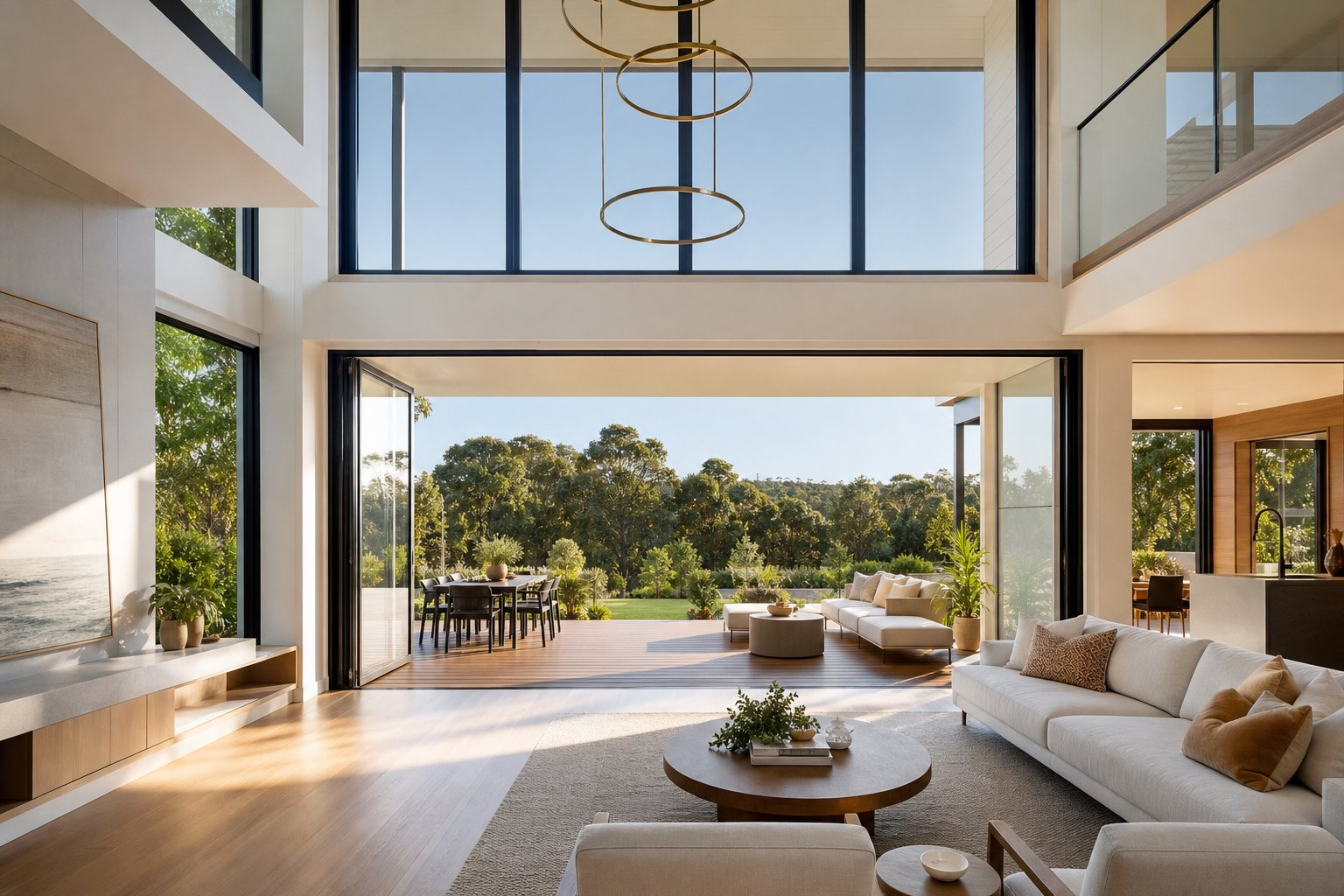
Knowing what drives cost is one thing. Translating that knowledge into a better deal on your own project is another. The gap between an informed buyer and an uninformed one often amounts to thousands of dollars, not because the informed buyer haggles harder, but because they ask sharper questions, compare specifications accurately, and time their purchase to avoid peak-season premiums.
Questions to Ask Before Accepting a Quote
A quote is only as useful as the detail behind it. Two installers can present the same bottom-line figure while offering vastly different scope, quality, and protection. Before signing anything, work through these questions with every supplier on your shortlist:
- What exactly is included in this price? Confirm whether the figure covers supply only, supply and fit, or a full turnkey package including structural work, making good, and disposal. If it’s supply and fit, ask what “fit” covers. Does it include removal of the old door? Internal plastering? External render repairs? The more vague the inclusions, the more likely you’ll face variation claims later.
- What structural work do you anticipate, and is it priced or excluded? If the installer hasn’t conducted a site survey, any structural allowance in the quote is a guess. Push for a physical inspection before accepting a fixed price, especially if you’re widening an opening or working on a load-bearing wall.
- What guarantee covers the product, and what covers the installation? These are often separate warranties from separate entities. A 10-year frame warranty from the manufacturer means nothing if the installer’s 12-month workmanship guarantee has already expired when a seal fails due to poor fitting. Look for minimum five-year installation warranties and confirm they’re backed by insurance or a guarantee scheme.
- What is the current lead time from order to installation? Lead times for aluminium sliding doors in Australia typically range from 4 to 12 weeks depending on specification complexity and manufacturer capacity. If you’re working to a builder’s programme or a seasonal deadline, confirm the lead time in writing and ask what happens if it’s exceeded.
- Is this quote fixed, or subject to change before installation? Material costs fluctuate, and some suppliers issue quotes valid for only 14 or 30 days. Clarify the validity period and whether the price is locked once you pay a deposit. A quote that can be revised upward after you’ve committed offers no real budget certainty.
- Who is responsible if the opening dimensions differ from what was quoted? Measurement errors happen. Establish upfront whether the supplier takes responsibility for their own site measure, or whether you carry the risk if dimensions prove incorrect on installation day.
- What access requirements do you need on installation day? Large glazed panels can’t always fit through a standard side gate. If crane hire, scaffolding, or temporary fence removal is needed, it should appear in the quote rather than arriving as a surprise charge.
Gathering three quotes remains the standard advice, and it’s sound. But three quotes only help if you’re comparing like-for-like specifications. Use the detail from your questions above to normalise each quote against the same scope before judging which represents the best value. The cheapest headline figure often isn’t the cheapest project once exclusions are accounted for.
Timing and Ordering Strategies
Seasonal demand patterns create genuine opportunities for buyers willing to plan ahead. The best time to buy aluminium sliding doors in Australia is typically autumn and winter (April through August). During these cooler months, renovation activity slows, manufacturers carry lighter order books, and installers have more availability. That combination can translate into shorter lead times, more attentive service during the design phase, and occasionally seasonal pricing or promotional offers that aren’t available during the spring and summer rush.
Ordering in winter doesn’t mean installing in winter, though that’s perfectly viable with modern thermally broken systems and experienced installers. It means locking in your specification, price, and production slot early so the door is manufactured and ready to fit when your project timeline demands it. For renovation projects targeting a spring or summer completion, a winter order keeps everything on track without the stress of competing with peak-season demand.
Builders and architects planning new builds can extract even more value by specifying doors early in the design phase. This allows the opening to be framed to exact dimensions during construction, eliminating costly retrofitting and ensuring the structural support is designed around the door rather than adapted after the fact.
Another strategy worth considering is going direct to the manufacturer or their authorised distribution network rather than through a general building supplier. Manufacturer-direct options often provide better access to the full product range, including configurations and finishes that intermediaries don’t stock. For Australian residential and commercial projects, suppliers like MEICHEN offer sliding, bi-fold, and ultra-slim aluminium door systems with thermal break technology and project-specific customisation. Working directly with a specialist manufacturer gives you access to technical support during specification, ensures the product is engineered for Australian conditions, and can streamline the warranty process by removing middlemen from the chain.
Do Aluminium Sliding Doors Add Property Value?
For homeowners weighing the investment, the property value question often tips the decision. The short answer: yes, quality aluminium sliding doors consistently add value, though quantifying the exact return depends on your property type, location, and the quality of what you’re replacing.
Large glazed openings that connect indoor living spaces to outdoor areas are among the most sought-after features in the Australian property market. They increase natural light, create a sense of spaciousness, and deliver the indoor-outdoor lifestyle that buyers in this climate actively seek. Real estate professionals consistently identify premium sliding doors as features that make properties more appealing and easier to sell, particularly when they frame a garden, pool, or entertaining area.
The value contribution goes beyond aesthetics. Thermally broken aluminium doors with quality glazing improve a home’s energy rating under the NatHERS scheme, which is increasingly relevant as buyers become more energy-conscious and as minimum energy standards tighten under the NCC. A home that already meets or exceeds current thermal performance requirements is more attractive than one that will need upgrades to comply with future regulations.
Durability plays into the value equation too. Because aluminium frames last 30 to 50 years with minimal maintenance, a buyer purchasing your home knows they won’t face a door replacement within their ownership period. That longevity, combined with the slim sightlines and corrosion resistance that aluminium offers in coastal and high-UV environments, makes it the material most likely to retain its contribution to property value over time rather than degrading it.
The properties that see the strongest return are those where the sliding door transforms the living experience: opening up a previously enclosed room, connecting a kitchen to an alfresco area, or replacing a tired timber slider that no longer operates smoothly. In these scenarios, the door isn’t just a building component. It’s a lifestyle upgrade that buyers can feel the moment they walk through the home.
Whether you’re renovating to sell or building your forever home, the principles are the same. Specify the right size and glazing for your climate, ask the right questions before committing to a quote, and time your purchase to avoid paying a premium for urgency. The information in this guide gives you the tools to do exactly that, turning what most people experience as an opaque and confusing purchase into a confident, well-budgeted decision.
Frequently Asked Questions About Aluminium Sliding Door Costs
1. How much do aluminium sliding doors cost installed in Australia?
A fully installed aluminium sliding door in Australia typically costs between $5,000 and $15,000 or more, depending on panel count, glazing specification, and installation complexity. A standard two-panel door with double glazing and professional fitting generally lands between $5,000 and $9,000, while four- or five-panel configurations with premium glazing can exceed $20,000 once structural work, permits, and finishing are included. Always confirm whether a quote covers supply only or the complete supply-and-fit package, as the distinction can represent a $1,500 to $4,000 difference.
2. Are aluminium sliding doors worth the extra cost over uPVC?
For most Australian projects, aluminium delivers better long-term value despite costing 20 to 40 percent more upfront. Aluminium frames last 30 to 50 years with virtually no maintenance, resist UV discolouration in harsh Australian sun, and offer sightlines as slim as 45 mm compared to 70 mm or more for uPVC. Over a 30-year ownership period, the total cost of ownership for aluminium is often lower because uPVC may need replacement after 20 to 35 years and can yellow or lose rigidity in larger spans. Manufacturers like MEICHEN offer both thermal break and non-thermal break aluminium systems that suit different climate zones and budgets across Australian residential and commercial builds.
3. Do aluminium sliding doors need planning permission in Australia?
A like-for-like replacement in an existing opening generally does not require a building permit in most Australian states. However, planning permission or a building permit is required when you create a new opening, alter a load-bearing wall, or change the external facade of a heritage-listed property. Homes in bushfire-prone areas must also meet BAL rating requirements, and cyclone-rated regions demand doors tested to specific wind load standards. Council permit fees typically range from $500 to $2,500, and a structural engineer assessment adds $500 to $1,500 if new lintel work is needed.
4. What is the price difference between double and triple glazed aluminium sliding doors?
Triple glazing adds roughly 10 to 20 percent to the cost of an equivalent double glazed aluminium sliding door. On a $6,000 supply-only door, that translates to an additional $600 to $1,200. Triple glazed units can be up to 50 percent more thermally efficient, achieving U-values as low as 0.78 W/m2K. The upgrade makes most financial sense in cooler southern climates like Melbourne, Hobart, or the ACT, where heating loads are significant. In tropical Queensland, the thermal return is smaller, though added acoustic insulation may still justify the spend near busy roads. Low-E coated double glazing offers the best value-for-money improvement for most Australian climate zones at just 10 to 15 percent above baseline cost.
5. Do aluminium sliding doors add value to a property?
Quality aluminium sliding doors consistently add property value in the Australian market. Large glazed openings that connect indoor and outdoor living spaces rank among the most sought-after features for Australian buyers, particularly when they frame a garden, pool, or entertaining area. Beyond aesthetics, thermally broken aluminium doors improve a home’s NatHERS energy rating, which is increasingly important as minimum energy standards tighten under the NCC. The 30- to 50-year lifespan means buyers know they won’t face a replacement during their ownership period, making the investment attractive from both a lifestyle and resale perspective.
More Window & Door Guides