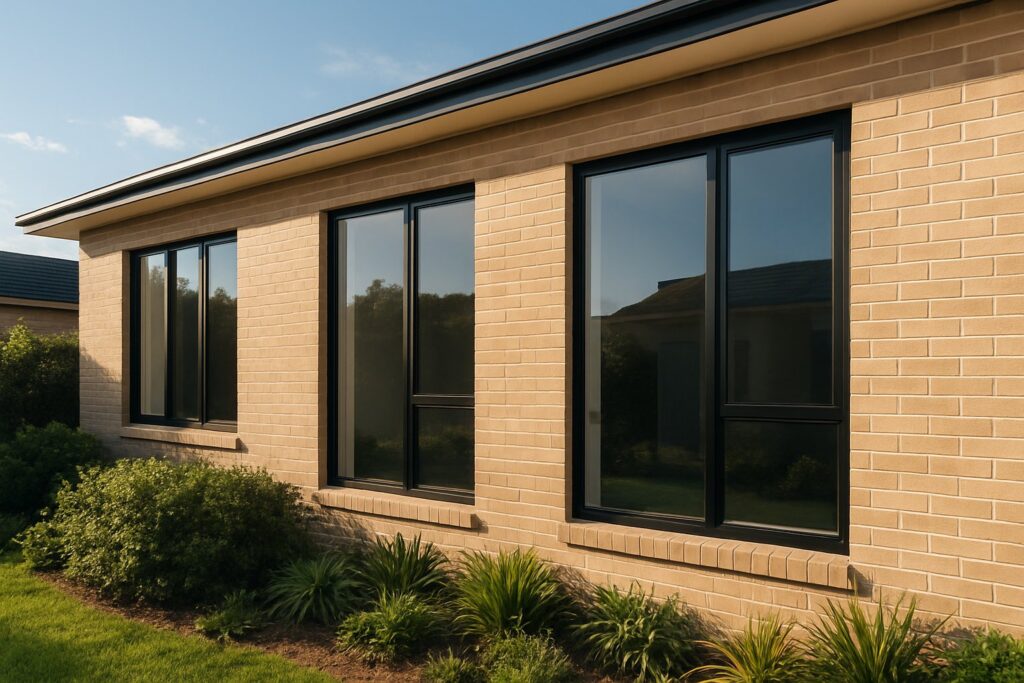
What Cheapest Aluminium Windows Really Means for Your Project
Searching for the cheapest aluminium windows sounds straightforward until you realise three very different buyers use the same phrase. One is a landlord fitting out a rental in western Sydney who needs the absolute lowest per-unit spend. Another is a spec home builder in Melbourne weighing up affordable aluminium windows that still tick compliance boxes and look respectable at handover. A third is a homeowner renovating a Queenslander, hunting for the best long-term value across a whole house of openings.
Each of these people types “cheapest aluminium windows” into a search bar, yet the right product for each is wildly different. That gap between sticker price and actual cost over time is exactly what this guide unpacks. Rather than listing random products, we’ll walk through how pricing works, where the real savings hide, and which trade-offs quietly cost you more down the track.
Cheap vs Affordable vs Best Value
These three tiers get lumped together constantly, but they serve distinct goals. Cheap means the lowest possible purchase price, full stop. Think mill-finish frames, single glazing, basic hardware. Affordable means reasonably priced aluminium windows that meet modern performance standards without premium finishes or custom sizing. Best value factors in the entire lifespan—energy costs, maintenance, and how many decades before replacement. Knowing which tier fits your situation saves you from over-spending or, worse, buying twice.
Who Benefits Most From Budget Aluminium
Different types of aluminium windows suit different projects. This article is built for rental property owners keeping maintenance minimal, spec builders managing tight margins, homeowners replacing a single room’s windows on a weekend budget, and renovators tackling a whole-house upgrade where per-unit cost compounds fast. If any of those sound like you, you’re in the right place.
The cheapest aluminium window at the point of purchase is not always the cheapest window over its lifespan. A $50 saving today can easily become a $500 problem within five years if the product fails, leaks, or bleeds energy.
The real question isn’t simply “what’s cheapest?”—it’s what makes one aluminium window genuinely less expensive than another in the first place. That comes down to materials, manufacturing, and a handful of specification choices that shift the price more than most buyers expect.
Why Aluminium Windows Are Naturally Budget-Friendly
Aluminium doesn’t become affordable through corner-cutting. The metal itself, and the way it’s manufactured into window frames, carries built-in economic advantages that other framing materials simply can’t match. Understanding these advantages helps explain why windows in aluminium consistently occupy the sweet spot between cost and performance—and why pricing has actually dropped in real terms over the past two decades even as quality has improved.
It starts with sheer abundance. Aluminium is the most abundant metal in the earth’s crust, making up roughly eight percent of its mass. That geological reality translates into a stable, well-supplied raw material market. Unlike timber, which faces supply pressure from land-use competition and slow growth cycles, or fibreglass, which relies on petrochemical feedstock, aluminium joinery benefits from a raw material base that isn’t going anywhere. Steady supply means fewer price shocks passed on to the end buyer.
Manufacturing Efficiencies That Lower Costs
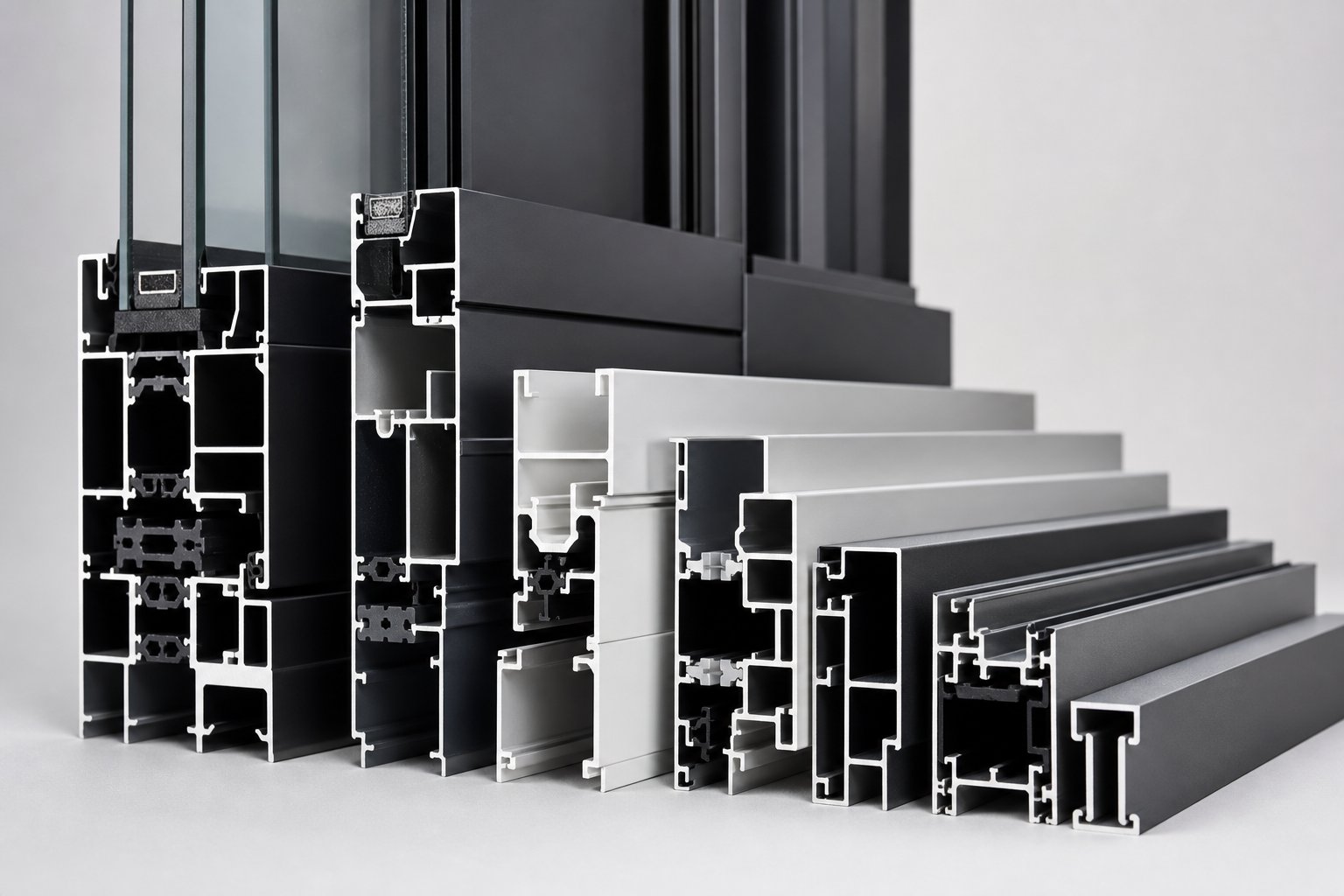
The extrusion process is where aluminium’s cost advantage really takes shape. A heated aluminium billet gets forced through a steel die, emerging as a continuous profile with precisely the cross-section needed for a window frame metal component. This method produces consistent, repeatable shapes at high speed with minimal waste. Once a die is made—a one-off tooling cost—it can run thousands of metres of identical profile before needing replacement.
That scalability matters. As industry analysis of extrusion costs notes, higher production volumes drive down the per-unit cost significantly because fixed expenses like die production and machine setup get spread across more pieces. For aluminium window frames, this means a fabricator producing standard residential profiles in volume can offer dramatically lower pricing than a small-batch custom operation.
CNC automation amplifies the savings further. Modern aluminium fabrication facilities use computer-controlled cutting, routing, and corner crimping that reduce labour time per frame to a fraction of what manual methods required a generation ago. Fewer hands on the product means lower labour cost per window—without sacrificing precision. In fact, CNC-cut aluminium frames typically achieve tighter tolerances than hand-assembled alternatives, so you’re getting better quality at lower cost simultaneously.
Material Properties That Support Affordability
Beyond manufacturing, the physical characteristics of aluminium itself keep costs contained in ways buyers rarely consider.
First, strength-to-weight ratio. Aluminum frames can span wider openings with thinner profiles than timber or vinyl because the material is inherently strong relative to its mass. Thinner profiles mean less raw material per window. A typical aluminium frame section might use a wall thickness of 1.4 to 2.0 mm to achieve structural performance that would require significantly bulkier sections in uPVC. Less material per unit equals lower material cost per unit—simple arithmetic that compounds across a multi-window order.
Second, corrosion resistance. Aluminium naturally forms a protective oxide layer when exposed to air. For many applications—particularly in mild-to-moderate Australian climates away from direct salt spray—this natural protection is sufficient without any additional coating. That eliminates an entire processing step (and its associated cost) that materials like steel or timber cannot skip. A basic mill-finish aluminium frame is already weather-resistant out of the extrusion press.
Third, and perhaps most significant for long-term pricing trends, is recyclability. Recycling aluminium requires only about five percent of the energy needed to produce it from raw ore, according to sustainability research on aluminium products. This creates a genuine circular supply chain: old alu windows get melted down and re-extruded into new profiles without any loss of material quality. The result is a secondary aluminium market that feeds affordable raw material back into production, keeping costs lower than they would be if every frame required virgin metal. For aluminum frame glass products, this recycled content can represent a substantial portion of the billet without any compromise to structural integrity or finish quality.
These factors—abundant raw material, efficient extrusion at scale, CNC automation, thin-but-strong profiles, inherent corrosion resistance, and a robust recycling loop—stack on top of each other. They explain why a metal window frame made from aluminium can compete on price with materials like vinyl that appear cheaper at first glance, while simultaneously lasting two to three times longer.
Of course, not all aluminium windows carry the same price tag. Two products using the same base metal can differ by hundreds of dollars per opening depending on glazing, thermal breaks, hardware, and finish choices. Those variables are where the real pricing decisions happen.
Factors That Make Some Aluminium Windows Cheaper Than Others
Two aluminium windows can sit side by side on a supplier’s quote and differ by $400 or more per opening. Same material, same basic shape—yet one costs a fraction of the other. The gap comes down to a handful of specification choices that individually seem minor but compound fast across a project. Knowing which variables move the needle lets you strip cost without stripping performance.
Glazing and Glass Options That Affect Price
Glass is often the single biggest cost component inside an aluminium window frame. A basic single-pane configuration keeps the price at its lowest, but it offers almost no insulation and limited acoustic control—fine for a shed or unconditioned garage, less ideal for a bedroom facing a main road.
Stepping up to double glazing (typically a 5+12+5 mm unit with an argon-filled cavity) adds genuine thermal and sound performance. According to industry pricing analysis, upgrading from single to double glazing adds roughly 10 to 30 percent to the glass cost depending on coatings chosen. Triple glazing pushes performance further still, but at a price premium that’s hard to justify in most Australian climate zones outside alpine regions. For the majority of residential projects, double glazing hits the sweet spot between cost and compliance with NCC energy requirements.
Low-E coatings, laminated interlayers, and tinted glass all layer additional cost onto the glazing unit. Each has a purpose—solar heat rejection, safety compliance, noise reduction—but none is universally necessary. Matching the glass specification to your actual conditions rather than defaulting to the highest-spec option is where budget-conscious buyers save hundreds per opening.
Frame Finish and Profile Choices
The aluminium window frame itself varies in price based on two main dimensions: how it’s finished and how thick the profile is.
A raw mill-finish frame is the cheapest option—essentially uncoated aluminium straight from the extrusion press. It works in concealed or industrial applications but won’t satisfy most residential aesthetics or long-term durability expectations in exposed environments. Standard powder coating in stock colours (typically black, white, or monument) adds moderate cost while delivering 15 to 20 years of surface durability. The range of aluminium window frame colours expands significantly once you move into custom powder coat shades or dual-colour finishes (different colours inside and out), but that flexibility comes at a 10 to 20 percent premium over standard options.
Anodising sits between mill finish and powder coating on cost for standard silver tones, and above powder coating for darker anodised finishes. It’s particularly relevant in coastal regions of Australia where salt-air corrosion demands a more robust surface treatment.
Profile wall thickness also shifts pricing. Standard residential aluminium window framing uses sections between 1.4 and 1.6 mm. Heavier profiles (1.8 to 2.0 mm) become necessary for larger spans or high wind-load zones—like cyclone-rated areas in northern Queensland—and carry a proportional material cost increase. Thinner profiles keep material weight and cost down but limit maximum opening sizes.
Hardware and Operational Type
How a window operates determines how much hardware it needs—and hardware adds cost quickly. A fixed panel requires no hinges, handles, locking mechanisms, or friction stays, making it the most affordable aluminium frame window configuration by a clear margin. Sliding windows add a track system and basic latch, sitting in the mid-range. An aluminium awning window introduces friction hinges, winding mechanisms, and multi-point locking that push both the component cost and the fabrication labour higher. Casement windows carry similar hardware demands and rank alongside awning types at the upper end of standard pricing.
For buyers chasing the lowest possible per-unit spend, maximising fixed panels wherever ventilation isn’t required is one of the simplest strategies. Pairing a few operable sashes with fixed lites across a facade delivers both function and savings without compromise.
The table below summarises how each factor shifts pricing across budget, mid-range, and premium tiers:
| Factor | Budget Option | Mid-Range Option | Premium Option |
|---|---|---|---|
| Glazing | Single pane, clear glass | Double glazed (5+12+5 mm), clear or tinted | Triple glazed or double glazed with Low-E and argon fill |
| Thermal Break | None (non-thermally-broken) | Standard polyamide break | High-performance wide-cavity break |
| Frame Finish | Mill finish or standard white powder coat | Stock colour powder coat (black, monument) | Custom colour, dual-colour, or marine-grade anodised |
| Profile Thickness | 1.4 mm wall, narrow section | 1.6 mm wall, standard section | 1.8–2.0 mm wall, heavy-duty section |
| Hardware | Basic latch (fixed or sliding) | Multi-point lock, standard friction stays | Premium branded hardware (e.g., concealed hinges, heavy-duty stays) |
| Operation Type | Fixed panel | Sliding window | Awning or casement with full weathersealing |
Aluminium window frame kits marketed at the budget end often bundle the leftmost column—single glazing, no thermal break, mill finish, and basic hardware. They serve a purpose in garages, sheds, and mild-climate utility spaces. For habitable rooms, most buyers find the mid-range column delivers compliant, durable windows at a price that still qualifies as genuinely affordable. The premium column suits architectural projects or extreme environments where performance justifies the spend.
Each of these variables operates independently, which means you can mix and match. Splurge on double glazing but choose a stock colour. Opt for awning operation in wet-area bathrooms but keep living room windows as sliders. That flexibility is part of what makes aluminium so adaptable to different budgets—the same framing system scales from bare-bones to high-spec simply by toggling component choices.
Price differences between aluminium windows are real, but they’re also rational. They trace directly back to material quantity, processing complexity, and component quality. The next logical question is how these aluminium price points compare against entirely different framing materials—vinyl, timber, and fibreglass—on both upfront cost and lifetime spend.
How Aluminium Compares to Vinyl, Wood, and Fibreglass on Cost
Aluminium isn’t always the cheapest window with frame included at the point of sale. That’s worth stating plainly, because too many articles dodge the comparison. Vinyl (uPVC) often undercuts aluminium on sticker price for standard residential openings, particularly in sizes under 1200 mm wide. The honest picture only emerges when you weigh purchase price alongside installation complexity, ongoing maintenance, expected lifespan, and the conditions each material handles well—or badly.
Aluminium vs Vinyl on Upfront Cost
For a standard 1200 x 600 mm sliding window, supply-and-install pricing on uPVC typically sits $50 to $150 lower per unit than an equivalent aluminium option in Australia. Vinyl’s manufacturing process is simpler—molten PVC extruded into hollow chambers—and the raw material is inexpensive. Around 60 percent of new homes in the US market use vinyl frames for exactly this reason, though Australian builders have historically favoured aluminium due to its performance in local conditions.
Where vinyl struggles is scale and structural integrity. Larger openings require internal steel reinforcement in uPVC frames to prevent flex and bowing, which erodes the cost advantage. Beyond about 1800 mm in width, framed windows in vinyl become bulky, with thick sightlines that compromise both aesthetics and glass area. Aluminium handles these spans effortlessly with slimmer profiles, often making it the more economical choice once you factor in the reinforcement costs and design limitations that vinyl imposes on bigger openings.
Durability also tilts the equation. Vinyl windows typically last 20 to 30 years in Australian conditions before UV degradation, discolouration, or seal failure forces replacement. Aluminium consistently delivers 40-plus years. If you’re comparing cost per year of service rather than cost at checkout, aluminium frequently wins even at a higher purchase price.
Aluminium vs Timber and Fibreglass
Timber windows and window frames sit at the premium end of the market, typically costing 40 to 80 percent more than aluminium for equivalent sizes. Hardwood species like cedar or spotted gum look exceptional, but they demand repainting or oiling every three to seven years—an ongoing expense that accumulates relentlessly. In humid climates like coastal Queensland or northern NSW, timber also risks rot and termite damage unless meticulously maintained. Metal frame windows simply don’t carry these recurring costs.
Fibreglass occupies a narrower niche in Australia than it does overseas, with fewer local suppliers and higher per-unit pricing. Performance is excellent—minimal expansion and contraction, strong thermal properties, lifespans reaching 40 to 50 years—but the price premium of 30 to 60 percent over standard aluminium makes it hard to justify unless thermal stability in extreme temperature swings is the primary concern. Aluminium with a quality thermal break delivers comparable real-world performance in most Australian climate zones at a significantly lower outlay.
Aluminium clad windows—timber on the inside, aluminium cladding on the exterior—attempt to deliver the best of both worlds. They look warm internally while the metal clad windows’ outer skin resists weather without repainting. The trade-off is cost: supply-and-install pricing often exceeds $1,500 per opening for standard sizes, placing them firmly in the premium bracket alongside full timber.
Where Aluminium Wins on Overall Value
Aluminium’s cost-to-performance ratio peaks under specific conditions. If your project involves any of the following, metal framed windows in aluminium are likely your strongest option on value:
- Large openings and slim sightlines—aluminium’s strength-to-weight ratio allows expansive glass areas with minimal frame visibility, often the only affordable path to floor-to-ceiling glazing.
- Coastal and salt-air environments—where properly coated aluminium resists corrosion without the ongoing maintenance timber demands, and without the UV degradation vinyl suffers.
- Low-maintenance priorities—an occasional wash and hardware lubrication is all aluminium needs across its multi-decade lifespan.
- Commercial and multi-unit projects—volume pricing, standardised profiles, and fast installation make aluminium the default for developers managing per-unit budgets.
- Modern architectural styles—where clean lines and narrow frames are non-negotiable design requirements.
The table below puts the key comparison points side by side. Note that pricing reflects typical Australian supply-and-install costs for standard residential sizes; custom dimensions, non-standard finishes, and project-specific requirements will shift figures in either direction.
| Material | Typical Cost Range (AUD, per window installed) | Expected Lifespan | Maintenance Needs |
|---|---|---|---|
| Aluminium (thermally broken, double glazed) | $600–$1,400 | 40–60 years | Very low—periodic cleaning, hardware lubrication |
| Vinyl / uPVC (double glazed) | $500–$1,100 | 20–30 years | Low—cleaning only, no painting; replacement sooner due to UV degradation |
| Timber (hardwood, double glazed) | $1,000–$2,500+ | 30–50+ years (if maintained) | High—repainting every 3–7 years, sealing, pest inspection |
| Fibreglass (double glazed) | $1,100–$2,200 | 40–50 years | Low—occasional cleaning, can be repainted if desired |
| Aluminium-clad timber (double glazed) | $1,500–$3,000+ | 30–50 years | Moderate—interior timber needs periodic attention |
The pattern is clear. Vinyl costs less to buy but less to keep only in the short term—its shorter lifespan and inability to handle large spans limit its value proposition. Timber and fibreglass both outperform aluminium in narrow ways but at substantially higher price points. Aluminium lands in the middle on purchase price yet delivers among the longest lifespans with the lowest maintenance burden, giving it the strongest cost-per-year-of-service figure for most Australian residential and commercial applications.
These comparisons assume standard conditions, though. Where you install those windows—and what climate they face—reshapes the value equation dramatically. A material that performs brilliantly in temperate Melbourne may underdeliver in tropical Darwin or salt-lashed Byron Bay, which is exactly why situational buying guidance matters as much as raw pricing data.
Scenarios Where Budget Aluminium Windows Make the Most Sense
Raw pricing comparisons only tell half the story. The environment, scale, and purpose of your project determine whether budget aluminium delivers excellent returns or falls short. Certain conditions make aluminium the obvious default—not because it’s the cheapest sticker on the shelf, but because it costs less over time than anything else you could install.
Commercial and Multi-Unit Developments
Volume changes everything. A developer fitting out 40 apartments or a builder running a row of townhouses can negotiate bulk pricing that dramatically undercuts per-unit costs available to a single homeowner. Commercial aluminium windows benefit from standardised sizing—when every bathroom uses the same 600 x 1200 mm aluminium sliding window and every living area uses the same 2400 mm slider, fabricators achieve production efficiencies that translate directly into lower quotes.
Installation speeds up too. Standardised openings mean fewer site adjustments, less custom flashing, and faster labour throughput. For multi-storey commercial projects, aluminium’s light weight reduces craning costs compared to heavier timber or steel-reinforced vinyl alternatives. The combination of volume procurement, repeatable sizing, and simplified installation makes aluminium windows and doors the cost-effective standard across most Australian apartment and mixed-use developments.
Coastal and High-Humidity Environments
Salt air corrodes steel, rots timber, and degrades vinyl faster than most product warranties acknowledge. Aluminium sidesteps these issues entirely. Its natural oxide layer resists salt-spray corrosion without needing expensive specialty coatings in all but the most severe exposure zones. Pair that with powder coating or marine-grade anodising for beachfront properties, and you have a frame material that shrugs off conditions stretching from Cairns to the Great Ocean Road.
In tropical Queensland and the Top End, humidity is relentless year-round. Timber frames swell, contract, and eventually fail. Aluminium stays dimensionally stable regardless of moisture levels. When maintenance cost over 20 to 30 years is factored into the purchase decision, budget aluminium doors and windows in coastal zones almost always emerge as the cheapest genuine option—because they don’t demand repainting, re-sealing, or premature replacement.
Large Openings and Modern Design
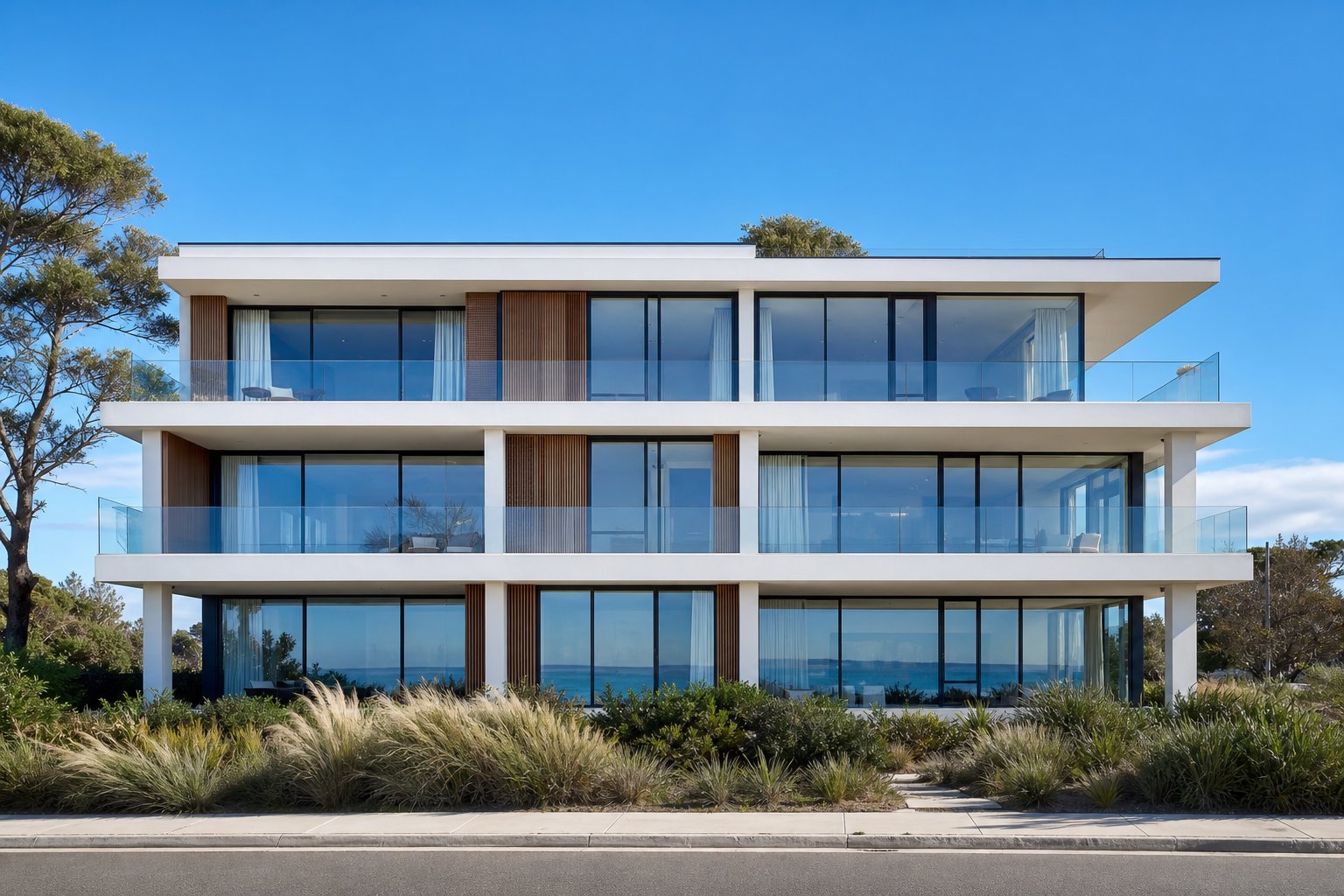
Floor-to-ceiling glazing, wide aluminium sliding windows spanning an entire living wall, and minimal-frame bi-folds all exploit aluminium’s core structural advantage: strength without bulk. Vinyl can’t span much beyond 1800 mm without internal steel reinforcement that adds cost and frame thickness. Timber needs heavy sections for large openings. Aluminium achieves 3000 mm spans and beyond with slender profiles, keeping material cost proportional while maximising the glass area that defines contemporary Australian architecture.
For architects and owner-builders chasing a modern aesthetic on a realistic budget, aluminium is often the only path to those expansive sightlines without blowing the glazing allowance.
Beyond these three headline scenarios, several other situations consistently favour budget aluminium:
- Rental and investment properties—durability and zero ongoing maintenance protect returns without requiring landlord attention between tenancies.
- Bushfire-prone areas (BAL-rated zones)—aluminium is non-combustible, meeting compliance requirements that timber and vinyl cannot satisfy without expensive modifications.
- High-UV inland regions—powder-coated aluminium resists UV fading far longer than vinyl, which can chalk and discolour within a decade under harsh outback sun.
- Cyclone-rated zones (C and D wind regions)—aluminium’s strength handles high wind pressures with standard heavy-duty profiles, avoiding the bespoke engineering costs other materials incur.
- Mixed-use projects combining aluminium doors windows and window systems—using a single framing material across all openings simplifies procurement, reduces waste, and allows a unified finish across the building envelope.
In each of these cases, the budget equation tips in aluminium’s favour not because of a single dramatic advantage, but because multiple small savings—on maintenance, longevity, compliance, and installation—compound over the project’s life. The catch is that choosing the cheapest aluminium product within these scenarios still requires matching the thermal performance tier to your climate. Get that wrong, and energy bills quietly erode the savings you worked to secure.
Thermal Performance Trade-Offs at Every Price Point
Aluminium is a metal, and metals conduct heat. That single physical fact underpins the biggest pricing trade-off in budget aluminium windows. The cheapest products on the market—non-thermally-broken frames with single pane aluminum windows—transfer heat and cold between inside and outside with almost zero resistance. In an unconditioned shed, that’s irrelevant. In a climate-controlled home running heating or cooling six months of the year, it’s a silent budget killer that offsets whatever you saved on the purchase price.
The good news: modern thermal break technology solves this problem at a measurable and often justifiable cost premium. The key is knowing whether your project actually needs it—and if so, how much thermal performance to pay for.
Non-Thermally-Broken Frames and Their Limitations
A non-thermally-broken aluminium frame is a continuous metal section from exterior face to interior face. Heat passes through it rapidly—creating what engineers call a thermal bridge. In winter, that bridge lets warmth escape outward. In summer, it channels ambient heat inward. Either way, your HVAC system works harder to compensate.
These frames also invite condensation. When the interior surface of the frame drops below the dew point of the indoor air, moisture forms on the metal. In colder regions of Australia—think Canberra mornings, Tasmanian winters, or elevated areas of the Great Dividing Range—that condensation can lead to mould growth, peeling paint around reveals, and degraded plasterboard over time.
That said, non-thermally-broken aluminium still works perfectly well in specific situations:
- Unconditioned spaces—garages, carports, storage rooms, and laundries where you aren’t paying to heat or cool the air.
- Mild climates with minimal temperature differentials—parts of coastal Queensland and the Top End where indoor and outdoor temperatures rarely diverge sharply.
- Applications where thermal performance is secondary to other priorities—warehouse glazing, agricultural buildings, or temporary structures with short intended lifespans.
- Budget single hung aluminium windows or fixed lites in non-habitable rooms where compliance requirements are less demanding.
For these cases, skipping the thermal break genuinely saves money without creating downstream problems. The frame does its structural job, keeps weather out, and costs significantly less per unit.
Thermally Broken Profiles and the Cost Premium
A thermally broken aluminium window splits the frame into two separate sections—one facing outside, one facing inside—joined by an insulating strip of polyamide or polyurethane. That strip, typically 20 to 35 mm wide, interrupts the direct path of heat transfer through the metal, dramatically improving the frame’s insulating performance.
The numbers tell the story clearly. Reference data from industry thermal testing shows that adding a thermal break to aluminum double pane windows drops the U-value from around 0.65–0.90 W/m²K down to 0.35–0.55 W/m²K—a 40 to 60 percent improvement in insulation performance. Paired with quality double glazing and Low-E coatings, a thermally broken aluminium frame can achieve WERS ratings competitive with standard vinyl alternatives.
What does that improvement cost? In the Australian market, the thermal break typically adds $100 to $250 per window to the supply price compared to an equivalent non-thermally-broken frame. For a whole-house project with 12 to 15 openings, that translates to $1,200 to $3,750 in additional upfront spend. Whether that investment pays for itself depends entirely on your climate zone and energy costs.
Industry projections suggest a payback period of roughly seven to ten years when upgrading from non-broken single-pane units to thermally broken double-glazed frames—faster in regions with extreme heating or cooling loads, slower in temperate coastal areas. Given that the frames themselves last 40-plus years, the net lifetime saving is substantial in most habitable applications.
Thin frame windows and slimline aluminium windows benefit particularly from thermal break technology because their narrow profiles would otherwise offer very little insulating mass. The break compensates for the reduced frame depth, allowing contemporary slim aesthetics without sacrificing thermal integrity.
Matching Thermal Performance to Your Climate
Australia spans NatHERS climate zones from tropical Darwin (Zone 1) to alpine Thredbo (Zone 65). Treating all of these the same when specifying thermal performance wastes money in one direction or another—either over-spending on performance you’ll never recoup, or under-spending and hemorrhaging energy costs for decades.
A practical framework:
- Tropical and warm-humid zones (NatHERS Zones 1–5)—Solar heat gain matters more than frame insulation. Non-thermally-broken frames with quality tinted or Low-E glazing can be adequate. Aluminum double hung windows or louvre systems prioritising ventilation often outperform sealed, highly insulated units in these climates.
- Temperate and mild zones (Zones 6–17)—Thermal breaks become increasingly worthwhile. The temperature differential between a winter morning and a heated interior is large enough that frame conductivity noticeably impacts energy bills. Standard thermally broken profiles with double glazing represent the value sweet spot here, covering most of Sydney, Melbourne, Brisbane, Perth, and Adelaide.
- Cool and alpine zones (Zones 20+)—Thermal breaks are non-negotiable. High-performance wide-cavity breaks paired with double or triple glazing are essential to meet NCC Section J energy requirements and keep heating costs manageable. Skipping the break here is a false economy that will cost multiples of the saving within a few winters.
For aluminum single hung window or aluminum double hung windows configurations specifically, the thermal performance of the meeting rail (where the two sashes overlap) becomes an additional consideration. Budget frames often leave this junction poorly sealed, creating an air leakage path that undermines whatever insulation the glazing provides. A properly weather-sealed meeting rail adds minimal cost but meaningful performance in heating-dominated climates.
Choosing the wrong thermal tier is the single most common costly mistake in budget aluminium window purchasing. Over-specifying wastes capital upfront. Under-specifying bleeds energy costs for decades. Match the frame to your climate zone—not to the cheapest line item on the quote or the most expensive product in the showroom.
Getting thermal performance right locks in genuine long-term savings. But the purchase price and energy costs still represent only part of the total picture. Installation method, maintenance burden, and the amortised cost across the window’s full multi-decade lifespan shift the equation further—often in aluminium’s favour, provided you account for them before signing a quote.
Total Cost of Ownership Beyond the Purchase Price
A window quote tells you what leaves your bank account today. It says nothing about what leaves it over the next 40 years. Total cost of ownership (TCO) captures everything—purchase price, installation, energy impact, maintenance, and eventual replacement. Applied to aluminium window replacement, this framework consistently reshapes which option is genuinely cheapest.
The concept is straightforward: TCO quantifies cost across a product’s entire lifecycle, offering a more accurate basis for value assessment than purchase price alone. For windows, that lifecycle stretches decades—and it’s during those decades that aluminium’s economics shift decisively in its favour.
Installation Costs and the DIY Question
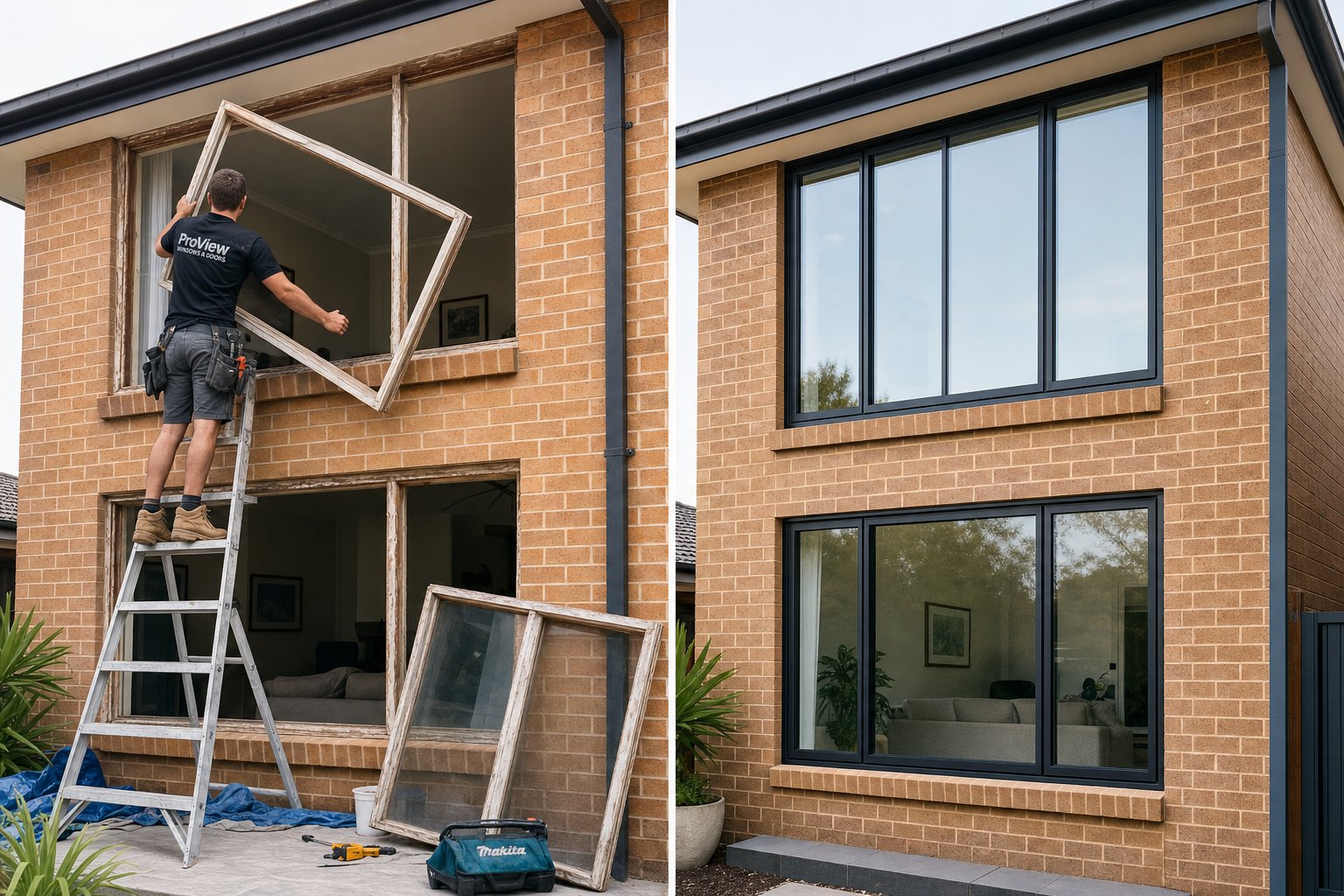
Installation adds anywhere from $150 to $400 per opening for professional fitting in Australia, depending on access difficulty, storey height, and whether the job is a straightforward like-for-like swap or involves structural changes. Replacing old aluminium windows with new units of identical dimensions is the simplest scenario—existing frames stay, new sashes slot in, and a competent DIYer with basic tools can manage the job in standard ground-floor openings.
DIY makes financial sense in narrow circumstances: single-storey homes, standard rectangular openings, and direct replacement windows aluminium sized to match existing rough openings without modification. The moment you’re cutting new openings, working above ground level, or altering structural lintels, professional installation becomes non-negotiable—both for safety and building compliance under the NCC.
Where things get expensive is fragmented procurement. Buying windows from one supplier, sourcing hardware separately, and hiring an unrelated installer creates communication gaps that lead to sizing errors, incorrect specifications, and costly rework. Working with a full-service supplier who coordinates everything from drawings through to manufacturing and delivery planning—like MEICHEN’s project services model—eliminates those gaps. Material calculations are accurate, lead times are aligned with your build schedule, and the windows arrive ready to install without surprises. That coordination quietly removes hidden costs that inflate total project spend.
Maintenance and Longevity Cost Analysis
Aluminium’s maintenance profile is about as light as it gets. An occasional wash with soapy water, a spray of silicone lubricant on tracks and hinges once or twice a year, and a quick check of weatherseals every few years. That’s it. No repainting, no sanding, no re-staining, no rot treatment.
Compare that against alternatives over a 40-year period. Lifecycle data from industry analysis shows timber windows need maintenance every two to three years—costing $200 to $500 per cycle per window in painter’s time and materials. Vinyl needs less hands-on attention but suffers UV degradation and seal failure, typically requiring full replacement after 25 to 35 years. Aluminium frames maintain structural and aesthetic integrity for 45 to 55 years with minimal intervention, and 92 percent of aluminium windows remain fully functional after 25 years of service.
Over a 40-year horizon, the maintenance cost differential alone can exceed the original price difference between aluminium and a cheaper alternative. Old aluminium window frames from the 1970s and 1980s are still in service across thousands of Australian homes—many needing nothing more than replacement glazing seals or upgraded glass to meet current performance expectations rather than complete frame replacement.
Amortised Cost Over the Full Lifespan
The most useful number isn’t what a window costs—it’s what it costs per year of service. A $700 aluminium window lasting 50 years costs $14 per year. A $500 vinyl window lasting 25 years costs $20 per year—before you add the labour and disruption of replacing it halfway through the aluminium window’s life.
Aluminium retrofit windows—units designed to fit into existing openings without full frame removal—offer a particularly strong TCO proposition for renovation projects. They minimise installation labour (reducing the biggest variable cost) while delivering a fresh frame that won’t need attention for another four to five decades.
Use this framework to calculate true total cost of ownership for any window purchase:
- Record the supply cost—the quoted price per window including glazing, hardware, and finish.
- Add installation cost—professional quotes or realistic DIY time valued at a fair hourly rate, plus any ancillary materials (flashing, sealant, packers).
- Estimate annual energy impact—use your WERS rating and NatHERS climate zone to approximate the heating/cooling cost attributable to window performance. Multiply by expected years of ownership.
- Calculate maintenance over the ownership period—for aluminium, this is near-zero; for timber, factor repainting cycles; for vinyl, factor seal replacement and potential early full replacement.
- Add replacement cost if the expected lifespan falls within your ownership horizon—if you plan to hold a property for 30 years and the window lasts only 20, you’re paying twice.
- Divide total by expected years of service—this gives your annual cost of ownership, the only figure that enables genuine apples-to-apples comparison across materials and price tiers.
Run those numbers honestly and aluminium replacement windows consistently land at or near the lowest annual cost—even when their purchase price isn’t the lowest on the page. The framework strips away the illusion that the cheapest quote equals the cheapest outcome.
Still, a low TCO only holds if the product itself meets basic quality thresholds. Drop below certain standards in pursuit of the absolute lowest price, and even aluminium’s inherent durability can’t save you from premature failure.
When Spending More on Aluminium Windows Pays Off
Saving money on metal window frames is sensible. Chasing the absolute lowest price without a quality floor is not. Below a certain threshold, cheap aluminium windows stop being a bargain and start being a liability—one that costs more to fix or replace than the premium product would have cost in the first place. Knowing exactly where that threshold sits protects your budget far better than blind price comparison ever could.
Quality Thresholds You Should Never Cross
Every aluminium window has a handful of non-negotiable quality markers. Drop below any of them and you’re buying a problem with a warranty that probably won’t cover it.
Profile wall thickness is the most critical. Australian performance standards specify a minimum measured wall thickness of 1.4 mm for window profiles. Budget products sometimes use 1.0 to 1.2 mm sections to save on material—frames that flex under wind load, lose seal compression over time, and can’t adequately support double-glazed units. A quality extruded aluminium window frame in 6063-T5 or T6 alloy at 1.6 mm provides reliable strength for most residential openings without excessive cost.
Powder coating integrity determines how long the frame looks and performs as intended. High quality aluminium windows carry a uniform coating with a minimum local thickness above 40 microns. Thin or poorly adhered coatings chalk, peel, and expose the base metal within a few years—particularly in coastal or high-UV environments. If the finish feels rough, shows bubbles, or scratches off with a fingernail, walk away.
Drainage design is overlooked constantly. Without properly sized and positioned drainage slots in the bottom rail, water pools inside the frame track during rain. That trapped moisture overflows inward, damaging sills, plasterboard, and flooring. Inspection checklists from industry professionals flag missing drainage as one of the most common faults in cheap imported windows.
Hardware grade separates functional windows from frustrating ones. Handles that rattle loose, locks that jam within months, and friction stays that can’t hold an awning sash open all trace back to the same root: unbranded, low-grade components chosen solely on cost. Even budget aluminium windows should carry hardware from a recognised manufacturer with replaceable parts available in the Australian market.
Weatherseals complete the picture. EPDM or silicone rubber seals maintain compression over decades. Cheap PVC gaskets harden and shrink within a few years, allowing air infiltration and water ingress that no amount of frame quality can compensate for.
Warning Signs of Too-Cheap Windows
Red flags appear long before installation if you know what to look for. When shopping across aluminium window suppliers—whether for standard residential units, custom metal windows for a unique project, or an aluminium clad window combining materials—these signals should trigger caution:
- Pricing sits 30 to 50 percent below comparable quotes from established suppliers—margins that thin are only possible by cutting material or labour quality.
- No written warranty documentation provided, or warranty terms that exclude the most common failure points (hardware, seals, coating adhesion).
- Unknown brand with no verifiable project history, no showroom samples, and no reference installations you can inspect.
- Missing compliance documentation—specifically, no evidence of testing to AS 2047 for structural, water resistance, and air infiltration performance.
- Refusal to confirm profile wall thickness, alloy grade, or glass specification in writing.
- No physical business address or workshop—operating exclusively through online marketplaces or mobile phone contact.
- Pressure to commit immediately with “today only” pricing or demands for large upfront deposits before any specification is confirmed.
The best aluminium windows don’t need to be the most expensive on the market. They simply need to sit above these quality floors. A mid-range product from a reputable supplier—with confirmed 1.6 mm profiles, certified powder coating, proper drainage, branded hardware, and documented compliance—delivers decades of reliable service. That’s where genuine savings live: not at the bottom of the market, but just above the danger zone where false economy begins.
Meeting these minimum standards doesn’t mean paying top dollar, though. Practical purchasing strategies—from timing your order to choosing standard sizes and working with the right supplier model—can pull the price of a quality aluminium window significantly lower without crossing any of those critical thresholds.
How to Get the Lowest Price on Quality Aluminium Windows
Knowing what separates good aluminium from bad is half the equation. The other half is practical: how do you actually secure the lowest price on a product that clears those quality thresholds? The answer isn’t luck or aggressive haggling—it’s understanding what drives costs inside a supplier’s pricing model and making specification decisions that align with their efficiencies rather than fighting against them.
Strategies for Getting Lower Quotes
Some decisions save you $20 per window. Others save $200. The following strategies are ranked from highest to lowest impact on your final aluminium window price:
- Choose standard sizes over custom dimensions—Non-standard openings require individual setup, custom cutting, and often bespoke glass orders. A window sized to common increments (600, 900, 1200, 1500, 1800 mm) uses profiles cut from batch runs and standard glass units already in production. The saving per unit can reach 15 to 25 percent compared to custom sizing.
- Bundle windows for volume pricing—Ordering 10 or more units in a single batch lets fabricators consolidate material purchasing, minimise machine setup changes, and optimise cutting layouts. Buyers searching for aluminium windows for sale often miss that a single large order consistently attracts better per-unit pricing than multiple small orders placed over time. For developers and builders comparing custom windows bulk prices across top suppliers, volume commitment is the single most powerful negotiating lever.
- Select stock powder coat colours—Black, white, monument grey, and a handful of other standard finishes sit in most fabricators’ inventory. Custom colours require a dedicated coating run, minimum batch quantities, and longer lead times—all of which add 10 to 20 percent to the frame cost. Unless the architectural intent absolutely demands it, stock colours deliver identical durability at lower spend.
- Maximise fixed panels where ventilation isn’t required—Every operable sash adds hardware, fabrication time, and weatherseal complexity. A facade designed with strategic fixed lites punctuated by fewer operable windows reduces cost without sacrificing liveability.
- Request quotes from multiple aluminium windows suppliers near you—Three comparable quotes reveal the market range and expose outliers. Ensure each quote specifies the same profile system, glass unit, hardware brand, and finish so you’re comparing like for like. A low headline number means nothing if one quote omits items the others include.
- Time your order around production schedules—Fabricators experience seasonal demand peaks (typically spring and early summer in Australia). Placing orders during quieter months—late autumn and winter—can yield faster turnaround and occasionally better pricing as workshops fill capacity gaps.
Understanding What Drives Your Quote
Every line item on an aluminium window quote traces back to a tangible cost driver. Understanding these lets you make informed trade-offs rather than blindly accepting or rejecting a number.
Material weight determines raw aluminium cost. Heavier profiles (thicker walls, deeper sections) use more metal per metre. A 1.6 mm profile costs proportionally more than a 1.4 mm one—justified for structural reasons in larger openings, but unnecessary for small bathroom windows.
Glass specification is typically the largest single component. As detailed cost breakdowns show, glazing represents 25 to 40 percent of total unit cost. Upgrading from standard clear double glazing to Low-E or laminated configurations adds 10 to 30 percent to the glass component alone.
Hardware selection varies widely. Basic locking hardware on a slider might add $30 to $50 per window. Multi-point locking systems with premium friction stays on an awning window can add $150 or more. Specifying hardware by performance requirement rather than brand name often uncovers equivalent options at lower cost.
Finish complexity layers cost beyond basic coating. Dual-colour finishes (different colours inside and out) require two separate coating passes. Textured or woodgrain powder coats use specialty powders at premium pricing. Marine-grade anodising for severe coastal exposure adds processing steps unavailable in standard coating lines.
Custom sizing surcharges appear when dimensions fall outside standard production increments. Odd millimetre sizes force individual glass orders and additional cutting waste, both passed through as percentage premiums on the base price.
Delivery logistics often surprise buyers. Glass is heavy, fragile, and awkward. Freight for a 15-window residential order within metro areas might run $200 to $500. Regional or remote delivery—say, a coastal build north of Cairns or a rural property outside Wagga Wagga—can exceed $1,000 depending on access and distance.
Working With a Full-Service Supplier
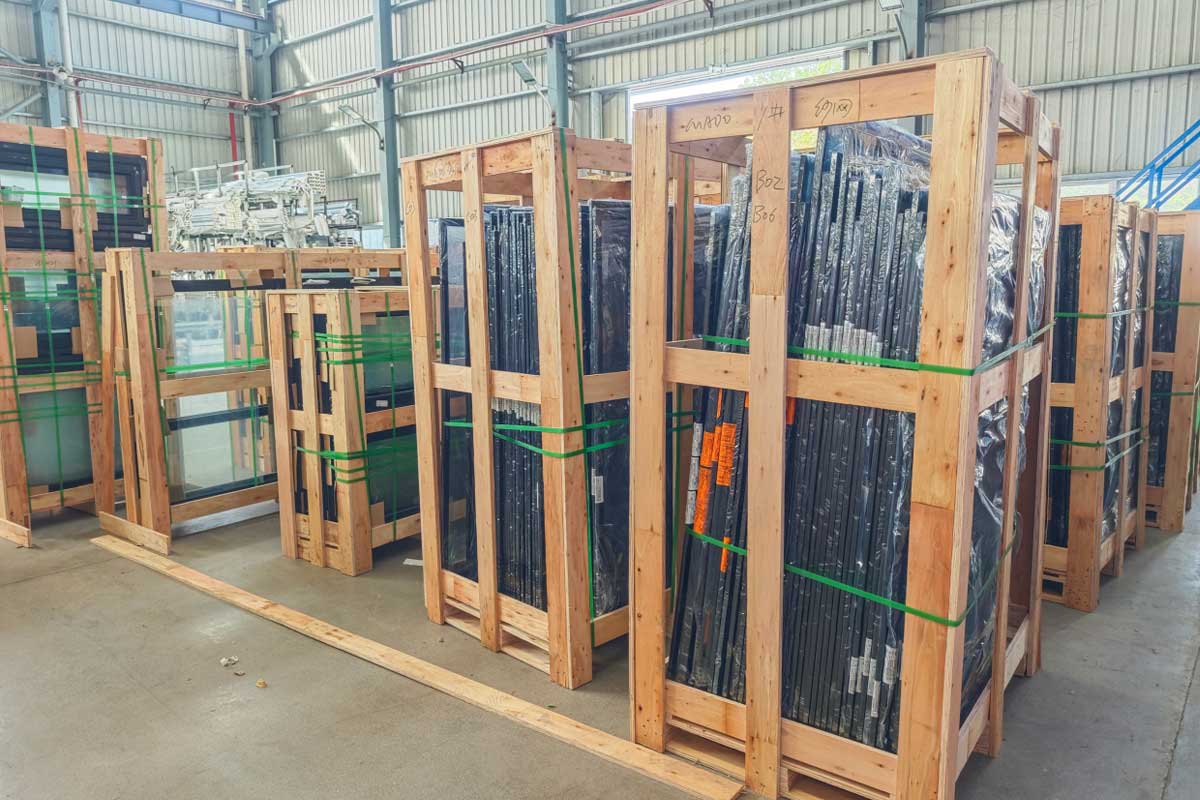
The cheapest path to quality aluminium windows isn’t always the shortest supply chain—it’s the most coordinated one. Fragmented procurement (buying profiles here, glass there, hardware elsewhere, and hiring a separate installer) creates gaps where errors breed. Incorrect measurements, mismatched specifications, delayed deliveries that stall your build program—each gap carries a cost that never appears on the original quote but lands squarely in your total spend.
A full-service supplier handles the entire workflow: system recommendations based on your project’s performance requirements, accurate material calculation from architectural drawings, manufacturing coordination, quality control before dispatch, and delivery planning aligned to your construction schedule. That integration eliminates the miscommunication that causes expensive rework.
For builders, developers, and procurement teams managing multi-unit projects or custom aluminium windows across complex builds, this model reduces total cost compared to assembling the same outcome from disconnected vendors. MEICHEN’s services approach illustrates how this works in practice—supporting projects from initial drawings and schedules through to manufacturing, quality assurance, and coordinated delivery. It’s the kind of supplier relationship where understanding your real quote drivers becomes part of the service rather than something you have to reverse-engineer on your own.
Whether you’re sourcing aluminium windows near you for a single renovation or running procurement across a multi-storey development, the principle holds: the lowest total cost comes from the quote you fully understand, placed with a supplier who eliminates the hidden waste between specification and installation.
Frequently Asked Questions About Cheapest Aluminium Windows
1. Are aluminium windows cheaper than vinyl or timber?
Aluminium windows typically cost more than vinyl (uPVC) upfront for standard residential sizes, with vinyl sitting roughly $50 to $150 lower per unit in Australia. However, aluminium lasts 40 to 60 years compared to vinyl’s 20 to 30 years, making its cost per year of service lower. Timber windows cost 40 to 80 percent more than aluminium and require repainting every three to seven years. When you factor in maintenance, longevity, and replacement timing, aluminium consistently delivers the strongest total value for most Australian residential and commercial applications.
2. What is the cheapest type of aluminium window to buy?
Fixed-panel aluminium windows with single glazing, a mill finish, and no thermal break represent the absolute lowest cost configuration. These suit unconditioned spaces like sheds, garages, and storage rooms. For habitable rooms, the most affordable compliant option is a standard-sized sliding window with double glazing and stock-colour powder coating. Choosing standard dimensions over custom sizes, selecting stock finishes, and bundling orders for volume pricing can reduce costs by 15 to 25 percent without sacrificing quality.
3. Do cheap aluminium windows need a thermal break?
It depends on your climate zone and whether the space is heated or cooled. Non-thermally-broken frames work well in unconditioned spaces, mild tropical climates, and applications where thermal performance is secondary. For habitable rooms in temperate zones like Sydney, Melbourne, or Perth, a thermal break adds $100 to $250 per window but reduces energy bills enough to pay for itself within seven to ten years. In cool or alpine climates, thermal breaks are non-negotiable for NCC compliance and long-term comfort.
4. How can I get the lowest price on quality aluminium windows in Australia?
The highest-impact strategies include ordering standard sizes rather than custom dimensions, bundling multiple windows into a single order for volume pricing, choosing stock powder coat colours, and maximising fixed panels where ventilation is not needed. Timing orders during quieter production months (late autumn and winter) can also help. Working with a full-service supplier like MEICHEN, who coordinates drawings, material calculation, manufacturing, and delivery planning, eliminates costly errors from fragmented procurement and often reduces total project spend compared to sourcing components separately.
5. How long do budget aluminium windows last compared to other materials?
Quality aluminium windows last 40 to 60 years with minimal maintenance, requiring only periodic cleaning and hardware lubrication. Vinyl windows typically need replacement after 20 to 30 years due to UV degradation and seal failure. Timber can last 30 to 50 years but demands repainting every three to seven years and ongoing pest inspections. Even budget-tier aluminium frames from the 1970s and 1980s remain in service across thousands of Australian homes today, often needing only updated glazing seals rather than full replacement.
More Window & Door Guides