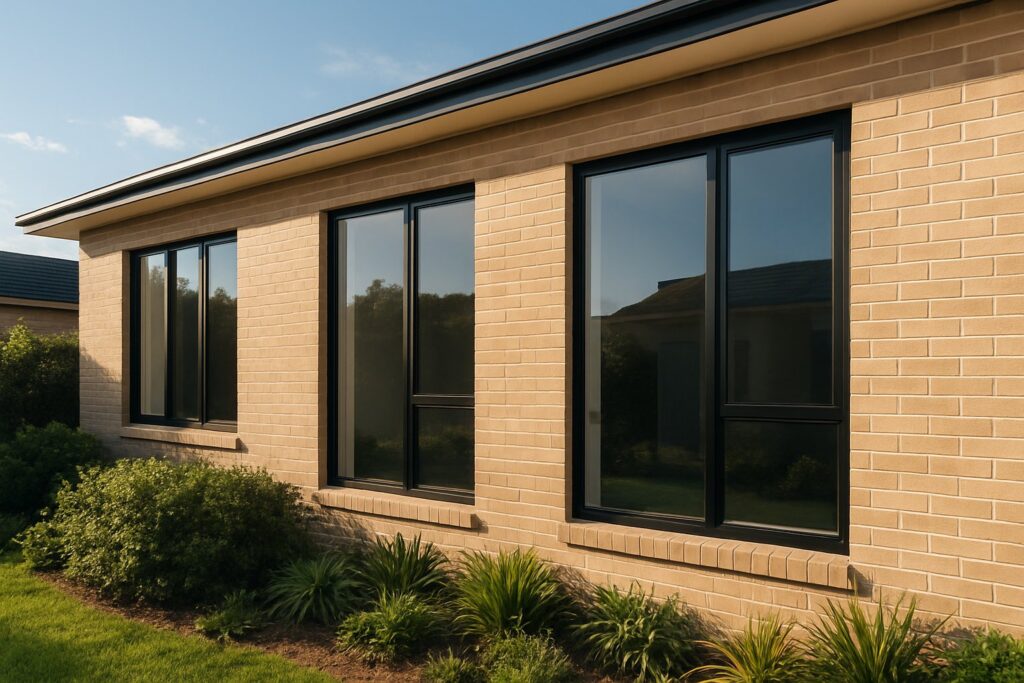
What an Aluminium Windows Specialist Actually Is
Not everyone who sells or installs aluminium windows qualifies as a specialist. The term gets used loosely across the industry, applied to big-box retailers with a fenestration aisle, general glaziers who handle every material under the sun, and online suppliers offering catalogue products with no technical support. A true specialist operates differently, and the gap between them and the rest is wider than most homeowners realise.
An aluminium windows specialist is a qualified professional or firm with dedicated expertise in the design, specification, supply, and installation of windows in aluminium framing systems, holding relevant trade licences, manufacturer authorisations, and material-specific training that general window providers do not possess.
Defining an Aluminium Windows Specialist
What separates a genuine specialist from a general installer comes down to depth. These professionals hold current Australian trade licences and carry specific certifications tied to aluminium window systems, including compliance knowledge around AS 2047 (windows and external glazed doors) and AS 1288 (glass in buildings). Many maintain direct authorisations from aluminium window manufacturers, meaning they receive factory-level training on thermal break profiles, drainage engineering, and hardware integration specific to each system.
Industry certification programs, such as those offered through the Australian Glass and Window Association (AGWA) and manufacturer-specific accreditation pathways, set a measurable standard. Professionals pursuing these credentials demonstrate competence across performance testing, installation methodology, and compliance with the National Construction Code. This is a far cry from a generalist who might fit metal windows, timber frames, and uPVC products all in the same week without deep knowledge of any single material.
Why the Specialist Label Matters
Project outcomes hinge on this distinction. When you engage aluminium windows specialists, you access someone who understands how an aluminum window frame responds to Australian temperature extremes, how coastal salt air interacts with specific alloy grades, and which window aluminium windows configurations satisfy BAL-rated bushfire requirements. General installers and big-box store subcontractors rarely possess this layered knowledge. They may offer alu windows at a lower price point, but they lack the technical depth to solve problems that arise with non-standard openings, high wind zones, or energy performance targets under WERS and NatHERS schemes.
The distinction is not about snobbery. It is about whether the person specifying and fitting your aluminium windows can navigate the technical complexity your project demands, or whether they are simply bolting a product into a hole.
How Specialists Differ from General Window Installers
The gap between a dedicated aluminium window professional and a general installer is not just about preference or marketing spin. It shows up in measurable ways: tighter tolerances during fitting, fewer callbacks, better thermal performance after installation, and longer hardware life. A general contractor might competently manage a renovation that includes windows, but competence across many trades is not the same as mastery of one material system.
Specialist Knowledge vs General Installation Skills
General window installers typically work across timber, uPVC, and aluminium frames for windows in the same week. They follow manufacturer instructions and meet minimum compliance thresholds. That is perfectly adequate for straightforward projects. Where the difference emerges is in the nuance: understanding how aluminium window frames behave under thermal cycling, how drainage channels must be engineered to prevent water pooling behind the sash, and how expansion allowances need to account for dark-coloured metal frame windows absorbing significantly more heat than lighter profiles.
Specialists carry this knowledge as second nature. They understand that an aluminum window frame expands at a different rate to the surrounding substrate, whether that is brick veneer, rendered block, or lightweight cladding. They know which sealant chemistries remain compatible with powder-coated aluminium over a twenty-year service life, and which ones degrade the finish. A generalist fitting aluminum framed windows may not even consider these variables, defaulting instead to the same approach they use for every material.
| Criteria | Aluminium Window Specialist | General Window Installer |
|---|---|---|
| Product knowledge depth | Deep expertise across multiple aluminium systems, profile types, and hardware platforms | Broad familiarity with several materials; limited system-specific knowledge |
| Installation precision | Accounts for thermal expansion, drainage fall, and substrate-specific fixing patterns | Follows standard installation procedures without material-specific adjustments |
| Customisation capability | Configures bespoke sizes, non-standard configurations, and performance specifications | Installs catalogue products in standard dimensions |
| Material-specific training | Holds manufacturer authorisations and ongoing accreditation in aluminium systems | General trade licence with no material-specific credentials |
| Post-installation support | Provides aluminium-specific maintenance guidance, hardware adjustment, and seal replacement | Limited aftercare; may refer issues back to product supplier |
Where Generalists Fall Short on Aluminium
Three technical areas consistently trip up general installers working with aluminium: thermal bridging, expansion management, and drainage design. Thermal bridging occurs when the aluminium frame conducts heat directly between interior and exterior surfaces, causing condensation and energy loss. Specialists specify thermally broken profiles and verify that installation details do not create bypass paths around the break. A generalist fitting replacement aluminum windows may not recognise these bypass risks, particularly at sill junctions and head flashings.
Expansion management is equally critical. An aluminum frame window installed tight to its reveal on a cool morning can buckle or bind by mid-afternoon in direct sun. Specialists calculate clearance requirements based on frame colour, orientation, and local climate data. Drainage design rounds out the trio: aluminium systems rely on precisely positioned weep slots and pressure-equalised chambers to shed water. Blocking even one drainage path during installation, a common error when generalists over-apply sealant, leads to water ingress that may not appear for months.
These are not edge cases. They are routine considerations for anyone working with aluminium daily, and routine oversights for those who do not.
Types of Aluminium Windows That Specialists Handle
Technical mastery of thermal bridging and drainage design only matters if the right window configuration is selected in the first place. This is another area where specialist knowledge pays dividends. Aluminium framing supports a wider range of opening types than most homeowners realise, and each configuration carries its own set of hardware requirements, profile geometries, and performance trade-offs. A specialist does not simply offer what is in the catalogue. They match configurations to real project conditions: the room’s function, prevailing wind exposure, ventilation demands, and the building’s architectural character.
Common Aluminium Window Configurations
The diversity of aluminium window types reflects the material’s structural versatility. Because aluminium profiles can be engineered with narrow sightlines while maintaining strength, they accommodate configurations that would be impractical or visually heavy in timber or uPVC. Below is the full range that specialists routinely work with:
- Casement windows — Hinged on one side and opening outward (or inward in some designs), aluminium casement windows offer excellent airtightness and compression sealing. They are the strongest all-round performer for bedrooms, living areas, and any facade where tight weather sealing and full ventilation are priorities.
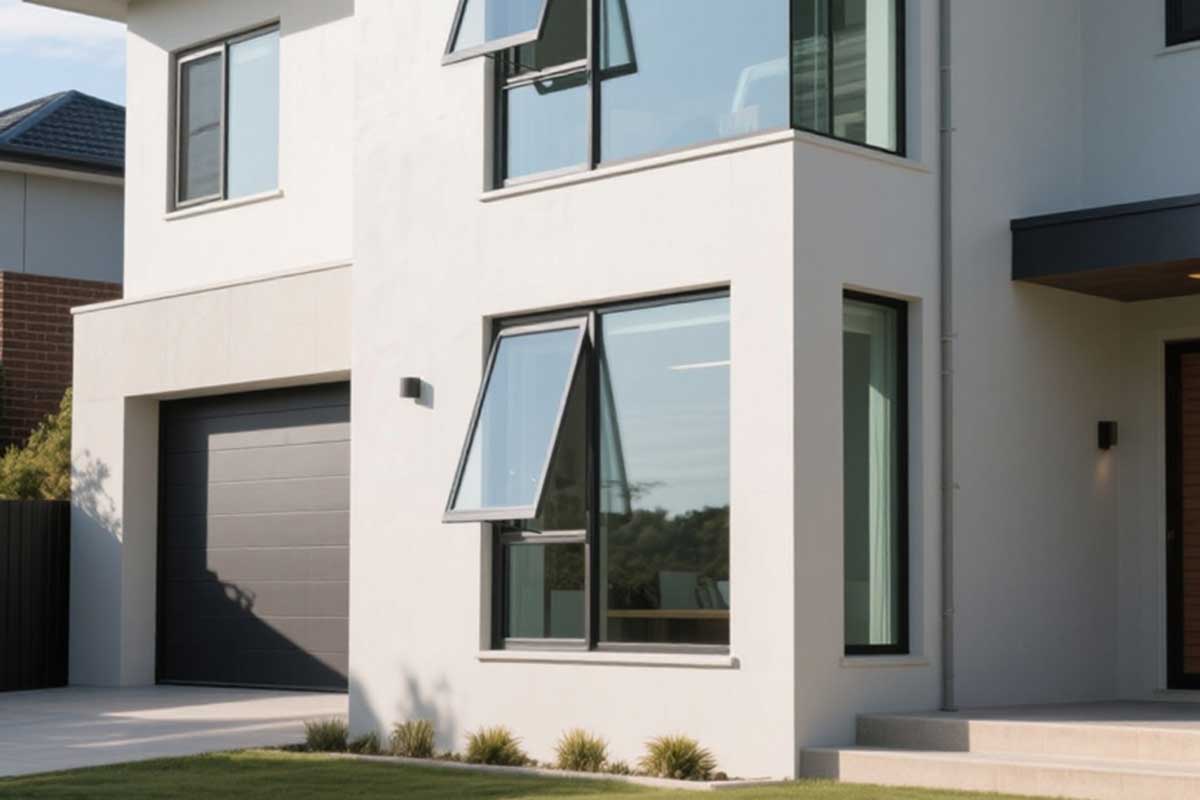
- Awning windows — Top-hinged and projecting outward, awning configurations allow ventilation during rain without water entering the room. Ideal for bathrooms, laundries, kitchens, and higher-level openings where reach is limited.
- Sliding windows — Operating on horizontal tracks, an aluminium sliding window saves interior and exterior clearance space. Well suited to balconies, compact apartments, and openings where swing clearance is restricted by furniture, pathways, or landscaping.
- Single-hung windows — Only the bottom sash moves vertically while the top sash remains fixed. An aluminum single hung window works well in traditional residential facades and rooms where partial ventilation at the lower level is sufficient.
- Double-hung windows — Both sashes operate independently, allowing ventilation from top, bottom, or both simultaneously. This creates natural convection airflow and suits period-style homes, particularly aluminium sash windows designed to replicate heritage proportions with slimmer modern profiles.
- Fixed windows — Non-operable panels that maximise views and natural light. Aluminum picture windows are common in living rooms, stairwells, and feature walls where ventilation is handled by adjacent operable units.
- Tilt-and-turn windows — A dual-function design that tilts inward at the top for secure ventilation or swings fully open like a casement. Popular in multi-storey buildings and homes with young children, offering strong sealing in both positions.
- Bay and bow windows — Multiple panels set at angles to project outward from the building facade, creating interior depth and panoramic views. These require precise structural engineering of the aluminium framework and careful integration with roofing and flashing above.
Each of these types demands a different frame profile depth, hardware platform, and sealing approach. Specialists understand which system suits which configuration rather than forcing one profile to serve every purpose.
Matching Window Types to Room Requirements
Selecting an aluminum casement window for every opening in the house is a common shortcut, but it is not always the right call. Room function, climate, and orientation all shape which configuration performs best.
Bedrooms benefit from casement or tilt-and-turn windows where tight closure keeps external noise out at night and the full opening provides rapid air exchange in the morning. In warmer climates across northern Queensland or the NT, louvre or awning types may serve better by allowing constant background ventilation without compromising security.
Kitchens and wet areas need ventilation that works regardless of weather. Awning windows handle this well. They shed rain away from the opening while still drawing steam and cooking odours out. Sliding windows aluminum configurations also suit kitchens where bench space or splashbacks sit directly below the sill, since no sash swings inward to collide with taps or drying racks.
Living areas and feature facades often combine fixed panels for expansive views with operable casement or awning units positioned to catch prevailing breezes. This layered approach, mixing aluminum picture windows with smaller ventilation panels, lets specialists optimise both daylighting and cross-ventilation without compromising the clean aesthetic.
For upper-storey bedrooms in multi-level homes, tilt-and-turn or restricted-opening casements address safety requirements under the NCC while still providing meaningful ventilation. Specialists configure compliant restrictor hardware that limits the opening gap to less than 125 mm in the tilt position, satisfying fall-prevention regulations without sealing the room off from fresh air.
Specialty Configurations for Unique Architecture
Standard residential projects account for most work, but specialists earn their reputation on the projects that push beyond off-the-shelf dimensions and typical opening types. Bay and bow assemblies, for instance, require structural mullion design, angle-specific weatherproofing, and coordination between the window system and the building’s structural support above. A general installer handed this brief would typically defer to the supplier’s generic detail drawings. A specialist engineers the connection to suit the specific wall construction, whether that is double brick, steel frame, or timber stud with external cladding.
Large-format sliding windows and stacking configurations also sit in specialist territory. When panel widths exceed 1200 mm or heights push past 2700 mm, standard hardware and track systems reach their limits. Specialists select heavy-duty rollers, reinforced interlocks, and track profiles rated for the sash weight, ensuring smooth operation that lasts rather than a system that binds after the first summer of thermal expansion.
Heritage renovations present a different challenge. Replicating the slim profiles of original aluminium sash windows or period steel frames requires specialist knowledge of available profile geometries and how modern thermal break technology can be incorporated without altering the visual proportions that heritage overlays protect. These are not problems solved by browsing a product brochure. They demand someone who works with the material daily and understands the boundaries of what each system can achieve.
The Full Project Lifecycle with a Specialist
Choosing the right window type is only one decision in a longer chain. What distinguishes a specialist relationship from a transactional purchase is the structured process that surrounds it, a lifecycle designed to eliminate guesswork and catch problems before they become expensive on-site discoveries. Most general suppliers operate on a quote-supply-deliver model. Specialists run a consultative process that shapes the project from first conversation through to years of aftercare.
The full journey typically spans eight to sixteen weeks depending on complexity, and each phase builds on the one before it:
- Initial consultation — A specialist discusses your project goals, architectural style, performance requirements, and budget parameters. This is not a sales pitch. It is a scoping exercise to determine which aluminum window systems suit the brief and whether bespoke solutions are warranted.
- Site survey and measurement — A trained surveyor visits the property to measure each opening in three places, check for squareness, assess substrate condition, and note obstacles like electrical points or drainage paths. Measurements are taken to the millimetre because even small errors compound across multiple openings.
- Design and specification — Drawing on survey data, the specialist develops detailed specifications covering frame profiles, glazing type, hardware selection, colour finish, and compliance requirements under AS 2047 and the NCC. This phase typically takes two to four weeks for residential projects.
- Manufacturing or procurement — Specifications go to aluminium window manufacturers for production. Depending on complexity and whether custom sizing or specialty glazing is involved, manufacturing runs six to twelve weeks. Quality inspections at the factory verify dimensional accuracy and performance criteria before dispatch.
- Delivery and site preparation — Products arrive sequenced to match the installation programme. The specialist coordinates delivery logistics and confirms the site is ready: old units removed, reveals prepared, and structural supports verified.
- Installation and commissioning — Fitting follows manufacturer-specific procedures, with frames secured on all four sides, fixings placed 100 to 150 mm from corners, and intermediate fixings spaced no more than 600 mm apart. Every operable sash is tested for smooth operation, locking engagement, and drainage function.
- Handover and aftercare — The specialist walks you through operation and maintenance, registers warranties, and schedules any follow-up adjustments once the building has settled.
From First Consultation to Final Specification
The early stages are where a specialist adds the most invisible value. During consultation, they identify constraints a homeowner might not consider: whether the opening faces a flight path requiring acoustic-rated glazing, whether the site falls within a bushfire zone demanding BAL-compliant assemblies, or whether the wall construction limits available fixing methods. These findings feed directly into the specification, preventing costly mid-project changes.
The site survey itself goes well beyond tape-measure basics. Specialists assess structural adequacy, drainage fall, weathertightness requirements, and any existing defects around the aperture. They determine whether the situation is load-bearing and confirm clearance tolerances that account for aluminium’s thermal expansion characteristics. This level of scrutiny is what separates a considered specification from a rushed quote based on rough dimensions supplied over the phone.
Manufacturing and Installation Phases
Once specifications are locked in, the project enters production. Aluminium windows manufacturers produce frames to exact dimensions with quality control checkpoints verifying profile cuts, thermal break integrity, and hardware fitment before units leave the factory. For projects involving both fenestration and entry systems, aluminium windows and doors manufacturers often coordinate production runs so all components arrive together, reducing site visits and installation staging.
Installation day is where preparation meets precision. A specialist team works methodically, applying sealants compatible with powder-coated aluminium, shimming frames to achieve level and plumb, and verifying that drainage weep slots remain unobstructed. Unlike a general installer who may complete the work and move on, the specialist commissions every window: checking compression seals, testing lock engagement at multiple points, and running water across external joints to confirm weathertightness before signing off.
Post-Installation Support and Maintenance
The relationship does not end at practical completion. Specialists provide maintenance schedules tailored to your environment. A coastal property in Wollongong needs a different wash-down frequency than a suburban home in Ballarat. Hardware may require lubrication or adjustment after the first seasonal cycle as the building frame settles and aluminium expands through its initial thermal range.
Warranty support also sits with the specialist rather than being deferred to a faceless manufacturer hotline. If a seal degrades, a lock mechanism stiffens, or condensation appears between panes, your specialist diagnoses the issue within the context of the original installation and specification. This continuity of care is fundamentally different from the transactional model where the supplier’s involvement ends at the point of sale, and it is the reason informed buyers seek out specialists for projects that need to perform reliably for decades.
Technical Performance and Quality Standards Explained
A structured project lifecycle keeps everything on track, but the decisions made within that process rely on something less visible: a specialist’s command of technical performance data. Numbers like U-values, Rw ratings, and water infiltration pressures shape every specification choice, yet most homeowners never encounter them until something underperforms. Aluminium windows specialists work fluently in this language of metrics, translating raw performance data into window assemblies that actually deliver what the project demands.
Thermal Break Technology and Energy Performance
Aluminium is a strong, lightweight, and endlessly recyclable material, but it conducts heat readily. Without intervention, an aluminium frame acts like a bridge, transferring heat from your conditioned interior straight to the outside air. This is the thermal bridging problem, and it is the single most important technical challenge in aluminium window design.
The solution is a thermal break: a strip of non-conductive polyamide or similar insulating material inserted between the internal and external sections of the aluminium window profiles. This barrier interrupts heat flow, allowing the exterior face to weather temperature extremes while the interior face remains close to room temperature. The result is dramatically reduced heat loss in winter, lower solar heat gain in summer, and a sharp drop in condensation forming on internal frame surfaces.
Performance is measured using U-values, expressed in watts per square metre per degree Kelvin (W/m²K). A lower number means less heat passes through the window assembly. Modern thermally broken aluminium windows paired with quality insulated glass units can achieve U-values as low as 0.8 to 1.2 W/m²K, placing them on par with timber and high-end uPVC systems. These figures depend on the glazing specification as much as the frame. Aluminum double glazed windows with argon gas fill and low-E coatings deliver strong results for most Australian climates, while triple-glazed units push performance further for extreme cold zones or Passive House projects.
Specialists understand how to balance these variables. They know that a dark-coloured frame on a west-facing elevation will absorb more solar radiation and needs a higher-performing thermal break than the same profile facing south. They calculate Solar Heat Gain Coefficient (SHGC) alongside U-values to ensure the full thermal picture is addressed, not just one metric in isolation. This layered understanding is what separates a considered specification from a generic one.
It is worth noting that aluminum clad wood windows and wood clad aluminum windows offer an alternative approach, combining timber’s natural insulating properties on the interior with aluminium’s weather resistance externally. Specialists understand where these hybrid systems make sense and where a fully thermally broken aluminium solution performs equally well at lower maintenance cost.
Quality Certifications That Signal Credibility
Performance claims mean little without verified testing behind them. In Australia, the certification framework centres on several key standards that specialists navigate daily:
- AS 2047 — The primary Australian Standard for windows and external glazed doors. It sets minimum requirements for structural adequacy, weather resistance (air infiltration, water penetration), and operating force. Every window installed in a building regulated under the NCC must comply.
- AS 1288 — Governs the selection and installation of glass in buildings, including safety glazing locations, thickness calculations, and edge clearances.
- WERS (Window Energy Rating Scheme) — Australia’s star-rating system for window energy performance. It rates windows from zero to ten stars based on heating and cooling energy impact, accounting for U-value, SHGC, and air infiltration together. Specialists use WERS data to demonstrate compliance with NatHERS modelling targets.
- NatHERS (Nationwide House Energy Rating Scheme) — While not a window-specific certification, NatHERS energy ratings for whole-house thermal performance depend heavily on window specifications. Specialists understand how to select aluminium window profiles that achieve the necessary star ratings without blowing out the project budget.
- BAL ratings — For properties in designated bushfire-prone areas, windows must meet specific Bushfire Attack Level requirements under AS 3959. This affects glazing type, frame construction, and sealing details.
Beyond compliance standards, look for windows tested to international benchmarks where relevant. Acoustic performance is measured using the weighted sound reduction index (Rw) in Australia. An Rw rating of 30 to 35 dB suits typical suburban environments, while properties near highways, airports, or rail corridors require Rw ratings above 40 dB, achievable through thicker glass, laminated interlayers, and asymmetric aluminum double pane windows configurations where inner and outer panes differ in thickness.
Structural wind load ratings are another area where specialists add value. Australia’s wind region classifications range from A (non-cyclonic, low) through to D (cyclonic, severe). Aluminium alloy windows specified for a coastal home in Townsville face vastly different structural demands than those for a sheltered suburban property in Canberra. Specialists cross-reference site-specific wind data with AS 2047 structural performance levels to select profiles and hardware that will withstand the loads without deflecting beyond acceptable limits.
Understanding Performance Tier Systems
Not every project needs the highest-performing window available, and not every budget allows for it. Specialists help clients understand what they are getting at different investment levels. The following tier framework provides a general guide to what buyers can expect as specifications increase:
| Performance Tier | Thermal Performance | Acoustic Rating (Rw) | Weather Resistance | Typical Application |
|---|---|---|---|---|
| Basic | Standard thermal break; U-value 2.5–3.5 W/m²K with double glazing and air fill | 25–30 dB | Meets minimum AS 2047 for wind region A/B | Standard residential replacement in sheltered suburban locations; budget-conscious new builds |
| Enhanced | High-performance thermal break; U-value 1.5–2.4 W/m²K with argon-filled double glazing and low-E coating | 32–38 dB | Exceeds AS 2047 minimums; suitable for exposed and coastal sites in wind regions A through C | Quality residential and light commercial; properties near busy roads; homes targeting 6+ star NatHERS |
| Premium | Advanced multi-chamber thermal break; U-value 0.8–1.4 W/m²K with triple glazing or high-spec double glazing, argon/krypton fill, multiple low-E coatings | 40+ dB | Tested to high-exposure and cyclonic wind regions C/D; superior air and water infiltration resistance | High-end residential; commercial facades; airport proximity; cyclone zones; Passive House and metal clad windows assemblies requiring peak performance |
A few things to note about this framework. Moving from basic to enhanced tier is often the biggest value jump for Australian homeowners. The cost difference is moderate, but the comfort improvement is substantial, particularly in climates with hot summers and mild winters where solar heat gain drives cooling loads. Jumping to premium makes financial sense for specific scenarios: extreme noise exposure, cyclone-rated regions, or projects chasing very high NatHERS scores where every fraction of a U-value point counts in the energy model.
Specialists guide this decision by modelling actual performance outcomes rather than selling on fear or aspiration. They can show you, in dollar terms, what the energy saving looks like at each tier for your specific climate zone and orientation, then weigh that against the upfront cost difference. This data-driven approach to specification is one of the clearest markers that you are dealing with a genuine professional rather than someone pushing the most expensive option for margin.
Performance standards also extend to durability and finish. Aluminum alloy windows use specific alloy grades (typically 6060 or 6063 T5/T6 in architectural applications) selected for their combination of extrudability, surface finish quality, and corrosion resistance. Powder coat finishes are tested to Qualicoat or equivalent standards, with marine-grade coatings specified for properties within proximity to salt water. These details rarely appear in a general installer’s conversation, but they determine whether your windows still look sharp and operate smoothly in fifteen years or whether the finish has chalked, seals have degraded, and hardware has corroded.
All of these metrics, the U-values, Rw ratings, wind load classifications, and coating standards, feed into a single question: will the window perform as promised for its intended lifespan in its specific environment? That question is what specialists answer every day, and it is what makes their technical fluency worth paying for.
When You Actually Need a Specialist
Performance tiers and technical standards provide the framework, but here is the honest truth: not every aluminium window project demands specialist involvement. Some installations are straightforward enough that a competent general supplier with a solid product range can deliver a perfectly good result. Knowing where to draw that line saves you money on simple projects and protects you from costly mistakes on complex ones.
Scenarios That Demand Specialist Expertise
Certain project conditions push beyond what standard supply-and-install channels can handle reliably. If your project includes any of the following, a specialist is not a luxury. It is a risk management decision:
- Heritage properties with overlay restrictions — Council heritage overlays often dictate frame proportions, sightline widths, and even colour selections that replicate original fenestration. A specialist understands which slim aluminium profiles can satisfy heritage requirements while still delivering modern thermal and acoustic performance. General suppliers rarely carry the profile range or the knowledge of council approval processes needed for these projects.
- Large-format openings exceeding standard sizes — Once panel widths push past 1200 mm or heights exceed 2700 mm, structural calculations become critical. Glass weight, wind load deflection, and hardware ratings all need engineering input. These are not catalogue products; they require bespoke specification and commercial aluminum window frames rated for the loads involved.
- Coastal or high-exposure environments — Properties within five kilometres of the coastline face salt air that accelerates corrosion of powder coating and base metal. Specialists specify marine-grade alloys, enhanced surface preparation, and premium coating systems tested for these conditions. A general supplier may offer the same frame in a coastal suburb as they would in an inland estate, with no adjustment to alloy grade or finish specification.
- Acoustic-sensitive locations — Homes near flight paths, rail corridors, or arterial roads need Rw ratings above 40 dB. Achieving this requires asymmetric glazing configurations, thicker laminated interlayers, and frames with enhanced sealing details. Specialists model acoustic performance and select the right combination of glass and frame to hit measurable noise-reduction targets.
- High-rise and multi-storey applications — Commercial aluminium windows installed above three storeys face escalating wind pressures and stricter NCC fire-separation requirements. Structural performance testing, facade engineering, and compliance documentation all require specialist project management. These are not residential aluminum windows in a taller building; they are fundamentally different assemblies.
- Architecturally complex facades — Curved walls, acute-angle corners, raked head configurations, and faceted bay assemblies demand engineering beyond standard fabrication. A specialist works with manufacturers to develop bespoke solutions, sometimes involving custom extrusion dies or specialised corner-joining techniques.
- Bushfire-prone areas (BAL 12.5 and above) — Properties in designated bushfire zones require windows tested to AS 3959, with specific glazing types, metal screening, and frame detailing that prevent ember ingress. A general installer may not understand which BAL rating applies to each elevation or how to integrate compliant assemblies with the broader building envelope.
These scenarios share a common thread: the consequences of getting it wrong are expensive, slow to fix, and sometimes irreversible. A heritage non-compliance notice, a water-damaged internal lining behind a leaking oversized panel, or a failed bushfire audit at final inspection — none of these problems are solved cheaply after the fact.
When Standard Supply Channels Work Fine
Being honest about limitations works both ways. Plenty of projects sit comfortably within what a reliable general supplier can deliver without specialist fees:
- Standard residential replacements in typical dimensions — Swapping aging metal windows residential properties rely on for modern aluminium units in openings under 2400 mm high and 1200 mm wide is well within general capability, provided the supplier uses quality thermally broken profiles and competent installers.
- Simple new-build projects with standard specifications — A volume builder’s home in a suburban estate, designed with standard opening sizes and no unusual compliance requirements, can be fitted with high quality aluminum windows from a general supplier’s catalogue range without issue.
- Like-for-like replacements in benign environments — If the existing opening is square, the substrate is sound, and the property sits in a low-wind, non-coastal, non-bushfire location, the installation is essentially routine.
- Budget-tier projects where minimum compliance is acceptable — Not every homeowner needs enhanced or premium performance. Where the goal is simply a functional, compliant window at a reasonable price, and the project has no complicating factors, standard supply works.
The key distinction is complexity and consequence. When durable aluminium windows in standard configurations meet the project’s performance needs without engineering input, a general supplier delivers value. When the site, the opening, or the compliance landscape introduces variables that standard products and procedures cannot address, the cost of a specialist is far less than the cost of failure.
What matters is asking the right question early: does this project have conditions that demand bespoke solutions, or can it be served well by proven standard products? A good specialist will tell you honestly if your job falls into the simpler category. Their willingness to say “you do not need us for this” is, paradoxically, one of the strongest signals that you are dealing with a credible operator rather than someone chasing every available dollar.
Customisation and Bespoke Options from Specialists
That willingness to be honest about when you need them also reveals something else about genuine specialists: they do not rely on catalogue products alone. Their real value emerges when a project requires something the standard range cannot deliver. Custom aluminum windows, non-standard shapes, specific performance targets, unusual colour selections — these are the bread and butter of a specialist’s offering, and they represent capabilities that general suppliers simply do not have the technical infrastructure or manufacturer relationships to provide.
Where a general installer presents you with a brochure of fixed sizes and three or four colour options, a specialist configures the window to suit the opening, not the other way around. This distinction sounds subtle, but it reshapes what is architecturally possible.
Custom Sizing and Non-Standard Configurations
Real buildings rarely cooperate with standard dimensions. Renovation projects in older Australian homes — weatherboards, Queenslanders, art deco brick — frequently present openings that do not match any catalogue size. New architectural designs push even further: raked heads following rooflines, trapezoidal shapes filling gable ends, arched tops echoing heritage detailing, and floor-to-ceiling panels exceeding three metres in height.
Specialists work with aluminium window systems that allow frames to be formed in almost any size and shape, including triangles, trapezoids, polygons, and curved profiles. This flexibility comes from aluminium’s inherent properties: its strength-to-weight ratio permits slender yet rigid frames, while its malleability supports custom extrusion and bending that would be impractical in uPVC or structurally inadequate in timber at equivalent sightline widths.
Custom metal windows in non-standard configurations require more than just a different-sized frame. Each unusual geometry brings hardware challenges, drainage complications, and sealing requirements that off-the-shelf components cannot address. A triangular fixed light is straightforward. A trapezoidal awning window that actually opens, seals against weather, and drains properly? That takes engineering knowledge and manufacturer collaboration that only a specialist relationship provides.
Colour and Finish Options Through Powder Coating
Modern aluminium windows are not limited to silver, white, or black. The powder coating process opens up hundreds of colour options, from subtle architectural greys and bronze aluminum windows finishes to bold statement colours and realistic timber-look textures. Specialists access the full RAL colour spectrum and often additional proprietary ranges from their manufacturing partners.
Key finish categories available through specialist aluminium window supplies include:
- Standard solid colours — Whites, greys, and black aluminum windows finishes that ship on shorter lead times due to high production volumes
- Premium solid colours — Deeper tones, custom RAL matches, and architectural colours requiring dedicated coating runs
- Metallic and textured finishes — Bronze, champagne, pearl effects, and sand textures that add visual depth to the profile surface
- Timber-look finishes — Sublimation-printed wood grain effects that combine aluminium’s low maintenance with the warmth of timber aesthetics
- Marine-grade coatings — Enhanced pre-treatment and coating thickness for coastal properties, typically meeting Qualicoat Class 2 or equivalent durability standards
- Dual-colour options — Different colours on interior and exterior faces, allowing the outside to match the facade while the inside complements internal finishes
Colour selection interacts with performance. Dark-coloured frames absorb more solar radiation, reaching higher surface temperatures that affect thermal expansion calculations and sealant longevity. Specialists factor this into their specification, adjusting clearance tolerances and selecting compatible sealant chemistries based on the chosen colour rather than treating every finish identically.
Glazing Choices for Performance and Aesthetics
Glass accounts for roughly 80 per cent of a window’s surface area, so glazing selection drives the bulk of thermal, acoustic, and solar performance. Specialists configure glazing packages tailored to each elevation and room function rather than applying a single specification across an entire project.
The glazing variables a specialist manipulates include:
- Low-E coatings — Microscopically thin metallic layers that reflect infrared heat while transmitting visible light. Position on surface two or three of the IGU determines whether the coating prioritises winter heat retention or summer heat rejection.
- Laminated interlayers — PVB or ionoplast layers between glass panes that enhance acoustic performance, security, and UV filtration. Critical for openings near noise sources or where safety glazing is mandated under AS 1288.
- Tinted glass — Grey, green, or bronze body-tinted glass that reduces solar heat gain and glare without visible coatings. Useful on west-facing elevations where afternoon sun drives cooling loads.
- Double or triple glazing — Standard double-glazed units suit most Australian climates, while triple-glazed configurations achieving U-values as low as 0.7 to 1.0 W/m²K serve extreme cold zones or projects targeting Passive House certification.
- Gas fills — Argon is standard for enhanced insulation; krypton offers higher performance in thinner cavity widths where profile depth is constrained.
- Obscure and patterned glass — Privacy glazing for bathrooms and side lights without sacrificing natural light transmission.
A specialist configures these elements differently across the same home. North-facing living areas might receive clear low-E glass optimised for passive solar gain in winter, while west-facing bedrooms get tinted laminated units that cut glare and noise simultaneously. This granular approach is what transforms modern aluminium windows from a generic product into a performance-tuned building component.
For Australian homeowners, builders, and architects seeking this level of configurability, MEICHEN’s aluminium windows range offers an example of specialist supply in practice — providing custom configuration options, extensive glazing and colour selections, and project-based supply for both residential and commercial applications across Australia.
Beyond glass and colour, specialists also coordinate custom hardware selections (specific handle styles, concealed hinges, multi-point locking systems), integrated flyscreens and security mesh, and external shading solutions that mount directly to the aluminium joinery without aftermarket brackets. For multi-unit developments and commercial projects, they manage project-based supply programmes where hundreds of openings are specified individually but manufactured and delivered in coordinated sequences aligned to the construction programme.
This ability to configure rather than simply select is what defines bespoke aluminium window systems. A catalogue product fits some projects well. But when the architecture, the site, or the performance target demands something specific, the specialist’s network of manufacturer relationships and technical fluency turns a constraint into a resolved detail. That resolution process also raises a practical question: how do you verify that the specialist offering these capabilities is genuinely qualified to deliver them?
How to Evaluate and Choose the Right Specialist
Verifying credibility takes more than a quick search for aluminium windows near me and picking the top result. Plenty of operators use specialist language in their marketing without holding the credentials or experience to back it up. A structured evaluation approach protects your investment and ensures the aluminium windows company you engage can actually deliver the performance, customisation, and aftercare they promise.
Credentials and Certifications to Verify
Start with documentation. Any legitimate aluminium window installers operating in Australia should produce the following without hesitation:
- Current state or territory trade licence — In most jurisdictions, window installation falls under builder or glazier licensing categories. Verify the licence number through your state’s fair trading or building authority portal.
- Manufacturer authorisations — Genuine specialists hold formal accreditation from the aluminium window system brands they supply. This confirms factory-level training on specific profiles, hardware, and installation methodology.
- Industry association membership — Membership in the Australian Glass and Window Association (AGWA) or equivalent state bodies signals ongoing professional development and adherence to industry codes of conduct.
- Public liability and professional indemnity insurance — Request current certificates. Uninsured operators expose you to personal liability if something goes wrong during installation.
- Demonstrated compliance knowledge — Ask how they approach AS 2047 testing, NCC Section J energy requirements, and BAL-rated assemblies. A credible specialist speaks fluently about these without needing to check notes.
- Project portfolio with verifiable references — Look for completed work similar in scope and complexity to your project. The best aluminium windows installations are backed by homeowners and builders willing to speak about the experience.
Any aluminium windows contractor who hesitates to provide these documents, or deflects with vague assurances, does not meet the threshold. Credentials are not optional; they are baseline proof that you are dealing with a professional rather than a tradesperson who fitted aluminium once and added it to their website.
Questions to Ask During Your First Meeting
Beyond paperwork, a first consultation reveals depth of knowledge through conversation. The questions you ask should probe whether this person solves problems or simply processes orders.
The single most important question to ask any aluminium windows specialist: “For my specific site conditions, which system would you recommend and why — and what alternatives did you rule out?”
This question forces a specialist to demonstrate reasoning, not just product familiarity. A genuine expert will reference your orientation, wind exposure, climate zone, acoustic environment, and aesthetic goals before recommending a system. Someone who jumps straight to a brand name without considering site context is selling, not specifying.
Other revealing questions include:
- Who physically installs the windows — your own team or subcontracted labour?
- How do you handle unexpected issues like out-of-square reveals or concealed structural defects?
- What warranty do you provide on installation workmanship, separate from the product warranty?
- Can you walk me through how you address thermal expansion for my chosen frame colour?
- Which aluminium window systems do you hold authorisation for, and why those specifically?
Pay attention to how they answer as much as what they say. The best windows manufacturer relationships and system authorisations mean little if the person across the table cannot explain how those systems perform in your specific situation. A top-tier specialist educates you during this conversation. An unqualified one deflects technical questions or resorts to generic brochure language.
Red Flags That Signal an Unqualified Operator
Knowing what to look for is half the picture. Recognising what to walk away from completes it. These warning signs consistently indicate an operator who lacks the expertise to deliver specialist-level outcomes:
- No site visit before quoting — Any company providing a fixed price from dimensions given over the phone or email is not performing due diligence. Accurate specification requires physical survey.
- Pressure to sign immediately — Phrases like “this price is only available today” or high-pressure sales tactics signal a transactional operator, not a consultative specialist.
- Vague or verbal-only warranty — A written warranty covering both product and installation workmanship is non-negotiable. Verbal promises vanish when problems surface.
- Inability to name specific aluminium systems they are authorised for — If they cannot tell you which manufacturer’s profiles they use or which systems they hold accreditation in, their specialist claim is hollow.
- Quoting significantly below market rate — The best aluminium windows are not the cheapest. A quote that undercuts three other specialists by 30 per cent usually means corners will be cut on materials, installation method, or both.
- No evidence of similar completed projects — Ask for photos, addresses, or references from projects comparable to yours. Inability to provide these suggests inexperience with your project type.
- Subcontracting installation to unknown third parties — When the company quoting is not the team installing, accountability fragments. Quality control depends on the installer having direct relationship with the specification and the client.
Searching for aluminum windows near me will return dozens of operators. The difference between a qualified specialist and an unqualified one is rarely visible in advertising. It becomes apparent only when you apply this evaluation framework, ask pointed questions, and verify claims against documented evidence. The twenty minutes spent checking credentials and asking hard questions at the outset saves weeks of frustration and thousands of dollars when the project is underway.
Choosing the right specialist matters most when the project itself carries inherent complexity — heritage constraints, extreme environmental exposure, or demanding compliance requirements that standard operators rarely encounter.
Building Contexts Where Specialist Knowledge Matters Most
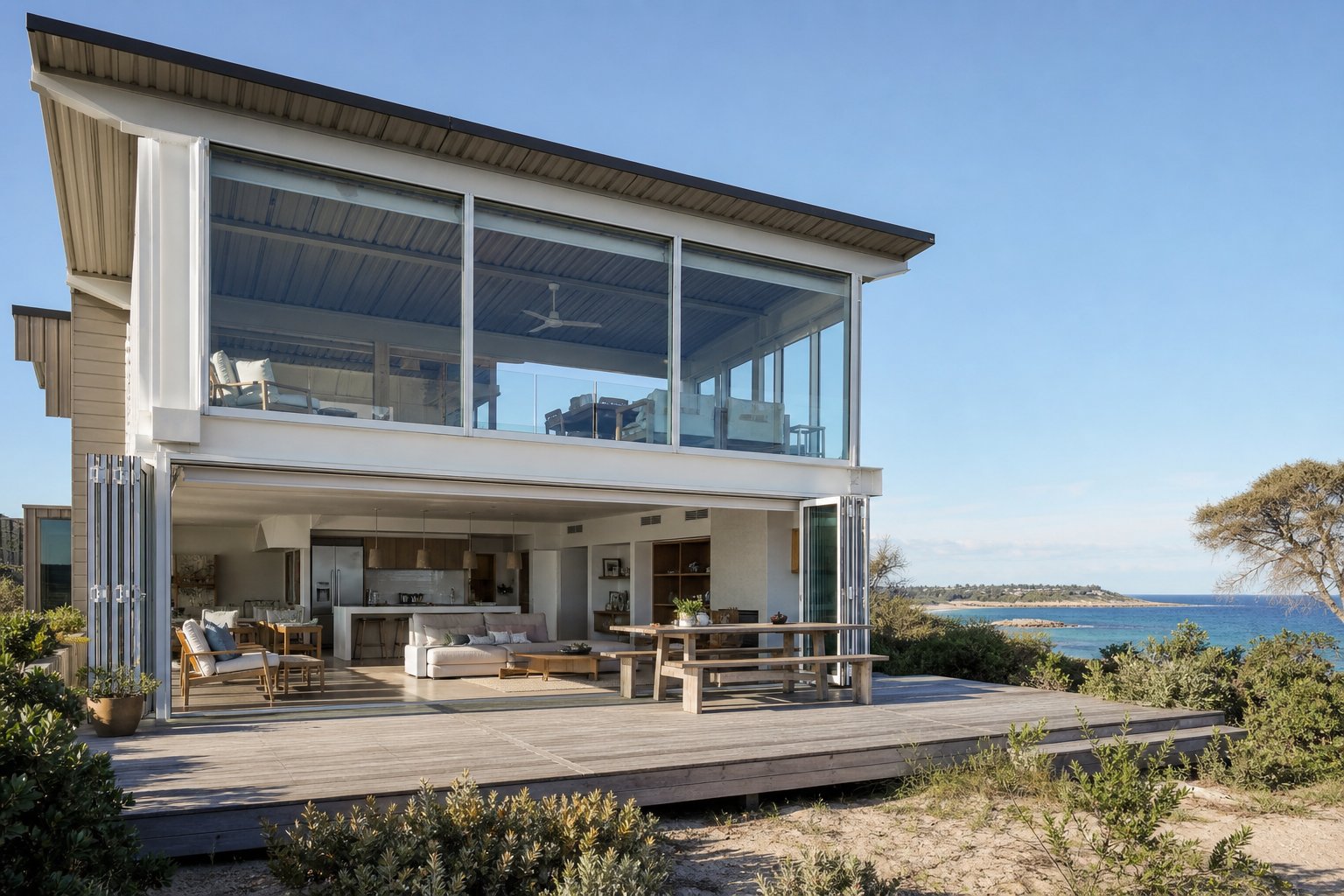
Complexity takes different forms depending on the building. A federation cottage in inner Sydney presents challenges that have nothing in common with a beachfront home in Noosa or a ten-storey mixed-use development in Parramatta. Each context brings its own set of constraints, compliance demands, and failure modes that generic solutions cannot address. These are the projects where aluminium windows specialists earn their fees many times over, because getting it wrong carries consequences that stretch well beyond a single window opening.
Heritage Properties and Period-Sensitive Renovations
Heritage overlays impose strict controls on what you can change, often dictating frame proportions, sightline widths, and colour palettes that must replicate original fenestration. The challenge is achieving this visual fidelity while delivering modern thermal and acoustic performance that the original windows never provided.
Generic aluminium frames are too bulky. Their sightlines overwhelm the delicate proportions of period openings, and council heritage advisors reject them on aesthetic grounds. Specialists work with slim-profile aluminium systems, some with sightlines as narrow as 25 mm, that faithfully recreate original architectural shapes while incorporating thermally broken cores and modern sealing. They understand the council approval process, prepare documentation that satisfies heritage consultants, and navigate the design constraints without sacrificing liveability. A general installer handed this brief typically defaults to standard profiles that fail heritage review, burning weeks of project time on rejected submissions.
Aluminium windows & doors in heritage contexts also demand careful hardware selection. Concealed hinges, period-appropriate handles, and restrictors that do not visually intrude all require sourcing through specialist manufacturer networks rather than off-the-shelf catalogues.
Coastal and High-Exposure Environments
Salt air is relentless. Standard powder-coated aluminium windows installed within five kilometres of the ocean show visible corrosion within a few years. The white powdering on frames, corroded hardware, and degraded seals that plague coastal homes are almost always the result of standard inland specifications applied to marine environments.
Specialists approach coastal aluminium doors and windows differently from the ground up. They specify marine-grade alloys (typically 6063 series), thicker powder coating systems meeting 80 to 120 microns or more with enhanced pre-treatment, and Grade 316 stainless steel hardware throughout — hinges, rollers, locks, and fixings. Drainage design receives extra attention because salt-laden moisture trapped in tracks accelerates localised pitting.
For Australian properties along the coastline from the Sunshine Coast to the Mornington Peninsula, the difference between a generic installation and a specialist-specified one is the difference between windows lasting five years and windows lasting twenty. The upfront premium for marine-grade aluminium windows doors assemblies is modest compared to the cost of full replacement within a decade.
New Residential and Commercial Builds
New construction might seem simpler than renovation, yet it presents its own specialist demands. Contemporary residential design increasingly calls for expansive glazed walls, minimal framing, and seamless indoor-outdoor transitions through large-format sliding or bi-fold configurations. Achieving these designs without compromising structural integrity, weather resistance, or energy compliance under NCC Section J requires someone who understands how aluminum windows and doors interact as a system rather than isolated components.
In residential builds, specialists coordinate aluminium windows and doors across the entire envelope — ensuring consistent sightlines between fixed panels and operable units, matching hardware finishes throughout, and engineering structural mullions for oversized openings that the building frame alone cannot support. For homeowners, builders, and architects planning new projects in Australia, resources like MEICHEN’s aluminium windows page illustrate how a specialist supplier approaches project-based supply with custom configuration, coordinated delivery, and technical support across both residential and commercial sectors.
Multi-storey commercial projects scale this complexity further. Commercial aluminum windows and doors face escalating wind loads at height, stricter fire-separation requirements between tenancies, and facade engineering demands that require tested systems rather than adapted residential products. Specialists working on commercial aluminium windows projects manage structural performance testing, compliance documentation, and coordinated delivery programmes aligned to construction sequencing — capabilities that sit well outside general installer territory.
Bushfire-prone areas add yet another layer. Properties rated BAL 12.5 and above under AS 3959 require aluminium windows & doors assemblies with specific glazing types, metal mesh screening, and frame detailing engineered to resist ember attack. Each elevation may carry a different BAL rating depending on vegetation proximity and slope, meaning the window specification changes from one face of the building to another. Specialists understand this elevation-by-elevation approach and integrate compliant assemblies without compromising the architectural intent.
Across all these building contexts, the common thread is that generic supply fails not because the product itself is poor, but because the specification, configuration, and installation lack the environmental and regulatory intelligence that the project demands. A specialist brings that intelligence as standard — built into every recommendation, every detail drawing, and every installation procedure they execute.
Frequently Asked Questions About Aluminium Windows Specialists
1. What qualifications should an aluminium windows specialist have in Australia?
A qualified aluminium windows specialist in Australia should hold a current state or territory trade licence, manufacturer authorisations from specific aluminium window system brands, and membership in industry bodies such as the Australian Glass and Window Association (AGWA). They need demonstrated compliance knowledge across AS 2047, AS 1288, and NCC requirements. Look for specialists who can provide verified project portfolios, public liability insurance, and professional indemnity cover. These credentials confirm factory-level training on thermal break profiles, drainage engineering, and hardware integration that general installers do not possess.
2. How do aluminium windows specialists differ from general window installers?
The core difference lies in depth of material-specific expertise. General installers work across timber, uPVC, and aluminium in the same week, following standard procedures. Specialists focus exclusively on aluminium systems, understanding how frames behave under thermal cycling, how drainage channels must be engineered to prevent water pooling, and how expansion allowances vary based on frame colour and orientation. They hold manufacturer-specific accreditations, provide aluminium-focused aftercare, and can configure bespoke solutions for non-standard openings — capabilities that generalists handling multiple materials cannot match.
3. When do I actually need an aluminium windows specialist instead of a general supplier?
Specialist involvement becomes essential for heritage properties with council overlay restrictions, large-format openings exceeding standard dimensions, coastal properties requiring marine-grade corrosion resistance, acoustic-sensitive locations near flight paths or highways, high-rise commercial applications, architecturally complex facades, and bushfire-prone areas rated BAL 12.5 or above. Standard supply channels work adequately for routine residential replacements in typical dimensions, simple new builds with standard specifications, and like-for-like replacements in benign inland environments where minimum compliance is acceptable.
4. What customisation options can aluminium windows specialists offer that standard suppliers cannot?
Specialists provide custom sizing for non-standard openings including trapezoidal, triangular, and curved configurations. They access the full RAL colour spectrum through powder coating, including dual-colour options with different interior and exterior finishes, timber-look sublimation prints, and marine-grade coatings for coastal properties. Glazing packages are tailored per elevation — combining low-E coatings, laminated interlayers, tinted glass, and argon or krypton gas fills based on each window’s orientation and function. Providers like MEICHEN (meichenwindows.com.au/aluminium-windows/) offer this level of configurability for Australian residential and commercial projects.
5. What performance standards should quality aluminium windows meet in Australia?
Australian aluminium windows must comply with AS 2047 for structural adequacy and weather resistance, and AS 1288 for glass selection and installation. Performance is measured through U-values for thermal efficiency, Rw ratings for acoustic insulation, and wind load classifications matching the site’s wind region (A through D). The WERS star-rating system rates overall energy performance from zero to ten stars. For bushfire zones, windows must meet AS 3959 BAL requirements. Enhanced thermally broken aluminium windows with argon-filled double glazing typically achieve U-values between 1.5 and 2.4 W/m²K, suitable for most Australian climates targeting 6+ star NatHERS ratings.
More Window & Door Guides