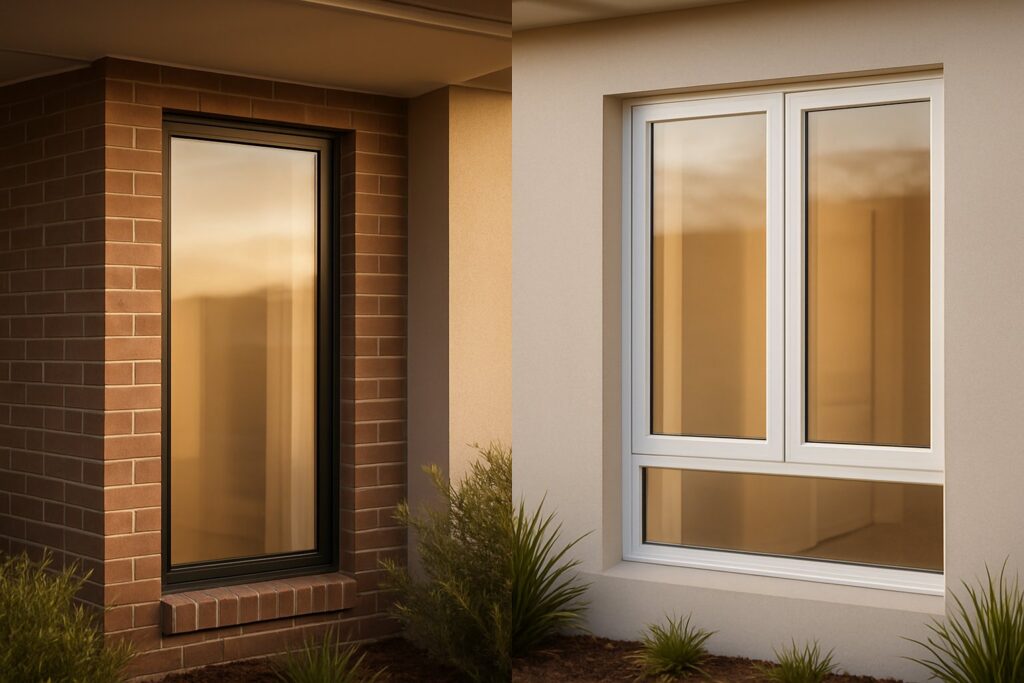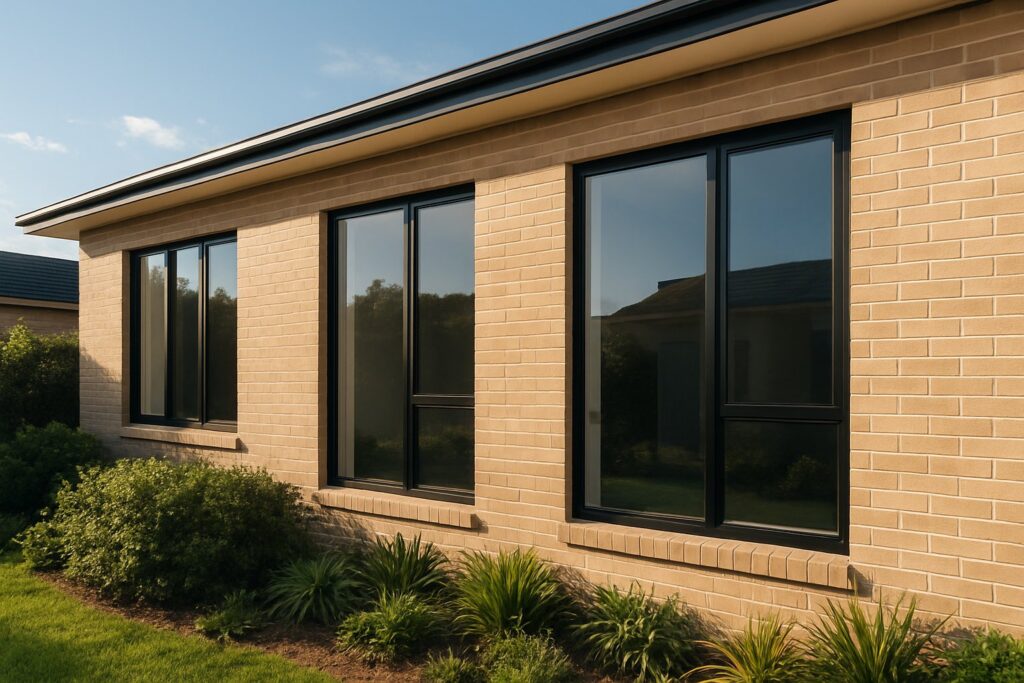
What Are Aluminium Window Glazing Beads
A single strip of profiled aluminium stands between your glass pane and a potential security failure. That strip is the glazing bead, and most homeowners never think about it until something goes wrong.
Definition and Core Function
Aluminium window glazing beads are shaped aluminium strips that lock glass panes securely into the rebate of an aluminium window frame. They apply controlled pressure against weatherseals to retain the glass, block air infiltration, and prevent water ingress.
In simple terms, a glazing bead is the removable trim piece that holds your glass in place. Without it, the pane has no positive retention — it can shift, rattle, or even dislodge under wind pressure. As Wakefield Equipment notes, glazing beads help distribute the weight of the glass evenly across the frame while sealing the window against air and moisture penetration. Every aluminium window you see in a modern Australian home relies on these components to keep the glazed unit stable and weathertight.
Where Glazing Beads Sit Within an Aluminium Frame
Understanding what is a glazing bead becomes easier once you picture the frame anatomy. An aluminium window frame has a recessed channel called the glazing pocket or rebate. The glass unit sits inside this pocket, resting on setting blocks at the base. Rubber or EPDM gaskets line the pocket walls, cushioning the glass and forming a primary weather barrier.
The glazing bead then clips or fixes into the open side of that pocket, pressing the glass firmly against the gaskets on the opposite face. This creates a sandwich: frame channel on one side, bead on the other, with gaskets and glass compressed between them. The bead itself is visible as a neat, slim trim running around the perimeter of the glass — the final piece that completes the assembly.
Glazing Beads vs Putty and Sealants
Older timber windows often used linseed oil putty to bed and seal glass. That putty served as both adhesive and weatherseal, but it degrades over time — cracking from UV exposure and drying out across seasons. Silicone sealants perform a similar bonding role in some applications. Neither of these is a window glazing bead.
A glazing bead is a rigid, mechanically fixed component. It does not rely on adhesion to hold glass. Gaskets provide the flexible seal, while the bead provides structural retention. This distinction matters because a failed sealant joint is a maintenance issue, but a missing or incorrect bead is a security and safety risk. The bead physically prevents the glass from being pushed or pulled out of the frame — a job no sealant can reliably perform on its own.
That mechanical retention is precisely what makes bead design so critical. The way a bead locks into the frame, the direction it faces, and the force it applies all determine how well your window resists both weather and forced entry.
How Glazing Beads Secure Glass in Aluminium Frames
A pane of glass sitting loosely in a frame channel is just waiting for trouble. Wind pressure, thermal movement, even a slammed door can shift it. The window glazing bead for aluminium frames solves this by converting a passive pocket into an active retention system — one that transfers real-world forces safely into the frame structure.
Load Transfer and Structural Retention
When wind hits a window, it creates pressure across the entire glass surface. That load needs a path into the building structure, and glazing beads for windows provide exactly that. The bead presses the glass against the rear gasket, which in turn bears against the frame rebate. This compression sandwich means wind loads travel from glass, through gasket, into aluminium frame, and finally into the wall — a continuous load path with no weak link.
The geometry matters here. A properly profiled bead creates what engineers call positive retention: the bead’s leg hooks or snaps behind a ridge inside the frame channel, so it physically cannot pull away under suction loads. Even during severe storms where negative pressure tries to suck the glass outward, the bead’s mechanical interlock holds firm. This is fundamentally different from a window glazing spline or flexible strip that relies on friction alone — aluminium beads provide rigid, structural resistance.
The Installation Sequence Step by Step
Glazing beads are always the last component fitted. The sequence follows a deliberate logic designed to build compression evenly:
- Setting blocks are placed at the base of the frame rebate to support the glass unit’s weight and maintain correct edge clearances.
- The glass pane or sealed unit is lowered into the rebate, resting on the setting blocks and centred within the pocket.
- Rear gaskets (already seated in the frame channel) cushion the glass on the fixed side.
- Front gaskets or wedge gaskets are positioned along the open face of the glass.
- The longest glazing bead — typically the head or sill — is aligned with the frame channel and pressed firmly into place until it snaps home.
- The opposite bead is fitted next, followed by the two shorter vertical beads, working around the perimeter.
- Each bead is checked for full engagement along its entire length, with no gaps or lifted sections.
This order ensures even compression. Fitting opposing beads sequentially prevents the glass from shifting to one side, and finishing with the shorter pieces locks everything tight. A rubber mallet may be used for final seating, though hand pressure is often sufficient for snap-in profiles.
How Beads Create a Weathertight Seal
Window glazing beading does more than hold glass mechanically — it activates the gasket system. As the bead clicks into its channel, it drives the front gasket into firm contact with the glass face. Simultaneously, the glass is pushed harder against the rear gasket. This dual compression creates two continuous seal lines around the full perimeter of the pane.
Air and water must breach both seal lines to reach the interior, which is why correctly fitted glazing stops deliver such reliable weather performance. If a bead is even slightly disengaged along one section, that localised gap breaks the compression and opens a path for drafts and moisture. The system works as a complete loop — every millimetre of bead engagement contributes to the whole window’s airtightness rating.
This compression-based sealing principle also explains why bead profile and gasket pairing must be matched precisely. A window glazing spline designed for one frame series won’t generate the correct compression in another, even if it physically fits the channel. The tolerances are tight by design, because the performance stakes — from energy efficiency to water resistance — are high.
Profile type determines how that compression is achieved and maintained over time. Snap-in beads, screw-fixed options, and clip-retained systems each handle the task differently, with trade-offs in security, serviceability, and load capacity.
Types of Aluminium Glazing Bead Profiles Explained
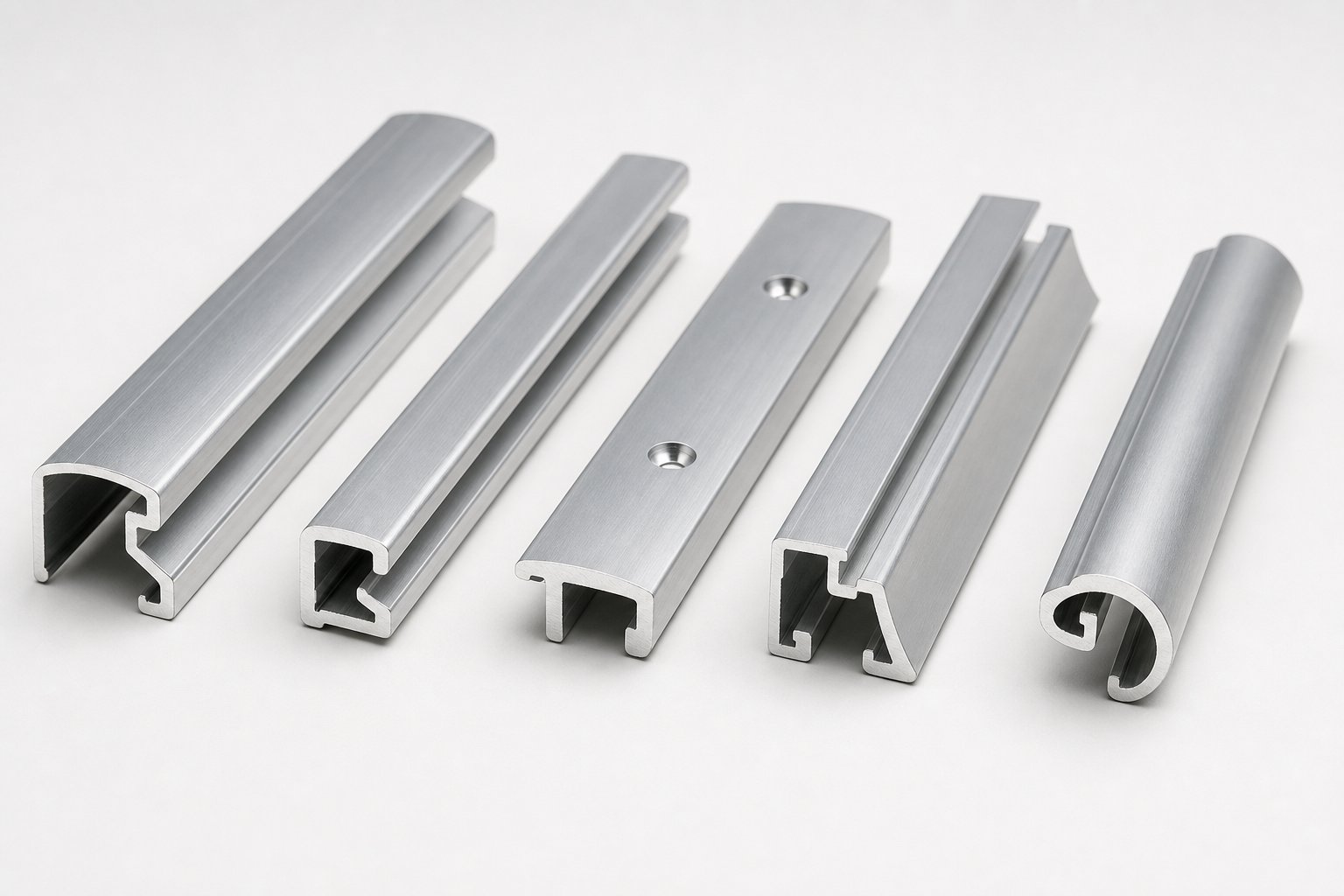
Not every aluminium glazing bead works the same way. The profile geometry — the cross-sectional shape and fixing mechanism — varies significantly depending on the window system, the weight of glass it must retain, and the level of security required. Choosing the wrong profile type can leave you with a window that rattles in moderate wind or, worse, one that an intruder can disassemble in seconds.
Snap-In Glazing Bead Profiles
The snap-in glazing bead for windows is by far the most common type in Australian residential aluminium systems. It features a profiled leg with a hooked or barbed edge that clicks into a corresponding channel in the frame. No screws, no clips, no adhesive — just firm hand pressure or a light tap with a rubber mallet seats it fully.
This snap in window glazing approach works well because it balances retention strength with serviceability. When a sealed unit fails or glass needs replacing, the bead pops out with a flat blade or dedicated removal tool, and the new unit goes in without any drilling or fastener damage to the frame. For standard double-glazed units up to around 28 mm thick and moderate glass weights, a snap in window glazing bead provides reliable positive retention through its mechanical interlock with the frame channel.
Profile geometry does vary between manufacturers. Some use a single-leg barb, others a double-leg design that grips two ridges inside the channel for added pull-out resistance. Ovolo (rounded), chamfered (angled), and square-edge profiles are all available in snap-in form, giving architects and homeowners aesthetic flexibility without sacrificing function.
Screw-Fix and Clip-In Alternatives
Where glass units are heavier — think large fixed-lite panels, triple glazing, or acoustic-rated laminated glass — snap-in retention alone may not provide sufficient holding force. Screw-fix beads address this by mechanically fastening the bead to the frame with countersunk screws at regular intervals. The result is a bead that cannot be levered out without a driver, which also makes it significantly harder for an intruder to remove from outside.
Clip-in systems sit between these two extremes. A separate stainless steel or aluminium retention clip fixes to the frame first, and the bead then snaps over the clip. This adds a secondary retention layer without visible screw heads on the bead face. Some high-security aluminium window systems use crimped or deformed clips that resist removal even with specialised tools.
Adhesive-bonded beads represent the other end of the spectrum. Used primarily in structural glazing applications where minimal sightlines are the priority, these beads are chemically adhered to the frame using structural silicone. The trade-off is permanence: replacing the glass typically means replacing part of the frame as well.
Choosing a Profile Based on Glass Weight and Application
The right profile depends on what you are asking it to hold and how accessible the window is. A ground-floor casement window in a suburban home has different demands than a three-storey commercial curtain wall panel exposed to cyclonic wind loads in northern Queensland.
| Profile Type | Fixing Method | Typical Application | Security Level | Ease of Replacement | Glass Weight Suitability |
|---|---|---|---|---|---|
| Snap-in | Mechanical clip into frame channel | Residential casement, awning, sliding windows | Moderate (internal beading) | High — tool-free removal | Standard double-glazed units up to ~40 kg per pane |
| Screw-fix | Countersunk screws at 150–300 mm centres | Commercial glazing, large fixed lites, high-security residential | High — requires tools to remove | Moderate — screws must be backed out | Heavy units including triple glazing and laminated glass |
| Clip-in (with retention clips) | Separate clip fixed to frame; bead snaps over clip | Mid-to-high security residential, multi-storey commercial | High — clip resists leverage | Moderate — clip must be released first | Medium to heavy units |
| Adhesive-bonded | Structural silicone bond to frame | Structural glazing, minimal-frame systems, curtain walls | Very high — cannot be pried off | Low — destructive removal required | Very heavy and oversized panels |
Internal versus external fitting orientation adds another layer to the decision. Internally beaded windows — where the bead is accessible only from inside the building — are standard practice in Australia for ground-floor and accessible openings. Externally beaded configurations still appear in some older systems or upper-storey commercial applications where access from outside is impractical for an intruder, but the industry trend strongly favours internal beading for its inherent security advantage.
Each manufacturer’s aluminium window glazing bead profile is proprietary. A bead from one system series rarely fits another, even from the same brand. This means sourcing the correct profile requires knowing the exact frame system, series code, and glazing pocket dimensions — a detail that becomes critical when replacing aged or damaged beads on existing windows.
Material choice matters too, but the profile type sets the foundation. Whether you need a simple snap-in replacement or a high-security screw-fix solution, the bead must match both the frame geometry and the performance demands of the glass it retains.
Aluminium vs Vinyl vs Wood Glazing Beads Compared
Profile type dictates how a bead locks into the frame, but the material it is made from determines how long it lasts, how it responds to Australian temperature swings, and whether it weakens your window’s security over time. Mixing materials — fitting a vinyl bead into an aluminium frame, for instance — introduces problems that are not always obvious at installation but become painfully clear a few summers later.
Aluminium Glazing Beads and Their Advantages
Aluminium is the default window beading material in aluminium frame systems for one fundamental reason: matched thermal expansion. Aluminium alloys expand at roughly 21–24 × 10⁻⁶/°C, which means the bead and the frame grow and shrink at virtually the same rate as temperatures cycle between a cold winter morning and a 40°C summer afternoon. This prevents the gaps, loosening, and stress fractures that occur when dissimilar materials fight each other through seasonal movement.
Beyond thermal compatibility, aluminium beads deliver structural rigidity that softer materials cannot match. They resist leverage attempts, maintain compression on gaskets decade after decade, and tolerate coastal salt air and intense UV without degrading. Industry data consistently places aluminium bead lifespan at 30 years or more, with powder-coated or anodised finishes retaining colour and surface integrity throughout. For Australian conditions — high UV, wide temperature ranges, and salt-laden coastal breezes — this durability is not a luxury; it is a baseline requirement.
Aesthetic options are broad. Powder coating offers virtually unlimited colour matching to the frame, while anodising provides a harder, metallic finish suited to contemporary architectural styles. Neither finish peels or flakes under normal conditions, and both resist the chalking that plagues plastic alternatives after prolonged sun exposure.
Vinyl and PVC Bead Characteristics
A glazing bead vinyl profile is engineered specifically for vinyl (uPVC) window frames. It is lighter, cheaper to produce, and snaps into the proprietary channels of PVC sash systems with minimal effort. For vinyl window glazing applications, these beads perform adequately — they resist moisture, will not rot, and are simple to replace.
The problems emerge when people assume a window vinyl glazing bead can substitute for aluminium in an aluminium frame. PVC has a thermal expansion coefficient of approximately 80 × 10⁻⁶/°C — roughly three to four times higher than aluminium. In practice, a vinyl glazing bead for windows fitted into an aluminium channel will expand significantly more than the surrounding frame on a hot day, potentially bowing or buckling. On cold nights, it contracts further than the frame, loosening its grip on the gasket and opening air paths.
UV stability is another concern. Vinyl glazing for windows in PVC frames is shielded somewhat by the frame’s own UV stabilisers, but exposed to direct Australian sunlight, PVC beads can become brittle within 10 to 15 years. Vinyl remains popular in its intended application — uPVC window systems — because it is affordable and moisture-resistant. It simply does not belong in an aluminium frame where rigidity and thermal matching are critical.
Wood and Rubber Alternatives
A wood glazing bead is most commonly found in heritage timber window restorations. Hardwood beads offer excellent thermal insulation and a traditional aesthetic that suits period homes — Queenslanders, Federation-era cottages, and weatherboard properties where timber detailing is part of the architectural character. A wood window glazing bead can last 15 to 30 years if properly sealed and maintained, though it demands regular painting or oiling to prevent moisture absorption, swelling, and eventual rot.
Wood expands dramatically across the grain — 30 to 70 × 10⁻⁶/°C perpendicular to the fibres — making it unsuitable for aluminium frames where tight tolerances govern gasket compression. Termite susceptibility in many Australian regions adds another maintenance burden that aluminium simply does not carry.
Rubber beads (typically EPDM or neoprene) serve a different role. They function as flexible gasket-bead hybrids in some older or budget systems, providing both the seal and a degree of retention. However, rubber lacks the structural rigidity to resist leverage or sustained wind loads on its own, and it degrades under UV exposure faster than any other option. Most modern systems have moved away from rubber as a primary retention component, relegating it to its proper role as a gasket material working alongside a rigid aluminium bead.
| Material | Lifespan | Thermal Expansion (×10⁻⁶/°C) | UV Stability | Security Rating | Maintenance Needs | Best-Suited Frame Type |
|---|---|---|---|---|---|---|
| Aluminium | 30+ years | 21–24 | Excellent | High | Minimal — occasional cleaning | Aluminium frames |
| Vinyl / PVC | 10–20 years | ~80 | Fair — prone to brittleness | Moderate | Low — but replacement needed sooner | uPVC frames |
| Wood (hardwood) | 15–30 years | 30–70 (across grain) | Poor without coating | Low to moderate | High — painting, sealing, termite checks | Timber frames |
| Rubber (EPDM) | 8–15 years | ~160 | Poor — hardens and cracks | Low | Moderate — regular inspection for perishing | Older/budget systems (gasket role) |
The takeaway is straightforward: each bead material belongs with its matching frame system. Aluminium beads in aluminium frames. Vinyl in vinyl. Wood in timber. Cross-matching materials introduces thermal mismatch, accelerated wear, and compromised security — problems that compound silently until a draught, a leak, or a break-in reveals the mistake.
Material compatibility keeps the glass retained and the seals compressed, but where that bead sits — inside or outside the building — determines whether your window is an easy target or a genuine barrier. That orientation question carries security implications most homeowners never consider.

Internal vs External Glazing Beads and Window Security
A window can have the strongest glass on the market and still be easy to breach — if the beads for windows are accessible from the outside. Bead orientation is the single biggest security variable in any aluminium glazing system, yet it rarely appears in homeowner conversations until after a break-in exposes the weakness.
Why Bead Orientation Matters for Security
Externally beaded windows have their glazing trim positioned on the outside face of the frame. This means anyone standing outside can, in theory, lever the window beads out of their channel, remove the gaskets, and lift the entire glass unit free — all without breaking anything. No smashed glass, no alarm trigger, no noise. Older aluminium and uPVC systems from the 1980s and 1990s were commonly externally beaded, and industry sources confirm this design created a genuine forced-entry vulnerability, particularly at ground-floor level.
Internally beaded windows flip that equation entirely. The window glazing trim sits on the room side of the frame, behind locked sashes and sealed openings. An intruder would need to already be inside the building to access the beads — which defeats the purpose of breaking in through the window in the first place.
How Internal Beading Prevents Forced Entry
With internal beading, the glass bead molding faces the interior of the property. Even if an intruder identifies the bead line from outside, there is no edge to grip, no gap to insert a tool, and no leverage point to exploit. The external face of the frame presents a smooth, uninterrupted aluminium surface with no removable components.
This is why Australian standards and insurance assessors treat bead orientation as a compliance factor. Windows assessed under PAS 24 enhanced security criteria must demonstrate resistance to bead removal from the exterior, and internally beaded designs satisfy this requirement by default. Some insurers will not provide full cover — or may load premiums — for ground-floor windows that are externally beaded without compensating security features.
Security Features in Modern Aluminium Bead Design
Modern aluminium window systems go beyond simple internal orientation. Manufacturers engineer multiple layers of resistance into the glazing trim and its retention mechanism. When specifying or inspecting aluminium windows, look for these features:
- Internal bead orientation as standard on all ground-floor and accessible openings
- Anti-leverage bead geometry — profiles shaped so that flat-blade tools cannot gain purchase on the bead edge
- Crimped or deformed retention clips that resist pull-out even under sustained prying force
- Screw-fixed beads on high-risk openings, requiring a driver rather than simple hand pressure to remove
- Wedge gaskets that must be removed from inside before any external bead can release — a failsafe on the few systems still using external beading at upper storeys
- Concealed bead joints with no exposed mitred corners that could serve as starting points for tool insertion
These features work together as a system. A single anti-leverage profile is good; combined with crimped clips and internal orientation, it becomes a barrier that exceeds the two-minute manipulation resistance threshold required by enhanced security standards.
For homeowners checking existing windows, the test is simple: stand outside and look for visible bead lines or trim edges around the glass perimeter. If you can see them — and especially if you can slide a thin blade behind them — your window beads are externally fitted and your security is compromised at that opening. Replacing externally beaded frames with internally beaded aluminium systems is one of the most effective security upgrades available, often more impactful than adding locks or sensors to a fundamentally vulnerable window.
Security keeps intruders out, but bead condition also determines what gets in. Degraded or poorly compressed beads quietly undermine thermal performance, invite condensation, and erode the energy efficiency your double glazing was designed to deliver.
How Glazing Beads Affect Window Performance and Efficiency
A double-glazed unit can carry the best Low-E coating and argon gas fill on the market, yet still underperform badly if the aluminium window glazing around it leaks air. The sealed unit itself is only as good as the frame assembly holding it — and the glazing bead is the component most likely to quietly fail without anyone noticing until energy bills climb or condensation streaks the glass every morning.
Glazing Beads and Thermal Bridging
Thermal bridging occurs wherever a conductive material creates a shortcut for heat to travel through the building envelope. In aluminium window systems, the frame itself is the primary bridging concern — which is why thermally broken profiles exist. But a less obvious bridge forms at the glass-to-frame junction when bead compression deteriorates.
A properly seated bead presses the glass firmly against its gaskets, creating an unbroken insulation line around the pane perimeter. When that compression weakens — through bead damage, incorrect profile selection, or simple age-related gasket relaxation — a thin air channel opens between the glass edge and the frame rebate. This channel does not behave like still, insulating air inside a sealed unit. It connects to the exterior, allowing convective airflow that carries heat directly through the weakest point of the window assembly.
The result is a cold strip around the glass perimeter that lowers the effective U-value of the entire window. Even a 1 mm gap along one bead length can reduce perimeter insulation performance measurably, because the heat loss concentrates at that edge rather than distributing evenly across the glazed area. For aluminium frames without thermal breaks, this effect compounds — the conductive frame and the leaking bead junction work together to pull heat out of the room in winter and push it in during summer.
Air Infiltration and Condensation Risk
Air infiltration through windows is measured in litres per second per metre of joint length. Australian standards set maximum allowable rates, and glazing bead condition directly influences whether a window stays within those limits over its service life. A freshly installed window with correctly compressed beads and new gaskets will test well. Ten or fifteen years later, the same window may leak significantly if beads have loosened or gaskets have taken a permanent compression set.
Degraded glazing strips for windows create pathways that allow warm, moisture-laden interior air to contact cold glass surfaces near the frame edge. This is the mechanism behind perimeter condensation — those familiar water droplets that form around the edges of the glass rather than across its centre. The condensation itself is not just an aesthetic nuisance. Persistent moisture at the bead-to-glass junction accelerates gasket degradation, promotes mould growth in the frame channel, and can eventually corrode even powder-coated aluminium if water pools in the rebate.
Sound attenuation suffers through the same mechanism. Acoustic insulation depends on an airtight seal; any gap that admits air also admits sound. A window rated for 35 dB reduction when new might deliver only 25–28 dB once bead compression fails along a section, because airborne noise exploits the path of least resistance. For homes near busy roads, flight paths, or rail corridors, this degradation is noticeable and frustrating.
Vinyl glazing strips for windows in uPVC systems face similar issues, though the failure mode differs — PVC beads tend to warp and pull away from the channel rather than losing gasket compression. In aluminium systems, the bead itself remains dimensionally stable, but the rubber gasket it compresses is the component that ages. This distinction matters for maintenance: aluminium bead systems typically need gasket replacement rather than bead replacement to restore performance.
Meeting Performance Standards Through Proper Specification
Australia’s National Construction Code (NCC) sets minimum energy efficiency requirements for windows in new buildings, including thermal insulation, solar heat gain, and air leakage limits. The Window Energy Rating Scheme (WERS) provides a star-based system that quantifies whole-window performance. Both frameworks assess the complete assembly — frame, glass, seals, and beads together — not individual components in isolation.
This means a window’s compliance rating assumes that every component, including the glazing bead, is correctly specified and installed. Swap in a bead profile that does not generate adequate gasket compression, and the tested performance no longer reflects reality. The window may have passed laboratory testing with its designed bead, but field performance with an incorrect or degraded bead will fall short of the documented rating.
Key performance factors affected by glazing bead condition include:
- Overall window U-value — heat transfer rate through the complete assembly
- Air infiltration rate — measured at the glass-to-frame junction under pressure differential
- Water penetration resistance — the pressure at which water breaches the outer seal line
- Condensation resistance factor — how effectively the window prevents interior surface condensation
- Acoustic performance (Rw rating) — sound reduction dependent on seal integrity
- Structural wind load resistance — the bead’s ability to retain glass under design wind pressures
For architects, builders, and specifiers working on projects with documented compliance expectations, verifying that the aluminium window system — including its glazing bead details — meets Australian performance standards is a due-diligence step that protects both the project and the occupants. Resources like MEICHEN’s Compliance and Certifications page provide documented evidence of whole-window performance across energy efficiency, weather resistance, condensation control, and acoustic criteria, connecting glazing bead specification to the broader compliance picture that NCC and WERS demand.
Specifying correctly from the outset is always simpler than diagnosing performance failures after occupancy. But for existing windows, recognising the signs of bead and gasket deterioration early — before condensation damage or energy loss compounds — makes the difference between a straightforward maintenance task and a costly full-window replacement.
Inspecting and Maintaining Aluminium Glazing Beads
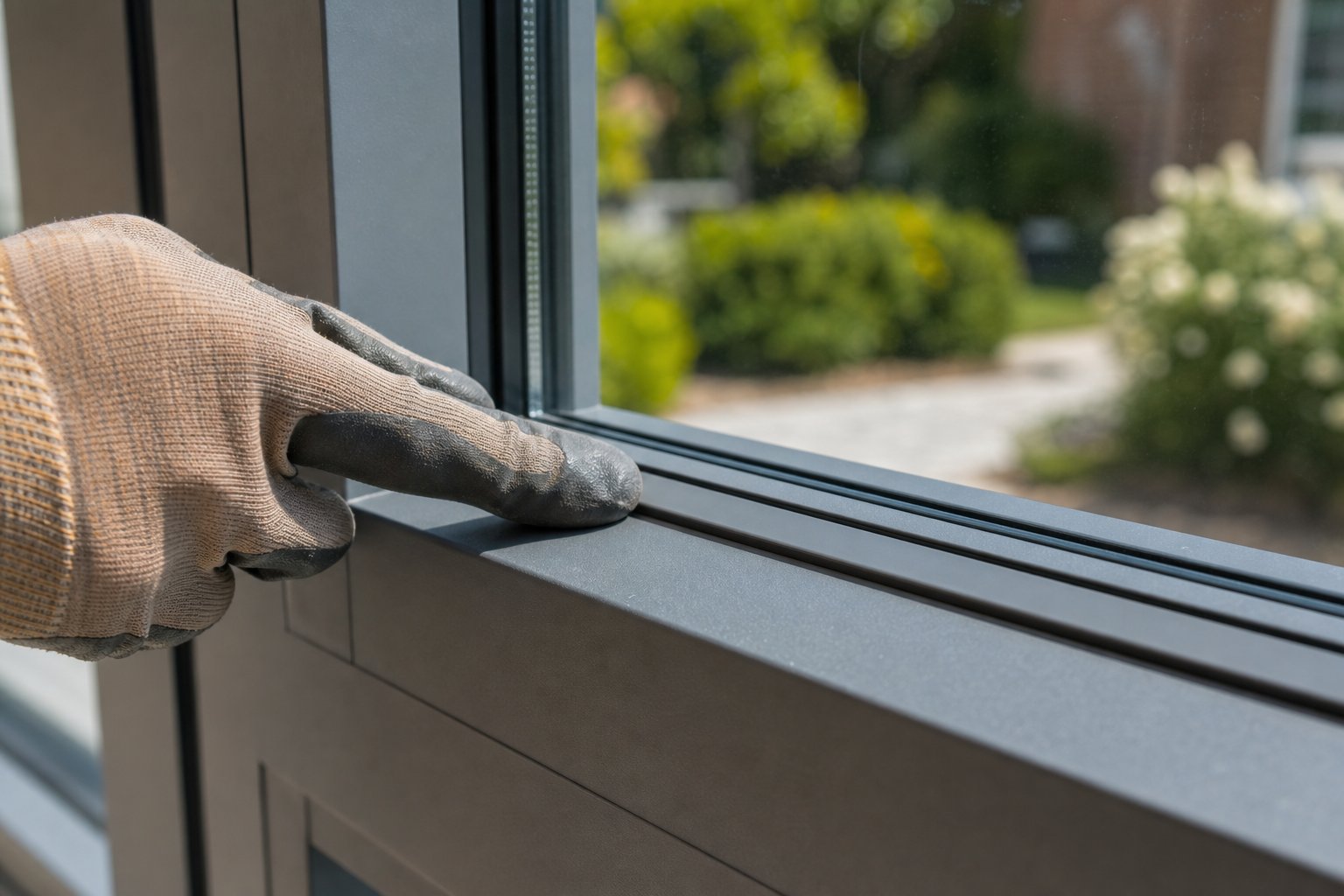
Catching bead and gasket deterioration early is far cheaper than dealing with the water damage, mould, or full glazing replacement that follows months of neglect. Aluminium beads themselves are remarkably durable — but the gaskets they compress and the frame channels they sit in still need periodic attention.
Inspection Checklist for Aluminium Glazing Beads
A quick visual and tactile check once or twice a year is enough to catch problems before they escalate. Run through these indicators on every accessible window:
- Visible gaps between the bead and the frame — even a hairline separation suggests the bead has partially disengaged from its channel
- Gasket compression loss — if the rubber seal looks flat, cracked, or has pulled away from the glass face, it is no longer sealing properly
- Discolouration or chalking on the bead surface — powder-coated beads that show white powdery residue are experiencing UV degradation of the finish
- Rattling glass when the window is closed and you press gently on the pane — this indicates the bead is not maintaining adequate retention force
- Water staining or mould in the frame rebate visible at bead edges — a sign that moisture is bypassing the seal line
- Bead sections that flex or move when pressed with a finger — a correctly seated bead should feel solid and immovable along its full length
Pay particular attention to ground-floor windows exposed to direct afternoon sun. UV and thermal cycling stress the gaskets hardest on north and west-facing elevations, and these are the openings where a failed window glaze bead also creates a security vulnerability.
Cleaning Without Damaging the Finish
Aluminium glazing beads share the same powder-coated or anodised finish as the surrounding frame, so they respond to the same gentle cleaning approach. A soft microfibre cloth with mild dish soap diluted in lukewarm water handles routine grime, dust, and salt residue without risking the surface.
Avoid abrasive powders, steel wool, neat bleach, or strong solvents — these strip powder coating and scratch anodised layers. For coastal properties where salt crystallises in the bead-to-frame junction, a more frequent rinse cycle (every one to two months) prevents corrosion of any exposed aluminium edges. Dry the bead channel thoroughly after cleaning; pooled water in the rebate accelerates gasket perishing.
When cleaning, take the opportunity to inspect the gasket condition up close. Wipe the rubber seal with a damp cloth but avoid petroleum-based products, which degrade EPDM rubber over time.
When and How to Replace Worn Beads
Aluminium beads themselves rarely need replacing — their 30-plus year lifespan typically outlasts the gaskets and sealed units they retain. Window bead replacement becomes necessary only when the bead is physically damaged (bent from impact, corroded through in severe coastal environments) or when the frame channel has deformed so the bead no longer locks securely.
More commonly, what looks like a bead problem is actually a gasket problem. If the glass rattles or air leaks but the bead is still firmly seated, the fix is usually gasket replacement rather than a full window beading replacement. New EPDM gaskets restore the compression that the bead relies on to create its seal.
For genuine glazing replacement scenarios — where the bead itself must come out — the process follows a careful sequence:
- Insert a thin, flat plastic pry tool (never a metal screwdriver) at a bead corner or joint to release the snap-in leg without gouging the frame channel.
- Work along the bead length, releasing it progressively rather than forcing one end and bending the extrusion.
- Once removed, inspect the frame channel for debris, corrosion, or deformation that could prevent the new bead from seating fully.
- Check gasket condition — if the rubber is flat, cracked, or permanently compressed, replace it before fitting the new bead.
- Align the replacement bead and press it firmly into the channel, starting from one end and working to the other, ensuring the snap leg engages continuously along the full run.
A clean, undamaged sample of the original bead is essential for sourcing the correct replacement profile. Even 1 mm difference in profile height or leg geometry can mean the new bead won’t engage the channel or won’t generate proper gasket compression. For vinyl window glazing bead replacement in uPVC systems, the same principle applies — profile matching is critical regardless of material.
Knowing when to maintain and when to replace keeps your windows performing as designed. But if you are sourcing beads for a new build or a retrofit project, the selection criteria shift from maintenance to specification — matching the right profile to your window type, glass weight, and performance requirements from the outset.

Choosing the Right Glazing Bead for Your Project
Selecting a glazing bead is not a one-size-fits-all decision. The correct profile depends on a chain of variables — window operation type, glass unit weight, security exposure, performance targets, and whether you are building new or replacing components in an existing frame. Get one variable wrong and you end up with a bead that either cannot retain the glass safely or cannot be serviced without destroying the frame.
Matching Bead Profile to Window Type
Different window operation types impose different forces on the glazing bead. A fixed-lite panel carries only static wind loads, while a casement window adds the dynamic stress of repeated opening and closing — each cycle vibrating the glass slightly within its pocket. Awning windows, hinged at the top, place additional gravitational load on the lower bead as the sash swings outward. Sliding windows introduce lateral friction forces as the sash travels along its track.
These mechanical differences mean the bead profile and fixing method should reflect the window type:
- Fixed windows — snap-in beads work well for standard residential sizes; screw-fix beads are preferred for oversized panels where glass weight exceeds 40 kg per pane
- Casement and awning windows — snap-in beads with double-leg retention handle the vibration and repeated movement; high-security openings benefit from clip-in systems
- Sliding windows — beads must tolerate lateral vibration without loosening; profiles with deeper channel engagement resist working free over thousands of open-close cycles
- Bi-fold and stacking doors — heavier glass panels and larger sash sizes often push into screw-fix territory, particularly on ground-floor openings where security is a factor
For mobile home window glazing bead applications, the considerations shift slightly. Lighter frame sections and thinner glass units mean the bead profile is typically shallower, and sourcing exact replacements can be more difficult because older mobile home systems used proprietary extrusions that may no longer be in production.
Specification Considerations for New Construction
Specifying aluminium window glazing beads for a new build is a different exercise from sourcing a replacement. You are selecting a complete system — frame, bead, gasket, and glass — as an integrated package, and the bead specification flows from the broader performance requirements of the project.
Follow this decision sequence to arrive at the correct specification:
- Identify the window system series and manufacturer — the bead profile is locked to the frame system, so this choice comes first.
- Determine glass unit thickness and weight — standard residential double glazing (20–28 mm, under 40 kg per pane) suits snap-in beads; heavier acoustic or triple-glazed units may require screw-fix or clip-in retention.
- Assess security requirements by opening location — ground-floor and accessible openings need internal beading as a minimum; high-risk sites warrant screw-fix or crimped-clip systems.
- Confirm energy and weather performance targets — the bead must generate sufficient gasket compression to meet the window’s tested air infiltration and water penetration ratings under NCC requirements.
- Verify compliance documentation — ensure the chosen system, including its bead profiles, has been tested and certified as a complete assembly against AS 2047 and relevant Australian Standards.
- Specify finish and colour — powder coat colour code, anodising grade, or raw mill finish to match the frame and project aesthetic.
That fifth step — verifying compliance documentation — is where many specifiers fall short. A window system’s tested performance assumes its designed bead profile is installed correctly. Substituting an aftermarket bead, even one that physically fits the channel, can invalidate the system’s certified ratings. For projects with documented compliance expectations, MEICHEN’s Compliance and Certifications page provides specifiers and builders with the evidence trail connecting aluminium window systems — including glazing bead profiles — to Australian standards for durability, weather resistance, and overall performance. This kind of documentation is essential due diligence on any project where council sign-off or NCC compliance must be demonstrated.
Professionals specifying uPVC beading for vinyl frame systems follow a parallel process, but the material and thermal expansion differences discussed earlier make cross-system substitution a non-starter. Each frame material demands its own matched bead system.
Sourcing Replacement Beads for Existing Windows
Replacement sourcing is where most homeowners hit a wall. Unlike generic hardware items, aluminium glazing beads are system-specific extrusions. A bead from a Series 400 frame will not fit a Series 600, even from the same manufacturer. The channel width, leg geometry, and snap engagement are all different.
Start with identification. Look for stampings, stickers, or etched codes on the frame — usually on the inside face of the sash or along the frame head. These codes identify the system series and often the bead part number directly. If no markings are visible, remove one bead carefully and measure its cross-section: overall height, leg length, and channel width at the snap point. A clean sample is your best tool for matching.
Snap in window glazing suppliers in Australia typically stock beads for current and recent system series from major manufacturers. For older or discontinued systems, specialist fenestration suppliers can often cross-reference profiles or source compatible aftermarket extrusions. Brands like WRS white glazing bead profiles and Andersen glazing bead components are common in the North American market, but Australian homes overwhelmingly use locally manufactured systems — so sourcing from domestic aluminium window suppliers is the most reliable path.
If you are searching for a snap in glazing bead for windows Lowes or a vinyl glazing bead home depot might stock in the US, be aware that those retail profiles are designed for American vinyl window systems and will not fit Australian aluminium frames. The extrusion geometries, channel dimensions, and material specifications differ entirely. Australian homeowners are better served by contacting the original window manufacturer, a local glazing supplier, or a fenestration hardware specialist who can match the exact profile needed.
For retrofit projects where the existing frame is sound but the beads are damaged or missing, the selection criteria mirror new construction — match the system, confirm the glass unit dimensions, and verify that the replacement bead generates correct gasket compression. Skip any of these steps and you risk a bead that looks right but performs poorly, leaving your window vulnerable to the same air leakage, water ingress, and security weaknesses this entire article has outlined.
Frequently Asked Questions About Aluminium Window Glazing Beads
1. What is a glazing bead on an aluminium window?
A glazing bead is a profiled aluminium strip that clips or fixes into the window frame channel to hold the glass pane securely in place. It works alongside rubber gaskets to create a weathertight seal, preventing air infiltration, water ingress, and glass movement. Unlike putty or sealant, a glazing bead provides rigid mechanical retention — it physically locks the glass into the frame rebate rather than relying on adhesion, making it a critical structural and security component in every aluminium window system.
2. How do I know if my windows are internally or externally beaded?
Stand outside your home and look closely at the glass perimeter where it meets the aluminium frame. If you can see a visible trim line or a slim strip running around the glass edge — and especially if you can slide a thin blade behind it — your windows are externally beaded. Internally beaded windows present a smooth, uninterrupted aluminium surface on the exterior with no removable trim visible from outside. Internal beading is the more secure configuration because intruders cannot access or remove the bead without first being inside the building.
3. Can I use vinyl glazing beads in an aluminium window frame?
This is not recommended. Vinyl (PVC) has a thermal expansion rate roughly three to four times higher than aluminium. In Australian summer heat, a vinyl bead in an aluminium channel will expand significantly more than the surrounding frame, potentially bowing or buckling. In cold weather, it contracts further than the frame, loosening gasket compression and creating air gaps. Vinyl beads are designed for uPVC frame systems where the matched expansion rates keep everything stable. Aluminium frames require aluminium beads for proper thermal compatibility, structural rigidity, and long-term security performance.
4. How often should aluminium glazing beads be inspected or replaced?
Inspect your aluminium glazing beads visually once or twice per year, checking for gaps between the bead and frame, gasket deterioration, rattling glass, or water staining at bead edges. Aluminium beads themselves typically last 30 years or more and rarely need replacement. More often, the EPDM rubber gaskets they compress are the components that degrade — flattening, cracking, or hardening under UV exposure. Replacing worn gaskets restores the compression seal without needing new beads, unless the bead itself is physically bent, corroded, or no longer engaging its frame channel properly.
5. What type of glazing bead is most secure for ground-floor windows?
For ground-floor and accessible openings, internally fitted beads are the minimum security standard. Snap-in beads with internal orientation provide moderate security suitable for most residential applications. For higher-risk situations, screw-fix beads or clip-in systems with crimped retention clips offer significantly greater resistance to forced removal. Look for anti-leverage bead geometry, concealed joints, and profiles tested to enhanced security standards. Combining internal orientation with a mechanical fixing method creates a barrier that exceeds the manipulation resistance thresholds required by Australian security assessments and insurance criteria.
More Window & Door Guides