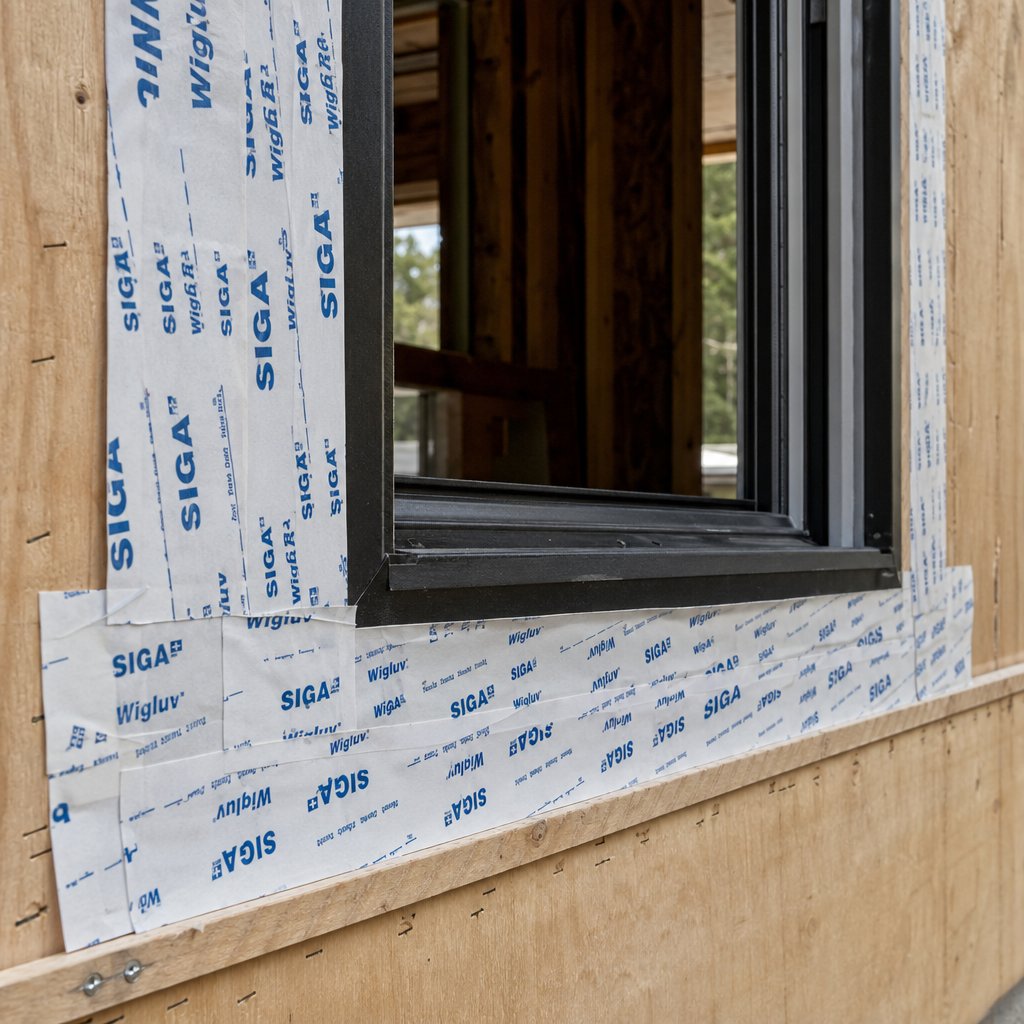
That Brown Stain on Your Aluminium Window Isn’t Rust
You spot it on a Saturday morning. A streak of brown running down your aluminium window frame, or maybe a chalky white residue gathering in the corners. The first thought is obvious: rust. But here’s the thing — those brown stains on aluminium windows aren’t actually rust at all.
What That Stain on Your Aluminium Frame Actually Is
Can aluminium window frames rust? No. It’s chemically impossible. Rust is iron oxide, a reaction that only occurs when iron-based metals like steel meet oxygen and moisture. Aluminium contains zero iron, so it will never produce that familiar reddish-orange flaking you see on old steel railings or neglected gate hinges.
Rust is exclusive to iron and steel. Aluminium reacts with oxygen differently — forming a thin, transparent oxide layer that actually protects the metal rather than destroying it.
So what’s causing that discolouration? The brown marks are typically runoff from nearby steel fixings, screws, or flashings that have corroded and deposited iron oxide onto your frames. That white residue on aluminium window frames is the metal’s own oxidation — a powdery aluminium oxide that forms when the protective surface layer is compromised by salt air, pollution, or trapped moisture.
Why This Matters for Your Home
Understanding this distinction matters because the fix for each problem is completely different. While aluminium frames won’t disintegrate the way rusting steel does, they can still corrode over time under certain conditions — pitting, staining, and surface degradation are all real possibilities if maintenance is neglected or installation was poor.
This guide covers the full picture: the science behind aluminium oxidation, the types of corrosion that do aluminium windows corrode over time, which environments accelerate damage, how modern protective finishes work, and a practical maintenance schedule to keep your frames looking sharp for decades. Whether you’re dealing with existing staining or simply want to prevent it, you’ll find what you need here.
The Science Behind Aluminium Oxidation vs Iron Rust
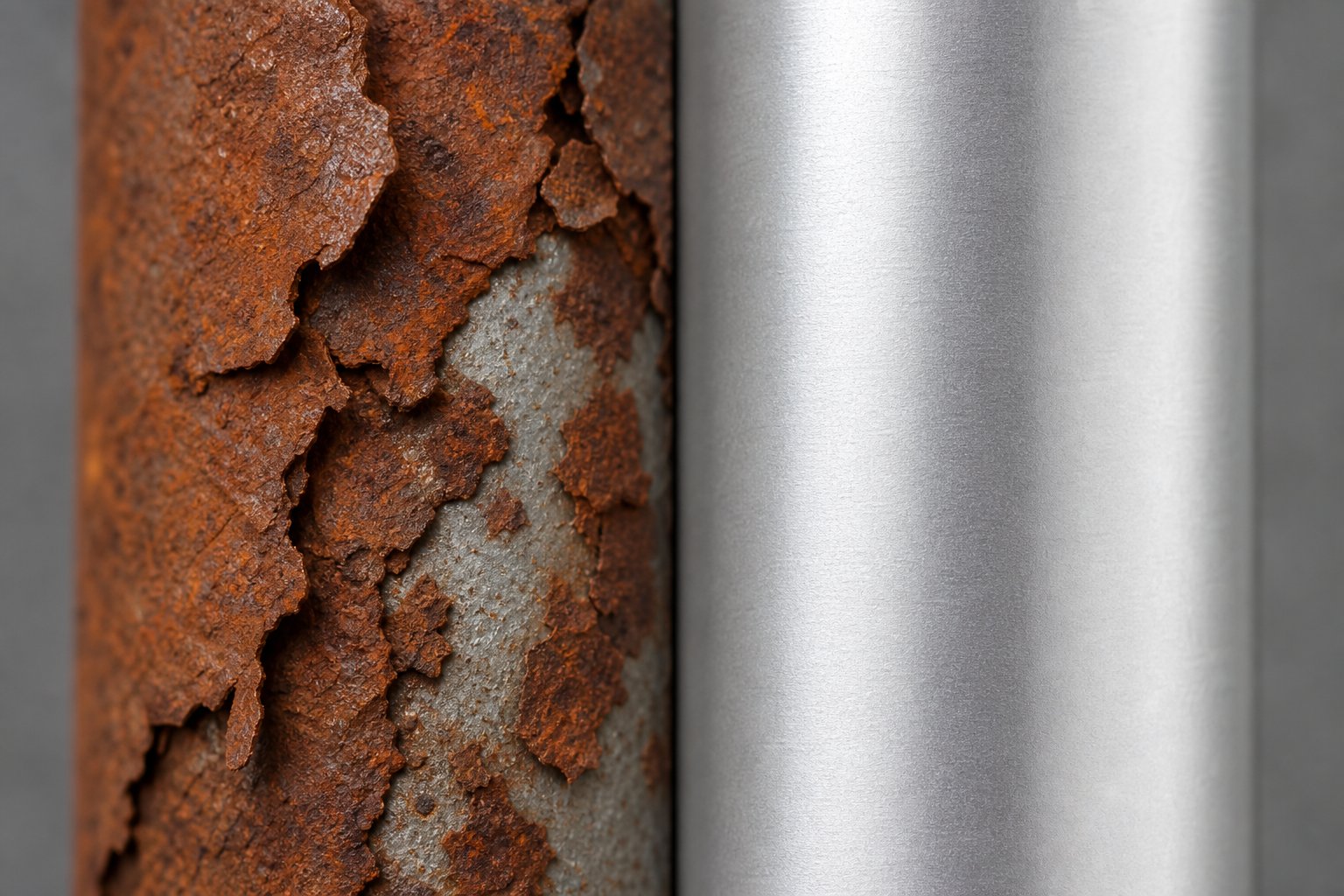
The difference between aluminium oxidation and rust comes down to what happens after the reaction takes place. Both metals react with oxygen, but the byproducts behave in completely opposite ways — one destroys the metal, the other shields it.
How Iron Rust Destroys Metal Over Time
When iron or steel meets oxygen and moisture, it forms iron oxide — the flaky, reddish-brown substance we call rust. This layer is porous and loosely bonded. It doesn’t stick to the surface. Instead, it lifts away, crumbles, and exposes fresh metal underneath to the same cycle of attack. More oxygen and moisture reach the newly exposed iron, more rust forms, more material flakes off. The process feeds itself until the metal is structurally compromised or gone entirely.
This is why a rusting steel window frame gets progressively worse. There’s no natural stopping point. Left untreated, the degradation accelerates because the growing rust layer traps moisture against the metal surface.
The Self-Healing Aluminium Oxide Layer
Aluminium’s reaction with oxygen produces something fundamentally different. When aluminium is exposed to air, it forms a thin aluminium oxide layer — typically just a few nanometres thick — that bonds tightly to the metal surface. This layer is transparent, hard, and chemically stable. Rather than flaking away, it acts as a barrier that prevents further oxygen from reaching the aluminium beneath.
The remarkable part is what happens when this layer is scratched or damaged. Research from MIT has demonstrated that aluminium oxide, when sufficiently thin, deforms almost like a liquid — flowing to fill cracks and gaps as they form. The aluminium oxide layer reforms within milliseconds wherever the surface is disturbed, provided oxygen is present. This self-healing aluminium oxide layer explained in simple terms: the metal continuously rebuilds its own armour.
Why This Distinction Matters for Windows
Does aluminium oxide protect the metal? Absolutely — but it has limits. The oxide layer performs well in dry or mildly humid conditions with a stable pH between 4 and 9. Aggressive environments involving salt spray, strong acids, or alkaline substances can overwhelm or locally break down this protection faster than it regenerates. That’s why aluminium is inherently rust-proof but not corrosion-proof. The protective chemistry works brilliantly under normal conditions, yet specific environmental challenges can still cause localised damage.
| Property | Iron Oxide (Rust) | Aluminium Oxide |
|---|---|---|
| Appearance | Reddish-brown, flaky | Transparent, invisible to the eye |
| Bond to surface | Loose and porous — lifts away | Tightly bonded — adheres to metal |
| Structural impact | Progressively weakens and destroys metal | Preserves structural integrity |
| Self-repair ability | None — damage accelerates further decay | Reforms within milliseconds when scratched |
| Effect on underlying metal | Exposes fresh iron to continued attack | Shields aluminium from further oxidation |
This molecular-level difference is why aluminium window frames can last 40 years or more in Australian conditions without structural failure — while untreated steel frames in the same location might deteriorate within a decade. The protection is built into the metal itself. Still, “built-in” doesn’t mean “bulletproof.” Certain types of corrosion can bypass or undermine this oxide shield, particularly when installation details or environmental factors create the right conditions for localised attack.
Types of Corrosion That Can Affect Aluminium Windows
That self-healing oxide layer handles everyday exposure well. But certain conditions create concentrated, localised attacks that the oxide can’t regenerate fast enough to counter. Knowing what does aluminium corrosion look like — and where to find it — helps you catch problems early before they become expensive.
Four corrosion types are most relevant to residential and commercial aluminium window frames in Australia. Each has distinct visual signatures and preferred locations on the frame.
Pitting and Crevice Corrosion on Window Frames
Pitting corrosion on aluminium window frames shows up as tiny holes or craters scattered across the metal surface. They’re often no larger than a pinhead, but they concentrate in areas where moisture sits without draining — think the bottom rail of a window, horizontal sill sections, or anywhere debris accumulates and holds dampness against the frame. Chloride ions from salt air or pollutants break through the oxide layer at weak points, and once a pit starts, the chemistry inside it becomes self-sustaining. The pit’s interior turns acidic, accelerating the attack downward into the metal while the surrounding surface remains untouched.
Crevice corrosion in window frame joints follows a similar mechanism but targets tight gaps rather than open surfaces. It develops where two components overlap, under gaskets, beneath weatherseals, or around fastener heads — anywhere a narrow space traps moisture while restricting airflow. Oxygen gets depleted inside the crevice, creating an electrochemical imbalance that eats into the aluminium. Because it’s hidden within joints and overlaps, crevice corrosion often progresses unnoticed until seals fail or staining appears at the edges.
Filiform Corrosion Under Protective Coatings
Filiform corrosion under powder coating windows is distinctive and hard to miss once it develops. It appears as fine, thread-like tracks — sometimes called worm tracks — spreading beneath the paint or powder coat surface. These filaments are typically whitish on aluminium and follow random, branching paths that look almost organic.
The process starts wherever the coating has a defect: a scratch, a chip from impact, or a poorly prepared edge. Moisture and chloride ions enter through that breach, then travel laterally between the coating and the metal. Research shows filiform corrosion on aluminium typically initiates when relative humidity sits between 75% and 90% — conditions common in coastal Queensland, tropical northern Australia, and humid summer months across much of the eastern seaboard. The damage is mostly cosmetic rather than structural, but it compromises the coating’s adhesion and leaves the frame vulnerable to further attack.
Recognizing Early Warning Signs
Galvanic corrosion rounds out the list. It occurs when aluminium contacts a dissimilar metal — steel screws, copper flashings, or iron brackets — in the presence of moisture. The aluminium acts as the sacrificial anode, corroding preferentially while the other metal stays protected. You’ll often see it as localised pitting or white powdery deposits concentrated right where the two metals meet. This type deserves its own detailed discussion because it’s one of the most common — and most preventable — issues in window installations.
During your next inspection, here’s what to look for on each section of the frame:
- Pitting corrosion: Small white or grey dots and shallow craters on horizontal surfaces, bottom rails, and areas where water pools or debris collects
- Crevice corrosion: Staining or white deposits emerging from joints, gasket edges, fastener surrounds, and where frame sections overlap
- Filiform corrosion: Fine, hair-like tracks visible beneath the powder coat — often branching outward from a scratch, chip, or cut edge
- Galvanic corrosion: Concentrated white powdery buildup or pitting directly at contact points between the aluminium frame and any steel, copper, or iron component
Spotting these early signs of aluminium window degradation during a routine clean gives you time to act before the damage spreads. Most localised corrosion progresses slowly on well-coated modern frames — but the interaction between dissimilar metals can accelerate things dramatically, especially when installation shortcuts are involved.
Galvanic Corrosion and Why Metal Pairings Matter
Dissimilar metals causing window frame damage is one of the most common — and most avoidable — problems in aluminium window installations across Australia. It’s not a manufacturing defect or a material weakness. It’s an electrochemical reaction triggered by poor component selection during installation, and it can turn an otherwise sound frame into a stained, pitted mess within a few years.
Think of it like a tiny battery. When two different metals sit in direct contact and moisture bridges the gap between them, an electrical current flows. One metal gives up its ions (corrodes), while the other stays protected. In the case of aluminium window frames paired with more “noble” metals like copper or stainless steel, the aluminium becomes the sacrificial partner. It corrodes so the other metal doesn’t have to.
The galvanic series ranks metals by their electrochemical potential. Metals far apart on this scale react more aggressively when paired. For architectural applications, the key metals to remember — from most noble to least — are stainless steel, copper alloys, iron/steel, aluminium, and zinc. The further apart two metals sit on that scale, the faster the less noble one deteriorates.
Common Galvanic Corrosion Scenarios in Windows
Galvanic corrosion on aluminium window frames doesn’t require dramatic conditions. Everyday installation choices create the problem. Here are the pairings that cause the most grief in Australian homes:
- Steel screws in aluminium windows corrosion: Plain steel or galvanised screws driven into aluminium frames. As the zinc coating wears, exposed steel creates a galvanic couple. You’ll see rust-coloured streaks bleeding from screw holes — that brown stain homeowners mistake for the frame itself rusting.
- Copper flashings touching aluminium frames: Where roof flashings, copper pipes, or copper-based damp-proof courses contact the window frame directly. Copper sits well above aluminium on the galvanic series, making this a particularly aggressive pairing. Even water runoff from copper surfaces can carry dissolved copper ions onto aluminium below, triggering pitting corrosion without direct metal-to-metal contact.
- Lead work against aluminium: Older Australian homes with lead flashings around window openings can create galvanic cells where the lead meets the aluminium frame, particularly in wet climates.
- Iron brackets and support angles: Mild steel angle brackets or lintels in direct contact with aluminium frames. The iron corrodes first (since it’s closer to aluminium on the series), producing rust deposits that stain the frame and eventually compromise the fixing point.
The severity depends on three factors: how far apart the metals sit on the galvanic series, how much moisture is present, and the relative surface areas involved. A small aluminium rivet in a large copper sheet will corrode rapidly because the attack concentrates on the smaller component. Conversely, a small stainless steel screw in a large aluminium frame still causes localised pitting around the fastener hole — but the damage spreads more slowly because the aluminium’s larger surface area distributes the reaction.
How Proper Fastener Selection Prevents Damage
Fasteners are the number one culprit. They’re small, they penetrate the protective coating, and they sit in direct contact with the frame metal. Getting this detail wrong accounts for the majority of galvanic corrosion issues on residential aluminium windows.
The simplest rule: use fasteners made from the same metal or one very close on the galvanic series. For aluminium window frames, that means:
- Aluminium fasteners — same metal, zero galvanic potential difference, no corrosion risk
- Stainless steel fasteners with isolation — strong and durable, but must be separated from the aluminium using nylon washers, plastic sleeves, or a dielectric coating to break the electrical path
- Zinc-coated steel fasteners — acceptable for short-term use since zinc sits close to aluminium on the series, but the zinc layer eventually wears, exposing bare steel and restarting the problem
What to avoid? Plain mild steel screws, brass fixings, and any copper-based fastener in direct contact with the aluminium frame. These pairings sit far enough apart on the galvanic series to cause visible damage within months in coastal or high-humidity areas.
Installation Practices That Protect Your Frames
How to prevent galvanic corrosion on windows goes beyond just picking the right screws. Proper installation addresses all three conditions the reaction needs: dissimilar metals, electrical contact, and an electrolyte (moisture).
- Isolation barriers: Nylon washers, rubber gaskets, plastic bushings, or butyl tape between any dissimilar metal junction. These break the electrical circuit so no current can flow, even if moisture is present.
- Protective coatings at contact points: Powder coating or anodising on the aluminium surface provides an insulating layer. But the coating must remain intact — drilling through it for fixings re-exposes bare metal. Apply touch-up sealant or dielectric paste to any penetration point.
- Drainage design: Frames should be installed with proper drainage channels and weep holes that prevent moisture from pooling at metal junctions. Trapped water is the electrolyte that completes the corrosion circuit. Give it a path out, and you starve the reaction of its third ingredient.
- Gravity-aware detailing: Where dissimilar metals must coexist, position the more noble metal (copper, stainless steel) below the aluminium rather than above it. Water running off copper carries dissolved ions that accelerate corrosion on any aluminium surface downstream.
For homeowners checking existing installations, look at every point where your aluminium frame meets another metal component — hinges, screws, brackets, flashings, and sub-sill supports. Any brown or white staining concentrated at these junctions is a strong indicator that galvanic corrosion is already underway. Caught early, the fix is straightforward: replace the incompatible fastener, add an isolation barrier, and clean the affected area. Left unchecked, the pitting deepens and the frame’s structural integrity around that fixing point weakens over time.
Of course, the environment surrounding your home determines how aggressively these reactions progress. A mismatched screw in a dry inland climate might take years to cause visible damage. The same screw 500 metres from the coast — bathed in salt-laden air and frequent moisture — could pit the frame within a single wet season.

Environmental Factors That Challenge Aluminium Frames
Where your home sits on the map shapes how hard your aluminium windows have to work to stay intact. A frame installed in a sheltered suburban street faces a completely different chemical assault than one bolted to a beachfront property copping salt spray every afternoon. Aluminium window longevity in harsh environments depends less on the metal itself and more on what’s in the air around it.
Coastal and Salt Spray Zone Performance
Salt is the primary aggressor. Airborne chloride ions from breaking waves latch onto aluminium surfaces and attack the protective oxide layer, overwhelming its ability to self-repair. Industry data shows that significant chloride deposits have been measured more than 80 kilometres from the shoreline — so you don’t need to live on the sand to feel the effects.
Do aluminium windows corrode near the ocean? They can, and faster than most homeowners expect if the frames lack adequate protective finishes. Uncoated aluminium exposed to concentrated salt spray can develop visible pitting within weeks. The closer you are to the waterline, the higher the chloride concentration and the more aggressive the attack. Properties within 200 metres of breaking surf sit in the most severe exposure zone, but homes several kilometres inland along Australia’s eastern and western seaboards still experience enough airborne salt to accelerate degradation — particularly on windward elevations.
Aluminium windows in coastal salt spray areas perform well when properly specified. The key factors are a high-quality powder coat or anodised finish rated for marine environments, correct drainage detailing so salt-laden water doesn’t pool on horizontal surfaces, and a regular rinse schedule to flush chloride deposits before they concentrate.
Urban Pollution and Industrial Contaminants
Salt gets most of the attention, but how pollution affects aluminium window frames is equally worth understanding — especially for homes near major roads, industrial precincts, or rail corridors. Sulphur dioxide from vehicle exhaust and industrial emissions combines with moisture to form sulphuric acid on frame surfaces. Nitrogen oxides do the same, producing nitric acid. Both push the local pH below the 4–9 range where aluminium’s oxide layer remains stable.
Acid rain — even in mild concentrations common across Sydney, Melbourne, and Brisbane — gradually etches unprotected aluminium over years of exposure. Add airborne particulates like carbon soot and metallic dust from construction or rail grinding, and you get abrasive deposits that physically wear through coatings while trapping corrosive moisture against the frame.
Homes near industrial zones face a compounding effect: chloride combined with acidic or alkaline pollutants accelerates pitting far beyond what either contaminant would cause alone. If your property sits downwind of a factory, refinery, or busy freight corridor, your frames need more frequent cleaning and potentially a higher-grade protective finish than a home in a quiet residential pocket.
How Climate and Humidity Affect Aluminium Frames
Humidity is the silent enabler. Corrosion reactions need moisture to proceed — without an electrolyte bridging the gap between contaminant and metal, even heavy salt deposits remain relatively inert. Australian climate data shows that regions with sustained relative humidity above 80% — tropical Queensland, coastal NSW, and parts of northern WA — create conditions where aluminium frames stay wet long enough for chloride and pollutant attack to progress continuously rather than in short bursts.
Conversely, hot dry inland climates like central South Australia or western NSW present far lower corrosion risk. Frames dry quickly, contaminant concentrations are minimal, and the oxide layer regenerates without interference. The best window frame material for humid climates is still aluminium — provided it carries appropriate coatings and receives periodic maintenance. Its inherent strength-to-weight ratio, dimensional stability, and recyclability make it well-suited to every Australian climate zone when the specification matches the exposure.
| Environment | Primary Risk Factors | Recommended Protective Measures | Maintenance Frequency |
|---|---|---|---|
| Coastal (within 1 km of surf) | High chloride concentration, salt spray, wind-driven moisture | Marine-grade powder coat or Class I anodising; stainless steel hardware with isolation; proper drainage and weep holes | Rinse monthly; full clean and inspect quarterly |
| Coastal (1–10 km from coast) | Moderate airborne salt, seasonal humidity spikes | Quality powder coat finish; corrosion-resistant fasteners; clear drainage paths | Rinse quarterly; full clean and inspect six-monthly |
| Urban / Industrial | Acid rain, sulphur dioxide, nitrogen oxides, carbon particulates, metallic dust | Durable powder coat; regular cleaning to remove acidic deposits; avoid abrasive cleaners | Clean quarterly; inspect annually |
| Tropical / High Humidity | Sustained moisture above 80% RH, mould growth trapping moisture, storm-driven rain | High-performance coating system; ventilated frame design; mould-resistant sealants | Clean quarterly; inspect six-monthly |
| Dry Inland / Rural | UV exposure, dust abrasion, minimal moisture | Standard powder coat; occasional dust removal; UV-stable finish | Clean six-monthly; inspect annually |
The pattern is clear: moisture and contaminants together drive corrosion, while either factor alone poses limited risk. Matching your frame specification and maintenance routine to your specific environment is what separates aluminium windows that last decades from those that show premature wear. And the first line of defence in every climate zone is the protective finish applied during manufacturing — a barrier that, when correctly specified, keeps those environmental aggressors from ever reaching the bare metal beneath.
Powder Coating and Anodising as Protective Barriers
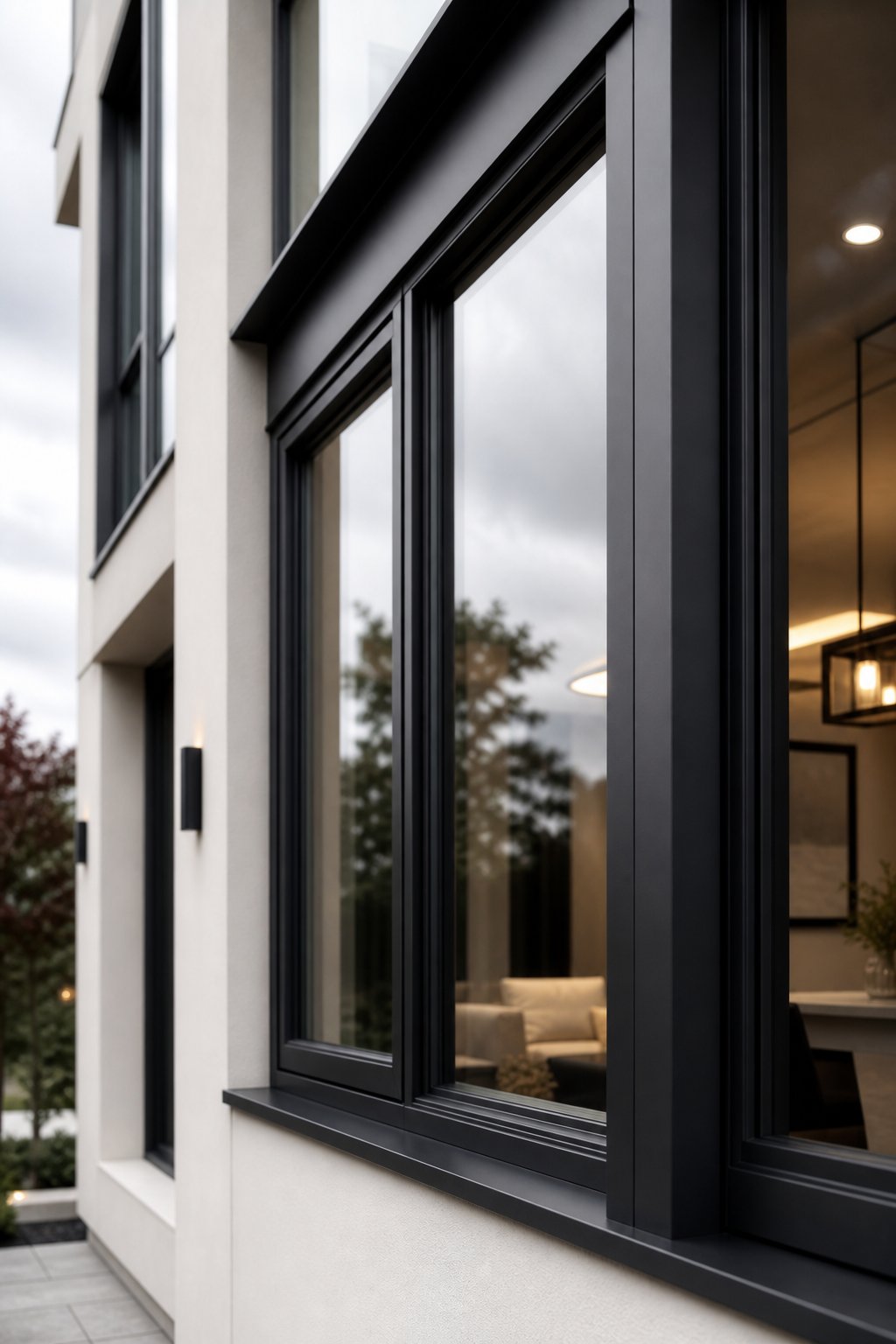
That natural oxide layer does solid work on its own, but relying on it alone in aggressive Australian conditions is like wearing a t-shirt to a hailstorm. Modern aluminium window corrosion protection methods add engineered barriers on top of the metal’s inherent chemistry — barriers designed to handle decades of UV bombardment, salt exposure, and temperature cycling without letting contaminants reach the aluminium beneath.
Two dominant technologies protect aluminium window frames in Australia: powder coating and anodising. Both extend frame life dramatically, but they work through entirely different mechanisms and suit different applications.
How Powder Coating Shields Aluminium From the Elements
Powder coating is a dry finishing process. Finely ground pigment and resin particles are electrostatically charged and sprayed onto the aluminium surface, where they cling uniformly. The frame then enters a curing oven at around 180–200°C, melting the particles into a continuous, cross-linked polymer film that bonds mechanically and chemically to the metal.
Understanding how powder coating protects aluminium frames comes down to barrier physics. The cured film — typically 60 to 80 microns thick on architectural-grade windows — creates a physical wall between the environment and the aluminium. Moisture, chlorides, UV radiation, and acidic pollutants hit the coating rather than the metal. As long as that film remains intact, the aluminium underneath stays pristine.
The practical advantages for homeowners are significant:
- Colour range: Virtually unlimited. Any RAL colour, matte or gloss finish, textured or smooth — powder coating gives architects and homeowners complete design freedom.
- UV stability: High-performance architectural coatings tested under AAMA 2604 and 2605 standards retain colour and gloss for five to ten years of accelerated Florida weathering — equivalent to decades of real-world Australian exposure.
- Repairability: Scratches and chips can be touched up with colour-matched repair paint, restoring the barrier without stripping the entire frame.
- Cost efficiency: Lower upfront cost than anodising, making it the standard choice for residential projects.
The weakness? Powder coating is only as good as the surface preparation beneath it. If the aluminium isn’t properly cleaned, etched, and pre-treated before coating, adhesion suffers — and that’s where filiform corrosion finds its way in. Quality manufacturers invest heavily in multi-stage pre-treatment lines (chromate-free conversion coatings, rinse stages, and controlled drying) to ensure the bond between metal and finish holds up over the frame’s full service life.
Anodising and Enhanced Oxide Protection
Where powder coating adds a layer on top of the metal, anodising transforms the metal’s own surface into something tougher. The process submerges the aluminium in an acidic electrolyte bath and passes an electrical current through it. This forces the natural oxide layer to grow — not by a few nanometres, but by 15 to 25 microns for architectural applications. The result is a hard, dense aluminium oxide film that’s physically part of the metal rather than a separate coating sitting on top.
Anodised aluminium window frames durability stems from this integration. The oxide layer can’t peel, flake, or delaminate because it isn’t a separate material — it’s the aluminium itself, converted into a ceramic-like surface. Industry testing confirms anodised finishes offer superior scratch resistance and corrosion protection compared to standard powder coats, particularly in marine environments where coating breaches are most dangerous.
The trade-offs are real, though. Colour options are limited to metallic tones — silvers, bronzes, blacks, and champagnes that enhance the metal’s natural appearance rather than masking it. And if an anodised frame is damaged, you can’t simply touch it up. The electrochemical process can’t be replicated on a single spot in the field, so severe damage may require panel replacement rather than repair.
| Factor | Powder Coating | Anodising |
|---|---|---|
| Process | Electrostatic spray + oven cure (polymer film applied to surface) | Electrochemical bath (oxide layer grown from the metal itself) |
| Typical thickness | 60–80 microns | 15–25 microns (architectural grade) |
| Durability | Excellent with proper pre-treatment; vulnerable at chip or scratch sites | Exceptional scratch and abrasion resistance; integral to the metal |
| Appearance | Any colour, matte to high gloss, textured finishes available | Metallic tones only; matte finish with natural lustre |
| Repairability | Touch-up paint available; full recoat possible | Cannot be spot-repaired; damaged sections need replacement |
| Cost | Lower upfront; standard for residential | Higher upfront; often specified for premium or commercial projects |
| Best application | Residential homes, colour-matched facades, projects requiring design flexibility | Coastal and marine environments, high-traffic commercial buildings, heritage aesthetics |
Modern Manufacturing vs Older Aluminium Windows
If your home has aluminium windows from the 1970s, 1980s, or early 1990s, the frames you’re looking at were built in a different era of manufacturing technology. Early residential aluminium windows in Australia often used basic mill-finish or thin anodised coatings with minimal pre-treatment. Alloy selection prioritised extrudability and cost over corrosion resistance. Thermal breaks didn’t exist in most residential profiles, and surface preparation before finishing was rudimentary by current standards.
The result? Many older frames show chalking, pitting, and faded finishes after 20 to 30 years — not because aluminium is a poor material, but because the protective systems applied to it were generations behind what’s available now.
Modern aluminium window manufacturing has advanced on every front:
- Alloy selection: Contemporary window profiles typically use 6060 or 6063 series aluminium — alloys specifically formulated for excellent extrudability, surface finish quality, and corrosion resistance in architectural applications.
- Pre-treatment technology: Advanced chromium-free conversion coatings and multi-stage cleaning lines ensure the bond between metal and finish is far stronger than what was achievable decades ago.
- Coating systems: Architectural-grade powder coats now undergo rigorous accelerated weathering tests — five to ten years of harsh Florida exposure — before being approved for use on window systems. These coatings maintain colour stability and barrier integrity far longer than their predecessors.
- Thermal break technology: Polyamide thermal breaks separate the interior and exterior aluminium faces, reducing condensation that previously accelerated corrosion on the indoor side of frames in air-conditioned Australian homes.
Manufacturers like MEICHEN apply these modern protective technologies across their aluminium window systems — using project-grade materials with powder-coated finishes engineered for Australian weather performance. Their range demonstrates how far the industry has come: frames specified for both residential and commercial applications, with hardware and finish options matched to the exposure conditions of each project rather than a one-size-fits-all approach.
The gap between a 1980s aluminium window and a current-generation frame isn’t subtle. It’s the difference between a basic oxide layer left largely to fend for itself and a multi-layered protection system — optimised alloy, advanced pre-treatment, high-performance coating, and thermally broken profile — working together to keep corrosion at bay for 40 years or more.
Still, even the best protective finish only tells half the story. How aluminium stacks up against steel, timber, and uPVC in real-world durability — factoring in maintenance demands, environmental performance, and total lifespan — gives homeowners the full picture when choosing a frame material.
Aluminium vs Other Window Frame Materials
Aluminium’s self-healing oxide layer and modern coating systems give it a strong corrosion story. But how does that translate when you line it up against the alternatives? Steel, timber, and uPVC each degrade in fundamentally different ways — and those degradation patterns determine how long your frames last, how much upkeep they demand, and whether they’ll hold up in your specific climate zone.
The most durable window frame material comparison isn’t just about which one resists rust. It’s about total performance over decades: structural integrity, maintenance burden, environmental suitability, and what happens at end of life.
Aluminium vs Steel Window Frames
Steel is the one frame material that genuinely rusts. Iron oxide forms the moment moisture and oxygen reach bare steel — and unlike aluminium’s protective oxide, rust flakes away and exposes fresh metal to continued attack. The cycle doesn’t stop until the steel is treated or consumed.
Modern steel windows use galvanising, primer systems, and powder coats to keep moisture off the iron substrate. When those coatings remain intact, steel frames can last 50 years or more. But any scratch, chip, or failed seal becomes an entry point for corrosion that spreads beneath the coating in a way aluminium simply doesn’t experience. Steel also demands periodic repainting — typically every 5 to 10 years depending on exposure — to maintain its protective barrier.
The aluminium vs steel window frames rust resistance comparison comes down to this: aluminium protects itself at the molecular level even when coatings fail, while steel relies entirely on its applied finish. In coastal Australia, that distinction matters enormously. A coating breach on a steel frame 500 metres from the surf can produce visible rust within weeks. The same breach on an aluminium frame triggers oxide formation that stabilises the exposed area rather than accelerating damage.
Steel does offer advantages — ultra-narrow sightlines, exceptional strength for large spans, and a heritage aesthetic that suits period renovations. But for corrosion resistance with minimal ongoing effort, aluminium holds a clear edge.
Aluminium vs Timber and uPVC
Timber doesn’t corrode at all in the metallic sense. It rots. Moisture penetration, fungal attack, and insect damage are timber’s version of corrosion — and in humid Australian climates, these threats are constant. Valley Windows reports timber frames average 20 to 30 years of service life, potentially stretching to 60 years with diligent maintenance. That maintenance isn’t optional: sanding, repainting, or re-staining every 3 to 7 years, plus regular inspections for moisture ingress and termite activity.
Do aluminium windows last longer than timber? In practice, yes — particularly when you factor in Australia’s termite pressure, UV intensity, and the reality that most homeowners don’t maintain timber frames on the schedule they require. Aluminium delivers 30 to 45 years with minimal intervention, and modern thermally broken systems with quality coatings push that toward 50 or beyond.
uPVC (unplasticised polyvinyl chloride) sits in a different category again. It won’t rust or rot, and it requires very little maintenance. But uPVC degrades through UV exposure and thermal cycling — the two things Australian windows cop relentlessly. Over time, frames can yellow, become brittle, or warp under sustained heat. The aluminium vs uPVC window frame lifespan gap reflects this: industry data puts uPVC at 20 to 35 years, while aluminium consistently outlasts it by a decade or more.
uPVC also has structural limitations. It can’t support the same glass sizes as aluminium without bulky reinforcement, which means thicker frames and less visible glass — a significant trade-off in contemporary Australian architecture where floor-to-ceiling glazing and slim profiles are standard expectations.
Which Material Lasts Longest
Longevity isn’t just about the number of years before replacement. It’s about how much effort and cost those years demand. A timber frame that lasts 50 years but needs repainting eight times, two seal replacements, and a termite treatment isn’t delivering the same value as an aluminium frame that lasts 45 years with quarterly cleaning and an occasional hardware lubrication.
The table below puts the key factors side by side:
| Material | Rust / Corrosion Risk | Expected Lifespan | Maintenance Level | Environmental Suitability | Recyclability |
|---|---|---|---|---|---|
| Aluminium | Cannot rust; surface oxidation is self-healing; pitting possible in aggressive environments | 30–50+ years | Low — periodic cleaning, occasional hardware service | Excellent in all climates including coastal and tropical | Fully recyclable; retains material value indefinitely |
| Steel | Genuinely rusts; progressive and destructive once coatings fail | 50+ years (with consistent maintenance) | High — repainting every 5–10 years; rust treatment as needed | Vulnerable in coastal and humid zones without rigorous upkeep | Recyclable |
| Timber | No metallic corrosion; degrades via rot, fungal attack, and insect damage | 20–60 years (highly maintenance-dependent) | High — refinishing every 3–7 years; pest and moisture inspections | Struggles in humid, tropical, and termite-prone regions | Biodegradable; renewable resource |
| uPVC | No corrosion; degrades via UV embrittlement, discolouration, and thermal warping | 20–35 years | Low — occasional cleaning; no repainting required | Good in temperate zones; less suited to extreme heat or high UV | Recyclable but limited infrastructure in Australia |
For Australian conditions — high UV, coastal salt exposure across much of the population corridor, termite pressure inland, and a preference for low-maintenance living — aluminium consistently delivers the strongest balance of durability, climate resilience, and lifecycle value. It won’t give you the heritage charm of timber or the ultra-slim profiles of steel, but it won’t ask you to repaint it every few years or worry about what’s happening behind the finish either.
Choosing the right material is one half of the equation. Keeping it performing across its full lifespan — regardless of which material you select — comes down to what you do after installation. And for aluminium specifically, the maintenance routine is straightforward enough that most homeowners can handle it with a bucket of soapy water and 30 minutes per quarter.
Maintenance Schedule for Long-Lasting Aluminium Windows
A bucket of warm soapy water, a soft cloth, and half an hour every few months — that’s genuinely all it takes to keep aluminium frames performing for decades. The trick isn’t effort; it’s consistency. A simple aluminium window maintenance schedule guide keeps you ahead of salt buildup, grime accumulation, and the small hardware issues that snowball into expensive repairs when ignored.
Quarterly Cleaning and Inspection Routine
Knowing how to clean aluminium window frames safely starts with the right sequence. Rushing through it or skipping steps — particularly the rinse — leaves residue that can dull finishes over time. Here’s a seasonal routine that covers frames, glass, hardware, and drainage in one pass:
- Dry-brush the tracks and sills. Use a soft-bristle brush or old toothbrush to sweep out dust, leaves, insect debris, and grit from the bottom rail and sliding tracks. This prevents abrasive particles from scratching the finish during wet cleaning.
- Wash frames with mild soap and warm water. A few drops of pH-neutral dishwashing liquid in a bucket of lukewarm water is the best cleaning product for aluminium windows. Apply with a soft sponge or microfibre cloth, working from top to bottom.
- Clean corners and joints carefully. Grime concentrates where horizontal and vertical sections meet. Use a soft brush to reach into rebates and gasket edges without forcing bristles under seals.
- Rinse thoroughly with clean water. Don’t skip this. Soap residue left on powder-coated surfaces attracts dirt faster and can leave a hazy film. A gentle hose-down works well — no pressure washer needed.
- Dry with a soft cloth. Particularly important on anodised finishes, where water spots can form if droplets evaporate in direct sun.
- Check drainage holes (weep holes). Look along the bottom of each frame for small slots or holes. These let trapped water escape. Clear any blockages with a cotton bud or thin soft brush — blocked weep holes cause water to back up inside the frame, accelerating crevice corrosion in exactly the spots you can’t see.
- Test hardware operation. Open and close each window. Locks should engage smoothly, hinges shouldn’t bind, and sliding sashes should glide without grinding. Stiffness now means a bigger problem later.
- Lubricate moving parts. Apply a light silicone-based lubricant to hinges, rollers, locks, and friction stays. Wipe off excess immediately — surplus lubricant attracts dust that turns into an abrasive paste.
- Inspect seals and weatherstripping. Look for cracking, shrinkage, or sections pulling away from the frame. Compromised seals let moisture behind the coating and into joints where corrosion starts unseen.
For coastal properties or homes in industrial areas, compress this schedule. Monthly rinses to flush salt or pollutant deposits, with a full clean and inspection every two to three months, keeps frames in the safe zone. Inland suburban homes can stretch to six-monthly cleans without issue, though quarterly remains the gold standard.
Products to Use and Avoid on Aluminium Frames
The chemicals that damage aluminium window coatings aren’t exotic. They’re sitting under most kitchen sinks and in most garage cupboards. Powder-coated and anodised finishes are tough against weather, but chemically sensitive to anything outside a neutral pH range.
Safe to use:
- pH-neutral dishwashing liquid diluted in warm water
- Non-abrasive cleaners specifically formulated for powder-coated surfaces
- Silicone-based spray lubricant for hardware (not WD-40, which attracts grime)
- Soft microfibre cloths, natural sponges, or chamois
- Glass cleaner on glazing only — keep it off the frames
Products and methods to avoid:
- Bleach and chlorine-based cleaners — attack both powder coat and anodised oxide layers
- Strong alkaline cleaners (oven cleaners, caustic soda solutions) — dissolve aluminium oxide and strip coatings
- Acidic cleaners (vinegar concentrates, brick acid, phosphoric acid descalers) — etch the metal beneath damaged coating areas
- Turpentine, acetone, and solvent-based cleaners — soften and degrade powder coat binders
- Steel wool, scouring pads, and abrasive powders — physically scratch through the protective finish, creating entry points for moisture
- High-pressure washers aimed at seals and joints — force water past weatherstripping and into frame cavities where it can’t drain
A good rule of thumb: if a product warns you to wear gloves, it’s too aggressive for your window frames. Stick with mild and neutral, and the coating does its job indefinitely.
Warranty Considerations and Maintenance Records
Here’s where maintenance stops being optional and becomes contractual. Most aluminium window manufacturers tie their warranty coverage — particularly finish warranties — to evidence of regular upkeep. Industry-standard warranty documents typically require owners to clean frames at prescribed intervals and avoid prohibited chemicals. Fail to do either, and a legitimate corrosion claim can be denied.
Finish warranties commonly run 5 to 15 years depending on the coating type and environmental exposure rating. Hardware warranties sit shorter — often 2 to 10 years. Frame structural warranties can extend 10 to 20 years or beyond. But all of them share a common condition: the owner must demonstrate reasonable care.
What counts as evidence? Keep it simple:
- A dated log of cleaning and inspection — even a note in your phone calendar with a photo works
- Receipts for any cleaning products used (proves you weren’t using prohibited chemicals)
- Records of any professional servicing, seal replacements, or hardware adjustments
- Your original purchase invoice, warranty certificate, and any registration confirmation
The most common warranty exclusions relate directly to maintenance failures: corrosion caused by salt deposits left on frames for extended periods, finish damage from harsh chemicals, and hardware failure due to lack of lubrication. None of these are manufacturing defects — they’re owner-caused, and manufacturers draw that line clearly in their documentation.
Keeping a basic maintenance record takes minimal effort but protects a significant investment. If a coating issue does develop at year eight of a ten-year finish warranty, that log is the difference between a covered claim and an out-of-pocket repair. And if you’re already noticing discolouration or surface changes despite regular cleaning, the cause — and the appropriate response — depends on what type of degradation you’re actually seeing.
Troubleshooting Discoloration and Knowing When to Replace
Surface changes on aluminium frames don’t all mean the same thing — and they don’t all demand the same response. A chalky white haze across a bottom rail is a completely different problem from deep pitting around a screw hole or thread-like tracks spreading beneath the powder coat. Matching the symptom to the right fix saves you from either overreacting to something cosmetic or ignoring something structural.
DIY Fixes for Mild Oxidation and Staining
Most discolouration on aluminium window frames falls into the “fixable at home” category. Removing white corrosion from aluminium windows — that powdery, chalky residue that builds up on older or uncoated surfaces — is straightforward with the right approach.
For mild white oxidation (sometimes called aluminium white rust), a solution of equal parts white vinegar and water applied with a soft cloth breaks down the oxide deposits without damaging the underlying metal. Work in small sections, let the solution sit for a minute or two, then scrub gently with a non-abrasive pad. Rinse thoroughly and dry. For stubborn patches, a commercial aluminium cleaner designed for architectural surfaces will handle what vinegar can’t — these products use mild acids and surfactants calibrated to dissolve oxidation without etching the metal beneath.
Brown staining from dissimilar metal runoff — those rust-coloured streaks bleeding from steel screws or iron brackets — responds well to a dedicated rust-stain remover safe for painted surfaces. Apply it to the stain only, not the entire frame, and rinse promptly. Then address the source: replace the offending steel fastener with a stainless steel or aluminium alternative, adding a nylon isolation washer to prevent recurrence.
How to fix oxidation on aluminium windows that have lost their lustre but remain structurally sound? After cleaning, you can restore the finish with fine 800-grit wet-and-dry sandpaper followed by an aluminium polish buffed in with a soft cloth. This works on mill-finish and bare aluminium — but avoid sanding powder-coated or anodised surfaces, as you’ll remove the protective layer entirely.
When Professional Help Is Needed
DIY methods have limits. Call in a specialist when you encounter any of the following:
- Filiform corrosion under the coating: Those thread-like tracks beneath the powder coat indicate moisture has breached the finish. Spot repairs rarely hold — the affected panels typically need stripping and professional recoating.
- Deep pitting that catches a fingernail: Surface oxidation buffs out. Pits that have eaten into the metal’s structural thickness don’t. A professional can assess whether the frame section is still sound or compromised.
- Widespread coating failure: Chalking, peeling, or blistering across large areas of the frame means the original finish has reached end of life. Professional strip-and-recoat services can restore the barrier — typically at 30 to 50 per cent of the cost of full replacement.
- Warped or bent frame sections: Corrosion that has progressed to the point of structural deformation can’t be reversed. The frame geometry is permanently altered, affecting seal integrity and operation.
- Seal failure with visible water ingress: If moisture is entering the wall cavity through corroded frame joints, the issue extends beyond the window itself and may involve building envelope repairs.
Replacement vs Refurbishment for Aging Frames
The aluminium window refurbishment vs replacement cost question doesn’t have a universal answer — it depends on the frame’s structural condition, its compliance with current standards, and what you’re trying to achieve.
Refurbishment makes sense when the aluminium frames are structurally intact, the issues are primarily cosmetic or related to worn seals, and the window sizes and styles suit your home’s current needs. A professional restoration — cleaning, corrosion treatment, resealing, and recoating — can extend a sound frame’s life by another 15 to 20 years at a fraction of new-window pricing.
Replacement becomes the smarter path when:
- Frames show severe pitting, structural corrosion, or warping that compromises weather sealing
- Windows are single-glazed and fail to meet current NCC energy efficiency requirements
- Hardware is obsolete with no replacement parts available
- Restoration costs approach 80 per cent of new window pricing — at that point, you’re paying nearly the same amount for an older system without the warranty, thermal performance, or security features of a modern frame
- You’re planning a major renovation or preparing the property for sale, where new windows add measurable resale value
When to replace corroded aluminium window frames ultimately comes down to a threshold: if the frame can no longer provide adequate weather resistance, thermal performance, or security — or if bringing it up to standard costs nearly as much as starting fresh — replacement delivers better long-term value.
For homeowners reaching that decision point, modern aluminium window systems represent a generational leap over what was available even 15 years ago. MEICHEN’s aluminium windows illustrate what current-generation frames offer: project-grade materials with factory-applied powder-coated finishes, thermally broken profiles, and customisation across residential and commercial applications. Their systems are engineered for Australian conditions from the outset — meaning the corrosion challenges that wore down older frames are addressed at the design and manufacturing stage rather than left to maintenance alone.
Whether you refurbish or replace, the core principle stays the same: act on what you see early, match the response to the severity, and don’t let a cosmetic issue become a structural one through inaction.
Frequently Asked Questions About Aluminium Window Corrosion
1. Can aluminium window frames actually rust?
No, aluminium window frames cannot rust. Rust is iron oxide, a chemical reaction exclusive to iron-based metals like steel. Aluminium reacts with oxygen differently, forming a thin, transparent aluminium oxide layer that bonds tightly to the surface and protects the metal beneath. Brown stains on aluminium frames are typically caused by runoff from nearby steel screws, iron brackets, or corroding flashings depositing iron oxide onto the aluminium surface rather than the frame itself rusting.
2. What causes white powdery residue on aluminium window frames?
White powdery residue on aluminium frames is aluminium oxide, the metal’s own oxidation product. It forms when the protective surface layer is compromised by salt air, trapped moisture, pollution, or physical damage. Unlike iron rust, this oxidation is not structurally destructive in mild cases and can often be cleaned with a diluted white vinegar solution or a commercial aluminium cleaner designed for architectural surfaces. Persistent white buildup in coastal areas indicates the frame needs more frequent rinsing to flush chloride deposits.
3. How long do aluminium windows last in coastal areas?
Aluminium windows with appropriate protective finishes can last 30 to 50 years or more in coastal Australian conditions. The key factors are a marine-grade powder coat or Class I anodised finish, corrosion-resistant stainless steel hardware with isolation barriers, proper drainage detailing, and a regular maintenance schedule. Properties within one kilometre of breaking surf should rinse frames monthly and perform full cleaning quarterly. Modern systems from manufacturers like MEICHEN use project-grade materials with factory-applied powder coatings engineered specifically for harsh Australian weather exposure.
4. What is the best way to clean aluminium window frames without damaging them?
Use a few drops of pH-neutral dishwashing liquid in lukewarm water applied with a soft microfibre cloth or sponge. Work from top to bottom, paying attention to corners and joints where grime accumulates. Rinse thoroughly with clean water to remove all soap residue, then dry with a soft cloth. Avoid bleach, caustic cleaners, acidic solutions, solvents, steel wool, and pressure washers aimed at seals. These products damage powder-coated and anodised finishes, creating entry points for moisture and accelerating corrosion.
5. Should I refurbish or replace my old corroded aluminium windows?
Refurbishment suits frames that remain structurally sound with primarily cosmetic issues like mild oxidation, worn seals, or faded finishes. Professional restoration can extend their life by 15 to 20 years at roughly 30 to 50 per cent of replacement cost. Replacement becomes the better investment when frames show severe pitting, structural warping, single glazing that fails NCC energy requirements, or when restoration costs approach 80 per cent of new window pricing. Current-generation aluminium windows offer thermally broken profiles, advanced powder coatings, and superior hardware that older systems simply cannot match.
More Window & Door Guides