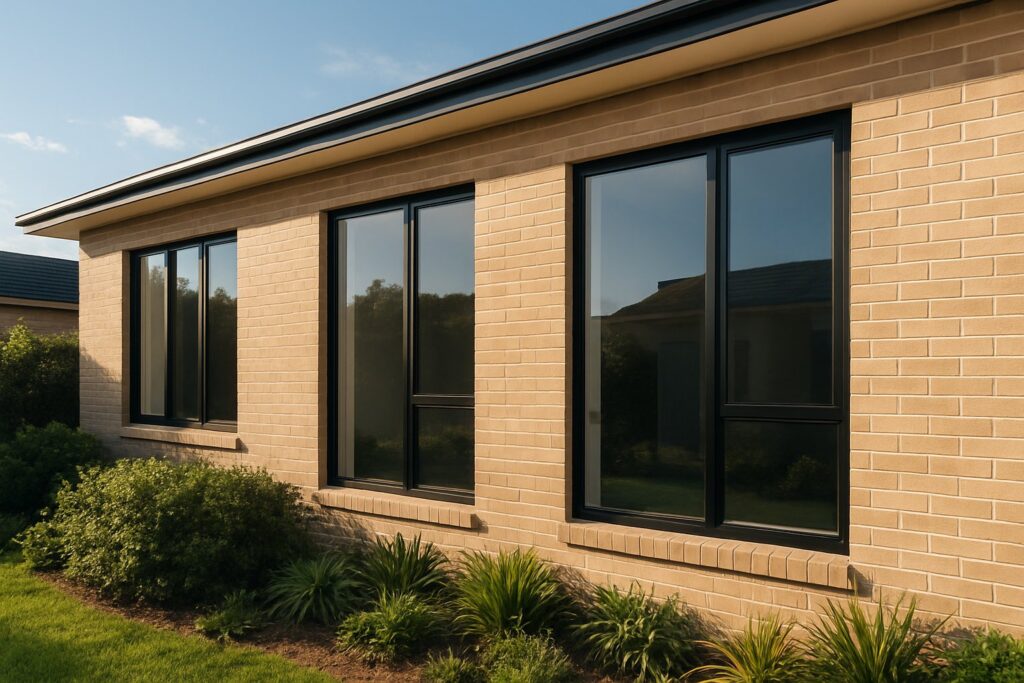
What Are Aluminium Windows and Why Do Homeowners Choose Them
Aluminium windows are window systems built around frames extruded from aluminium alloy — a material that combines low weight with remarkable structural strength, natural corrosion resistance, and full recyclability at end of life. These properties have pushed aluminium windows into a dominant position across Australian residential construction, from coastal weatherboard renovations in Sydney to contemporary double-storey builds in Melbourne’s outer suburbs.
The material itself does the heavy lifting. Aluminium does not rot, warp, or attract termites. It holds its shape through decades of UV exposure, temperature swings, and driving rain without demanding the cyclical repainting or sealing that timber requires. A powder-coated finish bonds to the aluminium surface at a molecular level, resisting chips, fading, and chalking far longer than painted alternatives. And because aluminium is 100% recyclable without any loss of quality, choosing it carries a genuine environmental advantage over materials that degrade with each reprocessing cycle.
Aluminium’s strength-to-weight ratio is roughly three times that of standard timber framing. In practical terms, this means aluminium window frames can be engineered significantly thinner while still supporting large, heavy glass panels — giving homeowners slimmer sightlines and more unobstructed natural light than almost any other framing material allows.
What Makes Aluminium Different From Other Window Materials
Structural rigidity is the standout difference. Where vinyl flexes under load and timber requires bulkier profiles to span wide openings, windows in aluminium achieve the same structural capacity with noticeably slimmer frames. That rigidity also ensures long-term seal integrity — the frame holds its geometry, so weatherseals stay compressed and airtight year after year. Add to this the design versatility of aluminium (it can be extruded into virtually any profile shape, from sleek modern lines to heritage-proportioned mouldings) and you have a material equally at home on a Queenslander verandah or a minimalist concrete facade. The aluminium window you install today will look and perform the same in twenty years without structural maintenance.
Who Benefits Most From Aluminium Window Frames
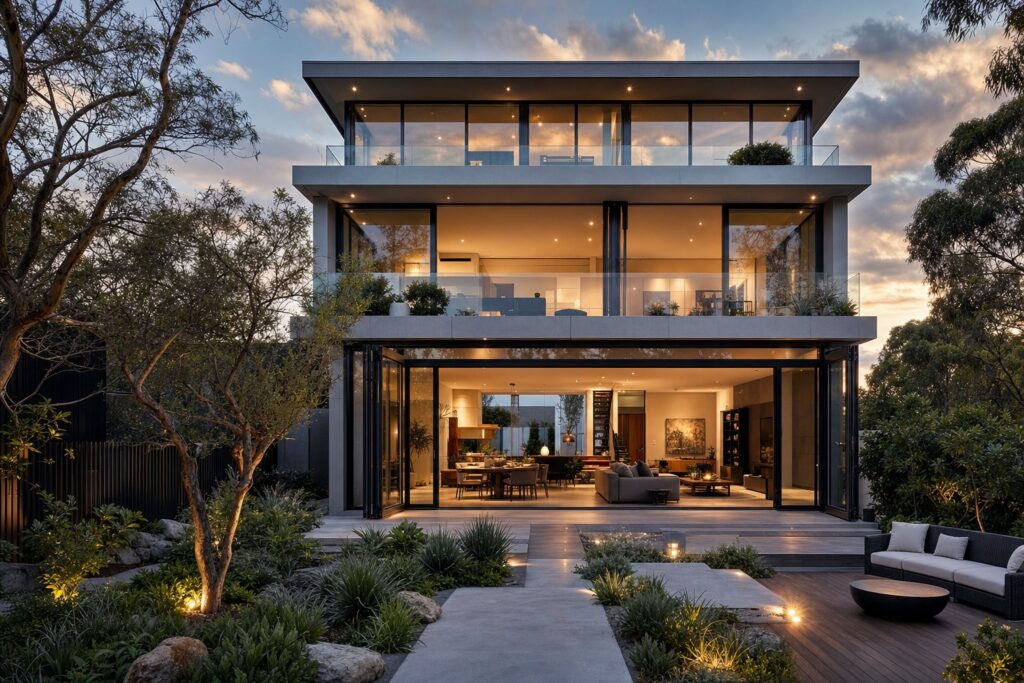
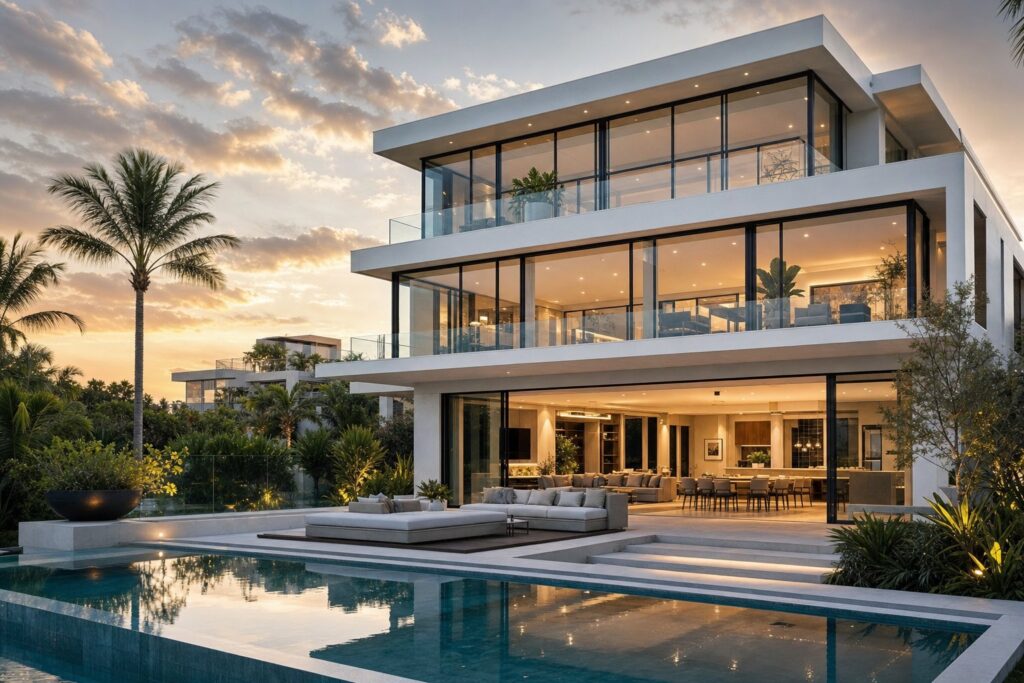
Three groups gain the most from specifying aluminium. Homeowners renovating older properties benefit because aluminum window frames can be custom-sized to fit non-standard openings common in pre-war and mid-century Australian homes, eliminating costly brickwork modifications. Builders working on new constructions value the speed and precision of factory-made aluminium — tight tolerances mean faster installation and fewer callbacks. Architects designing contemporary facades rely on aluminium’s ability to deliver floor-to-ceiling glazing with minimal visual frame, creating the seamless indoor-outdoor connection that defines modern Australian living. Each group arrives at the same material for different reasons, yet the underlying logic is identical: aluminium delivers more glass, less maintenance, and longer service life than the alternatives.
That foundation — strength, durability, and design freedom — only tells part of the story. How aluminium actually stacks up against timber, vinyl, and fiberglass in a direct residential comparison reveals where each material genuinely excels and where it falls short.
Aluminium vs Other Frame Materials for Residential Homes
Every window material involves trade-offs. The challenge for homeowners is that most comparisons online cherry-pick data to favour whichever product the site happens to sell. Here, we are laying out the genuine strengths and weaknesses of five common windows and window frames materials used in Australian residential construction — aluminium, vinyl (uPVC), timber, fiberglass, and aluminium-clad wood — so you can match the right frame to your house, climate, and budget.
| Decision Factor | Aluminium | Vinyl (uPVC) | Timber | Fiberglass | Aluminium-Clad Wood |
|---|---|---|---|---|---|
| Structural Strength | Excellent — supports large spans with slim profiles | Moderate — requires wider frames for stability | Good — but needs bulkier sections for equivalent spans | Very good — strong and lightweight | Good — timber core with aluminium shell |
| Thermal Performance | High (with thermal break); poor without | High — plastic is a natural insulator | High — wood insulates well naturally | High — low conductivity | High — timber interior insulates, aluminium exterior protects |
| Maintenance | Minimal — periodic wash only | Minimal — occasional cleaning | High — regular painting, sealing, rot prevention | Low — periodic repainting recommended | Low exterior / moderate interior timber care |
| Lifespan | 40–60+ years | 20–30 years | 30–50+ years (with maintenance) | 30–50 years | 40–60 years |
| Design Flexibility | Extensive — any profile shape, heritage to modern | Limited — thicker profiles, fewer custom shapes | Excellent — fully customisable | Good — but fewer manufacturers | Excellent — combines timber warmth with aluminium versatility |
| Colour Options | Virtually unlimited powder-coat colours | Limited standard range; laminate options available | Any paint or stain colour | Paintable; factory colours limited | Exterior: powder-coat range; Interior: timber stain/paint |
| Environmental Impact | 100% recyclable infinitely | Recyclable but degrades with reprocessing | Renewable but resource-intensive harvesting | Partially recyclable | Mixed — aluminium recyclable, timber renewable |
| Approximate Cost Tier | Mid-range to premium | Budget to mid-range | Premium | Mid-range to premium | Premium |
Aluminium vs Timber Frames for Houses
Timber has an undeniable warmth. The natural grain, the tactile quality, the way it suits period homes — these are real advantages. But timber demands ongoing commitment. In Australia’s climate, UV exposure and moisture cycles mean repainting or re-staining every few years, plus vigilant checks for rot, swelling, and termite damage. Skip a maintenance cycle and deterioration accelerates quickly.
Aluminium delivers comparably slim sightlines without any of that upkeep. Modern aluminium profiles can even replicate timber proportions and woodgrain finishes, giving heritage-style houses a traditional appearance backed by decades of maintenance-free performance. For homeowners who love the look of timber but dread the weekend sanding sessions, aluminium offers a practical middle ground.
Aluminium vs Vinyl and Fiberglass Frames
Vinyl windows dominate the budget end of the market for good reason — they are affordable, reasonably energy-efficient, and low-maintenance. The limitations show up in structural span and aesthetics. Vinyl frames need to be thicker than aluminium or fiberglass to achieve the same rigidity, which means more frame and less glass. Colour options remain narrower than aluminium’s powder-coat range, and vinyl can warp under sustained high temperatures — a genuine concern in parts of Queensland and Western Australia.
Fiberglass bridges some of those gaps. It is strong, dimensionally stable, and insulates well without a thermal break. Yet fiberglass lacks aluminium’s infinite recyclability, offers a smaller selection of manufacturers in the Australian market, and cannot match the design range or slimline profiles that aluminium achieves. For metal clad windows and metal frame solutions where structural performance and environmental credentials matter equally, aluminium remains the stronger proposition.
When Aluminium-Clad Wood Makes Sense
Aluminum clad wood windows pair the best qualities of both materials: a timber interior that delivers warmth and character inside the home, wrapped in an aluminium exterior shell that handles weather, UV, and maintenance duties. This hybrid approach suits heritage or period homes where council requirements or personal preference demand visible timber indoors, but the homeowner wants to avoid exterior upkeep.
Wood clad aluminum windows — sometimes called aluminum clad windows — typically sit at the premium end of the cost spectrum. They make the most sense for homeowners restoring Federation, Victorian, or Edwardian properties who want authentic interior aesthetics without compromising on exterior durability. The clad aluminum exterior can be powder-coated to match any colour scheme, while the interior timber accepts traditional stains and finishes. An aluminum clad window is essentially a long-term investment in having it both ways — beauty inside, resilience outside.
Material choice sets the foundation, but it only becomes meaningful once you pair it with the right operating style. A sliding window, a casement, or an awning each interacts differently with your rooms, your climate, and the way you actually live in your house.
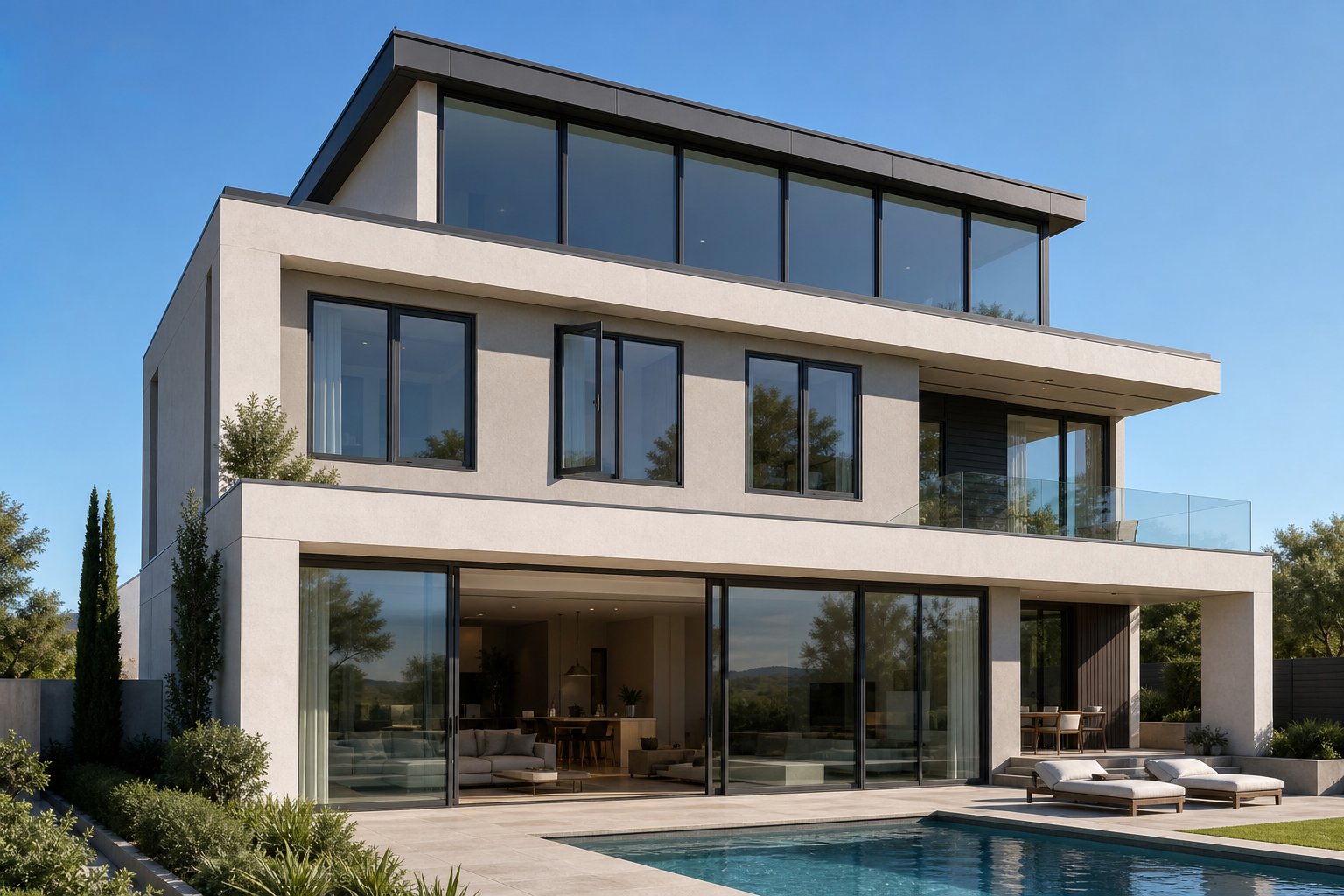
Popular Aluminium Window Styles for Every House Type
Aluminium’s structural versatility means it can be formed into virtually every operating style a house might need. The trick is matching the right mechanism to the right room, the right facade, and the right climate. Here is a quick overview of the main styles and where each performs best:
- Sliding — ideal for wide living area openings where unobstructed views and space-saving operation matter most.
- Double hung — suits bedrooms and heritage facades with traditional vertical proportions and flexible top-or-bottom ventilation.
- Casement — delivers full-opening ventilation with a tight weather seal; works well in living rooms and kitchens.
- Awning — hinged at the top, allowing airflow during rain; perfect for bathrooms, laundries, and above kitchen benches.
- Louvre — horizontal slats offer maximum ventilation control in warm, humid climates like tropical Queensland.
- Fixed — non-operable panels that maximise light and views in stairwells, hallways, or alongside operable windows.
Sliding and Double Hung Aluminium Windows
Aluminium sliding windows are a staple of Australian residential design for good reason. The sashes glide horizontally along a track, requiring no exterior clearance — making them practical beside walkways, decks, or narrow side passages. Because aluminium’s rigidity supports wider spans with less frame material, sliding aluminium windows deliver a higher glass-to-frame ratio than vinyl equivalents, flooding living areas with natural light. For open-plan spaces that face a garden or pool, they create a panoramic connection without the cost of bi-fold systems.
Aluminum double hung windows take a different approach. Two sashes move vertically within the frame, offering a classic look that suits Federation, Victorian, and Edwardian homes. You can open the top sash, the bottom sash, or both simultaneously for balanced airflow. Many homeowners with young children appreciate the option of ventilating from the top only. The aluminum single hung window — where only the bottom sash operates — provides a simpler, more budget-friendly alternative while retaining the same traditional proportions.
Casement, Awning, and Louvre Options
An aluminum casement window hinges on one side and swings outward, opening the full aperture to incoming breezes. When closed, the sash compresses firmly against the frame’s weatherseals, creating one of the tightest air and water barriers of any operating style. Aluminium casement windows are a strong choice for rooms facing prevailing winds where you want to scoop airflow inside efficiently.
The aluminum awning window works on a similar principle but hinges at the top. It swings outward from the bottom, forming a canopy that deflects rain while still allowing fresh air in — a practical detail for bathrooms and kitchens where you want ventilation regardless of weather. In warmer Australian climates, aluminium louvre windows take ventilation a step further. Their adjustable horizontal slats let you fine-tune airflow angle and volume, providing natural cooling that reduces reliance on air conditioning throughout summer.
Slimline Profiles vs Standard Frames
Profile thickness is a detail most homeowners overlook, yet it significantly affects both how a window looks and how it performs. Slimline aluminium frames — sometimes called narrow-profile or minimalist systems — reduce visible frame width to as little as possible, maximising the glass area. The result is more daylight, cleaner sightlines, and a contemporary aesthetic that suits modern Australian builds. According to industry comparisons of slimline versus traditional aluminium systems, the difference in natural light penetration between the two can noticeably change how a room feels day to day.
Standard profiles, by contrast, use thicker aluminium sections that provide greater structural capacity. This matters for larger spans, high wind-load zones, or windows supporting heavy triple-glazed units. In exposed coastal or elevated sites common across Australia, standard profiles may be the engineering-driven choice regardless of aesthetic preference. Many houses combine both — slimline frames for street-facing living areas where visual impact matters, and standard profiles for utility rooms or upper-storey windows where structural demands are higher.
Choosing the right style and profile gets you halfway there. The other half — particularly for energy performance and indoor comfort — depends on what is happening inside the frame itself, where thermal break technology has quietly transformed aluminium from a cold-weather liability into a genuine high-performance option.
Thermal Break Technology and Energy Performance Explained
Aluminium conducts heat roughly 1,000 times faster than timber and 200 times faster than PVC. For decades, that single fact gave aluminium framed windows a reputation as energy liabilities — old aluminium windows with single pane glass lost heat in winter and radiated it inward during summer. The criticism was valid at the time. But modern thermal break engineering has fundamentally rewritten the equation, turning the aluminium window frame into a genuine high-performance system that rivals or exceeds the thermal efficiency of competing materials.
What Is a Thermal Break and How Does It Work
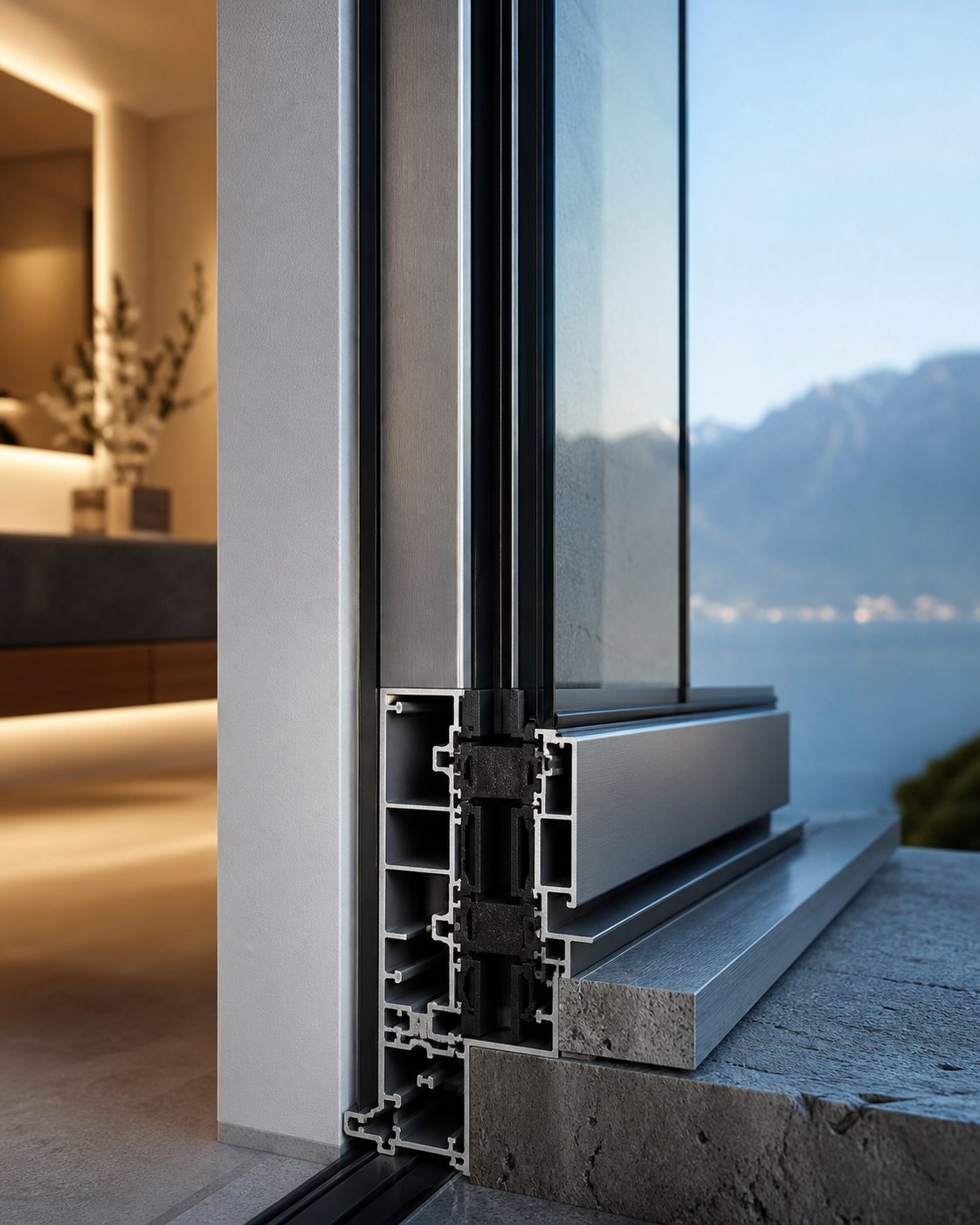
A thermal break is an insulating barrier — typically a strip of polyamide reinforced with glass fibre — mechanically locked between the interior and exterior aluminium sections of a window frame. It physically interrupts the metal pathway that would otherwise allow heat to travel straight through the profile. The polyamide material conducts heat approximately 500 to 1,000 times less efficiently than aluminium itself, creating a dramatic reduction in energy transfer across the frame.
Think of a thermally broken aluminium frame as two separate aluminium profiles connected by a non-conductive bridge. Heat reaching the outer profile hits the polyamide barrier and effectively stalls — it cannot conduct efficiently to the inner profile. The glass aluminium frame system works as a unified structure, but thermally it behaves as two isolated zones.
Thermal break widths in quality systems range from around 15 mm up to 35 mm. Wider breaks create a longer insulation path and deliver better performance. Premium multi-chamber designs add further air pockets within the frame, stacking insulation layers for even greater efficiency. The result is that modern thermally broken aluminium windows can achieve U-values between 0.8 and 2.0 W/m²K — a 70 to 85 percent improvement over single pane aluminum windows from previous generations.
How Thermal Breaks Affect Energy Bills and Comfort
The practical difference shows up in three ways homeowners notice immediately. First, interior comfort near windows improves because the inner frame surface stays close to room temperature rather than radiating cold (or heat) into the living space. Cold spots beside windows disappear, making the full floor area of a room genuinely usable year-round.
Second, heating and cooling systems run less frequently. When the aluminum frame glass boundary no longer acts as a thermal leak, your HVAC system cycles less to maintain set temperatures — particularly noticeable in homes with large glazed areas facing west or south.
Third — and this is the concern homeowners raise most often — condensation drops dramatically. Condensation forms when warm, moist indoor air contacts a surface cold enough to push it below dew point. In older non-thermally-broken frames, the interior aluminium surface could approach outdoor temperatures on cold mornings, creating the foggy glass and damp sills many Australians remember from childhood. Modern thermally broken frames maintain a much warmer interior surface temperature, keeping it well above dew point and significantly reducing or eliminating interior condensation even during winter.
Performance does vary. A narrow thermal break paired with basic double glazing will not match a wide-break system with low-E triple glazing and argon gas fill. The aluminum glass frame specification — break width, glazing type, gas fill, and seal quality — all interact. But the core point stands: the old reputation of aluminium as a cold, sweating frame material belongs to a technology generation that quality manufacturers left behind years ago.
Thermal performance keeps your home comfortable from the inside. Yet aluminium frames also protect from the outside — and two areas where they quietly outperform alternatives are home security and noise reduction, topics most window guides skip entirely.
Security and Acoustic Benefits of Aluminium Windows
Most window buying guides devote pages to aesthetics and energy ratings, then gloss over two factors that affect daily life just as much — how well your windows resist break-ins and how effectively they block street noise. Both come down to engineering precision, and both are areas where a metal window frame built from aluminium delivers measurable advantages.
Why Aluminium Frames Enhance Home Security
Forced entry through a window typically involves levering the frame apart at the lock point or prying the sash from its track. Aluminium’s inherent rigidity makes both tactics exceptionally difficult. Unlike vinyl, which can flex under sustained pressure, or timber, which can split along the grain, aluminium resists deformation. That structural stiffness also means metal window frames hold multi-point locking hardware securely — the lock engages into solid material that does not give way under force.
Modern residential aluminum windows combine that frame strength with several purpose-built security features:
- Multi-point locking systems — the handle engages bolts at multiple positions around the sash perimeter, distributing any forced pressure across several lock points rather than concentrating it at a single latch.
- Internal beading — the glazing bead sits on the room side of the frame, making it impossible to remove the glass from outside even if the seal is tampered with.
- Reinforced meeting rails — where sashes overlap on sliding or double hung units, the aluminium rail sections are engineered to prevent the sash being lifted out of its track.
- Key-locking handles — optional keyed hardware adds a physical barrier that prevents opening from inside or outside without the correct key, a practical addition for ground-floor windows or those accessible from balconies.
The window frame metal itself also supports security-rated glazing options. Laminated glass — which holds together even when shattered, thanks to a polyvinyl butyral interlayer — needs a strong frame to anchor it. Aluminium delivers that anchoring force without requiring the bulky profiles a vinyl or timber frame would need to achieve equivalent holding strength. For metal windows in residential settings, this combination of rigid framing and advanced glazing creates a barrier that most opportunistic intruders simply cannot defeat quickly or quietly.
Acoustic Insulation for Houses in Noisy Environments
Living near a main road, a flight path, or a busy commercial strip means external noise becomes a daily quality-of-life issue. Acoustic performance in any window system depends on three interacting elements: glazing specification, seal quality, and frame precision. The frame material itself matters less than many homeowners assume — but the way that material is manufactured matters enormously.
Aluminium frame windows gain an acoustic edge through precision engineering. Because aluminium is extruded to tight tolerances, the profiles create consistent contact with weatherseals along every millimetre of the frame. Fewer gaps mean fewer paths for sound to travel through. Multi-chamber aluminium profiles paired with high-performance seals eliminate the micro-gaps that allow sound transmission in less precisely manufactured alternatives.
The real noise-reduction heavy lifting, however, comes from the glass. Double-glazed units with an adequate air gap already cut external noise noticeably, but upgrading to laminated acoustic glass takes performance further. The noise-dampening interlayer within laminated glass absorbs mid- to high-frequency sound waves — the traffic hum, engine rumble, and intermittent honking that cause the most irritation indoors. Triple glazing adds another barrier, and using panes of different thicknesses disrupts a broader range of sound frequencies.
For houses in urban centres like Sydney’s Inner West or Melbourne’s inner north, pairing metal frame windows with acoustic-rated glazing can transform a noisy room into a genuinely restful space. The aluminium frame’s job is to hold that specialised glass securely, maintain airtight seals over decades, and resist the thermal cycling that loosens seals in lesser systems. It handles all three without the periodic re-sealing that timber demands or the dimensional drift that vinyl can experience under sustained heat.
Security and sound control both depend on how well a window system suits its environment. That environmental question runs deeper than most homeowners realise — because where your house sits geographically should shape which aluminium window specification you choose in the first place.
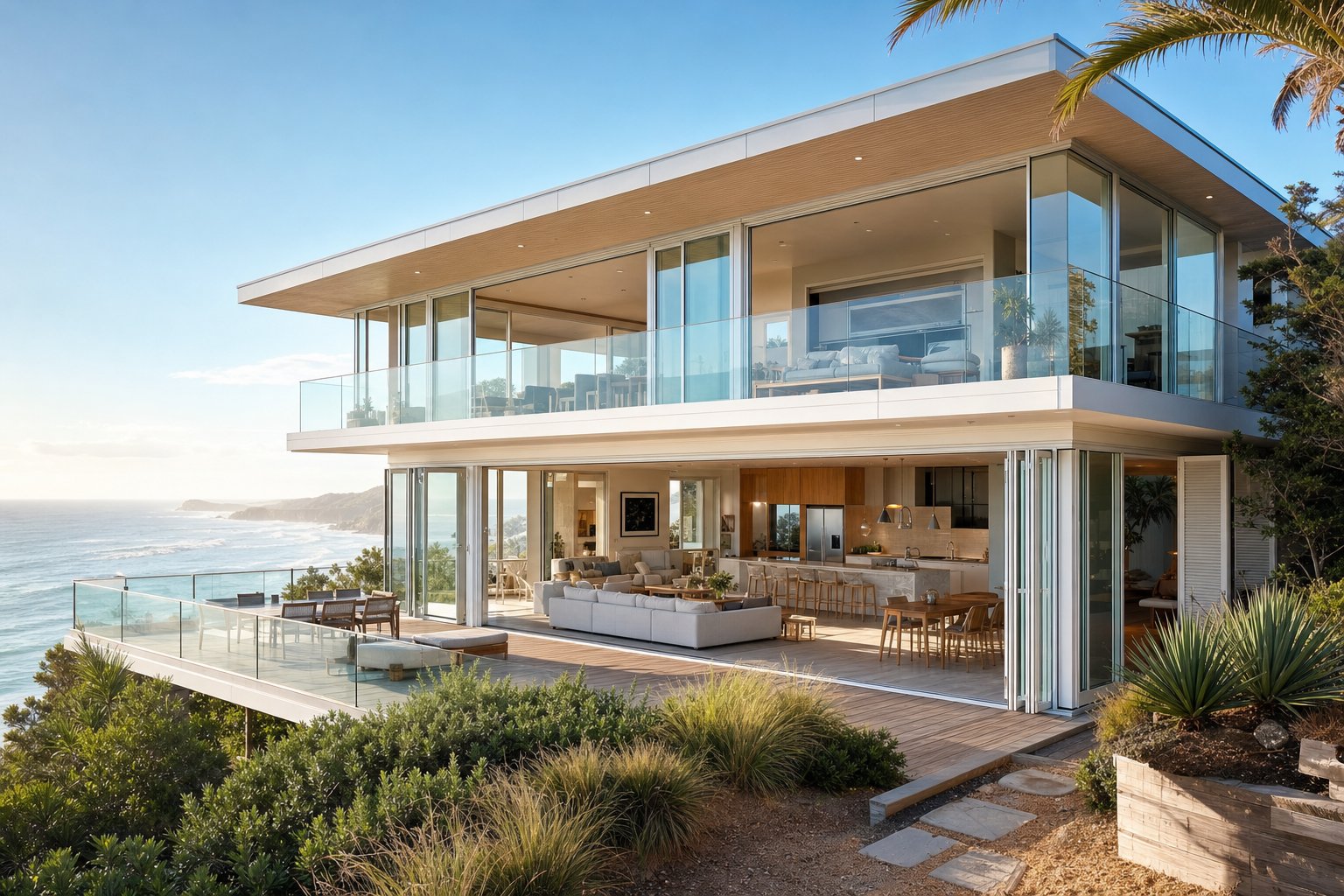
How Climate and Location Affect Aluminium Window Performance
A window specification that works perfectly in suburban Adelaide may underperform on the Sunshine Coast or fall short of compliance requirements in bushfire-prone hills outside Hobart. Geography shapes everything — corrosion exposure, wind loading, heat gain, UV intensity, and regulatory obligations all shift depending on where your house sits. Yet most homeowners searching for aluminium windows near me receive generic product recommendations with no climate context whatsoever. Here is how location should genuinely influence your specification decisions.
Coastal and High-Humidity Environments
Salt-laden air is relentless. It corrodes steel, rots timber, and degrades lesser materials within years. Aluminium resists this naturally — it forms a thin oxide layer on its surface that acts as a self-healing barrier against further corrosion. Add a marine-grade powder-coat finish and the protection becomes even more robust, shielding the frame from salt spray, moisture cycling, and the constant humidity that characterises Australian coastal living.
For houses within a few hundred metres of the shoreline, aluminium’s corrosion resistance and dimensional stability make it the standout framing choice. Timber demands constant repainting and sealing in these conditions, while steel rusts aggressively without expensive galvanising treatments. Coastal homeowners benefit from aluminium’s combination of structural strength for wind loading during storms and virtually zero maintenance between annual soap-and-water washes.
Extreme Heat, Cold, and Bushfire Zones
In hot climates — think Perth summers or inland Queensland — aluminium window frame colours directly affect heat absorption. Black aluminium windows absorb significantly more solar radiation than lighter finishes, potentially warming the frame and surrounding wall. White aluminium windows or lighter tones like silver and cream reflect more heat, reducing thermal load on the building envelope. Bronze aluminium windows sit somewhere in between, offering a warm aesthetic without the heat penalty of darker shades.
Thermally broken aluminium handles temperature extremes in both directions. In cold Tasmanian winters, the insulating polyamide barrier prevents the interior frame surface from dropping to outdoor temperatures. In scorching northern summers, it stops conducted heat from radiating inward.
For homeowners in bushfire-prone areas assessed under AS 3959, aluminium’s non-combustible properties become a safety-critical advantage. Unlike timber (which burns) or uPVC (which melts and deforms), aluminium maintains structural integrity under extreme radiant heat. Bushfire Attack Level (BAL) rated aluminium systems — tested to AS 1530.8.1 — are available for BAL-12.5 through to BAL-FZ (Flame Zone), making them suitable for even the highest-risk sites. Precision-manufactured aluminium frames also minimise gaps where embers could penetrate, a detail that matters enormously during ember attack events.
Urban Houses and Weather Exposure
City homes face a different set of challenges. Airborne pollution, industrial fallout, and constant UV exposure degrade many materials over time. Powder-coated aluminium resists all three — the baked-on finish provides UV stability and chemical resistance that keeps frames looking sharp for decades without recoating. This same durability is why commercial aluminium windows dominate high-rise and mixed-use buildings, where maintenance access is difficult and long service life is non-negotiable.
Wind loading is another urban consideration. Homes on exposed upper floors or in wind-tunnel streetscapes experience higher sustained pressures than sheltered suburban blocks. Aluminium’s structural rigidity handles these loads comfortably where vinyl frames may flex, compromise seals, or require unsightly reinforcement. For houses in exposed urban or elevated positions, aluminium provides engineering confidence without aesthetic compromise.
| Performance Factor | Coastal | Urban | Rural / Inland | Extreme Weather (Bushfire / Cyclone) |
|---|---|---|---|---|
| Primary Threat | Salt corrosion, humidity, storm winds | Pollution, UV, wind loading | Temperature extremes, dust, UV | Radiant heat, ember attack, cyclonic winds |
| Recommended Finish | Marine-grade powder coat | Standard or premium powder coat | Standard powder coat | BAL-rated system with compliant finish |
| Frame Colour Consideration | Any — corrosion resistance is key | Any — UV-stable finish matters most | Lighter colours reduce heat gain inland | Lighter colours reduce heat absorption |
| Glazing Priority | Wind-rated, laminated for storm debris | Acoustic-rated, low-E for energy | Low-E double glazing for insulation | BAL-rated toughened or laminated safety glass |
| Key Australian Standard | AS 2047 (wind and water resistance) | AS 2047, NCC energy provisions | NCC Section J, WERS ratings | AS 3959 (bushfire), AS 1170.2 (wind) |
| Maintenance Frequency | Quarterly wash to remove salt deposits | Biannual cleaning | Annual cleaning | Post-event inspection; routine annual wash |
Climate dictates specification, but it also influences cost. The difference between a standard inland window and a BAL-40 rated coastal system is substantial — and understanding what drives those price variations helps homeowners budget realistically rather than reacting to quotes with sticker shock.
Cost Factors and Long-Term Value of Aluminium Frames
Pricing conversations around aluminium windows tend to go one of two ways — either a supplier quotes a number with no context, or a blog throws out dollar figures that bear no resemblance to your actual project. Neither helps. What genuinely helps is understanding the variables that move the price up or down, so you can make informed trade-offs rather than simply reacting to a bottom-line figure.
What Drives the Cost of Aluminium Windows
No two aluminium window projects cost the same because no two projects share identical specifications. The final price is shaped by a stack of interacting variables, each of which you can adjust depending on priorities and budget:
- Window size and operating style — larger openings and complex mechanisms (bi-fold, multi-panel sliding) require more material and engineering than a standard fixed or awning window.
- Profile system — slimline, standard, or commercial-grade aluminium sections each carry different material and fabrication costs. Slimline profiles demand tighter manufacturing tolerances.
- Glazing specification — single, double, or triple glazing; low-E coatings; argon gas fills; laminated or toughened safety glass. Each upgrade improves performance and adds cost.
- Hardware quality — basic rollers and latches versus premium multi-point locks, soft-close mechanisms, and key-locking handles.
- Colour and finish — standard powder-coat colours (white, black, monument) are typically included in base pricing, while custom RAL colours or woodgrain textured finishes attract a surcharge.
- Installation complexity — straightforward new-build installation into prepared openings costs less than aluminium window replacement in an existing brick veneer or weatherboard home where old frames must be removed and reveals made good.
- Quantity — ordering a full house of windows usually attracts volume pricing that single-window purchases cannot access.
Within the broader market, aluminium sits in the mid-range to premium tier. Vinyl (uPVC) occupies the budget end, while solid timber and aluminium-clad timber push into premium territory. Thermally broken aluminium with quality double glazing lands squarely in the middle — more than basic vinyl, less than bespoke timber — while delivering a lifespan that outstrips both.
For homeowners considering aluminum replacement windows to upgrade ageing single-glazed frames, the specification gap between old and new is enormous. Replacement aluminum windows today bear almost no resemblance to the thin, non-thermally-broken profiles they are replacing. Aluminum retrofit windows designed for renovation projects are engineered to fit existing openings with minimal structural modification, reducing installation labour and associated costs.
Long-Term Value and Total Cost of Ownership
Upfront price tells you what leaves your account today. Total cost of ownership tells you what the windows actually cost over their working life — and this is where aluminium’s value proposition becomes difficult to argue against.
Quality aluminium frames routinely last 40 years or more with no structural maintenance. The powder-coated finish does not peel, flake, or require recoating. The frame does not rot, warp, swell, or attract termites. Hardware may need occasional lubrication — a five-minute job with silicone spray — and the frames themselves need nothing more than a periodic wipe-down with warm soapy water to remove dust and grime. That is the entire maintenance programme for the life of the product.
Compare that to timber, which demands repainting every few years at several hundred dollars per cycle, plus potential repairs for rot or termite damage. Or vinyl, which may need full replacement after 20 to 30 years when frames become brittle, discoloured, or dimensionally unstable. Over a 40-year horizon, the aluminium window replacement cost you avoid — because the frames simply do not need replacing — often exceeds the initial price premium you paid over cheaper alternatives.
Property value is the other side of the equation. Well-specified aluminium windows signal quality to buyers and valuers alike. They indicate a home that will not need window work for decades, removing a significant future expense from any buyer’s mental renovation budget. For homeowners planning to sell within ten to fifteen years, that perceived longevity translates directly into stronger offers. Those searching for replacement windows in aluminium are often motivated precisely by this logic — investing once in a system that holds its value rather than cycling through cheaper options that degrade.
Value, though, requires honesty about limitations. Aluminium is not a perfect material — no framing option is — and understanding its genuine drawbacks alongside its strengths is the only way to make a decision you will not regret.
Limitations and Common Concerns Addressed Honestly
No framing material is flawless, and pretending otherwise does homeowners a disservice. Aluminium earns its place through strength, longevity, and design flexibility — but it carries genuine trade-offs that deserve the same honest treatment as its advantages. Here is what you should weigh before committing.
Honest Limitations Homeowners Should Consider
These are the real drawbacks, not dealbreakers for most projects, but factors worth building into your decision:
- Higher upfront cost than vinyl — aluminium typically costs 15 to 25 percent more than equivalent uPVC windows. The gap narrows over a 40-year lifespan, but the initial outlay is real.
- Thermal bridging in budget frames — not every aluminium window on the market includes a thermal break. Cheaper, non-thermally-broken profiles still conduct heat readily, leading to energy loss and potential condensation. Always confirm the frame includes a polyamide thermal break before purchasing.
- Limited DIY repair options — timber frames can be sanded, filled, and repainted by a handy homeowner. An extruded aluminum window frame that sustains damage typically requires professional attention because the powder-coat finish cannot be convincingly patched with off-the-shelf products.
- Powder-coat scratches need specialist touch-up — deep scratches or chips in the finish expose bare aluminium. While the metal will not rust, the cosmetic repair requires colour-matched touch-up paint or professional re-coating to restore appearance.
- No off-the-shelf aluminium window frame kits for DIY installation — unlike timber or basic vinyl systems, aluminium windows are precision-fabricated to order. You will not find generic aluminium window frame kits at a hardware store for a weekend project. This means lead times for custom manufacturing and professional installation are part of the process.
Addressing Common Misconceptions
The most persistent myth is that aluminium windows are cold and drip with condensation every winter morning. This belief is rooted in reality — but the reality of old aluminium windows from the 1970s and 1980s, not modern systems. Those older frames were single-profile designs with no insulating barrier. The window metal frame conducted outdoor temperatures straight through to the interior surface, dropping it below dew point and creating the foggy, damp sills many Australians remember. Modern thermally broken aluminium frames maintain a much warmer interior surface, keeping it well above dew point even on cold mornings. The condensation problem belongs to a previous generation of technology, not to current products.
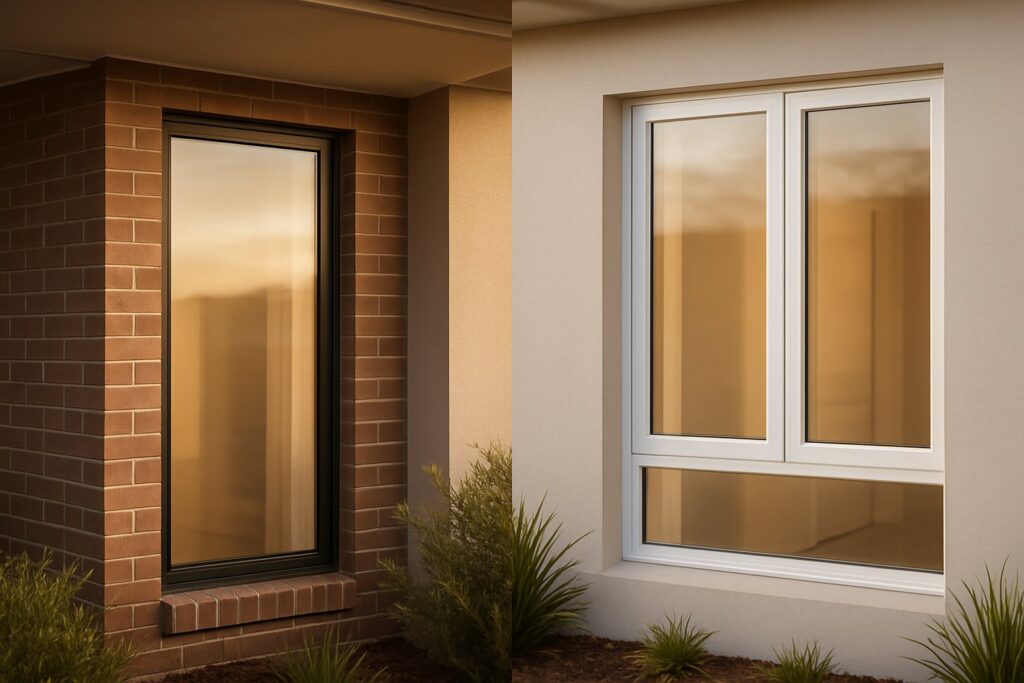
The second misconception is aesthetic — that aluminium looks industrial, cold, or only suits ultra-modern architecture. Two decades ago, that criticism had some merit. Today, it does not. Contemporary aluminium profiles are available in heritage proportions that replicate traditional timber mouldings, complete with woodgrain textured finishes that are visually indistinguishable from painted timber at normal viewing distance. Colour ranges extend to hundreds of powder-coat options, from classic cream and heritage green through to charcoal, bronze, and custom RAL matches. An aluminum frame window installed on a Federation cottage can look every bit as period-appropriate as timber — without the maintenance burden.
For homeowners living with old aluminum window frames and single glazing, the path forward is straightforward. Aluminum frame window replacement with modern thermally broken equivalents transforms energy performance, comfort, and security in one step. The new frames slot into existing openings with minimal structural modification, and the performance difference between a 1980s single-glazed profile and a current double-glazed thermally broken system is dramatic — better insulation, tighter seals, superior hardware, and a finish that will not need attention for decades.
Understanding limitations honestly puts you in a stronger position when it comes to the next step — choosing the right specification for your particular house and finding a supplier who can deliver on both product quality and project support.
How to Choose the Right Aluminium Windows for Your House
Knowing what aluminium can do is one thing. Translating that knowledge into a specification that fits your particular house, budget, and lifestyle is where most homeowners stall. The gap between understanding the material and actually ordering the right product comes down to two decisions: matching the window to your architecture, and finding an aluminium window supplier who can deliver on both quality and guidance.
Matching Windows to Your House Style
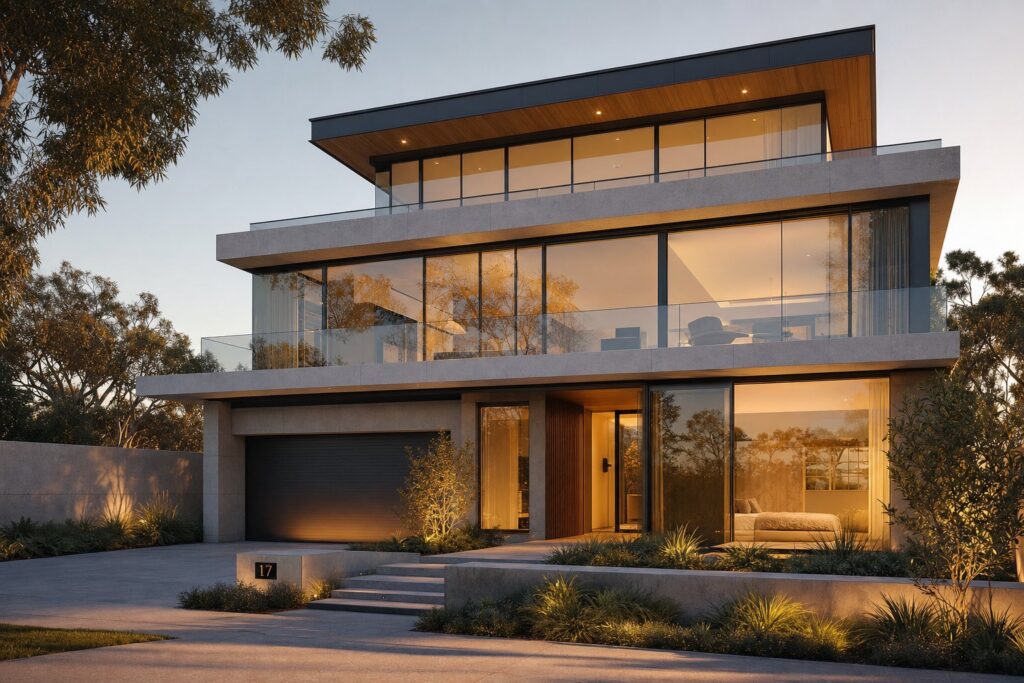
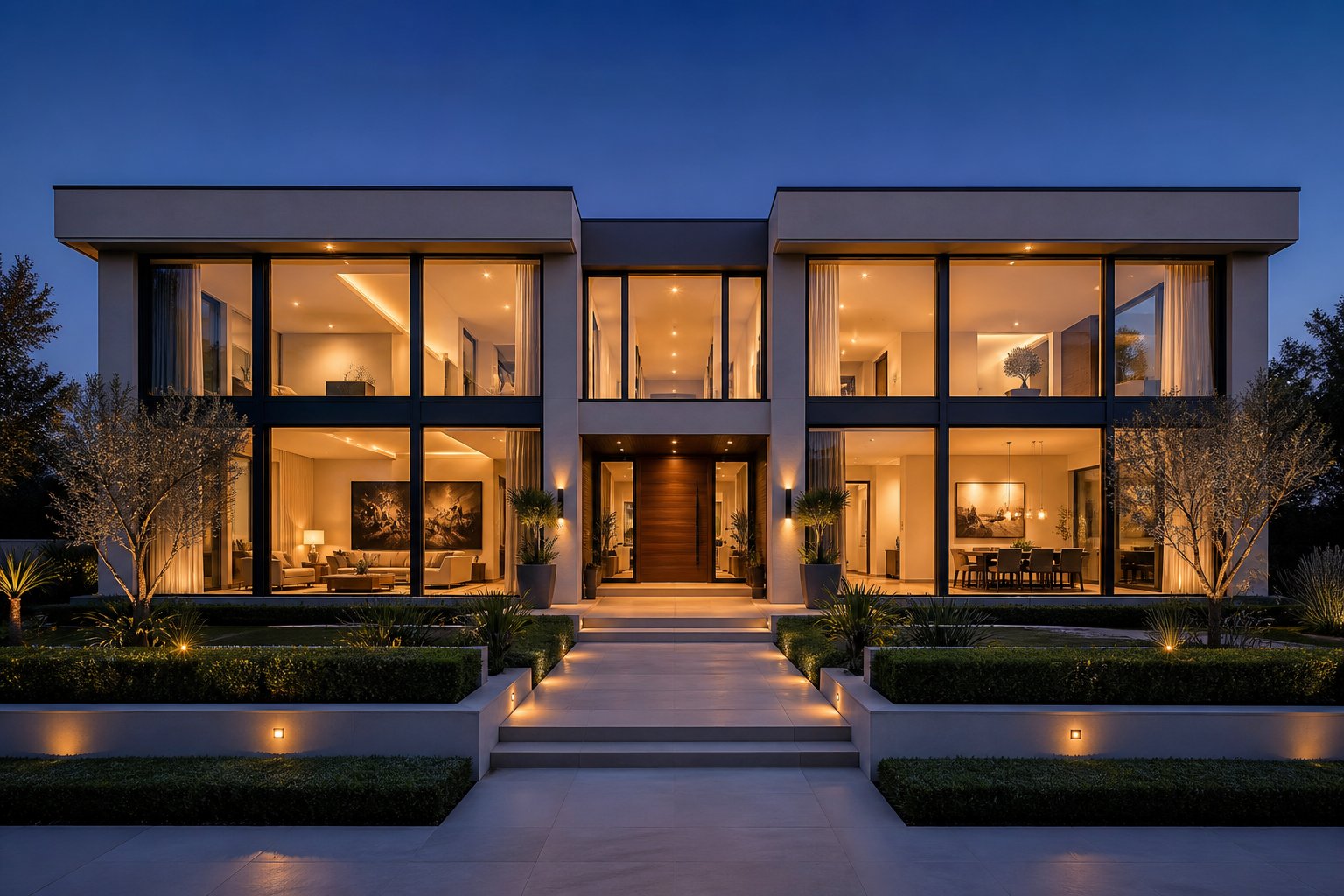
Architectural context should drive your specification, not the other way around. A slimline profile with minimal frame visibility suits contemporary builds — think flat-roofed double-storey homes with clean lines and open-plan living areas where maximum glass creates seamless indoor-outdoor flow. Heritage-proportioned frames with deeper moulding details and traditional hardware suit Federation, Victorian, or Edwardian properties where council heritage overlays may dictate external appearance. Woodgrain powder-coat finishes can replicate the look of painted timber convincingly enough to satisfy both heritage consultants and homeowners who refuse to pick up a paintbrush every few years.
For houses that sit between eras — a 1960s brick veneer getting a modern extension, or a Queenslander with a contemporary rear addition — custom aluminium windows bridge the gap. Custom sizing handles non-standard openings without costly brickwork modifications, while mixed profile choices let you maintain period proportions on the street-facing facade and switch to slimline contemporary frames at the rear where design freedom is greater.
What to Look for in an Aluminium Window Supplier
Not every aluminium window manufacturer offers the same depth of product range or project support. When evaluating aluminium window suppliers and narrowing your shortlist, work through these criteria systematically:
- Range of window types — the supplier should offer sliding, casement, awning, double hung, fixed, louvre, and bi-fold options within a single system so your entire house can be specified cohesively.
- Custom sizing and colour capabilities — standard sizes rarely fit renovation projects perfectly. Confirm the manufacturer fabricates to custom dimensions and offers an extensive powder-coat colour range, including woodgrain finishes.
- Thermal performance specifications — ask for documented thermal break details, glazing options, and WERS ratings. A credible aluminium window manufacturer will provide this data upfront rather than deflecting the question.
- Warranty coverage — look for comprehensive warranties covering frame finish, hardware, and seal integrity. Quality aluminium window manufacturers typically back their products with 10-year-plus frame warranties.
- Installation support — whether the supplier installs directly or works through certified installers, clear installation guidance and accountability matter. Poor installation undermines even the best product.
- Project consultation — for whole-house projects, a supplier who offers specification advice, site assessment, and design support adds genuine value beyond simply taking an order.
Suppliers like MEICHEN demonstrate what a comprehensive aluminium window offering looks like in practice — multiple window types, custom configurations for residential and commercial builds, thermally broken systems, and project-level support that takes homeowners from initial concept through to installation. For readers ready to move from research into specification, exploring a supplier with that breadth of capability is a practical next step.
Choosing well at this stage — the right style for your architecture, the right specification for your climate, and the right supplier for your project scope — is what separates an aluminium windows house that performs beautifully for decades from one that simply fills openings. Take the time to ask the hard questions, compare responses, and select a partner whose product range and expertise match the ambition of your build.
Frequently Asked Questions About Aluminium Windows for Houses
1. Are aluminium windows good for houses in cold climates?
Modern aluminium windows with thermally broken frames perform exceptionally well in cold climates. The polyamide thermal break — typically 15 mm to 35 mm wide — interrupts heat transfer between the interior and exterior aluminium profiles, keeping the inner frame surface close to room temperature. This dramatically reduces condensation and cold spots near windows. When paired with double or triple glazing and low-E coatings, thermally broken aluminium frames achieve energy performance comparable to timber and uPVC, making them suitable for even the coldest Australian regions like Tasmania and the alpine areas of Victoria and NSW.
2. How long do aluminium window frames last on a house?
Quality aluminium window frames routinely last 40 to 60 years or more with virtually no structural maintenance. The powder-coated finish resists UV degradation, chalking, and peeling without recoating. Unlike timber, aluminium does not rot, warp, or attract termites, and unlike vinyl, it does not become brittle or discolour over time. The only upkeep required is periodic cleaning with warm soapy water and occasional hardware lubrication. This exceptional lifespan makes aluminium one of the lowest total-cost-of-ownership framing options available, particularly when factoring in the repainting and repair costs that timber demands every few years.
3. Are aluminium windows more expensive than uPVC or timber?
Aluminium windows typically sit in the mid-range to premium cost tier. They generally cost 15 to 25 percent more than equivalent uPVC (vinyl) windows upfront, while solid timber and aluminium-clad timber options tend to be more expensive again. However, the total cost of ownership over a 40-year lifespan often favours aluminium because there are no repainting costs, no rot repairs, and no early replacement cycles. Factors that influence the final price include window size, operating style, profile system, glazing specification, hardware quality, powder-coat colour choice, and installation complexity. Suppliers like MEICHEN offer project consultation to help homeowners balance specification against budget.
4. Do aluminium windows cause condensation problems?
Older single-profile aluminium frames from the 1970s and 1980s did cause condensation because the metal conducted outdoor temperatures directly to the interior surface, dropping it below dew point. Modern thermally broken aluminium windows have solved this issue. The insulating polyamide barrier between the inner and outer profiles keeps the interior frame surface well above dew point, significantly reducing or eliminating condensation even on cold winter mornings. If you are experiencing condensation with existing aluminium windows, it likely indicates non-thermally-broken frames that would benefit from replacement with current-generation systems.
5. What aluminium window styles suit heritage or older Australian homes?
Heritage and period homes — Federation, Victorian, Edwardian, and Queenslander styles — pair well with aluminium double hung windows that replicate traditional vertical proportions. Modern aluminium profiles are available in heritage-proportioned mouldings with deeper detailing that matches period aesthetics. Woodgrain textured powder-coat finishes convincingly replicate painted timber at normal viewing distance, often satisfying council heritage overlay requirements. Aluminium-clad wood windows offer another option, combining a visible timber interior with a weather-resistant aluminium exterior shell. Custom sizing handles the non-standard openings common in pre-war Australian homes without requiring costly brickwork modifications.
More Window & Door Guides