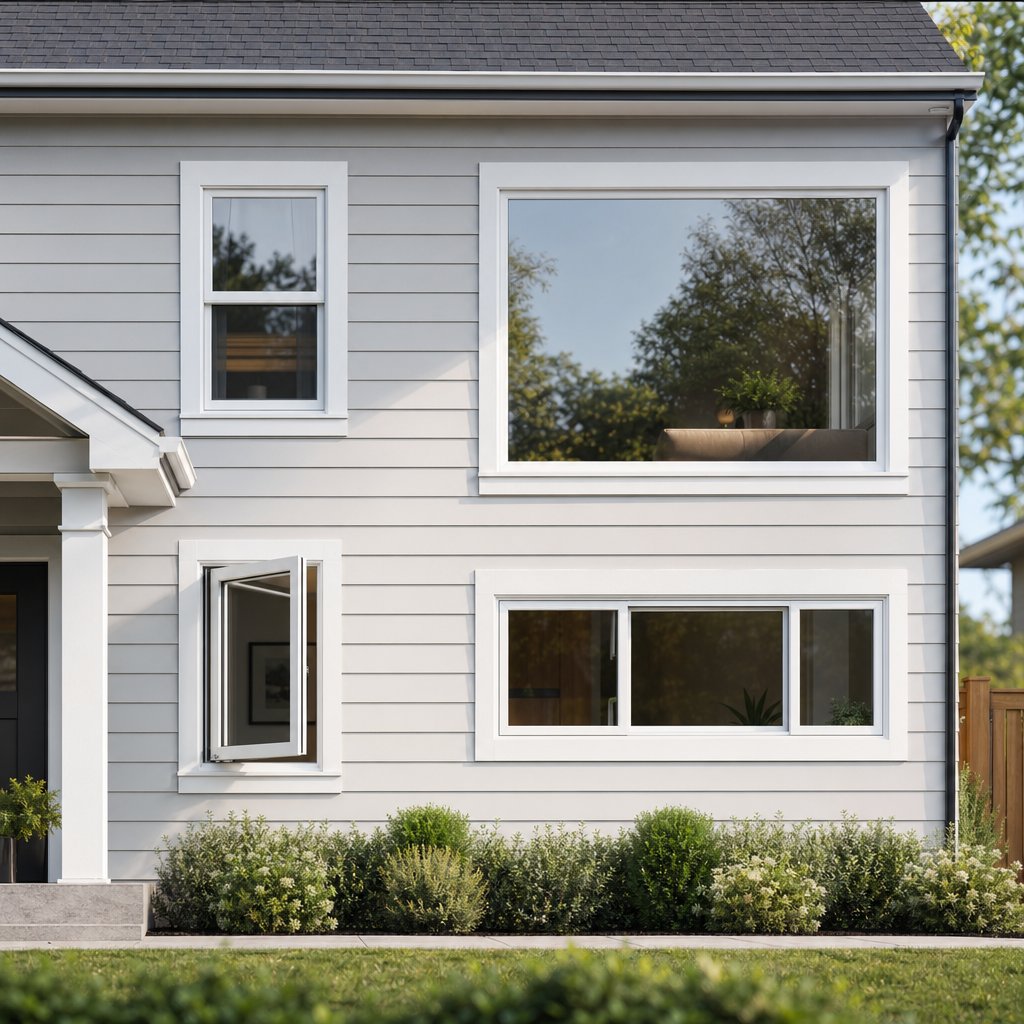
What Sets Sydney’s Aluminium Window Manufacturers Apart
Sourcing aluminium windows in Sydney sounds straightforward until you realise the company quoting your job might not actually make anything. The gap between a genuine manufacturer and a business that simply resells or installs other people’s products is significant, and it directly affects your warranty protection, lead times, and the level of customisation available to your project.
Understanding who actually manufactures what, and where, puts you in a stronger negotiating position whether you’re a homeowner planning a renovation or a builder coordinating a multi-storey development.
What Defines a True Aluminium Window Manufacturer
A true manufacturer controls the fabrication process. At minimum, they operate a factory where raw aluminium profiles are precision-cut, assembled into frames, fitted with hardware, and glazed with sealed glass units before undergoing quality checks. Some vertically integrated operations go further, extruding their own profiles from aluminium billets and applying powder coat or anodised finishes in-house.
Resellers and installer-only businesses, by contrast, purchase finished or semi-finished products and pass them through to the end customer. There’s nothing inherently wrong with that model, but it introduces an extra link in the warranty chain and limits your ability to request non-standard sizes or configurations.
The critical distinction: manufacturers who extrude and fabricate locally maintain full control over tolerances, finishes, and compliance. Businesses assembling imported components rely on offshore quality systems they cannot directly oversee.
Why Sydney’s Market Structure Matters for Buyers
Sydney’s aluminium window suppliers fall into three broad categories. Licensed fabricators operate their own factory and hold the relevant building licences. Branded system licensees fabricate windows using profile systems designed by a larger parent brand, operating under that brand’s engineering and quality framework. Import distributors source completed or semi-knocked-down units from overseas factories and supply them into the local market.
Each model carries trade-offs. Licensed fabricators typically offer the fastest turnaround on custom orders and the clearest warranty accountability. System licensees benefit from established R&D but may have less flexibility on non-standard designs. Import distributors can compete aggressively on price, though lead times stretch longer and after-sales remediation becomes more complex when the factory sits in another country.
Recognising which category a business falls into helps you ask sharper questions from the first conversation. And the clearest way to evaluate any manufacturer’s claims is to understand what actually happens inside their factory, from raw material to finished frame.
The Aluminium Window Manufacturing Process Explained
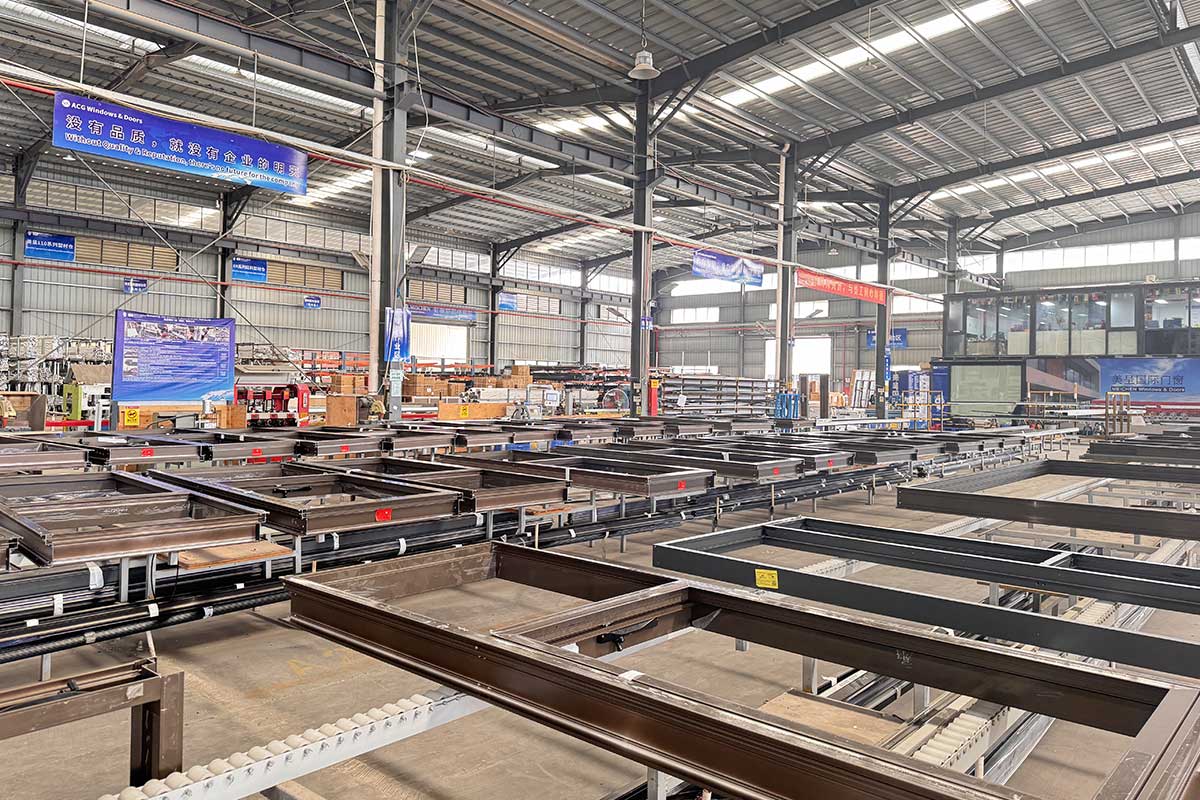
Most buyers never see what happens between placing an order and receiving finished aluminium windows. Sydney fabricators guard their factory floors, and the process rarely gets explained in plain language. That’s a problem, because understanding each production stage gives you the vocabulary to spot quality differences and ask questions that separate a capable manufacturer from one cutting corners.
The journey from raw metal to a sealed, tested window unit involves seven distinct stages. Each one influences the final product’s strength, weather resistance, and lifespan.
From Raw Aluminium to Extruded Profiles
Every aluminium window begins life as a cylindrical billet of aluminium alloy, typically a 6063 grade chosen for its balance of extrudability, corrosion resistance, and smooth surface finish after anodising. The billet is heated to between 375°C and 500°C until it becomes workable but remains solid. A hydraulic ram then forces the softened metal through a precision-engineered steel die, and the aluminium emerges in the exact cross-sectional shape required for frames, sashes, mullions, or transoms.
After extrusion, the profiles are stretched to relieve internal stress and improve straightness, then cut to handling lengths and heat-treated (aged) to achieve their target hardness and structural properties. This stage alone determines whether the finished frame will hold its shape over decades or develop subtle warping that compromises seals.
Surface treatment follows. Powder coating applies a coloured finish electrostatically before curing in an oven, producing a durable layer resistant to UV, salt air, and scratching. Anodising takes a different route, creating a hard oxide layer through an electrochemical bath that enhances corrosion resistance while preserving a metallic appearance. Both methods protect the raw metal from Sydney’s coastal atmosphere and harsh UV exposure.
Fabrication and Glazing Stages
With finished profiles in hand, aluminium window fabrication in Sydney moves to the cutting and assembly floor. Here’s where the process becomes specific to each project:
- Precision cutting — Profiles are cut to the exact dimensions required for each opening, with mitre or butt joints depending on frame design.
- Machining — CNC equipment drills drainage slots, hardware mounting holes, and lock pockets at precise locations.
- Frame assembly — Cut profiles are joined using mechanical crimping, corner cleats, or screw fastening to form rigid frame and sash units.
- Hardware installation — Handles, hinges, multi-point locks, stays (for awning windows), and weatherstripping are fitted to each unit.
- Glazing — Sealed glass units, whether single, double-glazed, or laminated for acoustic and safety performance, are set into frames using rubber gaskets and silicone sealants.
For custom aluminium windows in Sydney, these stages flex to accommodate non-standard sizes, curved heads, heritage-profile sashes, or specialised glazing configurations. A manufacturer with in-house CNC capability can handle unusual specifications without farming work out to third parties, which keeps lead times shorter and accountability clearer.
Quality Testing Before Dispatch
A finished window that looks right isn’t necessarily one that performs right. Reputable manufacturers run each unit through a quality control sequence before it leaves the factory. This typically includes verifying frame dimensions against the original order, checking sash operation for smooth and consistent movement, inspecting powder coat or anodised finish for chips or inconsistencies, confirming hardware function and lock engagement, and assessing seal integrity around glazing.
Some manufacturers go further with water penetration testing and air infiltration checks on sample units from each production run, benchmarking results against AS 2047 performance requirements. These tests simulate wind-driven rain and pressure differentials that Sydney windows face during storm events.
Knowing this sequence matters for a practical reason: it gives you a checklist of questions. Can the manufacturer walk you through their QC process? Do they test to Australian Standards? Can they show you their testing rig? The answers reveal whether you’re dealing with a genuine production facility or a warehouse with a brand name on the door.
Each of these manufacturing stages carries different requirements depending on whether the windows are destined for a single residential renovation or a 200-unit commercial tower, and that distinction shapes which type of manufacturer can actually service your project.
Commercial vs Residential Aluminium Window Manufacturing
A factory producing sliding doors for a harbourside apartment complex operates under completely different pressures than one fabricating heritage-style casement windows for a Balmain terrace renovation. The machinery might overlap, but the engineering depth, production scheduling, compliance burden, and client communication couldn’t be further apart.
Choosing between a commercial-focused manufacturer, a residential specialist, or a multi-sector operation isn’t just about scale. It determines whether the business can actually deliver what your project demands on the timeline you need.
Commercial Manufacturing Capabilities and Requirements
Commercial projects place demands that most residential-only workshops aren’t set up to handle. A manufacturer supplying windows and doors for a Sydney office tower or retail development needs engineering capability to produce shop drawings, calculate structural wind loads, and coordinate with facade consultants. They need factory capacity to produce hundreds of units on a staged delivery schedule that aligns with a builder’s programme.
Compliance adds another layer. Commercial buildings classified as Class 3 to 9 under the National Construction Code must satisfy Section J energy efficiency provisions, which directly affect glazing specification. Factors like U-value, solar heat gain coefficient, and glazing area relative to facade orientation all feed into Section J assessments. A commercial manufacturer needs to understand these requirements and supply products with verified thermal performance data that consultants can use for compliance modelling.
Project coordination is equally critical. Builders and project managers expect a manufacturer who can attend site meetings, respond to RFIs within hours, manage staged production runs timed to construction sequencing, and handle variations without derailing the programme. Late delivery on a commercial site doesn’t just inconvenience a homeowner; it holds up follow-on trades and costs the builder real money in programme delays.
Residential Specialist vs Multi-Sector Manufacturers
Residential manufacturing runs on a different logic. Homeowners renovating or building in Sydney care about colour matching, profile aesthetics, how the window complements their existing architecture, and whether the finished product meets heritage overlay requirements in conservation areas. The communication style shifts too. A residential client expects patient explanation, visual samples, and personal contact, not a procurement portal and a Gantt chart.
Manufacturers that serve both sectors typically maintain separate workflows. Their commercial division handles project-based supply for builders, while their residential team manages individual homeowner enquiries for Sydney windows and doors. This dual capability can work in a buyer’s favour, since it means the factory has both the engineering depth for complex specifications and the finishing precision for bespoke residential work.
The table below helps clarify which type of operation aligns with your project:
| Dimension | Commercial Manufacturer | Residential Specialist |
|---|---|---|
| Typical order size | 50–500+ units per project | 1–30 units per project |
| Lead time | 6–14 weeks (staged delivery) | 3–6 weeks |
| Engineering support | In-house or partnered structural engineers, shop drawings, wind load calculations | Standard specifications, limited custom engineering |
| Compliance focus | NCC Section J, AS 2047, AS 1288, facade system certification | AS 2047, BAL ratings, heritage overlay compliance |
| Coordination complexity | Multi-stakeholder: builder, architect, certifier, facade consultant | Direct relationship with homeowner or small builder |
| Customisation priority | Performance-driven: thermal, acoustic, structural | Aesthetic-driven: colour, profile shape, hardware style |
If you’re a builder or developer coordinating a multi-storey project with tight programme milestones, a manufacturer without commercial engineering capability will struggle to keep pace. If you’re a homeowner replacing ageing timber frames with modern aluminium, a large commercial-only operation may not give your small job the attention it deserves.
Identifying where a manufacturer sits on this spectrum early saves time. But regardless of which category fits your project, every manufacturer should be able to demonstrate specific credentials, and knowing which ones to verify is what separates informed buyers from those relying on Google reviews alone.
How to Evaluate and Shortlist Manufacturers
A polished website and a few positive testimonials tell you almost nothing about whether a manufacturer can actually deliver compliant, well-made aluminium windows on time. The best window manufacturers in Sydney distinguish themselves through verifiable credentials, transparent processes, and a willingness to answer hard questions without deflecting. Here’s a structured framework for separating genuinely capable operations from those trading on appearances.
Essential Credentials and Certifications to Verify
Start with the paperwork. In NSW, any business carrying out window installation as part of building work valued over $5,000 must hold a licence from NSW Fair Trading. This is where the “licensed builder” distinction becomes practically important. A manufacturer who also holds a building licence takes direct legal accountability for the installation, not just the product. If something fails, whether it’s a leak, a structural issue, or non-compliant glazing, one entity owns the problem. Splitting manufacturing and installation across unlicensed parties fragments that accountability and complicates warranty claims.
Beyond builder licensing, membership with the Australian Glass and Window Association (AGWA) signals a commitment to industry standards. AGWA members participate in an accreditation scheme that includes third-party auditing through NATA-accredited testing facilities. This means their product performance claims around wind resistance, water penetration, and air infiltration have been independently verified rather than self-declared.
For projects in bushfire-prone areas of western Sydney or the Hills district, confirm the manufacturer holds BAL (Bushfire Attack Level) rating certification for the specific products they’re quoting. A general claim of “bushfire compliance” without reference to the applicable BAL level and tested configurations under AS 3959 isn’t enough.
- NSW Fair Trading builder licence (verify licence number online)
- AGWA membership with current accreditation status
- AS 2047 compliance certificates for the specific window systems quoted
- AS 1288 compliance for glass selection and installation
- BAL-rated test reports where bushfire zones apply
- WERS (Window Energy Rating Scheme) data for energy efficiency verification
- Product liability insurance and public liability coverage
Questions Every Buyer Should Ask Before Committing
Credentials confirm baseline capability. The next step is understanding how that capability applies to your specific project. Whether you’re planning an aluminium window replacement in Sydney or specifying for a new build, these questions reveal operational depth:
- Where are your windows manufactured? — You want a physical factory address you can visit, not a vague reference to “our manufacturing partners.”
- What are your current lead times? — Honest manufacturers give a range and explain what affects it. Evasive answers suggest they’re brokering from a third party with less control over scheduling.
- Who handles remediation if something goes wrong post-installation? — This is the question that separates manufacturers who stand behind their work from those who point fingers. You want to hear that remediation is managed in-house.
- Can you supply test reports for the product I’m being quoted? — Under AS 2047, windows must undergo deflection, water penetration, air infiltration, and ultimate strength testing. A manufacturer should produce these reports on request, ideally from a NATA-accredited testing facility.
- What does your warranty cover, and for how long? — Push for specifics. Does it cover hardware, seals, powder coat finish, and glass separately? What voids it?
- Do you supply performance labels on every window? — Australian Standards require window assemblies in housing to carry labels showing wind pressure ratings and water penetration resistance. If a manufacturer can’t confirm this, their compliance framework has gaps.
Red Flags That Signal an Unreliable Manufacturer
Some warning signs are subtle. Others should end the conversation immediately. Watch for these when evaluating any business claiming to manufacture aluminium windows in Sydney:
- No physical factory address — If you can’t visit a production facility, you’re likely dealing with a reseller or import broker, not a manufacturer.
- Unclear warranty chain — Statements like “the warranty sits with the system supplier” mean the local business won’t take ownership of defects. Chasing an overseas entity for window repairs in Sydney is a frustrating exercise with uncertain outcomes.
- Inability to provide engineering certification — Any manufacturer supplying into commercial or multi-storey residential projects should produce structural adequacy documentation. Refusal or delay in providing this suggests the engineering hasn’t been done.
- Quoting without a site measure — Accurate manufacturing depends on precise measurements. A business quoting from a photo or builder’s rough dimensions is setting up future fit problems.
- Pricing dramatically below market — Undercutting by 30-40% typically means thinner profiles, inferior hardware, non-compliant glass, or the product is imported without local AS 2047 certification.
- No compliance certificate at handover — AGWA guidelines require manufacturers to supply a Window Compliance Certificate upon completion. If a business doesn’t mention this as standard practice, treat it as a gap in their quality system.
This evaluation framework applies equally whether you’re sourcing for a straightforward aluminium window replacement in Sydney or specifying across a large-scale development. The credentials and questions don’t change; only the engineering complexity behind the answers does.
With a shortlist of credible manufacturers in hand, the next decision becomes material-specific: does aluminium remain the right choice for your particular location and conditions, or do timber and uPVC warrant consideration given Sydney’s varied climate zones?
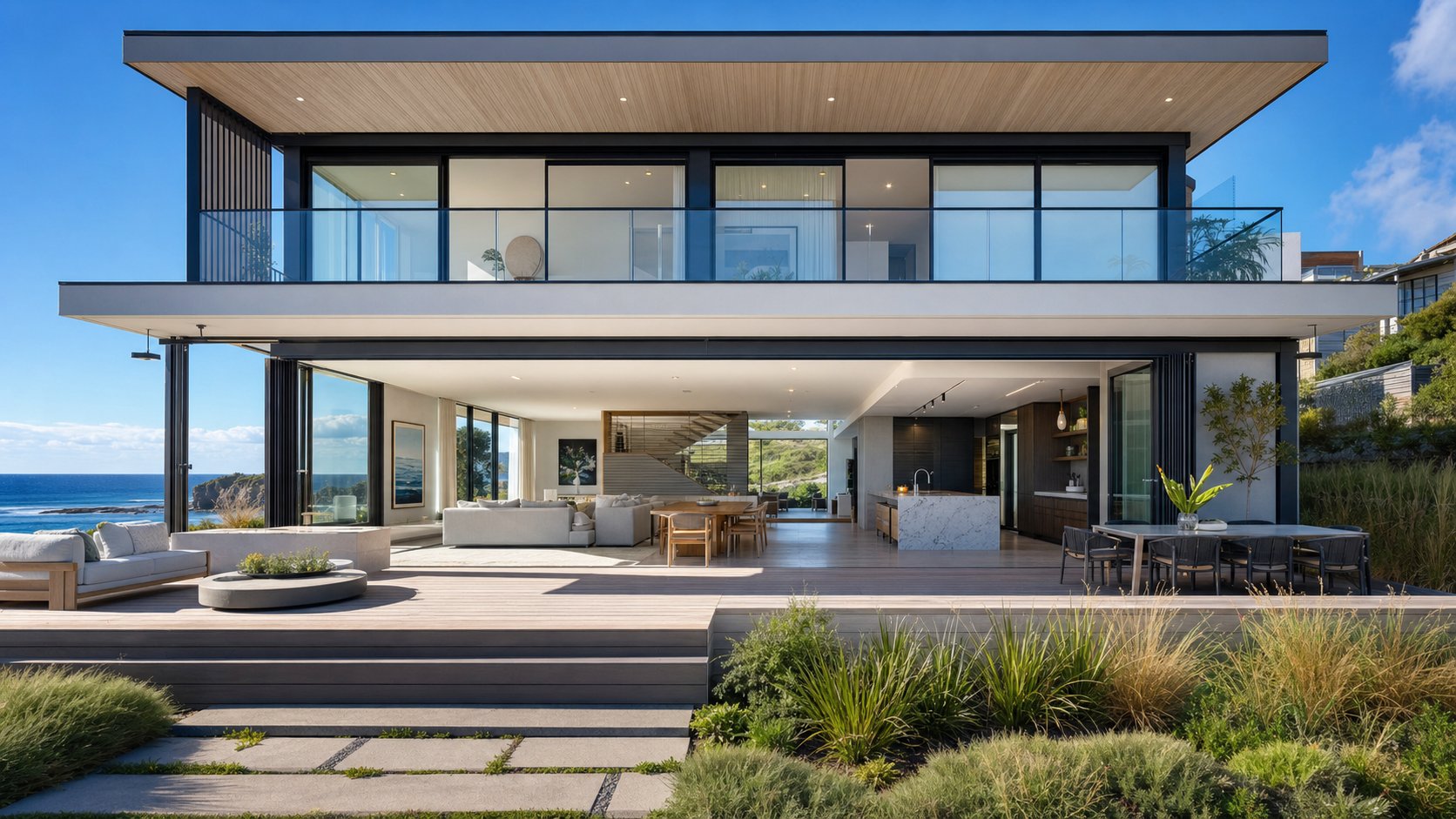
Aluminium vs Timber vs uPVC for Sydney Homes
Sydney’s geography throws everything at a window. Salt-laden winds sweep across eastern suburbs and northern beaches, intense UV hammers west-facing facades in summer, and humid overnight air creates condensation risk through winter. The best window material for your Sydney climate zone depends less on brand marketing and more on how each material responds to these specific conditions over ten, twenty, or thirty years.
Three materials dominate the residential conversation: aluminium, timber, and uPVC. Each has genuine strengths. Each has limitations that matter more or less depending on where your property sits and how much ongoing maintenance you’re prepared to accept.
Aluminium Performance in Coastal and Urban Environments
Aluminium’s dominance across Sydney comes down to a practical combination of strength, slim profiles, and weather resilience. Frames resist warping, won’t rot, are immune to termites, and hold up against the UV exposure that degrades other materials over time. For coastal properties from Bondi through to Manly, powder-coated or anodised aluminium handles salt spray without the corrosion risk that affects unprotected metals, provided the finish quality meets marine-grade standards.
Where aluminium falters is thermal conductivity. Raw aluminium conducts heat roughly 1,000 times more readily than uPVC, which means untreated frames can act as a thermal bridge, channelling summer heat inward and leaking warmth outward during cooler months. In practical terms, non-thermally-broken aluminium frames achieve a U-value of around 5.5 to 7.0 W/m²K, meaning the frame itself underperforms relative to the glass it holds.
Thermally broken aluminium windows solve this problem. A polyamide or polyurethane strip inserted between the inner and outer frame sections interrupts the thermal path, bringing frame U-values down to approximately 2.5 to 4.0 W/m²K. For Sydney’s climate zone, where winter overnight lows hover around 7 to 10°C and summer peaks regularly exceed 35°C in western suburbs, thermally broken aluminium windows strike a workable balance between structural performance and energy efficiency. The upfront cost premium of around 25 to 40 percent over standard aluminium typically pays back through lower heating and cooling loads over time.
Timber and uPVC Alternatives in Context
Timber windows carry undeniable aesthetic appeal. Nothing else matches the warmth of natural wood, and for heritage properties in inner-Sydney conservation areas, timber often remains the only council-approved material. As an insulator, wood performs well, with thermal conductivity far below aluminium. It also blocks sound effectively and can be shaped into virtually any profile.
The trade-off is maintenance. Sydney’s humidity, UV intensity, and occasional storm-driven rain take a toll on timber frames. Without regular sanding, repainting, and sealing every three to five years, frames deteriorate. In coastal suburbs, moisture ingress accelerates rot. Termite risk adds another layer of ongoing management that aluminium and uPVC simply don’t require. Lifespan depends heavily on maintenance discipline. Well-maintained hardwood frames last decades, but neglected ones fail within 15 years.
uPVC (unplasticised polyvinyl chloride) entered the Australian market later than in Europe and the UK, but has gained traction in southern states. It excels at thermal insulation, with a frame U-value of 1.5 to 2.5 W/m²K, and produces zero condensation issues because the frame surface stays close to room temperature. Maintenance is essentially non-existent: no painting, no sealing, no refinishing over a 30-plus year lifespan.
However, uPVC has limitations that explain why it hasn’t overtaken aluminium in Sydney. Frames are bulkier, reducing glass area and sightlines compared to aluminium’s slim profiles. Structural strength is lower, making uPVC unsuitable for very large openings or high wind-load situations common in multi-storey buildings. Critically for bushfire-prone areas in western Sydney, uPVC can melt at high temperatures and doesn’t meet BAL requirements above low thresholds, whereas aluminium is non-combustible and achieves compliance at higher BAL ratings.
Long-Term Cost of Ownership Comparison
Upfront purchase price tells only part of the story. True cost of ownership factors in maintenance expenditure, energy savings from thermal performance, and expected lifespan before replacement becomes necessary. The table below compares all three materials across the dimensions that matter most in Sydney conditions:
| Factor | Aluminium (Thermally Broken) | Timber | uPVC |
|---|---|---|---|
| Durability | High — resists warping, rot, and pests | Moderate — vulnerable to rot, termites, and moisture without maintenance | High — inert material, no corrosion or pest risk |
| Maintenance frequency | Low — periodic cleaning only | High — repaint/reseal every 3–5 years | Minimal — occasional wipe down |
| Thermal performance (frame U-value) | 2.5–4.0 W/m²K | 1.5–2.5 W/m²K | 1.5–2.5 W/m²K |
| Coastal suitability (salt spray) | Good — with quality powder coat or anodised finish | Poor — accelerates rot without intensive upkeep | Excellent — completely inert to salt air |
| Bushfire compliance (BAL rating) | Strong — non-combustible, compliant at higher BAL levels | Limited — requires specific hardwood species and protective measures | Poor — melts at high temperatures, restricted to low BAL zones |
| Typical lifespan | 30–45 years | 20–40 years (maintenance dependent) | 30+ years |
| Profile slimness / glass area | Excellent — maximises natural light | Moderate | Wider frames reduce glass area |
Aluminium dominates Sydney’s residential and commercial window market not because it’s perfect in every category, but because it offers the best all-round package for the city’s diverse conditions. It handles coastal salt air, complies with bushfire regulations in western growth corridors, delivers contemporary aesthetics with slim sightlines, and when thermally broken, achieves respectable energy performance. Timber retains a place where heritage character is non-negotiable. uPVC makes sense for properties where thermal performance is the overwhelming priority and bushfire compliance isn’t a factor.
Whichever material you lean toward, Sydney’s varied micro-climates mean your specific suburb can shift the equation significantly. A home under a flight path faces different pressures than one perched above a northern beaches headland, and those location-specific factors deserve their own consideration.
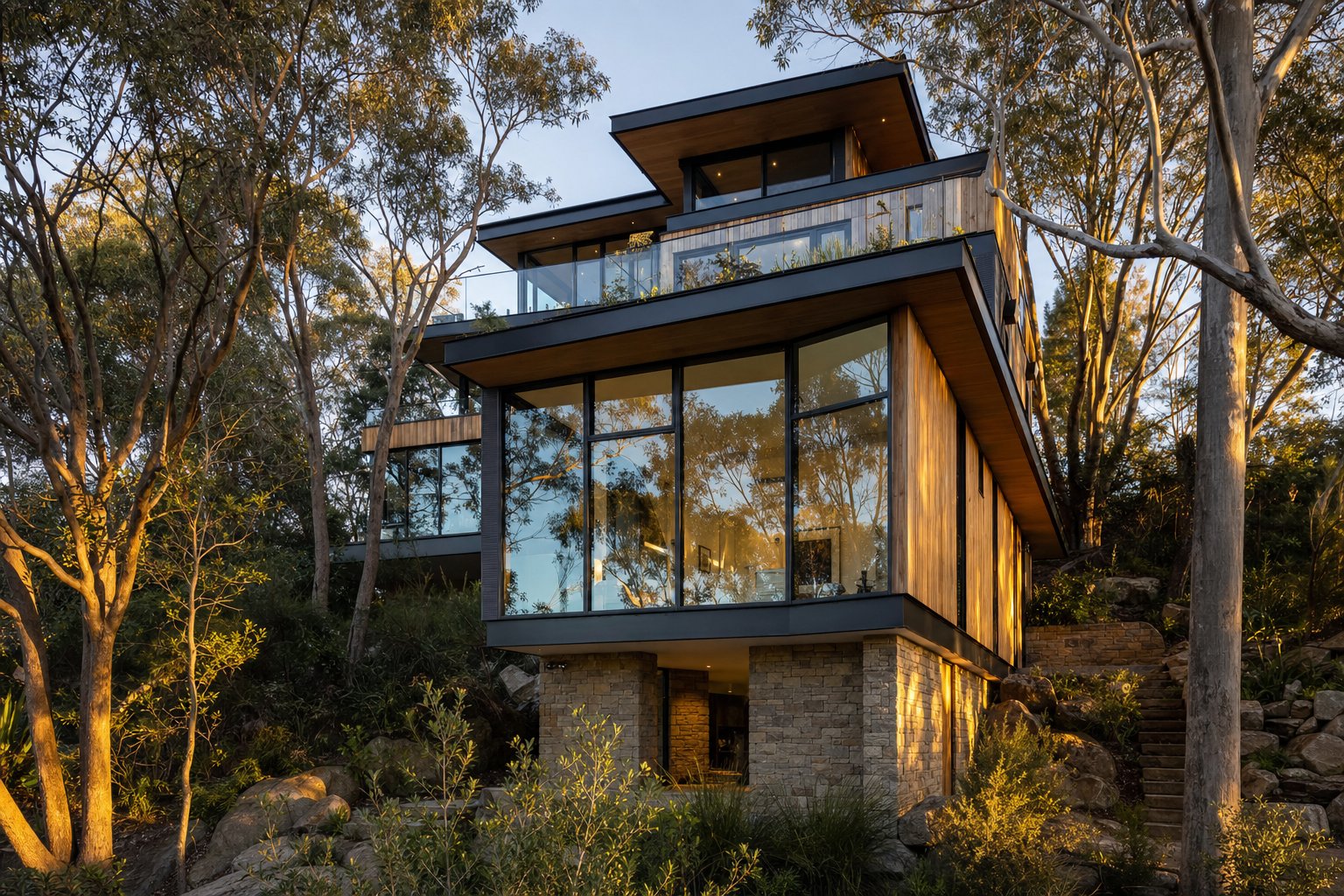
Sydney Climate and Location Factors That Affect Your Choice
A single city stretching from the Tasman Sea to the Blue Mountains foothills doesn’t produce a single set of window requirements. Your suburb dictates specific performance demands that narrow the field of suitable manufacturers. A fabricator experienced in coastal corrosion protection may have limited knowledge of bushfire compliance, while a BAL specialist might never encounter the acoustic glazing configurations inner-west properties need under flight paths. Picking the right aluminium window manufacturer in Sydney starts with understanding what your location actually asks of the product.
Coastal Corrosion and Salt Spray Protection
Properties within 1 km of the shoreline, across the eastern suburbs, northern beaches, and Sutherland Shire, face constant salt-laden wind exposure. Airborne chlorides attack unprotected metals and degrade inadequate finishes within a few years, turning what should be a 30-year window into a glass window repair problem in under a decade.
When sourcing aluminium windows for a coastal Sydney home, confirm these specifics with the manufacturer:
- Powder coating thickness meeting a minimum 60 microns for marine environments, ideally 80+ microns for severe coastal exposure
- Pre-treatment process including a multi-stage chromate or chrome-free conversion coating beneath the powder coat
- Stainless steel or marine-grade hardware rather than zinc-plated components that pit and seize in salt air
- Drainage channels designed to flush accumulated salt residue rather than trapping moisture against frame surfaces
- Written warranty that explicitly covers coastal installations without exclusion clauses reducing coverage within salt spray zones
Not every manufacturer’s standard product range is engineered for these conditions. Some offer coastal-grade upgrades as an option, while others build marine resilience into their base specification. Ask directly, because the answer determines whether you’ll be replacing hardware at year five or simply hosing down frames as part of routine maintenance.
Acoustic Windows for Flight Path and High-Traffic Areas
Residents beneath Sydney Airport’s flight paths, concentrated through Marrickville, Dulwich Hill, Canterbury, and parts of Botany, face noise intrusion that standard glazing cannot adequately address. Major road corridors through Parramatta, Strathfield, and along the Pacific Highway create similar challenges.
Acoustic windows in Sydney rely on glazing configuration more than frame material, but the frame’s role in sealing air paths is critical. A poorly sealed aluminium frame negates even the best acoustic glass. Key considerations include:
- Laminated glass with a PVB (polyvinyl butyral) interlayer, which dampens sound vibration more effectively than standard float glass
- Asymmetric double glazing (different glass thicknesses on each side of the air gap) to interrupt a wider range of sound frequencies
- Minimum 12 mm air gap in double-glazed units, with wider cavities of 16 to 20 mm delivering measurable acoustic improvement
- Compression seals on operable sashes rather than simple brush seals, which allow sound transmission through gaps
- Fixed-lite configurations where possible, since non-operable windows eliminate seal gaps entirely
A capable manufacturer will discuss Sound Transmission Class (STC) or Weighted Sound Reduction Index (Rw) ratings for their window assemblies. Standard aluminium windows typically achieve Rw 25 to 28, while purpose-designed acoustic configurations push beyond Rw 35 to 40. If a manufacturer can’t specify the Rw rating of what they’re quoting, they’re not genuinely engineering for noise reduction.
Bushfire Zone Compliance and BAL Ratings
Western Sydney’s growth corridors, the Hills District, and pockets of the northern beaches sit within mapped bushfire-prone land. Properties here require BAL-rated windows that comply with AS 3959 — Construction of Buildings in Bushfire Prone Areas. The rating system runs from BAL-Low through BAL-12.5, BAL-19, BAL-29, BAL-40, and BAL-FZ (Flame Zone), with each level imposing progressively stricter requirements on frame material, glazing type, seals, and screening.
Aluminium is inherently well suited to bushfire zones because it’s non-combustible and won’t warp or melt at the temperatures encountered up to BAL-40. The compliance challenge sits primarily in glazing and sealing:
- BAL-12.5 requires ember-resistant seals and metal screening to prevent burning debris from entering the building
- BAL-19 and BAL-29 add requirements for toughened safety glass and frames that resist sustained radiant heat
- BAL-40 demands thicker toughened glazing, robust aluminium frame systems, and fully compliant sealing across every joint
- BAL-FZ (Flame Zone) typically requires specialist systems and direct consultation with a bushfire engineer
When evaluating manufacturers for BAL-rated windows in Sydney, verify that their products have been tested and certified by a NATA-accredited laboratory for the specific BAL level your property requires. General statements about bushfire suitability don’t constitute compliance. You need a test report referencing the exact window configuration, including frame profile, glazing type, seal system, and hardware, matching what’s being supplied to your project.
Window and door styles also affect compliance. Fixed and awning windows provide tighter sealing against ember intrusion than sliding configurations, which may be restricted in higher BAL zones. A manufacturer experienced in bushfire work will guide you toward compliant style options early in the design phase rather than discovering limitations at certification stage.
Energy Ratings and Thermal Performance in Sydney’s Climate
Sydney sits primarily within NCC climate zone 5 (temperate), though western suburbs fall into NatHERS climate zone 28 (Western Sydney) with hotter summers and cooler winters than the coastal strip in zone 56 (Eastern Sydney). These zone differences directly affect what glazing specification your windows need to achieve under BASIX requirements.
The Window Energy Rating Scheme (WERS) provides a standardised way to compare how different aluminium window configurations perform thermally. WERS rates windows on a star system from zero to ten across two metrics: heating performance (how well the window retains warmth in winter) and cooling performance (how well it rejects solar heat in summer). Energy efficient windows in Sydney need to balance both, since the city experiences genuine cold in winter and punishing heat through summer, particularly in western suburbs.
Key thermal performance considerations for Sydney’s climate zones:
- Western Sydney (NatHERS zone 28) benefits from double-glazed aluminium windows with a Solar Heat Gain Coefficient (SHGC) between 0.49 and 0.60, balancing winter solar gain with summer heat rejection
- Eastern and CBD Sydney (NatHERS zones 56 and 17) can achieve compliance with single glazing on standard aluminium frames, though double glazing with low-E coatings significantly improves comfort and energy bills
- Thermally broken aluminium frames with U-values at or below 2.5 W/m²K satisfy high-performance glazing requirements across all Sydney climate zones
- North and west-facing windows benefit most from low-E coatings and controlled SHGC, while south-facing openings should prioritise higher SHGC to capture passive solar warmth
A manufacturer that understands WERS ratings and Sydney’s NatHERS zones can recommend glazing configurations tailored to your facade orientation and suburb, rather than applying a one-size-fits-all specification. This matters increasingly as BASIX thermal standards tighten, pushing more projects toward high-performance glazing whether or not the homeowner prioritises energy efficiency as a personal value.
These location-driven requirements, coastal durability, acoustic control, bushfire compliance, and thermal performance, ultimately shape a practical question: do you need a manufacturer who handles everything from measurement through installation, or one who produces to specification and lets your builder manage the rest?
Supply-and-Install vs Supply-Only
Two distinct business models exist across Sydney’s aluminium window manufacturing landscape, and picking the wrong one for your situation creates friction that ripples through the entire project. Supply-and-install means a single company measures, manufactures, delivers, and fits your windows, owning the outcome from first survey to final sign-off. Supply-only means the manufacturer produces to your specifications and hands the product over, while a separate contractor or builder handles installation. Each model carries real consequences for warranty coverage, project coordination, cost structure, and who you call when something doesn’t perform as expected.
Supply-and-Install Model for Homeowners
For most homeowners replacing windows or renovating a single property, the window supply and install model in Sydney offers the clearest accountability. One business takes responsibility for measuring accurately, fabricating to those measurements, and installing correctly. If the window leaks, doesn’t operate smoothly, or fails to meet the quoted performance, there’s no ambiguity about who fixes it. You call the same company that sold, made, and fitted the product.
This matters more than it sounds. When manufacturing and installation sit under separate businesses, warranty disputes become finger-pointing exercises. The manufacturer blames the installer’s technique; the installer blames the product. As industry analysis from UK window experts highlights, the supply-only route often leaves buyers bearing the most responsibility when something goes wrong, because the supply chain splits accountability between parties who may not cooperate to resolve issues.
Supply-and-install providers also manage the professional survey, determining precise manufacturing sizes, frame types, egress requirements, cill profiles, and ancillary components. This eliminates a significant source of error. A homeowner providing their own measurements to a supply-only manufacturer takes on risk that the dimensions are wrong, and a window fabricated to incorrect sizes generally can’t be returned.
Warranty coverage typically runs stronger under this model. Integrated suppliers commonly provide ten-year product and installation guarantees with fewer exclusions, whereas supply-only warranties tend to cover materials only, often for shorter periods of two to five years, with no protection for installation workmanship. If you’re investing in a long-term home rather than a quick renovation before sale, that warranty depth has real value.
Supply-Only Partnerships for Builders and Developers
The calculation shifts for builders, developers, and procurement teams managing multi-dwelling or commercial projects. These buyers already have qualified installers on their crew or subcontractor panel. What they need from an aluminium window supply partner in Sydney isn’t someone to fit the product. They need a manufacturer who can interpret architectural drawings, recommend appropriate systems for the specified performance requirements, coordinate engineering certification, calculate material quantities accurately, manufacture to programme, and deliver in staged batches timed to construction sequencing.
This is where supply-only manufacturers add serious value, provided they offer more than just fabrication. The difference between a basic supply-only operation and a genuine project partner lies in pre-manufacturing support. A capable supplier reviews architectural drawings, identifies constructability issues early, prepares shop drawings for approval, provides wind load calculations and structural adequacy documentation, and coordinates with the project’s building certifier on compliance matters.
Lead times often run shorter through dedicated supply-only manufacturers because their workflow is optimised for trade orders rather than individual retail enquiries. They receive clean, confirmed specifications from experienced builders and move straight into production without the back-and-forth that homeowner projects typically require.
For builders sourcing aluminium windows for large-scale Sydney projects, a manufacturer like MEICHEN demonstrates how the supply-only model works at its most comprehensive. Their project-based approach covers system recommendation, engineering coordination, material calculation, manufacturing, quality control, and logistics, essentially handling everything from drawings to delivery while the builder’s team manages on-site installation. That level of coordination turns a supply-only partnership into something closer to a collaborative workflow than a simple purchase transaction.
The table below maps both models against the factors that typically drive the decision:
| Factor | Supply-and-Install | Supply-Only |
|---|---|---|
| Warranty responsibility | Single entity covers product and installation | Manufacturer covers product only; installer provides separate workmanship warranty |
| Project coordination effort (for buyer) | Low — manufacturer manages survey, production, and fitting | Moderate to high — buyer coordinates between manufacturer and installer |
| Cost structure | Higher total cost; includes survey, installation labour, and aftercare margin | Lower product cost; installation quoted separately by builder or subcontractor |
| Best suited for | Homeowners, small renovations, complex residential retrofits | Builders, developers, multi-unit projects, commercial supply |
| Flexibility | Limited to one company’s installation availability and scheduling | Builder controls installation timing, sequencing, and labour allocation |
| Engineering and compliance support | Handled internally as part of service | Varies widely — ranges from basic fabrication to full engineering coordination |
| Remediation process | One call resolves both product and installation issues | May require negotiation between manufacturer and installer |
Neither model is inherently superior. The right choice depends on your role in the project, your tolerance for coordination complexity, and whether you already have trusted installation capability in place. Homeowners renovating a single property almost always benefit from the supply-and-install route: less risk, clearer warranty, and someone else managing the technical details. Builders and developers running multiple projects simultaneously gain efficiency and cost control through supply-only partnerships with manufacturers who understand programme-driven delivery.
One variable cuts across both models: where the product actually comes from. A supply-and-install company might manufacture locally or source from an overseas factory. A supply-only partner might fabricate in their own Sydney workshop or import containers from an offshore plant. That distinction, local manufacturing versus imported product, introduces its own set of compliance, warranty, and after-sales implications that deserve separate scrutiny.
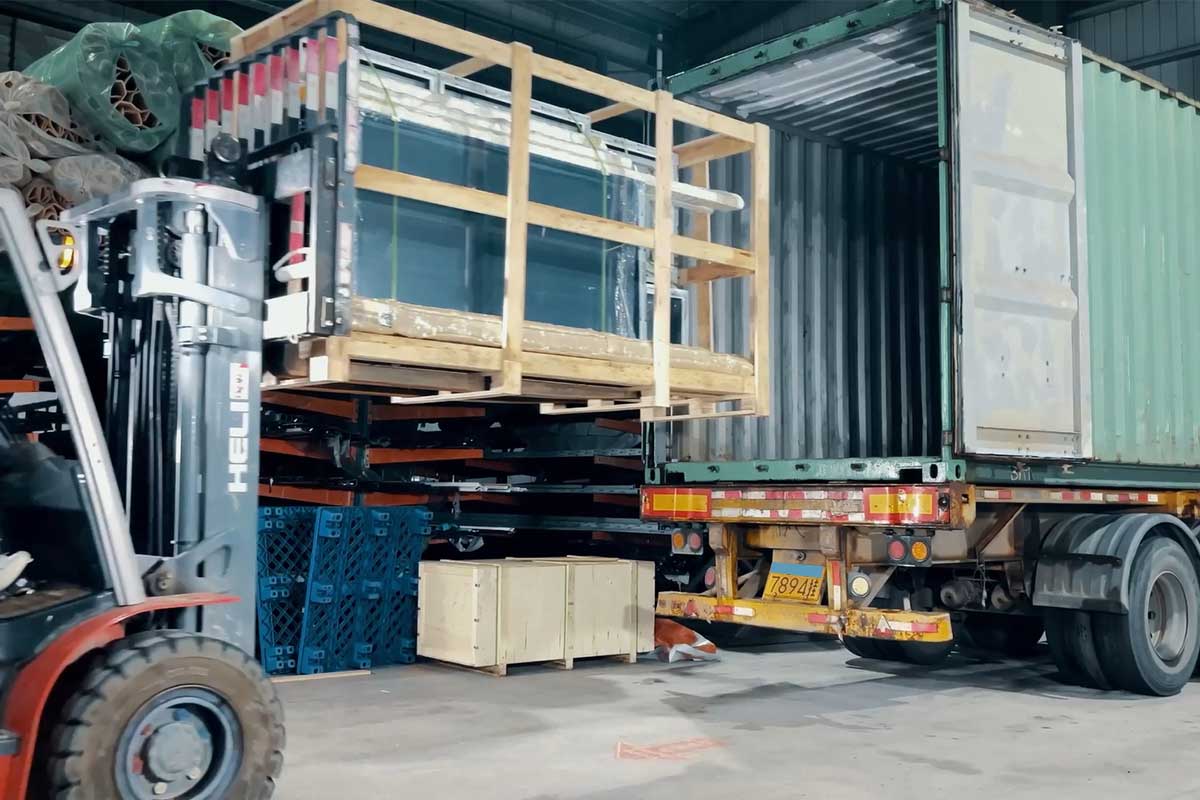
Local Manufacturing vs Imported Aluminium Windows
Where your aluminium windows are actually made isn’t a philosophical debate about patriotism. It’s a practical question with direct consequences for compliance verification, warranty enforceability, lead time reliability, and what happens when something goes wrong six months after installation. Both locally manufactured and imported products can deliver good outcomes, but the risk profile differs substantially, and understanding those differences protects your investment regardless of which route you ultimately choose.
Compliance and Australian Standards for Imported Products
Every window installed on an Australian building must comply with AS 2047 (Windows and External Glazed Doors in Buildings) and AS 1288 (Glass in Buildings). That obligation doesn’t change based on country of origin. An imported window faces the same structural deflection, water penetration resistance, air infiltration, and ultimate strength testing requirements as one fabricated in a Sydney factory.
The complication isn’t whether imported products can meet these standards. Many can, and do. The complication is verification. A local window manufacturer in Sydney with NATA-accredited testing produces test reports tied directly to the profiles, hardware, seals, and glazing configurations they manufacture. When you order a window from their standard range, the AS 2047 certification applies because the product rolling off their line is materially identical to the product that was tested.
Imported windows introduce a gap between what was tested and what arrives on site. Offshore factories may hold valid test reports for specific configurations, but production variation, substituted components, or profile modifications between certification and your order can quietly push the delivered product outside the tested specification. As industry guidance highlights, the most common trap for builders is accepting partial compliance, where individual components like the glass might meet AS 1288 but the fully assembled unit has never been tested as a complete system under AS 2047.
For AS 2047 compliant windows in Sydney, insist on seeing test reports that reference the exact window system, profile series, glazing configuration, and hardware being supplied to your project. Generic certificates covering a broad product family without specifying the configuration you’re purchasing leave compliance gaps that a building certifier may flag during final inspection.
Why Local Manufacturing Matters for After-Sales Support
A window’s life doesn’t end at installation. Seals degrade, hardware wears, glass units can lose their sealed integrity over years of thermal cycling, and the occasional site accident damages a frame that needs replacement. How quickly and effectively these issues get resolved depends heavily on whether the manufacturer sits 30 minutes away or 30 hours by sea freight.
A 2023 Roy Morgan study found 73% of Australians are willing to pay more for Australian-made products, and in the window industry, that premium buys something tangible: accessible after-sales support. Local manufacturers can send a technician to assess a warranty issue within days. They hold spare parts, replacement profiles, and matching hardware in local stock. If a window needs to be re-fabricated, it goes back into a production queue measured in weeks rather than the months required to ship a replacement unit from an overseas factory.
Warranty enforceability is perhaps the sharpest difference. An Australian made aluminium windows manufacturer in Sydney operates under Australian Consumer Law. Their warranty obligations are legally enforceable through NSW tribunals and courts without the complexity of cross-border disputes. When the manufacturer is an overseas entity, pursuing a warranty claim means navigating international commercial law, language barriers, and a supplier with limited incentive to resolve a single defective unit on the other side of the world.
The practical advantages of choosing a local window manufacturer in Sydney come down to responsiveness and accountability:
- Faster lead times — Local fabrication typically delivers in 3 to 6 weeks for residential orders, compared to 10 to 16 weeks for imported product factoring in production, shipping, and customs clearance
- Easier warranty claims — One phone call to a local factory starts the remediation process; no freight logistics, no intermediary distributors relaying messages across time zones
- Custom sizing capability — Local manufacturers cut to order from extruded stock, accommodating non-standard openings, heritage proportions, or unusual configurations without minimum order quantities
- Site visit availability — A local manufacturer can send a technical representative to assess complex openings, verify measurements, or troubleshoot installation issues in person
- Responsive remediation — If a window arrives damaged or doesn’t perform to specification, a local factory can re-make and deliver a replacement within days rather than initiating a months-long international returns process
None of this means imported windows are inherently inferior products. Some offshore factories produce excellent aluminium systems with genuine AS 2047 certification and strong performance characteristics. The question isn’t quality in isolation. It’s what happens across the full ownership lifecycle: initial compliance verification, mid-project variations, post-installation adjustments, and long-term warranty service. A factory you can drive to will always outperform one you need to email across multiple time zones when something needs fixing on a tight programme.
For builders managing active construction sites where programme delays carry real financial penalties, proximity becomes even more critical. A local manufacturer can absorb last-minute variations, expedite replacement units for damaged goods, and attend site coordination meetings. An overseas supplier, no matter how capable their factory, simply cannot offer that level of reactive project support.
Whether you ultimately choose locally manufactured or imported product, the decision should be deliberate rather than accidental. Understand the trade-offs, verify compliance documentation rigorously, confirm warranty terms in writing, and factor the full cost of after-sales support into your comparison, not just the unit price on the initial quote. That complete picture feeds directly into the final decision: matching the right type of manufacturer to your specific project requirements, timeline, and coordination needs.
Choosing the Right Manufacturer for Your Project
Every decision covered so far, from market structure and manufacturing process through to material choice, location factors, business model, and local versus imported product, feeds into one practical question: which manufacturer actually fits your project? The answer depends on five variables working together, not any single factor in isolation.
Matching Your Project Type to the Right Manufacturer
A homeowner renovating a single property needs something fundamentally different from a developer coordinating commercial aluminium windows across a multi-building site. Your project type determines whether you need retail-level personal service, trade-level engineering coordination, or something between the two.
Here’s how to think about it. If you’re replacing windows in a coastal terrace, you need a manufacturer with marine-grade finishing, supply-and-install capability, and heritage sensitivity. If you’re a builder running a 60-unit townhouse development in western Sydney, you need a supply-only partner who can interpret architectural drawings, deliver BAL-rated product in staged batches, and respond to programme variations without derailing your schedule. An architect specifying for a commercial tower needs a manufacturer capable of wind load engineering, NCC Section J coordination, and structural adequacy documentation.
Budget and timeline compress the field further. A tight programme rules out imported product with 12-plus week lead times. A constrained budget may rule out fully thermally broken systems unless the energy modelling demands them for BASIX compliance. These aren’t compromises to feel bad about. They’re practical filters that narrow your shortlist to manufacturers genuinely suited to your constraints.
Your Next Steps as a Buyer
Regardless of project scale, follow this sequence when beginning your search for aluminium window quotes in Sydney:
- Define your performance requirements first — Identify your BAL zone, NatHERS climate zone, acoustic needs, and any heritage overlay constraints before approaching manufacturers. This prevents wasted conversations with suppliers who can’t meet your baseline specification.
- Confirm whether you need supply-and-install or supply-only — Homeowners almost always benefit from integrated service. Builders and developers with capable installation teams should pursue supply-only partnerships that offer engineering and logistics coordination.
- Verify credentials before requesting quotes — Check NSW Fair Trading licence status, AGWA accreditation, and AS 2047 test reports. Eliminate any business that can’t produce these on request.
- Request factory visits or detailed production information — A manufacturer confident in their operation will welcome scrutiny. Those who deflect or offer only showroom visits likely don’t control their own fabrication.
- Compare on total value, not unit price — Factor in warranty depth, lead time reliability, compliance documentation, after-sales responsiveness, and coordination capability. The cheapest quote often becomes the most expensive project once remediation and delays enter the picture.
- Shortlist two to three manufacturers and request project-specific proposals — Provide identical specifications to each and compare how they respond. The quality of questions they ask back reveals their understanding of your project.
For builders, developers, and procurement teams managing projects that require a manufacturer capable of full coordination from drawings through to delivery, MEICHEN’s services page outlines how their process covers system recommendation, engineering coordination, material calculation, manufacturing, quality control, and logistics as an integrated workflow. It’s a useful reference point when evaluating how to choose a window manufacturer in Sydney that operates as a genuine project partner rather than a simple order-taker.
The aluminium window market in Sydney rewards informed buyers. Manufacturers who control their process, hold verifiable certifications, and stand behind their product with enforceable warranties will always outperform those competing purely on price. Your job is to ask the right questions early enough that the answers shape your shortlist before money changes hands.
Frequently Asked Questions About Aluminium Window Manufacturers in Sydney
1. How can I tell if a Sydney window company is a genuine manufacturer or just a reseller?
A genuine aluminium window manufacturer operates a physical factory where profiles are cut, assembled, glazed, and quality-tested. Ask for a factory address you can visit, request AS 2047 test reports specific to their product range, and check whether they hold an NSW Fair Trading builder licence. Resellers typically cannot provide factory tour access, rely on third-party warranty chains, and may struggle to accommodate custom sizing because they don’t control the fabrication process. Manufacturers like MEICHEN who offer project-based supply from their own facility (https://meichenwindows.com.au/services/) can demonstrate direct control over every production stage from system recommendation through to delivery.
2. What Australian Standards must aluminium windows comply with in Sydney?
All aluminium windows installed on Australian buildings must comply with AS 2047 (Windows and External Glazed Doors in Buildings), which governs structural deflection, water penetration resistance, air infiltration, and ultimate strength. AS 1288 (Glass in Buildings) covers glass selection and installation safety requirements. Properties in bushfire-prone areas must also satisfy AS 3959 for their designated BAL rating. When evaluating manufacturers, request test reports from a NATA-accredited laboratory that reference the exact window configuration being supplied to your project, not just generic certificates covering a broad product family.
3. Are thermally broken aluminium windows worth the extra cost in Sydney’s climate?
For most Sydney properties, thermally broken aluminium windows deliver measurable benefits. They reduce frame U-values from around 5.5-7.0 W/m2K down to approximately 2.5-4.0 W/m2K by inserting a polyamide strip between inner and outer frame sections. This is particularly valuable in western Sydney where summer temperatures regularly exceed 35 degrees Celsius and winter overnight lows drop to 7-10 degrees. The upfront premium of 25-40% over standard aluminium typically pays back through reduced heating and cooling costs. For eastern suburbs properties with milder conditions, standard aluminium may satisfy BASIX requirements, though comfort improvements from thermal breaks remain noticeable.
4. What is the difference between supply-and-install and supply-only aluminium window manufacturers?
Supply-and-install manufacturers handle everything from site measurement through fabrication, delivery, and fitting, providing a single warranty covering both product and workmanship. This model suits homeowners and small renovations where clear accountability matters most. Supply-only manufacturers produce windows to specification and hand them to a builder or contractor for installation. This model works best for builders, developers, and commercial projects where qualified installers are already on the team. The key advantage of supply-only for trade buyers is access to engineering coordination, staged delivery programmes, and lower product costs, provided the manufacturer offers comprehensive project support rather than basic fabrication alone.
5. How do I choose the right aluminium windows for a coastal Sydney property?
Coastal properties within 1 km of the shoreline require enhanced corrosion protection beyond standard specifications. Confirm with your manufacturer that powder coating thickness meets a minimum of 60 microns (ideally 80+ for severe exposure), that a multi-stage conversion coating is applied beneath the finish, and that all hardware uses stainless steel or marine-grade materials rather than zinc-plated components. Check that drainage channels are designed to flush salt residue rather than trap moisture. Critically, ensure the warranty explicitly covers coastal installations without exclusion clauses that reduce coverage in salt spray zones. Not all manufacturers build marine resilience into their base product, so ask directly whether coastal upgrades are standard or optional.
More Window & Door Guides