
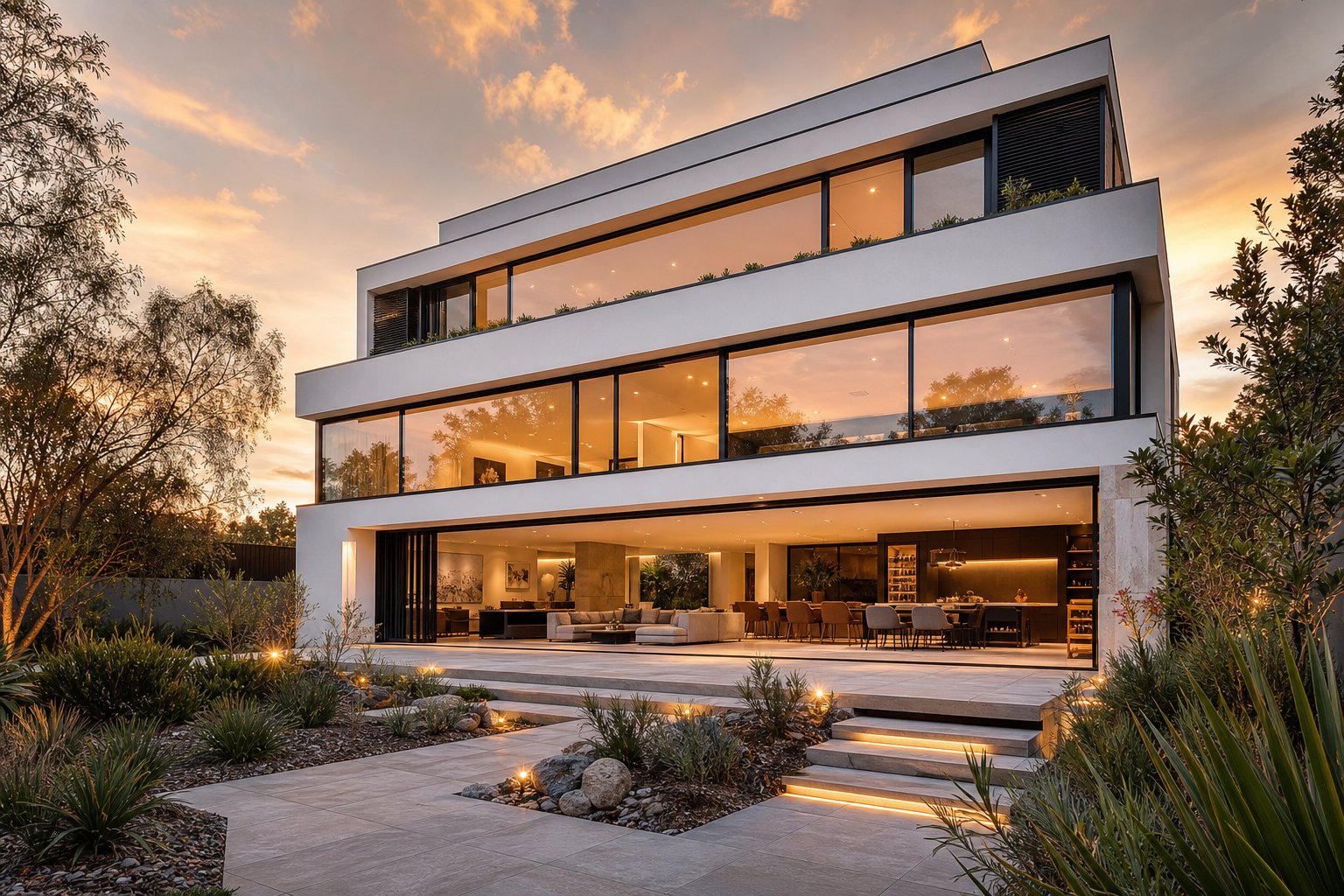
What Makes Aluminium Sliding Windows a Smart Choice
Aluminium sliding windows are horizontal window systems where one or more glass panels glide along a fixed track to open and close. They have remained a go-to choice for Australian homes and commercial buildings for decades, and for good reason. Slim frames, wide glass areas, and smooth operation make them practical for everything from apartment balconies to sprawling coastal homes. But with so many aluminium sliding windows for sale across different suppliers, understanding what separates a quality product from a mediocre one takes more than a glance at a price tag. This guide breaks down what sellers rarely explain upfront.
How Aluminium Sliding Windows Work
The mechanism is straightforward. Each sliding panel sits on a set of rollers housed within the bottom rail. These rollers travel along a track recessed into the window frame, allowing the sash to glide horizontally with minimal effort. Quality rollers, whether nylon for quieter residential use or steel for heavier commercial panels, determine how smoothly the window operates over its lifetime.
Panel configurations vary based on the opening width and ventilation needs. A 2-panel setup is the most common for standard openings, where one panel slides past the other. Larger openings call for 3-panel or 4-panel configurations, which can include multiple sliding sashes or a combination of fixed and operable panels. The beauty of aluminium as a frame material is its slim profile. Because aluminium is structurally rigid even at narrow dimensions, the frame takes up less visual space, maximising the glass area and letting more natural light into the room.
Why Aluminium Remains a Popular Frame Choice
Aluminium's dominance in the aluminium window market comes down to a few measurable advantages. Its strength-to-weight ratio sits at roughly 115 (tensile strength divided by density), meaning it delivers structural performance without the bulk of heavier metals. That translates directly into thinner sightlines and larger maximum spans for sliding windows.
Corrosion resistance is another factor. Aluminium naturally forms a protective oxide layer on its surface, which shields the frame from moisture and salt air, a critical consideration for coastal Australian properties. The material is also fully recyclable without losing its properties, aligning with growing demand for sustainable building products. Design flexibility rounds out the picture. Extruded aluminium profiles can be shaped into complex cross-sections, including multi-chamber designs that improve thermal performance while keeping weight low.
A well-maintained aluminium window frame can last 40 years or more without structural degradation, outlasting vinyl and wood alternatives that typically require replacement or significant repair within 20 to 30 years.
Whether you are comparing an aluminum window option against timber or vinyl, or evaluating aluminium windows for a new build, the frame material's longevity and minimal maintenance requirements consistently tip the scales. The real question is not whether aluminium works well for sliding windows. It is which type of sliding configuration suits your specific project, and that distinction matters more than most sellers let on.
Types of Aluminium Sliding Windows Explained
Not all aluminium slider windows operate the same way. The term "sliding window" covers several distinct configurations, each engineered for different opening sizes, weight capacities, and use cases. Most sellers list these options without explaining the practical differences, leaving buyers to guess which system actually fits their project.
Horizontal Sliders vs Lift-and-Slide Systems
Standard aluminium horizontal sliding windows are the most common configuration in Australian homes. Panels glide along a track on rollers, and the system relies on the panel's own weight sitting in the channel to maintain its seal. These are lightweight, cost-effective, and work well for openings up to around 2.4 metres wide. They suit bedrooms, kitchens, and bathrooms where moderate ventilation and simple operation are the priority.
Lift-and-slide systems work differently. A turn of the handle lifts the panel off its seals, allowing it to glide along the track with minimal friction. When closed, the panel drops back down and compresses against weatherstripping, creating a tighter seal than standard sliders. This mechanism supports much heavier panels and wider spans, sometimes exceeding 3 metres per panel. The trade-off is premium hardware, higher cost, and a slightly more complex mechanism. Lift-and-slide makes sense for large living areas or openings where weather performance and panel size push beyond what a standard sliding window aluminium frame can handle on rollers alone.
Slide-and-Fold and Multi-Track Configurations
Beyond the two primary types, multi-track and slide-and-fold systems open up further possibilities for wider spans. A multi-track sliding window aluminium system uses parallel rails so multiple panels can move independently. The number of tracks determines how much of the opening you can clear:
- 2-track system: Two panels on separate rails, allowing up to 50% of the opening for ventilation. Best for standard residential windows and moderate openings.
- 3-track system: Three panels on independent tracks, opening up to two-thirds of the total width. Ideal for living rooms, balcony-facing walls, and spaces that benefit from generous airflow.
- 4-track system: Four or more panels for extra-wide openings, commonly used in commercial fitouts or large residential entertaining areas where maximum access is needed.
- Slide-and-fold (bi-fold): Panels fold and stack to one side, clearing nearly the entire opening. Suited to indoor-outdoor transitions where an unobstructed threshold is the goal.
Each additional track adds complexity, cost, and installation depth to the frame. Multi-track systems also require more attention to drainage and track cleaning over time, particularly in coastal or dusty environments. However, they deliver flexibility that a simple two-panel setup cannot match.
Choosing the Right Configuration for Your Space
Matching the right system to your project comes down to three factors: opening width, room function, and budget. A bedroom or bathroom rarely needs more than a 2-track aluminium slider window. The opening is modest, ventilation demands are straightforward, and a simpler system keeps costs down while reducing long-term maintenance.
Living areas, entertainment zones, and balcony connections benefit from 3-track or lift-and-slide configurations. These spaces typically have wider openings and a stronger need for cross-ventilation or visual connection to the outdoors. If your wall opening exceeds 3 metres and you want operable panels rather than fixed glass, a multi-track or lift-and-slide system is worth the investment.
Budget plays a role too. Standard horizontal sliders cost significantly less per square metre than lift-and-slide or 4-track systems. For projects with multiple window openings, mixing configurations, using standard sliders in secondary rooms and premium systems in feature areas, often delivers the best balance of performance and value. The frame material stays consistent across all types, but the hardware, track engineering, and installation complexity vary considerably between them.
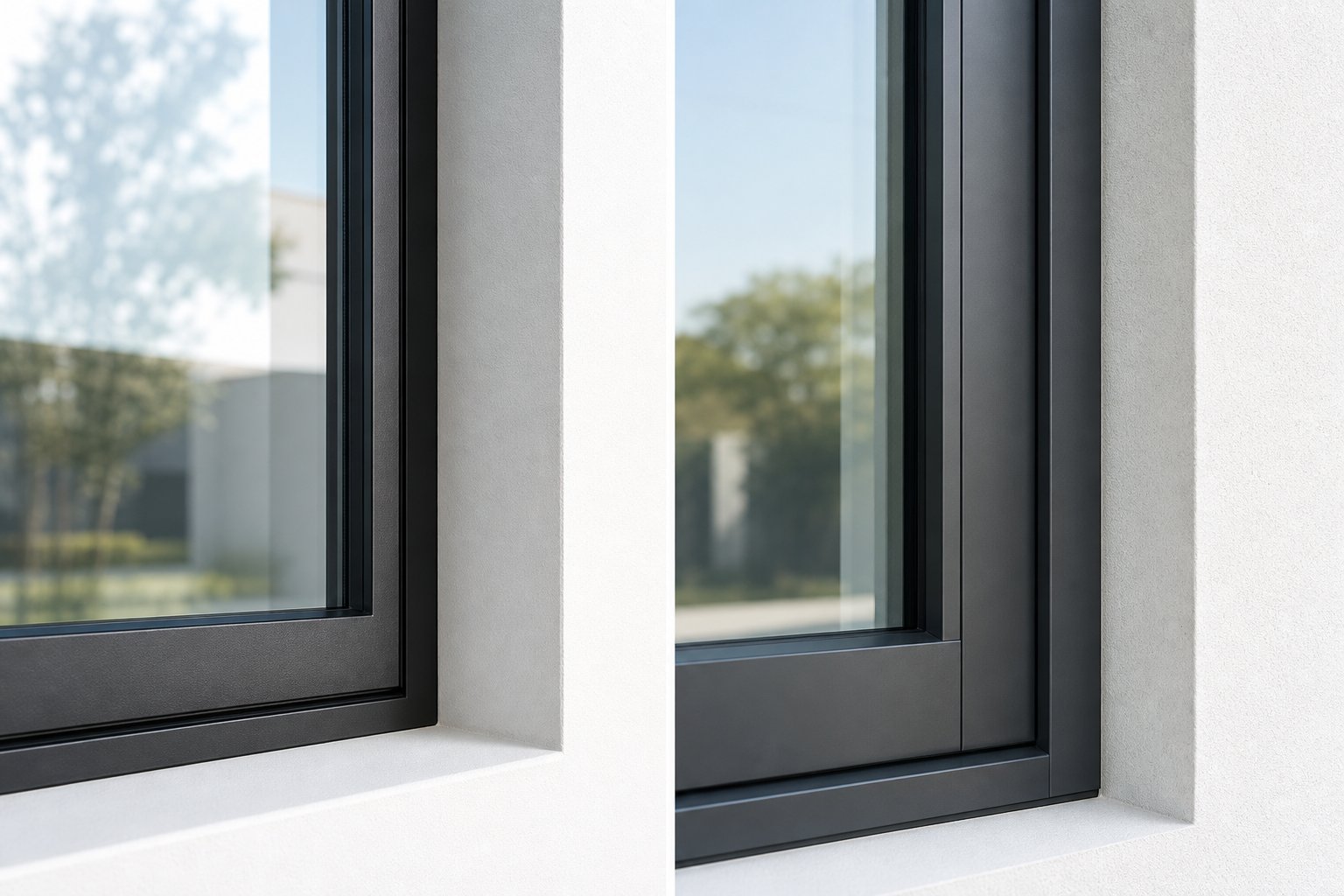
Aluminium vs Other Frame Materials for Sliding Windows
Choosing the right configuration is only half the decision. The frame material itself shapes how a sliding window performs over 20, 30, or 40 years. Aluminium dominates the Australian sliding window market, but vinyl, timber, and fibreglass all compete for attention. Each has genuine strengths, and each has limitations that sellers rarely spell out. Here is how they compare on the criteria that matter most for sliding window applications specifically.
Aluminium vs Vinyl Frames
Vinyl (uPVC) frames are often positioned as the budget-friendly alternative to aluminium window frames. On thermal insulation alone, vinyl has a natural edge. PVC is non-conductive, so the frame itself transfers less heat than a standard metal window frame without a thermal break. For smaller, standard-sized openings in temperate climates, that insulation advantage is real.
The trade-off shows up in structural performance. Vinyl profiles need to be significantly thicker than aluminium to achieve the same rigidity, which eats into visible glass area. For sliding windows wider than about 1.8 metres, vinyl frames often require internal steel reinforcement to prevent sagging or misalignment over time. Aluminium window frames, by contrast, maintain structural integrity at slim dimensions even across spans exceeding 3 metres.
Colour options tell a similar story. Vinyl is typically limited to white, beige, or a handful of laminated finishes. Aluminium accepts powder coating in virtually any colour, and the finish resists fading and chipping for decades. Maintenance is comparable for both materials in standard environments, but vinyl can warp or discolour under prolonged UV exposure, a genuine concern across much of Australia where solar radiation is intense year-round.
Aluminium vs Wood and Fibreglass
Timber windows and window frames deliver warmth and character that no other material replicates. They insulate well and suit heritage homes or traditional architectural styles. But timber is a poor match for sliding window mechanisms. The weight of hardwood panels increases roller wear, and timber's susceptibility to moisture means tracks and sills need regular sealing to prevent swelling and binding. Maintenance demands, including sanding, repainting, and treating for rot, add up over the life of the window. Typical timber frame lifespans sit around 20 to 30 years before significant repair or replacement becomes necessary.
Fibreglass sits at the premium end. It insulates better than aluminium, resists thermal expansion, and lasts as long or longer. The catch is cost and availability. Fibreglass sliding windows are considerably more expensive than aluminium equivalents in the Australian market, and fewer local suppliers stock them. The profiles are also thicker than aluminium, reducing the slim-sightline advantage that makes metal framed windows so appealing in contemporary architecture.
For sliding windows specifically, aluminium's combination of slim profiles, structural rigidity at large sizes, and design flexibility gives it an edge that other materials struggle to match. Metal frame windows allow maximum glass area while supporting the mechanical demands of heavy sliding panels on tracks, something vinyl and timber handle less gracefully as openings grow wider.
| Criteria | Aluminium | Vinyl (uPVC) | Timber | Fibreglass |
|---|---|---|---|---|
| Durability (years) | 40+ | 20-30 | 20-30 (with maintenance) | 40-50+ |
| Maintenance level | Low | Low | High (regular sealing/painting) | Very low |
| Colour/finish options | Virtually unlimited (powder coat) | Limited (white, beige, some laminates) | Paintable/stainable | Paintable, factory finishes |
| Maximum span width | 3 m+ per panel | ~1.8 m (reinforced) | ~2 m (weight-limited) | 2.5 m+ |
| Thermal performance | Moderate (good with thermal break) | Good (naturally insulating) | Good (natural insulator) | Excellent |
| Recyclability | 100% recyclable | Limited recyclability | Biodegradable but not easily recycled | Difficult to recycle |
| Relative cost (supply only) | Mid-range | Low | High | Premium |
The table makes one thing clear: aluminum frame windows occupy a middle ground that balances cost, longevity, and performance better than any single competitor for sliding applications. Vinyl wins on upfront price and basic insulation, timber wins on aesthetics for traditional builds, and fibreglass wins on raw thermal performance. But none of them match aluminium's ability to deliver slim sightlines and structural rigidity across the wide openings that sliding windows are designed to fill.
That said, aluminium's thermal conductivity remains its one genuine weakness. Without a thermal break, aluminium window frames can transfer heat and cold more readily than the alternatives. The next consideration, then, is how modern engineering addresses that gap and whether it changes the equation for your climate zone.
Thermal Performance and Energy Efficiency Demystified
Aluminium conducts heat roughly 1,000 times faster than timber. That single fact is the most common objection buyers raise, and it is a legitimate concern. But it is also an incomplete picture. Modern aluminium sliding windows use engineered solutions that dramatically reduce thermal transfer, and understanding how these work puts you in a stronger position when evaluating aluminium sliding windows for sale.
Understanding Thermal Break Technology
A thermal break is a strip of insulating material, typically polyamide reinforced with glass fibre, mechanically locked between the interior and exterior aluminium profiles. It physically separates the two halves of the frame so heat cannot conduct straight through the metal. Think of it as cutting a bridge in half and filling the gap with something that barely transfers energy at all.
The numbers tell the story clearly. A standard aluminium frame without a thermal break has a U-value around 5.0 to 7.0 W/m²K. Add a basic polyamide thermal break (14 to 24 mm wide) and that drops to roughly 2.0 to 3.5 W/m²K. Premium multi-chamber systems with wider breaks (30 mm or more) push frame U-values below 1.5 W/m²K, approaching the performance of vinyl and fibreglass. Some manufacturers use the term "thermally improved" rather than "thermally broken," which typically indicates a narrower break or a simpler profile design. Both improve on standard aluminium, but the performance gap between them can be significant, so always ask for the actual U-value rather than relying on marketing labels.
Beyond energy savings, thermal breaks eliminate condensation on the interior face of the window aluminum frame. In humid coastal areas or during cold winter mornings in southern states, condensation on non-thermally broken frames leads to mould growth and damage to surrounding plasterwork. A properly specified thermal break keeps the interior frame surface warm enough to stay above the dew point.
Glazing Options and Their Impact on Efficiency
The frame is only part of the equation. Glass typically accounts for 70 to 80 percent of a sliding window's total area, so glazing specification has an outsized effect on overall thermal performance.
Single-pane glass, still found in older single pane aluminum windows across Australia, offers almost no insulation. Its U-value sits around 5.8 W/m²K, meaning heat passes through it nearly as fast as through an unbroken aluminum glass frame. Upgrading to double glazing with a 12 to 16 mm argon-filled cavity and a Low-E coating brings the glass U-value down to approximately 1.1 to 1.3 W/m²K. Triple glazing pushes further, reaching 0.6 W/m²K in premium configurations, though the added weight and cost make it less common in Australian residential projects where winters are milder than in northern Europe or Canada.
Key glazing technologies that interact with aluminium frames include:
- Low-E coatings: Microscopically thin metallic layers applied to the glass surface that reflect infrared heat while allowing visible light through. Essential for reducing solar heat gain in Australian summers.
- Argon gas fill: Denser than air, argon slows convective heat transfer between panes. Standard in quality double-glazed units.
- Warm-edge spacers: Non-metallic spacer bars between panes reduce heat loss at the glass edge where it meets the frame, complementing the thermal break in the aluminium profile.
When evaluating windows with aluminum frame construction, two performance numbers matter most. The U-value (lower is better) tells you how much heat passes through the entire window assembly, frame and glass combined. The Solar Heat Gain Coefficient (SHGC) indicates how much solar radiation enters as heat. In Australia, the Window Energy Rating Scheme (WERS) combines these into star ratings that simplify comparison, but understanding the underlying numbers helps you spot where one product genuinely outperforms another versus where the difference is negligible.
Climate Suitability and When Thermal Breaks Are Essential
Australia spans NCC climate zones 1 through 8, from tropical Darwin to alpine regions in Victoria and New South Wales. The thermal specification that makes sense for a home in Cairns differs substantially from what a property in Hobart or the Snowy Mountains requires. Here is a practical breakdown:
- Climate Zones 1-2 (Tropical: Darwin, Cairns, Far North QLD): Heat gain is the primary concern, not heat loss. Standard aluminium frames without thermal breaks perform adequately here, but Low-E glass with a low SHGC is critical. Focus budget on glazing performance rather than frame insulation.
- Climate Zones 3-5 (Subtropical to warm temperate: Brisbane, Sydney, Perth, coastal NSW): Both summer heat gain and winter heat loss matter. Thermally improved or thermally broken frames paired with double glazing and Low-E coatings deliver a strong balance. WERS ratings of 4 stars or above are a reasonable target.
- Climate Zones 6-7 (Mild to cool temperate: Melbourne, Adelaide, Canberra, Hobart): Winter heat loss dominates energy costs. Thermally broken aluminium frames are essential here, not optional. Double glazing with argon fill and Low-E is the minimum; triple glazing is worth considering for south-facing openings or highly exposed sites.
- Climate Zone 8 (Alpine: Snowy Mountains, Victorian highlands): Maximum thermal performance is non-negotiable. Specify premium multi-chamber thermally broken frames with triple glazing, argon or krypton gas fill, and warm-edge spacers. These areas demand the highest-performing aluminum frame glass assemblies available.
For aluminum retrofit windows replacing older single-glazed units, the performance jump is dramatic regardless of climate zone. Even a basic thermally improved frame with double glazing can cut window-related heat transfer by 60 to 70 percent compared to the original single-pane setup. If your home still has non-thermally broken aluminium sliders from the 1980s or 1990s, upgrading the frame and glass together delivers far better results than reglazing alone.
Thermal performance is the invisible specification, the one you cannot see in a showroom but feel every day you live with the window. Getting it right depends on honest climate assessment and understanding what the numbers actually mean. Equally important, though, is what you see every day: the finish on the frame itself, and how well it holds up against Australian sun, salt, and time.
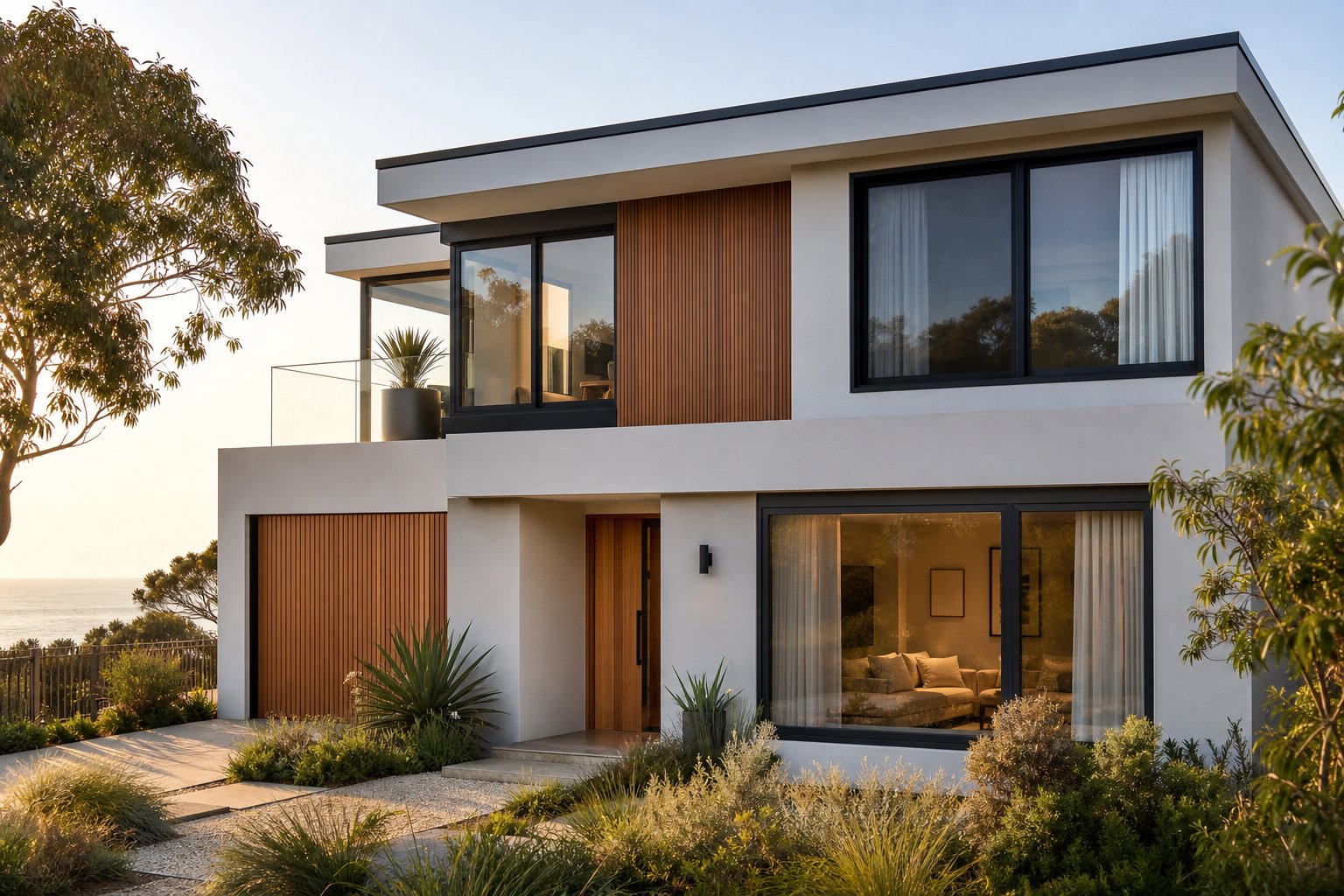
Finish Options and Long-Term Durability
The finish on your aluminium frames for windows does more than look good on installation day. It is the first line of defence against UV degradation, salt air, moisture, and the general wear of Australian conditions. Two primary finishing methods dominate the market, powder coating and anodising, and the difference between them affects colour choice, repairability, and how the frame ages over decades. Most sellers list finish options without explaining what actually makes one coating outlast another.
Powder Coating Durability and Colour Range
Powder coating applies a dry thermoplastic or thermoset powder to the aluminium surface using an electrostatic charge, then cures it in an oven at around 200°C. The result is a dense, uniform film that bonds mechanically and chemically to the metal. Quality powder-coated aluminium sliding windows resist chipping, fading, and corrosion far better than wet-paint alternatives, and the colour range is virtually unlimited.
Coating quality varies significantly between suppliers. The key specification to ask about is minimum local film thickness, which should sit at or above 40 microns for decorative surfaces on external windows. Thinner coatings wear faster, particularly on coastal properties where salt exposure accelerates breakdown. A reputable manufacturer will warrant their powder coating against fading, chalking, and peeling for 10 to 15 years minimum, with premium marine-grade coatings carrying warranties up to 25 years.
The practical advantage for buyers is flexibility. Whether you want matte black aluminum windows for a contemporary facade, classic white aluminum windows for a Queenslander renovation, or a custom RAL colour to match existing cladding, powder coating accommodates it. Repairs are also straightforward. A chipped section can be touched up or recoated without replacing the entire frame, keeping long-term maintenance costs low.
Anodising vs Powder Coating
Anodising takes a fundamentally different approach. Rather than applying a coating on top of the aluminium, the process submerges the metal in an acidic electrolyte bath and passes an electrical current through it. This grows a hard oxide layer from the aluminium itself, creating an integral finish that cannot peel or flake because it is part of the metal's structure.
The trade-offs between the two methods come down to durability versus versatility:
- Scratch resistance: Anodised finishes are harder and more scratch-resistant than powder coating, making them better suited to high-traffic commercial applications.
- Colour range: Anodising is limited to metallic tones, typically natural silver, bronze, champagne, and dark charcoal. Powder coating offers hundreds of colours including bold, matte, and textured options.
- Repairability: Powder coating can be touched up or recoated locally. Anodised surfaces cannot be spot-repaired; damaged sections may require full panel replacement.
- Cost: Powder coating is generally more budget-friendly. Anodising carries a premium, though its longer lifespan can offset the upfront difference over time.
For most residential aluminium sliding windows, powder coating is the practical choice. It delivers the colour freedom homeowners want at a reasonable price point. Anodising suits projects where a metallic aesthetic is the goal, or where the frames face extreme abrasion or harsh coastal salt exposure and the owner prioritises longevity over colour variety. Thin frame windows with anodised finishes are particularly popular in minimalist architectural designs where the natural metallic sheen complements clean lines.
Colour Matching and Architectural Consistency
Getting the colour right matters more than many buyers realise until the frames are installed. Window frames interact visually with roofing, fascia, gutters, cladding, and door hardware. A mismatch stands out immediately and is expensive to correct after the fact.
Current trends in the Australian market lean toward darker, bolder tones for contemporary builds and softer neutrals for traditional or coastal homes. Here are the most popular finish colours and where they work best:
- Matte black (e.g. RAL 9005): Dominant in modern and industrial-style homes. Creates strong contrast against light render or timber cladding. The most requested colour for aluminum cladding windows on new builds.
- Charcoal/anthracite grey (e.g. RAL 7016): Slightly softer than black, suits urban and minimalist designs without the starkness of pure black.
- White (e.g. RAL 9010): Timeless and versatile. Works across heritage, coastal, and Hamptons-style homes. Reflects heat effectively in warmer climates.
- Bronze/dark bronze: Popular for bronze aluminum windows in earthy, natural palettes. Pairs well with stone, brick veneer, and timber accents.
- Monument (Colorbond match): A dark grey-brown that coordinates with one of Australia's most popular Colorbond roofing colours, ensuring a cohesive exterior palette.
- Surfmist/off-white (Colorbond match): A warm neutral that blends with lighter roofing and rendered walls without the clinical brightness of pure white.
Most quality suppliers offer custom colour matching to any RAL code or Colorbond shade. Some also provide dual-colour options, a different finish on the interior face versus the exterior, so you can match your indoor palette independently of the street-facing aesthetic. When requesting quotes for aluminium sliding windows for sale, always confirm whether custom colours carry additional cost or extended lead times, because they typically do.
A finish that looks right and lasts decades is only valuable if the window fits the opening correctly. Measurement accuracy and installation quality determine whether that carefully chosen frame performs as intended once it is in the wall.
Measuring and Installation Essentials
A perfectly specified aluminium sliding window means nothing if the measurements are wrong or the installation is botched. Yet most suppliers skip over this part of the conversation, assuming buyers will leave it entirely to the installer. Having a working knowledge of how measurement and fitting actually work gives you leverage when requesting quotes and helps you spot corners being cut.
How to Measure for Aluminium Sliding Windows
Whether you are sizing a new opening or planning an aluminium window replacement for an existing one, the measurement process follows the same logic. You need three dimensions: width, height, and reveal depth.
For width, measure between the jambs at three points: top, middle, and bottom of the opening. Record the smallest figure. Openings are rarely perfectly parallel, and using the largest measurement risks ordering a window that physically will not fit. For height, measure from the high point of the sill to the head of the opening at three positions: left, centre, and right. Again, use the smallest number.
Reveal depth matters too. Measure from the interior face of the wall to the exterior face where the frame will sit. Aluminium sliding window frames typically need a minimum depth of around 50 to 75 mm, depending on the profile system. If your reveal is shallower than the frame requires, you may need packing or a different profile.
Checking for square is the step most DIY measurers skip. Measure diagonally from corner to corner in both directions. If the two diagonal measurements differ by more than 3 mm, the opening is out of square and the installer will need to account for that with packers or trimming. For preliminary sizing and quote requests, these measurements get you close. But for final ordering, professional measurement is worth the investment. A 2 mm error across a 2.4-metre sliding panel can mean the difference between smooth operation and a window that binds or leaks.
Standard Sizes vs Custom Orders
Australian suppliers typically stock standard aluminium sliding windows in common increments. Two-panel sliders in widths of 1200 mm, 1500 mm, 1800 mm, and 2100 mm are widely available off the shelf, with heights ranging from 600 mm to 1500 mm. These standard sizes suit most bedrooms, bathrooms, and kitchen openings in typical brick veneer or weatherboard homes.
Custom sizing becomes necessary when your opening does not align with standard dimensions, when you are replacing old aluminium windows in a period home with non-standard reveals, or when the design calls for oversized panels in living areas. Made-to-measure windows provide a precise fit that eliminates gaps and reduces reliance on excessive packing or trimming during installation. The trade-off is lead time and cost. Standard sizes ship within days. Custom orders typically add two to four weeks for manufacturing, and pricing runs 20 to 40 percent higher depending on the supplier and complexity. For projects with tight deadlines, confirming whether your openings match standard dimensions early in the planning phase can save significant time. Aluminium window frame kits in standard sizes also simplify logistics for builders managing multiple openings across a project.
What to Expect During Installation
Installation approach depends on whether you are fitting windows into a new build or replacing existing frames. New construction installation is straightforward: the aluminium frame mounts directly into the rough opening with brackets or fixing lugs, then gets flashed, sealed, and trimmed. Retrofit installation, the more common scenario for replacement windows aluminium buyers face, involves working within or around existing framing.
In a retrofit scenario, the old sashes and hardware are removed while the existing outer frame may stay in place if it is structurally sound. A new aluminium frame is then fitted inside the existing opening. Full-frame replacement removes everything down to the rough opening, which allows for proper flashing and maximum glass area but involves more disruption and finishing work. For homes with severely corroded or damaged old aluminium windows, full-frame replacement is usually the only viable path.
Regardless of approach, the installation sequence follows a predictable pattern:
- Remove existing window sashes, hardware, and (if full-frame) the old frame assembly.
- Inspect the rough opening for damage, rot, or moisture issues and repair as needed.
- Dry-fit the new aluminium frame to confirm sizing and check for level and plumb.
- Apply flashing tape and waterproofing membrane around the opening perimeter.
- Position and secure the frame using fixing brackets, screws, or mounting lugs.
- Pack any gaps with shims to ensure the frame is square and the tracks are level.
- Seal the perimeter with appropriate sealant to prevent water ingress and air leakage.
- Install glazed panels, sliding sashes, and hardware including rollers, locks, and handles.
- Adjust rollers and test sliding operation for smooth, even travel across the full track.
- Fit internal and external trims, architraves, or reveal linings to finish the installation.
For a standard aluminium window replacement using the retrofit method, expect each opening to take one to three hours. Full-frame replacement runs longer, typically four to eight hours per window once you factor in waterproofing and finishing. A typical three-bedroom home with 10 to 12 openings can be completed in two to three days for retrofit, or one to two weeks for full-frame work including plastering and painting.
The installation method also affects what replacement aluminum windows cost in total. Retrofit keeps labour and finishing costs down because surrounding wall surfaces remain untouched. Full-frame replacement adds trades like plasterers and painters to the bill, but delivers maximum performance and allows you to resize openings if the design calls for it. Knowing which approach your project requires before you request quotes prevents surprises when the final invoice arrives, and it sets realistic expectations for how long your home will be a construction zone.
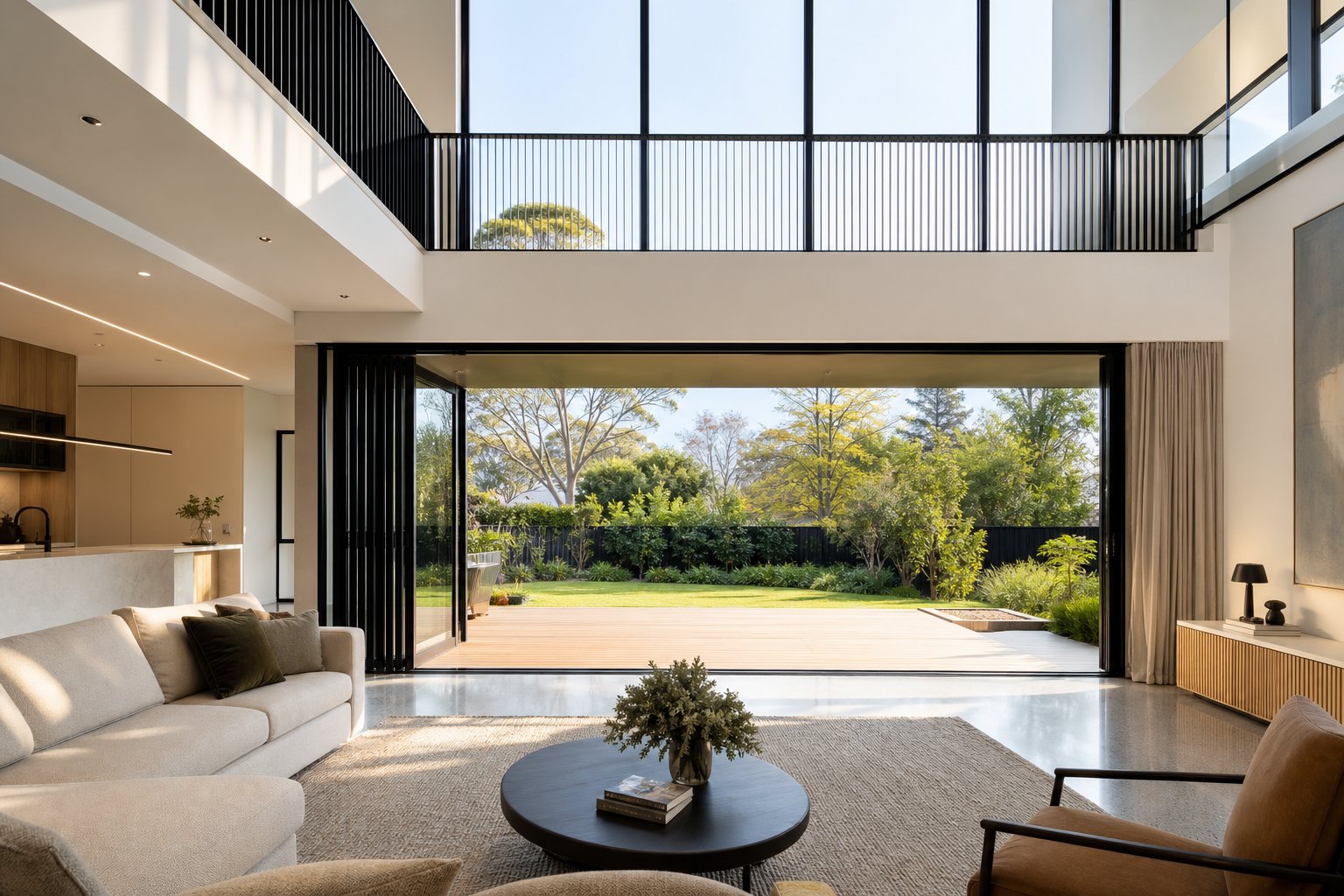
Where to Buy Aluminium Sliding Windows
Knowing what to specify is one thing. Knowing where to buy it, and understanding what each purchasing channel actually delivers, is where many buyers lose money or end up with the wrong product. The Australian market offers several distinct paths to sourcing aluminium sliding windows for sale, and each comes with trade-offs that sellers rarely lay out side by side.
Buying Direct from Manufacturers vs Dealers
Buying direct from a manufacturer means dealing with the company that actually extrudes the profiles, assembles the frames, and glazes the units. For builders, developers, and homeowners running larger projects, this channel offers genuine advantages. Customisation is broader because you are working with the production team rather than selecting from a dealer's limited catalogue. Pricing can be more transparent too, since there is no intermediary margin built into the quote. Bulk orders, multi-dwelling developments, and non-standard specifications all benefit from this direct relationship.
The limitation is accessibility. Not every manufacturer sells to individual homeowners, and those that do may require minimum order quantities or longer lead times for smaller jobs. You also take on more responsibility for coordinating installation separately unless the manufacturer offers a supply-and-install package.
Dealers and window showrooms fill a different role. They stock products from one or several aluminium window suppliers, provide local display units you can physically inspect, and typically bundle installation into their pricing. For a homeowner replacing three or four windows in a renovation, a dealer simplifies the process considerably. The trade-off is cost. Dealer margins, showroom overheads, and sales commissions all get built into the quoted price. Industry analysis suggests retail channel mark-ups can add 20 to 40 percent above factory-direct pricing, particularly on custom colours and non-standard sizes.
Online Retailers and Project Supply Specialists
Online purchasing has grown rapidly for standard aluminium windows for sale in common sizes. The convenience is obvious: compare specifications, check pricing, and order without leaving your desk. But buying windows online introduces risks that do not apply to smaller purchases. Shipping damage is common with large glass panels, and return logistics for a 2.4-metre sliding window are neither simple nor cheap. Before ordering online, verify three things: what the warranty covers if the product arrives damaged, who bears the freight cost for returns, and whether the supplier has Australian-based support for warranty claims.
Project-based supply specialists occupy a distinct space from retail channels. These are manufacturers or distributors set up to serve builders, developers, and architects working across multiple sites. They offer configurable product systems rather than fixed catalogue items, meaning you can specify track configurations, screen types, lock hardware, and glazing independently for each opening. Lead times are structured around project schedules rather than off-the-shelf availability.
For example, MEICHEN's MA100 Sliding Window is a project-supply system where buyers configure track count, screen options, and lock types to suit each opening across a development. This model works well for builders managing multiple dwellings or homeowners undertaking whole-house replacements who want consistency across every window without paying retail margins on each unit. It represents how a dedicated aluminum window supplier structures its offering differently from a showroom-based dealer.
Choosing the right channel depends on your project scale, how much hand-holding you need, and whether customisation or convenience matters more. The table below breaks down each option across the criteria that affect your final outcome:
| Buying Channel | Customisation Level | Pricing Transparency | Installation Support | Best Suited Buyer |
|---|---|---|---|---|
| Project-based supplier (e.g. MEICHEN) | High — configurable tracks, screens, locks, glazing per opening | High — itemised project pricing | Varies — often supply-only with installer referrals | Builders, developers, architects, whole-house renovators |
| Manufacturer direct | High — full range of profiles and finishes | Moderate to high — depends on minimum order requirements | Sometimes included, often supply-only | Large residential projects, commercial fitouts, bulk orders |
| Dealer/showroom | Moderate — limited to stocked product lines | Low to moderate — margins and overheads bundled in | Typically included in quoted price | Homeowners replacing a few windows, small renovations |
| Online retailer | Low — standard sizes and configurations only | High — listed pricing, easy to compare | Rarely included — buyer arranges independently | Budget-conscious buyers comfortable with DIY coordination |
No single channel is universally better. A homeowner searching for aluminium windows for sale to replace a bedroom slider has different needs from a developer sourcing 200 openings across a townhouse project. The key is matching your project's complexity and scale to the channel that delivers the right balance of support, flexibility, and value. Whichever path you choose, the questions you ask before committing to a purchase matter just as much as where you buy, and most buyers do not ask nearly enough of them.
Essential Questions to Ask Before You Buy
Sellers expect you to compare prices. They do not expect you to interrogate their specifications, warranty fine print, or what is quietly excluded from a quote. The difference between a purchase you are happy with in five years and one you regret often comes down to the questions you asked, or did not ask, before signing off.
Questions About Product Specifications
Product spec sheets can be dense, but a few targeted questions cut through the noise quickly. Whether you are sourcing commercial aluminium windows for a multi-storey development or residential aluminum windows for a family home, the technical questions remain the same.
Start with thermal performance. Ask for the whole-window U-value, not just the glass or frame in isolation. A supplier quoting only the glass U-value may be masking a non-thermally broken frame that drags overall performance down. Ask whether the profile uses a polyamide thermal break and what width it is. Then move to glazing: confirm glass thickness, whether Low-E coatings are included as standard or optional, and whether argon gas fill is part of the sealed unit or an upgrade.
For sliding windows specifically, ask about maximum panel size and weight capacity for the track system. A panel that exceeds the roller rating will operate poorly from day one and wear out hardware prematurely. Confirm the hardware brand and origin too. Cheap unbranded rollers and locks are where many aluminum sliding windows commercial projects get let down within the first few years of operation.
Questions About Warranty and After-Sales Support
A warranty is only as useful as its specifics. Vague promises of "10-year coverage" mean little without knowing exactly what is covered and what voids the claim. Industry-standard warranty structures typically break into separate components, each with its own duration:
- Frame and structural integrity: 10 to 25 years, covering warping, cracking, or structural failure under normal use.
- Powder coating and finish: 10 to 15 years for standard coatings; up to 25 years for marine-grade finishes. Should cover fading, chalking, and peeling.
- Insulated glass units (IGUs): Typically 10 years covering seal failure, internal condensation, or delamination.
- Hardware and moving parts: 5 to 10 years on rollers, locks, handles, and friction stays.
- Installation and labour: 1 to 2 years, sometimes longer if fitted by the manufacturer's own team.
Ask whether the warranty requires registration within a set period, whether it transfers to a new owner if you sell the property, and what maintenance obligations you must meet to keep coverage valid. Then ask the question most buyers forget: are replacement parts available independently, or does a failed roller or lock mechanism mean replacing the entire sash? A good supplier stocks spare hardware and can service their products years after installation.
Questions About Pricing and Lead Times
Quoted pricing for aluminum doors and windows varies wildly in what it includes. One supplier's $800 quote might cover the frame, glazing, hardware, screens, and delivery. Another's $600 quote might be frame-only, with every addition itemised separately. Without asking, you cannot compare them meaningfully.
Confirm what is bundled into the quoted figure: glass specification, flyscreens, security locks, weather seals, delivery to site, and whether installation labour is included or separate. For commercial aluminum sliding windows projects, also ask about staged delivery schedules and whether partial shipments attract additional freight charges.
Lead times depend on order type. Standard sizes from stock typically ship within five to ten business days. Custom dimensions, non-standard colours, or large project orders run two to six weeks. Ask what deposit is required upfront, what triggers progress payments, and what happens to your deposit if the manufacturer misses the agreed delivery date.
Here is a ready-made checklist you can take directly to any supplier, ordered by priority:
- What is the whole-window U-value (frame and glass combined) for the configuration I am quoting?
- Does the aluminium profile include a thermal break, and what width is it?
- What glazing is included as standard — glass thickness, Low-E coating, gas fill?
- What is the maximum panel weight the track and roller system supports?
- Who manufactures the hardware (rollers, locks, handles), and are spare parts available long-term?
- What exactly does the warranty cover — frame, finish, glass seals, hardware, and labour separately?
- Are there maintenance requirements that could void the warranty?
- What is included in the quoted price — glass, screens, hardware, delivery, installation?
- What is the lead time for my specific order, and what causes delays?
- What deposit structure applies, and what are the payment milestones?
Print this list or save it on your phone. Any reputable supplier will welcome these questions and answer them clearly. Hesitation or vague responses on any point is a signal to keep looking. The answers you gather here feed directly into your final decision, which comes down to matching the right specifications to your specific project requirements.
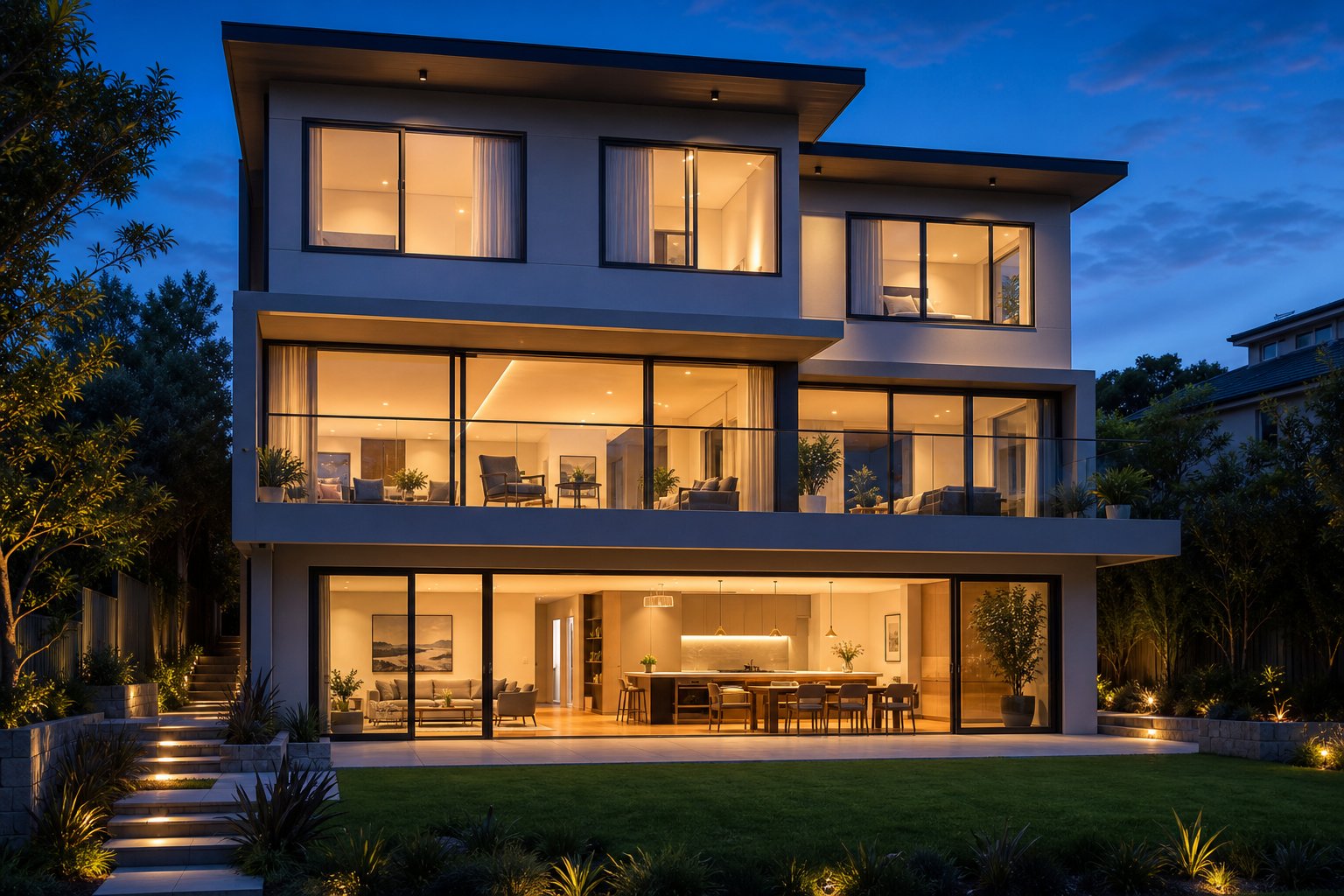
Choosing the Right Aluminium Sliding Window for Your Project
Every specification discussed in this guide, thermal breaks, glazing types, finish options, track configurations, and buying channels, feeds into one practical outcome: selecting the aluminium sliding window that fits your project without overpaying or underspecifying. The challenge is not a lack of information. It is weighing competing priorities against a real budget and a real building.
Matching Window Specifications to Your Project Needs
Start with climate. If your property sits in NCC climate zones 6 through 8, thermally broken frames and double glazing are non-negotiable. In tropical zones 1 and 2, standard aluminium with high-performance Low-E glass delivers better value than spending on premium frame insulation you will rarely benefit from. Get this decision right first because it sets the floor for your budget.
Size requirements come next. A sliding aluminum window spanning 2.4 metres or more needs a track and roller system rated for the panel weight. Confirm this with the supplier rather than assuming their standard system handles your opening. For anything beyond 3 metres per panel, lift-and-slide hardware is likely necessary, and that shifts both cost and lead time upward.
Finish preference is where personal taste meets practical durability. Coastal properties in salt-air zones benefit from marine-grade powder coating or anodising, even if the upfront cost is higher. Inland suburban homes can comfortably specify standard powder coating in their preferred colour without concern. Match the coating warranty to how long you plan to own the property, and factor in whether a custom colour adds weeks to your timeline.
Budget ties everything together. Sliding aluminium windows range from roughly $400 to $1,500 per opening (AUD, supply only) depending on size, thermal specification, and finish. Installation adds $150 to $500 per window for retrofit, more for full-frame replacement. Prioritise thermal performance and hardware quality over cosmetic upgrades if the budget is tight. A well-insulated window with quality rollers will serve you better over 20 years than a premium colour on a poorly specified frame.
Taking the Next Step with Confidence
Request quotes from at least three suppliers across different channels. Compare them using the checklist from the previous section so you are evaluating like for like, not just headline price against headline price. Visit a showroom if one is accessible. Operating a sliding aluminum window in person tells you more about roller quality and frame rigidity than any specification sheet can.
For builders, developers, and homeowners evaluating aluminum windows sliding into Australian residential or commercial projects, exploring configurable product systems helps clarify what is available beyond standard catalogue items. MEICHEN's MA100 Sliding Window is one such resource where you can review track, screen, and lock configurations tailored to project-based supply. It is a useful starting point for understanding how specifications translate into a real product, particularly if you are coordinating multiple openings across a build.
Ultimately, the right aluminium sliding window is the one that matches your climate zone, fits your opening precisely, uses hardware rated for the panel weight, carries a warranty with clear terms, and comes from a supplier who answers your questions without hesitation. Sellers will not always volunteer the details that matter most. You now know what to ask, what to compare, and where the gaps in a quote tend to hide. Use that knowledge, and the purchase becomes a straightforward decision rather than a gamble.
Frequently Asked Questions About Aluminium Sliding Windows
1. How long do aluminium sliding windows last compared to other frame materials?
Aluminium sliding windows typically last 40 years or more without structural degradation when properly maintained. This significantly outperforms vinyl (uPVC) frames, which generally need replacement within 20 to 30 years, and timber frames, which require intensive maintenance and often need major repair or replacement in a similar timeframe. Fibreglass is the only material that matches or exceeds aluminium's lifespan at 40 to 50+ years, though it comes at a considerably higher price point in the Australian market and offers fewer local supplier options.
2. Are thermally broken aluminium windows worth the extra cost in Australia?
Whether thermally broken frames are worth the investment depends on your NCC climate zone. In zones 6 through 8 (Melbourne, Canberra, Hobart, alpine regions), thermal breaks are essential rather than optional, as winter heat loss dominates energy costs. In subtropical to warm temperate zones 3 to 5 (Brisbane, Sydney, Perth), thermally improved or broken frames paired with double glazing deliver strong year-round performance. In tropical zones 1 and 2 (Darwin, Cairns), standard aluminium frames perform adequately, and your budget is better directed toward high-performance Low-E glazing to manage solar heat gain.
3. What is the difference between a 2-track and 3-track aluminium sliding window?
A 2-track aluminium sliding window has two panels on separate rails, allowing up to 50 percent of the opening width for ventilation. It suits standard residential openings in bedrooms, kitchens, and bathrooms. A 3-track system uses three panels on independent tracks, opening up to two-thirds of the total width. This configuration is better suited to living rooms, balcony-facing walls, and spaces where generous airflow and a wider clear opening are priorities. Each additional track adds frame depth, cost, and requires more attention to drainage and track maintenance over time.
4. Should I buy aluminium sliding windows from a dealer or direct from a manufacturer?
Dealers suit homeowners replacing a few windows in a renovation because they offer showroom displays, bundled installation, and simplified coordination. However, dealer margins can add 20 to 40 percent above factory-direct pricing. Buying direct from a manufacturer or project-based supplier like MEICHEN suits builders, developers, and larger renovation projects where customisation, transparent itemised pricing, and configurable specifications across multiple openings deliver better value. The trade-off with direct supply is that you may need to coordinate installation separately and meet minimum order requirements.
5. How much do aluminium sliding windows cost in Australia?
Aluminium sliding windows in Australia range from approximately $400 to $1,500 per opening for supply only, depending on size, thermal specification, track configuration, and finish. Installation adds $150 to $500 per window for retrofit work, or more for full-frame replacement that involves waterproofing and plastering. Custom sizes, non-standard colours, and premium hardware like lift-and-slide mechanisms push costs toward the higher end. Standard sizes from stock are the most budget-friendly option, while custom orders typically add 20 to 40 percent to the base price.